Home Blog Page 107

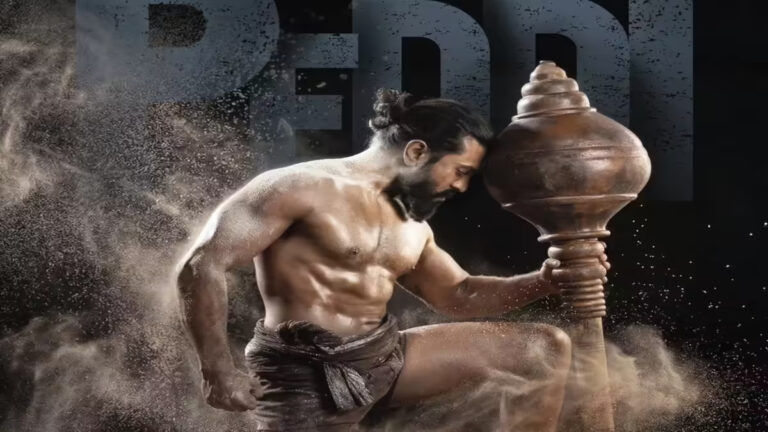
Security Concerns Mount as ‘Peddi’ and ‘The Paradise’ Face On-Set Leaks

0

April 28, 2026 — In a concerning turn of events for the Tollywood film industry, two of the year’s most highly anticipated projects, Peddi and The Paradise, have been hit by significant on-set leaks on the same day. These unauthorized releases have sent shockwaves through the production teams, reigniting the urgent conversation regarding set security and the protection of intellectual property in the era of viral social media.

The Incidents

The leaks, which emerged early this morning, have provided fans with unpolished, behind-the-scenes glimpses that the makers had intended to keep under wraps until official promotional campaigns.

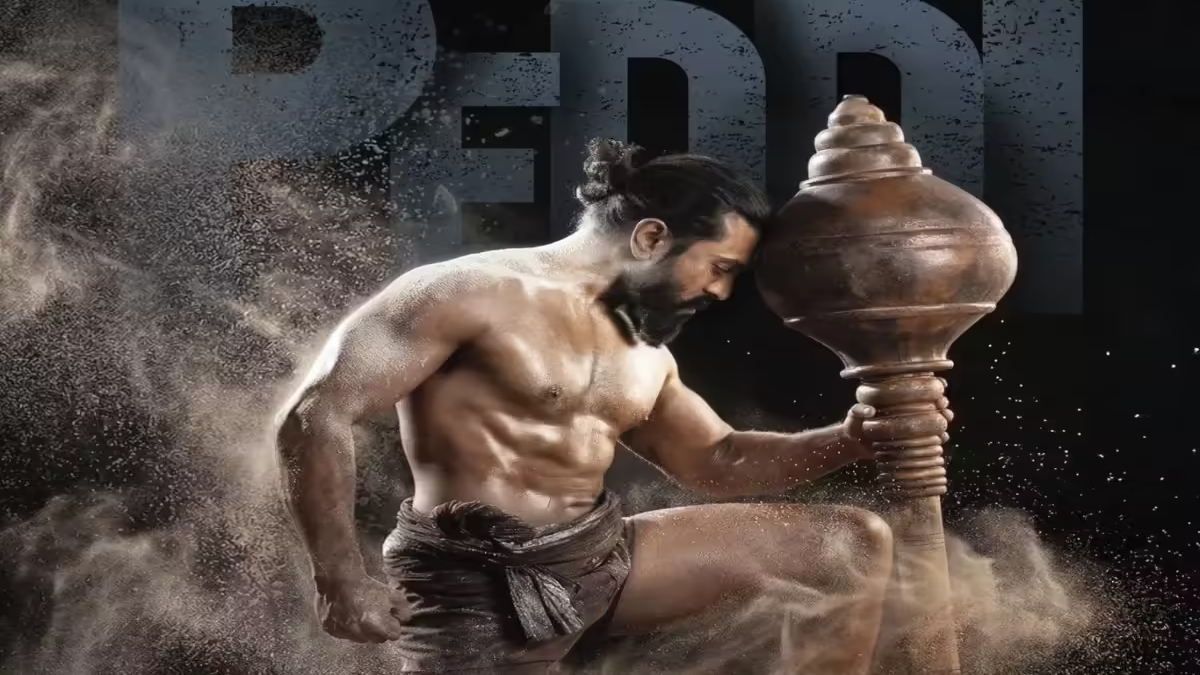
  • ‘Peddi’: Song Rehearsal Leaks The production of director Buchi Babu Sana’s rural sports drama Peddi has been dealt a blow with the unauthorized circulation of rehearsal footage. The leaked clips feature lead actor Ram Charan alongside Shruti Haasan during the choreography for a special musical number. Despite strict “no-mobile” policies on set, the footage surfaced on social media platforms, quickly gaining traction. Fans are buzzing over the visuals, but industry insiders note that the production house, Vriddhi Cinemas, is reportedly “severely displeased” with the breach.
  • ‘The Paradise’: Action Sequence Surfaces Simultaneously, The Paradise, the much-hyped periodical action drama directed by Dasara fame Srikanth Odela and starring Nani, has faced its own security nightmare. Reports indicate that a raw fight sequence was filmed clandestinely and uploaded online. The film, which has been building massive anticipation for its “raw and rustic” aesthetic, now faces the challenge of maintaining the mystery surrounding its intense action choreography.

A Growing Trend in Tollywood

This double leak is being viewed as a symptom of a larger, systemic issue in the industry. Both films are massive, pan-Indian projects with high stakes and substantial budgets.

“When you have sets of this magnitude, maintaining absolute secrecy is incredibly difficult, but it is essential,” says one industry analyst. “Today’s incidents with Peddi and The Paradise serve as a loud wake-up call. If unauthorized footage continues to circulate before the official marketing rollout, it dilutes the ‘wow’ factor that makers spend millions to create.”

Production Teams React

Both production houses are reportedly scrambling to identify the source of the breaches. It is widely expected that security protocols will be tightened significantly moving forward. Sources close to the sets indicate that teams are planning to implement even stricter confiscation policies for mobile devices and are considering legal action against platforms that host the leaked, copyrighted material.

Impact on Fans and Anticipation

Despite the frustration for the makers, the leaks have naturally stoked the fires of fan excitement.

  • Peddi: With music by Oscar-winner A.R. Rahman and a cast that includes Janhvi Kapoor, Shiva Rajkumar, and Jagapathi Babu, fans are eager for the film’s scheduled release on June 25, 2026.
  • The Paradise: With Nani in a transformative, rugged role alongside Mohan Babu and Kayadu Lohar, the film is set for an August 21, 2026, theatrical release across multiple languages.

While the leaked clips may offer a temporary thrill, the creative teams are urging fans to be patient and wait for the official, high-quality promotional material, emphasizing that the cinematic experience is designed for the big screen and should be viewed as intended.

As the industry grapples with these latest security breaches, all eyes are on how the producers of Peddi and The Paradise will pivot their security and promotional strategies in the coming weeks.
Aamir Khan Officially Confirms ‘3 Idiots’ Sequel: Phunsukh Wangdu Is Returning

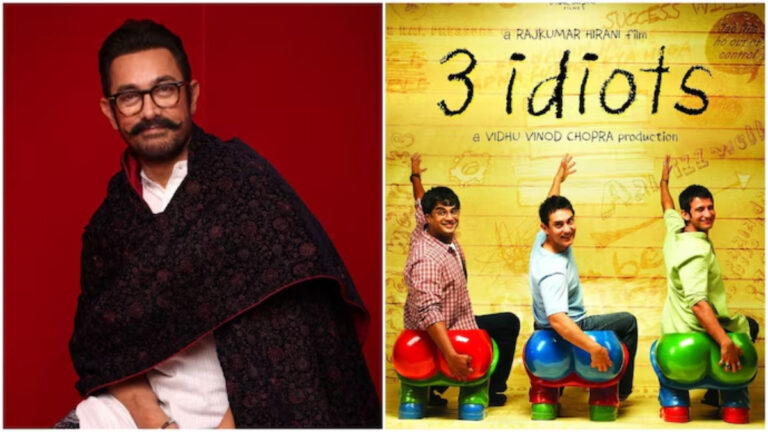
April 28, 2026: The wait that spanned nearly two decades is finally over. In a revelation that has sent shockwaves of excitement across the Indian film industry and beyond, superstar Aamir Khan has officially confirmed that a sequel to the 2009 cult classic 3 Idiots is currently in development.For years, fans have speculated about a potential follow-up to the iconic film that redefined how a generation viewed success, education, and friendship. Today, those rumors have been put to rest. During a promotional event for his upcoming production Ek Din, Aamir Khan dropped the bombshell: the story of Rancho, Farhan, and Raju is set to continue.

The Return of the Intellectual Maverick

Speaking about the project, Aamir Khan expressed genuine enthusiasm, confirming that director Rajkumar Hirani and writer Abhijat Joshi have cracked the code for a worthy successor.

“Raju (Hirani) is working on 3 Idiots 2 right now. I’ve heard the story, and it’s wonderful,” Khan revealed. “The script still needs some work, but the story itself is really good—unusual, with the same humor as the first film. It follows the characters from 3 Idiots, picking up 10 years later.”

For millions of fans, the character of Phunsukh Wangdu—the eccentric, brilliant inventor who challenged the rigid Indian education system—remains one of Aamir’s most beloved performances. Hearing that the actor is eager to step back into the shoes of the character he made famous is arguably the most exciting part of the announcement.

“It’s a beautiful story conceived by Raju and Abhijat,” Khan added. “I’m looking forward to it, and to playing Phunsukh Wangdu again.”

A Decade Later: What to Expect

While details regarding the plot remain tightly under wraps, the “10-year time jump” offers a fascinating narrative landscape.

When 3 Idiots hit theaters in 2009, it captured the anxiety and pressures of college life—the competitive exams, the crushing expectations of parents, and the struggle to find one’s passion amidst the sea of engineering degrees. A sequel set a decade later promises to explore how these characters have navigated the “real world.”

  • The Evolution of the Trio: Will we see Rancho still running his innovative school in Ladakh? Where have Farhan and Raju landed in their respective careers?
  • The Core Themes: Fans are eager to see if the sequel will maintain the film’s signature blend of comedy, emotional depth, and scathing social commentary, likely shifting its focus toward modern-day professional challenges and the continuing pursuit of “excellence.”

Why ‘3 Idiots’ Remains a Cultural Phenomenon

Released in 2009, 3 Idiots was more than just a box-office blockbuster—it was a movement. Directed by Rajkumar Hirani, the film became the first Indian production to gross over ₹400 crore worldwide, but its impact far outweighed its financial success.

Its message, “Pursue excellence, and success will follow,” became a mantra for millions. By highlighting the flaws in a rote-learning education system, it sparked national conversations and remains one of the most-watched and re-watched films on streaming platforms today.

Bringing back such a monumental piece of cinema is no small task. However, the reuniting of the core creative team—Aamir Khan, Rajkumar Hirani, and Abhijat Joshi—gives fans every reason to remain optimistic.

A Busy Slate for Aamir Khan

This confirmation comes at a time when Aamir Khan is balancing multiple creative ventures. While the 3 Idiots sequel is now officially in the pipeline, Khan also provided clarity on other projects. He confirmed that the highly anticipated biopic on Dadasaheb Phalke, which was set to be his next collaboration with Hirani, has been put on the back burner due to script-related challenges.

In the immediate future, Khan’s focus is on the release of Ek Din, a film produced by him and starring his son, Junaid Khan, alongside Sai Pallavi, slated for release on May 1, 2026.

As the industry and fans digest the news of 3 Idiots 2, the prevailing sentiment is one of “All is Well.” With the team of Hirani and Khan back in the saddle, the stage is set for a nostalgic yet fresh journey back to the world of Imperial College of Engineering.

Actor Kasturi Shankar Viral Response to Zoho Founder Call for NRIs to Return

0

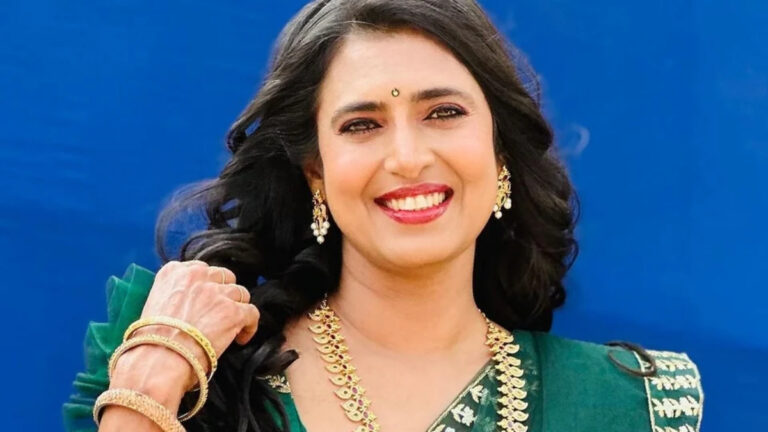
New Delhi, April 28, 2026: A heated debate over the “brain drain” versus “nation-building” narrative has ignited on social media following an open letter from Zoho founder Sridhar Vembu, who recently urged Indians living in the United States to return home. The appeal, intended to rally talent back to India, was met with a stinging rebuke from Tamil actor and activist Kasturi Shankar, whose candid account of her own return to India has gone viral.

The Spark: Sridhar Vembu’s Open Letter

Sridhar Vembu, a vocal proponent of rural entrepreneurship and “Make in India” initiatives, took to X (formerly Twitter) on April 27, 2026, to address the Indian diaspora. In his “Open Letter to Indians in America,” Vembu highlighted what he described as the rising anti-immigrant sentiment in the US.

He argued that the political climate in America, marked by ideological battles between what he termed the “hard right” and the “woke left,” left Indians as mere bystanders to a conflict where they are either scorned or pitied. Emphasizing that global respect for Indians ultimately depends on India’s own technological and economic prowess, he wrote:

“Please come back home. Bharat Mata needs your talent. Our vast youthful population needs the technology leadership you gained over the years to guide them towards prosperity.”

Vembu’s call was a plea for “missionary zeal,” asking high-skilled professionals to apply their hard-earned expertise to build India’s future rather than continuing to contribute to the US economy.

The Backlash: Kasturi Shankar’s “Cesspool” Critique

While some welcomed the call as a patriotic necessity, others were quick to point out the harsh practical realities of living and working in India. Among the most prominent critics was Tamil actor and activist Kasturi Shankar, whose response painted a starkly different picture of the Indian experience.

Shankar, who has personal experience with the repatriation journey, did not mince words. She described the idea of returning as a path often paved with regret, noting that while she and her classmates once dreamed of giving back to their motherland, the reality was discouraging.

In a series of posts, she wrote:

“India is terrible to do business in. It is impossible to stay honest and feel proud about it. Here, integrity is considered a liability!”

She went on to describe India as a “cesspool of social injustice,” citing institutional corruption, political interference, and an environment where merit is often sidelined by vote-bank politics. She also shared personal anecdotes about her own frustrations, alleging that the country did not value the talent of those who returned, forcing many to leave again. She challenged Vembu to remove his “rose-colored glasses” and acknowledge the systemic hurdles—such as bureaucratic red tape and the difficulty of maintaining ethical business practices—that discourage many from staying.

A Nation Divided on the “Return” Question

The exchange between Vembu and Shankar has become a lightning rod for broader societal frustrations, drawing in other voices such as entrepreneur Ashneer Grover. Grover echoed a similar sentiment to Shankar’s, dismissing the call with a blunt critique of India’s current economic and environmental conditions, referencing the record-breaking heat and currency exchange rates as practical deterrents.

The online discourse has largely split into two camps:

  • The “Nation-Builders”: Supporters of Vembu’s view argue that India’s growth is inevitable and that those who choose to return are the architects of the next stage of the country’s development. They maintain that the struggle is part of the journey and that change cannot happen if the country’s top talent continues to flee.
  • The “Realists”: This group contends that patriotism cannot feed families or sustain businesses in an environment lacking adequate infrastructure, clean cities, and a transparent legal system. They argue that until India addresses foundational issues—like corruption, air quality, and the ease of doing business—expecting professionals to trade a high quality of life for a “missionary” struggle is, as Grover put it, “delulu” (delusional).

The Bottom Line

The controversy highlights a fundamental tension in modern India. On one hand, there is the soaring ambition of a nation striving to become a global technological superpower. On the other, there is the lived reality of citizens who feel stifled by the very systems meant to support them.

Sridhar Vembu’s call for a return is rooted in the belief that talent is the ultimate sovereign resource. Conversely, Kasturi Shankar’s response serves as a sobering reminder that for talent to thrive, it requires a fertile ecosystem. As India continues to grow, this debate—between the dream of nation-building and the demand for a livable, honest, and functional society—is likely to remain at the forefront of the national conversation.

Kris Srikkanth Tears Into Hemang Badani After Delhi Capitals’ Latest Collapse

0

New Delhi, April 28, 2026: The Indian Premier League is often a theatre of high drama, where past words have a nasty habit of resurfacing at the most inopportune moments. For Delhi Capitals head coach Hemang Badani, that moment arrived on Tuesday, April 28, 2026, in the wake of a humiliating nine-wicket defeat at the hands of the Royal Challengers Bengaluru.

While the loss at the Arun Jaitley Stadium was painful enough—leaving the Delhi Capitals languishing in 7th place with a worrying three wins from eight matches—the headlines were stolen by a blistering, no-holds-barred takedown from former Indian captain and legendary opener, Kris Srikkanth.

The veteran analyst, known for his unfiltered and fiery takes, didn’t just critique the Capitals’ performance; he directed a sharp, pointed rebuke at Badani, dragging a year-old controversy back into the spotlight.

The Resurfaced Grudge

The friction between Srikkanth and Badani is rooted in comments made by the Delhi head coach during an interview in 2025. At the time, Badani had cast doubts on the coaching credentials of Chennai Super Kings (CSK) head coach Stephen Fleming.

Badani’s stance was blunt: he argued that Fleming’s success was largely a byproduct of MS Dhoni’s captaincy rather than his own tactical acumen. “What has he [Fleming] achieved as a coach in other leagues?” Badani had questioned, suggesting that the CSK dynasty was built entirely on the shoulders of the former Indian skipper.

At the time, the remarks stirred a hornet’s nest among the massive CSK fanbase. A year later, with Badani now under the microscope for Delhi’s lackluster performance, those words have become a boomerang.

Srikkanth: “Mind Your Business”

Speaking on his YouTube channel, Srikkanth did not mince his words. He expressed that he had kept quiet for a long time, but the combination of Delhi’s poor form and Badani’s past arrogance finally forced his hand.

“Look at yourself first before commenting on others. This is why you should never loud-mouth in life. He did [make those comments], and now he has been shut up. He should have just minded his business instead of making claims about Fleming,” Srikkanth fumed.

Srikkanth went on to dismantle the credibility of the criticism directed at Fleming, highlighting the irony of the situation:

  • Questioning Credentials: Srikkanth openly asked what Badani had achieved as a coach to warrant such sharp criticism of a multi-time IPL-winning coach like Fleming.
  • Focusing on the Task at Hand: He pointed out that with Delhi struggling to find consistency and sitting low on the points table, the coaching staff should be entirely focused on their own house, rather than analyzing others.

Why This Matters for the Delhi Capitals

The timing of Srikkanth’s outburst has added immense pressure on the Delhi Capitals’ dugout. The team is currently going through a tumultuous mid-season slump, having lost three consecutive matches. Their most recent loss to RCB was particularly demoralizing—the team was bowled out for a paltry 75 runs, a performance that drew widespread criticism from experts and fans alike.

For the Delhi Capitals, the “Fleming-Dhoni” distraction is the last thing they need. With the team failing to find a winning formula and the captain, Axar Patel, admitting that the side is struggling to understand their recent drop in form, the focus has shifted entirely to the coaching staff’s ability to turn the ship around.

The Larger Narrative

This incident serves as a classic reminder of the cutthroat nature of the IPL. Coaches and players are only as good as their last match, and social media—coupled with the memories of pundits like Srikkanth—ensures that past comments are never truly forgotten.

As Delhi Capitals look toward their next fixtures, the scrutiny will only intensify. Badani now faces the dual challenge of fixing a broken team and silencing critics who have been emboldened by the current poor run of results.

Whether this public grilling acts as a catalyst for a change in mindset for the Delhi side or simply adds to the off-field chaos, one thing is certain: in the high-stakes world of the IPL, talk is expensive, and as Srikkanth bluntly reminded us, it’s often better to let your results do the talking.

Ajay Pal Sharma: Policing the Bengal Polls

0

APRIL 28, 2026 — In the high-stakes theater of West Bengal’s ongoing assembly elections, a single, sharp-edged appointment has ignited a firestorm, transforming the political atmosphere of South 24 Parganas into the center of a national debate.

Ajay Pal Sharma, a 2011-batch IPS officer from Uttar Pradesh, has found himself at the eye of a political storm just hours before the state heads into the second phase of voting. Appointed by the Election Commission (EC) as a police observer for the sensitive South 24 Parganas district, Sharma, widely dubbed as UP’s “Singham” or “encounter specialist,” has wasted no time in making his presence felt—and his methods have left the ruling Trinamool Congress (TMC) fuming.

The Viral Warning

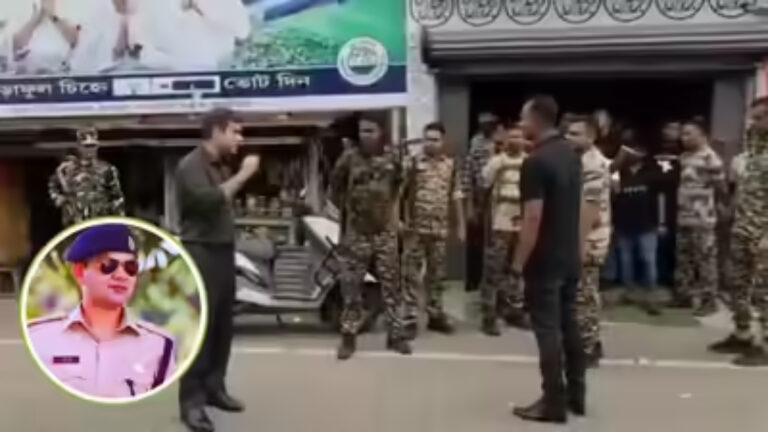
The controversy ignited on Monday when a video surfaced on social media showing Sharma, accompanied by central forces, confronting the family members of Jehangir Khan, a TMC candidate from the Falta constituency.

In the clip, the officer is heard issuing a stern, no-nonsense warning regarding persistent reports of voter intimidation in the area. “Tell him, we’ll deal properly with him if his men continue to threaten… don’t cry or regret it then,” Sharma is heard telling the family.

For the BJP, the move was a welcome signal of intent. Amit Malviya, the party’s IT department chief, praised the officer, stating that Sharma had “wasted no time in setting the tone.” For the saffron party, the deployment of an officer with a reputation for tough, unconventional policing is a direct answer to their persistent allegations of lawlessness and voter suppression in TMC strongholds.

Who is Ajay Pal Sharma?

To understand the intensity of the reaction, one must understand the man himself. Born in Ludhiana, Punjab, Sharma’s trajectory is as unconventional as his policing style. A former dentist who traded the clinic for the police academy, he became a poster boy for the “tough” policing model championed by the Uttar Pradesh administration under Chief Minister Yogi Adityanath.

Throughout his tenure in districts like Rampur, Jaunpur, and Hathras, Sharma gained a reputation for being an “encounter specialist.” His career is marked by a long list of police encounters—he reportedly claimed at least nine encounter deaths and nearly 200 injuries to alleged criminals in a 2021 interview, though he has often downplayed the “specialist” label as a matter of professional circumstance rather than personal desire.

However, his career has not been without its shadows. Critics often point to allegations of staged encounters and even corruption cases from his time in UP, which political opponents are now weaponizing to question his suitability for neutral election duty.

A Clash of Political Narratives

The appointment has laid bare the deep ideological and regional divide between the BJP and its opposition.

The TMC has reacted with blistering indignation. Party leaders, including MP Mahua Moitra, have hit back at the “outsider” enforcement, essentially warning that the policing styles common in Uttar Pradesh would not find purchase in Bengal. “My Fair & Lovely boy—we’re the kind who can deal with both your ‘small Fanta’ and ‘big Fanta.’ So keep your heroics in check,” Moitra tweeted, signaling a defensive, combative stance.

The party officially labeled the move as an attempt by the BJP to tilt the electoral playing field, calling Sharma a “BJP agent” parachuted in to intimidate TMC workers.

Samajwadi Party chief Akhilesh Yadav, joining the fray from outside the state, echoed these sentiments. He slammed the deployment, calling it a part of an agenda-driven effort to use “unregistered underground members” disguised as officers. He warned that the actions of such officers would be subject to “thorough investigation” once the political dust settles.

Why South 24 Parganas?

The choice of South 24 Parganas for this deployment is far from random. It is widely considered a bastion for the TMC and a stronghold for Abhishek Banerjee, the party’s key strategist. By placing an officer known for “aggressive policing” in the heart of this constituency, the Election Commission has essentially placed a high-voltage fuse in a politically volatile region.

During his visit to Jehangir Khan’s residence, Sharma also discovered significant security irregularities. While the candidate is entitled to Y-category security, comprising 10 personnel, Sharma noted that 14 policemen were deployed on the premises—an discrepancy that resulted in an immediate notice to the local Superintendent of Police.

The Road Ahead

As the state prepares for the second phase of polling on April 29, the incident serves as a stark reminder of how high the stakes are. The Election Commission has kept 700 companies of central forces on standby, with 500 specifically earmarked for law and order, suggesting a high expectation of post-poll friction.

Whether Ajay Pal Sharma is an iron-fisted upholder of democratic fairness or a political tool of a polarizing agenda is a question that will be answered not in the court of public opinion, but in the final tally of votes and the state of law and order in the coming days. One thing is certain: in a state where political messaging is often synonymous with aggressive assertion, the arrival of UP’s “Singham” has ensured that the eyes of the nation will be firmly fixed on the ballot boxes of West Bengal.

Hyderabad Roads Clogged by Panic Buying for Second Day

0

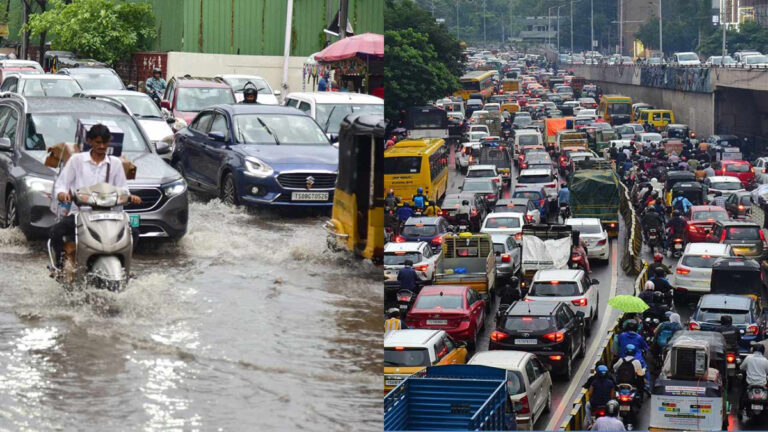
New Delhi, April 28, 2026 – For the second consecutive day, Hyderabad’s roads are grappling with severe traffic congestion as motorists form long, snaking queues outside petrol pumps across the city. Driven by widespread rumors of a potential fuel shortage and fear of impending price hikes, the panic-induced rush has led to chaotic scenes, forcing many fuel stations to limit supplies and, in some cases, temporarily shut their gates.

Despite repeated assurances from the Telangana Civil Supplies Department that there is no actual fuel shortage in the state, the public anxiety remains palpable. The situation, which began gaining momentum on Monday, has significantly disrupted traffic on major arterial roads in areas such as Banjara Hills, Jubilee Hills, Mehdipatnam, and Begumpet, creating a ripple effect of delays across the city.

A City on Edge: The Ground Reality

Since early Tuesday morning, hundreds of motorists have been seen waiting at fuel bunks, with many queuing for over an hour. The situation has been further complicated by “No Stock” signs popping up at various outlets, not necessarily due to a lack of fuel supply, but because dealers are struggling to keep pace with the massive, unexpected demand.

“I have been to three different pumps this morning, and all of them were either closed or had lines extending onto the main road,” said a frustrated commuter stuck in traffic near Madhapur. “I need fuel for my daily commute to work, and seeing everyone rush like this makes me fear that if I don’t fill up now, I won’t have any left for tomorrow.”

The traffic police have been deployed at key junctions to manage the overflow of vehicles from petrol bunks, which has frequently blocked free lefts and slowed down the flow of regular commuter traffic.

Causes Behind the Chaos

While the state administration maintains that fuel stocks are adequate, several factors have converged to create this artificial scarcity:

  • Social Media Rumors: Unverified reports circulating on messaging apps and social media platforms predicting a drastic fuel shortage or a significant price hike (ranging from ₹15 to ₹20 per litre) have fueled public anxiety.
  • The ‘Spillover’ Effect: Reports of fuel shortages in neighboring Andhra Pradesh have triggered a psychological spillover in Telangana, with residents worried that similar disruptions were imminent.
  • Logistical Lags: Dealers point to a temporary delay in supply chain replenishment, exacerbated by the recent bank holidays and a spike in diesel demand for agricultural and industrial sectors.
  • Retail Pricing Gap: A recent increase in diesel prices for industrial and commercial consumers has widened the gap with retail prices, leading some bulk users to shift their purchasing to retail fuel stations, further straining the infrastructure.

Government Response: “No Cause for Panic”

The Telangana Civil Supplies Department has issued a strong, unified message to the public: there is no shortage of petrol or diesel.

Government officials revealed that on April 27 alone, approximately 18,524 kilolitres of fuel (7,443 KL of petrol and 11,081 KL of diesel) were supplied across the state. They have urged citizens to ignore misinformation and refrain from panic buying, which is identified as the primary reason for the visible dry spells at some outlets.

Key Measures Being Implemented:

  • Rationing: To manage the surge, several petrol pump operators have introduced temporary limits, capping fuel dispensing at ₹1,000 per vehicle.
  • Refusal of Bulk Filling: Bunk owners have been instructed to stop filling petrol and diesel in plastic bottles, cans, and containers to discourage hoarding.
  • Extended Operations: Oil Marketing Companies (OMCs) have been directed to keep supply tankers moving late into the evening and night to ensure outlets are replenished as quickly as possible.
  • Helpline: Citizens can report unauthorized hoarding or issues at fuel stations by calling the Civil Supplies helpline at 1967.

Expert Insight: Why Logic Fails Against Rumor

Industry experts note that this cycle of panic buying is becoming an all-too-familiar issue. Rajiv Amaram, joint secretary of the Consortium of Indian Petroleum Dealers (CIPD), emphasized that while the fuel supply chain is robust, it is designed for a steady, predictable demand.

“When everyone decides to fill up their tank on the same day due to a rumor, the system naturally breaks down. It takes time for the tankers to reach the bunks, and it takes time for the machines to dispense fuel. The shortage is purely a function of mass anxiety, not a lack of inventory,” Amaram explained.

Looking Ahead

Authorities are closely monitoring the situation and expect the queues to dissipate by Wednesday as the rumors are debunked and supply levels at individual stations stabilize. For now, the city remains advised to practice patience.

Advice to Commuters:

  • Check Fuel Levels Early: Avoid waiting until your tank is empty.
  • Ignore Unverified Messages: Rely only on official statements from the Civil Supplies Department or credible news outlets.
  • Avoid Hoarding: Purchasing more fuel than necessary poses safety hazards and exacerbates the very shortages people are trying to avoid.

As Hyderabad navigates this second day of disruption, the message from the streets is clear: the only thing running out faster than the fuel is the public’s patience.

Assam HS Result 2026 Declared: Check Your Scores Now

0

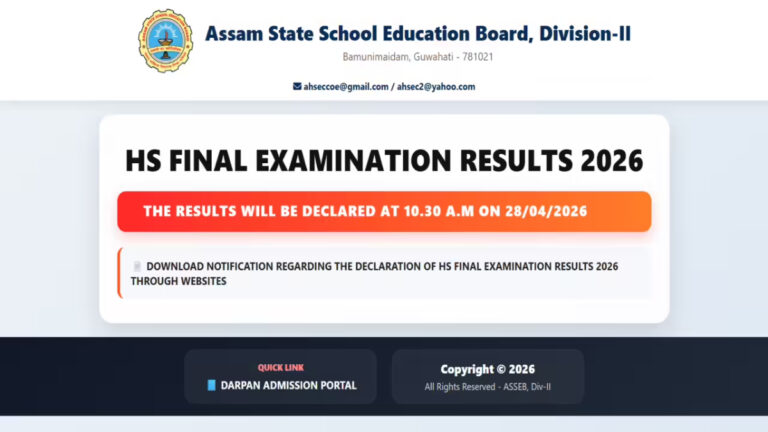
April 28, 2026 — The Assam Higher Secondary Education Council (AHSEC) has officially declared the results for the Class 12 Higher Secondary (HS) Final Examinations 2026 today. Students who appeared for the examinations across Arts, Science, Commerce, and Vocational streams can now access their scorecards through the official board websites and dedicated result portals.

The results, announced at 10:30 AM, mark a significant academic milestone for over 3.3 lakh students who participated in the board exams held between February 11 and March 16, 2026.

Stream-Wise Performance Highlights

This year’s results show a strong performance, particularly in the Science stream, which recorded the highest pass percentage among all disciplines. While the overall trend remains positive, the board has noted slight variations compared to the previous academic year.

StreamPass Percentage (2026)
Science89.79%
Commerce81.13%
Arts79.54%
Vocational74.19%

The Science stream has shown a marked improvement, rising significantly from its performance in 2025. While Arts and Commerce saw minor fluctuations in their pass rates, the overall performance across the state remains robust, reflecting the hard work of both students and educators.

Note on Merit Lists: In line with the growing trend among several education boards to reduce competitive pressure, the AHSEC has opted not to publish a formal, centralized merit or toppers list. Students are encouraged to focus on their individual accomplishments and personal academic growth.

How to Check Your Assam HS 2026 Result

With the official link now active, students can download their provisional marksheets immediately. Due to the high volume of traffic, official websites may occasionally experience slowdowns. If you face issues, please try one of the alternative platforms listed below.

Official Websites:

  1. ahsec.assam.gov.in
  2. asseb.in
  3. resultsassam.nic.in

Steps to Download:

  • Step 1: Visit any of the official websites mentioned above.
  • Step 2: Locate and click on the “HS Result 2026” or “AHSEC Class 12 Result 2026” link on the homepage.
  • Step 3: Enter your Roll Number and Roll Code exactly as they appear on your admit card.
  • Step 4: Click the “Submit” or “Get Result” button.
  • Step 5: Your scorecard will be displayed on the screen. Download the PDF and print a copy for your records.

Alternative Methods:

  • UPOLOBDHA Mobile App: The official app developed by the board offers a streamlined, mobile-friendly interface. It is highly recommended if you are struggling with browser-based portals.
  • DigiLocker: Your digital marksheet is available on the DigiLocker platform (digilocker.gov.in). These digital copies are legally valid for college admissions and official verification purposes.

Next Steps for Students

For many, today marks the beginning of the college application season. Here is what you should prioritize in the coming days:

  1. Verify Your Details: Ensure that your name, subject-wise marks, and overall percentage on the digital marksheet are accurate. If you find discrepancies, contact your school administration or the AHSEC regional office immediately.
  2. College Admissions: Start researching admission criteria for your desired undergraduate courses. Many universities in Assam and across India have already begun their registration processes.
  3. Re-evaluation & Compartment Exams: If you are unsatisfied with your result or did not pass in one or more subjects, do not lose heart. The board will soon release the schedule for re-evaluation (re-checking of answer scripts) and the supplementary/compartment examinations. Keep an eye on the official AHSEC website for these notifications, usually expected within the next few weeks.

A Message to Students

Whether the result meets your expectations or serves as a learning curve, remember that your HS marks are just one milestone in your academic journey. For those who performed exceptionally well, take a moment to celebrate. For those who may be disappointed, remember that there are multiple pathways to success and numerous opportunities for improvement ahead.

Mehreen Pirzada and Arsh Aulakh Wedding: A Masterclass in Pastel Perfection

0

New Delhi, April 28, 2026: In a delightful surprise for fans and the film fraternity, actor Mehreen Pirzada has officially embarked on a new chapter of her life. The star, known for her captivating performances in Telugu, Tamil, and Hindi cinema, tied the knot with her partner, Arsh Aulakh, in a serene and intimate wedding ceremony held amidst the breathtaking mountains of Chail, Himachal Pradesh.

The couple announced their union on social media with a simple yet poignant post on April 26, 2026, featuring a series of heartwarming pictures and the caption: “26.04.26 #ArshDiMehr.”

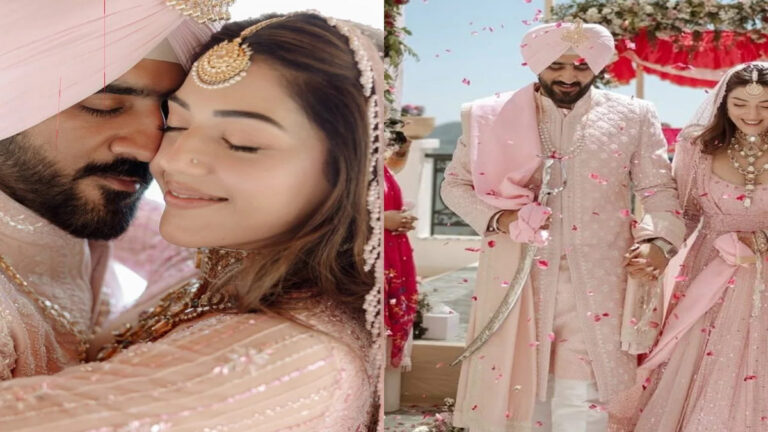
While the news of the wedding itself was a wonderful revelation, it was the couple’s impeccable bridal aesthetic—specifically, Mehreen’s dreamy pink Anarkali—that truly stole the spotlight. The look was a masterclass in understated elegance, perfectly capturing the “less is more” philosophy that has become a defining trend for 2026 bridal fashion.

The Vision in Pink: Decoding the Bridal Anarkali

Mehreen Pirzada’s bridal choice was a departure from the traditional heavy red lehengas often seen in celebrity weddings. Instead, she opted for a soft, sophisticated, and undeniably romantic vibe. The stunning ensemble, designed by Sawan Gandhi, was a pearly pink Anarkali set that balanced tradition with a contemporary, breezy silhouette.

The Details of the Outfit: The Anarkali kurta was a work of art, featuring intricate detailing that caught the light without overwhelming the wearer. Key highlights of the outfit included:

  • Intricate Embellishments: The fabric was adorned with delicate mirror work, tiny sequins, and fine thread embroidery. This combination provided a shimmering effect that felt luxurious yet incredibly subtle.
  • The Silhouette: The kurta featured a deep U-neckline and sheer, quarter-length sleeves, which added a touch of feminine grace. The bodice was cinched just under the bust, flowing into a voluminous, layered ghera (skirt) that created a graceful movement with every step.
  • The Back: A modern touch was added with a dori tie-up detail on a plunging back, balancing the traditional front with a hint of modern flair.
  • Silver Accents: Fine silver gota work along the borders tied the outfit together, providing a beautiful contrast to the soft pink palette.

Styling the Look: What truly elevated the ensemble was how Mehreen styled it. She opted for the “dual-dupatta” trend, which has become a staple for brides who want a regal yet manageable look. One dupatta was draped elegantly over her shoulder, while the second was pinned over her head to form a veil that cascaded down like a soft train. This created a dreamy, ethereal aesthetic that complemented the mountain backdrop of the ceremony perfectly.

Jewellery and Beauty: Fresh and Effortless

Mehreen’s approach to beauty and accessories was perfectly in sync with her outfit—fresh, glowing, and effortless.

  • Traditional Polki: She adorned herself with a layered Polki necklace set that included a statement choker and longer haars. The combination of Polki, pearls, and silver accents provided a vintage, royal feel that grounded the outfit.
  • The Finishing Touches: She completed her look with statement Polki earrings, a traditional maang tikka, personalized silver kaleeras (which added a deeply personal touch), and a dainty diamond nose stud.
  • Makeup and Hair: Keeping her tresses loose and flowing added to the effortless vibe. Her makeup was minimal yet striking: a soft highlight to capture that bridal glow, glossy pink lips, rosy cheeks, and defined lashes. It was a look that felt authentically “her”—polished but never overly done. +1

A Coordinated Celebration

The wedding was as much about unity as it was about individual style. The groom, Arsh Aulakh, perfectly complemented Mehreen’s aesthetic. He wore a matching pink sherwani, keeping the color palette consistent and visually harmonious. His outfit featured subtle embroidery, and he completed the look with a turban, a double-string Polki necklace, and a diamond-encrusted kalangi, perfectly matching Mehreen’s sophisticated, tonal vibe.

An Intimate Affair

The choice of Chail, Himachal Pradesh, for the wedding, reflected the couple’s desire for a peaceful and personal celebration. Away from the glare of media spotlights and grand city hotels, the ceremony was held with only close friends and family in attendance. This intimacy translated into the candid, joyful photos shared online, showing the couple simply happy, grounded, and in love. +1

Mehreen, who has kept her personal life largely private over the past few years, offered her fans a glimpse into a celebration that felt deeply special and sincere. As she steps into this new phase, her wedding serves as a beautiful reminder that the most memorable celebrations are those that feel true to the individuals involved.

For fashion enthusiasts and future brides, Mehreen Pirzada’s wedding look is bound to be a major reference point for seasons to come. It proved that you don’t need heavy drama to make a lasting impression—sometimes, all you need is a dreamy shade of pink, an elegant silhouette, and the confidence to keep it real.

Congratulations to the couple on their new journey!

PM Modi Bends It Like Beckham in Sikkim: A Strategic Kick for the Bengal Elections?

0

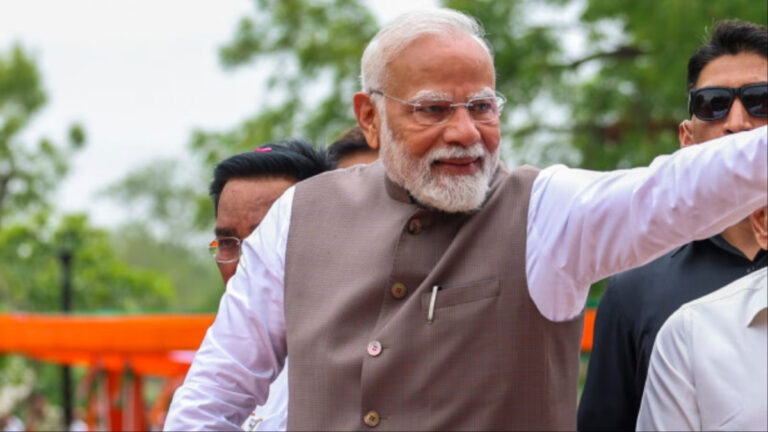
April 28, 2026: In a move that has captured the nation’s attention and sent political analysts into a frenzy, Prime Minister Narendra Modi traded his signature formal attire for track pants and football spikes this Tuesday morning. The venue was the picturesque city of Gangtok, Sikkim, but the echoes of this “sporting” event are resonating clearly across the plains of West Bengal, where the political temperature is reaching a boiling point.

As the Prime Minister dribbled past young players and took a shot at the goal under the clear Himalayan sky, the symbolism was hard to miss. While the event was officially a light-hearted engagement with the youth of Sikkim to mark the state’s 50th Statehood Day celebrations, the underlying message appeared to be a masterclass in political optics aimed directly at the neighbouring state of West Bengal.

The Pitch and the Politics

Football is not merely a sport in West Bengal; it is the heartbeat of the state’s cultural identity. It is ingrained in the socio-political fabric, a point famously punctuated during the 2021 assembly elections when Chief Minister Mamata Banerjee famously utilized a wheelchair and a football as a rallying cry, chanting the now-iconic slogan, “Khela Hobe” (The game is on).

By choosing to take the field in Sikkim—a region where football is equally revered and where the “Sikkimese Sniper” Bhaichung Bhutia has long been a household name—the Prime Minister seems to have executed a calculated maneuver to reclaim the narrative.

“Nothing like playing some football with my young friends in Sikkim on a lovely Gangtok morning!” the Prime Minister wrote on his social media handles, sharing snapshots of his energetic session.

The images of a 75-year-old Prime Minister showing agility on the pitch have sparked an avalanche of social media engagement. One viral comment perhaps best summarized the general perception: “Playing in Sikkim, scoring in Bengal.”

A Change of Scenery, Same Strategic Intent

This unexpected football interlude comes just a day after Mr. Modi concluded a high-intensity, multi-day campaign trail in West Bengal. During his final rallies, his rhetoric remained sharp, criticizing the Trinamool Congress (TMC) and accusing the state government of fostering an atmosphere of fear, while promising a “golden opportunity” for development and safety under a “double engine” government.

The transition from the sweltering heat of the Bengal campaign trail to the cool, crisp air of Gangtok provided the Prime Minister with a platform to soften his image. The visuals of him laughing with youngsters, warming up, and taking shots on goal offered a sharp contrast to the aggressive, confrontational nature of election-season political speeches.

It is a classic political tactic: when the discourse gets too toxic, a shift in environment and a display of relatability can act as a powerful reset button. By projecting an aura of energy and vitality in Sikkim, the BJP leadership appears to be attempting to counter any narratives about the Prime Minister’s stamina while simultaneously asserting dominance in the region’s cultural vernacular.

The “Khela Hobe” Counter-Offensive?

For years, the TMC has held the copyright on the football metaphor in Bengal politics. The slogan “Khela Hobe” became more than just a phrase; it became an anthem of defiance and political strength. By stepping onto the pitch himself, even if hundreds of kilometers away, PM Modi has attempted to disrupt this ownership.

Critics, however, argue that this is merely a diversionary tactic. As the second phase of elections approaches, the opposition has questioned the BJP’s focus, suggesting that such “staged” events are designed to distract from substantive issues like economic policies, unemployment, and inflation. Despite this, the political messaging of the move remains undeniable. It is a signal to the voters of Bengal that the BJP is prepared to play the game on their terms, embracing the state’s passion for the sport to bridge the “outsider” perception that has often hampered the party’s growth in the region.

Sikkim’s Role in the Narrative

While the focus is undeniably on Bengal, the significance of the Sikkim visit cannot be downplayed. The Prime Minister’s presence in Gangtok was tied to the closing ceremony of the state’s 50th Statehood Day. The unveiling of development projects worth ₹4,000 crore served as a reminder of the central government’s commitment to the Northeast.

This duality—developmental governance in the Northeast and aggressive political campaigning in the East—is the cornerstone of the BJP’s strategy in the region. By weaving together the celebration of statehood with the optics of a personal, humanizing event, the party aims to project a sense of stability and connectivity that contrasts with the localized, often volatile, political climate of West Bengal.

The Road Ahead

As the nation waits for the election results on May 4, the “Gangtok Goal” will be analyzed through a dozen different prisms. Was it a genuine moment of relaxation, or a carefully curated piece of political theater? In the high-stakes arena of Indian politics, the line between the two is almost always blurred.

The Prime Minister’s “Beckham-esque” moment in Sikkim has certainly grabbed eyeballs. Whether it will translate into actual votes in Bengal remains the billion-dollar question. What is certain, however, is that in the high-voltage “game” of Indian elections, the players are always looking for new ways to catch the other side off-guard.

For now, the ball is firmly in the court of the Bengal electorate. As they head to the polls, they will have to decide whether this symbolic kick in the mountains is enough to change the game on the ground.

A Cinematic Milestone: Tabu and Nagarjuna Reunite for ‘King 100’

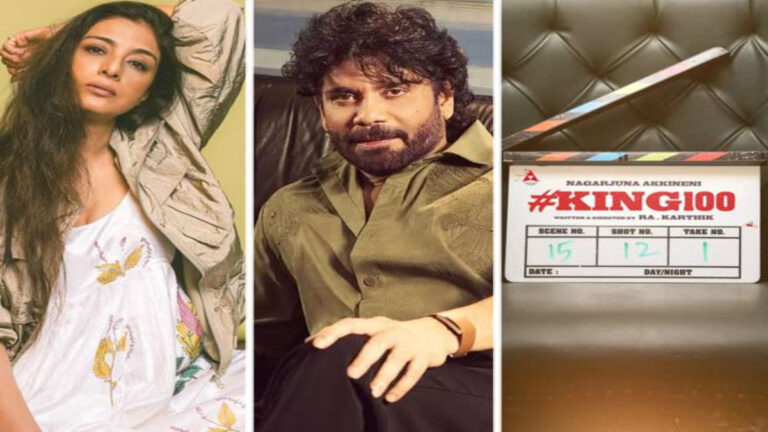
New Delhi, April 28, 2026: In a development that has sent waves of excitement through the Indian film industry, veteran actors Tabu and Akkineni Nagarjuna have officially reunited on screen. The legendary duo, whose on-screen chemistry defined a generation of Telugu cinema in the 90s, has commenced shooting for Nagarjuna’s highly anticipated 100th film, tentatively titled King 100.

This collaboration marks a significant moment for both actors, coming nearly three decades after their last major project together. As the cameras start rolling, fans and critics alike are already hailing this as one of the most significant casting announcements of the year.

A Reunion Decades in the Making

For many cinema enthusiasts, the names Tabu and Nagarjuna are inseparable from the golden era of 90s romance. Their collaboration in the 1996 blockbuster Ninne Pelladatha remains a cultural touchstone in Telugu cinema, celebrated not just for its music and direction, but for the effortless, crackling chemistry between the leads. They later shared the screen in Aavida Maa Aavide (1998), cementing their status as one of the industry’s most beloved pairs.

News of their reunion broke when Tabu shared a captivating update on her official Instagram handle. Posting a picture of a clapperboard bearing the film’s title, King 100, placed on a royal chair, she captioned the post with, “And we begin with #King100 #Nagarjuna @annapurnastudios.”

The industry buzzed immediately. In a prior interaction with the media earlier this year, Nagarjuna hinted at the emotional significance of this project. He revealed that when Tabu learned about his milestone 100th film, she expressed an immediate interest in being part of the journey. “We go back a very long way. I’ve known her from the time she started. And when Tabu got to know I was doing my hundredth film, she wanted to be a part of it,” Nagarjuna shared, reflecting on their deep, professional bond.

What We Know About ‘King 100’

As the 100th film of Nagarjuna’s illustrious career, King 100 is being mounted on a massive scale. Produced under the banner of Annapurna Studios, the project is clearly being treated with the care and grandeur that such a milestone deserves.

Here are the key details currently surrounding the production:

  • Director: The project is being helmed by Ra Karthik, a visionary director known for his distinct storytelling style, particularly noted for his work on the recent Netflix film Made In Korea. His involvement suggests a modern, perhaps experimental, approach to this action-drama.
  • The Cast: While Tabu’s involvement is the primary headline, the film is set to feature a robust ensemble. Reports indicate that Aishwarya Rajesh has also joined the cast as a lead, promising a dynamic narrative structure.
  • Music and Tone: The film is reportedly an high-budget action drama. With the celebrated Devi Sri Prasad (DSP) on board for the soundtrack, fans are already anticipating a high-octane musical experience that matches the film’s “King” moniker.
  • Genre: While the title implies a potential mass-entertainer or “king-sized” action spectacle, the narrative details remain tightly under wraps. However, it is confirmed that the film aims for a pan-India appeal, potentially releasing in multiple languages.

Why This Matters

In an era of rapid-fire casting and digital-first content, the reunion of legacy stars like Tabu and Nagarjuna offers a nostalgic anchor for audiences. Both actors have had remarkably successful careers independent of each other.

Tabu continues to be a powerhouse performer, recently winning acclaim for her role as Yashodha in the comedy-drama Bhooth Bangla (2026), directed by Priyadarshan, which has already crossed the ₹150 crore mark globally. Nagarjuna, similarly, remains a force to be reckoned with, having recently appeared in successful ventures like Kuberaa and the action-thriller Coolie (2025).

Seeing them back together is not merely a nostalgia trip; it is an opportunity to see two seasoned professionals at the height of their craft. There is a palpable sense of excitement about what dynamic they will bring to the screen in 2026, a year that has already seen significant shifts in the cinematic landscape.

A Legacy Continued

Annapurna Studios has made it clear that they are leaving no stone unturned to make King 100 a memorable experience. From the casting to the technical crew, every element is curated to honor Nagarjuna’s massive contribution to Indian cinema over the last few decades.

As filming progresses, the industry waits with bated breath for the first look and teaser. For fans who grew up watching Ninne Pelladatha, this is not just a film; it is a celebration of history. Whether they are paired as romantic leads or share a complex dramatic equation, the sheer presence of Tabu and Nagarjuna in a frame together is enough to generate unparalleled anticipation.

With shooting officially underway, the “King” is ready to take the throne once more, and this time, he’s doing it alongside an old friend who knows exactly what it takes to make movie magic.