Home Blog Page 126

Did Deepika Padukone Conceal Her Pregnancy at Rishab Rikhiram Sharma’s Concert?

New Delhi, April 20, 2026: A wave of digital speculation has swept through the entertainment world following the official pregnancy announcement by power couple Deepika Padukone and Ranveer Singh. While the joyful news was shared on April 19, 2026, social media users have been observed revisiting a viral video from a month prior, searching for “clues” they might have missed. The “truth” behind the speculation centers on Deepika’s appearance at sitarist Rishab Rikhiram Sharma’s “Sitar for Mental Health” concert in Mumbai on March 20, where her choice of attire and demeanor are now being scrutinized by millions.

The interaction was observed to have taken place during a rare public outing for the actress, who attended the musical evening with her mother-in-law, Anju Bhavnani, and sister-in-law, Ritika Bhavnani. In the viral clips from the event, Deepika was seen wearing an elegant, oversized maroon-and-gold Ajrakh kurta set. This “relaxed” fashion choice is now being described by fans as a strategic move to hide an early baby bump, with many pointing out how she was seen frequently using her dupatta to cover her midriff throughout the night.

Connecting the Dots: Fan Theories Go Viral

The reaction from the digital community has been a mixture of excitement and “I told you so” moments, with the March concert video amassing a surge in views following the April announcement. It is argued by eagle-eyed netizens that the signs were “hidden in plain sight,” as the actress had notably avoided tight-fitting silhouettes during her recent public appearances. On platforms like Instagram and X, the footage has been shared with captions highlighting her “maternal glow,” prompting a surge in the hashtag #DeepikaPadukone as users piece together the timeline of her second pregnancy.

The impact of the viral video has prompted a wider discussion about the “paparazzi watch” that female celebrities often endure during their private milestones. It is noted by lifestyle commentators that while the Ajrakh ensemble was praised as a classic ethnic look at the time, it is now being viewed through the lens of a “concealment strategy.” The passive role of the audience—who initially enjoyed the music without suspicion—has been replaced by a retroactive hunt for evidence, including a revisit to her recent JioMart advertisements where similar “baggy” styling was observed.

Also Read: Viral Video of Street Vendor’s Unsanitary Samosa Handling

Growing the Legacy: Baby Number Two for DeepVeer

Following the viral spread of the concert “clues,” it is reported that the couple is expecting their second child after welcoming their daughter, Dua, on September 8, 2024. The passive wait for the baby’s arrival is being accompanied by a flood of congratulatory messages from Bollywood colleagues and global fans alike. Despite her pregnancy, Deepika is expected to continue her professional commitments, including high-octane projects like King and Raaka, proving that her career remains as buoyant as ever during this personal chapter.

As of the afternoon of April 20, 2026, the “Deepika Pregnancy Clues” remains a top trending topic in the celebrity and lifestyle categories. While the actress has not personally addressed the theories regarding her March wardrobe, the digital record of the concert serves as a permanent testimony to the public’s fascination with her journey. For now, the story stands as a digital reminder: in the age of viral analysis, every fold of a dupatta and every choice of an oversized shirt is seen as a potential headline waiting to be written.

Urgent Report: 7.4-Magnitude Earthquake Jolts Northern Japan, Tsunami Warnings Issued

0

New Delhi, April 20, 2026 – A powerful earthquake struck off the northeastern coast of Japan earlier today, Monday, April 20, 2026, triggering widespread emergency responses, immediate tsunami warnings, and evacuations across the northern prefectures.

The Japan Meteorological Agency (JMA) reported that the earthquake, which struck at approximately 4:53 p.m. local time (07:53 GMT), had a preliminary magnitude of 7.4 to 7.5. The epicenter was located in the Pacific Ocean off the coast of Sanriku, at a shallow depth of about 10 kilometers (6 miles) below the sea surface.

The Immediate Impact

The seismic event was powerful enough to be felt across a vast region, with tremors reaching as far away as Tokyo, hundreds of kilometers from the epicenter. In the immediate aftermath, residents in northern Japan reported significant shaking.

Shortly after the quake, tsunami waves began to be observed

While the recorded waves have been smaller than the initial, more severe projections, authorities have urged the public to remain vigilant. The JMA had earlier issued a warning that tsunami waves of up to 3 meters (10 feet) could strike the area, and emergency officials are continuing to monitor the coastline closely.

Emergency Response and Public Safety

The Japanese government reacted with characteristic swiftness. Prime Minister Sanae Takaichi addressed the nation, announcing the formation of an emergency task force to coordinate disaster relief and safety operations.

“We urge all residents in coastal and river areas to evacuate immediately to higher ground and safer locations,” the Prime Minister stated. “Do not wait for further instructions. Tsunami waves are often unpredictable and can arrive in a series, sometimes increasing in intensity after the initial surge.”

Key actions currently being taken by local and national authorities include:

  • Evacuation Orders: Non-binding but urgent evacuation advisories have been issued to residents in 11 towns across Iwate and Aomori prefectures.
  • Transportation Halted: Safety protocols led to the immediate suspension of bullet train services in parts of Aomori and the northern regions, causing travel disruptions while tracks are inspected for damage.
  • Public Alerts: NHK, Japan’s national broadcaster, aired urgent visuals and text alerts, including the clear command: “Tsunami! Evacuate!”

Understanding the Regional Risk

Japan is one of the most seismically active nations on Earth. Situated along the “Ring of Fire”—a horseshoe-shaped zone of high tectonic activity that encircles the Pacific Basin—the country rests on the meeting point of four major tectonic plates. This geological positioning makes earthquakes a frequent occurrence, with Japan accounting for approximately 20% of the world’s earthquakes of magnitude 6.0 or greater.

Today’s event serves as a stark reminder of the persistent natural risks the nation faces. The Sanriku coast, specifically, has a history of high seismic vulnerability. The proximity of the quake to the shoreline, combined with its shallow depth, significantly increases the potential for surface-level impacts and tsunami generation.

Current Situation and Ongoing Vigilance

As of this evening, the primary concern remains the threat of aftershocks. The JMA has warned that residents should expect potential aftershocks for up to a week, which could cause further structural instability in buildings already rattled by the main tremor.

While there are currently no immediate, widespread reports of catastrophic infrastructure failure, the situation remains fluid. Emergency services, including the Coast Guard and local police, are conducting assessments, particularly in isolated coastal areas where communication lines may have been temporarily disrupted.

Residents in the affected prefectures—specifically Iwate, Aomori, and parts of southeastern Hokkaido—are being advised to stay clear of the coastline and river mouths. The threat from tsunami waves is not considered over until the JMA officially lifts all warnings and advisories.

Moving Forward

For those in the impacted zones, the message from the authorities remains clear: prioritize safety. 1. Stay Informed: Keep radios or mobile devices tuned to official news outlets or government alerts for the latest updates. 2. Remain in Safe Areas: Do not attempt to return to coastal homes or businesses until the local government issues an “all-clear.” 3. Expect Aftershocks: Be prepared for continued tremors and follow drop, cover, and hold-on procedures if shaking resumes.

As the region grapples with the aftermath of this significant seismic event, the focus shifts to ensuring the safety of all citizens, damage assessment, and the long-term stabilization of the affected communities. The resilience of the Japanese people and the robustness of their disaster response systems—honed by decades of experience—will once again be the cornerstone of the recovery efforts.

Viral Video of Street Vendor’s Unsanitary Samosa Handling

0

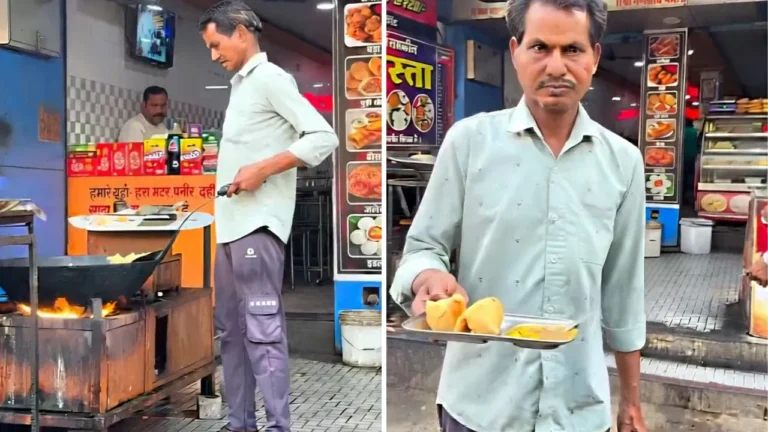
New Delhi, April 20, 2026: A shocking video depicting a street vendor engaging in highly unhygienic behavior has sent waves of disgust across social media today, April 20, 2026. The footage, which is reported to have originated from a busy market area in Hyderabad, shows a vendor allegedly placing his hand inside his trousers before immediately using the same hand to handle and serve samosas to an unsuspecting customer. The “truth” behind the viral clip has ignited a fierce debate over food safety standards, as the individual was observed ignoring the most basic sanitary protocols while preparing food for public consumption.

The interaction was observed to have been recorded by a passerby who was reportedly stunned by the vendor’s blatant disregard for hygiene. In the viral clip, the vendor is seen adjusting his clothing in an inappropriate manner just moments before reaching for the snacks without washing his hands or using gloves. This “behind-the-scenes” look at street food preparation has been described by viewers as a “stomach-turning” revelation, leading to widespread calls for stricter monitoring of roadside eateries.

A Breach of Public Trust: Global Outrage Explained

The reaction from the digital community has been one of pure outrage and concern for public health, with the video amassing millions of views within hours of being posted. It is argued by food safety advocates that such incidents are not merely isolated lapses in judgment but a systemic failure in the regulation of the informal food sector. On platforms like X and Instagram, the footage has been shared as a warning, prompting a surge in the hashtag #FoodSafetyIndia as users demand that local municipal corporations take immediate action against such vendors.

The impact of the video has prompted a wider discussion about the health risks associated with unregulated street food, including the spread of foodborne illnesses and infections. It is noted by medical professionals that the transfer of bacteria from skin to food can lead to severe gastrointestinal issues for consumers. The passive role of the customer in the video—who is seen accepting the plate without any knowledge of the preceding actions—has been cited as a chilling reminder of the “blind trust” placed in food providers every day.

Also Read: Sudhir Pandey Responds to Viral ‘Walk-Off’ Video at Movie Launch

Enforcement and Accountability: The Search for the Vendor

Following the viral spread of the “Samosa Video,” local food safety authorities are reported to have initiated an investigation to pinpoint the exact location of the stall. It is noted that similar incidents in various cities have previously led to the permanent closure of shops and the arrest of owners for endangering public health. The passive wait for administrative intervention is being replaced by digital activism, where netizens are actively tagging health departments to ensure that such “hygiene horrors” are met with zero tolerance.

As of the afternoon of April 20, 2026, the “Samosa Vendor Incident” remains a top trending topic in the news and health categories. While the identity of the specific vendor is yet to be formally confirmed by officials, the digital record of his actions serves as a permanent testimony to the risks of unmonitored street vending. For now, the story stands as a digital reminder: the convenience of street food should never come at the cost of basic human dignity and health safety.

Sudhir Pandey Responds to Viral ‘Walk-Off’ Video at Movie Launch

New Delhi, April 20, 2026: A video of veteran actor Sudhir Pandey abruptly exiting the stage during a promotional event for Ginny Weds Sunny 2 has become a major talking point on social media today, April 20, 2026. The footage, which began trending over the weekend, depicts the senior actor walking away while the film’s lead cast and media were engaged in conversation. The “truth” behind the viral clip was initially interpreted by fans as a sign of disrespect toward a cinema legend, but Pandey has since clarified that his departure was purely due to a professional scheduling conflict.

The interaction was observed to have taken place during the high-profile trailer launch of the sequel, which stars Avinash Tiwary and Medha Shankr. In the viral clip, the 72-year-old actor is seen standing toward the back of the group before quietly stepping down from the stage and leaving the venue. This “silent exit” was described by emotional netizens as a heartbreaking moment, leading to widespread criticism of the production team for allegedly ignoring a veteran who has contributed over 50 years to Indian cinema.

Sincerity Over Scandal: The Actor’s Exclusive Clarification

The reaction from the digital community has been one of protective anger, with many fans arguing that senior actors are often underappreciated in the presence of newer stars. However, in an exclusive interview with HT City, Sudhir Pandey quashed the rumors of any mistreatment. It is reported by the actor that he was actually in a “great urgency” as he had taken special permission to attend the launch in the middle of a shoot for another project. The passive observation of his exit by the cameras failed to capture the fact that he had been receiving constant messages to return to his primary set.

The impact of the video has inadvertently highlighted Pandey’s immense relevance in the memory of the audience, a fact that the actor admitted moved him deeply. It is noted that he had informed the production house of Ginny Weds Sunny 2 beforehand that he would need to leave early. The reason he was seen walking off was simply to avoid further delay for his other crew, proving that his legendary work ethic remains as strong today as it was when he started in 1976.

Also Read: Bharathiraja’s Recovery and the Viral Clip That Moved a Nation

A Legacy of Dedication: 50 Years in the Industry

Following the viral spread of the “stage walk-off,” many have taken the opportunity to celebrate Pandey’s illustrious career, from his iconic role in Buniyaad to his more recent work in Toilet: Ek Prem Katha. It is reported that he has a “fantastic role” in the upcoming sequel and remains very proud of the film. The passive role of a “disrespected veteran” was a narrative created by social media, whereas the actor himself was simply focused on fulfilling his commitments to two different teams simultaneously.

As of the afternoon of April 20, 2026, the “Sudhir Pandey Stage Exit” remains a top trending topic, though the narrative has shifted from outrage to admiration for his professionalism. While the video initially sparked a debate on Bollywood’s treatment of seniors, the digital record now serves as a testimony to Pandey’s enduring passion for his craft. For now, the story stands as a digital reminder: context is everything, and sometimes a quick exit is just the mark of a busy and dedicated artist.

Bharathiraja’s Recovery and the Viral Clip That Moved a Nation

0

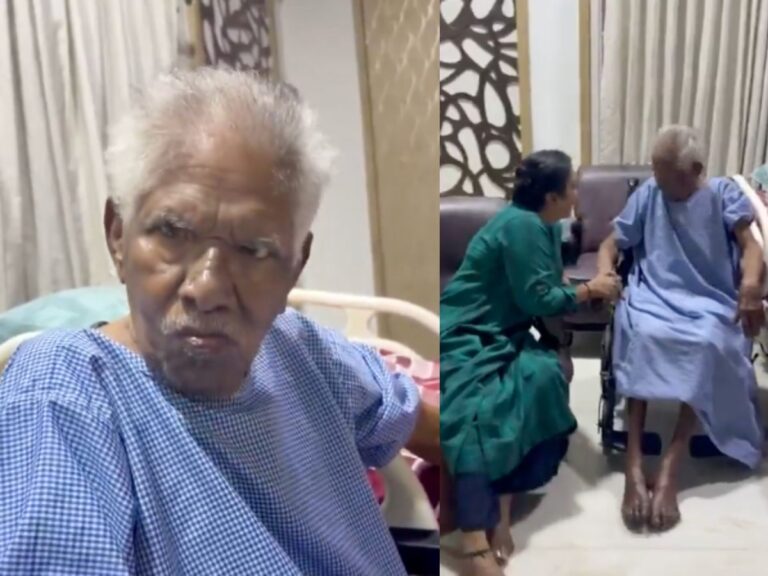
New Delhi, April 20, 2026: A wave of concern was ignited across the Tamil film industry and among global fans following the release of a viral video featuring legendary filmmaker Bharathiraja. The footage, which surfaced in late March 2026, depicted the veteran director in what many described as an “unrecognisable” state while undergoing treatment at a private hospital in Chennai. The “truth” behind the alarming visuals was later confirmed by medical bulletins, revealing that the 84-year-old maestro had been admitted to the Intensive Care Unit (ICU) due to severe respiratory issues and breathlessness.

The interaction was observed to have been further complicated by a profound personal tragedy that has taken a visible toll on the director’s physical and mental health. It is reported that the passing of his son, Manoj Bharathiraja, due to a cardiac arrest in early 2025 left the “Iyakkunam Immayam” (The Apex Director) deeply shattered. In the viral hospital clips, Bharathiraja was seen appearing frail and exhausted, a stark contrast to the energetic persona he has maintained throughout his illustrious five-decade career.

A Mentor’s Blessing: The Heartwarming Reunion with Radikaa

The reaction from the digital community shifted from worry to warmth on April 19, 2026, after a new video was shared by veteran actress Radikaa Sarathkumar. Following his discharge from the hospital, Bharathiraja was observed recovering at his residence, where he hosted Radikaa for a touching reunion. On social media platforms, the footage has been celebrated as a sign of his steady recovery, prompting a surge in the hashtag #BharathirajaHealth as fans witnessed the director’s undiminished passion for cinema despite his physical fragility.

The impact of the meeting was most evident when the legendary filmmaker discussed Radikaa’s recent performance in the film Thaai Kizhavi. It is noted that Bharathiraja, while speaking with a weakened voice, predicted a National Award for the actress, an endorsement that moved her to tears. The passive observation of his frail state by the public has been met with a renewed sense of respect for his resilience, as he continues to engage with and critique the craft of filmmaking even during his convalescence.

Also Read: The Metro Miracle: A Story of Resilience

The Legacy of Realism: A Career That Defined Tamil Cinema

Following the viral spread of his health updates, many have reflected on Bharathiraja’s monumental contribution to Indian cinema since his 1977 debut with 16 Vayathinile. It is reported that he is credited with shifting the focus of Tamil movies from studio-bound dramas to the raw, realistic beauty of rural landscapes. The passive wait for his full recovery is being accompanied by a retrospective appreciation of his classics like Mudhal Mariyathai and Sigappu Rojakkal, which continue to inspire the current generation of storytellers.

As of the afternoon of April 20, 2026, Bharathiraja remains under close medical supervision at his home, with his vital parameters reported to be stable. While the “unrecognisable” hospital clip remains a difficult memory for fans, the image of him smiling and offering blessings to his protégées serves as a powerful testimony to his spirit. For now, the story stands as a digital reminder: legends may face the ravages of time and grief, but their love for their art and their people remains an eternal source of strength.

The Metro Miracle: A Story of Resilience

0

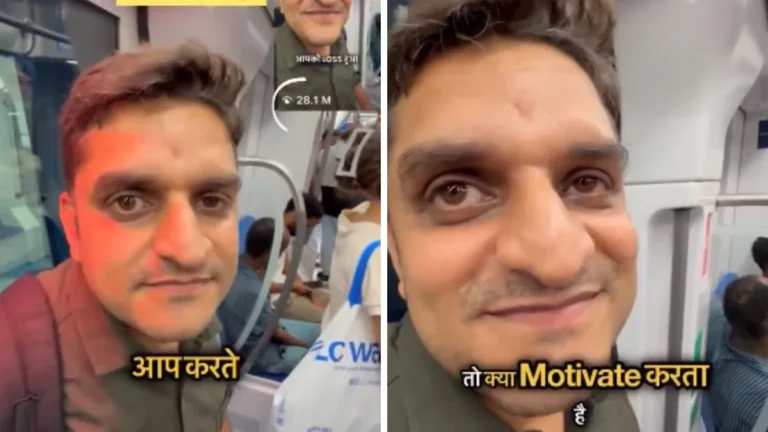
New Delhi, April 20, 2026: The morning commute on the city metro is often a symphony of silence—a sea of tired faces, scrolling phones, and quiet exhaustion. But for one passenger, a conversation sparked in the fleeting minutes between stations recently turned into a profound, tear-jerking revelation that has since swept across social media.

A video, which has now gone viral, features a middle-aged man sharing his harrowing journey of losing everything—a fortune of approximately ₹2 crore—during the height of the COVID-19 pandemic, and his quiet, arduous battle to rebuild his life from scratch.

For many, the pandemic was a period of health anxiety. For others, it was an economic tsunami. This story, captured in the candid, unscripted setting of a metro carriage, has become a mirror for the collective struggle of a generation that saw their life’s work vanish overnight.

The Crash: When the World Halted

To understand the weight of this man’s story, one must look back at the economic climate of 2020-2021. For millions of entrepreneurs, small business owners, and middle-class professionals, the lockdown wasn’t just a safety measure; it was an existential threat.

In the viral video, the man—whose identity has remained largely private, choosing instead to be the face of an anonymous movement—recounts the day he realized his business, built over two decades, was no longer sustainable. “It wasn’t a sudden explosion,” he shares, his voice steady yet heavy with the weight of memory. “It was a slow, painful erosion. The bills kept coming, the revenue stopped, and the savings I had earmarked for my children’s future and my own retirement simply evaporated to keep the lights on and my employees paid.”

The figure of ₹2 crore is staggering to the average viewer, but it represents more than just money. It represents time, sweat, reputation, and identity. When the business folded, he faced what many pandemic survivors faced: the “identity crisis of loss.” Without the office, without the title, and without the financial buffer, he was left to navigate a world that had fundamentally changed.

Also Read: Indian Tourist Faces Racial Slurs in Thailand Following Breakfast Dispute

The Darkest Valley

The middle section of his narrative, which has triggered an outpouring of support in the comments section of the viral post, deals with the often-unspoken mental health struggle of financial ruin.

He speaks of the shame. In a culture where financial success is often conflated with personal worth, losing ₹2 crore wasn’t just a professional failure; it felt like a moral one. He describes nights spent staring at the ceiling, wondering how he would tell his family, how he would explain to his peers, and, most importantly, how he would look at himself in the mirror.

“There is a darkness that comes with losing your security,” he says in the video. “You realize that you are untethered. But in that darkness, you eventually find the only thing that matters: the ability to start again.”

The Rebuilding: A Lesson in Grit

What makes this video resonate so deeply is not the tragedy of the loss, but the grit of the recovery. He details a shift in his philosophy. He didn’t try to recreate the past. He didn’t chase the “big score” to recover the lost ₹2 crore immediately. Instead, he started small.

He took on roles he would have previously considered “beneath” his former stature. He learned new skills. He embraced digital transformation, pivoting his expertise toward sectors that were emerging from the ashes of the pandemic.

His journey serves as a Masterclass in “The Art of the Pivot”:

  1. Acknowledging the New Reality: He stopped fighting the past and accepted the current economic landscape.
  2. Radical Simplicity: He cut out the luxuries and focused on essential, high-impact work.
  3. Building Community: He credits his recovery not to banks or investors, but to the network of friends and mentors who didn’t care about his bank balance but cared about his well-being.
  4. Consistency over Intensity: Instead of seeking a “homerun” business idea, he focused on steady, incremental growth.

Why the Internet Cried

Why did this video leave the internet in tears? In a digital age saturated with “get rich quick” influencers and sanitized versions of success, this man’s raw honesty was a jolt of reality.

He didn’t sound like a motivational speaker; he sounded like a tired father, a former boss, a neighbour. The setting of the metro—the great equalizer of urban life—grounded his story. It reminded viewers that the person sitting next to them, looking plain and perhaps even weary, might be carrying the weight of a monumental comeback.

Comments on the video reflect this emotional connection:

  • “I lost my job during the pandemic and thought my life was over. Thank you for showing me it’s just a chapter, not the whole book.”
  • “The humility in his voice is the true success story here.”
  • “We need more stories like this. We need to normalize starting over.”

The Legacy of the Pandemic Generation

This story is more than a viral clip; it is a vital part of our post-pandemic history. While the economic headlines often focus on GDP, inflation rates, and corporate profits, the human cost of the pandemic is still being paid in the silent, daily struggles of people rebuilding their lives.

This man’s story is a testament to the fact that while capital can be lost, human capital—our resilience, our experience, and our ability to adapt—is the only true asset that cannot be liquidated.

As the video ends, he offers a simple piece of advice that has been shared thousands of times: “If you have lost everything, you have finally lost your fear of losing. That is the greatest freedom you will ever have to build something truly yours.”

In a world that is constantly asking us to achieve more, this story reminds us that sometimes, the greatest achievement is simply showing up, day after day, to write the next chapter. The man on the metro may have lost his fortune, but in the process, he found a version of himself that was unbreakable. And in that, the internet—and the world—found a story worth holding onto.

Indian Tourist Faces Racial Slurs in Thailand Following Breakfast Dispute

0

New Delhi, April 20, 2026: A disturbing video documenting a racist encounter involving an Indian traveler at a Thai restaurant has ignited a massive wave of condemnation across social media today, April 20, 2026. The footage, which was captured during a heated argument over a breakfast bill, depicts a restaurant manager hurling xenophobic insults at a tourist after his nationality was disclosed. The “truth” behind the viral confrontation is reported to have started with a simple disagreement regarding “hidden charges” on the final invoice, but the situation was observed to have quickly devolved into a display of blatant discrimination.

The interaction was observed to have reached a peak of tension when the manager, realizing the customer was from India, began using targeted expletives and derogatory remarks about his background. In the viral clip, the traveler is seen attempting to calmly record the incident while the staff member continues to shout, “Go back to your country,” alongside other racially charged language. This “ugly” face of international tourism has been described by viewers as a heartbreaking example of the prejudice often faced by South Asian travelers in popular vacation destinations.

A Vacation Turned Nightmare: The Escalation of the Conflict

The reaction from the digital community has been one of collective outrage, with the video amassing over 40 million views on X and Instagram within a few hours. It is argued by travel bloggers and frequent fliers that while Thailand is generally known for its “Land of Smiles” reputation, such isolated incidents of “tourist targeting” are becoming increasingly visible due to social media. On various travel forums, the footage has been shared with calls for a boycott of the specific establishment, prompting a surge in the hashtag #ThailandRacism as users share their own experiences of being treated unfairly based on their passport.

The impact of the video has prompted a wider discussion about the lack of protective measures for international tourists facing verbal or physical abuse in foreign establishments. It is noted by witnesses that the traveler was simply seeking clarification on the bill amount before the manager’s demeanor shifted toward hostility. The passive role of other patrons—who are seen in the background of the video looking uncomfortable but not intervening—has been cited as a discouraging aspect of the encounter, highlighting the isolation often felt by victims of public racism.

Also Read: Camera-Wearing Factory Workers Sparks Automation Fears

Seeking Accountability: The Demand for a Formal Apology

Following the viral spread of the “Thailand Breakfast Dispute,” a formal appeal is reported to have been made to the Tourism Authority of Thailand (TAT) to investigate the conduct of the restaurant staff. It is reported that the traveler has shared the location and details of the eatery to warn other Indian tourists about the “hostile environment” there. The passive wait for an official response from local authorities is being replaced by a digital movement, where the reputation of the establishment is being scrutinized by thousands of potential visitors who refuse to support businesses that promote bigotry.

As of the afternoon of April 20, 2026, the “Indian Tourist in Thailand” remains a top trending topic in the international news and human rights categories. While the specific dispute over the bill remains unresolved, the digital record of the manager’s outburst serves as a permanent testimony to the challenges of global travel. For now, the story stands as a digital reminder: no amount of scenic beauty can compensate for a lack of basic human respect, and a viral video is often the only shield a traveler has against institutionalized bias.

Camera-Wearing Factory Workers Sparks Automation Fears

0

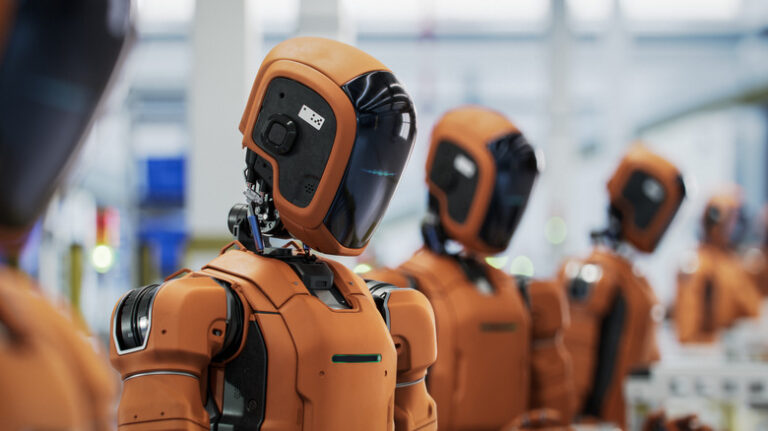
New Delhi, April 20, 2026: A series of unsettling video clips from a garment factory in India has ignited a global debate on the ethics of AI development after workers were observed wearing head-mounted cameras while performing manual tasks. The footage, which began trending on April 12, 2026, depicts long rows of employees intently focused on stitching and fabric manipulation, each equipped with a small camera capturing their every hand movement. The “truth” behind the unusual setup is widely reported to be the collection of egocentric, first-person data, which is being used to train advanced AI models and humanoid robots through imitation learning.

The interaction was observed to have been recorded inside what appears to be a high-capacity textile unit, where the intricate coordination of human fingers is being digitized at a granular level. In the viral clips, the first-person perspective allows machine learning algorithms to study the speed, angle, and torque required for tasks that were previously thought to be too complex for automation. This “human-eye view” has been described by technology experts as a cost-effective alternative to expensive motion-capture suits, effectively turning the current workforce into a living dataset for their mechanical successors.

The Irony of the “Hand Farm”: Teaching Machines to Take Jobs

The reaction from the digital community has been one of profound discomfort, with many users pointing out the grim irony of workers being paid to document their own professional obsolescence. It is argued by labor rights activists that these “hand farms” exploit vulnerable workers who may not fully understand that their recorded expertise is being used to build systems that will eventually make their roles dispensable. On platforms like X and Reddit, the footage has been shared with the chilling caption, “Day 1 of making myself jobless,” prompting a surge in the hashtag #AITakeover as netizens grapple with the rapid shift toward physical intelligence.

The impact of the video has prompted a wider discussion about the transparency of contracts in the manufacturing sector, where workers are reportedly receiving modest monthly salaries to feed the AI pipeline. It is noted by industry experts that companies like Tesla and Figure AI are increasingly seeking real-world human data to help humanoid robots navigate the complexities of factory floors. The passive role of the worker—who is seen performing their routine duties while being digitized—has become a symbolic image of the “Industry 4.0” transition, where human skill is treated as a finite resource to be harvested.

Also Read: The Rise of Taniya Chatterjee Amidst the Yuzvendra Chahal

A New Era of Outsourcing: Data Labeling and the Future of Labor

Following the viral spread of the factory clips, reports have surfaced highlighting how India has become a global hub for this type of “ghost work,” where thousands of people annotate data or record movements for overseas tech giants. It is reported that while the immediate pay provides a livelihood for many first-generation graduates, the long-term consequence is an economy-wide slowdown in human employment. The passive wait for regulatory change is being challenged by these viral revelations, as the public demands to know if workers are being fairly compensated for the intellectual property of their physical movements.

As of the afternoon of April 20, 2026, the “Camera-Wearing Workers” remains a top trending topic in the technology and ethics categories. While the factories continue to operate, the digital record of this training process serves as a permanent testimony to the hidden human cost of artificial intelligence. For now, the story stands as a digital reminder: the machines of tomorrow are being built on the silent, recorded labor of today, and the very hands that feed the algorithm may be the first ones it chooses to replace.

The Rise of Taniya Chatterjee Amidst the Yuzvendra Chahal

New Delhi, April 20, 2026: A storm of digital controversy has been ignited following a viral interaction involving Kolkata-based actress Taniya Chatterjee and Indian cricketer Yuzvendra Chahal. The situation, which began circulating in mid-April 2026, centers on a video where the actress was observed showing her phone screen to paparazzi. The “truth” behind the viral claim involved a screenshot of an alleged Instagram Direct Message, where the Punjab Kings leg-spinner was reported to have complimented the actress by calling her “cute.”

The interaction was observed to have triggered an immediate wave of social media speculation, as Taniya described the exchange as a “normal and innocent” conversation between two public figures. In the viral clip, she was seen laughing off the attention, stating that she enjoys receiving compliments and saw no harm in sharing the gesture. However, this “casual” reveal has been described by critics as a breach of privacy, leading to a polarized debate about the boundaries between celebrities and the public.

From OTT Screens to Tabloid Headlines

The reaction from the digital community was further intensified when reports of a defamation lawsuit surfaced on April 18, 2026. It is argued by sources close to the cricketer that the private interaction was “misinterpreted” and used for social media clout, prompting a stern legal response. On various entertainment portals, the name Taniya Chatterjee is now being searched by millions who were previously unfamiliar with her work in the Bengali regional film industry and the Indian OTT space.

The impact of the controversy has also been felt within the IPL 2026 circuit, where Chahal is currently competing for Punjab Kings. It is noted by fans that the cricketer was observed being teased by his teammates, including Arshdeep Singh, who jokingly referenced the “cute” remark during a team flight. The passive role of the cricketer—who has yet to release a formal public statement—has been replaced by a quiet legal battle that seeks to protect his reputation during the high-pressure tournament.

Also Read: Ice Spice Being Slapped at LA McDonald’s Triggers Legal Battle

Professional Profile: A Career in the Spotlight

Following the viral spread of the row, Taniya’s professional background as a model and actress has been brought into sharp focus. It is reported that she gained significant popularity for her bold roles in adult-drama web series like Gandii Baat and Jaal, as well as her appearances in films such as FlatMates. The passive observation of her career suggests a trajectory built on digital influence, with her Instagram following seeing a massive surge as a direct result of the ongoing controversy.

As of the afternoon of April 20, 2026, the “Taniya-Chahal Row” remains a top trending topic across the country. While the actress has expressed shock over the legal turn and the subsequent online trolling, the digital record of the interaction remains a permanent part of this season’s off-field drama. For now, the story stands as a digital reminder: in the age of instant screenshots, a single “cute” remark can travel much further than intended, often landing right in the middle of a courtroom.

Ice Spice Being Slapped at LA McDonald’s Triggers Legal Battle

0

New Delhi, April 20, 2026: A shocking physical altercation involving Grammy-nominated rapper Ice Spice has dominated social media feeds today, April 20, 2026, following a violent encounter at a Hollywood McDonald’s. The footage, which began circulating after the incident on April 15, depicts a young woman approaching the “Deli” rapper while she was dining with a friend. The “truth” behind the viral clip reveals a tense moment where Ice Spice was observed being struck across the face after she and her companion reportedly asked the individual to leave their booth.

The interaction was observed to have escalated rapidly from a perceived fan encounter to a chaotic brawl that spilled out onto the streets of Los Angeles. In the viral surveillance and bystander clips, the assailant—identified as a woman named Vayah—is seen leaning in to confront the rapper before delivering a sharp slap. This “unprovoked” attack has been described by witnesses as a startling breach of public safety, leading to a frantic scene where the rapper was seen leaping over tables in pursuit of the woman before security intervened.

Escalation and Allegations: The McDonald’s Brawl Continues

The reaction from the digital community has been split between defense of the rapper’s right to privacy and criticism of her decision to engage in a street-side confrontation. It is argued by Ice Spice’s attorney, Bradford Cohen, that the initial strike was entirely uncalled for and has since been reported to the Los Angeles Police Department (LAPD). On platforms like X and Instagram, additional footage has surfaced showing the rapper allegedly smashing a phone belonging to the group involved, prompting a surge in the hashtag #IceSpiceSlap as users debate the legality of the retaliatory actions.

The impact of the video has prompted a wider discussion about the lack of adequate security at high-traffic fast-food outlets in Hollywood. It is noted by the rapper’s legal team that civil action may be pursued against the McDonald’s location for failing to protect its high-profile patrons. The passive role of the bystanders—who were seen filming the “mugshot-worthy” moment rather than stopping the fight—has been cited by Cohen as a primary reason why the situation spiraled into a public road scuffle involving threats and profanity.

Also Read: CRPF Constable Recruitment 2026: Registration Begins for 9,195 Vacancies

A Tale of Two Stories: Vayah’s Defense and Legal Threats

Following the viral spread of the altercation, the woman identified as Vayah has released her own version of events, claiming that she was initially polite but was met with “rudeness” and derogatory language. It is reported that she admitted to the slap only after being called a “b***h” by the rapper, a claim that the legal team has dismissed as a “set-up” to gain social media clout. The passive wait for an LAPD investigation is now underway, with the rapper’s attorney vowing that “the only thing going viral for them is their mugshots” as they pursue both criminal and civil avenues.

As of the afternoon of April 20, 2026, the “Ice Spice McDonald’s Fight” remains a top trending topic in the celebrity news and legal categories. While the rapper has since joked on social media that “this wouldn’t happen at a Wendy’s,” the digital record of the physical assault serves as a serious reminder of the volatile nature of public celebrity life. For now, the story stands as a digital reminder: the line between a fan interaction and a criminal offense is thin, and the consequences of crossing it are rarely worth the “viral” fame.