Home Blog Page 127

CRPF Constable Recruitment 2026: Registration Begins for 9,195 Vacancies

0

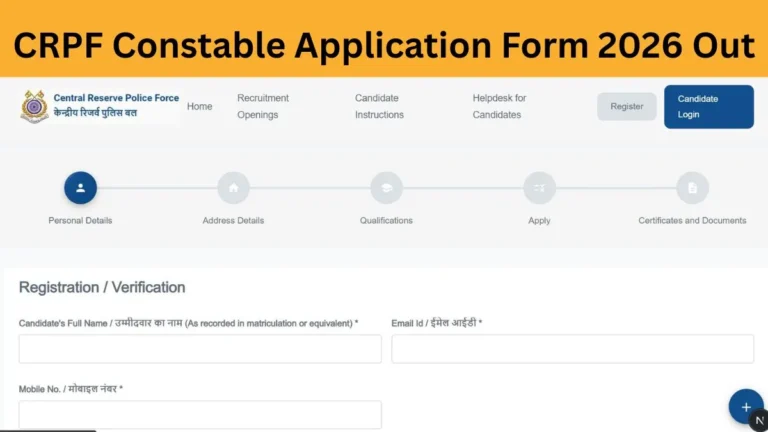
New Delhi, April 20, 2026: The wait is finally over for thousands of aspiring candidates. The Central Reserve Police Force (CRPF) has officially commenced the registration process for the recruitment of Constable (Technical, Tradesmen, and Pioneer) positions for the year 2026. With a massive intake of 9,195 vacancies, this recruitment drive stands as one of the most significant opportunities of the year for individuals looking to join India’s largest central armed police force.

Candidates who have been eagerly awaiting this notification can now submit their applications through the official CRPF recruitment portal. The application window is open from today, April 20, 2026, and will remain active until May 19, 2026.

Why This Recruitment Drive Matters

The CRPF plays a pivotal role in maintaining internal security, counter-insurgency operations, and peacekeeping across the country. A position as a Constable in the CRPF is not just a government job; it is a chance to serve the nation with honor and job security. This 2026 drive covers a wide array of roles, including technical, tradesmen, and pioneer posts, ensuring a variety of opportunities for candidates with diverse skill sets.

Also Read: Live Worm Found in Sev Puri at Haldiram’s Malad Outlet

Key Vacancy Details

The recruitment drive aims to fill a total of 9,195 posts, distributed across various categories and trade disciplines.

  • Total Vacancies: 9,195
  • Categories: The recruitment spans across Constable (Technical & Tradesmen) and Constable (Pioneer).
  • Gender-wise Split: The vast majority of posts are reserved for male candidates, while a dedicated number of seats are available for female applicants, ensuring inclusivity in the force.
  • Diverse Trades: Positions are open for various roles, including:
    • Drivers (a significant portion of the vacancies)
    • Technical Trades: Motor Mechanic, Electrician, Mason
    • Support Trades: Cook, Carpenter, Tailor, Barber, Washerman, Safai Karamchari, Bugler, Painter, Water Carrier, and Band members.

Important Dates at a Glance

To ensure you do not miss out, mark these critical dates on your calendar:

EventDate
Application Start DateApril 20, 2026
Last Date to ApplyMay 19, 2026
Last Date for Fee PaymentMay 19, 2026
Exam DateTo be announced later

Eligibility Criteria

Before applying, candidates must ensure they meet the specific eligibility standards set by the CRPF.

  • Educational Qualification: For most posts, candidates must have passed the Matriculation (Class 10) exam from a recognized board. Depending on the trade (e.g., Driver, Motor Mechanic), additional technical qualifications like an ITI certificate, a valid driving license, or relevant work experience in the trade may be required.
  • Age Limit:
    • Constable (Driver): 21 to 27 years as of January 1, 2026.
    • Other Tradesmen Posts: 18 to 23 years as of January 1, 2026.
    • Age relaxation is applicable for reserved categories (SC, ST, OBC) as per government guidelines.

Selection Process: A Multi-Stage Journey

The recruitment process is structured to ensure that only the most capable candidates are selected. The stages of the selection process are as follows:

  1. Computer-Based Test (CBT): The primary screening stage, testing candidates on general intelligence, knowledge, and trade-specific aptitude.
  2. Physical Efficiency Test (PET): A test of physical stamina and endurance (running).
  3. Physical Standard Test (PST): Measurement of physical attributes such as height, weight, and chest size to ensure candidates meet the force’s requirements.
  4. Trade/Skill Test: A practical examination to verify the candidate’s proficiency in their chosen trade.
  5. Document Verification: Ensuring all educational, domicile, and caste certificates are authentic.
  6. Medical Examination: A comprehensive check to ensure the candidate is physically and medically fit for duty.

How to Apply

The application process is entirely online. Follow these steps to submit your form:

  1. Visit the Official Website: Go to rect.crpf.gov.in.
  2. Navigate to Recruitment: Look for the “Constable (Technical/Tradesman) 2026” recruitment link.
  3. Registration: New users must register by providing basic details like name, contact number, and email.
  4. Fill the Form: Log in and fill in your educational details, personal information, and choice of trade.
  5. Upload Documents: Upload scanned copies of your photograph, signature, and required certificates.
  6. Pay the Fee: The application fee is ₹100 for male candidates of General, EWS, and OBC categories. SC, ST, ESM, and all female candidates are exempted from the fee.
  7. Submit & Print: Once payment is confirmed, submit the application and save the confirmation page/PDF for future reference.

Final Advice to Aspirants

With thousands of candidates expected to apply, competition will be high. Success in this exam requires a balanced approach. Don’t just focus on the written test; start your physical training early. Dedicate time to understanding the specific trade you are applying for, as practical knowledge is crucial for the skill test phase.

Stay updated by checking the official CRPF recruitment website regularly for notifications regarding admit cards, exam schedules, and any corrections to the application process. Good luck to all the brave aspirants taking the first step toward a career in the CRPF!
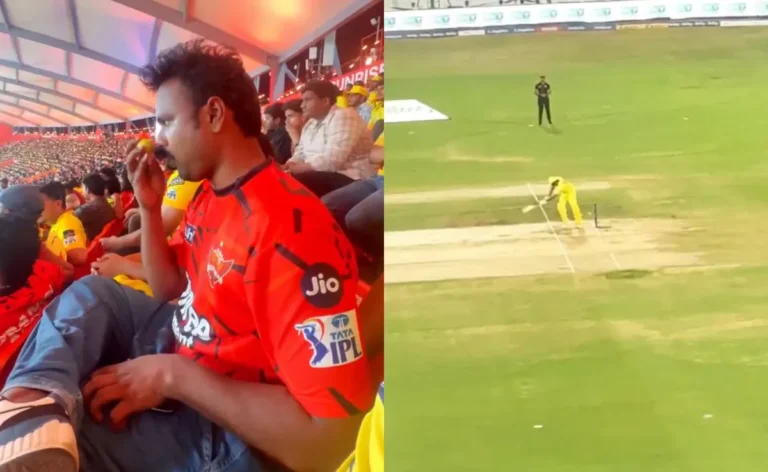

SRH Fan’s Bizarre Ritual Linked to Shivam Dube’s Dismissal

0

New Delhi, April 20, 2026: A captivating moment of “cricket magic” has taken the internet by storm following a high-stakes encounter between Sunrisers Hyderabad (SRH) and Chennai Super Kings (CSK). The footage, which began trending on April 20, 2026, depicts a passionate SRH supporter performing a series of strange hand gestures aimed at the pitch just moments before a crucial delivery. The “truth” behind the viral sensation was revealed when CSK’s powerhouse hitter, Shivam Dube, was observed losing his wicket on the very next ball, leading fans to credit the fan for a “supernatural” intervention.

The interaction was observed to have been captured by a spectator in the stands, rather than the official broadcast cameras, adding an air of mystery to the event. In the viral clip, the fan is seen intensely focused on Dube, moving his fingers in a rhythmic, “hex-like” motion as the bowler begins his run-up. This “bizarre act” has been described by the cricketing community as the ultimate display of fan desperation, proving that in the IPL, even the stands can influence the outcome of the game.

Coincidence or Curse? The Moment the Momentum Shifted

The reaction from the digital community has been a mixture of hilarity and genuine superstition, with the video amassing millions of views across X and Instagram. It is argued by many SRH supporters that the fan successfully cast a “Nazar” (evil eye) on the left-handed batsman, who had been looking dangerous at the crease. On various sports forums, the footage is being shared as proof of the “SRH Jinx,” prompting a surge in the hashtag #SRHvCSK as users debate the scientific impossibility versus the comedic timing of the event.

The impact of the dismissal was felt immediately on the field, as the departure of Shivam Dube triggered a significant collapse in the CSK middle order. It is noted by analysts that while the bowler’s skill was the primary factor, the synchronization with the fan’s ritual has made the clip a permanent part of IPL folklore. The passive role of the spectator—traditionally seen as a helpless observer—has been challenged by this viral moment, suggesting that the “twelfth man” might sometimes be found in the front row of the stadium.

Also Read: Live Worm Found in Sev Puri at Haldiram’s Malad Outlet

The Power of the Fandom: Why ‘Jinxing’ is Trending

Following the viral spread of the “ritual” video, several other fans have begun sharing clips of their own superstitions, from wearing lucky jerseys to sitting in specific “winning” positions. It is reported that while the SRH fan remains anonymous, his actions have earned him the status of a “digital deity” among the Hyderabad faithful. The passive wait for a wicket was replaced by a proactive, albeit eccentric, attempt to help the home team, a theme that has resonated deeply with the highly superstitious Indian cricket audience.

As of the afternoon of April 20, 2026, the “SRH Fan Jinx” remains a top trending topic in the sports and entertainment categories. While the match results are now in the record books, the digital record of this bizarre intervention continues to provide endless entertainment for fans of both teams. For now, the story stands as a digital reminder: in the world of professional cricket, sometimes the most effective defense isn’t a fielder on the boundary, but a fan with a very specific set of hand gestures.

Live Worm Found in Sev Puri at Haldiram’s Malad Outlet

0

New Delhi, April 20, 2026: A stomach-churning video of a live, crawling worm found in a plate of Sev Puri at a Haldiram’s outlet in Mumbai has ignited a firestorm of criticism across social media today, April 20, 2026. The incident, which reportedly took place on April 17 at the popular Infinity Mall in Malad, was captured by a shocked customer who observed the insect moving amidst the papdis and sev. The “truth” behind the viral footage highlights a significant hygiene breach at one of India’s most trusted snack chains, leaving thousands of regular patrons questioning the brand’s food safety protocols.

The interaction was observed to have escalated when the customer confronted the outlet staff, filming the plate to ensure the evidence was undeniable. In the viral clip, the live worm is seen wriggling on the surface of the dish, a sight described by onlookers as “absolutely revolting.” This “free gift” from the kitchen has been shared over 50 million times, with netizens expressing their disbelief that such a lapse could occur in a high-traffic mall outlet known for its perceived cleanliness.

Accountability on the Menu: The Customer Confrontation

The reaction from the digital community has been one of swift condemnation, with the video amassing a wave of negative comments targeting the brand’s quality control. It is argued by concerned diners that if a live worm can survive the preparation of a fresh chaat item, the storage conditions of the ingredients must be severely compromised. On platforms like Instagram and X, the footage has been shared with calls for a permanent boycott of the Malad branch, prompting a surge in the hashtag #HaldiramsScandal as users demand a formal inspection by the Food Safety and Standards Authority of India (FSSAI).

The impact of the video has forced many mall-goers to reconsider their dining choices, as the outlet is observed to be under intense scrutiny following the leak. It is noted by witnesses that the staff appeared “visibly shaken” during the confrontation, yet a satisfactory explanation for the contamination was not immediately provided. The passive role of the mall management—which has yet to release an official statement regarding the tenant’s hygiene standards—has further fueled the public’s anger.

Also Read: Bengaluru Man Uses Porsche Bonnet to Mix Cement for Pothole Repair

Beyond the Glossy Interior: The Reality of Food Safety

Following the viral spread of the “Sev Puri Worm” video, several other customers have come forward to share their own disappointing experiences at various franchise outlets. It is reported that while Haldiram’s is celebrated for its traditional flavors, the rapid expansion of its physical stores may be leading to a decline in oversight. The passive wait for an official apology from the corporate office is being replaced by a digital movement calling for “transparency in the kitchen,” where customers are now demanding to see how their favorite snacks are being stored and handled.

As of the afternoon of April 20, 2026, the “Malad Haldiram Incident” remains a top trending topic in the Mumbai News and Food Safety categories. While the specific plate of Sev Puri was discarded, the digital record of the live intruder remains a permanent stain on the outlet’s reputation. For now, the story stands as a digital reminder: no matter how big the brand, the safety of the consumer must always come before the speed of the service.

Bengaluru Man Uses Porsche Bonnet to Mix Cement for Pothole Repair

0

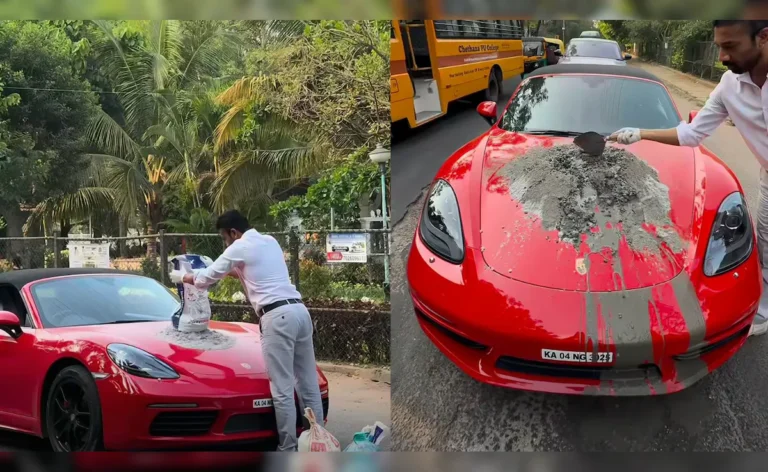
New Delhi, April 20, 2026: A bizarre yet captivating video of a Bengaluru resident using the hood of a luxury Porsche as a mixing board for cement has taken the internet by storm today, April 20, 2026. The footage depicts the man casually pouring bags of concrete mix onto the sleek, yellow bonnet of the high-end sports car before adding water and stirring. The “truth” behind this unconventional act is reported to be a unique form of protest against the persistent pothole crisis in the city, as the individual was observed using the finished mixture to patch a deep crater on a busy road.

The interaction was observed to have been recorded by stunned onlookers who couldn’t believe a vehicle worth crores was being used as a piece of construction equipment. In the viral clip, the man is seen meticulously filling the road cavity with the cement he prepared on the car’s surface, all while maintaining a calm demeanor. This “luxurious fix” has been described by viewers as a bold statement on the deteriorating state of urban infrastructure, suggesting that if the authorities won’t fix the roads, the citizens will—using whatever means they have.

Activism or Extravagance? The Debate Behind the Viral Fix

The reaction from the digital community has been a mixture of shock, laughter, and genuine admiration for the man’s audacity, with the video amassing over 20 million views across Instagram and X. It is argued by some that the act was a “calculated stunt” designed to grab the attention of the Bruhat Bengaluru Mahanagara Palike (BBMP) by contrasting extreme wealth with administrative neglect. On social media platforms, the footage has been shared with the caption “Peak Bengaluru Moment,” prompting a surge in the hashtag #PorschePothole as users debate whether the paint damage to the car was a fair price for a smoother road.

The impact of the video has prompted a wider discussion about the safety of the city’s commuters, especially during the monsoon season when potholes become “silent killers.” It is noted by urban activists that while the protest is humorous, the underlying message is a serious critique of the tax-paying citizen’s struggle for basic services. The passive role of the local government—which has faced years of criticism over road quality—is being challenged by this viral display of “luxury activism,” forcing a renewed spotlight on the accountability of civic bodies.

Also Read: Ronit Roy at 60: Defying Biological Clocks with Unmatched Fitness and Discipline

The Cost of a Statement: A Scratch for a Solution

Following the viral spread of the “cement mixing” clip, it is reported that the owner of the vehicle intentionally chose to use the car to emphasize that even the most expensive machinery is not safe from the city’s crumbling infrastructure. The passive wait for road repairs is being replaced by these individual acts of defiance, where a Porsche bonnet becomes a symbolic tool for community service. While car enthusiasts have expressed horror at the potential scratches, the man’s commitment to fixing the street has earned him the title of a “local hero” in the eyes of many frustrated commuters.

As of the afternoon of April 20, 2026, the “Bengaluru Porsche Pothole” remains a top trending topic in the national news and offbeat categories. While the cement has long since dried, the digital record of this protest serves as a permanent reminder of the lengths to which citizens will go to seek change. For now, the story stands as a digital reminder: when a city’s roads fail, even the world’s finest engineering might find itself being used to fill the gaps in the system.

Ronit Roy at 60: Defying Biological Clocks with Unmatched Fitness and Discipline

New Delhi, April 20, 2026: In an era where “retirement” is increasingly becoming a fluid concept, Bollywood veteran Ronit Roy is redefining what it means to enter one’s sixties. At 60, he isn’t just maintaining a healthy lifestyle; he is operating at a peak physical level that rivals actors half his age. With a physique defined by lean muscle and visible six-pack abs, Roy has become a beacon of inspiration, proving definitively that age is merely a number—provided one is willing to put in the work.

A Legacy of Discipline

Ronit Roy has long been a household name in Indian entertainment, known for his versatility and intense screen presence. However, his off-screen dedication to his health has recently taken center stage. While many his age might opt for gentler forms of exercise, Roy embraces the iron. His recent displays of heavy lifting and core-centric training have gone viral, sparking conversations about the importance of strength training in the later stages of life.

His fitness journey is not a sudden trend or a temporary transformation for a role. It is a lifelong commitment to consistency. In a recent spotlight on his training, it is clear that Roy views physical activity as a pillar of his life, much like his professional career. He approaches the gym with the same intensity he brings to his acting craft—with focus, precision, and an unwavering commitment to excellence.

Also Read: Shruti Haasan’s Sharp Response to ‘Mumma’ Remark

The Science of Longevity: Why Heavy Lifting Matters

Beyond the aesthetic appeal of a sculpted physique, Ronit Roy’s commitment to heavy lifting serves a greater physiological purpose. Medical experts and health organizations, including the World Health Organization (WHO), consistently highlight the critical importance of muscle-strengthening activities for adults as they age.

As we enter our fifties and sixties, the body naturally faces sarcopenia—the age-related loss of muscle mass and strength. This decline is often the precursor to frailty, increased injury risk, and metabolic slowdown. By engaging in resistance training and heavy lifting, Roy is actively combating these natural processes.

Key benefits of the path he has chosen include:

  • Bone Density Preservation: Weight-bearing exercises are crucial for maintaining bone health, significantly reducing the risk of osteoporosis.
  • Metabolic Efficiency: Building and maintaining muscle mass keeps the metabolism active, making it easier to manage weight and energy levels.
  • Functional Independence: Strength is the ultimate currency of longevity. It allows for the maintenance of a high quality of life, ensuring that daily tasks remain effortless regardless of age.

Roy’s routine is a masterclass in functional longevity. He isn’t just “working out”; he is investing in his future self.

The Philosophy of “Less is More” in Nutrition

While his lifting regimen makes headlines, it is supported by a disciplined approach to nutrition. Fitness in the sixties requires a different tactical approach than in the twenties; recovery takes longer, and the body becomes more sensitive to inflammation.

Following a path similar to other fitness-conscious actors, Roy emphasizes clean eating. The secret, often shared by those who maintain such high levels of definition, is not necessarily about deprivation, but about timing and portion control.

Many who admire Roy’s physique often look for a “shortcut,” but his results are a product of:

  1. Prioritizing Natural Foods: Avoiding processed additives and sticking to whole-food sources of protein and carbohydrates.
  2. Listening to the Body: Adjusting intensity based on recovery needs, rather than chasing ego-lifting numbers.
  3. Consistency Over Intensity: It is the daily commitment, not the occasional “hero workout,” that defines his look.

A Blueprint for Everyone

What makes Ronit Roy’s transformation so impactful is that it strips away the excuses. He is a busy professional, a father, and a public figure with demanding schedules. Yet, he finds the time. His journey challenges the narrative that the sixties are a time to “slow down” and “take it easy.”

For the average individual, Roy’s example is a reminder that we are all the architects of our own biological aging. We cannot stop the passage of time, but we can dictate how our bodies respond to it. Whether it is walking, yoga, or lifting weights, the mandate is clear: keep moving.

Conclusion

As Ronit Roy continues to push his boundaries, he isn’t just entertaining his audience; he is showing them what is possible. He stands as a testament to the fact that with discipline, the right mindset, and a commitment to strength, we can defy the limitations society often imposes on those entering their senior years.

He proves that you don’t need to choose between a long life and a vibrant one—you can have both. As Roy continues to hoist heavy iron and maintain his impressive definition, he invites us all to step up, put in the effort, and embrace the potential of our own strength, regardless of the date on our birth certificate.

Viral Video of Street Vendor’s Unsanitary Samosa Serving

0

New Delhi, April 20, 2026: A disturbing video showing a street vendor engaging in highly unhygienic behavior has sent shockwaves across social media platforms on April 20, 2026. The footage, which is reported to have originated from Hyderabad, depicts a vendor allegedly placing his hand inside his pants before using the same hand to handle and serve samosas to a customer. The “truth” behind the viral clip has ignited a fierce debate over food safety standards in India, as the individual was observed ignoring basic sanitary protocols while preparing a popular snack for public consumption.

The interaction was observed to have been recorded and shared by an alert bystander, quickly amassing over 6 lakh views on platforms like X (formerly Twitter). In the viral clip, the vendor is seen adjusting his clothing in an inappropriate manner just moments before reaching for a plate to serve “Samosa Chaat.” This “behind-the-scenes” look at street food preparation has been described by viewers as a “stomach-turning” revelation, prompting many to reconsider their habit of eating at roadside stalls.

A Breach of Trust: Public Reaction to the Unsanitary Act

The reaction from the digital community has been one of pure disgust and concern for public health, with many users calling for the vendor’s immediate identification and arrest. It is argued by food safety advocates that such incidents are not just isolated lapses in judgment but a systemic failure in the monitoring of street food kiosks. On platforms like Instagram and X, the footage has been shared with warning captions like “Savdhan rahe” (Stay alert), prompting a surge in the hashtag #FoodSafetyIndia as users share their own horror stories of unhygienic dining experiences.

The impact of the video has prompted a wider discussion about the need for mandatory health certifications and regular inspections for all food vendors, regardless of their size. It is noted by health professionals that handling food with unwashed hands after such actions can lead to the spread of severe infections and foodborne illnesses. The passive role of the customer—who is seen accepting the food without knowing what occurred moments prior—has been cited as a chilling reminder of the “blind trust” that diners often place in street vendors.

Also Read: Shruti Haasan’s Sharp Response to ‘Mumma’ Remark

Enforcement and Accountability: The Search for the Vendor

Following the viral spread of the “Hyderabad Samosa” video, local food safety authorities are reported to be investigating the matter to pinpoint the exact location of the stall. It is noted that similar incidents in cities like Dehradun and Thane have previously led to the seizure of carts and the arrest of vendors for endangering public health. The passive wait for government intervention is being replaced by a digital vigilante movement, where netizens are actively tagging municipal corporations to ensure that “hidden ingredients” and “secret masalas” of this nature are permanently removed from the streets.

As of the afternoon of April 20, 2026, the “Samosa Vendor Video” remains a top trending topic in the news and health categories. While the identity of the specific vendor is yet to be officially confirmed, the digital record of his actions serves as a permanent testimony to the risks of unregulated street food. For now, the story stands as a digital reminder: the cheapest meal can sometimes carry the highest cost, and a single viral clip is often the only thing standing between a hungry customer and a serious health crisis.

Shruti Haasan’s Sharp Response to ‘Mumma’ Remark

New Delhi, April 20, 2026: A brief but intense confrontation between actor-singer Shruti Haasan and the paparazzi has dominated entertainment headlines today, April 20, 2026, after a video of the exchange surfaced online. The footage, recorded as the actress was leaving a restaurant in Mumbai, depicts her reacting with visible displeasure to being addressed as “Mumma” by a member of the press. The “truth” behind the viral clip centers on a growing frustration among celebrities regarding personal boundaries, as Shruti was observed stopping in her tracks to immediately question the appropriateness of the term.

The interaction was observed to have reached a peak of tension when Shruti turned back toward the photographers to confront the specific individual who used the word. In the viral clip, she is heard asking with a stern expression, “Kaun hai mumma? Aapki mumma hai? Kya bak rahe ho tum?” (Who is mumma? Is it your mother? What are you saying?). This “unfiltered” reaction has been described by her fans as a necessary stance against the increasingly informal and often disrespectful tone adopted by some paparazzi during public sightings.

Protecting Personal Space: Why the ‘Mumma’ Remark Stung

The reaction from the digital community has been largely supportive of the Coolie actress, with millions of views being amassed across Instagram and X within hours. It is argued by lifestyle commentators that the use of maternal tropes like “Mumma” or “Mommy” to address female celebrities is often infantilizing and crosses a professional line. On social media platforms, the footage has been shared with the caption “Queen behavior,” prompting a surge in the hashtag #ShrutiHaasan as users debate whether the paparazzi have lost their sense of basic etiquette in the pursuit of viral content.

The impact of the video has prompted a wider discussion about the mental toll of being constantly surrounded by cameras and unsolicited commentary. It is noted by industry insiders that while Shruti is generally cooperative with photographers, the “weird” and overly personal nature of the remark was clearly the breaking point. The passive role of the celebrity—who is often expected to smile through any level of discomfort—was rejected by the actress in favor of a direct and assertive response that left the gathered crowd in silence.

Also Read: Fly91 Passengers Crying and Praying During Four-Hour Mid-Air Ordeal

Setting the Tone: The Future of Celebrity-Paparazzi Relations

Following the viral spread of the confrontation, many social media users have pointed out that other actors like Jaya Bachchan and Salman Khan have also faced similar criticism for demanding respect in public. It is reported that while some found her reaction “too strong,” the majority of netizens believe that no woman should have to tolerate being addressed in a way that makes her uncomfortable, regardless of her fame. The passive observation of “paparazzi culture” is being challenged by these individual acts of defiance, signaling a shift toward more respectful interactions.

As of the afternoon of April 20, 2026, the “Shruti Haasan Mumma Video” remains a top trending topic in the entertainment and social ethics categories. While she eventually composed herself and continued to her vehicle, the digital record of her firm “no” serves as a permanent reminder of the boundaries that exist even in the spotlight. For now, the story stands as a digital reminder: fame does not grant permission for familiarity, and respect remains the only acceptable currency for those behind the lens.

Fly91 Passengers Crying and Praying During Four-Hour Mid-Air Ordeal

0

New Delhi, April 20, 2026: A harrowing video documenting the sheer terror experienced by passengers on a Fly91 flight has surfaced as a major digital sensation today, April 20, 2026. The footage, which began trending across social media platforms, depicts a cabin filled with distraught travelers as their aircraft remained suspended in the air for over four hours due to severe weather conditions. The “truth” behind the viral ordeal highlights a desperate situation where the flight, originally destined for Goa, was observed circling endlessly while passengers pleaded, “Take us to Bengaluru.”

The interaction was observed to have been recorded by several terrified passengers who captured the sound of loud weeping and communal prayers echoing through the cabin. In the viral clips, the aircraft is seen jolting through extreme turbulence, causing oxygen masks to be deployed in some sections of the plane. This “near-death” experience has been described by those on board as a psychological nightmare, with the cries of children and the frantic chanting of religious hymns creating a haunting atmosphere that has resonated with millions of viewers online.

A Battle Against the Elements: The Diverted Flight Path

The reaction from the digital community has been a mixture of empathy and scrutiny regarding aviation safety protocols during monsoon-like weather. It is argued by aviation experts that the decision to stay mid-air for such an extended period was likely dictated by “air traffic congestion” and the lack of visibility at alternative landing strips. On platforms like X and Instagram, the footage has been shared with demands for a formal investigation into the airline’s communication, prompting a surge in the hashtag #Fly91Terror as users question why the flight was not diverted to Bengaluru sooner.

The impact of the four-hour ordeal has resulted in dozens of passengers requiring medical assistance for anxiety and dehydration upon their eventual landing. It is noted by witnesses that several individuals were observed fainting once the aircraft finally touched down at an alternative airport. The passive role of the ground control—which was reportedly unable to provide a safe landing window for hours—is being highlighted by disgruntled travelers who feel their lives were placed at unnecessary risk for the sake of scheduling.

Also Read: Samsung Unveils Massive 14-Meter Onyx Cinema LED at CinemaCon 2026

Trauma in the Cabin: The Struggle for Reassurance

Following the viral spread of the “crying and praying” video, a statement was issued by Fly91 expressing regret for the discomfort caused by the “unavoidable” weather patterns. It is reported that while the pilots successfully navigated the storm without physical damage to the plane, the emotional damage to the passengers remains significant. The passive wait for the weather to clear was a reminder of how quickly a routine flight can transform into a struggle for survival, leaving many travelers stating they are too traumatized to fly again in the near future.

As of the afternoon of April 20, 2026, the “Fly91 Mid-Air Nightmare” remains a top trending topic in the aviation and national news categories. While the aircraft eventually landed safely, the digital record of the passengers’ collective grief serves as a permanent testimony to the power of nature over modern technology. For now, the story stands as a digital reminder: in the face of the elements, the most advanced machines are still subject to the unpredictable whims of the sky.

Samsung Unveils Massive 14-Meter Onyx Cinema LED at CinemaCon 2026

0

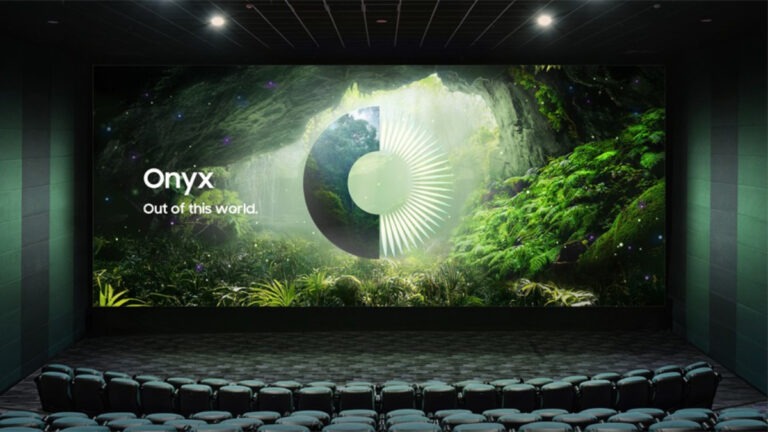
New Delhi, April 20, 2026 — The future of the big-screen experience has officially arrived. At CinemaCon 2026, the world’s largest gathering for the motion picture theater industry, Samsung Electronics unveiled its latest leap in visual technology: a massive 14-meter (46-foot) standard-size Onyx Cinema LED display. Designed specifically for Premium Large Format (PLF) auditoriums, this new model is set to redefine how audiences experience blockbuster filmmaking, bridging the gap between home-viewing convenience and the unparalleled immersion of the theater.

As cinemas globally seek to distinguish themselves in an era of fierce competition for audience attention, Samsung’s latest innovation arrives at a critical juncture. By pushing the boundaries of screen size, brightness, and color accuracy, Samsung is betting that the premium theatrical experience will continue to thrive by offering something that home screens simply cannot replicate.

A New Standard for Premium Large Format (PLF)

For years, the cinema industry has been defined by projection technology. However, as the demand for “Premium Large Format” auditoriums grows, traditional projection has faced limitations regarding ambient light, contrast, and brightness. Samsung’s Onyx Cinema LED platform has been challenging this status quo since its debut in 2017, and the new 14-meter model is the most significant expansion of that vision to date.

“People go to premium theaters for something they cannot recreate at home,” says Hyoung Jae Kim, Executive Vice President of the Visual Display (VD) Business at Samsung Electronics. “That raises the bar for every part of the auditorium, starting with the screen. Samsung’s new 14-meter Onyx gives exhibitors a way to bring the premium experience to larger auditoriums, helping turn moviegoing into a destination again.”

Also Read: OnePlus Nord CE6 Series India Launch Date Announced

Engineering Excellence: Beyond the Pixels

The new 14-meter Onyx model is not merely a “bigger screen”; it is a precision-engineered solution designed for high-end theatrical environments. Samsung has introduced several key technical advancements to maintain, and even elevate, image quality at this larger scale.

  • Optimized Pixel Density: The display utilizes a 3.3mm pixel pitch. This specific tuning is crucial, ensuring that images remain sharp, consistent, and free of artifacts, even when viewed up close in a massive auditorium.
  • Flexible Scalability: Perhaps the most game-changing feature for theater operators is the screen’s modular design. The 14-meter standard configuration can be scaled up to 20 meters (66 feet) by adding individual LED cabinets to the sides and bottom. This flexibility allows exhibitors to customize their screen size to fit their specific theater footprint without compromising the visual integrity of the presentation.
  • Unmatched Visual Fidelity: The display supports 4K resolution at 120Hz, providing exceptionally smooth motion for high-frame-rate content and fast-paced action sequences.
  • HDR and Brightness: Leveraging Samsung’s signature HDR technology, the screen reaches a peak brightness of up to 300 nits—approximately six times brighter than the conventional standards currently found in most projection-based cinema halls. This high brightness, combined with an infinite contrast ratio, allows for true “black levels,” resulting in deep, rich imagery that makes shadow details pop in ways traditional projection cannot manage.

Transforming the Theater Experience

The implications of this technology go beyond just better image quality. Because Onyx displays are self-emissive—meaning the screen produces its own light—they eliminate the ambient light restrictions of conventional projectors.

In a traditional projection theater, the room must be kept dark to ensure the image doesn’t wash out. With an Onyx display, the image maintains its vibrancy regardless of the lighting conditions. This opens up entirely new revenue streams for theater owners, including:

  • Alternative Programming: Exhibitors can host live sports broadcasts, high-stakes gaming tournaments, corporate presentations, and even concert screenings during daylight hours or with partial house lighting, without sacrificing visual quality.
  • Space Optimization: Because the LED screen does not require the same depth and projection booth configuration as traditional systems, it allows for more efficient use of theater space, potentially enabling new seating layouts that offer better sightlines for the audience.

Global Momentum: From Morocco to Georgia

The launch of the 14-meter model follows a period of rapid global adoption for the Onyx platform. The industry has been taking note, with major exhibitors integrating these screens into flagship locations worldwide.

Recent high-profile installations highlight the versatility of the Onyx lineup. In Rabat, Morocco, the Pathé Dar Essalam complex—designed to be a luxury flagship destination—has launched with 12 Onyx screens across its auditoriums. By utilizing a mix of 5-meter, 10-meter, and 6.4-meter custom configurations, Pathé has cemented its position as the largest operator of Samsung cinema LED screens in Europe.

Similarly, in the United States, Trilith Cinemas in Fayetteville, Georgia, became the first theater in the nation to install the latest generation of Onyx screens in December 2025. Situated in one of the country’s most active production hubs, the theater serves as a showcase for how modern technology can match the visual detail and creative intent of the filmmakers who produced the content.

The Future of “Destination” Cinema

As the industry navigates a changing landscape where home entertainment systems become increasingly sophisticated, the theatrical experience must offer a distinct value proposition to remain relevant. Samsung’s announcement at CinemaCon 2026 is a clear signal that the company believes that value lies in scale, quality, and the “wow factor.”

By providing theater owners with the tools to build truly premium, immersive environments, Samsung is doing more than selling hardware; it is helping to craft the future of the moviegoing ritual. As more exhibitors transition to LED-based projection, audiences can look forward to a new era of clarity, color, and immersion that reaffirms why, even in a digital-first world, the big screen remains the ultimate way to experience a story.

Viral Video of ₹1.6 Crore 1BHK Apartment Sparks Outrage

0

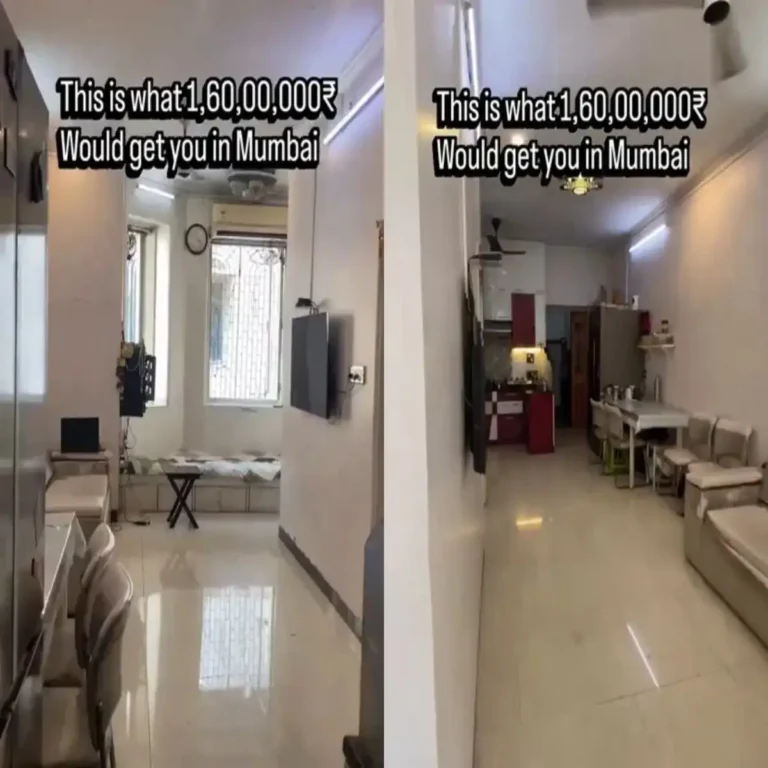
New Delhi, April 20, 2026: A staggering property tour of a compact one-bedroom apartment in Mumbai has ignited a fierce debate over the city’s skyrocketing housing costs. The footage, which began trending on April 20, 2026, depicts a modest 1BHK unit in a suburban high-rise being offered for the eye-watering price of ₹1.6 crore. The “truth” behind the viral sensation highlights the extreme premium placed on space in India’s financial capital, as the apartment was observed to have a carpet area that many viewers described as “barely enough for a single person.”

The interaction was observed to have gained millions of views after a real estate influencer walked through the property, highlighting “modern amenities” that failed to distract from the cramped dimensions. In the viral clip, the kitchen is seen as a narrow corridor, while the living area is observed to barely accommodate a standard-sized sofa. This “harsh reality” of urban living has been described by netizens as a “daylight robbery,” proving that for many young professionals, the dream of homeownership in Mumbai is becoming an impossible feat.

Location vs. Luxury: The Price of a Mumbai Zip Code

The reaction from the digital community has been a mixture of disbelief and dark humor, with the video amassing over 30 million views across X and Instagram. It is argued by real estate analysts that such prices are driven by the scarcity of land and the proximity to major business hubs rather than the actual quality of the construction. On various platforms, the footage has been shared with captions comparing the price to luxury villas in other Indian cities, prompting a surge in the hashtag #MumbaiHousing as users vent their frustrations over the lack of affordable options.

The impact of the video has prompted a wider discussion about the “micro-apartment” trend, where developers maximize profits by shrinking floor plans to fit more units into a single tower. It is noted by architects that while these spaces are marketed as “smart homes,” the physical reality often involves compromises on ventilation and natural light. The passive role of the middle-class buyer—who is often forced to accept these high prices due to a lack of alternatives—is being scrutinized as the video becomes a symbol of the city’s widening wealth gap.

Also Read: Girl Proudly Showing Medal on Bicycle Ride with Father

The Cost of Convenience: Can the Bubble Last?

Following the viral spread of the ₹1.6 crore tour, several potential homeowners have shared their own “house hunting” horror stories, from leaking ceilings in premium towers to exorbitant maintenance fees. It is reported that while the real estate market remains buoyant, the sheer volume of negative comments on the video suggests a growing disconnect between property valuations and the average citizen’s purchasing power. The passive wait for a market correction is being replaced by a digital roar of dissent, as citizens call for better regulation of housing prices.

As of the afternoon of April 20, 2026, the “Cramped 1BHK” remains a top trending topic in the finance and lifestyle categories. While the apartment will likely be sold due to the city’s relentless demand, the digital record of the tour serves as a permanent testimony to the struggle for space. For now, the story stands as a digital reminder: in the “City of Dreams,” a roof over one’s head is increasingly becoming a luxury that only a few can truly afford.