Home Blog Page 130

BPCL Recruitment 2026: Official Notification Out for 250 Junior Executive

0

New Delhi, April 18, 2026: Bharat Petroleum Corporation Limited (BPCL), a prestigious Maharatna Public Sector Undertaking, has officially released its highly anticipated recruitment notification for 2026. This recruitment drive, aimed at bolstering its workforce for various entry-level positions, invites applications for 250 vacancies across engineering, finance, quality assurance, and administrative roles.

For candidates aspiring to build a career in the energy sector, this is a significant opportunity to join a company that serves as a cornerstone of India’s energy infrastructure.

Recruitment Overview: Key Details

The online application process commenced on April 18, 2026, and will remain open until May 17, 2026. Interested candidates are encouraged to review the eligibility criteria carefully and submit their applications well before the deadline.

FeatureDetails
OrganizationBharat Petroleum Corporation Limited (BPCL)
Total Vacancies250 (Indicative)
Application ModeOnline
Application Start Date18 April 2026
Application Last Date17 May 2026
Official Websitewww.bharatpetroleum.in

Post-Wise Vacancy Breakdown

The current drive covers a diverse range of operational and administrative profiles. The indicative distribution of these 250 vacancies is as follows:

  • Junior Executive (Engineering): 175 vacancies
    • Disciplines: Mechanical, Electrical, Instrumentation, Electronics, Civil, and Chemical Engineering.
  • Junior Executive (Accounts): 25 vacancies
    • Requirements: Graduation with CA/CMA Intermediate.
  • Junior Executive (Wayside Amenities): 10 vacancies
  • Secretary: 8 vacancies
  • Associate Executive (Quality Assurance): 30 vacancies
    • Requirement: M.Sc. in Chemistry.
  • Associate Executive (Official Language Implementation): 2 vacancies

Eligibility and Selection Process

Essential Qualifications & Experience

BPCL is seeking candidates with both technical qualifications and relevant industry experience. For most Junior Executive roles, candidates are required to hold a Diploma in Engineering or a relevant degree (B.Com/BBA/B.Sc/BMS/BHM, depending on the role) with a minimum of 5 years of post-qualification experience.

For the Associate Executive (Quality Assurance) position, candidates must hold an M.Sc. in Chemistry with at least 3 years of experience in relevant laboratory settings within the petroleum, chemical, or oil & gas sectors.

Note: All age and experience cut-offs are calculated as of April 1, 2026.

Selection Stages

The selection process is designed to be comprehensive, ensuring that the best talent is recruited for these critical roles. The stages typically include:

Salary and Benefits

BPCL offers a competitive remuneration package that reflects the standards of a Maharatna PSU.

  • Junior Executive & Secretary: Pay scale of ₹30,000 – ₹1,20,000, with an approximate Cost to Company (CTC) of ₹12.28 Lakhs per annum.
  • Associate Executive: Pay scale of ₹40,000 – ₹1,40,000, with an approximate CTC of ₹17.11 Lakhs per annum.

How to Apply

Eligible candidates can apply by following these simple steps:

  1. Visit the official BPCL career portal at www.bharatpetroleum.in.
  2. Navigate to the “Careers” section and look for the link titled Recruitment for Entry Level Roles 2026.”
  3. Read the detailed advertisement PDF carefully to ensure you meet all requirements.
  4. Click on the “Apply Online” link and complete the registration process.
  5. Upload the necessary documents and pay the application fee (if applicable).
    • Fee Structure: ₹1180 for General/OBC-NCL/EWS candidates; SC/ST/PwBD candidates are exempted.

Final Advice for Aspirants

Given the competitive nature of PSU recruitment, candidates should ensure that all certificates and experience letters are ready and verified against the official notification requirements before filling out the form. Avoiding last-minute submissions is advisable to prevent technical glitches on the server.

This recruitment drive is an excellent career progression pathway for professionals looking to contribute to the nation’s energy security while enjoying the stability and benefits of a top-tier Public Sector Undertaking.
Union Cabinet Approves 2% DA Hike for Central Government Employees; Effective from Jan 2026

0

New Delhi, April 18, 2026 – In a significant development that brings relief to millions of government personnel, the Union Cabinet, chaired by Prime Minister Narendra Modi, has officially approved an additional installment of Dearness Allowance (DA) for Central Government employees and Dearness Relief (DR) for pensioners.

The long-awaited announcement, made earlier today, confirms a 2% increase in the DA/DR rates, raising them from the existing 58% to 60% of the basic pay.

This decision comes as a welcome update for the central workforce, effectively ending weeks of speculation and concern regarding the delay in the announcement for the first half of the year. The revised rates are effective retrospectively, starting from January 1, 2026.

Key Highlights of the Announcement

  • New DA/DR Rate: 60% of the basic pay/pension.
  • Effective Date: January 1, 2026.
  • Arrears: Employees and pensioners will receive arrears for the months of January, February, and March 2026.
  • Beneficiaries: The move is expected to benefit over 50 lakh employees and approximately 68 lakh pensioners across India.
  • Financial Implication: The government has estimated an annual financial impact of approximately ₹6,791 crore due to this revision.

Understanding the DA Hike

Dearness Allowance is a cost-of-living adjustment allowance paid to government employees and pensioners to mitigate the impact of inflation. The government revises these rates twice a year—once in January and once in July—based on the All India Consumer Price Index for Industrial Workers (AICPI-IW) data.

While the announcement is a routine procedure, it is crucial for maintaining the purchasing power of government staff in the face of rising living costs. The current 2% hike reflects the inflation trends observed in the months leading up to December 2025.

Also Read: Ashok Kharat: The Dark Secrets of a Nashik Godman

What This Means for Your Salary

For those wondering how this affects their monthly take-home pay, the calculation is straightforward. The DA is calculated as a percentage of the employee’s basic pay.

Example Calculation:

  • If an employee’s monthly basic pay is ₹30,000:
    • Previous DA (58%): ₹17,400
    • New DA (60%): ₹18,000
    • Monthly Increase: ₹600
  • Note: Actual salary increments will vary depending on individual basic pay structures.

Employees can expect the revised DA to be reflected in their upcoming salary cycles. Furthermore, the disbursement of arrears for the first three months of the year (January to March) will provide a lump-sum boost, which many households will find helpful for managing mid-year expenses.

Context: A Backdrop of 8th Pay Commission Demands

The approval of this 2% hike arrives at a time when the broader national conversation is shifting toward the implementation of the 8th Pay Commission.

Over the past few months, various employee unions, including the National Council–Joint Consultative Machinery (NC-JCM), have been actively lobbying for structural changes to the salary framework. Their demands include:

  • A significantly higher fitment factor (proposals as high as 3.83 have been discussed).
  • A revision of the minimum basic pay to ₹69,000.
  • The inclusion of dependent parents in the definition of “family” for health and pay calculations.
  • Restoration of the Old Pension Scheme (OPS).

While the 2% DA hike is a standard inflationary adjustment, many union leaders have clarified that this is seen as a necessary but temporary measure while they continue to push for the major structural reforms anticipated under the 8th Pay Commission.

Why the Delay?

There had been growing anxiety among government staff due to the delay in this year’s announcement, which typically occurs by the end of March. Several employee organizations had expressed their discontent, with some even organizing local protests to highlight the strain that rising prices put on fixed-income families.

With the Cabinet finally giving its nod today, the government has addressed these grievances, ensuring that the compensation cycle remains intact despite the slight delay.

What Should Employees Do Now?

For most government employees, no specific action is required. The revised DA will be processed automatically by the respective departments and will be reflected in the forthcoming pay slips. Pensioners are advised to check their pension accounts for the updated DR (Dearness Relief) and the credit of arrears in the coming weeks.

As we move forward in 2026, all eyes remain on the Ministry of Finance for further updates regarding the 8th Pay Commission, which remains the primary focus for the central government employee community.

Ashok Kharat: The Dark Secrets of a Nashik Godman

0

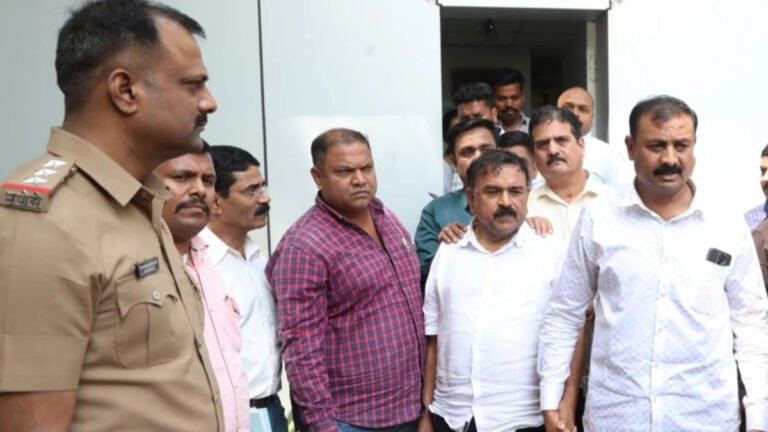
New Delhi, April 18, 2026: In a case that has sent shockwaves across Maharashtra and raised serious questions about the vulnerability of those seeking spiritual guidance, the arrest of Ashok Kharat, a self-styled godman from Nashik, has unraveled a dark web of alleged criminal activity. What began as a complaint by one woman has snowballed into a multi-layered investigation involving sexual exploitation, financial fraud, and the disturbing discovery of dozens of incriminating videos.

As of April 2026, the investigation into Ashok Kharat—a 67-year-old retired Merchant Navy officer who rebranded himself as a spiritual healer and astrologer—has become one of the most prominent crime stories in the state.

The Trigger: A Victim’s Courage

The case first gained traction in March 2026, when a 35-year-old woman approached the police with a harrowing account of her experiences. She alleged that Kharat, operating out of his base in Mirgaon, Nashik, had repeatedly sexually assaulted her over a span of three years.

According to her complaint, she had initially visited Kharat seeking spiritual solutions for family issues. The accused, who used the title “Captain” (stemming from his former naval career), allegedly leveraged his perceived spiritual authority to gain her trust. The victim claimed that during her visits, Kharat administered sedatives in food or water, hypnotized her, and then carried out the assaults, often accompanied by threats of “divine curses” on her family if she ever dared to speak out.

The ‘58 Videos’ and the Discovery of Blackmail

The most chilling development in the case emerged during the police raid on Kharat’s premises. Investigators from the Special Investigation Team (SIT) recovered a pen drive containing 58 intimate videos.

Police allege that these videos were not merely personal recordings but were part of a systematic blackmail operation. By capturing explicit acts without the victims’ consent, Kharat allegedly ensured the silence of those he exploited, holding the threat of social stigma and public humiliation over them. This “farmhouse of secrets” strategy allowed him to continue his alleged exploitation for years, trapping victims in a cycle of fear.

The recovery of these videos has been pivotal in building the prosecution’s case. They serve as primary evidence of the widespread nature of the abuse, contradicting any narrative that the encounters were consensual.

The Modus Operandi: Manipulation and Mysticism

Investigators have pieced together a disturbing pattern in how Kharat operated:

  • The Facade of Spirituality: Kharat projected an image of a learned, spiritual guide. He established the “Shri Shivnika Sansthan Trust” and used religious settings to lure followers.
  • Targeting Vulnerability: Many of his alleged victims were women facing personal, household, or health-related crises. He promised them “divine” solutions, such as rituals to conceive or to mend broken marriages.
  • Use of Intoxicants: The consistent detail across multiple complaints is the administration of sedatives or hypnotics. By incapacitating his victims, he could bypass their defenses and commit the crimes.
  • Black Magic and Coercion: Beyond physical assault, he was allegedly involved in practices categorized under the Maharashtra Prevention and Eradication of Human Sacrifice and Other Inhuman, Evil and Aghori Practices and Black Magic Act. He allegedly claimed that sexual acts were part of “purification rituals.”

Legal Escalation: Multiple Cases and ED Involvement

Following the initial arrest, the floodgates opened. As of mid-April 2026, Kharat is linked to at least 15 registered cases across various police stations in Maharashtra, including charges of rape, extortion, and cheating.

The case has now transcended local law enforcement. The Enforcement Directorate (ED) has launched a crackdown, raiding 11 locations linked to Kharat and his associates across Nashik, Pune, and Shirdi. Authorities suspect that the “godman” amassed a small fortune through his schemes, laundering money through a network of benami bank accounts and real estate investments. His chartered accountant and family members are also under the scanner for their alleged roles in managing these illicit funds.

In court, the prosecution has highlighted the non-cooperative nature of the accused. Kharat remains in police custody as the SIT works to identify his potential accomplices and trace the origin of the substances used to sedate his victims.

A Reckoning for Superstition

The Ashok Kharat case has reignited a fierce debate in India about the unchecked power of “godmen” and self-proclaimed spiritual leaders. Critics argue that a lack of awareness and a culture of blind faith make it easy for predators to exploit vulnerable individuals.

The incident has also had political reverberations, with opposition leaders calling for a more rigorous crackdown on such individuals who hide behind religious institutions. For the victims, however, this is less about politics and more about a long-overdue pursuit of justice.

The Road Ahead

As the investigation continues, the authorities are encouraging other potential victims to come forward, promising protection and anonymity. The case is a stark reminder of the dangers lurking behind the doors of those who claim to have “divine powers.”

While the legal process will take time to conclude, the arrest of Ashok Kharat marks a significant step in dismantling a predatory network. For the survivors, the recovery of the 58 videos, though deeply traumatic, provides the legal backbone needed to hold their tormentor accountable for the years of exploitation they were forced to endure.

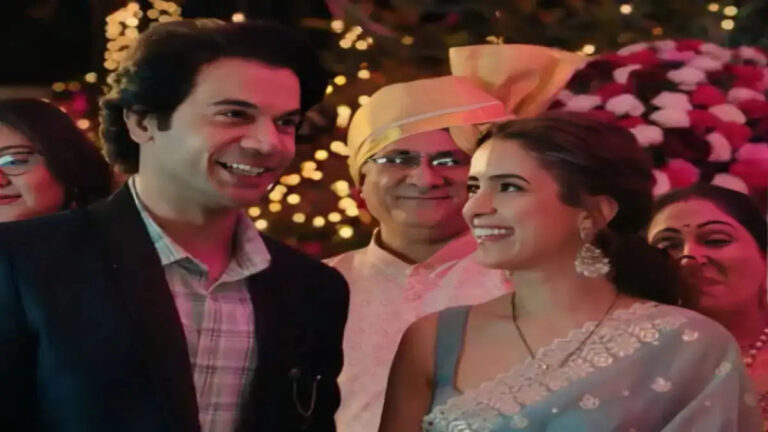
‘One Piece of Meat, Two Rotis’: Rajkummar Rao & Sanya Malhotra Expose Food Rationing

New Delhi, April 18, 2026: In a candid conversation that has sent shockwaves across the Indian film industry, the cast of the upcoming film Toaster—including Rajkummar Rao, Sanya Malhotra, and Abhishek Banerjee—has joined veteran actress Archana Puran Singh to call out a disturbing trend that has long plagued Bollywood film sets: the rationing of food.

The discussion, which touched upon the “kanjoosi” (stinginess) of certain production houses, highlighted how the cost-cutting measures often come at the expense of basic human dignity for crew members.

The Origin of the ‘Ek Boti, Do Roti’ Narrative

The conversation was sparked by a striking anecdote shared by Archana Puran Singh. Recalling her experiences with notoriously tight-fisted production houses, she shared a label that many crew members use behind closed doors.

“We used to call them ‘Ek boti, do roti’ (One piece of meat, two rotis),” Archana revealed. She explained that at the lunch tables of these specific production houses, food was strictly rationed. Crew members were often limited to a specific number of rotis and a single serving of the non-vegetarian item.

For Archana, this isn’t just about food; it is a mindset. “It’s a kind of kanjoosi (stinginess). If you are stingy, you are stingy in every aspect,” she noted, pointing out how production houses often demand 12 to 14-hour shifts while simultaneously denying staff their basic right to a proper, uninterrupted lunch break. She specifically questioned the treatment of crew members like light men, who spend hours under the harsh sun and are rarely afforded the same courtesies as the talent.

Beyond the Plate: Actors Weigh In

The discussion resonated deeply with the Toaster team, who used the platform to advocate for better treatment of the entire production crew.

Rajkummar Rao, known for his grounded approach, questioned the logistical failures that lead to these conditions. He highlighted that skipping lunch breaks is often a management failure rather than a necessity.

“I wonder why lunch breaks are not given,” Rajkummar said. “If the shoot begins at 12:30 pm, they expect us to keep at it till 3:30 pm. They could instead let everyone have their lunch and start the shoot at 1:30 pm. They should think about crew members as well.”

He emphasized that while actors might have personal assistants who can step in to provide food, the crew is often left to fend for themselves or settle for what is provided by the production, often with no alternatives. For him, the solution costs nothing but a bit of empathy and better scheduling.

Also Read: Inside the Viral Video of Ravi Kishan Touching His Wife’s Feet

A Plea for Dignity

Sanya Malhotra echoed these sentiments, noting that the issue of denying lunch breaks affects the entire set, not just the stars. She noted that while she has been fortunate enough to work on sets where the well-being of the crew is prioritized, the industry-wide problem remains systemic.

Adding to the conversation, Abhishek Banerjee framed the issue as a matter of respect. “Chhoti chhoti cheezon mein na, samajh mein aa jaata hai kanjoosi (You can see the stinginess in small things),” he observed. He criticized producers who attempt to save money by compromising on the basic needs of their workers, arguing that these decisions show a fundamental lack of respect for the people who make the film possible.

The Bigger Picture

This conversation is part of a growing movement within the Indian film industry to address the working conditions of below-the-line crew members. While film sets are often romanticized as glitzy, high-energy environments, the reality—as highlighted by these stars—can be grueling.

The “one piece of meat, two rotis” phenomenon is a metaphor for a larger culture of exploitation that puts profit margins over the welfare of those working behind the camera. By speaking out, these A-list actors are leveraging their platforms to push for a more humane, professional standard on sets, where food, rest, and dignity are seen as basic rights rather than privileges.

As the industry continues to evolve, the message from the Toaster cast is clear: filmmaking is a collective effort, and a successful production shouldn’t come at the cost of the crew’s well-being.

Inside the Viral Video of Ravi Kishan Touching His Wife’s Feet

0

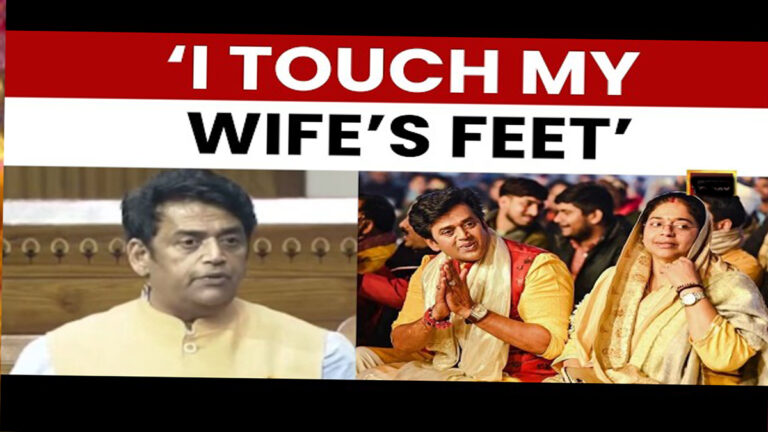
New Delhi, April 18, 2026: In a rare moment of personal vulnerability shared within the hallowed halls of the Indian Parliament, BJP MP and actor Ravi Kishan recently captured the nation’s attention once again. A video of the actor-turned-politician speaking about his deep respect for his wife, Preeti Shukla, has gone viral, sparking widespread conversation across social media platforms.

The incident, which took place during a discussion on the Women’s Reservation Bill in the Lok Sabha in April 2026, saw the MP from Gorakhpur opening up about his marital bond in a way that resonated with millions.

A Moment of Candour in the Lok Sabha

The viral clip stems from a light-hearted yet poignant exchange between Ravi Kishan and fellow politician Jagdambika Pal. While discussing the crucial role of women in society and the political arena, Pal remarked on the pivotal role Ravi Kishan’s wife plays in his election campaigns, noting that she actively canvasses for him.

Responding to this, Ravi Kishan did not merely offer a standard acknowledgement. Instead, he spoke with raw sincerity: “Yes, my wife actively campaigns for me during elections and helps secure a substantial 100,000 to 150,000 votes. I touch her feet [in gratitude].”

When pressed by Jagdambika Pal, who asked, “So, you actually touch her feet?”, Ravi Kishan elaborated on the personal ritual he performs at home: “My wife doesn’t actually let me touch her feet. However, whenever she is fast asleep, I take that opportunity to touch her feet.”

He further added, “My wife has stood by me unreservedly during my darkest times. Even when I was navigating a difficult phase in my film career, she remained steadfastly by my side. Given all this, why wouldn’t I touch her feet?”

The Backstory: From Kapil Sharma’s Stage to National Discourse

While this recent parliamentary mention has sent the video trending across news channels and social media, this is not the first time Ravi Kishan has spoken about his devotion to his wife.

The sentiment first made headlines in mid-2025 during an appearance on The Great Indian Kapil Show. Appearing alongside Ajay Devgn and Mrunal Thakur to promote their film, Son of Sardaar 2, Ravi Kishan shared the same heartfelt confession about his nightly ritual.

On that occasion, the interaction took a humorous turn. While the audience was visibly moved by the actor’s admission of gratitude, his co-star Ajay Devgn chimed in with a classic piece of wit: “The guiltier a man is, the more he will bend to touch his wife’s feet,” a comment that had the entire studio audience—and the viewers at home—bursting into laughter.

Despite the jokes and the light-hearted teasing, the underlying message remained clear: Ravi Kishan’s gesture is rooted in genuine acknowledgment of the struggle his wife endured alongside him before his rise to stardom.

Why the Internet is Talking

In an age where public figures are often seen through a polished, curated lens, such glimpses into domestic life are rare. The viral nature of this video can be attributed to a few key factors:

  • Breaking Gender Norms: In many traditional Indian households, the cultural norm dictates that a wife touches the husband’s feet as a mark of respect. Seeing a prominent male figure, especially one known for his traditional roots and political standing, reverse this dynamic is a powerful subversion of expected gender roles.
  • The Symbolism of Gratitude: For many viewers, the video goes beyond the physical act. It speaks to a deeper recognition of “unseen labour”—the support a partner provides behind the scenes during the years of struggle.
  • Relatability: The honesty with which Ravi Kishan speaks about his wife—not as an accessory, but as the “Laxmi” of his home—strikes a chord with many couples who view marriage as a true partnership.

The Psychological Perspective

Following the initial viral wave in 2025, relationship experts weighed in on the practice. While some psychologists suggested that placing a partner on a pedestal should be balanced with mutual, healthy communication, many acknowledged the beauty of public displays of gratitude.

As one commentator noted, “Authentic intimacy thrives on mutual appreciation.” Whether the act is done while a spouse is awake or asleep, the intention behind it—the desire to honour someone who has been a pillar of strength—is a sentiment that transcends cultural or political boundaries.

Conclusion: A Reminder of Human Connection

Ravi Kishan’s viral video serves as a gentle reminder that behind every public persona lies a human being shaped by personal experiences, relationships, and gratitude. By choosing to speak about his wife with such reverence in both the casual setting of a comedy show and the formal setting of the Parliament, he has managed to humanize his public image significantly.

For many, the video is more than just a trending clip; it is a testament to the fact that no matter how far one climbs the ladder of success, the most important relationships—and the people who helped build that foundation—deserve to be honoured. As the video continues to circulate, it leaves behind a warm sentiment, reminding us all of the importance of valuing our partners, not just in words, but in the small, quiet actions that show we care.

“Sorry, Nandi Baba”: Viral Temple Moment Melts Hearts

0

New Delhi, April 18, 2026: In a video that has gone viral across social media platforms today, April 18, 2026, a toddler’s candid interaction with a temple offering has left millions smiling, proving once again that sometimes, the most profound moments of joy require nothing more than a child’s unfiltered honesty.

The Moment That Stole the Internet

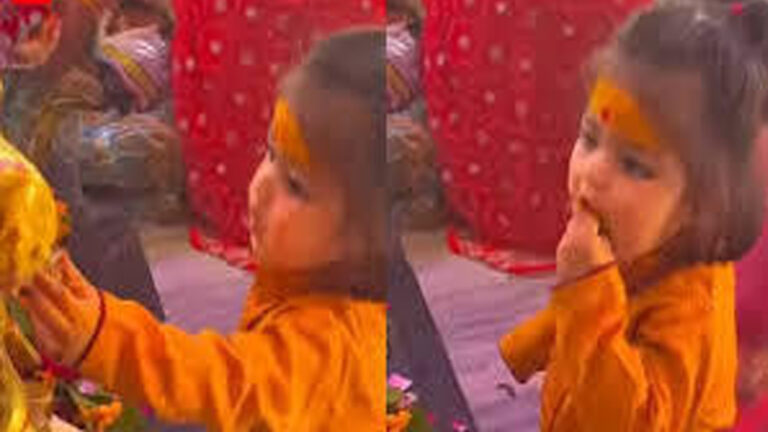
The clip, which has rapidly circulated across X (formerly Twitter), Instagram, and Facebook, takes place inside a serene temple setting. The scene begins innocuously: a mother is seen performing pooja, or traditional prayers, alongside her young son. As is customary in many Hindu traditions, she places a small offering of food—likely prasad—near the statue of Nandi, the sacred bull deity.

What happens next has melted the hearts of viewers worldwide. Oblivious to the sanctity of the ritual or the social etiquette of leaving offerings untouched, the little boy looks at the food, looks at the Nandi statue, and—driven by pure, unadulterated hunger—reaches out to take the treat for himself.

The mother, realizing what is happening, can be seen suppressing a laugh as the boy proceeds to enjoy the offering. The video was shared online with the charmingly relatable caption: “Sorry Nandi Baba, I am also hungry.”

Why This Video Resonates

In the hours since the video was uploaded, it has garnered an outpouring of affection. The comment sections are filled with users noting that this is perhaps the most “human” moment of devotion they have seen in a long time.

“Nandi Baba would surely be the first to smile at this,” one user commented, echoing the sentiment of thousands. “He understands the hunger of a child better than anyone.”

Social media analysts suggest that the immense popularity of this clip stems from a universal need for “wholesome content.” In an era where digital feeds are dominated by heavy political discourse, economic updates, and complex societal issues, videos like this offer a rare form of psychological relief. They remind viewers of a time in their own lives—or a version of the world—where things were simple, transparent, and driven by basic needs rather than complex agendas.

Also Read: The Ashok Kharat Scandal: Nashik ‘Godman’ Case Shakes Maharashtra

The Cultural Context of Innocence

The act, while technically a disruption of a ritual, is being viewed not as a transgression, but as a testament to the beautiful, uncomplicated nature of childhood. In Hindu tradition, children are often viewed as roop (forms) of the divine. The idea that a child can “share” a meal with a deity without the complex barriers of adult reverence is a concept that has resonated deeply with the Indian public and a global audience alike.

It contrasts sharply with recent debates surrounding the sanctity of religious rituals. While other viral videos this year have focused on the wastage of food during Kanya Pujan or criticized the commercialization of religious festivals, this specific incident stands out because of the child’s lack of agenda. He isn’t seeking attention or performing a role; he is simply hungry, and he sees food.

The “Feel-Good” Phenomenon

Experts often point to the “halo effect” of such videos. We see a child, we see vulnerability, and we are hardwired to protect and cherish that. When a child behaves with such stark honesty in a setting that usually demands decorum, it breaks the tension of the environment.

This incident joins a growing list of “temple-innocence” videos that circulate annually—toddlers ringing bells, mimicking their parents’ chanting, or, in this case, deciding that the deity’s offering looks too delicious to pass up. These clips serve as a gentle reminder that for many, faith is not just about rigid rules and ancient texts; it is a living, breathing part of daily life that evolves alongside us, from the smallest among us to the eldest.

A Reminder to Smile

As the video continues to make rounds, it serves as an unintended, but welcome, pause button on the frenetic pace of 2026. Whether it is a nudge to be more patient with the children in our lives, or a reminder that even our most sacred traditions are meant to be filled with love and warmth rather than fear and strictness, the message is clear.

In the end, the little boy’s “theft” of the offering wasn’t a crime—it was a lesson. It reminded us that sometimes, the most profound way to honor the divine is to simply be our authentic, hungry, and honest selves.

The Ashok Kharat Scandal: Nashik ‘Godman’ Case Shakes Maharashtra

0

New Delhi, April 18, 2026: The recent arrest of self-styled godman and astrologer Ashok Kharat in Nashik, Maharashtra, has sent shockwaves through the state, exposing a disturbing nexus of alleged exploitation, black magic, and financial fraud. While the investigation into his crimes continues, the discovery of what authorities described as dozens of “obscene videos” found in his possession has become a focal point of public outrage and intense media scrutiny.

The Background: Who is Ashok Kharat?

Ashok Kharat, a 67-year-old retired Merchant Navy officer turned “godman” and astrologer, built a significant reputation in Nashik. Operating under the guise of spirituality, he established himself as the chairman of the Shri Ishanyeshwar Mahadev Temple Trust in Sinnar. For years, he projected an image of a man with divine powers, attracting followers who sought solutions to their personal, family, and financial problems.

However, the facade began to crumble in March 2026, when a 27-year-old woman filed a formal complaint with the police, accusing Kharat of repeatedly raping her over several years. This complaint served as the catalyst for a series of revelations that have since snowballed into a major criminal investigation.

The Allegations: Modus Operandi

According to investigations by the Special Investigation Team (SIT) constituted by the Maharashtra government, Kharat’s operation was highly calculated. Victims reported that he used a mix of psychological manipulation, intimidation, and chemical coercion to exploit them.

Prosecutors allege that Kharat:

  • Fabricated Fear: He reportedly threatened victims that their family members would die or suffer misfortune if they did not comply with his demands.
  • Used Intoxicants: There are allegations that he administered sedatives or intoxicants to victims during rituals to render them unconscious or suggestible.
  • Blackmail: The most damning evidence—the 58 videos—allegedly served as his primary tool for long-term subjugation. By recording these acts, he reportedly created a loop of blackmail, forcing victims to continue their submission to avoid social ruin or public exposure.

The “58 Videos” and the Leak Controversy

The mention of “58 obscene videos” has generated immense public curiosity and concern. During the police investigation, these videos were seized from digital devices found at Kharat’s premises.

While it is clear these videos formed part of the evidentiary material collected by law enforcement, the question of how they became a subject of public conversation—and why some clips surfaced online—has become a point of contention. In court proceedings, the defense has argued that objectionable videos were being “selectively leaked” to the media and social platforms to prejudice the case. Meanwhile, authorities are conducting a separate probe into how sensitive evidence, including Call Detail Records (CDR), may have been accessed and leaked, potentially pointing to systemic lapses or deliberate sabotage.

Also Read: Kannada Superstar Shiva Rajkumar Steals the Show: Recreating Akshaye Khanna Viral ‘FA9LA’ Moves

Current Status: Legal and Financial Probe

As of April 2026, the legal net around Kharat is tightening significantly:

  • Multiple FIRs: To date, approximately 12 First Information Reports (FIRs) have been registered against him across various police stations, including charges related to rape, sexual assault, and violations of the Maharashtra Prevention and Eradication of Human Sacrifice and other Inhuman, Evil and Aghori Practices and Black Magic Act, 2013.
  • Enforcement Directorate (ED) Involvement: Beyond the sexual assault cases, the ED has launched an investigation under the Prevention of Money Laundering Act (PMLA). Preliminary findings suggest Kharat operated “bogus accounts” with cooperative credit societies, using third-party names to channel money collected from victims—often sold as “blessed” items with purported healing powers—into real estate and other assets.
  • Judicial Custody: Kharat remains in judicial custody, with courts repeatedly denying bail as the SIT continues to piece together the extent of his criminal network. Fresh raids by the ED in mid-April 2026 resulted in the seizure of cash and the freezing of assets worth crores of rupees linked to the accused and his associates.

Broader Implications

The Ashok Kharat case has triggered a wider debate in Maharashtra regarding the regulation of self-styled godmen and the need for greater vigilance against “spiritual” exploitation. Political leaders from various parties have been forced to distance themselves from the accused, as reports of his proximity to influential figures have surfaced.

The SIT has set up dedicated helplines to encourage other potential victims to come forward, aiming to dismantle what is being described by investigators as a “commercialized empire of exploitation.” As the trial proceeds, the case serves as a stark reminder of the dangers of blind faith and the critical need for systemic oversight of institutions that operate under the cover of religion.

Kannada Superstar Shiva Rajkumar Steals the Show: Recreating Akshaye Khanna Viral ‘FA9LA’ Moves

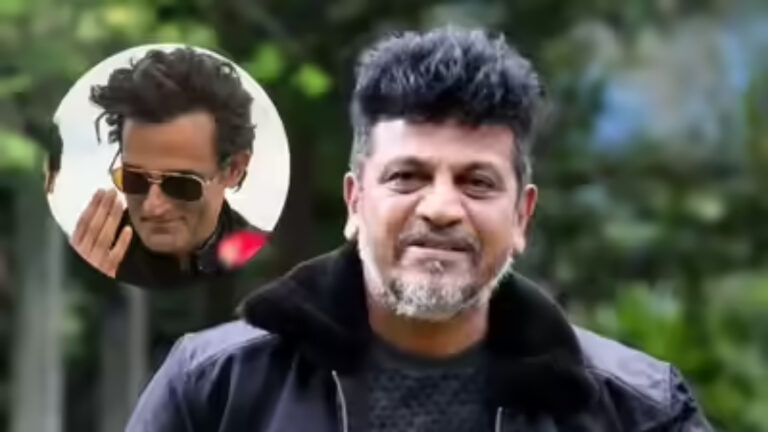
New Delhi, April 18, 2026: The internet is abuzz once again, and this time, it’s not just the original sensation that has fans talking. Kannada cinema’s beloved “Century Star,” Shiva Rajkumar, has sent social media into a frenzy by effortlessly recreating the now-iconic dance moves of Akshaye Khanna from the massive blockbuster, Dhurandhar.

The video, which captures a candid and joyful moment of the veteran actor at a private birthday celebration, has gone viral, proving that even after decades in the limelight, Shiva Rajkumar still knows exactly how to set the dance floor on fire.

The Viral Moment: A Star in His Element

The footage, shared on Instagram by user Kumar Gowda KS, features a relaxed and cheerful Shiva Rajkumar at a birthday party. Dressed casually in a striped shirt and jeans, the legendary actor is seen surrounded by friends and family. As the infectious beats of the song ‘FA9LA’—from Aditya Dhar’s spy-thriller Dhurandhar—start playing, the mood in the room shifts instantly.

Without missing a beat, Shiva Rajkumar steps into the center of the floor. With a wide, infectious smile, he flawlessly executes the signature, swagger-filled dance steps made famous by Akshaye Khanna’s character, Rehman Dakait, in the film. The highlight of the moment comes when the actor performs the stylish adaab (greeting) step with perfect precision, drawing cheers and whistles from the delighted crowd.

The warmth of the moment peaks when Shiva Rajkumar pulls his wife, Geetha Shiva Rajkumar, onto the dance floor. His gesture of bringing her into the celebration was a hit with onlookers, adding a touch of sweetness to the high-energy performance.

Why ‘FA9LA’ Became a Cultural Phenomenon

To understand why this recreation has generated so much excitement, one must appreciate the craze surrounding the original song and film. Dhurandhar, starring Ranveer Singh alongside Akshaye Khanna, released in late 2025 and has since become one of India’s highest-grossing franchises.

Akshaye Khanna’s entry in the film, set to the song ‘FA9LA’ (by Bahrain-based rapper Flipperachi), became an overnight viral trend. Unlike choreographed routines, the dance was largely improvised by Khanna himself, who reportedly wanted to add a spontaneous flair to his character’s introduction. The combination of his suave persona, the catchy rhythm, and the effortless, “cool-guy” dance moves struck a chord with audiences across the country.

The internet quickly became obsessed with the sequence, leading to a wave of reels, parodies, and recreations—ranging from cricket stars like Virat Kohli and Rohit Sharma to casual fans, all trying to capture that specific “Akshaye Khanna swag.”

Shiva Rajkumar’s Fandom

This isn’t just a random viral clip; it’s a nod from one legendary performer to another. Shiva Rajkumar has been vocal about his admiration for the Dhurandhar franchise. Upon the release of the second installment, Dhurandhar: The Revenge, the actor took to social media to praise the film’s conviction, the music, and the “brilliant” performance by the cast.

“Durandhar: The Revenge is absolutely fantastic! Loved every bit of it,” he shared on X, expressing his respect for director Aditya Dhar’s vision. Seeing a veteran of Shiva Rajkumar’s stature—a man who has carried the Kannada film industry on his shoulders for years—celebrate a fellow artist’s work with such fun and abandon is a testament to the unifying power of cinema.

The Takeaway

In an era where social media often highlights the polished and the curated, seeing a veteran superstar like Shiva Rajkumar let his hair down, dance with friends, and celebrate his wife in such a grounded way is refreshing. It reminds audiences that behind the larger-than-life characters on screen, these actors are fans of the craft, just like the rest of us.

As the ‘FA9LA’ trend continues to evolve, Shiva Rajkumar’s version has arguably become one of the most heartwarming renditions yet. For fans, it’s a beautiful crossover moment that merges the legacy of the Kannada industry with the current wave of pan-Indian cinematic trends.

Lenskart Faces Backlash Over Viral Grooming Policy: What You Need to Know

0

New Delhi, April 18, 2026: In recent days, the eyewear retailer Lenskart has found itself at the center of a significant social media firestorm. A leaked internal document, purportedly outlining the company’s grooming and dress code guidelines, has triggered widespread public outrage and intense calls for a boycott. As the debate intensifies, here is a breakdown of the situation, the company’s response, and the broader context of this ongoing controversy.

The Origin of the Controversy

The controversy began when images of an internal “Staff Uniform and Grooming Guide” started circulating rapidly across social media platforms like X (formerly Twitter). The viral document, which appeared to be an internal training manual, drew sharp criticism for its perceived bias regarding religious symbols.

According to the screenshots shared by various social media users, the policy document explicitly restricted employees from wearing certain Hindu cultural and religious markers, such as the bindi, tilak, and kalawa (sacred thread). Simultaneously, the document appeared to permit other forms of religious expression, including the hijab for women and black turbans for men.

The asymmetry in these guidelines—allowing certain religious attire while banning others—struck a nerve with a large segment of the public. Critics argued that in a country like India, where these symbols are deeply rooted in daily life and cultural identity, such a policy felt exclusionary and discriminatory toward the majority community.

The Public Outrage and Boycott Calls

The reaction online was swift and severe. Under the hashtag #BoycottLenskart, thousands of users expressed their frustration, questioning the rationale behind a policy that appeared to prioritize certain expressions of faith over others.

For many, the bindi, sindoor, and kalawa are not merely fashion choices but significant markers of identity, tradition, and personal belief. The restriction of these items in a corporate setting was interpreted by many as an attempt to “sanitize” the workplace of indigenous cultural markers. As outrage mounted, several influencers, commentators, and everyday consumers vowed to stop purchasing from the brand, leading to significant pressure on the company to provide an explanation.

CEO Peyush Bansal’s Response

As the situation escalated, Lenskart’s founder and CEO, Peyush Bansal, took to social media to address the backlash. Bansal issued a public clarification, aiming to quell the rising anger.

In his statement, Bansal acknowledged that the document circulating online was genuine but clarified that it was an outdated internal training document and not the company’s active human resources policy. He stated that the problematic section, which contained the restrictions on religious symbols, had been identified and removed by the company as early as February 17, 2026—well before the issue became a public conversation.

Bansal’s statement read, in part:

“The document currently circulating is an outdated internal training document. It is not an HR policy. That said, it contained an incorrect line about bindi/tilak that should never have been written and does not reflect our values or actual practice. As Founder and CEO, the responsibility for such lapses is mine.”

He further emphasized that Lenskart has no restrictions on any form of religious expression, including bindi and tilak, and that the company is committed to reviewing its guidelines to ensure they align with the values of inclusivity and respect.

Also Read: Happy Birthday KL Rahul: Inside the Luxurious Life and Dream Homes of Cricket Star Batter

The Aftermath and Ongoing Debate

Despite the CEO’s apology and explanation, the controversy has not fully subsided. A significant portion of the public remains skeptical, questioning how such a policy was drafted and implemented in the first place, even if it was “outdated.”

Critics are asking for transparency, requesting that the company release its current, updated grooming policy to clear any lingering doubts. The incident has reignited a larger conversation about corporate sensitivity in India. Many are using this moment to debate the balance between maintaining a professional corporate appearance and respecting the diverse cultural and religious identities of employees.

For now, Lenskart remains under the spotlight. While the company maintains that the policy is not in effect and does not reflect their current culture, the incident serves as a stark reminder of the power of social media to hold large corporations accountable and the high sensitivity surrounding religious and cultural expression in the public sphere.

As the situation continues to unfold, consumers are waiting to see if this clarification will be enough to restore trust or if the calls for a boycott will leave a lasting impact on the brand’s reputation.

Happy Birthday KL Rahul: Inside the Luxurious Life and Dream Homes of Cricket Star Batter

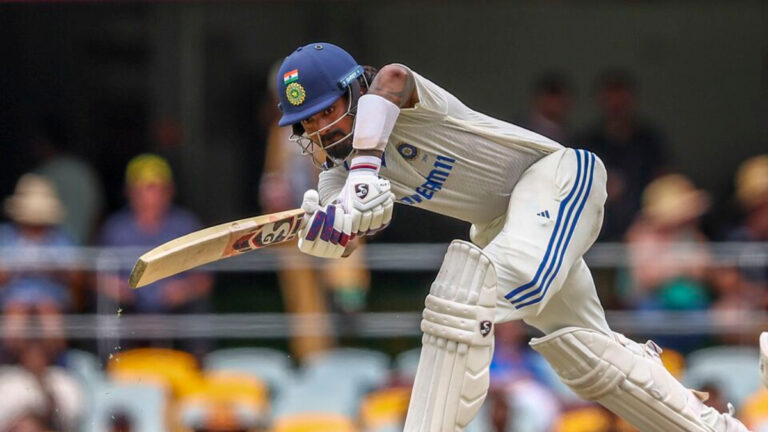
April 18, 2026 – As the cricketing world joins in celebrating KL Rahul’s birthday today, fans and admirers aren’t just cheering for his impeccable cover drives and composed presence on the pitch. They are also taking a moment to appreciate the grounded, elegant life he has built alongside his wife, actress Athiya Shetty.

Often described as one of India’s most beloved power couples, the duo has become synonymous with a lifestyle that balances high-profile professional success with deeply private, serene domesticity. Today, as Rahul celebrates another year, we take a closer look at the stunning spaces he and Athiya call home—from their architectural marvel in Goa to their plush urban sanctuary in Mumbai.

A Birthday Milestone

Today marks a special celebration for the couple, who welcomed their daughter, Evaarah, last year. The joy in the household is palpable, with heartfelt wishes pouring in from family and fans alike. Athiya Shetty marked the occasion with a touching post, while Suniel Shetty shared a warm tribute, calling his son-in-law his “sun” and praising him for remaining “grounded” in a world that is often chasing fleeting attention. This grounded nature is reflected clearly in the aesthetic choices the couple has made for their living spaces.

Also Read: Viral Incident: 7 Tourists Arrested in Phuket Amid Songkran Crackdown

The Pali Hill Sanctuary: A ₹20 Crore Gem

Perhaps the most talked-about addition to their real estate portfolio is their expansive apartment in Mumbai. Located in the prestigious Pali Hill locality of Bandra, the property has become a symbol of the couple’s permanent establishment in the city’s heart.

  • Location and Scale: The apartment, situated in the Sandhu Palace building, spans an impressive 3,350 square feet. It offers the couple a massive living space that serves as a quiet retreat from the fast-paced energy of Mumbai.
  • Aesthetic Appeal: Reflecting a modern, minimalist philosophy, the home is a testament to understated luxury. The interiors are defined by a palette of neutral tones—whites, beiges, and creams—which create an atmosphere of calm. Clean lines, contemporary furniture, and large floor-to-ceiling windows ensure the space remains airy and sun-drenched, a perfect setting for their growing family.
  • The Investment: With an estimated valuation of approximately ₹20 crore, the property is situated in one of the city’s most elite pin codes. It is a space designed not just for comfort but as a long-term investment in their life together, offering proximity to both the entertainment and sports hubs of the country.

The Tropical Escape: ‘Villa Milana’ in Goa

While their Mumbai residence captures the essence of urban sophistication, their Goa property, famously known as Villa Milana, serves as a complete change of pace. If the Bandra flat is about sleek modernity, the Goa villa is a love letter to nature and heritage.

  • Architecture: Spanning 7,000 square feet, this vacation home is a masterclass in eco-friendly architecture. It blends traditional Portuguese influences—high ceilings, sloping tiled roofs, and large verandas—with modern functionality.
  • The Vibe: The villa is built to be a tropical sanctuary. With its lush greenery, rustic wooden finishes, and a private pool area, it provides a perfect environment for the couple to unwind away from the public eye. The focus here is on “slow living,” with the design emphasizing indoor-outdoor transitions that make the most of Goa’s coastal climate.
  • Design Details: Every corner of the villa is curated to be relaxing. From the antique-style doors to the open-plan dining area that overlooks the pool, it is a space designed for intimacy, hosting friends, and enjoying the simple pleasures of life—like a quiet barbecue evening or a peaceful morning coffee.

A Lifestyle Defined by Balance

The common thread running through all of KL Rahul and Athiya Shetty’s properties—be it their classic Bangalore residence with its open-air gym or their Mumbai and Goa homes—is a commitment to peace and functionality.

Their homes are not just displays of wealth; they are reflective of a couple that values its privacy. Whether it’s Rahul training in his balcony gym during off-seasons or Athiya curating the minimalist decor of their living rooms, these spaces are built around their daily routines and needs.

As they enter this new year with baby Evaarah, their homes stand as a backdrop to a beautiful chapter in their lives. The evolution from individual stars to a united family, settled in spaces that truly feel like “home,” is perhaps the most impressive part of their journey.