Home Blog Page 19

25 Years of Gadar: Ameesha Patel Recalls Questioning Her 18-Year Age Gap With Sunny Deol

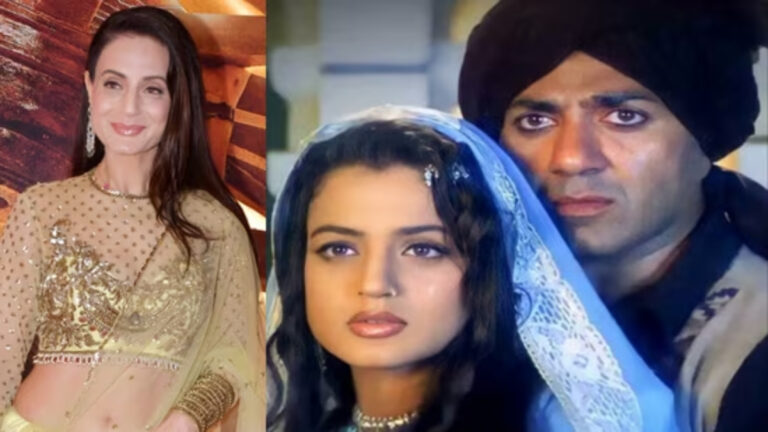
New Delhi, June 15, 2026: The Indian film industry has witnessed many iconic pairings, but few have left as permanent a mark on Indian cinema as Tara Singh and Sakina. As the historic blockbuster Gadar: Ek Prem Katha (2001) celebrates its 25th anniversary, lead actress Ameesha Patel has opened up about her initial hesitations before signing the film. In a recent reflective interview, the actress revealed that she initially questioned her casting opposite action star Sunny Deol due to their significant 18-year age gap, even wondering if she looked like a “baby” compared to him.

Despite her early apprehensions and widespread warnings from industry veterans, Gadar went on to become a cultural phenomenon, establishing a box-office legacy that remains unchallenged in terms of sheer audience footfalls.

‘Aren’t I a Baby Compared to Him?’ – Ameesha’s Initial Dilemma

Looking back at the pre-production phase of the partition-era epic, Ameesha Patel shared that she was initially very unsure about playing the romantic lead opposite Sunny Deol. At the time, she was a newcomer still shooting for her debut film, Kaho Naa… Pyaar Hai (2000), while Sunny Deol was already an established senior superstar known for his rugged, action-packed roles.

Recalling her first meeting with producer Nitin Keni, Ameesha admitted that the age difference was the very first issue she brought to the table. She questioned whether she was far too young for the role, asking the makers if she would look like a child next to the seasoned actor.

However, the film’s creative team had a very specific vision. The makers explained that they were intentionally looking for a stark contrast. They wanted someone who possessed an innocent, radiant look—describing the character of Sakina as someone who “looked like the moon”—to balance out the raw, rugged, and intense persona of Tara Singh. Once the narrative depth and the contrast between Sakina’s refinement and Tara’s earthiness were explained to her, Ameesha understood the casting logic and fell in love with the script.

The Risk of Playing a Mother: Rakesh Roshan’s Warning

The age gap was not the only hurdle Ameesha faced before accepting the role. Entering the industry from a non-film background, she relied heavily on the guidance of her debut director and mentor, Rakesh Roshan. When Roshan found out that Ameesha was considering a film where her character transitions from a young college girl to the mother of a young boy, he was deeply concerned.

At the time, Kaho Naa… Pyaar Hai had not yet hit theatres, and the industry anticipated that Ameesha would emerge as a glamorous, youthful heartthrob alongside Hrithik Roshan. Rakesh Roshan warned her that playing a mother so early in her career could permanently stereotype her and damage her prospects as a mainstream commercial heroine.

While the advice made perfect sense on paper, Ameesha decided to follow her creative instincts. Viewing the complex character arc of Sakina as an ultimate acting challenge rather than a career risk, she agreed to undergo grueling screen tests. Out of nearly 500 aspiring actresses tested for the role, Ameesha ultimately secured the part, proving her dedication to the unique subject.

A Legacy of Unmatched Box-Office Footfalls

Time has vindicated Ameesha’s decision. Gadar: Ek Prem Katha did not just succeed; it shattered box-office records upon its release in 2001, even while facing a historic clash with Aamir Khan’s critically acclaimed Lagaan. The emotional resonance of the love story crossed borders, earning the film a massive, dedicated fanbase.

Ameesha recently expressed her immense gratitude to her fans, noting that even with the arrival of modern cinematic franchises, the combined footfalls of Gadar and its 2023 sequel, Gadar 2, remain historically ahead of contemporary blockbusters.

Reflecting on the timeless appeal of the narrative, the actress emphasized that the true strength of the franchise lies entirely within its central characters. “Tara plus Sakina equals Gadar. You take one of them out, and it isn’t Gadar anymore,” she concluded. 25 years later, the film stands as a classic example of how unconventional casting choices and strong creative conviction can overcome industry skepticism to create history.
Noida International Airport Begins Commercial Flight Operations

0

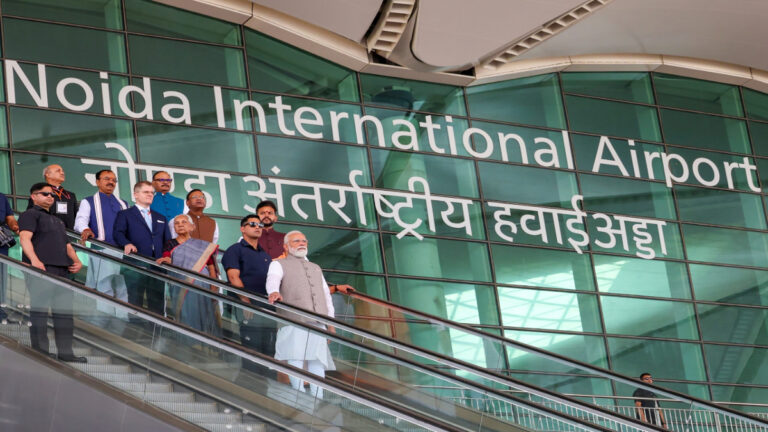
June 15, 2026 — India’s aviation sector reached a historic milestone on June 15, 2026, as the highly anticipated Noida International Airport (NIA) in Jewar officially commenced commercial passenger operations. The sky over western Uttar Pradesh welcomed its first scheduled commercial service when an IndiGo flight arriving from Lucknow touched down on the brand-new runway. The arrival was greeted with a traditional water cannon salute, marking the birth of India’s newest aviation gateway and the second international airport serving the National Capital Region (NCR).

The launch event was inaugurated by Union Civil Aviation Minister Kinjarapu Rammohan Naidu, alongside senior state officials and representatives from the Yamuna Expressway Industrial Development Authority (YEIDA). Developed under a Public-Private Partnership (PPP) model, the Rs 11,200 crore first phase of the greenfield project is designed to drastically ease congestion at Delhi’s Indira Gandhi International Airport while serving as a massive economic catalyst for northern India.

The First Flight: A Touching Tribute to Local Farmers

The operational debut of Noida International Airport was defined not just by technical success, but by a powerful gesture of gratitude. IndiGo flight 6E-2278 departed from Chaudhary Charan Singh International Airport in Lucknow at 7:12 AM and made a smooth landing at Jewar at 7:58 AM.

Shortly after, at 8:19 AM, the aircraft prepared for its inaugural outbound flight back to the state capital. Onboard this historic departure was a special delegation of approximately 170 local farmers, including 20 women, from the Jewar region. These individuals had voluntarily contributed their ancestral lands to make the mega-infrastructure project possible.

Led by local MLA Dhirendra Singh, the farmers flew to Lucknow to meet with Uttar Pradesh Chief Minister Yogi Adityanath. Ahead of their departure, Civil Aviation Minister Ram Mohan Naidu spent time interacting with the families inside the terminal.

Phased Expansion: Scaled for Global Dominance

The opening of Phase 1 is only the beginning of what is projected to become one of the largest airports in the world. Currently operating with a single 3,900-meter runway capable of handling giant wide-body aircraft, the airport features state-of-the-art Instrument Landing System (ILS) technology, allowing for seamless operations during heavy winter fog and low-visibility conditions.

Initially, Noida International Airport is equipped to handle nearly 12 million (1.2 crore) passengers annually. However, as demand scales, the airport infrastructure will expand across four meticulously planned phases.

Expanding the Flight Network

IndiGo, acting as the primary launch carrier for the airport, has outlined an aggressive strategy to connect Jewar with major economic and tourist destinations across India. Following the morning flights between Lucknow and Jewar, the aircraft transitioned into the airport’s first regular trunk route, flying onwards to Bengaluru.

In the coming weeks and months, air connectivity will progressively scale up. IndiGo has confirmed plans to launch direct flights from Noida International Airport to more than 16 domestic destinations. Travelers can look forward to direct routes connecting Jewar to:

  • Southern Hubs: Bengaluru and Hyderabad
  • Northern & Leisure Destinations: Srinagar, Amritsar, Chandigarh, and Pantnagar
  • Western Regions: Jaipur and other key cities.

As terminal capabilities hit their stride, international carriers are expected to announce slot allocations, positioning the airport as a primary connection point for global travel into Noida, Greater Noida, Agra, and Mathura.

An Economic Engine for Western Uttar Pradesh

Beyond providing relief to over-saturated transit networks, Noida International Airport is positioned as a multi-modal logistics powerhouse. Its location along the Yamuna Expressway ensures rapid connectivity to Delhi, Haryana, Rajasthan, and Uttarakhand.

The Uttar Pradesh government estimates that the airport ecosystem will generate over 100,000 direct and indirect jobs in the coming years. Major investments are already flooding into the surrounding regions, targeting sectors such as:

  1. Logistics and Warehousing: Establishing massive cargo hubs to move electronics and manufactured goods out of the state’s industrial corridors.
  2. Hospitality and Tourism: Proximity to the Taj Mahal in Agra and the religious circuits of Mathura and Vrindavan is expected to trigger a boom in luxury hotels and international tour management.
  3. Real Estate and Corporate Tech Parks: Properties along the Yamuna Expressway are seeing an unprecedented surge in demand as multinational corporations seek office spaces near a world-class transit hub.

A Decade of Aviation Growth

The launch of the Jewar-based airport highlights the rapid pace of infrastructure building across India over the past decade. During his inaugural address, Civil Aviation Minister Naidu pointed out that India’s operational airports have more than doubled from 74 in 2014 to 165 today, backed by an infrastructure investment exceeding Rs 1.4 lakh crore.

Noida International Airport stands as a shining example of this modernization. With its ecofriendly, net-zero carbon emission design philosophy, seamless digital passenger processing, and deep community roots, the airport represents a bold step forward for Indian aviation. For millions of residents in western Uttar Pradesh and the NCR, world-class air travel has officially arrived right at their doorstep.

Historic Crossroads: PM Modi Milestone Visit to Slovakia

0

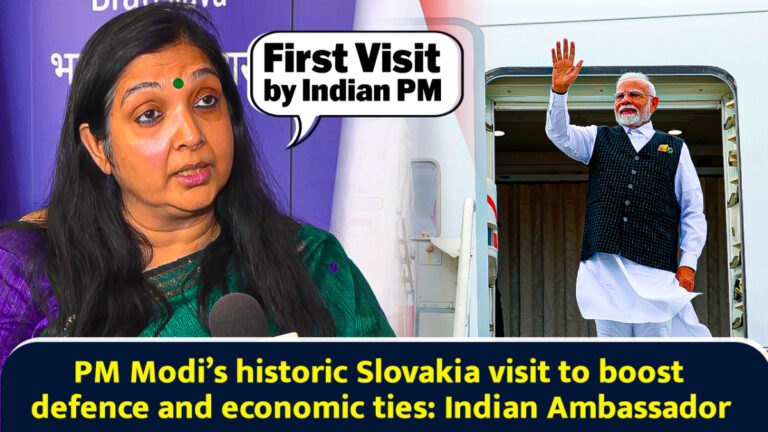
New Delhi, June 15, 2026: Prime Minister Narendra Modi has arrived in the Slovakian capital of Bratislava, marking the second leg of his highly anticipated multi-nation European tour. The visit marks a historic milestone in international diplomacy, as Mr. Modi becomes the first Indian Prime Minister to pay a State Visit to Slovakia since the central European nation gained independence following the peaceful dissolution of Czechoslovakia in 1993.

Arriving from Nice, France—where he concluded high-level talks with French President Emmanuel Macron and co-launched the “Bharat Innovates 2026” tech initiative—PM Modi was received in Bratislava with warmth and high-level protocol.

Taking to social media platform X shortly after touchdown, the Prime Minister expressed his enthusiasm for the diplomatic push, stating.

A Grand Welcome at Bratislava Castle

The core of the Prime Minister’s itinerary involves deep diplomatic and economic engagements scheduled across two days. Mr. Modi is set to receive a grand ceremonial welcome at the historic Bratislava Castle, an iconic fortress overlooking the Danube River. The location serves as the backdrop for extensive bilateral discussions, moving from private one-on-one sessions to comprehensive delegation-level talks.

The visit represents the culmination of a rapid acceleration in bilateral diplomacy. Ties have been warming steadily over the past year, highlighted by Slovakian President Peter Pellegrini’s visit to New Delhi for the AI Impact Summit in February 2026, which followed a prior visit by India’s President to Bratislava in mid-2025. This visit by PM Modi cements a mutual intent to move past historic inertia and structurally upgrade the partnership.

The Strategic Objectives: Defence and Advanced Manufacturing

While India and Slovakia have maintained friendly relations for over three decades, policymakers admit that the full economic potential between the two nations has remained largely untapped. Central Europe has fast transformed into an industrial and technological powerhouse within the European Union, and Slovakia sits right at the heart of this shift.

The high-level talks between PM Modi and Slovakian Prime Minister Robert Fico are expected to center heavily around four core pillars:

  • Defence and Military Tech: Historically, Bratislava has been a reliable supplier of conventional arms, heavy machinery, and specialized defense hardware to India. As New Delhi continues its massive military modernization drive under the Atmanirbhar Bharat (self-reliant India) framework, the talks aim to pivot the relationship from a standard buyer-seller dynamic into co-development, joint research, and domestic manufacturing partnerships.
  • Automobile and Railway Hubs: Slovakia is famously the world’s largest producer of cars per capita, making it a critical node in Europe’s automotive supply chain. Indian engineering conglomerates are keen to establish deeper investments here, particularly in next-generation electric vehicles (EVs), railway infrastructure manufacturing, and logistics technology.
  • Digital Transformation & Cyber Security: Building on India’s global reputation as a software giant, the two nations are exploring institutional frameworks for quantum computing collaboration, AI safety alignment, and robust cyber-defense frameworks.
  • The India-EU FTA Momentum: Slovakia has emerged as a vocal proponent within the European Union for the swift conclusion and ratification of the India-EU Free Trade Agreement (FTA). The implementation of this agreement is viewed by both sides as a massive catalyst that could double bilateral trade volumes within less than a decade.

Bridging Capital with Corporate Leaders

A pivotal segment of the state visit includes an exclusive business round-table event. PM Modi and Prime Minister Fico will jointly address a gathering of elite Slovakian corporate heads, venture capitalists, and top Indian industrial delegates.

The goal is to facilitate cross-border investments. Already, several major Indian corporations have footprints in Central Europe, but New Delhi is pitching India as a prime destination for Slovakian precision engineering, heavy manufacturing, and renewable energy technologies. Concurrently, Slovakia offers Indian companies a highly skilled workforce and an uninhibited logistical gateway into the broader European single market.

Looking Ahead: The G7 Summit and Global South Advocacy

The historic stopover in Slovakia acts as a vital bridge in the Prime Minister’s broader diplomatic week in Europe. Upon concluding his engagements in Bratislava, PM Modi is scheduled to fly back to France to attend the G7 Summit in the alpine resort town of Evian.

India’s presence at the G7 as an invited outreach partner is strategically vital. Government sources indicate that PM Modi intends to use the G7 stage to firmly voice the economic pressures, food security concerns, and climate aspirations of the Global South. Furthermore, global eyes remain transfixed on Evian due to a highly anticipated sideline meeting between PM Modi and US President Donald Trump, a crucial dialogue occurring amidst a landscape of evolving international trade negotiations.

The Prime Minister’s final stop before returning to India will be Paris on June 18, where he will address the Indian diaspora and take center stage at the VivaTech Summit—Europe’s grandest technology exhibition—where India has been designated as the official AI Country Partner for 2026.

For now, the focus remains trained squarely on Bratislava. By opening up a direct channel with Slovakia, India is signaling a sophisticated refinement of its foreign policy—one that recognizes that securing its economic and defensive future requires deep, direct ties with the engine rooms of Central Europe.

Umar Khalid, Sharjeel Imam File Fresh Bail Pleas in Delhi Riots Case

0

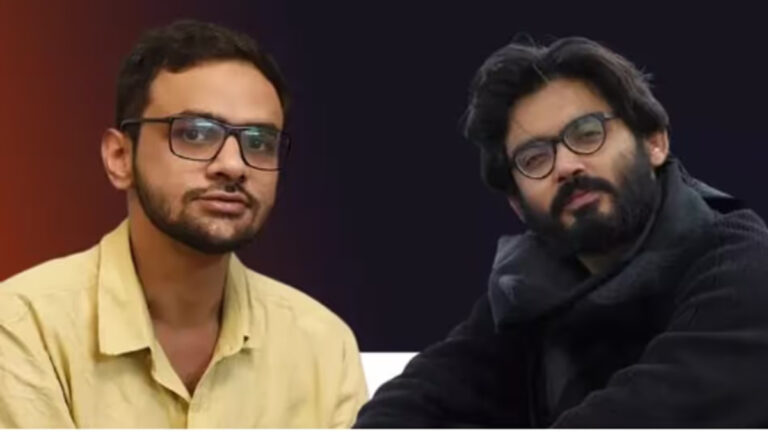
New Delhi, June 13, 2026 — Activists Umar Khalid and Sharjeel Imam have approached a Delhi sessions court with fresh regular bail applications in the 2020 Delhi Riots “larger conspiracy” case. Filing their pleas before the Karkardooma Court, the two accused have cited extreme delays in the trial, pointing out that they have spent nearly six years in jail without the actual trial even getting underway.

On June 13, 2026, the court took up the fresh applications. Recognizing the gravity of the matter, Additional Sessions Judge Dr. Sumedh Kumar Sethi issued a formal notice to the Delhi Police, demanding their legal response to the bail petitions. The court has scheduled the comprehensive hearing for July 4, 2026.

A Sudden Turn After the Supreme Court’s January Verdict

This legal move marks a crucial new turn in a high-profile case that has gripped national attention. Just six months ago, on January 5, 2026, the Supreme Court of India had rejected the previous bail applications filed by Khalid and Imam. At the time, a division bench of the apex court observed that the prosecution’s initial evidence against the two showed a prima facie (at face value) case under the stringent Unlawful Activities (Prevention) Act (UAPA). The apex court ruled that both Khalid and Imam did not stand on the same legal footing as other co-accused due to their alleged high ranking in the “hierarchy of participation” as suspected masterminds.

Crucially, while the Supreme Court denied bail to Khalid and Imam in January, it simultaneously granted regular bail to five other co-accused in the same case—including activists Gulfisha Fatima, Meeran Haider, Shifa Ur Rehman, Mohd Saleem Khan, and Shadab Ahmad.

“Process as Punishment”: The Core of the Fresh Pleas

In their fresh petitions, legal representatives for both Umar Khalid and Sharjeel Imam argue that the fundamental ground realities of the case have shifted significantly since January. The defense’s primary argument is centered on prolonged incarceration without trial and a complete lack of progress in the legal proceedings.

Advocate Ahmad Ibrahim, representing Sharjeel Imam, noted that despite half a year passing since the Supreme Court’s ruling, the trial court has not even managed to cross the initial hurdle of framing charges. Under Indian criminal law, framing charges is a preliminary stage where the court formally decides if there is enough ground to put an accused on trial.

The defense argues that continuous imprisonment while the state stalls or delays the legal process transforms the judicial process itself into a form of premature punishment. Imam’s petition emphasizes that he has been behind bars for nearly six years, a staggering amount of time to be held in pre-trial detention.

Recent Supreme Court Rulings Offer a Ray of Hope

What prompted these sudden, fresh filings just six months after an apex court rejection? The answer lies in recent judicial shifts within the Supreme Court itself regarding UAPA cases.

The legal team representing the activists highlighted a significant development from May 22, 2026. A coordinate bench of the Supreme Court granted interim bail to other co-accused in the same conspiracy case, such as Tasleem Ahmed and Khalid Saifi. More importantly, that bench explicitly questioned the older, rigid legal interpretations previously used to deny bail to Khalid and Imam.

The defense arguments point to a recent landmark observation in the Syed Iftikhar Andrabi vs. National Investigation Agency case. In that matter, judges noted that rigid adherence to anti-terror bail restrictions should not swallow up an individual’s constitutional right to liberty, especially when there is “no proximate progression to trial in the conventional sense.” This evolution in how the judiciary views prolonged UAPA detentions has given the defense a fresh legal avenue to argue that keeping Khalid and Imam jailed indefinitely violates their constitutional rights.

Background: The 2020 Delhi Riots Conspiracy Case

The legal saga stems from FIR 59 of 2020, a massive case investigated by the Special Cell of the Delhi Police. The case revolves around the devastating communal violence that swept through Northeast Delhi in February 2020. The riots erupted amidst intense nationwide protests against the Citizenship (Amendment) Act (CAA) and the proposed National Register of Citizens (NRC). The violent clashes resulted in the tragic deaths of 53 people and left over 700 others injured.

Following the violence, the Delhi Police alleged that the riots were not spontaneous outbursts but rather part of a “premeditated, well-orchestrated conspiracy” designed to destabilize the government and draw international scrutiny to India.

Umar Khalid, a former Jawaharlal Nehru University (JNU) student leader, and Sharjeel Imam, a dual-degree scholar from the same university, were arrested in late 2020. The police named them as core ideologues and principal conspirators behind the violence. They were booked under a web of laws:

  • The Unlawful Activities (Prevention) Act (UAPA): Sections 13, 16, 17, and 18, which cover unlawful activities, terrorist acts, and conspiracy.
  • The Indian Penal Code (IPC): Various provisions including murder (Section 302), rioting, and promoting enmity between groups.
  • The Arms Act: For the alleged use and distribution of weapons.

The prosecution’s case relies heavily on a digital trail of evidence, including logs from a WhatsApp group called the ‘Delhi Protest Support Group’ (DPSG) and public speeches delivered by the accused shortly before the violence broke out. The state claims these communications show clear intent to “bring the government to its knees.” Conversely, the defense has consistently maintained that their clients were merely exercising their democratic right to peaceful protest and that the police’s multi-thousand-page charge sheets are full of factual contradictions and manufactured narratives.

What Comes Next?

The upcoming hearing on July 4, 2026, will be a critical battleground. The Delhi Police are expected to file a detailed response strongly opposing the bail pleas, likely arguing that the severity of the charges and the alleged threat to national security outweigh any arguments regarding trial delays.

However, with courts increasingly scrutinizing the time citizens spend in jail before they are proven guilty, the Karkardooma Court’s decision will serve as a major indicator of how Indian jurisprudence balances state security laws against individual human rights.

Huma Qureshi Pens Heartfelt Note for Rumoured Partner Rachit Singh: “The Stage is Yours, Siddhu”

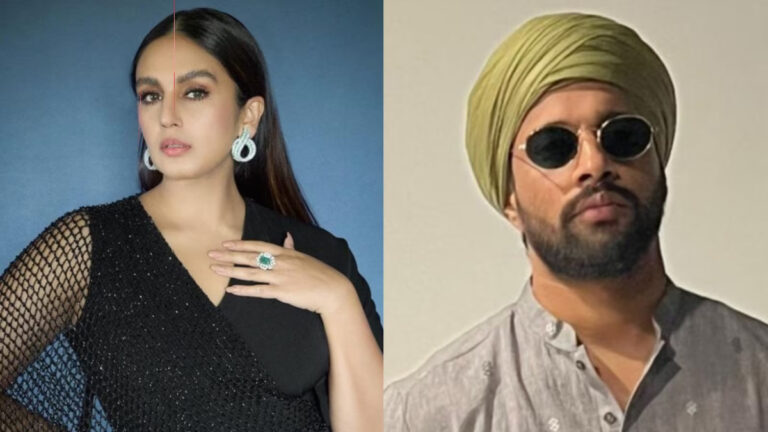
New Delhi, June 13, 2026: Bollywood actor Huma Qureshi has taken to social media to share a deeply personal and emotional note celebrating her co-star and rumoured partner, Rachit Singh. The tribute comes on the heels of the first-look reveal and teaser launch for their upcoming movie, Baby Do Die Do.

Rachit, who recently wrapped up a darker, more intense role in the film Thamma, is transitioning into a softer, more grounded character named Siddhu. Celebrating this milestone, Huma shared a post dedicated entirely to Rachit’s dedication, bringing their long-whispered relationship into a warm, supportive public light.

From Banaras to Mumbai: A Decade of Quiet Grit

In her viral Instagram post, Huma moved away from standard promotional fluff, choosing instead to highlight Rachit’s lengthy and challenging journey through the cutthroat Hindi film industry. Reflecting on their very first meeting, Huma noted that it wasn’t just his obvious acting talent that caught her eye, but his rare patience and resilience.

She described him as a small-town boy hailing from Banaras who arrived in Mumbai holding tight to the exact same cinematic dreams that bring thousands to the city every year. However, rather than finding instant stardom, Rachit spent over ten years working behind the scenes and helping other actors perfect their craft before finally getting his own undeniable moment in the spotlight.

Huma emphasized how beautifully deserved this breakthrough is, celebrating the fact that a man who spent a decade helping others shine is finally getting the stage to himself. She concluded her tribute with a powerful note of encouragement: “The stage is yours, Siddhu.”

Stepping Into the Shoes of Siddhu

Responding to the overwhelming public support, Rachit expressed his gratitude on social media, thanking Huma for her unwavering belief in his journey. The first look at his character, Siddhu, hints at a dramatic departure from his previous works.

Speaking about his character in Baby Do Die Do, Rachit shared his excitement over playing someone with an inherent softness:

  • A New Avatar: “What excited me most about Siddhu was how different he felt from anything I’ve played recently,” Rachit stated. “There’s a softness to him and a very grounded quality that I instantly connected with.”
  • On-Set Collaboration: He credited director Nachiket Samant and the creative team for cultivating an atmosphere of deep trust, allowing him to interpret the role in an organic and highly honest manner.

The Buzz Around “Baby Do Die Do”

Scheduled to hit theaters on July 3, 2026, Baby Do Die Do is shaping up to be one of the summer’s most anticipated releases. The action-comedy centers around Huma Qureshi’s character, Baby KarMarKar, who is being marketed as India’s very first “desi hitwoman.”

Set against a gritty, fast-paced Mumbai backdrop, the teaser features a blend of dark comedy, mystery, and high-octane action.

The film is set for an exciting box-office face-off, as it clashes directly with Alia Bhatt’s highly anticipated female-assassin movie, Alpha, on the exact same weekend.

A Low-Key Romance Headed for the Aisle?

While Huma’s heartfelt note functions beautifully as a professional appreciation post, it has inevitably added major fuel to ongoing relationship rumors. Romance speculation surrounding Huma and Rachit first sparked in late 2024 when the pair began making frequent public appearances together.

The bond grew increasingly evident to the media when they attended the high-profile wedding of Huma’s close friend, Sonakshi Sinha, as a duo. Industry insiders later leaked details regarding a private, romantic proposal that took place during a vacation in the United States, suggesting the two have been quietly engaged since late 2025.

Industry whispers suggest that the couple is planning an October or November 2026 wedding. According to sources close to the actors, the wedding will likely be a small, highly private family affair held in Mumbai, followed immediately by a massive, star-studded reception for their Bollywood colleagues.

While neither Huma nor Rachit has officially confirmed the wedding timeline to the press, the seamless blend of their personal lives and professional collaborations speaks volumes. For now, the focus remains on the upcoming release of Baby Do Die Do, where audiences will finally get to witness their real-life chemistry translate onto the silver screen.

Over Coming the Scorched Earth: Milind Soman Rebuilds a Forest in Lonavala

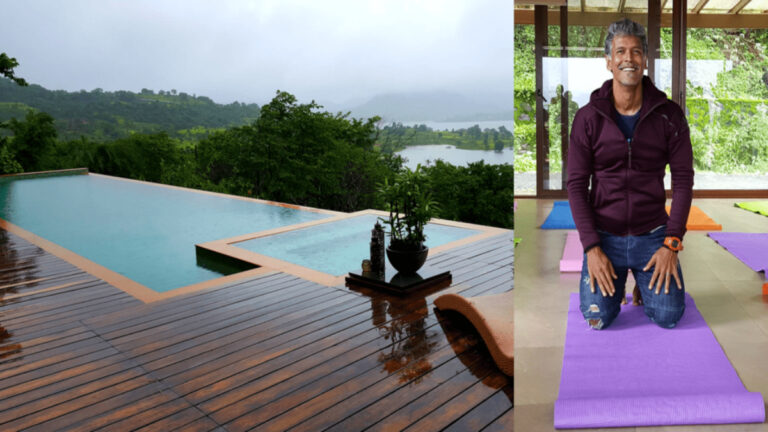
New Delhi, June 13, 2026: Milind Soman—supermodel, fitness icon, and actor—is making headlines for a feat that has nothing to do with running marathons or starring on the silver screen. In a recent interview on Sonu Sharma’s YouTube channel, Soman revealed that he has personally planted more than 30,000 trees at his property in the tranquil hill station of Lonavala.

The project, which began nearly three decades ago, started as a rescue mission against environmental destruction. It serves as a stark reminder of the hidden ecological costs of rapid urbanization and real estate development.

The Reality of “Scorched Earth” Development

Soman bought his Lonavala property in 1997, expecting a peaceful, green retreat. Instead, he found a landscape devastated by human handiwork. Reflecting on the state of the land at the time, Soman noted that previous handlers and land developers had actively burned down the local vegetation.

This practice is a common, underreported tactic in real estate development across India. To showcase plots to potential buyers, clear property boundaries, or make land look larger and easier to construct on, developers often slash and burn native flora. Soman expressed deep sadness over this shortsighted approach, noting that cutting down established ecosystems simply to showcase a blank canvas of real estate is a tragic loss for local biodiversity.

Rather than building a standard luxury villa with a manicured concrete lawn, Soman chose to give the land back to nature. Over the next 29 years, he took it upon himself to spearhead a massive, slow-burning reforestation effort, planting thousands of saplings to heal the scarred earth.

Healing Through Nature Therapy

Soman’s deep-rooted connection to his Lonavala forest ties into his broader philosophy on physical and mental well-being. A longtime advocate of the Japanese practice of Shinrin-yoku, or “forest bathing,” Soman views trees not just as environmental necessities, but as central pillars of health.

  • Shinrin (Forest) + Yoku (Bath): A nature therapy method involving immersing oneself in a forest environment.
  • The Process: Intentionally engaging with the sights, sounds, and scents of nature rather than treating a walk as a cardiovascular workout.
  • The Benefits: Clinical studies show that regular forest bathing lowers cortisol (stress hormones), reduces blood pressure, and boosts immune system function through the inhalation of phytonicides—airborne chemicals released by plants to protect themselves from insects.

For Soman, the Lonavala estate became a private sanctuary for this exact practice. In past reflections on his lifestyle, he shared that during periods of high stress, he would retreat to the property alone—leaving behind phone signals and social obligations—simply to sit among the trees.

A Shared Commitment to the Planet

This environmental journey is a shared family passion. Soman’s wife, Ankita Konwar, has frequently documented their life among the Lonavala greenery on social media. She frequently notes that her best, most grounded self emerges when she is surrounded by forest ecosystems, jokingly adding that her husband is “just as crazy, if not more” about protecting and living alongside trees.

By prioritizing indigenous planting over exotic, ornamental landscaping, the duo has successfully rebuilt a micro-ecosystem that attracts local birds, insects, and small wildlife, effectively reversing the damage done before 1997.

Shifting Focus Away from the Limelight

The revelation about his massive tree-planting initiative comes at a time when Soman has been noticeably selective about his mainstream acting career. While he recently portrayed Field Marshal Sam Manekshaw in Kangana Ranaut’s historical drama Emergency, Soman candidly admitted in the same interview that mainstream Bollywood offers have become infrequent—describing them as na ke barabar (almost negligible).

However, his absence from the screen seems less like a setback and more like a conscious realignment of energy. From enduring grueling physical challenges—like completing a half-Ironman distance (a 90 km bike ride and a 21 km run) daily for a week—to nurturing a 30,000-tree forest, Soman is channeling his discipline toward long-term longevity.

At 60 years old, Soman’s legacy is shifting. He is evolving from the face of 90s Indian pop culture into a quiet champion of environmental restoration, proving that the most impactful work a person can do often happens far away from the cameras, deep within the dirt.

Imtiaz Ali’ ‘Main Vaapas Aaunga’ Crashes on Day 1, Collects Just ₹1.15 Cr

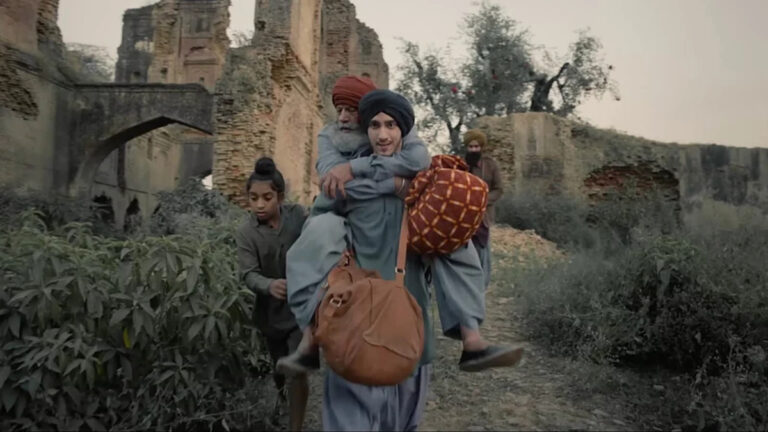
New Delhi, June 13, 2026 — Acclaimed filmmaker Imtiaz Ali has returned to the big screen after a long hiatus with his highly anticipated pre-Partition romance-drama, Main Vaapas Aaunga. Known for directing deep, emotionally complex love stories like Rockstar, Tamasha, and Jab We Met, Ali’s latest directorial venture arrived in theatres with massive critical expectations. However, despite the major star power attached to the project and overwhelmingly positive reviews from film critics, the movie’s box office performance on its opening day has left trade analysts shocked.

According to early data provided by industry trade tracker Sacnilk, Main Vaapas Aaunga managed to gross just ₹1.15 crore nett (with gross earnings sitting around ₹1.38 crore) across India on Day 1. For a mainstream Hindi feature film backed by prominent production companies—Applause Entertainment and Window Seat Films—and reportedly mounted on a generous budget of around ₹70 crores, this opening is being classified as an absolute disaster at the commercial ticket counters.

Low Theater Occupancy and Regional Performance Breakdown

The film’s theatrical run began with remarkably quiet theater halls across the country. Main Vaapas Aaunga was allocated 2,302 shows nationwide on its first Friday, yet it recorded a meager overall audience occupancy rate of just 12.22%.

A closer look at the daily showtimes reveals that the film struggled significantly to pull audiences during the early parts of the day, though it did show a slight upward trend as the evening progressed:

  • Morning Shows: 5.92% occupancy
  • Afternoon Shows: 10.77% occupancy
  • Evening Shows: 10.85% occupancy
  • Night Shows: 18.23% occupancy

Regionally, the Delhi-NCR circuit held the highest market share, scheduling 308 screenings and capturing an overall regional occupancy of 13%. Mumbai followed closely behind with 235 scheduled shows and a muted occupancy rate of 11%. Surprisingly, even the East Punjab circuit—where lead actor Diljit Dosanjh historically commands an incredibly dominant and loyal fan base—failed to generate any significant box office momentum. While East Punjab slightly outperformed other territories in pure numbers, the baseline was far too low to rescue the film’s catastrophic opening day.

How It Compares to Past Hits and Star Records

To put these dismal box office figures into perspective, ₹1.15 crore stands out as the lowest opening day collection in Imtiaz Ali’s modern directorial history. His previous theatrical release, Love Aaj Kal (2020), brought in a double-digit opening of ₹12.4 crore despite receiving heavily polarized reviews. Even his less commercially successful big-budget film, Jab Harry Met Sejal (2017), which featured Shah Rukh Khan, opened at an impressive ₹15.25 crore due to sheer star pull.

The drop looks even more staggering when stacked against the core cast’s individual track records. Diljit Dosanjh’s previous major theatrical release, Border 2, shattered records with a massive ₹30 crore opening day. Similarly, co-stars Sharvari Wagh and Vedang Raina have both enjoyed much stronger theatrical debuts in their recent projects; Sharvari’s action-drama Vedaa brought in ₹6.3 crore on Day 1, while Vedang’s thriller Jigra collected ₹4.55 crore. Main Vaapas Aaunga even lagged behind minor contemporary romantic releases such as Chand Mera Dil (₹3 crore) and Do Deewane Seher Mein (₹1.25 crore), only managing to match pace with the low-budget drama Ek Din (₹1.15 crore).

The Contrast: Artistic Masterpiece vs. Commercial Flop

The stark disconnect between the film’s financial failure and its artistic reception has sparked intense debate among fans and industry insiders. Film critics have heavily praised the feature, calling it a poetic, heartbreaking, and deeply moving cinematic triumph.

Featuring a soul-stirring musical score by the legendary A.R. Rahman, the movie explores generational trauma and the enduring ache of displacement. Critics have lauded it as one of Imtiaz Ali’s most mature and politically conscious works. Yet, this high-brow artistic appreciation has not resonated with the general moviegoing public, who seem to be steering clear of the heavy, melancholy theme in favor of lighter commercial blockbusters.

What Lies Ahead for the Movie?

Trade experts are painted a grim picture for the film’s long-term theatrical survival. For a movie of this scale to break even, trade analysts estimated it needed a minimum opening of ₹6 crore on Friday to set up a healthy weekend run.

With day-two advance ticket bookings showing virtually no major growth, analysts predict that the entire opening weekend collection will likely wrap up under ₹5 crore nett. If the current trajectory continues, Main Vaapas Aaunga will heavily struggle to even touch a lifetime collection of ₹10 crore at the domestic box office.

The movie faces steep competition from concurrent theatrical releases like Governor and Bharat Bhagya Vidhata, as well as general consumer exhaustion toward tragic historical dramas in theaters. While history shows that many of Imtiaz Ali’s films—like Tamasha and Rockstar—eventually find cult-classic status and massive viewership once they hit streaming platforms, its theatrical journey appears to be cut short. The team behind the film will now have to pin their financial recovery hopes entirely on digital, satellite, and international streaming rights.

Next-Gen Hyundai i20 Debuts with Creta-Level Tech & ADAS

0

New Delhi, June 13, 2026: The global automotive landscape has just witnessed a major shake-up as Hyundai officially pulled back the curtains on its highly anticipated fourth-generation i20 premium hatchback. Long recognized as a benchmark for style and urban agility, the all-new Hyundai i20 marks a massive evolutionary leap forward. Instead of a simple cosmetic facelift, the South Korean automaker has completely re-engineered the vehicle from the ground up, moving it to a more rigid platform and packing it with advanced technology and safety features typically reserved for high-end mid-size SUVs like the Hyundai Creta.

With consumer preferences shifting rapidly toward vehicles that offer an uncompromising blend of sophisticated tech, robust safety nets, and imposing road presence, the next-gen i20 addresses these demands directly. By bridging the gap between a nimble urban hatchback and a premium crossover, Hyundai aims to redefine the expectations of the premium hatchback segment across global markets.

A Bold, Crossover-Inspired Exterior Overhaul

The first thing that catches the eye about the new fourth-generation Hyundai i20 is its radical design transformation. Moving away from the softer, sweeping curves of its predecessor, the new model adopts a highly structured, angular, and upright silhouette that borrows cues from the brand’s rugged SUV lineup. The front fascia is dominated by a sleeker hexagonal grille featuring intricate geometric detailing, flanked by dual-pod pixel-styled LED headlights that give the car a menacing, tech-forward look.

A key highlighting feature of this updated design language is the seamless integration of futuristic lighting elements. As shown in the official previews, a prominent full-width LED light bar runs continuously across the front nose, connecting the sharp, Y-shaped daytime running lamps (DRLs) on either end. This element emphasizes the car’s increased width and low, planted stance.

The profile reveals pronounced creases along the clean hood line, complemented by thick black protective cladding running over the wheel arches and along the bottom edges of the doors. This cladding gives the car an unmistakable crossover-like aesthetic. Filling out those arches are massive new 17-inch dual-tone alloy wheels—a step up in size that substantially improves the car’s proportions and ground clearance. At the rear, the design echoes the front with C-shaped LED tail-lamps connected by a razor-thin, uniform light strip stretching completely across the tailgate, rounded off by a sporty black bumper and a contrasting faux silver diffuser.

Interior Revolution: The Creta-Level Cabin

While the exterior makes a dramatic first impression, it is inside the cabin where Hyundai has deployed its most disruptive upgrades. Stepping into the new i20 feels like stepping into a vehicle from a segment above. The entirely redesigned dashboard drops conventional layouts in favor of a clean, minimalist horizontal architecture dominated by a massive, single-panel curved panoramic display.

As visible in the cabin images, this premium integrated housing seamlessly merges a crisp 10.25-inch digital driver’s instrument cluster with a massive 12.3-inch touchscreen infotainment hub. Running Hyundai’s latest Bluelink connected-car interface, this system supports super-fast 5G connectivity, over-the-air (OTA) software updates, wireless Apple CarPlay, and Android Auto.

Directly below this floating glass panel sits a heavily revised center console featuring a vertically oriented, touch-sensitive climate control panel. This setup replaces traditional clunky physical buttons with a smooth, gloss-black touch interface, keeping a singular rotary dial strictly for quick fan-speed adjustments. The vertical air vents are expertly integrated into the dash structure to ensure a wider, more efficient distribution of airflow throughout the cabin.

The premium experience is enhanced by soft-touch materials along the door pads, a new multi-function three-spoke steering wheel featuring the brand’s illuminated Morse code ‘H’ logo, a wireless smartphone charging pad, and dual USB Type-C fast-charging ports. Passengers are treated to dual-tone semi-leatherette upholstered seats with discrete ‘i20’ branding stitched onto the backrests. Grounding the premium feel, the car comes equipped with an electronic parking brake (EPB), a premium multi-speaker audio system, and a center armrest with integrated storage cubbies.

Redefining Safety with Level 2 ADAS

Historically, premium hatchbacks have compromised on high-end safety tech due to cost constraints, but the new Hyundai i20 completely shatters that convention. Built on the brand’s latest K3 platform, the chassis benefits from high-tensile steel reinforcements that drastically improve structural rigidity and impact energy absorption, laying a secure foundation for occupant protection.

The headline addition to the safety suite is the introduction of Hyundai’s SmartSense Level 2 Advanced Driver Assistance Systems (ADAS)—a technology package directly on par with the flagship Creta SUV. Relying on a sophisticated network of front-facing radar sensors and high-resolution cameras, the i20 now acts as an active co-pilot. The comprehensive ADAS suite includes:

  • Forward Collision-Avoidance Assist (FCA): Automatically detects vehicles, pedestrians, or cyclists ahead and applies emergency braking to prevent or mitigate an impact.
  • Lane Keeping Assist (LKA) & Lane Following Assist (LFA): Tracks lane markings to gently steer the vehicle, keeping it centered safely within its lane.
  • Blind-Spot Collision-Avoidance Assist: Warns the driver of hidden vehicles in adjacent lanes and can actively apply braking pressure to prevent risky lane changes.
  • Leading Vehicle Departure Alert: Gently alerts the driver in stationary traffic when the vehicle ahead begins moving away.
  • Intelligent Speed Limit Assist: Detects roadside speed limit signs and dynamically adjusts cruise control parameters to keep the vehicle within legal limits.

These cutting-edge autonomous driver aids operate alongside a robust array of standard safety equipment, which includes six airbags across all trim levels, electronic stability control (ESC), vehicle stability management (VSM), hill-start assist control (HAC), a tire pressure monitoring system (TPMS), and a high-definition 360-degree camera network that makes parking in tight urban spaces completely stress-free.

Powertrains and Global Rollout

Mechanically, Hyundai is tailoring the powertrain configurations to match specific regional demands. For global markets like Brazil and parts of Europe, the i20 introduces highly efficient 48-volt mild-hybrid systems and a potent 1.0-litre TGDi three-cylinder turbocharged flex-fuel engine, pushing out a healthy 115 to 120 horsepower and 172 Nm of torque via a smooth 6-speed automatic transmission.

For the highly competitive Indian automotive market, where the fourth-generation i20 is expected to arrive by early 2027, Hyundai is anticipated to maintain its reliable and highly localized engine lineup to keep pricing competitive. The core variants will likely retain the refined 1.2-litre Kappa naturally aspirated four-cylinder petrol engine, generating 83 horsepower when mated to the 5-speed manual transmission and 88 horsepower with the Intelligent Variable Transmission (iVT) automatic. Enthusiasts will still have access to the thrilling i20 N Line variant, powered by the punchy 1.0-litre turbo-petrol engine pumping out 120 horsepower and 172 Nm of torque, paired with either a 6-speed manual or a lightning-fast 7-speed dual-clutch automatic (DCT). There are also swirling industry rumors that Hyundai might debut an all-new 1.2-litre turbo-petrol motor down the line to bridge the performance gap even further.

With production hubs firmly anchored in India, Turkey, and Brazil to supply both left-hand-drive and right-hand-drive markets, the fourth-generation Hyundai i20 is thoroughly prepared for a aggressive global offensive. When it lands in showrooms, it will squarely lock horns with established rivals like the Maruti Suzuki Baleno and Toyota Glanza, aiming to capture the market by storm through the sheer volume of its premium features and uncompromising safety tech.

‘Mogambo Khush Hua’: Amrish Puri Great-Granddaughter Hinaya Puri Grabs Spotlight With Viral Post

0

New Delhi, June 13, 2026: The timeless legacy of late Bollywood icon Amrish Puri has found its way back into the public eye, proving that true cinematic brilliance never really fades—it just transitions to new generations. Decades after the legendary actor terrified and delighted audiences as the definitive comic-book villain of Indian cinema, his great-granddaughter, Hinaya Puri, has captured the internet’s attention. Hinaya recently sent waves across social media platforms with a nostalgic and clever digital tribute celebrating her legendary lineage.

A Gen-Z Nod to an Iconic Line

In a recently shared Instagram video, Hinaya Puri—who has been steadily building a digital footprint as a rising lifestyle and fashion content creator—found a creative way to bridge the generational gap. The video features her in a casual, sunlit outdoor setting, framed by simple text on the screen that reads: “My great grandfather was very famous !!”

While the video itself captured a quiet, modern moment, it was her caption that truly set off a wave of internet nostalgia. Tapping directly into India’s collective pop-culture memory, she captioned the post with the evergreen phrase.

The brief post instantly struck a chord with cinema lovers. For millions of fans, the simple, four-word line did more than just point out a family tree; it triggered memories of an era when Bollywood villains had larger-than-life personas, and none was larger than Amrish Puri. Netizens flooded the comment section, expressing delight at seeing the younger generation carry forward the memory of an actor who defined the childhoods of generations of moviegoers.

The Enduring Magic of Mogambo

To understand why a simple social media caption could spark such widespread media coverage, one must look at the gravity of the name “Mogambo.” In the 1987 sci-fi classic Mr. India, directed by Shekhar Kapur and starring Anil Kapoor and Sridevi, Amrish Puri portrayed a megalomaniacal villain bent on global domination.

With his uniquely deep, booming baritone voice, custom-tailored military uniform, and dramatic, slow-motion hand gestures, Puri created a character that stood out from standard Bollywood antagonists. The phrase “Mogambo khush hua” became a catchphrase that transcended the boundaries of the film, turning into a permanent fixture in everyday Indian vocabulary to express satisfaction or amusement.

Amrish Puri was known for his incredible versatility. He transitioned effortlessly between terrifying villains in films like Nagina, Shahenshah, and Karan Arjun, and strict but deeply loving family patriarchs—most notably as the stern “Babuji” in Dilwale Dulhania Le Jayenge (DDLJ). Yet, it is his legacy as cinema’s ultimate antagonist that remains his most colorful contribution to pop culture.

Who is Hinaya Puri?

While internet users have long been familiar with Amrish Puri’s grandson, Vardhan Puri, who made his acting debut in the film industry a few years ago, Hinaya represents an even younger branch of the family tree connecting with the modern digital audience.

Hinaya has been quietly establishing herself as a digital influencer and content creator. Her social media pages usually offer an aesthetic blend of daily life, travel diaries, and contemporary fashion trends. Rather than heavily leaning on her famous surname from the start, she chose to build an organic base of followers who appreciate her personal style and relatable lifestyle updates.

However, her recent public appearances have slowly introduced her to a mainstream audience outside of social media. Hinaya drew broader public attention after making a brief appearance on the popular television reality show Laughter Chefs. The appearance sparked curiosity among viewers regarding her background, prompting an increase in her social media engagement and leading up to her latest viral moment.

Navigating the Legacy of a Legend

The viral reception of Hinaya’s post highlights a growing trend among the descendants of golden-era Bollywood royalty. Instead of shying away from their family history or using it solely to demand a spot in mainstream cinema, many younger family members are using digital platforms to celebrate their heritage alongside their daily lives.

For Hinaya, connecting with her great-grandfather’s fans through a simple, lighthearted quote allows her to honor his immense impact on the industry while keeping her own identity intact as a modern creator. Fans have praised her for the respectful, proud, and playful way she acknowledged her lineage without over-commercializing it.

As of now, Hinaya has not announced any formal plans or upcoming projects indicating a desire to enter the Bollywood acting space. Whether she decides to follow the traditional cinematic route of her ancestors or continues to carve out her path as a digital entrepreneur, one thing remains clear: she has the full attention of a nostalgic audience. Decades after the master of villainy ruled the silver screen, the Puri name continues to find new ways to make people smile—and somewhere, one can imagine, Mogambo is indeed khush.

Radhika Defuses Family Tension at Bharathiraja’s Funeral

New Delhi, June 13, 2026: The Tamil film industry is mourning the loss of one of its greatest pioneers, Padmashri Award-winning director Bharathiraja, who passed away in Chennai at the age of 84 following a prolonged battle with age-related illnesses and a severe lung infection. The visionary filmmaker, affectionately known as Iyakkunar Imayam (the Everest of Directors), was laid to rest with full state honors at his picturesque farmhouse along Ghat Road in Ganguvarpatti, Theni district.

While thousands of emotional fans, prominent politicians, and high-profile celebrities gathered to say their final goodbyes, an unexpected family dispute briefly cast a shadow over the somber proceedings. However, the tense situation was quickly diffused by veteran actress and producer Radhika Sarathkumar, who stepped in as a stabilizing force to protect her late mentor’s dignity.

High Emotions and a Tragic Backstory

The final rites in Theni were incredibly charged with grief. Insiders note that the family has been navigating an immensely painful period even before the director’s demise. In late 2025, Bharathiraja’s son, actor-director Manoj Bharathiraja, tragically passed away from a sudden cardiac arrest at the age of 48. Close associates revealed that this devastating personal loss deeply broke the veteran filmmaker’s spirit, accelerating his health decline over his final months.

With the family still reeling from Manoj’s premature death, the weight of Bharathiraja’s passing pushed emotions to a breaking point. During the funeral, a sharp, highly emotional disagreement broke out near the mortal remains between Bharathiraja’s daughter, Janani (who was leading the final rituals), and Manoj Bharathiraja’s daughter.

What began as a quiet conversation rapidly escalated into a visibly tense dispute. In a moment meant for solemn mourning, the public display of family friction caused immediate discomfort among the gathered film fraternity, politicians, and media personnel.

Radhika Sarathkumar’s Timely Intervention

Radhika Sarathkumar, who arrived at the funeral alongside her sister Nirosha to pay her last respects, noticed the escalating argument. For Radhika, Bharathiraja was not just a filmmaker; he was her “Guru”—the man who launched her career and molded her into the cinematic powerhouse she is today. Having lost both her mother and her mentor within the span of a single year, Radhika was dealing with intense personal grief herself.

Seeing her mentor’s family on the verge of an explosive public controversy, Radhika chose to intervene directly. Rather than letting the rift play out in front of rolling television cameras, she stepped into the center of the dispute.

Instead of making harsh or judgmental remarks, Radhika focused entirely on restoring peace. She urged the family to put aside their immediate differences, maintain their composure, and direct all their energy toward sending off the legendary director with the utmost respect. Her mature, sane intervention successfully de-escalated the raw emotion, prompting the family members to pull back and refocus on the state funeral rituals.

Social Media Reacts to the Incident

As is typical with high-profile celebrity funerals, video clips and photographs of the tense family interaction—and Radhika’s subsequent intervention—quickly found their way onto social media platforms. The footage sparked a massive wave of discussion across internet circles.

While internet users expressed deep sadness over the visible cracks and emotional strain within the grieving family during such a tragic period, the overwhelming majority of the response was directed in praise toward Radhika. Fans and movie buffs commended the actress for her poise, dignity, and quick thinking. Commentators noted that it took a person of her stature, who held deep historical ties to Bharathiraja, to step in and save the solemn event from devolving into a full-blown media scandal.

The End of an Era in Indian Cinema

Beyond the temporary family friction, the day belonged to the monumental legacy of Bharathiraja. Born Chinnasami in the rural heartlands of Theni, he completely revolutionized Tamil cinema in 1977 with his groundbreaking debut film, 16 Vayathinile. Before his arrival, Kollywood was an “indoor kingdom” strictly bound to the massive studio floors of Kodambakkam, featuring heavily stylized dialogue and artificial sets.

Bharathiraja broke open those studio doors and took the cameras out into the raw, sun-drenched, dust-blown villages of Tamil Nadu. He introduced audiences to real human beings shaped by rural customs, caste dynamics, village gossip, and fierce passions. His iconic, booming opening greeting—“En Iniya Tamil Makkale” (My sweet Tamil people)—became a cultural staple across the state.

He was responsible for launching and shaping the early careers of legendary actors like Kamal Haasan, Sridevi, Rajinikanth, and Radhika herself, alongside turning lyricist Vairamuthu into a household name. Over his spectacular five-decade career, his brilliant direction earned him six National Film Awards and a Padma Shri.

The state funeral concluded around 3:00 PM as Janani performed the last rites. Accompanied by a formal police gun salute, Bharathiraja was laid to rest in the open air of the red soil he loved so dearly, leaving behind an indelible mark on Indian cinema and a family unified in the final hour of his farewell.