Home Blog Page 20

Vaibhav Sooryavanshi’ 10-Year-Old Brother Aashirwad Smashes Blazing Century

0

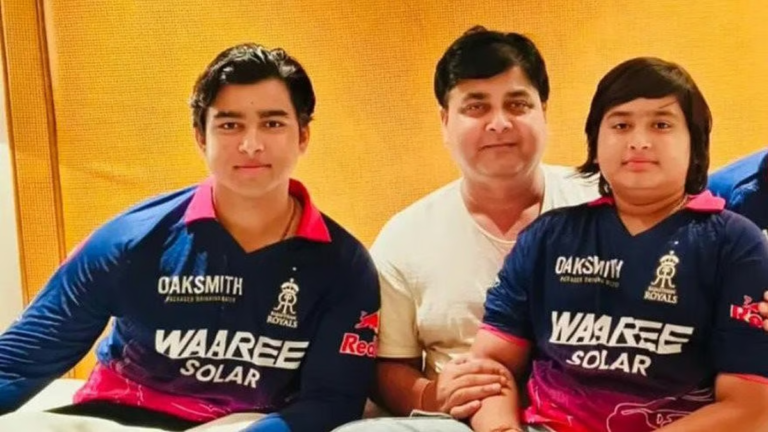
New Delhi, June 13, 2026: It appears that phenomenal cricketing talent runs deep in the veins of the Sooryavanshi family. While the teenage sensation Vaibhav Sooryavanshi continues to dominate headlines on the international and domestic stages, his younger brother, Aashirwad Sooryavanshi, has given the cricketing world a massive wake-up call. At just 10 years old, young Aashirwad has captured the spotlight by hammering a sensational, aggressive century in a local practice match in Samastipur, Bihar. The stunning performance has instantly ignited conversations about whether India is witnessing the rise of yet another generational batting prodigy from the same household.

Representing the Cricket Academy Tajpur, the class 5 student played an innings that mirrored the explosive and fearless batting style of his older brother. Aashirwad blasted 103 runs off just 87 deliveries, tearing apart the opposition’s bowling attack with absolute authority. His breathtaking knock was heavily anchored in boundaries, as he smashed a staggering 20 fours and a towering six, operating at a phenomenal strike rate of 118.39. This masterclass in junior-level cricket not only powered his team to a commanding total but also proved that the young kid possesses a temperament well beyond his tender years.

Breaking Down the Masterclass Innings

The local match in Samastipur became an absolute spectacle the moment Aashirwad walked out to the crease. Playing with a maturity that left spectators and local coaches spellbound, the 10-year-old anchor-cum-aggressor showed flawless technique. Out of his total score of 103 runs, an incredible 86 runs came solely through boundaries. This statistics highlights his uncanny ability to find gaps in the field and punish loose deliveries without relying on frantic running between the wickets.

His relentless assault on the bowlers helped Cricket Academy Tajpur post a formidable total of 234 runs for the loss of just 4 wickets in 29.5 overs. While teammates like Shivam Raj offered solid support at the other end with a well-made 52 off 75 balls, it was Aashirwad who dictated the absolute tempo of the game. Upon reaching his historic three-figure mark, the young boy celebrated in iconic fashion—taking off his helmet, raising his bat to the roaring local crowd, and soaking in a milestone that few cricketers his age could ever dream of achieving.

A Proud Elder Brother Reacts from Abroad

The news of this stellar century traveled rapidly, reaching all the way to Sri Lanka, where elder brother Vaibhav Sooryavanshi is currently touring with the India ‘A’ squad for a Tri-Nation series involving Afghanistan ‘A’ and Sri Lanka ‘A’. Despite being miles away and focused on international duties, the 15-year-old India call-up could not contain his excitement. Vaibhav immediately took to his official Instagram account to share a snapshot of the match scorecard, proudly celebrating his little brother’s massive milestone.

The bond between the two brothers is strongly rooted in their shared love for the sport. Local coaches in Tajpur village point out that Aashirwad has spent years watching Vaibhav train under the strict guidance of their father, Sanjeev Sooryavanshi. Having a sibling who recently won the prestigious Orange Cap in the 2026 Indian Premier League (IPL)—scoring a magnificent 776 runs in 16 matches for the Rajasthan Royals ahead of legends like Virat Kohli and Shubman Gill—has clearly served as the ultimate inspiration for the 10-year-old.

Celebration and Joy in Tajpur Village

The Sooryavanshi household in the Tajpur village of Samastipur district has become a permanent hub of celebration over the last few weeks. Just days ago on June 6, the entire village erupted in joy when Vaibhav received his maiden senior India T20I call-up for upcoming tours against England and Ireland, alongside an Asian Games selection. The village streets were filled with people bursting firecrackers and distributing traditional laddus.

Now, with Aashirwad’s latest exploits, the sense of pride in the community has doubled. Speaking to local journalists, the boys’ ecstatic father, Sanjeev Sooryavanshi, expressed his profound gratitude, describing the family’s current phase as absolute “saubhagya” (good fortune). He remarked on social media:

Both Sanjeev and the boys’ mother, Aarti Sooryavanshi, have sacrificed immensely to build a supportive cricketing ecosystem at home. From converting a small plot of land into makeshift practice pitches to ensuring the children have access to quality coaching gear, the parents’ hard work is paying off in ways that have captured the imagination of the entire nation.

The Incredible Legacy of the Sooryavanshi Family

To understand the weight of Aashirwad’s achievement, one must look at the path blazed by his elder brother. Vaibhav Sooryavanshi has enjoyed an unprecedented, meteoric rise in world cricket. At just 15 years and 71 days old, he became the youngest player ever to be picked for the Indian national squad. His groundbreaking IPL 2026 campaign saw him bag the Most Valuable Player (MVP), Emerging Player of the Year, and Super Striker awards, turning him into an overnight household name. Vaibhav also holds the record for a breathtaking 36-ball century at the junior representative level.

Seeing Aashirwad display the exact same aggressive intent, flawless bat swing, and calm temperament at the age of 10 signals that the family’s cricketing pipeline is incredibly robust. Local sports analysts believe that while it is far too early to put intense pressure on a 5th-grade student, Aashirwad’s basic mechanics, head position at the time of striking, and raw power indicate an innate, natural gift for the sport.

As Vaibhav readies himself to don the iconic blue jersey for the senior Indian team, back home in Bihar, young Aashirwad is quietly putting in the hard yards at the Cricket Academy Tajpur. If this initial spectacular performance is anything to go by, the Sooryavanshi surname is destined to rule the scorecard of Indian cricket for many decades to come.


‘Work From Bike’: Viral Hyderabad Video Sparks Outrage

0

New Delhi, June 13, 2026: A shocking video has surfaced from India’s tech hub, Hyderabad, showcasing a hazardous new trend that social media users are calling “Work From Bike.” The short clip, which has gone viral across multiple digital platforms, features a motorcycle rider navigating busy city traffic while actively operating a laptop placed directly on his vehicle’s fuel tank.

The incident, which reportedly took place in the heart of Hyderabad’s bustling Hitec City—an area known for its dense population of IT professionals and corporate offices—has triggered widespread alarm. It highlights growing concerns regarding extreme work pressure, toxic corporate hustle culture, and severe road safety violations.

Distracting Dynamics: What the Viral Video Shows

The viral video was captured by a fellow commuter and shared widely on X (formerly Twitter) and other social media networks. In the clip, the biker can be seen riding through moderate to heavy city traffic with an open laptop balanced precariously on the petrol tank of his motorcycle.

Instead of keeping his eyes firmly on the road, the rider constantly shifts his gaze downward to look at the laptop screen. At several points during the video, he appears to be actively multitasking—balancing the handlebar with one hand while adjusting or typing on the device with the other.

The video quickly grabbed the public’s attention, generating millions of views and thousands of re-shares within a matter of hours. The sheer recklessness of the act left many internet users stunned, with the visual sending shivers down the spines of everyday commuters who know how unpredictable Indian city traffic can be.

Authorities Step In: Senior IPS Officer Issues Sharp Warning

The dangerous stunt did not go unnoticed by law enforcement. Reacting strongly to the video, senior Indian Police Service (IPS) officer and prominent public safety advocate, V.C. Sajjanar, took to social media to wave a red flag against this highly irresponsible behavior.

In a pointed post shared on X, the officer cautioned the public against risking their lives under the guise of work obligations. He emphasized that road safety requires absolute, undivided attention and that a momentary distraction could lead to fatal consequences.

The officer further reminded corporate workers that their livelihood should never come at the cost of their actual lives, concluding with a sobering thought: “Remember, the work you do to fill your stomach shouldn’t end up starving your family of your presence.” Traffic police officials have initiated a probe to identify the rider using the registration details from the clip to issue strict penalties under the Motor Vehicles Act.

Social Media Divided Between Dark Humor and Outrage

As with most viral content, the internet’s response to the “Work From Bike” video was a mix of sharp criticism, deep concern, and satirical commentary. The comment sections under the video quickly turned into a debate about modern employment dynamics.

  • The Sarcastic Take: A few users tried to find humor in the dark reality, labeling the rider as the undisputed candidate for the “Best Employee of the Year” award. Others joked about how the individual might just be trying to log in on time to avoid being marked absent by a strict biometric or remote tracking system.
  • The Voice of Reason: The overwhelming majority of comments, however, firmly condemned the act. Users slammed the individual as the “Worst Rider of the Year,” pointing out that no dead-line, client meeting, or software deployment is worth dying for. One user wrote, “People are forgetting that life doesn’t come twice. Is a few minutes of work more precious than your life? Only if you reach home safely will your career be of any use.”
  • The Family Angle: Many onlookers noted that everyday families wait anxiously at home for their loved ones to return from work. Pushing oneself into an incredibly dangerous situation just to satisfy an employer or clear a pending task queue is a tragic misplacement of priorities.

A Symptom of a Deeper Issue: Toxic Corporate Pressure

Beyond the immediate traffic violation, the incident has renewed a massive national conversation regarding the toxic “hustle culture” gripping India’s tech sectors. Observers point out that such desperate and reckless actions are rarely done out of simple choice; instead, they are often driven by extreme psychological pressure, unrealistic deadlines, and micromanagement.

Ever since the shift toward remote and hybrid work models post-2020, boundaries between personal and professional time have blurred significantly. Tech professionals frequently complain about “always-on” expectations, where missing a sudden ping on Slack, Microsoft Teams, or WhatsApp can result in professional penalties or severe reprimands from management.

While companies routinely promote internal wellness and work-life balance programs on paper, the ground reality for many mid-level and junior engineers involves grueling hours and immense stress. While it remains unverified whether this specific rider was answering an urgent client emergency or merely trying to maintain an active status indicator, the incident acts as a striking visual metaphor for how far modern professionals feel pushed to meet corporate expectations.

The Cost of Road Distractions in India

This incident is not an isolated case of bizarre behavior on Hyderabad’s roads. In recent years, local traffic departments have penalised riders for various dangerous activities, including performing stunts with passengers on fuel tanks or using mobile phones while navigating flyovers. However, operating a fully open laptop on a moving two-wheeler marks a terrifying escalation in distracted driving.

According to ministry data on road accidents, distracted driving—ranging from using mobile phones to multitasking on vehicles—remains one of the top causes of severe and fatal traffic collisions across urban India. A two-wheeler offers absolutely zero structural protection to a rider in the event of a crash. At typical city speeds, hitting a sudden pothole, navigating a sharp turn, or a sudden brake by a vehicle ahead would leave a distracted rider with no time to react, leading to severe injury or worse.

Moving Forward: A Collective Wake-Up Call

The “Work From Bike” viral phenomenon serves as an urgent wake-up call for both corporate India and individual citizens. Road safety experts urge commuters to pull over safely to the side of the road if an emergency work communication simply cannot wait.

At the same time, human resource professionals and industry leaders are being urged to look closely at the underlying cultural issues that drive employees to such extremes. True productivity cannot be built on a foundation of fear and life-threatening multitasking. Until companies actively discourage the “always-available” mindset and traffic laws are strictly enforced against digital distractions, the safety of city streets remains compromised by the unintended side effects of the modern corporate hustle.

FCAS Collapse Opens Door for India-France Sixth-Gen Fighter Jet Programme

0

NEW DELHI, June 13, 2026: — The geopolitical landscape of military aviation has been dramatically reshaped following the formal collapse of Europe’s flagship Next-Generation Weapon System (NGWS). The multi-billion-dollar Future Combat Air System (FCAS), a joint venture launched in 2017 by France, Germany, and Spain to build a highly sophisticated sixth-generation fighter ecosystem, has been officially terminated.

The collapse, driven by irreconcilable structural disputes, has triggered a diplomatic scramble in Europe while simultaneously opening a major door of opportunity elsewhere. Far from the skies of Paris and Berlin, a new alignment is taking shape: a potential bilateral mega-programme between France and India to co-develop a definitive sixth-generation combat aircraft.

Why Europe’s Grand Vision Fractured

The FCAS was envisioned as a €100 billion “system of systems.” It aimed to integrate a sixth-generation stealth jet—the New Generation Fighter (NGF)—with unmanned “loyal wingman” drones, advanced sensors, and an AI-driven “combat cloud” for real-time battlefield data sharing.

However, the program unraveled under the heavy weight of industrial rivalry, political compromises, and national mistrust. The core friction lay between France’s Dassault Aviation and Germany’s representative partner, Airbus Defence and Space.

Mediation attempts failed, and political pressure mounted, leading German and French officials to officially pull the plug on the joint fighter project. While peripheral research into AI and combat networking may survive independently, Europe’s dream of a unified next-gen fighter is dead. Germany is reportedly exploring entry into the rival, UK-led Global Combat Air Programme (GCAP) alongside Japan and Italy, leaving France to find a new strategic partner capable of funding and absorbing its advanced aerospace technology.

Enter India: A Golden Strategic Opportunity

For New Delhi, the timing of the European split is remarkably advantageous. India has been carefully mapping its own multi-decade air power roadmap. While the Indian Air Force (IAF) remains committed to its indigenous fifth-generation fighter program, the Advanced Medium Combat Aircraft (AMCA), defense planners recognize that developing sixth-generation capabilities requires immense capital, deep tech-sharing, and advanced engineering foundations.

Rather than trying to navigate complex multi-nation consortia like GCAP, where industrial roles are already rigidly locked in place, India is viewing France as an ideal single, reliable partner. Bilateral discussions on a collaborative sixth-generation fighter program have accelerated, following high-level interactions between Indian Defence Minister Rajnath Singh and French Minister of the Armed Forces Catherine Vautrin.

A Partnership Built on Established Foundations

The potential for an India-France sixth-generation fighter project is not built from scratch; it is the logical evolution of a deeply entrenched, multi-decade defense partnership. Unlike other Western suppliers who attach restrictive geopolitical strings to their hardware, Paris has consistently proved to be a highly dependable ally to New Delhi.

The ongoing jet engine joint venture between French engine giant Safran and India’s Gas Turbine Research Establishment (GTRE) provides the perfect technological stepping stone. Developing a highly reliable, high-thrust turbofan engine is arguably the hardest part of building a modern fighter jet. Because France and India are already working to master this technology together for the upcoming AMCA Mark 2, expanding that relationship into a comprehensive, sixth-generation combat ecosystem is a natural progression.

What a 6th-Gen Project Brings to the Table

A sixth-generation fighter goes far beyond basic low-observable “stealth” structures. Should New Delhi and Paris cement this alliance, the resulting aircraft will incorporate technologies that will redefine aerial dominance through the middle of the 21st century.

  • Manned-Unmanned Teaming (MUM-T): The fighter will act as an airborne command center, controlling a swarm of low-cost, semi-autonomous “remote carrier” drones that can scout ahead, jam enemy radars, or strike targets.
  • Cognitive AI Architecture: Advanced algorithms will instantly process massive influxes of data from onboard and off-board sensors, filtering out the noise to give the pilot a clear, actionable picture of the battlefield.
  • Direct-Energy Weapons (DEWs): Next-generation electrical architectures designed to power laser systems capable of disabling incoming missiles or hostile electronics.
  • True Smart Skin & Multi-Spectral Stealth: Moving beyond basic geometric shapes to integrate sensors directly into the composite skin of the jet, completely masking its thermal, radar, and acoustic signatures.

Navigating the Path Ahead

While the strategic alignment is undeniable, the road to a joint fifth-to-sixth-generation leap requires careful policy navigation. India’s immediate priority remains successfully rolling out the AMCA prototypes via its newly structured private-sector defense consortia, aimed at breaking the historical state monopoly on military aircraft production. Balancing the domestic development timeline of the AMCA while simultaneously allocating funds and engineering talent to a parallel, cutting-edge bilateral project with France will challenge the defense ministry’s resources.

However, defense experts point out that the long-term rewards far outweigh the structural friction. By joining hands with Dassault and Safran on a bilateral basis, India stands to gain genuine technology transfers, true intellectual property co-ownership, and a seat at the absolute pinnacle of global aerospace engineering. With the European FCAS project officially in the rearview mirror, Paris and New Delhi possess a rare, historic window to create an unshakeable, independent axis of advanced air dominance.

IAF AN-32 Transport Aircraft Crashes During Landing at Jorhat Airbase in Assam; Court of Inquiry Ordered

0

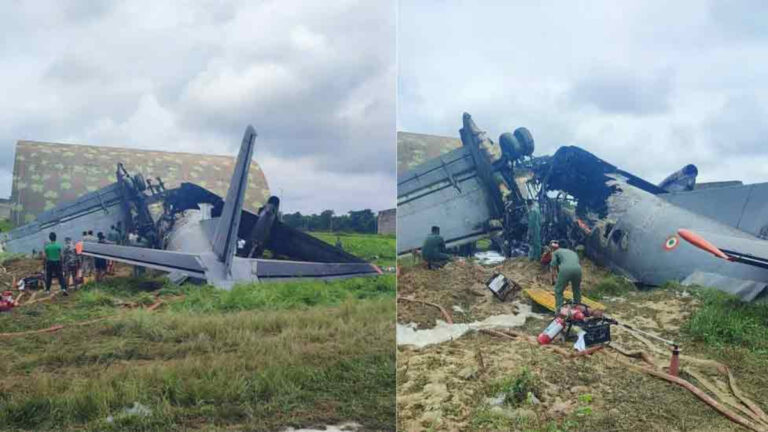
New Delhi, June 13, 2026: An Antonov AN-32 medium tactical transport aircraft belonging to the Indian Air Force (IAF) met with a major accident on Saturday while attempting to land at the Air Force Station in Jorhat, Assam. The twin-engine turboprop aircraft reportedly caught fire immediately after touchdown within the high-security military facility. Emergency response teams and firefighting units were immediately deployed to the site to contain the blaze and secure the area.

The Indian Air Force officially confirmed the incident through a statement on social media platform X (formerly Twitter), announcing that a high-level probe has been initiated to investigate the mishap. “An IAF AN-32 aircraft met with an accident today while landing at Jorhat. A Court of Inquiry is being constituted to ascertain the cause of the accident,” the IAF stated. While early ground reports suggest severe damage to the airframe due to a post-impact fire, defense officials have kept details regarding the exact condition of the crew and passengers tightly guarded as rescue operations continue.

Emergency Response at Rowriah Airbase

The accident took place at the IAF’s Rowriah airbase in Jorhat, a premier military airfield that serves as a vital logistical hub for operations across India’s northeastern frontier. According to preliminary reports from the site, the aircraft was executing a routine landing maneuver when something went wrong during the touchdown phase, causing the heavy transport plane to veer or suffer a structural failure, which led to an immediate outbreak of fire.

Thick smoke was seen rising from the runway area inside the base perimeter shortly after the crash. Crash fire tenders and specialized military rescue teams stationed at the airbase rushed to the runway within seconds of the impact. A defense spokesperson confirmed that senior IAF officials from the Eastern Air Command have reached the site to supervise the ongoing emergency operations. Firefighters worked through the afternoon to completely douse the flames and prevent any secondary explosions from the aircraft’s fuel tanks.

Status of the Crew and Extent of Damage

At the time of writing, official clarity on casualties remains limited. While early local reports expressed grave concerns regarding the safety of the pilots and aircrew on board, the Ministry of Defence and the IAF have stated that an official headcount and assessment of injuries are still underway. Tactical transport flights like the AN-32 typically fly with a minimum crew of four, including a pilot, co-pilot, navigator, and flight engineer, and often carry extra service personnel or essential supply cargo.

Medical teams at the Air Force Hospital in Jorhat have been placed on high alert to treat any survivors pulled from the wreckage. Security around the Rowriah airbase has been significantly tightened, with civil police cordoning off the approach roads leading to the military station to ensure unhindered access for emergency vehicles.

The Strategic Importance of the AN-32 Fleet

The Soviet-designed Antonov AN-32 has been the undisputed backbone of the Indian Air Force’s tactical transport fleet for over four decades. Known for its distinct high-mounted twin turboprop engines, the aircraft was specifically engineered to fly under challenging environmental conditions, including hot tropical climates and high-altitude Himalayan regions.

The IAF utilizes its fleet of around 100 AN-32s extensively to maintain a vital lifeline for forward deployments along the Line of Actual Control (LAC). These planes transport essential rations, military hardware, ammunition, and personnel to remote Advanced Landing Grounds (ALGs) in Arunachal Pradesh and Sikkim that are otherwise inaccessible by road. Because of the region’s volatile weather and unforgiving mountainous terrain, operating out of bases like Jorhat requires exceptional piloting skills and absolute mechanical precision.

Growing Concerns Over Fleet Safety in the Northeast

Saturday’s crash has once again turned the spotlight on the safety record of older military assets operating in the eastern theater. The IAF has suffered notable losses involving this specific aircraft type in the past. Most prominent was the tragic June 2019 crash, where an AN-32 took off from this exact same base in Jorhat heading for the Mechuka ALG in Arunachal Pradesh, only to crash into a remote hillside, killing all 13 personnel on board.

The region has witnessed multiple aviation setbacks in recent months. Earlier this year, in March, an IAF Sukhoi Su-30MKI fighter jet crashed during a training sortie in Assam’s neighboring Karbi Anglong district—roughly 60 kilometers away from Jorhat—resulting in the tragic loss of both pilots. The back-to-back incidents involving both fighter and transport fleets have raised valid questions among defense experts regarding maintenance schedules, structural fatigue, and the challenging flying dynamics of the northeastern airspace.

Focus of the Court of Inquiry

The newly constituted Court of Inquiry face a meticulous task ahead. Investigators will focus on a few critical vectors to decode exactly what caused a routine landing to turn catastrophic:

  • Mechanical or Structural Failure: Technical teams will inspect the landing gear assembly, brake systems, and engine performance logs to see if a sudden mechanical malfunction occurred during touchdown.
  • Environmental Factors: While the landing took place during daylight hours, investigators will look into sudden wind shear or runway conditions that might have destabilized the aircraft.
  • Airframe Integrity: With the aging AN-32 fleet undergoing progressive upgrades, the inquiry will cross-examine the specific maintenance history of the involved tail number.

The flight data recorder (black box) and the cockpit voice recorder, if successfully recovered intact from the charred wreckage, will provide the definitive timeline of the final seconds of the flight. The IAF has maintained that further detailed updates will be made public once the site is fully secured and initial findings are compiled by the inquiry board.

Dharmasthala Case: Worker Claims Actor Prakash Raj Part of ₹200Cr Plot

New Delhi, June 13, 2026 — The controversial Dharmasthala mass burial case has taken a major political and legal turn following explosive claims made in a writ petition filed before the Karnataka High Court. CN Chinnaiah, a former sanitation worker who initially triggered the massive probe by claiming he was forced to bury dozens of bodies over two decades, has now told the court that he was merely a pawn in a massive, multi-crore conspiracy designed to defame the sacred temple town of Dharmasthala and its revered chief, Dharmadhikari Veerendra Heggade.

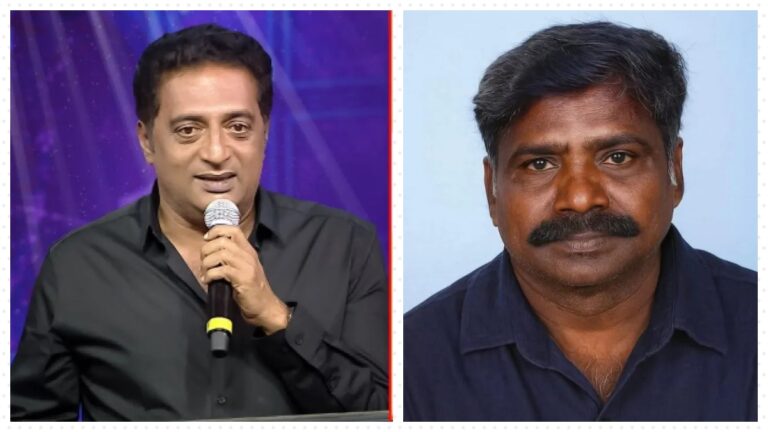
In a shocking development that has sent ripples across Karnataka, Chinnaiah’s petition formally drags the name of national award-winning actor and activist Prakash Raj into the legal fray. According to the court filing, activist Girish Mattannavar allegedly dialed Prakash Raj’s phone number during a meeting and handed the device over to Chinnaiah. The petition alleges that the actor spoke in Tamil, instructing the worker to follow whatever instructions Mattannavar gave him, and even promised to come and personally “hug him” later in support.

The scale of the alleged plot detailed in Chinnaiah’s petition is staggeringly massive. He claims that right-wing activist Mahesh Shetty Thimarodi, along with Mattannavar and several local YouTubers, told him that the “plan budget” to pull off the defamation campaign was approximately ₹200 crore. Chinnaiah alleges he was promised a payout of ₹50 lakh if he cooperated fully and successfully gave false evidence that would land Veerendra Heggade in prison. When the worker questioned the conspirators about where such immense funding was coming from, they reportedly admitted that financial support was being funneled to them from networks in Kerala, as well as a prominent woman based in Chitradurga who wanted to incite unrest in the holy town.

This dramatic shift in narrative marks a complete U-turn from mid-2025, when Chinnaiah first emerged as a sensational “whistleblower.” At that time, his gruesome claims that he had spent years secretly burying the bodies of sexual assault and murder victims caused national outrage, forcing the Karnataka government to set up a Special Investigation Team (SIT). However, the initial momentum of the investigation slowed dramatically after forensic analysts revealed that the bones Chinnaiah produced belonged to a man, directly contradicting his claims that they were the remains of young women and schoolgirls. Following the forensic discrepancies, Chinnaiah was arrested by the SIT for misleading the police.

Now out on bail, Chinnaiah claims he tried to commit suicide out of immense guilt before finally revealing the truth to a magistrate. In his High Court plea, he details severe intimidation, alleging that the conspirators physically assaulted him and held his relatives hostage at Thimarodi’s house to keep him in line. He states that he ultimately could not bring himself to give false testimony against the very temple town where he lived. Frustrated by the SIT’s failure to file a final report months after he confessed to the fabrication, Chinnaiah is now asking the High Court to force the SIT to wrap up its probe and bring the true conspirators to justice.

Responding swiftly to the unfolding controversy, actor Prakash Raj took to social media to firmly reject the allegations. Describing the matter as “extremely sensitive” given that it involves the deep religious faith of millions of devotees, the actor dismissed the claims in the petition as mere “hot air” and rumors. Currently traveling out of the state, Raj promised to hold an exhaustive press conference upon his return to completely clear his name, urging the public not to believe the “wings and feathers” malicious individuals are trying to attach to the case.

The political atmosphere in Karnataka has erupted over these latest revelations. The opposition Bharatiya Janata Party (BJP) has fiercely seized on the matter, with state leaders demanding that the Congress-led state government immediately make the SIT’s findings public. BJP State President B.Y. Vijayendra and General Secretary V. Sunil Kumar launched a scathing attack on the government, arguing that a prominent Hindu religious center was deliberately defamed through a highly coordinated, heavily funded plot. They are demanding to know exactly who financed the alleged ₹200 crore conspiracy and what steps the administration will take to protect the sanctity of the Manjunatheshwara Temple.

Meanwhile, State Home Minister Priyank Kharge has called for calm, stating that the veracity of Chinnaiah’s statements must be thoroughly verified by legal channels before drawing conclusions. Kharge pointed out that the petitioner has a track record of changing his statements over the course of the investigation, rendering his past and present claims highly volatile. Emphasizing that the High Court has already directed the SIT to submit a comprehensive status report by June 29, 2026, the Home Minister reminded the public that simply being named in a writ petition does not automatically make anyone a criminal in the eyes of the law. As the court-monitored investigation intensifies, all eyes are now on the upcoming deadline for the SIT’s official report to see how deep the alleged conspiracy truly runs.

Central Bank of India Recruitment 2026: 4,500 Apprentice Vacancies

0

New Delhi, June 13, 2026: The Central Bank of India (CBI) has officially released its highly anticipated recruitment notification for the engagement of apprentices for the financial year 2026–27. This year, the prominent public sector bank has announced a massive total of 4,500 vacancies distributed across various states and Union Territories in India. Designed under the Apprentices Act of 1961, this one-year program offers fresh graduates an exceptional gateway to step into the banking sector, acquire hands-on operational experience, and build a foundational understanding of commercial banking.

The official application window opened on June 12, 2026. Aspirants looking to leverage this massive opportunity must act quickly, as the registration timeline is exceptionally short. The final date to complete online registration, upload required documents, and submit application fees is June 22, 2026. According to the early schedule released by the bank, the tentative date for the online selection examination is set for the first week of July 2026, meaning applicants have just a few weeks to align their preparation strategies.

State-Wise Vacancy Distribution

The 4,500 posts are strategically allocated throughout the bank’s national network to support local branch operations. While vacancies are open in nearly every region, states with a high density of Central Bank of India branches have received the largest allocations. Candidates can choose their region of preference during the application process, provided they meet the local language criteria.

Eligibility Criteria & Requirements

The Central Bank of India has laid down specific eligibility baselines concerning educational qualifications, age limits, and technical registrations that all applicants must strictly clear as of the cut-off date, which is May 31, 2026.

1. Educational Qualifications

Candidates must hold a valid Graduation Degree in any discipline from a government-recognized university or institution. However, there are crucial clauses designed to keep this opportunity strictly for freshers:

  • Completion Window: The graduation degree must have been completed on or after January 1, 2022. Anyone who graduated before this date is ineligible.
  • No Prior Experience: Candidates who possess one year or more of formal work experience or professional training after completing their graduation are not eligible to apply.
  • No Prior Apprenticeship: If you have already undergone or are currently pursuing apprentice training in any other bank or organization, your application will be rejected.

2. Age Limits & Relaxations

Applicants must be between 20 and 28 years of age as of May 31, 2026. This means candidates must have been born no earlier than May 31, 1998, and no later than May 31, 2006 (both dates inclusive). Standard government relaxations apply to reserved categories:

  • SC / ST: 5 years of relaxation (up to 33 years)
  • OBC (Non-Creamy Layer): 3 years of relaxation (up to 31 years)
  • PwBD (Persons with Benchmark Disabilities): 10 to 15 years of relaxation depending on the specific sub-category.

Selection Process & Exam Pattern

Securing an apprentice position requires clearing a multi-tiered selection system managed by the BFSI Sector Skill Council (BFSI SSC). The initial filtration is done through a computer-based objective test, followed by regional competency checkpoints.

The Written Examination Structure

The online examination is a 60-minute objective test consisting of 100 questions, with each question carrying one mark. Crucially, there is no negative marking for incorrect answers, giving candidates the confidence to attempt the complete paper. The exam is divided equally across five distinct sections:

  • Quantitative & Reasoning Aptitude (20 Questions / 20 Marks)
  • Computer Knowledge (20 Questions / 20 Marks)
  • General English (20 Questions / 20 Marks)
  • General / Financial Awareness (20 Questions / 20 Marks)
  • Central Bank of India Products & Services (20 Questions / 20 Marks)

Local Language Proficiency Test

Upon qualifying the online written test, candidates must demonstrate their proficiency in the local language of the state they applied for. This ensures smooth, direct interaction with rural and semi-urban banking customers.

Stipend, Work Hours, and Fees

Selected apprentices are signed under a binding contract for a fixed duration of 12 months. During this period, apprentices receive a consolidated monthly stipend of ₹15,000. Because this is a training engagement under the Apprentices Act rather than permanent employment, candidates are not entitled to any additional allowances, fuel reimbursements, medical benefits, or housing perks.

Apprentices observe the same working hours and operational calendar as regular clerical staff and are permitted one day of casual leave per calendar month. It is also explicitly stated by the management that completing this 1-year training block does not guarantee or grant any right to permanent recruitment within the Central Bank of India.

Structure of Application Fees

The non-refundable online registration fees vary significantly based on category and gender. Please note that an 18% GST charge is bundled into the final amounts:

  • General / EWS / OBC (Male Candidates): ₹944
  • General / EWS / OBC (Female Candidates): ₹708
  • SC / ST (Male & Female Candidates): ₹236
  • PwBD & Transgender Candidates: ₹236

Step-by-Step Application Process

The application workflow requires mandatory registration across dual portals. Follow these sequential steps to ensure your registration is processed without errors:

1.Enroll on the NATS Portal:Prerequisite Step.

Visit the official National Apprenticeship Training Scheme portal at nats.education.gov.in. Click on the student registration tab, fill in your foundational graduation details, and generate your unique 16-digit NATS Enrollment ID.

2.Navigate to the Bank Portal:Application Initialization.

Go to the official Central Bank of India homepage at centralbank.bank.in. Click on the “Careers” section and find the active link titled “Engagement of Apprentices under Apprentices Act 1961 for F.Y. 2026-27”.

3.Fill the Form & Select Preferences:Data Entry.

Log in using the specialized BFSI portal link provided within the notification. Input your NATS Enrollment ID, choose your target state and preferred training districts, and fill out your academic details.

4.Upload Documents & Pay Fee:Final Submission.

Upload clear, scanned copies of your graduation certificate, passport photo, and signature according to the specified file sizes. Proceed to the integrated payment gateway to submit your category-specific application fee. Save the digital receipt and print the final application form for exam verification.

Dhamaal 4 Trailer Drops: Missing Riteish Deshmukh Sends Heartfelt Messag

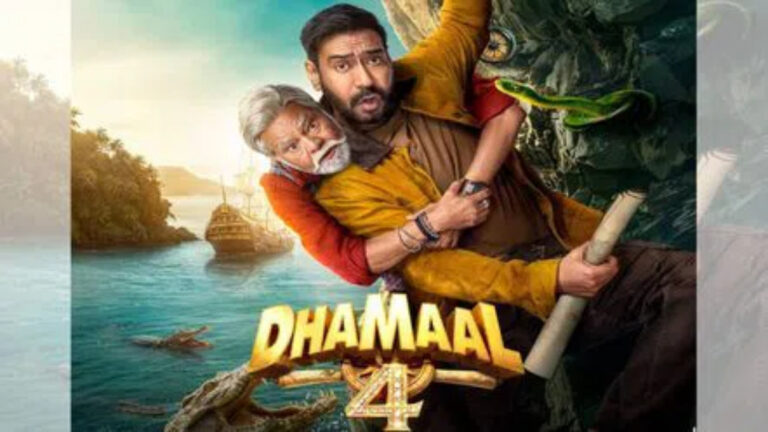
New Delhi, June 13, 2026: The long-awaited trailer for Dhamaal 4 finally dropped on June 12, 2026, sending a wave of excitement through Bollywood comedy fans. While the star-studded event in Mumbai was a massive success—complete with a jaw-dropping 60-foot poster and the attendance of major stars like Ajay Devgn and Arshad Warsi—one beloved face was notably missing from the stage. Riteish Deshmukh, who has been an integral part of the franchise’s identity since its inception in 2007, had to skip the grand trailer launch. Recognizing how much his absence would be felt by fans who have supported the series for nearly two decades, the actor took to social media to share a deeply personal and warm note, expressing his regrets and building anticipation for what promises to be the wildest entry in the franchise yet.

In his heartfelt message, Riteish reached out directly to the franchise’s loyal fanbase, acknowledging the incredible journey they have all shared over the years. He explained that unavoidable prior work commitments had kept him from joining his co-stars on stage for the launch event. However, his note made it clear that his spirit was very much with the team. He spoke passionately about the unique bond the Dhamaal cast shares, calling them a second family and praising director Indra Kumar for once again pushing the boundaries of madcap comedy. The actor expressed his profound gratitude to the fans, noting that their endless love for characters like Roy, Aditya, Manav, and Boman is the sole reason the franchise is still running strong in 2026. He promised that despite his absence at the launch, his character’s antics in the film would more than make up for it.

The newly released trailer itself gives a vivid glimpse of the chaos Riteish was referring to. Spanning over three minutes, the trailer reintroduces the iconic gang as they embark on the most absurd, high-stakes treasure hunt of their lives. Tapping heavily into nostalgia, the footage kicks off with a brilliant callback to the franchise’s classic “red button” gag, instantly signaling to audiences that the trademark slapstick humor is back in full force. This time around, the narrative madness steps up a notch. The boys find themselves dealing not just with hidden riches, but with an eclectic zoo of wild animals—including tigers, crocodiles, and even an octopus—alongside a haunted mansion filled with literal ghosts.

Adding to the freshness of this fourth installment are some highly anticipated on-screen pairings and regional flavors. Riteish Deshmukh is paired opposite actress Anjali Anand, and the trailer reveals they play a quirky couple who perform to a lively Bhojpuri-inspired track titled “Phulari Bina Chutney Kaise Bani,” complete with distinct regional accents. The ensemble cast also features Ajay Devgn paired with Esha Gupta, and Arshad Warsi alongside Sanjeeda Shaikh, while veteran actors Jaaved Jaaferi and Sanjay Mishra return to deliver their signature eccentric performances. Adding a pirate-like flair to the hunt is Ravi Kishan, who is seen desperately searching for the elusive treasure map (khazaane ka naksha), ensuring that the narrative remains fast-paced and unpredictable.

The trailer launch also shed light on a surprise shift in the film’s theatrical release strategy. Dhamaal 4 was originally scheduled to hit theaters on July 17, 2026. However, in a strategic move that has delighted fans, the makers officially preponed the release by a week. The comic caper is now locked to hit cinemas worldwide on July 10, 2026. Industry insiders reveal that the shift occurred after the dates for other major upcoming films, such as the YRF Spy Universe film Alpha, adjusted their schedules, leaving the July 10 slot perfectly vacant. The producers felt this was the ultimate window to give families an uninterrupted head start on summer laughter, avoiding major box office clashes and maximizing the film’s theatrical footprint.

Behind the scenes, the production of Dhamaal 4 represents a massive collaborative effort under the banner of T-Series Films, Devgn Films, Maruti International, and Panorama Studios. Helmed by veteran comedy director Indra Kumar, the project is backed by a powerhouse producing team including Bhushan Kumar, Krishan Kumar, Ajay Devgn, and Kumar Mangat Pathak. With its updated July 10 release date, a trailer that is already going viral for its nostalgic callbacks, and Riteish Deshmukh’s warm reassurance ensuring that the team is more united than ever, Dhamaal 4 is heavily positioned to be one of the biggest family entertainers of the year.

Sachin Tendulkar Leads Global Tributes as Kane Williamson Retires from International Cricket

0

New Delhi, June 13, 2026: The global cricketing community was struck by a wave of shock and nostalgia when New Zealand’s legendary batsman and former captain, Kane Williamson, announced his immediate retirement from international cricket. Walking away in the middle of a high-profile three-Test series against England, the 35-year-old’s sudden decision brings a curtain down on a magnificent 16-year journey. Tributes have poured in from every corner of the globe, none more heartfelt or deeply resonant than the one penned by Indian cricket icon Sachin Tendulkar.

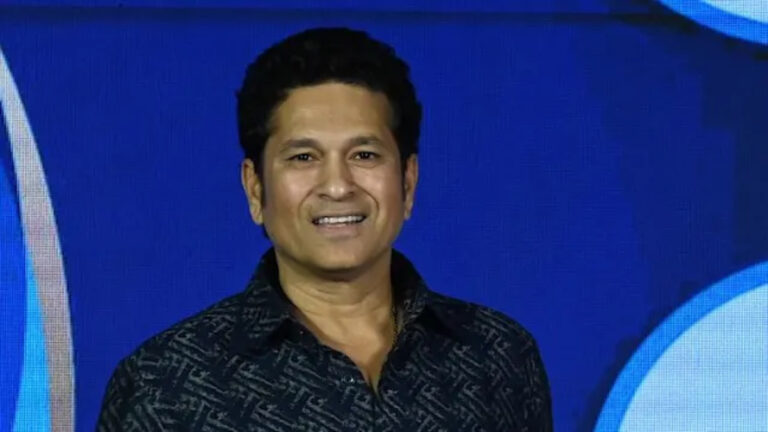
Taking to social media shortly after the announcement, Tendulkar expressed immense admiration for Williamson, describing him as a master of the craft and a standard-bearer for the spirit of cricket. The Master Blaster focused heavily on Williamson’s pristine batting technique, noting that his approach to the game made him one of the most aesthetically pleasing and reliable batsmen of the modern era.

Tendulkar also added a touch of lighthearted humor, highlighting how much opposing teams feared Williamson’s steady, unshakeable presence. “His retirement will probably be received with unexpected relief in more than a few bowling camps. Wishing him luck and success in his next chapter,” the Indian legend concluded.

A Shock Decision Mid-Series

Williamson’s retirement caught fans and analysts completely off guard. He played in the opening Test match of the series against England at Lord’s, where New Zealand suffered a 115-run defeat. After managing a duck in the first innings and just 18 runs in the second, Williamson decided that he would not proceed to the second Test at The Oval. By stepping away immediately, he chose to forego a traditional homegrown farewell tour or the milestone of reaching 10,000 Test runs, finishing just 485 runs short of that historic mark.

Explaining his decision through a poignant statement released by New Zealand Cricket, Williamson emphasized that he wanted to leave entirely on his own terms while he still held absolute respect for the high standards of international play.

“I’ve thought about it for a while, but over the last few days it’s become clear now is the right time,” Williamson stated. “I’ve always felt a strong drive and hunger for international cricket, and I take pride in knowing I’ve given it my all in every match I’ve played for New Zealand. Continuing with anything less wouldn’t be right, and I feel fortunate to step away on my own terms. I leave feeling optimistic about where this group is heading. It’s a team I love, and it will continue to be dear to my heart.”

The Extraordinary Legacy of a Kiwi Giant

Debuting in 2010 with a spectacular century against India in Ahmedabad, Williamson quickly evolved into the structural backbone of New Zealand cricket. Alongside India’s Virat Kohli, Australia’s Steve Smith, and England’s Joe Root, he formed the iconic “Fab Four”—a quartet of extraordinary batsmen who dominated and defined the modern era of world cricket.

Williamson leaves the international arena as New Zealand’s most prolific run-getter across all formats. His technical wizardry and unmatched focus allowed him to conquer vastly different pitch conditions worldwide, from the swinging tracks of England to the spinning dust bowls of the subcontinent.

Beyond his immense numbers, Williamson’s captaincy propelled New Zealand into a historic golden age. Assuming leadership across all formats after Brendon McCullum’s retirement in 2016, Williamson instilled a brand of calm resilience within the Black Caps. Under his guidance, New Zealand famously reached the final of the 2019 ICC ODI World Cup, where they tied with England in an unforgettable match, only losing due to a controversial boundary-countback rule. Williamson’s graceful, smiling acceptance of that heartbreaking defeat earned him the ICC Spirit of Cricket Award and the respect of millions of sports fans globally.

He later achieved ultimate redemption by leading New Zealand to victory in the inaugural ICC World Test Championship in 2021, defeating India in the final to capture the Test mace. He also spearheaded New Zealand’s charge to the 2021 T20 World Cup Final and multiple tournament semi-finals, hanging up his captaincy boots in 2024 as New Zealand’s most successful T20I skipper ever with 39 wins.

Echoes of Respect Across the Cricket World

Sachin Tendulkar’s high praise reflects the deep sentiment shared by icons past and present. Legendary fast bowler Sir Richard Hadlee chimed in, pointing out that Williamson’s meticulous physical and mental preparation made him an elite professional. “He’s been an unflappable leader and the architect of some of our greatest moments in cricket,” Hadlee remarked. Meanwhile, current India head coach Gautam Gambhir and various IPL teammates echoed the sentiment, writing that the sport of cricket is genuinely better off because of the integrity and humility Williamson brought to the pitch.

Though he is stepping back from the intense grind of representing New Zealand on the international stage, Williamson is expected to remain active in various domestic T20 leagues around the world, giving fans a chance to see his elegant strokeplay a little while longer. Nevertheless, his departure from the Black Caps dressing room marks the definitive end of an era. He leaves behind not just a mountain of records, but an untarnished reputation as a perfect sportsman—proving to the world that you can reach the very pinnacle of aggressive international sport through quiet dignity, humility, and absolute grace.

PM Modi Embarks on Strategic European Tour: Focus on G7, Tech Innovation, and Historic Ties

0

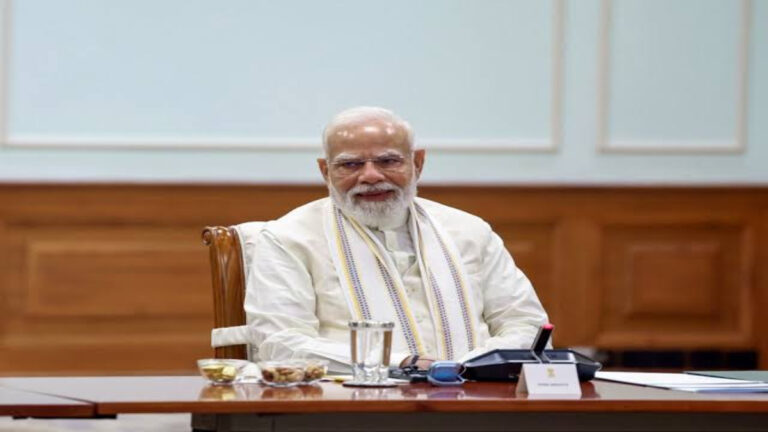
New Delhi, June 13, 2026 – Prime Minister Narendra Modi departed from New Delhi on Saturday morning for a high-stakes six-day diplomatic tour of France and the Slovak Republic. The visit, spanning June 13 to June 18, 2026, is poised to deepen India’s strategic footprint in Europe, with a packed agenda that includes a historic first-ever prime ministerial visit to Bratislava and a seat at the table for the prestigious G7 Summit in Évian-les-Bains.

Strengthening the ‘Special Global Strategic Partnership’ with France

The Prime Minister’s first destination is the French city of Nice, where he will meet President Emmanuel Macron. This diplomatic engagement builds upon the momentum established earlier this year when the two leaders elevated bilateral ties to a “Special Global Strategic Partnership.”

A centerpiece of the French leg is the joint inauguration of the “Bharat Innovates event on June 14. Held against the backdrop of the India-France Year of Innovation, this forum is designed to bridge the gap between Indian startups and global venture capital. By connecting emerging Indian technology firms with French and European investors, the event aims to accelerate the cross-pollination of ideas and capital.

The engagement with France will conclude in Paris on June 18, where the Prime Minister is scheduled to attend VivaTech 2026. As one of Europe’s premier technology and innovation gatherings, India’s presence—marked by a massive national pavilion—signals New Delhi’s intent to position itself as a global leader in the digital economy and emerging tech sectors.

A Historic Milestone in Slovakia

On June 14, Prime Minister Modi will make history by traveling to the Slovak Republic for a two-day State Visit—the first-ever visit by an Indian Prime Minister to the nation since its independence in 1993.

The visit comes at a pivotal time for India-Central Europe relations. In Bratislava, PM Modi will hold high-level talks with Slovak President Peter Pellegrini and Prime Minister Robert Fico. Discussions are expected to center on:

  • Economic Cooperation: Exploring new avenues for manufacturing and logistics partnerships, positioning Slovakia as a gateway for Indian businesses into the European Union.
  • Strategic Alignment: Reinforcing India’s commitment to the EU’s strategic autonomy and regional stability.
  • Business Engagement: A dedicated interaction with Slovak business leaders to encourage bilateral trade and investment flow.

“This historic visit builds on the strong momentum in our bilateral relationship,” the Prime Minister stated before his departure, emphasizing that the trip will further energize India’s strategic partnership with the European Union.

All Eyes on the G7 Summit in Évian

The climax of the tour will be the Prime Minister’s participation in the 52nd G7 Summit in Évian-les-Bains, France, from June 16 to 17. India’s invitation to the G7 as a partner country highlights the group’s growing reliance on New Delhi’s perspective to address complex geopolitical and economic challenges.

As a voice for the Global South, PM Modi is expected to steer discussions toward issues that disproportionately affect developing nations. Key agenda items for India during the summit include:

  • Supply Chain Security: Securing critical mineral value chains to reduce dependency on volatile markets.
  • Economic Stability: Addressing global economic imbalances and promoting shared, sustainable growth.
  • Digital Governance: Safeguarding minors online and establishing ethical frameworks for emerging technologies like AI.

A Diplomatic Balancing Act

The 2026 tour reflects a sophisticated shift in India’s foreign policy: moving from passive engagement to active agenda-setting. By combining bilateral economic diplomacy in Slovakia with multilateral leadership at the G7, the Indian government is executing a “multi-aligned” strategy.

For France, the summit is a massive security undertaking; the Swiss and French authorities have coordinated a 24/7 security perimeter around the Lake Geneva region to ensure the safety of world leaders. For India, however, the summit is an opportunity to prove that it is not merely a participant, but an essential architect of the future global order.

As the Prime Minister navigates this week of intense negotiations, the world will be watching to see how New Delhi bridges the interests of the developed G7 nations with the pressing needs of the Global South.

The ₹370 Biryani Storm: A Boss Sane Voice in a Digital Firestorm

New Delhi, June 13, 2026: What started as a fleeting moment of audience interaction at a stand-up comedy show transformed into a national flashpoint, blending issues of modern dating culture, corporate accountability, and the unforgiving machinery of online cancel culture.

The controversy centered around Himanshu Jangra, a 22-year-old web developer, whose comments during a live comedy gig sparked widespread outrage. Yet, as the digital firestorm threatened to consume everyone in its path, it was the measured response of his employer, Vivek Vishwakarma, that emerged as a rare beacon of sanity and structured reasoning amid the chaos.

The Outrage: A ₹370 Price Tag on Consent

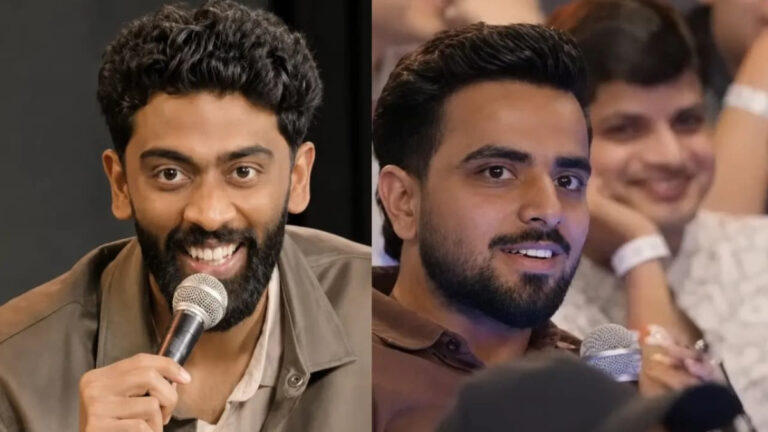
The incident occurred during a live show by stand-up comedian Pranit More. Engaging in “crowd work”—a style of comedy reliant on spontaneous interaction with the audience—More struck up a conversation with Jangra.

The 22-year-old shared an anecdote about a recent date, proudly narrating that he had spent ₹370 on a plate of chicken biryani for a woman. He stated that when she later asked to be dropped home, he expected a physical “return” on his financial investment.

Jangra then detailed taking the woman to a park, pushing past her boundaries, and engaging in non-consensual physical contact. Instead of challenging the blatant admission of sexual coercion, the comedian laughed, labeled it “Peak Gurgaon content,” and handed Jangra a ₹5,000 cash prize. The entire exchange was edited, subtitled, and uploaded online as promotional material.

The internet responded with swift and severe condemnation. From casual social media users to high-profile influencers and law enforcement, the backlash was absolute. The Mumbai Police amplified the conversation by issuing a public awareness post with the hashtag #BiryaniIsNotConsent, explicitly stating that a plate of biryani does not buy access to a person’s body.

Facing intense public scrutiny, Pranit More issued an apology admitting to a severe “lapse in judgment” and subsequently deactivated his Instagram account. However, the digital mob had already pivoted, training its sights on Jangra’s place of employment.

The Backlash Hits Corporate Doors

Jangra was employed at Starvik Design, a Gurugram-based branding and digital marketing agency. As the viral clip saturated timelines, netizens tracked down his professional profile. Within hours, Starvik Design’s social media pages, public email inboxes, and review channels were flooded with thousands of explicit complaints, negative ratings, and demands for Jangra’s immediate termination.

For a young agency entirely reliant on its online reputation, the crisis was existential. Vivek Vishwakarma, the founder of Starvik Design, suddenly found himself thrust into the epicenter of a national controversy.

In the typical playbook of modern corporate public relations, the standard response is swift, detached, and clinical: issue a brief text statement terminating the employee, condemn the actions unequivocally, and block the comment section. Vishwakarma, however, chose a completely different route.

The Sane Voice: Striking a Balance Between Accountability and Nuance

Vishwakarma released a detailed video message addressing the public. While he made it clear that Jangra’s remarks were offensive, unacceptable, and completely contrary to the values of his company, he refused to reduce a complex human situation into a one-dimensional PR save.

Before taking any disciplinary action, Vishwakarma did something remarkably rare in the age of instant internet justice: he conducted an objective internal review. He deliberately consulted the company’s female team members and evaluated Jangra’s day-to-day conduct inside the workplace.

The internal findings did not match the monster depicted in the viral clip. The female employees and colleagues verified that Jangra had consistently been professional, respectful, hardworking, and well-behaved at work. Vishwakarma chose to state this truth publicly, acknowledging that the persona displayed on the comedy stage was completely disconnected from the individual they knew professionally.

Despite the positive workplace record, Vishwakarma ultimately made the business decision to fire Jangra. He explained that actions outside office hours carry real-world consequences. The controversy had severely paralyzed the agency’s operations. Every post was met with endless trolling, and two major prospective clients, with whom the firm was about to finalize deals, abruptly backed out due to the toxic association.

The Danger of Permanent Digital Exile

What truly distinguished Vishwakarma’s response from the ongoing internet hysteria was his plea for societal empathy and long-term perspective. He emphasized that while accountability is vital, the internet’s tendency toward permanent destruction leaves no room for human growth.

He revealed that Jangra, deeply remorseful and overwhelmed by the scale of the backlash, had since fled back to his hometown in Haryana, isolated himself completely, and was receiving continuous threat calls.

Vishwakarma highlighted how easily a impressionable young mind can get swept away by the “vibe” and validation of a live performance room, saying things for shock value without realizing the real-world gravity of the words.

The Broader Cultural Problem

The structural breakdown of the “₹370 biryani” saga exposes a much deeper systemic issue within the entertainment ecosystem. Jangra did not develop these transactional views on consent in isolation. He was playing to a room that was systematically conditioned to reward misogyny as “relatable content.”

For years, segments of the stand-up comedy industry have normalized treating women as commodities and transactions for cheap laughs. From seasoned comics reducing female existence to financial equations to crowds eagerly cheering at narratives of boundary-pushing, the environment actively constructs the mindset that Jangra displayed. The chilling reality wasn’t just Jangra’s statement; it was the initial applause, the laughter, and the cash prize that validated it before the internet intervened.

Ultimately, Vivek Vishwakarma’s handling of the crisis serves as a textbook example of mature leadership. He protected his business and enforced accountability by terminating the employee, but he firmly refused to participate in the dehumanization of a young individual.

If society’s response to terrible mistakes is permanent digital exile and total psychological destruction, it eliminates the very possibility of rehabilitation. The true victory in dismantling deep-seated entitlement lies not just in firing the offender, but in ensuring that the broader culture stops applauding the mindset that created him.

The dynamic conversation around online justice, cancel culture, and workplace boundaries in the wake of this incident is explored in detail in this analytical video: The Himanshu Jangra Case An_alysis, which breaks down the social impact and the corporate double standards of internet outrage.