
Home Blog Page 192

Nothing Phone 4a Series Launch: Everything We Know About the March 5 Debut

0

New Delhi, February 21, 2026: The London-based tech disruptor Nothing is officially ready to shake up the mid-range smartphone market once again. CEO Carl Pei has confirmed that the Nothing Phone 4a series will make its global debut on March 5, 2026.+1

In a move that blends nostalgia with modern tech, the company has teased a “bold new experimentation of color” and significant hardware upgrades, positioning the 4a series as a “flagship-level” experience in a more accessible price bracket.

The Evolution of Design: The New “Glyph Bar”

Nothing’s signature transparent aesthetic is getting a major functional update. Moving away from the dot-matrix and segmented LEDs of previous generations, the Phone 4a series introduces the Glyph Bar.

  • Mini-LED Tech: The new interface features nine individually controllable mini-LEDs.
  • Brighter Performance: Nothing claims this new Bar is 40% brighter than the lighting system found on the previous (a) series.
  • Visual Customization: Teasers suggest a mix of white and red LED units, allowing for more intricate notification patterns and potentially new “essential” notification features.

Performance: Qualcomm Snapdragon at the Core

While the previous Phone 3a utilized MediaTek silicon, Nothing is returning to its roots for the 4a series. The company has officially confirmed that the lineup will be powered by Qualcomm Snapdragon processors.

  • Processor: Most leaks point to the Snapdragon 7s Gen 4 driving the series. This chipset is built on a 4nm process, offering a balance of high-efficiency and upper mid-range performance.+1
  • Memory and Storage: Expect configurations starting at 8GB RAM / 128GB storage, with a premium 12GB RAM / 256GB storage variant. The series is also tipped to adopt UFS 3.1 storage for faster data speeds and app launches.+1

Key Specifications (Expected)

Based on recent leaks and official teasers, here is what the Nothing Phone 4a and 4a Pro might bring to the table:

FeatureNothing Phone 4aNothing Phone 4a Pro
Display6.7-inch 1.5K AMOLED (120Hz)6.83-inch 1.5K AMOLED (144Hz)
ProcessorSnapdragon 7s Gen 4Snapdragon 7s Gen 4 / 7 Gen 4
Main Camera50MP OIS + 8MP Ultrawide50MP Sony OIS + 50MP Telephoto
Battery5,400 mAh5,400 mAh
Charging50W Wired50W Wired
ColorsBlack, White, Blue, PinkBlack, Silver, Pink

Launch Logistics and Pricing

Nothing is choosing a high-profile window for this launch, scheduled just one day after a major Apple “Special Experience” event.

  • Event Date: March 5, 2026, at 4:00 PM IST (10:30 AM GMT).
  • Availability: In India, the devices will be available via Flipkart, where a dedicated microsite has already gone live.
  • Price Point: Rumors suggest the standard Phone 4a could start around ₹30,000, while the Pro model might climb toward ₹45,000, reflecting the more premium materials and camera hardware.

Why the 4a Series Matters

With Carl Pei confirming that there will be no “Phone 4” flagship in 2026, the 4a series carries the heavy mantle of being the brand’s primary focus for the year. By offering a 144Hz display on the Pro model and a massive 5,400 mAh battery across the board, Nothing is attempting to blur the lines between mid-range value and flagship capability.


NASA Sets Sights on March 6 for Historic Artemis II Moon Mission

0

New Delhi, February 21, 2026: – In a move that signals the dawn of a new era in human space exploration, NASA has officially announced a target launch date of March 6, 2026, for the highly anticipated Artemis II mission. This milestone marks the first time in over 50 years—since the conclusion of the Apollo program—that humans will venture beyond low-Earth orbit to the vicinity of the Moon.

The announcement comes on the heels of a successful “wet dress rehearsal” completed on February 19. During this critical test, engineers at the Kennedy Space Center successfully loaded the massive Space Launch System (SLS) rocket with super-chilled liquid hydrogen and oxygen propellants, clearing a primary technical hurdle that had previously caused minor delays due to fuel leaks.

The Mission: A Journey Around the Lunar Far Side

Artemis II is a 10-day flight test designed to prove that the Orion spacecraft’s life-support systems are ready to sustain astronauts in deep space. While the crew will not land on the lunar surface, they will travel approximately 4,700 miles (7,600 km) beyond the far side of the Moon.

  • The Crew: The mission features a diverse team of four: Commander Reid Wiseman, Pilot Victor Glover, Mission Specialist Christina Koch (all from NASA), and Mission Specialist Jeremy Hansen from the Canadian Space Agency.
  • The Trajectory: Using a “free-return trajectory,” the spacecraft will use the Moon’s gravity to naturally pull it back toward Earth, ensuring a safe return even if the primary propulsion systems encounter issues.
  • The Goal: This flight serves as the final bridge to Artemis III, the mission currently slated for 2027-2028, which aims to land the first woman and first person of color on the lunar South Pole.

Overcoming Technical Hurdles

The road to the March launch window has not been without challenges. Earlier in February, NASA technicians identified a hydrogen leak and a minor issue with the Orion hatch’s pressurization valve.

“Last night was a big step in us earning our right to fly,” said Artemis Launch Director Charlie Blackwell-Thompson following the successful fueling test. “I’m very proud of the team for resolving the persistent leak issues that are often inherent with such a complex, high-energy vehicle.”

The SLS remains the world’s most powerful rocket, capable of producing 8.8 million pounds of thrust at liftoff—roughly 15% more power than the legendary Saturn V.

What’s Next for the Crew?

To ensure the mission remains on track, the four astronauts entered a “soft quarantine” this week. This protocol is a standard safety measure to prevent the crew from contracting any illnesses before their historic journey.

NASA officials will conduct a final Flight Readiness Review (FRR) next week. If the data from the recent rehearsal holds up, the countdown for the March 6 liftoff will begin in earnest.

Launch Details at a Glance: | Feature | Details | | :— | :— | | Target Date | March 6, 2026 | | Launch Site | Launch Complex 39B, Kennedy Space Center | | Spacecraft | Orion MPCV | | Rocket | Space Launch System (SLS) Block 1 | | Duration | 10 Days | | Destination | Lunar Flyby (Free-return trajectory) |

Would you like me to draft a social media announcement or a follow-up piece regarding the specific roles of the four astronauts on this mission?

NRI Woman Chases Armed Robbers with Sword After Egg Attack

0

New Delhi, February 21, 2026: A significant wave of admiration and alarm has been triggered across Punjab following the emergence of a startling viral video from Ludhiana. In the footage, which gained massive traction on February 21, 2026, an NRI (Non-Resident Indian) woman is observed displaying extraordinary bravery against a group of criminals. It is noted that the confrontation began when bike-borne robbers targeted her moving vehicle by throwing eggs at the windshield. This specific tactic, often used by gangs to obstruct a driver’s vision and force a stop, was met not with fear, but with an unexpected and fierce retaliation.

The Mechanics of the “Egg Gang” Attack

The specifics of the robbery attempt and the woman’s swift response are being meticulously discussed by local residents and safety experts. It is observed in the viral reports that as the car’s vision was blurred by the egg yolk, the suspects moved in to intercept the vehicle. However, it is reported by several digital observers that the woman, realizing the trap, immediately exited the car armed with a traditional sword. The visual of the NRI woman charging toward the armed miscreants while brandishing the weapon has provided a grounding narrative for the shifting dynamics of self-defense in urban areas.

Also Read: Viral Video of Woman’s Interaction with Akhilesh Yadav

Social Media Reacts: A Symphony of Praise for the “Lioness”

A massive conversation regarding the safety of NRIs and the necessity of self-protection has been ignited by this digital revelation. It is noted that the video was met with an outpouring of praise, with many netizens remarking that the woman acted like a “true lioness” in the face of danger. The robbers, who were seen fleeing the scene in a state of panic, are being widely discussed as a reminder of how criminals can be deterred by a strong defense. Thousands of analytical comments have been left by users who expressed their awe, stating that such videos serve as a stark reminder that courage can often outweigh the advantage of surprise held by attackers.

Impact on Local Policing and Public Safety

The impact of this viral event has extended beyond simple internet fame to influence a broader discussion on the “egg-throwing” robbery technique currently prevalent in the region. It is frequently mentioned by Ludhiana police officials that a high-level investigation has been launched to identify the bike-borne suspects using the viral footage. A renewed sense of vigilance is being observed among commuters, many of whom are now being cautioned by authorities not to use wipers when eggs are thrown at their windshields. It is believed that the viral nature of this specific “Sword Chase Video” will prompt a dialogue on the necessity of better patrolling on the city’s outskirts to protect visiting NRIs and residents alike.

A Stark Reminder of Personal Bravery

As the footage continues to accumulate millions of views in late February 2026, it serves as a powerful and resilient reminder that presence of mind is the ultimate weapon. It is believed that the story of the “Ludhiana Sword-Wielding NRI” will remain a primary highlight of the month’s most discussed and socially impactful crime features. The legacy of this viral event is expected to be a heightened public awareness of the various tactics used by modern-day highway robbers. Until the suspects are apprehended, this video remains a stark testament to the fact that sometimes, the hunter can very quickly become the hunted.

Beyond the Ceasefire: The Hidden U.S. Tariffs Still Hurting Indian Exporters

0

New Delhi, February 21, 2026: In a significant turn for trans-Atlantic and Indo-Pacific trade, the headline-grabbing “reciprocal tariffs” that once threatened to hit 50% on Indian goods have been largely rolled back following a landmark interim trade agreement and a pivotal U.S. Supreme Court ruling in February 2026.

However, for Indian exporters, the celebration is tempered by a sobering reality: while the “tit-for-tat” escalation has cooled, a complex web of sector-specific U.S. tariffs and new global duties continues to squeeze profit margins and market access.

The New Trade Landscape: 18% is the New Floor

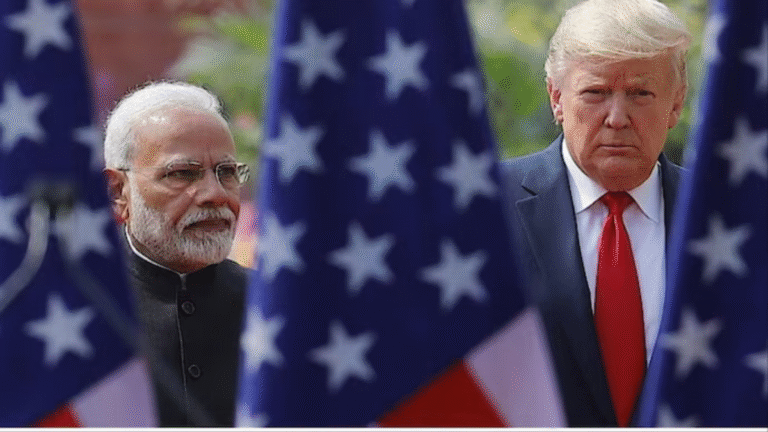
Following high-stakes negotiations between President Donald Trump and Prime Minister Narendra Modi, the U.S. agreed to reduce the reciprocal tariff rate on Indian goods from a peak of 50% down to 18%. This reduction was part of a “peace treaty” in which India committed to purchasing $500 billion in U.S. energy, technology, and agricultural products over the next five years.

Crucially, the U.S. also scrapped the additional 25% “punitive levy” that had been imposed on India specifically for its continued purchase of Russian oil. While this provides immediate relief to sectors like gems, jewelry, and textiles, the remaining 18% baseline remains a significant hurdle compared to the near-zero rates enjoyed under previous trade regimes.

The Persistent “Invisible” Barriers

While the reciprocal “war” has ended, several long-standing and new “static” tariffs remain in force, creating a multi-layered tax environment for Indian goods.

1. Section 232: Steel and Aluminum “Security” Duties

The 2026 trade framework provided only surgical relief for Section 232 tariffs.

  • The Status: While duties were removed for Indian aircraft parts, the broader 25% tariff on steel and 10% on aluminum remain largely intact for general industrial exports.
  • The Impact: This continues to hamper India’s “Make in India” ambitions for heavy engineering and construction exports to the U.S.

2. Section 301 and Anti-Dumping Measures

The U.S. Department of Commerce continues to aggressively use trade remedy instruments.

  • Seafood and Marine Products: Indian shrimp and seafood exporters face a combination of base tariffs (often around 25%) plus anti-dumping duties and countervailing duties (CVDs) if the U.S. perceives government subsidies.
  • Pharmaceuticals: As of early 2026, a Section 232 investigation into generic pharmaceuticals and active pharmaceutical ingredients (APIs) is still pending, leaving India’s multi-billion dollar drug export industry in a state of “tariff limbo.”

3. The New 10% Global Baseline (Section 122)

Adding a fresh layer of complexity, the Trump administration recently implemented a 10% global tariff under Section 122 of the Trade Act. While the India-specific “reciprocal” rate of 18% is designed to be the primary duty, legal experts warn that “stacking” rules are still being litigated in U.S. courts, creating a volatile pricing environment for MSMEs (Micro, Small, and Medium Enterprises).

Strategic Pivots: Beyond the U.S. Market

With the U.S. market becoming a “high-cost” zone, Indian exporters are increasingly looking elsewhere. The recent signing of the India-EU Free Trade Agreement in January 2026 and the expansion of trade with the UAE and Australia are strategic hedges against American protectionism.

“The U.S. remains our largest partner, but the era of ‘easy access’ is over,” says a leading textile exporter from Tiruppur. “We are now pricing our goods based on an 18% tax floor, which means we either innovate or get priced out.”

Looking Ahead

The interim deal is a “ceasefire,” not a total peace. With the full U.S.-India Bilateral Trade Agreement (BTA) still under negotiation, the focus now shifts to non-tariff barriers, such as digital trade rules and medical device pricing. For now, Indian exporters must navigate a “hybrid” trade world: one where the threat of 50% tariffs has vanished, but the “new normal” of 18% plus sector-specific duties remains a heavy burden.

Viral Video of Woman’s Interaction with Akhilesh Yadav

0

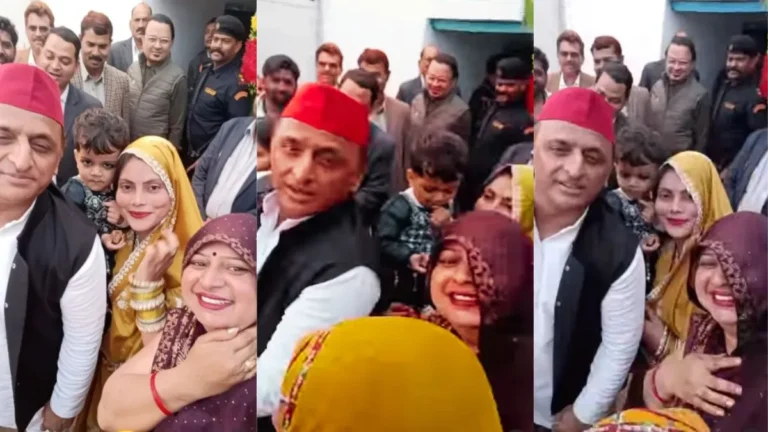
New Delhi, February 21, 2026: A significant wave of curiosity and digital engagement has been triggered across social media platforms following the emergence of a striking viral video involving former Uttar Pradesh Chief Minister Akhilesh Yadav. In the footage, which gained massive traction on February 21, 2026, a local woman is observed engaging in a direct and heartfelt conversation with the Samajwadi Party leader. It is noted that the exchange occurred during a public outreach program, where the woman’s bold and articulate remarks immediately drew the attention of onlookers. This spontaneous interaction between a prominent political figure and a grassroots citizen has been widely shared as a primary example of unfiltered public discourse.

The Mechanics of the Viral Conversation

The specifics of the woman’s statement and the reaction of the political leader are being meticulously discussed by political analysts and social media users alike. It is observed in the viral reports that the woman addressed issues of local governance and personal struggle with such conviction that even the seasoned politician was seen listening with rapt attention. It is reported by several digital observers that her words were characterized by a mix of maternal affection and sharp social critique, a combination that is rarely seen in scripted political events. The visual of the leader nodding in agreement while surrounded by a bustling crowd has provided a grounding narrative for the power of the common voice in a democracy.

Also Read: Teens Invading Kroger During Anti-ICE Walkout

Social Media Reacts: A Symphony of Admiration and Debate

A massive conversation regarding the importance of direct communication between leaders and the electorate has been ignited by this digital revelation. It is noted that the video was met with an outpouring of praise for the woman’s courage, with many netizens remarking that “this is the true spirit of Indian politics.” The woman is being widely discussed as a symbol of the empowered rural voter who is no longer hesitant to demand accountability. Thousands of analytical comments have been left by users who expressed their fascination, stating that such videos serve as a stark reminder of the emotional and human elements that often define electoral success in the heartland.

Impact on Political Branding and Public Perception

The impact of this viral event has extended beyond simple internet fame to influence a broader discussion on the “jan-sampark” (public contact) strategies of major political parties. It is frequently mentioned by media strategists that such unscripted moments do more for a leader’s image than expensive advertising campaigns. A renewed sense of interest is being observed in Akhilesh Yadav’s ongoing tours, as the video demonstrates a level of accessibility that resonates with the youth and the elderly alike. It is believed that the viral nature of this specific “Woman and Akhilesh Video” will prompt a dialogue on the necessity of political leaders spending more time listening to individual grievances on the ground.

A Stark Reminder of the People’s Pulse

As the footage continues to accumulate millions of views in late February 2026, it serves as a powerful and resilient reminder that the ultimate power in a democracy lies with the people. It is believed that the story of the “Bold Woman and the Leader” will remain a primary highlight of the month’s most discussed and socially relevant political features. The legacy of this viral event is expected to be a heightened public awareness of the impact of grassroots communication. Until the next election cycle begins, this video remains a stark testament to the fact that sometimes, the most influential political speeches are the ones made by the citizens themselves.

Teens Invading Kroger During Anti-ICE Walkout

0

New Delhi, February 21, 2026: A significant wave of public debate and concern has been triggered across social media following the emergence of a chaotic viral video. In the footage, which gained massive traction on February 21, 2026, a large group of teenagers is observed participating in an anti-ICE (Immigration and Customs Enforcement) school walkout. However, the organized protest is seen shifting into a disruptive confrontation as the group enters a local Kroger grocery store. This transition from a political demonstration to a scene of civil unrest has been widely shared as a primary example of the volatility inherent in modern student movements.

Disturbing Scenes of Store Invasion

The specifics of the incident and the behavior of the participants are being meticulously discussed by local residents and law enforcement agencies. It is observed in the viral reports that multiple individuals within the group began hurling objects, including store merchandise and grocery items, at staff and displays. It is reported by several digital observers that the store’s operations were brought to a complete standstill as the teens flooded the aisles, shouting slogans while causing visible damage to property. The visual of grocery store employees attempting to shield themselves from flying items has provided a grounding narrative for the intensity of the confrontation.

Also Read: Seedance 2.0 AI Video Platform Launched with Free Access to ByteDance Model

Public Reaction: A Symphony of Criticism and Legal Demands

A massive conversation regarding the boundaries of free speech and the accountability of minors has been ignited by this digital revelation. It is noted that the video was met with an outpouring of condemnation from community members, with many netizens remarking that the participants “ought to be prosecuted” for their actions. The incident is being widely discussed as a violation of public order that goes far beyond the scope of a peaceful walkout. Thousands of analytical comments have been left by users who expressed their outrage, stating that such videos serve as a stark reminder of the potential for property damage when social activism is coupled with a lack of adult supervision.

Impact on Store Security and Legal Consequences

The impact of this viral event has extended beyond simple internet outrage to influence a broader discussion on the security protocols for retail establishments during public demonstrations. It is frequently mentioned by legal experts that the identification of the individuals in the video is currently being pursued by local police to assess potential charges of trespassing and vandalism. A renewed sense of vigilance is being observed among local businesses, many of whom are now reportedly reviewing their “lockdown” procedures for similar events. It is believed that the viral nature of this specific “Kroger Invasion Video” will prompt a dialogue on the necessity of holding both the students and their educational institutions responsible for such outbursts.

A Stark Reminder of Civil Responsibility

As the footage continues to accumulate millions of views in late February 2026, it serves as a powerful and resilient reminder that the right to protest does not include the right to destroy private property. It is believed that the story of the “Kroger Anti-ICE Walkout” will remain a primary highlight of the month’s most discussed and socially contentious news features. The legacy of this viral event is expected to be a heightened public awareness of the legal consequences that follow when political expression turns into criminal behavior. Until a formal resolution is reached by the authorities, this video remains a stark testament to the fact that actions taken in the heat of a moment can have long-lasting legal repercussions.

Indian SaaS: Death by 1,000 AI Cuts

0

New Delhi, February 21, 2026: In the rapidly evolving landscape of 2026, the narrative surrounding Indian Software-as-a-Service (SaaS) has shifted from a “death knell” to a more nuanced, albeit painful, transformation. While headlines often scream of a total AI takeover, the reality for India’s tech ecosystem is less like a sudden execution and more like a “death by a thousand cuts”—a slow, relentless erosion of traditional competitive advantages.

Here is an analysis of how AI is reshaping Indian SaaS and why “bleeding” is the new survival mode.

1. The Erosion of the “Seat-Based” Fortress

For a decade, Indian SaaS giants built their empires on seat-based pricing. Whether it was CRM, HR-tech, or helpdesk software, revenue was tied to the number of human users.

With the rise of Agentic AI—autonomous systems that can plan, execute, and monitor workflows—the need for human seats is plummeting. If one AI agent can do the work of five junior analysts, the customer no longer needs five licenses; they need one. This is the first “cut”: a structural shrinkage of the total addressable market (TAM) for legacy seat-based models.

2. The Collapse of the Feature Moat

Historically, Indian SaaS thrived on “efficient cloning”—building robust, more affordable versions of Salesforce or Zendesk with localized support. AI has democratized this “vibe coding.”

With tools like Claude 3.5/4.0 and GitHub Copilot, the time it takes to build a basic functional SaaS product has dropped from months to days. This removes the “barrier to entry” that once protected established players. New, lean startups—often consisting of just two founders and an AI orchestrator—are launching niche tools that chip away at the market share of established Indian unicorns.

3. Pricing Pressure: From “Effort” to “Outcome”

As noted during the AI Impact Summit 2026, clients are no longer willing to pay for the effort (the number of hours or developers involved). They are demanding outcome-based billing.

“We are moving from an era of ‘How many people worked on this?’ to ‘Did the problem get solved?'” — Industry consensus, 2026.

For Indian SaaS companies with large workforces and high overheads, this shift to value-based pricing is a painful cut. It forces a massive compression of margins, as the cost of providing the “outcome” must now compete with the near-zero marginal cost of an AI bot.

4. The Talent Paradox

India has the world’s largest pool of junior developers—the very demographic most “at risk” from AI. The industry is currently bleeding talent costs in two ways:

  • The Mid-Level Void: There is a desperate scramble for “AI Architects” who can build agentic workflows, while traditional “CRUD” (Create, Read, Update, Delete) developers are seeing their market value evaporate.
  • Reskilling Fatigue: Companies like TCS, Infosys, and Freshworks are spending billions on reskilling, but the pace of AI evolution is outstripping the human ability to learn.

5. The Rise of “Sovereign” and Niche AI

The “thousand cuts” also come from the fragmentation of the market. With the Indian government’s push for sovereign AI models and frugal innovation, vertical SaaS (software tailored for a specific industry like Indian retail or agriculture) is becoming hyper-localized. Large, horizontal SaaS players are finding it difficult to defend their territory against these specialized, AI-native “micro-SaaS” entities.

The Silver Lining: Evolution through Pain

Is the “bleeding” fatal? Not necessarily. As the NITI Aayog 2026 report suggests, this period of intense pressure is forcing Indian SaaS to move up the value chain.

To survive the thousand cuts, Indian firms are:

  • Becoming AI-Native: Moving from “AI-enabled” (adding a chatbot) to “AI-first” (building systems where AI is the primary user).
  • Deep Integration: Focusing on the “enterprise plumbing”—connecting complex, messy legacy data that AI cannot navigate without human architecture.
  • Focusing on Trust: In an era of AI hallucinations, “human-in-the-loop” governance and auditability are becoming the new premium features.

Conclusion

AI isn’t going to “kill” the Indian SaaS industry in one fell swoop. Instead, it is stripping away the inefficiencies and the “easy” revenue that the industry has relied on for years. The companies that stop the bleeding will be those that stop trying to sell software and start selling autonomous solutions.

Seedance 2.0 AI Video Platform Launched with Free Access to ByteDance Model

0

New Delhi, February 21, 2026: A significant shift in the landscape of digital media has been triggered by the official launch of Seedance 2.0, a cutting-edge AI video platform. It is noted that the platform has gone live as of February 2026, offering creators unprecedented free access to the highly acclaimed video generation model developed by ByteDance. This strategic move is being observed as a major catalyst for the democratization of high-quality video production. The platform is being widely discussed as a game-changer for independent filmmakers and social media influencers who previously lacked the resources for advanced visual effects.

The Mechanics of ByteDance’s Viral Technology

The specifics of the Seedance 2.0 interface and its integration with the viral ByteDance model are being meticulously discussed by tech enthusiasts and professional creators. It is observed in the early reviews that the platform allows for the generation of hyper-realistic video clips from simple text prompts or static images. It is reported by several digital observers that the underlying AI architecture has been optimized to produce content that specifically aligns with current viral trends and aesthetic preferences. The visual of the user-friendly dashboard has provided a grounding narrative for the ease with which complex cinematic sequences can now be rendered by anyone with an internet connection.

Also Read: Probe Launched After Reporter Harassed by Students in Exam Footage

Social Media Reacts: A Symphony of Innovation and Opportunity

A massive conversation regarding the future of traditional video editing and the rise of “AI-first” creators has been ignited by this digital revelation. It is noted that the launch was met with an outpouring of excitement from the creative community, with many netizens remarking that “the barrier to entry for professional video making has finally been dismantled.” Seedance 2.0 is being widely discussed as the primary tool for the next wave of viral content, with thousands of users already sharing their first AI-generated clips. Thousands of analytical comments have been left by users who expressed their awe at the speed of the rendering process, stating that such platforms serve as a stark reminder of the rapid evolution of generative intelligence.

Impact on Global Media Production and Creative Freedom

The impact of this viral launch has extended beyond simple software updates to influence a broader discussion on the ethical and economic implications of AI in the arts. It is frequently mentioned by industry experts that the free access model provided by Seedance 2.0 could potentially disrupt the established stock footage and VFX markets. A renewed sense of urgency is being observed among traditional studios to adapt to these new tools or risk obsolescence. It is believed that the viral nature of this specific “Platform Launch” will prompt a dialogue on the necessity of maintaining human creativity as the guiding force behind AI-driven production.

A Stark Reminder of the Technological Leap

As the user base of Seedance 2.0 continues to grow in late February 2026, it serves as a powerful and resilient reminder that the future of storytelling is being rewritten in real-time. It is believed that the story of “ByteDance’s Gift to Creators” will remain a primary highlight of the year’s most discussed and socially impactful technological features. The legacy of this viral platform is expected to be a heightened public awareness of the potential for AI to empower individual voices. Until the next breakthrough in generative media is achieved, this platform remains a stark testament to the fact that the tools of the future are now in the hands of the many.

Probe Launched After Reporter Harassed by Students in Exam Footage

0

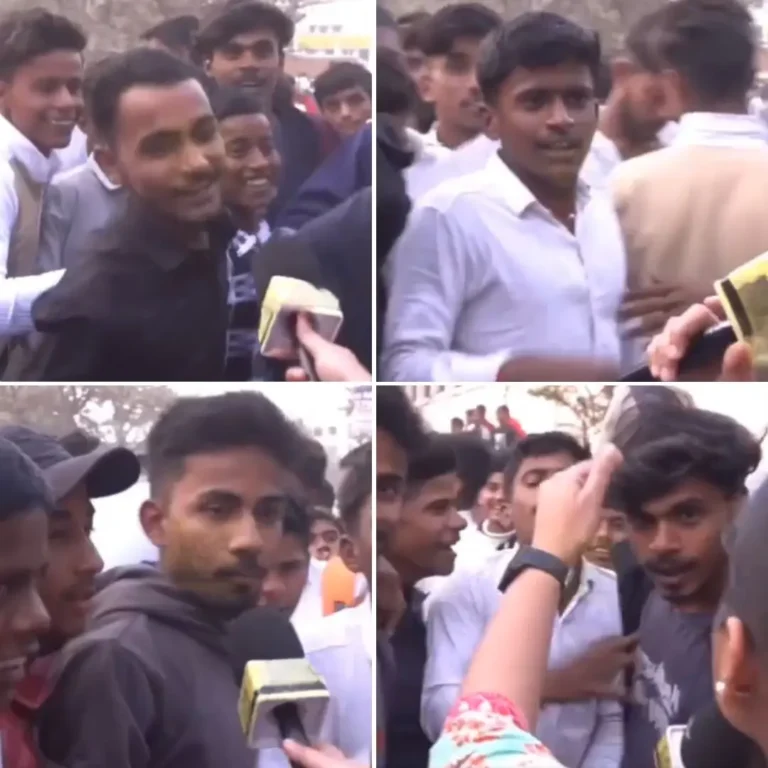
New Delhi, February 21, 2026: A significant wave of public outrage and administrative concern has been triggered across India following the emergence of a distressing viral video from Bihar. In the footage, which gained massive traction on February 21, 2026, a local journalist is observed being subjected to intimidation and physical harassment by a group of students. It is noted that the incident occurred while the reporter was attempting to document the conduct of a high-stakes examination at a regional center. This aggressive interaction between examinees and the media has been widely shared as a primary example of the deteriorating discipline and safety standards during the examination season.

The Mechanics of the Administrative Response

The specifics of the altercation and the subsequent identification of the culprits are being meticulously discussed by the Bihar Education Department and local law enforcement. It is observed in the official reports that a high-level probe was ordered immediately after the video surfaced on social media platforms. It is reported by several digital observers that the students involved are being identified through the viral footage and the center’s attendance records. The visual of the harassment has provided a grounding narrative for the urgent need to bolster security protocols to protect the press and ensure the sanctity of the academic process.

Also Read: Rajpal Yadav’s Energetic Dance at Niece’s Pre-Wedding

Social Media Reacts: A Symphony of Condemnation

A massive conversation regarding the safety of journalists and the lack of moral conduct among youth has been ignited by this digital revelation. It is noted that the video was met with an outpouring of support for the reporter, with many netizens remarking that “the Fourth Estate must not be silenced by hooliganism.” The students are being widely discussed for their brazen behavior, leading to calls for strict disciplinary action, including potential debarment from future exams. Thousands of analytical comments have been left by users who expressed their shock, stating that such videos serve as a stark reminder of the challenges faced by ground-level reporters in sensitive environments.

Impact on Media Safety and Examination Security

The impact of this viral event has extended beyond simple news reporting to influence a broader discussion on the implementation of “Safe Media Zones” at public examination venues. It is frequently mentioned by journalists’ associations that a more robust protective framework is required to prevent such incidents from recurring. A renewed sense of urgency is being observed among Bihar authorities to promise and implement enhanced safety measures, including the deployment of additional police personnel at sensitive centers. It is believed that the viral nature of this specific “Bihar Exam Harassment Video” will prompt a dialogue on the necessity of teaching ethics alongside academic curricula.

A Stark Reminder of Professional Vulnerability

As the investigation continues to develop in late February 2026, it serves as a powerful and resilient reminder that the pursuit of truth often comes with significant personal risk. It is believed that the story of the “Harassed Bihar Reporter” will remain a primary highlight of the month’s most discussed and socially impactful education-related features. The legacy of this viral event is expected to be a heightened public awareness of the vital role played by the media in ensuring transparency. Until the promised safety measures are fully realized, this video remains a stark testament to the fact that the protection of democratic voices is a collective responsibility.

Rajpal Yadav’s Energetic Dance at Niece’s Pre-Wedding

0

New Delhi, February 21, 2026: A significant wave of delight and digital buzz has been triggered across entertainment circles following the emergence of a spirited viral video featuring veteran comedian Rajpal Yadav. In the footage, which gained massive traction on February 21, 2026, the actor is observed dancing with uninhibited joy at his niece’s pre-wedding celebrations. It is noted that the performance took place shortly after the actor was granted bail in a recent legal matter, making the moment particularly poignant for his followers. This transition from legal headlines to family festivities has been widely shared as a primary example of the actor’s resilient and jovial spirit.

The Mechanics of the Performance

The specifics of the dance routine and the choice of music are being meticulously discussed by fans of 90s Bollywood cinema. It is observed in the viral reports that the classic track “Teri Chunariya” from the film Hello Brother, originally featuring Salman Khan and Rani Mukerji, was selected for the performance. It is reported by several digital observers that Yadav’s signature comic timing and high energy were on full display as he entertained the gathered guests. The visual of the actor matching steps with his family members has provided a grounding narrative for the importance of personal milestones in the lives of public figures.

Also Read: Galgotias University Faces Backlash Over “Chinese Robot”

Social Media Reacts: A Symphony of Support and Nostalgia

A massive conversation regarding the actor’s “comeback” to the social spotlight and the infectious nature of his dance moves has been ignited by this digital revelation. It is noted that the video was met with an outpouring of support, with many netizens remarking that “Rajpal Yadav’s smile is enough to light up the screen.” The actor is being widely discussed as a beloved figure whose personal happiness is being celebrated by a vast cross-section of the audience. Thousands of analytical comments have been left by users who expressed their nostalgia for the song, stating that such videos serve as a stark reminder of the enduring charm of Bollywood’s golden era.

Impact on the Actor’s Public Image and Recent Legal Context

The impact of this viral event has extended beyond simple celebrity gossip to influence a broader discussion on the actor’s journey through recent legal hurdles. It is frequently mentioned by industry insiders that the granting of bail has allowed the performer to reconnect with his family during a crucial celebratory period. A renewed sense of optimism is being observed among his fan base, who view this public appearance as a sign of his returning normalcy. It is believed that the viral nature of this specific “Pre-Wedding Dance Video” will prompt a dialogue on the human side of celebrities who navigate personal crises under the persistent gaze of the public.

A Stark Reminder of Resilience and Rhythm

As the footage continues to accumulate millions of views in late February 2026, it serves as a powerful and resilient reminder that life’s best moments are often found in the company of loved ones. It is believed that the story of “Rajpal Yadav’s Festive Dance” will remain a primary highlight of the month’s most discussed and socially uplifting celebrity features. The legacy of this viral event is expected to be a heightened public awareness of the actor’s enduring popularity despite his recent challenges. Until his next cinematic project is announced, this video remains a stark testament to the fact that no matter the circumstances, the dance of life must go on.