Home Blog Page 2

NEET Punctuality Debate: Rules vs. Empathy Sparks Outrage

0

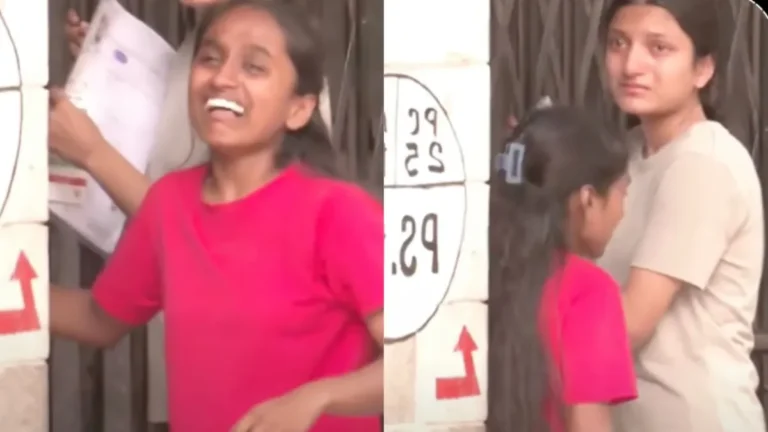
New Delhi, June 22, 2026: At exactly 1:30 PM, the heavy iron gates of examination centers across India swung shut, creating an invisible, impenetrable barrier between months of exhausting preparation and a lifelong dream. Outside a center in Bengaluru, three young women stood in disbelief. The digital clocks on their phones read 1:32 PM—a mere 120 seconds past the cut-off. Driven by sheer desperation, viral videos captured the girls scrambling up a side railing and leaping into the campus, only to find the inner doors to the examination hall locked tight. No exceptions were made. No arguments were heard.

The scenes from the high-stakes National Eligibility cum Entrance Test Undergraduate (NEET-UG) re-examination triggered an immediate and fiercely polarized national debate. Heartbreaking clips of tearful students begging administrators for entry, parents screaming at security personnel, and panicked aspirants sprinting through gridlocked traffic flooded social media platforms. While one side of the internet fiercely argued that a rigid system was destroying lives over minor delays, an equally vocal faction maintained a strict stance: punctuality is non-negotiable, especially for future medical professionals.

A Perfect Storm of Roadblocks and Rigidity

The National Testing Agency (NTA) guidelines were made clear well in advance: entry lines opened at 11:00 AM, and the gates would close strictly at 1:30 PM for a 2:00 PM exam start. Yet, real-world variables rarely align with standardized schedules. Reports from major cities highlighted a chaotic tapestry of unforeseen hurdles that left many candidates stranded.

  • Political Rallies and Gridlock: In Bengaluru, parents and candidates alleged that a major political rally choked the city’s key arteries, turning a routine commute into an immobile parking lot. Despite leaving early, families watched helplessly as the minutes ticked away.
  • The Digital Misdirection: In Uttar Pradesh, several aspirants reported arriving late after Google Maps erroneously directed their drivers to an incorrect location, leaving them miles away from their actual designated venue, R.N. Inter College, as the deadline passed.
  • Unforeseen Accidents: In Bhopal, a candidate’s family recounted a harrowing journey delayed by a minor road accident en route, rendering them unable to breach the 1:30 PM barrier.

Despite these layered justifications, center heads stuck entirely to the rulebook. In Koppal, Karnataka, an aspirant named BB Fatima arrived at 1:53 PM after her vehicle broke down. Though sympathetic police personnel initially escorted her onto the school grounds, exam officials flatly refused to provide her with a paper, citing absolute protocol.

Internet Divided: Rules vs. Compassion

As these narratives unfolded on video, public opinion fractured into two deeply entrenched camps.

The “Punctuality Matters” contingent, heavily populated by professionals and educators, argued that deadlines are a fundamental metric of discipline. A popular comment echoing across social media platforms put it bluntly.

Proponents of this view point out that with over twenty lakh students competing for a limited pool of MBBS and BDS seats, administrative logistics require absolute uniformity. Allowing a buffer for one candidate opens the floodgates to subjectivity, logistical chaos, and security risks.

Conversely, the opposing camp viewed the enforcement as a symbol of an unfeeling, hyper-bureaucratic machinery. Critics pointed out the immense psychological toll already weighing on these specific students, who were forced to retake the exam after the initial May 3 test was marred by extensive paper leak scandals.

Medical education advocates asked whether a system that prides itself on creating healers should display such complete lack of empathy. “Why lock the doors completely when the exam doesn’t even start until 2:00 PM?” questioned an angry parent online. “Give them the paper at 1:35 PM and deduct their time if necessary, but don’t steal an entire year of their lives for being two minutes late.”

The Broader Academic Cost

The rigid defense of exam timelines occurs at a time when the pressure of competitive exams in India has reached a boiling point. The psychological stakes are incredibly high. Just days prior to the re-examination, a 19-year-old aspirant in Hyderabad tragically died by suicide, leaving a note highlighting the extreme academic pressure and anxiety surrounding the retake.

When a student is turned away at the gate, it represents more than just a missed test; it signifies the loss of an entire academic cycle, lakhs of rupees spent on coaching centers, and a profound emotional setback for families who view the medical profession as a path toward upward social mobility.

While security measures—such as rigorous frisking and biometric checks—require time, critics suggest that future exams could adopt a “late-fee” structure, time-deduction penalties, or dynamic buffer windows rather than absolute disqualification. Until the system evolves to accommodate human variables, the image of locked gates and weeping students will remain a haunting reminder of the cut-throat nature of Indian education.

To watch a detailed breakdown of the emotional scenes outside the test centers and the resulting public outrage, you can view this report: Heartbreaking Scene at NEET Exam Center. This video covers the direct aftermath of candidates missing their entry deadlines and the immediate reactions of their families.
Jacqueline Fernandez Bodyguard Sparks Intense Boundary Debate

New Delhi, June 22, 2026: Bollywood events are known for high energy, roaring crowds, and intense security measures. However, a recent high-profile event in Mumbai became the center of a massive social media firestorm, not for the celebrities on the red carpet, but for the behavior of a personal security detail. A viral video featuring Bollywood actress Jacqueline Fernandez and her bodyguard has divided the internet, triggering a fierce debate online regarding personal boundaries, celebrity security protocols, and professional respect.

The Incident That Set the Internet Ablaze

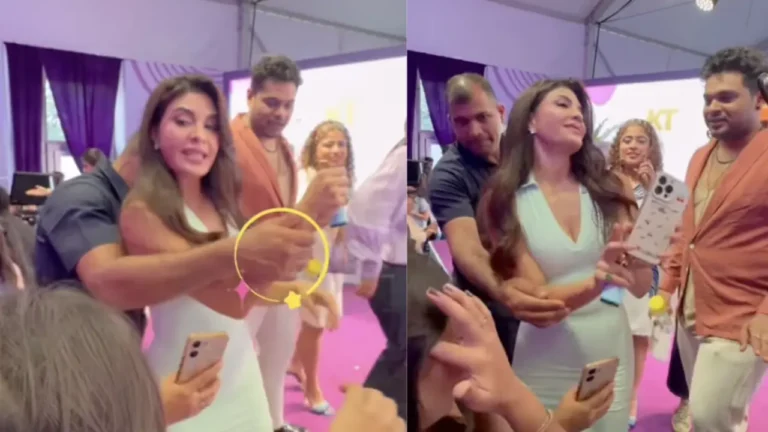
The controversy unfolded during a crowded public event in Mumbai where Jacqueline Fernandez was greeted by a large wave of enthusiastic fans. Eager to interact with her supporters, the actress was seen stepping forward, smiling, and attempting to take photos and selfies with the crowd.

However, looking at the rapidly gathering crowd, her personal bodyguard stepped in to execute immediate crowd control. In an attempt to abruptly guide her away from the edge of the stage and lead her to a safer zone, the bodyguard firmly grabbed Jacqueline by her wrist.

Despite the physical restraint and the bodyguard’s visible urgency to pull her away, Jacqueline handled the situation with absolute grace. She stood her ground, gently resisted the pull, and made sure to finish posing for pictures and smiling at her fans before finally exiting the stage.

“Touch Karne Ka Right Kisne Diya?”: Netizens React

While the event wrapped up smoothly on-ground, the footage quickly made its way to Instagram and other social media platforms, racking up thousands of views within hours. It did not take long for fans and internet users to express their sharp displeasure over how the security guard handled the actress.

The comment sections across viral entertainment handles were flooded with heavy criticism, with many pointing out that grabbing an individual’s wrist crosses a fine line into disrespect.

The core of the online outrage rested on the boundary between protection and personal space. The most widely shared and discussed comment perfectly captured the frustration of many fans.

For a large section of the internet, the physical gesture felt overly aggressive and unnecessary, especially since the actress herself was comfortably and willingly interacting with the public.

Pankaj Tripathi Brother Attacked with Axe Over Land Dispute

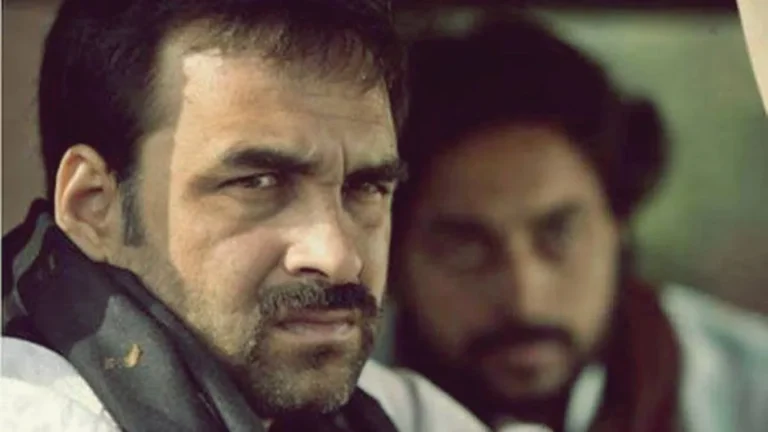
New Delhi, June 22, 2026: In a deeply distressing turn of events, Vijayendranath Tiwari (also referred to as Vijendra Nath Tiwari), the elder brother of National Award-winning Bollywood actor Pankaj Tripathi, was brutally attacked with an axe on the night of June 21, 2026. The violent incident took place in Belsand village (Tiwari Tola), located within the Madhopur Police Station limits (under the broader Barauli police circle) in Bihar’s Gopalganj district. The attack, which left the actor’s brother with severe, critical injuries, reportedly stemmed from a long-standing land dispute and mutual enmity with a neighboring family. Swift police action following the assault led to the immediate arrest of the primary suspect, identified as Rajesh Sah.

According to local law enforcement authorities and eyewitness accounts, the horrific incident unfolded late Sunday evening while Vijayendranath Tiwari was supervised a routine domestic activity outside his ancestral residence. Tiwari was getting soil filled in a low-lying patch of land adjacent to his house when the conflict suddenly escalated. Taking advantage of the dark hours and approaching from behind, the primary antagonist, Rajesh Sah, along with a few alleged associates, ambushed Tiwari. The attackers were armed with heavy, sharp-edged weapons, including an axe, as well as blunt instruments like sticks and iron rods.

Without warning, the assailants struck Tiwari repeatedly. The most devastating blows were delivered with the axe, inflicting deep lacerations and substantial trauma on the victim. Hearing the frantic cries and the ensuing commotion, family members and nearby villagers courageously rushed to the spot to intervene. Witnessing a crowd rapidly gathering, the attackers panicked and fled the scene, leaving a heavily bleeding Tiwari on the ground.

Recognizing the gravity of his physical state, family members rushed the injured Vijayendranath Tiwari to the Gopalganj Sadar Hospital for emergency medical intervention. After providing initial stabilizing care, the attending medical staff noted the severity of the deep wounds and the extensive loss of blood. Realizing that the local facility lacked the highly specialized infrastructure required for such deep trauma, doctors immediately referred him to the state capital for advanced treatment.

Tiwari was quickly transferred via ambulance to the prestigious Patna Medical College and Hospital (PMCH). Senior medical specialists at PMCH took immediate charge of his treatment, administering specialized trauma care. While initial reports from the hospital described his condition as critical due to the nature of the sharp-weapon injuries, senior doctors later confirmed that following extensive medical procedures, his vitals have stabilized, and he is currently under close observation in a controlled, out-of-danger state.

The news of the murderous assault on a high-profile celebrity’s family member sent shockwaves through the district, prompting an immediate and massive law enforcement mobilization. Upon receiving information about the bloody clash, a heavy police contingent led by Sadar Sub-Divisional Police Officer (SDPO-2) Rajesh Kumar and the Madhopur Station House Officer (SHO) rushed directly to Belsand village to restore order and secure the crime scene.

Given the high-profile nature of the victim’s family and the gravity of the assault, the Bihar Police took no chances with the integrity of the investigation. A specialized Forensic Science Laboratory (FSL) team was summoned to the site on Monday morning to meticulously map the crime scene and collect crucial physical evidence. During the preliminary sweep, forensic experts and local police successfully recovered the bloody axe allegedly utilized in the execution of the crime, alongside blood-stained garments discarded by the accused.

Sadar SDPO-2 Rajesh Kumar, while briefing the media on the breakthrough, clarified the deep-seated root cause of the violence. “Our preliminary investigation clearly indicates that this brutal assault was the byproduct of a long-festering land dispute and old enmity between the Tiwari family and their immediate neighbor, Rajesh Sah,” the senior official stated. “The victim was carrying out minor groundwork near his property when he was aggressively blindsided from behind. We have already registered a comprehensive First Information Report (FIR) based on the formal statements provided by eyewitnesses and family members.”

The police department’s swift, aggressive multi-directional raids bore fruit within hours of the incident. The main accused, Rajesh Sah, who had initially absconded into hiding after the village crowd gathered, was successfully tracked down and apprehended by a designated special police task force. He has been taken into strict police custody, and the legal formalities to transfer him to formal judicial remand are actively underway. Meanwhile, police teams are conducting further localized raids to identify and round up any additional associates who may have abetted Sah or provided material logistics during the midnight ambush.

Belsand village in Gopalganj holds an incredibly special place in the Indian cultural landscape, as it is the official birthplace and ancestral home of actor Pankaj Tripathi. Despite his stratospheric rise to fame in Mumbai’s film industry through iconic roles in Mirzapur, Gangs of Wasseypur, and Criminal Justice, Tripathi has famously maintained an incredibly humble, deeply grounded connection to his rural roots, frequently visiting his elder brother and extended family in Gopalganj to escape the bustle of Bollywood. The local community has expressed deep shock and anger over the incident, as the Tiwari family is widely respected across the region for their simple living and gentle demeanor.

As of Monday afternoon, senior administrative and police officials confirmed that the law-and-order situation in Belsand village remains completely normal and peaceful, with additional police pickets temporarily deployed as a precautionary measure to prevent any retaliatory communal friction between the families. While Pankaj Tripathi’s representatives have not yet issued an official public press statement regarding the traumatic family emergency, sources close to the family indicate that the actor is closely monitoring his elder brother’s health progression at PMCH Patna and is in constant communication with the top brass of the Bihar Police to ensure that the legal process moves forward transparently and swiftly.

Anshula Kapoor-Rohan Thakkar Pre-Wedding Festivities Begin

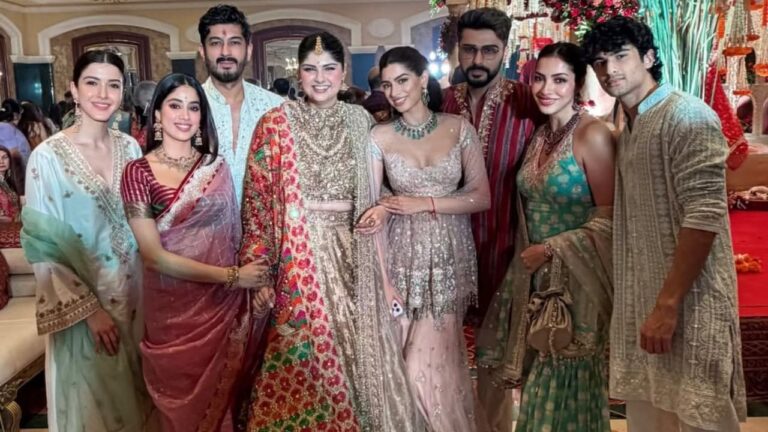
New Delhi, June 22, 2026: The wedding bells are officially ringing for the Kapoor family! Boney Kapoor’s daughter, digital creator and reality TV personality Anshula Kapoor, has commenced her pre-wedding festivities with her longtime partner, screenwriter Rohan Thakkar.

The celebrations kicked off in Mumbai on Sunday, June 21, 2026, with an intimate and spiritual Mata Ki Chowki ceremony attended by close family and friends. Glimpses of the joyous family gathering were shared across social media by family members, marking the official beginning of the wedding saga.

Inside the Spiritual Kickoff

The pre-wedding festivities opened on a traditional note, bringing the extended Kapoor clan together for devotional prayers, bhajans, and dancing.

  • The Bride-to-Be’s Look: Anshula looked radiant in a heavily embroidered beige-and-gold A-line lehenga set featuring detailed zardozi work and crystal embellishments. She paired the look with a vibrant, hand-crafted colorful Phulkari dupatta draped over her shoulders, accessorized with a multilayered kundan necklace, a maang tikka, and classic jhumkas.
  • The Groom’s Look: Rohan Thakkar complemented his bride-to-be beautifully, donning a traditional maroon sherwani with intricate detailing.

Kapoor Siblings and Cousins Turn Heads

The star-studded event was a family-first affair, with Anshula’s siblings and cousins showing up in their finest traditional attire to shower the couple with love.

Maheep Kapoor also took to Instagram to share snaps of the joyous family gathering, captioning her post, “Shaadi begins. Jai Mata Di, Anshula and Rohan.

Tragedy on Bhansali Set: Worker Dies, Union Demands ₹50 Lakh

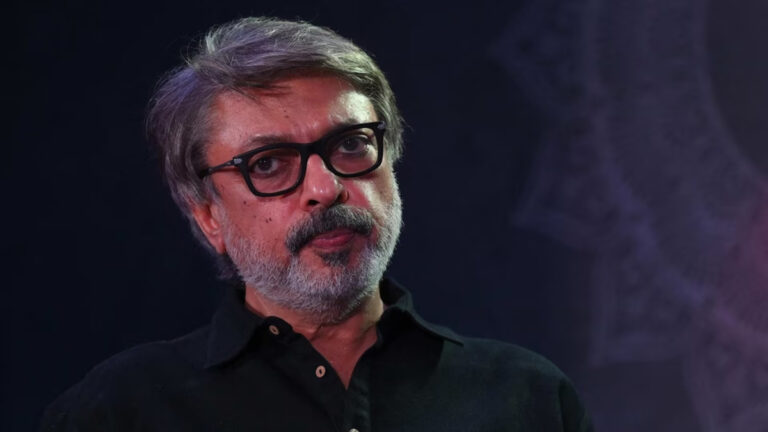
New Delhi, June 22, 2026: A horrific accident on the set of director Sanjay Leela Bhansali’s highly anticipated magnum opus, Love and War, has sent shockwaves through the Hindi film industry. A 42-year-old carpenter, identified as Chandradhari Singh Yadav, tragically lost his life after suffering a severe electric shock while working on the grand set construction.

The tragedy has not only left a family devastated but has also reignited a fierce, long-simmering debate regarding worker exploitation, poor safety compliance, and gruelling work schedules within Bollywood. Following the incident, prominent film bodies have stepped in, demanding an increased financial compensation of ₹50 lakh from Bhansali Productions, along with strict systemic reforms to prevent future loss of life.

The Fatal Incident: What Happened?

The tragic event took place at around 3:00 AM at the Royal Pump Studio in Goregaon East, Mumbai. At the time of the incident, production was actively underway, with actor Alia Bhatt reportedly present on set for the day’s shoot.

Yadav, a seasoned carpenter and a registered member of the Film Studio Setting and Allied Mazdoor Union (FSSAMU), was executing routine setup work when he suddenly sustained a massive electric shock. Preliminary investigations and eyewitness accounts point to a short circuit caused by raw, exposed wiring or faulty electrical cabling on the set.

The shock was severe enough to cause devastating burns, and although co-workers rushed Yadav to a nearby hospital immediately, medical professionals declared him dead on arrival. The local police and labor union representatives are currently awaiting the official post-mortem report to definitively legally log the exact technical cause of death. Yadav is survived by his wife and two young daughters.

Compensation Dispute: Union Pushes for ₹50 Lakh

In the immediate aftermath of the tragedy, representatives from the FSSAMU and the Federation of Western India Cine Employees (FWICE) approached Bhansali Productions to secure immediate financial assistance for the grieving family.

Acknowledging the immense loss, Sanjay Leela Bhansali’s production house offered a compensation package of ₹40 lakh to Yadav’s dependents. However, the FWICE leadership, spearheaded by President B.N. Tiwari, has formally requested that the amount be raised to ₹50 lakh.

The union’s stance is rooted in the long-term survival and stability of the family. Because Yadav was the sole breadwinner and left behind very young children, FWICE argues that the baseline corporate payout falls short of ensuring a secure future.

Beyond the direct cash compensation, the federation has made two additional critical demands to the filmmaker:

  • Educational Sponsorship: The production house must fully fund and take responsibility for the complete academic education of Yadav’s two daughters.
  • Employment for the Widow: A formal request has been written to Bhansali to secure a stable, permanent job for Yadav’s wife within Bhansali Productions to establish a reliable, independent stream of income for her going forward.

Exhaustion and Gruelling Working Hours Under Scrutiny

While the physical catalyst of the accident appears to be an electrical malfunction, film body officials have boldly highlighted a secondary, more pervasive culprit: extreme physical exhaustion.

FWICE Honorary General Secretary Ashok Dubey pulled back the curtain on the alarming shift schedules daily wage workers face on massive Bollywood sets. Dubey revealed that Chandradhari Yadav had been working under a brutal, non-stop timeline leading right up to his demise.

According to union tracking, Yadav had been working continuously on the Love and War set for three days straight. On the day he died, his shift had started at 7:00 AM and was still going strong at 3:00 AM the following morning—marking an exhaustive 20-hour workday.

Industry leaders argue that physical fatigue drastically reduces a worker’s situational awareness, making them significantly more prone to accidents when handling heavy machinery or working around high-voltage equipment. Union representatives stressed that while workers bear a personal responsibility to remain mindful on duty, production houses cannot escape blame when forcing labor to the point of absolute physical collapse.

Demands for Structural Reform and Government Oversight

This tragedy on a high-profile set has united multiple industry associations in calling for an immediate overhaul of safety standards. Ashoke Pandit, President of the Indian Film and Television Directors’ Association (IFTDA) and chief advisor to FWICE, expressed profound frustration over the lack of structural enforcement on sets.

Pandit noted that despite years of appeals to producer bodies, massive production studios, and government authorities to conduct mandatory, routine audits of electrical wiring, fire compliance, and structural integrity, their warnings have continually fallen on deaf ears. A single movie set can easily host between 150 to 200 daily wage crew members at any given moment, transforming an un-audited set into a literal ticking time bomb.

Furthermore, labor law violations regarding overtime pay remain a massive issue. While Indian labor laws explicitly dictate that workers are entitled to a defined 8-to-10-hour shift with overtime compensation thereafter, unions claim that daily-wage laborers are frequently underpaid, paid late, or denied their rightful overtime bonuses entirely.

Moving forward, the FWICE has confirmed it will be escalating the fight past studio walls. The federation is actively writing to Maharashtra’s Cultural Affairs Minister, Ashish Shelar, seeking direct state intervention. They have also signaled their intent to take these long-ignored labor concerns straight to the Chief Minister’s Office (CMO) and the Prime Minister’s Office (PMO) to fight for legally binding, mandatory Standard Operating Procedures (SOPs) across all active film sets in India.

About Love and War

Love and War remains one of Indian cinema’s most heavily anticipated epic dramas. Directed by legendary filmmaker Sanjay Leela Bhansali, the star-studded multi-starrer features Ranbir Kapoor, Alia Bhatt, and Vicky Kaushal in lead roles. Mounted on an extraordinarily lavish budget, the project marks a series of high-profile reunions, notably bringing Ranbir Kapoor and Alia Bhatt back to the silver screen together for the first time since 2022’s Brahmastra. The period drama is currently locked for a major pan-India theatrical release on Republic Day, January 21, 2027.

However, as production continues, the tragic loss of Chandradhari Yadav casts a somber shadow over the film, serving as a stark reminder to the entertainment industry that no cinematic masterpiece is worth the cost of a human life.

Wide-Screen Shift: Oppo Find N7 Design Details and Key Specs Leak

0

New Delhi, June 22, 2026: The foldable smartphone landscape is preparing for a massive shift in design philosophy. Fresh leaks from the tech community have pulled back the curtain on Oppo’s next-generation book-style foldable—widely expected to be named the Oppo Find N7. According to prominent industry tipsters like Digital Chat Station and Smart Pikachu, Oppo is moving away from the squarer inner layouts of its recent models to embrace a dedicated “wide-screen” form factor.

This design change signals a broader industry trend heading into late 2026 and early 2027, as competitors like Samsung and Apple are rumored to be exploring similar wide aspect ratios. Below is an in-depth breakdown of the leaked design elements, processing power, and the projected timeline for Oppo’s upcoming flagship foldable.

Form Factor: The Move to a Wide Aspect Ratio

The most definitive takeaway from the recent leaks is the Find N7’s structural evolution. While the previous Oppo Find N6 featured a massive 8.12-inch, nearly square inner display, the Find N7 prototype reportedly refines this setup with a 7.6-inch flexible inner display.

Though a 7.6-inch diagonal is technically smaller on paper than its predecessor, the magic lies in the aspect ratio. By shifting to a wider, less square format, Oppo aims to deliver a landscape viewing experience optimized for modern media. This means watching video content with significantly smaller black bars and utilizing split-screen multitasking with a wider, more natural grid.

Complementing the inner screen is a rumored 5.5-inch outer cover display. This is a drop in size from the Find N6’s 6.62-inch cover panel, but the wider proportions ensure that when the device is folded shut, it handles exactly like a traditional, comfortable single-screen smartphone. Oppo is reportedly collaborating with industry giants Samsung Display and BOE to source these premium panels.

Hinge Innovations: Pushing for a “Creaseless” Experience

One of Oppo’s historical strengths in the foldable sector has been its aggressive engineering around the central display crease. The Find N6 already set a high standard for reducing the physical and visual indentation of the fold, but the leaks indicate that the Find N7 will push boundaries even further.

Oppo is allegedly integrating its latest-generation seamless hinge mechanism. According to tipsters, this proprietary solution significantly reduces the stress on the flexible glass layer, making the crease practically invisible to the eye and imperceptible to the touch. Early prototype reports claim that this upgraded hinge framework outperforms existing market solutions, potentially positioning the Find N7 as the closest the industry has come to a completely smooth, creaseless internal panel.

Exterior Refinements and New Camera Layout

Beyond the displays, the physical aesthetics of the Oppo Find N7 are undergoing a notable refresh. Moving away from the massive, circular “camera island” that dominated the rear glass of previous models, the Find N7 is tipped to sport a streamlined, horizontal rear camera module. This layout change offers a cleaner look and helps distribute the weight of the phone more evenly when held open in landscape mode.

Furthermore, the design philosophy is rumored to take subtle cues from premium industrial designs, aiming for incredibly thin chassis walls and minimized display bezels to maximize the screen-to-body ratio.

Next-Gen Power: The 2nm Snapdragon Silicon

Under the hood, the Oppo Find N7 is shaping up to be an absolute powerhouse, leaping directly into the next generation of mobile computing. The device is rumored to be powered by Qualcomm’s unannounced Snapdragon 8 Elite Gen 6 processor.

Unlike the current crop of flagship chips built on 3nm architectures, the Gen 6 chip is heavily tipped to be manufactured on a pioneering 2nm process. This technological jump promises monumental gains in thermal efficiency and processing speed. A 2nm system-on-chip (SoC) will dramatically lower power consumption—a crucial advantage for a foldable device that needs to drive two separate high-refresh-rate displays without draining its battery prematurely.

The Foldable Competitive Landscape

Oppo’s strategic shift to a wide aspect ratio is not happening in a vacuum. It aligns directly with what is shaping up to be a fierce battleground for the premium smartphone segment.

By choosing a wider aspect ratio, Oppo is positioning the Find N7 to trade blows directly with Samsung’s upcoming wider form factors and Apple’s heavily rumored entry into the foldable space. However, by packing a next-generation 2nm processor, Oppo may hold a definitive performance and battery efficiency edge over hardware launched earlier in the cycle.

Launch Timeline and Expectations

For enthusiasts looking to buy the Find N7 immediately, patience will be required. While early rumors hinted at a late 2026 window, updated leaks from trusted supply chain sources firmly point toward a Q1 2027 launch timeline (likely around March, tracking a year after the Find N6 debut).

As Oppo continues to run internal prototype testing on the Find N7, more concrete details regarding its camera sensor configurations, exact battery capacity, and international availability are bound to surface. For now, the leaked blueprint points toward an incredibly sleek, wide-format powerhouse built to redefine how we interact with flexible displays.

2026 Skoda Slavia Facelift Interiors Spied Ahead Of Launch

0

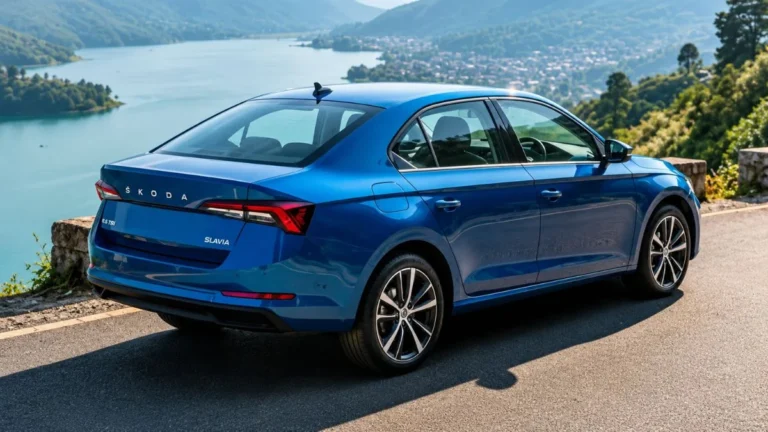
New Delhi, June 22, 2026: The premium mid-size sedan segment is heating up as fresh spy shots of the highly anticipated 2026 Skoda Slavia Facelift have surfaced online. Caught undergoing real-world road tests under heavy camouflage, the latest images give us a highly descriptive look at what the Czech automaker has in store for its stylish sedan. While the external silhouette remains familiar, the most substantial talking points emerge from a sneak peek inside the cabin, showing that Skoda is ready to level up its tech and comfort quotient.

With a launch expected later this year, the updated Slavia is undergoing final evaluation rounds to solidify its position against key segment rivals. The comprehensive mid-life cycle refresh borrows heavily from the design philosophy and feature-packed interior of its recently updated sibling, the Kushaq facelift.

Sophisticated Cabin with Premium Additions

The latest interior spy photographs reveal that the 2026 Skoda Slavia facelift will continue to maintain its elegant, driver-focused dashboard layout while introducing high-tech elements. Skoda has decided to stick with the classic and airy black-and-beige dual-tone color theme across the dashboard and upholstery. This palette ensures the cabin remains visually expansive and premium, a characteristic much appreciated by owners of the current-gen vehicle.

The standout upgrade inside the cabin is the integration of a brand-new 10.25-inch fully digital driver’s display (Virtual Cockpit), replacing the older digital unit. Lifted straight from the updated Kushaq, this screen offers high-definition clarity and supports turn-by-turn navigation data directly in the driver’s line of sight.

Dominating the center console is the large 10.1-inch free-standing touchscreen infotainment system. While the physical screen size stays identical to the top-tier trims of the outgoing model, the software running inside is slated for a massive overhaul. Industry sources suggest the updated system features a significantly smoother user interface (UI), wireless Android Auto and Apple CarPlay, and an integrated AI-powered voice assistant to help manage vehicular functions hands-free.

Comfort Taken to the Next Level

Skoda is leaving no stone unturned to enhance passenger relaxation. Following the benchmark set by recent segment updates, the 2026 Slavia facelift is highly anticipated to introduce rear-seat massage functions on its top-spec ‘Prestige’ or ‘Monte Carlo’ trims. This premium addition will drastically enhance chauffeur-driven comfort, transforming long highway commutes into a soothing experience.

Furthermore, the vehicle retains highly demanded creature comforts such as:

  • 6-way powered front seats with cooling/ventilation functionality.
  • A high-fidelity audio setup complete with an amplifier and subwoofer.
  • Automatic climate control with touch-sensitive panels.
  • Wireless smartphone charging dock.
  • Vibrant ambient lighting contouring the clean dashboard lines.

Subtle Yet Refreshing Exterior Design Tweaks

While the interior changes are a tech enthusiast’s dream, the exterior receives target-specific aesthetic corrections to give the sedan a sharper and meaner stance. Based on the wrapped portions of the test mules, the front and rear facias bear the brunt of the cosmetic changes.

At the front, the signature butterfly grille is getting a complete rework. The current iteration’s slightly protruding grille structure is being replaced with a much flatter, cleaner, and more integrated grille setup. Flanking the grille will be updated LED headlamp units featuring sharp, re-sculpted internal elements. Mirroring modern European trends, there is a strong possibility of a sleek connected LED light bar stretching across the nose. The front bumper has also been redesigned with an aggressive, wider lower air dam featuring contemporary inserts instead of the older mesh pattern.

Moving to the rear, the updates bring a distinctly premium look. The test mule indicates a shift towards a connected LED tail lamp setup, a stylistic choice that visually broadens the vehicle’s stance. The traditional trunk lid will likely house illuminated SKODA lettering, creating an unmistakable night-time visual signature. While the side profile retains its beautiful coupe-like sloping roofline, production models will sport an entirely fresh line of multi-spoke alloy wheels.

Mechanical Upgrades: The New 8-Speed Transmission

Underneath the updated sheet metal, Skoda is preparing a major mechanical surprise for enthusiasts and commuter drivers alike. The 2026 Slavia facelift will continue to utilize its highly praised, performance-oriented Turbocharged Stratified Injection (TSI) petrol powertrains, but with a massive transmission update for the entry-level motor.

The implementation of the 8-speed torque converter automatic gearbox on the 1.0-litre TSI engine is a crucial update. Replacing the older 6-speed automatic unit, the extra gear ratios will allow the engine to stay in its optimal power band much more effectively. This mechanical refinement results in smoother, lag-free city drivability and drastically improved fuel efficiency during high-speed highway cruising. Meanwhile, the enthusiasts’ favorite 1.5-litre TSI engine remains unchanged, delivering raw power via the lightning-fast 7-speed dual-clutch DSG transmission.

Safety Architecture and Missing Tech

Skoda cars have built an unshakable reputation for crash safety, with the current Slavia holding a perfect 5-star Global NCAP safety rating. The 2026 facelift continues this robust legacy by offering six airbags as standard across the entire lineup.

The safety suite includes:

  • Electronic Stability Control (ESC) and Traction Control System (TCS).
  • Hill Hold Control and Multi-Collision Braking.
  • Electronic Differential Lock (EDL) for superior cornering grip.
  • All-wheel disc brakes on top-tier models for exceptional stopping power.
  • Brake disc wiping functionality for wet weather conditions.

The Omission of ADAS and 360-degree Cameras

Contrary to initial industry rumors suggesting the inclusion of Advanced Driver Assistance Systems (ADAS), the latest spy images confirm that Skoda has skipped Level 2 ADAS and a 360-degree camera system for the Slavia facelift. This mirrors the global strategy observed in the Kushaq update.

While tech-savvy buyers might miss these features on paper, Skoda’s strategy focuses on optimizing real-world mechanical parameters, perfecting the cabin AC cooling loop (featuring updated compressor tuning), and keeping ownership costs manageable rather than raising prices excessively for electronic driving aids.

Anticipated Pricing, Timeline, and Market Competition

The 2026 Skoda Slavia Facelift is expected to make its official commercial debut in the Indian market during the festive season of 2026. Given the extensive feature additions, high-tech display upgrades, and the superior 8-speed automatic transmission, a minor price hike across variants is inevitable. The updated sedan is estimated to range between Rs. 12.00 Lakh and Rs. 19.00 Lakh (ex-showroom).

Once launched, the refreshed Slavia will resume its battle in the executive sedan space. It will lock horns with its traditional corporate cousin, the Volkswagen Virtus (which is also due for a matching refresh), the feature-loaded Hyundai Verna, and the reliable Honda City. With its cleaner styling, massive interior upgrades, and a more efficient automatic transmission, Skoda is ready to prove that the classic three-box sedan still has plenty of punch left to fight off the compact SUV wave.

Virat Kohli’s Emotional Link to Karan Aujla’s ‘Winning Speech’

New Delhi, June 22, 2026 — It is a well-known fact that music has the power to heal, motivate, and connect people across different walks of life. But every now and then, a crossover occurs that reminds us just how deeply a single piece of art can touch even the world’s biggest icons.

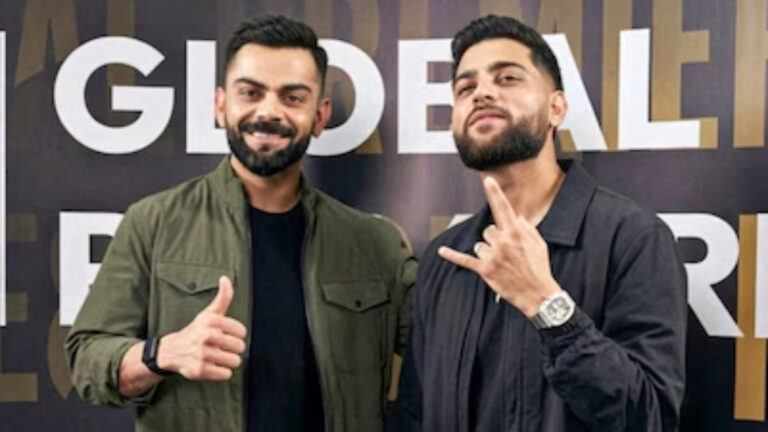
In a rare and deeply moving moment, Indian cricket legend Virat Kohli opened up about his vulnerable side, revealing a profound emotional link to global Punjabi music sensation Karan Aujla’s hit track, Winning Speech. Speaking candidly at the high-profile One8 Global Premiere event held at the Yashobhoomi Convention Centre in Dwarka, New Delhi, Kohli shared the heartbreak behind his choice of pre-match anthems, leaving fans and attendees visibly touched.

A Shared Grief and an Unspoken Bond

While the star-studded evening was designed to celebrate fashion, music, and the growth of Kohli’s lifestyle brand, the atmosphere shifted from electric celebration to quiet reverence when Kohli took the microphone. Seated alongside Karan Aujla on stage, the former Indian national cricket team captain confessed that his admiration for the singer-rapper extends far beyond catchy beats and chart-topping numbers.

For Kohli, the song isn’t just an upbeat track to get his adrenaline pumping before a big game. Instead, it serves as a mirror to his own life story, particularly the painful loss of his father, Prem Kohli, who passed away overnight in December 2006 due to a sudden stroke. At the time, an 18-year-old Virat was in the middle of a crucial Ranji Trophy match for Delhi. In an act of legendary grit that defined his future career, he chose to bat the very next day to save his team before attending his father’s funeral.

Remembering that formative tragedy, Kohli added, “It explains the journey he [Karan Aujla] has been through, and I have felt a bit of similarity in it with my journey as well. I also lost my dad when I was pretty young. So, that song is quite special for me. I have heard it often before going to play matches.”

Interestingly, Karan Aujla’s own life has been marked by similar tragedy; the singer lost both of his parents at a very young age in Punjab, a shared trauma that heavily fuels the raw, triumphant lyricism of Winning Speech.

Fueling the “Never-Say-Die” Mindset

The revelation sheds new light on the mental preparation of one of cricket’s greatest-ever chasers. Kohli explained that the themes of resilience, overcoming odds, and proving detractors wrong present in Aujla’s music directly feed into his own psychological edge on the cricket field.

For Kohli, the thrill of the game doesn’t lie in easy victories, but in snatching triumph from the jaws of absolute defeat.

“I always crave situations where people have assumed it [the match] is gone, and then we somehow manage to pull it back,” Kohli explained. “That’s how I have always looked at situations from a very young age. I never stop believing right till the very end that a game is lost or we can’t win.”

To illustrate his point, Kohli recalled the historic 2022 T20 World Cup clash against Pakistan at the Melbourne Cricket Ground (MCG), a masterclass in modern cricket chasing that remains etched in sports history.

“One incident for me that will always stand out is that game against Pakistan in Melbourne. I was told later, the chances of winning the game were like 3% or something. But I never thought like that. Even 1% is enough. If there is a chance, there is a chance. You are never really done until you lose the game.”

An Unforgettable Crossover Night in the Capital

The emotional disclosure was the emotional anchor of what was otherwise an incredibly high-octane evening. The event perfectly fused the distinct worlds of elite sports and contemporary pop culture.

Karan Aujla, fresh off the massive waves of his global tour, delivered an electrifying live set that sent the New Delhi crowd into a frenzy. Performing some of his biggest global hits like Wavy, MF Gabhru, and Tauba Tauba, the Punjabi icon commanded the stage with his signature energy.

The highlight of the night came when Aujla launched into Winning Speech. Sensing the weight of the moment, the singer invited Kohli to join him center stage. In a video that has since gone viral across social media platforms, the cricket maestro can be seen fully letting his guard down, grooving happily to the heavy Punjabi beats and singing along. At one point, Kohli playfully gestured to his ear during the iconic lyric “Aujle de kanna vich nattiyan” (referring to Aujla’s signature hoop earrings), sending the thousands in attendance into a roaring applause.

The star-studded evening also featured a touch of high fashion, with celebrated designer and actress Masaba Gupta gracing the ramp as one of the night’s prominent style icons.

Looking to the Future: The Vision for One8

Aside from the musical bromance and emotional reflections, Kohli also gave fans a glimpse into his long-term business mindset regarding his brand. Rather than keeping the spotlight firmly on his own celebrity status, Kohli expressed an incredibly humble and forward-thinking goal for the label.

“It would make me the proudest if nobody gave two hoots about who we are and who started this,” Kohli stated, outlining his blueprint for the next two decades. “The brand should outgrow all of us, and if we can do that in 20 years, I would love to be completely forgotten. It should take over, and people should not even remember who started it. That’s where we want to get to.”

As videos of Kohli and Aujla continue to dominate internet trends, the event stands as a powerful reminder of how shared human grief can be channeled into unmatched greatness—whether that greatness is forged with a bat in hand under stadium lights, or behind a microphone in a recording studio.

Sharad Pawar Granddaughter Wedding Unites Rivals & Billionaires

0

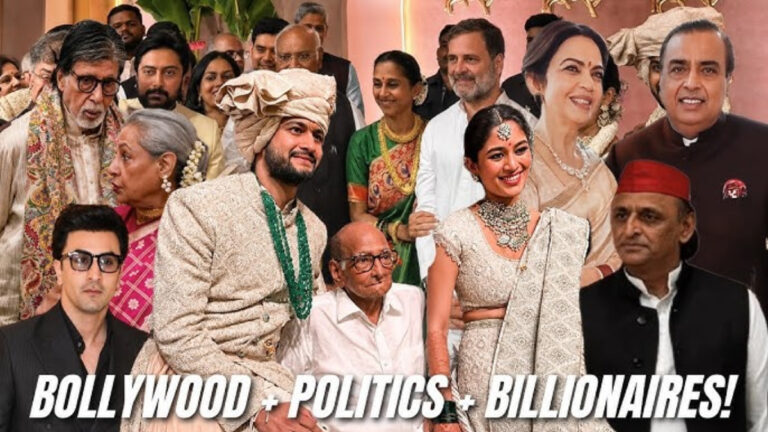
New Delhi, June 22, 2026: In a spectacular convergence of India’s most influential spheres, the wedding celebration of Revati Sule, the granddaughter of Nationalist Congress Party (NCP-SP) patriarch Sharad Pawar, transformed Mumbai into a central hub of political, corporate, and entertainment royalty. Held on Saturday, June 20, 2026, at the Jio World Convention Centre, the high-profile union between Revati Sule and Nagpur-based industrialist Sarang Lakhani brought together bitter political rivals, corporate titans, and Bollywood megastars under one roof.

For a brief weekend, the intense daily battles of national politics and business competition were put on pause. The event served as a stark reminder of the unmatched political clout and cross-party goodwill still commanded by veteran statesman Sharad Pawar and his daughter, Member of Parliament Supriya Sule.

A Match of Prominent Lineages

The bride, Revati Sule, is an accomplished professional who holds a Master’s degree in Public Administration from the prestigious London School of Economics and Political Science (LSE). Her mother, Supriya Sule, is one of the leading faces of the opposition bloc.

The groom, Sarang Lakhani, is the Executive Director of the Vishwaraj Group, a major infrastructure firm based in Nagpur. Sarang, an MBA graduate from Columbia Business School, is the son of Arun Lakhani, the Chairman and Managing Director of the Vishwaraj Group, who was recently elected unopposed to the Maharashtra Legislative Council. Reports within local political circles suggest that the initial matchmaking between the families was warmly facilitated through mutual respect and mediation by senior political figures across lines, including Union Minister Nitin Gadkari and Maharashtra Chief Minister Devendra Fadnavis.

When Political Rivals Share a Roof

What captured the national imagination was the sheer diversity of the political guest list. At a time when national politics is deeply polarized, the wedding reception successfully gathered leaders from entirely opposing ideological factions.

Representing the opposition, Leader of the Opposition in the Lok Sabha Rahul Gandhi arrived alongside Congress President Mallikarjun Kharge. They were joined by a cohort of prominent regional leaders, including:

  • Bhagwant Mann (Chief Minister of Punjab)
  • Akhilesh Yadav (Samajwadi Party Chief)
  • Revanth Reddy (Chief Minister of Telangana)
  • D.K. Shivakumar (Chief Minister/Deputy Chief Minister of Karnataka)
  • Uddhav Thackeray and Sanjay Raut (Shiv Sena-UBT)

In a striking visual of political diplomacy, senior leaders of the ruling Mahayuti alliance in Maharashtra were also present to bless the couple. Maharashtra Chief Minister Devendra Fadnavis attended the celebratory sangeet ceremony the night prior, while other top regional figures like Eknath Shinde, Praful Patel, and Pankaja Munde made appearances during the primary festivities.

Perhaps the most talked-about guest was Rashtriya Swayamsevak Sangh (RSS) Chief Mohan Bhagwat. His presence, alongside staunch opposition critics like Rahul Gandhi and Akhilesh Yadav, highlighted the deeply personal, familial nature of Indian political relationships that often thrive behind closed doors.

Corporate Titans and Global Billionaires

The corporate world was equally well-represented, reflecting the Pawar family’s decades-long ties with India’s industrial backbone. Reliance Industries was represented in full elegance by Nita Ambani, who arrived with Radhika Merchant Ambani, the wife of Anant Ambani.

The Adani Group’s top brass was also in attendance, with billionaire Gautam Adani and his wife, Priti Adani, making a high-profile appearance. Adding to the elite business circle was Serum Institute of India’s Adar Poonawalla, alongside several other top bankers, real estate moguls, and venture capitalists from across Mumbai and Delhi.

Bollywood Glamour Steals the Show

No mega-wedding in Mumbai is complete without the magic of cinema, and the Sule-Lakhani celebrations delivered in spades. The pre-wedding sangeet had already set the internet ablaze when videos emerged of Bollywood superstar Shah Rukh Khan taking the stage. Dressed in a sharp, modern black bandhgala, the “King of Bollywood” danced to his iconic hit song “Koi Mil Gaya” alongside the bride and groom, breaking into his signature arms-wide-open pose to the delight of the crowd.

The main wedding day saw an influx of legendary cinematic figures:

  • Amitabh Bachchan, accompanied by his wife Jaya Bachchan and daughter Shweta Bachchan Nanda, arrived dressed in a pristine white kurta-pyjama paired with a traditional Kashmiri shawl.
  • Ranbir Kapoor made a stylish solo appearance, turning heads in contemporary ethnic menswear.
  • Farhan Akhtar, Karan Johar, Javed Akhtar, and actor-politician Ravi Kishan were also spotted interacting warmly with guests and the host family.

Popular singer Rahul Vaidya, who performed live during one of the evening events, later shared his excitement on social media, describing the night as “one for the books” given the room full of highly celebrated individuals brought together by the universal language of music.

A Rare Moment of Warmth and Diplomacy

Beyond the glitz, the luxury, and the sheer concentration of wealth and power, journalists and attendees noted the exceptionally warm atmosphere of the event. Sharad Pawar, a veteran of over five decades in public life, was seen personally greeting guests across the political spectrum with his characteristic warmth.

With the main Mumbai ceremonies concluded, the families are reportedly preparing to shift the celebrations to a wider base. A grand post-wedding reception is scheduled to take place in Pune on July 5, 2026, followed by a formal gathering in New Delhi later in the month.

In an era dominated by hyper-partisan public discourse, the wedding of Revati Sule and Sarang Lakhani stands as a testament to the fact that personal relationships, shared histories, and family milestones can still bridge the widest of divides in Indian public life.

Dividend Deadline: Buy These 4 Stocks Today

0

A vital deadline is fast approaching for income-focused investors in the Indian stock market. Tomorrow, Tuesday, June 23, 2026, serves as a major corporate milestone as eleven prominent stocks go ex-dividend simultaneously. Among these are some of the country’s most visible market leaders: Hindustan Unilever Limited (HUL), Asian Paints, Tata Power Company, and Dalmia Bharat.

Because the Indian market operates on a standardized settlement framework, the ex-dividend date and the record date for these specific stocks fall on the exact same day: June 23, 2026. This creates a strict deadline for market participants. If you want to claim these corporate payouts, today—Monday, June 22—is your absolute last opportunity to buy the shares.

The Golden Rule: When Must You Buy?

To understand why today is the final buying window, it helps to look at how dividends are processed. The record date is the specific cutoff day when a company checks its official ledger to see who owns its shares. If your name is listed on that register, you receive the dividend check.

The ex-dividend date is the day the stock begins trading without the value of the upcoming dividend built into its price. In India, because shares are settled quickly, the ex-dividend date and the record date match perfectly.

1. Asian Paints (₹23.00 per share)

The country’s largest paint manufacturer leads the pack with the highest absolute payout on tomorrow’s roster. The company’s board declared a final dividend of ₹23 per equity share for the financial year. When you combine this with the interim dividend of ₹4.50 per share distributed to investors back in November 2025, Asian Paints’ total dividend reward for the full fiscal year comes out to a substantial ₹27.50 per share. It represents a strong vote of confidence from management regarding their cash generation capabilities.

2. Hindustan Unilever Limited (₹22.00 per share)

Fast-moving consumer goods (FMCG) giant HUL is right behind with a major final dividend of ₹22 per equity share. HUL has long been considered a core holding for defensive, income-oriented retail portfolios due to its remarkably stable consumer demand across India. This heavy reward reminds investors why the company remains a classic choice for steady, reliable corporate distributions.

3. Dalmia Bharat (₹5.00 per share)

Representing the core infrastructure and materials space, cement manufacturing leader Dalmia Bharat has locked in a final dividend of ₹5 per equity share. The company has steadily expanded its manufacturing footprint across regional markets, and this payout signals that management is committed to balancing aggressive growth with tangible rewards for its loyal shareholder base.

4. Tata Power Company (₹2.50 per share)

Integrated power utility major Tata Power is advancing a final dividend of ₹2.50 per equity share. While the absolute per-share figure appears lower than its FMCG and paint peers, utilities generally operate under capital-heavy models. Tata Power is heavily investing in large-scale renewable energy projects and electric vehicle infrastructure, making this dividend a healthy sign that the firm can fund future clean-energy transitions while still rewarding current investors.

What Happens to the Stock Price Tomorrow?

A common point of confusion for newer investors is how a stock reacts when it goes ex-dividend. It is important to realize that dividends do not represent “free money” created out of thin air. The cash being distributed to investors is leaving the company’s bank account, which technically lowers the overall value of the firm.

Consequently, when the market opens tomorrow morning, you should expect to see the stock prices of these companies adjust downward. In a neutral market environment, the share price will typically drop by an amount roughly equal to the dividend payout.

For example, if Asian Paints closes today at ₹3,000, it will likely start trading tomorrow around ₹2,977. Investors who buy tomorrow get the stock at this slightly cheaper price, but they do not get the ₹23 cash reward. Investors who hold the stock today get the cash reward later, but their stock value drops slightly on paper tomorrow morning.

Next Steps: When Will the Money Arrive?

If you already own these stocks or manage to purchase them before today’s closing bell, you do not need to fill out any extra paperwork or submit formal claims. The corporate action happens automatically behind the scenes.

The companies will cross-verify your demat account credentials on the June 23 record date. Once your eligibility is locked into the system, the funds are securely dispatched. You can generally expect the dividend cash to be directly credited via electronic clearing services into the primary bank account linked to your trading account within 25 to 45 business days following the record date.