Home Blog Page 218

Allu Sirish Sets the Stage for Grand Wedding with Star-Studded Pre-Wedding Gala

0

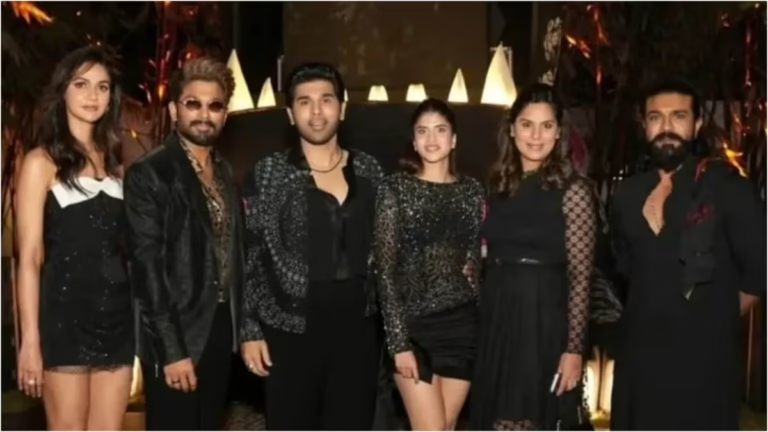
New Delhi, February 28, 2026: The Tollywood film industry is buzzing with excitement as actor Allu Sirish prepares to transition into a new chapter of his life. Ahead of his highly anticipated wedding, the actor is reportedly hosting a lavish pre-wedding celebration on March 2, specifically curated for his colleagues and close friends from the film fraternity.

While the Allu family is known for keeping their private milestones elegant yet intimate, this upcoming gala is expected to be a high-energy affair, bringing together the biggest names in South Indian cinema.

A Celebration of Friendship and Cinema

Allu Sirish, the younger brother of National Award-winning actor Allu Arjun and son of veteran producer Allu Aravind, has carved his own niche in the industry through films like Kotha Janta, Srirastu Subhamastu, and Urvasivo Rakshasivo. Known for his affable nature and strong rapport with his peers, the March 2 event is seen as his way of celebrating his happiness with the “industry family” before the traditional wedding rituals take center stage.

Event Highlights to Expect:

  • A Star-Studded Guest List: Expect to see the “Mega” family in full force, alongside top-tier actors, directors, and producers from the Telugu and Tamil film industries.
  • Exquisite Venue: While the exact location is being kept under wraps to ensure privacy, sources suggest a premium luxury venue in Hyderabad known for hosting high-profile celebrity events.
  • Themed Festivities: Insider reports suggest a night of music, dance, and a curated culinary experience, reflecting the sophisticated taste of the Allu household.

Privacy Amidst the Hype

Despite the public interest, the family has been relatively discreet regarding the finer details of the bride and the wedding itinerary. This approach aligns with the family’s recent trend of maintaining a balance between their public personas and private lives. However, the pre-wedding bash on March 2 is intended to be a vibrant kickoff to the nuptials, allowing industry friends to toast the couple before the private family ceremonies begin.

Social Media Anticipation

Fans and “Mega” family followers have already begun trending hashtags in anticipation. Given Sirish’s active presence on social media and his penchant for stylish appearances, fans are eagerly waiting for the first glimpses of his pre-wedding look and the inevitable viral moments from the star-studded dance floor.

Thalpathy Vijay and Sangeetha File for Divorce After 27 Years

0

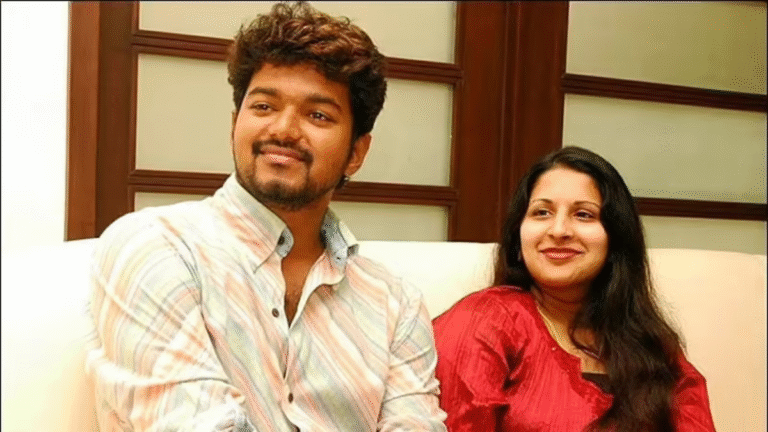
New Delhi, February 28, 2026: In a development that has sent shockwaves through both the South Indian film industry and the political landscape of Tamil Nadu, Sangeetha Sornalingam, the wife of actor-turned-politician Thalapathy Vijay, has officially filed for divorce.

The petition was moved in the Chengalpattu Family Court on February 27, 2026, marking the end of a 27-year marriage that was long considered one of the most stable and private in Kollywood.

The Legal Grounds: Allegations of Infidelity and Cruelty

According to court documents, Sangeetha has sought the dissolution of their marriage under the Special Marriage Act, 1954, citing “adultery” and “mental cruelty” as the primary grounds.

The petition includes several specific and serious allegations:

  • Extramarital Relationship: Sangeetha alleges that Vijay has been involved in an adulterous relationship with a prominent actress since April 2021.
  • Constructive Desertion: The filing claims that despite living under the same roof for some time, the couple has been “effectively living as strangers,” with Sangeetha alleging that Vijay emotionally withdrew and subjected her to financial restrictions and “verbal disdain.”
  • Public Humiliation: The petition points to social media posts by the alleged actress featuring the actor during international travels, which Sangeetha claims caused deep “mental agony and indignity” to her and their children.

Sangeetha has also requested permanent alimony commensurate with Vijay’s income and social standing, alongside an interim injunction to restrain media outlets from publishing sensitive details about the case to protect the privacy of their children.

A Journey from Fan to Life Partner

The news is particularly poignant for fans who have followed the couple’s “fairy-tale” origin story. Sangeetha, a UK-based Sri Lankan Tamil and daughter of a wealthy industrialist, was originally an ardent fan of Vijay.

After the success of his film Poove Unakkaga in 1996, she traveled to Chennai specifically to congratulate him. Impressed by her simplicity, Vijay’s family eventually proposed the alliance. The duo married on August 25, 1999, in a ceremony that blended Hindu and Christian traditions. They share two children: a son, Jason Sanjay (25), who is an aspiring filmmaker, and a daughter, Divya Saasha (20).

Impact on Vijay’s Political and Cinematic Career

The timing of this legal battle is critical for Vijay, who is currently navigating two major transitions:

  1. Political Debut: Vijay recently launched his political party, Tamilaga Vettri Kazhagam (TVK), and is preparing for the 2026 Tamil Nadu Assembly elections. His “family man” image has been a cornerstone of his public persona, and analysts are watching closely to see how these personal revelations affect his voter base.
  2. Final Film Hurdles: His highly anticipated final film, Jana Nayagan, directed by H. Vinoth, is currently embroiled in certification delays with the Censor Board, adding to the actor’s professional pressure.

What’s Next?

The Chengalpattu Family Court has reportedly scheduled the first hearing for April 20, 2026. The court has directed both parties to appear in person for the proceedings. While Sangeetha’s legal team has been active, Vijay has yet to issue an official public statement regarding the divorce or the allegations made in the petition.

Vishnu Vinyasam Review: A Failed Cosmic Comedy

0

New Delhi, February 27, 2026: In an era where Telugu cinema is increasingly pivoting towards grounded and progressive storytelling, debutant director Yadunaath Maruthi Rao’s Vishnu Vinyasam feels like a jarring step backward. Starring Sree Vishnu and Nayana Sarika, the film—released on February 27, 2026—attempts to blend comedy with romantic drama but ends up entangled in a web of regressive tropes and outdated superstitions.

The Plot: Astrology Over Logic

The story centers on Vishnu (Sree Vishnu), a junior lecturer in Ongole who is paralyzed by his obsession with numerology and astrology. His life is governed by “Vastu” to an absurd degree; in one of the film’s more bizarre comedy sequences, he even pays a neighbor rent to use their bathroom because his own is “astrologically misaligned.”

His life takes a turn when he meets Manisha (Nayana Sarika), an educated Head of Department who, despite her academic credentials, is equally trapped by a “black spot” in her horoscope. Manisha is portrayed as a woman so desperate for marriage that she resorts to drinking and aggressive wooing, believing her survival depends on finding a husband to nullify her bad luck. The central conflict arises from an “astrological deadlock” that threatens to keep the two apart, turning the second half into a tedious family drama centered on superstitions.

Performances: A Lone Effort by Sree Vishnu

Sree Vishnu, often hailed as the “King of Entertainment” for his recent hits like Samajavaragamana, works overtime to salvage a weak script. His impeccable comic timing and signature dialogue delivery provide the few genuine laughs in the film. Whether he is singing nursery rhymes in a comedic breakdown or navigating the absurdity of his character’s beliefs, Vishnu proves why he is a reliable lead.

Nayana Sarika, however, is let down by the writing. Her character is a bundle of contradictions—a woman of high professional standing who is reduced to a “damsel in distress” because of a horoscope. While she performs her role with sincerity, the character arc feels frankly insulting to modern sensibilities. Comedian Satya and Srinivas Reddy provide supporting humor, though Reddy’s role feels like a recycled version of characters from early 2000s comedies like Venky.

Direction and Technical Aspects

Director Maruthi Rao seems to have drawn inspiration from the slapstick comedies of the 90s, particularly the works of EVV Satyanarayana. However, while those films worked in their era, Vishnu Vinyasam fails to update the formula. The film’s worldview is disturbingly backward, often painting independent female traits (like drinking or smoking) as flaws that require “fixing” by the hero.

On the technical front:

  • Cinematography: Sai Sriram captures the small-town charm of Ongole effectively.
  • Music: Radhan’s soundtrack is largely forgettable, failing to provide the “chartbuster” energy a rom-com needs.
  • Editing: With a crisp runtime of just under two hours, the film avoids being overly long, yet still feels dragged out in the second half due to repetitive sequences.

The Verdict: A Mixed Bag

Vishnu Vinyasam is a film caught between two worlds. While the first half offers some youthful entertainment and light-hearted banter, the second half collapses under the weight of illogical situations and regressive gender politics.

For die-hard fans of Sree Vishnu, his energetic performance might make the film a one-time watch. However, for an audience seeking fresh, logical storytelling, Vishnu Vinyasam is a torturous reminder of an era of cinema that is best left in the past.

IAF Agniveer 2026: Age Limit Hiked, New Eligibility Out

0

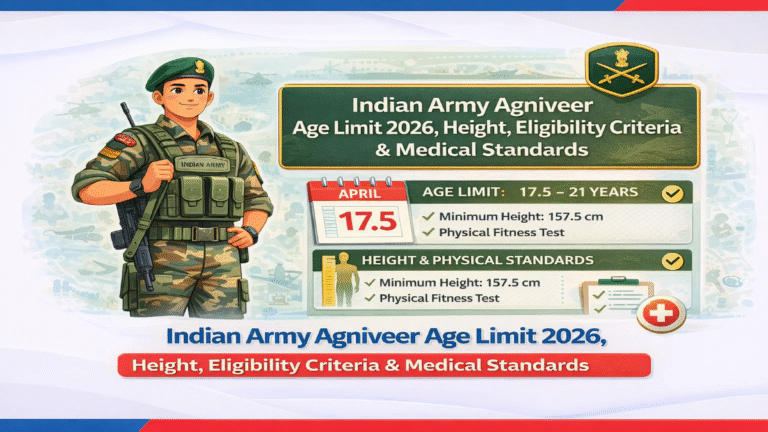
New Delhi, February 27, 2026: In a significant move to broaden the talent pool and provide more opportunities for the nation’s youth, the Indian Air Force (IAF) has announced a revision to the eligibility criteria for the Agniveer Vayu Intake 01/2027 recruitment cycle. The most notable change is the increase in the upper age limit, a decision that follows similar adjustments made by the Indian Army earlier this year.

This update is expected to provide a “second chance” to thousands of aspirants who may have previously aged out of the recruitment window.

Key Update: Revised Age Limit

As per the latest notification, the Indian Air Force has increased the upper age limit from 21 years to 22 years. This one-year extension is a strategic decision intended to attract more candidates, particularly those with technical backgrounds or those whose preparation was interrupted.

FeatureDetails
Minimum Age17.5 Years
New Upper Age Limit22 Years (at the time of enrollment)
Eligible DOB RangeBorn between January 1, 2005, and July 1, 2009 (both dates inclusive)

Important Dates: Application Window Reopens

Following the revision of the age criteria, the IAF has announced that it will reopen the registration portal. Candidates who are now eligible under the new age bracket—or those who missed the previous deadline—can apply during this fresh window.

  • Registration Reopening Date: March 3, 2026
  • Registration Closing Date: March 10, 2026
  • Original Deadline (Reference): February 8, 2026
  • Scheduled Exam Dates: March 30 and 31, 2026

Comprehensive Eligibility Criteria

While the age limit has been relaxed, the educational and physical standards remain rigorous to ensure the high operational readiness of the force.

1. Educational Qualifications

Candidates can apply under two primary categories:

  • Science Subjects:
    • Passed 10+2 (Intermediate) with Mathematics, Physics, and English with a minimum of 50% marks in aggregate and 50% marks in English.
    • OR A 3-year Diploma in Engineering (Mechanical, Electrical, Electronics, etc.) with 50% aggregate and 50% in English.
  • Other Than Science Subjects:
    • Passed 10+2 in any stream with a minimum of 50% aggregate marks and 50% marks in English.

2. Physical Standards

The IAF maintains strict physical benchmarks for both male and female candidates:

  • Height: Minimum 152.5 cm for males; 152 cm for females (relaxations apply for candidates from North East, Hilly regions, and Lakshadweep).
  • Chest: Well-proportioned with a minimum expansion of 5 cm.
  • Fitness Test: Includes a 1.6 km run (7 mins for males, 8 mins for females), push-ups, sit-ups, and squats.

Selection Process & Benefits

The recruitment follows a multi-phase selection process designed to test mental and physical endurance:

  1. Phase I: Online Computer-Based Test (CBT).
  2. Phase II: Physical Fitness Test (PFT), Document Verification, and Adaptability Tests.
  3. Phase III: Comprehensive Medical Examination.

Agniveers will serve for a duration of four years. Upon completion, they receive the Seva Nidhi package (approximately ₹10.04 Lakhs) and a “Skill Gained Certificate.” Additionally, up to 25% of each batch will be considered for enrollment into the regular cadre based on merit and performance.

OTT Releases Today: 5 New Must-Watch Titles (Feb 27)

0

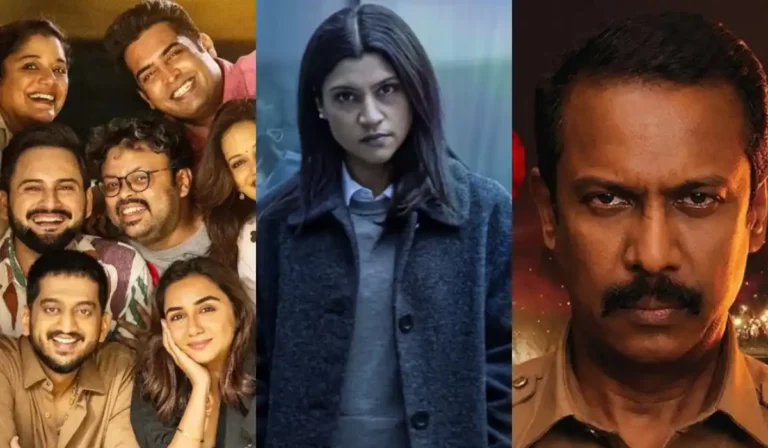
New Delhi, February 27, 2026: As February 2026 comes to a close, streaming enthusiasts have plenty of reasons to stay glued to their screens. Today, Friday, February 27, marks a massive day for digital premieres across platforms like Netflix, JioHotstar, and ZEE5. From bone-chilling psychological mysteries to high-stakes crime sequels, here are five new movies and shows you can stream right now.

1. Accused

  • Platform: Netflix
  • Genre: Psychological Thriller
  • Cast: Konkona Sen Sharma, Pratibha Ranta, Mashhoor Amrohi

Leading the pack is Accused, a gripping character study directed by Anubhuti Kashyap. Konkona Sen Sharma stars as a distinguished London-based gynecologist whose life is upended by serious allegations of sexual misconduct. The film masterfully explores themes of suspicion and the fragility of reputation. As her career and marriage begin to crumble, her wife (played by Pratibha Ranta) attempts to uncover the truth, leading to a quiet but intense buildup of psychological tension.

2. Secret Stories: Roslin

  • Platform: JioHotstar
  • Genre: Malayalam Psychological Mystery
  • Cast: Sanjana Dipu, Meena, Vineeth

Directed by Sumesh Nandakumar and presented by legendary filmmaker Jeethu Joseph, this Malayalam series is designed for fans of slow-burn suspense. The story follows 17-year-old Roslin, who is haunted by recurring nightmares of a man with piercing green eyes. The horror becomes a reality when a stranger matching that exact description enters her home as a houseguest. It’s a twist-heavy journey that blurs the lines between dreams and a terrifying reality.

3. Abar Proloy 2

  • Platform: ZEE5
  • Genre: Bengali Crime Thriller
  • Cast: Saswata Chatterjee, Gaurav Chakrabarty

The wait is finally over for fans of the rugged Special Crime Branch officer Animesh Dutta. After the massive success of the first season, Abar Proloy 2 returns with even higher stakes. This time, Dutta is on the hunt for a sophisticated group behind a major heist that has shaken the city’s system. Expect the same fast-paced storytelling and sharp investigative work that made the original series a cult favorite in Bengal.

4. Thadayam

  • Platform: ZEE5
  • Genre: Tamil Crime Investigation
  • Cast: Samuthirakani, Shivada

Set in the border villages of Tamil Nadu in 1999, Thadayam is a gritty period crime thriller. Samuthirakani plays SI Athiyamaan, an officer tasked with solving a string of brutal midnight murders that have left local communities paralyzed with fear. What starts as a procedural investigation soon takes a dark turn as the officer discovers a chilling pattern involving ancient rituals. Its short runtime and atmospheric setting make it a perfect “one-sitting” watch for the weekend.

5. Krantijyoti Vidyalay Marathi Madhyam

  • Platform: ZEE5
  • Genre: Social Drama
  • Cast: Sachin Khedekar, Hemant Dhome

If you’re looking for something heartfelt and socially relevant, this Marathi film is the pick of the week. The story centers on an aging principal, Dinkar Shirke, who is fighting a losing battle to save his Marathi-medium school from demolition. The narrative shifts when he reaches out to his former students, sparking a powerful movement for the preservation of culture, language, and shared heritage. It’s a nostalgic yet rebellious tale of unity.

The Code on Social Security 2020: A Structural Reset of India’ Welfare Framework

0

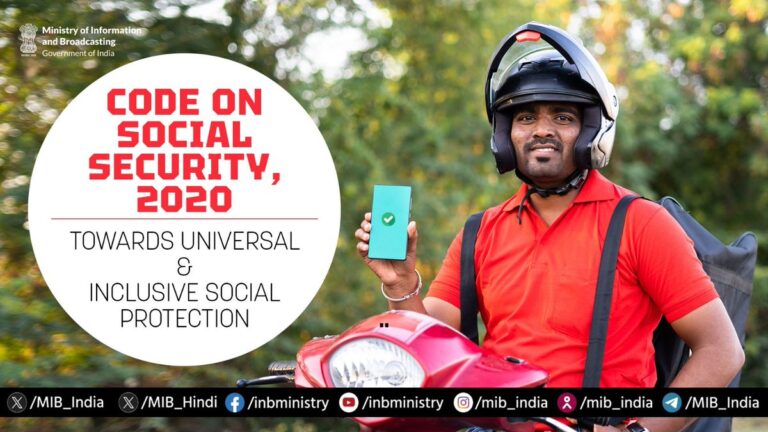
New Delhi, February 27, 2026: The landscape of Indian labor law is undergoing its most significant transformation since independence. At the heart of this shift is The Code on Social Security (SS Code) 2020, a landmark legislation that recently moved from the statute books to active implementation on November 21, 2025. By subsuming nine fragmented central labor laws into a single, cohesive framework, the Code is designed to act as a structural reset, transitioning India from a system of selective protection to one of universal social security.

From Fragmentation to Integration

For decades, India’s social security net was a patchwork of colonial-era laws. Workers in the “organized” sector enjoyed benefits under the EPF Act (1952) or the ESI Act (1948), while nearly 90% of India’s workforce—the “unorganized” sector—remained largely invisible to the law.

The 2020 Code eliminates this dichotomy by merging the following key acts:

  • The Employees’ Provident Fund Act, 1952
  • The Employees’ State Insurance Act, 1948
  • The Maternity Benefit Act, 1961
  • The Payment of Gratuity Act, 1972
  • The Unorganised Workers’ Social Security Act, 2008 (and four others).

By creating a single definition for “wages” and a unified registration system, the Code reduces the compliance nightmare for businesses while ensuring that benefits are not lost in administrative silos.

The Digital Frontier: Recognizing the Gig Economy

Perhaps the most revolutionary aspect of the SS Code is the formal legal recognition of Gig Workers and Platform Workers. In the age of Blinkit, Zomato, and Uber, millions of Indians earn their livelihood outside the traditional “master-servant” relationship.

  • Legal Standing: For the first time, the law defines “aggregators” and mandates their participation in social security.
  • Funding the Safety Net: The Code proposes a Social Security Fund financed through a contribution from aggregators (1%–2% of their annual turnover, capped at 5% of the amount paid to workers).
  • Universal Portability: Through the e-Shram portal and Aadhaar-linked Universal Account Numbers (UAN), a delivery partner in Delhi can carry their accumulated benefits even if they move to a different platform or city.

Empowering the Fixed-Term Workforce

The Code introduces a major win for the modern “contractual” workforce through Fixed-Term Employment (FTE). Previously, an employee had to complete five years of continuous service to be eligible for gratuity. The new Code slashes this requirement for FTEs:

  • Pro-rata Gratuity: Workers on fixed-term contracts are now eligible for gratuity after just one year of service.
  • Parity in Benefits: FTEs are entitled to the same hours of work, wages, and social security benefits as permanent employees, discouraging the practice of “perpetual contracting” to save costs.

Enhancing Ease of Doing Business

While the Code expands worker rights, it also streamlines the regulatory burden for employers:

  • Inspector-cum-Facilitator: The traditional “Inspector Raj” is replaced by a web-based, randomized inspection system where officials act as facilitators, providing advice on compliance before resorting to punitive measures.
  • Limitation Periods: A new five-year limitation period has been introduced for initiating inquiries into provident fund dues, providing “temporal certainty” to businesses and preventing harassment over decades-old records.
  • Decriminalization: Many minor procedural lapses have been de-clogged from the criminal justice system. The Code allows for “compounding” of offenses, where fines can be paid instead of facing imprisonment for technical violations.

The Road Ahead: Challenges in 2026

As of early 2026, the structural reset is in its “calibration phase.” While the Central Government has notified the primary provisions, the full impact depends on the State Rules, which are currently being finalized.

The success of the Code hinges on two pillars: registration and funding. With over 30 crore workers already on the e-Shram portal, the challenge now lies in converting that digital visibility into tangible benefits—health insurance, maternity support, and old-age pensions—for the man and woman at the last mile of the Indian economy.

Namma Metro: 8th Train Joins Yellow Line to Cut Wait Times

0

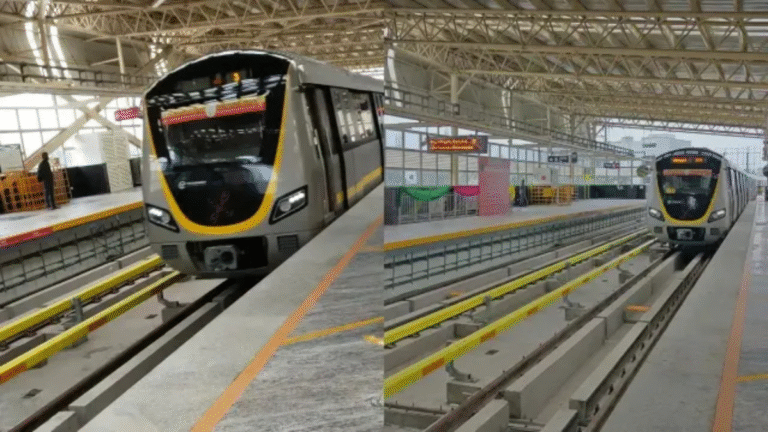
New Delhi, February 27, 2026: In a major move to enhance urban mobility and address the growing demand on the newly operational Yellow Line, the Bangalore Metro Rail Corporation Limited (BMRCL) has officially inducted its eighth trainset into commercial service. Starting February 27, 2026, commuters traveling between RV Road and Bommasandra will experience significantly reduced wait times and improved frequency during both peak and off-peak hours.

The Yellow Line, a 19.15-km elevated corridor that connects the heart of South Bengaluru to the massive tech and industrial hub of Electronics City, has seen a steady surge in ridership since its inauguration in August 2025. The addition of the eighth rake is a strategic step by BMRCL to optimize the corridor’s capacity.

New Timings and Frequency Adjustments

The induction of the additional train brings a much-needed revision to the daily timetable. According to official BMRCL sources, the new schedule from Monday to Saturday will be as follows:

  • Peak Hours: Train frequency has been improved from the previous 10-minute interval to 9 minutes.
  • Non-Peak Hours: The wait time has seen a more dramatic reduction, dropping from 18 minutes to 14 minutes.
  • Sundays: The existing timetable for Sundays remains unchanged for the time being.
  • First and Last Trains: There is no change to the operational hours; the first and last trains from the terminal stations at RV Road and Bommasandra will continue to depart as per the current schedule.

Easing the “Standby” Concern

The eighth trainset, manufactured by Titagarh Rail Systems in collaboration with CRRC, arrived at the Hebbagodi depot in January. While it was technically inducted into the fleet shortly after arrival, it was initially kept as a “maintenance spare” or standby rake to handle emergency requirements.

However, following feedback from daily commuters and public figures—including former Infosys CFO TV Mohandas Pai, who urged the government to prioritize frequency over standby reserves—the BMRCL decided to deploy the rake into active revenue service to provide immediate relief to thousands of IT professionals and industrial workers.

The Road to a 4-Minute Headway

While the one-minute improvement during peak hours may seem modest, it represents a significant milestone in BMRCL’s long-term plan. The Yellow Line is designed for high-frequency “driverless” operations (though currently operated with loco pilots for monitoring).

The corporation eventually aims to run trains every 4 to 6 minutes on this corridor once the full fleet of 15 trains is operational. Currently, the Yellow Line caters to an average daily ridership of approximately one lakh passengers, a number expected to grow as more rakes are added through 2026.

Impact on City Traffic

The Yellow Line has already been credited with reducing traffic congestion along the notorious Hosur Road by nearly 37%. By providing a reliable 35-minute transit from the southern suburbs to Electronics City, the metro has become the preferred lifeline for the city’s workforce.

With the Pink Line (Kalena Agrahara to Nagawara) and Blue Line (Airport Link) also making rapid progress, the enhancement of the Yellow Line reinforces Bengaluru’s transition toward a more integrated and efficient public transport system.

Passengers are encouraged to check the updated schedules on the official Namma Metro app or via the WhatsApp chatbot to plan their commutes more effectively starting Friday.

Parineeti Chopra Offers a Rare Glimpse Into Son Neer’s Serene Nursery

0

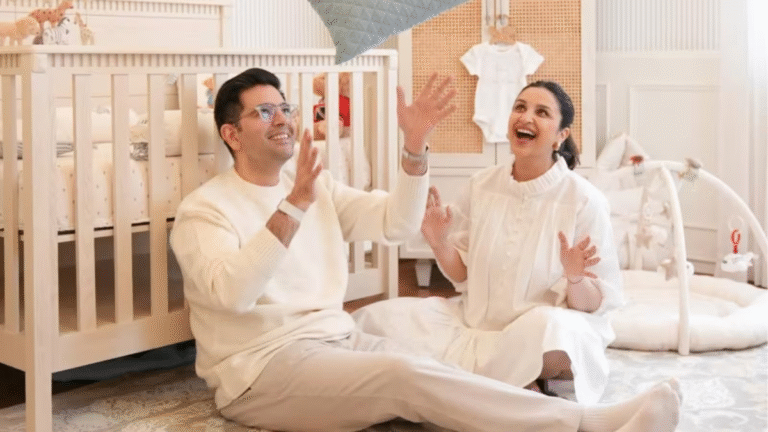
New Delhi, February 27, 2026: Bollywood actress Parineeti Chopra has touched the hearts of fans by sharing a rare and intimate look at her son Neer’s nursery. Describing the space as a “little sanctuary,” the actress provided a glimpse into the tranquil environment she and her husband, Raghav Chadha, have curated for their firstborn.

Since the arrival of Neer, Parineeti has been relatively private about her journey into motherhood, making this latest update a delightful surprise for her followers. The aesthetic of the room reflects a shift toward minimalist, conscious parenting, focusing on calm tones and organic textures.

A Design Rooted in Serenity

The nursery, as showcased in her recent social media updates, moves away from the traditional “baby blue” or “bright primary colors” often seen in celebrity nurseries. Instead, the couple has opted for a neutral palette consisting of:

  • Warm Earth Tones: Shades of beige, cream, and soft terracotta dominate the space.
  • Natural Materials: The room features light wood furniture, woven rattan accents, and plush, organic cotton fabrics.
  • Minimalist Decor: Every piece seems intentional, avoiding clutter to maintain a sense of peace and “zen.”

In her caption, Parineeti emphasized that the room was designed to be a place of rest not just for Neer, but for the parents as well. “Our little sanctuary,” she wrote, “where time slows down and nothing else matters.”

The “Sanctuary” Philosophy

The choice of the word “sanctuary” highlights a growing trend among modern parents who view the nursery as a sensory-friendly zone. By using soft lighting and a clutter-free layout, Parineeti and Raghav have created an environment intended to promote better sleep hygiene and emotional regulation for the infant.

Fans and interior design enthusiasts alike have praised the actress for the room’s sophisticated yet cozy vibe. The space features large windows that allow for plenty of natural light, filtered through sheer linen curtains, further enhancing the ethereal feel of the room.

Balancing Fame and Privacy

While Parineeti has shared the decor of the room, she continues to be mindful of her son’s privacy. The glimpses shared focused on the vibe and aesthetic of the home rather than showing the infant’s face, a practice increasingly adopted by Indian celebrities to protect their children from the intense glare of the paparazzi.

The actress, who was last seen in the critically acclaimed Amar Singh Chamkila, seems to be relishing this new chapter of her life. Her “sanctuary” post serves as a gentle reminder of the joy found in the quiet, domestic moments away from the cameras.

President Murmu Makes History in ‘Prachand’ Helicopter

0

New Delhi, February 27, 2026: In a historic display of India’s growing “Aatmanirbharta” (self-reliance) in defense, President Droupadi Murmu scripted a new chapter in aviation history on February 27, 2026. As the Supreme Commander of the Indian Armed Forces, she became the first Indian President to fly in the indigenous Light Combat Helicopter (LCH) ‘Prachand.’

The sortie, conducted at the Jaisalmer Air Force Station in Rajasthan, serves as a powerful endorsement of India’s homegrown military technology.

A Flight into History: Key Details of the Sortie

President Murmu arrived at the Jaisalmer Air Force Station on Thursday evening and took to the skies on Friday morning. Dressed in flight gear and a helmet, she occupied the co-pilot’s seat in the tandem cockpit of the Prachand.

  • Duration: The sortie lasted approximately 25 minutes, during which the President reviewed the aerial prowess of the aircraft.
  • The Mission: The flight was part of a two-aircraft formation. The President was accompanied by Group Captain Nayan Shantilal Bahua, while the second LCH was piloted by the Chief of the Air Staff, Air Chief Marshal A.P. Singh.
  • Aerial Survey: During the flight, the President carried out an aerial survey of the Jaisalmer region, including the iconic Jaisalmer Fort and the Pokhran field firing range.
  • A National Message: In a rare and inspiring move, the President addressed the nation via a live radio broadcast from the cockpit. She described the Prachand as a “powerful symbol of self-reliance” and expressed her gratitude to the brave soldiers guarding the nation’s borders.

Why LCH Prachand is a Game-Changer

The LCH Prachand, developed by Hindustan Aeronautics Limited (HAL), is the only attack helicopter in the world capable of landing and taking off at altitudes of 5,000 meters (16,400 feet). This makes it an indispensable asset for high-altitude warfare in regions like the Siachen Glacier and Eastern Ladakh.

Technical Highlights

FeatureDescription
Altitude CapabilityCan operate at service ceilings up to 6,500 meters.
ArmamentEquipped with a 20mm cannon, 70mm rockets, and air-to-air missiles.
StealthFeatures a narrow fuselage and low radar/infrared signatures.
IndigenizationBuilt with over 250 private Indian vendors, embodying the ‘Make in India’ spirit.

Strengthening the ‘Supreme Commander’ Legacy

This is not the first time President Murmu has taken to the skies in a show of military solidarity. By flying the Prachand, she has completed a “trifecta” of sorts, having previously flown in the Sukhoi-30 MKI (at Tezpur in 2023) and the Rafale fighter jet (at Ambala in 2025).

Following her sortie, the President witnessed Exercise Vayu Shakti-2026, a massive firepower demonstration by the Indian Air Force at the Pokhran range. The exercise showcased the coordinated strike capabilities of various frontline aircraft, further highlighting India’s readiness for multi-front operations.

BPSC APO Recruitment 2026: Registration for 300 Posts Begins

0

New Delhi, February 27, 2026: The Bihar Public Service Commission (BPSC) has officially commenced the online registration process for the recruitment of Assistant Prosecution Officers (APO). Under Advertisement No. 13/2026, the commission aims to fill 300 vacancies in the Prosecution Directorate under the Home Department, Government of Bihar.

Eligible law graduates can now submit their applications through the official BPSC portal. The application window opened on February 27, 2026, and will remain active until March 20, 2026.

Key Highlights of BPSC APO Recruitment 2026

Interested candidates should keep the following schedule and details in mind to ensure a smooth application process.

EventDate
Notification Release DateFebruary 25, 2026
Application Start DateFebruary 27, 2026
Last Date to Apply OnlineMarch 20, 2026
Last Date for Fee PaymentMarch 20, 2026
Preliminary Exam (Tentative)July 15, 2026

Vacancy Breakdown

Out of the 300 total posts, a significant portion is reserved for various categories as per Bihar government regulations. Notably, 35% of the seats (99 posts) are reserved horizontally for women candidates.

  • Unreserved (UR): 129
  • Economically Weaker Section (EWS): 29
  • Scheduled Caste (SC): 42
  • Scheduled Tribe (ST): 07
  • Extremely Backward Class (EBC): 64
  • Backward Class (BC): 25
  • BC Women: 04

Eligibility Criteria

To apply for the post of Assistant Prosecution Officer, candidates must meet the following requirements:

1. Educational Qualification

Applicants must hold a Bachelor of Laws (LLB) degree from a university recognized by the Bar Council of India. Both 3-year and 5-year integrated law courses are eligible. Candidates must also be eligible to register as an advocate.

2. Age Limit (as of August 1, 2026)

  • Minimum Age: 21 years
  • Maximum Age (UR Male): 37 years
  • Maximum Age (UR Female/BC/EBC): 40 years
  • Maximum Age (SC/ST): 42 years

Selection Process

The BPSC APO recruitment involves a rigorous three-stage selection procedure:

  1. Preliminary Examination: An objective-type test consisting of two papers (General Studies and Law). This stage is qualifying in nature.
  2. Mains Examination: A descriptive written exam comprising multiple papers, including General Hindi, General English, and various legal codes.
  3. Interview: Shortlisted candidates will be invited for a personality test/viva-voce worth 100 marks.

Application Fee

Candidates are required to pay an application fee of Rs 100.

Important Note: Applicants who do not provide their Aadhaar Number in the application form will be required to pay an additional Biometric Fee of Rs 200.

How to Apply for BPSC APO 2026

Follow these steps to complete your registration:

  1. Visit the official BPSC website: bpsc.bihar.gov.in.
  2. Navigate to the Apply Online” tab on the homepage.
  3. Complete the One-Time Registration (OTR) by providing your basic details, mobile number, and email.
  4. Log in using your system-generated credentials.
  5. Fill out the application form, upload the required documents (photo, signature, and law degree), and pay the fee.
  6. Submit the form and download the confirmation page for future reference.