Home Blog Page 311

Woman Placing Slippers on Vande Bharat Seat Sparks Debate

0

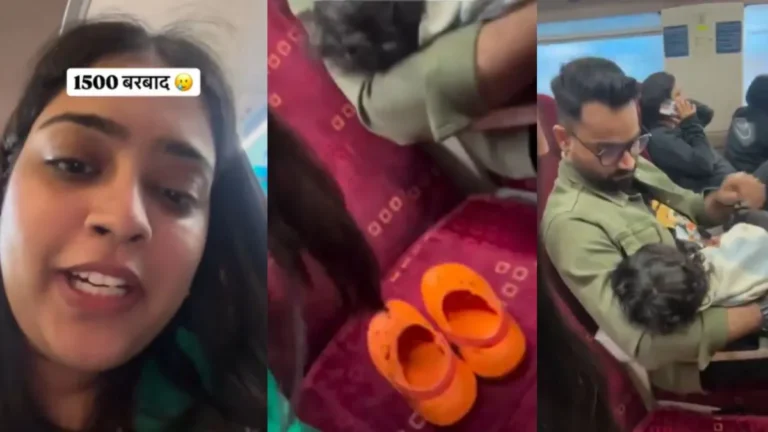
New Delhi, February 2, 2026: A significant wave of criticism has been triggered across social media platforms following the emergence of a viral video from within the premium Vande Bharat Express. In the footage, which gained massive traction on February 2, 2026, a female passenger is observed placing her slippers directly onto an empty adjacent seat. It is noted that the high-speed train, which is celebrated for its modern amenities and cleanliness, was treated with a lack of regard that has shocked many viewers. This recording has been widely shared as a primary example of the challenges faced by the Indian Railways in maintaining hygiene standards despite infrastructure upgrades.

The Mechanics of Public Indignation

The specifics of the passenger’s behavior are being meticulously analyzed by millions of netizens as the clip continues to accumulate thousands of shares. It is observed in the viral footage that the individual appeared indifferent to the sanctity of the public space, using the upholstered seat as a resting place for her footwear. It is reported by fellow travelers that the act was seen as a blatant violation of basic travel etiquette, especially in a luxury service where cleanliness is a top priority. The visual of the dirty slippers resting on the pristine seat covers has provided a grounding narrative for the immense frustration felt by responsible citizens.

Also Read: Sana Khan Clarifies Viral Red Carpet Moment with Baseer Ali

Social Media Demands Accountability

A massive conversation regarding civic sense and the responsibility of passengers has been ignited by this interaction. It is noted that the video was met with an outpouring of anger, with many netizens tagging the Ministry of Railways to demand that a fine be imposed on the individual. The woman is being widely discussed as a symbol of the negligence that often undermines national progress in public transport. Thousands of comments have been left by users who expressed their disappointment, stating that such behavior serves as a stark reminder that modern trains require a modern mindset from those who use them.

Impact on Railway Policy and Passenger Awareness

The impact of the video has extended beyond simple social media outrage to influence a broader discussion on the enforcement of “swachhata” (cleanliness) rules on trains. It is frequently mentioned by railway enthusiasts that the Vande Bharat is a national asset and should be treated with the utmost respect. A renewed sense of vigilance is being observed among the Railway Protection Force (RPF), who are now being urged to monitor passenger behavior more strictly through onboard CCTV systems. It is believed that the viral nature of this specific “slippers on seat” video will prompt a dialogue on introducing stricter penalties for damaging or dirtying public property.

A Stark Reminder of Civic Responsibility

As the footage continues to trend in early February 2026, it serves as a powerful and resilient reminder that infrastructure alone cannot define a nation’s progress. It is believed that the “Vande Bharat Etiquette Row” will remain a primary highlight of the month’s most discussed instances of public misconduct. The legacy of this viral event is expected to be a heightened public awareness of the need for mutual respect and hygiene while traveling. Until every passenger understands their role as a custodian of public property, this video remains a stark testament to the fact that cleanliness is a collective responsibility that starts with a single individual.

Sana Khan Clarifies Viral Red Carpet Moment with Baseer Ali

0

New Delhi, February 2, 2026: A significant wave of speculation has been triggered across entertainment platforms following the emergence of a viral video involving television personalities Sana Khan and Baseer Ali. In the footage, which gained massive traction on February 2, 2026, Sana Khan is observed seemingly walking away or declining to pose for a joint photograph with the former reality star. It is noted that the interaction was immediately interpreted by many netizens as a deliberate snub, leading to a heated debate regarding red-carpet etiquette and professional dynamics. This brief exchange has been widely shared as a primary example of how quickly celebrity interactions can be scrutinized and misinterpreted in the digital age.

The Clarification and the “Unaware” Defense

The silence surrounding the incident was finally broken by Sana Khan as the criticism from various fan groups began to intensify. In a candid reaction shared via her social media channels, the actress expressed her genuine surprise at the controversy, famously stating, “Mujhe toh pata bhi nahi…” (I didn’t even know…). It is reported by her team that there was no intention to disrespect Baseer Ali and that the moment was a result of a simple misunderstanding or a lack of awareness of his presence at that specific second. The visual of her busy schedule and the chaotic nature of the event have been provided as a grounding narrative for her defense.

Also Read: Policeman’s Gesture Toward Infant’s Swing Wins Hearts

Public Reaction and the Troll Narrative

A massive conversation regarding the “cancel culture” prevalent in the influencer and television industry has been ignited by this interaction. It is noted that the video was met with polarized views, with some trolls accusing the actress of arrogance while her loyal supporters defended her right to move freely. Baseer Ali’s fans are being discussed for their quick defense of the star, while Sana’s clarification is being viewed by many as a necessary step to de-escalate the online tension. Thousands of comments have been left by users who expressed their relief at the clarification, stating that such viral clips often lack the context of the noisy and fast-paced environments where they are filmed.

Impact on Digital Trends and Celebrity Privacy

The impact of this viral event has extended beyond a single snub to influence a broader discussion on the pressure placed on celebrities to be “camera-ready” at every moment. It is frequently mentioned by industry insiders that every glance or missed greeting is now being weaponized for social media engagement. A renewed sense of caution is being observed among public figures, who are now being encouraged to be more mindful of their surroundings to avoid accidental controversies. It is believed that the viral nature of this specific “Sana and Baseer” video will prompt a dialogue on the necessity of giving public figures the benefit of the doubt before reaching a verdict.

A Stark Reminder of Contextual Truths

As the footage continues to trend in early February 2026, it serves as a powerful and resilient reminder that things are not always as they appear on a five-second loop. It is believed that Sana Khan’s reaction will remain a primary highlight of the month’s entertainment news cycle, serving as a lesson in digital communication. The legacy of this viral event is expected to be a heightened public awareness of the chaos that exists behind the glamour of the red carpet. Until the next viral interaction surfaces, this story remains a stark testament to the fact that a simple “I didn’t know” is often the most honest explanation in a world of constant noise.

Policeman’s Gesture Toward Infant’s Swing Wins Hearts

0

New Delhi, February 2, 2026: A significant wave of emotion has been triggered across social media platforms following the emergence of a moving viral video on February 2, 2026. In the footage, a uniformed police officer is initially observed approaching a makeshift baby swing that had been placed dangerously close to a busy road. It is noted that the scene first appeared to be a routine disciplinary action, with viewers expecting the officer to strictly remove the obstruction. However, the situation was quickly transformed into a profound display of empathy that has left the internet in awe.

The Mechanics of a Kind Act

The specifics of the officer’s actions are being meticulously shared by millions of users as the clip continues to trend globally. It is observed in the viral footage that after carefully lifting the infant and the swing to a safer location away from the traffic, the officer did not simply walk away. It is reported by those who witnessed the incident that the policeman was seen interacting gently with the child and ensuring that the family was moved to a shaded, secure area. The visual of the officer’s stern professional exterior melting into a moment of pure kindness has provided a grounding narrative for the human side of law enforcement.

Also Read: Japanese Couple’s Heartwarming Marwari Greeting

Social Media Applauds the “Man in Khaki”

A massive conversation regarding the role of police as community protectors and caregivers has been ignited by this interaction. It is noted that the video was met with an outpouring of gratitude, with many netizens stating that they have “lost their hearts” to the officer’s selfless behavior. The policeman is being widely discussed as a symbol of hope and humanity, proving that duty and compassion can go hand in hand. Thousands of comments have been left by users who expressed their respect, stating that such videos serve as a beautiful reminder that there is still plenty of goodness left in the world.

Impact on Public Perception and Service Standards

The impact of the video has extended beyond simple sentimentality to influence a broader discussion on the importance of “community policing.” It is frequently mentioned by social commentators that such small acts of kindness do more to build public trust than any official campaign. A renewed sense of appreciation is being observed among the general public for the daily sacrifices and the often-unseen emotional labor performed by street-side officers. It is believed that the viral nature of this specific “baby swing” video will prompt a dialogue on encouraging more empathetic interactions between the police and the underprivileged sections of society.

A Stark Reminder of Everyday Heroes

As the footage continues to accumulate millions of views in early February 2026, it serves as a powerful and resilient reminder that true authority is rooted in care. It is believed that the “Policeman and the Infant Swing” video will remain a primary highlight of the year’s most inspiring humanitarian stories. The legacy of this viral event is expected to be a heightened public awareness of the quiet heroes who work among us every day. Until more such moments are captured, this video remains a stark testament to the fact that when a helping hand is extended, the entire world feels a little safer.

Japanese Couple’s Heartwarming Marwari Greeting

0

New Delhi, February 2, 2026: A significant wave of affection has been triggered across social media platforms following the emergence of a delightful viral video on February 2, 2026. In the footage, a Japanese couple is observed embracing the traditional Rajasthani culture with remarkable grace and sincerity. It is noted that the duo greeted the audience with a resounding “Ram-Ram” in a perfect Marwari accent, leaving viewers both surprised and charmed. This beautiful exchange has been widely shared as a primary example of how digital connectivity is fostering deep cross-cultural appreciation in the modern age.

The Charm of Local Dialect

The specifics of the couple’s linguistic skills are being meticulously praised by millions of netizens as the clip continues to trend globally. It is observed in the viral video that the couple was dressed in subtle traditional attire, further enhancing their “Desi” avatar. It is reported by several digital observers that their pronunciation of the Marwari dialect was so authentic that it resonated deeply with the people of Rajasthan and beyond. The visual of international visitors speaking a local Indian regional language with such warmth has provided a grounding narrative for the universal appeal of Indian hospitality and heritage.

Also Read: Jhanvi Kukreja Case: Shree Jogdhankar Gets Life; Diya Padalkar Acquitted

Social Media Declares its Love

A massive conversation regarding the beauty of the Marwari language and the openness of global travelers has been ignited by this interaction. It is noted that the video was met with an outpouring of “dil” (heart) emojis, with many users stating that their hearts were completely won over by the couple’s simplicity. The Japanese duo is being widely discussed as unofficial ambassadors of Indian culture, proving that language is no barrier when respect is mutual. Thousands of comments have been left by users who expressed their pride, stating that such videos serve as a refreshing reminder of the “Vasudhaiva Kutumbakam” (the world is one family) philosophy.

Impact on Digital Tourism and Cultural Pride

The impact of the video has extended beyond simple entertainment to influence a broader discussion on the soft power of regional Indian languages. It is frequently mentioned by cultural analysts that when international creators engage with local dialects like Marwari, it boosts the morale and pride of the local community. A renewed sense of interest is being observed among young Indians to preserve and promote their mother tongues on global platforms. It is believed that the viral nature of this specific “Ram-Ram” video will prompt more travelers to explore the rural heartlands of India and engage with the authentic roots of its diverse states.

A Stark Reminder of Human Connection

As the footage continues to accumulate millions of views in early February 2026, it serves as a powerful and resilient reminder that kindness and culture are the strongest universal languages. It is believed that the “Japanese-Marwari Greeting” will remain a primary highlight of the year’s most heartwarming international interaction stories. The legacy of this viral event is expected to be a heightened public awareness of the joy found in small, respectful gestures. Until their next cultural adventure is shared, this video remains a stark testament to the fact that when you say “Ram-Ram” from the heart, the whole world smiles back.

Jhanvi Kukreja Case: Shree Jogdhankar Gets Life; Diya Padalkar Acquitted

0

On Saturday, January 31, 2026, a Mumbai sessions court brought a long-awaited conclusion to one of the city’s most harrowing criminal cases. Over five years after the brutal death of 19-year-old psychology student Jhanvi Kukreja, the court delivered a split verdict that has sparked intense public discussion.

The Verdict: Conviction and Acquittal

The court convicted Shree Jogdhankar (26) for the murder of Jhanvi Kukreja, sentencing him to life imprisonment. Judge Satyanarayan Navandar found him guilty based on a chain of circumstantial evidence, forensic reports, and witness testimonies.

In a significant turn for the defense, the co-accused and Jhanvi’s childhood friend, Diya Padalkar (23), was acquitted of all murder charges. While Padalkar was present at the scene and sustained minor injuries, the court found insufficient evidence to prove her direct involvement in the killing.

A Night of Celebration Turned Tragic

The incident dates back to the early hours of January 1, 2021. Jhanvi had joined a group of friends for a New Year’s Eve party on the terrace of Bhagwati Heights in Khar. What was meant to be a celebration ended in a nightmare when Jhanvi’s body was discovered near the building’s staircase at approximately 2:30 AM.

The prosecution’s case centered on a violent physical altercation. They alleged that:

  • A dispute broke out between Jhanvi, Jogdhankar, and Padalkar, reportedly triggered by Jhanvi discovering the two in a “compromising situation.”
  • The fight turned physical, and Jhanvi was brutally assaulted.
  • The post-mortem report revealed a staggering 48 injuries, including a skull fracture. Evidence suggested she was dragged from the fifth floor down to the second-floor landing.

Key Evidence in the Trial

Since there were no eyewitnesses to the actual murder, Special Public Prosecutor Pradip Gharat relied on a “watertight” chain of circumstantial evidence:

  • Forensic & DNA Evidence: Jhanvi’s blood was found on Jogdhankar’s torn shirt. DNA profiling confirmed his presence at the crime scene.
  • CCTV Footage: Jogdhankar was captured leaving the building in a dazed state with visible injuries and blood-stained clothing.
  • The “Intimacy” Motive: Testimony from a friend who received a phone call from Jhanvi shortly before her death suggested she was upset about the closeness between Jogdhankar and Padalkar.

A Mother’s Quest for Justice

Throughout the five-year trial, Jhanvi’s mother, Niddhi Kukreja, remained a constant presence in the courtroom. Represented by advocate Trivankumar Karnani, she fought through multiple delays—including a controversial last-minute court transfer in 2024—to ensure the case reached its conclusion.

While the life sentence provides a sense of closure, the acquittal of Padalkar—Jhanvi’s neighbor and former business partner in a lockdown baking venture—remains a bitter pill for those who believed both were involved in the scuffle.

“The murder was perpetrated in a brutal, heinous, and barbaric manner,” the prosecution argued during the final hearings, emphasizing that Jhanvi was a victim of “ruthless violence.”

As Jogdhankar begins his life sentence, the case serves as a somber reminder of a young life cut short and a family’s tireless five-year journey to prove that, in the eyes of the law, Jhanvi’s life mattered.

How a Deaf and Mute Couple from Mohali is Winning the Internet

0

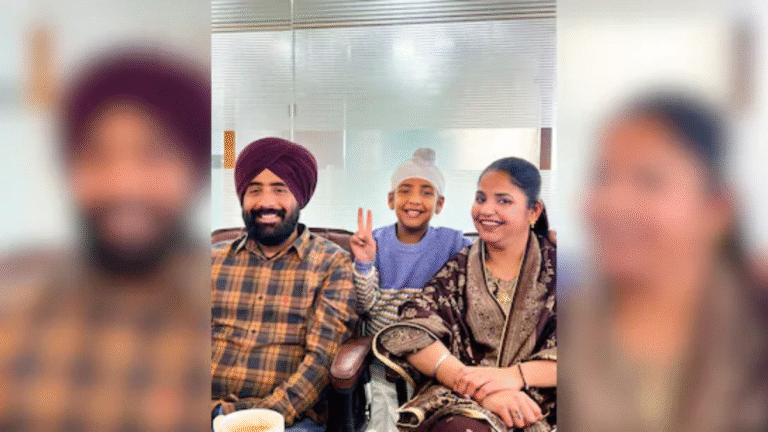
New Delhi, january 31, 2026: In a world that often measures success by noise and visibility, a quiet kitchen in Sector 66A, Mohali, is proving that passion doesn’t need a voice to be heard. Vanshpreet Singh and his wife Anmol Kaur, both deaf and mute since birth, have become the latest internet sensations for their heartwarming home-based tiffin service, appropriately named “Quietly Delicious.

The couple’s journey went viral after a series of touching clips surfaced on social media, showcasing their daily hustle. While the duo handles the core cooking and preparation, the real “star” of their digital presence is their young school-going son, Sukhmehar Singh.

The Voice of the Venture

In the viral videos, Sukhmehar acts as the bridge between his parents’ silent world and their growing customer base. With a shy but enthusiastic smile, he introduces the day’s menu to the camera.

“Yeh toh roti hai. Ye toh aloo-gobhi hai” (This is roti. This is potato-cauliflower), he explains, translating his parents’ gestures into words for thousands of viewers.

Sukhmehar doesn’t just narrate; he is an active part of the business, helping pack tiffin boxes and ensuring orders are ready for delivery. His role has sparked conversations online about the beauty of family support and how children can become pillars of strength for their parents.

A Family Bond Beyond Borders

The success of “Quietly Delicious” is a global family effort. While Vanshpreet and Anmol manage the kitchen in Mohali, their social media presence—which has already amassed over 21,600 followers—is managed by their daughter-in-law, Himanshi, a data engineer living abroad. Along with Vanshpreet’s brother, Charanmeet Singh, they ensure the business stays connected to the digital world.

Vanshpreet’s parents, Gurmeet Singh and Inderjeet Kaur, also recently relocated from Sitapur, Uttar Pradesh, to support the couple. Gurmeet shares that the idea for the cloud kitchen was born out of necessity and a shared love for food.

  • The Menu: Pure vegetarian, home-style meals featuring dal, chole, fresh vegetables, and sweets.
  • The Speciality: Their Poori-Chole has already gained a dedicated local following.
  • The Mission: Beyond business, the couple practices Sewa (selfless service) by distributing food to the needy, believing that serving a meal is a blessing.

Inspiring a Movement

The response from the internet has been overwhelmingly positive, with users praising the couple’s resilience. Many have noted that the food looks “soulful,” but it is the family’s collective spirit that truly stands out. For Vanshpreet and Anmol, who communicate through their father and sign language, the sudden fame is emotional. Through his father, Vanshpreet expressed deep gratitude, saying, “The warmth and support from people mean a lot to us.”

In an era of fast food and commercial kitchens, “Quietly Delicious” serves as a reminder that the best ingredient in any meal is a dash of perseverance and a lot of love.

Slithering Stowaways: Why King Cobras are “Hopping” on Indian Trains

0

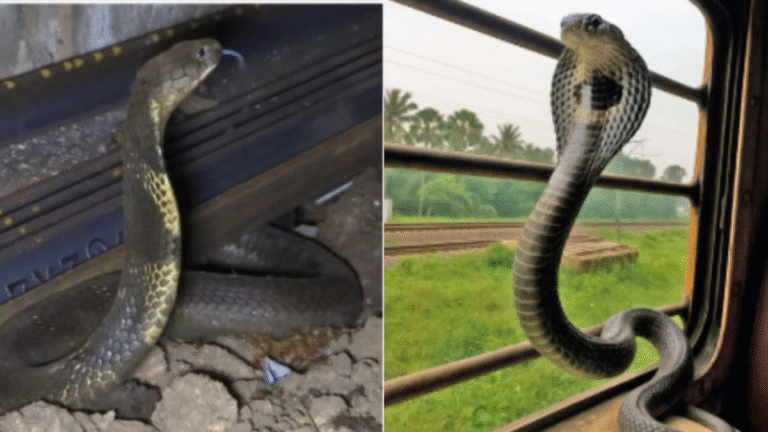
In a twist that sounds more like a Hollywood script than a scientific study, researchers have confirmed that the world’s longest venomous snake is increasingly using India’s massive railway network as a high-speed transit system. A new study published in the journal Biotropica (January 2026) reveals that King Cobras (Ophiophagus kaalinga) are inadvertently hitching rides on trains, appearing in urban and coastal areas far from their natural forest homes.

The Science Behind the “Stowaways”

Led by Indian researcher Dikansh Parmar and an international team, the study analyzed over 20 years of rescue records and sightings in Goa. While King Cobras typically prefer the dense, humid forests of the Western Ghats, the team documented 47 unique locations where these apex predators were found—many of which were “ecologically improbable.”

Specifically, five major sightings occurred directly on or near railway infrastructure. One 10-foot cobra was found sheltering among concrete pillars at Chandor railway station, while others have been spotted peering from train windows or coiled near tracks in Vasco da Gama.

Why are they “Taking the Train”?

Researchers believe the snakes aren’t looking for a vacation; they are seeking two things: food and shelter. * The Lure of Prey: Rail yards and stationary freight wagons often attract rodents, a primary food source for many snakes (though King Cobras primarily eat other snakes).

  • Accidental Boarding: During the night, a cobra seeking a dark, cool place to rest may crawl into a freight car or the undercarriage of a passenger coach.
  • High-Speed Conduits: Once the train moves, the snake is transported dozens or hundreds of kilometers in a matter of hours. This “passive dispersal” allows them to bypass natural barriers like mountains or dry plains.

The Risks: A Double-Edged Sword

This phenomenon poses significant dangers to both the reptiles and the public:

Risk FactorImpact on WildlifeImpact on Humans
Habitat MismatchSnakes arrive in dry, urban areas where they face starvation or dehydration.Increased chance of accidental encounters in places where people don’t expect venomous snakes.
Safety ConcernsHigh mortality rates due to being crushed by machinery or killed out of fear.India currently lacks a specific antivenom for the King Cobra, making bites potentially fatal.
Invasive PotentialSnakes may establish populations in new, unsuitable areas, disrupting local ecosystems.Panic among commuters; several recent incidents have forced the evacuation of entire AC coaches.

A Growing Trend?

This isn’t just limited to Goa. In late 2024, a 10-foot King Cobra was rescued from a tree in Chanakyapuri, New Delhi—the first such sighting in the capital’s history. Experts believe it traveled over 350 km from Uttarakhand, likely hidden in a vehicle or construction shipment.

With the rise of social media and smartphones, more “snakes on a train” videos are surfacing, highlighting a need for better monitoring of rail hubs. Conservationists are now calling for “wildlife-sensitive” railway planning to ensure that as India expands its infrastructure, its most iconic reptiles don’t end up on the wrong track.

Evidence of TTD Laddu Adulteration Irrefutable: Minister Payyavula Keshav

0

New Delhi, january 31, 2026:In a major development concerning the sanctity of the world-famous Tirumala “Laddu Prasadam,” Andhra Pradesh Finance Minister Payyavula Keshav has asserted that there is “irrefutable evidence” of ghee adulteration during the previous administration’s tenure.

Addressing a press conference on Saturday, January 31, 2026, the Minister revealed that recent investigative findings have confirmed a massive procurement fraud that compromised the purity of the sacred offering at the Tirumala Tirupati Devasthanams (TTD).

The Scale of the “Fake Ghee” Scam

According to the latest reports from the CBI-led Special Investigation Team (SIT), the scale of the adulteration is staggering. Between 2021 and 2024, approximately 68 lakh kilograms (nearly 6,000 tonnes) of “fake ghee” were supplied to the TTD.

The Minister highlighted that the investigation, supported by reports from the Central Food Technology Research Institute (CFTRI) and the National Dairy Development Board (NDDB), found the ghee was not made from pure milk or butter. Instead, it was a synthetic concoction containing:

  • Refined Palm Oil and Palm Kernel Oil.
  • Chemical Esters and laboratory-grade additives.
  • Beta-carotene used to mimic the natural golden color of cow ghee.

Political Face-off and Legal Action

The controversy has reignited a fierce political debate. While the YSRCP has pointed to the SIT’s findings that no animal fat (like beef tallow or lard) was detected in the specific samples tested by the CBI, Minister Keshav argued that the absence of animal fat does not diminish the crime.

“The previous government relaxed norms to favor specific suppliers who didn’t even procure milk during the contract period,” the Minister alleged. He further noted that the 2022 findings by the CFTRI were “closely guarded secrets” by the then-government to protect those involved.

The CBI-led SIT has now filed a final chargesheet naming 36 individuals, including former TTD employees, dairy experts, and suppliers. Key accused remain in custody as the legal proceedings move to the ACB court in Nellore.

Restoring Sanctity

The TTD Board, now under new leadership, has reiterated its commitment to transparency. Chairman B.R. Naidu clarified that no “clean chit” has been given to the suppliers and that the board is implementing a robust Dittam (recipe) process to ensure such a breach of faith never recurs.

For the millions of devotees who visit the hill shrine daily, the focus remains on the spiritual integrity of the Prasadam. The state government has vowed to pursue the case to its logical end, ensuring that the “sins of the past” are accounted for in a court of law.

Mrunal & Siddhant: Bollywood’s Newest Power Pair Sparks Romance Buzz

0

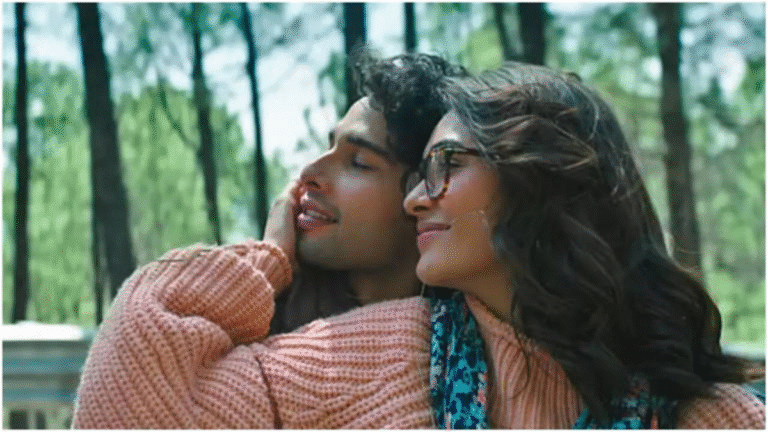
New Delhi, january 31, 2026: The wait for a soulful, old-school romance in a modern setting is almost over. As the release date for “Do Deewane Seher Mein” approaches, stars Mrunal Thakur and Siddhant Chaturvedi are already winning hearts with their effortless off-screen camaraderie and a teaser that promises a “warm hug” for the soul.

Backed by the legendary Sanjay Leela Bhansali and directed by Ravi Udyawar, the film is set to hit theaters on February 20, 2026, perfectly capturing the lingering magic of Valentine’s week.

A Spark That Transcends the Screen

The internet has been buzzing ever since the duo was spotted together at recent promotional events in Mumbai. From candid laughter during interviews to playful banter on social media, their chemistry is anything but manufactured.

Siddhant recently shared a series of “behind-the-scenes” photos from the shoot of the film’s first song, ‘Aasma, captioned, “Aasman never looked so bright.” The pictures showcase a tender, lived-in comfort between the two, which fans believe will be the driving force of the movie.

“Kyunki har ‘isq’ perfect nahi hota, par kaafi hota hai.” — The film’s official tagline.

Nostalgia Meets Modern Romance

The film’s teaser has struck a chord by sampling the timeless classic Do Deewane Sheher Mein from the 1977 film Gharonda. This bridge between the past and present defines the movie’s aesthetic—real, messy, and deeply relatable.

Unlike the high-octane action or larger-than-life dramas often seen today, this project focuses on:

  • Intimate Urban Moments: Shot against the backdrop of Mumbai’s iconic Sea Link and bustling streets.
  • Everyday Intimacy: Simple joy found in scooter rides and spontaneous lunch dates.
  • Vulnerability: A story about two flawed individuals figuring out who they are while falling in love.

Musical Magic: ‘Aasma’

The recently released track ‘Aasma’, composed by Hesham Abdul Wahab and sung by Jubin Nautiyal and Neeti Mohan, has already become a favorite on streaming charts. The song’s minimalist visuals highlight the “imperfectly perfect” bond between Mrunal and Siddhant, further solidifying them as the new “it” pair of Bollywood.

Cast and Production

As Mrunal Thakur continues to charm fans with her “preppy chic” promotional looks and Siddhant brings his signature “boy-next-door” charisma, Do Deewane Seher Mein is shaping up to be the definitive romantic experience of the year.

Global Recognition: Chhari-Dhand Joins the Ramsar Elite

0

January 31, 2026 — In a landmark victory for India’s environmental conservation efforts, the Chhari-Dhand Conservation Reserve in Gujarat’s Kutch district has been officially designated as a Ramsar Site. The announcement, made just ahead of World Wetlands Day (February 2), bestows the status of “Wetland of International Importance” upon this unique desert ecosystem.

With this new addition—alongside the Patna Bird Sanctuary in Uttar Pradesh—India’s tally of Ramsar sites has climbed to 98. This marks a staggering 276% increase in the country’s protected wetland network since 2014, reflecting a robust national commitment to biodiversity.

A Biodiversity Powerhouse in the Desert

Located on the edge of the arid Banni grasslands and the marshy Rann of Kutch, Chhari-Dhand (meaning “salty shallow wetland”) is a seasonal miracle. While the landscape appears parched for much of the year, a good monsoon transforms the area into an 80-square-kilometer watery haven.

The wetland serves as a critical stopover for birds entering the Indian subcontinent via the western migratory route. Prime Minister Narendra Modi hailed the recognition on X (formerly Twitter), stating:

“These recognitions reaffirm our commitment to preserving biodiversity and protecting vital ecosystems. May these wetlands continue to thrive as safe habitats for countless migratory and native species.”

Why Chhari-Dhand Matters

The site is not just a scenic destination; it is an ecological necessity for several reasons:

  • Avian Paradise: During peak winter, the wetland hosts over 60,000 birds, including massive colonies of Greater and Lesser Flamingos, Common Cranes, and the rare Dalmatian Pelican.
  • Mammalian Sanctuary: Beyond birds, it provides a safe corridor for elusive desert mammals such as the Indian wolf, caracal, desert cat, desert fox, and the chinkara.
  • Endangered Species: It is one of the few places in India where the critically endangered Great Indian Bustard is still spotted.

Impact on Local Conservation and Tourism

The Ramsar tag is more than just a title; it unlocks international standards of management and conservation funding. For the local communities of Fulay and Nakhatrana, this recognition is expected to boost eco-tourism.

Managed by local village committees in collaboration with the Gujarat Forest Department, the reserve has long been a hidden gem for birdwatchers. The international spotlight will likely improve infrastructure while ensuring that the “wise use” of the wetland protects the livelihoods of pastoralists who depend on the surrounding Banni grasslands for fodder.

Union Environment Minister Bhupender Yadav congratulated the “Wetland Community,” noting that the inclusion of Chhari-Dhand highlights the delicate balance between ecology and sustainable development.