Home Blog Page 49

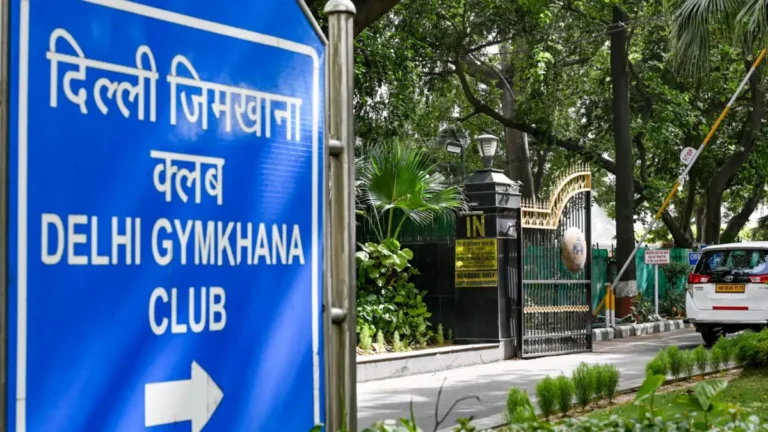
Institutional Governance and Regulatory Compliance: The Realities of Delhi Gymkhana Club

0

New Delhi, May 26, 2026: The ongoing institutional and legal evolution of the Delhi Gymkhana Club (DGC) serves as a prominent case study in Indian corporate law, specifically regarding the application of the Companies Act, 2013, to non-profit entities. For several years, discussions surrounding the club focused on institutional friction and governance structure, moving away from romanticized narratives of it being a secretive power hub. Instead, the actual developments center on corporate governance, public interest, and regulatory intervention. In 2022, following extended litigation regarding allegations of financial irregularities and nepotism in membership allocations, the National Company Law Appellate Tribunal (NCLAT) affirmed the Ministry of Corporate Affairs’ (MCA) intervention. This resulted in the appointment of a government-nominated Board of Directors to restore financial transparency and structural parity.

This shift highlighted the legal principle that private clubs registered under Section 8 of the Companies Act (or its predecessor, Section 25 of the 1956 Act) are fully subject to statutory oversight. By late 2024 and continuing into 2026, the primary focus transitioned toward rehabilitating the club’s administrative systems, addressing long-standing membership backlogs, and stabilizing its finances under an independent oversight mechanism. This progression emphasizes the legal authority of tribunals like the National Company Law Tribunal (NCLT) to intervene in non-profit operations when governance patterns are deemed prejudicial to the public interest.

1. What was the core legal basis for the government’s intervention in the club’s management?

The primary legal basis for the Ministry of Corporate Affairs’ intervention was Section 241(2) and Section 242 of the Companies Act, 2013. These provisions empower the Central Government to apply to the NCLT if it believes that the affairs of a company are being conducted in a manner prejudicial to the public interest.

Because the Delhi Gymkhana Club is registered as a Section 8 non-profit company, the government argued that its systemic mismanagement directly impacted public interest. Specifically, the regulatory authorities cited structural issues, including:

  • The misutilization of extensive, subsidized land leased from the state.
  • The collection of material registration fees from tens of thousands of applicants who faced decades-long waiting periods without transparent processing.
  • Nepotistic patterns in membership distribution that favored select groups while systematically sidelining general public applicants.

2. How did the courts view the defense that a private social club is immune to public interest interventions?

The NCLAT explicitly rejected the defense that the club’s private, recreational status shielded it from state oversight. The tribunal clarified that any entity operating under a corporate license granted by the state—especially one enjoying public land concessions—cannot claim total immunity from the standards of public interest.

The judiciary observed that collecting substantial funds from the public under the premise of potential membership, without realistic timelines or clear criteria, constitutes an unfair trade practice under corporate governance frameworks. Consequently, the courts ruled that “public interest” is not limited to state security or macroeconomic matters; it also encompasses institutional transparency, fair play, and adherence to statutory obligations by high-profile organizations.

3. What structural changes were implemented by the government-nominated board?

Following the judicial directives, the government-appointed administrator and subsequent nominated board initiated several structural reforms aimed at institutional recovery:

The board overhauled the accounting architecture to eliminate non-transparent financial write-offs and established rigorous audit trails. To handle the membership bottleneck, they structured a objective, chronological framework to process applications on a first-in, first-out basis, limiting arbitrary executive discretions. Furthermore, the club’s internal by-laws were amended to ensure that resource utilization aligned strictly with fiscal accountability rather than legacy privileges.

4. How did this case redefine the legal interpretation of Section 8 companies in India?

The Delhi Gymkhana Club case set a major legal precedent regarding the regulation of Section 8 companies, confirming that non-profit, recreational, or philanthropic entities are held to the same corporate governance standards as commercial corporations. The rulings clarified that a company’s lack of a profit motive does not exempt its management from accountability.

This case effectively closed previous legal loopholes that allowed private elite associations to operate as insular trusts, firmly placing them under standard corporate regulatory oversight.

5. What is the current operational status of the club as of 2026?

By 2026, the Delhi Gymkhana Club has largely transitioned into a post-litigation normalization phase. While the government-nominated oversight mechanism remains active to prevent a relapse into old management habits, operational focus has shifted to day-to-day administrative efficiency and upgrading facilities.

The massive application backlog is being addressed via automated, digital queues to ensure verified compliance with the NCLAT’s anti-nepotism guidelines. Rather than acting as a center for political or legal conflict, the institution now functions strictly as a regularized social and athletic club, operating under standardized corporate compliance practices.
When Saroj Khan Yelled at Shruti Seth on Fanaa Set

New Delhi, May 26, 2026: The 2006 socio-political romantic thriller Fanaa, starring Aamir Khan and Kajol, remains a landmark project in Hindi cinema. Produced by Yash Raj Films and directed by Kunal Kohli, the movie is widely celebrated for its gripping storyline, stunning locales, and timeless music. However, as the film crosses its 20-year milestone, fresh behind-the-scenes memories have surfaced from the cast.

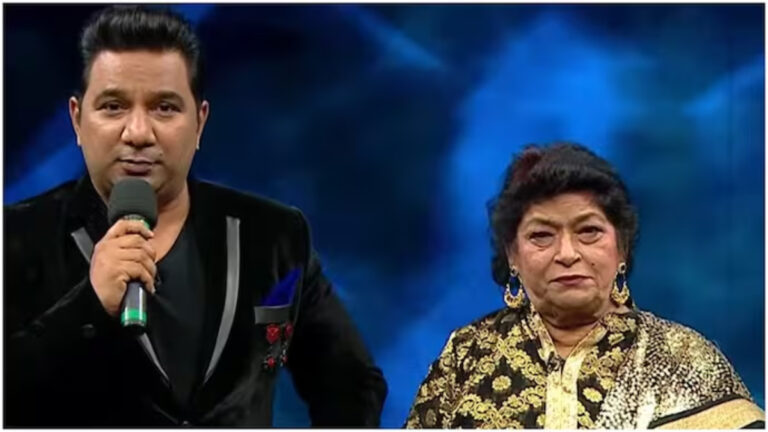
In an exclusive interview with SCREEN, actress and television host Shruti Seth—who played Fatima (“Fatty”), one of the close friends of Kajol’s blind Kashmiri character, Zooni—opened up about her unforgettable experiences on set. Most notably, she recalled a core memory of being heavily scolded and “yelled at” by the legendary, late choreographer Saroj Khan during the shoot of the movie’s iconic patriotic song, “Des Rangila”.

The Mortifying Set Incident

Saroj Khan was famous in Bollywood for her unmatched creative genius, but she was equally known for being a strict, no-nonsense taskmaster who demanded absolute discipline from everyone on her set. Shruti Seth experienced this firsthand during the filming of the grand dance sequence in New Delhi.

Seth admitted that her own lack of focus triggered the confrontation. While “Masterji” (as Saroj Khan was affectionately known) was trying to give intricate choreography instructions to the group, Seth was distracted and busy chatting with an assistant director on set—Danish Aslam—who happened to be her boyfriend at the time (and is now her husband).

Khan, known for her sharp eyes and zero tolerance for unprofessionalism, noticed the distraction immediately. She halted the entire rehearsal, called Seth out in front of the entire crew, and demanded:

Seth described the moment as the most mortifying experience of her life. She recalled that Khan was deeply irritated, especially since Seth’s hectic television schedule shooting the hit fantasy-comedy show Shararat had prevented her from attending the mandatory pre-shoot dance rehearsals. Standing before the iconic choreographer and a frozen crew, Khan delivered a stinging rebuke, essentially asking the young actress if she even deemed herself worthy of being on that set if she couldn’t give it her full attention.

Unpacking the Rigor of a Bollywood Legend

Reflecting on the incident two decades later, Seth’s perspective contains no lingering resentment. Instead, she views the confrontation through a lens of deep respect and maturity, acknowledging that the high-pressure demands of legendary creators come from a place of artistic devotion rather than malice.

“Mujhe bahut daant padi unse (I got scolded a lot by her),” Seth shared candidly. She added that while modern sensibilities might advocate for softer, more sensitive approaches to workplace communication, it is important to expand one’s heart and understand the baseline expectations of industry pioneers.

According to Seth, Khan’s outburst was not born out of a desire to enforce a strict corporate hierarchy or to belittle a supporting actor. Rather, it came from a pure expectation of excellence. Because Saroj Khan consistently gave 100% of her time, effort, and creative energy to her craft, she expected the exact same level of focus from everyone around her, whether they were a background dancer, a newcomer, or a massive superstar. Seth noted that this relentless drive for perfection is precisely what separates enduring legends from typical novices.

A “Mother Hen” Off-Camera

Despite her fierce reputation when the cameras were ready to roll, Saroj Khan possessed a completely different persona once the day’s work was successfully wrapped. Seth fondly recalled the nurturing, maternal side of the legendary choreographer that balanced her strict on-set behavior.

The moment the shoot wrapped or the cameras were turned off, the irritability completely vanished. Khan would transition seamlessly into a “mother hen” figure, looking after the entire cast and crew, ensuring everyone was fed, comfortable, and happy. She never carried the tension or the rigid demands of the choreography into her personal interactions off-set, allowing the actors to relax and be themselves. Seth expressed a sense of nostalgia for that era of filmmaking, admitting that she genuinely misses having old-school mentors who cared enough to demand absolute dedication and an unwavering work ethic.

The Lasting Personal and Professional Legacy of Fanaa

Despite the intense scolding, the sets of Fanaa remain an incredibly warm and special memory for Seth. Professionally, it marked her first major venture with powerhouse banner Yash Raj Films and gave her the opportunity to share screen space with elite actors like Kajol and Aamir Khan. She previously noted that despite their towering industry stature, the lead actors were incredibly welcoming and never made her feel lesser-than on set.

On a personal level, Fanaa completely altered the course of her life. The assistant director she was chatting with—the very distraction that earned her Saroj Khan’s wrath—was Danish Aslam. The two continued dating long after the film’s release and eventually married in a beautiful ceremony in Goa. Proving the enduring family-like bond formed during the production, Fanaa director Kunal Kohli actually officiated their wedding.

The film itself went on to become one of the highest-grossing Hindi films of 2006, overcoming significant political controversies and theater bans in states like Gujarat to secure its place as a classic. For supporting cast members like Shruti Seth, the movie represents a beautiful era of rigorous training, lifelong relationships, and unforgettable lessons from the masters of Indian cinema.

Zoya Akhtar-Reema Kagti Production Office Robbed; Insider Arrested

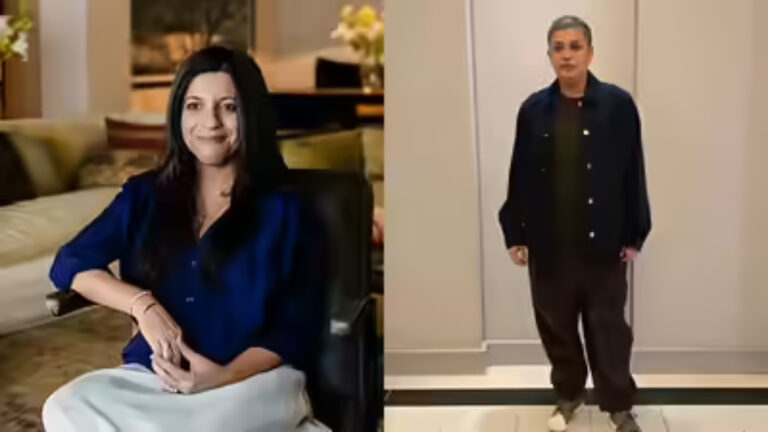
New Delhi, May 26, 2026 — A major digital data theft has sent shockwaves through the Indian entertainment industry. Tiger Baby Digital LLP, the prominent production banner co-founded by acclaimed filmmakers Zoya Akhtar and Reema Kagti, has fallen victim to a massive internal breach. The Bandra police in Mumbai have registered a First Information Report (FIR) and arrested two men, including a trusted long-term employee, for allegedly stealing 66 high-capacity hard drives valued at approximately ₹13 lakh.

While the market value of the physical storage hardware is substantial, industry insiders note that the actual worth of the proprietary, unreleased content stored inside them is irreplaceable, posing an alarming security threat to the production house.

How the High-Stakes Theft Was Discovered

The sophisticated data breach was uncovered on May 21, 2026, during routine operations at Tiger Baby’s office in Bandra West, where a close-knit team of 11 employees works. According to police reports, staff members asked the office support staffer, Mohammad Shahid Khan, to retrieve a specific hard disk from the main storage cupboard. Khan, 28, who had been employed with the filmmakers for seven years and was solely responsible for managing the inventory, failed to produce the drive.

Suspicious of his evasive behavior, executive assistant and HR administrator Mehjabeen Mushtaq Shaikh decided to personally inspect the storage cabinet. What she discovered was alarming: the cabinet was filled with empty, damaged, and partially burnt packaging boxes arranged neatly to mimic full storage. Curiously, there were absolutely no burn marks or signs of smoke inside the wooden cupboard itself, indicating that the original hard disk boxes had been taken out, emptied, tampered with elsewhere, and put back to delay detection.

Shocked by the discovery, the management ordered an immediate, comprehensive internal audit of their digital assets. The audit revealed that out of 119 hard disks stored in the office, a staggering 66 drives were entirely missing.

Millions in Digital Loss: What Was on the Hard Disks?

The stolen hardware consists of ultra-high-capacity professional storage drives ranging from 16TB to 72TB. These devices served as the central archive for Tiger Baby’s extensive creative portfolio. The compromised files include:

  • Raw and Unreleased Footage: Master files and primary camera logs from ongoing production milestones.
  • Post-Production Data: Rough cuts, edited timeline sequences, VFX plates, and color-graded footage.
  • Commercial & OTT Archives: Completed master files, promotional assets, and extensive backups of critical commercial projects and acclaimed streaming titles, including Amazon Prime Video’s Made in Heaven and Netflix’s anthology Ghost Stories.

Police Investigation and Arrests

Following the internal audit, Mehjabeen Mushtaq Shaikh approached the Bandra Police Station on Sunday to register a formal complaint. Acting swiftly on the FIR, the police team detained the primary suspect, Mohammad Shahid Khan.

During intense interrogation, Khan cracked and confessed to executing the inside job. He admitted to systematically stealing 24 of the high-end hard disks over the past five months. Driven by quick financial gain, he sold these premium devices in the grey market to a 48-year-old resident of Borivali identified as Ritesh Shah (also named as Ritesh Shah in local reports). Khan allegedly liquidated the hardware—worth tens of thousands each—for a paltry sum of ₹15,000 to ₹20,000 per disk.

Based on the confession, the Bandra police arrested both Mohammad Shahid Khan and the receiver of the stolen property, Ritesh Shah. The authorities have invoked strict provisions of the Bharatiya Nyaya Sanhita (BNS), including charges related to theft by a servant of property in possession of an employer, and dishonestly receiving stolen property. On Monday, a local court remanded both accused to police custody until May 29, 2026.

The Unanswered Questions and Industry Impact

While the local police have made vital early breakthroughs, a cloud of uncertainty still hangs over the extent of the recovery. Investigators are currently focusing on two crucial areas:

This shocking security lapse highlights a critical vulnerability faced by boutique production houses in Bollywood. As the industry transitions completely into digital workflows, relying heavily on localized physical storage servers rather than decentralized, encrypted cloud backups leaves creative assets exposed to physical insider threats. Tiger Baby Digital LLP has currently declined to comment further on the case as the police try to trace the missing media archives.

Veteran Actor Ramakant Dayama Passes Away at 69

New Delhi, May 26, 2026: The Indian entertainment industry is plunged into a state of deep mourning today following the tragic and untimely demise of veteran actor Ramakant Dayama on May 26, 2026. Known for his powerhouse performances and incredibly versatile character roles, the 69-year-old actor breathed his last after battling a prolonged illness for several months.

The heartbreaking news was first confirmed by his longtime colleague, close family friend, and popular television actress, Shubhangi Sanjeev Latkar. In an emotional social media tribute, Latkar shared her shock and grief over the sudden void left behind by Dayama’s passing, sparking an immediate wave of condolences from actors, directors, and fans across Bollywood, television, and the digital space.

An Industry in Mourning: Shubhangi Latkar’s Heartfelt Tribute

Shubhangi Latkar took to Instagram to share a poignant message alongside a nostalgic, bittersweet video of the late actor. In the video, a lively and joyful Ramakant Dayama can be seen singing, laughing, and energetically dancing to Shammi Kapoor’s iconic track “An Evening in Paris” surrounded by close friends at a social gathering. It was an aesthetic testament to a man who, despite his failing health in recent months, refused to let go of his passion for life.

Latkar went on to speak about the physical stature versus the immense mental strength of Dayama. She noted that while he might have looked “tiny in appearance,” he possessed an unmatched reservoir of courage and internal fortitude. She admitted that while friends and family were fully aware of his months-long health struggles, they never truly stopped hoping for a miraculous recovery.

Unfulfilled Dreams and Staged Desires

Perhaps the most heartbreaking revelation in Latkar’s tribute was the mention of several collaborative projects the duo had mapped out for the near future. The two veterans had actively planned a grand return to the stage. They had finalized a beautiful Hindi theatrical play and were preparing to curate and present a selection of soulful poetry readings together for live audiences.

When Latkar had initially approached him with these creative concepts, Dayama reportedly flashed his trademark warm smile and requested a bit of time, saying, “Let me get well soon.” Tragically, those artistic aspirations will now remain unfulfilled. “Some losses leave behind a silence that words fail to express,” Latkar concluded in her devastating note, praying for his soul to find eternal peace.

A Legacy Written in Brilliant Supporting Roles

Ramakant Dayama was the definition of a dependable character actor. In a career spanning over two decades, he carved out a highly respected niche for himself. He belonged to that elite class of actors who did not need maximum screen time to leave a permanent impact on the audience.

Audiences will forever remember his memorable turn as an eccentric sports association member in Shimit Amin’s 2007 cult hit Chak De! India, where he shared screen space with Shah Rukh Khan. His impeccable comic timing and fluid dialogue delivery were put to excellent use in more recent cinematic projects like the heist-comedy Crew (2024), alongside Tabu, Kareena Kapoor Khan, and Kriti Sanon, as well as high-concept dramas like Amitabh Bachchan starrer Paa.

As the entertainment landscape transitioned into the digital era, Dayama seamlessly moved into the Over-The-Top (OTT) space, becoming a staple face in some of India’s most critically acclaimed web series. He delivered grounded, highly nuanced performances in Hansal Mehta’s financial thriller Scam 1992, Zoya Akhtar’s wedding drama Made in Heaven, and Raj & DK’s gritty crime thriller Farzi. Whether playing a corrupt bureaucrat, a loving father, or a strict corporate head, Dayama brought authenticity and immense dignity to every character he inhabited.

CINTAA and the Fraternity React

The official Cine & TV Artistes’ Association (CINTAA) also released a statement, deeply mourning the demise of the actor, who had previously served as a respected Executive Committee (EC) member for the organization. The official tribute read:

Social media platforms have been flooded with tributes from younger actors who recalled how approachable, patient, and encouraging Dayama always was on set. Directors who worked with him praised his utter lack of ego and his readiness to perform multiple takes to get the scene just right.

Carrying the Artistic Torch: Yashaswini Dayama

Ramakant Dayama’s artistic legacy does not end with his filmography; it burns brightly through his daughter, Yashaswini Dayama. Gifted with the same natural acting chops and expressive eyes as her father, Yashaswini has successfully established herself as a prominent face in the modern Indian digital wave.

She has won widespread praise for her roles in mainstream feature films like Dear Zindagi (where she played Alia Bhatt’s quirky best friend) and the psychological thriller Phobia. Furthermore, she has starred in hit streaming shows such as Adulting, Delhi Crime, and Bandish Bandits. Industry insiders have often noted how Ramakant was incredibly proud of his daughter’s independent career trajectory and organic rise in showbiz.

As the industry grapples with the sudden loss of an exceptional talent, friends, family, and millions of cinema lovers continue to extend their deepest emotional support to Yashaswini and the rest of the Dayama family. Ramakant Dayama’s physical presence will be missed on the sets of Mumbai, but his vast body of work across television, film, and digital mediums will ensure he remains alive in the hearts of audiences for generations to come.

Vivo X500 Pro Camera Specs Leaked: A New Flagship Titan Arrives

New Delhi, May 26, 2026: The mobile photography landscape is bracing for a massive shake-up. Fresh leaks courtesy of the highly reliable industry tipster, Digital Chat Station, have officially revealed the camera blueprints for the highly anticipated vivo X500 Pro. Known globally for pushing the boundaries of mobile imaging via its deeply rooted partnership with Zeiss, vivo seems poised to change the rules of the flagship camera game once again.

The leaked schematics outline an incredible triple-camera configuration that targets the absolute peak of dynamic range and optical zoom efficiency. Rather than chasing mindless, empty megapixel counts across every single sensor, vivo appears to be using precision engineering to focus on advanced sensor physics and innovative light-trapping designs.

Setting New Standards with a LOFIC Main Sensor

At the heart of the vivo X500 Pro is a rumored 50-megapixel primary camera utilizing a massive 1/1.28-inch sensor. While the physical size alone is impressive, the true star of the show is the integration of LOFIC (Lateral Overflow Integration Capacitor) technology.

When you take a picture in challenging light—like a subject standing directly in front of a bright sunset—traditional smartphone sensors get overwhelmed by the sheer volume of incoming light particles, resulting in a harsh, completely white background. LOFIC acts like a high-tech overflow drain for pixels. When a pixel fills up with light, the excess energy is cleanly routed into a tiny built-in capacitor instead of bleeding into neighboring pixels or clipping the image.

This gives the primary lens an incredibly high dynamic range that mirrors how the human eye processes contrast. Whether you are shooting dark, moody street corners at night or a backlit outdoor portrait, the X500 Pro’s main sensor is being engineered to retain crisp details in both the deepest shadows and the brightest highlights simultaneously.

Rethinking the Zoom with Sony’s IMX06H Periscope

Perhaps the most unexpected and exciting revelation from the recent leaks involves the phone’s zoom capabilities. For months, rumors swirled that vivo might slapped a massive 200-megapixel sensor onto the Pro version. However, industry insiders have now clarified that the jaw-dropping 200-megapixel periscope will be exclusively reserved for the ultra-premium “Pro Max” variant.

Instead, the vivo X500 Pro is treading a much smarter path. It is tipped to feature a 64-megapixel periscope telephoto camera powered by Sony’s brand-new, unreleased IMX06H sensor, offering 3x optical zoom.

Opting for a high-quality 64-megapixel sensor at 3x optical zoom is a brilliant move for everyday usability. A 3x focal length sits perfectly in the “sweet spot” for portrait photography, framing the human face beautifully without the awkward distortion caused by wider lenses. Furthermore, because the Sony IMX06H is a physically large sensor for a zoom camera, it will capture far more light than traditional periscopes. This ensures that zoomed-in shots taken indoors or during late-evening concerts stay remarkably sharp, clean, and completely free of digital noise.

Rounding out the triple-threat arrangement on the back is a 50-megapixel ultra-wide camera. Designed to map sweeping landscapes and dramatic architectural shots seamlessly, this ultra-wide lens will ensure color consistency and matching resolution across all three rear cameras, allowing users to switch between lenses while filming without seeing annoying shifts in color tone or image quality.

Next-Generation 2nm Architecture Under the Hood

A camera system is only as fast as the brain operating it, and the vivo X500 Pro is rumored to pack an absolute powerhouse. The engineering prototypes are reportedly being tested with MediaTek’s unannounced, next-generation Dimensity 9600 chipset.

Built on TSMC’s cutting-edge 2-nanometer (2nm) manufacturing process, this processor represents a monumental leap in raw power and thermal efficiency. Shifting to a 2nm architecture means billions of additional transistors are packed into a microscopic space. For a photographer, this translates to virtually zero shutter lag, lightning-fast computational RAW image processing, and AI-driven scene recognition that happens entirely in real-time.

Furthermore, the incredible efficiency of the 2nm chip helps solve a classic flagship problem: phone overheating during prolonged 8K video recording or heavy burst-photography sessions.

Premium Hardware Specs At A Glance

While the camera is clearly the crown jewel of the X500 Pro, the supporting hardware leaks reveal a remarkably well-rounded device.

What stands out immediately—aside from the vibrant, butter-smooth 144Hz display—is the mind-boggling 7,000mAh battery. Vivo is allegedly achieving this massive capacity without turning the phone into a bulky brick by utilizing advanced silicon-carbon battery technology, which packs significantly more energy density into a thinner physical profile. Combined with 100W fast charging, the device is built to handle hours of intensive camera use without breaking a sweat.

When Can We Expect It?

True to vivo’s traditional release cycles, the vivo X500 series is widely tipped to make its official debut in the autumn of 2026, with a rumored launch window centered around September or October. As for pricing, industry analysts speculate that the vivo X500 Pro will confidently anchor itself in the premium flagship territory, likely launching at a starting price point of around Rs. 99,999 in India ($1,100 to $1,200 USD globally) for its base configuration.

If these tipped camera specifications hold true, vivo isn’t just releasing another phone; they are making a definitive bid to dominate mobile photography for the foreseeable future.

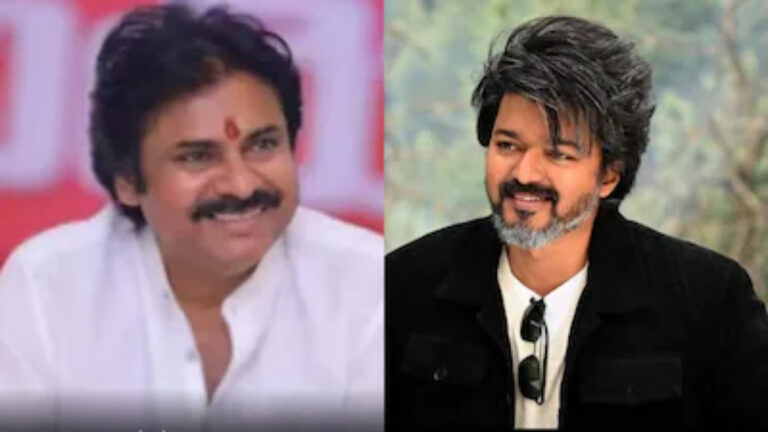
Pawan Kalyan Jokes About Being ‘Jealous’ of TN CM Vijay’ Rapid Political Rise

New Delhi, May 26, 2026: In a candid and light-hearted address, Andhra Pradesh Deputy Chief Minister and Janasena Party chief Pawan Kalyan broke his silence on the swirling social media comparisons between his political trajectory and that of the newly minted Tamil Nadu Chief Minister, C. Joseph Vijay. Speaking at a key party meeting in Rajamundry, Pawan Kalyan jokingly admitted to feeling “jealous” of how seamlessly Vijay’s party, the Tamilaga Vettri Kazhagam (TVK), swept to power in its maiden electoral contest, contrasting it with his own grueling 15-year political struggle.

The remarks come on the heels of the 2026 Tamil Nadu Assembly elections, where actor-turned-politician Vijay shattered decades of DMK-AIADMK bipartisan dominance by winning 108 seats and securing the Chief Minister’s office. The meteoric rise has prompted widespread comparisons across South India, as both men successfully transitioned from celluloid superstardom to major political powerhouses.

“They Won Using Cutouts and Holograms”

Addressing Janasena party workers and leaders, Pawan Kalyan did not hold back his wry humor when assessing the political shifting of gears across the state border.

While the statement drew laughter from the gathered crowd, the Deputy CM quickly pivoted to a more profound, reflective note on what it truly takes to build a sustainable grassroots movement.

“But we do need to think humanely,” Kalyan emphasized. “You need so much knowledge to say anything. Why did I struggle so much for 15 years? Because to run a party, you need to understand the expectations of lakhs of people.”

Two Distinct Paths to Power

The political discourse across Andhra Pradesh and Tamil Nadu has been heavily focused on analyzing the two leaders’ radically different journeys. While both command massive, fiercely loyal youth fan bases, their paths to governance couldn’t be more distinct.

Pawan Kalyan launched the Janasena Party in 2014, anchoring his platform on accountability and social change. However, early success eluded him. The party faced brutal setbacks, culminating in 2019 when Kalyan lost both individual Assembly seats he contested, and Janasena secured just a single seat statewide. His breakthrough finally arrived in 2024 when he masterminded a strategic alliance with N. Chandrababu Naidu’s TDP and the BJP, sweeping the state and stepping into office as the Deputy Chief Minister.

Conversely, Vijay launched TVK just two years prior to the 2026 Tamil Nadu polls. Running a solo campaign that relied heavily on advanced digital campaigning, high-tech holograms, and massive physical cutouts alongside traditional rallies, Vijay successfully presented TVK as a credible alternative to the long-standing Dravidian heavyweights.

Rejecting Easy Comparisons

Kalyan previously cautioned his cadre against expecting political success to be a simple, repeatable formula across state lines. He observed that the political undercurrents of Andhra Pradesh are uniquely volatile and deeply complex compared to Tamil Nadu.

According to Kalyan, building an unshakeable party foundation requires methodical, ground-level organization rather than just immediate star power. To that end, he announced that Janasena will finalize transparent appointments to organizational committees across Andhra Pradesh by August 14, ahead of upcoming local body elections.

“I keep looking at other parties and wonder what they are doing. They managed things so comfortably,” Kalyan remarked, acknowledging that solo politics is far more demanding than it appears from the outside.

A Brotherhood Beyond Politics

Despite the competitive comparisons drawn by fans online, relations between the two mega-families of South Indian cinema remain incredibly warm. Megastar Chiranjeevi, Pawan Kalyan’s elder brother, recently held a cordial phone call with CM Vijay to congratulate him on taking the oath of office.

Chiranjeevi expressed his hopes that Vijay’s governance would remain deeply people-centric, wishing him the kind of enduring mass affection enjoyed by legendary actor-politician M.G. Ramachandran (MGR). During the call, Vijay warmly thanked Chiranjeevi for publicly defending him during a recent controversy involving digital piracy over his final cinematic venture, Jana Nayagan.

Ultimately, Pawan Kalyan’s remarks highlight a shared mutual respect among industry peers who have chosen the difficult road of public service. While Kalyan’s “envy” remains purely tongue-in-cheek, it underscores a hard-earned truth: whether won through a decade of exhausting street marches or a swift, high-tech electoral blitz, holding the mantle of public trust is a massive responsibility.

IndiGo Pilot’ Viral Cockpit Video Sparks Global Awe and Debate

0

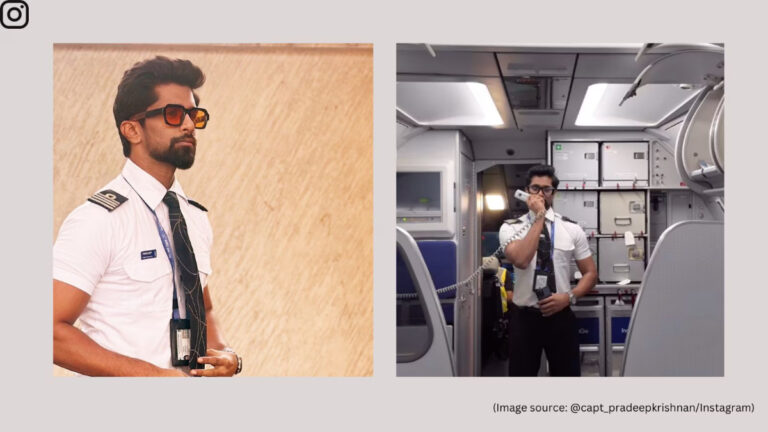
New Delhi, May 26, 2026: A late-night flight cruising miles above the subcontinent has united social media in a collective gasp of astonishment. Captain Pradeep Krishnan, a commercial pilot with the Indian carrier IndiGo, captured a rare, mesmerizing sight from his cockpit window: the international border between India and Pakistan, blazing like an orange-gold neon scar across an otherwise pitch-black landscape.

The video quickly transformed into a viral phenomenon, amassing tens of millions of views within a single day. Beyond its sheer aesthetic beauty, the footage has reignited emotional conversations online, offering a surreal, bird’s-eye perspective on one of the most heavily militarized and politically sensitive geopolitical boundaries on Earth.

An Unexpected In-Flight Announcement

The viral clip begins not just with a visual, but with a voice. As the commercial airliner glides effortlessly through the dark, high-altitude sky, Captain Pradeep Krishnan breaks the silence over the aircraft’s public address system. His calm, informative announcement instantly pivots the attention of every passenger on board toward the windows.

As the camera pans across the cockpit glass, the terrain below reveals a staggering sight. Winding dynamically over vast miles of landscape is a continuous, unbroken river of bright amber floodlights. The surrounding landscape on either side fades into deep, velvety dark regions, making the illuminated demarcation look less like a political boundary and more like a glowing seam stitched onto the fabric of the Earth.

Why Does the Border Glow from the Sky?

To understand why this boundary is so distinctly visible from an commercial flight—and even from the International Space Station—one must look at the immense security infrastructure guarding it.

The section captured by Captain Krishnan outlines parts of the historic Radcliffe Line, the international boundary established during the chaotic Partition of 1947. Over the decades, to prevent infiltration, smuggling, and cross-border security breaches, the Government of India launched a massive electrification and fencing project.

Thousands of high-intensity security floodlights mounted on tall poles run tightly parallel along the fence line. Coupled with brightly lit tactical outposts, watchtowers, and military patrol infrastructure, the border generates a concentrated stream of light so powerful that it pierces right through the atmosphere, providing a stark visual to passing aircraft and orbital satellites alike.

Netizens React: Humour, Contrast, and Shared Humanity

As the footage swept across mainstream internet platforms, it sparked an intense wave of engagement, generating a unique blend of political analysis, deep emotional introspection, and lighthearted humor.

The “Dark Side” Observation

A prominent discussion point among viewers centered around the contrast in ambient lighting between the two sides of the line. Many internet users pointed out that one side of the border seemed noticeably darker, with fewer sprawling clusters of city lights or illuminated highways extending into the distance. Netizens quickly remarked that the “dark part is of Pakistan,” attributing the visual contrast to differences in rural electrification, urban sprawl, and infrastructure density in those specific frontier regions.

A Reflective, Human Perspective

For many, the video was a poignant, sobering reminder of how historical conflicts separate people who share deep cultural and ancestral roots. The glowing line became a metaphor for division. One user wrote a comment that resonated deeply with thousands: “It’s like two seas meeting but never mixing together. Just so near, yet so far.” Another viewer added, “Beautiful people on both sides, divided by the absolute ugliness of historical border politics.”

Lighthearted Banter

Naturally, the internet did not miss the opportunity to inject some classic neighborly humor into the viral phenomenon. Given the sheer scale and intensity of thousands of high-powered floodlights running continuously through the night, a prominent question popped up across comment sections: “By the way, who is paying the electricity bill for the entire border?” Others marveled at the sheer logistical feat required to maintain an electrical grid over such hostile, varied terrain.

The Power of a Shifted Perspective

What makes Captain Krishnan’s video truly remarkable is its ability to transform a symbol of heavy military tension into an object of shared fascination. For a brief moment, passengers looking out of their airplane windows, and millions of viewers scrolling through their feeds, were able to step back from political rhetoric and gaze at the subcontinent from thousands of feet in the air.

Ultimately, the viral video highlights a profound irony: the very lights installed to enforce a strict, unyielding division have inadvertently created a beautiful, unifying spectacle that captivates people on both sides of the fence. As the clip continues to accumulate millions of shares worldwide, it stands out as a unique testament to how modern technology can offer us a brand-new lens through which to view our shared geography and complex history.

Divyanka Tripathi and Vivek Dahiya Welcome Twin Sons After Ten Years Together

New Delhi, May 26, 2026: The Indian television industry is celebrating today as one of its most beloved power couples, Divyanka Tripathi Dahiya and Vivek Dahiya, announced the arrival of their twin baby boys. The joyful news was shared by the couple through a heartwarming joint social media post on Tuesday, May 26, 2026, instantly sending shockwaves of excitement and delight across millions of fans and industry colleagues. After nearly a decade of companionship and marriage, the couple has officially entered the beautiful world of parenthood, describing the moment as a profound emotional milestone.

A Beautiful Social Media Announcement

The new parents took to their respective Instagram handles to share their immense gratitude and happiness with the world. Dropping a creative visual that featured an illustration of two baby boys in matching blue outfits, the accompanying text beautifully captured their emotions:

Vivek Dahiya couldn’t hold back his excitement in the caption, writing, “The wait is finally over… ‘The Boys’ are here, and life already feels more beautiful than we ever imagined.” Injecting a bit of classic Bollywood humor into the momentous occasion, Vivek playfully added, “Mere Karan Arjun aa gaye! Need all your love and blessings as Div and I begin this incredible new chapter of parenthood.”

According to close family sources, both the newborn babies and the mother are healthy and doing exceptionally well. The entire family is currently soaking in the joy of this special moment in private before transitioning into their new daily routines.

Keeping the Six-Month Secret

The arrival of the twins caps off a pregnancy journey that the couple managed to keep remarkably private for a significant period. Divyanka originally broke the internet in March 2026 when she officially confirmed her pregnancy by sharing breathtaking photos from a maternity shoot. It was only then that she revealed she had successfully kept the development under wraps for a full six months.

In an intimate interview detailing that phase, Divyanka explained that she had consciously kept a very low public profile and rarely stepped out of her house to maintain their privacy. The secret only began to slip when Vivek attended an industry event alone, and friends began questioning why Divyanka had been completely absent from public life for months. Speculation quickly traveled through tinsel town, prompting the couple to officially share their joy with the world.

During her pregnancy, Divyanka also opened up about following traditional maternal advice. She fondly shared how her mother insisted she consume chironji dana (charoli seeds) regularly to help support the babies’ bone development. The couple had previously stated that their babies were expected in mid-June, making the arrival of their healthy twin boys a slightly early but incredibly welcome surprise.

From “Nervous” to “Overjoyed”: Vivek’s Candid Reaction

While the atmosphere surrounding the family is purely celebratory now, Vivek Dahiya was praised by fans for his refreshing honesty regarding the realities of expecting a child. In a candid media conversation prior to the birth, the actor admitted that his very first reaction to the pregnancy news wasn’t just pure euphoria—it was accompanied by a massive wave of nervousness.

Vivek recalled that when Divyanka first broke the news to him, reality hit him instantly, and he felt a sudden weight of responsibility. He expressed that it took a few days for the feeling to fully sink in, highlighting that every parent processes the transition differently. He emphasized that being nervous did not mean he wasn’t happy; deep down, a family was something both he and Divyanka had always wanted. Over the months, that initial anxiety gracefully transformed into deep anticipation and preparation for the arrival of “The Boys.”

A Decade of Love: Looking Back at Their Journey

The love story of Divyanka and Vivek—affectionately dubbed “Divek” by their massive global fanbase—is nothing short of a television fairytale. The duo first crossed paths on the sets of Star Plus’s mega-hit daily soap Yeh Hai Mohabbatein. While Divyanka was leading the show as the iconic Dr. Ishita Bhalla, Vivek joined the cast as the diligent cop, ACP Abhishek Singh.

What started as professional camaraderie on a bustling TV set slowly blossomed into a deep, meaningful friendship. With the support of co-stars who acted as matchmakers, the two realized they were perfect for one another. They officially tied the knot in a gorgeous, traditional ceremony in Divyanka’s hometown of Bhopal on July 8, 2016.

Over the last ten years, both actors have scaled immense heights in their professional careers while maintaining a rock-solid, grounded relationship off-screen. Divyanka, who initially skyrocketed to fame with Zee TV’s Banoo Main Teri Dulhann in 2006, solidified her status as television royalty through Yeh Hai Mohabbatein and later showcased her versatility by finishing as a runner-up in reality shows like Nach Baliye 8 (which she won alongside Vivek) and the action-packed Khatron Ke Khiladi 11. Vivek has similarly built a strong resume with prominent roles in shows like Kavach… Kaali Shaktiyon Se and various digital streaming projects.

Tinsel Town Congratulates the New Parents

As soon as the news broke, the comment sections of their social media handles were flooded with immense love, blessings, and warm wishes from the cream of the Indian television and film fraternity.

Other prominent industry peers, including Drashti Dhami, Surbhi Jyoti, Akanksha Puri, and Karishma Tanna, also dropped heartfelt notes and rows of crimson heart emojis, celebrating the arrival of the newest members of the entertainment fraternity.

Fans have similarly been in a state of euphoria, trending “Divek” across digital platforms. Many comments echo the sentiment that after a decade of setting absolute relationship goals for their followers, watching the couple embrace parenthood with two beautiful sons feels like the ultimate, perfect continuation of their love story. As Divyanka and Vivek step away from the cameras to navigate the beautiful chaos of diapers, late-night feedings, and double the lullabies, the entire nation sends them its collective blessings for this glorious new chapter.

Harsh Goenka Praises Japan’ Viral School Lunch System

0

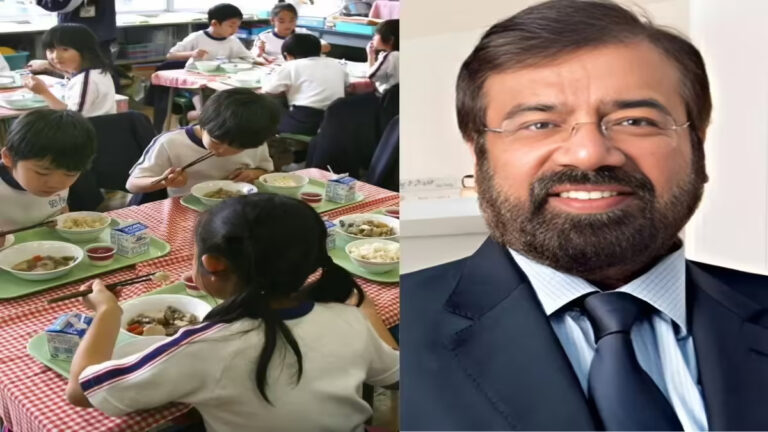
A viral video shared by billionaire industrialist Harsh Goenka has ignited a global conversation about public education, healthcare, and childhood development. The video showcases the meticulous, disciplined, and deeply empathetic structure of Japan’s elementary school lunch system—known locally as Kyushoku.

Goenka, Chairman of RPG Enterprises, shared the video on the social media platform X with a caption that resonated deeply with millions: “There is much to learn for us from the thoughtful way the Japanese offer lunch in schools.”

The post did not just garner views; it struck a chord internationally. From frantic parents in Mumbai to policy analysts in Washington, observers are asking why Western and South Asian school lunch programs often feel like afterthought operations, while Japan treats the midday meal as a core academic subject. Even in the United States, where school lunch quality is a frequent battleground for nutritionists, critics and citizens alike are looking toward Japan with immense admiration.

The Industrial Precision of Kyushoku

The viral video begins long before students ever sit down to eat, peeling back the curtain on the hyper-hygienic world of Japanese school kitchens. What looks like a standard cafeteria program is actually a massive logistical operation dictated by strict national laws.

Every morning, kitchen staff undergo rigorous sanitization and disinfection protocols before stepping into the preparation zones. Ingredients are segregated by type to prevent any chance of cross-contamination. Leafy vegetables undergo multiple cycles of washing in large water tanks to ensure all impurities are eliminated. Root vegetables like potatoes and carrots are processed in specialized drum washers that peel and clean them simultaneously.

The menu highlighted in the video showcases both culinary luxury and nutritional balance. It features perfectly steamed white rice alongside a hearty beef curry soup made with thinly sliced A3 Wagyu beef. The beef is stir-fried with minced garlic, onions, and carrots before cabbage and a specialized curry roux are integrated. Throughout the process, chefs stir the massive pots using giant paddles. Before a single drop leaves the kitchen, the head chef personally samples the batch to verify its quality, safety, and flavor profile.

Designed for Health, Not Convenience

What truly sets the Japanese school lunch apart is its rejection of processed, fast-food-style convenience. In many parts of the world, school cafeterias rely heavily on pre-packaged, frozen, or fried items like chicken nuggets and pizza to feed massive student bodies quickly. Japan takes the opposite track.

The meals are explicitly architected by licensed nutritionists to maximize dietary fiber, optimize micro-nutrients, and strictly curtail excess salt and sugar. In the featured video, the main curry is accompanied by a vibrant, multi-colored vegetable side dish combining:

These vegetables are precisely cooked to preserve their bright natural colors and volatile nutrients. This system ensures that children develop a palate for whole foods early in life. By introducing varied textures and complex, earthy flavors at an early age, Japan has managed to maintain one of the lowest childhood obesity rates in the developed world.

Lunch as a Lesson in Responsibility

The aspect of the video that truly left international viewers—especially Americans—in awe was not just the food itself, but who serves it and how it is consumed.

Cultivating collective responsibility. Source: The Sushi Man

When lunchtime arrives, designated students put on white chef coats, caps, and sanitary face masks. They wheel the stainless-steel food containers from the kitchen to their respective classrooms. Under the supervision of their teacher, who eats the exact same meal alongside them, the students serve their peers equal portions.

Before eating, the class collectively thanks the student servers and the individuals who prepared the food. Once the meal concludes, the discipline continues. Children carefully fold their milk cartons for recycling and brush their teeth. Perhaps most shockingly to Western audiences, the students then spend 15 to 20 minutes cleaning their classrooms, corridors, and communal spaces—sweeping floors and wiping down desks.

Why Even Americans Admire the System

The viral video has sparked intense introspection across social media, particularly among parents and educators in the United States. For decades, the American public school lunch system has faced criticism. Despite federal initiatives to improve nutrition, many US schools still struggle with tight budgets, leading to a reliance on highly processed foods that appeal to children’s immediate preferences rather than their long-term health.

Furthermore, the American model often emphasizes individual convenience. Food is served on disposable trays, and janitorial staff handle the cleanup. Commenters watching Goenka’s video noted that the Japanese approach teaches invaluable life skills that textbooks cannot replicate:

By forcing students to cooperate to ensure everyone gets fed and the room is left spotless, Kyushoku instills a foundational cultural concept: Omotenashi (mindfulness of others) and collective responsibility. Children learn that they are part of a community, and that maintaining their environment is a shared duty, not someone else’s job.

Global Takeaways: Can It Be Replicated?

While the video generated overwhelming praise, it also brought a wave of pragmatic skepticism from users wondering if such a system could survive outside of Japan. Some users noted that trying to implement this level of discipline in different cultural contexts might face steep resistance from both parents and administrative unions. Others pointed out that many developing nations face starkly different structural and financial constraints.

However, the core philosophy behind Japan’s school lunches doesn’t require a massive budget; it requires a cultural shift. It asks societies to stop viewing school meals as a commercial chore or a basic welfare handout, and start viewing them as an investment in a child’s social and physical education.

Harsh Goenka’s viral post serves as a gentle reminder that true progress in education isn’t just about upgrading technology or increasing homework loads. Sometimes, the most profound lessons a country can teach its children are found right on their lunch plates.

Shresta Iyer Slams Trolls Over Viral IPL Video

0

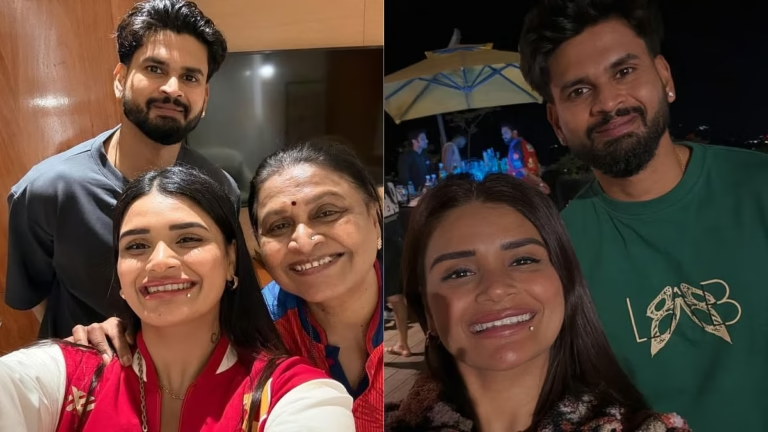
New Delhi, May 26, 2026: The intense passion of cricket fandom in India has once again revealed its darker, toxic side. Shresta Iyer, a professional dancer, choreographer, and sister of Punjab Kings (PBKS) captain Shreyas Iyer, has aggressively hit back at online trolls. This comes after she faced a relentless wave of targeted harassment following her team’s elimination from the 2026 Indian Premier League (IPL) playoffs race.

The backlash was triggered by the resurfacing of a light-hearted, viral video she posted weeks ago. In a powerful, two-part video response on Instagram, Shresta slammed the toxic “jobless behavior” of fans who dragged her family, students, and coworkers into sports-related drama, declaring that she will never stop celebrating her brother, regardless of match results.

The Origin: How ‘Lo Ditta Ek Point’ Came Back to Haunt

To understand the sudden explosion of online hate, one has to go back to the early weeks of IPL 2026. On April 6, a highly anticipated clash between Punjab Kings and Kolkata Knight Riders (KKR) at Eden Gardens was completely washed out due to persistent rain. Because of the no-result, both teams were awarded one point each. At that specific moment, KKR was struggling immensely at the bottom of the table, and this was their very first point of the season.

Following the abandonment, Shresta Iyer—decked out in a Punjab Kings jersey—posted a playful Instagram reel alongside fellow PBKS supporters. In the clip, she used a popular, light-hearted tone to joke about the shared point, saying:

Initially, most fans took the video as standard, friendly banter. However, as the video gained massive traction, passionate KKR fans took offense, causing immense online outrage that forced Shresta to take the video down back in April, clarifying that it was just a harmless joke.

The Dramatic Turn of Events in IPL 2026

The real trouble started when the competitive dynamics of the tournament flipped. During the first half of the season, Shreyas Iyer’s Punjab Kings were absolutely flying. They won six of their first seven games, sitting comfortably at the top of the points table for nearly a month. Fans confidently expected them to be the first team to seal a playoff berth.

However, the second half of the tournament turned into a complete nightmare for PBKS. Plagued by sudden tactical blunders, critical dropped catches, and an unexpected dip in batting form, Punjab suffered a crushing streak of six consecutive losses.

Though Shreyas Iyer played a captain’s knock in their final league match—smashing a magnificent, unbeaten 101 runs to beat Lucknow Super Giants (LSG) by seven wickets—the damage had already been done.

On May 24, Rajasthan Royals defeated Mumbai Indians, officially eliminating Punjab Kings from the top-four race. Unbelievably, PBKS finished the season in fifth place with 15 points—exactly one point short of a playoff spot. Because their net run-rate was incredibly healthy, had that rained-out match against KKR been a victory instead of a shared point, Punjab would have qualified.

Trolls Resurface the Video with Personal Attacks

The moment Punjab Kings missed the playoffs by a single point, toxic internet circles weaponized Shresta’s old video. Angry, frustrated trolls flooded social media, sharing the “Lo Ditta Ek Point” clip out of context. They mocked her relentlessly, claiming that her joke had “jinxed” the team and unfairly labeling her as a “bad luck charm” for her brother’s franchise.

Shockingly, the abuse quickly escalated past basic internet comments. Trolls began crossing serious ethical and legal lines by actively attacking her real life.

“You Are Harassing My People”: Shresta Iyer Fires Back

Refusing to stay silent under a wave of digital intimidation, Shresta posted two lengthy videos directly calling out her harassers. Visibly frustrated but remarkably firm, she exposed the terrifying extent to which the online mob had targeted her professional life.

“You guys exaggerated a small thing to extremes,” Shresta stated in her video. “The motive of the reel was just a fun banter. I wasn’t trolling anyone, and I had no bad intentions behind it. I was just supporting my brother’s team. That doesn’t mean I hate any other team or players. I respect every single cricketer because my brother is a cricketer himself.”

She then detailed the horrifying real-world spillover of the digital hate campaign:

Shresta drew a definitive boundary, telling trolls that while they are free to direct their empty hatred toward her social media profiles, dragging innocent people into it is unacceptable. She also fiercely criticized the deeply rooted habit of cricket fans blaming athletes’ female family members for on-field failures.

“You guys love to blame families for a team’s win or loss. If a player fails, you immediately start targeting and blaming their wives, sisters, or parents,” she added. “Cricket is a game where winning and losing happen constantly. But let me make this very clear: I will always celebrate my brother. When he wins, I will celebrate him, and when he loses, I will be there to support him. My support will always remain 100% consistent.”

A Stellar Personal Season for Shreyas Iyer Amid the Chaos

While the team suffered a heartbreaking exit, Shreyas Iyer personally enjoyed a phenomenal individual run in IPL 2026. The 31-year-old captain led from the front, silencing critics with his batting consistency.

Across 14 games, Iyer amassed an incredible 498 runs in 13 innings, maintaining a stunning average of 55.33 and a highly destructive strike rate of 168.81. His season highlights included five half-centuries and a spectacular maiden IPL century ($101^*$) against LSG.

The Broader Crisis of Toxic Cricket Fandom

This ugly incident has once again reignited a serious nationwide conversation about the deep-seated toxicity within Indian sports fandom. Shresta Iyer is unfortunately just the latest addition to a long list of family members—including wives, girlfriends, and children of high-profile cricketers like Virat Kohli and Rohit Sharma—who have faced severe online abuse, threats, and harassment when a match doesn’t go a fan base’s way.

As sports media analysts point out, the boundary between passionate sports entertainment and real-world criminal harassment has dangerously blurred in the digital space. Shresta’s brave and direct confrontation serves as a necessary, sharp reminder that families have absolutely no control over a bouncing cricket ball, and targeting a person’s livelihood, students, or workplace over a game of cricket is completely unjustifiable.