Home Blog Page 48

Samsung Launches 2026 Vision AI Smart TVs in India

New Delhi, May 27, 2026 — In a major move to solidify its position at the pinnacle of the global display market, Samsung has officially unveiled its highly anticipated 2026 Vision AI smart TV lineup in India. Celebrating an unprecedented milestone of 20 consecutive years as the world’s number one TV brand, the tech titan’s latest launch expands across an expansive variety of display technologies. The 2026 range features groundbreaking innovations in Micro RGB, OLED, Neo QLED, The Frame, Mini LED, and UHD categories.

Designed to blend high-end hardware with deep-learning artificial intelligence, the new lineup prioritizes seamless user interactions, automated picture optimization, and immersive audio staging. By making these advanced AI capabilities available from entry-level ultra-high-definition (UHD) screens to premium luxury panels, Samsung intends to democratize the modern, AI-first home entertainment experience for Indian consumers across multiple price segments and screen sizes.

The Brains Behind the Screen: Vision AI Companion

The crown jewel of Samsung’s 2026 lineup is the multi-layered Vision AI Companion (VAC) platform, which is now integrated into all 4K-and-above smart televisions. Moving beyond standard, rigid voice commands, the Vision AI Companion acts as an interactive on-screen digital assistant. It aggregates the intelligence of top-tier AI services—including Samsung’s own Bixby, Perplexity, and Microsoft Copilot—into a centralized, user-centric interface.

With the Vision AI Companion, users can ask complex contextual questions about the content playing on screen or general everyday topics. Rather than offering basic text feedback, the system instantly generates engaging multi-media responses featuring images, related videos, and structured overviews. Furthermore, the companion curates highly personalized content recommendations, manages smart home routines, and introduces innovative features like Generative Wallpaper, allowing consumers to craft custom digital artwork on their screens using text prompts.

Ultra-Premium Micro RGB and Next-Gen OLED Displays

Catering to enthusiasts looking for the ultimate home theater experience, Samsung is debuting its luxury Micro RGB TV lineup in India with the flagship R95H and R85H series. Available in massive screen sizes ranging from 55 inches up to an incredible 115 inches, these ultra-premium displays use millions of individually controlled red, green, and blue micro LEDs. Because each pixel generates its own light and color, the display achieves absolute black levels and stunning contrast. Driving this category is the Micro RGB AI Engine Pro, which analyzes color, movement, and depth in real time. Combined with Micro RGB Precision Color 100 technology—delivering 100% BT.2020 color gamut coverage—and Color Booster Pro, these TVs offer unprecedented scene-by-scene brightness refinement.

Simultaneously, Samsung is reinforcing its presence in the premium segment with its 2026 OLED TV lineup, comprising the S95H, S90H, and S85H models. Driven by the exceptionally fast NQ4 AI Gen3 Processor, these TVs boast a 2.0x faster Neural Processing Unit (NPU) and a 4.2x faster Graphic Processing Unit (GPU) than prior generations. This raw power fuels advanced features like the Real Depth Enhancer, which mirrors how human eyes perceive depth to create a three-dimensional effect. Crucially, Samsung has expanded its acclaimed Glare-Free technology across both the S95H and S90H models. This allows movie buffs to enjoy deep, pure blacks and rich contrast without distracting reflections from windows or ambient room lights.

Designed for Lifestyles: Neo QLED and The Frame

For those who want a versatile, high-brightness centerpiece, the Neo QLED models utilize Quantum Mini LED technology for precise backlight dimming. Managed by the NQ4 AI Processor, these panels offer 100% Color Volume and automated 4K AI Upscaling, transforming low-resolution broadcasts or old streaming content into crystal-clear 4K visual masterworks.

For the design-conscious consumer, The Frame (LS03H) continues its reign as a lifestyle icon. Blending seamlessly with home decors, its signature Modern Frame Design allows it to look like a genuine framed painting when mounted flush to the wall. It features a QLED display backed by Pantone Validated ArtfulColor reproduction, ensuring digital museum artwork looks completely authentic. Through the integrated Art Store, users gain access to over 3,000 curated historical and contemporary art pieces, turning a dark, empty screen into a gallery experience when the TV is turned off.

Immersive Sports and Action-Packed Gaming

Recognizing India’s immense love for live sports, Samsung has engineered custom AI-driven sports features across its 2026 lineup. The new AI Soccer Mode Pro automatically detects when a football match is on screen. It instantly optimizes motion handling to eliminate ball-blur, punches up the lush greens of the field, and isolates the crowd’s roar from the commentator’s speech. Complementing this is the AI Sound Controller Pro, an audio-scenic intelligence system that separates dialogue, background tracking, and ambience. Users can adjust these tracks individually—such as lowering the crowd noise to focus entirely on tactical analysis or turning up stadium noise to mimic a live match atmosphere.

Gamers are also treated to the Ultimate Gaming Pack, bringing a competitive edge to the living room. Select models feature a blazing-fast Motion Xcelerator 165Hz or 144Hz refresh rate, ensuring fluid gameplay with virtually zero input lag. Backed by certified AMD FreeSync Premium Pro and validated NVIDIA G-SYNC compatibility, screen tearing and stutter are completely eliminated. Furthermore, the automated AI Gaming Optimizer analyzes the genre of the game in real time (such as FPS, RPG, or Racing) and instantly dynamically adjusts contrast and response times without forcing players into complex sub-menus.

Seamless OS, Long-Term Support, and Enterprise-Grade Security

The entire 2026 line runs on the refined One UI Tizen operating system. The interface is smoother and cleaner, ensuring immediate access to cloud apps, the Universal Guide, and Samsung TV Plus, which streams over 150 live TV channels and creator channels entirely for free with no subscription required. In a massive win for consumer longevity, Samsung has announced a seven-year Tizen OS upgrade guarantee, promising that these smart TVs will receive software, app, and service updates well into the next decade.

To protect user environments, Samsung Knox Security is baked directly into the hardware. Knox shields personal account details and passwords, monitors connected Internet-of-Things (IoT) appliances through the SmartThings app, and autonomously blocks unauthorized websites or malware from invading the TV ecosystem.

Pricing, Availability, and Launch Incentives

Samsung has strategically priced its new portfolio to appeal to a broad spectrum of tech enthusiasts in India:

  • UHD TVs: Starting at ₹36,990
  • Mini LED TVs: Starting at ₹42,990
  • Neo QLED TVs: Starting at ₹52,990
  • The Frame TVs: Starting at ₹56,990
  • OLED TVs: Starting at ₹1,14,990
  • Micro RGB TVs: Starting at ₹1,24,990

To celebrate the massive Indian launch, Samsung has announced lucrative introductory offers for a limited period. Depending on the model purchased, early bird buyers can secure complimentary audio packages, including a free flagship Samsung Soundbar worth ₹1,02,990 or a Music Studio system valued at ₹23,990. Additionally, consumer finance schemes include up to 20% instant bank cashbacks, extended flexible EMI plans, and a comprehensive 2-year warranty package (including an additional year of panel warranty protection). The 2026 Vision AI smart TV lineup is now available across major electronics retailers, Samsung smart plazas, and prominent e-commerce portals across India.

How Shahana Goswami Actually Ended Up Dating Milind Soman

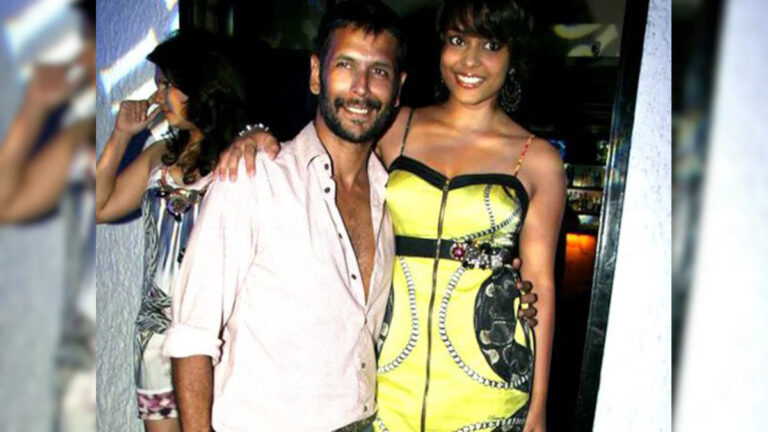
New Delhi, May 27, 2026: In the ever-evolving landscape of Bollywood romances, few stories carry the quiet charm, unconventional patience, and ultimate maturity of the relationship between actor Shahana Goswami and fitness icon Milind Soman. Long before Milind Soman tied the knot with Ankita Konwar in 2018, he shared a deeply private, four-year-long relationship with Shahana that captured public curiosity, largely due to their 21-year age gap.

While the couple parted ways more than a decade ago, Shahana has broken her silence, offering a candid and refreshing look back at their romance during an appearance on Siddharth Kannan’s podcast. Tracing the trajectory of their connection, she revealed that what eventually became a mature partnership actually began as a persistent, teenage “stalker fan” obsession.

The Cinematic Spark and a Digital Treasure Hunt

The genesis of this modern-day fairy tale dates back to the early 2000s, when Shahana was a 16-year-old schoolgirl living in Delhi. Milind Soman, already an established supermodel, had just starred in the romantic comedy Rules: Pyaar Ka Superhit Formula. Shahana admits she originally went to the theater with her friends with fairly low expectations.

“I thought, why are we going to watch a model’s film? It would have very bad acting,” Shahana recalled with a laugh. However, the experience completely flipped her perspective. “I was mesmerised by Milind in the film. He acted very well. The film was also very sweet.”

Emerging from the theater entirely infatuated, Shahana became determined to reach out to him. In an era when social media didn’t exist to bridge the gap between celebrities and fans, she embarked on a digital treasure hunt. Armed with dial-up internet, she combed the web looking for his address to send him letters. Instead, she stumbled upon his old landline number.

When she dialed the number, she didn’t get to speak to Milind, but she hit a goldmine. Milind had left his personal cellphone number directly on his answering machine greeting. Coincidentally, Shahana’s father had just gifted her a mobile phone—a rare luxury for a teenager at the time. Seizing the moment, she drafted a text message to wish him a happy birthday. To her utter shock, Milind replied immediately.

Six Years of Texting, Zero Phone Calls

What followed was a bizarrely disciplined, purely text-based friendship that spanned more than half a decade. For six years, Shahana and Milind texted back and forth, but they never once spoke over a voice call.

“Basically, I was a stalker fan,” Shahana openly confessed. However, she clarified that her messages were never the frantic, boundary-crossing declarations of love typical of obsessed admirers. Instead, she used the medium to genuinely connect with him as a person.

During those six years, Shahana transitioned from a schoolgirl in Delhi to a college student in Mumbai. Even after moving to the city where Milind lived, their physical paths rarely crossed. They bumped into each other casually only about three times. It wasn’t until six years after that initial birthday text—when both found themselves completely single—that Shahana reached out again. This time, the text message culminated in an actual date, shifting their digital camaraderie into a real-world romance.

Navigating the 21-Year Age Gap and Life Lessons

When they began dating, Milind was 43 and Shahana was 22. While a 21-year age difference frequently draws intense societal scrutiny, Shahana maintains that it was a complete non-factor within their relationship.

“I never felt the age difference at that time,” she explained, attributing her perspective to her upbringing. Growing up in an open, progressive household where parents behaved more like friends, Shahana felt like an adult from a very young age. This inherent maturity allowed her to stand on equal footing with Milind.

Rather than a barrier, the age gap provided a channel for profound personal growth. Shahana credits Milind with teaching her foundational philosophies that guide her to this day. Foremost among them was a lesson in emotional autonomy.

Their bond was built on radical honesty, constant communication, and a mutual willingness to discuss anything without judgment. The relationship even altered her daily habits in amusing ways. A self-proclaimed dog lover who initially disliked felines, Shahana realized that Milind’s independent, calm demeanor closely mirrored that of a cat. Through him, she learned to understand and deeply care for cats.

Loving Until the End: Why They Called It Quits

Despite the strength of their connection, the romance eventually ran its course, leading to a mutual split in 2013. Reflecting on the end of their four-year relationship, Shahana rejects the idea that their breakup was a failure or a result of animosity. Instead, she views it as a poignant lesson in timing and compatibility.

“Till the very end, we were in love with each other,” Shahana shared. “When you see that a relationship is not able to sync, you have to let it go.”

The primary catalyst for the split was an internal realization about what she wanted from life. Shahana recognized that she was fundamentally unsuited for a conventional, exclusive relationship structure. While she loved deeply, she valued personal freedom above traditional relationship milestones. She came to believe that trying to trap or restrict a partner is the antithesis of love. Realizing they no longer wanted the same things out of a partnership, they parted ways with their affection fully intact.

Life After the Split

Because the decision to break up was born out of mutual respect and self-awareness, Shahana revealed that she was able to move on almost immediately. It allowed her to step into the exact life she wanted to live, concluding that standard societal formulas for romance simply didn’t suit her. In the years following, her worldview evolved further; she has since explored alternative dynamics, including ethical non-monogamy, emphasizing emotional and physical freedom over rigid marital contracts.

Milind Soman eventually found long-term compatibility with Ankita Konwar, proving that age gaps remain a non-issue in his personal philosophy. Meanwhile, Shahana Goswami has quietly built a reputation as one of Indian cinema’s most versatile, fiercely independent actors. Ultimately, their transition from a teenage fan’s text message to a deeply respectful adult relationship serves as a beautiful case study in handling love—and its eventual conclusion—with grace.

BollChunnari Chunnari’ Released Amid Intense Legal Feud and Backlash

MUMBAI — The promotional rollout for filmmaker David Dhawan’s highly anticipated comedy entertainer, Hai Jawani Toh Ishq Hona Hai, has hit a turbulent patch. The makers officially dropped the recreated version of the 1999 cult classic track, “Chunnari Chunnari – Let’s Go!”, featuring Varun Dhawan, Mrunal Thakur, and Pooja Hegde. However, the song’s release has not been the celebratory moment the producers hoped for. Instead, it has landed directly into a swirling vortex of intense legal threats, corporate finger-pointing, public trolling, and blistering criticism from the original track’s legendary singer.

What was supposed to be a nostalgia-fueled marketing engine has exposed deep-rooted creative and ethical fractures within Bollywood. The track faces severe resistance from multiple fronts: a bitter copyright battlefield over intellectual property rights, furious 90s kids who feel their childhood memories have been ruined, and scathing remarks from veteran artist Abhijeet Bhattacharya.

The Eye of the Storm: The Copyright Tug-of-War

The most severe roadblock for the song stems from an escalating corporate war between two massive film production houses. The controversy ignited when veteran producer Vashu Bhagnani, head of Pooja Entertainment, accused the film’s makers of unauthorized use. Bhagnani produced the 1999 blockbuster Biwi No. 1, directed by David Dhawan and starring Salman Khan, Sushmita Sen, and Karisma Kapoor, which birthed the original track.

According to Bhagnani, while the absolute audio rights of the music were sold decades ago, the digital video rights and visual representations remain firmly under his company’s control. Bhagnani claims that using the songs without explicit consent is a massive ethical breach and a violation of intellectual property laws. In an emotional self-made video broadcast shortly after the track’s promo launch, Bhagnani lambasted the producers:

On the opposite side, Tips Music Limited and producer Ramesh Taurani have aggressively pushed back, stating that they are the absolute and lawful owners of the relevant copyrights. Tips Music shocked the industry by revealing that they had anticipated trouble and secured legal cover from the highest authority in the land, obtaining relief via an order from the Supreme Court of India.

“Sounds Like a Bhajan”: Original Singer Abhijeet Fires Shots

Adding heavy fuel to the fire, veteran playback singer Abhijeet Bhattacharya, who voiced the iconic 1999 original alongside Anuradha Sriram, publicly slammed the new version. Known for his candid and unfiltered takes, Abhijeet voiced extreme disappointment over how the energetic, flirtatious anthem was re-arranged by Akshay Raheja and Abhishek Singh.

Abhijeet joked that the new composition stripped the song of its soul, turning a high-octane romantic dance number into something completely unrecognizable. “When I heard the song, I thought it was a bhajan,” the singer quipped to reporters, referencing devotional music.

However, his sharpest barbs were aimed squarely at the film’s lead actor, Varun Dhawan. Abhijeet called out the actor for building a career out of “second-hand” remakes of older blockbusters, particularly those directed by his father, David Dhawan:

Abhijeet also revealed that the production team never reached out to him or original music director Anu Malik before reworking the track, adding that he is ultimately glad he wasn’t involved because his legacy would have been “degraded.”

Internet Backlash: 90s Kids React with Fury

As soon as Tips Official uploaded the music video to YouTube and social media platforms, the court of public opinion delivered a swift, brutal verdict. While choreographer Remo D’Souza attempted to inject modern energy into the visuals with high-budget sets and sleek dance moves, audiences felt it paled in comparison to the electric, organic chemistry of Salman Khan and Sushmita Sen.

Social media feeds were quickly flooded with memes and angry comments from fans who accused Bollywood of creative bankruptcy. “It must’ve been insanely hard to mess up a masterpiece this badly,” read one highly upvoted comment on YouTube. Another viewer added, “Thanks for destroying a cult song. Not even 1% of the original vibes.”

The contrast between past and present was magnified by a recent viral moment from the “David Dhawan Film Festival.” At the event, superstar Salman Khan himself took a playful public dig at Varun Dhawan, jokingly telling the audience, “Isne mera ek aur gaana uthaya” (He has stolen yet another song of mine), referring to Varun’s past reliance on re-recording Salman’s smash hits like Chalti Hai Kya 9 Se 12 and Oonchi Hai Building for the Judwaa 2 remake. While Varun was seen blushing and laughingly pleading with Salman to stop, the internet has used the clip to highlight how the new generation continues to rely heavily on 90s nostalgia.

Looking Ahead to the Box Office

Despite the severe internet trolling, the financial dispute, and the disapproval of the original artists, producer Ramesh Taurani remains unfazed. The production house has firmly asserted that theatrical schedules will remain entirely unaffected.

Hai Jawani Toh Ishq Hona Hai is still locked and loaded for its worldwide theatrical release. Whether the mountain of negative publicity and legal drama acts as a deterrent or helps fuel curiosity at the box office remains to be seen. However, one thing is certain: the conversation surrounding Bollywood‘s relentless obsession with recycling its past glory has been reignited, and the audience’s patience with remixes is wearing thin.

Meenakshi Seshadri Relocates to India for a Modern Acting Comeback

New Delhi, May 27, 2026:— Meenakshi Seshadri, the quintessential leading lady of Hindi cinema throughout the 1980s and 1990s, has officially relocated back to Mumbai. Marking the end of a nearly 30-year hiatus from the Indian entertainment industry, the 62-year-old veteran star announced her permanent return with a clear message: she is actively seeking meaningful, impactful roles, but she has yet to receive an offer that truly excites her.

Seshadri shared the major life update directly with fans via a video message on social media. Filmed against the backdrop of Boston, Massachusetts—where she was visiting to celebrate her son Josh’s graduation from Harvard University—she expressed a profound mix of optimism and creative hunger.

From the Peak of Stardom to Life in the US

To understand the weight of Seshadri’s return, one must look back to the mid-1990s. As a highly accomplished Bharatanatyam, Kathak, and Odissi dancer, Seshadri brought a rare blend of elegance and dramatic gravity to the screen. Following her breakout role in Subhash Ghai’s Hero (1983) opposite Jackie Shroff, she swiftly scaled the ranks of Bollywood.

She became the director’s actor of choice for complex, high-stakes dramas, delivering iconic performances in Meri Jung, Ghayal, Ghatak, and Ghar Ho To Aisa. Her performance in the titular role of Damini (1993) remains etched in Indian cinematic history as a benchmark for powerful female-led narratives.

In 1997, at the absolute pinnacle of her box-office dominance, Seshadri chose to walk away from the camera. After marrying investment banker Harish Mysore, she moved to the United States to raise her children, Kendra and Josh. For nearly three decades, she channeled her creative energies into running the Cherish Dance School in Texas, largely detached from the frantic pace of Mumbai’s film trade.

High Hopes and Inexciting Offers

Now back in the city she calls her Karmabhoomi (professional birthplace), Seshadri is approaching her second innings with pragmatism and absolute artistic independence.

However, re-entering a dramatically transformed entertainment landscape has come with its own set of structural hurdles. Seshadri candidly pulled back the curtain on her recent experiences trying to find work in a heavily modernized industry. While a slow stream of casting calls and scripts have reached her desk, she revealed that the writing has largely fallen short of her expectations.

Refusing to settle for generic, stereotypical older-woman characters that historically plagued veteran actresses, Seshadri is holding out for projects that respect her caliber. She emphasized that the format, duration, or budget of the project are secondary to the depth of the writing.

Navigating the Industry as a Solo Agent

The most surprising revelation from Seshadri’s update is her decision to bypass the standard industry infrastructure. In an era dominated by corporate talent management agencies and public relations firms, she is navigating her comeback entirely on her own.

By choosing not to hire a talent agency, Seshadri is relying directly on her massive legacy, industry goodwill, and the power of organic word-of-mouth. “I’m managing this journey on my own, without any agency,” she told her followers, adding a traditional touch of faith: “Who knows, whose blessings might get me a good opportunity.”

The Undefinable Second Innings

The timing of Seshadri’s return coincides with a major shift in Indian content consumption. The explosion of OTT streaming networks (such as Netflix, Prime Video, and Hotstar) has created a renaissance for actors over 50. Writers are increasingly crafting complex, grey, and powerful narratives for veteran performers who were once relegated to background roles.

Seshadri has previously voiced a strong desire to avoid being typecast. She wants her second innings to be completely “undefinable,” challenging herself with characters that reveal entirely new dimensions of her craft.

The announcement has triggered a wave of nostalgia and excitement among peers and fans alike. Her iconic co-star Jackie Shroff responded publicly to her update, stating simply: “I wish to work with you.”

As she spends the remaining summer weeks with her family in Boston before returning to Mumbai full-time, the ball is firmly in the court of India’s modern showrunners. The audience remains eager to see which contemporary writer or director will finally present the script that coaxes one of cinema’s finest dramatic performers back onto the screen.

Tejasswi Prakash Viral Facelet in ‘Desi Bling’ Sparks Global Fashion Craze

New Delhi, May 27, 2026: The landscape of Indian fashion has always been deeply intertwined with the stories told on screen. When Netflix released its highly anticipated unscripted reality series, Desi Bling, audiences knew they were in for a wild ride into the extravagant, ultra-luxury world of wealthy South Asian expats in Dubai. Filled with private jets, gold-plated sports cars, and high-stakes social drama, the show quickly cemented itself as the internet’s latest guilty pleasure.

Yet, amid all the flashy multi-million-dollar assets and passive-aggressive dining arguments, it is a single, avant-garde fashion accessory worn by actress Tejasswi Prakash that has completely stolen the spotlight. Within hours of the show’s premiere, social media platforms were flooded with close-ups of Tejasswi wearing an intricate, shimmering Facelet™—a futuristic piece of face jewelry that rapidly went viral, sparking intense conversations across Instagram, TikTok, and X.

The Viral Fashion Phenomenon Explained

For the uninitiated, a facelet is an innovative style of contemporary jewelry designed to frame the contours of the face—draping elegantly across the cheeks, jawline, ears, or forehead. Unlike traditional Indian nose rings (nath) or headpieces (maang tikka), which rely on classic bridal placements, the facelet is treated as an independent, high-fashion centerpiece.

In her standout scene on Desi Bling, Tejasswi paired her ultra-glamorous, metallic ensemble with a custom gold-plated brass facelet adorned with wavy crystal motifs and hand-embroidered stone detailing. The piece frames her cheekbones and sweeps toward the ears, reflecting light seamlessly with every facial expression.

The internet’s reaction was instantaneous:

  • Editorial Praise: Fashion critics compared her look to international couture runway presentations and high-end fantasy cinema.
  • The “Mean Girl” Glam Aesthetic: Netizens quickly noted that while Tejasswi’s bold, unapologetic personality on the reality show divided opinions, her visual presence was completely undeniable.
  • Mainstream Crossover: The accessory managed to bridge the gap between niche editorial fashion and everyday mainstream pop culture, causing a massive spike in Google searches for “face jewelry” and “how to wear a facelet.”

Behind the Design: Sukriti Banthia and Vaidaan Redefine Glamour

The mastermind behind this viral sensation is designer Sukriti Banthia, the creative force driving Vaidaan, a prominent Indian fashion jewelry brand. Banthia and her team originally trademarked the Facelet™ concept to infuse traditional Indian craftsmanship with a sharp, futuristic edge.

Hearing that their creation was dominating global style charts overnight left the designer completely overwhelmed. In industry circles, Banthia expressed immense gratitude for the sudden surge of validation, noting that avant-garde pieces often face skepticism before they find a foothold in the market. Seeing a mainstream powerhouse like Tejasswi carry the heavy, stone-encrusted brass layout with such effortless grace proved to be the ultimate turning point for the brand.

According to design insiders at Vaidaan, creating a facelet requires an intricate balance of art and structural engineering:

The overwhelming response to Desi Bling has completely validated this creative risk, sending the label’s web traffic and order queues into overdrive as fashion enthusiasts rush to claim a piece of the viral trend.

From Fantasy Royalty to Dubai Luxury

The sudden explosion of the facelet trend isn’t entirely an accident. Over the last few years, Indian television fashion has undergone a massive evolution. Tejasswi Prakash herself laid the groundwork for this during her highly successful stint in the supernatural fantasy drama Naagin, where characters routinely donned serpent-inspired jewelry and heavily stylized, ethereal aesthetics.

When Tejasswi transitioned into the hyper-real, mega-wealthy environment of Desi Bling, she brought that theatrical fashion sensibility with her. Against the backdrop of Dubai’s towering skyscrapers and billion-dollar lifestyles, standard diamond necklaces simply weren’t enough to cut through the noise. The facelet offered the perfect solution: an accessory loud enough to match the show’s unhinged energy, yet sophisticated enough to align with the editorial demands of premium streaming television.

How the Trend is Shaping Global Fashion Retail

The “Tejasswi Effect” has officially spilled over into global retail spaces. Major multi-designer platforms like Aza Fashions and specialized digital boutiques are experiencing a massive surge in demand for face jewelry. From crystal-studded party pieces to traditional temple-style variants meant for modern Indian brides, the accessory is fast becoming a staple for formal events.

As the dust settles on the explosive first season of Desi Bling, one thing remains entirely certain: the conversation around television styling has permanently shifted. By embracing Sukriti Banthia’s daring design, Tejasswi Prakash didn’t just deliver a memorable reality TV moment—she successfully established a brand new category of modern Indian accessorizing that will likely dominate festive and bridal mood boards for years to come.

TRAGEDY IN LONGVIEW: DEADLY CHEMICAL TANK IMPLOSION ROCKS WASHINGTON PAPER MILL

0

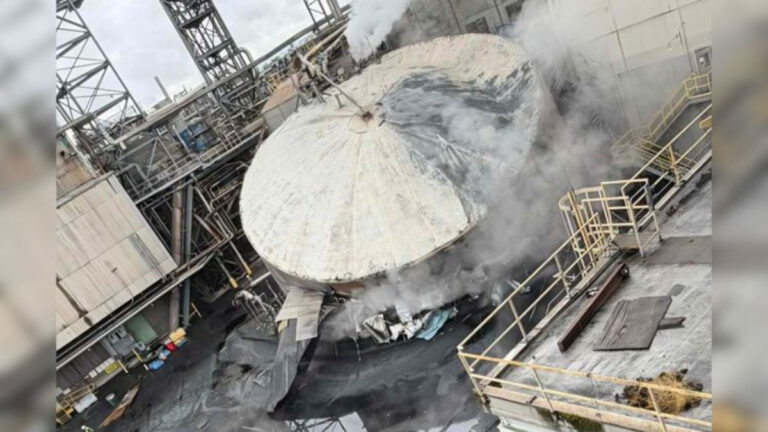
New Delhi, May 27, 2026 — A massive industrial disaster unfolded in southwestern Washington early Tuesday morning when a giant chemical storage tank imploded at a local packaging plant. The catastrophic failure has turned into a mass casualty event, leaving at least one worker dead, nine others missing, and ten people injured—including a first responder. Emergency crews are locked in a desperate, slow-moving search-and-recovery operation amid highly unstable and hazardous conditions.

The major hazardous materials incident occurred at approximately 7:15 AM at the Nippon Dynawave Packaging Company facility. The plant, situated on Industrial Way along the Columbia River, is a prominent fixture in the region’s manufacturing sector. Witnesses reported hearing a deafening noise that reverberated across the city of Longview, sparking immediate panic before emergency sirens began to wail.

The Anatomy of the Disaster

According to the Longview Fire Department and Cowlitz Fire and Rescue, the disaster was triggered by the sudden structural failure and implosion of a massive industrial supply tank. Initial reports from fire officials indicated the tank had a total capacity of around 80,000 gallons, but authorities later dramatically revised that figure, revealing the tank actually holds a staggering 900,000 gallons of liquid.

At the time of the rupture, the tank was filled to approximately 60% capacity with a highly corrosive industrial chemical blend known in the paper industry as “white liquor.”

When the tank imploded, it folded in on itself and partially collapsed, sending hundreds of thousands of gallons of the caustic brew washing across the immediate area and into a nearby drainage ditch.

Casualties and the Hospital Response

The scene was immediately classified as a mass casualty incident by first responders. Roughly 40 firefighters, paramedics, and a specialized regional hazardous materials (Hazmat) team rushed to the facility to set up decontamination zones. Workers pulled from the immediate vicinity of the collapse had to be meticulously washed down to neutralize the corrosive chemicals before they could be safely loaded into ambulances.

Emergency officials have confirmed the following casualty details:

  • Fatalities: At least one death has been officially confirmed. A patient transported to the PeaceHealth St. John Medical Center in Longview succumbed to their injuries shortly after arrival. Local officials caution that the final death toll could rise significantly due to the number of people still unaccounted for.
  • The Missing: Nine plant employees remain completely unaccounted for. Officials stated that family members of the missing workers have been notified and are gathering at a nearby union hall, which has been converted into a family assistance center.
  • The Injured: Ten people in total suffered injuries. This includes nine plant employees who suffered combinations of traumatic injuries, severe chemical burns, and smoke or chemical inhalation. The tenth injured individual is a responding firefighter who sustained injuries while attempting to rescue workers.
  • Medical Transfers: Due to the specialized nature of chemical burns, at least four of the critically injured victims were stabilized at local hospitals before being airlifted or transferred to the Legacy Oregon Burn Center in Portland, Oregon.

Dangerous Recovery Efforts Ongoing

Hours after the initial collapse, the disaster site remained incredibly perilous for rescue teams. The physical structure of the crumpled 900,000-gallon tank is highly unstable and resting at an angle, threatening further collapse. Furthermore, an estimated 90,000 gallons of toxic white liquor remain trapped inside the damaged hull, threatening to spill further if the structure shifts.

“The tank remains unstable, creating hazardous conditions for emergency personnel,” the Longview Fire Department said in a joint status update. “Responders are working closely with facility engineers to structurally reinforce and stabilize the site before additional recovery operations can safely proceed.”

First responders are utilizing heavy machinery and specialized containment gear to neutralize the spilled material and secure the remaining contents of the tank. The state’s Department of Ecology has also deployed an environmental evaluation team to monitor the drainage ditch and surrounding soil to mitigate any long-term ecological damage to the nearby Columbia River ecosystem.

Community Impact and Official Reactions

Despite the severity of the industrial accident, the Longview Fire Department emphasized that there is no immediate threat to the public or the surrounding residential neighborhoods. The toxic spill is contained entirely within the industrial complex, and air quality monitoring has not detected harmful chemical plumes moving toward residential zones. However, authorities have strictly requested that residents completely avoid Industrial Way to keep the roads clear for incoming emergency vehicles.

The Nippon Dynawave Packaging facility employs roughly 1,000 people across its pulp mill and liquid packaging divisions, making it one of the largest employers in Cowlitz County. The tragedy has sent shockwaves through the close-knit community, where many residents have deep ties to the mill. Cowlitz Fire and Rescue Chief Scott Goldstein noted the emotional weight of the incident, stating, “The responders here have friends and relatives that work on-site. It is something that is deeply impactful.”

State and federal political leaders quickly expressed their grief as news of the deadly implosion spread. US Senator Patty Murray of Washington released a statement calling the incident an “absolute tragedy,” adding, “My heart is with everyone who lost a loved one today—as well as the injured workers.” Washington Governor Bob Ferguson also addressed the public, promising that the state would provide every available resource to assist the community “as long as it takes.”

Investigations to Follow

Officials state it is far too early to speculate on what caused the massive storage tank to implode. Industrial tank implosions typically occur when an unexpected vacuum forms inside a sealed vessel—often due to a failure in pressure-venting valves during liquid extraction or rapid temperature drops—causing atmospheric pressure to crush the structure inward.

A full-scale investigation involving the federal Occupational Safety and Health Administration (OSHA) and the U.S. Chemical Safety Board (CSB) is expected to launch as soon as the active recovery phase concludes and the site is deemed safe to enter. Authorities have stated that no identifying information regarding the deceased or missing individuals will be released to the public until full next-of-kin notifications are completed.

PM Modi Meets Japan Foreign Minister: key Strategic Ties Deepen

0

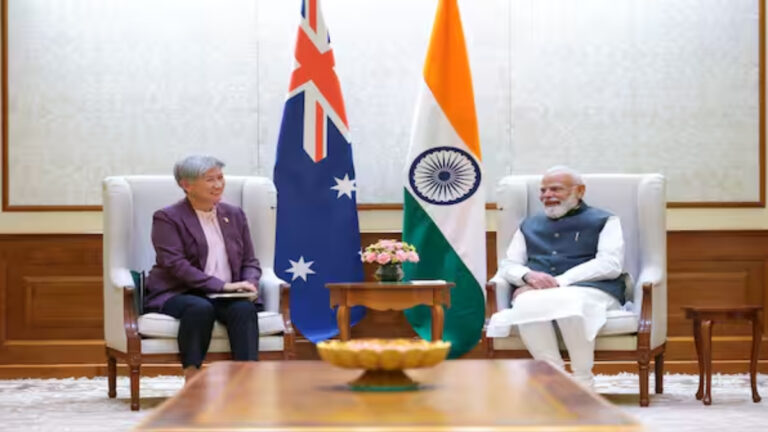
New Delhi, May 27, 2026 — In a major diplomatic move aimed at strengthening regional security and economic cooperation, the Prime Minister of India, Narendra Modi, met with the Minister for Foreign Affairs of Japan, Toshimitsu Motegi. The high-level meeting took place at the Seva Teerth in New Delhi, serving as a cornerstone for bilateral diplomacy during a heavily packed week of international summits in the capital.

The meeting comes at a time of shifting geopolitical dynamics across Asia and West Asia. Both leaders used the opportunity to reaffirm the “vital role” of the India-Japan Special Strategic and Global Partnership. Following the half-hour courtesy call, PM Modi emphasized that the relationship between the two democratic powerhouses remains central to ensuring peace, stability, and prosperity across the Indo-Pacific region and beyond.

Expanding the Vision for a Free and Open Indo-Pacific

A primary focus of the discussions was a comprehensive review of the “Japan-India Joint Vision for the Next 10 Years.” This blueprint, which was originally laid out during PM Modi’s official visit to Japan last year, serves as a road map for deep collaboration across multiple critical sectors. Security, the digital economy, infrastructure investment, and technological innovation topped the agenda.

Central to this vision is the shared commitment to a Free and Open Indo-Pacific (FOIP). As maritime trade routes face increasing pressure from shifting political alignments and regional posturing, India and Japan have increasingly found common ground. Both nations view their partnership not just as a standard bilateral agreement, but as a stabilizing force for the entire Asian continent.

During the dialogue, PM Modi and Minister Motegi agreed to accelerate efforts to achieve concrete outcomes under this 10-year framework. This includes working closely to reinforce economic security—ensuring that supply chains for vital goods remain resilient against global disruptions.

The Broader Context: The New Delhi Quad Summit

Minister Motegi’s visit to India was part of a larger diplomatic gathering, as New Delhi hosted the latest Quad Foreign Ministers’ Meeting. The Quadrilateral Security Dialogue—comprising India, Japan, Australia, and the United States—convened to build directly on agreements established during their previous meeting in Washington, D.C.

The broader Quad discussions wrapped up with substantial progress on several key initiatives, which naturally flowed into the bilateral talks between Japan and India:

  • Maritime Surveillance: The ministers welcomed the operationalization of India’s Indian Ocean Region program under the Quad Indo-Pacific Partnership for Maritime Domain Awareness (IPMDA). Operating out of the Information Fusion Centre in Gurugram, this program helps countries across the region track shipping data to prevent illegal fishing and improve maritime security.
  • Critical Minerals & Energy: The four nations unveiled new frameworks to secure stable supplies of critical minerals and energy, reducing dependency on single-source supply chains. The Hindu
  • Global Commerce Protection: Amid ongoing tensions in West Asia, the ministers issued a joint statement pushing for strict adherence to international law, specifically the United Nations Convention on the Law of the Sea (UNCLOS), to protect trade moving through crucial choke points like the Strait of Hormuz and the Red Sea. The Hindu

Strengthening Defense and People-to-People Ties

Beyond the Prime Minister’s meeting, Minister Motegi held extensive, specialized talks with India’s External Affairs Minister, Dr. S. Jaishankar. A key takeaway from those discussions was the decision to significantly advance bilateral defense and security cooperation. This will be guided by a newly revised bilateral security declaration designed to address modern security challenges, including cybersecurity and next-generation communications standards.

The year 2027 will mark the milestone 75th anniversary of diplomatic relations between India and Japan. Recognizing this historic upcoming event, both governments committed to launching a series of cultural, educational, and professional exchange programs. The goal is to build strong “people-to-people” ties to match the robust political and military agreements currently being signed at the executive level.

By making it easier for students, researchers, and skilled workers to move between the two nations, India and Japan hope to spark deeper collaboration in knowledge-sharing and digital identity technology.

A Shared Path Forward

The meeting between Minister Motegi and PM Modi underlines a growing reality in modern global politics: the relationship between New Delhi and Tokyo has evolved from traditional economic assistance into a deep, proactive strategic alliance.

As India continues its rapid economic expansion and Japan adapts its security posture to a changing world, their aligned interests offer a predictable anchor in an unpredictable global landscape. With clear commitments made toward clean energy, technological standard-setting, and open sea lanes, the India-Japan partnership looks set to play a defining role in shaping the geopolitical architecture of the Indo-Pacific for decades to come.

David Dhawan Jokes: Why Sanjay Dutt Did ‘Kalank’

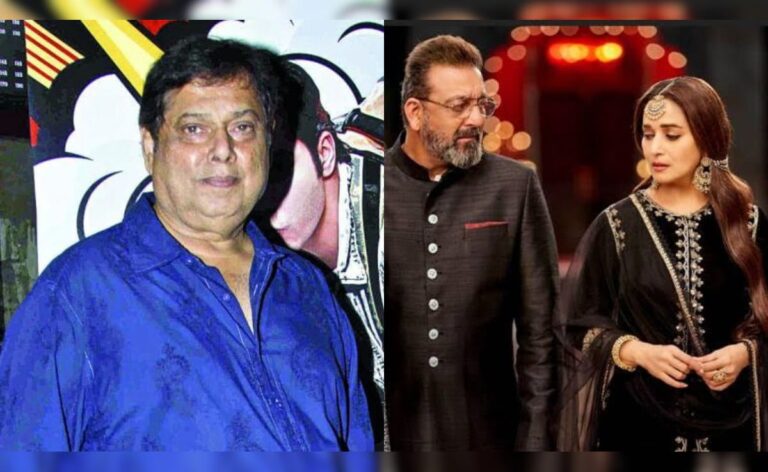
New Delhi, May 26, 2026: The glitz and glamour of Bollywood events often bring out the most unexpected and hilarious inside stories. At a recent PVR fireside chat organized as part of a film festival celebrating the veteran comic-caper director David Dhawan, the filmmaker was at his candid best. Sharing the stage with his star son, Varun Dhawan, David went down memory lane, leaving the audience in splits with a cheeky, unfiltered joke about two of Bollywood’s biggest veterans: Sanjay Dutt and Madhuri Dixit.

The filmmaker hilariously recalled teasing Sanjay Dutt about his decision to sign Karan Johar’s 2019 multi-starrer period drama Kalank, jokingly asking him: “Tu kyun kiya yeh picture? Madhuri Dixit thi iss liye?” (Why did you do this movie? Was it because Madhuri Dixit was in it?).

The lighthearted banter quickly went viral across entertainment news outlets and social media platforms. It offered a rare, humorous peak into the deep camaraderie shared by industry veterans who can playfully roast each other over past relationship rumors and box-office misfires.

The Heartbreak of a Box-Office Disaster

The conversation originally sparked from a place of vulnerability and professional reflection. Varun Dhawan opened up about the emotional toll of dealing with the very first box-office flop of his career. Having enjoyed an uninterrupted streak of commercial hits since his debut in 2012, the crushing failure of Kalank shook him to his core.

Varun recalled his state of mind at the time, wondering how and why a film that demanded so much sweat and tears could fall so flat. It was his father, David Dhawan, who stepped in to anchor him, comforting him with a simple piece of industry wisdom: “It is just the law of averages.”

However, David Dhawan admitted that the failure of Kalank didn’t just affect his son—it deeply depressed him as well. Highlighting the sheer scale of the production, David quipped:

The period drama, bankrolled by Dharma Productions, was mounting on a massive budget with an ensemble cast featuring Varun Dhawan, Alia Bhatt, Aditya Roy Kapur, Sonakshi Sinha, Sanjay Dutt, and Madhuri Dixit. Despite the breathtaking sets and grand scale, the movie failed to resonate with audiences, becoming a critical and commercial disappointment.

When David Teased ‘Sanju Baba’

Moving from the somber reflection of the flop, David Dhawan shifted gears into his classic, mischievous comedic tone. He revealed that his long-time friend and collaborator, Sanjay Dutt, was noticeably upset and visibly distressed by how things were panning out during the making and release of the film.

Seeing his friend down in the dumps, David chose humor to break the tension. He decided to pull Sanjay’s leg by referencing his famous, highly publicized history with co-star Madhuri Dixit from the early 1990s.

The joke immediately brought the house down. In the late 1980s and early 1990s, Sanjay Dutt and Madhuri Dixit were one of the most celebrated on-screen pairings in Indian cinema, starring together in iconic blockbusters like Saajan (1991) and Khalnayak (1993). Media reports and industry whispers from that era heavily implied a real-life romance between the two mega-stars. However, their relationship came to an abrupt, permanent halt following Sanjay Dutt’s arrest in 1993 in connection with the Mumbai blasts case.

For over two decades, the two stars maintained a strict professional distance and avoided sharing screen space. That streak was broken when Karan Johar managed to pull off a casting coup by bringing them back together for Kalank—a role that was originally intended for the late actress Sridevi before her untimely demise.

David Dhawan, who directed Sanjay Dutt in some of his most memorable comedy blockbusters like Haseena Maan Jaayegi (1999) and Jodi No.1 (2001), knew he could get away with the playful dig. The anecdote perfectly captured the unfiltered “boomer humor” of an older generation of Bollywood filmmakers who aren’t afraid to poke fun at sensitive, unsaid industry histories.

A Lifelong Bond and Industry Realities

The fireside chat wasn’t just about making fun of old flops and past romances. It also shed light on the incredible, decades-long bond between David Dhawan and the Dutt family. David fondly recalled his early days as an editor working on Mahesh Bhatt’s Naam (1986), which starred Sanjay Dutt. He credited Sanjay with giving him his first real break as a director, remembering how “Sanju” walked into the editing room one day and promised to help him direct a film.

David also expressed immense respect for Sanjay’s father, the late veteran actor Sunil Dutt, describing him as a deeply encouraging and great man who would often ask David to keep an eye on his mischievous but lovable son.

Beyond the nostalgia, the conversation highlighted a universal truth about the film industry: no matter how much effort is poured into a project, the audience remains the ultimate judge. Varun Dhawan added a final, heartfelt note to the discussion, emphasizing that Kalank remains the hardest he and the team have ever worked on a single movie.

Looking Ahead to the Next Dhawan Venture

While looking back at past failures brought plenty of laughs, the Dhawan duo is firmly focused on the future. David Dhawan is currently gearing up for his next directorial outing, titled Hai Jawani Toh Ishq Hona Hai.

The upcoming comic entertainer has generated significant buzz, especially after filmmaker Karan Johar recently penned an emotional note on social media declaring that this project will serve as David Dhawan’s final directorial film before retirement.

If David Dhawan’s off-screen wit and classic comedic timing at the fireside chat are any indication of what’s to come, fans can look forward to a healthy dose of vintage, laugh-out-loud entertainment when the film hits theaters this June.

Ranveer Singh Quiet Visit to the Powerful Mysuru Shakti Peeth

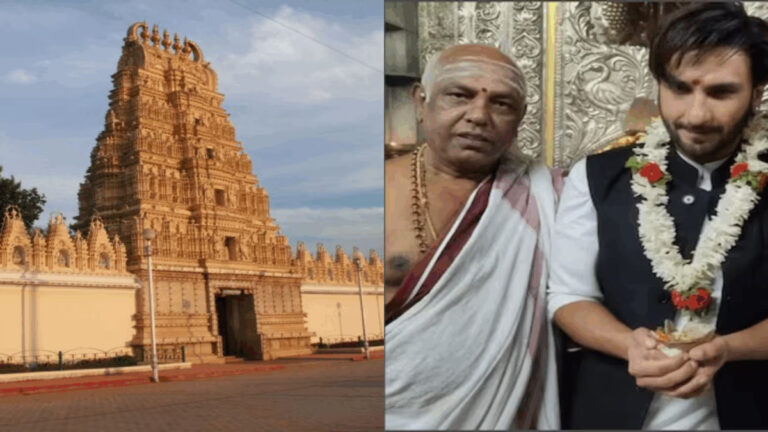
New Delhi, May 26, 2026 — There was no dramatic celebrity entourage, no heavy police barricades, and no flashing cameras on top of the misty Chamundi Hills early Tuesday morning. At around 7:30 AM, Bollywood actor Ranveer Singh walked into the historic Sri Chamundeshwari Temple just like any other ordinary devotee. Wearing a mask and keeping his head down, he stood patiently in the general queue to seek blessings from the presiding deity of Mysuru.

While the actor’s quiet visit caught many off guard, its timing was highly significant. It comes immediately after the Karnataka High Court officially closed a legal dispute against him regarding his mimicry of the sacred Kantara Daiva scene. The court had accepted his unconditional apology and specifically directed him to visit the holy shrine to make amends. Concurrently, the actor is dealing with a major professional standoff back in Mumbai, where the Federation of Western India Cine Employees (FWICE) recently issued a non-cooperation directive against him following his abrupt exit from the highly anticipated action film Don 3.

For centuries, when public figures, kings, and common citizens alike have found themselves at crossroads or facing immense turmoil, they have climbed these very hills. The Chamundeshwari Temple is not just a scenic landmark overlooking the heritage city of Mysuru; it is a profound epicenter of spiritual energy, deep-rooted royal history, and cosmic mythology.

The Mythological Origin: The Triumph Over Evil

To understand why this temple holds such an intense grip on the cultural and spiritual identity of South India, one must look at its ancient roots. Perched over 3,400 feet above sea level, Chamundi Hills was originally known in ancient texts as Mahabaladri, named after an ancient Shiva temple that still stands on the peaks. However, the hills were eventually renamed after Goddess Chamundeshwari, a fierce and fiery manifestation of Shakti (the divine feminine power).

According to sacred Hindu texts like the Devi Mahatmyam, the universe was once terrorized by Mahishasura, a powerful buffalo-headed demon who had obtained a boon making him invincible against any man or male god. As chaos spread across the worlds, the male deities combined their divine energies to create a supreme female warrior. This was Goddess Chamundeshwari.

Riding a fierce lion and wielding weapons gifted by every god, she waged a brutal, world-shaking battle against Mahishasura right on top of these very hills. The goddess ultimately slayed the demon, restoring peace to the universe. Because of this cosmic victory, she earned the revered title of Mahishasura Mardini (the slayer of Mahishasura). Today, pilgrims arriving at the hill are greeted by a colorful, giant statue of the defeated demon king, serving as a permanent visual reminder that good always triumphs over evil.

The Sacred Shakti Peeth Connection

Beyond the story of Mahishasura, the Chamundeshwari Temple holds an elite status among spiritual seekers because it is recognized as one of the 18 sacred Maha Shakti Peethas spread across the Indian subcontinent.

According to Vedic lore, when Lord Shiva performed his cosmic dance of grief and destruction (Tandava) while carrying the lifeless body of his consort, Goddess Sati, Lord Vishnu dismantled the body with his Sudarshana Chakra to calm him down. The places where pieces of Sati’s body fell to earth became highly charged centers of divine energy, known as Shakti Peethas.

It is widely believed that a strand of Goddess Sati’s hair fell upon the Chamundi Hills. This specific connection makes the shrine a literal anchor for cosmic energy. For millions of devotees, the deity inside is not a distant idol, but a protective, living mother figure capable of granting immense courage, psychological strength, and clarity during life’s most chaotic moments.

A Thousand Years of Royal Patronage

The architectural marvel that stands today evolved from a very modest, ancient shrine. The earliest historical inscriptions show that the temple was active during the Hoysala dynasty as far back as the 12th century. However, its true golden era began with the rise of the Wodeyar dynasty in 1399 A.D., the historic rulers of the Kingdom of Mysuru.

The Wodeyars adopted Goddess Chamundeshwari as their Kuladevi (family deity). They believed that her divine gaze directly protected their kingdom from foreign invasions and brought prosperity to their people. Over the centuries, successive kings transformed the humble structure into a grand palace for the goddess:

  • The Dravidian Gopuram: In 1827, Maharaja Krishnaraja Wodeyar III undertook massive renovations, building the breathtaking, 7-tier Gopuram (entrance tower) that dominates the skyline today. He decorated it with intricate carvings of gods and brass finials plated in pure gold.
  • The Royal Statues: The Maharaja was so devoted that he installed beautiful, life-sized statues of himself and his three queens inside the temple premises, standing with folded hands forever facing the goddess.
  • The Colossal Nandi: Halfway up the ancient 1,008-step stone stairway leading to the temple sits a monolithic statue of Nandi, Lord Shiva’s sacred bull. Carved out of a single boulder of black granite during the 17th century under the orders of Maharaja Dodda Devaraja Wodeyar, it stands 16 feet tall and is one of the largest Nandi statues in all of India.

The Living Legacy of Mysuru Dasara

The legacy of the Chamundeshwari Temple is completely inseparable from the world-famous Mysuru Dasara festival held every autumn. While modern India celebrates Navaratri in various ways, Mysuru’s celebration is directly tied to Chamundeshwari’s victory over Mahishasura.

During the grand finale of the festival, the royal family hands over the spotlight to the goddess herself. A highly revered, solid-gold idol of Goddess Chamundeshwari is placed inside a 750-kilogram golden howdah (elephant saddle) mounted atop a beautifully decorated lead elephant. The grand procession, known as the Jumboo Savari, marches through the streets of Mysuru, drawing hundreds of thousands of spectators from across the globe.

Ultimately, Ranveer Singh’s quiet walk up the Chamundi Hills highlights a timeless aspect of Indian culture. Whether it is an 18th-century king preparing for battle or a modern Bollywood superstar navigating intense legal, personal, and career controversies, the powerful Shakti Peeth of Mysuru continues to stand as a universal sanctuary where people go to lower their heads, leave their egos at the door, and seek the inner strength to face tomorrow.

Institutional Governance and Regulatory Compliance: The Realities of Delhi Gymkhana Club

0

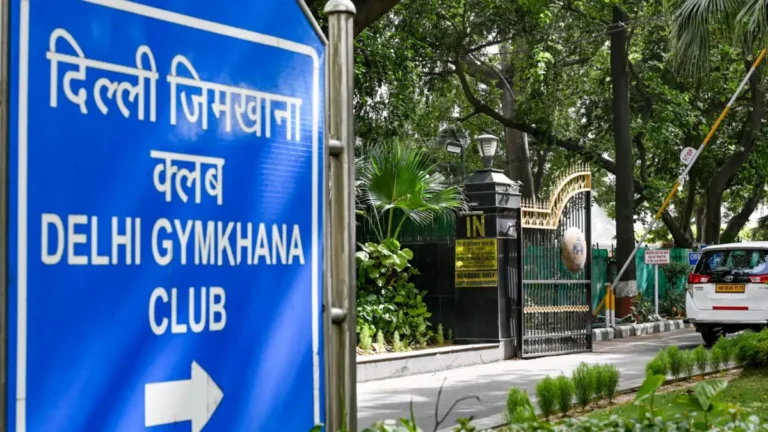
New Delhi, May 26, 2026: The ongoing institutional and legal evolution of the Delhi Gymkhana Club (DGC) serves as a prominent case study in Indian corporate law, specifically regarding the application of the Companies Act, 2013, to non-profit entities. For several years, discussions surrounding the club focused on institutional friction and governance structure, moving away from romanticized narratives of it being a secretive power hub. Instead, the actual developments center on corporate governance, public interest, and regulatory intervention. In 2022, following extended litigation regarding allegations of financial irregularities and nepotism in membership allocations, the National Company Law Appellate Tribunal (NCLAT) affirmed the Ministry of Corporate Affairs’ (MCA) intervention. This resulted in the appointment of a government-nominated Board of Directors to restore financial transparency and structural parity.

This shift highlighted the legal principle that private clubs registered under Section 8 of the Companies Act (or its predecessor, Section 25 of the 1956 Act) are fully subject to statutory oversight. By late 2024 and continuing into 2026, the primary focus transitioned toward rehabilitating the club’s administrative systems, addressing long-standing membership backlogs, and stabilizing its finances under an independent oversight mechanism. This progression emphasizes the legal authority of tribunals like the National Company Law Tribunal (NCLT) to intervene in non-profit operations when governance patterns are deemed prejudicial to the public interest.

1. What was the core legal basis for the government’s intervention in the club’s management?

The primary legal basis for the Ministry of Corporate Affairs’ intervention was Section 241(2) and Section 242 of the Companies Act, 2013. These provisions empower the Central Government to apply to the NCLT if it believes that the affairs of a company are being conducted in a manner prejudicial to the public interest.

Because the Delhi Gymkhana Club is registered as a Section 8 non-profit company, the government argued that its systemic mismanagement directly impacted public interest. Specifically, the regulatory authorities cited structural issues, including:

  • The misutilization of extensive, subsidized land leased from the state.
  • The collection of material registration fees from tens of thousands of applicants who faced decades-long waiting periods without transparent processing.
  • Nepotistic patterns in membership distribution that favored select groups while systematically sidelining general public applicants.

2. How did the courts view the defense that a private social club is immune to public interest interventions?

The NCLAT explicitly rejected the defense that the club’s private, recreational status shielded it from state oversight. The tribunal clarified that any entity operating under a corporate license granted by the state—especially one enjoying public land concessions—cannot claim total immunity from the standards of public interest.

The judiciary observed that collecting substantial funds from the public under the premise of potential membership, without realistic timelines or clear criteria, constitutes an unfair trade practice under corporate governance frameworks. Consequently, the courts ruled that “public interest” is not limited to state security or macroeconomic matters; it also encompasses institutional transparency, fair play, and adherence to statutory obligations by high-profile organizations.

3. What structural changes were implemented by the government-nominated board?

Following the judicial directives, the government-appointed administrator and subsequent nominated board initiated several structural reforms aimed at institutional recovery:

The board overhauled the accounting architecture to eliminate non-transparent financial write-offs and established rigorous audit trails. To handle the membership bottleneck, they structured a objective, chronological framework to process applications on a first-in, first-out basis, limiting arbitrary executive discretions. Furthermore, the club’s internal by-laws were amended to ensure that resource utilization aligned strictly with fiscal accountability rather than legacy privileges.

4. How did this case redefine the legal interpretation of Section 8 companies in India?

The Delhi Gymkhana Club case set a major legal precedent regarding the regulation of Section 8 companies, confirming that non-profit, recreational, or philanthropic entities are held to the same corporate governance standards as commercial corporations. The rulings clarified that a company’s lack of a profit motive does not exempt its management from accountability.

This case effectively closed previous legal loopholes that allowed private elite associations to operate as insular trusts, firmly placing them under standard corporate regulatory oversight.

5. What is the current operational status of the club as of 2026?

By 2026, the Delhi Gymkhana Club has largely transitioned into a post-litigation normalization phase. While the government-nominated oversight mechanism remains active to prevent a relapse into old management habits, operational focus has shifted to day-to-day administrative efficiency and upgrading facilities.

The massive application backlog is being addressed via automated, digital queues to ensure verified compliance with the NCLAT’s anti-nepotism guidelines. Rather than acting as a center for political or legal conflict, the institution now functions strictly as a regularized social and athletic club, operating under standardized corporate compliance practices.