Home Blog Page 67

India’s Delivery Shutdown: Gig Workers Strike Over Fuel Hike

0

May 16, 2026 – On a sweltering Saturday, May 16, 2026, the familiar hum of delivery scooters that typically defines India’s urban landscape has fallen eerily quiet. In a massive display of collective frustration, approximately 1.2 crore (12 million) gig workers associated with giants like Swiggy, Zomato, and Blinkit have launched a nationwide shutdown to protest the sudden and sharp spike in petrol and diesel prices.

The strike, which officially began at 12:00 PM and is scheduled to last until 5:00 PM, has left millions of customers across the country staring at “service unavailable” screens or facing indefinitely delayed orders.

The Spark: A ₹3 Surge in Fuel Costs

The immediate trigger for this industrial action was the decision by oil marketing companies (OMCs) on May 15 to raise fuel prices by approximately ₹3 per litre. This marks the first significant nationwide hike in nearly four years, ending a long period of retail price stability.

In the national capital, petrol prices have now hit ₹97.77 per litre, while diesel is hovering around ₹90.67. In metros like Mumbai and Kolkata, the pinch is even tighter, with petrol crossing the ₹106 and ₹108 marks, respectively.

The government and OMCs have attributed the hike to escalating global crude oil prices, fueled by deepening instability in West Asia and shipping disruptions around the Strait of Hormuz. While the global geopolitical machine turns, it is the last-mile delivery partner—often navigating 45°C heat on a 150cc scooter—who is feeling the friction most acutely.

Key Demands: Beyond the Petrol Pump

The protest, spearheaded by the Gig & Platform Service Workers Union (GIPSWU), is not just about the ₹3 hike. It is a boiling point for long-standing grievances regarding the “gig” model.

1. Minimum Payout of ₹20 per KM

The union’s primary demand is a standardized minimum service rate of ₹20 per kilometer. Currently, most delivery partners earn significantly less after accounting for fuel, vehicle maintenance, and the “dead miles” spent returning from a delivery drop-off.

2. Automatic Fuel-Linked Revisions

“We cannot be expected to protest every time global oil prices fluctuate,” stated Seema Singh, President of GIPSWU. The union is calling for a transparent mechanism where payouts are automatically adjusted based on the current market price of petrol and diesel.

3. Social Security and Heat Protections

With India currently experiencing a severe heatwave, the union has also highlighted the lack of medical insurance, pension schemes, and “heat-break” protocols. Workers argue that the “partners” label used by platforms like Zomato and Swiggy is a convenient way for companies to avoid providing the benefits mandated for traditional employees.

Impact Across the Ecosystem

The shutdown has caused ripples across several sectors, proving just how much the modern Indian economy relies on this invisible workforce.

  • Food & Grocery: Major apps like Swiggy and Zomato have seen a 70–80% drop in active delivery partners in cities like Bengaluru, Delhi, and Mumbai. Blinkit and Zepto, which rely on ultra-fast deliveries, have effectively suspended operations in many zones.
  • Ride-Hailing: Drivers for Ola, Uber, and Rapido have also joined the fray in several regions, leading to skyrocketing surge pricing and massive wait times for commuters.
  • Logistics: Services like Amazon Flex, Porter, and Dunzo are seeing significant backlogs as drivers refuse to log in.

The Corporate & Government Silence

As of Saturday afternoon, major platforms like Swiggy and Zomato have yet to issue a comprehensive plan for payout revisions. Most companies have issued generic statements acknowledging the “temporary inconvenience” to customers while emphasizing their “commitment to partner welfare.”

However, industry analysts suggest that the platforms are in a tight spot. Raising payouts would mean increasing delivery fees for customers, which could dampen demand in a price-sensitive market.

On the policy front, the strike puts renewed pressure on the Centre to finalize the Code on Social Security, which aims to bring gig workers under a formal safety net. Without a central law, gig workers remain in a legal gray area—neither fully independent contractors nor traditional employees.

What Happens Next?

The 5-hour “logout” is intended as a warning shot. GIPSWU has indicated that if a dialogue with the Ministry of Petroleum and the platform aggregators does not yield results within the next 48 hours, the shutdown could extend indefinitely.

For now, the “Quick Commerce” era is facing its slowest day in years. As the sun sets on this protest, the question remains: Can India’s digital economy survive if the people powering its engines can no longer afford the fuel?

Veteran Actress Pavala Shyamala Rescued After Being Denied Hospital Admission

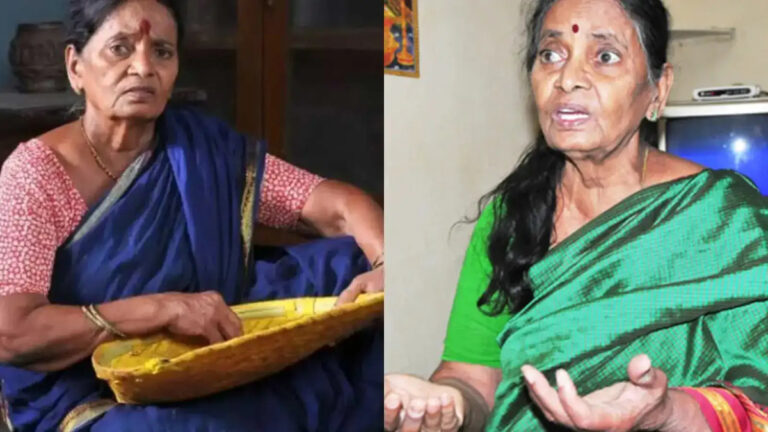
New Delhi, May 16, 2026: The plight of veteran Telugu actress Pavala Shyamala has once again stirred the conscience of the film industry and the public alike. Known for her impeccable comic timing and having acted in over 250 films, the actress was reportedly found in a dire state on the streets of Hyderabad this week after a harrowing encounter with a private healthcare facility.

The following report outlines the recent events, her current health status, and the systemic challenges faced by aging artists in the Indian film industry.

A Midnight Crisis: Denied Care and Abandoned

On Friday night, May 15, 2026, Pavala Shyamala, who has been battling chronic heart-related ailments, was rushed to a private hospital in the Kukatpally area of Hyderabad. According to local reports, the veteran actress was in critical condition and required immediate medical intervention.

However, the situation took a tragic turn when the hospital management allegedly denied her admission. The reason cited was a lack of immediate funds to cover the deposit and treatment costs. Despite her stature and past contributions to cinema, the actress found herself at the mercy of a rigid administrative policy.

The ordeal worsened when a cab driver, reportedly realizing she had no place to go and no means to pay further, left her on a roadside footpath at midnight.

Rescue and Immediate Relief

The sight of a renowned artist lying helpless on the pavement quickly drew the attention of concerned locals. They alerted the Hyderabad police, who acted swiftly. Recognizing the actress, the police personnel coordinated her rescue and ensured she was moved to a safe environment.

She has since been shifted to the RK Foundation, a charitable healthcare organization that has stepped forward to provide her with the necessary medical support and shelter. The foundation’s leadership has assured the public that both Shyamala and her daughter—who is also bedridden due to a leg fracture—will receive full care without the burden of financial stress.

A History of Hardship

This is not the first time Pavala Shyamala’s financial struggles have made headlines. For years, she has been living in various old-age homes, most recently in the Karkhana and Ghatkesar areas. Her savings were largely exhausted on the medical treatments required for her daughter, leaving the duo in a cycle of poverty.

Support from the Film Fraternity

Over the years, several high-profile members of the Telugu film industry (Tollywood) have extended olive branches:

  • Allu Arjun: In March 2026, the “Pushpa” star reportedly pledged a fixed monthly pension of ₹10,000 to ensure her basic needs and “protein requirements” were met.
  • Akash Jagannadh: The son of director Puri Jagannadh recently visited her and provided immediate financial aid of ₹1 lakh.
  • Chiranjeevi & Pawan Kalyan: Both stars have previously donated significant sums to help with her medical bills and daily expenses.
  • Telangana Government: The state government has also provided her with a monthly pension of ₹10,000 in the past.

Despite these generous gestures, the high cost of specialized cardiac care and the ongoing needs of two unwell individuals have proven to be a mountain too high to climb.

The Larger Issue: The Vulnerability of Character Artists

The tragedy of Pavala Shyamala highlights a recurring “dark side” of the entertainment industry. While lead actors earn astronomical sums, character artists often live paycheck to paycheck. When the cameras stop rolling and age sets in, many find themselves without a safety net, insurance, or pension schemes.

The Industry’s Response

There is growing outrage on social media, with fans questioning why a veteran with 300 films to her credit was left to die on a footpath. While individual stars have helped, there are calls for the Movie Artists Association (MAA) and other film bodies to create a more robust, institutionalized support system for senior members.

“It is a shame for our society and the industry that a woman who made us laugh for decades is crying for a hospital bed.” — A viral post on X (formerly Twitter).

Current Health Status

As of today, May 16, 2026, Pavala Shyamala remains under observation at the RK Foundation facility. Medical professionals are monitoring her heart condition, and she is said to be stable but extremely frail. Volunteers at the foundation have noted that her spirit is broken more than her body, citing the “humiliation” of being turned away from a hospital as a major emotional blow.

How You Can Help

The RK Foundation and local NGOs are currently accepting donations to assist with the long-term medical care of both the actress and her daughter. Transparency in these funds is being maintained to ensure that every rupee goes toward her recovery and dignified living.

Conclusion The story of Pavala Shyamala is a sobering reminder that fame is fleeting and the transition from the “silver screen to the streets” can happen to anyone. As she recovers, the focus remains on ensuring that this is the last time she—or any artist of her generation—finds themselves abandoned at a hospital gate.

WWE SmackDown Results: Gunther Becomes 1 Contender

New Delhi, May 16, 2026: The road to WWE Clash in Italy reached a fever pitch this Friday night as SmackDown delivered a high-stakes episode filled with championship implications, surprising returns, and a main event that shifted the landscape of the Undisputed WWE Title picture.

From the dominant “Ring General” Gunther securing his future to the destructive interference of Jade Cargill, the May 15 edition of SmackDown lived up to the hype. Here is your full breakdown of the results, grades, and analysis.

Gunther vs. Royce Keys: The Battle for a Golden Opportunity

Result: Gunther defeated Royce Keys via pinfall. Grade: A-

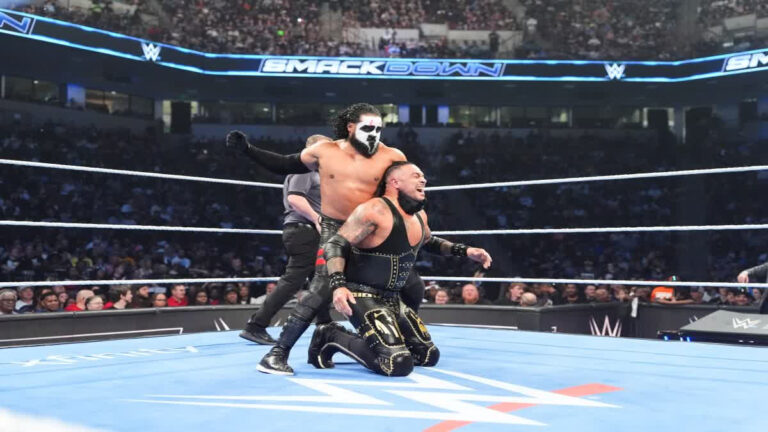
The main event saw the formidable Gunther face off against the powerhouse Royce Keys (formerly known as Powerhouse Hobbs) to determine the #1 contender for Cody Rhodes’ Undisputed WWE Championship. This was a “hoss fight” in the truest sense of the word. Keys, who has been on a tear since joining the blue brand, showed incredible strength, at one point catching Gunther mid-air with a devastating powerslam.

The momentum shifted when Solo Sikoa made a surprising appearance at ringside. Sikoa, seemingly acting as a chaotic neutral, caused a distraction that allowed Gunther to capitalize. After a series of bone-shattering chops and a massive Powerbomb, the Ring General secured the victory.

The Fallout: As Gunther stood victorious, Cody Rhodes made his way to the ring. The tension was palpable as the two stared each other down before Rhodes leveled Gunther with a sudden Cross Rhodes, sending a clear message ahead of their clash in Italy.

Jade Cargill Crashes the Women’s Tag Team Showcase

Result: Charlotte Flair & Alexa Bliss defeated Michin & B-Fab via DQ. Grade: B

The newly formed powerhouse duo of Charlotte Flair and Alexa Bliss (dubbed “Charlexa” by fans) looked to continue their dominance against Michin and B-Fab. The match showcased Bliss’s renewed agility and Flair’s technical mastery. However, the contest never reached a clean finish.

Jade Cargill stormed the ring like a force of nature, laying out everyone in her path. Cargill’s focus was primarily on Charlotte Flair, reigniting a rivalry that feels destined for a major Premium Live Event stage. The DQ finish protected all competitors but left the audience craving a sanctioned fight between these titans.

Damian Priest Battles The Bloodline’s Shadows

Result: Damian Priest defeated Tama Tonga. Grade: B-

In a hard-hitting singles match, Damian Priest took on Tama Tonga. Priest, still navigating the fallout of his recent world title run, looked as sharp as ever. Despite Tonga’s unorthodox and aggressive style, Priest was able to hit the South of Heaven chokeslam for the win.

The celebration was short-lived. Following the bell, Solo Sikoa and Talla Tonga launched a brutal 3-on-1 assault on Priest. The “New Bloodline” is clearly looking to eliminate any former champions who stand in their way, leaving Priest in a vulnerable position heading into next week.

Carmelo Hayes Builds Momentum

Result: Carmelo Hayes defeated Ricky Saints. Grade: B+

Carmelo Hayes continues to prove why he is “Him.” In a fast-paced bout against Ricky Saints, Hayes displayed his signature “Melo Don’t Miss” swagger. The finish came when Hayes capitalized on a referee distraction involving Saints, securing a quick roll-up victory. While the win was a bit “crafty,” it keeps Hayes’ upward trajectory on SmackDown intact.

Trick Williams Shuts Down The Miz

Result: Trick Williams defeated The Miz. Grade: C+

The Miz attempted to use his “A-List” veteran experience to school the rising star Trick Williams. While Miz controlled much of the early match with psychological tactics and his “It” kicks, Williams’ athleticism was too much to overcome. A leaping neckbreaker followed by the Trick Shot knee strike put The Miz away, solidifying Williams as a genuine threat on the main roster.

Kalyani Priyadarshan Radiant Cannes Debut: A Masterclass in Diamonds and Gold

New Delhi, May 16, 2026: The French Riviera has witnessed many iconic debuts, but few have combined the grace of South Indian tradition with the sharp edge of modern luxury as effectively as Kalyani Priyadarshan. Making her grand red carpet debut at the 79th Cannes Film Festival (2026), the Malayalam and Tamil cinema star didn’t just walk the carpet—she owned it in a “head-to-toe Indian” ensemble that has sent fashion critics and fans into a frenzy.

While many celebrities opt for dramatic, floor-sweeping trains or avant-garde experiments, Kalyani’s approach was a masterclass in refined elegance. Dressed in a bespoke creation by the Indian label Itrh, and adorned with a staggering amount of precious stones from Kalyan Jewellers, she offered a refreshing take on “quiet luxury.”

The Gown: A Vision in Purple and Black

Kalyani’s choice for the prestigious Day 3 screening was a stunning strapless gown designed by Mohit Rai for Itrh. The gown featured a deep, regal purple bodice that transitioned into a sleek, floor-length silhouette.

Key Highlights of the Dress:

  • Intricate Beadwork: The entire gown was hand-embellished with thousands of tiny, fine beads that created a subtle shimmer rather than an overwhelming glitter.
  • The Silhouette: A fitted bodice framed with shimmering black detailing accentuated her frame, providing a sharp, contemporary look that felt both powerful and feminine.
  • The Fabric: The rich textures of the fabric caught the Mediterranean sun perfectly, reflecting a glow that felt expensive and deliberate.

In an interview with Harper’s Bazaar India, Kalyani emphasized that her goal was to represent Indian design arts on the global stage. By choosing a homegrown label, she joined a growing list of Indian stars using the Cannes platform to spotlight the country’s rich textile heritage.

The Jewelry: 945 Diamonds and a 52-Carat Masterpiece

If the gown was the canvas, the jewelry was undoubtedly the masterpiece. Partnering with Kalyan Jewellers, Kalyani wore a set that can only be described as architectural art.

The Breakdown of the Stones:

The center of attention was a sculptural couture back jewel (a reimagined lariat necklace) crafted in 14K white gold.

ElementSpecification
Blue SapphireA dramatic 52-carat pear-shaped center stone
Pink MorganitesTwo vibrant 15-carat stones for a pop of color
Natural Diamonds945 diamonds in marquise, brilliant, and princess cuts

The “reverse necklace” effect was a strategic fashion choice. While a delicate diamond choker framed her neck at the front, the cascading chain strands trailed elegantly down her back, creating a cinematic movement every time she turned for the cameras. Matching drop earrings adorned with sapphires and morganites completed the set, ensuring the look was cohesive and regal.

Beauty & Styling: The Power of Minimalism

Kalyani and her styling team opted for a “less is more” philosophy regarding her beauty look. This ensured that the focus remained on the high-jewelry and the intricate beadwork of her gown.

  • Makeup: She sported a soft-glam aesthetic featuring glowing, dewy skin. Soft pink tones were used on her eyes, cheeks, and lips to provide a natural, fresh radiance.
  • Hair: Eschewing complex updos, she let her hair fall in classic, voluminous open waves. This added a touch of old-Hollywood glamour while maintaining a modern, effortless feel.
  • The “Zero Drama” Approach: Critics have praised her for avoiding the “overenthusiastic chandelier” look that often plagues first-time attendees. Instead, she looked like a star who understood her own aesthetic—polished, meaningful, and deeply connected to her roots.

A Milestone for South Indian Cinema

Beyond the fashion, Kalyani’s presence at Cannes 2026 marks a significant professional milestone. As the daughter of legendary filmmaker Priyadarshan and veteran actor Lissy, Kalyani has spent years carving out her own identity through power-packed performances in films like Varane Avashyamund, Hridayam, and Thallumaala.

Her debut comes at a time when regional Indian cinema is receiving unprecedented global recognition. Seeing a star from the Malayalam industry represent Indian craftsmanship at the Palais des Festivals serves as a reminder of the growing influence of South Indian talent on the international circuit.

Final Thoughts

Kalyani Priyadarshan’s Cannes 2026 debut was more than just a red carpet walk; it was a statement. By wearing “Head-to-toe Indian,” she proved that global luxury doesn’t always have to come from a European fashion house. With 945 diamonds, a massive 52-carat sapphire, and a dress that celebrated the artistry of Indian beads, she truly shone as a jewel of the South on the world stage.

Whether it was the shimmering purple of her Itrh gown or the innovative back-draping of her necklace, Kalyani has set a high bar for elegance and cultural pride. This is surely just the beginning of her journey on the global fashion map.

Ankur Warikoo Shuts Down ₹100 Crore Course Business: The End of an EdTech Era?

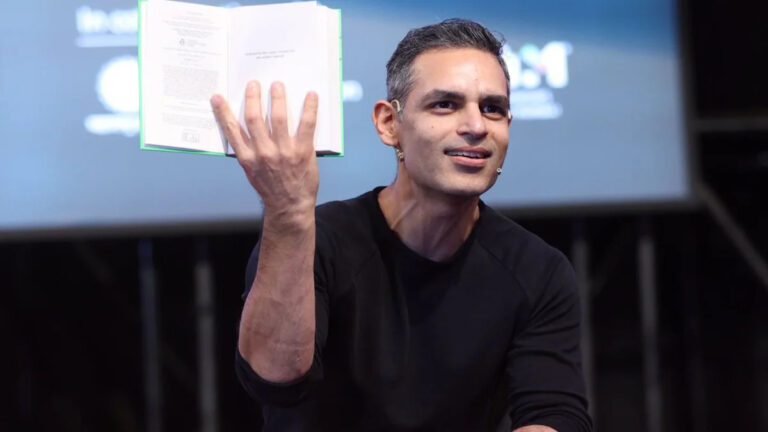
New Delhi | May 16, 2026 — In a move that has sent shockwaves through the Indian creator economy and the EdTech sector, entrepreneur and content creator Ankur Warikoo announced on Friday, May 15, that he is completely shutting down his highly successful online courses business.

The announcement is particularly startling because it comes at a time when the venture—best known through his platform WebVeda—was at its financial peak. Warikoo revealed that since its inception in November 2020, the business has educated over 5 lakh students, generated ₹100 crore in total sales, and yielded ₹25 crore in profits.

Despite these “dream numbers,” Warikoo’s message was blunt: “It makes no sense to continue it.”

The Shocking Announcement

Taking to X (formerly Twitter) and YouTube, Warikoo posted a short, cryptic video that immediately went viral. In the clip, he reflected on the rapid growth of his educational empire over the last five years but insisted that the time had come to pull the plug.

While most founders wait for a business to fail before exiting, Warikoo is doing the opposite—shutting down a “cash cow” while it is still highly profitable. This unconventional approach has led to intense speculation across social media, with many questioning if this is a genuine exit or a sophisticated marketing “hook” for his next big project.

Why Shut Down a Profitable Giant?

While Warikoo has promised a detailed explanation in a follow-up video scheduled for tonight, May 16, at 8:30 PM IST, he has already dropped significant hints about his reasoning.

1. The “Huge” Impact of AI

The most telling clue came from Warikoo’s interaction with his followers. When a user asked on X if the decision was driven by “AI Impact?”, Warikoo responded with a single, heavy word: “Huge.”

Analysts suggest that the rise of Generative AI tools like ChatGPT and Claude has commoditized information. The “how-to” knowledge that creators previously sold for thousands of rupees is now available instantly, for free, and often in a more personalized format via AI. For a business built on selling structured life-skill and career advice, the value proposition of a static recorded course has drastically diminished in the age of AI-driven tutoring.

2. The Decline of the “Course Model”

The Indian EdTech landscape has shifted dramatically since the COVID-19 boom. Investment in the sector reportedly crashed from a peak of $4.3 billion in 2021 to just roughly $157 million by 2025.

Warikoo’s courses were heavily tied to his personal brand—his face, his story, and his credibility. While this created a powerful “moat” for distribution, it is notoriously difficult to scale a person. Industry insiders believe that Warikoo may be pivoting toward a platform-based or product-based model that offers higher enterprise value than a personality-driven education shop.

3. Personal Fulfillment Over Profits

Warikoo has never been one to shy away from radical career shifts. From dropping out of a PhD in Astrophysics in the US to leading Groupon India and Nearbuy, his career is a masterclass in “starting over.”

In past talks, he has often mentioned that money alone does not equate to satisfaction. He once shared a story about earning ₹33 lakh a year in consulting and feeling “empty,” leading him to quit. It is possible that the “Course Creator” chapter of his life simply reached its natural conclusion.

Mixed Reactions: Marketing Stunt or Masterstroke?

The internet remains divided on the news.

  • The Skeptics: Many on platforms like Reddit and LinkedIn view this as a classic “rebranding” move. They argue that he might be sunsetting WebVeda only to launch a more expensive, AI-integrated premium community or a different tech product.
  • The Students: Concerns have been raised by recently enrolled students regarding their access to the materials. “What about the students who enrolled recently and haven’t finished?” one user asked. Warikoo has yet to clarify the transition plan for existing users.
  • The Supporters: Some see this as a brave move. “It takes guts to kill a profitable business to pursue a higher vision,” wrote one fan. Others believe he is simply “reading the room” and exiting the saturated course market before the bubble fully bursts.

What’s Next for Brand Warikoo?

With over 17 million followers across social platforms and a string of bestselling books like Do Epic Shit and Make Epic Money, Ankur Warikoo is far from disappearing.

The closure of the course business likely signals a transition into a new era—perhaps one focused on AI-integrated coaching, a new tech startup, or a deeper dive into the “finfluencer” space where he already commands massive authority.

As the clock ticks toward his 8:30 PM reveal, one thing is certain: Ankur Warikoo has once again captured the attention of the entire Indian digital ecosystem. Whether this is a funeral for his courses or a birth announcement for something bigger remains to be seen.

Indian Army Agniveer Admit Card 2026

New Delhi, May 16, 2026: For thousands of young aspirants across the country, the dream of donning the olive green uniform is moving into its most critical phase. As of today, May 16, 2026, the Indian Army has officially activated the download links for the Agniveer Admit Card 2026 for the Phase 1 Online Common Entrance Examination (CEE).

If you are one of the candidates who registered between February and April this year, it is time to shift your focus from the training ground to the computer screen. Here is everything you need to know about the current release, the exam schedule, and the step-by-step process to secure your hall ticket.

The Big News: Admit Cards Released in Phases

To ensure the official website remains stable under heavy traffic, the Indian Army is releasing admit cards in a phased manner based on the trade and category applied for.

While the first batch of hall tickets (specifically for JCO Religious Teachers and Sepoy Pharma) went live on May 15, the majority of candidates applying for General Duty (GD) and Tradesmen will see their links active over the coming week.

Important Dates at a Glance

EventDate / Schedule
Admit Card Release (Phase 1)May 15, 2026 (Ongoing)
Agniveer CEE Exam DatesJune 1 to June 15, 2026
Mode of ExaminationOnline Computer-Based Test (CBT)
Official Websitejoinindianarmy.nic.in

Category-Wise Release Schedule

According to the latest official updates, mark these dates on your calendar to check your login portal:

  • May 15: JCO RT, Sepoy Pharma, and Havildar (Education).
  • May 18: Agniveer General Duty (GD) and Tradesmen (10th) for the first set of exam dates.
  • May 19–20: Remaining GD, Technical, and Tradesmen batches.
  • May 21: Agniveer Office Assistant, Women Military Police (WMP), and Nursing Assistant.

How to Download Your Agniveer Admit Card 2026

Navigating the official portal during peak hours can be tricky. Follow these steps to download your document without any hassle:

  1. Visit the Official Portal: Go to joinindianarmy.nic.in. You will need to enter a captcha code to enter the site.
  2. Access the Login Section: Look for the “Agnipath” tab on the header or the “JCO/OR Apply/Login” button on the right side of the homepage.
  3. Enter Credentials: Log in using your registered Username (usually your email ID) and Password. If you have forgotten your password, use the “Forgot Password” link to reset it via your registered mobile number.
  4. Find the Admit Card Link: Once logged into your dashboard, click on the “Online CEE Admit Card” tab.
  5. Download & Print: Your hall ticket will appear on the screen. Download the PDF and take at least two high-quality color printouts on A4 size paper.

What to Check on Your Hall Ticket

Once you have the physical copy in hand, do not just file it away. Verify the following details immediately:

  • Roll Number & Registration ID: Cross-check these with your original application form.
  • Exam Date & Shift Time: Note your Reporting Time. The Indian Army is very strict about gate closing times; even a one-minute delay can result in disqualification.
  • Exam Center Address: Locate the center on a map a few days in advance to plan your travel.
  • Personal Details: Check for any spelling errors in your name, father’s name, or date of birth.

How to Fix Discrepancies?

If you find an error (e.g., your photo is missing or your name is misspelled), contact your nearest Army Recruitment Office (ARO) immediately. You can also reach out via the official helpline at 011-23792543 or email webmaster.indianarmy@nic.in.

Essential Documents for Exam Day

The admit card is your “entry pass,” but it is not the only thing you need. To avoid being turned away at the gate, carry the following:

  1. Printed Admit Card: Preferably in color.
  2. Original Photo ID: Aadhaar Card (preferred), Voter ID, PAN Card, or Driving License.
  3. Recent Photographs: Carry two passport-sized color photos identical to the one uploaded in the application.
  4. Simple Stationery: A blue or black ballpoint pen.

Note: Electronic items like smartwatches, calculators, and mobile phones are strictly prohibited. There is often no secure storage at the centers, so it is best to leave valuables with a guardian.

Preparation Strategy for the Final Stretch

With the exam starting on June 1, you have roughly two weeks left. Here is how to make them count:

1. Master the Online Format

If this is your first time taking a computer-based test, use the “Practice Test” link available on the Join Indian Army website. It mimics the actual exam interface, helping you get comfortable with navigating questions and marking answers.

2. Focus on Negative Marking

Most Agniveer categories carry a penalty for wrong answers. During your final mock tests, practice the art of “educated guessing” but learn when to leave a question blank to save your hard-earned marks.

3. Subject-Specific Polish

  • General Knowledge: Stay updated with current affairs from the last six months, focusing on sports, awards, and Indian military history.
  • Science & Math: Revise basic formulas and concepts from the 8th to 10th-grade NCERT syllabus.
  • Reasoning: Practice 10–15 logical reasoning questions daily to maintain speed.

The Path Ahead: After the CEE

The Online CEE is only Phase 1. Candidates who clear the cutoff will be shortlisted for Phase 2, which involves:

  1. Physical Fitness Test (PFT): The famous 1.6 km run, beam (pull-ups), 9-foot ditch, and zig-zag balance.
  2. Physical Measurement Test (PMT): Checking height, weight, and chest expansion standards.
  3. Medical Examination: A comprehensive health check-up by military doctors.

The final merit list will be prepared based on a combination of CEE scores and Physical Fitness marks (for categories like GD and Tradesmen).

Conclusion

The release of the admit card marks the transition from preparation to performance. Ensure you download your hall ticket early to avoid the last-minute server rush. Stay focused, maintain a healthy routine, and keep your spirits high.

Keneeshaa Francis Quits Chennai and Ravi Mohan: “Only for Liars and Cheaters”

New Delhi, May 16, 2026: The saga that gripped South Indian cinema for nearly two years has reached a staggering and emotional climax. Singer and spiritual therapist Keneeshaa Francis has officially announced her split from actor Ravi Mohan (formerly known as Jayam Ravi), accompanying her exit with a scathing social media post that brands the environment she left behind as a “place for liars and cheaters.”

In a lengthy, heart-wrenching statement shared on Saturday, May 16, 2026, Keneeshaa revealed she has not only walked away from the relationship but has also left Chennai, quit her music career, and deactivated her social media profiles.

The Breaking Point: “I Walk Out With Silence”

Keneeshaa, who has been the subject of relentless public scrutiny since Ravi Mohan’s divorce from his wife, Aarti, became public in 2024, did not hold back in her final address. The singer expressed a deep sense of exhaustion, suggesting that her attempts to support Ravi through his personal turmoil had ultimately backfired.

“I walked into this story with love. I walk out of it with silence,” she wrote. “Some places become so consumed by noise, ego, judgment, and manufactured narratives that goodness no longer has room to breathe there. And when that happens, even love begins to feel unwelcome.”

Her words painted a picture of a woman who felt defeated by a “world addicted to spectacle.” She hinted that the complexities of Ravi’s life—and the public’s ownership of his narrative—made a healthy relationship impossible.

A Scathing Indictment of the “Industry”

Perhaps the most shocking part of her statement was the direct attack on the environment surrounding her. Keneeshaa, who has long maintained she was a therapist helping Ravi heal, claimed she was “stupid” to think she could offer a genuine chance for a good person to live in that “realm.”

  • The Allegation: “I understand now that this place is only for liars, cheaters, manipulators, and life extorters.”
  • The Release: “I release him with peace, with love, and with complete detachment. He is now all yours. There will be no more explanations. No more defending.”

A Timeline of Turbulence

To understand the weight of this split, one must look back at the chaotic timeline that led here.

YearEventImpact
2024Ravi Mohan announces separation from wife Aarti.Sparks “homewrecker” allegations against Keneeshaa.
2025Ravi and Keneeshaa spotted at high-profile events.Rumors of a live-in relationship and marriage intensify.
Early 2026Keneeshaa releases videos detailing personal trauma.Addresses childhood abuse and a miscarriage to defend her character.
May 2026The Final Split.Keneeshaa leaves Chennai and quits public life.

The “Homewrecker” Label and Online Bullying

For the past two years, Keneeshaa Francis has faced an onslaught of online vitriol. Critics and fans of Ravi’s former wife, Aarti, frequently labeled her a “homewrecker,” accusing her of orchestrating the collapse of a long-standing marriage.

In a video posted just 24 hours before her final exit, Keneeshaa broke down while discussing the “sorcery and manipulation” she faced. She revealed that people had even sent private detectives to Bengaluru to dig into her past marriage and personal history.

“A girl who has lost a child… you think I’m going to keep anybody away from their children or family?” she asked rhetorically, referencing a miscarriage she suffered at age 19 during a previous toxic marriage. She maintained that Ravi came to her for professional therapy after he had already decided to end his marriage, yet the public refused to believe her.

“Feminism Won, Happiness Lost”

Keneeshaa’s parting shots were particularly cryptic regarding the role of public perception. She concluded her note with the jarring sentence: “As of today: Feminism, you won. Happiness, you lost.”

This appears to be a jab at the organized online campaigns that championed Aarti Ravi’s side of the divorce saga, which Keneeshaa feels were built on “narratives of emotion over truths of sacrifice.” By claiming “feminism won,” she suggests that the social pressure to vilify the “other woman” succeeded in destroying a genuine connection.

What’s Next for Keneeshaa and Ravi?

  • Keneeshaa Francis: Has effectively vanished from the public eye. She stated she is giving up on her music, her therapy practice, and the life she lived in Chennai. Her profiles are now dark, and she has requested absolute privacy.
  • Ravi Mohan: The actor, who recently received the Devi Ratna Award, remains in the spotlight, but now without his most vocal defender. He has yet to issue a formal statement regarding Keneeshaa’s departure or her explosive claims about the people surrounding him.

Final Thoughts

The split marks the end of one of the most controversial chapters in recent Kollywood history. While Keneeshaa Francis frames her exit as a surrender to “chaos,” the public remains divided. To some, she is a victim of a patriarchal society that refuses to let women exist outside of traditional roles; to others, her exit is the natural conclusion to a relationship built on the ruins of another.

Regardless of where the truth lies, Keneeshaa’s final words serve as a haunting reminder of the human cost of digital-age gossip: “Man can break what God creates, I guess.”

Dhurandhar 2 Claims 1 Spot on Netflix Pakistan Despite Official Ban

New Delhi, May 16, 2026 – In a stunning display of “cinema without borders,” the high-octane spy thriller Dhurandhar: The Revenge (popularly known as Dhurandhar 2) has claimed the top spot on Netflix Pakistan. This digital triumph comes despite the film being strictly banned from theatrical release in the country due to its controversial narrative and alleged “anti-Pakistan” themes.

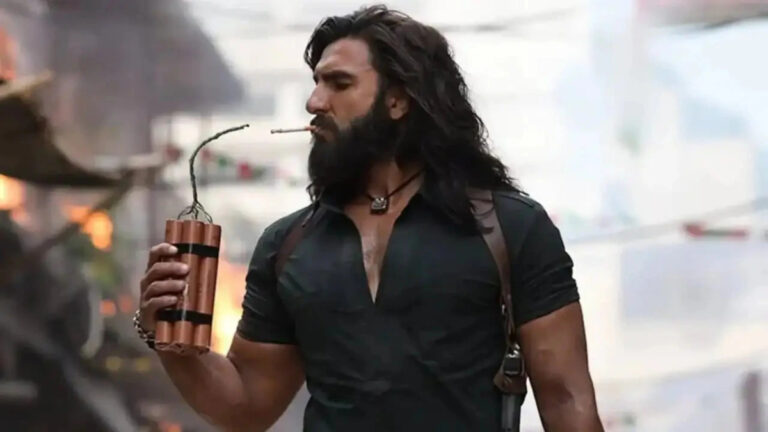
The film, directed by Aditya Dhar and starring powerhouse Ranveer Singh, has not only dominated the charts but reportedly caused a localized technical frenzy. According to viral reports and social media claims, the surge of Pakistani viewers trying to access the film at the moment of its international digital debut was so massive that it briefly crashed Netflix servers in the region.

The Viral Frenzy: “Servers Crashed at Midnight”

The news of the film’s dominance began circulating after Pakistani content creator Maviya Umer Farooqui posted a video that quickly went viral across Instagram and TikTok. In the clip, Farooqui claims that as soon as the clock struck midnight on May 14—the date of the film’s international OTT release—thousands of users in Pakistan rushed to the platform.

“Pakistanis were literally waiting for the clock to strike midnight so that Netflix would drop the film and everyone could click on it together,” Farooqui stated in his viral video. “The server actually crashed. That is the level of curiosity and craze for this film here.”

While Netflix rarely confirms localized server issues, the anecdotal evidence from hundreds of users reporting buffering and “content unavailable” errors suggests that the digital traffic for Dhurandhar 2 was unprecedented for a Bollywood title in the region.

Why the Massive Interest?

The irony of the situation is not lost on industry experts. Dhurandhar 2 was banned in Pakistan and several Middle Eastern countries following its theatrical release on March 19, 2026. The plot follows Jaskirat Singh Rangi (Ranveer Singh), an Indian operative who infiltrates a militant unit in Lyari, Karachi.

Despite the official ban and criticism labeling the film as “propaganda,” curiosity seems to have won over politics. Many viewers in Pakistan expressed a desire to see how their cities (specifically Lyari) were depicted and to judge the “truth or lies” of the narrative for themselves.

The “Raw and Uncut” Appeal

Another major factor driving the trend is the specific version released on Netflix. Unlike the version seen in Indian cinemas, Netflix launched “Dhurandhar: The Revenge (Raw & Uncut).”

This version reportedly includes:

  • Restored Scenes: Deleted moments featuring intense gang-war sequences in the Lyari district.
  • Uncensored Dialogue: Grittier, raw language that was trimmed by the CBFC (Central Board of Film Certification) for the theatrical run.
  • Extended Action: More graphic depictions of the spy-thriller’s signature combat scenes.

This “Raw” tag has made the Netflix version the definitive experience for fans, leading to a “Fear of Missing Out” (FOMO) that transcends geographical and political boundaries.

Box Office and OTT Dynamics

While Pakistani fans are already binging the film, Indian audiences find themselves in a peculiar “waiting room.” To maximize the film’s theatrical tail-end and avoid clashing with the IPL 2026 finals, the makers have scheduled the India OTT premiere for June 4, 2026, on JioHotstar.

Dhurandhar 2: Performance at a Glance

CategoryDetails
Global Box OfficeOver ₹1,800 Crore (Second-highest grossing Indian film)
DirectorAditya Dhar
Main CastRanveer Singh, Sanjay Dutt, R. Madhavan, Akshaye Khanna
Netflix Ranking#1 Trending in Pakistan, UAE, and Canada
India OTT DateJune 4, 2026 (JioHotstar)

A Legal Victory Amidst the Hype

The road to the digital screen wasn’t without hurdles. The Delhi High Court recently cleared the path for the film’s OTT release after a legal dispute regarding the remix of the song “Rang De Lal (Oye Oye)”. A production house had claimed unauthorized use of the classic track from the 1989 film Tridev. However, Justice Tushar Rao Gedela ruled that stopping the digital release at this stage would be “incongruous,” allowing the film to proceed with its global rollout.

Conclusion: Cinema’s Unstoppable Reach

The case of Dhurandhar 2 in Pakistan highlights a shifting reality in the digital age: physical bans are increasingly becoming symbolic. When a film generates enough “viral heat,” audiences will find a way to connect with the content, often turning the very act of watching it into a form of social rebellion or intense curiosity.

As Ranveer Singh’s character continues to trend across the border, the film solidifies its place as a cultural phenomenon that refuses to be contained by borders, censors, or political friction.

OPPO’ QPPS Technology is Redefining Mobile Photography

NEW DELHI — May 16, 2026 — For years, the “final frontier” of smartphone engineering has been the struggle between physics and form factor. Professional photographers have long relied on massive, protruding telephoto lenses to capture distant subjects. In contrast, smartphones have historically relied on digital trickery—cropping and AI sharpening—to make up for what they lacked in physical depth.

That era of compromise officially ended this month. With the global launch of the Find X9 Ultra, OPPO has unveiled its industry-first Quintuple Prism Periscope Structure (QPPS). This breakthrough re-engineers how light moves within a phone, delivering a staggering 10x optical zoom without the bulky camera bump.

The Physics of the Fold: What is QPPS?

To understand QPPS, one must first look at the limitations of standard periscope lenses. In a traditional periscope system, light enters the lens and is reflected once by a single prism, sending it sideways across the width of the phone to hit the sensor. This “folds” the camera, allowing for a longer focal length than a flat lens could provide.

However, even a single-fold system has limits. To reach 10x magnification, you typically need a very long physical path, which often results in a phone that is either too thick or a camera module that takes up half the internal battery space.

OPPO’s solution? The Quintuple Prism.

Instead of one reflection, the QPPS system bounces light across five separate prism surfaces before it ever reaches the sensor. Think of it as a high-tech game of “optical pinball.” By bouncing the light five times, OPPO has managed to fold a massive optical path into a compact 29mm space.

“The QPPS allows us to achieve a 230mm equivalent focal length,” explains an OPPO Lead Optical Engineer. “We are effectively fitting the power of a professional sports lens into a device that still fits comfortably in your pocket.”

Engineering Purity: The “Pristine” Path

Bouncing light five times is an incredible feat of spatial engineering, but it presents a major challenge: Light Degradation. Every time light hits a surface, you risk losing brightness or introducing “stray light” (flare and ghosting).

To solve this, OPPO introduced the Pristine Optical Path Architecture. This system utilizes:

  • Nanometer-scale Diaphragms: These tiny internal shields block unwanted reflections between the five prisms.
  • Active Optical Alignment (AOA): During manufacturing, high-precision robotic cameras align the lens, sensor, and prisms in real-time. This ensures that even with five bounces, the light remains perfectly centered, maintaining edge-to-edge sharpness.

The result is an image that doesn’t look “processed.” It looks optical. When you zoom into a performer on a stage or a bird in a distant tree, the details—the texture of clothing or the individual barbs of a feather—are preserved by the glass, not recreated by an algorithm.

Stability at the Edge: Sensor-Shift OIS

At 10x optical zoom (and up to 20x “optical-quality” hybrid zoom), the slightest tremor in a user’s hand is amplified into a shaky mess. Traditional lens-based stabilization often isn’t enough when the focal length is this long.

The Find X9 Ultra introduces a sophisticated Sensor-Shift Optical Image Stabilization system. Instead of just moving the lens elements, the hardware physically moves the 50MP sensor itself to counteract hand movements. This allows for steady, handheld 10x shots that would typically require a tripod.

The Hasselblad Partnership & LUMO Engine

Hardware is only half the story. OPPO’s continued collaboration with Hasselblad ensures that the colors captured through the QPPS system remain natural and “filmic.”

Powering the backend is the new LUMO Image Engine. This proprietary platform manages the massive data stream from the Find X9 Ultra’s quad-camera array:

  1. Main: 200MP Sony LYTIA 901 (1-inch class sensor)
  2. Short Telephoto: 200MP 3x Zoom (f/2.2)
  3. Ultra-Long Telephoto: 50MP 10x QPPS Zoom (f/3.5)
  4. Ultra-Wide: 50MP with 5cm Macro

By utilizing the 200MP sensors alongside the 10x optical QPPS lens, the phone can achieve “seamless” zoom transitions. The LUMO engine intelligently blends data from multiple sensors to ensure that when you pinch-to-zoom, the color temperature and detail levels remain perfectly consistent.

Why This Matters for the Average User

For most people, QPPS technology isn’t just about “seeing further.” It’s about perspective.

Longer focal lengths (like the 230mm provided by the QPPS) create background compression. This is the “pro look” where the background appears closer to the subject, creating a beautiful, natural bokeh (blur) that software-based “Portrait Modes” often struggle to emulate.

Whether you are capturing:

  • Concerts: Getting a clear shot of the artist from the back row.
  • Travel: Photographing architectural details on the top of a cathedral.
  • Wildlife: Keeping a safe distance from a subject while still filling the frame.

…the QPPS technology ensures the final image is a “true” photograph, rich in optical data and free from the “watercolor” effect of heavy digital zooming.

Looking Ahead: The Future of the Find Series

With the Find X9 Ultra set to hit Indian and global shelves on May 21, 2026, OPPO has sent a clear message to the industry: the future of mobile photography is in the glass. While AI is a powerful tool, it cannot replace the fundamental laws of optics.

By re-engineering the periscope from the ground up, OPPO hasn’t just added a new feature; they’ve effectively shrunk a camera bag’s worth of lenses into a single, sleek device. The “Wild” is finally within reach, and it’s never looked clearer.

Key Specifications at a Glance:

FeatureDetail
Zoom TechQuintuple Prism Periscope Structure (QPPS)
Optical Range10x Optical (230mm equivalent)
StabilizationAdvanced Sensor-Shift OIS
Main Sensor200MP Ultra-Sensing (Sony LYTIA 901)
ProcessorSnapdragon 8 Elite Gen 5
Battery7,050mAh Silicon-Carbon

The OPPO Find X9 Ultra is expected to retail above ₹1,00,000, positioning it as the premier choice for mobile creators and photography enthusiasts who refuse to compromise on reach.