Home Blog Page 68

Samsung Unveils 1,000Hz Monitors and AI-Powered TVs at 2026 Australian Summit

New Delhi, May 16, 2026 — Tech giant Samsung Electronics has taken center stage at the Australian Tech Summit 2026, pulling back the curtain on its highly anticipated 2026 display lineup. The two-day event, held from May 14–15, served as an interactive playground for media, gamers, and industry professionals, showcasing groundbreaking developments in consumer entertainment and professional display technologies.

With 2026 marking Samsung’s 20th consecutive year as the global leader in the television market, the company is celebrating the milestone by betting big on next-generation artificial intelligence (AI), glasses-free 3D immersion, and optimized glare-free engineering specifically tailored to bright Australian living spaces.

The Dawn of the “Vision AI Companion”

The overarching theme of the 2026 showcase was a fundamental shift in how consumers interact with their screens. Samsung is moving away from the concept of a “passive television” and introducing the Vision AI Companion (VAC). Available across the entire 2026 4K-and-above TV range, VAC integrates multiple Large Language Models (LLMs)—including Microsoft Copilot and Perplexity—alongside an upgraded version of Samsung’s Bixby.

Rather than executing basic voice commands or generic title searches, the system handles complex, communal requests. For instance, Australian families can ask the TV to suggest content based on the combined tastes of everyone in the room, or request real-time visual infographics directly on the display. Backed by a historic promise of seven years of guaranteed One UI Tizen software upgrades, Samsung is positioning these sets as central, long-term hubs for the smart home.

Under the hood, features like AI Upscaling Pro use up to 128 neural networks to enhance lower-resolution streams into striking 4K or 8K clarity. For sports enthusiasts, AI Soccer Mode Pro isolates fast-moving objects on the field to eliminate motion blur while optimizing stadium crowd noise. Meanwhile, AI Sound Controller Pro gives users the power to separate and adjust individual layers of audio—meaning you can boost hard-to-hear dialogue while lowering distracting background music.

Micro RGB: The Ultimate No-Compromise Flagship

Sitting at the absolute apex of Samsung’s premium offerings is the newly expanded Micro RGB TV lineup, led by the flagship R95H and the more accessible R85H series. Ranging from 55 inches all the way up to a wall-dominating 115 inches, Micro RGB represents a massive leap past traditional OLED.

Unlike OLED, which relies on organic materials, Micro RGB uses microscopic, separately controlled red, green, and blue LEDs that measure a mere 0.1mm—thinner than a human hair. Because these individual pixels produce their own light and color with granular precision, the display achieves perfect blacks alongside searing, industry-leading brightness.

Powered by the Micro RGB AI Engine Pro, these displays cover 100% of the ultra-wide BT.2020 color spectrum. Furthermore, the flagship R95H features an incredibly slim 12.9mm profile, an Infinity Air Design that makes the panel appear to float in mid-air, and a Wireless One Connect setup to completely eliminate cable clutter.

Australian Pricing for Micro RGB starts at AUD$4,999 for the 55-inch R85H, scaling up to AUD$19,999 for the 100-inch variant, with ultra-premium larger sizes tiering higher.

OLED Expansion: Glare-Free Mastery and Art Integration

For consumers looking for the sweet spot of cinematic visual perfection, elite gaming performance, and refined aesthetics, Samsung’s 2026 OLED lineup stole the show. Comprising the flagship S95H, the mid-tier S90H, and the accessible S85H, Samsung has aggressively addressed one of the biggest complaints of Australian homeowners: ambient room glare.

Previously reserved for only the highest-end models, Samsung’s certified Glare Free technology has been expanded to both the S95H and S90H models. Utilizing advanced panel coatings independently verified by UL Solutions, the technology drastically minimizes light reflections without washing out the screen’s native contrast. Whether watching a dark movie during a bright summer day or sitting under harsh indoor downlights, the deep blacks and vibrant colors remain undisturbed.

The flagship 77-inch S95H also turns heads with its new FloatLayer Design, giving the television a gallery-inspired, lighter appearance. In a massive first for the OLED line, both the S95H and S90H now feature full integration with Samsung’s Art Mode and the Samsung Art Store. When the TV is switched off, it displays texturally rich, curated fine art from over 5,000 masterpieces worldwide. Thanks to the lack of a backlight and the anti-glare finish, the displayed artwork is virtually indistinguishable from a real canvas painting to the naked eye.

Odyssey Gaming Monitors: Breaking Speed Barriers and Embracing 3D

Samsung also brought massive innovations for the gaming community, announcing that its entire 2026 OLED TV range and next-generation Odyssey gaming monitors are officially NVIDIA G-SYNC Compatible and support AMD FreeSync Premium Pro, guaranteeing buttery-smooth, tear-free gameplay.

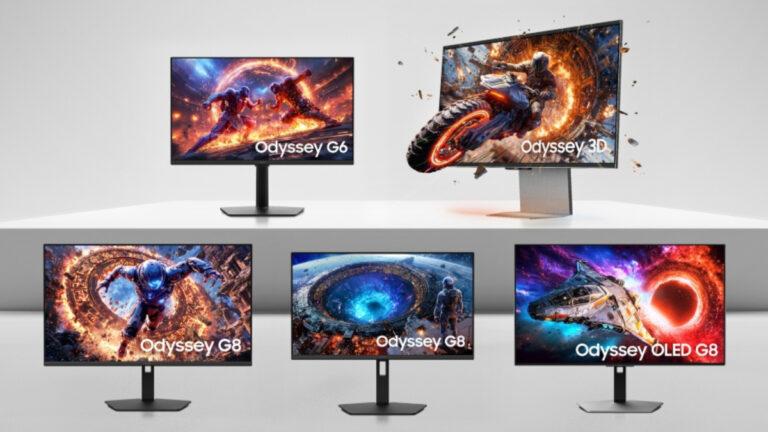
The undisputed crown jewel of the monitor showcase was the 27-inch Odyssey 3D (G90XF). Utilizing advanced eye-tracking sensors and view-mapping technology, the monitor delivers jaw-dropping, glasses-free 3D immersion. It actively tracks the user’s eyes to shift the perspective of the environment in real time, boasting a fast 165Hz refresh rate and a 1ms Gray-to-Gray (GtG) response time to make 3D gaming seamless and mainstream.

For the competitive esports crowd, Samsung broke records with the 27-inch Odyssey G6 (G60H). Equipped with an industry-first Dual Mode, this monitor can reach a mind-boggling 1,040Hz refresh rate when operating in HD resolution—offering the extreme frame rates and low latency demanded by professional players. When players want to prioritize visual crispness over raw speed, they can instantly toggle the monitor back to its native QHD resolution at a still-blazing 600Hz.

Additionally, Samsung showcased the 32-inch Odyssey G8 (G80HS), a productivity and high-fidelity gaming monster that sports a stunning 6K resolution panel with a baseline 165Hz refresh rate, capable of switching to a 330Hz mode at lower resolutions.

A Comprehensive Lineup for Every Home

Beyond the ultra-premium brackets, Samsung detailed updates across its versatile mid-range lines. The design-forward The Frame Pro (LS03HW) has been upgraded with a bright Neo QLED panel powered by Mini LEDs for enhanced light control, packaged alongside a Wireless One Connect Box for easier wall mounting.

For the broader market, the Neo QLED QN80H series remains the versatile go-to for 4K upscaling and 144Hz gaming, while the Mini LED M70H range introduces “Pure Spectrum Colour” at a highly competitive value play, with sizes dipping to 43 inches starting at just AUD$749.

By blending cutting-edge hardware—like glasses-free 3D and Micro RGB—with the deeply integrated, multi-LLM Vision AI Companion, Samsung’s showcase at the Australian Tech Summit 2026 made one thing clear: the future of home entertainment is no longer just about building sharper screens, but building significantly smarter ones.
Tata Trusts Crisis: Regulator Halts Board Meeting Over Internal Rift

0

New Delhi, May 16, 2026 — In a dramatic escalation of the internal power struggle at India’s most prestigious philanthropic institution, the Maharashtra Charity Commissioner has indefinitely stayed a crucial board meeting of the Sir Ratan Tata Trust (SRTT). The order, issued late Friday evening, follows a surprise complaint from a long-standing insider: Venu Srinivasan, the Vice-Chairman of Tata Trusts.

The intervention has left the Tata Group’s top leadership in a state of flux, exposing a widening rift between trustees over the future direction of the $180-billion conglomerate. In a swift response, Tata Trusts stated it was “not aware” of any complaint filed by Mr. Srinivasan and is currently reviewing the legal implications of the regulator’s order.

The Order: A Regulatory Speedbump

The Charity Commissioner, Amogh S. Kaloti, directed the board to defer its scheduled May 16 meeting, citing “serious issues” that require an inspector’s inquiry. The core of the dispute involves the Maharashtra Public Trusts Act, specifically an amendment from September 2025 (Section 30A(2)) that caps the number of “perpetual” or lifetime trustees at 25% of the board’s total strength.

According to the complaints filed:

  • The Allegation: Sir Ratan Tata Trust currently has six trustees. Three of them—Noel Tata, Jimmy Tata, and Jehangir HC Jehangir—hold lifetime appointments.
  • The Math: This represents 50% of the board, double the legally permitted limit under the new ordinance.
  • The Risk: The Commissioner warned that any “important decisions” regarding management or composition taken during the inquiry could lead to a “multiplicity of proceedings” and legal complications.

The Srinivasan Surprise

Perhaps the most jarring aspect for the Tata leadership was the identity of the complainant. Venu Srinivasan, a veteran industrialist and a trustee appointed by the late Ratan Tata himself, reportedly filed an email complaint on April 28.

This move aligns him with Advocate Katyayani Agrawal, who had initially flagged the governance violation. The Charity Commissioner’s order noted that Srinivasan’s representation was of a “similar nature” to Agrawal’s, urging for an immediate inquiry into the board’s composition.

“Sir Ratan Tata Trust was not aware of any complaint having been filed by Mr. Venu Srinivasan until the receipt of directions from the Charity Commissioner today,” a spokesperson for Tata Trusts said in an official statement.

The Trust expressed surprise, noting that Srinivasan had previously acknowledged the notices for the board meetings scheduled for May 8 and May 16 without raising internal objections.

The Brewing Conflict: Listing and Leadership

While the legal battle focuses on the number of lifetime trustees, the underlying friction is believed to be rooted in two existential questions for the Tata Group:

  1. The IPO of Tata Sons: Under RBI mandates, Tata Sons (the holding company) is classified as an Upper-Layer NBFC, which typically requires a public listing. Reports suggest a deep divide: Noel Tata is reportedly opposed to the listing to maintain the private nature of the holding company, while Venu Srinivasan and Vijay Singh are said to favor an IPO to raise capital for capital-intensive ventures like semiconductors.
  2. Leadership Tenure: The board was expected to discuss the future of Tata Sons Chairman N. Chandrasekaran, whose reappointment for a third term has seen varying levels of support within the Trust.

Tata Trusts’ Legal Defense

The Trust has labeled the Charity Commissioner’s order as “ex-parte,” meaning it was issued without giving the Trust a prior notice or a chance to present its case. Legal experts representing the Trust argue that the 2025 amendment to the Maharashtra Public Trusts Act cannot be applied retrospectively to existing lifetime trustees who were appointed years before the law changed.

Key StakeholderPositionAlleged Stance
Noel TataChairman, Tata TrustsOpposed to Tata Sons IPO; Lifetime Trustee.
Venu SrinivasanVice-Chairman, Tata TrustsFavors IPO; Filed complaint regarding board composition.
Charity CommissionerRegulatorOrdered Inspector Inquiry; Halted all meetings.
Katyayani AgrawalAdvocatePrimary complainant regarding Section 30A(2) violations.

What Happens Next?

The “indefinite postponement” of the board meeting leaves several critical items in limbo. The Inspector appointed by the Charity Commissioner must now conduct a thorough probe under Section 37 of the Act and submit a report.

Until then, the Sir Ratan Tata Trust—which holds a massive 23.56% stake in Tata Sons—is effectively paralyzed from making major governance changes.

For the Tata Group, a conglomerate synonymous with “trust” and stability, this public legal skirmish marks a rare and uncomfortable departure from its usual behind-the-scenes diplomacy. As the inquiry unfolds, the industry will be watching closely to see if this is merely a regulatory hurdle or the beginning of a larger institutional overhaul.

Fuel Hike: Gig Workers Call Nationwide Strike

0

New Delhi, May 16, 2026 — In a major development that threatens to disrupt daily urban logistics, food delivery, and ride-hailing services across India, the Gig & Platform Service Workers Union (GIPSWU) has called for a temporary nationwide shutdown of all app-based services. The five-hour token strike, scheduled from 12:00 PM to 5:00 PM, comes as a direct response to a sudden and steep hike in fuel prices, leaving millions of gig workers struggling to maintain their livelihoods.

The union has urged delivery personnel, commercial drivers, and logistics workers associated with tech giants like Swiggy, Zomato, Blinkit, Zepto, Dunzo, Ola, Uber, and Rapido to log off from their respective applications. The move is intended to send a clear message to both the central government and digital platform aggregators: the current compensation model is entirely unsustainable under the weight of soaring fuel expenses.

The Spark: A Steep Rise in Fuel and Living Costs

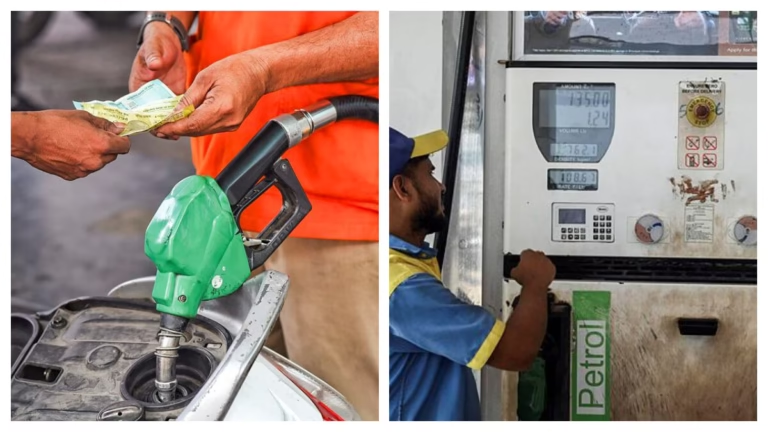
The immediate trigger for the protest was the sudden revision of fuel rates by state-owned oil marketing companies (OMCs), which raised the prices of petrol and diesel by approximately ₹3 per litre across the country. Additionally, Compressed Natural Gas (CNG) prices saw a hike of ₹2 per kg. This represents the first major nationwide fuel price surge in nearly four years, breaking a prolonged period of relative price stability.

Following the revision, fuel prices in key metro cities reached alarming highs:

  • Delhi: Petrol climbed to nearly ₹97.77 per litre, while diesel rose to ₹90.67 per litre.
  • Bengaluru: Petrol prices jumped to ₹106.17 per litre, with diesel reaching ₹94.10 per litre.
  • Hyderabad: Petrol surged past the ₹110 mark to land at ₹110.80 per litre, while diesel reached ₹98.90 per litre.

Energy experts attribute this sudden domestic price hike to severe disruptions in global energy markets. The ongoing military escalation in West Asia has resulted in a strict maritime chokehold on the vital Strait of Hormuz, halting a massive chunk of global oil supplies. Consequently, international crude oil prices—which sat below $75 per barrel earlier this year—surged past $120 before stabilizing in the volatile $100–$105 range. While Indian OMCs absorbed the shock for months, the financial pressure finally trickled down to the domestic consumer.

A “Direct Blow” to Livelihoods

For India’s estimated 1.2 crore gig and platform workers, fuel is not just a personal expense; it is their primary raw material. Because these independent contractors typically use their own motorcycles, scooters, or cars, they bear 100% of the operational expenses, including fuel, routine maintenance, and vehicle insurance.

GIPSWU President Seema Singh termed the price hike a “direct blow” to an already vulnerable workforce. “Delivery workers for Swiggy, Zomato, Blinkit, and others simply cannot bear this additional weight,” Singh stated. “They are being squeezed from both ends. On one hand, global conflicts are driving up their daily costs at the pump, and on the other, commercial platform algorithms refuse to adjust compensation to reflect the ground reality.”

Compounding the crisis is the timing. Large swathes of India are currently grappling with extreme summer heatwaves. Gig workers are logging 10 to 14 hours a day on the roads in punishing weather conditions, only to see their hard-earned daily profits evaporated by fuel costs before they can take any money home to their families.

Mohammed, a ride-hailing cab driver in Hyderabad, echoed the union’s distress. “Every single time fuel prices increase, our out-of-pocket expenses go up immediately. But customer fares and the base payouts we receive from the apps remain completely stagnant. After handing over the app’s steep commission and filling up the tank, we have next to nothing left. Some days, we can barely afford to buy lunch while on shift.”

The Union’s Demands: A Call for Structural Reform

The GIPSWU has made it clear that the five-hour shutdown is a peaceful, symbolic gesture meant to highlight a deeper structural crisis within the gig economy. The union has formally submitted memorandums to the Government of India, the Ministry of Labour and Employment, and major digital platforms demanding immediate intervention.

The union’s core demands include:

  1. Mandatory Minimum Service Rate: The union is urging the government and digital platforms to enforce a minimum service rate of ₹20 per kilometre for all transport and delivery gig workers to buffer against fluctuating fuel dynamics.
  2. Dynamic Fuel Indexing: A demand that platform aggregators implement an automated compensation model where per-kilometre payouts scale dynamically alongside changing fuel prices.
  3. Government Advisories: The union has requested the Centre to issue strict advisory measures preventing app companies from passing the entire financial burden of rising fuel and logistics costs onto the workers.

Nirmal Gorana, the National Coordinator for GIPSWU, emphasized how disproportionately women gig workers and last-mile delivery personnel are affected. “Vehicle maintenance and fuel costs have soared over the last year, while base payouts have shrunk or remained frozen. If digital platform companies refuse to adjust payments proportionally, we will witness a mass exodus of workers from this sector, which will ultimately break urban commerce entirely.”

Cascading Impact on the Broader Economy

The crisis extending from the fuel hike isn’t limited to app-based workers. Market analysts warn that the ₹3 per litre surge will trigger a cascading inflationary effect across multiple consumer sectors.

With logistics and transport costs immediately moving upward, wholesale traders and transporters are already cautioning that the prices of daily essentials, fast-moving consumer goods (FMCG), fresh fruits, and vegetables are bound to rise in the coming days. Small restaurants and roadside eateries, already reeling from a recent hike in commercial LPG cylinder prices (which surged past ₹2,100), are facing reduced profit margins, further hurting the food-delivery ecosystem.

What Lies Ahead?

As the 12:00 PM to 5:00 PM strike window approaches, citizens in major metropolitan areas are expected to face notable delays, order cancellations, and a severe shortage of available rides.

While tech platforms have historically resisted adjusting their core pricing algorithms to maintain low consumer costs and competitive market advantages, the sheer scale of the GIPSWU’s collective action might force a shift. The five-hour temporary shutdown stands as a crucial litmus test for India’s booming gig economy, shining a harsh spotlight on the fine line between tech-driven convenience and the basic economic survival of the people who power it.

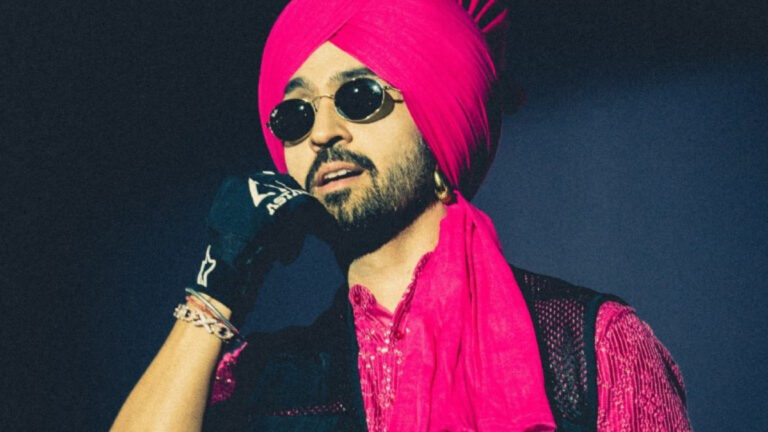
Dark Side of Dil-Luminati: Why Dancers are Quitting Diljit Dosanjh Tour

New Delhi, May 16, 2026: The global “Dil-Luminati” tour by Punjabi superstar Diljit Dosanjh, which has broken records and sold out stadiums across North America and Europe, is currently facing a significant wave of criticism. What began as a celebration of Punjabi culture on the world stage has shifted into a heated debate regarding labor practices in the entertainment industry.

Recent reports and social media testimonies from female dancers have highlighted allegations of “unfair treatment,” “abysmal pay,” and an environment where performers “didn’t feel safe.”

The Catalyst: Dancers Speak Out

The controversy gained significant momentum in mid-2024 and has continued to evolve into 2026 as the tour expanded. While the tour was initially praised for its scale, background dancers began coming forward to reveal the “hidden cost” of the production.

1. The “Exposure” Trap

British-Indian dancer Shilpa Sajan became a prominent voice in this movement after she publicly declined to join the Europe leg of the tour. Sajan revealed that she was offered a flat fee of approximately £80 (around ₹8,700) per show.

For a production generating millions in ticket sales—with some resale prices reportedly hitting astronomical figures—Sajan argued that this amount was insulting.

  • Self-Funded Costs: Dancers were expected to cover their own travel and accommodation.
  • The Argument: Management allegedly framed the opportunity as a “once-in-a-lifetime experience,” essentially asking professionals to work for “exposure” rather than a living wage.

2. Safety and Professionalism Concerns

Beyond the financial aspect, several dancers expressed concerns over their physical and mental well-being. Reports surfaced of:

  • Rehearsal Strain: Rehearsals often stretched until 2:00 AM with little notice or regard for the performers’ schedules.
  • Information Gaps: Dancers claimed they were “messed around” by management, receiving conflicting information about choreography and logistics.
  • The “Safety” Factor: Some performers stated they “didn’t feel safe” due to the lack of clear professional boundaries and the high-pressure environment created by the management team.

Body Positivity and Bias Allegations

In a more recent development (May 2026), a group of female dancers took to social media to highlight a different form of discrimination: size bias.

According to a viral video from a group of dance artists, the costume department for the tour allegedly did not carry sizes larger than “Medium.” This effectively excluded many talented dancers who did not fit a specific physical mold. One dancer noted:

“There is a wrong misconception that big-sized people can’t move, let alone dance. We were essentially disqualified because of a wardrobe choice, not our skill.”

The group also questioned why management requested their Instagram handles during auditions, suggesting that “follower counts” were being prioritized over technical ability.

The Management’s Defense

Diljit Dosanjh’s manager, Sonali Singh, and the official choreography team have consistently denied claims of exploitation. Their defense rests on three main pillars:

Point of DefenseManagement’s Stance
MisinformationClaims that vocal critics like Rajat Batta and Manpreet Toor were never actually part of the tour team.
Voluntary ParticipationMany Bhangra teams released joint statements saying they performed out of “love for the culture” and felt “enveloped in respect.”
Official ChannelsManagement insists that all official tour members were treated professionally and that outside voices are “spreading false narratives.”

The Industry Impact: A “Glass Ceiling” or a “Floor”?

While Diljit Dosanjh is celebrated for “breaking glass ceilings” for South Asian artists, this controversy has sparked a necessary conversation about the “floor”—the foundational workers (dancers, tech crew, and local artists) who make these massive shows possible.

The “Culture” vs. “Commerce” Debate

The divide in the dance community is clear:

  • The Pro-Diljit Side: Argues that the visibility provided by performing with a global icon is a “priceless” career boost and a service to the Punjabi community.
  • The Labor Rights Side: Argues that “culture” should not be used as an excuse to bypass labor laws or fair pay. As one dancer put it, “Exposure doesn’t pay the rent.”

Conclusion

As the “Dil-Luminati” tour continues to move across continents, the shadow of these allegations remains. For Diljit Dosanjh, an artist known for his humility and connection to his roots, the disconnect between his public persona and the reported experiences of his stage crew is a growing PR challenge.

The takeaway for the industry is clear: the era where background performers remain silent in exchange for a “big break” is ending. Dancers are demanding that their art be treated not just as a passion, but as a profession that deserves safety, respect, and a fair share of the profit.

Devotion Flows at Har Ki Pauri: Thousands Take Holy Dip on Shani Amavasya

0

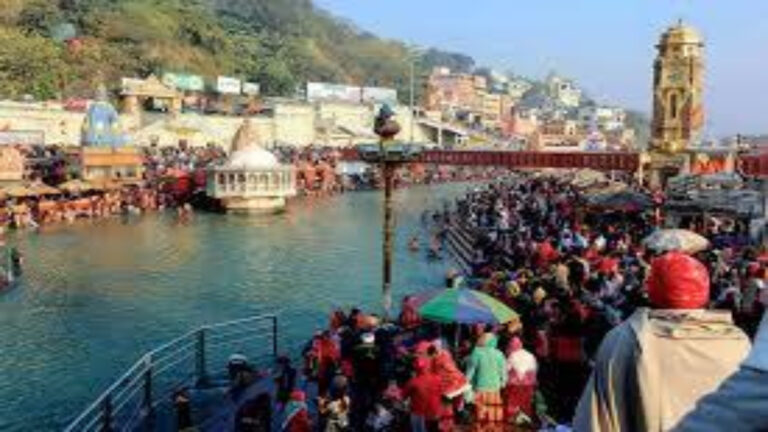
May 16, 2026 — The sacred banks of the River Ganga in Haridwar transformed into a sea of faith today as thousands of devotees gathered at the iconic Har Ki Pauri to mark the auspicious occasion of Shani Amavasya. Falling on a Saturday this year, the day coincides with Shani Jayanti, the birth anniversary of Lord Shani, making it a rare and highly significant celestial alignment for millions of Hindus across the country.

Since the early hours of the morning, despite the humid pre-monsoon air, pilgrims from Uttarakhand, Uttar Pradesh, Haryana, and Delhi-NCR began congregating at the ghats. By sunrise, the resonant chants of “Ganga Maiya Ki Jai” and “Jai Shani Dev” echoed through the holy city, signaling the start of the massive bathing ritual.

A Rare Alignment of Faith

In the Hindu calendar, when a New Moon day (Amavasya) falls on a Saturday (Shanivar), it is celebrated as Shani Amavasya. This year, the event holds double the spiritual weight because it marks Shani Jayanti. According to Vedic astrology, Lord Shani is the deity of justice and karma, and the planet Saturn is believed to influence one’s destiny based on their deeds.

“Taking a dip in the Ganga today is not just about physical purification; it is about seeking mercy for past karmas,” said Acharya Rajesh Sharma, a local priest at Har Ki Pauri. “The confluence of Saturday and Amavasya provides a powerful window to appease Lord Shani and mitigate the effects of Sade Sati or Shani Dosha.”

Rituals and Traditions at the Ghats

The rituals began well before dawn, at approximately 5:11 AM, marking the start of the Amavasya Tithi. Devotees performed the traditional ‘Snan’ (holy bath) by immersing themselves three times in the cold, flowing waters of the Ganga.

Following the dip, the ghats were lined with people performing Tarpan—a ritual involving water and black sesame seeds to honor their ancestors. The significance of Shani Amavasya is deeply tied to ancestral peace, and many families were seen offering prayers for the departed souls.

Later, devotees flocked to the Shani shrines located within the city. Long queues were observed at the Shani Temple near Kushavarta Ghat and the ancient shrines in Kankhal. The traditional offerings included:

  • Mustard Oil: Poured over the idol of Shani Dev.
  • Black Sesame and Urad Dal: Symbolic of the planet Saturn.
  • Charity: Donating black umbrellas, footwear, and food to the needy, which is considered a primary way to earn the grace of the “God of Justice.”

Tight Security and Efficient Management

The Haridwar district administration and local police remained on high alert to manage the massive influx of pilgrims. With the Char Dham Yatra already in full swing, the city faced a dual challenge of managing local devotees and transit pilgrims.

Manoj Kumar, a senior police official stationed at Har Ki Pauri, stated:

“We have divided the mela area into various zones. Drone surveillance is being used to monitor crowd density at the ghats to prevent any stampede-like situations. Divers from the SDRF (State Disaster Response Force) are stationed in boats to ensure the safety of those venturing deep into the river.”

Traffic diversions were also implemented on the Delhi-Haridwar National Highway to ensure a smooth flow of vehicles, as thousands of private buses and cars entered the city since Friday night.

The Voice of the Devotees

The atmosphere remained one of vibrant spirituality. For many, the journey to Haridwar is an annual pilgrimage.

“I traveled from Meerut overnight to be here,” said Suman Lata, a devotee waiting in line for the Shani temple. “We believe that on this specific day, the Ganga carries special energy. By bathing here and offering oil to Shani Dev, I pray for the well-being and health of my children.”

Another pilgrim, Rameshwar Singh from Punjab, shared a similar sentiment: “There is a sense of peace you find here that you won’t find anywhere else. Despite the crowd, when you touch the water, everything else fades away.”

Looking Ahead

The Amavasya Tithi is set to continue until 1:30 AM on May 17. Authorities expect the crowd to remain steady throughout the evening, especially during the famous Ganga Aarti, where the number of attendees is expected to double.

As the sun sets over the Shivalik hills, the flicking lamps (diyas) floating on the Ganga will serve as a visual testament to the enduring faith of a nation that finds solace in its ancient rivers and celestial traditions.

For those unable to make it to Haridwar today, astrologers suggest performing simple rituals at home, such as lighting a mustard oil lamp under a Peepal tree and chanting the Shani Mantra: Om \ Sham \ Shanaishcharaye \ Namah.

Pati Patni Aur Woh 2: Ayushmann Sequel Flops on Day 1

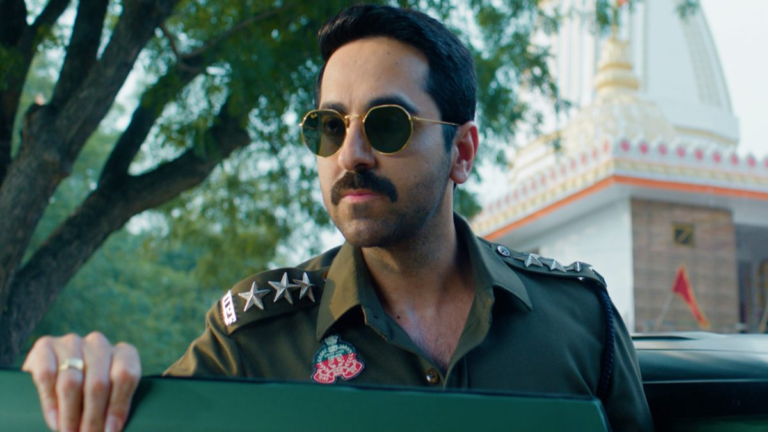
May 16, 2026 — The much-anticipated spiritual sequel to the 2019 hit, Pati Patni Aur Woh Do, hit theaters yesterday with high expectations and a star-studded cast. However, the first-day box office numbers tell a story of a slow start. Despite the combined star power of Ayushmann Khurrana, Sara Ali Khan, Rakul Preet Singh, and Wamiqa Gabbi, the film struggled to ignite the box office, earning significantly less than its predecessor’s opening day.

The Numbers: A Steep Drop from 2019

The industry was closely watching to see if the sequel could replicate the success of the 2019 reboot, which featured Kartik Aaryan, Bhumi Pednekar, and Ananya Panday. Unfortunately, the gap is wider than expected.

  • Pati Patni Aur Woh Do (2026): Collected approximately ₹3.85 crore on Day 1.
  • Pati Patni Aur Woh (2019): Collected ₹9.10 crore on Day 1.

With earnings hovering at roughly 42% of the original film’s debut, the sequel has officially generated under 50% of the 2019 revenue. This “subdued start” has surprised many trade analysts who predicted a stronger opening given the franchise’s brand value and Ayushmann’s return to his signature “everyman” comedy genre.

Box Office Performance Summary

MetricDetails (Day 1)
India Net Collection₹3.85 Crore
India Gross Collection₹4.62 Crore
Overseas Gross₹1.00 Crore
Worldwide Total₹5.62 Crore
Average Occupancy11.94%

Why the Slow Start?

Several factors contributed to the film’s lackluster debut. While the 2019 film benefited from a catchy soundtrack and a viral marketing campaign, Pati Patni Aur Woh Do faced a more crowded theatrical window and mixed critical reception.

1. Occupancy and Show Count

The film was released across 6,822 shows nationwide. However, the occupancy remained thin throughout the morning and afternoon.

  • Morning Shows: 5.38%
  • Night Shows: 18.62% (The only significant jump in footfalls)

2. Critical and Audience Reception

The reviews have been polarized. While critics praised the individual performances—particularly Ayushmann’s comic timing and Wamiqa Gabbi’s screen presence—the screenplay has been criticized for being repetitive. Many viewers felt the “comedy of errors” formula felt a bit dated compared to more innovative content currently on streaming platforms.

3. Regional Performance

Urban centers like Mumbai, Pune, and Bengaluru showed the most promise, with night shows in these cities reaching up to 24% occupancy. However, the film failed to make a significant dent in the mass circuits of North India, which are typically the stronghold for this genre.

The Plot: A New Comedy of Errors

Directed by Mudassar Aziz, the film follows Prajapati Pandey (Ayushmann), a forest officer in Prayagraj who is happily married to Aparna (Wamiqa Gabbi). The chaos begins when he gets tangled in the lives of two other women, played by Sara Ali Khan and Rakul Preet Singh, leading to a whirlwind of misunderstandings.

“Ayushmann is an expert at playing the everyday middle-class man… but the core plot feels empty and lacks enough meat,” noted one review from 123telugu, highlighting the struggle between strong performances and a weak script.

Looking Ahead: Can the Weekend Save It?

Historically, Ayushmann Khurrana’s films are known to be “word-of-mouth” wonders. Films like Dream Girl 2 and Doctor G also started modestly but saw significant growth over their first Saturday and Sunday.

To reach a respectable lifetime total, Pati Patni Aur Woh Do needs a massive jump of at least 60-70% today. With no major competition this weekend, the path is clear for the film to grow—provided the audience finds the humor engaging enough to recommend.

For now, the film sits as one of the lower openings for Khurrana in the post-pandemic era, trailing far behind his recent hit Dream Girl 2 (₹10.69 crore). All eyes are now on the Sunday night figures to see if this marriage comedy can find its happy ending at the box office.

Middle East Crisis: Israel-Lebanon Truce Extended as Iran Signals Dialogue

0

New Delhi, May 16, 2026: The conflict in the Middle East has reached a critical juncture as diplomatic efforts and military operations continue to clash. In a significant development on May 16, 2026, the United States announced that Israel and Lebanon have agreed to a 45-day extension of their ceasefire. While this offers a glimmer of hope for regional stability, the situation remains fragile as Israel continues targeted strikes and Iran signals a cautious readiness for further dialogue with Washington.

Ceasefire Extension: 45 Days of “Breathing Room”

The existing truce, which was set to expire this Sunday, has been prolonged following intense two-day negotiations in Washington. State Department spokesperson Tommy Pigott confirmed that the cessation of hostilities will now continue for another month and a half to “enable further progress” toward a permanent political settlement.

Key Details of the Agreement:

  • Duration: A 45-day extension of the truce originally declared on April 16.
  • Future Talks: New rounds of political negotiations are scheduled for June 2 and 3, with military-to-military delegations set to meet on May 29.
  • Objective: The Lebanese delegation stated the extension provides “critical breathing room” for civilians, aiming for lasting stability along the shared border.

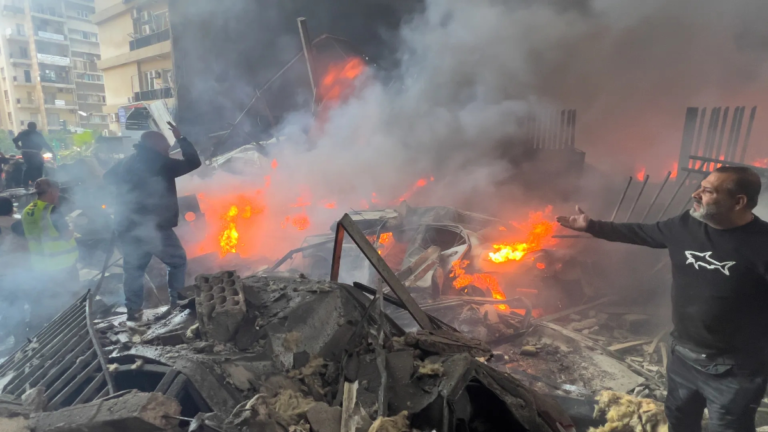
Despite the official agreement, the reality on the ground is starkly different. Even as the extension was announced, Israeli airstrikes hit southern Lebanon. Israel maintains that these strikes are directed at Hezbollah infrastructure and are not subject to the ceasefire terms, as Hezbollah—the Iranian-backed group—is not a formal party to the diplomacy.

Iran’s Stance: Open to Talks but Wary

In New Delhi, where he is attending a BRICS meeting, Iranian Foreign Minister Abbas Araghchi addressed the ongoing tensions. He confirmed that Tehran has received fresh messages from the United States expressing a willingness to continue interactions.

“We received messages again from the Americans saying that they are willing to continue the talks and continue the interaction,” Araghchi told reporters.

However, Araghchi highlighted a significant “trust deficit” between the two nations. He emphasized that there is no military solution to the conflict and expressed Iran’s readiness to ensure the safe passage of vessels through the Strait of Hormuz, provided a diplomatic breakthrough is reached.

The “Epic Fury” Shadow: Trump’s Dilemma

Back in Washington, President Donald Trump has returned from a high-stakes visit to China. While he seeks a historic diplomatic win, reports suggest the Pentagon has already drafted plans for a potential resumption of strikes under a campaign dubbed Operation Epic Fury 2.0 should diplomacy fail.

The Trump administration is reportedly balancing three paths:

  1. Indirect Diplomacy: Using regional intermediaries to bridge the gap with Tehran.
  2. Military Escalation: Increasing regional presence to pressure the Iranian regime.
  3. Economic Squeeze: Tightening maritime restrictions to limit Iran’s trade further.

Trump has publicly mentioned that Chinese President Xi Jinping offered to assist in reopening the Strait of Hormuz and pledged not to provide military aid to Iran, adding a layer of global pressure on Tehran to reach an accord.

The Human Cost and Economic Ripple Effects

The conflict, which intensified significantly in March 2026, has taken a devastating toll. According to Lebanese authorities, more than 2,900 people have been killed in Lebanon since the start of the war, with over 400 deaths occurring even after the initial April truce was signed.

Recent Incidents:

  • Medical Staff Targeted: An Israeli strike recently leveled a health center in southern Lebanon, wounding six medical personnel.
  • Military Losses: The Israeli military reported the death of another soldier in southern Lebanon, bringing their toll to 19 since March.
  • Displacement: Thousands of civilians remain displaced as evacuation warnings continue for towns in and around the coastal city of Tyre.

Beyond the immediate violence, the war is squeezing global fuel supplies. Ship operators have expressed fears of severe shortages as the “Strait of Hormuz blockade” drives up insurance costs and discourages maritime traffic in one of the world’s most vital oil transit points.

What Lies Ahead?

The next few weeks will be a true test of international diplomacy. The scheduled military talks on May 29 will be the first major indicator of whether both sides can move from a temporary halt in firing to a structured security agreement.

For the people of Lebanon and Israel, the 45-day extension is a welcome pause, but the “ups and downs” mentioned by Israeli Ambassador Yechiel Leiter suggest the road to peace is still littered with obstacles. As Tehran waits to see if Washington’s messages translate into a “grand bargain,” the world remains on high alert, watching the volatile borders of West Asia.

US and Nigerian Forces Neutralize Global ISIS Deputy in High-Stakes Operation

0

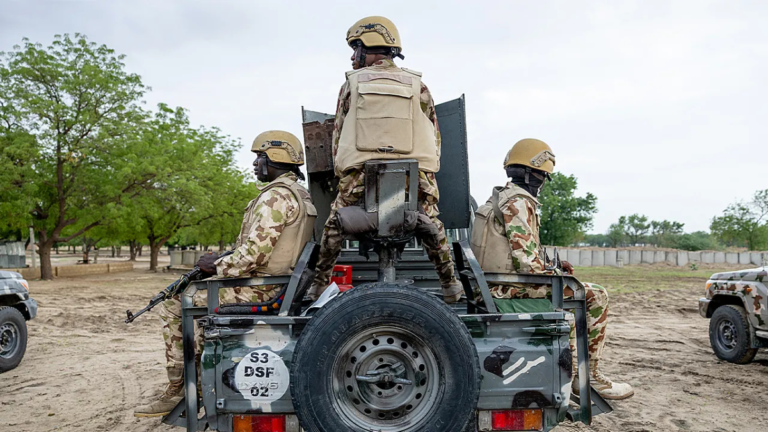
New Delhi, May 16, 2026 — In a significant blow to global terrorism, President Donald J. Trump announced late Friday that a joint military operation between United States Special Operations forces and the Nigerian Armed Forces successfully eliminated Abu-Bilal al-Minuki, the reported second-in-command of ISIS globally.

The operation, which took place in a remote region of Nigeria, marks a major milestone in the Trump administration’s “America First” counterterrorism strategy, which has recently pivoted toward aggressive, partner-led missions in Africa and the Western Hemisphere.

A Flawless Execution

Speaking via Truth Social, President Trump lauded the precision of the mission, characterizing it as a “meticulously planned and very complex” strike.

“Tonight, at my direction, brave American forces and the Armed Forces of Nigeria flawlessly executed a mission to eliminate the most active terrorist in the world from the battlefield,” Trump stated. “Abu-Bilal al-Minuki thought he could hide in Africa, but he had no idea we were watching his every move.”

Details of the engagement remain classified, but sources within the Department of Defense suggest the operation involved a mix of high-altitude surveillance, signal intelligence, and a ground assault by elite Nigerian units supported by U.S. “advise and assist” teams.

Who was Abu-Bilal al-Minuki?

Al-Minuki, a Nigerian national, had long been a shadow figure within the Islamic State’s hierarchy. While ISIS lost its physical “caliphate” in Iraq and Syria years ago, al-Minuki was instrumental in shifting the group’s operational center of gravity to the Sahel region of Africa.

  • Global Role: He served as the deputy to the ISIS global leader, overseeing the “Al-Karrar Office,” which coordinates funding and logistics across central and southern Africa.
  • Tactical Shift: Under his guidance, ISIS affiliates in West Africa (ISWAP) integrated advanced technology, including unmanned aerial systems (drones), into their insurgent tactics.
  • Sanctions: He had been on the U.S. Treasury Department’s “Specially Designated Global Terrorist” list since 2023, following intelligence that he was planning external operations against Western targets.

The Strategic Partnership: US and Nigeria

The success of this mission highlights a complex but strengthening relationship between Washington and Abuja. Earlier in his second term, President Trump had expressed concerns regarding the protection of religious minorities in Nigeria. However, this operation signals a pragmatic shift toward security cooperation.

Key Elements of the Partnership:

FeatureDescription
Intelligence SharingU.S. provided high-tech “over-the-horizon” surveillance to track al-Minuki’s movements.
Tactical SupportU.S. Special Forces provided real-time tactical advice during the raid.
Regional StabilityThe mission aims to de-escalate the growing insurgency in the Lake Chad Basin.

“We thank the Nigerian government for their partnership,” Trump added. “With his removal, ISIS’s global operation is greatly diminished.”

The 2026 Counterterrorism Landscape

This strike comes at a time when the 2026 U.S. National Security Strategy has redefined how America fights terror. The administration has moved away from “forever wars” and large-scale troop deployments, opting instead for surgical strikes and leveraging local partnerships.

This year has already seen significant military activity, including:

  1. Operation Midnight Hammer: The neutralization of strategic threats in the Middle East.
  2. Cartel Designations: The official classification of several transnational criminal organizations in the Western Hemisphere as terrorist entities.
  3. Syrian Diplomacy: Ongoing coordination with the new Syrian government under President Ahmed al-Sharaa to maintain pressure on ISIS remnants in the Levant.

The Impact on ISIS Globally

Experts believe the death of al-Minuki will trigger a leadership crisis within ISIS. Africa has become the “global epicenter of terrorism” over the last three years, with the Sahel and Lake Chad regions seeing a surge in activity. By removing a leader who bridged the gap between local African cells and the global ISIS leadership, the U.S. and Nigeria have effectively “decapitated” the group’s financial and logistical spine in the region.

However, analysts at the Soufan Center warn that while the loss of a “high-value target” is a victory, the underlying conditions—economic instability and local grievances—continue to provide a fertile recruiting ground for extremist ideologies.

What’s Next?

As the news of the raid spreads, security forces across West Africa are on high alert for potential retaliatory strikes. The Nigerian government is expected to release a formal statement later today detailing the local impact of the operation and their plans for continued stabilization in the northeast.

For the Trump administration, the message is clear: the focus has shifted to “Peace through Strength.” As the President noted in his closing remarks, “If you plan to hurt Americans, we will find you, and we will kill you. There is nowhere left to hide.”

Rohit Sharma Plays ‘Hide-and-Seek’ with Sherfane Rutherford’s Son Ahead of PBKS vs MI Clash

0

May 15, 2026 – While the Indian Premier League (IPL) is often defined by its high-octane rivalries and intense on-field battles, it is the small, wholesome moments behind the scenes that truly capture the hearts of fans. On Thursday evening, ahead of the crucial Match 58 between Mumbai Indians (MI) and Punjab Kings (PBKS) at the picturesque HPCA Stadium in Dharamshala, a viral video featuring veteran opener Rohit Sharma reminded everyone why he is one of the most beloved figures in world cricket.

A Wholesome Pre-Match Ritual

The incident occurred just after the Mumbai Indians’ warm-up session. As Rohit Sharma was walking back toward the dressing room, bat in hand, he spotted a tiny fan waiting near the boundary line—Sherfane Rutherford’s young son.

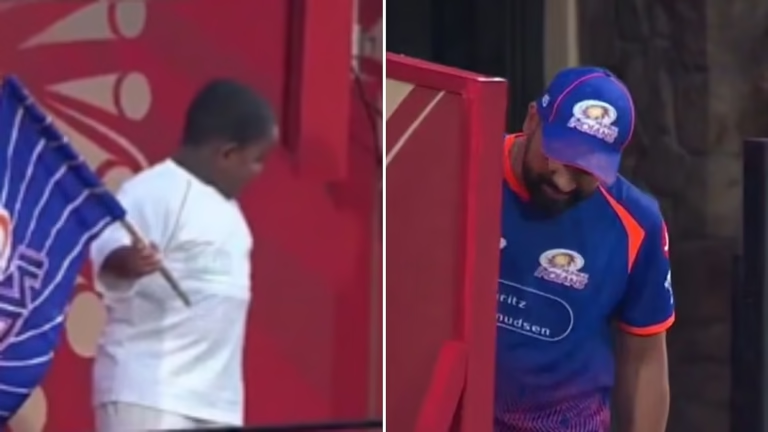
The youngster, dressed in MI colors and enthusiastically waving a team flag, caught the eye of the “Hitman.” Rather than just a quick wave, Rohit decided to engage in a playful game of hide-and-seek. In a video that has since taken social media by storm, Rohit is seen gesturing toward the child with his bat, prompting the little one to run toward him.

The former MI skipper then quickly ducked behind a red partition board near the boundary. The youngster followed suit, peeking around the corner to find his “opponent,” only for Rohit to pop his head out from the other side, much to the delight of the child and the nearby cameramen. The pure, unscripted joy on the face of Rutherford’s son, combined with Rohit’s effortless charm, offered a refreshing break from the high-pressure environment of the tournament.

The “Hitman” – A Family Man at Heart

This isn’t the first time Rohit Sharma has gone viral for his interactions with children. Whether it’s his daughter Samaira or the children of his teammates, Rohit has consistently shown a playful, paternal side that resonates deeply with fans.

Social media users were quick to praise the veteran batter. One fan on X (formerly Twitter) noted, “No matter the pressure of the season or the leadership changes, Rohit never loses his human touch. This is why he is a leader beyond the scorecard.”

The moment also highlighted the “One Family” culture that the Mumbai Indians franchise has long promoted. Despite Sherfane Rutherford being a newer addition to the squad, the camaraderie between the senior players and the families of the teammates appears stronger than ever.

Match Recap: Tilak Varma’s Heroics Seal a Thriller

While the off-field interaction was light-hearted, the match itself was a nail-biting affair. Mumbai Indians managed to secure a thrilling six-wicket victory over Punjab Kings in a high-scoring encounter that went down to the penultimate delivery.

The PBKS Innings: A Solid Start Batting first in the scenic backdrop of Dharamshala, Punjab Kings posted a formidable total of 200/8. Prabhsimran Singh was the star with the bat for the home side, smashing a quickfire 57 off 32 balls. However, MI’s veteran pacer Shardul Thakur turned the tide with a brilliant spell, finishing with figures of 4/39 and claiming the crucial wickets of Prabhsimran and PBKS skipper Shreyas Iyer.

The MI Chase: Tilak Varma Takes Charge In response, Mumbai Indians got off to a flyer thanks to Ryan Rickelton, who blazed 48 runs off just 23 balls. Rohit Sharma, playing as an Impact Player, contributed a steady 25 off 26 balls, including two signature sixes, before falling to the spin of Yuzvendra Chahal.

The chase seemed to be slipping away in the middle overs, but Tilak Varma produced an innings for the ages. The young left-hander remained unbeaten on 75 off just 33 balls*, hitting six fours and six sixes. With 15 runs needed off the final over, Varma and partner Will Jacks (25* off 10) held their nerve to cross the finish line with one ball to spare.

IPL 2026 Standings: A Bitter-Sweet Victory

Despite the jubilant scenes following the last-ball win, the victory remains bitter-sweet for the Mumbai Indians. Due to their poor run in the early stages of the tournament under Hardik Pandya’s captaincy and subsequent leadership transitions due to injuries, MI has officially been eliminated from the IPL 2026 playoff race.

Even if they win their remaining fixtures, they cannot accumulate enough points to break into the top four. For Punjab Kings, the loss marks their fifth consecutive defeat, severely denting their own hopes of making the knockout stages.

Final Thoughts

As the 2026 season winds down, the Mumbai Indians will likely look at these moments—both the heroic knocks by Tilak Varma and the heartwarming antics of Rohit Sharma—as building blocks for the future. While the trophy might be out of reach this year, the “Hitman” continues to prove that his legacy isn’t just built on runs and titles, but on the smiles he brings to the stadium, both on and off the pitch.

Kartavya Review: Saif Ali Khan Anchors a Gritty Heartland Thriller That Stays Too Safe

Friday, May 15, 2026: The “Godfather of Netflix India” is back. Eight years after he changed the digital landscape with Sacred Games, Saif Ali Khan returns to the streaming giant with Kartavya, a rural crime thriller produced by Red Chillies Entertainment. Directed by Pulkit (of Bhakshak fame), the film arrived on Netflix today, promising a searing look at the intersection of caste, crime, and conscience in the Indian heartland.

While Saif Ali Khan delivers a performance of remarkable restraint and depth, the consensus among critics suggests that the film—much like its protagonist—is held back by a system that refuses to let it roar.

The Plot: A Birthday Turned Nightmare

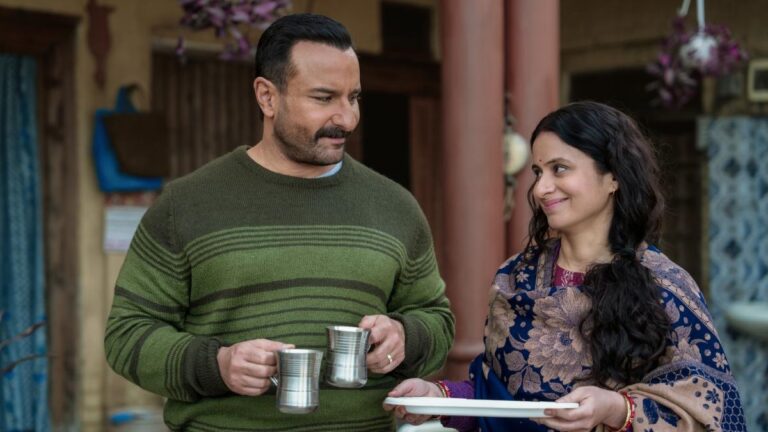
The film opens on a deceptively celebratory note. It is the 40th birthday of Pawan Malik (Saif Ali Khan), a Station House Officer in the fictional town of Jhamli, located on the volatile border of Haryana and Western Uttar Pradesh. Pawan is an honest cop who has learned to survive by keeping his head down, but his world is upended when a journalist under his protection is shot dead in broad daylight.

The murder isn’t just a professional failure; it’s a catalyst that exposes the rot in Jhamli. As Pawan races against a seven-day deadline to find the killers and save his career, he finds himself caught in a Chakravyuh (a multi-layered trap) involving:

  • Anand Shri (Saurabh Dwivedi): A powerful, polished godman with a dark influence over the local youth.
  • Caste Politics: A parallel track involving Pawan’s younger brother, who elopes with a girl from a different caste, triggering a Khap Panchayat’s demand for an “honour killing.”
  • Generational Trauma: Pawan’s own father (Zakir Hussain), who prioritizes “family izzat” (honour) over his son’s life.

Performance Highlights: Saif’s Simmering Quietude

Saif Ali Khan’s portrayal of Pawan is the film’s strongest asset. Unlike the typical “super-cop” seen in commercial cinema, Pawan is exhausted, morally conflicted, and deeply human. Saif captures the psychological warfare of a man who knows exactly what is wrong with the world but feels paralyzed by his duty as both an officer and a son.

The supporting cast provides a sturdy foundation:

  • Rasika Dugal plays Pawan’s wife with her signature grace, though critics noted she is somewhat underutilized.
  • Sanjay Mishra delivers a sincere performance as a morally grey character, adding weight to the film’s philosophical undertones.
  • Yudhvir Ahlawat is the breakout star, playing Harpal—a young shooter manipulated by the godman—with a chilling, restrained ease.
Cast MemberRoleKey Takeaway
Saif Ali KhanPawan MalikA masterclass in internal conflict and restraint.
Rasika DugalPawan’s WifeReliable as ever, but deserves more screen time.
Sanjay MishraAshokAdds a layer of seasoned, cynical realism.
Saurabh DwivediAnand ShriA bold debut, though some found the casting meta-fictional.

The “Rage” Factor: Why It Falls Short

Despite its strong premise, Kartavya has faced criticism for being “too polished.” Set in the gritty hinterlands of Haryana, the film’s cinematography (by Anil Mehta) and color grading have been described as overly aesthetic, sometimes feeling more like a high-end commercial than a raw crime drama.

The most recurring critique, however, is the film’s lack of visceral impact.

“The film stops itself from screaming when it should have roared,” writes one critic. “Had the story been messier and more fearless, Kartavya could have been a landmark in Indian noir.”

The screenplay, also written by Pulkit, attempts to tackle massive themes: child exploitation, phony gurus, and the deep-seated poison of casteism. While the dialogue is punchy and the Haryanvi accents are spot-on, the narrative often plays it safe, avoiding the raw, uncomfortable truths that made Pulkit’s previous work, Bhakshak, so haunting.

The Verdict: A Brave Effort That Needed More Grit

Kartavya is by no means a bad film. It is a thought-provoking, well-acted procedural that asks difficult questions about what it means to do one’s duty (kartavya) when the very definitions of right and wrong are blurred.

It succeeds as a character study of a modern-day Abhimanyu trapped in a societal maze. However, for an audience used to the gritty realism of Pataal Lok or the explosive energy of Sacred Games, Kartavya might feel like a tense ride that ultimately settles for a safe parking spot.