Home Blog Page 79

Ducati Panigale V4 Lamborghini Edition Hits India at ₹1 Crore

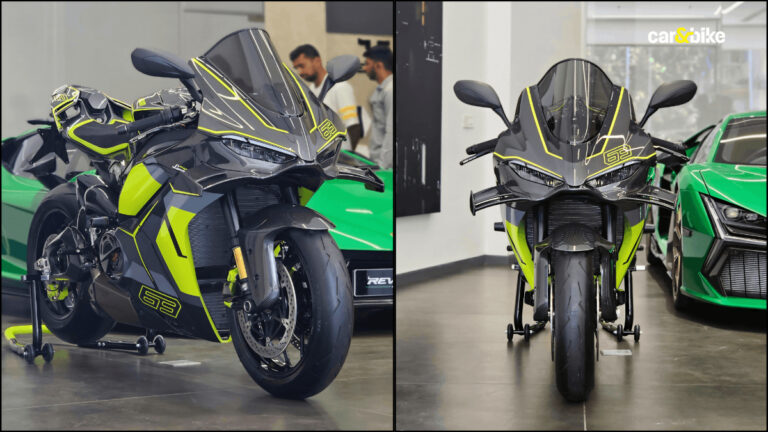
New Delhi, May 11, 2026: The Indian motorcycling scene has just witnessed a moment of pure automotive high art. Ducati has officially launched the ultra-exclusive Panigale V4 Lamborghini in India, carrying a staggering price tag of ₹1 Crore (ex-showroom).

Inspired by the Lamborghini Revuelto—the Sant’Agata Bolognese brand’s first V12 hybrid super sports car—this motorcycle is the third masterpiece born from the collaboration between these two Italian icons. With only 630 units available worldwide, and a single-digit allocation for the Indian market, this is more than just a superbike; it is a moving trophy.

Design & Aesthetics: A Revuelto on Two Wheels

The visual appeal of the Panigale V4 Lamborghini is a direct tribute to the design language of the Revuelto. The Centro Stile Ducati, in partnership with Lamborghini’s design team, has reimagined several components to echo the supercar’s sharp, aggressive lines.

Bespoke Bodywork & Livery

The motorcycle is draped in a sophisticated dual-tone livery of Grigio Telesto (Grey) and Nero Noctis (Black), punctuated by vibrant Verde Scandal (Green) highlights. These accents are found on the brake calipers and various aero-winglets, mimicking the “Y” motifs and hexagonal shapes synonymous with Lamborghini.

Carbon Fiber Mastery

Weight reduction and premium textures were at the forefront of this project. The bike features extensive use of exposed carbon fiber on the:

  • Front and rear mudguards
  • Fairing and fuel tank cover
  • Tail section and winglets
  • Exhaust heat shield

Notably, the carbon fiber weave is carefully aligned to create a herringbone design, ensuring a seamless flow across the body panels—a level of detail typically reserved for high-end hypercars.

Forged Wheels & Cockpit

The forged aluminum wheels are a standout feature, specifically designed to replicate the “Altanero” rims found on the Revuelto. To finish the cockpit, the seat is upholstered in Alcantara with a dedicated stitching pattern, providing a tactile connection to the interior of a Lamborghini cabin.

Performance: The Desmosedici Heart

Underneath the bespoke skin lies the heart of a champion. The Panigale V4 Lamborghini is based on the Panigale V4 S platform but has been tuned for even greater exclusivity.

The Powertrain

It is powered by the 1,103cc Desmosedici Stradale V4 engine, which is a direct descendant of Ducati’s MotoGP technology. In this special edition, the engine produces 216.5 hp at 13,500 rpm and 122.1 Nm of torque.

Titanium Soul

To enhance the acoustic and performance profile, the bike comes standard with a homologated Akrapovič titanium under-belly exhaust. This system not only sheds weight but also adds a 2.5 hp boost compared to the standard V4 S.

Weight & Handling

Every gram counts in the world of superbikes. Thanks to the carbon fiber components and forged wheels, the bike has a wet weight of just 185kg (without fuel), making it incredibly agile. It utilizes a dry clutch—a signature of Ducati’s high-performance racing machines—offering that iconic mechanical clatter and superior power delivery on the track.

Speciale Clienti: The Ultimate Customization

While 630 units are available globally, Ducati has created an even more exclusive tier: the Speciale Clienti. This series is limited to just 63 numbered units and is reserved strictly for existing Lamborghini owners.

These 63 lucky individuals can work directly with Ducati to customize their motorcycle to perfectly match the color and rims of their own Lamborghini car. This ensures that the bike is a true extension of the owner’s garage, featuring custom colors for the brake calipers, seats, and bodywork.

The Launch in India: Price and Exclusivity

The delivery of the first unit in Mumbai has already sent shockwaves through the luxury segment. At ₹1 Crore, the Panigale V4 Lamborghini is roughly triple the price of a standard Panigale V4, yet it is already sold out worldwide.

What the Owner Gets

Aside from the motorcycle, each buyer receives:

  • A Certificate of Authenticity signed by both CEOs.
  • A dedicated motorcycle cover in matching livery.
  • A specialized aluminum box for the key and documentation.
  • Access to a limited-edition apparel collection including a helmet, jacket, and racing suit in matching colors.

Technical Specifications at a Glance

FeatureSpecification
Engine1,103cc Desmosedici Stradale V4
Power216.5 hp @ 13,500 rpm
Torque122.1 Nm @ 11,250 rpm
ExhaustAkrapovič Titanium with Carbon Caps
Weight185 kg (Wet, no fuel)
WheelsForged Aluminum (Lamborghini design)
BrakesBrembo Stylema with Verde Scandal Calipers
Global Units630 (Standard) + 63 (Speciale Clienti)

Final Verdict

The Ducati Panigale V4 Lamborghini is more than a collaboration; it is a celebration of the “Motor Valley”—the region in Italy where both brands were born. In a market like India, where the appetite for luxury and rare collectibles is growing exponentially, this launch marks a new pinnacle for the two-wheeler industry. While most will only ever see this machine in an image gallery or at a high-end showcase, its presence on Indian roads remains a testament to the ultimate fusion of speed, style, and status.

With the first unit already delivered, the Indian motorcycling community waits to see if any of the ultra-rare Speciale Clienti editions will find their way to a private collection in the country.

Do you think we’ll see more ultra-limited collaborations like this hitting the Indian market later this year?

Indian Rupee Hits Record Low: Slumps 139 Paise to 94.90 Against US Dollar

0

New Delhi, May 11, 2026 – In a dramatic session that has sent shockwaves through India’s financial corridors, the Indian Rupee (INR) plunged by a staggering 139 paise today, closing at a historic low of 94.90 against the U.S. Dollar (USD). This marks one of the sharpest single-day declines in recent memory, breaching key psychological barriers and sparking concerns across the industrial and consumer sectors.

The sudden volatility comes amid a perfect storm of global geopolitical tensions, a surging Dollar Index, and shifting capital flows that have left emerging market currencies struggling to find a footing.

The Anatomy of the Crash: Why Now?

The rupee’s descent to the 94.90 mark wasn’t a result of a single event, but rather a convergence of several high-pressure factors:

  1. The Resilient Greenback: The U.S. Dollar Index (DXY), which measures the buck against a basket of six major currencies, climbed to a multi-month high. Investors are flocking to the safety of the dollar as the U.S. Federal Reserve maintains a “higher-for-longer” stance on interest rates to combat stubborn inflation.
  2. Geopolitical Turbulence: Escalating tensions in Eastern Europe and the Middle East have disrupted global supply chains once again. This uncertainty has triggered a “risk-off” sentiment, where global investors pull money out of emerging markets like India and park it in safer U.S. Treasury bonds.
  3. Crude Oil Pressure: As a country that imports nearly 80% of its oil requirements, India is highly sensitive to energy prices. With Brent crude hovering near the $95-100 per barrel mark, the demand for dollars by oil marketing companies has spiked, putting immense downward pressure on the rupee.
  4. FII Outflows: Foreign Institutional Investors (FIIs) have been net sellers in the Indian equity markets over the last few sessions. When foreign investors sell Indian stocks, they convert their rupee holdings back into dollars to take home, further weakening the local currency.

Impact on the Common Man: What Gets More Expensive?

A weaker rupee isn’t just a number on a trading screen; it has real-world consequences for every Indian household. When the rupee “crashes,” the cost of importing goods rises, leading to imported inflation.

1. Electronics and Gadgets

Most components for smartphones, laptops, and home appliances are imported. Manufacturers typically pass these increased costs to consumers. If you’ve been eyeing a new phone, you might see a price hike of 5-10% in the coming weeks.

2. Fuel and Transport

Since oil is bought in dollars, a weaker rupee makes petrol and diesel more expensive. Higher fuel prices lead to increased logistics costs, which eventually trickles down to the price of milk, vegetables, and other daily essentials.

3. Foreign Education and Travel

For students heading abroad for the fall semester, this crash is a significant blow. A tuition fee of $50,000, which would have cost approximately ₹41.5 lakhs a couple of years ago, now costs nearly ₹47.45 lakhs at today’s rate. Similarly, international holiday packages will see an immediate upward revision in costs.

The Silver Lining: Who Wins?

While the general sentiment is one of concern, a depreciating rupee isn’t bad news for everyone.

  • Exporters: Software services (IT), textiles, and pharmaceutical companies earn in dollars. When they bring that money back to India, they now get more rupees for every dollar earned, boosting their profit margins.
  • NRIs: Non-Resident Indians sending money home to their families will find that their dollar remittances now go much further in India.

Sector-Wise Impact at a Glance

SectorImpactReason
IT & ServicesPositiveIncreased revenue in INR terms from overseas clients.
AutomobilesNegativeHigher costs for imported components and raw materials like steel.
PharmaMixedGains from exports, but higher costs for imported Active Pharmaceutical Ingredients (APIs).
AviationHighly NegativeFuel (ATF) and aircraft leasing costs are dollar-denominated.

The RBI’s Move: Can the Slide be Stopped?

All eyes are now on the Reserve Bank of India (RBI). Historically, the RBI does not target a specific level for the rupee but intervenes to prevent “excessive volatility.”

Market analysts expect the central bank to utilize its foreign exchange reserves to sell dollars in the spot and forward markets. By “flooding” the market with dollars, the RBI can soak up the excess rupee liquidity and stabilize the exchange rate.

“The breach of 94.50 was a technical breakdown. While the RBI has a robust war chest of forex reserves, the global tide is very strong. We might see the rupee consolidate in the 94.20–95.10 range in the short term,” says Amit Shah, a senior currency strategist at a leading Mumbai brokerage.

Looking Ahead: What Should Investors Do?

The road ahead for the rupee remains bumpy. Investors should keep a close watch on:

  • U.S. Inflation Data: If U.S. inflation cools, the Fed might hint at rate cuts, which would weaken the dollar and help the rupee recover.
  • Global Oil Prices: Any de-escalation in global conflicts could bring oil prices down, easing the pressure on India’s trade deficit.

For the average consumer, the advice is simple: if you have major dollar-denominated expenses coming up (like a trip or a tuition payment), it might be wise to hedge your costs or consult a financial advisor. For the long-term investor, the Indian economy’s fundamental growth story remains intact, though the currency volatility may cause some short-term turbulence in equity portfolios.

As the sun sets on a historic day for the Indian markets, the message is clear: the era of the “cheap dollar” is firmly in the rearview mirror, and India must now navigate the challenges of a high-dollar environment.

Dua Lipa Sues Samsung for $15M Over TV Packaging Image

New Delhi, May 11, 2026: The pop world and the tech industry are at a major crossroads as global superstar Dua Lipa has officially filed a $15 million lawsuit against Samsung Electronics. The legal action, filed in the U.S. District Court for the Central District of California on Friday, May 8, 2026, alleges that the South Korean tech giant engaged in the “massive, continuing, unauthorized commercial exploitation” of her image.

At the heart of the dispute is a specific photograph of the singer used to decorate the cardboard packaging of millions of television sets sold worldwide.

The Core of the Conflict: A Backstage Moment Turned Billboard

The lawsuit centers on a photograph taken backstage at the 2024 Austin City Limits (ACL) Music Festival. According to court documents, Dua Lipa owns the copyright to this image. The singer’s legal team claims that Samsung prominently featured this photo on the exterior of boxes for its 2025 Crystal UHD TV line.

The image was reportedly displayed as a mock-up on a television screen graphic on the box, specifically promoting the “Xite Hits” channel, which is part of the Samsung TV Plus streaming service.

Key Allegations

Lipa’s legal team, led by high-profile attorneys, has laid out several serious charges:

  • Copyright Infringement: Using a photo owned by the artist without a license.
  • Trademark Infringement: Suggesting a formal association between the “Dua Lipa” brand and Samsung.
  • Violation of Right of Publicity: Exploiting a celebrity’s likeness for commercial gain without consent.
  • False Endorsement: Creating the impression that the singer officially supports or recommends Samsung products.

“Dismissive and Callous”: A Failed Negotiation

The lawsuit reveals that this isn’t a sudden legal ambush. Dua Lipa’s representatives claim they first discovered the unauthorized use of her likeness in June 2025.

According to the filing, the singer’s team issued multiple “cease and desist” demands, asking Samsung to stop distributing the packaging. However, the lawsuit describes Samsung’s response as “dismissive and callous, alleging that the company continued to ship and sell the televisions in the infringing boxes despite being warned of the legal risks.

“Samsung’s arrogance in refusing to stop its infringement confirms its conscious disregard of Ms. Lipa’s intellectual property,” the complaint states.

Also Read: India Weather Reset: Hail, Heatwaves, and Mud Rain

The “Dua Lipa TV Box” Phenomenon

One of the more unique aspects of the lawsuit is the inclusion of social media evidence. The filing includes screenshots from platforms like X (formerly Twitter) and Instagram, where fans began referring to the products as the “Dua Lipa TV Box.”

Some of the consumer comments cited in the legal documents include:

  • “I’m getting that TV just because Dua is on it.”
  • “If you need anything selling, just put a picture of Dua Lipa on it.”

Lipa’s lawyers argue these posts prove that Samsung successfully—and unfairly—capitalized on her “notoriety and goodwill” to drive sales. By using her face, Samsung allegedly tricked consumers into believing there was a high-value partnership similar to her genuine collaborations with brands like Porsche, Chanel, and Yves Saint Laurent.

Why $15 Million?

While some critics on social media have questioned the $15 million figure, legal experts suggest it reflects the scale of the alleged infringement.

  1. Mass Distribution: The 2025 Crystal UHD is a high-volume consumer product sold in nearly every major electronics retailer globally.
  2. Market Value: As one of the world’s most recognizable pop stars, Lipa’s official endorsement fees are among the highest in the industry. Her team argues that Samsung effectively took a “free ride” on a brand that usually costs millions to partner with.
  3. Punitive Damages: The high amount also serves as a penalty for the “willful” nature of the infringement after the cease and desist orders were ignored.

Samsung’s Position

As of Monday, May 11, 2026, Samsung Electronics has declined to provide a detailed public statement, maintaining its standard policy of not commenting on active litigation.

In similar past cases involving “incidental” use of images (such as a celebrity appearing in a screenshot used for illustrative purposes), tech companies have often argued “fair use” or blamed third-party marketing agencies. However, because Lipa claims to hold the direct copyright to the ACL photo, Samsung may face a steeper uphill battle in court.

What Happens Next?

The case is expected to be a landmark for celebrity publicity rights in the digital age. If the case goes to trial, it could force tech companies to be far more rigorous about the “placeholder” images they use in product mock-ups and packaging.

For now, Dua Lipa remains focused on her “Radical Optimism” era, continuing her world tour while her legal team prepares for a showdown in California.

Summary of the Lawsuit

DetailInformation
PlaintiffDua Lipa
DefendantSamsung Electronics
Damages Sought$15 Million+
Core IssueUnauthorized photo on TV packaging
Photo Origin2024 Austin City Limits Festival
Filed InCentral District of California

As this story develops, it serves as a stark reminder to even the largest corporations: in the world of high-stakes branding, a “simple” picture on a cardboard box can carry a multi-million dollar price tag.

India Weather Reset: Hail, Heatwaves, and Mud Rain

0

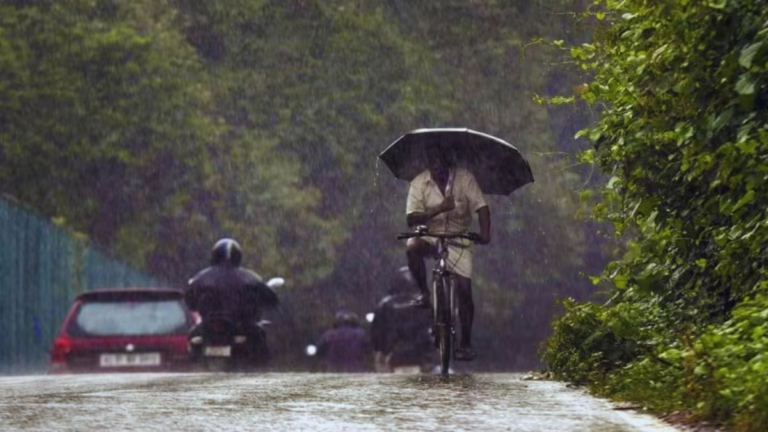
NEW DELHI — Monday, May 11, 2026, has etched itself into the record books as perhaps the most meteorologically chaotic day of the year for India. In a staggering display of climatic contrast, the Indian subcontinent is currently a map of extremes: while the peaks of Kashmir are being battered by unseasonal hail and snow, the desert plains of Rajasthan are wilting under a lethal heatwave, and the national capital, Delhi, is bracing for high-velocity dust storms and “mud rain.”

According to the India Meteorological Department (IMD), this “triple threat” of weather is the result of a rare atmospheric tug-of-war between a powerful Western Disturbance over the Himalayas and an intensifying heat dome over Central India.

The White Chaos: Hail and Snow in Kashmir

In the Kashmir Valley, the clocks seem to have wound back to February. Residents in Srinagar woke up to a chilling 10°C, a sharp departure from the usual May warmth. By noon, the sky turned a bruised purple as a severe hailstorm swept across the valley, coating apple orchards in a layer of icy white.

Higher reaches, including Gulmarg and Sonamarg, reported fresh snowfall, forcing authorities to issue travel advisories for the Srinagar-Leh highway. While the sight is picturesque for tourists, local farmers are in despair.

“The hail is a disaster for our cherry and apple crops,” says Bashir Ahmad, an orchardist in Sopore. “This is the time for fruit setting, and the ice is simply shredding the young buds.”

The Furnace: Rajasthan Crosses 45°C

A few hundred miles south, the narrative flips entirely. Rajasthan is currently the hottest place on the planet. The city of Barmer recorded a blistering 46.8°C today, while Jaisalmer and Bikaner aren’t far behind.

The IMD has issued a “Red Alert” for several districts in the state, as a “Warm Night” phenomenon—where temperatures stay above 30°C even at midnight—prevents the body from recovering from daytime heat stress. The streets of Jaipur remained eerily empty by 11:00 AM as the state government enforced a “Heat-Curfew,” advising citizens to stay indoors.

The Dust Bowl: Delhi’s Stormy Evening

Sandwiched between the freezing north and the burning west, Delhi-NCR is experiencing the worst of both worlds. The day began with a stifling humidity and a maximum temperature touching 40°C, but the real drama is expected this evening.

Meteorologists have tracked a massive dust storm moving from the Thar Desert toward the capital. This system, fueled by the temperature gradient between the hills and the plains, is expected to bring:

  • Squalls: Wind speeds reaching 50–60 kmph.
  • Mud Rain: A rare phenomenon where rain droplets mix with suspended dust particles, coating vehicles and buildings in a thin layer of sludge.
  • Flight Disruptions: Delhi’s IGI Airport has already put a “standby” notice for diversions due to expected low visibility.

Also Read: Jyotika Breaks the Internet with Power-Packed Fitness Routine

Why Is This Happening?

It sounds like a climate change thriller, but scientists say there is a clear mechanical reason for today’s madness.

  1. The Western Disturbance (WD): A low-pressure system originating from the Mediterranean is currently “stuck” over the Hindu Kush. It is drawing moisture and cold air into the northern hills.
  2. The Anti-Cyclone: Simultaneously, a high-pressure system over the Arabian Sea is pumping dry, hot air into Rajasthan and Gujarat.
  3. The Collision Zone: The Indo-Gangetic plains (Delhi, Punjab, and Haryana) have become the “battleground” where these two air masses meet. This collision creates the instability required for thunderstorms and dust storms.

A Look at the Numbers: Monday’s Extremes

RegionWeather EventMax TempMin Temp
SrinagarHail & Rain18°C10°C
BarmerSevere Heatwave46.8°C31°C
New DelhiDust Storm/Rain40°C29°C
ShimlaThunderstorms22°C14°C

Health and Safety Warnings

With such rapid fluctuations, health experts are warning of a spike in respiratory issues and heatstroke.

  • For the Heat: The IMD urges people in Rajasthan and Gujarat to drink ORS or homemade drinks like Lassi and Aam Panna. Avoid high-protein food and caffeine, which can dehydrate the body.
  • For the Storms: In Delhi and Punjab, residents are advised to stay away from electric poles and tall trees. Loose structures on rooftops should be secured immediately.
  • For the Hills: Tourists are warned against trekking or camping near riverbeds, as the sudden rain can lead to flash floods in small rivulets.

The Road Ahead

While Monday marks the peak of this “weather schizophrenia,” relief is not immediately in sight. The IMD predicts that the heatwave in the west will persist for at least another 72 hours, while the northern hills will continue to see “wet spells” until the weekend.

As the planet continues to warm, these “crazy weather days” are becoming less of an anomaly and more of a seasonal staple. For today, India remains a country of three seasons happening all at once: a winter in the north, a summer in the west, and a chaotic monsoon-lite in the center.

Jyotika Breaks the Internet with Power-Packed Fitness Routine

May 11, 2026 — In a world where the spotlight often prioritizes youth, actor Jyotika is rewriting the script on aging. The 47-year-old star recently took social media by storm, sharing an intense workout video that has left fans, fitness enthusiasts, and industry peers in absolute awe. Proving that strength is a lifelong journey, Jyotika’s latest fitness milestone is more than just a viral moment—it is a masterclass in discipline.

The video, posted to celebrate Mother’s Day 2026, features the Shaitaan actress performing high-octane exercises with a level of grace and power that rivals professional athletes. Captioned with the empowering message, “This Mother’s Day, pull yourself up and start the day with self-love,” the clip serves as a rallying cry for women everywhere to prioritize their physical and mental well-being.

The Routine: Breaking Down the “Insane” Workout

Jyotika’s regimen is not for the faint of heart. While many might opt for light cardio, she has embraced functional strength training and high-intensity interval training (HIIT). The viral footage showcases a diverse range of movements:

  • The Pull-Up Masterclass: The highlight of the video is Jyotika performing multiple variations of pull-ups and chin-ups. Known as one of the most difficult bodyweight exercises, her controlled form demonstrates exceptional upper-body strength and back definition.
  • Core and Balance: In a display of remarkable stability, she is seen balancing on a single dumbbell during hip thrusts and utilizing a yoga wheel to maintain a prayer pose—a feat that requires immense core engagement.
  • Functional Power: The routine includes explosive bench hops, deep tricep dips, and weighted movements on the Smith machine.
  • Postural Health: Ending the session with precision, she focused on rear delt flyes to ensure better posture and shoulder health.

Her trainer, Mahesh Ghanekar, who has been instrumental in her transformation, praised her consistency, stating, “Energy. Effort. Consistency. Nothing comes easy.”

The “Inside-Out” Transformation

This isn’t just about a single viral video. Over the last year, Jyotika has undergone a significant health journey, reportedly losing 9 kg in just three months through a sustainable, science-based approach.

Unlike many who fall for fad diets, Jyotika focused on gut health and metabolic efficiency. By understanding how her body reacted to different foods and eliminating inflammatory ingredients, she managed to boost her energy levels and mood. She has been vocal about the fact that her fitness journey isn’t just about aesthetics; it’s about maintaining long-term independence and bone density—a critical concern for women as they age.

Redefining Motherhood and Aging

Since her move to Mumbai with her husband, superstar Suriya, Jyotika has balanced a demanding career in both South Indian cinema and Bollywood with her role as a mother of two.

“Age is just a number when confidence speaks,” remarked one fan on Instagram, reflecting the general sentiment of the thousands who shared the video.

The hashtags #47LooksLike17 and #FitnessQueen began trending shortly after the upload. For many mothers, Jyotika has become a symbol of hope, proving that the responsibilities of family and career do not have to come at the cost of one’s health.

Why It Matters: The Science of Strength at 40+

Health experts have noted that Jyotika’s focus on resistance training is exactly what the medical community recommends for women in their late 40s. During this life stage, estrogen levels can dip, leading to a loss of muscle mass and bone strength. By engaging in “pull-up” style movements and heavy lifting, Jyotika is actively fighting age-related muscle decline (sarcopenia) and keeping her metabolism firing.

Quick Tips from Jyotika’s Journey

Focus AreaBenefit
Strength TrainingBoosts metabolism and protects bone density.
Gut HealthImproves mood, reduces inflammation, and aids weight loss.
Core BalanceEnhances functional movement and prevents injury.
ConsistencyThe secret sauce behind her “ageless” look.

A Career Reimagined

Jyotika’s physical transformation mirrors her professional one. Since her “second innings” in cinema, she has gravitated toward powerful, female-led narratives in films like 36 Vayadhinile, Raatchasi, and her recent Hindi debut in Shaitaan. Her dedication to her craft is now matched by her dedication to her physique, making her one of the most versatile and resilient figures in Indian cinema today.

As the video continues to circulate, one thing is clear: Jyotika isn’t just “breaking the internet”—she’s breaking the stereotypes of what a 47-year-old woman “should” be doing.

Priyanka Chopra Jonas and the 20-Year-Old Chikan Masterpiece

New Delhi, May 11, 2026: In the fast-paced world of global fashion, where “new” is the ultimate currency, Priyanka Chopra Jonas has once again flipped the script. At the 2026 Gold House Gala in New York City, the global icon didn’t just walk the red carpet; she carried a piece of history. Dressed in a breathtaking custom creation by visionary designer Amit Aggarwal, Priyanka debuted a gown that reimagined a 20-year-old Chikankari sari, proving that true luxury lies in the art of the “re-make.”

This wasn’t just a fashion statement; it was a poetic tribute to her roots in Uttar Pradesh and a celebration of her 25-year journey in the entertainment industry.

A Saree with a Secret: The Story Behind the Silk

The centerpiece of the ensemble was a two-decade-old vintage sari, steeped in the traditional Chikankari embroidery of Lucknow. For the uninitiated, Chikankari is one of India’s most delicate ancient textile arts, known for its “shadow work” and ethereal transparency.

While modern fast fashion churns out trends in weeks, this gown was a labor of love:

  • The Origin: The textile was a personal piece reflecting Priyanka’s heritage in Uttar Pradesh.
  • The Craft: It took over six weeks of intensive handwork by generations of women artisans to restore and rework the vintage fabric.
  • The Transformation: Designer Amit Aggarwal, famous for his architectural and “engineered” fashion, took the soft, fluid sari and structured it into a high-octane, sculptural gown.

Bridging the Gap: Sculptural Futurism meets Ancient Art

Amit Aggarwal is known for using recycled polymers and industrial materials, but for Priyanka, he merged his “human-made” aesthetic with “hand-made” history. The gown featured a one-shoulder silhouette and a dramatic thigh-high slit, balancing the modesty of traditional embroidery with the boldness of a modern Hollywood star.

The design narrative was inspired by Mughal Jali patterns (intricate stone lattices) and, surprisingly, the spiral form of a DNA helix. According to the designer, this symbolized the “evolution” of Priyanka’s identity—rooted in Indian tradition but spiraling upward toward a global future.

“Her journey is not defined by milestones alone, but by the way she has continuously expanded her traditional roots,” Aggarwal shared. “The translucency of the textile against the strong structural detailing represents softness and resilience coexisting.”

The “Sari-Gown” Legacy

This isn’t the first time the Priyanka-Amit duo has broken the internet with upcycled heritage. Fans will remember her iconic 2023 appearance at the NMACC Gala in Mumbai, where she wore a reimagined 65-year-old Banarasi Patola sari.

That 2023 look used silver threads and gold electroplating on khadi silk, paired with a holographic bustier. By choosing a 20-year-old Chikan sari for the 2026 Gold Gala, Priyanka is cementing a new red-carpet philosophy: Sustainable Glamour.

Feature2023 NMACC Outfit2026 Gold Gala Outfit
Material65-Year-Old Banarasi Silk20-Year-Old Chikankari Sari
TechniqueGold/Silver ElectroplatingHand-embroidered Shadow Work
VibeBold, Holographic, RegalEthereal, Sculptural, Ivory
MeaningCelebration of Indian CraftTribute to 25 Years in Cinema

Why It Matters: The Power of Upcycling

In an era where the fashion industry is under fire for its environmental impact, Priyanka Chopra Jonas is using her platform to champion circular fashion. By taking a sari that had been sitting in a trunk for 20 years and turning it into a “Global Vanguard” award-winning look, she sends a powerful message to her millions of followers: Heritage is the new couture.

The look was finished with a stunning high-jewelry necklace from Bvlgari, but even the diamonds couldn’t outshine the intricate hand-stitched patterns of the Lucknowi artisans.

Final Thoughts

As Priyanka prepares for her highly anticipated return to Indian cinema in SS Rajamouli’s “Varanasi,” her fashion choices continue to bridge the gap between her Bollywood beginnings and her Hollywood heights. The 20-year-old Chikan gown was more than just an outfit; it was a bridge across time, connecting a young girl from Bareilly to the woman dominating the world stage.

Tollywood Tragedy: Actor Bharat Kanth Dies in Road Accident

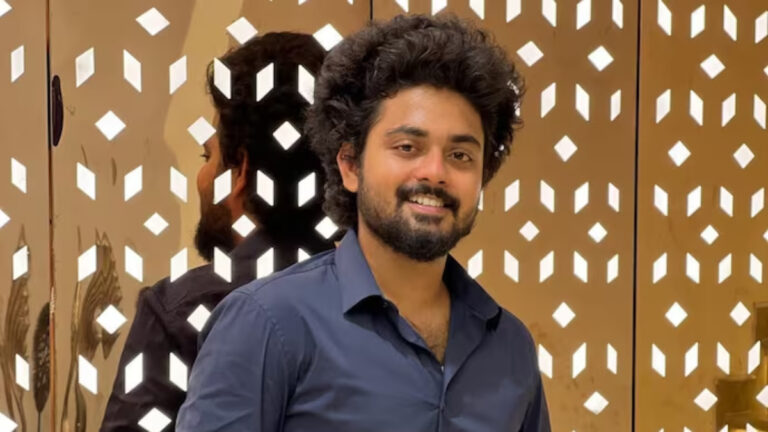
New Delhi, May 11, 2026: The Telugu film industry is in a state of deep mourning following the tragic demise of rising actor and digital content creator K Bharat Kanth. The 31-year-old actor, known for his promising talent and vibrant social media presence, lost his life in a horrific road accident on Hyderabad’s Outer Ring Road (ORR) in the early hours of Sunday, May 10, 2026.

The accident also claimed the life of his close friend and professional collaborator, G Sai Trilok (31), a well-known cinematographer and YouTube artist. The sudden loss of two young, creative talents has sent shockwaves through Tollywood and the digital content community in South India.

The Fatal Incident: What Happened?

According to reports from the Adibatla Police, the accident occurred around 3:00 AM on Sunday. Bharat Kanth and Sai Trilok were traveling from their hometown of Nellore back to Hyderabad.

The duo was driving along the stretch between Bongloor and Thukkuguda when their car—reportedly driven by Bharat Kanth—lost control near Exit 12. The vehicle collided with immense force into the rear of a stationary or slow-moving container lorry.

The impact was so severe that the front portion of the car was completely mangled. Preliminary investigations by the police and highway patrol suggest that overspeeding or driver fatigue may have played a role in the crash. Both Bharat and Trilok sustained fatal injuries and are believed to have died on the spot.

“We have registered a case and shifted the bodies to Osmania General Hospital for post-mortem examination. Investigation is underway to determine the exact circumstances leading to the collision,” stated an official from the Adibatla Police Station.

A Rising Star: Remembering K Bharat Kanth

K Bharat Kanth was more than just an actor; he was a multi-faceted artist who bridged the gap between traditional cinema and digital media. At 31, he was just beginning to find his footing as a lead performer in the industry.

Professional Milestones:

  • Film Career: Bharat gained significant recognition for his lead role in the 2024 film Tenant. He was also praised for his performance in the 2021 film Gramam.
  • Web Series: He was a familiar face on OTT platforms, appearing in popular Telugu web series such as Geethanjali and Parvathi Parameshwarlu.
  • Digital Presence: Known affectionately by his fans as “Katti Bharath Kanth,” he was a prolific content creator with a combined following of nearly 70,000 across Instagram and YouTube. His content often showcased his skills as a dancer and his witty personality.

His last Instagram post, shared just days before the accident, has since gone viral, with thousands of fans leaving heartbreaking comments and “Rest in Peace” messages.

G Sai Trilok: The Man Behind the Lens

The tragedy is compounded by the death of G Sai Trilok, a talented cinematographer who was a vital part of many digital and film projects. Trilok was widely respected for his technical skills and was currently working as the Director of Photography (DOP) for the upcoming movie Talwar, starring Akash Puri.

Trilok and Bharat shared a deep bond that went beyond professional collaboration; they were best friends who often worked together on YouTube sketches and short films. Their deaths mark a significant loss for the “new wave” of Telugu creators who rely on high-quality cinematography to tell modern stories.

Industry in Grief: Heartfelt Tributes

As news of the accident spread on Monday morning, several celebrities and colleagues took to social media to express their disbelief and sorrow.

Actress and social media influencer Ashu Reddy, a very close friend of Bharat Kanth, shared an emotional tribute that resonated with many.

“This is a personal loss to me… my best friend, my emergency contact, my family, my person is with Shivaya now,” she wrote. “You are irreplaceable to me! With a heavy and broken heart, Goodbye Bharath.”

Other industry veterans and production houses also extended their condolences, noting that the industry has lost two individuals who had their entire careers ahead of them.

Road Safety Concerns on the ORR

The tragic death of Bharat Kanth has once again brought the safety of Hyderabad’s Outer Ring Road into the spotlight. While the ORR is designed for high-speed travel, it has seen a string of high-profile accidents in recent years, often involving stationary heavy vehicles or late-night fatigue.

Key Safety Reminders for Night Travel:

  • Avoid Fatigue: Driving between 2:00 AM and 5:00 AM is statistically the most dangerous time due to the body’s natural circadian rhythm.
  • Monitor Speed: High speeds on the ORR significantly reduce reaction time when encountering stationary hazards like broken-down trucks.
  • Check Hazard Lights: Authorities urge truck drivers to use proper reflectors and hazard lights when stopping on the shoulder to prevent rear-end collisions.

Final Farewell

The bodies of Bharat Kanth and Sai Trilok were handed over to their respective families in Nellore following the completion of the post-mortem formalities. The final rites are expected to take place in their hometown, attended by family, friends, and members of the film fraternity.

The loss of these two young men is a stark reminder of the fragility of life. For the fans of “Katti Bharath,” his videos will remain a digital legacy of his energy and talent. For the Telugu film industry, the void left by a promising lead actor and a skilled cinematographer will be felt for a long time to come.

Beyond the Sands: How ‘Smiling Buddha’ Redefined India’s Global Destiny

0

New Delhi, May 11, 2026: On a quiet morning on May 18, 1974, the Thar Desert in Rajasthan shuddered. Deep beneath the surface of Pokhran, a secret mission—code-named “Smiling Buddha” (Pokhran-I)—achieved a successful nuclear detonation. The message sent back to Prime Minister Indira Gandhi was as poetic as it was historic: “The Buddha has finally smiled.”

Fast forward to 2026, and the ripples of that explosion are still shaping the world. What was initially termed a “Peaceful Nuclear Explosion” (PNE) became the cornerstone of India’s transformation from a post-colonial state into a “responsible” nuclear power. This single event didn’t just rattle the ground; it shattered the existing global hierarchy and permanently altered India’s place in international politics.

The Audacity of Autonomy: Challenging the ‘Big Five’

Before 1974, the global nuclear order was a gated community. The five permanent members of the UN Security Council (the US, UK, USSR, France, and China) held the keys. The Non-Proliferation Treaty (NPT) of 1970 was designed to keep it that way, effectively creating a system of “nuclear haves” and “have-nots.”

India’s refusal to sign the NPT, followed by the Pokhran-I test, was an act of profound defiance. It was a statement that India would not accept a structurally unequal world order. By becoming the first nation outside the “Big Five” to conduct a nuclear test, India asserted its Strategic Autonomy.

“Smiling Buddha was as much a geopolitical statement as it was a scientific accomplishment. It reflected a shift in India’s self-perception—from a state constrained by history to one capable of shaping its own destiny.”

The Price of Defiance: Isolation and Self-Reliance

The immediate aftermath was brutal. The international community, led by the United States and Canada (who had provided the reactor used for the plutonium), responded with harsh sanctions. This led to:

  1. The Birth of the NSG: The Nuclear Suppliers Group was formed specifically to control the export of nuclear materials and technology to countries like India.
  2. Scientific Isolation: India was barred from high-tech exchanges, forcing its scientists to innovate in a vacuum.
  3. The “India Way”: Ironically, this isolation birthed India’s culture of Atmanirbharta (self-reliance). Indian scientists at BARC and DRDO were forced to develop indigenous technologies, leading to the successful development of the Agni and Prithvi missile systems.

From Pariah to Partner: The Long Game

Perhaps the most fascinating aspect of the Pokhran legacy is how India moved from being a “nuclear pariah” to a vital global partner. The foundation laid in 1974 allowed for the more overt tests of 1998 (Operation Shakti).

By 2008, the world finally blinked. The US-India Civil Nuclear Deal essentially recognized India as a “de facto” nuclear power without India having to sign the NPT. This was a historic reversal of the sanctions era.

India’s Nuclear Status in 2026: By the Numbers

CategoryCurrent Status (2026)
Estimated Warheads~190
Nuclear TriadFully Operational (Land, Air, and Sea-based delivery)
Key DoctrineNo First Use (NFU) & Credible Minimum Deterrence
Recent MilestonePrototype Fast Breeder Reactor (PFBR) at Kalpakkam achieved criticality in April 2026

The Moral Dimension: A “Responsible” Power

Unlike other nuclear-armed nations, India’s identity is built on the concept of Restraint. Its “No First Use” policy is a central pillar of its diplomacy. In 2026, as geopolitical tensions rise in the Indo-Pacific, India’s nuclear arsenal serves as a “shield of peace” rather than a “sword of war.”

India’s journey has proven that strategic capability, when coupled with political resolve, can force the international system to adapt. Today, India isn’t just sitting at the table; it is helping to write the menu for global security.

Conclusion: The Enduring Smile

Fifty-two years after the desert sands of Pokhran first shifted, the legacy of “Smiling Buddha” remains vibrant. It taught India that in the hard-edged world of global politics, respect is rarely given—it is earned through capability and the courage to stand alone.

As India enters its second stage of the three-stage nuclear program in 2026, the spirit of 1974 lives on. It is the story of a nation that refused to be a spectator in its own history, choosing instead to wake the world with a smile that changed everything.

Trisha Krishnan Moved to Tears as Vijay Takes Oath as Tamil Nadu CM

New Delhi, May 11, 2026 – In a moment that will be etched in the annals of Indian political and cinematic history, the Jawaharlal Nehru Indoor Stadium in Chennai transformed from a sporting arena into the epicenter of a tectonic shift in Tamil Nadu’s power dynamics. On Sunday, May 10, 2026, C. Joseph Vijay—the man millions know as ‘Thalapathy’—was sworn in as the Chief Minister of Tamil Nadu.

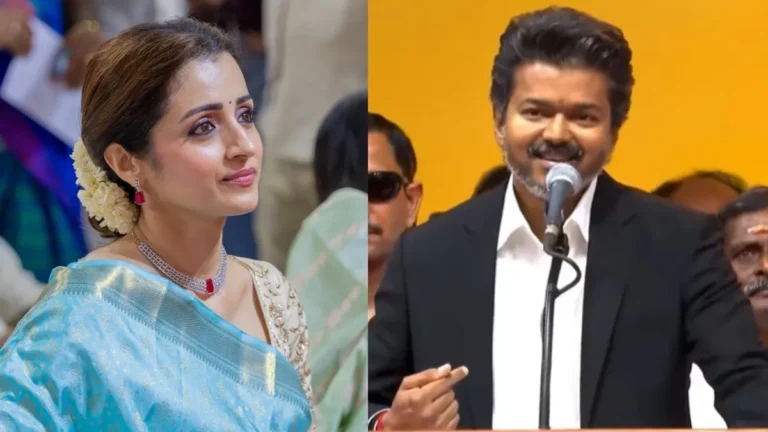
While the roar of the massive crowd outside was deafening, it was a silent, emotional moment inside the VIP enclosure that captured the heart of the internet. A viral video showing actress Trisha Krishnan, Vijay’s long-time co-star and friend, moved to tears during the ceremony has become the defining image of the historic day.

A Historic Victory for TVK

The swearing-in ceremony follows a grueling election season where Vijay’s fledgling party, the Tamilaga Vettri Kazhagam (TVK), achieved the unthinkable. Breaking a 60-year-old duopoly held by the DMK and AIADMK, the TVK emerged as the single largest party with 108 seats.

After a week of intense political maneuvering and securing the support of allies like the Congress, CPI, and VCK, Vijay officially staked his claim to lead the state. The atmosphere at the stadium was electric, attended by national leaders including Rahul Gandhi, but for many, the presence of the film industry’s elite added a layer of personal triumph to the political victory.

The Viral Moment: Trisha’s Emotional Tribute

Trisha Krishnan, looking elegant in a traditional blue silk saree with jasmine flowers in her hair, sat in the front row alongside Vijay’s parents, S.A. Chandrasekhar and Shoba Chandrasekhar.

As the Governor administered the oath of office, the camera panned to Trisha, who was seen wiping away tears of joy. The video, which has since amassed millions of views across X (formerly Twitter) and Instagram, shows her visibly overwhelmed as Vijay spoke the words: “I, C. Joseph Vijay, do swear in the name of God…”

Industry insiders and fans alike have noted that Trisha’s reaction reflects the deep bond the two stars have shared over two decades, from their early hits like Ghilli to their more recent collaboration in Leo. For Trisha, seeing her peer transition from a screen icon to the leader of 70 million people was clearly a moment of profound pride.

“Today, we are going to sleep peacefully, dreaming of a better tomorrow and a better Tamil Nadu in the safe hands of Vijay sir,” remarked actor Sanam Shetty at the venue, echoing the sentiment felt by many in the Kollywood circle who attended.

A Family Affair and Political Speculation

Beyond the emotional viral clips, the ceremony was notable for the prominent placement of Trisha and her mother, Uma Krishnan, within Vijay’s immediate family circle. This has further fueled long-standing rumors about their close relationship, though both have consistently maintained a stance of mutual respect and friendship.

However, the buzz isn’t just about the personal connection. Political analysts are now speculating about a potential political debut for Trisha. Reports suggest that TVK leadership is keen on having the actress join the party, with rumors circulating that she might contest the upcoming by-election from Trichy East. While Trisha remained tight-lipped, simply telling reporters she was “looking forward” to the day, her presence at the very heart of the TVK’s inner circle suggests she may play a role in the party’s future.

The Road Ahead for CM Vijay

As the celebrations wind down, the reality of governance begins. Chief Minister Vijay wasted no time, immediately announcing a scheme to provide 200 units of free electricity, a move welcomed by VCK Chief Thol Thirumavalavan.

The new cabinet includes nine TVK ministers, and the government must now prove its majority in a vote of confidence scheduled for May 13.

Conclusion: A Screenplay Turned Reality

For the people of Tamil Nadu, the sight of Trisha Krishnan moved to tears wasn’t just celebrity gossip—it was a reflection of the hope and high stakes attached to this new administration. Vijay’s journey from the “Superstar of the masses” to the “Chief Minister of the State” is a script even Kollywood couldn’t have written better.

As the viral video continues to circulate, it serves as a reminder that behind the political titles and the grand ceremonies, this shift in power is built on years of loyalty, friendship, and the immense expectations of a public ready for change.

Rahul Gandhi Critiques PM Modi ‘No Gold’ and ‘WFH’ Appeals

0

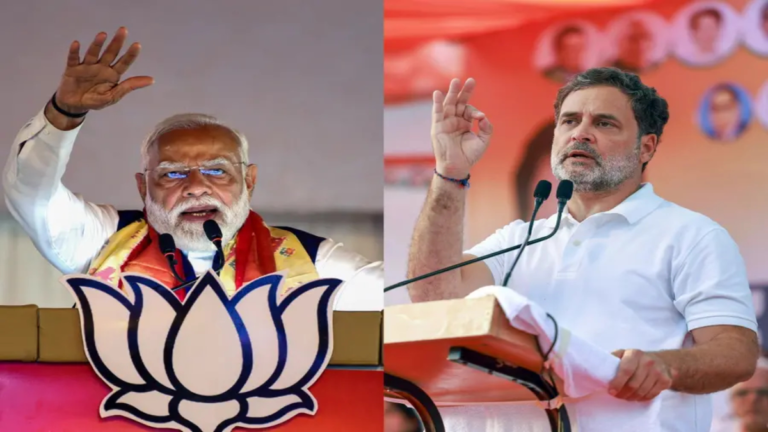
New Delhi, May 11, 2026: In a sharp escalation of the ongoing political discourse regarding India’s economic health, Congress leader Rahul Gandhi has launched a scathing attack on Prime Minister Narendra Modi. The critique follows the Prime Minister’s recent appeal to citizens to refrain from purchasing gold for a year and to adopt Work-From-Home (WFH) models where possible to reduce pressure on national infrastructure and imports.

Gandhi characterized these suggestions not as visionary leadership, but as “distressing proof” of the government’s failure to manage the national economy, curb inflation, and generate meaningful employment.

The Controversy: What Prompted the Spark?

The friction began following a public address by Prime Minister Modi, where he urged the nation to consider two specific lifestyle changes for the “greater national interest”:

  1. The Gold Moratorium: PM Modi appealed to Indian households—traditionally the world’s largest consumers of gold—to pause gold purchases for one year. The logic presented was to reduce the massive import bill and strengthen the Indian Rupee against the Dollar.
  2. The WFH Push: To combat rising fuel costs and urban congestion, the PM suggested that businesses and employees should return to Work-From-Home protocols where feasible, citing environmental benefits and reduced energy consumption.

While the government frames these as “patriotic sacrifices” to stabilize the economy, the opposition sees them as a desperate attempt to shift the burden of governance onto the common man.

“Economic Mismanagement”: Rahul Gandhi’s Rebuttal

Taking to social media and addressing a press gathering, Rahul Gandhi argued that these appeals are a “white flag” of surrender. He outlined several key reasons why these suggestions are problematic for the average Indian citizen:

1. Gold as the Poor Man’s Insurance

In India, gold is more than just jewelry; it is a primary form of savings and a safety net for the middle and lower-income classes. Gandhi pointed out that by asking people not to buy gold, the government is essentially telling them to stop securing their futures because the state has failed to provide a stable currency or lucrative formal investment options.

2. The Failure of ‘Make in India’

Gandhi questioned why, after a decade of “Make in India” slogans, the country is still so vulnerable to import pressures that the Prime Minister must ask citizens to stop buying a commodity. He argued that if the manufacturing sector were truly robust, the trade deficit wouldn’t be a reason to restrict the personal choices of 1.4 billion people.

3. The WFH Paradox

Regarding the Work-From-Home appeal, Gandhi noted the irony. While the government promotes WFH to save fuel, the opposition argues that fuel prices are high due to excessive central taxes. “First, you make petrol and diesel unaffordable, and then you tell people to stay at home because they can’t afford to travel,” Gandhi remarked.

The Broader Economic Context

The exchange comes at a time when India is navigating a complex post-pandemic economic landscape. While the GDP shows growth on paper, several underlying issues remain points of contention:

  • Inflation: The cost of essential goods, from vegetables to cooking gas, has remained a persistent challenge for the common household.
  • Unemployment: Despite various schemes, youth unemployment remains high, leading to a sense of restlessness among the demographic that most heavily supported the current administration in previous elections.
  • The Rupee’s Value: The Indian Rupee has faced significant volatility against the US Dollar, making imports—especially oil and electronics—far more expensive.
Economic Pressure PointGovernment StanceOpposition Critique
Gold ImportsNecessary to curb to save Forex.Sign of a weak currency and failed trade policy.
Energy CostsGlobal factors and “green transition.”Result of high excise duties and mismanagement.
WFH CultureModern, efficient, and eco-friendly.A cover-up for failing public transport and high fuel costs.

Market Reactions and Public Sentiment

The Prime Minister’s appeal has sent ripples through the bullion market. Jewelry associations expressed concern that a “no gold” year could devastate the livelihoods of millions of artisans and small business owners who depend on the wedding season and festive demand.

On the other hand, the tech and corporate sectors remain divided on the WFH appeal. While many employees enjoy the flexibility, small businesses located in commercial hubs—such as cafes, local transport providers, and maintenance staff—fear a massive drop in revenue if offices remain empty once again.

The Political Fallout

With several state elections on the horizon, this “Gold and WFH” debate is likely to become a central campaign theme. The Congress party and other opposition groups are positioning themselves as the defenders of the “Common Man’s Purse,” while the BJP continues to emphasize “National Interest” and long-term economic discipline.

Rahul Gandhi’s strategy appears to be focused on connecting macroeconomic failures to the daily struggles of the household. By highlighting the cultural and financial significance of gold, he is tapping into a deeply personal sentiment shared by millions of Indian families.

Conclusion

Whether PM Modi’s appeal will be heeded by the public remains to be seen. Historically, Indian consumers have prioritized gold during times of uncertainty. However, the political battle lines are now clearly drawn.

As the government asks for “patience and sacrifice,” the opposition is demanding “accountability and results.” This clash isn’t just about gold or remote work; it’s a fundamental debate about who should bear the cost of economic stability in a developing nation.

For the average citizen, the hope remains that regardless of the political sparring, the end result is an economy that offers both security and the freedom to grow.