Home Blog Page 85

Legal Troubles Mount for Mokama MLA Anant Singh: Police Name 9 in Viral Video Probe

0

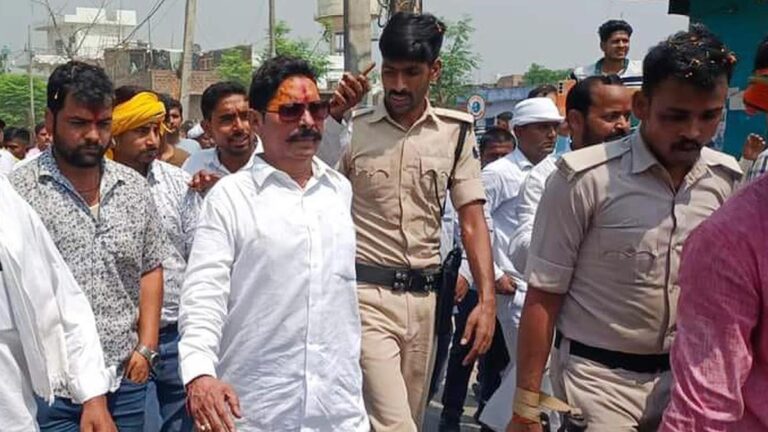
New Delhi, May 6, 2026 – The legal hurdles facing Mokama’s high-profile legislator, Anant Kumar Singh, have intensified following the registration of a First Information Report (FIR) regarding a recently surfaced video that has sparked significant public outcry.

The police have officially named nine individuals in connection with a viral video featuring an obscene dance performance, a development that adds yet another layer of complexity to the already beleaguered political career of the gangster-turned-politician.

The Controversy Unfolds

The viral footage in question purportedly shows a gathering where the MLA is seen in the presence of an explicit dance performance set to a Bhojpuri track. The video, which circulated rapidly across social media platforms, drew immediate condemnation from various quarters, prompting local authorities to initiate a formal investigation.

Law enforcement agencies, acting on the public dissemination of the clip, have registered an FIR to determine the circumstances under which the event was held and the degree of involvement of those present. Among the nine individuals named in the FIR, the mention of Anant Singh has dominated local discourse, as the MLA remains a polarizing figure in Bihar’s political landscape.

A Turbulent Tenure

This latest controversy arrives at a time when Anant Singh, who represents the Mokama assembly constituency, is already navigating significant judicial challenges.

The veteran politician is currently incarcerated in Beur Jail. He was taken into custody late last year in connection with a high-profile criminal case: the murder of Dular Chand Yadav, a local poll worker associated with the Jan Suraaj Party, which occurred in October 2025. Despite his physical incarceration, Singh successfully contested and won the 2025 Bihar Assembly elections on a Janata Dal (United) ticket, maintaining his hold on the Mokama seat.

In a recent and notable development, Singh was granted court permission to attend the state assembly session under heavy security on February 3, 2026, to take his oath as a member of the Legislative House.

Political Future in Question

The cumulative weight of these legal proceedings appears to be impacting the veteran leader’s political outlook. During the recent Rajya Sabha election period, while brought out of jail briefly to cast his vote, Singh made a statement that signaled a potential shift in his long-term political trajectory.

Addressing the media, he indicated that his own active political career might be approaching its end, suggesting that his future involvement in electoral politics would be limited and that his children might carry forward his political legacy.

Public and Legal Scrutiny

The investigation into the viral video is ongoing. Legal experts note that the police are examining potential violations of law related to public conduct and the hosting of such events. For the Patna police, the case is a matter of maintaining law and order, while for political observers, it serves as another chapter in the long and contentious career of “Chhote Sarkar,” as he is locally known.

As the police continue their probe and the legal process grinds forward, the residents of Mokama and the broader political establishment in Bihar are watching closely to see how this latest FIR will impact the already complicated standing of one of the state’s most enduring political figures.
‘Raja Shivaji’ Box Office Day 5: Riteish Deshmukh Period Drama Continues Strong Hold

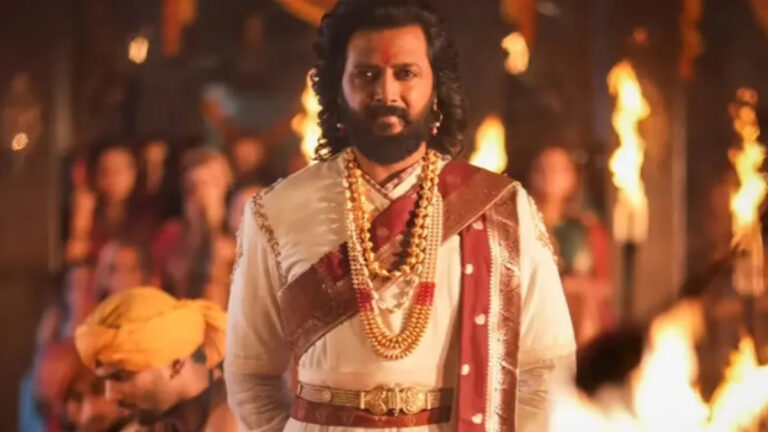
New Delhi, May 6, 2026: The Marathi film industry is witnessing a historic moment as Riteish Deshmukh’s ambitious period drama, Raja Shivaji, continues its triumphant run at the box office. Following a monumental opening weekend, the film has successfully navigated its first working weekdays, proving that the audience’s interest in the epic tale of the founder of the Maratha Empire remains remarkably high.

On its fifth day (the first Tuesday since its release on May 1, 2026), the film maintained a steady performance, further cementing its place as one of the most significant productions in the history of regional cinema.

Sustained Momentum: The Day 5 Report

According to industry reports, Raja Shivaji collected approximately Rs 4.90 crore (net) on its fifth day, Tuesday. This figure reflects a remarkably resilient hold, showing only a manageable drop from its Monday numbers. For a film that has already generated massive buzz, maintaining such stability during the work week is a clear indicator of strong positive word-of-mouth.

The total India net collection of the film now stands at an impressive Rs 44.40 crore, while the worldwide gross has comfortably crossed the Rs 52 crore milestone.

Language-Wise Performance

The film’s success is anchored significantly by its performance in the Marathi belt. The regional language version remains the primary driver of revenue:

  • Marathi Version: Contributed a stellar Rs 3.35 crore on Day 5 alone, showcasing an impressive occupancy rate of approximately 33%.
  • Hindi Version: Added Rs 1.55 crore to the total, with the film finding its footing in the wider Hindi-speaking markets.

The disparity in show counts versus revenue confirms that while the film has a broader national reach, it is the heartland of Maharashtra where Raja Shivaji is truly resonating, filling theaters with enthusiastic crowds.

A New Benchmark for Marathi Cinema

With this five-day performance, Raja Shivaji has not just been a commercial success; it has redefined the possibilities for Marathi cinema. Budgeted at a reported Rs 100 crore—the highest ever for a Marathi production—the film’s scale, visual effects, and storytelling appear to be paying off.

The film has already surpassed the lifetime benchmarks of several notable blockbusters, quickly climbing the ranks to become one of the highest-grossing Marathi films of all time. Industry experts are now closely watching to see if it can challenge the long-standing records of films like Sairat to become the top-grossing Marathi film in history.

Why the Audience is Loving ‘Raja Shivaji’

Several factors have contributed to the film’s massive footfall:

  1. Directorial Vision: Riteish Deshmukh, who wrote, directed, and starred in the lead role, has been widely praised for his meticulous attention to detail and his respectful portrayal of Chhatrapati Shivaji Maharaj.
  2. The ‘Salman Factor’: A major talking point that sparked a social media frenzy is the high-octane cameo appearance by superstar Salman Khan as the legendary warrior Jiva Mahala. This surprise element has acted as a significant catalyst for walk-in audiences.
  3. Grand Scale & Production: From the cinematography by Santosh Sivan to the powerful musical score by the duo Ajay-Atul, the film offers a high-quality, cinematic experience that audiences feel is best enjoyed on the big screen.
  4. Ensemble Powerhouse: The presence of a massive ensemble cast—including Genelia Deshmukh, Abhishek Bachchan, Sanjay Dutt, Vidya Balan, Mahesh Manjrekar, and many others—has given the project the weight and credibility of a major national-level event film.

Looking Ahead: Can It Reach the Rs 100 Crore Club?

As Raja Shivaji enters its second week, the industry is buzzing with anticipation. The film’s ability to hold steady on a Tuesday, despite being a weekday, suggests that it has the legs to sustain its run.

If the current momentum persists through the upcoming weekend, the film is on a clear trajectory to potentially enter the elusive and prestigious Rs 100-crore club—a feat that would mark a tectonic shift in how regional films are perceived and marketed in India.

For now, the team behind Raja Shivaji—including producers Jio Studios and Mumbai Film Company—has every reason to celebrate. They have not only delivered a film that resonates with the pride and history of the Maratha legacy but have also set a new, high-water mark for the industry’s creative and commercial capabilities.

Security Alert: NIA to Probe Explosions Near Key Punjab Defense Establishments

0

New Delhi, May 6, 2026: Security agencies have been put on high alert across Punjab following two back-to-back explosion incidents reported outside vital defense installations in Jalandhar and Amritsar. The National Investigation Agency (NIA) has stepped in to assist state authorities, with teams currently en route to collect forensic evidence and assess the nature of the blasts.

These incidents, which occurred on Tuesday night, have triggered widespread panic and raised serious questions regarding security protocols near high-profile government and military sites.

The Jalandhar Incident: Blast Outside BSF Headquarters

The first incident was reported around 8:00 PM on Tuesday evening near the Punjab Frontier headquarters of the Border Security Force (BSF) in Jalandhar. A parked Honda Activa scooter, belonging to a local delivery executive identified as 22-year-old Gurpreet Singh, was completely destroyed in a high-impact explosion.

Sequence of Events

According to preliminary reports, the delivery worker had parked his vehicle near the BSF Chowk to drop off a parcel. Moments after he moved away, a loud explosion rocked the area, followed by a massive fire that gutted the two-wheeler. The force of the blast was significant enough to scatter debris several meters away and damage nearby public infrastructure, including a traffic signal pole and local windowpanes.

Immediate Police Response

The Jalandhar Commissionerate Police cordoned off the area immediately, deploying bomb disposal squads, dog units, and forensic experts to the site. Police Commissioner Dhanpreet Kaur Randhawa confirmed that while investigations are ongoing, the primary focus is determining whether the incident was a mechanical accident or the result of a deliberate explosive device. The owner of the vehicle is currently cooperating with authorities, providing statements regarding his movements and the condition of the scooter.

Second Incident: Explosion Near Amritsar Army Cantonment

Adding to the growing concern, a second blast was reported around 11:00 PM on Tuesday near the Army cantonment area on Khasa Road in Amritsar.

While authorities are still piecing together the details, initial reports suggest that an explosive object may have been hurled at the boundary wall of the cantonment, damaging a light structure. CCTV footage from the vicinity purportedly captured a flash followed by smoke, consistent with an explosion. Thankfully, as with the Jalandhar incident, no injuries or casualties were reported at either location.

NIA Takes Over Forensic Investigation

In a significant development, the Ministry of Home Affairs has mobilized the National Investigation Agency (NIA). With security establishments under apparent threat, the federal agency is tasked with securing forensic evidence and analyzing potential links between the two incidents.

The involvement of the NIA underscores the gravity of the situation. State-level police forces, led by Punjab officials, are coordinating closely with the central agency. Forensic teams are currently processing both blast sites to determine the chemical composition of the debris and the mechanism of the explosions.

Political and Public Reactions

The timing of these incidents—occurring just before scheduled high-profile state events—has become a flashpoint for political debate. Punjab Chief Minister Bhagwant Mann is scheduled to visit Jalandhar for a “Shukrana Yatra,” and opposition parties have been quick to question the state’s law-and-order preparedness.

Opposition leaders, including those from the Congress and Shiromani Akali Dal, have expressed deep suspicion regarding the timing of the blasts, calling for a thorough investigation into potential conspiracies aimed at destabilizing the region during sensitive political periods. They have questioned the ability of current administrations to safeguard critical defense corridors.

Heightened Security and Public Caution

As of Wednesday morning, security has been significantly tightened across all major sensitive zones in Punjab. Authorities are conducting increased vehicle checks and patrolling areas surrounding military and government establishments.

Official Statements and Updates

  • No Injuries Reported: Authorities have confirmed that there have been no casualties in either incident, a relief given the busy nature of the roads near the BSF headquarters during the time of the blast.
  • Investigation Strategy: Police are exploring all possibilities, including the presence of illicit materials in the parcel being carried by the delivery executive, mechanical failure, or external sabotage.
  • Public Guidance: Officials are urging the public to remain calm and avoid spreading unverified rumors on social media while the forensic and investigative work continues.

The situation remains fluid. As forensic reports come in and the NIA completes its preliminary assessment, more clarity is expected regarding whether these events were coordinated attacks or isolated incidents. For now, the administration’s primary goal is to maintain order and provide assurance to the residents of Jalandhar and Amritsar as the investigation moves into its critical phase.

Bhavitha Mandava: The Met Gala Denim Debut

New Delhi, May 6, 2026: The Met Gala is, by design, fashion’s most extravagant stage—a place where the rules of everyday dressing are meant to be broken, reimagined, and replaced by pure, sculptural spectacle. It is a night for capes, corsets, and couture fantasies. Yet, at the 2026 Met Gala, the most talked-about look didn’t come from a dramatic train or a historical recreation; it came from a pair of jeans.

Bhavitha Mandava, the breakout Indian model who made history in 2025 as the first woman from India to open a Chanel runway show, marked her Met Gala debut this week with an ensemble that has since set the internet ablaze. Stepping onto the iconic steps, Mandava wore a sheer, pale beige blouse paired with high-waisted, light-wash denim-effect silk pants.

While the look—a nod to the “effortless chic” associated with French minimalism—was certainly polished, it was worlds apart from the theatrical excess surrounding her. The resulting discourse has been swift, polarizing, and deeply layered, transforming a debut into one of the most contentious moments of the night.

A Full-Circle Concept

To understand the look, one must understand the model’s meteoric rise. Born in Hyderabad and trained as an architect, Mandava was scouted in a New York City subway station in 2024. Her discovery in that mundane transit space propelled her into the upper echelons of global fashion.

Collaborating with Chanel’s creative director, the team designed her Met Gala outfit to be a “full-circle moment.” The ensemble served as a couture homage to the very clothes she was wearing on that fateful day she was discovered on the subway. By elevating those everyday garments into high-fashion art, the intent was to tell a personal, grounding story amidst the glitter and artifice of the gala.

“I had to pause when I saw the sketch,” Mandava remarked, reflecting on the design. “Turning it into something reimagined for the Met felt like carrying that memory forward, but in a more elevated way that still respects the original spirit.”

The Internet’s Verdict: Genius or Underdressed?

Despite the sentimental narrative, the reception online was starkly divided. On social media platforms, users were quick to ask, “Who’s that basic baddie?”—a question that served as a double-edged sword.

For some, the look was a refreshing breath of air. Fans of the ensemble argued that it represented a daring, minimalist statement, proving that high fashion doesn’t always have to be loud to be significant. They saw it as an avant-garde interpretation of the theme, “Fashion is Art,” suggesting that the real art lay in the simplicity of an ordinary life elevated to a red-carpet reality.

However, a vocal contingent of critics was less convinced. Many expressed confusion, pointing out the stark contrast between Mandava’s understated look and the elaborate couture worn by other ambassadors on the same night. The discourse quickly soured, with critics questioning why the brand’s first Indian ambassador appeared “underdressed” for the most photographed night in fashion.

Beyond the Fabric: The Controversy of Representation

The conversation surrounding Mandava’s denim look has inevitably evolved into a broader debate about representation, tokenism, and power dynamics within the luxury fashion industry.

Social media sleuths quickly began making comparisons, juxtaposing images of other celebrities in their meticulously crafted, intricate gowns against Mandava’s “elevated basics.” The juxtaposition sparked accusations of microaggressions and tokenism, with critics questioning whether a different, more traditional couture approach would have been offered to a different star. Some argued that while the “storytelling” angle was thoughtful, its execution on the Met Gala carpet felt like a missed opportunity to showcase the grandeur typically afforded to brand faces of her stature.

A Star On Her Own Terms

Despite the online firestorm, Mandava herself appeared radiant and self-assured throughout the evening. Supported by a natural, fresh-faced beauty look designed by makeup artist Tyron Machhausen—focusing on “honest radiance”—she carried the outfit with the poise of a model who knows her own worth.

Whether the look was a stroke of conceptual genius or a PR misstep, one thing is certain: Bhavitha Mandava has cemented her position as a central figure in the fashion conversation. From her history-making opening walk for Chanel to this latest, highly debated red-carpet moment, she has proven that she is not just a participant in the fashion world—she is one of its most compelling narratives.

As the dust settles on the 2026 Met Gala, the “denim debate” will likely continue to simmer. But for Mandava, the night served as a reminder that in an industry obsessed with image, the most powerful thing a model can do is stay true to the story that brought her there—even if the world isn’t quite sure how to interpret it.

Tensions Mount in West Bengal: Post-Poll Violence Erupts Following Election Results

0

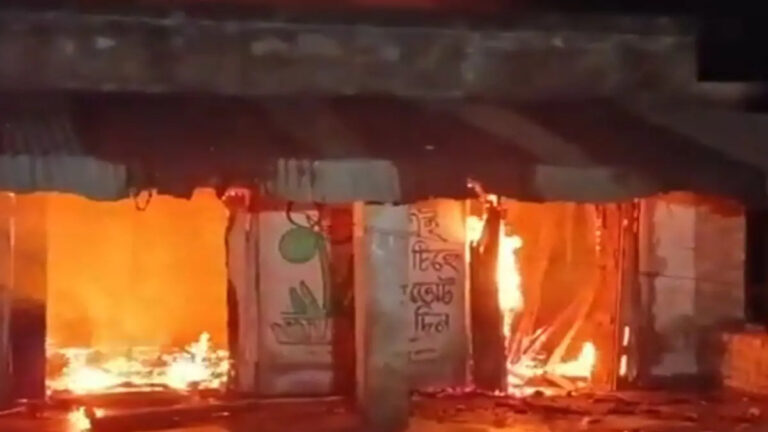
New Delhi, May 6, 2026 – A wave of post-election violence has gripped West Bengal in the aftermath of the state assembly election results declared on Monday, May 4, 2026. As the Bharatiya Janata Party (BJP) secured a sweeping victory, ending the 15-year tenure of the Trinamool Congress (TMC), reports of arson, vandalism, and violent clashes have surfaced from across the state. Official reports and party statements indicate that at least four individuals have lost their lives in the unrest, with both major political factions trading blame for the deteriorating law and order situation.

A State in Turmoil: The Clashes

Since the election results were announced, violence has spread rapidly from the capital city of Kolkata to several districts, including Howrah, Birbhum, North 24 Parganas, and Murshidabad.

In Kolkata, incidents of vandalism have been reported in areas like Tollygunge, Kasba, and the Chief Minister’s constituency of Bhowanipur, where a councillor’s office was reportedly targeted. Party offices have been ransacked, flags torn down, and vehicles damaged in widespread confrontations between rival party cadres.

The human toll has been significant. Police and party spokespersons have confirmed fatalities in separate incidents across the state:

  • Beleghata, Kolkata: A TMC poll agent, Biswajit Pattanaik, was found dead near his home. His family alleges he was chased and beaten, while police are investigating the circumstances, noting he may have suffered fatal injuries while attempting to flee.
  • New Town, Kolkata: A BJP worker, Madhu Mondal, died following a clash between TMC and BJP supporters over control of a local party office.
  • Nanoor, Birbhum: A TMC worker, Abir Sheikh, was reportedly hacked to death. His family has blamed BJP activists, while the BJP has dismissed the allegation as the result of internal TMC factional rivalry.
  • Udaynarayanpur, Howrah: BJP activist Jadav Bar was allegedly lynched. Local police have arrested four suspects and are investigating whether the incident was politically motivated or stemmed from personal enmity.

The Political Blame Game

The aftermath of the election has triggered a fierce battle of narratives between the incoming BJP administration and the outgoing TMC government.

Trinamool Congress (TMC) Allegations: Chief Minister Mamata Banerjee has vocally condemned the violence, accusing the BJP of selectively targeting TMC workers and attempting to instill fear across the state. “They have started torturing all our people. From south Bengal to north Bengal, they have started atrocities,” Banerjee stated. She has formed a committee of senior party leaders to visit the affected areas and document the incidents.

Bharatiya Janata Party (BJP) Response: The BJP leadership has sought to distance the party from the violence, calling for calm and urging workers to focus on governance rather than retribution. State BJP president Samik Bhattacharya issued a stern warning, stating that any party member found engaging in violence or intimidation would face immediate expulsion. “The political culture of Bengal must change,” Bhattacharya remarked, emphasizing that the party will not tolerate political revenge. Prime Minister Narendra Modi, speaking from New Delhi, also urged for an end to the cycle of violence, stressing that the administration’s focus should be on serving all citizens of Bengal regardless of their political affiliation.

Administration and Judicial Oversight

The surge in violence has placed immense pressure on local law enforcement. While the police maintain that the situation is “under control,” they have advised the public to be wary of misinformation and urged caution in sharing unverified footage online.

On the judicial front, the Supreme Court of India recently declined to hear an urgent plea seeking the indefinite extension of central forces in the state to curb post-poll violence. The bench, led by Chief Justice Surya Kant, advised the petitioners to approach the Calcutta High Court, noting that maintaining law and order remains the primary responsibility of the state’s political executive.With 700 companies of central forces still deployed in the state to assist with security, authorities are working to restore normalcy. However, the atmosphere remains tense as both parties monitor the situation closely, awaiting the formal transition of power, with the new government scheduled to take the oath of office on May 9, 2026.

Looking Ahead

The coming days will be critical in determining whether the violence is a temporary flare-up or a sign of deeper, sustained unrest. As the new administration prepares to take charge, the primary challenge for political leadership in West Bengal will be to move beyond the politics of vengeance and restore public confidence in the state’s security apparatus.

For now, the people of West Bengal remain on high alert, hoping that the calls for peace from both party headquarters will translate into reality on the ground.

Reliance Eyes Multi-Billion Dollar Satellite Push to Build India Answer to Starlink

0

New Delhi, May 6, 2026: In a bold move that could reshape India’s digital landscape, Reliance Industries is reportedly preparing a massive, multi-billion-dollar entry into the Low Earth Orbit (LEO) satellite internet market. This strategic initiative, spearheaded by Reliance Chairman Mukesh Ambani, aims to establish a domestic satellite constellation, effectively positioning India to compete with global heavyweights like Elon Musk’s Starlink and Amazon’s Project Kuiper.

The ambitious plan, which would be housed under the conglomerate’s digital and telecom arm, Jio Platforms, marks a significant shift in India’s approach to space-based connectivity—moving from a bystander to a key player in the rapidly evolving global space race.

Why Now? The Strategic Logic

The decision to pursue a proprietary LEO network is driven by both commercial opportunity and national imperative. As modern warfare and critical infrastructure become increasingly reliant on digital connectivity, the risks of depending on foreign-controlled satellite networks have become impossible to ignore.

By developing a sovereign satellite capability, India aims to:

  • Ensure Digital Sovereignty: Reduce reliance on foreign networks that could be subject to geopolitical pressure or external control.
  • Enhance National Security: Maintain a secure, resilient communication link for defense forces and critical infrastructure that remains operational even when terrestrial networks are compromised.
  • Bridge the Connectivity Gap: Provide high-speed, low-latency broadband to India’s most remote and underserved regions, where laying fiber-optic cables is physically or economically impractical.

The Challenge Ahead

While Reliance is no stranger to large-scale infrastructure projects—evidenced by its disruptive entry into the Indian mobile market and its massive investments in AI—the satellite sector presents unique hurdles.

1. The Scramble for Orbital Slots

Unlike terrestrial spectrum, which is managed locally, orbital slots and satellite frequencies are limited global resources managed by the International Telecommunication Union (ITU). These are increasingly allocated on a “first-come, first-served” basis. With global competitors already deploying thousands of satellites, Reliance faces a time-sensitive race to secure favorable positions in space.

2. High Costs and Complex Technology

Building a constellation is a capital-intensive, multi-year endeavor. It requires not just the satellites themselves, but a complex ecosystem of launch systems, payloads, ground stations, and affordable user terminals. While Reliance has reportedly set up internal teams to work on these layers, the company is also exploring “inorganic” options—such as acquiring existing satellite firms—to accelerate its timeline.

Competition in the Sky

Reliance’s potential entry adds a new layer to the already crowded space sector:

  • Starlink (SpaceX): With thousands of satellites in orbit and a growing subscriber base, Starlink is the clear incumbent. However, it continues to face regulatory hurdles in India related to foreign direct investment (FDI) and national security requirements.
  • Project Kuiper (Amazon): Another well-funded contender, Amazon is investing heavily to build its own constellation, with a focus on leveraging its vast global logistics and cloud computing infrastructure.
  • Domestic Landscape: Bharti Group, through its stake in Eutelsat, is already deeply involved in the global LEO conversation, setting the stage for a unique “Indian-versus-Indian” contest in space.

A Broader Push for Space-Based Innovation

Reliance’s project comes at a time when India’s private space sector is witnessing a surge in innovation. In a recent development, other Indian companies like Pixxel and Sarvam are collaborating to launch orbital data centers—satellites designed to process information in space using artificial intelligence.

These developments highlight a cohesive national drive toward technological self-reliance. For Reliance, the satellite initiative is not just about competing with global providers; it is about anchoring India’s digital future in homegrown infrastructure.

What’s Next?

While the project is in the evaluation phase, internal teams have already begun engaging with the Department of Telecommunications (DoT) to facilitate filings with the ITU. No firm timelines or final investment figures have been released, but industry experts suggest an aggressive strategy is necessary to make a meaningful impact within the next two to four years.

As Reliance gears up for this high-stakes entry, the outcome will likely hinge on the company’s ability to balance its financial might with the technical and regulatory complexities of the final frontier. For a country with India’s scale and ambition, having its own “answer to Starlink” may soon shift from a long-term goal to an essential reality.

Gold Rate Today: Price Trends and Market Outlook – May 6, 2026

0

May 6, 2026, The Indian bullion market witnessed significant activity on Wednesday, May 6, 2026, as gold and silver prices showed a noticeable upward momentum. Following a period of fluctuating global cues, investors and retail buyers are closely monitoring the latest price movements across major Indian cities.

As of early trading on May 6, gold prices saw a moderate increase across key metropolitan centers. This rise reflects a combination of firm domestic demand, positive global sentiment, and ongoing economic factors influencing the commodities market.

Today’s Gold Rates (May 6, 2026) – City-Wise Overview

Gold prices across India are influenced by a variety of factors, including local taxes, import duties, and transportation costs. While prices remain relatively uniform, minor variations exist between major cities. Below is a snapshot of the current indicative rates for 24K and 22K gold (per 10 grams).

City24K Gold (per 10g)22K Gold (per 10g)
Chennai₹1,50,770₹1,38,200
Mumbai₹1,49,180₹1,36,750
Delhi₹1,49,230₹1,36,900
Kolkata₹1,49,180₹1,36,750
Bengaluru₹1,49,180₹1,36,750
Hyderabad₹1,49,180₹1,36,750
Lucknow₹1,49,230₹1,36,900

Note: The prices mentioned above are indicative and subject to change throughout the day. Retail prices at individual jewellery stores may vary based on making charges, local taxes, and hallmarking fees.

Understanding the Market Pulse

What is Driving the Price Rise?

Several factors are currently contributing to the bullish sentiment in the bullion market:

  • Global Geopolitical Factors: Market analysts point to ongoing geopolitical stress in the Middle East as a primary driver. As investors seek “safe-haven” assets during periods of uncertainty, gold often sees increased demand.
  • Weakness in the US Dollar: The performance of international spot gold is closely linked to the US Dollar. A weaker dollar makes gold—priced in USD—more affordable for buyers using other currencies, thereby boosting global demand.
  • Inflation Concerns: Persistent fears regarding global inflation continue to prompt investors to allocate capital into physical gold and gold-backed financial instruments, such as Gold ETFs, as a hedge against currency devaluation.
  • Domestic Demand: Despite the rise in prices, retail demand remains steady, supported by ongoing wedding season requirements and periodic festive buying.

Silver Shows Strong Momentum

It is not just gold that is grabbing attention. Silver prices witnessed a sharp increase today, recording gains across major cities. Silver often acts as a barometer for industrial demand alongside its role as a precious metal investment. The current surge indicates strong buying interest in the bullion segment overall.

Important Tips for Gold Buyers

For those planning to purchase gold today—whether for investment or jewellery—here are a few points to keep in mind:

  1. Check Hallmarking: Always ensure that your gold jewellery is BIS (Bureau of Indian Standards) hallmarked. This is your guarantee of purity. The hallmark will show the fineness (e.g., 22K916 for 22-karat gold).
  2. Understand Making Charges: The final price you pay at a retail store includes “making charges” (the cost of crafting the jewellery). This is often calculated as a percentage of the total gold price and is not included in the raw bullion rates cited in news reports.
  3. Track Daily Fluctuations: Gold rates are dynamic. If you are looking to make a substantial investment, it is wise to monitor price trends over a few days rather than acting on a single day’s data.
  4. Explore Investment Options: If your goal is investment rather than owning jewellery, consider alternatives like Sovereign Gold Bonds (SGBs) or Gold ETFs. These options eliminate the need for physical storage and making charges, providing a more transparent way to invest in gold.

Conclusion

The bullion market continues to be a central focus for Indian investors. While global trends provide the backdrop for price movements, the stability of local demand ensures that gold remains a foundational element of financial planning and tradition in India. As always, investors are advised to keep an eye on market updates throughout the day, as commodity prices can be volatile and influenced by sudden changes in global economic conditions.

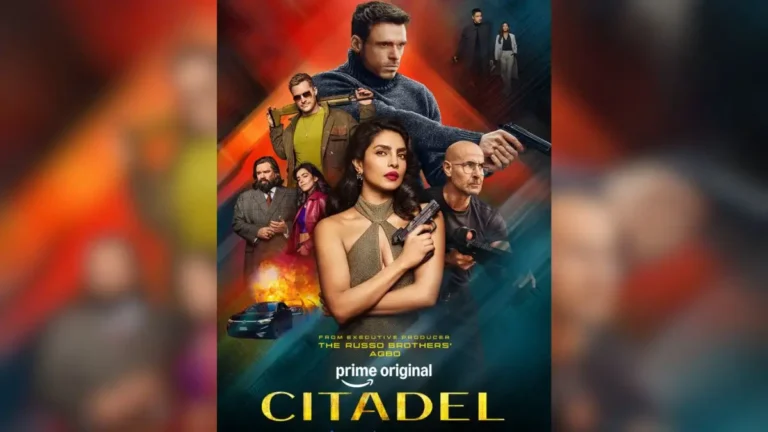
Citadel Season 2 Is Here: Priyanka Chopra Spy Thriller Returns—When and Where to Watch in India

New Delhi, May 6, 2026: The long-awaited return of one of the most ambitious projects in global streaming is finally here. Citadel, the high-octane spy thriller featuring global icon Priyanka Chopra Jonas and Game of Thrones star Richard Madden, has officially returned for its second season. After building anticipation for over three years, the Russo Brothers-backed series is ready to take fans back into the dangerous, fast-paced world of international espionage.

For fans in India and across the globe, the wait is officially over. Here is everything you need to know about the release, what to expect from the new season, and how you can catch the action right now.

When and Where to Watch in India

Citadel Season 2 made its grand debut on Amazon Prime Video today, May 6, 2026.

Unlike the first season, which followed a weekly release schedule that kept audiences guessing, Amazon has opted for a different strategy this time. To cater to the binge-watching culture, the makers have released all seven episodes of the second season at once. This means you can dive into the entire season immediately without waiting for weekly updates.

For Indian viewers, the show became available to stream at 12:30 PM IST on May 6, 2026.

The series is accessible in multiple languages, including English, Hindi, Tamil, Telugu, Malayalam, and Kannada, ensuring that the Citadel experience remains inclusive for its diverse Indian fanbase.

A Recap: Where Did We Leave Off?

Before diving into the new episodes, it helps to refresh your memory on the high-stakes narrative. The first season introduced us to the global spy agency “Citadel,” which was effectively dismantled by the sinister, shadow-syndicate known as “Manticore.”

The core story revolved around two elite agents, Nadia Sinh (Priyanka Chopra Jonas) and Mason Kane (Richard Madden), who survived the agency’s collapse but had their memories wiped. As the series progressed, they were tracked down by their former colleague, Bernard Orlick (Stanley Tucci), who helped them piece together their fragmented pasts, setting the stage for their eventual return to the field.

By the end of the first season, the foundation was laid for a massive, interconnected spy universe, with the battle against Manticore serving as the central conflict.

What to Expect in Season 2

The second season promises to raise the stakes significantly. According to the official synopsis, the story picks up as a “terrifying new threat” emerges, forcing Nadia, Mason, and Bernard out of the shadows and back into the center of the action.

1. New Missions and Higher Stakes

This time around, the team is not just fighting to survive; they are building a new team of operatives to take down the Manticore syndicate once and for all. Viewers can expect a global mission that spans across multiple countries, featuring the “blockbuster action” the Russo Brothers are famous for.

2. A Growing Cast

While the core trio of Priyanka Chopra Jonas, Richard Madden, and Stanley Tucci returns to reprise their iconic roles, the show is also expanding its universe with fresh talent. Joining the ensemble this season are actors like Jack Reynor, Matt Berry, and Lina El Arabi, along with Ashleigh Cummings and Gabriel Leone. These additions are expected to introduce new dynamics, loyalties, and, inevitably, new betrayals.

3. The “Citadel” Universe

It is worth noting that Citadel is more than just a single series; it is a sprawling interconnected franchise. With spin-offs like the Indian series Citadel: Honey Bunny (starring Varun Dhawan) and the Italian series Citadel: Diana already part of the narrative tapestry, the second season of the main show is expected to deepen the lore and connection between these various international chapters.

Why You Shouldn’t Miss It

The buzz surrounding Citadel has been intense, and for good reason. With an increased episode count of seven—one more than the first season—the series aims to deliver a tighter, more cohesive, and more intense narrative.

Priyanka Chopra herself has been actively promoting the return, recently sharing an appeal from the Russo Brothers asking fans to avoid spoilers. This underscores the importance of the show’s “shocking twists” and unexpected betrayals—elements that define the espionage genre and keep audiences on the edge of their seats.

If you are a fan of high-stakes action, international intrigue, and powerful performances, Citadel Season 2 is undoubtedly the show to watch this week. Ensure your Amazon Prime Video subscription is active, settle in, and prepare for a binge-watching session that takes you from the streets of undercover missions to the heart of a global conspiracy.

Delhi Airport Chaos: Over 500 Flights Delayed After Hailstorm

0

New Delhi, May 6, 2026 — Travel plans for thousands of passengers were thrown into disarray at the Indira Gandhi International (IGI) Airport on Tuesday, as a sudden and intense bout of unseasonal weather combined with external geopolitical tensions to create a day of severe operational disruption.

What began as a typical Tuesday afternoon quickly turned chaotic when a powerful storm, characterized by heavy rain, gusty winds, and a sudden hailstorm, battered the national capital. The extreme weather conditions, centered heavily around the airport’s immediate vicinity, forced a total rethink of flight schedules, leading to a ripple effect of delays impacting over 500 arrivals and departures.

A Storm Strikes Without Warning

The weather turned sharply in the early afternoon, catching commuters and travelers off guard. Specifically, areas including Dwarka, Palam, and Najafgarh—which house the IGI Airport—experienced a intense downpour accompanied by hail.

For the aviation sector, this was the worst-case scenario. When visibility drops and wind speeds pick up, safety protocols mandate that flights cannot land or take off safely. According to airport officials, the critical window of disruption occurred between 2:00 p.m. and 3:30 p.m., when the severity of the weather made it impossible to maintain normal operations.

During this period, at least five flights were forced to divert to nearby airports to ensure passenger safety. While the storm provided a temporary respite from the sweltering May heat, the immediate consequence was a massive backlog of air traffic. Data from the flight-tracking portal Flightradar24 indicated that over 500 flights were delayed, with average wait times extending to 30 minutes, though many travelers reported much longer hold-ups as the schedule struggled to recover for the rest of the evening.

Compounding the Chaos

While the weather was the primary cause of the day’s immediate operational struggles, it was not the only factor. The airport was already under strain due to separate flight cancellations linked to a recent drone-related attack in the Middle East.

Since late Monday night, May 4, airport authorities confirmed that 10 flights—specifically operating between Delhi and cities in West Asia, including Dubai, Abu Dhabi, Kuwait, and Baghdad—had been cancelled. This added an extra layer of operational complexity, as ground staff and airline coordination teams had to manage both the weather-related backlog and the rebooking or cancellation procedures for travelers affected by the regional tensions.

The Human Toll: Passenger Frustration

For passengers, the impact was visceral. Many found themselves stranded on tarmacs or waiting in crowded terminal halls for hours. The Delhi Airport authorities were quick to issue advisories on social media platform X (formerly Twitter), urging passengers to check the status of their flights with their respective airlines before heading to the airport.

“Flight operations may be impacted due to a hailstorm near Delhi airport, which could result in delays or short-term disruptions,” the advisory read. Despite these warnings, the sheer volume of delayed flights meant that terminal infrastructure was pushed to its limits.

A Silver Lining: Weather Relief

Despite the significant travel disruption, the storm brought a much-needed cooling effect to a city that had been reeling under high temperatures. On Tuesday, the Safdarjung observatory recorded a maximum temperature of 33.6°C, which is significantly lower than what Delhiites have been experiencing recently. The air quality also saw a marked improvement, with the Air Quality Index (AQI) hovering in the “satisfactory” category—the best air quality recorded in the city since October 2025.

The Road Ahead

As of Wednesday, May 6, operations at IGI Airport have largely stabilized. The India Meteorological Department (IMD) has not issued a specific colour-coded warning for Wednesday, suggesting that the major weather disturbance has passed. However, weather experts have cautioned that the city may still witness isolated, thundery developments towards the evening due to the lingering effects of the western disturbance.

The IMD expects the atmosphere to settle by Thursday, after which temperatures are anticipated to begin a gradual climb once more. Residents and travelers are being advised to keep an eye on weather updates, as the transition away from this western disturbance is likely to signal a return to warmer summer conditions, with the mercury expected to hit 40°C by the coming Sunday.

What Should Passengers Do?

For those with upcoming travel plans, the lesson from Tuesday is clear: monitor your flight status actively.

  • Check Online: Always check the airline website or mobile application before leaving for the airport.
  • Stay Informed: Monitor official social media channels for the Delhi Airport and the IMD.
  • Be Patient: While airlines and airport staff are working to normalize schedules, extreme weather events create a “domino effect” that can take hours to clear.

While Tuesday was a day of frustration for many, it served as a reminder of the fragility of modern connectivity in the face of unpredictable climate events. As the city breathes a sigh of relief from the heat, aviation authorities are shifting their focus to clearing the remaining backlog and ensuring that the coming days see a smoother transition back to normalcy.

SRK and Deepika Set the Internet Ablaze with ‘King’ Beach Shoot

New Delhi, May 5, 2026: The digital world is abuzz this week as fresh glimpses from the sets of the highly anticipated Bollywood film King have taken social media by storm. In a scene that feels tailor-made for the silver screen, global icons Shah Rukh Khan and Deepika Padukone were captured filming a dreamy, romantic song sequence on a picturesque beach in Cape Town, South Africa.

Despite the glamour of the Met Gala happening concurrently, the undeniable chemistry between the two stars proved to be the ultimate showstopper for fans worldwide.

A Golden Sunset and Unmistakable Chemistry

Leaked footage and photos from the production site show the duo amidst a breathtaking golden sunset. Dressed in breezy, neutral-toned outfits, the pair were captured walking towards each other before breaking into a choreographed dance routine.

For fans, the sequence immediately sparked nostalgia, with many drawing parallels to their iconic collaborations in Pathaan, Chennai Express, and Om Shanti Om. While the shoot was intended to be a controlled, private affair, the sheer star power of the leads drew a small crowd of onlookers eager to catch a live glimpse of the Bollywood legends.

Behind-the-scenes reports suggest the team is currently in the middle of a high-stakes shooting schedule. In addition to the romantic track, Shah Rukh Khan has been spotted filming solo sequences involving a car, fueling speculation that the team is working on intense, high-octane climax portions for the film.

A Call for Restraint: The Director’s Plea

While the leaked visuals have sent excitement levels through the roof, the film’s team is urging fans to maintain the surprise element. Director Siddharth Anand, known for his grand cinematic vision, recently took to social media to issue a heartfelt request to the audience.

In a statement posted on X (formerly Twitter), Anand wrote:

“REQUEST TO ALL THE FANS. Please do not post or circulate any leaked multimedia from the sets of KING. The team is working round the clock to ensure the best cinematic experience for everyone. Let us wait for the surprise on the big screen and for the assets to be revealed as the team of King originally intends to. Thank you for your love, support and cooperation.”

The production house, Red Chillies Entertainment and Marflix Pictures, remains committed to keeping the film’s narrative tightly under wraps until the official promotional materials are ready for release.

What We Know About ‘King’

King is shaping up to be one of the most significant cinematic events of 2026. Beyond the return of the formidable SRK-Deepika pairing, the film is generating immense curiosity for its ensemble cast and unique plot.

  • The Cast: Alongside Shah Rukh Khan and Deepika Padukone, the film features an impressive lineup, including Suhana Khan, Abhishek Bachchan, Anil Kapoor, Rani Mukerji, Arshad Warsi, Abhay Verma, and Raghav Juyal.
  • A Milestone Debut: This project marks a major milestone as it features an on-screen collaboration between Shah Rukh Khan and his daughter, Suhana Khan, following her acclaimed turn in The Archies.
  • The Vibe: Reports suggest the film will feature a darker, grittier narrative, with Shah Rukh Khan reportedly portraying a seasoned assassin navigating a complex underworld, with Suhana playing his protégé.
  • The Music: While unconfirmed, buzz in the industry suggests that international music sensation Ed Sheeran may be involved in the soundtrack, adding another layer of global anticipation to the project.

The Road to December 24

As the production moves through its South Africa schedule, the countdown to the film’s release has officially begun. King is scheduled to hit theatres on December 24, 2026.

The release date places King in the middle of one of the most competitive box office windows in recent years. It is slated to arrive just a week after major Hollywood tentpoles, including Avengers: Doomsday, Dune: Part Three, and Jumanji 3.

Despite the fierce international competition, the combination of Siddharth Anand’s high-octane direction and the enduring magic of the SRK-Deepika pairing makes King a clear favorite for audiences looking for a grand, emotional, and visually spectacular theatrical experience this Christmas.

For now, fans are left to speculate on the full extent of the “magic” being created in Cape Town, waiting patiently for the official trailer to finally drop.