Home Blog Page 84

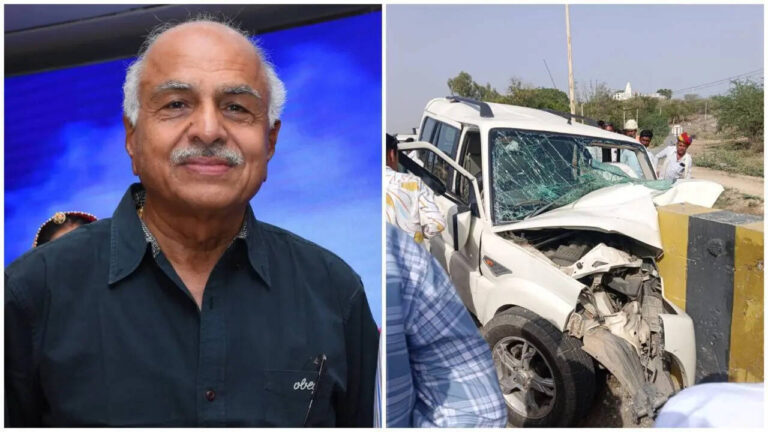
Veteran Producer RB Choudary Passes Away in Tragic Road Accident

New Delhi, May 6, 2026 – The Indian film industry is in deep mourning following the sudden and tragic demise of legendary film producer R.B. Choudary. The 76-year-old stalwart, best known for establishing the iconic production house Super Good Films, lost his life in a fatal car accident on Tuesday, May 5, 2026, near Joontha village in the Beawar district of Rajasthan.

The Tragic Incident

According to preliminary reports from local authorities, the accident occurred around 3:00 PM on Tuesday. R.B. Choudary was returning from a family wedding in Lilamba village along with his nephew when the tragedy struck.

Assistant Sub-Inspector Manohar Lal Khoja of the Raipur Police Station stated that the vehicle went out of control after cattle suddenly strayed onto the National Highway. The car subsequently crashed into a roadside wall with significant force. Tragically, R.B. Choudary was declared dead on the spot. His driver, Gautam Seervi, sustained serious injuries and has been referred to a hospital in Jodhpur for specialized medical care.

A Legacy That Defined Generations

R.B. Choudary was a titan of South Indian cinema. Born into a Rajasthani family, he carved out an extraordinary career that spanned several decades, influencing the landscape of Tamil, Telugu, Malayalam, and Hindi cinema.

After establishing himself in business sectors—including steel, exports, and jewelry—Choudary transitioned into film production. He initially produced films in the Malayalam industry before cementing his place in Tamil cinema in the late 1980s.

In 1989, he partnered with R. Mohan to form a production banner. When the partnership concluded, Choudary famously borrowed “Good” from his partner’s former venture, “Good Knight,” and combined it with “Super” to create Super Good Films. This banner would go on to become a household name, synonymous with family-oriented entertainers and massive commercial successes.

Over his illustrious career, he produced over 100 films, including classics such as:

  • Pudhu Vasantham (1990) – His debut Tamil production, which marked the directorial debut of Vikraman.
  • Nattamai (1994)
  • Poove Unakkaga (1996)
  • Suryavamsam (1997)
  • Thullatha Manamum Thullum (1999)
  • Aanandham (2001)
  • Jilla (2014)
  • Godfather (2021)
  • Maareesan (2025) – His most recent production.

Beyond just producing films, Choudary was celebrated as a “star-maker.” He possessed an uncanny ability to spot raw talent, providing early breaks to countless directors, actors, and technicians who went on to become giants in the industry today.

Industry in Shock and Mourning

The news of his untimely death has sent shockwaves across the country, prompting an outpouring of grief from the highest echelons of the Indian film industry and political circles.

Superstar Rajinikanth expressed his profound sorrow on social media, describing Choudary as a “top-notch producer” and a “wonderful human being.” He noted, “He gave opportunities to countless young directors and kept the film world alive. His untimely death has left me in shock and deep sorrow.”

Telugu superstar Chiranjeevi shared his heartbreak, stating, “His contribution to Indian cinema is beyond words. I have known him for many years and was recently associated with him on my film ‘God Father’. He has shaped the careers of many talented directors and actors.”

Prominent actors and filmmakers including Kamal Haasan, Venkatesh Daggubati, and Vishal also paid heartfelt tributes, highlighting his role as a mentor and a pillar of support for the creative community.

Personal Life and Final Rites

R.B. Choudary is survived by his wife, Mahjabeen, and their four sons. His family, including actors Jiiva and Jithan Ramesh, are currently coordinating the transportation of his mortal remains to Chennai. His son Suresh has been deeply involved in the family production business, continuing the legacy his father built.

It is reported that the mortal remains were kept at his residence in Mylapore, Chennai, to allow friends, family, and colleagues from the film fraternity to pay their final respects.

The passing of R.B. Choudary marks the end of an era in South Indian cinema. He will be remembered not only for the blockbusters he backed but for his integrity, his passion for storytelling, and his unwavering commitment to nurturing new talent.
The Mirror Reflection: Mysuru Viral Attempt to Curb Public Urination

0

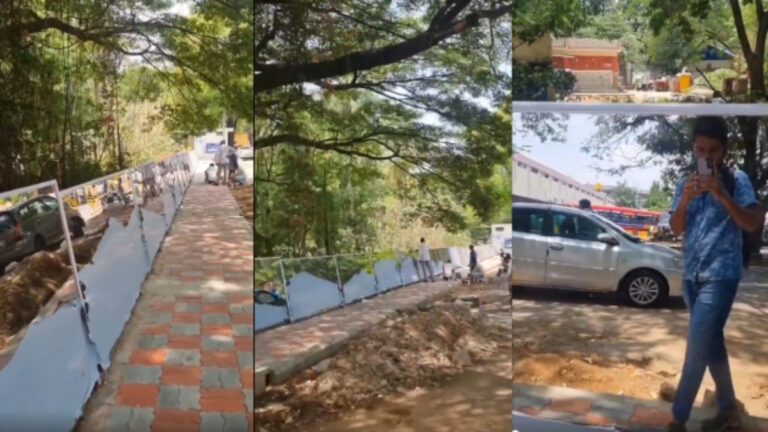
New Delhi, May 6, 2026: In a creative, albeit unconventional, effort to tackle the persistent urban challenge of public urination, authorities in Mysuru have launched a unique initiative that is turning heads—literally. By installing large, reflective mirrors on a prominent wall near the city’s suburban bus stand, local officials are banking on the power of self-reflection to stop offenders in their tracks.

The project, which has recently gone viral on social media, has sparked a nationwide debate, highlighting the complex intersection of civic responsibility, infrastructure, and urban psychology.

The “Mirror-on-Wall” Concept

The premise behind the installation is simple: psychological deterrence. For years, the wall near the bus stand had been a “black spot,” a habitual site for public urination despite its proximity to the station and other facilities. Instead of traditional warning signs or heavy-handed enforcement, the Mysore City Corporation opted for a “behavioural nudge.”

The theory is straightforward—most individuals, when faced with their own reflection while engaging in an unsanitary or shameful act in a public space, would experience a sudden jolt of self-consciousness, compelling them to desist. As one social media user aptly put it, the initiative forces people to “look at their own problems—literally.”

The videos circulating online show passersby walking past the shiny steel surfaces, which stand out sharply against the urban backdrop. The reaction from the public has been polarized, reflecting broader frustrations and hopes regarding Indian urban sanitation.

A Divided Public Response

The viral nature of the post has invited thousands of comments, ranging from genuine praise to biting skepticism.

The Case for Innovation

Proponents of the move argue that traditional methods have failed. Over the decades, municipal bodies across India have tried everything: painting religious icons on walls, installing “Fine for Urinating” signs, and even deploying mobile squads to levy penalties. Yet, the habit persists.

For supporters, the mirror is a “genius” intervention. They argue that if people are desensitized to posters or legal threats, forcing them into a momentary confrontation with their own reflection might just trigger the necessary pause to make them reconsider their actions. Some have even called for the idea to be replicated in other cities struggling with similar issues.

The Call for Structural Solutions

On the other side of the debate, a significant number of netizens are critical of the move, labeling it a “cosmetic fix” for a systemic issue. The core argument here is simple: Build more toilets.

Critics point out that public urination is often less about a lack of civic sense and more about a lack of access to clean, functional, and accessible public toilets. A common refrain in the comment sections has been: “Instead of wasting money on mirrors, why not build more toilets and maintain the ones we have?”

Many residents argue that shame alone cannot bridge the gap left by inadequate infrastructure. They emphasize that until the city provides convenient, hygienic, and well-maintained public restrooms, “nudges” like mirrors will remain temporary measures that do not address the root cause of the problem.

Learning from the Past: The Bengaluru Experiment

Interestingly, this is not the first time such an initiative has been tested in India. Back in 2020, the Bruhat Bengaluru Mahanagara Palike (BBMP) installed large 8×4-foot mirrors at several “black spots” in Bengaluru, including areas near KR Market and Indiranagar.

The Bengaluru initiative also featured QR codes on the mirrors, which were intended to help citizens locate the nearest public toilet using their smartphones. However, evaluations of that project were mixed. Reports suggested that while the mirrors were a novel idea, their effectiveness was limited. Critics noted that the QR codes were often inaccessible to the demographic most likely to urinate in public, and the toilets suggested were sometimes too far away or, in some cases, poorly maintained, leading people to revert to using the walls.

The lesson from Bengaluru appears to be that a “nudge” only works if the alternative (the public toilet) is a viable and attractive option.

The Broader Context of Indian Sanitation

The debate in Mysuru is a microcosm of the larger struggle to modernize Indian urban spaces. While campaigns like the Swachh Bharat Abhiyan have significantly increased the number of toilets across the country, the challenge of maintenance and accessibility remains.

Public urination is deeply rooted in habit and the lack of social stigma. While the mirror initiative tries to artificially create that stigma, urban planners argue that long-term change requires a three-pronged approach:

  1. Infrastructure: Constructing high-quality, clean, and well-lit public toilets that are visible and accessible.
  2. Maintenance: The most common reason people avoid existing public toilets is lack of hygiene. Ensuring these facilities are cleaned regularly is paramount.
  3. Behavioral Change: Education and social awareness are crucial. While shaming might work for some, fostering a sense of ownership over public spaces is ultimately more sustainable.

Conclusion: A Reflective Step Forward?

As the images from Mysuru continue to circulate, they serve as a potent reminder of the creative lengths to which authorities are willing to go to clean up urban landscapes. Whether the “mirror hack” will lead to a permanent reduction in public urination remains to be seen.

If nothing else, the initiative has successfully forced a conversation. It has brought the issue of public sanitation back to the forefront of the public discourse, reminding both the authorities and the citizens that the solution to a clean city is a shared responsibility—one that requires not just mirrors to look at ourselves, but meaningful action to improve the spaces we all share.

Telugu Producer Bandla Ganesh Seeks Blessings at Tirumala Following Professional Comeback

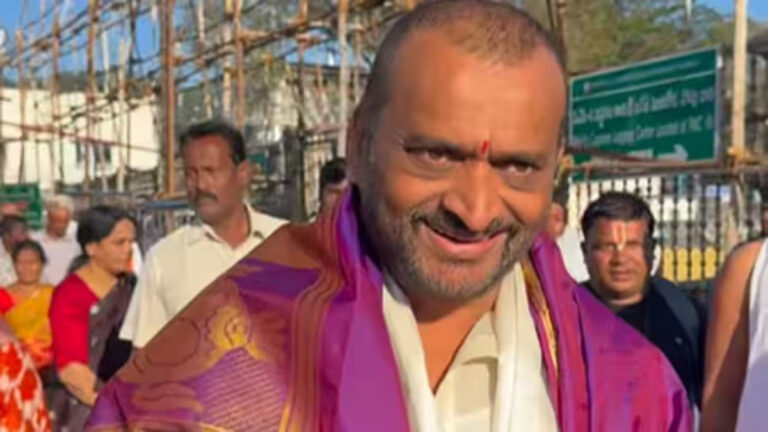
May 6, 2026: Well-known Telugu actor and film producer Bandla Ganesh visited the sacred Tirumala Venkateswara Temple on Tuesday. Accompanied by his wife, he offered prayers to Lord Venkateswara at one of India’s most revered spiritual destinations.

The visit, conducted under the administration of the Tirumala Tirupati Devasthanams (TTD), took place in a serene atmosphere, with the couple adhering to the temple’s traditional customs. Dressed in respectful attire suitable for the sacred shrine, Ganesh wore an elegant off-white ensemble. His wife was seen in a vibrant orange saree with a matching border, accessorized with a detailed, hand-embroidered potli bag.

A New Chapter in His Career

This pilgrimage arrives at a pivotal moment in Bandla Ganesh’s life. After a self-imposed hiatus from the film industry that lasted nearly a decade, the producer has officially returned to active filmmaking.

In December 2025, he signaled his comeback by launching a new production house, Bandla Ganesh Blockbusters (BG Blockbusters). His visit to Tirumala is widely seen as an act of gratitude and a way to seek divine blessings as he re-establishes his footprint in the competitive landscape of Tollywood.

A History of Devotion

Bandla Ganesh has long been known for his public expressions of faith and his deep personal convictions. Earlier this year, in a display of intense devotion, he completed a massive 500-kilometer “Sankalpa Yatra” (a vow-based pilgrimage) on foot.

That arduous journey, which commenced in January 2026, was a testament to his gratitude regarding the political career of Andhra Pradesh Chief Minister N. Chandrababu Naidu. During a challenging period when the Chief Minister was arrested in previous years, Ganesh had taken a solemn vow to walk from his home to Tirumala should Naidu be released and return to power. Following the fulfilment of that political milestone, Ganesh completed his long-distance trek in February 2026, culminating in a visit to the temple to offer his thanks.

About the Tirumala Shrine

The Tirumala Venkateswara Temple, situated atop the seventh peak of the Seshachalam Hills, remains one of the most visited and culturally significant religious sites in the world. Dedicated to Lord Venkateswara—often referred to as Balaji—the temple draws millions of pilgrims annually, who travel from across the globe to catch a glimpse of the deity and seek peace and prosperity.

As Bandla Ganesh embarks on this new phase of his professional journey with “BG Blockbusters,” his latest visit to the hills serves as a reminder of the blend of faith, personal resilience, and professional ambition that continues to define his public persona. Fans and followers are now eagerly awaiting announcements regarding the upcoming projects under his new production banner.

Beyond the Food Tech Horizon: Deepinder Goyal ‘Temple’ Wearable Opens for Early Access

0

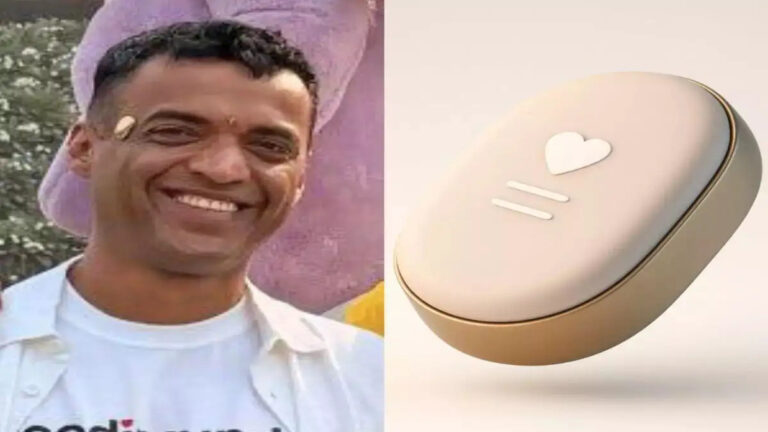
New Delhi, May 6, 2026: In a move that marks a dramatic shift from food delivery to the frontiers of health-tech, Deepinder Goyal, the founder of Zomato, has officially opened applications for early access to Temple—the mysterious, brain-monitoring wearable that first captured the internet’s attention earlier this year.

After months of speculation following his viral appearance on a podcast wearing a small, clip-like gadget on his head, Goyal has confirmed that the first 100 units of the device are ready for deployment. This development signals a significant milestone for his health-tech venture, moving the project from a private research prototype into a controlled, early-access testing phase.

What is ‘Temple’?

Temple is an experimental wearable device designed to track cerebral blood flow (CBF) in real-time. Unlike standard fitness trackers that focus on metrics like heart rate, sleep cycles, or step counts, Temple is built on a niche, ambitious premise: that monitoring how blood reaches the brain can provide deep insights into neurological health, cognitive function, and the ageing process.

The Science Behind the Idea

The core of the project is rooted in what Goyal describes as the Gravity Ageing Hypothesis. The theory posits that our daily habits—specifically the amount of time we spend in an upright, gravity-defying posture—might subtly affect blood circulation to the brain over decades. Goyal and his team are investigating whether this chronic physiological stress could be a driver for aspects of cognitive decline and biological ageing.

While the hypothesis has sparked intense debate, Goyal has positioned Temple as a research tool aimed at gathering longitudinal data rather than providing immediate medical diagnoses.

The Launch: Who is it for?

The company is not targeting a mass-market commercial launch just yet. Instead, the current phase is focused on gathering high-quality, structured feedback. Consequently, Temple is looking for a curated groupt to stress-test the device and provide input.

According to the official announcement, the startup is seeking applicants from specific fields, including:

  • Athletes
  • Scientists
  • Doctors
  • Founders/Entrepreneurs
  • Content Creators
  • Individuals with a deep, active commitment to cognitive and physical health

Goyal has explicitly stated that not all applicants will be chosen, as the goal is to build a community capable of contributing meaningful, actionable data for the next stages of development.

How to Apply for Early Access

If you are interested in participating in this experiment, the application process is straightforward but selective.

  1. Visit the Website: Navigate to the official portal at temple.com.
  2. Submit Your Details: You will be required to provide your name, contact information, and social media handles.
  3. The Statement: The application asks for a brief statement (limited to 500 characters) explaining why you are interested and what you expect from the device. This is likely the most critical part of the application, as it helps the team filter for users who are genuinely aligned with their research goals.
  4. Selection: If selected, the Temple team will reach out directly to applicants via WhatsApp.

Beyond early access to the hardware, the company has hinted that selected “founding users” may also be offered opportunities to participate in future funding rounds for the venture.

A Note of Caution: Innovation vs. Clinical Utility

While the buzz around Temple is significant, it is important to contextualize the device. As of May 2026, Temple remains an experimental, non-medical device.

Medical professionals and neurologists have raised valid questions regarding its utility and scientific validation. Skeptics note that the human brain has robust, inherent mechanisms (such as cerebral autoregulation) to maintain stable blood flow regardless of posture. Some experts have cautioned against interpreting data from skin-mounted, non-clinical sensors as a definitive indicator of complex internal brain circulation.

Goyal himself has been careful to frame this as an “exploration and experimentation” venture rather than a finished commercial product. He has invested significant personal resources into the project through his research initiative, Continue Research, and has invited open feedback from the scientific community.

The Path Ahead

The release of these first 100 units is a “test-and-learn” exercise. By limiting the initial batch, the team behind Temple hopes to iterate on the hardware and software based on the real-world experiences of a high-performing user base.

Whether Temple becomes a breakthrough tool for understanding the aging brain or remains a niche experiment in the world of biohacking, it is undeniable that Goyal has successfully brought a complex, high-stakes topic into the public conversation. For now, the world of health-tech will be watching closely to see what these first 100 users reveal.

Viral “Boxing” Incident: The Debate Surrounding IShowSpeed Latest Puerto Rico Stunt

0

New Delhi, May 6, 2026: In the fast-paced world of live streaming, few creators generate as much noise—both figuratively and literally—as Darren “IShowSpeed” Watkins Jr. Known for his explosive energy, unpredictable antics, and global fanbase, the 21-year-old streamer is rarely far from the center of a social media storm. This week, the internet is once again buzzing after a video of a “casual boxing match” between the streamer and a fan in Puerto Rico went viral, sparking a heated debate about the boundaries between fan engagement and dangerous behavior.

The Incident in Puerto Rico

As part of his ongoing international travel tour, which has recently taken him across various Caribbean nations, IShowSpeed has been hosting public meet-ups and engaging in high-energy, improvised activities with local fans.

The viral clip, which began circulating on May 4, 2026, shows the streamer stepping into a small, makeshift ring-like area during a public event in Puerto Rico. The scene was set up to be a lighthearted, “boxing-style” interaction—a common trope in the world of influencer meet-and-greets. However, the mood shifted rapidly when IShowSpeed landed a punch that clearly connected with the fan. The impact caused the fan to lose his balance and stumble backward.

While the interaction was billed as a friendly spar, the visual of a prominent influencer landing a heavy blow on a member of the public—even one who had stepped into the ring voluntarily—caused immediate shock.

Digital Fallout: “Knockout” or Chaotic Fun?

The internet’s reaction was swift and polarized, as is common with IShowSpeed’s content.

On one side, viral social media posts quickly began exaggerating the event. Captions circulated claiming the fan had been “rocked” or “almost knocked out.” The clip was shared thousands of times, with many users focusing on the raw intensity of the blow rather than the context of the “match.” This framing fueled a wave of commentary, with some critics arguing that the streamer’s behavior was reckless and potentially hazardous, asserting that such stunts normalize physical aggression in front of young audiences.

Conversely, supporters of the streamer pointed out that the event was a mutually agreed-upon, theatrical stunt. They argued that “boxing” implies a level of physical contact and that the fan willingly engaged in the activity, fully aware of the nature of the interaction. For these viewers, the incident was simply another chaotic, high-energy moment in a tour known for its “go-with-the-flow” unpredictability. As of now, there have been no credible reports that the fan suffered any significant injury, further bolstering the argument among fans that it was an overblown piece of internet drama.

A Pattern of Unpredictability

This incident comes on the heels of another recent health scare involving the streamer. Just days prior to the Puerto Rico appearance, IShowSpeed made headlines when he appeared to faint during a live stream in St. Maarten. In that instance, the footage was alarming, showing the streamer collapsing while interacting with fans, leading to widespread concern about his health, the physical toll of his constant travel, and the intense heat of his Caribbean tour.

While he later returned to streaming and appeared to be in good spirits, the two back-to-back viral moments—the health scare and the punching incident—have highlighted the unique pressures and risks inherent in the “IRL” (In Real Life) streaming format.

The Bigger Picture: Influence and Responsibility

The debate ignited by the Puerto Rico incident touches on a larger, ongoing conversation within the digital creator economy: where is the line between authentic, spontaneous entertainment and irresponsible content creation?

IShowSpeed has built an empire on chaos. His massive subscriber base is accustomed to high-stakes challenges, loud reactions, and constant movement. Yet, as his global platform grows, so too does the scrutiny surrounding his interactions. When a creator has the reach of a global celebrity, the “playful” nature of a stunt can often be misinterpreted, or worse, can lead to genuine safety concerns in uncontrollable public environments.

The Puerto Rico “boxing” video serves as a reminder of the fragility of the creator-fan dynamic. While the streamer and the fan may have treated the encounter as an entertaining, once-in-a-lifetime memory, the digital audience sees a different story. In the age of viral clips, context is frequently lost, and the responsibility to maintain a safe, albeit entertaining, environment remains a complex challenge for the world’s most watched influencers.

As IShowSpeed continues his world tour, fans and critics alike will undoubtedly keep their eyes glued to the screen, waiting to see what the next unpredictable chapter of his journey will bring—and whether it will be defined by record-breaking engagement or another viral controversy.

“Improved Me Quite A Bit”: Giorgia Meloni Calls Out Viral Fake Lingerie Photo

0

New Delhi, May 6, 2026: In a sharp and candid response to the rise of AI-generated misinformation, Italian Prime Minister Giorgia Meloni has publicly condemned the circulation of a fabricated, sexually explicit image of herself. The viral photo, which appeared to show the Prime Minister in lingerie, has ignited a wider conversation about the dangers of deepfake technology, the weaponization of artificial intelligence in politics, and the urgent need for digital literacy in the age of viral media.

The Incident: A Fabricated Reality

The controversy began earlier this week when a manipulated image began circulating widely on social media platforms. The image depicted Prime Minister Meloni in a compromising position—seated on a bed while wearing lingerie. To many observers, the image appeared realistic enough to trick casual users, leading some to circulate it with claims that the Prime Minister’s behavior was “shameful” and unbecoming of her high office.

Meloni took to her official Facebook page to address the situation directly. By posting the fake image alongside a screenshot of a social media user named “Roberto” who had shared the photo with critical commentary, Meloni aimed to expose the falsehood for what it was. Her response was a blend of defiance, humor, and a sober warning.

“I must admit that whoever created them, at least in the attached case, has also improved me quite a bit,” she quipped, acknowledging the sophistication of the AI generation while maintaining her composure. However, she quickly pivoted from the humor of the moment to the serious implications of the incident.

Beyond Personal Attacks: The Danger of Deepfakes

While Meloni noted that she possesses the platform and the resources to defend her reputation, she emphasized that the true danger of deepfake technology lies in its ability to target those who cannot easily fight back.

“The point, however, goes beyond me,” Meloni wrote in her post. “Deepfakes are a dangerous tool, because they can deceive, manipulate, and strike anyone. I can defend myself. Many others cannot.”

The Italian Prime Minister characterized the creation and distribution of the image as a deliberate “political attack.” She argued that this incident is symptomatic of a disturbing trend: the use of any means necessary—including fabricated, AI-generated falsehoods—to attack opponents and manipulate public perception.

A Call for Digital Vigilance

The incident has served as a wake-up call regarding the fragility of truth online. Meloni urged the public to adopt a fundamental rule for navigating the modern internet: Verify before you believe, and verify before you share.

In an era where AI can generate hyper-realistic images, videos, and audio in seconds, the burden of truth has shifted increasingly toward the consumer. Meloni warned that if today it is a public figure being targeted by a deepfake, tomorrow it could be anyone. Her message resonated with experts who have long warned that the democratization of AI image-creation tools has outpaced public awareness of how to identify manipulated media.

The Broader Context: AI and Law

Italy has been at the forefront of attempting to manage the risks associated with this technology. Last year, Italy became the first country in the European Union to approve comprehensive AI regulatory legislation. This landmark law includes strict provisions, including the potential for prison sentences for those who intentionally distribute AI-generated or manipulated content that causes harm.

This is not the first time Meloni has dealt with such issues. In 2022, she initiated a defamation lawsuit against an individual accused of creating and sharing deepfake pornographic content using her likeness. These repeated incidents highlight the ongoing struggle between rapid technological advancement and the legal protections afforded to individuals against defamation and non-consensual imagery.

The Impact on Social Media Discourse

Social media users have reacted to the incident with a mix of concern, cynicism, and resignation. While many rallied behind the Prime Minister, others noted a growing “truth fatigue,” where users are becoming increasingly skeptical of everything they see online. One commentator noted that because fake images are becoming so ubiquitous, their inherent value as “proof” of anything is rapidly diminishing—a phenomenon sometimes compared to the inflationary devaluation of currency.

However, researchers and digital rights advocates warn against total cynicism. They argue that while skepticism is healthy, apathy is dangerous. The ability of deepfakes to destroy lives, influence elections, and incite harassment is not merely a technical nuisance but a significant societal threat.

Conclusion: A Lesson for Everyone

Giorgia Meloni’s firm response to the viral lingerie photo serves as a critical reminder that we are entering a new phase of digital reality. As AI tools become more powerful and accessible, the line between authentic documentation and fabricated imagery will continue to blur.

For the public, the lesson is clear: the image on the screen is no longer a reliable witness. In the words of the Italian Prime Minister, the only defense we have is caution. By choosing to pause, verify, and question the source of the content we consume and share, we can help build a culture of digital responsibility that protects not just the powerful, but every individual from the reach of sophisticated, automated lies.

Rain, Traffic, and a ₹1200 Ride: Bengaluru Commuter Crisis Hits Boiling Point

0

New Delhi, May 6, 2026 – For many residents of India’s “Silicon Valley,” the arrival of the monsoon brings a mix of relief from the heat and dread for the commute. This week, those frustrations reached a new peak after a viral social media post highlighted the extreme lengths—and costs—commuters are going to just to get home safely.

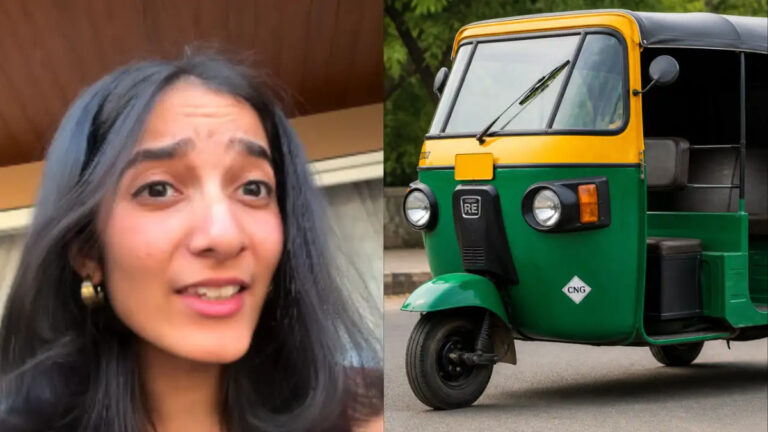
A Bengaluru-based content creator recently shared a story about her friend, who was charged a staggering ₹1,200 for a 15-kilometer autorickshaw ride during a heavy downpour. The incident, which reportedly took three hours to complete due to gridlocked traffic, has reignited a heated public debate about surge pricing, the lack of reliable public transport, and the everyday struggle of navigating the city’s infamous traffic.

The Viral Incident: More Than Just a Fare Hike

The video, posted by content creator Sanya Singh (@sanya.unfiltered), quickly gained traction as it resonated with thousands of residents who have faced similar “commuter trauma.”

In the video, Singh expressed her shock, noting that the cost was high enough to cover household groceries for weeks. “It took her 3 hours to reach home,” the caption read. “She paid ₹1.2k just so the auto driver wouldn’t leave her midway.”

The post paints a bleak picture of the “new normal” for many IT professionals and daily commuters: a reality where booking a ride is often more challenging than college admissions, and where exorbitant fares are accepted not out of choice, but out of desperation to reach home safely.

Why Is This Happening?

The ₹1,200 fare is an extreme outlier, but it is symptomatic of a larger, systemic issue in Bengaluru’s mobility landscape. Several factors contribute to these spikes during rainy conditions:

1. The Supply-Demand Gap

When it rains in Bengaluru, the demand for cabs and autorickshaws skyrockets as people avoid two-wheelers or walking. Conversely, the supply often drops as drivers prefer to avoid flooded roads, traffic jams, and the potential for vehicle damage.

2. Traffic Congestion

Bengaluru’s traffic is legendary for all the wrong reasons. A 15-km journey that might take 45 minutes on a clear day can easily balloon into a 3-hour ordeal during peak monsoon traffic. For drivers, time spent stuck in a jam is time they aren’t making money on new trips, leading some to demand higher fares or refuse rides entirely.

3. Fuel Price Pressures

The situation is compounded by economic stress. Recent reports indicate that Bengaluru’s auto drivers have been struggling with rising LPG prices, which have significantly cut into their daily earnings. Many drivers argue that government-mandated fare structures, even when revised, often fail to account for the actual cost of living and vehicle maintenance in a high-inflation environment.

The “Tip” Culture and Aggregator Apps

A significant portion of the outrage stems from how ride-hailing apps operate. Users frequently report that they are forced to add “tips” or “extra fares” to their bookings just to get a driver to accept the ride.

“I’m paying 550 now for something that used to cost 420,” one user lamented on a local forum. “Even after adding a tip before the ride starts, by the time the ride ends, the app shows a higher fare because it took longer.”

While transport authorities have previously conducted enforcement drives to curb overcharging, the issue remains pervasive. When apps display high surge pricing, or when drivers demand cash over the meter, the commuter is often left with little recourse.

Is There a Solution?

The government and transport authorities have attempted to intervene in the past, including periodic fare revisions and crackdowns on illegal overcharging. However, experts suggest that reactive measures are not enough.

  • Infrastructure Improvements: Better storm-water drainage is essential to preventing the road flooding that paralyzes traffic during monsoons.
  • Public Transit Integration: Experts have long advocated for a more robust integration between the Metro, BMTC buses, and last-mile connectivity, which would reduce the city’s heavy reliance on private autos and cabs.
  • Transparent Pricing: There is a persistent call for a more scientific, perhaps annual, review of auto fares that balances the needs of drivers—who face rising fuel costs—with the affordability requirements of daily commuters.

A City at a Crossroads

For now, the viral video serves as a digital town square for collective venting. While the incident itself is a singular story, the thousands of comments sharing similar experiences highlight that the “Bengaluru commute” has become a major quality-of-life issue for the city’s residents.

As the city continues to grow, the question remains: Can Bengaluru build a transportation system that is reliable enough that a 15-km trip doesn’t require a small fortune or a three-hour patience test? Until then, many commuters are left choosing between a very expensive ride and a very long, wet walk.

A Royal Debut: Gauravi Kumari & Padmanabh Singh at the Met Gala

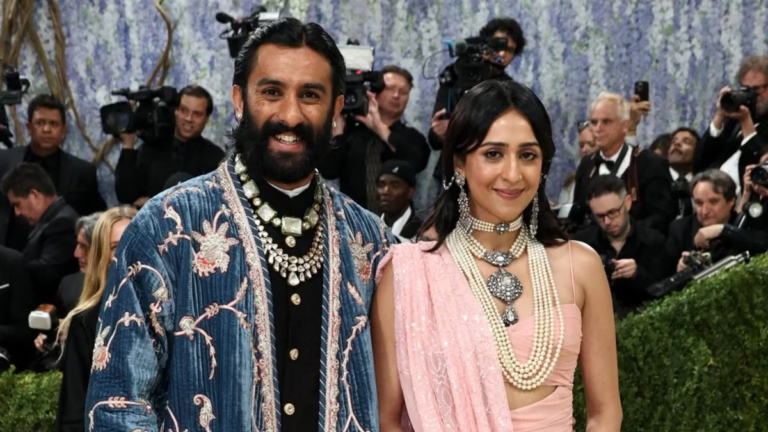
New Delhi, May 6, 2026: The Met Gala is widely regarded as “fashion’s biggest night,” a stage where the world’s most influential figures in film, music, fashion, and art come together to push the boundaries of style. While the red carpet is often dominated by Hollywood stars and avant-garde Western couture, the 2026 edition, held on May 4, saw an unexpected and breathtaking shift in narrative. All eyes turned toward two individuals who brought history, heritage, and the royal elegance of Rajasthan to the global stage: Princess Gauravi Kumari and Maharaja Sawai Padmanabh Singh of Jaipur.

Their debut was not just a fashion moment; it was a celebration of Indian craftsmanship, personal legacy, and modern royalty. Since their appearance, the siblings have gone viral, sparking immense curiosity about their backgrounds, their regal lineage, and the deep significance behind their meticulously crafted looks.

Who Are the Jaipur Royals?

To understand the buzz surrounding their Met Gala appearance, it is helpful to understand who these young royals are and the world they represent.

Princess Gauravi Kumari

Princess Gauravi Kumari is a contemporary royal known for her poised grace and commitment to social impact. She is the daughter of Princess Diya Kumari, who currently serves as the Deputy Chief Minister of Rajasthan. Gauravi belongs to a family of strong, influential women; she is a descendant of the legendary Maharani Gayatri Devi, an icon of style and elegance whose legacy continues to inspire generations.

Gauravi’s path is a blend of tradition and modern ambition. After completing her schooling at the prestigious Mayo College Girls’ School, she pursued higher education at New York University. Beyond the spotlight, she is deeply engaged in philanthropic work. She manages the Princess Diya Kumari Foundation, an organization dedicated to empowering women and supporting artisan communities. She is also the co-founder of The PDKF Store, which showcases the work of these artisans. Her personal aesthetic is often described as minimal and elegant, a signature style she confidently brought to the international stage.

Maharaja Sawai Padmanabh Singh

Affectionately known as “Pacho” to his family and close friends, Sawai Padmanabh Singh is the titular head of the Jaipur royal family. As the current Maharaja, he is the custodian of a vast cultural and historical legacy. Like his predecessors, Pacho is a renowned polo player, having achieved significant accolades in the sport on both the national and international circuits.

However, Pacho’s influence extends well beyond the polo field. He is a passionate advocate for social change, actively supporting underprivileged girls through scholarships, digital literacy initiatives, and academic assistance. A style icon in his own right, Pacho is frequently spotted in ensembles that seamlessly fuse traditional Rajasthani elements with contemporary fashion, consistently promoting the artistry of his home city on global platforms.

The Met Gala Debut: A Symphony of Heritage and Craft

For their historic debut, the sibling duo collaborated with the celebrated designer Prabal Gurung. Rather than opting for standard red-carpet trends, they chose to tell a story—one rooted in their ancestral home of Jaipur.

Gauravi Kumari: An Homage to Maharani Gayatri Devi

Princess Gauravi’s look was deeply intimate and personal. She chose to pay tribute to her grandmother, Maharani Gayatri Devi, by incorporating a vintage pink chiffon sari from the late Maharani’s own closet into her ensemble.

In a conversation about her outfit, Gauravi emphasized that it was crucial for the sari to be more than just a source of inspiration; it had to be physically integrated into the gown in a meaningful way. The result was a stunning, reworked creation that retained the fluid grace of the original chiffon while offering a modern silhouette. She completed her look with exquisite pearls, rubies, and uncut diamonds sourced from The Gem Palace in Jaipur, perfectly balancing royal history with high-fashion sophistication.

Sawai Padmanabh Singh: The Power of Rajasthani Craftsmanship

Maharaja Padmanabh Singh’s approach was equally thoughtful, focusing on highlighting the intricate craftsmanship of Rajasthan. His centerpiece was a “Phulghar coat,” a masterpiece of design that took over 600 hours of skilled labor to create.

The coat featured a deep midnight blue velvet base, richly adorned with traditional aari and zardozi embroidery, finished with dabka and resham work. The garment drew direct inspiration from the architectural beauty of the City Palace in Jaipur, specifically referencing a mirror sun motif found in the Sri Niwas. Paired with formal black trousers, the ensemble served as a regal statement, demonstrating that heritage attire can hold its own—and often outshine—even the most experimental avant-garde fashion on a world stage.

Why the World is Talking

The viral response to their appearance highlights a shifting interest in global fashion circles: a move toward storytelling and cultural authenticity. While the Met Gala often explores themes of fantasy and surrealism, Gauravi and Pacho reminded the world that reality—rich with history and craft—can be just as captivating.

By choosing to wear their heritage, the siblings shifted the focus from “fast fashion” to the enduring value of traditional techniques. Their debut served as a testament to the fact that Indian luxury is not defined by excess, but by the quiet, powerful stories woven into every thread of a garment.

As they continue to balance their royal duties with modern professional roles, Princess Gauravi Kumari and Sawai Padmanabh Singh have firmly established themselves as cultural ambassadors. Their Met Gala moment was more than just a red-carpet debut; it was an invitation for the world to look closer at the beauty, history, and craftsmanship of Jaipur, ensuring that their legacy continues to resonate far beyond the walls of their palace.

The Y2K Revival: How to Get That Viral Retro Digital Camera Look with AI

0

New Delhi, May 6, 2026: In an age of ultra-high-definition smartphone cameras and flawless, AI-polished selfies, there is a surprising new trend taking over social media: the “early-2000s digital camera aesthetic.” If you have been scrolling through your feed and wondering why everyone’s photos suddenly look like they were taken on a dusty, low-resolution point-and-shoot camera from 2006, you are not alone. This “digicam” nostalgia—characterized by harsh flashes, slight motion blur, and that signature digital grain—is the latest viral obsession.

The best part? You don’t need to hunt for a vintage device on an auction site. You can achieve the exact same look in seconds using modern AI tools.

Why the Retro Trend?

For many, the appeal lies in the imperfections. Modern cameras are designed to strip away noise and balance lighting, often resulting in photos that feel overly “curated.” Early 2000s digital photography was the opposite. It was raw, candid, and unpredictable.

The aesthetic thrives on what we once considered “bad” photography:

  • Harsh Flash: Creating bright foregrounds and dark, mysterious backgrounds.
  • Digital Noise: That fine, grainy texture typical of older sensors.
  • Slight Blur: A lack of crisp sharpness that feels more human and less robotic.
  • Washed-out Tones: Colors that don’t quite pop the way modern HDR photos do.

The “Magic” AI Prompt

If you are using an AI image editor (like those integrated into Gemini, ChatGPT, or specialized creative suites), the secret is in the specificity of your instructions. Instead of just asking for a “vintage filter,” you need to describe the technical limitations of an old camera.

3 Pro-Tips for Maximum Authenticity

While the AI prompt does the heavy lifting, these three tips will make your photo look like it was pulled straight from a 2006 memory card:

1. Choose the Right Subject

Not every photo looks good with this filter. The Y2K aesthetic works best with candid shots, party photos, or group hangouts. Avoid highly professional portraits or landscapes, as the “low-quality” effect is designed to look best on spontaneous, informal captures.

2. Don’t Fear the “Bad” Photo

If you have a photo that is slightly out of focus, has awkward lighting, or features a blurry background—use it. This filter actually makes “bad” photos look intentional and stylized. Embracing the mistakes of the original photo is the secret to making the AI edit look indistinguishable from the real thing.

3. Use Dedicated Apps for Quick Editing

If you prefer an all-in-one experience without writing your own prompts, there are several dedicated apps trending in 2026 that specialize in this look:

  • ProCCD: Excellent at mimicking the specific color science and interface of old CCD sensors.
  • Dazz Cam: Highly popular for its variety of “film stocks” and digital camera emulations.
  • PhotoGrid/Media.io: These platforms now feature dedicated “Y2K” or “2006” filter buttons that automatically apply the grain, glare, and timestamp in a single click.

A Shift in Digital Culture

This trend is more than just a filter; it is a cultural pushback against the “perfect” internet. By embracing the grainy, overexposed, and imperfect, users are reclaiming a sense of nostalgia for a simpler time before high-pressure social media feeds.

So, next time you’re about to post a photo, try the retro digital camera look. It’s an easy, fun way to give your digital footprint a little bit of soul.

Viral Parasailing Mishap in Goa Renews Urgent Calls for Adventure Sports Safety

0

May 6, 2026 — A routine water sports outing in Goa has turned into a harrowing, high-profile warning for tourists across India after a woman’s parasailing experience spiraled into a near-death ordeal. The incident, which has gone viral on social media, has once again brought the spotlight onto the safety standards and regulatory oversight of adventure tourism in the popular coastal state.

A “Near-Fatal” Turn of Events

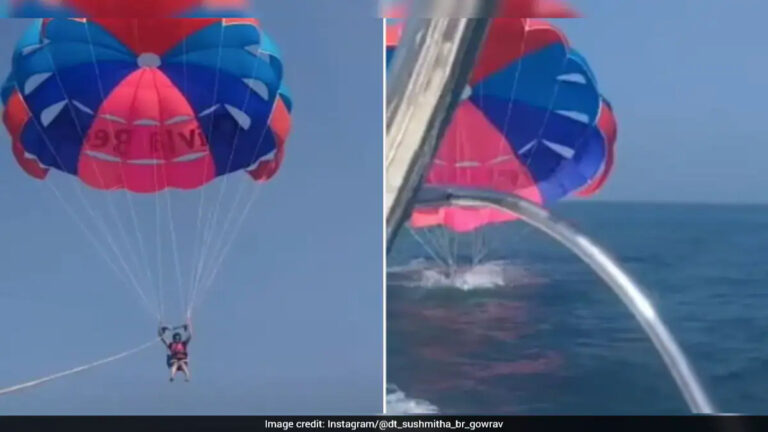
The incident came to light after Sushmitha Gowrav, a nutritionist and content creator, shared a video on Instagram recounting her terrifying experience. What was supposed to be a leisurely few minutes in the air above the Arabian Sea quickly descended into chaos.

According to Gowrav’s account, the flight took a dangerous turn when she fell into the water. Instead of a controlled landing, the situation became life-threatening when the harness and rope became entangled around her neck, leaving her struggling and panicked in the middle of the sea.

“One minute of thrill, almost cost me everything,” Gowrav wrote in her viral post, which has garnered millions of views. “What started as a fun parasailing experience in Goa ended with me struggling in the middle of the sea. Fell into the water. Rope around my neck. Panic. Silence. Fear.”

Gowrav emphasized the total loss of control she felt during the crisis. “No camera can capture that feeling when you realize you’re not in control anymore,” she added. She credited a timely rescue by a bystander or operator for saving her life, noting, “I was lucky. Someone came. Someone saved me. Not everyone gets that second chance.”

Safety Concerns and Public Outrage

The viral video has sparked a massive wave of concern among netizens, many of whom have used the platform to call out the lack of professional oversight in unregulated or poorly managed adventure sports zones. The comments section of the viral post quickly became a forum for debate, with many users criticizing the apparent lack of immediate emergency response and the dismissive attitudes of those nearby.

“Someone is battling for their life and people are laughing; that’s what makes me mad more about humans,” one user commented, highlighting the unsettling detachment often seen in such public incidents.

This latest event adds to a growing list of concerns regarding adventure tourism in India. In late March 2026, a separate incident at Baga Beach saw a parasailing cable snap mid-air. Fortunately, the tourist involved was rescued without major injuries, but the event served as a stark reminder of the potential for mechanical failure in the absence of rigorous maintenance schedules.

The Regulatory Landscape: What Rules Exist?

Goa’s Department of Tourism does have established guidelines under the Goa Tourist Places (Protection and Maintenance) Act, 2001. These regulations are designed to ensure the safety of water sports operators and tourists alike. Key requirements for parasailing operators include:

  • Mandatory Certification: Boat drivers must hold specialized powerboat handling certifications from authorized national institutes.
  • Equipment Inspection: All parasailing gear, including chutes and ropes, must be inspected and certified by authorized specialists before the start of the season.
  • Weather Restrictions: Operations are strictly prohibited when wind speeds exceed 15 miles per hour at sea level.
  • Supervision: Operators are required to maintain a “Lookout” on the boat at all times and ensure that all passengers are equipped with proper life jackets and helmets.

Despite these stringent rules, the recurrence of accidents suggests a disconnect between policy and practice on the ground. Experts have pointed out that in the rush to capitalize on the booming multi-billion-dollar adventure tourism industry, corners are sometimes cut, leading to “broken systems” characterized by untrained operators and inadequate accountability.

A Cautionary Tale for Travelers

Sushmitha Gowrav’s message to fellow travelers is clear: do not prioritize the thrill of the experience over your own safety.

“Before you try any water sport, ask questions, check safety, trust your gut,” she urged her followers. “Because some experiences don’t just stay as memories, they stay as trauma.”

As the tourism season continues, the incident serves as a crucial reminder for both operators and tourists. Operators are reminded of their legal and moral obligations to maintain equipment and adhere to safety protocols, while tourists are encouraged to be proactive. Before strapping into a parasail or jet ski, visitors should feel empowered to ask about safety certifications, inspect the condition of the equipment, and ensure they are comfortable with the operator’s professionalism.

For many, the allure of Goa’s beaches remains strong. However, for those seeking a high-altitude view of the coastline, this latest ordeal provides a sobering perspective: safety is not just an administrative requirement, but a fundamental necessity for a truly memorable holiday.