

New Delhi, March 19, 2026: As the West Asia conflict enters a volatile new phase in March 2026, the lives of thousands of Indian nationals in Israel have become a daily exercise in resilience, split-second decision-making, and high-stakes survival. With a significant Indian diaspora—comprising over 20,000 construction workers, 7,000 caregivers, and numerous students—the community is navigating a landscape where the sound of sirens has replaced the morning alarm.
The Siren as a Pulse: A Daily Struggle
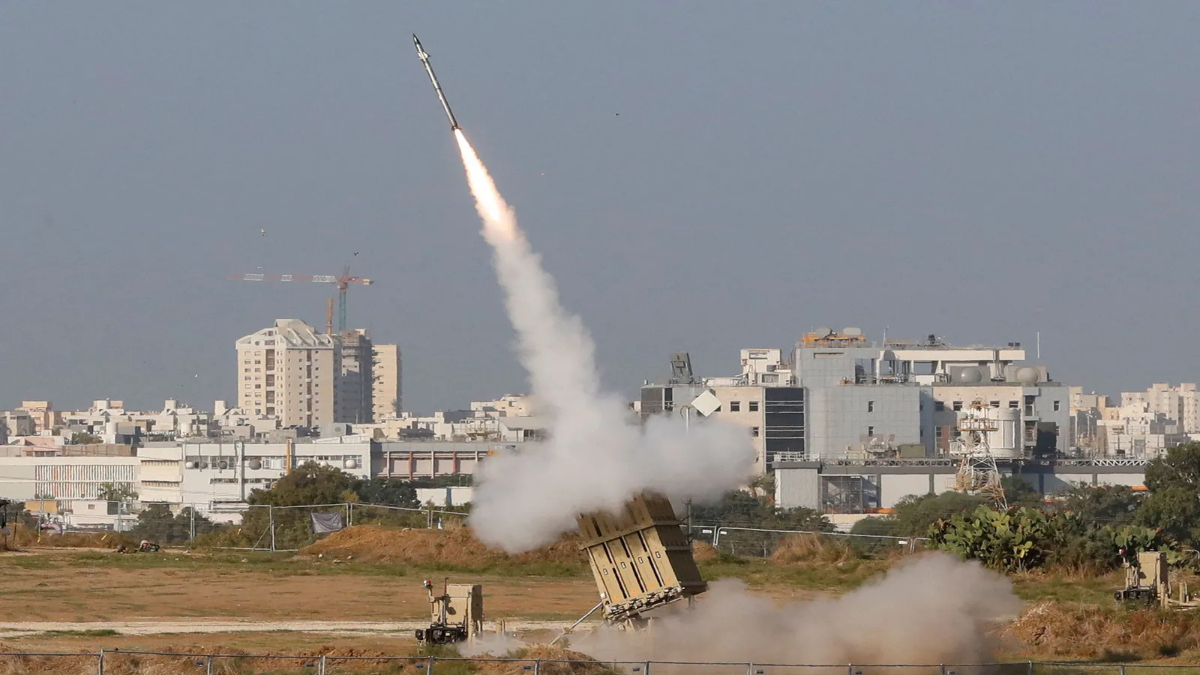
For Indians living in central and northern Israel, the reality of “warzone life” is defined by the Home Front Command’s alerts. While the Iron Dome remains a technological marvel, the March 2026 escalation has seen a higher frequency of missile barrages.
- The 90-Second Window: In Tel Aviv and central districts like Ramat Gan, residents typically have about 90 seconds to reach a mamad (reinforced security room). For Indian students and IT professionals, this often means abandoning mid-day meals or work calls to huddle in windowless concrete bunkers.
- The Zero-Warning Zone: In the north, near the Lebanese border, the situation is even grimmer. Due to proximity, rockets often impact before sirens can sound. Indian agricultural workers in these regions report a state of “constant vigilance,” where even the sound of a passing motorcycle can trigger a rush for cover.
Vulnerability in Essential Sectors
The “ground report” reveals a stark divide in how different segments of the Indian community experience the threat.
1. The Caregivers’ Dilemma
Indian caregivers, predominantly women from states like Kerala and Mizoram, face a harrowing moral and physical challenge. Many are “live-in” helpers for the elderly or disabled.
“When the siren goes off, my patient cannot move quickly. I have to choose: do I run to the shelter alone, or stay and shield them with my own body?” says a caregiver based in Ashkelon. Official guidelines allow workers the right to protect themselves, but the bond with their patients often keeps them in harm’s way, effectively serving as human shields in unreinforced older apartments.
2. Construction Workers at Height
The 6,000+ Indian construction workers brought in to bridge labor shortages face a different set of risks. Working on high-rise scaffolds or in deep excavation pits, reaching a shelter within the mandated 60-120 seconds is often physically impossible. Despite Israeli regulations requiring on-site shelters, the sheer logistics of evacuating a crane or a 20th-story deck during a barrage leaves many exposed to falling shrapnel.
The Language Barrier and “Shadow” Threats
While the Indian Embassy in Tel Aviv has been proactive—operating 24/7 helplines (+972-54-7520711) and issuing advisories in multiple languages—a “language gap” remains. Many new arrivals struggle to decipher Hebrew-only emergency broadcasts or mobile app alerts, relying instead on WhatsApp groups and community networks for real-time translations.
Furthermore, recent reports from journalists on the ground suggest a layer of “military censorship” that occasionally masks the true extent of damage to civilian infrastructure. This creates a psychological toll; for many Indians, the fear of the “unseen impact” is as draining as the missiles themselves.
Economic Necessity vs. Personal Safety
Despite the “Operation Ajay” style evacuation efforts—with over 2.6 lakh Indians having returned from the wider region since February 28, 2026—many choose to stay. The reason is primarily economic. With monthly salaries for caregivers reaching approximately ₹1.6 lakh (NIS 6,247), many workers feel the financial risk of returning to India is greater than the physical risk of staying in a warzone.
Government Response and Safety Measures
The Indian government and the Ministry of External Affairs (MEA) have maintained a “calibrated” stance:
- Regular Consular Visits: Embassy officials frequently visit labor camps and nursing homes to ensure Indian workers have access to medical insurance and proper lodging.
- Evacuation Readiness: While commercial flights have stabilized, the government remains on standby to scale up repatriation if the conflict shifts from missile exchanges to a full-scale ground invasion of the “northern front.”