Home Blog Page 119

The ‘Jhumka’ Heard ‘Round the World: Why Italian PM Giorgia Meloni Desi Style Sparked a Viral Frenzy

0

New Delhi, April 25, 2026: In the fast-paced, often serious world of international diplomacy, it is rare for a fashion choice to steal the spotlight from policy statements. Yet, this is exactly what happened this week when Italian Prime Minister Giorgia Meloni shared a selfie that sent Indian social media into a whirlwind of excitement.

In a moment that perfectly illustrates the power of modern digital culture, the Italian leader’s choice of accessories—a pair of traditional, intricately designed Indian jhumkas—transformed a standard political update into one of the most talked-about viral sensations of 2026.

The Viral Snapshot: A Blend of Power and Tradition

On April 24, 2026, Prime Minister Meloni posted a photo on her social media channels. The image featured her in a sharply tailored, professional ensemble: a charcoal blazer layered over a crisp, beige knit top. It was a classic “power look” that one would expect from a head of state.

However, it was the detail beneath the ears that caught the world’s eye. Dangling gracefully were unmistakably Indian jhumkas—ornate, bell-shaped earrings, complete with delicate ghungroo (small metallic beads) detailing.

The accompanying caption was intense, focusing on themes of political integrity, national sovereignty, and resilience against external propaganda. Yet, the internet, with its selective focus and love for the unexpected, largely ignored the heavy political discourse. Instead, the comment sections were flooded with a wave of warmth, surprise, and pride from Indian users.

More Than Just Jewellery: The Cultural Weight of the Jhumka

To understand why this specific fashion choice caused such a stir, one must understand the cultural significance of the jhumka in India.

The jhumka is not merely an accessory; it is a cultural icon. With roots stretching back centuries, the design has been a staple of Indian craftsmanship, transcending state borders and generations. From the ornate, heavy gold designs of South Indian temple jewellery to the delicate, silver, bohemian styles popular in the North, the jhumka is worn at everything from intimate family gatherings to grand, festive weddings.

When a global leader—who has no direct cultural connection to the subcontinent—chooses to wear such a deeply symbolic piece of Indian heritage, it resonates differently. For many Indian netizens, seeing Meloni wear jhumkas felt like a quiet acknowledgement of India’s growing global cultural footprint. It validated the “desi aesthetic” as something that doesn’t just belong in traditional settings but can sit seamlessly alongside Western, professional power-dressing.

The “Melodi” Effect and Fashion Diplomacy

This isn’t the first time Giorgia Meloni has captured the attention of the Indian digital audience. The Italian Prime Minister has cultivated a warm, collaborative relationship with India on the diplomatic stage, often referred to light-heartedly by social media users as the “Melodi” dynamic (a playful portmanteau of Meloni and Modi).

In today’s globalized world, leaders are increasingly using “soft diplomacy”—the subtle use of culture, fashion, and social media to foster goodwill. By donning these earrings, whether as a deliberate nod to her Indian counterparts or simply because she admired the craftsmanship, Meloni created an instant, humanizing connection with millions of people. It turned a rigid political figure into a relatable cultural icon, proving that even a small, silver accessory can bridge gaps that formal treaties sometimes cannot.

The Conversation: Appreciation vs. Appropriation

The viral moment also brought a more nuanced debate to the surface. As the image circulated, it ignited a broader conversation about the global perception of Indian fashion.

In recent months, the internet has been highly sensitive to “cultural appropriation,” particularly when international luxury fashion houses have showcased designs strikingly similar to traditional Indian crafts—often without providing proper credit to the artisans or acknowledging the origins. The backlash against such instances has been fierce, with users demanding that credit be given where it is due.

However, Meloni’s “jhumka moment” was met with largely positive sentiment. Why the difference? Many commentators noted that there was a level of respect in the styling. It wasn’t an exaggerated “costume” look, but a subtle, elegant integration into her personal style. For many, this distinction is key: it wasn’t about “borrowing” culture for a trend, but rather participating in a cross-cultural exchange. It sparked a discussion on how international figures can engage with Indian heritage in a way that feels authentic and respectful.

The Internet’s Verdict: A New Fashion Icon?

The response on platforms like X (formerly Twitter) and Instagram was electric. Memes appeared within hours, with users playfully editing Bollywood music tracks over her photos or comparing her look to the “power-dressing” seen in Indian cinema.

Some comments were purely celebratory:

  • “Earrings from India? That’s such a lovely touch!”
  • “The jhumkas have officially gone global.”
  • “A truly unexpected but iconic fashion moment.”

Others saw it as a testament to the fact that Indian heritage is now a permanent fixture in the global zeitgeist. From high-fashion runways in Paris to the quiet offices of the Italian Prime Minister, the jhumka has traveled further than many expected.

Final Reflections: The Power of the Small Gesture

As the buzz settles, the incident remains a fascinating case study in how the internet processes fame, culture, and politics. In an era where political news is often divisive and grim, Meloni’s jhumka post provided a moment of lighthearted unity.

It serves as a reminder that the world is more interconnected than ever. When a leader chooses to wear a piece of jewellery that speaks to the identity of another nation, it sends a message—intentional or not—of closeness and appreciation.

Perhaps the real lesson here is the enduring appeal of the jhumka itself. Timeless, elegant, and deeply rooted in tradition, it proved once again that it can hold its own on any stage, in any country, and in any conversation—even one about global politics.

Giorgia Meloni may have started her day intending to make a political statement, but she ended it by becoming a symbol of a rising, culturally influential India, one pair of earrings at a time.


Man Removing Nut-Bolts from Elephant’s Foot

0

New Delhi, April 25, 2026: A deeply moving video showcasing the extraordinary bond between a human and a wild animal has taken the internet by storm today, April 25, 2026. The footage captures a courageous individual approaching a massive female elephant that was observed limping in visible distress. The “truth” behind the viral sensation reveals that a heavy metal nut-bolt had become deeply embedded in the elephant’s foot, causing her immense pain and preventing her from walking normally.

The interaction was observed to have been filmed by a bystander who watched in awe as the man sat directly beneath the towering animal. In the viral clips shared across platforms like X (formerly Twitter), the elephant is seen standing remarkably still, as if she understood the man’s intention to help. This “act of bravery” has been described by wildlife enthusiasts as a rare display of interspecies trust, where the elephant chose to suppress her defensive instincts in exchange for relief from her suffering.

A Precise Rescue: The Moment of Relief

The reaction from the digital community has been one of overwhelming admiration for the man’s composure under such a high-risk situation. It is argued by experts that a wild or pained elephant can be incredibly unpredictable; however, in this instance, the animal remained calm throughout the procedure. In the video, the man is seen carefully using a tool to unscrew and pull out the rusted metal bolt. On various social media platforms, the footage has been shared as a “lesson in humanity,” prompting a surge in the hashtag #ElephantRescue as users celebrate the successful intervention.

The impact of the video was felt immediately as the elephant was observed taking her first comfortable steps after the object was removed. It is noted by witnesses that the “sigh of relief” from the animal was almost palpable, as she gently touched the man with her trunk in what many are calling a “thank you” gesture. The passive role of the crowd—who kept a respectful distance to ensure the elephant wasn’t spooked—has been cited as a crucial factor in the successful outcome of this grassroots rescue.

Also Read: ‘Below Deck’ Transport Vessel Engulfed in Flames Near Mo’orea

Human-Wildlife Harmony: A Viral Lesson in Empathy

Following the viral spread of the “Nut-Bolt Rescue,” conservationists have used the opportunity to highlight the dangers of industrial waste and litter in forest fringes. It is reported that the elephant likely stepped on the discarded hardware while traversing near a construction site or a rural road. The passive wait for professional forest officials was bypassed by this local hero, whose quick thinking prevented the wound from turning into a life-threatening infection.

As of the afternoon of April 25, 2026, the “Elephant and the Nut-Bolt” remains a top trending topic in the nature and inspirational categories. While the man’s identity remains humble and largely anonymous, the digital record of his courage serves as a permanent testimony to the power of empathy. For now, the story stands as a digital reminder: sometimes the greatest acts of strength are found in the gentlest of hands, and even the largest of creatures can find safety in a moment of human kindness.

‘Below Deck’ Transport Vessel Engulfed in Flames Near Mo’orea

0

New Delhi, April 25, 2026: A dramatic and frightening scene unfolded in the crystal-clear waters of French Polynesia yesterday, April 24, 2026, as a transport vessel associated with the hit reality series Below Deck was consumed by fire. The incident occurred off the coast of Mo’orea, a picturesque island situated near the world-famous Bora Bora. The “truth” behind the viral footage reveals a sudden and aggressive blaze that completely overtook the craft, sending thick plumes of black smoke into the tropical sky and startling tourists and locals alike.

The interaction was observed to have been captured by several eyewitnesses on nearby boats and from the shoreline, with the resulting video quickly amassing millions of views across global social media platforms. In the viral clips, the vessel—identified specifically as a tender boat used to ferry passengers and supplies between larger luxury yachts and the shore—is seen being rapidly swallowed by orange flames. This “paradise lost” moment has been described by onlookers as a shocking contrast to the serene, turquoise backdrop of the Society Islands.

Production Under Scrutiny: The Reality of Maritime Safety

The reaction from the digital community has been one of immediate concern for the crew, particularly as rumors persist that a new season of the Bravo franchise is currently filming in the region. It is argued by fans on platforms like Reddit and X that the presence of fan-favorite cast members, including Chief Stew Fraser Olender, suggests the incident occurred during active production. On various entertainment forums, the footage has been shared with questions regarding the show’s safety protocols, prompting a surge in the hashtag #BelowDeckFire as viewers wait for an official statement from the network.

The impact of the fire was fortunately limited to material damage, as official reports indicate that no injuries were sustained by the crew or passengers. It is noted by maritime observers that while tender boats are significantly smaller than the multi-million dollar mega-yachts featured on the show, they are high-value assets essential for daily operations. The passive role of the French Polynesian emergency services was observed as they monitored the situation to ensure the fire did not spread to nearby coral reefs or other vessels in the high-traffic lagoon.

Also Read: Rihanna’s Heartwarming Interaction with Mumbai Paparazzi

Investigation in the Tropics: What Caused the Blaze?

Following the viral spread of the “Below Deck Inferno,” local authorities in Mo’orea are reported to have initiated an inquiry into the origin of the fire. It is reported that mechanical failure or an electrical short circuit are being considered as primary possibilities, given the speed at which the vessel was engulfed. The passive wait for a formal report from the production company is being accompanied by a wave of relief from the “Below Deck” fandom, who feared the worst when the first grainy images of the burning ship appeared online.

As of the morning of April 25, 2026, the “Mo’orea Boat Fire” remains a top trending topic in the reality TV and travel categories. While the charred remains of the tender boat are being salvaged, the digital record of the incident serves as a permanent testimony to the unpredictable nature of life at sea, even for a seasoned television crew. For now, the story stands as a digital reminder: whether for a high-budget production or a private vacation, the beauty of the ocean is always matched by its volatility.

Rihanna’s Heartwarming Interaction with Mumbai Paparazzi

New Delhi, April 25, 2026: A delightful video featuring global superstar Rihanna has emerged as the latest digital sensation today, April 25, 2026, following her high-profile visit to India. The footage, captured during a post-event gathering in Mumbai, depicts the “Diamond” singer breaking traditional celebrity barriers by personally inviting a group of photographers to pose for a photo with her. The “truth” behind this viral moment highlights a rare instance of humility, as the pop icon was observed setting aside her security detail to share a candid frame with the media professionals who had been documenting her trip.

The interaction was observed to have taken place near the airport as the singer prepared for her departure. In the viral clips, Rihanna is seen waving the paparazzi over with a warm smile, even guiding them on how to stand so that everyone could be included in the shot. This “sweet” gesture has been described by entertainment commentators as a masterclass in grace, proving that despite her status as a billionaire mogul, the singer remains deeply appreciative of those who work behind the lens.

Redefining the Lens: A Lesson in Celebrity Grace

The reaction from the digital community has been overwhelmingly positive, with the video amassing over 60 million views across X and Instagram within a single day. It is argued by fans that while many stars maintain a distant or hostile relationship with the press, Rihanna’s decision to treat the photographers as peers is what sets her apart. On various social media platforms, the footage has been shared with the caption “Queen for a reason,” prompting a surge in the hashtag #RihannaInIndia as users celebrate the genuine warmth she displayed throughout her stay.

The impact of the video has also prompted a wider discussion about the often-overlooked “paparazzi culture” in Mumbai. It is noted by industry insiders that the photographers were heard cheering and thanking the singer, with several seen in the video looking visibly touched by her kindness. The passive role of the media—usually relegated to shouting names from behind a barricade—was transformed into an inclusive experience that has resonated with fans of the Fenty Beauty founder worldwide.

Also Read: Raghav Chadha Merger: Legal or Defection?

Legacy of Kindness: Why Mumbai Loves Rihanna

Following the viral spread of the “paparazzi pose” clip, several other stories of the singer’s interactions with locals have surfaced, including her impromptu dance performances and her praise for Indian hospitality. It is reported that while her performance at the Ambani pre-wedding event was legendary, it is these smaller, unscripted moments of humanity that have truly won over the nation. The passive wait for her next visit has already begun, as the digital record of her Mumbai trip serves as a permanent testimony to her reputation as one of the world’s most grounded superstars.

As of the afternoon of April 25, 2026, the “Rihanna Mumbai Video” remains a top trending topic in the global entertainment and lifestyle categories. While her flight has long since departed, the image of her laughing with the photographers remains a powerful symbol of mutual respect. For now, the story stands as a digital reminder: no matter how bright the spotlight, true stardom is always illuminated by the way one treats those standing in the shadows.

Small Heroes, Big Hearts: Viral Moments with the CISF

0

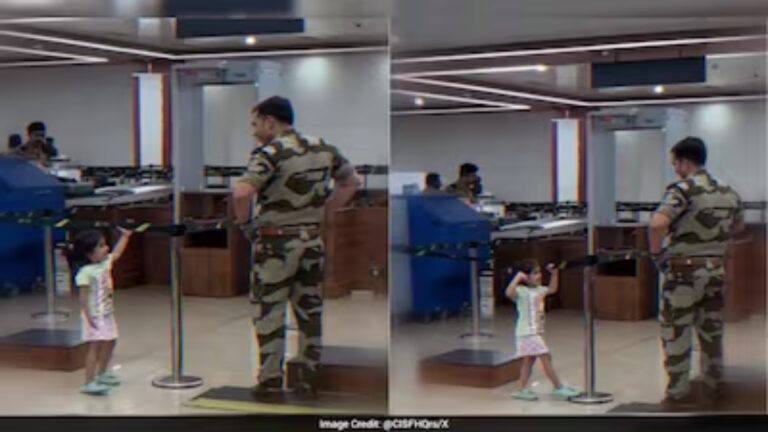
New Delhi, April 25, 2026: In an age where social media is often dominated by noise and negativity, a beautiful, recurring phenomenon continues to cut through the clutter: the innocent, heartfelt interactions between young children and the men and women of the Central Industrial Security Force (CISF). Time and again, videos of little girls and boys offering a salute, a respectful bow, or a shy gesture of gratitude toward security personnel at airports and metro stations have gone viral, reminding millions of the simple power of respect and patriotism.

These aren’t just isolated incidents; they represent a growing trend of “micro-moments” that resonate deeply with the Indian public. Whether it’s a young child pausing to salute a jawan or an officer gently returning the gesture with a warm smile, these clips capture something profound about the way we value those who keep us safe.

The Viral Power of Innocence

Why do these videos capture the collective imagination of the internet? The answer lies in their raw, unscripted nature. When a child, completely unprompted, stops to honor a person in uniform, it reflects a foundational lesson taught at home—a sense of gratitude that is often lost in the rush of daily adult life.

In various viral clips surfacing over the last few years—including touching moments at Bengaluru, Delhi, and other major transport hubs—the pattern is consistent. A child spots a CISF jawan, their eyes light up with curiosity or awe, and they instinctively perform a gesture of respect.

What Makes These Moments Special?

  • The “Sanskar” Factor: Social media comments often highlight the importance of “sanskar” (values). Netizens frequently praise parents who are raising a generation that looks beyond themselves to acknowledge the silent guardians of our nation’s security.
  • Humanizing the Uniform: These videos do more than just showcase a child’s respect; they humanize the CISF personnel. For the public, seeing a stern, duty-bound officer break into a warm, fatherly smile or return a salute with genuine affection reinforces the idea that our security forces are, at their core, approachable, empathetic, and protectors of the people.
  • The Mutual Exchange: The most moving part of these videos is almost always the reaction. A jawan’s rigid posture often softens instantly. They might cup the child’s face, offer a nod, or mirror the salute. It is a bridge built between generations, proving that the language of respect is universal.

A Tradition of Duty and Kindness

The recent events—including heart-tugging incidents from late 2025, where CISF personnel were seen managing delicate, real-world situations with both vigilance and extreme empathy—prove that this relationship is dynamic.

While some videos focus on the “salute,” others highlight the “protection.” There have been instances where, rather than just standing guard, personnel have stepped in to gently guide children back to safety when they are overwhelmed with joy or excitement at seeing their parents at an arrival gate. These moments show that the CISF’s role extends far beyond security screening; they are guardians of our peace of mind, watching over our families with kindness.

Also Read: Raghav Chadha Merger: Legal or Defection?

Why This Matters in 2026

As we navigate a fast-paced, digital-first world, these videos serve as a necessary “reset.” They remind us that:

  1. Patriotism starts early: Teaching children to respect those who serve—whether in the military, police, or security forces—instills a sense of civic duty that lasts a lifetime.
  2. Kindness is a two-way street: When civilians show appreciation, it boosts the morale of the forces on the ground. A small “thank you” or a respectful gesture can make a long, grueling shift feel worthwhile for an officer.
  3. Values are contagious: Every time one of these videos goes viral, it encourages other parents to share similar stories or teach their own children about the importance of acknowledging the heroes around us.

Conclusion: A Small Gesture, A Large Impact

The little girl or boy who stops to salute a CISF jawan might not understand the full weight of the uniform or the complexity of the security challenges these personnel face every day. But they understand one thing clearly: this person is here to help.

As these videos continue to circulate and win hearts, they serve as a gentle, persistent reminder to the rest of us. In our busy, complicated lives, it takes only a split second to acknowledge the people who make our safety possible. Perhaps, the next time you see a uniformed officer at an airport or station, you might take a leaf out of these children’s books. A smile, a polite greeting, or a simple nod of thanks can go a long way in making the world feel a little bit kinder.

Raghav Chadha Merger: Legal or Defection?

0

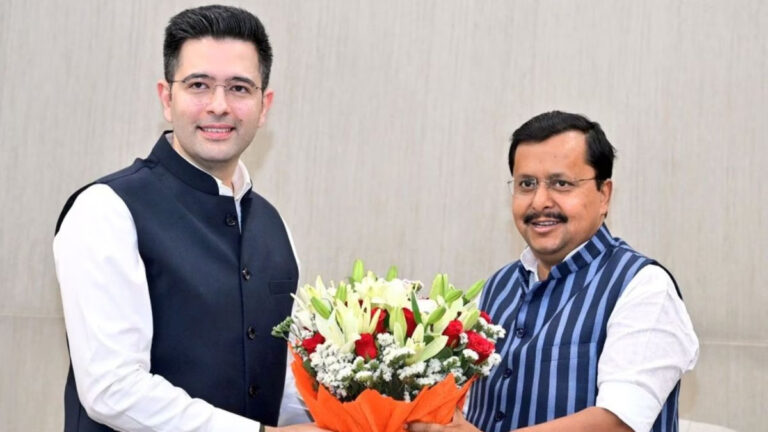
New Delhi, April 25, 2026: The recent announcement by Aam Aadmi Party (AAP) Rajya Sabha MP Raghav Chadha, claiming that he and six other party colleagues have merged with the Bharatiya Janata Party (BJP), has triggered a significant political earthquake. By asserting that this move meets the threshold of two-thirds of the legislative party, the group has invoked the protective provisions of the Tenth Schedule of the Constitution. However, beneath the political maneuvering lies a complex legal puzzle that strikes at the very heart of India’s Anti-Defection Law.

Is this a valid merger, or is it a classic case of defection dressed in legal attire? To understand the implications, we must look beyond the immediate headlines and into the intricate landscape of Indian constitutional law.

The Tenth Schedule: Curbing the “Aaya Ram Gaya Ram” Phenomenon

The Tenth Schedule was inserted into the Constitution in 1985 to curb the rampant instability caused by legislators switching parties for power or personal gain—a practice famously dubbed “Aaya Ram Gaya Ram.” The core objective is simple: a legislator elected on a party ticket cannot jump ship to another party without facing disqualification.

Under Paragraph 2 of the Tenth Schedule, an elected member who voluntarily gives up their party membership, or votes against the party whip, invites disqualification. The law ensures that voters, who cast their ballots based on a party’s manifesto and leadership, are not cheated by representatives who abandon that party immediately after getting elected.

The “Merger” Exception: Paragraph 4

The law, however, provides an exit ramp. Paragraph 4 of the Tenth Schedule allows for a “merger” of political parties. If a party merges with another, the members of the original party are protected from disqualification.

For this merger to be legally recognized, two conditions must be met:

  1. The merger must be of the “original political party.”
  2. At least two-thirds of the members of the “legislature party” must agree to the merger.

The controversy surrounding the AAP-BJP development hinges on the interpretation of these two conditions.

The Core Conflict: Political Party vs. Legislative Party

The fundamental legal debate, currently occupying legal minds and likely to reach the Supreme Court, centers on whether a legislative group can unilaterally declare a merger without the consent of the original political party.

The “Original Party” Interpretation

Legal purists, bolstered by recent observations from the Supreme Court in cases like Subhash Desai v. Principal Secretary (2023), argue that the legislative wing of a party cannot act independently of the political party itself. The Supreme Court has previously suggested that reading “political party” as “legislature party” is a dangerous misinterpretation.

In this view, the “merger” must actually involve the national or regional political party structure. The approval of two-thirds of the legislative party is merely a procedural requirement to effectuate a merger that has already been agreed upon by the parent organization. If a group of MPs simply decides one day to join another party, they are effectively “hijacking” their original party’s mandate, which is precisely the behavior the Tenth Schedule was designed to prevent. As the Court noted, the legislative party and the political party are connected by a “figurative umbilical cord”—one cannot exist or function in a vacuum without the other.

The “Legislative Majority” Interpretation

Conversely, there is a precedent, most notably from the Bombay High Court (Goa Bench), that offers a different perspective. In cases involving the defection of Congress MLAs in Goa, the High Court held that the requirements under Paragraph 4 are disjunctive. This means that a two-thirds majority within the legislative wing is sufficient to constitute a valid merger, regardless of whether the original political party has officially sanctioned the move.

The argument here is pragmatic: if the law were interpreted to require a national or state party to agree to every merger, it would become “unworkable.” It would allow the central leadership of a party to hold its legislators hostage, preventing them from exercising their political choice even if a clear majority wishes to change course.

Why This Matters for Indian Democracy

The Raghav Chadha development is not just about a specific political party; it is a stress test for the constitutional framework of Indian governance. If the “legislative majority” view is upheld, it creates a loophole where any party’s legislative wing could theoretically dissolve itself into a larger party, essentially “stealing” the seats won by the original political entity. This risks undermining the role of the party structure in the electoral process, potentially leading to legislative groups that operate with no accountability to the party’s voters or its organizational structure.

On the other hand, the “original party” view reinforces party discipline but grants significant power to central leadership, potentially stifling internal dissent and the ability of legislators to act on behalf of their constituents if they disagree with the party’s direction.

The Road Ahead

As the matter inevitably heads toward higher judicial scrutiny, the Supreme Court of India will face the monumental task of balancing party discipline with political autonomy. The pending Special Leave Petition concerning the Goa MLAs merger could provide the clarity needed to resolve this deadlock.

Until then, the move by the AAP Rajya Sabha MPs remains in a legal gray zone. It is a stark reminder that while political shifts are common in India’s vibrant democracy, the rules governing those shifts are still being written—and tested—in the highest courts of the land. The outcome of this case will set a precedent that will define the relationship between political parties and their elected representatives for decades to come.

Yusuff Ali’s Viral ‘Diamond Watch’ Remark Captures Hearts

0

New Delhi, April 25, 2026: A heartwarming video featuring Dubai-based Indian billionaire and LuLu Group Chairman, Yusuff Ali MA, has emerged as a major viral sensation today, April 25, 2026. The footage depicts the retail tycoon engaged in a candid interaction with a member of his staff, during which he makes a striking comment about his personal lifestyle choices. The “truth” behind the viral moment centers on Yusuff Ali’s assertion that while he avoids wearing luxury diamond-studded timepieces himself, he takes immense pride in seeing his employees afford and wear them.

The interaction was observed to have taken place during an informal gathering where the billionaire was seen pointing to a glittering watch on an employee’s wrist. In the viral clip, he is heard saying in Hindi, “Hum zindagi mein diamond watch nahi pehente, humara staff pehenta hai” (I don’t wear a diamond watch in my life, my staff does). This “boss goals” moment has been described by netizens as a powerful testament to the billionaire’s grounded personality and his commitment to the prosperity of his workforce.

A Shared Pride: The Connection with Kerala

The reaction from the digital community has been overwhelmingly positive, with millions of views being amassed across Instagram and X within hours of the video’s release. It is argued by admirers that Yusuff Ali’s gesture of calling the employee forward to showcase the watch—rather than flaunting his own wealth—sets a new standard for corporate leadership. On various social media platforms, the footage has been shared with the caption “A gem of a person,” prompting a surge in the hashtag #YusuffAli as users celebrate the billionaire’s ability to remain connected to his roots.

The impact of the video reached a more personal note when the billionaire discovered that the staff member in question also hailed from his home state of Kerala. It is noted in the clip that Yusuff Ali expressed genuine joy upon learning this, stating that it made him “very happy” to see a fellow Malayali thriving and wearing a diamond. The passive role of the employee—who appeared humbled and delighted by the recognition—has been cited as a beautiful example of the mutual respect that exists within the LuLu Group’s global family.

Also Read: Kedarnath Temple Opening Reveals Massive First-Day Chaos

Beyond the Billions: A Legacy of Employee Care

Following the viral spread of the “Diamond Watch” remark, many have revisited other instances of Yusuff Ali’s legendary philanthropy and employee-centric policies. It is reported that the billionaire, who oversees a retail empire worth billions, is frequently seen engaging directly with his staff on the ground. The passive wait for corporate recognition was replaced by a warm hug and a pat on the shoulder, a gesture that has resonated with young professionals who often feel disconnected from their high-level leadership.

As of the afternoon of April 25, 2026, the “Yusuff Ali Staff Video” remains a top trending topic in the business and inspirational categories. While the diamond watch itself was a symbol of luxury, the digital record of the interaction serves as a permanent testimony to the idea that true wealth lies in the success of one’s team. For now, the story stands as a digital reminder: a great leader is not measured by the diamonds they wear, but by the smiles of the people they lead.

Kedarnath Temple Opening Reveals Massive First-Day Chaos

0

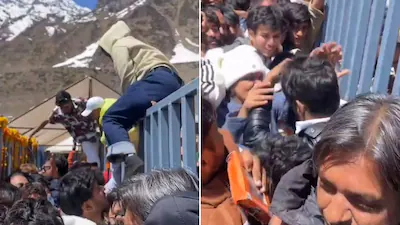
New Delhi, April 25, 2026: A series of startling videos documenting the reopening of the Kedarnath Dham for the Char Dham Yatra 2026 has ignited a fierce debate over crowd management and pilgrim discipline. The footage, which began circulating on April 22, 2026, depicts a massive surge of devotees gathered at the Himalayan shrine as the doors were opened at 8 am. The “truth” behind the viral visuals highlights a chaotic scene where thousands of pilgrims were observed disregarding the established queue systems in their eagerness to seek the first darshan of the season.

The interaction was observed to have reached a peak of disorder shortly after the inaugural prayers were performed by temple priests and local officials. In the viral clips, individuals are seen climbing over iron barricades and pushing through narrow pathways to move ahead of the long lines that stretched for kilometers. This “disorderly behavior” has been described by online commentators as a dangerous breach of safety, with the tight packing of the crowd raising fears of a potential stampede at the high-altitude site.

Barriers Broken: The Struggle for Order at 11,000 Feet

The reaction from the digital community has been one of deep concern and frustration, with the video amassing over 15 million views across platforms like X and Instagram. It is argued by travel experts that while the temple was beautifully decorated with 51 quintals of flowers, the logistical arrangements were observed to be overwhelmed by the sheer volume of the “reels-driven” crowd. On social media, the footage has been shared with critical captions regarding the lack of patience among modern pilgrims, prompting a surge in the hashtag #KedarnathChaos as users debate the ethics of “jumping the line” at a sacred site.

The impact of the opening day rush resulted in nearly 38,000 devotees reaching the shrine within the first few hours, far exceeding the projected daily capacity. It is noted by witnesses that while security personnel attempted to maintain order, the barricades were frequently jumped by young men and groups trying to bypass the 22-kilometer trek’s exhaustion. The passive role of the administration—which had previously announced “streamlined” systems—is being scrutinized by pilgrims who reported waiting for over 10 hours only to be pushed aside by those cutting the queues.

Also Read: Dog on Pune Balcony Triggers Widespread Outrage

The Cost of Devotion: Calls for Stricter Yatra Regulation

Following the viral spread of the “barricade jumping” video, demands for stricter registration caps and heavier penalties for queue-breaking are being voiced by the public. It is reported that while the spiritual energy of the opening was high, the physical experience was described as “suffocating” by families and elderly travelers. The passive wait for a market correction in pilgrim behavior is being replaced by calls for a digital ban on mobile phones inside the complex to reduce the “photo-op” culture that many blame for the sudden surges in crowd density.

As of the morning of April 25, 2026, the “Kedarnath Opening Day Chaos” remains a top trending topic in the spiritual and national news categories. While the temple continues to welcome thousands daily, the digital record of the first-day frenzy serves as a permanent testimony to the challenges of managing faith in the age of viral social media. For now, the story stands as a digital reminder: even at the most sacred peaks, the path to peace is often obstructed by the very people seeking it.

Dog on Pune Balcony Triggers Widespread Outrage

0

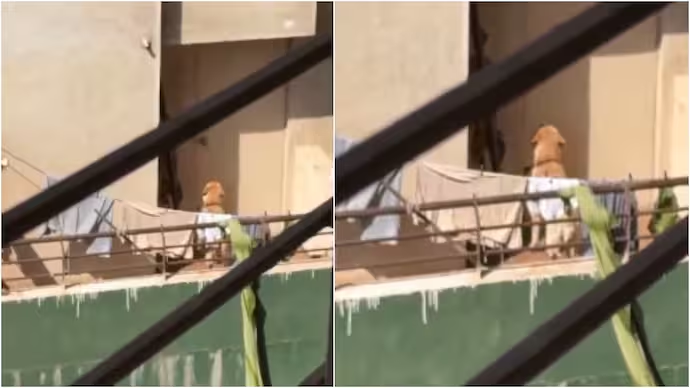
New Delhi, April 25, 2026: A heart-wrenching video depicting a dog trapped on a high-rise balcony in Pune has ignited a firestorm of anger across social media platforms today, April 25, 2026. The footage, which began circulating late yesterday, shows a pet animal confined to a narrow outdoor space in the Loni Kalbhor area amidst soaring summer temperatures. The “truth” behind the viral clip reveals a distressing scene where the canine is observed without access to shade, food, or water, leading to immediate allegations of severe animal neglect and abuse.

The interaction was observed to have been recorded by a concerned neighbor who could be heard in the background pleading for the owners to provide basic care. In the viral video, the dog is seen pacing restlessly on the sun-baked floor, with no visible protection from the harsh afternoon heat. This “balcony prison” has been described by local residents as a common occurrence at the property, prompting an urgent digital campaign to rescue the animal before it suffers from heatstroke or dehydration.

A Cry for Intervention: Public Response to Alleged Neglect

The reaction from the digital community has been one of swift and fierce condemnation, with the video amassing over 10 million views on X and Instagram within hours. It is argued by animal welfare activists that keeping a pet on a balcony during an Indian summer constitutes intentional cruelty under the Prevention of Cruelty to Animals Act. On various community forums, the footage has been shared alongside the address of the apartment complex, prompting a surge in the hashtag #JusticeForPuneDog as users tag the Pune City Police and local NGOs for immediate action.

The impact of the video has prompted a wider discussion about the responsibilities of pet ownership in high-rise urban environments. It is noted by veterinarians that the reflective heat from concrete and glass on balconies can reach lethal levels for animals within minutes. The passive role of the housing society management—which has reportedly ignored previous complaints about the same household—is being heavily scrutinized by netizens who are demanding that the dog be confiscated and moved to a safe shelter.

Also Read: Jwala Gutta and Vishnu Vishal Celebrate Daughter Mira First Birthday

Seeking Accountability: The Demand for Legal Action

Following the viral spread of the “Pune Balcony” clip, a formal complaint is reported to have been filed by local animal rights groups at the Loni Kalbhor police station. It is reported that several volunteers attempted to visit the premises but were allegedly denied entry by the residents of the flat. The passive wait for an official rescue operation is being replaced by a digital vigil, where updates on the dog’s status are being sought by thousands of concerned citizens who refuse to let the incident be forgotten.

As of the morning of April 25, 2026, the “Pune Balcony Abuse” remains a top trending topic in the national news and animal welfare categories. While the legal proceedings are currently being initiated, the digital record of the dog’s suffering serves as a permanent testimony to the need for stricter enforcement of pet safety laws. For now, the story stands as a digital reminder: a pet is a family member, not a piece of furniture to be left out in the elements, and the eyes of the internet are always watching.

Jwala Gutta and Vishnu Vishal Celebrate Daughter Mira First Birthday

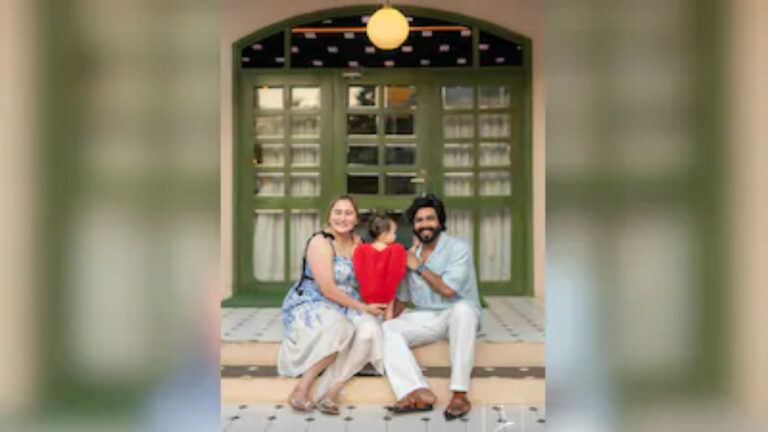
April 24, 2026 — It has been a year of beautiful milestones for celebrity couple Jwala Gutta and Vishnu Vishal. The badminton icon and the acclaimed Tamil actor are celebrating the first birthday of their daughter, Mira, who has undeniably become the center of their universe.

Marking the special occasion, the couple shared heartwarming sentiments, reflecting on how their little one has transformed their lives. With a touching tribute to their daughter, the duo expressed, “She’s made our world brighter.”

A Blessed Anniversary Arrival

Mira’s arrival into the world was nothing short of a fairy tale, unfolding on one of the most significant days for the couple. Born on April 22, 2025, little Mira arrived exactly on her parents’ fourth wedding anniversary.

When the news was first announced last year, it brought a wave of delight to fans and colleagues alike. Vishnu Vishal took to social media to share the joyous update, posting a poignant image of the newborn’s tiny hand held by her parents, alongside a sweet photo of the proud elder brother, Aryan—Vishnu’s son from his previous marriage—welcoming his baby sister. The heartfelt caption read: “We are blessed with a BABY GIRL. Aryan is an elder brother now. It’s our 4th wedding anniversary today. On the same day, we welcome this gift from the Almighty.”

The Magic Behind the Name: A Connection with Aamir Khan

The journey of Mira’s first year was marked by memorable moments, including a special naming ceremony that caught the attention of the entire film fraternity. In a touching gesture of friendship, Bollywood superstar Aamir Khan played an instrumental role in welcoming the child.

It was Aamir Khan who had the honor of naming the baby girl, choosing the name “Mira.” The couple shared photos from the intimate ceremony in Hyderabad, which showed Aamir Khan affectionately cradling the infant. Jwala Gutta expressed her deep gratitude on social media at the time, writing, “Our ‘Mira’! Couldn’t have asked for more!! This journey would have been impossible without you, Aamir!! We love you.”

The bond between the couple and the Bollywood legend is deep-rooted, having grown stronger through shared experiences, including being stranded together during the challenging Chennai floods in 2023. That shared trial turned a professional acquaintance into a lifelong, meaningful friendship.

Also Read: ‘Psychopath with Violent Past’: New Details Emerge in Chilling Delhi Rape-Murder Case

A Year of “Unconditional Love”

Reflecting on the past 365 days, Vishnu Vishal and Jwala Gutta have frequently shared snippets of their parenting journey. For them, Mira is not just a child but a symbol of “unconditional love and peace.”

The transition into parenthood for the second time for Vishnu, and the first for Jwala, has been a period of immense joy. Fans have loved watching the couple balance their demanding professional lives—Jwala with her badminton legacy and coaching, and Vishnu with his busy filming schedule—while prioritizing their growing family.

Parenting in the Spotlight

Despite their high-profile careers, the couple has been intentional about keeping their family life grounded. From celebrating cultural milestones to sharing candid family moments, they have allowed their fans to be a part of their happiness. Whether it is Aryan’s protective brotherly bond or Jwala and Vishnu’s collaborative approach to parenting, the family radiates a sense of warmth that resonates with their followers.

Looking Ahead

As Mira turns one, the outpouring of love from fans, friends, and the film industry on social media serves as a testament to the popularity and warmth of this couple. The “first birthday” marks not just the end of a year, but the beginning of an exciting childhood filled with the love of two parents who clearly cherish every moment of their journey together.

As the couple embarks on the second year of parenthood, fans are sending in their best wishes for little Mira, hoping for a future as bright and promising as the joy she has brought to her parents’ lives.