Home Blog Page 120

‘Psychopath with Violent Past’: New Details Emerge in Chilling Delhi Rape-Murder Case

0

NEW DELHI, April 24, 2026 — As investigations continue into the brutal rape and murder of a 22-year-old civil services aspirant in South Delhi’s Kailash Hills, harrowing new details have emerged about the accused, Rahul Meena. The case, which has shaken the national capital, has taken an even more disturbing turn with revelations of a calculated criminal rampage spanning two states and a psychological profile that police describe as having “psychopathic tendencies.”

The 22-year-old victim, an IIT Delhi graduate and daughter of an Indian Revenue Service (IRS) officer, was found dead in her home on Wednesday morning. Her brutal killing, carried out by her former domestic help, has sparked widespread public outcry and a renewed debate over safety protocols in residential households.

The Timeline of a Calculated Predator

Police investigations have reconstructed a sequence of events that paints the accused not as an opportunistic criminal, but as a predator on the move. Investigators have linked the Delhi crime to a separate sexual assault reported in Alwar, Rajasthan, just hours earlier.

  • Tuesday Night (Alwar): According to Alwar police, Rahul Meena allegedly sexually assaulted the wife of an acquaintance after returning from a wedding they had both attended.
  • Wednesday Early Morning (The Journey): Following the alleged assault in Rajasthan, Meena reportedly fled, hitching rides and eventually making his way to Delhi by early Wednesday morning.
  • Wednesday 6:39 AM (The Crime): Meena arrived at the Kailash Hills residence. Possessing inside knowledge of the family’s routine and a “hidden smart key” meant for domestic staff, he gained entry to the fourth-floor apartment while the victim’s parents were away at the gym.

A “Spine-Chilling” Sequence of Events

Forensic reports and custodial interrogation have provided a graphic account of the final moments. Upon encountering the victim in her room, Meena reportedly demanded money to pay off mounting debts from online gambling, specifically mentioning games like Teen Patti and Ludo.

When the victim refused and attempted to alert her father, Meena allegedly throttled her, strangled her with a mobile phone charging cable, and assaulted her with household objects. Officials state that the accused then raped the victim while she was incapacitated but alive.

In a display of cold-blooded intent, Meena then dragged the victim’s body downstairs in a failed attempt to use her fingerprints to bypass a biometric security locker. When the digital lock failed, he broke it open with a heavy object, fleeing the scene with approximately ₹2 lakh in cash and ₹10 lakh in jewelry.

Also Read: Sanya Malhotra Style Evolution: The Power of Understated Glamour

The Behavioral Profile: A “Psychopath” with No Remorse

The most alarming aspect of the investigation involves the psychological profile of the accused. During his interrogation, police noted that Meena exhibited no visible signs of remorse, repeatedly shifting the blame by claiming, “If she had given me the money, this would not have happened.”

Senior police officials have described the 23-year-old as having a history of aggressive, violent behavior. Information from his native village suggests he was infamous for his volatile conduct, long before his employment in Delhi.

“He exhibited psychopathic tendencies and had a history of violent conduct,” an official source privy to the investigation stated, highlighting the “serious concerns” regarding his behavioral patterns. Despite scoring well in his academic years, Meena allegedly drifted into a world of online gambling, losing over ₹7 lakh in recent months, which authorities believe served as the primary trigger for the series of crimes.

Legal Proceedings and Public Outrage

The Saket Court in Delhi has remanded the accused to four days of police custody. He is being charged under several provisions of the Bharatiya Nyaya Sanhita, including rape, murder, and robbery. Simultaneously, a Special Investigation Team (SIT) has been formed in Rajasthan to probe the sexual assault case in Alwar, with plans to facilitate the legal process once Delhi Police concludes their initial phase of investigation.

The crime has sent shockwaves through Delhi, with residents and activists raising urgent questions about the verification of domestic help and the reliance on “smart” security systems that may be known to former employees.

As the victim’s family, friends, and the broader community grieve, the case serves as a grim reminder of the need for robust vetting processes and the potential for extreme violence from individuals with prior access to homes. For now, the focus remains on ensuring that the full extent of Meena’s actions is laid bare in court to ensure justice for the victim.

Sanya Malhotra Style Evolution: The Power of Understated Glamour

New Delhi, April 24, 2026: In the fast-paced world of Bollywood, where trends shift with the changing of a season, few actors have managed to carve out a distinct aesthetic that balances effortless grace with high-fashion sophistication. Sanya Malhotra, the powerhouse performer currently riding a wave of critical and commercial success, has recently become a beacon of “boss-chic” style. Her latest public appearance—where she stepped out in a striking off-shoulder, black-striped midi dress—has once again cemented her status as a fashion force to be reckoned with.

A Masterclass in Modern Elegance

The fashion world took note when Sanya Malhotra arrived at a recent high-profile event exuding a rare blend of confidence and calm. The dress, a masterclass in modern tailoring, featured a structured, off-shoulder neckline that perfectly framed her silhouette. The black striped pattern added a layer of geometric depth to the ensemble, elevating a classic midi length into something sharper and more architectural.

What made this look stand out was not just the garment itself, but the deliberate, restrained styling that accompanied it. In an industry often dominated by maximalist trends, Sanya chose to let the dress breathe. By keeping accessories minimal—perhaps a sleek metallic choker or delicate rings—she ensured that the focus remained on the clean lines of the outfit and her own natural radiance.

For fans and fashion critics alike, the look was a definitive “win.” It wasn’t just a pretty dress; it was a sartorial statement that whispered, rather than shouted, luxury. It perfectly captured the current zeitgeist of quiet luxury, proving that Sanya understands that style is often about what you don’t wear as much as what you do.

The Professional Peak: A Star in Her Prime

While her fashion choices are making headlines, it is essential to remember that Sanya’s current influence is rooted firmly in her work. The year 2026 has been nothing short of a landmark year for the actor.

Her performance in the recently released film Toaster has been hailed by audiences and critics alike, with many calling it one of her most nuanced performances to date. Co-starring alongside industry stalwart Rajkummar Rao, Sanya has managed to deliver a portrayal that is both raw and relatable, further cementing her reputation as an actor who favors character-driven narratives over commercial spectacle.

This professional momentum has been validated by industry recognition. Earlier this month, on April 5, 2026, Sanya walked away with the Best Actor (Female) – OTT Film trophy at the prestigious Chetak Screen Awards. The win was a poignant moment, celebrating her dedication to her craft and her uncanny ability to choose scripts that challenge the status quo.

Beyond the Red Carpet: The “Boss-Chic” Persona

Sanya’s recent style evolution, including the much-discussed black striped midi dress, mirrors her personal growth as an artist. In recent interviews, the actor has spoken openly about her journey from an outsider in the industry to a woman who has learned the power of saying “no.”

“I learnt how to say no over time,” she recently shared, reflecting on her decade-long journey in the industry since her breakout role in Dangal. This newfound confidence is palpable in how she carries herself. Whether she is promoting a film, attending a red-carpet event, or simply engaging with her fans on social media, there is a sense of ownership in her demeanor.

The “boss-chic” vibe she brought to her recent appearances is not merely a costume; it is an extension of this professional maturity. When she chooses structured dresses, sharp tailoring, and understated palettes, she is projecting the image of a woman who is comfortable in her own skin, confident in her choices, and firmly in the driver’s seat of her career.

Also Read: CUET PG 2026 Results: NTA to Announce Scorecards Today

Style Analysis: Why the Midi Works for Sanya

Fashion experts have long championed the midi dress as a wardrobe staple, but Sanya Malhotra manages to make it look brand new. The beauty of the midi—a hemline that falls between the knee and the ankle—is its versatility.

  • The Silhouette: For Sanya, the off-shoulder cut is a strategic choice. It draws the eye upward, highlighting the collarbones and adding a touch of romance to an otherwise sharp, striped design.
  • The Pattern: Stripes can be notoriously difficult to pull off, but in this instance, the vertical nature of the pattern elongates her frame, creating a streamlined, statuesque effect.
  • The Attitude: The most vital accessory is, of course, her signature curly tresses. By opting for a side-parting and letting her natural curls flow freely, she adds a touch of organic softness to the structured outfit. It’s this contrast—between the rigid, chic dress and the wild, beautiful hair—that defines the “Sanya Malhotra” aesthetic.

Looking Forward: The Future of Sanya Malhotra

As we look at the trajectory of Sanya’s career in the remainder of 2026, it is clear that she is in a sweet spot. With the acclaim for Toaster still echoing through the industry and her upcoming projects already generating buzz, she is a name that commands attention in boardrooms and cinemas alike.

Her ability to remain grounded while reaching these heights is what makes her journey so compelling to follow. She is not chasing the flashiest role or the loudest outfit; she is, instead, curating a life and a career that feels authentic.

Whether it is in the characters she chooses to play—women who are complex, layered, and deeply human—or the clothes she chooses to wear, Sanya Malhotra remains a refreshing presence in the landscape of Indian entertainment. The black striped midi dress was just a moment in time, but it served as a perfect snapshot of a star who has arrived, who is comfortable, and who is ready for whatever comes next.

In a world that constantly demands more, Sanya Malhotra continues to show us that often, the most powerful thing you can do is simply be yourself.

CUET PG 2026 Results: NTA to Announce Scorecards Today

0

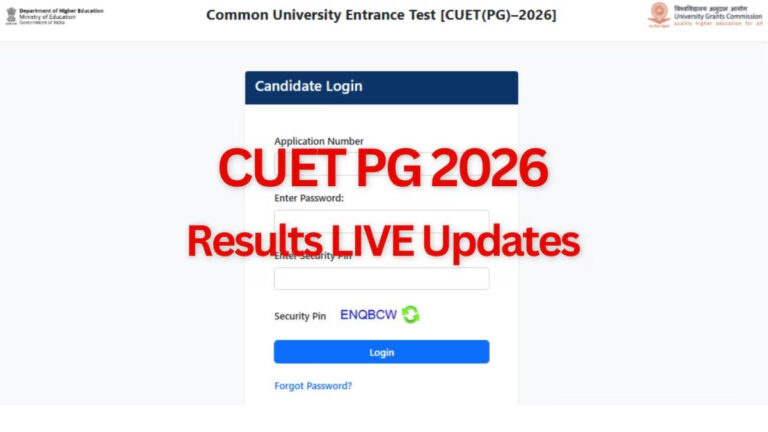
The wait for thousands of postgraduate aspirants across India is set to conclude today. The National Testing Agency (NTA) has officially confirmed that the results for the Common University Entrance Test for Postgraduate (CUET PG) 2026 will be declared today, April 24, 2026.

According to official updates from the NTA, the scorecard link is expected to go live around 5:00 PM IST. Candidates who appeared for the entrance examination, which was conducted between March 6 and March 27, can access their results directly through the official NTA portals.

Also Read: IDBI Stake Sale Remains on Track: Nirmala Sitharaman

How to Check Your CUET PG 2026 Scorecard

Once the results are live, candidates can follow these simple steps to download their scorecards. It is advisable to keep your login credentials ready to avoid last-minute delays.

  1. Visit the Official Website: Head over to the official CUET PG portal at exams.nta.nic.in/CUET-PG/ or the primary NTA website at nta.ac.in.
  2. Locate the Result Link: On the homepage, look for a scrolling notification or a specific link titled “CUET PG 2026 Scorecard” or “CUET PG 2026 Result.
  3. Login: Clicking the link will redirect you to a secure login page. You will need to enter your Application Number and Password (or Date of Birth, depending on the login portal requirements).
  4. Submit and View: After entering the required credentials and the security pin (captcha), click the “Submit” button.
  5. Download: Your scorecard will be displayed on the screen. Download the PDF and take a printout, as you will need physical copies for the subsequent university admission processes.

What to Expect on Your Scorecard

The CUET PG scorecard is a critical document for your admission journey. It serves as the official proof of your performance and will be scrutinized by participating universities during the counseling phase. When you download your result, ensure the following details are accurate:

  • Personal Details: Your full name, roll number, application number, and date of birth.
  • Subject-Wise Performance: Marks obtained in each test paper you appeared for.
  • Normalized Scores: Since the exam is conducted in multiple shifts, the NTA uses a normalization process to ensure fairness. Your scorecard will reflect these normalized scores, which account for variations in difficulty levels across different exam sessions.
  • Qualifying Status: Information regarding your eligibility for further admission rounds.

Important Guidelines for Candidates

As the results are released, here are a few things every candidate should keep in mind:

  • No Physical Dispatch: The NTA will not send physical scorecards via post. Downloading the result from the official website is the only way to obtain your official marks.
  • Final Answer Keys: The results have been compiled based on the final answer keys. The NTA has clarified that once the results are declared, no further grievances regarding the answer keys will be entertained.
  • Validity: The CUET PG 2026 scores are valid for admission to the 2026-27 academic session only.
  • University-Specific Counseling: It is crucial to remember that the NTA’s role is limited to conducting the exam and declaring the results. The actual admission, counseling, and merit list preparation are handled individually by the participating universities (such as DU, JNU, BHU, etc.). Candidates must monitor the websites of the universities they have applied to for further instructions.

What Happens After the Result?

Once the results are out, the focus shifts entirely to the admission counseling phase. Participating universities will release their own cut-off lists and rank lists based on the NTA scores.

Candidates should:

  • Regularly check the websites of their preferred universities.
  • Prepare necessary documents, including academic certificates, category certificates (OBC-NCL, SC, ST, Gen-EWS), and identification proofs, as these will be required during the verification process.
  • Keep a close eye on registration windows, as some universities may require candidates to register separately on their internal portals to be considered for seat allocation.

We wish all the aspirants the very best as they take this significant step toward their postgraduate education. Keep your credentials handy, stay calm, and ensure you download your scorecard as soon as it is available.

IDBI Stake Sale Remains on Track: Nirmala Sitharaman

0

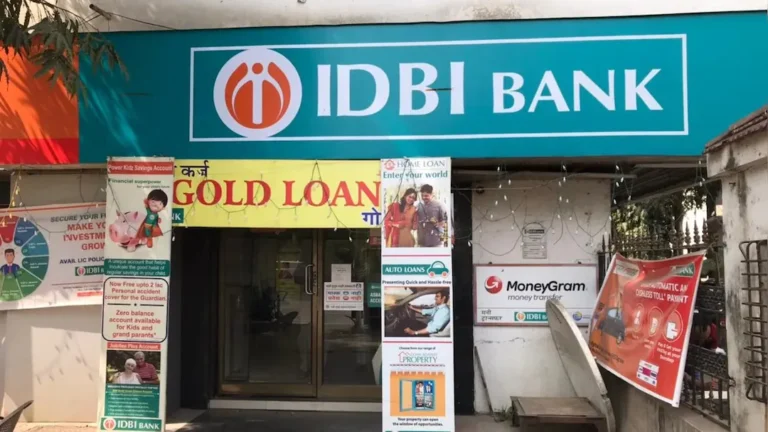
On Friday, April 24, 2026, the financial sector buzzed with renewed energy as IDBI Bank’s share price rallied by up to 8% following comments from Finance Minister Nirmala Sitharaman. Speaking on the sidelines of an event in Mumbai, the Finance Minister addressed the elephant in the room: the long-anticipated privatization of IDBI Bank. In a clear and decisive message, she reaffirmed the government’s intent to proceed with the divestment process, effectively putting to rest the swirling rumors that the sale had been scrapped.

For investors and market analysts who had been bracing for a potential abandonment of the deal following reports of underwhelming bids earlier this spring, the Finance Minister’s statement served as a critical course correction.

A Long and Winding Road

The journey to privatize IDBI Bank has been anything but straightforward. Since the Cabinet Committee on Economic Affairs (CCEA) gave its in-principle approval for the strategic disinvestment back in 2021, the process has faced a series of complex hurdles.

The proposed transaction is significant in scale: the Government of India and the Life Insurance Corporation of India (LIC) are looking to offload a combined 60.72% stake in the lender. This involves the government selling 30.48% and LIC divesting 30.24% of their respective holdings. The deal is structured not just as a financial transaction, but as a strategic pivot, aiming to transfer management control to a private player who can bring in fresh capital, advanced technology, and professional management expertise.

Why the Process Hit Turbulence

The primary reason for the delay—and the recent market anxiety—has been a gap in valuation expectations. In early 2026, reports surfaced that financial bids submitted by prospective buyers fell short of the government’s internal reserve price.

For the government, the challenge is balancing the need for a successful divestment with the requirement to ensure public assets are sold at fair, value-maximizing prices. For the bidders, the challenge lies in the complex regulatory landscape of the Indian banking sector. Every prospective buyer must undergo a rigorous “Fit and Proper” assessment by the Reserve Bank of India (RBI), a process designed to ensure that the new owner is capable of maintaining the stability and integrity of the banking system.

Adding to the complexity are shifting market conditions. Geopolitical uncertainties and fluctuating valuations of banking assets have made investors more cautious, leading to a disconnect between the bids on the table and the government’s asking price. This mismatch led to the recent narrative that the deal was effectively “stalled” or “scrapped,” a sentiment that caused significant volatility in IDBI Bank’s stock price over the past two months.

The Significance of the Sale

Why is the government so determined to see this through? The IDBI Bank divestment is viewed as a bellwether for the government’s broader economic reforms.

Since the “twin balance sheet” challenges of the early 2010s, the Indian banking sector has undergone a massive transformation. Under the current management, IDBI Bank has successfully turned around its financials, posting healthier balance sheets, improved asset quality, and robust credit growth. It is now seen as an attractive asset, which is precisely why the government is unwilling to rush into a “fire sale” that doesn’t capture its true value.

Furthermore, for the Finance Minister, this is part of a larger, coherent economic strategy. The government has been moving away from rigid, headline-grabbing annual disinvestment targets, focusing instead on “value maximization.” The goal is not just to raise funds, but to empower public sector enterprises to operate with the same efficiency and professional autonomy as their private sector counterparts.

What Lies Ahead?

The market’s positive reaction on April 24th highlights just how crucial “policy certainty” is for investor sentiment. With the Finance Minister’s explicit commitment to continuing the process, the focus now shifts back to the technical and procedural steps.

Observers expect the government to likely recalibrate its approach. This might involve revisiting valuation benchmarks, engaging further with prospective investors, or adjusting the terms of the offer to better reflect current market realities while protecting the government’s interests.

While the timeline for the final sale remains fluid, the message from the government is clear: privatization is not off the table. The “on-again, off-again” perception has been replaced by a renewed commitment to take the transaction to its “logical conclusion.”

For IDBI Bank, the road ahead is likely to remain busy. The bank’s strong operational performance and the backing of the government suggest that it remains a key asset in the banking landscape. As the government resumes its efforts to find the right partner at the right price, both the bank and the broader market will be watching closely—not just for the eventual sale, but for what it signals about the future of banking in India.

Ultimately, this saga is a reminder that the path to major economic reform is rarely a straight line. It is a process of negotiation, patience, and rigorous regulatory scrutiny—a process that, according to the Finance Minister, is still very much in progress.

RRB Opens Qualification Correction Window for CEN 07/2024

0

New Delhi, April 24, 2026: The Railway Recruitment Board (RRB) has officially opened a crucial “Qualification Update” window for candidates appearing under Centralised Employment Notice (CEN) No. 07/2024. This notice pertains to the recruitment of various Ministerial and Isolated (M&I) category posts, including several teaching positions and technical roles.

For thousands of aspirants across the country, this period serves as a vital opportunity to ensure their candidature remains valid and accurately reflects their academic credentials. Below is a comprehensive guide to understanding this update, why it matters, and how you can complete the process before the deadline.

What Is This Update About?

The Railway Recruitment Board is currently in the process of finalizing the eligibility of candidates who appeared for the Computer-Based Test (CBT) for Ministerial and Isolated categories. The RRB has identified that for certain specific categories—particularly Trained Graduate Teacher (TGT) roles and other specialized positions—it is essential to have precise, verified information regarding the subjects studied during the candidates’ graduation or post-graduation.

The core objective is objective eligibility verification. By allowing candidates to update and confirm their qualification subjects, the RRB aims to ensure that only those who meet the specific subject-combination requirements move forward to the next stages of the recruitment process.

Who Must Take Action?

This update is mandatory for candidates who have applied for specific categories under CEN 07/2024. While the notice is generally applicable to those under the Ministerial and Isolated umbrella, it is specifically critical for:

  • Trained Graduate Teacher (TGT) categories (notably categories 30-38, 40-43, 46, 47, 49, 51, and 52).
  • Any candidate who feels their previously submitted application details regarding subjects or qualifications require clarification to match their official marksheets/degrees.

Key Dates and Deadlines

Candidates must act promptly, as this is a strictly time-bound, one-time opportunity. No extensions or later requests for corrections will be entertained.

EventDetails
Window Opening DateApril 23, 2026 (at 09:00 hours)
Window Closing DateApril 29, 2026 (at 19:00 hours)
Action RequiredOnline submission of subject/qualification details

Note: If a candidate fails to provide the required subject details within this window, their eligibility will be determined solely based on the data originally provided in their initial application form. In such cases, no further clarification or “benefit of the doubt” will be provided by the board.

Step-by-Step Guide: How to Update Your Details

If you are a candidate for the CEN 07/2024 recruitment, follow these steps to complete your update:

  1. Access the Official Portal: Navigate directly to the official RRB application website: https://rrbapply.gov.in. Avoid third-party links or unofficial websites to ensure your data security.
  2. Log In: Use your registered email ID, mobile number, or registration number along with your password/date of birth to access your candidate dashboard.
  3. Locate the Link: Look for the specific notification or tab labeled Update Qualification/Subject Details” for CEN 07/2024.
  4. Enter Correct Data: Carefully enter the specific subjects you studied during your academic career as they appear on your official marksheets and degree certificates.
    • Tip: Keep your original documents in front of you while typing to avoid typos or incorrect subject names.
  5. Review Before Submitting: Review all entered information twice. Ensure that the subjects align with the requirements mentioned in the original recruitment notification.
  6. Submit and Download: Once you are certain, submit the information. It is highly recommended to download and print the confirmation page or take a screenshot for your personal records.

Why Is This Mandatory?

The RRB’s recruitment process is highly automated and relies on data integrity. For teaching positions, eligibility is not just about having a degree; it is about having a degree with the right subject combinations.

For instance, if a candidate applied for a “TGT English” position but did not specify “English” as a core subject in their graduation details, the system might incorrectly flag them as ineligible. This update window allows candidates to rectify such data mismatches, ensuring that valid, qualified applicants are not unfairly rejected during the Document Verification (DV) stage.

Important Advisory for All Candidates

  • One-Time Opportunity: Treat this as your final chance. Once you click submit, you likely will not be able to edit the details again.
  • Verification: Remember that providing false or unverifiable information can lead to immediate disqualification at any stage of the recruitment process. Ensure everything you enter can be backed up by your physical certificates.
  • Beware of Fraud: The RRB conducts all updates through its official portal. Do not share your login credentials with unauthorized individuals or agents claiming to “fix” your application for a fee.
  • Helpdesk Support: If you encounter technical glitches—such as the login page not loading or a submission error—use the official helpdesk channels provided on the website. Typical support hours are between 10:00 AM and 05:00 PM.

The recruitment process for CEN 07/2024 is a significant career opportunity. By taking five minutes today to verify and update your qualification details, you are safeguarding your hard-earned progress in this examination. Ensure your application is accurate and avoid the stress of last-minute errors—log in to the portal today.

iPhone 18 Pro: Two Major Camera Upgrades

0

New Delhi, April 24, 2026: As we settle into the spring of 2026, the tech world’s attention is beginning to drift toward the horizon of September. For smartphone enthusiasts, this means one thing: the annual anticipation for Apple’s next flagship lineup. While the design language of the iPhone has reached a refined maturity, the internal technology—specifically the camera system—remains the battleground for true innovation.

Recent leaks regarding the upcoming iPhone 18 Pro have sent a wave of excitement through the photography community. Rumors from reliable industry sources, including recent sightings of dummy units and supply chain reports, suggest that Apple is planning two major hardware-level camera upgrades. These aren’t just incremental software tweaks; they represent a fundamental shift in how the iPhone interacts with light and captures the world.

1. The Game Changer: A Physical Variable Aperture

Perhaps the most significant rumored upgrade for the iPhone 18 Pro is the inclusion of a variable aperture for the main 48MP camera.

For years, smartphone cameras have been physically “locked.” They utilize a fixed aperture—the opening through which light enters the lens—which is usually set wide to capture as much light as possible. While this is excellent for low-light shots, it lacks the flexibility of traditional DSLR or mirrorless cameras. Currently, if an iPhone struggles with overexposure in harsh, direct sunlight, the phone relies entirely on software processing to “fix” the image after it has been captured.

What Does Variable Aperture Mean for You?

A variable aperture introduces a mechanical iris, similar to the human eye, that can physically expand or contract. This change offers two massive benefits for the end user:

  • Mastery Over Light: In bright, high-contrast environments—like a beach at noon or snowy landscapes—the camera will be able to physically restrict the amount of light entering the sensor. This reduces the need for the camera’s software to aggressively “patch” the image, potentially resulting in sharper, more natural-looking photos with better dynamic range.
  • True Optical Bokeh: Currently, when you use “Portrait Mode,” the blurry background (bokeh) is simulated by the phone’s processor. While Apple’s AI is impressive, it can sometimes struggle with fine details like hair or glasses. A variable aperture allows the lens to physically change the depth of field. By opening the aperture, you can achieve a natural, creamy background blur that is created by the physics of the lens, not by a computer chip.

This brings the iPhone closer to the “professional” experience than ever before, allowing users to make creative choices about their depth of field before they even tap the shutter button.

2. Speed and Precision: The New Stacked Image Sensor

While the variable aperture handles the light, the second rumored upgrade handles the data. Apple is reportedly testing a new three-layer stacked image sensor, a piece of technology that is expected to drastically improve how the camera processes information.

Why Stacking Matters

Traditional sensors are single-layer, which can create a bottleneck when capturing high-resolution data quickly. A stacked sensor separates the photodiode layer from the logic circuits, allowing for a much faster readout speed. For the average user, this translates into three key improvements:

  • Zero Shutter Lag: One of the most common frustrations in mobile photography is “shutter lag”—that slight delay between pressing the button and the photo being taken. A stacked sensor processes images much faster, meaning you are far less likely to miss the “perfect moment” when photographing moving subjects, children, or pets.
  • Superior Low-Light Performance: By processing light data more efficiently, the sensor can produce cleaner, lower-noise images in dimly lit environments. This means better nighttime shots, clearer indoor photos, and a reduction in the “graininess” that often plagues nighttime photography.
  • Enhanced Dynamic Range: Because the sensor can read data faster, it can capture multiple exposures in rapid succession with greater precision. This helps the camera balance extremely bright highlights (like a sunset sky) and deep shadows (like a person standing in the shade) in the same frame, providing a more balanced, true-to-life image.

Physical Design: The “Thicker” Reality

If these internal upgrades are coming, there’s a physical price to pay. Recently, high-resolution images of dummy units for the iPhone 18 Pro and Pro Max have surfaced, revealing a subtle but noticeable design change.

The camera plateau—the square “bump” on the back of the phone—appears slightly thicker, and the individual lenses seem to protrude further than those on the current iPhone 17 Pro. While some may lament the loss of a perfectly flush back, the consensus among photographers is clear: if the extra thickness is the trade-off for a larger, more sophisticated sensor and a mechanical variable aperture, it is a compromise most users will happily accept.

Looking Ahead: The “Pro” Evolution

It is important to note that Apple has not officially confirmed these specifications. However, the consistency of these reports from multiple industry analysts points toward a clear strategy. Apple is moving away from the “megapixel race” and toward “optical excellence.”

For years, we have seen smartphones rely on heavy-handed AI and computational photography to compensate for small hardware. With the iPhone 18 Pro, it feels like Apple is attempting to bridge the gap between pocket-sized convenience and professional-grade capability.

By combining the physical control of a variable aperture with the lightning-fast data processing of a stacked sensor, the iPhone 18 Pro is shaping up to be more than just a faster phone. It is positioning itself as a serious tool for creators who demand control, consistency, and professional quality in their pocket.

As we inch closer to September 2026, the question is no longer just about which phone is faster—it’s about which camera will let you capture the world exactly as you see it. With these rumored upgrades, Apple might just be about to provide the best answer yet.

The Betting Trap: How Addiction is Fueling a Crime Wave Among Delhi Youth

0

New Delhi, April 24, 2026 — In the shadowy corners of the capital’s digital underground, a new, alarming trend is emerging. What once started as innocent gaming on smartphones has spiraled into a dangerous cycle of addiction, leading young individuals—some with bright academic records and promising futures—down a path of criminality and violence.

While recent headlines have been dominated by high-profile criminal cases, law enforcement and psychologists are pointing to an underlying epidemic: the normalization and accessibility of online betting platforms. These platforms are increasingly being linked to cases where young offenders, driven by crushing debt, resort to extreme measures, including robbery and, in the most tragic instances, murder.

The Illusion of “Easy Money”

For many students in Delhi, the pressure to perform academically is immense. With competition for college seats and jobs at an all-time high, the stress can be suffocating. Some seek escapism in online gaming, but the boundary between gaming and gambling has become increasingly blurred.

“It starts with a few rupees,” says Dr. Ananya Sharma, a clinical psychologist specializing in adolescent behavior. “These platforms are designed to trigger the same dopamine receptors as high-stakes gambling. When a student who has spent their life chasing high grades—perhaps even hitting the 90% mark—suddenly finds they can ‘earn’ money faster than a professional salary, the psychological shift is catastrophic.”

When the inevitable losses mount, the “hustle” turns into a hunt for liquidity.

From Academic Success to Criminal Desperation

The profile of the typical youth offender is shifting. Police sources note that they are no longer just dealing with hardened criminals. They are increasingly encountering young adults who come from middle-class backgrounds and have previously maintained excellent academic records.

The desperation to recoup gambling losses is a powerful motivator. In many documented instances, this leads to:

  • Financial Fraud: Using family savings or unauthorized credit card transactions.
  • Asset Liquidation: Pawn shops and informal lenders report a rise in students trying to leverage personal property for quick cash.
  • Theft and Violent Crime: As legal avenues close, the shift to criminal activity—often involving violence—is the final, desperate stage of this decline.

“When you have a young person who has been conditioned to succeed, the failure to win at betting is seen not just as a financial loss, but as a total loss of control,” says a senior police official. “They become erratic. They become dangerous.”

A Systemic Failure?

While the legal system works to prosecute these crimes, experts argue that the root cause is being ignored. Online betting apps, often masquerading as “skill-based” games, are aggressively marketed. They use sophisticated algorithms to keep users hooked, often targeting individuals during periods of vulnerability.

The ease with which someone can gamble away their future—and sometimes the lives of others—is a call to action for stricter regulation. While Delhi police have increased surveillance on illegal betting syndicates, the digital nature of these platforms makes them difficult to dismantle entirely.

The Path Forward

The tragic reality is that once an individual enters this cycle, the exit is rarely easy. Families are often the last to know, as the digital nature of the addiction allows it to be hidden behind the glow of a smartphone screen.

Social workers are now advocating for:

  1. Digital Literacy: Teaching students that online “earning” platforms are often predatory gambling sites in disguise.
  2. Early Intervention: Recognizing the signs of betting addiction, such as sudden irritability, unexplained financial loss, and obsessive phone use.
  3. Community Support: Moving away from the stigma of addiction and creating spaces where youth can seek help for gambling issues without fear of retribution.

As Delhi grapples with the rise in youth crime, the narrative must change. It is no longer enough to simply look at the crime; we must look at the culture that fuels it. Until the accessibility of these predatory platforms is checked, and the mental health support systems for our youth are strengthened, the city will continue to lose its most promising young lives to the digital trap of online betting.

Medha Shankr: From ‘Hobby’ to Bollywood Star

New Delhi, April 24, 2026: In the unpredictable world of Bollywood, success is rarely a straight line. For every overnight star, there are countless aspirants who navigate years of auditions, rejections, and—perhaps most challenging of all—the societal pressure to conform to traditional expectations. Medha Shankr, who captured hearts nationwide with her poignant performance as Shraddha Joshi in Vidhu Vinod Chopra’s 12th Fail, recently offered a rare, candid glimpse into the life she led before her breakthrough, revealing that her path to stardom wasn’t just filled with casting directors, but also with well-meaning yet persistent relatives pushing her toward marriage.

The ‘Hobby’ Narrative

The stereotype of the “struggling artist” is well-documented, but for many women in Indian families, that struggle comes with an added layer: the expectation that a career in the arts is merely a temporary phase—a “hobby”—before settling down into the domestic fold.

In a recent candid interaction, Medha Shankr opened up about the pressure she faced before 12th Fail cemented her status as a serious actor. As the audition process continued and the early years in Mumbai took their toll, some members of her extended family began to view her career path with skepticism.

“Before 12th Fail, when I was doing whatever work I could find, there were a few relatives in the family who were quite excited about getting me married,” Medha shared. The underlying assumption? That her acting aspirations were simply a fleeting interest. The sentiment often echoed was, “Shaadi karao, acting toh bas hobby hai, wapis ghar aa jayegi” (Get her married, acting is just a hobby, she will come back home).

For Medha, this wasn’t just about avoiding marriage; it was about the lack of validation for her professional ambitions. While the world of cinema saw a budding talent, some in her close circle saw a girl who simply hadn’t yet returned to the “safety” of a conventional life.

A Pillar of Support

However, it is crucial to note that Medha’s narrative isn’t one of total isolation. She was quick to clarify that while extended family members often nudged her toward marriage, her immediate family—especially her father—remained a consistent bedrock of support.

“Thankfully, my papa is not like that,” Medha noted. Despite coming from an academically inclined background in Noida, where careers are traditionally defined by secure professions like engineering or civil services, her father eventually accepted her choice to pursue the arts.

Reflecting on those early, uncertain days, the actress recalled how she dealt with the external pressure. “Some relatives would say, ‘It’s time to get her married,’ which is fair in their own view, but I never took it seriously. I would always laugh it off. I never really felt the pressure because I knew what I was doing.”

Also Read: Yami Gautam’s Dedication to ‘Haq’

The 12th Fail Turning Point

Everything changed with the release of 12th Fail in 2023. The film, a biographical drama based on the life of IPS officer Manoj Kumar Sharma and IRS officer Shraddha Joshi, became a massive critical and commercial success. Made on a modest budget, its impact was seismic, resonating with audiences who were craving authentic, grounded storytelling.

For Medha, the film was more than just a career highlight; it was the ultimate validation. Once the film hit theaters and her portrayal of an IRS aspirant won widespread acclaim, the “hobby” narrative vanished overnight.

“Life has taken a 180-degree turn,” she remarked in previous interviews. The same relatives who once inquired about her marital status now likely look at her with a different lens—one of pride and recognition. The transition from an aspiring actor to an established performer effectively silenced the whispers of skepticism.

Navigating the ‘National Crush’ Fame

Since 12th Fail, Medha has been catapulted into the spotlight, often dubbed the “national crush.” Yet, she remains remarkably grounded, a trait she credits to the wisdom imparted by her co-star, Vikrant Massey, and director Vidhu Vinod Chopra.

“Vikrant is an incredibly wise person,” Medha mentioned. “When I started getting all this attention, he told me, ‘Medha, just remember that everything is transient and focus on the right things.’”

This wisdom has helped her navigate the post-12th Fail landscape. Rather than rushing into stereotypical roles, she has been selective, focusing on challenging herself and avoiding being typecast. She is actively trying to step away from the “girl-next-door” image, not out of malice, but out of a desire for creative evolution. “If I do something similar, which I know people want to see, it will be easy. It will be a cakewalk. Then where’s the fun, where’s the challenge?” she mused.

A Legacy of Resilience

Medha Shankr’s story is a powerful reminder that behind every successful performance on screen, there is often a personal journey defined by grit, patience, and the courage to ignore societal noise. Her ability to laugh off the “rishta” pressure without losing focus on her goals is a testament to the mindset required to survive—and eventually thrive—in the competitive world of Bollywood.

As she moves forward in her career, taking on new, complex roles and continuing to establish herself as a formidable talent, Medha serves as an inspiration to countless young people who, like her, might be told that their dreams are “just a hobby.” Her journey suggests that if you persist, that hobby can eventually become the very foundation of your success.

For now, the only “rishtas” Medha is concerned with are the ones she is building with her audience—a relationship built on talent, authenticity, and a shared love for great cinema.

Yami Gautam’s Dedication to ‘Haq’

New Delhi, April 24, 2026: In an era where “method acting” is often tossed around as a buzzword, actress Yami Gautam Dhar has set a new benchmark for commitment. In a recent revelation that has stunned audiences and critics alike, the director of the acclaimed 2025 courtroom drama Haq, Suparn S. Varma, disclosed the staggering amount of preparation that went into the film’s production—specifically, the four months Yami Gautam dedicated to learning the Holy Quran and the team’s year-and-a-half-long deep dive into the nuances of Islamic law.

The film Haq, which centers on the landmark legal struggle of the Shah Bano case—a pivotal moment in Indian legal history regarding women’s rights—has been praised not just for its gripping narrative, but for the stark, refreshing authenticity it brings to a sensitive subject.

A Commitment to Truth in an Age of Misinformation

The decision to ground the performance in genuine knowledge was not a marketing tactic; it was a necessity driven by the director’s vision. In a recent interaction with the BBC Asian Network, Suparn S. Varma spoke candidly about the “age of misinformation” we live in. He noted that in a world where narratives are easily distorted, his goal for Haq was to be a “voice of reason.”

“We spent almost a year and a half understanding Islamic law,” Varma explained. This extensive research was crucial for a film that tackles the complexities of the 1985 Shah Bano case, where a woman’s fight for maintenance rights against her husband ignited a firestorm of political and social debate across India.

For Yami Gautam, who essayed the role of Shazia Bano (the character based on Shah Bano), this meant going far beyond just memorizing lines. To inhabit the psyche of a woman fighting for her dignity in 1970s India, she needed to understand the cultural and religious framework that defined her life. According to the director, Yami dedicated four months specifically to learning the Quran and mastering the specific dialect and cadence required to portray her character with integrity.

Also Read: Reliance Industries Q4 FY26: The Big Earnings Day Preview

The Weight of the Role

The Shah Bano case is not merely a legal footnote; it is a watershed moment for the rights of Muslim women in India. Portraying a character inspired by such a significant historical figure carries immense responsibility. Critics have lauded Yami Gautam for her portrayal, noting that she captures the quiet, persistent strength of a woman who, without realizing it, became the face of a movement.

The film, which was released in November 2025, follows the story of Shazia Bano, whose life is upended when her husband leaves, returns with a second wife, and subsequently divorces her, refusing to provide maintenance. The ensuing legal battle serves as the core of the film’s narrative.

Shubhra Gupta, writing for The Indian Express, noted that the film succeeds through “clear-eyed empathy,” giving the audience a protagonist who is an ordinary woman thrust into extraordinary circumstances. The effort put into the preparation is visible on screen; there is a grounded, unshowy quality to Yami’s performance that anchors the legal arguments in human emotion.

Why Authenticity Matters in Modern Cinema

The success of Haq and the discourse surrounding it highlights a growing audience demand for authenticity in storytelling. In recent years, Indian cinema has seen a shift where actors are increasingly expected to shed their “star” persona to fully inhabit the lived realities of their characters.

Suparn Varma’s insistence on a 1.5-year research phase speaks to a broader ambition to move past the superficial representations that often plague dramas centered on religious or community-specific issues. By ensuring the legal, cultural, and spiritual aspects of the character were handled with care, the filmmakers avoided the common pitfalls of stereotyping or misrepresentation.

“The idea was to show just how little the world has changed for women since the 1970s,” Varma told the media. “They lived in a man’s world then, they live in a man’s world now. They fight the same glass ceiling, the same biases.”

A Career-Defining Performance

For Yami Gautam, Haq marks another significant milestone in an increasingly versatile career. From her early days in mainstream commercial cinema to her recent string of content-driven successes, her choice of roles has become more deliberate. By immersing herself in the study of Islamic law and the Quran, she has demonstrated an artistic discipline that sets her apart.

It is rare to see such a high level of preparation for a single role, but as the director pointed out, the goal was to correct “misnomers when it comes to Islam.” When an actor treats their source material with this level of reverence, it creates a ripple effect, allowing the audience to engage with the story not just as entertainment, but as a reflection of lived human history.

The Legacy of ‘Haq’

As Haq continues to find its audience on streaming platforms—having topped charts globally among non-English language films—it serves as a reminder that the best stories are those told with patience, respect, and rigorous research.

The director’s revelation about the preparation process has added a new layer of appreciation for the film. Audiences are now looking at Yami Gautam’s performance through a lens of profound respect for the work that happened behind the camera. It is a testament to the fact that when filmmakers and actors commit to the truth, the result is a work of art that resonates across boundaries.

In a cinematic landscape often crowded with spectacle, Haq stands out as a quiet, powerful testament to the power of preparation. It proves that when you commit to understanding the world of your character, you don’t just deliver a performance—you deliver a piece of the truth.

Reliance Industries Q4 FY26: The Big Earnings Day Preview

0

New Delhi, April 24, 2026: As investors across India prepare for the final scorecard of the 2025-26 fiscal year, all eyes are on Reliance Industries Limited (RIL). With the company board scheduled to meet today, April 24, 2026, the Street is bracing for a “mixed bag” performance that highlights the balancing act between the conglomerate’s traditional industrial backbone and its high-growth digital future.

The narrative for this quarter is clear: the classic, energy-heavy Oil-to-Chemicals (O2C) segment is facing significant headwinds, while Reliance Jio and the retail arm are expected to play the role of the reliable growth engines. As the results are expected to be unveiled later today, here is a detailed breakdown of what is at stake and the key themes defining Reliance’s Q4 performance.

1. The O2C Drag: Refining Margins in the Crosshairs

The O2C business, historically the crown jewel and the largest contributor to Reliance’s top line, is expected to bear the brunt of a challenging global macroeconomic environment. Analysts have pointed to a combination of factors, including global crude oil volatility and the ongoing geopolitical tensions in West Asia, specifically around the Strait of Hormuz.

The “Hormuz Factor” has tightened the supply chain, disrupting crude oil imports and complicating the refining landscape. While some analysts argue that supply disruptions could theoretically lift product prices—thereby supporting margins—the reality on the ground has been more complex. Elevated freight costs, coupled with weaker petrochemical spreads, are expected to suppress the segment’s profitability.

For investors, the key metric to watch will be Gross Refining Margins (GRM). Any significant deviation from expected levels here could ripple through the consolidated EBITDA figures, making O2C the most critical variable in today’s earnings announcement.

2. The Jio Growth Story: Momentum and Pricing Strategy

While the O2C segment fights macro-level headwinds, Reliance Jio Infocomm continues to be the primary narrative of stability and growth. Expectations are for a steady quarter, driven by consistent subscriber additions and a gentle, organic uptick in Average Revenue Per User (ARPU).

Estimates suggest that Jio likely added 5 to 8 million net subscribers this quarter, pushing the total base past the 520-million mark. ARPU is projected to inch higher—likely hovering around ₹216—driven largely by the migration of users from 4G to 5G and the adoption of Fixed Wireless Access (FWA) services.

However, the “headline” issue for Jio is not just these quarterly numbers, but the forward-looking strategy. Analysts are hunting for clues on three crucial fronts:

  • Tariff Hikes: When will the next round of prepaid tariff increases land? The industry is ripe for a price adjustment, and the market is waiting for a signal.
  • Jio Platforms IPO: The timeline for the IPO remains the “holy grail” of investor speculation. Any indication regarding the filing of a Draft Red Herring Prospectus (DRHP) would be a massive market mover.
  • Non-Connectivity Revenue: As Jio shifts from being a pure telco to a digital service provider, the share of revenue from non-connectivity digital services is being closely monitored to see if it can maintain its upward trajectory.

3. Margins Under Pressure

The overall consensus on consolidated EBITDA is that it will remain “largely flat” compared to the previous year, with some estimates suggesting modest growth of 5-8%. However, the core concern lies in the EBITDA margin.

With O2C facing cost pressures and retail expansion costs mounting, maintaining margin health is a challenge. Some brokerage reports suggest margins could face contraction due to higher input costs and volatility in energy prices. The ability of the retail and telecom segments to provide a buffer against this volatility will be the defining measure of the company’s operational efficiency this quarter.

4. Retail and New Energy: The Silent Pillars

While O2C and Jio take the spotlight, Reliance Retail is expected to show steady performance. Though retail growth has been described as “muted” compared to the aggressive expansion phases of the past, it remains a consistent contributor. Analysts are looking for signs of margin expansion—likely in the range of 70 basis points—as the retail business focuses on optimizing its existing footprint and scaling its omnichannel strategy.

Furthermore, any updates on the “New Energy” business will be closely scrutinized. As Reliance pivots toward sustainable energy, any progress on major capital expenditures or project timelines in its renewable energy vertical serves as a long-term value signal for institutional investors.

5. What Should Investors Expect?

As the Board meets to approve the financial results and consider the final dividend for FY26, the atmosphere is one of cautious watchfulness.

  • Dividend Announcement: With a history of consistent payouts, the market will be looking at the final dividend recommendation to gauge management’s confidence in the company’s cash flow position.
  • The “Big Picture” View: Today’s numbers are as much about the past three months as they are about the setup for FY27. The company is navigating a transition where its legacy business is subject to global geopolitical whims, while its growth engines (Jio and Retail) are preparing to enter more mature, monetisation-focused phases.

Summary of Key Expectations

MetricExpected Trend/Outcome
O2C SegmentExpected weakness; pressure on refining margins.
Reliance JioSolid subscriber growth; ARPU uptick to ~₹216.
Consolidated EBITDALikely flat to modest growth (~5-8% YoY).
ProfitabilityNet profit projections vary widely, with many anticipating a slight YoY decline.
Key CatalystPotential updates on Jio tariff hikes and IPO timelines.

Final Thoughts

Reliance Industries remains at a crossroads. As it balances the “old world” of energy with the “new world” of digital connectivity and retail, today’s results will provide a snapshot of how well the company is navigating these diverging forces.

For the average shareholder, the primary focus should remain on the health of the core businesses—specifically how effectively the company can manage margin compression in the O2C sector while sustaining the momentum of its digital and retail arms. Stay tuned for the official filings, which will provide the definitive answers to the questions investors have been asking all quarter.