Home Blog Page 13

Indian Army New Look: Bandi Jackets & 12-cm Moustaches

0

New Delhi, June 17, 2026: In a landmark overhaul aimed at shedding residual colonial-era legacies, the Indian Army has issued a comprehensive new manual titled “Army Uniforms-2026.” Released eight years after the previous regulations, this 174-page directive introduces sweeping reforms to official military attire, ceremonial traditions, and grooming standards across all ranks.

The primary objective of the revised policy is to align military protocols with a contemporary Indian ethos and national identity, while preserving the core values of discipline and operational readiness. By removing archaic British-era accoutrements and terminology, the Army is transitioning toward a distinctively indigenous and modernized look.

The Introduction of Indigenous Attire: Bandi Jackets

Among the most prominent changes detailed in the new manual is the authorization of the traditional Bandi jacket for formal civilian and official dress. For the first time, officers are permitted to wear this closed-neck, indigenous jacket over full-sleeved shirts at official gatherings, state functions, and formal receptions.

The regulations stipulate that the Bandi jacket must be of a solid, sober color, worn with matching formal trousers and closed footwear. Officers have the flexibility to wear it with or without a neck-hook fastening. This inclusion provides an elegant, culturally rooted alternative to Western-inspired formal attire like lounge suits or combinations, signaling a deliberate stride toward structural indigenisation.

Standardizing Winter Wear: Dress 3B

Alongside changes to formal civilian attire, the Army has overhauled standard winter apparel for all personnel. A new winter uniform designated as Winter Dress No. 3B has been introduced for all ranks. This outfit features:

  • An Angola shirt
  • A newly designed Battle Jacket
  • A standard Beret

This modern setup will replace older jersey-based winter garments. To ensure a smooth logistics rollout, the transition to the new winter gear will be implemented progressively, with full adoption mandated across the entire force by June 2029.

Stripping Colonial Traditions and Ceremonial Practices

The updated manual takes direct aim at archaic customs rooted in India’s colonial past. Following directives from the leadership to eliminate imperial vestiges, the Army has discontinued the use of ceremonial pouch belts from Mess Dress No. 5 and Mess Dress No. 6. These specific uniforms are typically reserved for prestigious state occasions at locations like the Rashtrapati Bhavan, or formal banquets hosted in honor of visiting foreign dignitaries.

While certain combat and specialized regiments—such as the armored corps, mechanized infantry, and artillery—retain localized ceremonial permissions for regimental events, the standard enforcement removes the pouch belt globally. Furthermore, reviewing officers on parade are no longer strictly required to carry swords, rendering the practice entirely optional based on the event’s specific nature. Outdated imperial terminology, including historical references like the word “Royal,” has also been thoroughly expunged from all official dress manuals.

Tightened Grooming Standards: The 12-cm Moustache Cap

Beyond fabrics, buttons, and tailoring, the Army Uniforms-2026 guidelines enforce hyper-specific personal appearance standards to ensure absolute uniformity across the ranks. Among the updated facial hair guidelines, moustaches remain permissible but are now strictly regulated.

The guidelines underscore that grooming is vital to professional military carriage. Personnel are explicitly barred from sporting radical or trendy hairstyles, visible body tattoos, and unauthorized piercings. Interestingly, the use of perfumes and deodorants while in uniform has been completely restricted to ensure neutrality, though standard aftershave lotions remain authorized.

Strict Guidelines on Personal Aesthetics and Religious Symbols

The manual maintains a strict stance on personal adornments and religious symbols to project a cohesive, secular, and professional institutional front. Wearing any type of bracelet while in uniform is generally banned, with the sole exception being a single sacred thread permitted temporarily on the specific day of a religious ritual (pooja).

Religious markings and non-authorized accessories are prohibited across ranks. Sikh personnel continue to receive standard, long-standing exemptions regarding uncut hair, beards, and the mandatory wearing of turbans, respecting constitutional protections and deep-seated martial heritage.

For women personnel, the manual outlines refined formal options alongside strict cosmetic restrictions. Women officers are authorized to wear sober-colored sarees or specified kurta-salwar combinations featuring ankle-length straight trousers and a dupatta during official functions. However, casual or modern cuts—such as sleeveless kurtas, palazzos, or cigarette pants—are strictly prohibited. While in uniform, women are barred from using cosmetics like lipstick, colored nail polish, prominent face bindis, or nose pins. The application of sindoor (vermillion) is permitted for married personnel, provided it remains completely concealed beneath the military beret or peak cap.

Reinforcing Public Conduct and Discipline

In tandem with the physical transformation of the uniform, the Army has reinforced strict behavioral boundaries for personnel while wearing official attire. Under the updated protocols, military personnel are explicitly prohibited from attending political rallies, public protests, or private social gatherings like weddings and religious events in uniform unless officially authorized. Furthermore, appearances on commercial media platforms or private broadcasting without prior departmental clearance are strictly barred.

These regulatory updates symbolize a profound shift in how the Indian Army seeks to project its modern identity. By synthesizing cultural elements like the Bandi jacket with highly streamlined grooming standards and the systematic elimination of British-era remnants, the force has successfully cultivated a sovereign ethos that respects indigenous identity without compromising on the rigid discipline, functional utility, and prestige demanded of the armed services.

For a visual breakdown of how these changes are being adopted and to see details on the updated rules, you can watch this report on the Indian Army’s New Dress Code and Grooming Guidelines, which outlines the transition away from colonial-era traditions.
UP CM Announces Half-Fare Buses for NEET & Sets Directives for Muharram, Yoga Day

0

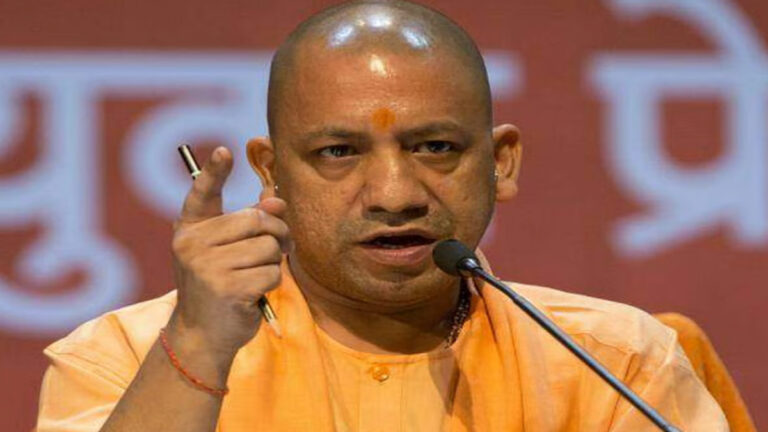
New Delhi, June 17, 2026: In a significant administrative move, Uttar Pradesh Chief Minister Yogi Adityanath announced a 50 percent concession in state-run bus fares for all candidates appearing in the upcoming National Eligibility-cum-Entrance Test (NEET-UG) re-examination. Chairing a high-level review meeting with senior administrative officials, district magistrates, commissioners, and top police brass, the Chief Minister addressed a multi-pronged agenda. Alongside student welfare measures, he outlined critical instructions to maintain law and order ahead of Muharram and finalize extensive preparations for the state-wide celebration of International Yoga Day.

The comprehensive review highlighted the state government’s focus on providing youth-centric relief, upholding public transparency, and enforcing strict discipline during upcoming religious and cultural observances.

Half-Fare Bus Concessions and Lodging Support for NEET Candidates

Acknowledging the logistical hurdles and financial stress faced by students traveling for competitive exams, Chief Minister Yogi Adityanath declared that approximately 3.5 lakh NEET-UG candidates in Uttar Pradesh will benefit from a 50 percent rebate on transport costs. This concession will apply across all buses operated by the Uttar Pradesh State Road Transport Corporation (UPSRTC).

To avail of this benefit, candidates simply need to present their official examination admit cards to the bus conductors when traveling to and from their specified test centers. The re-examination is scheduled across 59 districts in Uttar Pradesh.

To ensure the integrity of the examination, Adityanath directed state officials to work in lockstep with the guidelines issued by the National Testing Agency (NTA). “All necessary arrangements must be ensured to maintain the sanctity, transparency, and sensitivity of the examination,” the Chief Minister emphasized. He also ordered strict surveillance on digital platforms to curb the spread of rumors, misleading reports, or false information on social media, mandating prompt and punitive legal actions against orchestrators of fake news.

Muharram Guidelines: Focus on Solemnity, Safety, and Discipline

Shifting the focus to state security and communal harmony, the Chief Minister reviewed law and order provisions ahead of Muharram. Addressing the administrative and police leadership, Adityanath emphasized that the occasion must be observed with utmost solemnity, respect, and adherence to established protocols.

The state government has issued clear instructions regarding the nature of public processions during the period of mourning. Chief Minister Adityanath stated explicitly that Muharram is an occasion for mourning rather than a display of physical strength.

To prevent public accidents and maintain order, the state has put forth the following regulatory restrictions:

  • Strict Ban on Weapons: There will be no display of weapons or arms during any public processions.
  • Audio Restrictions: The uncontrolled use of loud, high-decibel DJs, massive drums, or highly disruptive percussion instruments is completely prohibited.
  • Tazia Height Limitations: To prevent hazardous accidents involving overhead electrical wires and trees, the height of Tazias must strictly remain within the state’s prescribed standards. Tazias taller than 10 to 12 feet will not be permitted under any circumstances.
  • No New Traditions: While the state mandates total respect for established faiths and practices, the creation or enforcement of entirely new traditions that could disrupt peace will not be accepted.

District authorities have been instructed to hold proactive dialogues with local community leaders and peace committees well in advance to ensure that local public gatherings proceed smoothly without incident.

Mega Preparations for International Yoga Day

The high-level meeting also laid out the blueprint for Uttar Pradesh’s celebrations marking International Yoga Day. Describing Yoga as an “invaluable heritage of Indian culture and the rishi tradition,” the Chief Minister credited Prime Minister Narendra Modi for establishing the ancient wellness practice on the global stage.

The state is gearing up for mass participation under the official theme “Yoga for Healthy Ageing” (also referenced locally as “Yoga for Healthy Lifespan”). The scale of the event will span the entirety of Uttar Pradesh’s rural and urban landscape:

To maximize engagement, the Chief Minister directed that public representatives—including state ministers, MPs, MLAs, and local civic leaders—actively participate in mass yoga sessions in their respective regions. Furthermore, the live broadcast of Prime Minister Narendra Modi’s national Yoga Day program will be telecast across all venues in the state.

A massive, state-wide cleanliness campaign will serve as a prelude to the main event. On the day prior to the event, the departments of Urban Development, Rural Development, and Panchayati Raj will collaborate with local educational institutions to deep-clean all designated yoga venues. Police units will conduct regular patrolling around these sites to guarantee citizen safety. The state is also mobilizing support from voluntary groups, the National Cadet Corps (NCC), Scouts and Guides, and National Service Scheme (NSS) volunteers to drive public awareness campaigns.

Administrative Accountability and Public Grievances

Concluding the high-profile review session, Chief Minister Yogi Adityanath shifted focus toward grass-roots governance, evaluating the efficiency of the CM Helpline, the Integrated Grievance Redressal System (IGRS) portal, and the face-to-face Janata Darshan programs.

Expressing dissatisfaction with the pace of public dispute resolutions in certain districts, the Chief Minister warned that administrative negligence would invite direct and strict institutional action. He reiterated that resolving public issues transparently and quickly is a non-negotiable priority for every district magistrate and police chief.

Additionally, addressing critical operational gaps in the state’s healthcare network, Adityanath issued a strict three-day ultimatum to the medical administration, ordering the immediate appointment of Chief Medical Officers (CMOs) in all districts currently functioning without an active chief healthcare administrator.

Tensions Ease Along Indo-Bangladesh Border After Abducted Assam Farmer is Returned

0

New Delhi, June 17, 2026: High-level diplomatic intervention and swift tactical coordination between border security forces successfully defused a volatile situation on Tuesday night. This followed the cross-border abduction of an elderly Indian farmer from the “Zero Line” along the India-Bangladesh border in Assam’s Cachar district.

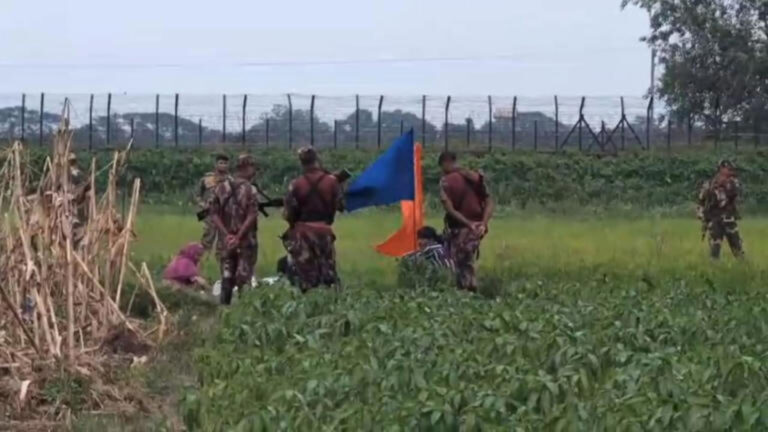
The victim, identified as Ranjit Das (aged between 65 and 77 according to varying official records), a resident of Chandinagar Part-II village, was forcibly taken by a group of suspected Bangladeshi miscreants on Tuesday morning. Following intense high-level deliberations and a flag meeting between the Border Security Force (BSF) and the Border Guard Bangladesh (BGB), Das was safely returned to Indian authorities at around 10:00 PM the same night.

While his safe return has brought immense relief to his family and the frontier village community, the incident has reignited serious concerns regarding the safety and security of Indian agrarian workers who cultivate land outside the international border fencing.

The Abduction on the Zero Line

The alarming incident unfolded around 11:00 AM on Tuesday in the Kinnorkhal border area, which falls under the Katigorah assembly constituency in Cachar district. As part of a routine and heavily regulated security protocol, the BSF opens the border gates daily at around 7:00 AM. This measure allows local Indian farmers access to agricultural land that lies beyond the barbed-wire fence but remains strictly within Indian sovereign territory, close to the Surma River.

On Tuesday morning, a group of approximately 16 to 17 local farmers, including Ranjit Das and his younger brother, Kalimohan Das, crossed the fence to plow fields and harvest grass for cattle fodder. According to eyewitnesses and family members, the farmers had completed their morning work and were preparing to head back inside the fence when the crisis began.

Kalimohan Das recounted that their plow experienced a mechanical glitch, delaying their exit from the patch of land near the Zero Line—the immediate geographical strip where the distinct borders meet. In those few unsupervised moments, a group of seven to eight unidentified men crossed over from the Bangladeshi side.

“They suddenly rushed in and grabbed hold of him,” Kalimohan alleged. “Before we could fully comprehend what was happening, they threatened him and began dragging him forcibly across the border line.”

Eyewitness accounts indicated that the miscreants acted with immense speed, capitalizing on the temporary distance between the farmers and the nearest BSF outpost. By the time an alarm could be raised, Das had been ferried across the unfenced international line into Bangladeshi territory.

Retaliation Rumors and Diplomatic Backchannels

As news of the brazen daylight abduction spread, panic and anger gripped the frontier villages of Cachar district. Hundreds of tense local residents gathered near the border fence, prompting additional BSF deployments to prevent any spontaneous law-and-order escalations.

Top regional administrative and political figures quickly descended on Kinnorkhal to assess the brewing crisis. Silchar Member of Parliament (MP) Parimal Suklabaidya, Katigorah MLA Kamalakshya Dey Purkayastha, and Cachar Superintendent of Police (SP) Sanjib Kumar Saikia met with the local population and the victim’s distraught family to guarantee an immediate response.

While security agencies initiated backchannel communication, Ranjit Das’s family claimed they received an anonymous phone call from an individual in Bangladesh. The caller alleged that the abduction was not a random criminal act, but rather a targeted retaliation for a previous border incident involving the death of a Bangladeshi national. Though senior Indian defense officials refrained from validating these claims, the underlying geopolitical friction added massive urgency to the rescue efforts.

Recognizing the potential for severe escalation, the BSF’s 170 Battalion immediately formally lodged a strong protest with their counterparts, the Border Guard Bangladesh (BGB). Command-level operations swung into action, demanding an urgent flag meeting and the immediate tracking of the missing Indian citizen.

The Safe Release and Medical Care

Following hours of intense, high-level diplomatic discussions, the BGB confirmed they had located Das and taken him into custody from the local miscreants. Before handing him over, Bangladeshi authorities conducted a routine medical examination on Das to log his health status.

Late Tuesday night, at roughly 10:00 PM, a formal border flag meeting concluded at the Bhanga Border Outpost (BOP). BGB officials safely handed Ranjit Das back to a joint team of the BSF and Cachar police, effectively ending his ten-hour ordeal.

Although early statements from certain BSF officials indicated that Das was returned in stable health, subsequent medical reviews revealed a more complex situation. Upon his transfer back into India, officials discovered that the elderly farmer had sustained visible physical injuries, including head trauma and severe bruising across multiple parts of his body.

Das was rushed by emergency transport to the Katigorah Model Hospital, where he was admitted for comprehensive treatment and monitoring. While he explicitly expressed gratitude to the Indian government and security forces for saving his life, he has remained visibly shaken and has not yet given a detailed statement regarding the precise nature of the treatment he received while in captivity. SP Sanjib Kumar Saikia noted that a formal investigation is underway and more clarity will emerge once the elderly man recovers sufficiently from the psychological and physical shock.

Fencing Gaps and Farmer Safety

The dramatic abduction has brought critical focus back to the structural vulnerabilities along the 32-kilometer international border that Cachar district shares with Bangladesh. While India has systematically constructed heavy barbed-wire fencing along its frontier segments, vast stretches on the immediate Bangladeshi side remain completely unfenced, leaving the zero-point agricultural lands exposed to cross-border incursions.

Speaking directly from the border village, Silchar MP Parimal Suklabaidya highlighted the unique security risks that local agrarian communities face.

“Many of our Indian citizens have legally held and cultivated portions of agricultural land situated on the Indian side of the zero line for decades,” Suklabaidya stated. “This incident forces us to completely re-evaluate our field security infrastructure. I will formally request the Union Home Ministry to implement significantly tighter patrolling and reinforce security arrangements during the designated farming hours so that our citizens do not have to risk their lives to earn a livelihood.”

Local village councils have also called for static BSF pickets near active farming clusters along the Surma River to ensure that rapid-response units are within arm’s reach if external miscreants attempt future incursions. For now, a fragile peace has returned to Kinnorkhal, but the underlying anxiety felt by those who till the edges of the nation remains palpable.

Virat Kohli Soaks Up the Sun with Son Akaay in London Park; Heartwarming Family Photos Go Viral

June 16, 2026: Former India captain and cricket icon Virat Kohli is making the most of his time away from the cricket pitch, prioritizing family life as he continues his recovery from a recent sports injury. A fresh set of candid photographs capturing the star batsman enjoying a relaxed summer afternoon in a lush London park with his son, Akaay, and wife, Anushka Sharma, has taken social media by storm.

The viral images offer a rare, heartwarming glimpse into the cricketer’s life away from the intense media spotlight. For a sports figure whose every public movement is heavily scrutinized, these serene family moments have struck a deep chord with millions of fans worldwide, quickly trending across platforms like X (formerly Twitter) and Instagram.

A Sunny Day in London: Inside the Viral Family Outing

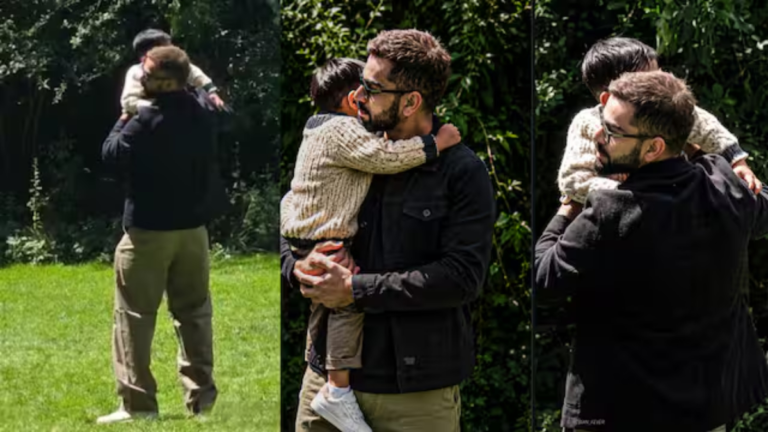
The newly surfaced pictures showcase a picture-perfect, idyllic summer day in London, which has temporarily become a second home for the high-profile couple. The standout image from the collection captures Virat Kohli in full dad mode, giving his young son, Akaay, a delightful piggyback ride amid the park’s vibrant, green landscape.

Dressed in ultra-casual attire, Virat sported a simple black hoodie paired with comfortable khaki trousers and a stylish cap, looking completely at ease and far removed from the high-pressure environment of international stadiums. The toddler, Akaay, who was born in February 2024, appeared equally happy, soaking up the warm British sunshine with his father.

Other photographs from the collection reveal the relaxed setup of a peaceful family picnic. A baby stroller, a spread of light snacks, and a stray pink balloon visible in the background painted a relatable picture of parental life. Bollywood actress Anushka Sharma was also captured in a relaxed element, dressed casually in an oversized sweater and skinny pants while chatting warmly with a small group of friends nearby. The entire atmosphere felt unscripted, genuine, and deeply peaceful—a stark contrast to the chaotic lifestyle typically associated with “Virushka.”

Embracing Privacy in the United Kingdom

This park outing is part of a broader, deliberate lifestyle choice made by Virat and Anushka. Over the last couple of years, the duo has spent significant amounts of time in London, establishing a quieter home base there following the birth of Akaay. The couple has famously maintained a strict “no-photo policy” regarding their children, protecting both their elder daughter, Vamika, and their son, Akaay, from the invasive lenses of the Indian paparazzi.

By choosing the expansive green spaces of London, Virat and Anushka have managed to carve out a space where they can walk down city streets, interact simply with local residents, and take their children to public parks without triggering massive public gatherings. Fans on social media have heavily praised this approach, noting how refreshing it is to see one of the world’s most famous athletes being able to experience the simple, universal joys of fatherhood without compromise.

Silver Lining in a Forced Sabbatical

While fans are thrilled to see Virat in such high spirits, his current absence from competitive cricket comes as a result of a physical setback. The 37-year-old veteran is currently sidelined due to a distal semimembranosus tendon tear—a rare and severe hamstring injury sustained during the high-stakes Indian Premier League (IPL) 2026 final.

The injury forced Kohli to sit out of India’s ongoing One Day International (ODI) series against Afghanistan, with young sensation Yashasvi Jaiswal stepping into the national squad to fill the massive void. Despite the frustration that injuries naturally bring to an elite athlete, Kohli appears to be utilizing the forced break as a golden opportunity to recharge his mental and emotional batteries.

Before this untimely physical setback, Virat had put together yet another spectacular domestic campaign. He played an instrumental role in guiding the Royal Challengers Bengaluru (RCB) to a historic, successful title defense. Throughout the grueling 16-match tournament, Kohli amassed an incredible 675 runs at a blistering strike rate of 165.85 and an elite average of 56.25. His stellar form proved that his reflexes and run-scoring appetite remain entirely undiminished, making his current recovery period all the more critical for Indian cricket.

Looking Ahead: The Road to Recovery and Return

As the viral images continue to circulate and collect millions of likes, Kohli is quietly balancing these peaceful family interludes with a structured, intensive physical rehabilitation program. Medical experts and team trainers are monitoring his progress closely to ensure that the hamstring heals perfectly without risking long-term complications.

The ultimate target for the master batsman is India’s upcoming, highly anticipated ODI series against England later this summer. Given his deep familiarity with English conditions and his stellar historical record in the country, a fully fit Virat Kohli will be vital to India’s batting strategy.

Until the time comes for him to lace up his spikes, don the padded guards, and step back across the boundary rope into a roaring stadium, Virat seems perfectly content with his current assignment: being a dedicated father, enjoying quiet afternoon strolls, and building lasting memories under the London sun.

Cosmic Twilight: A Slender Waxing Crescent Moon Meets a Spectacular Planet Parade Tonight

0

June 16, 2026 — If you step outside shortly after sunset tonight, you will be treated to one of the most delicate and beautiful celestial displays of the year. Following the dark, moonless nights of the recent New Moon on June 14, a slender sliver of silver light is returning to the evening sky. Tonight, June 16, the Moon enters its Waxing Crescent phase, offering skywatchers a breathtaking visual treat, especially as it aligns with some of our solar system’s brightest planets.

Whether you are a seasoned astronomer or just someone who enjoys looking up at the night sky on a clear evening, tonight’s lunar display is an event you won’t want to miss.

What the Moon Looks Like Tonight

Tonight, the Moon is just under two days old in its current 29.5-day lunar cycle. Because it has only recently moved away from its position between the Earth and the Sun, only a tiny fraction of its visible surface will be illuminated.

Depending on your precise global location, the Moon’s illumination will sit between 2.2% and 6%. To the naked eye, this appears as an incredibly thin, razor-sharp crescent of light hanging low on the western horizon.

Understanding the Waxing Crescent Phase

The word “waxing” means growing, indicating that the amount of illuminated surface area is increasing each night as the Moon journeys toward its next major milestone: the First Quarter Moon on June 21, followed by the Full Moon on June 29.

Spotting the “Da Vinci Glow”

Because the crescent itself is so thin tonight, the sky will remain relatively dark. This creates the perfect opportunity to witness a spectacular phenomenon known as Earthshine, or the Da Vinci Glow.

Earthshine occurs when sunlight reflects off the Earth’s oceans and clouds, throwing a faint, ghostly light back onto the dark, unlit portion of the Moon. Instead of seeing just a bright floating crescent, you will likely be able to see the dim, eerie outline of the entire lunar ball floating in the twilight.

The Main Event: A Cosmic Triangle in the Night Sky

While a Waxing Crescent is beautiful on its own, tonight’s sky offers something truly extraordinary. As darkness falls, the Moon will team up with two major planets—Mercury and Jupiter—to form a striking, elongated celestial triangle low in the western sky.

Just 24 hours ago, Mercury reached its greatest eastern elongation, meaning it is currently at its farthest point from the sun from our point of view and exceptionally easy to spot. Tonight, the Moon sits just above Mercury and Jupiter.

  • When to Look: The best time to catch this alignment is roughly 30 to 60 minutes after sunset. Half an hour after the sun dips below the horizon, the trio will sit about 10° high. By an hour after sunset, they will drop to about 8°, so you will need a clear view of the western horizon, free of tall buildings or trees.
  • Surrounding Stars: Just to the upper right of the Moon, the twin stars of Gemini—Pollux (the brighter of the two) and Castor—will begin to pierce through the fading twilight.
  • The Venus Factor: If you look further to the upper left of Jupiter, the dazzlingly bright planet Venus will be shining brilliantly in the constellation Cancer. Astronomers note that the Moon is rapidly tracking toward Venus, setting up a rare daytime occultation (where the Moon passes directly in front of Venus) tomorrow afternoon.

Tips for Observing and Photographing Tonight’s Moon

Because tonight’s Moon is incredibly low and thin, you do not need expensive equipment to enjoy it, but a little bit of planning goes a long way.

Because the planets and the Moon are bright, modern smartphone cameras utilizing a “Night Mode” should easily be able to capture this planetary parade. Hold your phone steady, or prop it against a solid surface, to capture the brilliant colors of the post-sunset twilight alongside the celestial trio.

Looking Ahead in the June Lunar Cycle

Tonight’s Waxing Crescent is just the beginning of an exciting couple of weeks for lunar observation. As the Moon continues its counterclockwise orbit around the Earth, it will grow noticeably wider and climb higher into the night sky with each passing evening.

Over the next few days, it will leave Mercury and Jupiter behind, sweeping past Venus and moving steadily through the zodiac constellations. If you miss tonight’s sky show, keep your eyes trained upward over the coming days as the light steadily reclaims the lunar face, building toward a brilliant summer Full Moon at the end of June.

Simran Meets Former Co-Star CM Vijay with Family

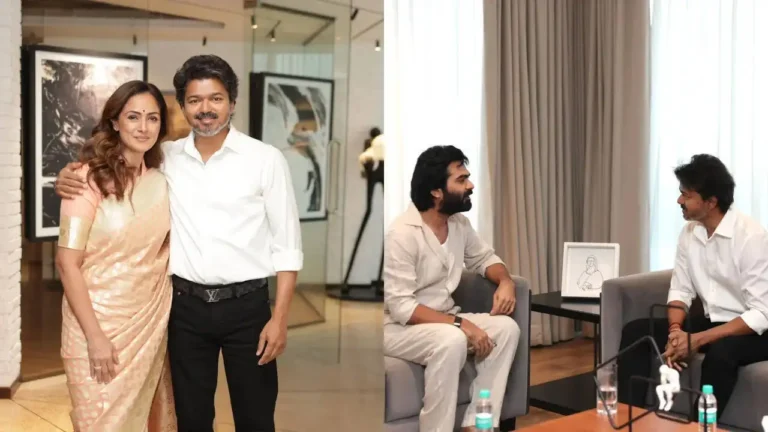
New Delhi, June 16, 2026 — In a moment that seamlessly blended cinematic nostalgia with contemporary state politics, legendary actress Simran Bagga, along with her family, reunited with her former on-screen co-star and the newly elected Chief Minister of Tamil Nadu, C. Joseph Vijay.

The courtesy meeting, which took place at the Tamilaga Vettri Kazhagam (TVK) party headquarters in Chennai, has quickly taken social media by storm. Fans and political observers alike are celebrating the reunion of one of Tamil cinema’s most iconic and beloved on-screen pairings.

Simran was accompanied by her husband, Deepak Bagga, and their two sons. The meeting marks a poignant chapter in the ongoing stream of high-profile visits to the TVK headquarters following Chief Minister Vijay’s historic electoral victory and his subsequent swearing-in ceremony. Breaking a six-decade-long political duopoly held by the traditional Dravidian heavyweights, the DMK and the AIADMK, Vijay’s newly formed TVK secured 108 seats in a stunning political debut, catapulting the box-office king into the state’s top administrative office.

A Heartfelt Tribute to Leadership and Humility

Following the private family meeting, Simran took to her official social media platforms to share a series of photographs documenting the warm encounter. Alongside the images, she penned an emotional and deeply reflective note that recalled their decades-long artistic association while strongly endorsing Vijay’s transition into governance.

The photographs show a radiant Simran alongside her family interacting with Chief Minister Vijay, who greeted them with his trademark understated charm. Observers noted that despite the immense pressure and responsibilities governing a state of over 70 million people, the Chief Minister displayed the same calm demeanor that characterized his decades in the film industry.

Reliving the Magic of an Iconic Cinematic Era

For millions of Tamil cinema enthusiasts across the globe, the images of Vijay and Simran standing side-by-side sparked immense nostalgia. During the late 1990s and early 2000s, the duo was widely considered the golden pair of Kollywood, anchoring some of the era’s biggest blockbusters and defining a generation of romantic dramas.

Their stellar on-screen chemistry first captivated audiences in films like Once More (1997) and Nerukku Ner (1997). However, it was the 1999 romantic drama Thulladha Manamum Thullum that permanently etched their partnership into the annals of Tamil pop culture. The film, which featured Vijay as a passionate singer and Simran as a visually impaired young woman, became an industry trendsetter, driven by its soulful music and deeply moving performances.

The duo followed this monumental success with other mega-hits, including Priyamaanavale (2000), where they explored the nuances of a contemporary marriage contract, and the action-drama Udhaya (2004). Even after Simran stepped back from full-time leading roles to focus on her family, their collaborative legacy remained a golden standard for cinematic partnerships in the region.

The Changing Guard: Kollywood Aligning with the New Administration

Simran’s visit is part of a larger, ongoing trend within the South Indian film fraternity, as prominent personalities continue to line up to extend their goodwill to the state’s new leader. On the very same day, high-profile actor Silambarasan TR (Simbu) also called upon the Chief Minister, sharing his own messages of solidarity and respect. Other contemporary figures, including actors Vishal and Shaam, have also made high-profile visits to congratulate the actor-turned-politician.

Political analysts suggest that these visits are more than just casual friendly catch-ups; they represent a significant cultural shift. For decades, the film industry maintained highly calculated relationships with the established political pipelines of the DMK and AIADMK. Vijay’s sudden ascendancy as Chief Minister has fundamentally disrupted this status quo, turning the TVK headquarters into a central hub where the lines of art, popularity, and state governance naturally converge.

Furthermore, Simran’s decision to bring her family—particularly her growing sons—to meet the Chief Minister has ignited a flurry of lighthearted speculation among cinema fans. Social media forums are already buzzing with questions about whether either of her sons might eventually leverage this generational connection to enter the film industry under the guidance or blessings of the superstar-turned-statesman.

Looking Ahead to a New Political Dawn

As Tamil Nadu settles into the administrative reality of a TVK-led government, Chief Minister Vijay faces the daunting task of translating his cinematic mass appeal into structural, grassroots development. Simran’s public praise of his “passion and vision for the progress of our state” echoes the sentiments of millions of citizens who voted for a departure from the historical political alternatives.

With his colleagues from the film industry offering unwavering morale booster shots, the Chief Minister continues to manage a demanding daily itinerary—balancing high-level policy briefings with personal audiences for those who knew him before the political mantle took over. For fans of Tamil cinema, seeing their favorite on-screen idols reunite in the halls of governance serves as a comforting reminder that while titles, designations, and political landscapes inevitably evolve, true mutual respect and legacy remain unshakeable.

For those interested in revisiting the milestone moment that started this political shift, watch TVK Vijay’s Historic Swearing-In Ceremony to see the massive crowd reactions and live coverage of his transition from actor to the state’s top leader.

How Mugdha Godse Helped Saisha Shinde Style Priyanka Chopra for ‘Fashion’

New Delhi, June 16, 2026: The world of Indian high fashion and cinema frequently cross paths, but rarely do we get a glimpse into the quiet acts of kindness that launch major careers. Renowned fashion designer Saisha Shinde recently took a nostalgic trip down memory lane, sharing a rare, heartwarming throwback story on social media about her early days in the industry. The post detailed how she ended up styling global icon Priyanka Chopra for Madhur Bhandarkar’s landmark 2008 film Fashion—and how actor-model Mugdha Godse played the ultimate fairy godmother to make it happen.

At the time the film was being developed, Saisha Shinde (formerly known as Swapnil Shinde) was just three seasons old in the highly competitive fashion market. In her moving post, Saisha looked back at how a single, unselfish question from a close friend altered the entire trajectory of her professional life. Mugdha Godse, who was a top-tier supermodel and a favorite muse on Saisha’s runways, had just been cast in Fashion alongside Priyanka Chopra and Kangana Ranaut. One afternoon, while the film was actively shooting, Mugdha casually reached out to Saisha with a simple proposition: “Would you be open to your work being in it?” Saisha recalled jumping at the opportunity immediately, agreeing before Mugdha could even finish the sentence.

What followed was a young designer’s absolute dream. The styling team for Fashion visited Saisha’s design studio to look through her Spring 2008 collection, titled Untitled. As they browsed the racks, their eyes locked onto two specific creations. Saisha vividly remembered the exact moment the stylists uttered the magical sentence every budding designer waits a lifetime to hear: “These have to be on Priyanka.”

In her reflection, Saisha expressed deep, lingering gratitude for the production’s styling department. She noted that as a newcomer with barely any brand recognition, she possessed no real leverage in the industry. Film stylists hold immense power in deciding who gets visibility on the silver screen and who remains in the shadows. Saisha emphasized that they chose to spend a fragment of that power on a young designer who felt she hadn’t yet truly earned it—a gesture of profound professional generosity that she has never forgotten.

The two outfits selected for Priyanka Chopra—who played the lead role of small-town girl turned supermodel Meghna Mathur—became iconic pieces of Indian cinematic wardrobe history. The first look was an off-the-runway, floor-length olive green gown. However, for the vibrant world of the film, the production team requested it to be remade in a striking, radiant yellow. The second outfit was a dazzling silver halter mini dress featuring an incredibly intricate bodice entirely filled with zardozi embroidery, stitched so precisely that it mimicked the texture of a knit fabric. Interestingly, while Priyanka brought the yellow dress to life on the movie screen, the silver mini dress had originally been worn on the Lakme Fashion Week runway by model and actor Sonalli Sehgal.

However, the most beautiful aspect of this throwback narrative belongs to Mugdha Godse. Saisha pointed out a rare level of selflessness in Mugdha’s actions that is virtually unheard of in showbiz. Despite being the one who physically opened the door and brought the stylists to the table, Mugdha never wore a single piece of Saisha’s clothing in the film herself, nor did she ever request to. She simply handed over a potentially career-defining moment to a friend and quietly stepped back into the background to let someone else shine. While Mugdha went on to become one of Saisha’s major muses in the years that followed, her initial act of pure giving required absolutely nothing in return.

The nostalgic post spread rapidly across social media platforms, drawing emotional reactions from fans and industry insiders alike. Longtime admirers of the film Fashion flooded the comment section to recall how stunning and ethereal Priyanka Chopra looked in the yellow gown, celebrating the rare joy of learning the secret backstories behind such historic cinematic costumes.

The story came full circle when Mugdha Godse herself spotted the post and left an incredibly affectionate reply. Overjoyed by Saisha’s public appreciation, Mugdha commented that reading the post made her ecstatic. She beautifully minimized her own role, writing that these breakthroughs are “divine interventions meant to happen” and that she was merely a grateful vessel for the universe. Mugdha concluded her message by praising Saisha’s immense talent and creativity, stating that her work was destined to shine bright regardless of how it happened, before insisting that the two longtime friends reunite very soon.

Saisha Shinde’s throwback serves as a poignant reminder that while talent and hard work are foundational, a sustainable career in fashion and entertainment is often built on a bedrock of unselfish relationships, mutual respect, and women lifting each other up.

Punjab Video Row: CM Bhagwant Mann Slams Defamation Plot

0

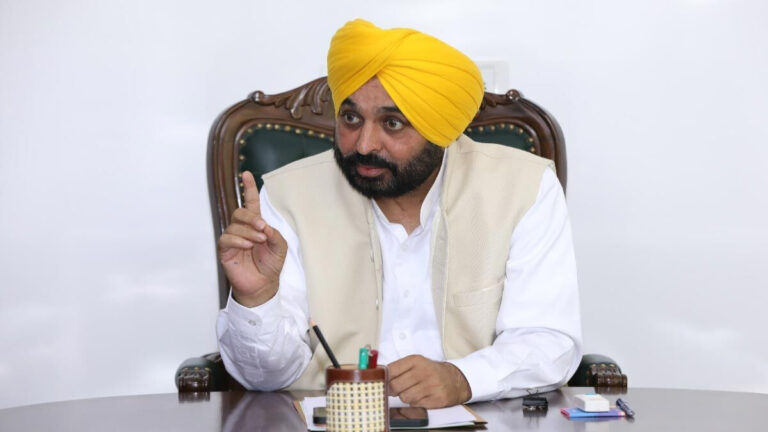
New Delhi, June 16, 2026: A major political and religious storm has erupted in Punjab after Chief Minister Bhagwant Mann strongly rejected a viral video that has sparked massive controversy across the state. In a video message released via his official social media channels, Mann categorically dismissed the footage, describing it as a calculated, malicious conspiracy designed to tarnish his image and politically defame him.

The issue took a sharp turn when the Akal Takht—the highest temporal and spiritual seat of the Sikh community—stepped in, declaring the Chief Minister “Guru-Dokhi” (one who has offended the Guru) and “Panth Virodhi” (anti-community) based on the video. In response, Mann expressed profound reverence for the Akal Takht but openly accused certain individuals occupying high religious positions of carrying out false propaganda at the behest of their political masters.

The Controversy Explained

The controversy stems from a highly contentious video that originally surfaced online, reportedly uploaded by a Non-Resident Indian (NRI). The clip allegedly shows a man holding a glass of liquor standing in front of revered portraits of Sikh Gurus and other highly respected religious figures. In the footage, alcohol from the glass appears to splash onto the sacred images—an act considered a severe violation of Sikh Maryada (religious code of conduct) and deeply offensive to the religious sentiments of the global Sikh community.

As soon as the video went viral, opposition parties—including the Shiromani Akali Dal (SAD) and Congress—as well as various Sikh religious bodies, immediately launched fierce attacks against the Chief Minister, demanding accountability and an investigation into the matter.

What the Forensic Reports Say

The core of the conflict between the Chief Minister and the religious leadership lies in the technical authenticity of the video.

  • The Initial Defense: When the video first gained traction, the ruling Aam Aadmi Party (AAP) and representatives from the Chief Minister’s Office (CMO) completely rejected the footage. They claimed that the video was entirely artificial intelligence-generated (AI) or a deepfake engineered by political opponents to damage Mann’s reputation.
  • The Forensic Verdict: Following intense public pressure, the video was sent to two separate forensic laboratories for analysis. According to Sri Akal Takht Sahib Jathedar Giani Kuldeep Singh Gargaj, the laboratory reports officially confirmed that the footage was authentic, stating it was neither manipulated, doctored, nor AI-generated.
  • The Stand of the AAP: Even after the forensic results were declared, AAP leaders maintained a nuanced defense. While admitting that the footage itself might be technically real and unedited, they argued that the forensic labs did not—and could not—conclusively identify the individual in the frame as Chief Minister Bhagwant Mann.

Bhagwant Mann’s Response and “Plot” Counter-Allegations

Breaking his silence following the Akal Takht’s severe religious decree, Chief Minister Bhagwant Mann released a formal statement to present his side of the story. Standing firm on his innocence, Mann stated that the individual captured in the video is a lookalike and absolutely not him.

Mann recalled that when he was previously summoned by the Akal Takht, he had personally arrived at the Golden Temple barefoot, carrying documents to clarify his position and explicitly stating that he bears no resemblance to the individual in the clip. He expressed shock over how the highest religious office could validate the footage to launch a campaign against him, suggesting that the entire episode has been manufactured to serve the political agendas of his adversaries.

Political and Religious Fallout in Punjab

The Akal Takht’s decision to label a sitting Chief Minister as anti-Panthic is a rare and highly consequential move in Punjab’s socio-political landscape. The high priests have actively called upon the global Sikh community to sever social and political ties with Bhagwant Mann.

Adding fuel to the fire, the ongoing clash isn’t restricted entirely to the viral video. The high priests have also voiced strong objections to the newly introduced Jaagat Jot Sri Guru Granth Sahib Satkar (Amendment) Act, 2026, an anti-sacrilege law passed by the state government. The Akal Takht claims that certain provisions in the bill infringe upon Sikh traditions without community consensus. As a result, the religious body has issued a formal summon to all Sikh MLAs and Cabinet members who signed off on the bill, ordering them to present themselves at the Akal Takht.

With the state machinery locked in a tense standoff against the highest temporal authority of the Sikh faith, the political atmosphere in Punjab remains highly charged. The coming days will likely reveal how the ruling Aam Aadmi Party intends to navigate this delicate crisis, which directly intersects state governance, digital forensic debates, and deep-seated religious sentiments.

‘Haryana Again’: Kasol Tourist Stunt Sparks Outrage

0

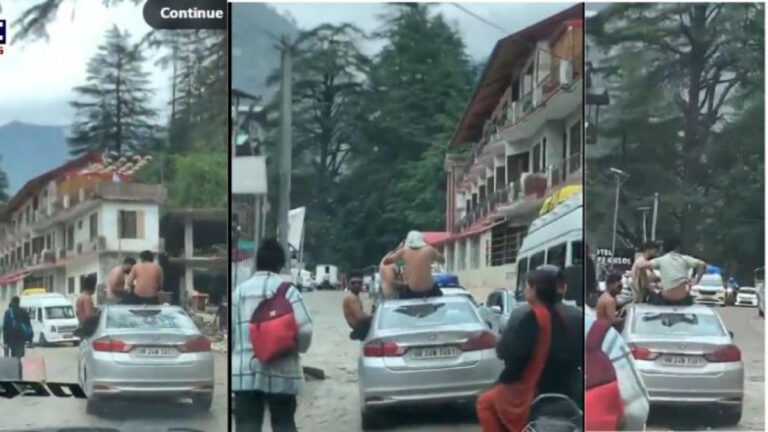
New Delhi, June 16, 2026: — A shocking 21-second video clip capturing a group of young tourists performing highly dangerous stunts from a moving car in Kasol has gone viral across social media platforms. The footage, which shows shirtless men hanging out of the windows and sunroof of a Haryana-registered vehicle, has re-ignited a fierce public debate over tourist misbehavior, road safety, and the cultural friction between local residents and unruly visitors in the Himalayan state.

The incident comes at a time when the scenic valleys of Himachal Pradesh are experiencing a massive influx of summer travelers seeking refuge from the intense heatwaves gripping the plains of northern India. However, instead of appreciating the serene mountain landscape, the actions of a few individuals have left internet users and local communities deeply disturbed.

What Happened in the Video?

The video, which began circulating heavily on platforms like X (formerly Twitter) and Instagram, captures a white car navigating a congested street in Kasol, a popular tourist hub in the Parvati Valley known for its scenic beauty and vibrant backpacker culture.

In the brief clip, the vehicle is seen in motion while multiple young men engage in reckless behavior:

  • Shirtless Stunts: At least three men are seen completely shirtless, hanging precariously out of the car’s side windows and the sunroof.
  • Rooftop Dancing: Two individuals appear to be balancing themselves on top of the moving vehicle, casually dancing and gesturing to onlookers.
  • Door Hanging: Another member of the group is filmed sitting halfway outside an open side door, with his body completely exposed to oncoming traffic.
  • Recording Content: The group seems entirely unfazed by the danger, with several members actively holding up smartphones to film themselves and capture social media content while the car drives along the narrow mountain road.

The video also highlights the immediate environment surrounding the vehicle. Local women carrying daily supplies and other law-abiding tourists are seen walking just feet away on the narrow, shoulderless mountain road. The car moves past them with its passengers dangling out, creating an immediate physical hazard for anyone on the street.

Social Media Outrage and the ‘Haryana Again’ Tag

The video was shared online with a sharply critical caption that read: “Look at the other tourists around; local women are moving nearby too. What kind of shamelessness is this? This behaviour is nowhere to be defended. A few such people end up tarnishing the image of an entire state.”

The phrase “Haryana again” quickly began trending alongside the clip, a reference to a recurring frustration among locals and netizens regarding a small subset of tourists from neighboring states who frequently violate traffic laws and public decency codes in the hills. Commenters were quick to point out that the vehicle bore a Haryana registration plate, leading to widespread generalization, though many users cautioned against blaming an entire state for the actions of a few reckless individuals.

Netizens have aggressively tagged the Himachal Pradesh Police and local authorities, demanding that the vehicle be tracked down via its registration number and that the occupants face strict legal action. Many argued that a heavy fine and a temporary seizure of the vehicle are necessary to set a strong deterrent for future travelers.

The Unique Dangers of Mountain Road Stunts

Traffic experts and local authorities have repeatedly warned against performing stunts on vehicles, but the risks multiply exponentially in hilly terrains like the Parvati Valley. Unlike the wide, flat highways of the plains, mountain roads in Himachal Pradesh are notorious for being narrow, winding, and highly unpredictable.

  • Blind Curves: Sharp, unexpected bends mean an oncoming vehicle can appear in a split second, leaving no time to pull back inside a car.
  • Unstable Terrains: Mountain edges often feature sudden drop-offs, loose gravel, or unexpected potholes that can cause a vehicle to jolt violently, throwing anyone leaning out completely off balance.
  • Pedestrian Congestion: In towns like Kasol, markets and roads overlap, meaning tourists and locals walk directly on the roadside due to a lack of dedicated pavements.

If the driver in the viral video had been forced to slam on the brakes suddenly due to a stray animal, a pedestrian, or an oncoming bus, the men hanging out of the windows and roof would have likely been thrown onto the asphalt or down a steep hillside, resulting in fatal or severe injuries.

The Growing Friction Between Locals and Tourists

This incident highlights a growing socio-cultural conflict in Himachal Pradesh. While tourism is the backbone of the state’s economy, providing livelihoods to thousands of hoteliers, café owners, and drivers, the rise of “hooliganism” has severely strained relations with local communities.

Local residents in the Kullu and Manali regions have increasingly complained about a decline in public decorum. Issues such as open drinking in cars, playing loud music late into the night in ecologically sensitive zones, littering pristine rivers, and showing a blatant disregard for traffic discipline have become common pain points.

For the locals, who hold a deep cultural reverence for the mountains and value peace and modesty, seeing half-naked men shouting and hanging out of cars on public streets feels like a direct insult to their way of life. It also raises genuine safety concerns for local women and children who use these shared roads daily.

What Lies Ahead: Call for Stricter Enforcement

While local authorities have not yet released a formal press statement regarding this specific video, police forces in Himachal Pradesh have historically taken strict action once such clips gain traction online. Under the Motor Vehicles Act, performing stunts on public roads, driving dangerously, and endangering the lives of others are severe offenses that can lead to heavy monetary penalties, vehicle impoundment, and even imprisonment.

In past instances, the Kullu Police have successfully used CCTV footage and registration data from entry checkpoints to track down unruly tourists, issuing hefty challans (fines) and forcing offenders to issue public apologies.

As tourism continues to boom this summer season, both locals and responsible travelers are calling for a permanent solution—such as stricter patrolling at entry borders and high-visibility police presence in tourist hotspots like Kasol, Manikaran, and Manali. The consensus online remains clear: tourism is always welcome, but rowdy behavior that threatens human lives and disrupts public peace must be met with zero tolerance.

Disha Patani Rents Out Mumbai Luxury Flat for Rs 2.85 Lakh/Month

New Delhi, June 16, 2026 — Bollywood actress Disha Patani has made a strategic move in the city’s high-stakes luxury housing market. According to official property registration documents, the actress has officially leased out her premium apartment located in the upscale neighborhood of Khar West. The high-profile real estate transaction, which was formalized under a standard leave-and-license agreement, will see the property fetch a starting monthly rent of Rs 2.85 lakh. Over the course of the two-year contract, the deal is projected to generate a substantial total rental income of nearly Rs 71 lakh, highlighting the lucrative nature of celebrity real estate investments in Mumbai.

The transaction details, accessed via the property analytics platform Zapkey, reveal that the formal registration of the lease took place on June 1, 2026. The contract spans a total duration of 24 months, during which the asset will transition into a steady source of passive income for the actress. The premium residence has been leased to an individual identified as Kamlaben Mangalbhai Gujjar. To secure the lease, the tenant has deposited a hefty financial guarantee of Rs 8.55 lakh, an amount equivalent to exactly three months of the base rent.

Inside the Multi-Crore Property: Location and Amenities

The property is situated within Rustomjee Paramount, one of the most prominent and deeply sought-after luxury residential complexes in the western suburbs of Mumbai. Developed by Keystone Realtors Private Limited (popularly known as the Rustomjee Group), the gated community is highly regarded for its state-of-the-art infrastructure, high-level privacy, and top-tier security protocols.

Spanning a built-up area of more than 1,000 square feet, Patani’s apartment occupies a spot on one of the higher floors of the residential tower. High-rise units within this complex are valued significantly higher by tenants due to the panoramic views they offer of the urban landscape, better ventilation, and an escape from the persistent ground-level traffic noise of Mumbai.

The premium tower offers a long list of high-end lifestyle amenities that justify its premium pricing. Residents of the complex gain access to:

  • A private mini-theatre and entertainment zone
  • A fully integrated wellness spa and luxury salon
  • An expansive banquet hall for private gatherings
  • A fully equipped business center and meeting rooms
  • A sky lounge offering views of the city skyline

The neighborhood itself acts as a massive draw for premium tenants. Khar West boasts exceptional proximity to the Bandra-Kurla Complex (BKC), which stands as Mumbai’s premier financial hub. It is also well-connected to major commercial centers in western Mumbai and features a highly developed social infrastructure comprising top-tier international schools, fine-dining restaurants, boutique cafes, and luxury retail destinations. This combination makes it a highly preferred luxury residential market for high-net-worth individuals, top corporate executives, and entertainment industry professionals alike.

Decoding the Financials: The Power of the Escalation Clause

A closer examination of the financial mechanics behind Disha Patani’s lease agreement demonstrates why premium real estate continues to be a favorite asset class for Bollywood’s elite. While the entry-level rent for the first twelve months is locked in at Rs 2.85 lakh per month, the contract includes a structured 5% rent escalation clause that triggers automatically upon the successful completion of the first year.

Consequently, during the second year of the lease tenure, the monthly payout from the tenant will increase to approximately Rs 2.99 lakh. When adding up the monthly collections over the two-year period, the cumulative gross rental yield climbs to nearly Rs 71 lakh.

This transaction is a textbook example of high-net-worth wealth management. By leasing out an unused high-value asset, the actress secures an immediate, predictable cash flow without relinquishing equity in a property that is simultaneously appreciating in capital value.

The Broader Trend: Bollywood’s Growing Real Estate Portfolios

Disha Patani is far from the only Bollywood celebrity utilizing Mumbai’s red-hot property market to build a reliable secondary stream of revenue. In recent years, the trend of film stars purchasing and subsequently renting out high-value commercial and residential assets has grown exponentially.

  • Amitabh Bachchan: The industry veteran has leased out multiple commercial spaces and residential properties across Mumbai to financial institutions and high-profile corporate tenants, generating massive monthly rental revenues.
  • Salman Khan & Shahid Kapoor: Both actors have locked in high-value lease agreements for luxury residential properties in the western suburbs, capturing the intense demand for premium coastal and suburban living spaces.
  • Kartik Aaryan: The young star has similarly entered the landlord space, leasing out premium commercial property to secure long-term financial yields.

The Rustomjee Paramount complex itself is a known hotspot for celebrity buyers. In 2021, acclaimed actress Rani Mukerji purchased a sprawling 1,485 square foot apartment within the exact same project for an estimated Rs 7.12 crore, which included two dedicated car parking spaces. The presence of multiple high-profile personalities in a single complex creates an aspirational “celebrity neighbor” effect, which local brokers acknowledge often drives up both the purchase price and rental demand for units within the gates.

Professional Front: Upcoming Releases and Career Milestones

While her real estate investments are performing exceptionally well behind the scenes, Disha Patani continues to maintain a busy schedule on the professional front. The actress, widely recognized for her roles in commercial blockbusters like M.S. Dhoni: The Untold Story, Baaghi 2, and Malang, is gearing up for major upcoming cinematic ventures.

Most notably, Patani is set to star in the highly anticipated multi-starrer comedy entertainer, Welcome To The Jungle. Directed by veteran filmmaker Ahmed Khan, the film features a massive ensemble cast and is scheduled for a wide theatrical release on June 26, 2026. The project has already generated significant buzz across digital platforms, with fans eager to see Patani explore a high-energy comedy landscape.

Additionally, the actress recently grabbed headlines in the entertainment circuits following her birthday on June 13. She received an outpouring of love from fans and peers, including a highly publicized, warm social media message from Ayesha Shroff, the mother of her close friend and frequent co-star Tiger Shroff. The public gesture highlighted the strong, enduring bonds Patani continues to maintain with prominent industry families, ensuring her position remains rock-solid in the social circles of Bollywood.

By balancing major commercial film roles with calculated, multi-lakh real estate transactions, Disha Patani is successfully establishing herself as both a major cinematic draw and a savvy investor in India’s most expensive real estate market.