Home Blog Page 14

Disha Patani Rents Out Mumbai Luxury Flat for Rs 2.85 Lakh/Month

New Delhi, June 16, 2026 — Bollywood actress Disha Patani has made a strategic move in the city’s high-stakes luxury housing market. According to official property registration documents, the actress has officially leased out her premium apartment located in the upscale neighborhood of Khar West. The high-profile real estate transaction, which was formalized under a standard leave-and-license agreement, will see the property fetch a starting monthly rent of Rs 2.85 lakh. Over the course of the two-year contract, the deal is projected to generate a substantial total rental income of nearly Rs 71 lakh, highlighting the lucrative nature of celebrity real estate investments in Mumbai.

The transaction details, accessed via the property analytics platform Zapkey, reveal that the formal registration of the lease took place on June 1, 2026. The contract spans a total duration of 24 months, during which the asset will transition into a steady source of passive income for the actress. The premium residence has been leased to an individual identified as Kamlaben Mangalbhai Gujjar. To secure the lease, the tenant has deposited a hefty financial guarantee of Rs 8.55 lakh, an amount equivalent to exactly three months of the base rent.

Inside the Multi-Crore Property: Location and Amenities

The property is situated within Rustomjee Paramount, one of the most prominent and deeply sought-after luxury residential complexes in the western suburbs of Mumbai. Developed by Keystone Realtors Private Limited (popularly known as the Rustomjee Group), the gated community is highly regarded for its state-of-the-art infrastructure, high-level privacy, and top-tier security protocols.

Spanning a built-up area of more than 1,000 square feet, Patani’s apartment occupies a spot on one of the higher floors of the residential tower. High-rise units within this complex are valued significantly higher by tenants due to the panoramic views they offer of the urban landscape, better ventilation, and an escape from the persistent ground-level traffic noise of Mumbai.

The premium tower offers a long list of high-end lifestyle amenities that justify its premium pricing. Residents of the complex gain access to:

  • A private mini-theatre and entertainment zone
  • A fully integrated wellness spa and luxury salon
  • An expansive banquet hall for private gatherings
  • A fully equipped business center and meeting rooms
  • A sky lounge offering views of the city skyline

The neighborhood itself acts as a massive draw for premium tenants. Khar West boasts exceptional proximity to the Bandra-Kurla Complex (BKC), which stands as Mumbai’s premier financial hub. It is also well-connected to major commercial centers in western Mumbai and features a highly developed social infrastructure comprising top-tier international schools, fine-dining restaurants, boutique cafes, and luxury retail destinations. This combination makes it a highly preferred luxury residential market for high-net-worth individuals, top corporate executives, and entertainment industry professionals alike.

Decoding the Financials: The Power of the Escalation Clause

A closer examination of the financial mechanics behind Disha Patani’s lease agreement demonstrates why premium real estate continues to be a favorite asset class for Bollywood’s elite. While the entry-level rent for the first twelve months is locked in at Rs 2.85 lakh per month, the contract includes a structured 5% rent escalation clause that triggers automatically upon the successful completion of the first year.

Consequently, during the second year of the lease tenure, the monthly payout from the tenant will increase to approximately Rs 2.99 lakh. When adding up the monthly collections over the two-year period, the cumulative gross rental yield climbs to nearly Rs 71 lakh.

This transaction is a textbook example of high-net-worth wealth management. By leasing out an unused high-value asset, the actress secures an immediate, predictable cash flow without relinquishing equity in a property that is simultaneously appreciating in capital value.

The Broader Trend: Bollywood’s Growing Real Estate Portfolios

Disha Patani is far from the only Bollywood celebrity utilizing Mumbai’s red-hot property market to build a reliable secondary stream of revenue. In recent years, the trend of film stars purchasing and subsequently renting out high-value commercial and residential assets has grown exponentially.

  • Amitabh Bachchan: The industry veteran has leased out multiple commercial spaces and residential properties across Mumbai to financial institutions and high-profile corporate tenants, generating massive monthly rental revenues.
  • Salman Khan & Shahid Kapoor: Both actors have locked in high-value lease agreements for luxury residential properties in the western suburbs, capturing the intense demand for premium coastal and suburban living spaces.
  • Kartik Aaryan: The young star has similarly entered the landlord space, leasing out premium commercial property to secure long-term financial yields.

The Rustomjee Paramount complex itself is a known hotspot for celebrity buyers. In 2021, acclaimed actress Rani Mukerji purchased a sprawling 1,485 square foot apartment within the exact same project for an estimated Rs 7.12 crore, which included two dedicated car parking spaces. The presence of multiple high-profile personalities in a single complex creates an aspirational “celebrity neighbor” effect, which local brokers acknowledge often drives up both the purchase price and rental demand for units within the gates.

Professional Front: Upcoming Releases and Career Milestones

While her real estate investments are performing exceptionally well behind the scenes, Disha Patani continues to maintain a busy schedule on the professional front. The actress, widely recognized for her roles in commercial blockbusters like M.S. Dhoni: The Untold Story, Baaghi 2, and Malang, is gearing up for major upcoming cinematic ventures.

Most notably, Patani is set to star in the highly anticipated multi-starrer comedy entertainer, Welcome To The Jungle. Directed by veteran filmmaker Ahmed Khan, the film features a massive ensemble cast and is scheduled for a wide theatrical release on June 26, 2026. The project has already generated significant buzz across digital platforms, with fans eager to see Patani explore a high-energy comedy landscape.

Additionally, the actress recently grabbed headlines in the entertainment circuits following her birthday on June 13. She received an outpouring of love from fans and peers, including a highly publicized, warm social media message from Ayesha Shroff, the mother of her close friend and frequent co-star Tiger Shroff. The public gesture highlighted the strong, enduring bonds Patani continues to maintain with prominent industry families, ensuring her position remains rock-solid in the social circles of Bollywood.

By balancing major commercial film roles with calculated, multi-lakh real estate transactions, Disha Patani is successfully establishing herself as both a major cinematic draw and a savvy investor in India’s most expensive real estate market.
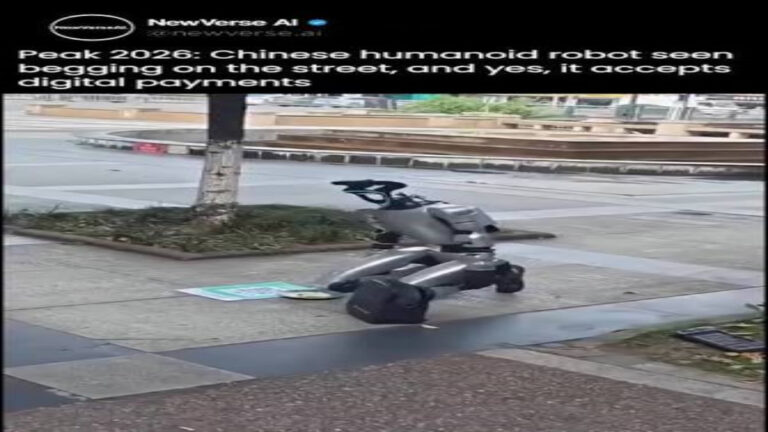

The Cyberpunk Sidewalk: Viral Video Shows Humanoid Robot Begging via QR Code in China

0

New Delhi, June 16, 2026: A bizarre and deeply futuristic scene has taken social media by storm, sparking a massive global conversation about the rapid evolution of artificial intelligence and robotics. An 11-second viral video capturing a sleek, metallic humanoid robot kneeling on a public plaza sidewalk in China has gone viral. Dressed with a backpack on its shoulders, a collection bowl in front of it, and a large, prominent digital payment QR code lying flat on the ground, the machine was seen actively soliciting financial help from startled passersby.

As pedestrians approached the scene, the android didn’t just sit statically. It utilized dynamic hand gestures and an integrated voice module to actively plea for assistance. The robot repeated heartbreakingly automated phrases like, “My battery is running low, please help!” In the footage, a curious citizen can be seen walking up to the kneeling machine and placing a small item into its bowl, while others stand back, documenting the surreal, dystopian sight on their smartphones.

Staged Spectacle or the Future of Panhandling?

The video immediately split opinions across tech forums, Reddit, and global media outlets. Many viewers quickly pointed to the obvious humorous elements of the presentation. The narrative that a multi-million dollar piece of high-tech hardware was forced onto the streets because it lacked the pocket change to “buy electricity” for a battery recharge is highly comical.

Technology experts and local analysts suggest that the incident was almost certainly a staged marketing stunt or a controlled performance art piece rather than a rogue, autonomous robot down on its luck. Chinese tech companies frequently test the boundaries of their newly developed androids in public spaces to observe human-robot interaction or to draw massive crowds. Whether it was an independent content creator pulling a futuristic prank, a corporate promotional campaign, or an artistic critique of modern society, the display effectively weaponized two things China is globally famous for: cutting-edge humanoid robotics and a virtually cashless, QR-code-driven economy.

The Reality Behind China’s Humanoid Boom

While the video may be an orchestrated stunt, the underlying technology is very real—and expanding at a breakneck pace. The sight of a robot on a public sidewalk is becoming increasingly common in China due to a massive, state-backed industrial push. The government has unleashed an “AI+” industrial strategy with intense targets to deeply integrate artificial intelligence and embodied AI (robots with physical forms that interact with the environment) into everyday infrastructure.

Major Chinese robotics firms and newcomers are racing to mass-produce these machines, triggering what industry insiders call an “involution”—a period of extreme, hyper-competitive price wars. Because barriers to entry for entertainment-focused, semi-humanoid, and customer-service robots are dropping quickly, developers are finding wild and creative ways to showcase their products in the real world. From performing complex choreographed dances at the annual Spring Festival Gala to operating in specialized smart factories, humanoids are stepping out of heavily guarded research labs and into public view.

A Cashless Dystopia

What makes this video uniquely representative of modern Chinese society is the presence of the QR code. In major Chinese cities, physical paper currency is rapidly becoming a relic of the past. From high-end luxury boutiques to elderly street vendors selling vegetables, almost all local commerce is conducted digitally via platforms like WeChat Pay and Alipay.

Even traditional, human street performers and beggars in urban centers have transitioned to using printed QR codes pasted on boards or bowls, allowing pedestrians to transfer micro-donations instantly with a swipe of their smartphones. By giving the humanoid robot its own payment code, the creators of this video perfectly mirrored the existing economic landscape, wrapping a highly advanced piece of machinery in a familiar societal habit.

The Ethical and Social Questions Left Behind

Even if this specific 11-second clip is proven to be an intentional publicity stunt, it has opened up a fascinating psychological and ethical conversation regarding how humanity will coexist with independent machines.

  • The Empathy Factor: Why do humans feel a sudden urge to “help” a piece of metal when it mimics a position of vulnerability? The fact that a passerby felt compelled to drop an object into the robot’s bowl shows how easily human empathy can be triggered by behavioral design.
  • Public Space Regulation: As semi-autonomous robots become cheaper to build, cities will soon have to face complex regulatory questions. If a company can set up a robot to beg, advertise, or perform on a sidewalk, how will municipal authorities manage public space, pedestrian flow, and digital safety?
  • Digital Scams and Security: A rogue QR code placed in a public area can easily be swapped by malicious actors to redirect funds or phish data from unsuspecting citizens. The “cute” or “novel” factor of a begging robot could easily be exploited for digital theft.

The image of a gleaming metallic android kneeling on a concrete sidewalk, holding its hand out for digital currency, serves as a vivid symbol of our current technological crossroads. As the boundaries between science fiction and daily life continue to blur, the viral robot of China reminds us that the future is no longer arriving—it is already kneeling on the sidewalk, asking for a quick charge.

Bigg Boss 20: Faisal Shaikh to Ridhima Gupta, Tentative Roster Revealed!

New Delhi, June 16, 2026: The buzz around Indian television’s most massive reality milestone is reaching a fever pitch. As Bigg Boss gears up for its historic 20th season, fans and digital platforms are actively dissecting every piece of information regarding who will enter the infamous locked house. Following a highly dramatic previous season where TV star Gaurav Khanna lifted the trophy and Farrhana Bhatt finished as the runner-up, the makers are leaving no stone unturned to make Season 20 an absolute blockbuster. With Bollywood superstar Salman Khan officially set to return to his hosting duties, the upcoming edition promises to be a masterclass in entertainment, conflict, and digital star power.

While the producers at Endemol Shine India and Colors TV maintain their signature silence, a highly anticipated list of rumoured contestants has leaked across entertainment circles. This year, the focus seems to be heavily leaning toward a massive clash between internet royalty, television icons, and perhaps a few explosive faces from the past.

The Digital Superstars and Social Media Royalty

In recent years, Bigg Boss has successfully tapped into India’s massive digital content creator ecosystem to draw in younger audiences. For Season 20, the makers are reportedly targeting some of the biggest names in the creator economy.

At the top of this list is digital sensation Faisal Shaikh, widely known as Mr. Faisu. Having already proved his mettle on various reality platforms and boasting an army of millions of loyal online followers, Faisal’s charm and massive ground-level popularity make him a prized catch for the producers. Entering alongside him could be his close friend and prominent digital actress Jannat Zubair. The duo has shared screen space in numerous music videos, and their real-life camaraderie would provide an immediate organic storyline inside the house.

Adding fuel to the internet star brigade are Anjali Arora, who became an overnight household name through viral dance trends and reality TV appearances, and choreographer-influencer Awez Darbar. Interestingly, reports suggest that the dynamic Uorfi Javed, known for her boundary-pushing fashion choices and unfiltered statements, might make a grand comeback to the franchise, ensuring that the glamour and controversy quotients remain sky-high.

Ridhima Gupta and the Fresh Television Brigade

Traditional television actors and regional influencers form the backbone of the daily survival structure in Bigg Boss. This year, actress Ridhima Gupta (popularly known online as Redheemaa) has sent the rumor mill into overdrive. During a recent interactive session on social media, when a fan asked when she would be seen on Bigg Boss, she cryptically replied, “On the way hu,” accompanied by a smiling emoji. This playful hint has led fans to believe her contract is practically finalized.

Alongside Ridhima, several other fresh faces from regional reality platforms, fiction shows, and lifestyle blogging are reportedly under active consideration. Names like Bhagirath Bhatt, Ruru Thakur, Arbaz Patel, and Bhavya Singh have frequently surfaced in casting discussions. Social media personality Tushar Karwar, popularly known by his online moniker ‘Gullu’, is also being heavily linked to the lineup, hinting at a house full of highly competitive, expressive personalities.

The Surprise Elements: Independent Music and Mainstream Buzz

Every season needs a dark horse—a contestant who enters with a niche but fiercely loyal following and completely disrupts the house dynamics. For Season 20, that spot might belong to independent hip-hop artist Santy Sharma (Ganesh Sharma). Hailing from Ratlam, Madhya Pradesh, the rapper-producer has built a solid independent music career since 2014 with tracks like Udaan and Koshish Meri.

Recently making his Bollywood debut with a track in Housefull 5, Santy has also been in the news for his blunt commentary on viral internet trends, famously calling out online drama and telling youth to stop blindly following digital movements. His outspoken nature and independent hustle make him the exact type of raw, unfiltered personality that thrives under Salman Khan’s weekend scrutiny. Additionally, reports suggest tech entrepreneur and luxury influencer Tarun Raj Arora is being courted to add a touch of sophisticated corporate grit to the intense domestic environment.

A Rumoured ‘Old vs. New’ Twist

Beyond the individual names, the most thrilling aspect of the grapevine surrounding Bigg Boss 20 is its structural theme. Rumours are circulating that to mark the 20th milestone season, the show might adopt an explosive “Old vs. New” format.

If these reports materialize, viewers will witness iconic, firebrand former contestants from previous seasons re-enter the house to compete directly against the fresh line-up of digital creators and actors. Fan forums have been flooded with speculation that legendary past players like Asim Riaz, Shehnaaz Gill, and Paras Chhabra are being approached for special stints or extended roles. While none of these legacy returns are confirmed, the mere possibility of seasoned veterans clashing with ambitious new creators has amplified audience anticipation tenfold.

Production Timeline and Broadcast Details

Behind the scenes, the pre-production machine is working at a frantic pace. Salman Khan is currently juggling his dense cinematic calendar, wrapping up major action sequences for his highly anticipated big-budget film alongside South Indian star Nayanthara.

According to trade reports, the superstar’s scheduling team has carved out a dedicated window starting this autumn. Production insiders reveal that Salman Khan is expected to shoot the grand premiere episode around September 21, 2026. This points to a late-September televised launch, with the show dominating prime-time entertainment schedules through the winter months.

As always, the official confirmation of the absolute final contestant roster will only occur on the night of the grand premiere, when the selected celebrities step out of their luxury cars and walk down the stage to greet the host. Until then, this leaked blueprint of social media titans, regional actors, and independent artists offers a fascinating preview of what is bound to be a dramatic, high-octane season of television.

Horror in UP: 3 Killed, 3 Injured as Car is Dragged 3km Under Tractor

0

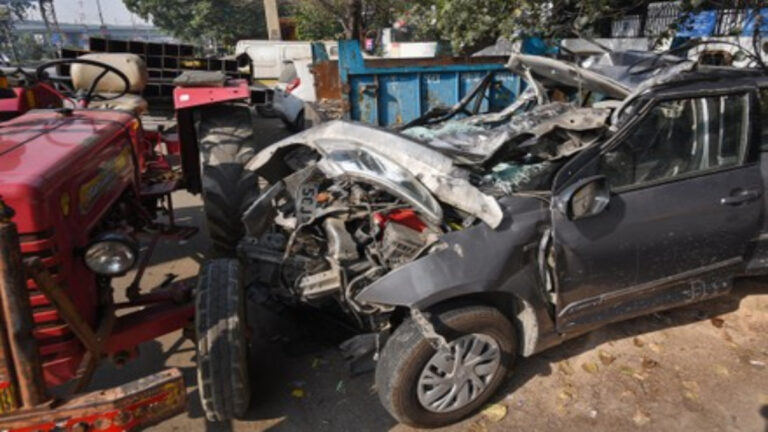
New Delhi, June 16, 2026: What was meant to be a joyful conclusion to a peaceful family vacation turned into a waking nightmare on the border of Hardoi and Lakhimpur Kheri districts in Uttar Pradesh. In a deeply shocking road accident, three members of a single family lost their lives, and three others were left critically injured after their speeding sedan rammed into the rear of a slow-moving tractor-trolley. In a horrifying twist that has left local authorities and the public stunned, the tractor driver remained completely oblivious to the crash, dragging the mangled car with its screaming occupants trapped inside for nearly three kilometers before finally being flagged down.

The tragedy unfolded in the quiet, early morning hours along a dark stretch of highway near the Pihani police outpost under the jurisdiction of the Hardoi Kotwali area. The victims, all residents of the Shastri Nagar locality in Uttar Pradesh’s Sultanpur district, were on their way back home following a family holiday in the holy town of Haridwar. Local police officials noted that the journey was supposed to be a celebratory one, marking a period of renewed health and happiness for the family. Instead, it was cut short by a devastating lapse in highway safety.

A Heartbreaking Profile of the Victims

The deceased have been identified as Vimal Singh (40), his wife Vandana Singh Patel (30), and their young niece, Alikhya Verma (22). Vimal Singh worked as a diligent cashier in the state’s irrigation department, a coveted government position he had secured under the compassionate appointment scheme following the untimely passing of his father years prior. Vandana was a dedicated homemaker who anchored the household.

For the extended family, the tragedy carries a double layer of profound grief. Close relatives revealed that just a year ago, Vimal had successfully undergone a major, life-saving kidney transplant operation. The donor was his own sister, who had selflessly given a part of herself to grant him a second lease on life. Having successfully navigated that medical crisis, the family had traveled to Haridwar to offer prayers and spend quality time together. A final, poignant photograph of Vimal and Vandana sitting closely on the banks of the holy River Ganga during their trip has since surfaced on social media, shared by grieving friends and relatives as a painful reminder of how quickly life can change.

The Fatal Impact and 3-Kilometer Nightmare

According to the preliminary investigation spearheaded by local law enforcement, the family’s car was traveling at a very high velocity when it approached the tractor-trolley from behind. The tractor-trolley was heavily laden with industrial sacks of salt, making it move significantly slower than the rest of the highway traffic. As the car closed the gap, the driver reportedly lost total control of the vehicle, slamming forcefully into the rear of the trolley.

The physical force of the high-speed impact was so immense that the front half of the sedan crumpled instantly, wedging itself tightly underneath the heavy iron chassis of the tractor-trolley.

What happened next borders on the unbelievable. Because the tractor-trolley was incredibly heavy, loud, and loaded down with tons of salt sacks, the tractor driver allegedly felt nothing more than a minor bump. Unaware that an entire car with six passengers was physically lodged under his rear wheels, the driver pressed on the accelerator and continued his journey toward Lakhimpur Kheri district.

Inside the mangled wreckage, a desperate struggle for survival began. Trapped amidst twisted steel and shattered glass, the injured occupants screamed at the top of their lungs, pleading for the vehicle to stop. However, their cries were entirely drowned out by the roar of the tractor’s diesel engine and the rush of wind on the open road. For roughly three agonizing kilometers, the car was violently dragged along the asphalt, spark-showering and disintegrating further with every passing meter.

The horrifying ordeal only came to an end when a vigilant driver operating a passing DCM (commercial delivery truck) noticed the bizarre and terrifying sight. Realizing there was a crushed car trapped underneath the moving tractor, the truck driver accelerated, overtook the tractor, and aggressively forced it to pull over to the shoulder. It was only when the tractor driver stepped down from his cabin that he discovered the catastrophic scene pinned to the back of his vehicle.

Emergency Rescue Operations and Medical Status

As soon as the vehicles ground to a halt, local villagers and passing motorists rushed to the scene to render aid. Recognizing the severity of the situation, locals initiated a makeshift rescue operation, utilizing iron bars and tools to pry open the crushed doors and shattered windows of the car.

Police personnel from nearby outposts arrived shortly after receiving emergency calls and helped extricate the final passengers. All six victims were quickly rushed via ambulances to the Pasgawan Community Health Centre located in the neighboring Lakhimpur Kheri district.

Trating doctors, however, delivered grim news upon arrival. Vimal Singh, his wife Vandana, and their niece Alikhya had sustained catastrophic blunt-force trauma injuries during the initial impact and the subsequent dragging. All three were officially declared dead on arrival.

The remaining three passengers—the couple’s two young children, Veer and Ruby, alongside Vimal’s brother-in-law—survived the initial horror but remain under strict medical supervision:

  • Veer and Ruby (The Children): Both children sustained severe, compound fractures to their legs as the front dashboard collapsed into the passenger cabin. Hospital authorities have confirmed they are currently stable but face a long road to physical recovery.
  • The Brother-in-Law: He sustained severe internal chest trauma and deep lacerations. Medical specialists are monitoring his condition closely to ensure no internal bleeding develops.

Investigation and Growing Road Safety Concerns

The Uttar Pradesh police have launched a formal inquiry into the sequence of events. While initial findings point heavily toward a combination of high-speed driving by the car and an absolute lack of visibility or rear-reflective signaling on the tractor-trolley, a formal case is being registered. Investigators are checking whether the tractor-trolley was equipped with mandatory reflective tape or functional tail lights, a notorious issue on rural Indian highways where agricultural vehicles often travel completely invisible in the dark.

This horrific incident has once again trained a spotlight on the severe hazards posed by slow-moving agricultural machinery on fast-moving state and national highways. Authorities have reiterated warnings to night commuters to strictly adhere to speed limits and maintain active vigilance, while also promising stricter crackdowns on commercial and agricultural vehicles operating without standard safety reflectors.

Nagpur Horror: IAF Officer Wife Sexually Assaulted, Forced to Convert

0

New Delhi, June 16, 2026 — A deeply disturbing case involving sexual assault, financial extortion, and a forced religious conversion has sent shockwaves through Nagpur, Maharashtra. The gravity of the situation escalated rapidly after a video went viral on social media, capturing the harrowing moments of a 24-year-old woman—the wife of a serving Indian Air Force (IAF) officer—desperately pleading for her freedom. The footage has now become a central piece of evidence for the Nagpur Police in an unfolding criminal investigation that spans multiple states.

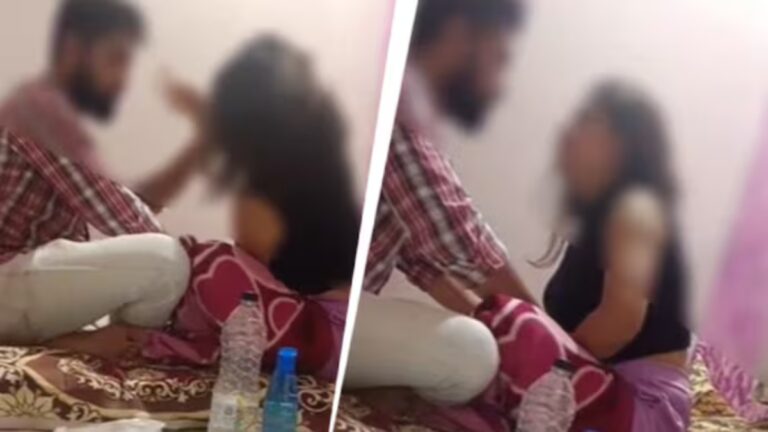
In the distressing viral video, the young woman can be heard frantically crying out, “Chhodo mujhe” (Let me go), as she struggles against the tight grip of her former classmate, 26-year-old Ayyaz Taj Madare. The footage shows Madare forcefully holding her hands while chanting religious verses and repeatedly blowing over her face as part of an alleged forced conversion ritual.

The Genesis of the Ordeal

According to official police reports, the survivor’s nightmare began over a year ago, in February 2025. The 24-year-old victim, who works locally in the property dealing sector while her husband is stationed on duty in another city, was targeted by Madare under a false pretense. He allegedly contacted her claiming he wanted to purchase a commercial plot of land, subsequently luring her to a hotel located on Wardha Road for a business meeting.

The complaint states that during this meeting, Madare served the woman juice laced with an intoxicating substance. Once she lost consciousness, he allegedly raped her. Crucially to his long-term plot, the perpetrator recorded explicit videos and took compromising photographs of the unconscious victim during the assault.

Blackmail, Extortion, and Forced Rituals

Instead of a isolated incident, the assault marked the beginning of a systematic, months-long campaign of psychological torture, sexual exploitation, and financial extortion. Utilizing the obscene media as leverage, Madare allegedly blackmailed the survivor repeatedly. Fearing social stigma and the potential destruction of her marriage, the victim remained silent for months. During this period, the accused allegedly extorted ₹3.09 lakh from her.

The torment took a distinctly more coercive turn when Madare began demanding that she renounce her faith and convert to Islam. The survivor alleged that she was repeatedly forced to undergo preliminary activities and minor rituals under intense duress.

The situation culminated on May 31, when Madare took the woman to Kalmeshwar on the outskirts of Nagpur. There, she was introduced to two other men: 30-year-old Ameen Sheikh and a religious cleric identified as Hazrat Maulana. The trio allegedly transported the terrified woman to a secluded, isolated location to perform the final conversion rituals. It was during this event that the viral video was recorded. According to the victim’s statement, after the ritual was completed, the men claimed her conversion was official and informed her that she was now legally and religiously married to Madare. Immediately following this, another attempt was made to sexually assault her.

Breaking the Silence: Police Action and Charges

For over a year, the victim carried the immense psychological burden of the abuse in absolute secrecy. However, the silence was broken when her husband, an IAF personnel, returned home from his active duty posting. Gathering her courage, the woman confided in her husband and detailed the entire narrative of drugging, extortion, and forced conversion.

Supported by her husband, the woman approached the Sonegaon Police Station on June 13 to lodge a formal complaint. Recognizing the severity and sensitive nature of the case, the Nagpur Police moved swiftly.

The inclusion of the stringent anti-black magic and Aghori practices act underscores the coercive, ritualistic nature of the physical and mental abuse captured in the viral video.

Current Status of the Investigation

The police have validated the authenticity of the viral video, confirming it matches the timeline and location provided by the survivor. A judicial court has remanded both Ayyaz Taj Madare and his accomplice, Ameen Sheikh, to five days of strict police custody to facilitate deeper interrogation.

Meanwhile, a massive manhunt is currently underway to apprehend the third accused, the cleric Hazrat Maulana, who is a resident of Tamia in the neighboring state of Madhya Pradesh. Investigators are looking into whether this group has targeted other vulnerable women using similar methods of digital blackmail and chemical immobilization. Security and psychological counseling are being provided to the survivor as the community demands swift justice.

From Apron to Airplane: House Help’s Viral Thailand Trip Wins Hearts

0

New Delhi, June 16, 2026: The internet is no stranger to heartwarming travel stories, but a viral video capturing an Indian domestic worker’s first-ever international trip to Thailand has touched a unique chord globally, sparking an overwhelming “moment of awww” across social media platforms. The video documents the journey of Reshma, a house help employed by popular digital content creator Anish Bhagat. Spurred by her employer’s encouragement to step outside her comfort zone, Reshma embarked on a journey of self-discovery, solo exploration, and cross-cultural connection in Bangkok that has left millions of viewers inspired and visibly moved.

Breaking Barriers with a Box of Puran Poli

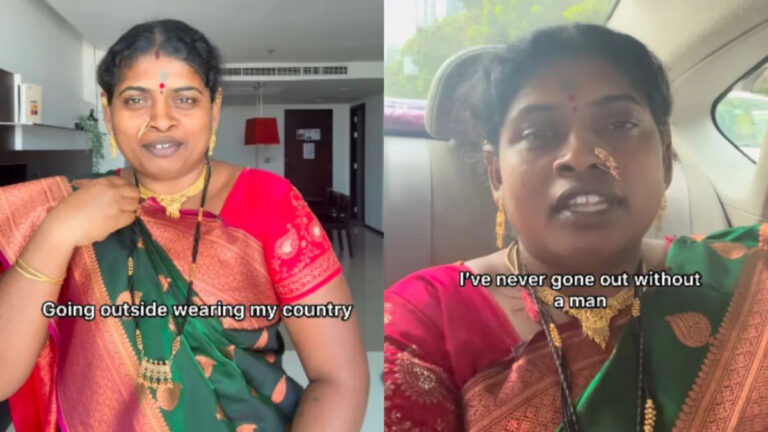
The viral vlog begins at the airport, where a visibly excited yet anxious Reshma boards an international flight for the first time in her life. Upon arriving in Thailand, Bhagat presents her with a unique challenge: to spend an entire day exploring the bustling streets of Bangkok completely on her own. Initially, Reshma expresses deep trepidation, voicing fears that mirror the apprehensions of millions of women from similar backgrounds. “I am just a house help; I don’t know anyone here, nor do I understand their language, nor do I know how to read,” she admits candidly to the camera.

However, what Reshma lacks in linguistic familiarity, she more than makes up for in resourcefulness and warmth. Leaning into her primary skill, she notes, “But I know how to cook. So, I have made puran poli (a traditional Indian sweet flatbread) that will help me make friends.” Dressed in her favorite saree, she steps out onto the streets of Bangkok, weaponized with nothing but her homemade treats and a newfound sense of curiosity, successfully transforming a daunting solo trip into an extraordinary lesson in human connection.

From Fear to Freedom: Making Friends Across Borders

Reshma’s solo itinerary quickly dismantles her initial anxieties. Her first stop is a local Bangkok temple, where she approaches a German tourist. Overcoming the severe language barrier, she offers him a piece of her puran poli, establishing her very first international friendship through the universal language of food. Reflecting on the moment, she admits to her viewers how terrifying the prospect of independent travel felt, noting, “I was very scared. I have never gone out without a man.”

As the day progresses, her confidence visibly grows. While visiting a local 7-Eleven, Reshma crosses paths with an internet influencer named Popo. The chance encounter quickly blossoms into a lunch invitation, with the two women sharing meals, laughter, and a cross-cultural bond that bypassed their lack of a shared language. The sheer joy of independence is perfectly encapsulated in a moment highlighted by emotional netizens—while riding in a car, Reshma unties her hair, letting it blow freely in the wind. Social media users widely celebrated this specific imagery, with one viewer commenting, “The way she opened her hair in the car… a free butterfly indeed,” while another confessed to having “water in my eyes” watching her discover a new version of herself.

A Heartwarming Conclusion and Global Resonance

The viral vlog concludes on a beautifully quiet note. Reshma treats herself to a local delicacy—mango sticky rice—and sits alone reading a book, comparing her serene evening to iconic, empowering scenes from movies. Looking directly into the camera to wrap up her very first travel vlog, she delivers a powerful line of self-affirmation that has since gone viral: “Reshma, I am proud of you.”

The video has resonated so deeply because it challenges deeply ingrained societal structures regarding class, gender, and opportunity in India. Domestic workers are rarely centered in narratives of leisure, luxury, or international travel. By documenting Reshma’s journey not as an act of charity, but as a genuine exploration of her individuality, the vlog highlights a universal truth: behind a lifetime of domestic responsibility is a person with untapped dreams, interests, and potential. The internet’s collective “awww” is a celebration of Reshma’s profound courage, reminding audiences everywhere that it is never too late to step out of the roles assigned to us and explore the wider world.

“Main Paise Kha Gaya?”: Akshay Kumar Witty Comeback to Farah Khan Helicopter Revelation

New Delhi, June 16, 2026: In a lighthearted moment that has taken social media by storm, Bollywood filmmaker Farah Khan recently shared a throwback anecdote from the sets of their 2010 film, Tees Maar Khan. During a promotional event for their upcoming project, Bhoot Bangla, Farah revealed that lead actor Akshay Kumar used to commute to the film’s remote shooting location via helicopter—effectively using the aircraft like a daily taxi service.

The revelation, which left the audience and fellow cast members in splits, sparked a playful verbal sparring match between the director and the star, reminding fans of the easy chemistry that has defined their long-standing professional relationship.

The “Helicopter Taxi” Revelation

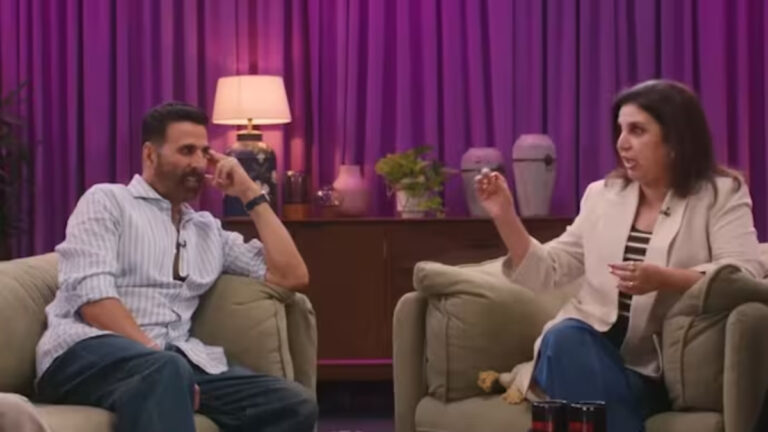
The conversation occurred during a sit-down interview featuring Farah Khan, Akshay Kumar, director Priyadarshan, and actor Rajpal Yadav. As the group reminisced about their filming days, specifically the grueling schedule in the scenic but isolated Malshej Ghat, Farah shared a startling detail about Akshay’s work ethic.

“We were shooting for Tees Maar Khan in Malshej. The call time was 8:00 AM every day. Everyone else stayed at the location because it was a two-and-a-half-hour drive from Mumbai,” Farah recalled. “But Akshay would go home every evening after pack-up and return by 7:45 the next morning.”

When fellow actor Rajpal Yadav looked visibly stunned and asked how that was even logistically possible, Akshay nonchalantly replied, “I traveled by helicopter.” Farah immediately chimed in, adding, “For the first time in my life, I saw an actor treat a helicopter like a taxi. But to his credit, he was always on time.”

“Main Paise Kha Gaya?”: The Playful Accusation

The conversation quickly pivoted from logistics to finances when Farah jokingly accused the actor of draining the production budget. “Mere saare paise kha gaya (He spent all my money on himself),” she quipped, blaming his high-flying commute for the film’s expenditure.

Akshay, never one to miss a beat, immediately defended his actions with a counter-question: “But how was it anybody’s problem? I was the producer myself.”

Farah, quick with a retort, reminded him, “And so was I.”

The back-and-forth reached a peak when a shocked Akshay asked, “Main paise kha gaya? You made the most money on that film!” The room erupted in laughter as Farah dismissed the claim with a witty suggestion: “Call Ronnie [Screwvala] and ask him about our money.”

A Look Back at Tees Maar Khan

While the anecdote was delivered with humor, it provided a nostalgic window into the making of Tees Maar Khan. Released in 2010, the film was highly anticipated as it marked Farah Khan’s third directorial venture following the massive success of Main Hoon Na and Om Shanti Om.

Despite being a moderate success at the box office, grossing around ₹84 crore, the film faced harsh criticism upon release. Farah has been candid in recent years about how that negative reception impacted her mental health, noting that it forced her into a period of self-doubt. “It puts you on the backfoot for a very long time,” she admitted during the chat. However, over the last 16 years, the film has found a new lease on life as a cult classic, with modern audiences frequently celebrating its quirky humor and viral musical hits like “Sheila Ki Jawani” on social media.

The Road Ahead: Bhoot Bangla

The chemistry between Farah and Akshay clearly remains intact as they gear up for their latest collaboration, Bhoot Bangla. Their ability to joke about past professional tensions—and even the financial logistics of a decade-old shoot—suggests a comfort level that fans are eager to see translated onto the screen once again.

As the duo continues their promotional rounds, this “helicopter” story serves as a reminder of the sheer scale and eccentricity often involved in Bollywood productions, and how, even years later, the stars themselves find the absurdity of it all just as entertaining as we do.

Key Highlights of the Exchange

  • The Commute: Akshay Kumar flew from Mumbai to Malshej Ghat via helicopter daily to avoid a 2.5-hour road journey.
  • The Punctuality: Despite the complex travel arrangements, Farah noted he was always the most punctual person on set.
  • The Jest: Farah jokingly blamed Akshay for the film’s budget issues; Akshay pointed out their mutual roles as producers.
  • The Legacy: Tees Maar Khan has evolved from a critically panned 2010 release into a beloved internet-age cult classic.

What do you think of this star-studded travel hack? Is a helicopter commute the ultimate sign of professional dedication, or just a classic Bollywood luxury?

Sorab Bedi Slams Trolls After Sanchita Ugale’s Death: ‘Itna Bedil Nahi Hoon’

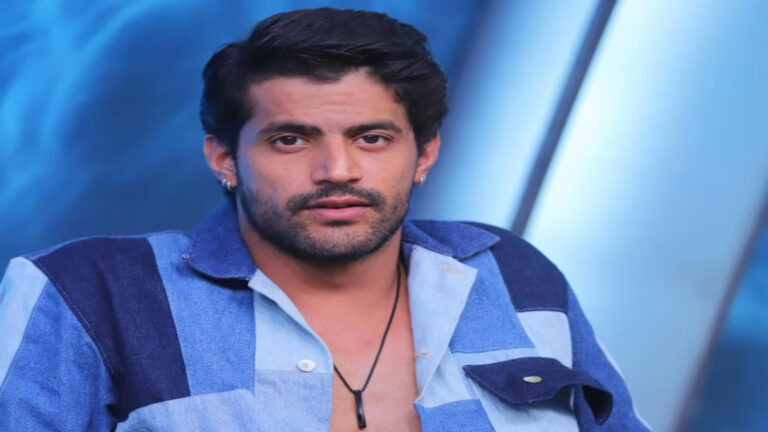
New Delhi, June 16, 2026 : The controversy sparked shortly after the news of Sanchita’s death became public. Sorab, who shared screen space as the male lead opposite Sanchita in Dilwali Dulha Le Jayegi (playing Kartik to her character Sukoon), was visibly distraught when swarmed by the paparazzi. In a hurried interaction, he revealed that he had spoken to her just two days prior to the tragedy. He described her as being under severe stress, using the words, “Pareshan thi woh bechari” (The poor girl was troubled). Almost instantly, a section of social media users began dissecting his tone and statements, accusing him of being insensitive, using her tragic end for attention, or misrepresenting their bond.

Unable to stay quiet under the heavy scrutiny, Sorab took to his Instagram Stories to address the backlash head-on. Sharing a video that captured the chaotic environment he was facing at the time, he urged netizens to think before they judge. He explained that a massive crowd of photographers was shouting over each other, making it incredibly difficult to hear individual questions clearly. He noted that when a reporter asked why Sanchita had been calling him, he simply shared that they had stayed in touch even while he was away shooting in Siliguri.

Defending his intentions, Sorab delivered a heartfelt message to his detractors. He said.

He implored the public to understand that his grief was real and that reacting under the flashing lights of the media shouldn’t be equated with a lack of empathy.

The Tragic Incident and Ongoing Investigation

According to reports from the Achole Police Station, the tragic incident took place between 7:00 PM and 7:30 PM at Sanchita’s residence in the Sai Santoshi Building, located in Nalasopara East, Mumbai. The young actress had reportedly locked herself inside her bedroom and was found hanging from a ceiling fan. Her family rushed her to the Vasai-Virar Municipal Corporation hospital, but doctors unfortunately declared her dead upon arrival. Following a formal complaint by her father, Machinda Ugale, the police registered a case of accidental death (ADR) and are thoroughly investigating the circumstances and motives behind her extreme step.

Beyond her television success, Sanchita was also making transitions into mainstream cinema. She recently portrayed the younger version of Tara Rani in the historical drama Chhaava starring Vicky Kaushal, and she also made a notable appearance alongside Manoj Bajpayee in the investigative thriller Silence 2: The Night Owl Bar Shootout. Her sudden exit has triggered wider conversations regarding mental health and work pressures within the entertainment community.

While some industry peers, like actress Aanchal Khurana, highlighted the cutthroat nature of the business and the continuous fear of sudden replacements, others close to Sanchita clarified that her struggles were deeply personal. Her close friend and Saajan Ghar co-star, Megha Sharma, strongly dismissed rumors of industry harassment or lack of work. Megha shared that Sanchita had been battling clinical depression since January and was actively undergoing treatment. She remembered Sanchita as a bold, confident, and full-of-life individual, stating that the entire cast met her just ten days prior for a regular audition catch-up where she seemed to be in positive spirits.

Mental Health Support

The sudden loss of such a vibrant, young talent highlights the invisible battles many individuals fight daily. If you or someone you know is going through emotional distress, facing severe anxiety, or struggling with thoughts of self-harm, please remember that you do not have to carry the burden alone. Professional help and a listening ear are always within reach.

Kala Hiran Row: Producer Amit Jani Demands Rs 50 Lakh & Apology From Govind Namdev

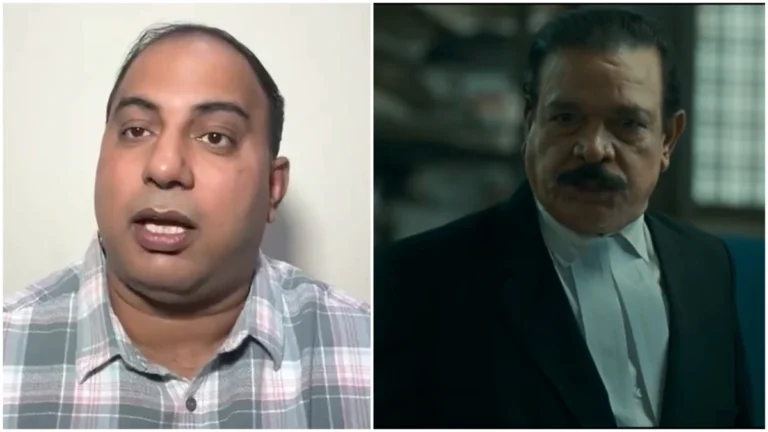
New Delhi, June 16, 2026: The upcoming Bollywood film Kala Hiran: The Battle for Legacy has plunged into a severe legal and public relations battle. Producer Amit Jani, head of Jani FireFox Films, officially issued a sharp legal notice to veteran actor Govind Namdev. The legal notice demands an immediate public apology within seven days and a hefty fine of Rs 50 lakh in damages paid directly to the production house.

The feud erupted shortly after the film’s promotional teasers and posters went public, triggering a dramatic fallout between the veteran actor and the filmmakers. The production house has made it clear that if Namdev fails to comply with these demands within the one-week deadline, they will launch formal criminal and civil legal proceedings against him.

The Roots of the Dispute: “Kept in the Dark”

The conflict began when Govind Namdev, widely known for his powerhouse performances in Hindi cinema, publicly distanced himself from the project. In an emotional and candid interview, Namdev claimed that he felt completely cheated, misled, and “used” by the production team.

The actor stated that the film was originally pitched to him under an entirely different working title, Sambhal. He signed on believing it was a culturally-driven project depicting the court proceedings of the infamous 1998 blackbuck poaching case—facts that are already well-documented within the public record.

Namdev explained that his work on the project was strictly limited to a series of courtroom scenes where he plays a lawyer seeking justice. He was assured that the movie would focus heavily on the traditions of the Bishnoi community and their profound spiritual connection to wildlife conservation. However, seeing the actual teaser—which featured a central character named “Ayaan Khan” sporting a black T-shirt and a signature turquoise bracelet heavily resembling superstar Salman Khan—made the actor deeply uncomfortable.

Namdev, who worked with Salman Khan in the 2009 hit film Wanted, emphasized that he shares a long-standing friendship with the Bollywood star and would never intentionally participate in a project designed to defame or build a negative narrative against him.

Producer Amit Jani Strikes Back

Refusing to back down, producer Amit Jani took to the social media platform X (formerly Twitter) to share that his legal team had formally served the veteran actor. Jani fiercely rejected the accusations of blindsiding the cast, labeling Namdev’s sudden retreat as a breach of contract and an act of bad faith.

According to the producer, Govind Namdev was fully briefed on the script, the creative direction, and the core premise of Kala Hiran before the cameras ever started rolling. Jani further alleged that Namdev had not only signed the agreement for this specific film but had also enthusiastically agreed to be a part of its proposed sequel.

The production house claims that Namdev is simply attempting to backtrack and protect his personal and professional relationship with Salman Khan at the expense of the independent film’s reputation. Jani argues that contractually, actors are prohibited from defaming the very projects they are paid to shoot, and Namdev’s public statements have caused significant financial and reputational harm to the production house—hence the demand for a public apology and Rs 50 lakh in compensation.

A Broadening Legal Minefield

The internal war between the producer and the actor is only one layer of a massive legal web surrounding Kala Hiran. The film, directed by Bharat S Shrinate, faces severe resistance from Salman Khan himself.

The Bollywood superstar’s legal representatives have approached the Delhi High Court seeking an absolute stay on the movie’s release and promotional campaigns. Khan’s petition argues that the film directly exploits and infringes upon his personality rights and attempts to unlawfully monetize a highly sensitive, ongoing chapter of his life under the guise of fiction. A vacation bench in the High Court has already issued formal notices to Amit Jani and his co-producers, with an official court hearing scheduled for June 19.

Compounding the project’s troubles, other cast members have started voicing similar concerns. Actor Sonu Mishra, who was initially cast to play a role in the film, revealed that he walked away from the project after realizing the narrative was entirely one-sided. Mishra claimed that when he requested to see the final written script and formal agreement, the filmmakers hesitated, leading him to believe the project was an intentional trap to target a major industry star.

Comparing the Sides of the Conflict

The battle lines are clearly drawn between the artistic and promotional claims of the production house and the ethical objections raised by its veteran star.

What Lies Ahead for the Film?

Despite the disclaimers embedded in the promotional material stating that “all characters and events are entirely fictional,” the uncanny real-world resemblances have proved impossible for the public and the industry to ignore. The description of the film explicitly notes that it draws inspiration from the infamous 1998 Kankani village incident in Jodhpur.

As the seven-day countdown on Amit Jani’s legal notice ticks away, the entertainment industry is keeping a close watch on Govind Namdev’s next move. Will the veteran actor issue the demanded apology to avoid a costly legal battle, or will he stand firm on his claims of being misled?

With the Delhi High Court set to deliberate on Salman Khan’s plea just days from now, the fate of Kala Hiran: The Battle for Legacy hangs by a thread. What began as an independent cinematic attempt to capture a real-life environmental struggle has rapidly evolved into one of the most explosive legal showdowns in recent Bollywood history.

PM Modi to Visit Tarakeswar on June 20: First Bengal Trip Since BJP Victory

0

New Delhi, June 16, 2026 — Marking a major political milestone, Prime Minister Narendra Modi is scheduled to arrive in West Bengal on June 20, 2026, for a high-profile two-day visit. This marks his first trip to the state since the Bharatiya Janata Party (BJP) secured a historic victory in the state assembly elections, which led to the swearing-in of Chief Minister Suvendu Adhikari and the establishment of a “double-engine” administration in Bengal.

The Prime Minister’s itinerary blends deep historical symbolism with a massive push for local development, highlighted by the official celebration of West Bengal Foundation Day (Paschim Banga Diwas), the launching of multi-crore infrastructure projects, and a mega public rally in the temple town of Tarakeswar.

The Historical Significance of Tarakeswar

The choice of Tarakeswar as the primary anchor for the Prime Minister’s visit is deeply rooted in India’s modern history. On June 20, 1947, a historic resolution was passed in the Bengal Assembly ensuring that West Bengal would remain part of independent India rather than joining East Pakistan during the Partition.

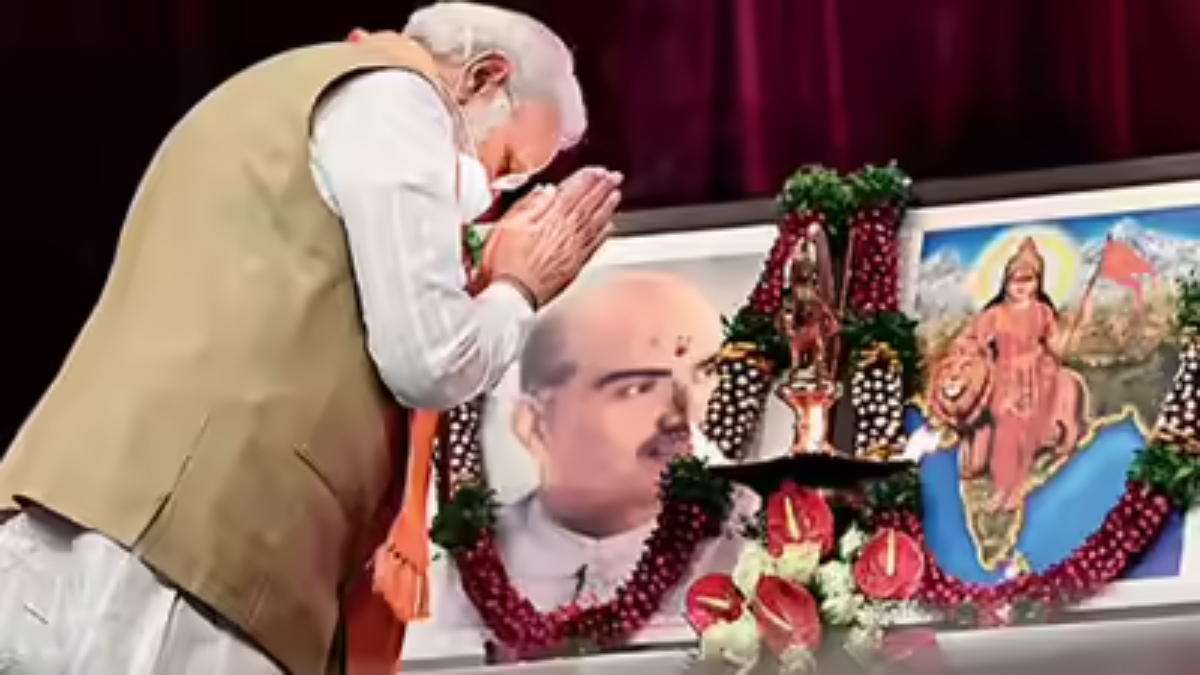
That watershed moment was heavily influenced by a critical three-day conference of the Bangiya Hindu Mahasabha held in Tarakeswar from April 4 to April 7, 1947. Led by Dr. Syama Prasad Mookerjee, the conference adopted the proposal to safeguard the western parts of Bengal. By selecting Tarakeswar, the BJP-led central and state governments are deliberately honoring Mookerjee’s legacy and highlighting the sacrifices made to keep West Bengal integrated with India.

While the previous Trinamool Congress (TMC) administration had officially opposed celebrating June 20 as Foundation Day—preferring Poila Boishakh (April 15) as Bangla Diwas—the newly formed BJP government swiftly moved to codify June 20 as the official West Bengal Day via cabinet approval.

A Comprehensive Gift of Infrastructure

Prime Minister Modi’s visit is not merely symbolic; it brings a substantial package of economic and social development initiatives designed to signal the benefits of aligned state and central governments. Sources within the Eastern and South Eastern Railway boards have confirmed that the Prime Minister will greenlight a series of crucial transport and healthcare upgrades during his stay.

Local representatives, including Pursurah MLA Biman Ghosh and Tarakeswar MLA Santu Pan, stated that these combined efforts are intended to rapidly transform Hooghly district and its surrounding regions into highly connected logistical hubs.

Celebration of Heritage Across the State

According to directives issued by the State Chief Secretary, West Bengal Day will be celebrated on a grand scale across every district. Special commemorative committees have been formed—chaired by District Magistrates and including local administrative, police, and educational heads—to organize seminars, cultural events, and historical exhibitions.

The Higher Education Department has specifically instructed schools, colleges, and universities to conduct awareness programs regarding the complex history of Bengal’s partition. A senior state BJP leader emphasized the shift in approach.

Beyond history, the state unit will utilize the period surrounding the PM’s visit to showcase the reach of central welfare schemes such as the PM Awas Yojana, PM-KISAN, Jal Jeevan Mission, and Ayushman Bharat, highlighting how the new local government intends to accelerate their delivery.

Political Momentum and Looking Forward

The rally in Tarakeswar is heavily anticipated as a “victory lap” where the Prime Minister will directly thank the people of West Bengal for delivering the state to the BJP. The political atmosphere remains charged following the transition of power; the TMC continues to deal with internal fractures, including public rebellions from various legislators following their electoral defeat.

Following his address and public engagements in Tarakeswar on June 20, Prime Minister Modi will travel to Kolkata. On June 21, he is scheduled to lead a massive gathering to mark the International Day of Yoga, rounding out a packed two-day tour designed to showcase both administrative continuity and cultural pride.