Home Blog Page 134

Vignesh Shivan Sets the Record Straight on the “Normal People” Controversy

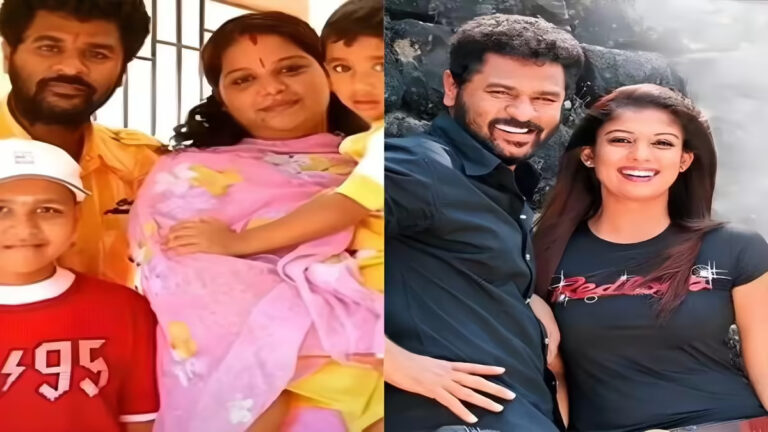
New Delhi, April 16, 2026: The fast-paced world of Kollywood often finds its stars at the center of viral storms, where a few seconds of footage can ignite weeks of heated debate. Recently, director Vignesh Shivan found himself in the eye of such a storm following a viral video clip from a promotional event for Femi9, a sanitary napkin brand co-founded by him and his wife, superstar Nayanthara.

For months, the couple faced significant backlash over an alleged comment labeling common citizens as “not normal people.” Now, amidst the successful run of his latest directorial venture, Love Insurance Kompany (LIK), Shivan has finally broken his silence, offering a detailed explanation that paints a very different picture of what actually transpired.

The Spark: What Happened at the Femi9 Event?

The controversy dates back to a high-profile launch event for Femi9. To promote the brand, the couple had invited a large group of social media influencers—the new-age celebrities of the digital era. As crowds gathered and excitement peaked, a video surfaced on social media that appeared to capture a moment of sheer elitism.

In the viral clip, an organizer or manager was seen gesturing toward the crowd and reportedly saying, “Please cooperate; they’re not normal people.” The reaction was instantaneous and fierce. Social media users and even some influencers who attended the event took offense, interpreting the comment as a way of placing Vignesh Shivan and Nayanthara on a pedestal while dismissing the general public as “ordinary” or “sub-par.” The “not normal people” tag became a meme, a point of criticism, and a PR nightmare for the couple, who have otherwise maintained a reputation for being accessible and grounded.

The Clarification: “We Are,” Not “They Are”

Speaking in a recent interview with Behindwoods during the promotions for LIK, Vignesh Shivan addressed the incident with a mix of frustration and clarity. He revealed that the entire controversy was built on a foundation of deliberate misinterpretation and clever editing.

According to Shivan, the organizer was actually addressing the crowd to emphasize the importance of the guests—the influencers—who were being mobbed.

“He [the organiser] actually said, ‘We’re not normal people; we are influencers.’ It was his way of telling the crowd to behave appropriately because those who had come there were guests with a significant following, not just random attendees,” Shivan explained.

The director alleged that the video was edited to change “we are” to “they are,” effectively shifting the subject of the sentence from the influencers to the celebrity couple. Shivan further claimed that when they identified the source of the video and reached out to the individual who posted it, the response was disheartening. The uploader reportedly refused to take it down or clarify the error because the video was “garnering a lot of views.”

A Pattern of Social Media “Attacks”

This incident isn’t the only time Shivan has felt the weight of social media scrutiny. During a recent thanksgiving meet for Love Insurance Kompany in Chennai, the director became visibly emotional, touching upon the hardships of filmmaking in the age of instant digital criticism.

He made a heartfelt appeal to influencers and reviewers, asking them to consider the “sweat and blood” invested in a project before tearing it apart for “likes.”

  • Financial Stakes: Shivan revealed that the team “invested almost everything” they had into LIK.
  • The “Kesari” Comparison: In a touch of his signature wit, he compared public criticism to cooking: “If I cook kesari, people ask why it is not spicy; if I cook chicken curry, they ask why it is not sweet. Sometimes people question everything.”
  • Support for Peers: He also stood up for fellow director H. Vinoth, whose film Jana Nayagan (starring Thalapathy Vijay) recently suffered from online leaks. Shivan described the pain of a film leak as “as painful as death.”

The Success of Love Insurance Kompany (LIK)

Despite the “normal people” controversy and the legal hurdles involving the film’s title (the team had to change it from LIC to LIK after a ₹112 crore demand from the Life Insurance Corporation), the movie is proving to be a winner at the box office.

MetricDetails
Release DateApril 10, 2026
Lead CastPradeep Ranganathan, Krithi Shetty, S. J. Suryah
Box Office~₹39 Crore worldwide in the first 4 days
MusicAnirudh Ravichander

The film, which explores a techno-centric world where love becomes transactional, has resonated with younger audiences. Shivan’s ability to blend humor with emotional depth seems to have triumphed over the negative PR generated by the viral video.

The Human Side of the Director

Throughout his career, Vignesh Shivan has been known for wearing his heart on his sleeve. Whether it’s his public declarations of love for Nayanthara or his open admissions about his “biggest regret”—a strained relationship with actor Dhanush—he remains one of the more transparent figures in the industry.

In his latest clarification, Shivan isn’t just defending his reputation; he’s highlighting a growing trend in digital media where out-of-context clips are used as weapons for engagement. By breaking his silence, he hopes to shift the narrative back to his work and the reality of the situations he navigates as a public figure.

The Takeaway

The “normal people” controversy serves as a cautionary tale for the digital age. It highlights how easily a message can be flipped to suit a narrative of “arrogant celebrities vs. the common man.” For Vignesh Shivan, the resolution of this controversy isn’t just about a PR win; it’s about reclaiming the truth in an era of viral misinformation.

As LIK continues its steady run in theaters, Shivan seems more focused than ever on his craft, urging audiences to look past the “thumbnails” and “clickbait” to see the genuine effort behind the silver screen.
FM Nirmala Sitharaman’ Heartfelt Meal with Bengal Weaver: A Symbol of Promise for the Tant Community

0

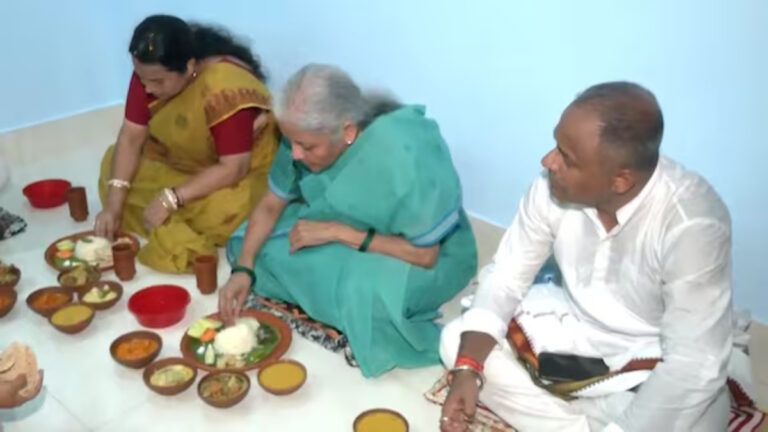
New Delhi, April 16, 2026– In a move that blended high-stakes political campaigning with grassroots personal connection, Union Finance Minister Nirmala Sitharaman shared a traditional meal at the modest home of Sukumar Haldhar, a local Tant weaver, in West Bengal’s Purba Bardhaman district on Wednesday.

The visit, occurring in the heat of the 2026 West Bengal Assembly election campaign, was more than just a photo opportunity; it served as a poignant backdrop for the Finance Minister to address the grievances of a community that has long been the cultural and economic backbone of the region.

A Meal of Simplicity and Connection

Away from the grand stages of political rallies, the scene at Sukumar Haldhar’s residence was one of quiet dignity. Sitting on the floor in the traditional Indian style, Sitharaman was served a simple, home-cooked Bengali meal. The gesture was a stark contrast to the usual security-heavy movements of a Union Minister, signaling an attempt to bridge the gap between New Delhi’s policy-making and the reality of the rural artisan.

Haldhar, whose family has been involved in the intricate art of Tant weaving for generations, shared the struggles of maintaining a craft that is currently under siege from rising raw material costs and competition from powerlooms. For the weaver’s family, the visit was a rare moment of recognition for their labor-intensive craft.

Empowering the Loom: The Distribution of Weaver Cards

The visit wasn’t merely symbolic. During her time in Purba Bardhaman and Serampore, the Finance Minister distributed “Pehchan” (Identity) Weaver Cards to several handloom workers. These cards are critical identity documents issued by the Union Ministry of Textiles, designed to act as a gateway to several central benefits, including:

  • Financial Assistance: Concessional loans under the MUDRA scheme.
  • Subsidies: Direct access to subsidies for purchasing yarn and raw materials.
  • Social Security: Enrollment in insurance and health schemes specifically tailored for artisans.

“These cards are not just pieces of paper; they are a recognition of your skill and a guarantee of the Prime Minister’s support,” Sitharaman told a gathering of weavers at a conference in Kalna.

A Sharp Political Edge: “Syndicate Raj” vs. Development

While the meal was a moment of soft diplomacy, Sitharaman’s subsequent address at the BJP’s handloom and weaver cell conference was anything but soft. She launched a scathing attack on the Trinamool Congress (TMC) government, accusing them of “deliberate obstruction” of central welfare schemes.

The Finance Minister alleged that the people of West Bengal, particularly the artisan and labor classes, have been deprived of life-changing programs like Ayushman Bharat (healthcare) and PM Kisan (direct income support for farmers).

“The money is ready in Delhi. The Prime Minister wants to send it directly to your bank accounts, but the state government stands as a wall in between. They want you to depend on their ‘syndicate raj’ rather than becoming ‘Atmanirbhar’ (self-reliant),” she asserted.

Sitharaman highlighted that the handloom sector in Bengal has seen a 60% reduction in active looms and a 50% drop in daily earnings over the last decade. She blamed this decline on a lack of state support and the unregulated influx of cheap imports, promising that a BJP-led government would prioritize the “Pradhan Mantri Vishwakarma Yojana” to revitalize traditional trades.

The Controversy: TMC Files Complaint with Election Commission

The Finance Minister’s outreach has not gone without friction. The TMC was quick to react, with MP Kalyan Banerjee filing a formal complaint with the Election Commission (EC). The ruling state party alleged that the distribution of weaver cards during the election campaign constituted a “direct inducement” to voters and a violation of the Model Code of Conduct (MCC).

Chief Minister Mamata Banerjee also issued a sharp rebuke, questioning the timing of the benefits. “Why are these cards being distributed now, just days before the polls? It is a clear attempt to influence the free exercise of electoral rights,” she said during a rally.

In response, the BJP dismissed the allegations, stating that the Pehchan Card scheme is an ongoing national project and that the government is merely performing its duty to ensure artisans are documented and supported.

The Economic Stakes for the Weaver Community

The Purba Bardhaman region, particularly the Kalna and Shantipur belts, is world-renowned for its “Tant” sarees—lightweight cotton garments known for their transparency and comfort. However, the industry is currently facing a “triple threat”:

  1. Raw Material Inflation: The price of high-quality cotton yarn has fluctuated wildly, eating into the weavers’ slim margins.
  2. Powerloom Competition: Industrial machines can produce look-alike sarees at a fraction of the cost and time.
  3. Logistical Gaps: A lack of direct-to-consumer digital platforms means weavers often rely on middlemen (Mahajans) who take the lion’s share of the profit.

Sitharaman’s visit sought to reassure the 3.7 lakh people involved in Bengal’s handloom industry that their craft would be treated as an “asset to be incentivized” rather than a dying relic.

Looking Ahead to the 2026 Polls

As West Bengal prepares for its two-phase elections on April 23 and April 29, the battle for the “artisan vote” is intensifying. By sharing a meal with Sukumar Haldhar, Nirmala Sitharaman has sent a clear message: the BJP intends to fight the TMC not just on high-level economic data, but at the kitchen tables of the state’s most humble citizens.

Whether the promise of “Double Engine Growth” and direct central benefits will resonate more with the weavers than the TMC’s existing state welfare programs remains the million-dollar question. For now, the image of the Finance Minister at a weaver’s loom remains one of the most defining moments of this election cycle—a blend of culture, cuisine, and intense political competition.

Quick Highlights:

  • Who: FM Nirmala Sitharaman and Weaver Sukumar Haldhar.
  • Where: Purba Bardhaman, West Bengal.
  • What: A traditional meal and distribution of Weaver Pehchan Cards.
  • The Conflict: TMC has moved the Election Commission over alleged MCC violations.
  • The Goal: To win over the 3.7 lakh-strong handloom community ahead of the April 23 polls.

Akshay Kumar Massive Payday vs. Co-Stars’ Fees in ‘Bhooth Bangla’

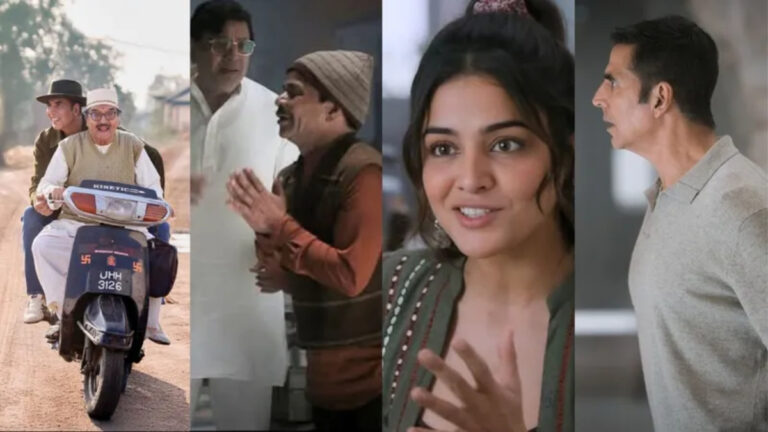
April 16, 2026 — As the curtains rise for the highly anticipated horror-comedy Bhooth Bangla, the spotlight isn’t just on the reunion of the iconic Akshay Kumar-Priyadarshan duo, but also on the staggering pay disparity within the ensemble cast. While the film is projected to be a massive box-office draw, new reports regarding the remuneration of its stars have ignited a conversation about the “superstar premium” in modern Bollywood.

From Akshay Kumar’s lion’s share of the budget to Tabu’s surprising pay cut, the financial breakdown of Bhooth Bangla reveals a fascinating look at the industry’s economic hierarchy in 2026.

The ‘Khiladi’ King: Akshay Kumar’s Strategic Fee

Akshay Kumar, who portrays the lead character Arjun Acharya, remains the undisputed financial heavyweight of the project. Despite recent industry shifts toward more conservative spending, Akshay has reportedly commanded a fee of ₹50 crore.

While this figure is a significant drop from the ₹70–100 crore he has charged for previous action blockbusters—representing a roughly 28.5% pay cut—it still places him in a different stratosphere compared to his colleagues. To put this in perspective:

  • Akshay’s fee alone accounts for approximately 42% of the film’s total ₹120 crore budget.
  • In addition to his upfront fee, Akshay is a co-producer under his banner, Cape of Good Films, reportedly holding a 70% share of the film’s backend profits.

This hybrid model of a reduced upfront fee paired with high profit-sharing is becoming a staple for A-list stars looking to mitigate the risk for production houses like Ektaa Kapoor’s Balaji Motion Pictures while still ensuring a massive payout if the film hits the jackpot.

The Massive Gap: Rajpal Yadav and the 2150% Variance

The most eye-popping statistic emerging from the set is the comparison between the leading man and the comic relief. Rajpal Yadav, whose character ‘Sunder’ is already being hailed in early reviews as the soul of the film’s comedy, reportedly received a fee of ₹1 crore.

While ₹1 crore is a respectable sum for a character actor, it highlights a stark reality: Akshay Kumar was paid 2150% more than the man responsible for a large portion of the film’s laughs. For every ₹1 Rajpal earned, Akshay took home over ₹21. This disparity, while common in star-driven cinema, underscores the massive weight the “lead actor” title still carries at the Indian box office.

Tabu and the Gender Pay Gap: A 88% Difference

Perhaps the most debated figure is that of the legendary Tabu. Despite her status as one of India’s most versatile and critically acclaimed performers, her remuneration for Bhooth Bangla is reportedly ₹2.5 crore.

When compared to Akshay’s ₹50 crore, Tabu’s fee is roughly 88% less than that of her male counterpart. Industry insiders suggest that even with her recent solo successes (like Bhool Bhulaiyaa 2 and Drishyam 2), the pay gap remains a stubborn fixture in large-scale commercial productions. Interestingly, Tabu reportedly took a slight 16% pay cut from her last outing in Auron Mein Kahan Dum Tha, showing a trend of established veterans adjusting their fees to ensure projects remain financially viable in a post-2025 market.

The Full Cast Remuneration Table

ActorReported FeePercentage of Total Budget
Akshay Kumar₹50 Crore~42%
Wamiqa Gabbi₹3 Crore~2.5%
Tabu₹2.5 Crore~2.1%
Paresh Rawal₹2 Crore~1.7%
Rajpal Yadav₹1 Crore~0.8%
Jisshu Sengupta₹1 Crore~0.8%

The Rise of Wamiqa Gabbi

One of the standout surprises in the salary list is Wamiqa Gabbi. The rising star, who has been making waves on OTT platforms, reportedly earned ₹3 crore for her role as the female lead. This puts her slightly ahead of veterans like Tabu and Paresh Rawal, marking a shift where “freshness” and current audience pull are being rewarded with higher paychecks. Gabbi’s inclusion is seen as a strategic move to bridge the gap between traditional cinema-goers and the younger, digital-first audience.

The Priyadarshan Factor: Why the High Stakes?

Director Priyadarshan has built Bhooth Bangla on a budget of ₹120 crore, a substantial amount for a horror-comedy. The reason producers are willing to pay Akshay Kumar such a high percentage of the budget boils down to historical data. The duo’s last collaboration in this genre, Bhool Bhulaiyaa (2007), remains a cult classic and a gold standard for the industry.

By securing the “original” duo, the makers have already seen a return on investment through advance bookings. As of April 16, the film has minted nearly ₹13.84 crore in advance sales and paid previews, suggesting that despite the lopsided salary distribution, the “Brand Akshay” remains the primary engine driving ticket sales.

Final Thoughts: A Mirror to the Industry

The fee structure of Bhooth Bangla is a microcosm of Bollywood’s current state. It reflects an industry that is:

  1. Star-Reliant: Where the lead actor’s salary can equal the production cost of five smaller films.
  2. Risk-Averse: Where veterans take pay cuts to ensure big-budget projects don’t “collapse” under their own weight.
  3. Profit-Driven: Where actors are becoming business partners (producers) rather than just employees.

As Bhooth Bangla hits theaters globally on April 17, the real question won’t be how much the stars were paid, but whether the chemistry of Akshay, Rajpal, and Paresh can deliver the ₹200-crore hit the industry desperately needs. If the film succeeds, Akshay’s 70% profit share might just make his ₹50 crore fee look like “pocket change.”

Madras High Court Rejects Tamannaah Bhatia ₹1 Crore Damages Claim Against Power Soaps

April 16, 2026 – The Madras High Court has officially dismissed an appeal filed by popular actress Tamannaah Bhatia, seeking ₹1 crore in compensation from Power Soaps Limited. The legal battle, which has spanned over a decade, centered on allegations of unauthorized use of the actress’s image for product promotion after the expiration of her brand endorsement contract.

In a ruling delivered today, a Division Bench comprising Justice P. Velmurugan and Justice K. Govindarajan Thilakavadi upheld a previous single-judge order, concluding that the actress failed to provide sufficient, credible evidence to prove that the company misused her likeness beyond the agreed-upon period.

The Genesis of the Dispute

The roots of this legal tussle date back to October 7, 2008, when Tamannaah Bhatia signed an endorsement agreement with the Puducherry-based Power Soaps Limited. Under the terms of the contract, the actress agreed to be the face of the brand and permitted the use of her photographs for promotional activities, including product wrappers and advertisements.

The agreement was valid for a period of one year, officially concluding on October 6, 2009.

The conflict arose in late 2010. Tamannaah alleged that while she was in negotiations to endorse a competing brand, she discovered that Power Soaps was still using her images. Specifically, she claimed her likeness appeared on soap wrappers manufactured as late as November 2010 and February 2011—well over a year after the contract had lapsed.

The Legal Arguments: Allegations vs. Evidence

Tamannaah’s legal team argued that the continued use of her image not only violated her personality rights but also caused significant commercial loss. They contended that the presence of her old advertisements hindered her ability to secure new, lucrative deals with other brands, as it created market confusion regarding her current affiliations.

Seeking a permanent injunction and ₹1 crore in damages, the actress presented several items as evidence:

  • Soap wrappers featuring her image.
  • Purported purchase documents.
  • Internet listings and advertisements from 2010–2011.

However, the defense maintained that they had ceased using the promotional materials once the contract ended. They argued that any products found in the market with her image were likely old stock already in the distribution chain, over which they had limited control, or that the evidence provided did not conclusively link the manufacturer to the alleged post-contract usage.

Why the Court Dismissed the Appeal

The High Court’s decision to dismiss the appeal rested heavily on the quality and reliability of the evidence presented. The Division Bench affirmed the findings of the single judge, who had earlier noted that the materials relied upon by the actress were “unreliable.”

“The plaintiff (Tamannaah) failed to establish a clear connection between the defendant and the alleged misuse of the photographs after the expiry of the agreement period,” the court noted.

The court pointed out several key weaknesses in the case:

  1. Lack of Authentication: The soap wrappers and purchase receipts provided did not definitively prove they were manufactured or sold by the company after October 2009.
  2. Unreliable Digital Evidence: The internet listings cited by the actress were deemed insufficient to hold the company liable for unauthorized promotion.
  3. Burden of Proof: In civil litigation of this nature, the burden lies on the plaintiff to provide “strict proof” of the violation. The court found that Tamannaah’s claims were largely based on allegations rather than concrete, verifiable data.

Ultimately, the Bench concluded that the single judge was correct in rejecting the plea for both the injunction and the ₹1 crore compensation, dismissing the suit with costs.

A Lesson in Celebrity Endorsements

This ruling serves as a significant case study in the world of celebrity brand endorsements and “Personality Rights” in India. While actors and influencers often seek to protect their brand value through strict contracts, the Tamannaah vs. Power Soaps case highlights the high evidentiary bar required to win a damages suit in court.

Legal experts suggest that for celebrities to protect themselves in the future, endorsement contracts must include:

  • Inventory Clauses: Clear protocols for how “old stock” should be handled after a contract expires.
  • Digital Monitoring: Specific provisions for the removal of digital assets from websites and social media.
  • Stringent Documentation: Maintaining a clear chain of evidence when a violation is suspected.

Impact on Tamannaah’s Career

Despite the legal setback, Tamannaah Bhatia remains one of the most sought-after names in the Indian film industry. Known for her work across Telugu, Tamil, and Hindi cinema—including the global phenomenon Baahubali—her commercial value continues to thrive.

While the ₹1 crore claim was denied, the conclusion of this long-standing case allows the actress to close a chapter of litigation that has followed her for over fifteen years. Neither Tamannaah nor her legal representatives have yet commented on whether they intend to pursue a further appeal in the Supreme Court.

Timeline of the Case

YearEvent
2008Tamannaah signs a 1-year endorsement deal with Power Soaps.
2009The contract officially expires in October.
2010-11Tamannaah alleges continued use of her image; sends legal notices.
2011A civil suit is filed seeking ₹1 crore in damages.
2018A single judge of the Madras High Court dismisses the original suit.
2026The Division Bench of the Madras High Court upholds the dismissal.

As the curtains draw on this specific legal battle, it underscores a fundamental reality of the Indian judicial system: even for high-profile public figures, allegations without ironclad documentation rarely result in a favorable verdict.

Sennheiser Supercharges Profile Wireless: Direct Bluetooth Recording Arrives in Major Update

0

New Delhi, April 16, 2026: In a move that significantly levels the playing field in the “creator mic” wars, Sennheiser has officially released Firmware Update v5.0.0 for its Profile Wireless system. This update marks a pivotal shift for the German audio giant, introducing direct Bluetooth connectivity—a feature that allows creators to record high-quality audio directly into smartphones, tablets, and laptops without needing to plug in a receiver.

For the modern content creator, this update is more than just a technical patch; it is a fundamental expansion of what a “minimalist setup” looks like. By removing the physical tether between the microphone and the recording device, Sennheiser is leaning into the portability and ease of use that mobile-first creators demand.

The Core of the Update: Receiver-Free Recording

Until now, the Sennheiser Profile Wireless—while lauded for its “signature Sennheiser sound”—relied on its 2.4 GHz receiver to bridge the gap between the clip-on microphone and the camera or phone. While the receiver is compact, it still requires a port (USB-C or Lightning) on the smartphone, which can be a hassle when using gimbals or when you need to charge your phone simultaneously.

With the new firmware, the clip-on microphone can now pair directly via Bluetooth.

Key Bluetooth Specifications

The update doesn’t just add “basic” Bluetooth; it implements modern standards to ensure the best possible performance:

  • Bluetooth LE Audio (LC3 Codec): For devices that support the latest Bluetooth standards, the Profile Wireless now utilizes the Low Complexity Communication Codec (LC3). This provides much higher audio quality and significantly lower latency than older Bluetooth versions.
  • Bluetooth Classic: To ensure no one is left behind, the system also supports Bluetooth Classic, making it compatible with a vast range of older smartphones, tablets, and laptops.
  • Minimalist Workflow: Creators can now simply clip on the mic, pair it with their phone’s Bluetooth settings, and start recording in their favorite video or voice memo app.

Why This Matters for Creators

1. Reclaiming Your Smartphone Ports

One of the biggest frustrations for mobile vloggers is the “port juggle.” If your microphone receiver is plugged into your only USB-C or Lightning port, you can’t charge your phone or plug in other accessories like external SSDs. By switching to a Bluetooth connection, your phone’s port remains open for power or expansion.

2. Streamlined Gimbal Use

Balance is everything when using a smartphone gimbal. Adding a receiver to the bottom of a phone often throws off the center of gravity, requiring re-calibration or causing motor strain. A direct Bluetooth connection eliminates this extra weight and bulk entirely.

3. The “Stealth” Setup

In public spaces or high-pressure interview environments, the less gear you have visible, the better. A single clip-on mic paired to a phone in a pocket creates a nearly invisible high-quality recording setup that is perfect for street interviews or “run-and-gun” journalism.

Performance vs. Convenience: A Balanced Approach

Sennheiser’s Product Manager, Hendrik Millauer, was candid about the trade-offs of this new feature. While Bluetooth provides unmatched convenience, the dedicated 2.4 GHz receiver still remains the gold standard for professional work.

“For highest audio quality, the Profile Wireless receiver is a must,” Millauer noted in the official announcement. “LE Audio with LC3 will provide creators with good audio quality and latency… but with a Bluetooth Classic connection, users will have to sacrifice some of the quality that the future-proof Bluetooth LE Audio offers.”

In short: Use the receiver for your high-production YouTube videos, but use the Bluetooth mode for social media stories, quick interviews, or when you simply can’t carry the extra gear.

Features That Stay the Same (And Why That’s Good)

Despite the shift in how it connects, the Profile Wireless retains the “powerhouse” features that made it a hit upon its initial release:

  • 32-bit Float Internal Recording: This remains the system’s “safety net.” Each clip-on mic has 16 GB of internal memory (storing up to 30 hours of audio). Because it records in 32-bit float, it is virtually impossible to “clip” or distort the audio; you can recover quiet whispers or loud shouts in post-production with zero loss in quality.
  • Backup Recording Mode: If you are using the wireless transmission and the signal drops out due to interference, the mic can automatically start an internal recording to ensure you never lose a take.
  • The Multi-Purpose Charging Bar: The system still comes with its signature charging bar that not only stores and charges the components but can also be used as a handheld “reporter-style” microphone.

Comparative Landscape: Sennheiser vs. DJI

This update puts Sennheiser in direct competition with the DJI Mic 2, which gained massive popularity specifically because of its direct Bluetooth pairing capabilities.

FeatureSennheiser Profile Wireless (v5.0.0)DJI Mic 2
Direct BluetoothYes (Classic & LE Audio)Yes
Internal Recording32-bit Float (16 GB)32-bit Float (8 GB)
Max Range245m (Line of Sight)250m (Line of Sight)
Special AccessoryCharging Bar / Handheld MicCompact Charging Case
Audio HeritagePro-grade Sennheiser CapsulesConsumer Tech / DJI Ecosystem

While DJI won the early “convenience” battle, Sennheiser’s update brings their legendary audio engineering into the same user-friendly arena, potentially swaying professionals who were previously hesitant to leave the Sennheiser ecosystem.

How to Get the Update

The Firmware v5.0.0 update is free for all current owners of the Profile Wireless (both the one-channel and two-channel sets).

  1. Visit the Sennheiser Profile Wireless product page.
  2. Download the firmware update tool for your Mac or PC.
  3. Connect your charging bar (with the mics and receiver docked) to your computer.
  4. Follow the on-screen prompts to “Unlock Bluetooth Mode.”

Sennheiser has also updated the digital manual on their website to include a step-by-step guide on how to initiate Bluetooth pairing for the first time.

Final Thoughts: The Future is Wireless (and Receiver-less)

The pro-audio industry is currently undergoing a massive shift toward “frictionless” technology. Creators no longer want to spend 20 minutes setting up cables and receivers; they want to hit record and know the audio will be great.

By enabling direct Bluetooth recording, Sennheiser has admitted that while “perfect” audio (via a receiver) is the goal, “available” audio (via Bluetooth) is often what gets the job done in the real world. This update transforms the Profile Wireless from a high-end niche tool into perhaps the most versatile all-in-one audio solution on the market in 2026.

Whether you are a seasoned filmmaker or a TikTok creator, the message from Sennheiser is clear: your gear should never stand in the way of your story.

Tragedy in Gurugram: Speeding Thar Rams Motorcycle, Killing 20-Year-Old Delivery Agent

0

New Delhi, April 16, 2026 – In a harrowing reminder of the growing “speed culture” on city roads, a 20-year-old delivery executive lost his life in a brutal hit-and-run accident in Sector 49. The incident, involving a high-speed Mahindra Thar, has sparked fresh outrage regarding road safety and the vulnerability of gig workers who navigate the city’s chaotic traffic to meet strict deadlines.

The Fatal Collision

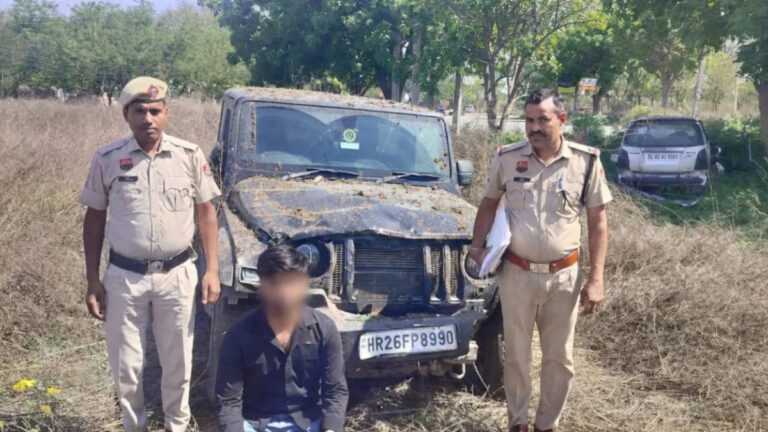
The incident occurred on Tuesday afternoon, April 14, 2026, between 2:00 PM and 2:30 PM. The victim, identified as Praveen Kumar, a resident of Sector 71 and originally from Jalaun in Uttar Pradesh, was performing his duties as a delivery partner for a popular pizza outlet located in Omaxe Mall on Sohna Road.

According to police reports, Praveen was returning to the store after completing a delivery. As he was navigating the stretch near Space I-Tech Park in Sector 49, a speeding Mahindra Thar allegedly rammed into his motorcycle from behind. The impact was so severe that Praveen was thrown off his bike, sustaining critical injuries to his head and chest.

Witnesses at the scene noted that the SUV was being driven in a “rash and negligent manner.” Instead of stopping to provide assistance or call for medical help, the driver of the Thar accelerated and fled the scene, leaving the young man bleeding on the asphalt.

Immediate Response and Medical Efforts

Quick-thinking bystanders and the manager of the Domino’s outlet, Sanjay Kumar, rushed to the spot upon hearing the news. A local woman reportedly assisted in securing an ambulance for the injured youth. While initial reports suggested Praveen was conscious enough to enter the ambulance, his condition deteriorated rapidly during the transit.

He was rushed to the Civil Hospital in Sector 10, where doctors examined him. Despite the efforts of the medical staff, he was declared dead on arrival.

The Gurugram police were notified shortly after, and a team reached the hospital to collect the medico-legal report (MLR). Following a post-mortem examination conducted on Wednesday, Praveen’s body was handed over to his grieving family.

A Family Shattered

For Praveen’s family, who moved to Gurugram from Jalaun in search of better opportunities, the loss is immeasurable. Praveen was not just a delivery agent; he was a vital support system for his family.

His mother, Usha Devi, who filed the formal police complaint, described the agonizing moments of receiving the news. “He was just doing his job,” she shared through tears. His younger sister, Priya (17), mentioned that the family remains in shock, struggling to process how a routine workday ended in such a violent tragedy.

Police Investigation and Legal Action

The Gurugram Police have officially registered an FIR (First Information Report) at the Sector 50 Police Station. The case has been filed under the following sections of the Bharatiya Nyaya Sanhita (BNS):

  • Section 281: Rash driving or riding on a public way.
  • Section 106: Causing death by negligence (Hit-and-run).

Investigating Officer Assistant Sub-Inspector (ASI) Bharat Singh stated that the police are currently utilizing all available resources to track down the offender.

“We are identifying the driver based on the vehicle’s registration number obtained from local witnesses and nearby surveillance. Multiple teams are scanning CCTV footage from the Space I-Tech Park area and the escape routes toward Sohna Road to pin down the exact location of the vehicle,” ASI Singh confirmed.

The Growing Danger for Gig Workers

This tragic event highlights a dark reality for the thousands of delivery partners working in urban hubs like Gurugram. Known for its wide expressways and high-speed traffic, Gurugram has become increasingly dangerous for two-wheeler riders.

Risk Factors for Delivery AgentsDescription
Strict DeadlinesPressure to deliver within 30 minutes often forces riders to take risks.
Lack of ProtectionUnlike cars, motorcycles offer zero structural protection against high-speed impacts.
Reckless DrivingSUVs and luxury cars often speed on internal city roads like Sector 49 and 50.
Night Shift HazardsVisibility issues and tired drivers increase the likelihood of accidents after dark.

Public Outcry and Road Safety Concerns

The “Thar Culture”—often associated with aggressive driving and a sense of entitlement on the road—has come under heavy criticism on social media following this incident. Local residents of Sector 49 and 71 have expressed their fears regarding the lack of speed breakers and traffic monitoring near IT hubs.

“This stretch near Space I-Tech Park is notorious for speeding,” said a local resident. “Drivers think that because the roads are wide, they can treat them like race tracks. We need more than just FIRs; we need active patrolling and speed cameras.”

What Happens Next?

The police have assured the family that an arrest is imminent. Once the driver is apprehended, they will face trial under the BNS, which has recently tightened penalties for hit-and-run cases where the driver fails to report the incident to a police officer or magistrate shortly after the accident.

As the city continues to expand, the balance between high-speed infrastructure and the safety of its most vulnerable commuters remains a critical challenge for the Gurugram administration.

How to Help/Report

If you have any information regarding a black or dark-colored Mahindra Thar seen speeding in the Sector 49 area on Tuesday afternoon, or if you have dashcam footage of the incident, please contact:

  • Sector 50 Police Station, Gurugram
  • Gurugram Traffic Police Helpline
  • Dial 112 (Emergency Services)

For now, a family waits for justice, and a city is left to reflect on the cost of a few minutes of “thrill” behind the wheel.

Why Apple and Google Struggle to Purge ‘Nudify’ Apps

0

New Delhi, April 16, 2026 – In the early months of 2026, the digital storefronts that power the world’s smartphones are facing a moral and regulatory reckoning. Despite years of “strict” policies prohibiting sexually explicit content, a series of explosive investigations has revealed that Apple’s App Store and the Google Play Store have hosted over 100 “nudify” apps—AI-powered tools designed to digitally “undress” people without their consent.

The scale of the problem is staggering. According to a landmark report by the Tech Transparency Project (TTP) released in early 2026, these apps have been downloaded more than 705 million times and have generated an estimated $117 million in lifetime revenue. Perhaps most damning is the fact that Apple and Google, through their standard 15% to 30% commission on in-app purchases, have effectively profited from the proliferation of these “digital abuse” tools.

The Illusion of Enforcement

Both tech giants have long maintained clear guidelines against harmful AI. Google’s policy explicitly bars apps that “degrade or objectify people,” while Apple prohibits content that is “offensive, insensitive, or just plain creepy.” Yet, the TTP investigation found 55 such apps on Google Play and 47 on the Apple App Store.

These apps often hide in plain sight using clever marketing tactics:

  • The “Prank” Pivot: Developers frequently label their software as “entertainment” or “bikini editors” to bypass automated filters.
  • Keyword Manipulation: While the apps might have innocent names, they dominate search results for terms like “nudify,” “undress,” or “AI clothes remover.”
  • The Ad Loophole: Most disturbingly, the investigation found that both Apple and Google’s own advertising systems were serving ads for these apps directly to users searching for deepfake tools.

A Financial Incentive for Failure?

As the revenue figures—reaching upward of $122 million by mid-April 2026—continue to climb, critics are asking whether the financial benefit to the platforms has slowed their response.

“When a platform takes a 30% cut of a subscription for an app designed to violate someone’s dignity, they aren’t just a host; they are a business partner,” says Katie Paul, Director of the Tech Transparency Project.

Following the initial outcry in January 2026, Apple and Google performed a “mass purge,” removing dozens of flagged apps. However, researchers noted that new versions often reappeared within days, slightly rebranded but featuring the same underlying AI models. This “Whac-A-Mole” cycle suggests that the current review processes—largely reliant on human reports rather than proactive AI detection—are insufficient to stem the tide.

The Human Cost: Beyond the Screen

The rise of these apps isn’t just a technical glitch; it has fueled a global epidemic of Non-Consensual Intimate Imagery (NCII).

  • School Scandals: In late 2025 and early 2026, dozens of high schools across the U.S. and Europe reported incidents where students used these apps to target classmates, leading to severe mental health crises and legal battles.
  • The Grok Controversy: The issue was amplified in early 2026 when X’s (formerly Twitter) AI, Grok, was caught up in a scandal involving the generation of sexualized images of public figures and even minors, putting further pressure on Apple and Google to remove X from their stores for policy violations.

Global Regulatory Backlash

Governments are no longer waiting for Silicon Valley to self-regulate. 2026 has seen a wave of aggressive new laws:

  1. India’s 3-Hour Mandate: In February 2026, India amended its IT Rules to require platforms to remove non-consensual nudity within just three hours of a report.
  2. The EU’s AI Act Enforcement: The European Commission has launched formal investigations into the App Store’s “systemic risks” regarding the dissemination of deepfake pornography.
  3. U.S. Senate Pressure: Senator Jon Ossoff and other lawmakers have issued formal inquiries to Sundar Pichai and Tim Cook, demanding transparency on how many “nudify” apps were identified by internal systems versus external whistleblowers.
MetricEstimated Impact (as of April 2026)
Total Identified Apps102+
Total Downloads705 Million+
Total Revenue Generated$122 Million
Apple/Google Commission~$35 Million
Reported Teen Exposure11% of U.S. Teens (via Thorn Research)

The Path Forward

As of April 16, 2026, the battle continues. While Apple and Google have increased their use of automated “safety classifiers” to detect nudify logic in code, the “arms race” between developers and moderators shows no sign of slowing.

Experts suggest that true change will only come when platforms are held legally liable for the content they monetize. Until then, the apps that “strip the clothes off” innocent victims remain just a search away, tucked behind a “bikini editor” icon and a 4.5-star rating.

The message from advocates is clear: Policy without proactive enforcement is not a safeguard—it is a suggestion. And for the millions of victims of AI deepfakes, that suggestion has come far too late.

Wipro Q4: Modest Growth, Mega Buyback & FY27 Outlook

0

New Delhi, April 16, 2026 — As the curtains draw on the 2025-26 financial year, all eyes in the Indian IT sector are turning toward Wipro Limited. The tech giant is scheduled to announce its fourth-quarter (Q4 FY26) earnings today, April 16, 2026. While analysts anticipate a period of modest revenue and profit growth, the real excitement in the market stems from a potential multi-billion dollar share buyback and the company’s crucial guidance for the upcoming fiscal year.

Under the leadership of CEO Srini Pallia, Wipro is navigating a complex landscape of cautious client spending, a transition toward AI-centric services, and an aggressive push for operational efficiency.

1. Financial Snapshot: What the Numbers Might Look Like

Market consensus suggests that Wipro’s Q4 performance will be steady but subdued, reflecting a broader trend of “cautious optimism” across the IT services industry.

Revenue Projections

Analysts expect revenue in rupee terms to hover between ₹22,000 crore and ₹24,343 crore. While this represents a sequential growth of roughly 1.1% to 4% over Q3, much of this expansion is attributed to inorganic growth from recent acquisitions, such as Mindsprint and Harman DTS. On an organic basis—excluding these acquisitions—revenue growth is likely to remain flat or show a slight decline of 1%.

Profitability and Margins

Profit After Tax (PAT) is estimated to land in the range of ₹3,200 crore to ₹3,600 crore. While Wipro achieved a multi-year high operating margin of 17.6% in the previous quarter, experts predict a slight contraction to around 17.1% – 17.5% for Q4.

  • Why the dip? The compression is largely due to the financial impact of wage hikes, integration costs for new subsidiaries, and the upfront investments required for “mega deals,” including a reported $1 billion partnership with the Olam Group.

2. The Big Sentiment Trigger: ₹16,000 Crore Buyback

Perhaps the most significant development for shareholders is the expected announcement of a massive share buyback. Rumors and analyst reports suggest the board may approve a repurchasing program sized between ₹16,000 crore and ₹18,500 crore.

  • The Strategy: This would be Wipro’s first buyback in three years. By reducing the number of outstanding shares, Wipro aims to improve its Earnings Per Share (EPS) and signal management’s confidence in the company’s long-term value, especially since the stock has recently traded at a valuation discount compared to peers like TCS and Infosys.
  • The Route: Investors are waiting to see if the company chooses the Tender Route (buying back shares at a fixed premium) or the Open Market route. Historically, Wipro has favored the tender route, which is generally more beneficial for retail investors.

3. FY27 Guidance: The Roadmap Ahead

For the stock market, the “history” of Q4 is often less important than the “future” of the next quarter. Wipro is one of the few Indian IT firms that provides formal quarterly revenue guidance.

  • Q1 FY27 Forecast: The street expects Wipro to guide for a constant currency revenue growth of -1.0% to +1.0% for the first quarter of the new fiscal year.
  • The “Bull” Case: If management provides a guidance range that crosses the +1% mark, it would be seen as a clear signal that the demand environment is finally stabilizing.

“Growth remains largely inorganic, while core demand continues to stay soft,” noted a senior market analyst. “The buyback will support the stock price in the short term, but the Q1 guidance will determine the trajectory for the rest of 2026.”

4. Key Factors to Watch: AI, BFSI, and Consulting

Beyond the balance sheet, several strategic pillars will define Wipro’s narrative in the coming year:

The AI360 Program

Wipro has been investing heavily in its AI360 ecosystem, training thousands of employees and partnering with giants like NVIDIA and Microsoft. Investors will be looking for specific “deal wins” where AI isn’t just a buzzword but a core revenue driver.

Recovery in BFSI and Consumer Sectors

Banking, Financial Services, and Insurance (BFSI) is Wipro’s largest vertical. It has been a drag on growth recently due to global economic uncertainty. Any sign of a “thaw” in spending from US and European banks would be a massive win for the company.

Capco’s Performance

The 2021 acquisition of Capco, a global management and technology consultancy, was intended to give Wipro a seat at the “strategy table.” Management commentary on how consulting leads are converting into large-scale execution projects will be a key metric for FY27.

5. Conclusion: A Crucial Juncture

Wipro stands at a crossroads. While the company has shown incredible resilience in maintaining margins during a period of “soft” revenue, it still lags behind its larger rivals in terms of pure growth momentum.

The Q4 results are likely to present a “mixed bag”—modest financial growth paired with a shareholder-friendly capital return. However, if CEO Srini Pallia can demonstrate a robust pipeline of large deals and a clear path to organic growth in FY27, Wipro may finally begin to close the valuation gap with its industry peers.

The Crack in the Foundation: Internal Strife at Tata Trusts Challenges the “Tata Way”

0

April 16, 2026 — For over a century, the Tata name has been more than just a brand; it has been a synonym for ethical capitalism, social responsibility, and an unshakeable sense of unity. But today, the apex of this empire—the Tata Trusts—is facing a governance crisis that threatens to undermine the very principles established by its founders.

As the $180 billion conglomerate navigates the post-Ratan Tata era, a deepening rift among its trustees is no longer just a boardroom whisper. It is a public struggle that has now reached the corridors of the Maharashtra Charity Commissioner, raising a haunting question: Can the “Tata Idea” survive if its guardians are at war?

A House Divided: The Roots of the Conflict

The current turmoil centers on a high-stakes power struggle between two factions within the Trusts, which together hold a 66% controlling stake in Tata Sons, the group’s holding company.

On one side is Noel Tata, the half-brother of the late Ratan Tata and current Chairman of the Trusts. On the other is a vocal group of dissenters, most notably former trustee Mehli Mistry, a close confidant of Ratan Tata and a relative of the Shapoorji Pallonji (SP) family.

What began as internal disagreements over board appointments has escalated into a legal battleground. Earlier this week, Mistry filed an objection with the Maharashtra Charity Commissioner, seeking the appointment of an external administrator to oversee the Sir Dorabji Tata Trust (SDTT). His allegations are explosive:

  • Procedural Breaches: Claims that key decisions were made by an “illegally constituted” board.
  • Conflict of Interest: Allegations that certain trustees received significant commissions from Tata companies while serving as nominee directors.
  • Governance Lapses: Challenges to the validity of Noel Tata’s appointment as a lifetime trustee.

The Battle for Strategic Control

This is not merely a clash of personalities; it is a battle over the future direction of India’s most storied business house. The internal division is currently paralyzing decisions on two critical fronts:

1. The Listing of Tata Sons

The Reserve Bank of India (RBI) has classified Tata Sons as an “Upper Layer” NBFC, which carries a mandate to list on the stock exchanges. While some trustees, including Venu Srinivasan and Vijay Singh, have historically leaned toward a public listing to ensure transparency, a powerful bloc within the Trusts remains fiercely opposed.

“A public listing would expose the Trusts to market volatility and stricter regulatory scrutiny,” notes a senior corporate analyst. “For a body that relies on steady dividends to fund massive philanthropic projects, the transparency of a public market is seen by some as a threat to their autonomy.”

2. The Future of Leadership

The rift has cast a shadow over the tenure of N. Chandrasekaran, the Chairman of Tata Sons. While his leadership has seen the group’s market cap soar, reports suggest that Noel Tata has withheld explicit support for a fresh term without “strategic clarity” on the group’s future roadmap. This hesitation has created a vacuum of certainty at a time when the group is making massive bets on semiconductors, EV batteries, and e-commerce.

Regulatory Pressure: The 2025 Ordinance

The timing of this internal strife is particularly precarious due to the Maharashtra Public Trusts Amendment Ordinance, 2025. This new regulation introduced a 25% cap on lifetime trustees and mandated fixed five-year tenures for most others.

This law has turned the Tata Trusts’ traditional “permanent” leadership structure upside down. The Trusts are currently scrambling to align their 1918-era deeds with modern statutory requirements. In February 2026, a meeting to induct Neville Tata (Noel’s son) into the Sir Ratan Tata Trust was postponed due to a lack of quorum—a sign of how deep the procedural paralysis has become.

Key PlayerRole/PositionStance/Status
Noel TataChairman, Tata TrustsSeeking to consolidate leadership; formalizing trust deeds.
Mehli MistryFormer TrusteeSeeking external administrator; alleging “arbitrary” governance.
Venu SrinivasanVice-ChairmanChallenged on eligibility grounds; recently stepped down from secondary trust roles.
N. ChandrasekaranChairman, Tata SonsAwaiting consensus from Trusts for long-term strategic backing.

Why This Matters for the “Tata Idea”

The “Tata Idea” is built on the premise that the wealth generated by the companies belongs back in the hands of the community. Because the Trusts own the majority of Tata Sons, they are the ultimate moral and financial compass of the group.

If the Trusts are viewed as a site of factionalism and legal disputes, the “Tata Premium”—the trust that investors, employees, and the public place in the brand—begins to erode.

  1. Market Sentiment: Investors hate uncertainty. The lack of a unified front on the Tata Sons IPO has already led to cautious “wait-and-watch” stances from institutional investors.
  2. Philanthropic Impact: The Trusts fund hospitals, schools, and rural development. Prolonged legal battles and the potential appointment of a government administrator could stall the flow of funds to these critical social projects.
  3. The Succession Question: With the next generation—Leah, Maya, and Neville Tata—moving into leadership roles, the current infighting sets a worrying precedent for how the family and the professionals will coexist in the future.

The Road to May: A Decisive Moment

All eyes are now on two pivotal meetings scheduled for May 8 and May 12, 2026. These sessions are expected to be the final attempt to forge a consensus before the Tata Sons board meets in June.

If Noel Tata can bridge the gap with the dissenting trustees, the group may emerge with a renewed mandate. However, if the Charity Commissioner intervenes or if the factions remain deadlocked, the Tata Group faces a period of unprecedented instability.

As one former executive put it, “Ratan Tata’s greatest legacy wasn’t the acquisitions or the revenue; it was the silence of the boardroom. He kept the house united. Today, that silence is gone, and the world is watching to see if the house can still stand.”

The coming weeks will determine whether the Tata Trusts will remain the silent, steady heartbeat of Indian industry, or if they will become a cautionary tale of how internal divisions can threaten even the most enduring of legacies.

Himachal Rare Marriage: A New Baby Joins One Wife and Two Husbands

0

New Delhi, April 16, 2026: The mist-covered hills of Himachal Pradesh’s Sirmaur district are once again alive with a conversation that blends ancient tradition with modern life. While the world moves toward nuclear families, a unique household in the Trans-Giri region has recently welcomed a new member, bringing a centuries-old custom back into the global spotlight.

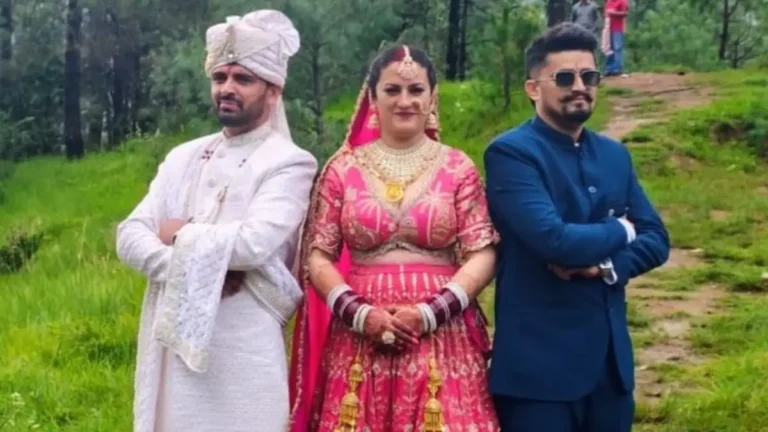
The story of Sunita Chauhan and her two husbands—brothers Pradeep and Kapil Negi—first went viral in 2025. Today, in April 2026, the family is celebrating the birth of their first child, a moment that has not only intensified their personal joy but has also reignited a national debate on culture, legality, and the changing face of Indian society.

A Celebration of New Life

The birth of a child is a milestone for any family, but for the Negi household in Shillai village, it carries a weight of cultural significance. Pradeep Negi, a government employee, was present at home to welcome the newborn, while his younger brother Kapil, who works in the hospitality industry abroad, took to social media to share his excitement.

“The arrival of this baby has completed our lives,” Kapil wrote in a post that quickly trended across platforms. He shared a photo of the infant, expressing an uncharacteristic eagerness to return home. For Kapil, who spends most of the year thousands of miles away, the baby represents a tether to his roots and a shared responsibility that defines his unique marriage.

The community in Shillai has rallied around the family. Local elders, who have seen this tradition—known as Jodidara—fade over the decades, view the birth as a sign of the custom’s resilience.

Understanding the “Jodidara” Tradition

To an outsider, the idea of one woman marrying two brothers might seem inexplicable. However, in the high-altitude regions of the Himalayas, this practice—fraternal polyandry—was born out of harsh geographical and economic necessity.

1. Land Preservation

In the rugged terrain of Himachal, fertile agricultural land is scarce. Historically, if four brothers married four different women and had separate families, the ancestral land would be divided into tiny, unsustainable plots. By sharing a wife, the brothers remain a single unit, ensuring the family estate stays intact and the household remains economically viable.

2. Emotional and Physical Security

Life in the mountains is demanding. With one husband often traveling for trade, grazing livestock in high pastures, or working abroad (like Kapil), having a second husband at home ensures the wife and children are never left without protection or support.

3. The “Pandava” Connection

The residents of the Trans-Giri region, particularly the Hatti community, often trace their lineage back to the Pandavas of the Mahabharata. They view their practice not as a social anomaly but as a sacred heritage. Just as Draupadi married the five Pandava brothers, these modern-day unions are seen as a way to maintain fraternal unity.

The Wedding that Broke the Silence

While polyandry has been practiced “quietly” for generations, Sunita, Pradeep, and Kapil’s wedding in July 2025 was different. It was public, celebrated with the traditional Jajda ceremony involving hundreds of guests, folk music, and the sacred Seenj ritual.

Sunita’s stance has been a focal point of the narrative. A modern woman from nearby Kunhat village, she has consistently maintained that the marriage was her choice. “I knew this tradition, and I chose it willingly,” she stated during the wedding. Her agency has challenged the stereotype that such traditions are always forced upon women.

Also Read: Mrunal Thakur on ‘Son of Sardaar 2’ Casting: “My Trust Was Shaken”

The Legal and Social Crossroads

Despite its cultural roots, the “Jodidara” system exists in a complex legal gray area.

  • The Hindu Marriage Act: Under standard Indian law, bigamy and polyandry are illegal and punishable.
  • Tribal Protections: However, the Hatti community was granted Scheduled Tribe (ST) status in 2022. This status provides certain protections for customary laws. In Himachal, revenue laws have historically recognized these unions to prevent the fragmentation of land.

The birth of the baby brings new questions to the forefront regarding inheritance and legal documentation. In traditional polyandry, the eldest brother is often considered the formal father of all children, though they are raised with equal love and status by all husbands. In modern times, some families have even turned to DNA testing to settle property disputes, though the Negi family emphasizes that their bond is built on mutual trust rather than legal technicalities.

A Tradition in Decline?

While the Negi family’s story has brought the spotlight back to polyandry, experts note that the practice is rapidly vanishing. Increased literacy, the influence of mainstream media, and the migration of youth to urban centers have made nuclear families the new norm.

In villages like Badhana, only a handful of such marriages have occurred in the last decade. Most young people in Himachal today prefer monogamous relationships, viewing polyandry as a relic of a difficult past. Yet, for the Hattis of Sirmaur, the Negi-Chauhan union serves as a reminder of a social structure that once prioritized the “we” over the “I.”

The Modern Perspective: Mixed Reactions

The viral photos of the newborn have sparked a divide in public opinion:

  • The Traditionalists: Many celebrate the family for keeping a unique Himalayan identity alive. They argue that in an era of rising divorce rates, the stability and “shared responsibility” of this system are worth respecting.
  • The Critics: Others express concern over women’s rights and the legal complexities for the child. They wonder how a child raised in such a setup will navigate a world that is increasingly rigid about “traditional” family structures.

Conclusion: A Living Heritage

As the sun sets over the peaks of Sirmaur, the laughter in the Negi household tells a story of a family that has found its own version of happiness. Whether the “Jodidara” system is a practical solution for mountain life or a fading echo of the past, Sunita, Pradeep, and Kapil are living their truth.

The birth of their child isn’t just a personal victory; it is a chapter in a much larger story about how ancient cultures attempt to survive in a rapidly changing world. For now, in the quiet village of Shillai, the focus isn’t on the global debate—it’s on the cradle, where a new generation has just begun its journey.