Home Blog Page 393

Desi Flavors at Premium Prices: The Bihari “Chai Guy” of LA

0

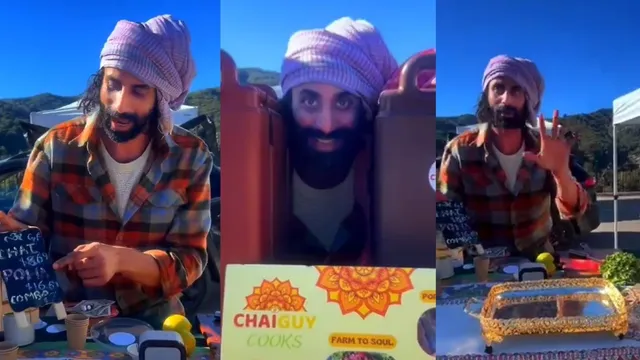
New Delhi, January 14, 2026: A humble Indian breakfast has become a luxury sensation on the streets of Los Angeles, thanks to an enterprising vendor from Bihar. Prabhakar Prasad, popularly known by his social media handle @chaiguy_la, has captured the internet’s attention with a viral video showcasing his unique street-side setup. While traditional staples like tea and poha are usually sold for a few rupees in India, they are being offered at premium rates in this global city. The sight of a vendor proudly sporting a traditional gamcha and maintaining his Bihari identity while serving customers in California has resonated deeply with the global Indian diaspora.

The Economics of Global Street Food

The steep pricing of the menu items has sparked a lively debate across digital platforms. A single cup of masala chai is being sold for approximately Rs 782 ($8.68), while a plate of poha is priced at roughly Rs 1,512 ($16.8). It has been pointed out by many that these costs reflect the high operational expenses of running a business in one of the world’s most expensive cities. The sourcing of authentic spices, the cost of commercial permits, and the general standard of living in the United States are cited as the primary reasons behind these “jaw-dropping” figures.

Also Read: The Viral 19-Minute Video Trap

Cultural Pride and Resilience

Prasad’s success is being viewed as more than just a business venture; it is being hailed as a testament to the “migrant hustle.” In his videos, he is seen interacting with customers in Hindi and staying true to his roots, even as he builds a brand in a foreign land. His striking appearance, characterized by long hair and a mustache, has led to him being affectionately compared to various iconic figures by local residents. It is reported that despite the high prices, long queues are frequently formed by locals and expats alike who are eager to experience the authentic flavors of home.

Connecting Roots to Global Ambitions

The viral sensation serves as a reminder of how food can bridge cultural gaps and create a sense of belonging. The story is being shared by thousands as an example of how hard work and cultural confidence can lead to success in any corner of the world. While some social media users react with humor to the conversion of these prices into Indian currency, others have expressed immense pride in seeing Bihari culture represented so prominently on an international stage. The “Chai Guy” has effectively turned a simple breakfast into a celebrated symbol of Indian entrepreneurship.


The Viral 19-Minute Video Trap

0

New Delhi, January 14, 2026: A deceptive digital trend has recently emerged on social media, centered around a supposed 19-minute viral video clip. It is observed that users are being lured by sensationalist headlines and specific timestamps, such as 9:44 and 12:46, which are claimed to hold scandalous or shocking content. This psychological bait is designed to exploit curiosity and drive massive traffic toward malicious links. It has been clarified by cybersecurity experts that these videos often do not exist in the form described, serving instead as a front for sophisticated phishing operations.

Mechanics of the MMS Scam

The “hijacking” of social media feeds is achieved through a coordinated spread of Multimedia Messaging Service (MMS) links and automated posts. It is reported that once a user clicks on the promised “full video,” they are often redirected to fraudulent websites. These pages are designed to look like legitimate login portals or system security alerts. Victims are frequently prompted to enter personal credentials or download “necessary” media players, which in reality are pieces of malware. This method allows bad actors to gain unauthorized access to private accounts and sensitive data.

Also Read: Security Alert at Haridwar Ghats

The Role of AI and Deepfakes

Much of the concern surrounding these viral clips stems from the use of AI-generated content and deepfakes. It has been noted by authorities that influencers and public figures are often the targets of these fabricated “scandals.” By using advanced morphing technology, realistic but fake footage is created to give the scam a sense of legitimacy. The 19-minute narrative is used to build a sense of a detailed story, convincing the audience that they are witnessing a leaked private moment rather than a calculated digital trap.

Legal and Ethical Implications

The spread of such unverified and harmful content is being met with strict legal warnings. It is emphasized by law enforcement agencies that the forwarding of such explicit or morphed material is a punishable offense under various IT acts and privacy laws. Heavy fines and potential imprisonment are being cited as consequences for those who participate in the distribution chain. Furthermore, the emotional toll on the individuals whose likenesses are used in these scams is highlighted as a growing social concern that requires urgent attention.

Protecting the Digital Community

Constant vigilance is recommended for all social media users to avoid falling victim to these elaborate schemes. It is advised that any message or post promising “leaked” content with specific timestamps be treated with extreme skepticism. Users are encouraged to report such links to platform moderators rather than clicking on them. By fostering a culture of verification over sensation, the spread of these malicious MMS scams can be effectively curtailed. Education on digital hygiene is being championed as the primary defense against this evolving form of cybercrime.

Security Alert at Haridwar Ghats

0

New Delhi, January 14, 2026: A viral video featuring a group of men dressed in traditional Arab-style robes at the Haridwar Ghats has recently gained widespread attention across social media platforms. The footage, which shows the individuals walking along the sacred riverfront, has triggered a significant wave of concern among local residents and pilgrims. Such an unusual sight in a sensitive religious location was quickly flagged by netizens, leading to an immediate digital outcry and calls for official verification.

Rapid Response by Local Authorities

Upon the video reaching a massive audience, the Haridwar Police were promptly alerted to the situation. A formal investigation was initiated by the department to ascertain the identity and motives of the individuals involved. Intelligence gathered by local units was used to track the movement of the group through CCTV footage installed around the prominent ghats. It was noted by officials that security protocols are strictly maintained in this region due to its religious and cultural significance.

Also Read: The Ultra-Processed Lunchbox Crisis

Verification and Official Statements

The individuals seen in the video were eventually identified and questioned by the police to ensure no security breaches had occurred. It was clarified by the authorities that the men were visitors, and their presence was thoroughly documented during the routine check. The public was informed through official channels that no suspicious activity or malicious intent was found during the preliminary probe. Nevertheless, a high state of vigilance is being maintained by the security forces to prevent any potential disruptions to the peace of the holy city.

Managing Public Perception

The incident has sparked a broader conversation regarding the impact of viral content on public order and communal harmony. It is observed by experts that videos taken out of context can often lead to unnecessary panic or misinformation. The police have urged citizens to refrain from spreading unverified clips that could potentially incite tension. A request was made by the administration for social media users to exercise responsibility and wait for official confirmations before drawing conclusions about such sightings.

Reinforcing Security Measures

In the aftermath of the viral event, patrolling around the Haridwar Ghats has been visibly increased by the local police force. Strict monitoring of all visitors is being carried out to ensure the safety of the thousands who gather for daily rituals. It is emphasized by the district administration that while tourists from all backgrounds are welcome, adherence to local sensitivities and security norms is expected. The situation is currently reported to be under control, with the city returning to its usual spiritual routine.

The Ultra-Processed Lunchbox Crisis

0

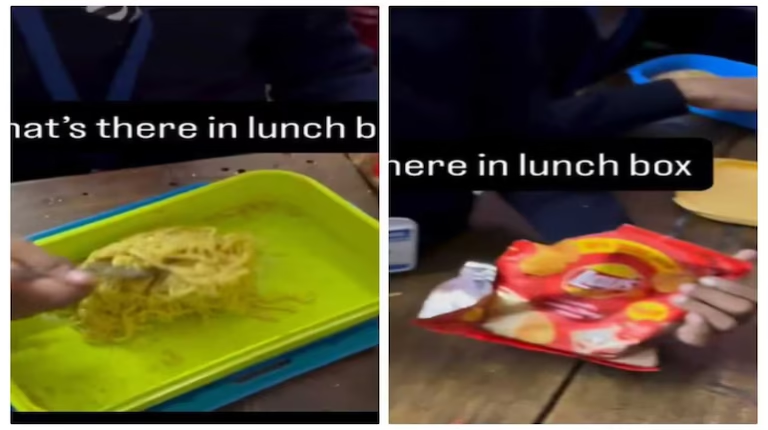
New Delhi, January 14, 2026: A concerning trend has been highlighted by a recent viral video showcasing the contents of primary school lunchboxes. Instead of the traditional sandwiches or fruit, many containers were seen filled with brightly colored bags of chips, instant noodles, and neon-orange cheese balls. This footage has sparked a massive debate across social media platforms regarding the nutritional quality of meals provided to children. The convenience of pre-packaged snacks is being prioritized over fresh, whole foods, leading to widespread alarm among pediatricians and educators alike.

The Shift Toward Convenience

It is observed that the modern lifestyle often leaves parents with little time for elaborate meal preparation. Consequently, the reliance on ultra-processed items has reached an all-time high. These snacks are frequently chosen because they are inexpensive, shelf-stable, and highly appealing to young palates. However, the nutritional void left by such choices is significant. It is argued by experts that the high sodium, artificial coloring, and preservative content found in these snacks can have immediate effects on a child’s concentration and energy levels during the school day.

Also Read: Viral Video of Mother at Old-Age Home Revealed as Scripted

Long-Term Health Implications

Serious health concerns are being raised by medical professionals who viewed the viral clips. A diet dominated by chips and instant noodles is linked to a lack of essential vitamins and fiber. Over time, this dietary pattern is associated with an increased risk of childhood obesity and early-onset metabolic issues. The heavy processing of these “lunchbox staples” often involves high levels of saturated fats and hidden sugars, which are known to contribute to long-term cardiovascular concerns if habits are not corrected in early childhood.

Navigating the Educational Environment

The role of schools in monitoring these dietary habits is also being questioned. While many institutions have healthy eating policies, the enforcement of such rules is often difficult. It has been suggested that a collaborative approach between schools and parents is necessary to ensure that children receive the fuel required for cognitive development. Educational programs aimed at teaching children about food sources are being proposed as a way to shift the culture away from high-energy, low-nutrient snacks.

A Call for Nutritious Alternatives

The viral sensation serves as a wake-up call for many households. It is recommended that small, incremental changes be made to transition back to balanced meals. Whole grains, fresh vegetables, and lean proteins are being championed as the gold standard for mid-day fuel. Although the convenience of a bag of chips is undeniable, the long-term investment in a child’s health through better nutrition is considered far more valuable. This viral moment is hoped to be the catalyst for a broader movement toward healthier school environments.

Viral Video of Mother at Old-Age Home Revealed as Scripted

0

New Delhi, January 14, 2026: A wave of public outrage was recently triggered by a viral video that appeared to show a woman heartlessly abandoning her elderly mother at the gates of an old-age home. On January 12, 2026, the footage began circulating across platforms like Facebook and WhatsApp, leading to thousands of derogatory comments directed at the daughter. However, a detailed investigation has revealed that the scene was entirely staged, serving as a stark reminder of the growing trend of “social awareness” videos that blur the lines between reality and fiction.

The Mechanics of Scripted Outrage

The video was observed to have all the hallmarks of a staged drama, designed specifically to provoke an emotional response and drive engagement. It was noted by digital analysts that the camera angles were too professional and the audio too clear for a spontaneous, real-life encounter. Upon further review, it was discovered that the content was produced by a popular social media creator known for making “awareness” clips. It is argued that such videos are often created to garner likes and shares under the guise of teaching a moral lesson, though they frequently cause unnecessary panic and anger among viewers who believe them to be real.

Also Read: Honesty Glittering Like Gold: Chennai Worker Returns ₹45 Lakh

Fact-Checking the Fabricated Narrative

A clarification was eventually issued by the content creator after the video reached millions of views and sparked genuine concern from local authorities. It was admitted that the “mother” and “daughter” depicted in the video were professional actors and that the entire sequence was filmed with the consent of the facility shown in the background. The disclaimer, which was originally hidden deep in the video’s description or added as a tiny watermark, was missed by the vast majority of people who shared the clip as a factual event. This incident highlights a significant lapse in digital literacy among the general public.

The Ethical Debate Over Staged Awareness

The use of distressing themes for the sake of “engagement” has become a subject of intense ethical debate in 2026. It is argued by psychologists that the constant exposure to fabricated tragedies can lead to “compassion fatigue,” where users become desensitized to actual cases of elder neglect. Furthermore, the reputation of legitimate old-age homes is often put at risk when they are used as backdrops for these staged dramas without clear context. The pressure to go viral has seemingly incentivized creators to prioritize shock value over the truth, leading to a polluted digital information environment.

Verifying Content in the Age of Misinformation

As of January 14, 2026, users are being urged by fact-checking organizations to be more cautious before hitting the share button on emotionally charged videos. It is recommended that the source of the video be scrutinized and that viewers look for disclaimers that indicate the content is for “entertainment or educational purposes only.” The viral success of this scripted abandonment story serves as a powerful lesson: in the digital age, seeing is no longer believing. By demanding transparency from creators, the community can help prevent the spread of fabricated narratives that do more harm than good.

Honesty Glittering Like Gold: Chennai Worker Returns ₹45 Lakh

0

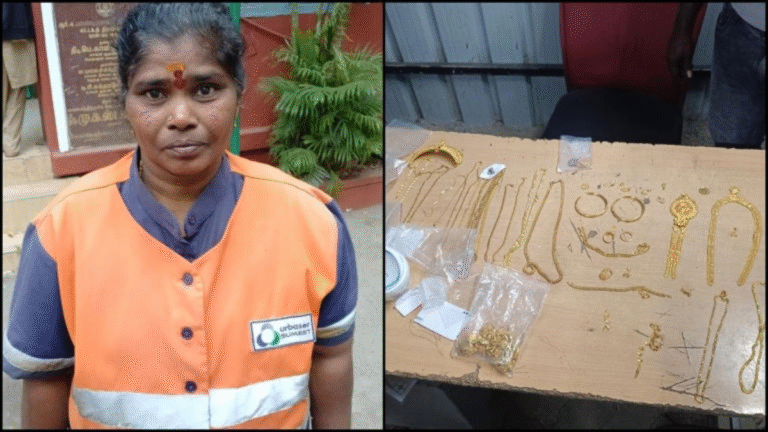
New Delhi, january 14, 2026: In a world where headlines are often filled with stories of greed, a sanitation worker in Chennai has touched hearts across the nation with a staggering act of honesty. On January 11, 2026, S. Padma, a 48-year-old worker with the Greater Chennai Corporation (GCC), found a bag containing 45 sovereigns of gold—valued at approximately ₹45 lakh—and didn’t hesitate for a second before doing the right thing.

The Discovery in T. Nagar

The incident occurred on a typical Sunday afternoon in the bustling commercial hub of T. Nagar. Padma was finishing her shift near Muthamman Koil Street when she noticed an unattended plastic bag resting on an old pushcart.

Curious, she opened the bag and was stunned to find it filled with glittering gold jewelry. For someone earning a modest living, the temptation could have been life-changing. Instead, Padma’s immediate thought was for the person who had lost it.

“I thought some family would endure tremendous hardship if I did not take steps to take the jewelry to the police,” Padma later told reporters.

A Family Tradition of Integrity

Padma immediately alerted her supervisors, and together they took the bag to the Pondy Bazaar Police Station.

Interestingly, the police had just received a frantic complaint from a man named Ramesh, a jewelry trader from Nanganallur. Ramesh had been carrying the gold—sourced from bank auctions and acquaintances—when he accidentally left the bag on the cart while talking to a friend.

The verification was swift, and the jewelry was returned to a relieved Ramesh. But the story doesn’t end there. Integrity seems to run in Padma’s family: during the COVID-19 lockdown, her husband, Subramani, had found ₹1.5 lakh in cash at Marina Beach and had also handed it over to the authorities.

Recognition from the Top

Padma’s selfless act quickly reached the highest offices in the state. On January 12, 2026, Tamil Nadu Chief Minister M.K. Stalin invited Padma to the Secretariat.

  • Official Felicitation: The CM honored her with a traditional shawl.
  • Cash Reward: He presented her with a cheque for ₹1 lakh as a token of appreciation for her honesty.
  • Public Praise: The Chief Minister hailed her as an “inspiration and a shining example for society.”

Why It Matters

Padma’s story is a powerful reminder that “gold” isn’t just a metal found in a bag—it’s the character of the person who finds it. In a busy city like Chennai, her decision to put a stranger’s well-being above her own financial gain has made her a local hero.

Viral Video Alleges Trump Confrontation with Ford Worker

0

New Delhi, 14 January, 2026: A storm of political controversy has been ignited following the release of a viral video purportedly showing Donald Trump making an obscene gesture toward a Ford factory worker. On January 12, 2026, the footage began circulating across social media platforms, appearing to capture a moment of high tension during a tour of a manufacturing facility in Michigan. The clip, which has already amassed millions of views, seems to show the U.S. President engaging in a sharp verbal back-and-forth before a hand gesture was made as he walked away.

The Root of the Presidential Anger

The confrontation was reportedly sparked by a question regarding recent shifts in trade policy and their impact on local job security. It was observed in the recording that a worker on the assembly line shouted a critical comment regarding the administration’s handling of automotive tariffs. The President, known for his unscripted and often combative responses to criticism, appeared to take immediate offense at the worker’s tone. It was argued by witnesses that the atmosphere shifted from a routine photo opportunity to a genuine confrontation within seconds.

Also Read: Toxic Backlash: Beatriz Taufenbach Quits Instagram

Fact-Checking the Viral Hand Gesture

While the video has been widely shared as proof of a “presidential meltdown,” a closer analysis of the footage has been called for by several media outlets. It was noted by digital forensic experts that the angle of the camera and the graininess of the clip make it difficult to confirm with 100% certainty if the gesture was indeed “flipping off” the worker or a different hand motion made in the heat of the moment. However, the optics of the interaction have already caused significant damage to the administration’s efforts to court the blue-collar vote in the Midwest.

Official Responses and Political Fallout

In the wake of the viral sensation, a statement was issued by the White House press office dismissively characterizing the incident as a “misinterpretation of a spirited debate.” It was claimed by officials that the President was merely gesturing toward the machinery while responding to the noise of the factory floor. Conversely, labor unions and opposition leaders have seized upon the video as evidence of a lack of respect for the American working class. This clash is being viewed as a major pivot point in the ongoing narrative surrounding the President’s relationship with industrial labor.

The Role of Social Media in Modern Politics

As of January 14, 2026, the video remains at the top of trending lists, highlighting the power of unedited, smartphone-captured moments to derail carefully planned political tours. It was emphasized by political analysts that in the current media landscape, a single ten-second clip can overshadow hours of policy discussion. For the workers at the Ford factory and the millions watching online, the incident serves as a stark reminder of the volatile nature of modern political discourse and the thin line between a public servant and a public adversary.

Life on Two Wheels: A Day in the Shoes of India’s Gig Heroes

0

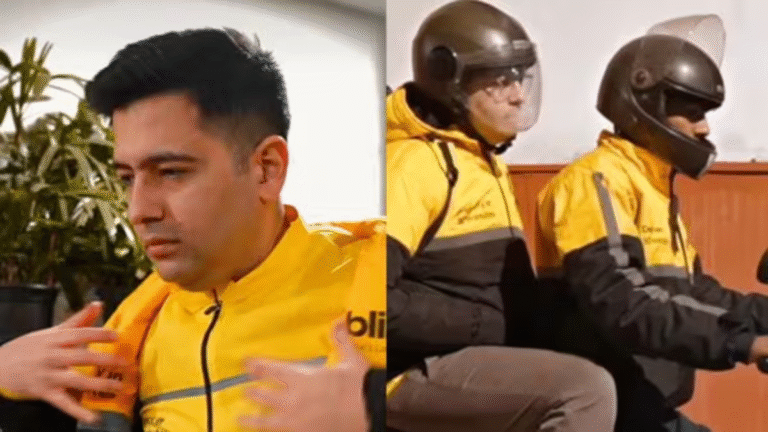
New Delhi, january 14, 2026: In the bustling streets of India’s metros, the hum of electric scooters and the flash of bright red, orange, and yellow delivery bags have become the heartbeat of the modern economy. But what does it actually feel like to spend a day behind the handlebars? To find out, I spent 12 hours signed up as a delivery partner across Zomato, Swiggy, and Blinkit, navigating a world governed by algorithms, traffic, and the relentless ticking of a digital clock.

The Morning Rush: Groceries at Warp Speed

My day began at 7:30 AM with Blinkit. The “quick commerce” wave has transformed mornings; instead of breakfast prep, the air is thick with the sound of packing tape at “dark stores.” Within minutes of logging in, my phone buzzed. The task: deliver a 5kg bag of atta, milk, and eggs.

While companies like Blinkit have recently moved away from the “10-minute” branding following government safety interventions, the internal pressure remains. The app doesn’t show a countdown timer, but the proximity of the dark store—usually less than 2km away—creates an unspoken expectation of speed. By 10:00 AM, I had completed five deliveries, earning roughly ₹150 after accounting for the base pay per order.

The Afternoon Grind: The Payout Paradox

Switching to Swiggy for the lunch rush, the reality of the “payout paradox” hit home. On paper, a delivery partner can gross between ₹26,000 and ₹28,000 a month. However, after deducting fuel (which I paid for out of pocket), vehicle maintenance, and data charges, the net take-home is closer to ₹20,000 for a grueling 10-hour day.

The afternoon sun was unforgiving. Between 1:00 PM and 3:00 PM, I navigated narrow lanes and climbed four flights of stairs twice. Each delivery earned me about ₹25 to ₹40. The most striking observation? The “algorithmic ghost.” If I declined an order because the restaurant was too far, the app seemed to “punish” me by not sending another request for thirty minutes.

The Evening Peak: High Stakes and Heavy Traffic

As dusk fell, I logged into Zomato. This is when the “incentives” kick in. To make a “decent” wage, you must hit milestones—completing 15 or 20 deliveries to unlock a bonus. This creates a frantic race against time.

The 2026 landscape for gig workers is shifting. Following nationwide strikes in late 2025, there is a visible push for better dignity. I noticed more “Rider Rest Points” and a slight increase in peak-hour payouts, reaching up to ₹120 per order during the 8:00 PM rush. Yet, the physical toll is immense. By 9:30 PM, my back ached, and my eyes were strained from the glare of oncoming high-beams.

Final Reflection

A day on the road reveals that delivery partners are not just “service providers”; they are the invisible infrastructure of our cities. While the government’s 2026 focus on Social Security Codes promises better insurance and accident cover, the life of a gig worker remains a high-stakes gamble on every turn.

Jaishankar-Rubio Talks: Nuclear, Trade, and Minerals Take Center Stage

0

New Delhi, january 14, 2026: In a significant move to bolster the India-U.S. Comprehensive Global Strategic Partnership, External Affairs Minister S. Jaishankar and U.S. Secretary of State Marco Rubio held a productive telephonic conversation on Tuesday. The dialogue, which comes at a pivotal moment in bilateral relations, focused on a wide-ranging agenda including trade negotiations, critical mineral supply chains, and the expansion of civil nuclear cooperation.

Taking to social media platform X (formerly Twitter) following the call, Dr. Jaishankar characterized the exchange as a “good conversation.” He noted that the two leaders delved into critical sectors such as trade, defense, and energy, agreeing to maintain consistent contact to navigate shared challenges and opportunities.

A New Chapter in Nuclear Energy

A central highlight of the discussion was the U.S. welcoming India’s recent legislative milestone—the enactment of the Sustainable Harnessing and Advancement of Nuclear Energy for Transforming India (SHANTI) Bill.

U.S. State Department spokesperson Tommy Pigott confirmed that Secretary Rubio congratulated India on this development. The SHANTI Bill is seen as a transformative step that opens the door for limited private participation in India’s nuclear sector under strict regulatory oversight. Washington has expressed a keen interest in capitalizing on this legislative shift to enhance bilateral civil nuclear cooperation, which would not only advance shared energy security goals but also provide a significant opening for American companies in the Indian market.

Navigating Trade and Economic Ties

The conversation occurred against the backdrop of complex trade dynamics. While the U.S. remains India’s largest trading partner, the relationship has recently navigated friction due to significant tariffs—including a 50% levy on certain goods—linked to India’s energy imports from Russia.

Despite these hurdles, the tone of the meeting remained optimistic. Both sides reaffirmed their commitment to finalizing a bilateral trade agreement that has been under negotiation for nearly a year. U.S. Ambassador to India, Sergio Gor, who recently assumed office, described the call as “positive” and hinted at a potential high-level meeting between the two nations as early as next month.

Critical Minerals and the ‘Pax Silica’ Alliance

In an era where technology determines geopolitical influence, the focus on critical minerals and semiconductors took center stage. The leaders discussed securing supply chains for essential minerals required for green energy and high-tech manufacturing.

Notably, the U.S. has indicated its intention to invite India to join the Pax Silica alliance as a full member. This U.S.-led initiative aims to build a secure, innovation-driven silicon supply chain, focusing on artificial intelligence (AI) and semiconductor resilience. India’s inclusion in such a framework is expected to solidify its position as a global alternative production hub, reducing dependence on single-source supply chains.

Regional Stability and the Indo-Pacific

Beyond bilateral economics, Jaishankar and Rubio exchanged perspectives on regional security. Both leaders reaffirmed their unwavering commitment to a “free and open Indo-Pacific,” a cornerstone of the strategic alignment between New Delhi and Washington.

As the two nations work toward a target of $500 billion in bilateral trade by 2030, this latest interaction signals that while differences on specific tariffs and agricultural access remain, the broader strategic trajectory of India-U.S. ties remains on an upward path.

Toxic Backlash: Beatriz Taufenbach Quits Instagram

0

New Delhi, january 14, 2026: The teaser for the highly anticipated Kannada film Toxic: A Fairy Tale for Grown-Ups, starring “Rocking Star” Yash, has ignited a firestorm of controversy. At the center of the storm is Brazilian actress and model Beatriz Taufenbach, who has reportedly deactivated or deleted her Instagram account following intense online backlash over an intimate scene.

The Scene That Sparked the Outcry

Released on January 8, 2026, to coincide with Yash’s 40th birthday, the teaser introduces viewers to a gritty, noir-inspired world. The most talked-about moment involves an intimate car sequence between Yash and Taufenbach, set against the somber backdrop of a cemetery.

While the sequence was intended to establish the “grown-up” tone of the film, it quickly drew criticism from various sections of the audience. The backlash intensified when the women’s wing of the Aam Aadmi Party (AAP) in Karnataka filed a formal complaint with the State Commission for Women, alleging the scene was “obscene” and harmful to social values.

The Mystery of the “Cemetery Girl”

Before the director, Geetu Mohandas, officially identified her, internet sleuths mistakenly identified the actress as Hollywood’s Natalie Burn. Mohandas eventually cleared the air on her Instagram story, introducing Taufenbach as her “cemetery girl.”

However, the spotlight proved to be double-edged. As curiosity turned into targeted trolling and moral policing, Taufenbach’s Instagram profile—which was previously private—became unavailable. Searches for her handle now return a “Profile not available” message, signaling her exit from the platform to escape the escalating digital heat.

Key Controversy Highlights

Impact on the Film

Despite the legal hurdles and social media drama, Toxic remains one of the most talked-about films of 2026. The teaser has already garnered over 220 million views across platforms. The film, which features a massive ensemble cast including Kiara Advani and Nayanthara, is being marketed as a bold, international-standard gangster drama.

Industry experts suggest that while the “obscenity” row has forced the actress into digital hiding, it has also given the film unprecedented visibility. Whether the production team will edit the teaser following the Women’s Commission’s inquiry remains to be seen.