Home Blog Page 52

Shresta Iyer Slams Trolls Over Viral IPL Video

0

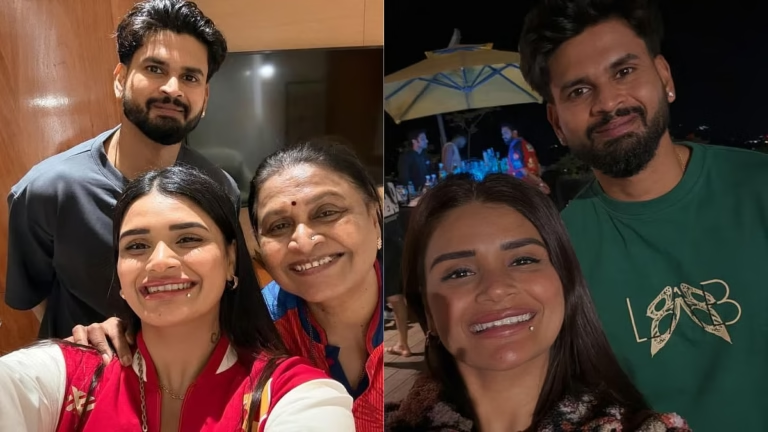
New Delhi, May 26, 2026: The intense passion of cricket fandom in India has once again revealed its darker, toxic side. Shresta Iyer, a professional dancer, choreographer, and sister of Punjab Kings (PBKS) captain Shreyas Iyer, has aggressively hit back at online trolls. This comes after she faced a relentless wave of targeted harassment following her team’s elimination from the 2026 Indian Premier League (IPL) playoffs race.

The backlash was triggered by the resurfacing of a light-hearted, viral video she posted weeks ago. In a powerful, two-part video response on Instagram, Shresta slammed the toxic “jobless behavior” of fans who dragged her family, students, and coworkers into sports-related drama, declaring that she will never stop celebrating her brother, regardless of match results.

The Origin: How ‘Lo Ditta Ek Point’ Came Back to Haunt

To understand the sudden explosion of online hate, one has to go back to the early weeks of IPL 2026. On April 6, a highly anticipated clash between Punjab Kings and Kolkata Knight Riders (KKR) at Eden Gardens was completely washed out due to persistent rain. Because of the no-result, both teams were awarded one point each. At that specific moment, KKR was struggling immensely at the bottom of the table, and this was their very first point of the season.

Following the abandonment, Shresta Iyer—decked out in a Punjab Kings jersey—posted a playful Instagram reel alongside fellow PBKS supporters. In the clip, she used a popular, light-hearted tone to joke about the shared point, saying:

Initially, most fans took the video as standard, friendly banter. However, as the video gained massive traction, passionate KKR fans took offense, causing immense online outrage that forced Shresta to take the video down back in April, clarifying that it was just a harmless joke.

The Dramatic Turn of Events in IPL 2026

The real trouble started when the competitive dynamics of the tournament flipped. During the first half of the season, Shreyas Iyer’s Punjab Kings were absolutely flying. They won six of their first seven games, sitting comfortably at the top of the points table for nearly a month. Fans confidently expected them to be the first team to seal a playoff berth.

However, the second half of the tournament turned into a complete nightmare for PBKS. Plagued by sudden tactical blunders, critical dropped catches, and an unexpected dip in batting form, Punjab suffered a crushing streak of six consecutive losses.

Though Shreyas Iyer played a captain’s knock in their final league match—smashing a magnificent, unbeaten 101 runs to beat Lucknow Super Giants (LSG) by seven wickets—the damage had already been done.

On May 24, Rajasthan Royals defeated Mumbai Indians, officially eliminating Punjab Kings from the top-four race. Unbelievably, PBKS finished the season in fifth place with 15 points—exactly one point short of a playoff spot. Because their net run-rate was incredibly healthy, had that rained-out match against KKR been a victory instead of a shared point, Punjab would have qualified.

Trolls Resurface the Video with Personal Attacks

The moment Punjab Kings missed the playoffs by a single point, toxic internet circles weaponized Shresta’s old video. Angry, frustrated trolls flooded social media, sharing the “Lo Ditta Ek Point” clip out of context. They mocked her relentlessly, claiming that her joke had “jinxed” the team and unfairly labeling her as a “bad luck charm” for her brother’s franchise.

Shockingly, the abuse quickly escalated past basic internet comments. Trolls began crossing serious ethical and legal lines by actively attacking her real life.

“You Are Harassing My People”: Shresta Iyer Fires Back

Refusing to stay silent under a wave of digital intimidation, Shresta posted two lengthy videos directly calling out her harassers. Visibly frustrated but remarkably firm, she exposed the terrifying extent to which the online mob had targeted her professional life.

“You guys exaggerated a small thing to extremes,” Shresta stated in her video. “The motive of the reel was just a fun banter. I wasn’t trolling anyone, and I had no bad intentions behind it. I was just supporting my brother’s team. That doesn’t mean I hate any other team or players. I respect every single cricketer because my brother is a cricketer himself.”

She then detailed the horrifying real-world spillover of the digital hate campaign:

Shresta drew a definitive boundary, telling trolls that while they are free to direct their empty hatred toward her social media profiles, dragging innocent people into it is unacceptable. She also fiercely criticized the deeply rooted habit of cricket fans blaming athletes’ female family members for on-field failures.

“You guys love to blame families for a team’s win or loss. If a player fails, you immediately start targeting and blaming their wives, sisters, or parents,” she added. “Cricket is a game where winning and losing happen constantly. But let me make this very clear: I will always celebrate my brother. When he wins, I will celebrate him, and when he loses, I will be there to support him. My support will always remain 100% consistent.”

A Stellar Personal Season for Shreyas Iyer Amid the Chaos

While the team suffered a heartbreaking exit, Shreyas Iyer personally enjoyed a phenomenal individual run in IPL 2026. The 31-year-old captain led from the front, silencing critics with his batting consistency.

Across 14 games, Iyer amassed an incredible 498 runs in 13 innings, maintaining a stunning average of 55.33 and a highly destructive strike rate of 168.81. His season highlights included five half-centuries and a spectacular maiden IPL century ($101^*$) against LSG.

The Broader Crisis of Toxic Cricket Fandom

This ugly incident has once again reignited a serious nationwide conversation about the deep-seated toxicity within Indian sports fandom. Shresta Iyer is unfortunately just the latest addition to a long list of family members—including wives, girlfriends, and children of high-profile cricketers like Virat Kohli and Rohit Sharma—who have faced severe online abuse, threats, and harassment when a match doesn’t go a fan base’s way.

As sports media analysts point out, the boundary between passionate sports entertainment and real-world criminal harassment has dangerously blurred in the digital space. Shresta’s brave and direct confrontation serves as a necessary, sharp reminder that families have absolutely no control over a bouncing cricket ball, and targeting a person’s livelihood, students, or workplace over a game of cricket is completely unjustifiable.

Medical Interns’ Wild Liquor Party Sparks Major Row, Prompts Strict Disciplinary Action

0

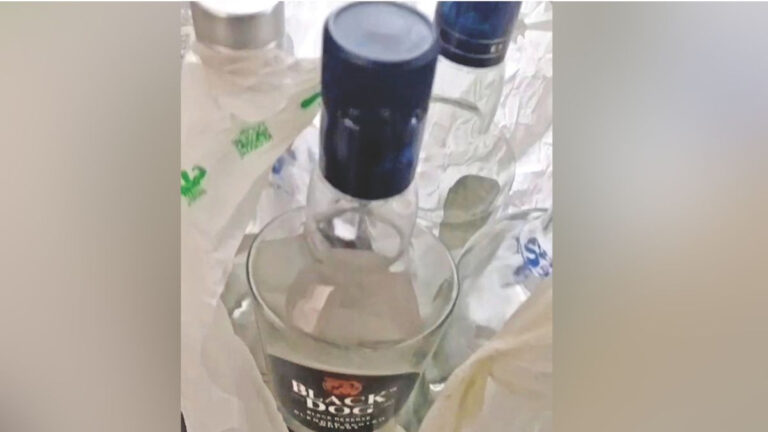
New Delhi, May 26, 2026:— A late-night celebration turned into a major institutional crisis after a viral video exposed medical interns and postgraduate junior doctors hosting an unauthorized liquor party inside the campus hostel. The incident, which took place inside the residential quarters of a prominent state government medical college, has sparked widespread public outrage, raised serious questions regarding institutional discipline, and forced the administration to take immediate punitive measures.

The controversy erupted when video clips began circulating rapidly across major social media platforms. The footage vividly captured a group of young medical professionals—who are entrusted with life-saving responsibilities during the day—consuming alcohol, playing blaring DJ music, and dancing inside a hostel room in the dead of night. What began as a private, rowdy celebration quickly snowballed into a public relations nightmare and a security flashpoint for the hospital administration.

Midnight Chaos and Altercation with Authority

According to official sources, the incident unfolded between 2:30 AM and 3:00 AM when local police received multiple noise complaints from neighboring residents disturbed by the exceptionally loud music vibrating from the hostel block. When a police patrol unit arrived at the campus gate, they briefed the on-duty security staff and proceeded to the specific hostel room to investigate the disturbance.

The situation dramatically escalated the moment law enforcement personnel stepped into the room. As officers began recording video evidence of the ongoing party and the visible liquor bottles, the intoxicated students reportedly turned hostile. A heated verbal altercation broke out, with the medical interns aggressively questioning the authority of the police to film inside their residential quarters.

Realizing that the situation was spinning out of control, the initial police team called for immediate backup. Additional forces arrived on the scene and escorted the unruly students down to the ground floor with the intention of detaining them and transporting them to the local police station for medical examination and formal booking.

Also Read:From Viral Videos to FIFA Glory: Uganda Ghetto Kids to Share the World Stage With Shakira

Unauthorized Intrusion and Medical Staff Protest

The confrontation took an unexpected and messy turn on the ground floor. As the police were preparing to transport the students, an unidentified outsider managed to bypass campus security and entered the premises. This individual allegedly began filming the chaotic scene on a mobile phone and aggressively misbehaved with a senior neurosurgeon who had rushed to the spot to pacify the rising tensions between the police and the junior doctors.

This external interference shifted the dynamic of the conflict entirely. While the administrative lapse regarding the alcohol party remained undisputed, the resident medical community quickly rallied around their senior colleague. In a symbolic display of anger against the outsider’s intrusion and the perceived high-handedness of the police recording, dozens of junior resident doctors wore black ribbons across their white lab coats the following morning.

The protesting doctors demanded a total overhaul of campus security, arguing that the ease with which an aggressive outsider could enter a restricted hostel zone posed a direct threat to the safety of medical professionals living on site.

Administrative Crackdown: Expulsions, Fines, and Firings

Faced with a rapidly escalating dual crisis—public outrage over the viral drinking video and an internal strike by the medical staff—the college management convened an emergency session. The college principal immediately constituted a high-level, five-member internal inquiry committee to thoroughly investigate the timeline of events, review the digital evidence, and pinpoint systemic failures.

The findings of the inquiry committee exposed critical gaps in institutional oversight, confirming that the hostel warden was away on unauthorized leave and that the private security guards on duty had completely failed to monitor entry points or alert senior management when the DJ equipment was brought into the building.

Following the submission of the inquiry report, the administration executed a swift and severe disciplinary crackdown:

  • Primary Offender Expelled: The junior doctor identified as the primary host of the unauthorized party was officially expelled from the hostel premises indefinitely and slammed with a heavy financial penalty of ₹10,000.
  • Participating Interns Fined: Multiple interns and junior residents captured in the video participating in the event were issued formal warning letters and slapped with a fine of ₹5,000 each.
  • Security Personnel Sacked: The entire security team deployed at the hostel gate during the night of the incident was summarily terminated for gross negligence of duty.
  • Legal Action Against Outsider: The administration directed the hostel management to lodge a formal First Information Report (FIR) with the local police against the unidentified outsider for trespassing and harassing medical faculty.

The Broader Debate on Professional Ethics

The incident has triggered a fierce national debate regarding the immense stress faced by medical interns versus the non-negotiable requirement for professional ethics. Medical internships and postgraduate residencies are notoriously brutal, often requiring 36-hour shifts, dealing with immense emotional trauma, and enduring extreme sleep deprivation. Some segments of the student community argued on anonymous forums that the party was an unfortunate, adrenaline-fueled release after months of unremitting academic and clinical pressure.

However, civil society and senior medical bodies have roundly rejected this justification. Critics point out that because these interns live on the hospital campus and are technically “on-call” for medical emergencies even during their off-hours, indulging in heavy drinking inside hospital property is a catastrophic gamble with patient safety. If a mass-casualty event or an emergency surgery had required extra hands that night, these heavily intoxicated doctors would have been completely incapacitated.

The college administration has since announced that the student doctors have expressed deep regret for their actions and have submitted a formal, written apology to both the university and the local police, promising that such an incident will never happen again.

Moving forward, the institution is installing a comprehensive network of new CCTV cameras and implementing strict biometric access control systems at all hostel entry points. While these structural changes may secure the campus gates, recovering the public trust eroded by a few seconds of viral footage will likely take the institution much longer.

From Viral Videos to FIFA Glory: Uganda Ghetto Kids to Share the World Stage With Shakira

New Delhi, May 26, 2026 — What began as a group of joyful children dancing in the cramped, dusty alleyways of Katwe—one of Kampala’s most impoverished slums—has transformed into an extraordinary story of global stardom. In a move that has sent shockwaves of pride across East Africa, Colombian pop icon Shakira officially invited Uganda’s famous Triplets Ghetto Kids to perform alongside her at the upcoming 2026 FIFA World Cup final halftime show.

The announcement came directly from Shakira via a video message posted to her official Instagram account. The music superstar revealed that the Ugandan dance troupe was her absolute “first selection” to join her on stage for what promises to be a historic event. This year’s tournament, co-hosted by the United States, Canada, and Mexico, features the first-ever American Super Bowl-style halftime show during a football championship match. On July 19, 2026, at the MetLife Stadium in New Jersey, these children will share a stage not just with Shakira, but with co-headliners Madonna and K-pop titans BTS.

The Viral Spark That Changed Everything

The fairytale connection between the pop princess and the dance troupe ignited when the Ghetto Kids uploaded a video of themselves dancing passionately to “Dai Dai” (an Italian phrase meaning “come on” or “go, go”), the official 2026 FIFA World Cup anthem recorded by Shakira and Nigerian Afrobeats star Burna Boy. In the viral clip, the children radiated pure energy while holding the flags of the three host nations.

Shakira was instantly captivated. Praising the global wave of fan creativity inspired by her song, she singled out the Ugandan group by name.

For the young performers, the reality of the invitation is still sinking in.

“We can’t wait to show the world what we are!” said an enthusiastic eight-year-old Busingye Josephine Daniella, one of the youngest members of the troupe.

Ssegirinyi Madwanah, 16, added, “Getting outside the country… and performing on one of the biggest stages… it feels good and it brings a lot of opportunities.”

A Decade of Dancing Through Hardship

To truly appreciate this milestone, one must look back at the origins of the Triplets Ghetto Kids. Founded in 2014 by Dauda Kavuma—a former street child himself—the group operates as a non-governmental organization (NGO) dedicated to using dance and the performing arts to rescue, shelter, and support abandoned, orphaned, and vulnerable children.

The group first broke the internet over a decade ago with a raw, homemade street dance video to Eddy Kenzo’s hit song “Sitya Loss.” Shot on a zero-dollar budget with a basic camera, the video captured the world’s attention through its sheer, unadulterated happiness. Over the years, their undeniable talent has paved the way for massive milestones, including:

  • Featuring heavily in American rapper French Montana’s hit “Unforgettable” music video in 2017.
  • Performing at promotional festivities during the 2022 FIFA World Cup in Qatar.
  • Earning a historic “Golden Buzzer” and reaching the finals of Britain’s Got Talent in 2023.

Despite their growing international resume, performing live in front of a global television audience exceeding one billion people at the World Cup final represents an entirely different echelon of fame.

Elevating African Culture on the Global Stage

The inclusion of the Ghetto Kids highlights a massive, deliberate push for African representation at the 2026 World Cup. The tournament’s musical identity is heavily rooted in the continent’s contemporary sounds. The official anthem “Dai Dai” seamlessly blends Afrobeats, reggaetón, and dance-pop, with all royalties generated from the track directly supporting the FIFA Global Citizen Education Fund—a initiative aiming to raise $100 million to expand school and football access for children worldwide.

Furthermore, the creative energy of the continent will be on full display right from the opening whistle. While the Ghetto Kids, Shakira, Madonna, and BTS are locked in to close the tournament in July, the opening ceremony on June 12 at Los Angeles’ SoFi Stadium will be headlined by Nigerian sensation Rema and South African Grammy-winner Tyla, delivering a heavy dose of Afrobeats and Amapiano music to the world.

A Bigger Dream for the Future

For founder Dauda Kavuma, this moment is about much more than flashing lights and celebrity interactions. He views the World Cup final as a golden opportunity to secure the future of the children still struggling on the streets of Kampala.

“We have that big dream,” Kavuma explained. “It’s a very huge opportunity for the Ghetto Kids, for me, for the children.”

Kavuma hopes that the immense global spotlight will help the NGO raise the necessary funds to construct a permanent, state-of-the-art rehabilitation and education center in Uganda. The proposed center would provide housing, formal schooling, and professional arts training to hundreds of street children, ensuring that the legacy of the Ghetto Kids extends far beyond viral internet trends.

When the tournament reaches its dramatic crescendo this July, the focus won’t just be on the athletes competing for the gold trophy. For a few unforgettable minutes, a group of resilient, brilliant children who once danced just to survive will stand at the dead center of the universe, proving that talent knows no boundaries.

X Shuts Down the “Copy-Paste” Economy: Stolen Viral Videos Slashed from Revenue Program

0

New Delhi, May 26, 2026: For the past couple of years, a frustrating trend has taken over Elon Musk’s social media platform, X (formerly Twitter). Small, independent content creators would post a funny, informative, or unique video, only for a massive “aggregator” account with millions of followers to download it, wipe out the watermark, and repost it as their own.

Because of how X’s Creator Revenue Sharing program was structured, these giant copycat accounts would rack up millions of views, taking the traffic—and the massive advertising payouts—away from the person who actually did the work.

X is officially putting its foot down. Led by the platform’s Head of Product, Nikita Bier, X has rolled out a massive algorithmic and policy overhaul explicitly designed to demonetize stolen viral content, strip “engagement farming” accounts of their payouts, and route the rewards back to the original creators.

The Glaring Loopholes in X’s Payouts

When X first introduced its ad-revenue-sharing model, it sparked an online gold rush. To qualify for payouts, users simply needed to subscribe to X Premium, hold at least 500 followers, and hit 5 million organic impressions over a three-month window.

However, this created an accidental copycat economy. Instead of spending time and money producing original content, large verified accounts realized they could programmatically scrape trending clips from platforms like TikTok, Instagram, or smaller X users, post them directly, and easily clean up thousands of dollars every single month.

The problem grew so severe that smaller creators felt discouraged from uploading original videos to X at all, knowing their work would likely be pirated by a larger account within minutes. The algorithm naturally favored accounts with massive follower counts, meaning the stolen version almost always outperformed the original upload.

Shift in Power: Impressions Redirected

X’s newly deployed defensive systems attack content piracy from two major angles: shifting impression gravity and introducing strict manual bans.

Instead of simply taking a stolen video down after a lengthy copyright filing, X is using automated engineering tools to actively scan for duplicate videos. When the system catches a large account reuploading a video originally posted by a smaller account, the algorithm acts as a digital redirect. It allocates the bulk of the post’s impressions and visibility data directly to the original creator.

Essentially, if a thief reposts a video and it goes viral, the original creator gets the credit and the financial rewards attached to those views, entirely breaking the financial incentive behind engagement farming.

High-Profile Crackdowns Sent a Warning Wave

X is proving that these rules are not empty threats. In a series of public interactions, Bier directly targeted prominent aggregator accounts to show how aggressive the system has become.

When a smaller creator complained that his videos were being ripped and reposted by massive accounts without attribution, Bier stepped in directly. He openly called out several high-profile handles for stripping watermarks and copy-pasting bulk media. In one instance, Bier revealed to a major aggregator that their revenue share had already been slashed by 90% in the prior payout cycle, warning that their next step would be a permanent boot from the monetization program.

Furthermore, Bier pointed out egregious accounts that had scraped thousands of videos over a six-month span, warning them that circumventing attribution by cropping out creators’ watermarks would result in their “last day in the creator program.”

How Should Users Properly Share Viral Videos Now?

X emphasizes that it doesn’t want to kill the culture of sharing, reacting, or commenting on videos—which remains a massive pillar of the platform’s daily engagement. However, the days of downloading a video file and uploading it natively as your own are over.

If a creator or aggregator wants to share a viral clip and add insightful commentary, X’s product team states they must use the platform’s built-in tools:

  • The “Share Video” Feature: This allows accounts to embed another user’s video directly into a new post, ensuring the original creator’s username remains permanently pinned to the media player.
  • The “Quote” Feature: Standard quoting ensures the original post remains intact right below the new commentary, keeping the organic traffic path completely clear.

By utilizing these tools, creators can still capitalize on viral trends through their unique perspectives, but the views generated will simultaneously support the person who hit record in the first place.

The Broader Vision for X

This anti-piracy push ties directly into a wider effort by X’s engineering team to clean up what many users have complained is a cluttered, low-quality timeline. Alongside the crackdown on stolen videos, X has recently implemented strict monetization bans for other forms of low-quality engagement farming—such as accounts posting undisclosed AI-generated war and conflict footage to capitalize on breaking news traffic.

The platform is shifting its core focus toward rewarding the genuine effort it takes to build a piece of content, rather than rewarding how far a copycat can broadcast it.

For the everyday user, this means a healthier, more authentic timeline filled with actual human insight. For the independent, small-scale creator, it offers a long-awaited sigh of relief: a guarantee that their creative work can no longer be used as a free ATM for massive accounts.

If you want a deeper look into how these massive updates are completely altering the creator landscape and affecting different internet communities, check out this Clownfish TV News Commentary. This video provides helpful consumer tech commentary on how these aggressive policy shifts are playing out practically for creators across the platform.

Kindness on Two Wheels: Stranger Rescues Stranded Amputee Cyclist

0

New Delhi, May 26, 2026: In a world where news feeds are often dominated by polarizing stories and stressful updates, a brief, unscripted moment of pure human empathy has captured the hearts of millions across social media. A heartwarming video featuring Vincenzo Garofalo, an amputee athlete and avid cyclist, has gone viral globally. The footage captures a vulnerable mid-ride mishap that was instantly transformed by the selfless intervention of a complete stranger, serving as a powerful reminder of the profound impact of everyday kindness.

The Unexpected Mishap

The incident unfolded on a typical morning as Vincenzo Garofalo was out doing what he loves most: pushing his boundaries on a road bicycle. Vincenzo is well-known in his community as an adventurer, an aspiring Paralympian, and a resilient survivor. After a catastrophic motorcycle accident in late 2021 left him in a coma for ten days and resulted in the amputation of his right leg, he spent months in grueling rehabilitation. He fought incredibly hard to reclaim his active lifestyle, eventually acquiring a high-tech prosthetic leg that allowed him to get back on a bike and chase his dreams of athletic excellence.

However, mechanical and structural failures can happen to any cyclist, and for an amputee, the stakes are uniquely challenging. While riding at a brisk pace, the locking mechanism or secure fit of Vincenzo’s prosthetic leg suddenly gave way. Mid-pedal stroke, the prosthetic limb completely detached from his residual socket.

For any cyclist, losing a vital point of contact with the bicycle at high speed is terrifying. For Vincenzo, it meant an immediate loss of balance and control. He managed to bring the bicycle to a halt without sustaining a major crash, but he found himself in an incredibly difficult predicament. Stranded on the side of the road, balancing precariously on one leg while holding his heavy road bike, he was unable to easily bend down, retrieve the detached prosthesis, and reattach it without risking a hard fall onto the asphalt.

A Stranger Steps In

What happened next is the core reason the video has resonated so deeply with millions of viewers worldwide. As Vincenzo stood stranded and visibly struggling to manage his bike and his detached limb, a passing motorist or fellow commuter noticed the situation. Rather than driving past or simply staring—a common response in modern public spaces—the kind passerby immediately pulled over and sprang into action.

The viral video, captured by a nearby camera or a companion’s recording device, shows the passerby walking up to Vincenzo without a moment’s hesitation. There was no awkwardness or judgment; the stranger immediately recognized a fellow human being in need of a steady hand.

A Moment of True Empathy

  • The Physical Support: The passerby securely held Vincenzo’s road bicycle, providing the stabilization he desperately needed to avoid crashing onto the pavement.
  • Retrieving the Limb: With the bicycle stabilized, the stranger bent down to pick up the prosthetic leg, carefully handing it back to the athlete.
  • Patient Assistance: The individual patiently stood by, offering physical support as Vincenzo carefully aligned and locked his residual limb back into the specialized prosthetic socket.

The interaction was brief, efficient, and filled with mutual respect. Once the prosthesis was securely locked back into place, Vincenzo was able to put his foot down, regain his balance, and safely stand on both legs again. The video concludes with a warm exchange of gratitude—a handshake and an embrace that symbolized a powerful bond formed between two strangers in less than two minutes.

The Anatomy of a Viral Story

The video quickly found its way onto platforms like Instagram, TikTok, and Twitter, accumulating millions of views, likes, and shares within a matter of hours. In an era where viral content is frequently engineered for shock value or controversy, this video stands out for its sheer authenticity.

Sociologists and media analysts note that clips like this spread rapidly because they fulfill a deep psychological need for reassurance. The video captures a raw, unexpected moment of vulnerability met with instant, unconditional support. Viewers from different cultures and languages flooded the comment sections with emotional responses, many noting that the video restored their faith in humanity and reminded them that there are still good, selfless people watching out for one another.

The Deeper Impact: Redefining Community

Beyond the immediate emotional warmth of the video, the incident sheds light on the daily realities and hidden vulnerabilities faced by adaptive athletes and individuals living with limb loss. Prosthetic technology has advanced by leaps and bounds, allowing amputees to run marathons, scale mountains, and cycle at elite levels. Yet, these devices still require a delicate, mechanical connection with the human body that can occasionally fail under intense physical stress.

Vincenzo’s story highlights that true accessibility is not just about advanced technology or structural ramps; it is about human infrastructure. It is about a community that is observant, empathetic, and willing to step in when a neighbor’s equipment or body faces an unexpected hurdle. The stranger did not treat Vincenzo with pity; instead, they offered the practical, dignified assistance required to help an athlete get back on his wheels.

Lessons in Everyday Heroism

The viral rescue of Vincenzo Garofalo serves as a beautiful case study in what psychologists call “micro-kindnesses.” The passerby did not have to risk their life or orchestrate a grand rescue scheme. They simply chose to stop, offer a few minutes of their morning, and lend their physical strength to someone facing a temporary obstacle.

This heartwarming event challenges everyone who watches it to look up from their phones, pay closer attention to the people around them, and realize that a small, thoughtful action can completely change the trajectory of someone else’s day. As Vincenzo rides onward toward his athletic goals, he does so with the knowledge that whenever the road gets tough, the kindness of strangers is a powerful force waiting just around the corner.

KCET Result 2026 Date: Karnataka CET Results Expected This Week

New Delhi, May 26, 2026: The long wait for lakhs of engineering, pharmacy, agriculture, and veterinary science aspirants in Karnataka is coming to an end. The Karnataka Examination Authority (KEA) is highly expected to announce the results for the Karnataka Common Entrance Test (KCET) 2026 this week. According to the latest reports from the department and education officials, the results are anticipated to go live between May 28 and May 29, 2026.

While students have been eagerly tracking official portals since the completion of the exams, a minor rescheduling took place due to administrative factors. Dr. M.C. Sudhakar, the State Higher Education Minister, recently indicated that the final processing timeline shifted slightly to accommodate a re-examination held on May 24 in Hiriyur, which was organized following reports of exam malpractice. With the evaluation process for the re-test swiftly moving toward completion, KEA is now finalizing the consolidated merit list and rank cards.

Once officially declared, candidates can access their results directly on the official KEA and government results websites: cetonline.karnataka.gov.in/kea, kea.kar.nic.in, and karresults.nic.in.

KCET 2026 Result Highlights and Crucial Dates

The KCET 2026 state-level entrance examination was successfully administered from April 22 to April 24, 2026, across numerous exam centers throughout Karnataka. The schedule kicked off with the Kannada language test for specific candidates, followed by the core subjects: Physics and Chemistry on April 23, and Mathematics and Biology on April 24.

The evaluation timeline follows a systematic multi-step process setup by the KEA to maintain complete clarity and accuracy:

Event Milestone Confirmed / Expected Date
KCET 2026 Exam Dates April 22 to April 24, 2026
Provisional Answer Key Release April 27, 2026
Final Answer Key Publication May 10, 2026
Non-Karnataka Board Marks Integration Mid-May 2026
Pending Document Verification Deadline May 21, 2026
Official Result Declaration May 28 – May 29, 2026 (Tentative)
Commencement of Counselling First week of June 2026

The KEA usually follows a set pattern on the day of the declaration. A formal press conference is expected to take place around 11:30 AM, led by higher education officials who will present the overall pass percentages, stream-wise toppers, and core statistics. Following the press briefing, the direct rank card download links will be activated on the portal between 1:00 PM and 3:00 PM.

How to Check KCET Result 2026 Online

When the results go live, the official portals experience high traffic volume, which can cause slow loading times or temporary server delays. Students are advised to keep their login credentials ready in advance to ensure a smooth download process.

1.Visit the Official Portal:Step 1.

Open your web browser and go to the primary Karnataka Examination Authority result domain: cetonline.karnataka.gov.in/kea or alternatively use karresults.nic.in.

2.Locate the Result Link:Step 2.

On the homepage, navigate to the “Latest Announcements” or “Flash News” section. Click on the link titled “UGCET 2026 Result / Scorecard Download”.

3.Enter Login Credentials:Step 3.

You will be redirected to a secure login page. Input your KCET Registration / Application Number and enter the first four characters of your name exactly as they appear on your admission ticket.

4.Submit and View:Step 4.

Double-check the entered details, complete the security captcha verification if prompted, and click on the “Submit” button. Your comprehensive KCET 2026 rank card will load on screen.

5.Download and Print:Step 5.

Carefully inspect the marks obtained in each subject and your final assignment of ranks. Click on the Download button to save the scorecard as a PDF, and print at least two physical copies for upcoming counseling verification.


Understanding the Tie-Breaking and Rank Calculation Rule

A common query among engineering aspirants is how KEA determines the final state ranks. For the engineering stream, the merit list is established based on a strictly balanced 50:50 weightage formula.

The final ranking combines 50% of the marks scored by the candidate in Physics, Chemistry, and Mathematics (PCM) within the KCET 2026 entrance exam, and 50% of the marks secured in the same core subjects during their Class 12 / 2nd PUC board examinations.

To streamline this process for students outside the state board pattern, KEA recently introduced an automated data-integration login portal. This portal securely auto-fetched the 10+2 marks directly for CBSE and ICSE students, removing the requirement of manually uploading hard copies and reducing normalization discrepancy errors during rank compilation.

For courses such as Agriculture and Veterinary Science, the ranking criteria rely on designated proportions of the performance in the Biology, Physics, and Chemistry segments, combined with relevant university-level criteria where applicable.

Crucial Information Printed on the Scorecard

Students must verify all individual fields printed on their digital scorecard immediately upon downloading. If any discrepancy or typographical error is detected, it should be brought to the immediate notice of the KEA helpdesk before counseling begins. The scorecard contains the following essential information:

  • Candidate’s Full Name and Roll/Application Number

  • Subject-wise marks secured in Physics, Chemistry, Mathematics, and/or Biology

  • Total absolute score obtained in the entrance exam

  • Assignation of Stream-wise Ranks (e.g., Engineering Rank, Agriculture Rank, B-Pharma Rank)

  • Category details and applicable reservation status (such as Rural, Kannada Medium, or Caste reservations)

  • Final Qualifying Status for seat allocation

What Comes Next? KCET 2026 Counseling Details

Passing the entrance exam marks the transition into the actual admission phase. KEA is looking to execute an accelerated admission timeline this year, with counseling registration tentatively scheduled to kick off during the first week of June 2026.

Before the final result declaration, KEA offered a final cleanup window ending May 21, allowing students who missed earlier schedules to complete their pending physical document verifications at localized government Pre-University (PU) colleges. Having these verified papers organized will accelerate candidate inclusion in the seat matrix system.

The centralized online counseling process operates across several distinct stages:

  1. Registration and Option Entry: Qualified candidates log in to input their preferred combinations of colleges and academic courses. There is no restriction on the number of choices, and candidates are heavily advised to list their preferences in a strict descending order of priority.

  2. The Mock Allotment Round: KEA runs a mock or simulated allotment trial run. This feature processes the candidate’s preferences against the state-wide rank list to show a realistic preview of what college they might get. It gives students an explicit window to modify, add, or delete college entries based on actual competitive trends before the actual rounds freeze.

  3. Final Allotment Rounds: KEA processes Round 1 and Round 2 of seat allocations. If a seat is assigned, the candidate chooses to accept and freeze the seat, upgrade in hope of a higher preference in the subsequent round, or reject the allotment to exit the system.

  4. Fee Payment and Admission: Once a choice is finalized, candidates pay the prescribed institutional fees online through the KEA payment gateway, download their official admission order, and report directly to their allocated colleges to secure enrollment.

Students should use the days leading up to the result announcement to analyze previous years’ cutoff trends for top institutions like RV College of Engineering (RVCE), BMS College of Engineering, and MS Ramaiah Institute of Technology, ensuring a well-planned strategy when the option entry portal goes live.

DRDO CEPTAM 11 Result 2026 Declared: Direct Link, Cut-Off Marks

New Delhi, May 26, 2026: The Defence Research and Development Organisation (DRDO) has officially declared the highly anticipated CEPTAM 11 (Centre for Personnel Talent Management) Result for 2026. This announcement brings an end to the anxious wait of lakhs of defense aspirants across the nation who appeared for the Tier-1 computer-based examinations. Candidates can now access their qualification status, official scorecards, and category-wise cut-off marks directly through the official DRDO website at ceptam.drdo.in.

The CEPTAM-11 recruitment drive was initiated to fill crucial technical and non-technical vacancies, including Senior Technical Assistant-B (STA-B), Technician-A (Tech-A), and various administrative cadres within the Admin & Allied (A&A) structure. With the Tier-1 results out, successful candidates must now shift their focus to the upcoming Tier-2 trade and skill tests.

DRDO CEPTAM 11 Result 2026: Overview

The recruitment drive saw massive participation due to the prestigious nature of working with India’s premier defense research agency. Below is a structured summary of the major highlights concerning the CEPTAM 11 examination results.

Exam Component Recruitment Details

Conducting Authority

Defence Research and Development Organisation (DRDO)

Exam Name

CEPTAM 11 Recruitment Examination

Primary Posts

Senior Technical Assistant-B (STA-B), Technician-A (Tech-A), Admin & Allied (A&A)

Result Status

Declared (May 2026)

Selection Stages

Tier-1 (CBT), Tier-2 (Trade/Skill Test or Descriptive), Document Verification

Official Website

drdo.gov.in / ceptam.drdo.in

Steps to Check DRDO CEPTAM 11 Result 2026

DRDO has activated multiple regional server links on its talent management portal to handle the heavy web traffic from candidates checking their scores simultaneously. To view your scorecard seamlessly, follow these sequential steps:

Prosenjit Chatterjee Conferred with Padma Shri by President Murmu


New Delhi, May 26, 2026: In a historic and emotionally charged moment at the Rashtrapati Bhavan, veteran actor and the undisputed icon of Bengali cinema, Prosenjit Chatterjee, was conferred with the prestigious Padma Shri award by President Droupadi Murmu.
The Civil Investiture Ceremony, held on Monday, May 25, 2026, saw the national capital gather to honor India’s finest minds and creators, with the charismatic star affectionately known as “Bumbada” taking center stage to receive the nation’s fourth-highest civilian honor.

Dressed in immaculate, traditional Bengali attire featuring a golden kurta and dhoti, the 63-year-old superstar appeared visibly moved as he walked up to the podium amid roaring applause from an audience that included Prime Minister Narendra Modi, Union Home Minister Amit Shah, and several top dignitaries. The recognition celebrates Prosenjit’s unmatched four-decade-long dedication to Indian cinema, during which he acted in over 250 films and single-handedly anchored the Bengali film industry through some of its most turbulent eras.

A Legacy of Resilience and Dedication

Prosenjit’s cinematic journey is a masterclass in artistic conviction. Born into a film family as the son of the legendary 1960s Bollywood and regional star Biswajit Chatterjee, Prosenjit could have easily leveraged his lineage to carve out a comfortable path in the thriving Hindi film industry. Instead, he made a conscious, defining choice to return to his roots and dedicate his life to building Bengali cinema.

When Prosenjit stepped into the industry as a leading hero in the 1980s, commercial Bengali cinema was wading through a critically low phase, grappling with dwindling audiences and shifting market dynamics. Through sheer hard work and a relentless stream of commercial blockbusters—most notably the historic hit Amar Sangi (1987)—he kept the regional exhibition sector alive. For years, he was the sole pillar supporting single-screen theaters across West Bengal, earning him the well-deserved title of “Mr. Industry.”

As the industry stabilized, Prosenjit seamlessly pivoted from a commercial action-and-romance icon to a powerhouse of parallel, art-house cinema. His transformative collaborations with visionary filmmakers, particularly the late maestro Rituparno Ghosh, redefined contemporary Indian cinema. Masterpieces like Chokher Bali, Dosar, Autograph, Moner Manush, Baishe Srabon, and Jaatishwar showcased his extraordinary acting range, earning him profound critical acclaim and multiple National Film Awards.

An Emotional Tribute to Family and a Departed Friend

Following the ceremony, an emotional Prosenjit shared a heartfelt video message expressing his deep gratitude to the Indian government, his peers, and his massive fanbase. Maintaining his trademark humility, the actor insisted that the honor belongs to the entire ecosystem of regional cinema.

The actor also noted the personal significance of having his son, actor-maker Trishanjit Chatterjee, by his side in New Delhi to witness this career-defining milestone. He remarked that while an artist’s ultimate reward is the love of the audience, a civilian honor of this magnitude adds a beautiful validation to decades of hard work.

In interviews surrounding the investiture, Prosenjit choked up while dedicating the award to his late mother, Ratna Chatterjee, remembering her immense sacrifices during his early years of creative struggle. He also paid a touching tribute to his close late friend and director, Rituparno Ghosh, noting that it was Ghosh who helped him look deep within himself to discover his true strength as a versatile character actor.

Bridging the Gap Between Regional and Global Audiences

While Prosenjit remains the emotional heartbeat of Tollywood (the Bengali film industry), his recent ventures have introduced his genius to a brand-new generation of pan-Indian and global streaming audiences. His stellar performances in critically acclaimed Hindi web series like Vikramaditya Motwane’s Jubilee and the gripping drama Khakee: The Bengal Chapter have proved that true artistic brilliance knows no linguistic boundaries.

Even as he accepts national accolades and expands his digital footprint, the veteran star insists that his core purpose remains unchanged. He famously concluded his remarks with a warm smile, stating that to his people, he will always remain “Bumbada,” “Bumba kaka,” or “Bumba mama,” and that his ultimate life mantra will always be to push for the continuous growth, modernization, and international recognition of Bengali cinema.

Netizens Slam Ananya Panday’s Dance; Crew Defends Her

New Delhi, May 25, 2026: Bollywood actor Ananya Panday has found herself at the center of a massive social media storm following the release of her latest romantic drama, Chand Mera Dil. Directed by Vivek Soni and produced under Karan Johar’s Dharma Productions, the film hit theaters on May 22, 2026. While the movie opened to mixed reviews and modest box office collections, a specific dance sequence from the film has gone viral across platforms like X (formerly Twitter), Instagram, and Reddit, igniting a fierce debate between classical dance purists and the film’s creative team.

In the controversial scene, Ananya’s character, Chandni, who is portrayed as the daughter of a classical dancer, takes to the stage during a college event. Instead of a traditional recital, she performs a high-energy fusion routine that blends classical Bharatanatyam mudras and steps with modern hip-hop, locking, and contemporary movements. While her on-screen co-star Lakshya (playing Aarav) is shown watching her completely mesmerized, the real-world audience on the internet has reacted with overwhelming criticism, sparking a wave of memes, sharp commentary, and serious disapproval from professional dancers.

The backlash intensified significantly when renowned classical dancer and Sangeet Natak Akademi Award recipient Anita R. Ratnam weighed in on the viral clip. Reviewing the performance on social media, Ratnam did not hold back her disappointment, describing the routine as a complete misinterpretation of the sacred art form. She noted that watching the clip felt like Bharatanatyam was being held hostage by a catastrophic misunderstanding of its actual essence. She added that between the flailing arms and random camera angles, the true soul of the dance quietly packed its bags and exited the scene.

Ratnam further explained that Bharatanatyam is an ancient art form deeply rooted in rigorous technique, physical control, strict geometry, musicality, and profound emotional depth. In contrast, she felt the movie’s sequence treated the classical style with the chaotic energy of a casual wedding sangeet. For her, the tragedy was not merely that the performance was executed poorly, but rather the immense confidence with which the choreography bulldozed through centuries of training, dedication, and artistic sophistication. She concluded by calling the routine a product of “algorithmic panic” and joked that even Lord Nataraja would be suffering watching it.

Other classical dancers and prominent figures quickly joined the chorus of criticism. Classical dancer Krithika Sivaswamy expressed frustration over the film industry’s recurring insensitivity toward traditional Indian arts, pointing out the audacity of putting such half-baked routines on the silver screen. Political figures also entered the discussion, with Congress spokesperson Dr. Shama Mohamed, who trained in the dance form from a young age, stating that the actress had completely ruined her favorite dance style. She emphasized that classical Indian dance requires years of dedicated practice and cannot simply be manufactured overnight for a Bollywood feature.

Compounding the online frustration was the specific staging of the scene. Many netizens took strong offense to the presence of a Lord Nataraja idol placed directly in the background while the modern fusion dance took place. Viewers argued that using a sacred symbol of classical dance while executing contemporary hip-hop moves and rigid, disjointed steps felt deeply disrespectful to the culture. Commenters flooded the internet with witty one-liners, with some joking that Bharatanatyam had survived thousands of years of invasions and historical shifts, only to meet its match in 2026. The clip has rapidly transformed into a viral meme fest, with users labeling the stiff movements “robotic” and creating countless GIFs and WhatsApp stickers out of the footage.

As the criticism mounted, classical dance enthusiasts began sharing throw-back videos of acclaimed on-screen performances to demonstrate how classical dance should be handled in cinema. Clips of the late legendary actress Sridevi performing a flawless temple dance in the 1984 film Jaag Utha Insan, as well as modern-day actress Sai Pallavi’s graceful classical routines, began trending as points of comparison. Netizens used these examples to highlight the stark contrast in grace, facial expressions, and posture between trained performers and Bollywood’s contemporary presentations.

However, amidst the sea of negative reviews, the creative team behind Chand Mera Dil has stepped up to defend the actress and contextualize the creative choices made for the film. Ananya R. Kurup, the assistant choreographer credited with teaching and putting together the dance routine, shared a heartwarming behind-the-scenes post on Instagram to support the young actor. Posting a picture alongside Ananya Panday, the choreographer praised her dedication and work ethic, stating that it was a wonderful experience teaching her the foundations of the dance form. Defending the final output against online critics, Kurup explicitly stated that the actor had absolutely “nailed it” on screen. Panday acknowledged the support by responding to the post with heart emojis.

Film defenders and a section of cinema-goers have also urged the internet to look at the larger context of the scene before participating in the outrage. They point out that the narrative explicitly frames the sequence as a casual college festival performance rather than a formal, traditional classical recital. The character is intentionally blending her mother’s classical background with her own Gen-Z, contemporary identity to impress her peers. Film analysts have noted that context-free trolling on social media often misinterprets theatrical choices, as fusion choreography has long been a staple of Bollywood cinema to bridge traditional and modern storytelling.

Despite the defense from the film’s crew, film critics have largely agreed with the audience’s sentiment regarding the execution. Reviews suggest that while Ananya Panday looks visually stunning in her traditional attire, the actual choreography hangs awkwardly between two separate worlds. It lacks the sharp precision and emotional maturity required for classical Bharatanatyam, yet remains too restricted to genuinely succeed as an energetic contemporary hip-hop routine.

As Chand Mera Dil continues its run in theaters, the ongoing digital debate highlights a growing friction between Bollywood’s desire to modernize cinematic content and the public’s demand for authentic representation of India’s cultural heritage. Whether this viral controversy will ultimately hurt the movie’s box office longevity or inadvertently drive more curious viewers to the theaters remains to be seen.

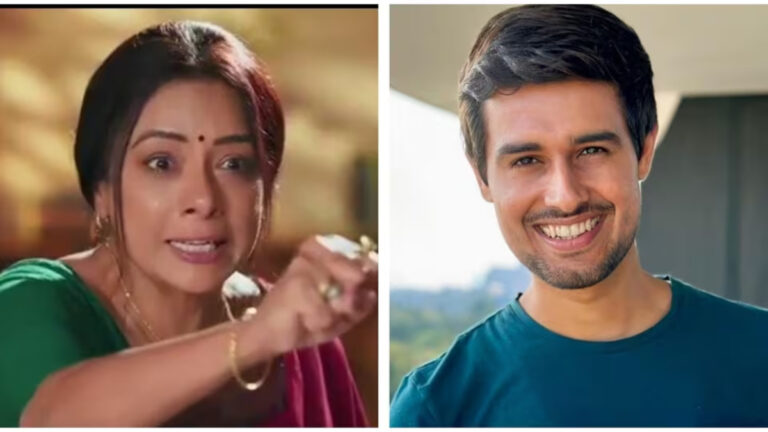
Rupali Ganguly Slams Dhruv Rathee Over ‘Humiliate PM Modi’ Remark

New Delhi, May 25, 2026: A major social media storm has erupted following a fierce exchange between popular television actor Rupali Ganguly and prominent YouTuber Dhruv Rathee. The controversy kicked off when Rathee made a highly provocative post on social media platform X (formerly Twitter), asserting that Prime Minister Narendra Modi “deserves to be humiliated everywhere he goes.” The statement quickly caught the attention of the Anupamaa actress, who launched a sharp counter-offensive, stating that the country does not need a “YouTuber sitting abroad” acting as its self-appointed spokesperson.

The digital clash has rapidly escalated into a wider public debate online, drawing in commentary from other entertainment figures, political observers, and thousands of social media users. It highlights a widening rift between digital creators who use foreign bases to critique Indian governance and domestic public figures who view such actions as disconnected, external interference.

The Spark: What Did Dhruv Rathee Say?

The confrontation began when Germany-based political commentator and content creator Dhruv Rathee posted a sharp critique regarding Prime Minister Modi’s accountability and transparency. In his post on X, Rathee expressed deep frustration with the lack of direct journalistic access to the country’s leader, specifically highlighting that the Prime Minister has not held a formal press conference in over a decade.

Rathee then turned his attention to international media, actively encouraging European journalists to confront and embarrass the Indian premier during his official state visits abroad. Citing a recent incident involving Danish journalist Helle Lyng, Rathee urged.

The Counter-Attack: Rupali Ganguly Fires Back

The call for foreign journalists to intentionally embarrass the leader of the world’s largest democracy did not sit well with Rupali Ganguly. The television star, who officially joined the Bharatiya Janata Party (BJP) in mid-2024, utilized her platform to issue a lengthy, passionate rebuttal, quoting Rathee’s original post and fiercely defending the Prime Minister’s global standing.

Ganguly began by calling out the irony of using the word “humiliation” for a leader who is routinely celebrated by foreign governments. She pointed out that rather than being embarrassed on the global stage, PM Modi has consistently received top civilian honors from various nations during his international travels.

Defending the Democratic Mandate

A core pillar of Ganguly’s defense rested on democratic legitimacy. She reminded the YouTuber and his followers that the Prime Minister’s authority comes directly from the Indian electorate, noting his unbroken streak of electoral victories spanning more than two decades across both state and national levels.

“Leave India’s Progress to Indians”

In the most stinging portion of her response, Ganguly directly questioned Rathee’s authority to speak on behalf of the country or define what constitutes “service for India’s progress.” She sharply criticized his physical and cultural distance from the country’s ground realities, alleging that his business model relies on creating division and fearmongering.

The Growing Backlash Against Rathee’s Post

Ganguly is not the only notable figure to call out Rathee’s remarks. The online discourse shows that the YouTuber’s call for intentional international embarrassment crossed a line for several public figures who otherwise maintain neutral or even critical stances on governance.

Actor Gul Panag also weighed in on the controversy, openly criticizing the nature of Rathee’s tweet. Panag, known for her measured social and political commentary, simple stated that calling for the public humiliation of a nation’s elected leader is “not cool.”

Many social media users echoed these sentiments, arguing that while criticizing governmental policy, inflation, unemployment, or press relations is entirely fair game in a democracy, actively inviting foreign bodies to humiliate the representative of one’s own country compromises national dignity. Critics have increasingly labeled Rathee’s approach as overly cynical, pointing out that his commentary often seems tailored to fuel online outrage rather than foster constructive domestic dialogue.

The Broader Context: A Clashing Digital Landscape

This high-profile spat mirrors a larger, systemic shift in how political messaging is fighting for dominance in India. Over the last few years, traditional news media has faced stiff competition from independent digital creators. YouTubers like Dhruv Rathee have amassed millions of viewers by positioning themselves as independent watchdogs, frequently releasing videos that challenge the ruling government’s policies and narratives.

However, this influence has drawn heavy scrutiny. Ground-level politicians and domestic celebrities frequently point out that influencers operating from European or Western nations enjoy the safety of foreign jurisdictions while throwing rhetorical stones at Indian institutions. The argument presented by Ganguly—that a digital creator shouldn’t build a lucrative career off the systematic degradation of the country that gave them an audience—is a sentiment that is resonating deeply with a significant portion of the Indian public.

As India navigates its complex socio-political landscape, the line between constructive political dissent and targeted character defamation remains a fiercely contested battleground. For now, the confrontation between the TV icon and the internet influencer stands as a textbook example of how deeply polarized the conversation surrounding national leadership and global image has truly become.