Home Blog Page 70

Madhuri Dixit at 59: The Eternal ‘Dhak Dhak’ Girl Continues to Reign Supreme

May 15, 2026 — There are stars, there are superstars, and then there is Madhuri Dixit Nene. As the clock struck midnight today, the Indian film industry and millions of fans worldwide broke into celebration to mark the 59th birthday of the woman who defined grace, dance, and acting for generations.

Even at 59, Madhuri remains a central pillar of Bollywood, proving that age is merely a number when you possess a “timeless” aura. From her debut in Abodh (1984) to her upcoming digital releases, her journey is a masterclass in evolution and enduring relevance.

A Birthday Gift for Fans: ‘Maa Behen’ on Netflix

Marking her special day with a professional milestone, the makers of her latest project, “Maa Behen,” officially announced today that the film will premiere on Netflix on June 4, 2026.

Directed by Suresh Triveni (of Tumhari Sulu fame), this chaotic crime-comedy marks a refreshing shift for Madhuri. She plays Rekha, a mother whose life takes a wild turn when she finds a dead body in her kitchen. Joining her in this dark comedy are the “National Crush” Triptii Dimri and digital sensation Dharna Durgaa.

“I haven’t done a pure comedy in a long time,” Madhuri shared recently. “The script of Maa Behen was so audacious and funny that I couldn’t say no. Working with young talents like Triptii and Dharna has been an absolute joy.”

Four Decades of Magic: From Pathologist to Superstar

It is hard to believe that the girl who once dreamed of becoming a microbiologist or pathologist would eventually become the face of Indian cinema. After her initial struggles, the 1988 film Tezaab changed everything. The song “Ek Do Teen” didn’t just top charts; it created a phenomenon.

Over the next decade, Madhuri delivered a string of hits that are now considered cult classics:

  • Beta (1992): Where she earned the permanent title of the “Dhak Dhak Girl.”
  • Hum Aapke Hain Koun..! (1994): A film that redefined the family drama and remains one of the highest-grossing films in Indian history.
  • Dil To Pagal Hai (1997): Proving she was the ultimate queen of contemporary dance.
  • Devdas (2002): Her portrayal of Chandramukhi is still cited by critics as one of the most nuanced performances in Hindi cinema.

The Graceful Second Innings

While many of her contemporaries faded away, Madhuri’s second innings has been just as impactful. After a brief hiatus following her marriage to Dr. Shriram Nene and moving to the US, she returned to India with a renewed energy.

She transitioned seamlessly into the digital age with the Netflix series The Fame Game and the Amazon Prime film Maja Ma. Most recently, her performance in Bhool Bhulaiyaa 3 (2024) and the thriller series Mrs. Deshpande showed that she hasn’t lost her ability to command the screen, whether through a chilling gaze or a familiar, radiant smile.

Beyond the Silver Screen

Madhuri’s influence extends far beyond acting. She has become a digital entrepreneur and a mentor:

  1. Dance with Madhuri: Her online academy has democratized dance, allowing fans from small towns to learn Kathak and Bollywood styles directly from the legend.
  2. Fashion Icon: Whether it’s a traditional Paithani saree or a modern experimental silhouette, Madhuri continues to be a muse for designers at Lakme Fashion Week and beyond.
  3. Social Impact: As a UNICEF Celebrity Advocate, she has consistently used her platform to voice support for child rights and immunization.

The Secret to the “Madhuri Magic”

What makes her relevant even at 59? It is her adaptability. She has embraced social media, engaging with Gen-Z fans through Instagram reels and YouTube vlogs, all while maintaining the dignity of a veteran. She hasn’t tried to hide her age; instead, she has leaned into roles that celebrate the complexity of modern Indian womanhood—mothers, leaders, and survivors.

As wishes pour in from colleagues like Jackie Shroff, Anil Kapoor, and Shah Rukh Khan, the sentiment remains the same: Madhuri Dixit isn’t just an actress; she is an emotion.

With Maa Behen just weeks away, the audience is ready to see a new side of their favorite star—one that is messy, funny, and perhaps a little dangerous.

Fuel Prices Rise by ₹3: IOCL Vows No Shortage Amid Global Crises

0

New Delhi, May 15, 2026 — In a move that signals the end of a record four-year price freeze, state-owned Oil Marketing Companies (OMCs) hiked the prices of petrol and diesel by approximately ₹3 per litre across the country on Friday, May 15, 2026.

The decision comes as the global energy market reels from the escalating conflict in West Asia and the strategic blockade of the Strait of Hormuz, which has sent crude oil prices soaring past the $100-per-barrel mark.

“A Very Small Rise”: IOCL Reassures Consumers

Speaking to the press shortly after the revision took effect, Arvind Kumar, Director (Refineries) at Indian Oil Corporation Limited (IOCL), characterized the hike as a necessary but “very small” adjustment given the immense global pressure.

“It is a very small rise, and you know a lot of pressure is there,” Kumar stated. “But I can tell you that Indian Oil group companies and refineries are working round the clock at more than 100% capacity to ensure there is no shortage at retail outlets.”

The Director emphasized that while the global supply chain is under duress, the domestic supply remains robust. The operational surge in refineries is intended to prevent any “dry-outs” or panic buying at fuel stations, which have seen increased queues since the early morning announcement.

The New Price Landscape

The price revision, effective from 6:00 AM on May 15, varies slightly across states due to differences in local Value Added Tax (VAT) and freight charges.

Fuel Rates in Major Metros (per litre)

CityPetrol Price (New)Diesel Price (New)Hike Amount
Delhi₹97.77₹90.67~₹3.00
Mumbai₹106.68₹93.14~₹3.14
Kolkata₹108.74₹95.13~₹3.29
Chennai₹103.67₹95.25~₹2.83

In addition to liquid fuels, Compressed Natural Gas (CNG) prices have also been revised upward by ₹2 per kg in the national capital, bringing the price to ₹79.09 per kg in Delhi and as high as ₹87 per kg in satellite cities like Noida and Ghaziabad.

Why Now? The Geopolitical Squeeze

The primary catalyst for this hike is the ongoing West Asia conflict, involving the U.S., Israel, and Iran. The disruption of the Strait of Hormuz—a waterway responsible for nearly 20% of the world’s oil shipments—has created a “perfect storm” for energy importers like India, which sources nearly 90% of its crude from overseas.

Industry experts note that India was one of the last major economies to pass these costs to the consumer. For the past several weeks, OMCs were reportedly losing nearly ₹1,000 crore per day to keep prices stable.

The Financial Strain on OMCs

Union Petroleum Minister Hardeep Singh Puri had previously warned that if global rates remained elevated, the combined losses of IOCL, BPCL, and HPCL could wipe out their entire projected profits for the 2025-26 fiscal year. Estimates suggest the “under-recovery” (the difference between the cost of production and the retail price) had reached a staggering ₹30,000 crore per month.

Government’s Call for “Energy Patriotism”

The hike follows a series of appeals from Prime Minister Narendra Modi, who recently urged citizens to adopt “voluntary austerity” to protect the nation’s foreign exchange reserves.

The Prime Minister’s suggestions included:

  • Increasing the use of public transportation and carpooling.
  • Encouraging work-from-home where feasible to reduce daily commutes.
  • Limiting the purchase of non-essential imports like gold.

PM Modi described fuel conservation as an “act of patriotism” in the current economic climate, as the Indian Rupee continues to face pressure against the US Dollar due to the rising import bill.

Impact on the Common Man and Logistics

The ₹3 hike is expected to have a cascading effect on the economy. While the IOCL Director describes it as “small,” transporters and daily commuters disagree.

“For a cab driver, an increase of ₹3 in petrol and ₹2 in CNG adds up to an extra ₹3,500 per month in expenses,” says Rajesh, a Delhi-based taxi operator. “We cannot easily pass this on to passengers without losing business.”

CRISIL Intelligence reports suggest that freight rates could rise by approximately 1.5% to 2% in the coming weeks, which typically leads to a marginal increase in the prices of essential commodities like fruits, vegetables, and milk.

Market Reaction

Following the news, shares of major oil companies saw a mixed reaction on the National Stock Exchange (NSE). While the price hike helps improve the margins for fuel retailers, concerns over prolonged geopolitical instability led to a 2% to 3% dip in the share prices of HPCL and BPCL during morning trade.

What to Expect Next?

While the current hike provides a temporary breather for oil companies, it covers only a fraction of the actual cost increase. Market analysts warn that if the West Asia crisis does not de-escalate, further incremental hikes may be on the horizon.

For now, the government’s focus remains on supply security. With refineries running at over 100% capacity and the IOCL leadership promising a “round-the-clock” vigil, the immediate goal is to ensure that every petrol pump in the country remains wet, even if the price at the nozzle is a bit higher than yesterday.

PM Modi Embarks on Strategic Multi-Nation Tour: UAE and Europe in Focus

0

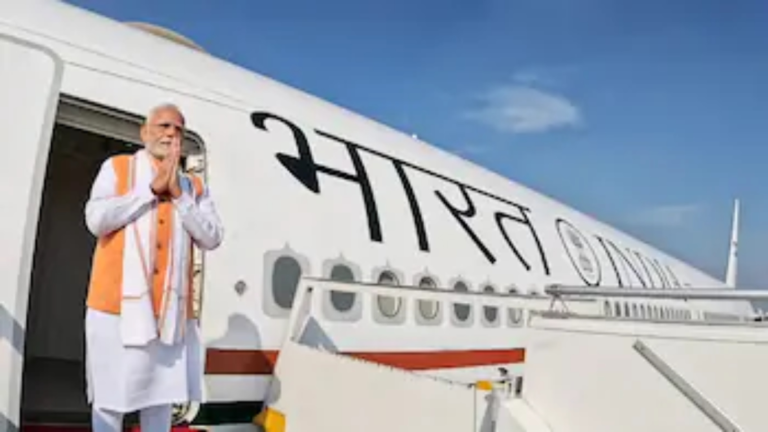
New Delhi | May 15, 2026 — Prime Minister Narendra Modi has officially emplaned for a high-stakes, six-day multi-nation tour that will see him visiting the United Arab Emirates (UAE) and four key European nations: the Netherlands, Sweden, Norway, and Italy.

This marathon diplomatic mission, spanning from May 15 to May 20, is designed to fortify India’s “Comprehensive Strategic Partnerships” and capitalize on recently inked trade agreements, including the India-EU Free Trade Agreement (FTA) and the India-EFTA Trade and Economic Partnership Agreement (TEPA).

Leg 1: Strengthening the ‘Brotherly’ Bond in the UAE

The visit begins today in Abu Dhabi, where PM Modi will meet with the UAE President, His Highness Sheikh Mohamed bin Zayed Al Nahyan. This meeting follows a period of unprecedented momentum in India-UAE relations.

  • Energy Security: The UAE remains a cornerstone of India’s energy strategy, meeting roughly 11% of India’s crude oil requirements. Discussions will focus on long-term LNG contracts and expanding cooperation into green hydrogen.
  • Trade Milestone: Bilateral trade recently crossed the $100-billion mark, achieving targets set by the 2022 CEPA five years ahead of schedule.
  • The Diaspora: With over 4.5 million Indians residing in the Emirates, the Prime Minister is expected to discuss community welfare and the deep cultural ties that bind the two nations.

Leg 2: Water and Innovation in the Netherlands

From the Gulf, the Prime Minister will travel to the Netherlands (May 15–17). At the invitation of Dutch PM Rob Jetten, the visit will pivot toward technical and environmental cooperation.

  • Strategic Partnership on Water: As world leaders in water management, the Dutch are key partners in India’s “Clean Ganga” and urban water initiatives.
  • Investment Hub: The Netherlands is India’s fourth-largest investor. Talks will aim to boost FDI in semiconductors, green hydrogen, and the maritime sector.
  • Royal Audience: PM Modi is scheduled to call on King Willem-Alexander and Queen Máxima in a gesture of high-level diplomatic protocol.

Leg 3: Sweden’s Tech and Industry Gothenburg Summit

On May 17, the Prime Minister heads to Gothenburg, Sweden. This leg is heavily focused on the “Industrial Transition” and future technologies.

  • The European Round Table for Industry: In a significant move, PM Modi and Swedish PM Ulf Kristersson will address a forum of Europe’s top business leaders, joined by European Commission President Ursula von der Leyen.
  • Focus Areas: AI, startups, space research, and resilient supply chains. The goal is to integrate Indian service capabilities with Swedish manufacturing excellence.

Leg 4: Historic Visit to Norway and the India-Nordic Summit

The visit to Norway (May 18–19) marks a historic milestone—it is the first visit by an Indian Prime Minister to Norway in 43 years.

The 3rd India-Nordic Summit

In Oslo, PM Modi will participate in the 3rd India-Nordic Summit alongside leaders from Norway, Denmark, Finland, Iceland, and Sweden.

“The Nordic countries offer world-leading solutions in sustainability and the Blue Economy. India offers the scale. Together, we are building a green transition template for the world.” — Ministry of External Affairs (MEA) Briefing

Key Norwegian Engagements:

  • EFTA Momentum: Capitalizing on the India-EFTA trade deal to increase Norwegian investment in India’s capital markets.
  • Arctic Research: Strengthening collaboration on climate change research in the Arctic region.

Final Leg: Italy and the “Melodi” Partnership

The tour concludes in Italy (May 19–20). PM Modi’s rapport with Italian PM Giorgia Meloni has become a focal point of India’s Mediterranean diplomacy.

  • Joint Strategic Action Plan (2025–2029): The leaders will review the implementation of this roadmap, which covers defense, cyber security, and space.
  • Trade Growth: Bilateral trade reached $16.77 billion in 2025, and both sides are eager to push this further through co-production in the defense sector.

Why This Trip Matters: The Big Picture

This six-day tour is more than just a series of bilateral meetings; it represents India’s “Connect Europe” policy in action. By engaging with the Nordic countries, the “Big Four” of the EU, and the UAE simultaneously, New Delhi is positioning itself as a pivotal bridge between the West and the Global South.

Summary of Key Trade Data (2025-26)

CountryKey Focus AreaTrade/Investment Context
UAEEnergy & Diaspora$100B+ Total Trade
NetherlandsWater & Semi-conductors$55B+ Cumulative FDI
SwedenGreen Tech & AI$7.75B Bilateral Trade
NorwayBlue Economy$28B Pension Fund Investment in India
ItalyDefense & ManufacturingJoint Action Plan 2025-29

Conclusion

As PM Modi travels across these five nations, the underlying message is clear: India is open for high-tech business and strategic alignment. From the deserts of Abu Dhabi to the fjords of Norway, the “Viksit Bharat” (Developed India) vision is being marketed as a reliable, innovative, and indispensable partner on the global stage.

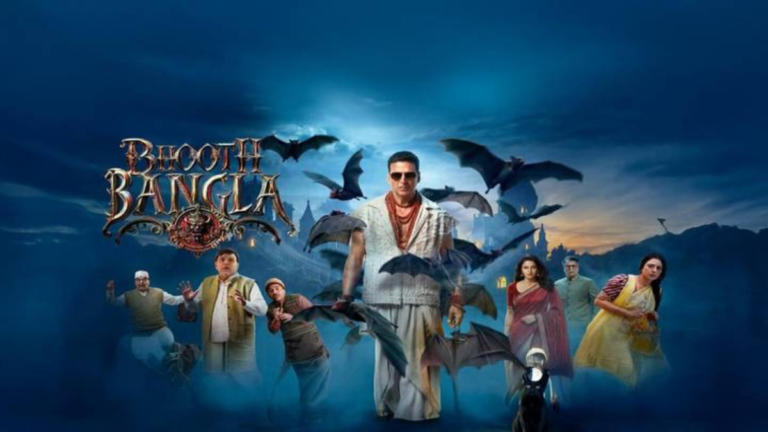
Akshay Kumar ‘Bhooth Bangla’ Continues Strong Box Office Run: Day 29

New Delhi, May 15, 2026: The reunion of the iconic duo—Akshay Kumar and director Priyadarshan—has proven to be a masterstroke for the Indian film industry in 2026. As Bhooth Bangla enters its fifth week of release, it remains a dominant force at the box office, defying the typical mid-week slump. On its 29th day (Friday, May 15, 2026), the horror-comedy showed remarkable resilience, further cementing its status as one of the biggest hits of the year.

Day 29 Box Office: Holding the Fort

By Day 29, most films lose their momentum, especially with new releases vying for screen space. However, Bhooth Bangla has maintained a steady grip on the domestic market.

  • India Net Collection (Day 29): The film is currently tracking a steady performance for a fifth-week Friday, with early estimates suggesting a collection of approximately ₹0.80 Cr to ₹1.10 Cr.
  • Cumulative India Net: As of Day 29, the total India net collection stands at approximately ₹165.20 Cr.
  • India Gross Collection: The total domestic gross has now surged past the ₹195 Cr mark.
  • Worldwide Total: When factoring in the impressive overseas performance, the film has crossed the massive ₹248 Cr milestone worldwide.

Despite the release of several regional and mid-budget Hindi films over the last two weeks, the “Priyadarshan brand” of comedy coupled with Akshay Kumar’s return to the horror-comedy genre has kept the audience coming back for repeat viewings.

The Magic of the Fourth Week

The journey to Day 29 was paved with a surprisingly strong fourth week. Usually, films see a steep decline after Day 21, but Bhooth Bangla managed to flip the script.

DayDateIndia Net Collection
Day 23 (Sat)May 9₹3.00 Cr
Day 24 (Sun)May 10₹4.00 Cr
Day 25 (Mon)May 11₹1.35 Cr
Day 26 (Tue)May 12₹1.70 Cr (26% Jump!)
Day 27 (Wed)May 13₹1.25 Cr
Day 28 (Thu)May 14₹1.05 Cr

The 26% jump on its fourth Tuesday was particularly noteworthy, signaling a strong word-of-mouth effect. It even ranked 5th in historical fourth-week Wednesday ticket sales on major platforms like BookMyShow, trailing only behind massive hits like Dhurandhar and Chhaava.

Why Is ‘Bhooth Bangla’ Still Relevant?

The success of the film isn’t just about the numbers; it’s about the cultural impact of its cast and creators.

1. The Nostalgia Factor

For fans of Bhool Bhulaiyaa (2007) and Bhagam Bhag, this film felt like a homecoming. Priyadarshan brought back his signature “comedy of errors” style, which works perfectly within the haunted mansion setting of the village of Mangalpur.

2. An Ensemble Like No Other

While Akshay Kumar leads the charge as Arjun Acharya, the supporting cast has been the secret sauce. The chemistry between Paresh Rawal, Rajpal Yadav, and Asrani provides a level of slapstick comedy that modern Bollywood often lacks. Seeing these veterans together after years has been a major draw for family audiences.

3. The Horror-Comedy Wave

Following the massive success of the Stree franchise, the Indian audience has shown a voracious appetite for horror-comedy. Bhooth Bangla leans into this by mixing genuine thrills with “laugh-out-loud” moments, such as the now-viral “Sword Pooja” scene where Arjun takes the instructions a bit too literally.

Plot Recap: Scares and Smirks

The film follows Arjun Acharya, a financially struggling man who unexpectedly inherits his grandfather’s grand but dilapidated ancestral palace. Hoping to use the space for his sister Meera’s (Mithila Palkar) wedding, Arjun quickly realizes that the mansion is not as empty as it seems.

With the help of his eccentric friends, Arjun must navigate local superstitions, black magic rumors, and his own family’s dark secrets. The presence of Tabu in a pivotal, mysterious role adds a layer of gravitas to the otherwise frantic comedy.

Budget and Profitability

Produced by Ektaa R. Kapoor and Akshay Kumar, the film was made on a substantial budget, with Akshay Kumar reportedly charging ₹50 Crore. However, with a worldwide gross approaching ₹250 Crore, the film has comfortably moved into the “Super Hit” category.

The digital and satellite rights, which were sold at premium prices before the theatrical release, have already insured the producers against any losses, making the theatrical run pure profit.

Also Read: Hormuz Crisis: India’s High-Stakes Diplomacy at BRICS 2026

What’s Next for Bhooth Bangla?

As it enters its fifth weekend, the film faces a crucial test. While its screen count has naturally decreased to make way for new releases, the occupancy rates in metros like Mumbai, Delhi, and Bengaluru remain healthy during evening shows.

Industry experts predict that Bhooth Bangla will continue its run for another two weeks before eventually transitioning to OTT platforms. For now, it stands as a testament to the fact that when original storytelling meets classic comedic timing, the audience is more than willing to show up.

Hormuz Crisis: India’s High-Stakes Diplomacy at BRICS 2026

0

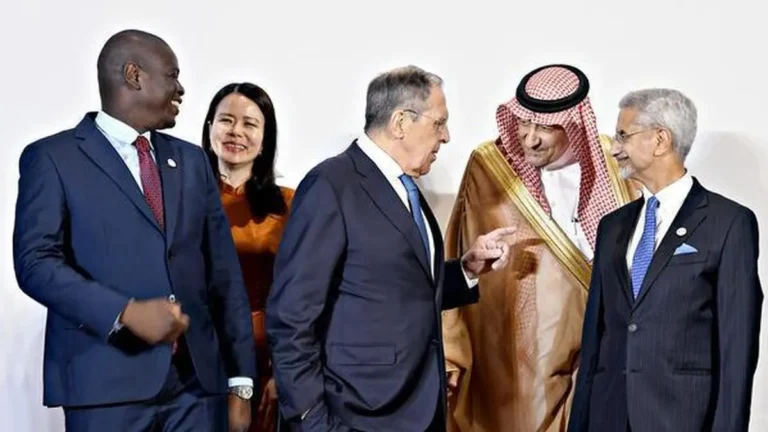
New Delhi, May 15, 2026 — In a high-stakes diplomatic maneuver, India has used its platform as the 2026 BRICS chair to deliver a firm message on maritime security, specifically targeting the volatility in the Strait of Hormuz.

The two-day BRICS Foreign Ministers’ meeting, which concluded on May 14, 2026, saw India walking a delicate tightrope between two of the bloc’s newest members: Iran and the United Arab Emirates (UAE). As the conflict in West Asia threatens to choke global energy arteries, External Affairs Minister S. Jaishankar emphasized that “peace cannot be piecemeal” and that the security of international waterways is non-negotiable for global economic stability.

The “Hormuz” Crisis: Context of a Chokepoint

The Strait of Hormuz is the world’s most important oil transit chokepoint. Following the escalation of hostilities between the U.S.-Israeli alliance and Iran starting in February 2026, Tehran’s effective closure of the Strait has sent shockwaves through global markets.

For India, the stakes are not merely diplomatic but existential. As the world’s third-largest oil importer, India relies heavily on this route. The disruption has led to:

  • Energy Supply Volatility: Significant delays in crude and LPG shipments.
  • Maritime Casualties: Indian sailors have been caught in the crossfire of drone and missile attacks in the Gulf.
  • Economic Strain: Rising freight and insurance costs for Indian shipping.

India’s Diplomatic Balancing Act

Hosting the meeting at Bharat Mandapam, India faced the challenge of managing a “hugely contradictory” BRICS. The bloc now includes Iran—the nation controlling the chokepoint—and the UAE, which has faced direct fire and intercepted thousands of Iranian drones since the conflict began.

Key Highlights from the BRICS Summit

1. “Safe and Unimpeded” Passage

Minister Jaishankar’s opening remarks were a direct appeal to both Tehran and the international community.

“Safe and unimpeded maritime flows through international waterways, including the Strait of Hormuz and the Red Sea, remain vital for global economic well-being,” Jaishankar stated.

The choice of words was deliberate. By grouping the Strait of Hormuz with the Red Sea, India signaled that it views maritime security as a universal standard rather than a regional bargaining chip.

2. Iran vs. UAE: Tensions Boil Over

The meeting was marked by a rare public spat between the two Middle Eastern neighbors. Iranian Foreign Minister Abbas Araghchi accused the UAE of providing “bases and intelligence” to the U.S. and Israel during recent strikes on Iranian soil.

In response, the UAE highlighted the disruption to its own ports, particularly Fujairah, which sits just outside the Strait and has become a primary target for “unauthorized boarding” by Iranian personnel. India’s role as the mediator was described by analysts as “duck diplomacy”—maintaining a calm surface while working furiously behind the scenes to prevent the BRICS platform from fracturing.

3. Opposition to “Unilateral Sanctions”

In a move that resonated with both Russia and Iran, India criticized “unilateral coercive measures” and sanctions inconsistent with international law. This served two purposes:

  • It validated Iran’s grievances regarding Western economic pressure.
  • It protected India’s own strategic interests in continuing trade with sanctioned nations to stabilize its economy.

The Broader Strategic Message

India’s message to the BRICS nations was clear: The Global South cannot afford a prolonged maritime war. While India supports the “democratization of the global order,” it warned that this transition cannot happen at the cost of the fundamental infrastructure of global trade.

Stability Cannot Be Selective

Jaishankar underscored that regional conflicts in Gaza, Lebanon, Sudan, and Yemen are interconnected. India’s stance is that a “selective” approach to stability—protecting one trade route while allowing another to become a war zone—will ultimately lead to a weakened multilateral system.

Key ConcernIndia’s Stance
Maritime SecurityEssential for the Global South’s development.
Conflict ResolutionOnly possible through dialogue and diplomacy, not blockades.
Territorial IntegrityMust remain the foundation of BRICS relations.
TerrorismZero tolerance, particularly regarding cross-border threats.

Conclusion: A Voice for the Global South

As the 2026 BRICS chair, India has positioned itself as the pragmatic voice of the Global South. By bringing Iran and the UAE to the same table, New Delhi demonstrated that while BRICS may be a “contradictory organization,” it remains the only forum where such polarized powers are forced to engage in face-to-face diplomacy.

The “Hormuz Message” is essentially a call for responsibility. India is telling its fellow BRICS members—and the world—that the era of using vital trade chokepoints as tactical weapons must end if the bloc is to provide a viable alternative to the current global order.

As the summit moves toward the main Leaders’ Meeting later this year, the world will be watching to see if India’s “duck diplomacy” can translate these firm words into a lasting maritime ceasefire in the world’s most volatile waters.

NEET UG 2026 Rescheduled for June 21: A Renewed Fight for Medical Aspirants

New Delhi, May 15, 2026 — In a move that has sent ripples of both relief and fresh anxiety through the student community, the National Testing Agency (NTA) has officially announced that the National Eligibility cum Entrance Test (Undergraduate) (NEET-UG) 2026 will be held on Sunday, June 21, 2026.

This high-stakes re-examination comes after the original May 3 test was scrapped due to evidence of a sophisticated paper leak. For nearly 23 lakh medical aspirants, the announcement ends a week of agonizing uncertainty, even as it restarts a grueling countdown to one of India’s toughest competitive exams.

The Breaking News: NTA Confirms June 21 Re-Exam

On the morning of May 15, 2026, the NTA released a formal notification via its official X (formerly Twitter) handle and website. The decision, approved by the Government of India, aims to restore the integrity of the medical entrance process.

Official Statement: “The National Testing Agency, with the approval of the Government of India, has scheduled the re-examination of NEET (UG) 2026 on Sunday, 21 June 2026. Candidates and parents are requested to rely only on the official channels of NTA for updates.”

Key Logistics for Candidates:

  • No Fresh Registration: Students do not need to re-apply. Existing registrations and examination city preferences will remain valid.
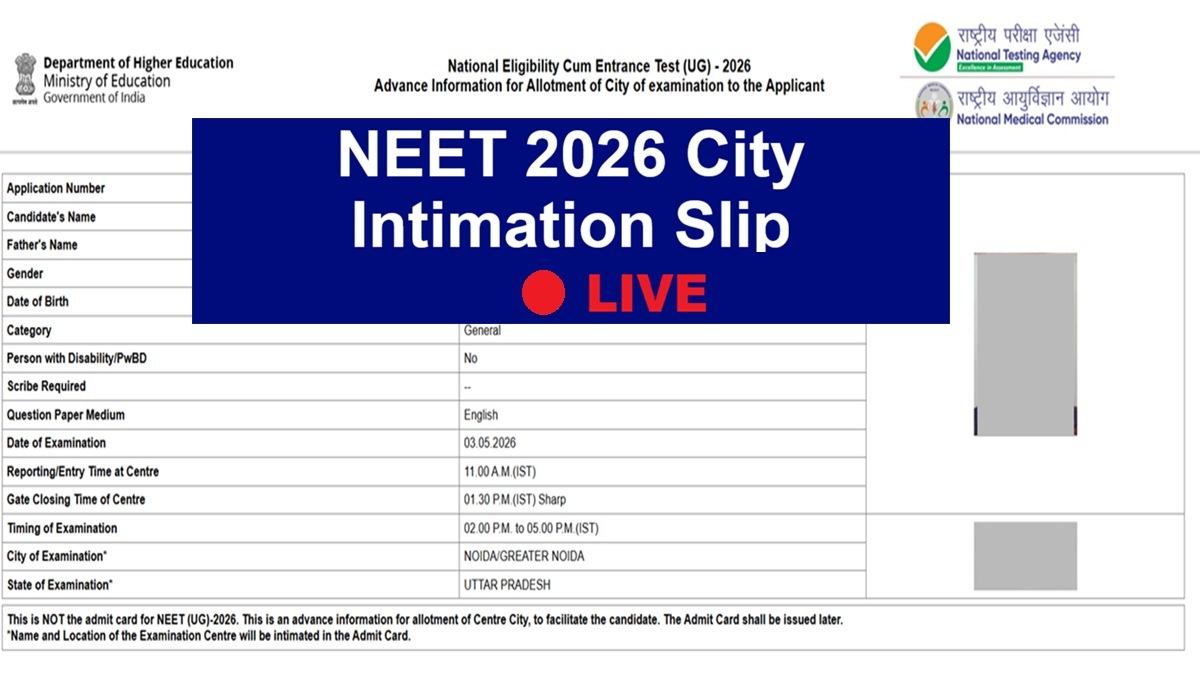
  • Fresh Admit Cards: New admit cards and city intimation slips will be issued closer to the exam date.
  • No Extra Fee: The NTA has clarified that no additional examination fee will be charged for the re-test.

Anatomy of a Scandal: Why the May 3 Exam Was Cancelled

The decision to cancel the May 3 examination was not taken lightly. It followed a multi-state investigation that uncovered a massive breach of security.

1. The “Guess Paper” Trap

The controversy began with a PDF circulating on encrypted messaging apps labeled as a “Guess Paper.” Initially dismissed as exam-season chatter, the Rajasthan Police’s Special Operations Group (SOG) soon discovered a startling reality: out of the 180 questions in the actual NEET paper, nearly 140 questions (including a staggering 120 in Chemistry and all 90 in Biology) were reportedly identical to those in the leaked document.

2. The Leak Trail

Investigators believe the leak originated from a printing agency in Jaipur. From there, the digital copy allegedly moved through a network of “fixers” and coaching center owners.

  • The Nashik Link: A suspect, Shubham Khairnar, was detained in Nashik. He is accused of buying the paper for ₹10 lakh and selling it forward.
  • The Sikar Hub: In Rajasthan’s coaching hub, Sikar, the paper was reportedly sold to students for sums ranging from ₹25,000 to ₹40 lakh, depending on how early they received the material.
  • The Whistleblower: Ironically, the scale of the leak was exposed when an MBBS student in Kerala sent the “guess paper” to his father in Sikar, who realized the gravity of the situation and alerted authorities.

3. CBI Intervention

Given the interstate nature of the crime—stretching across Rajasthan, Maharashtra, Haryana, Bihar, and Kerala—the Union Education Ministry handed the case to the Central Bureau of Investigation (CBI). Multiple arrests have already been made under the new Public Examination (Prevention of Unfair Means) Act, 2024.

Impact on Students: A Rollercoaster of Emotions

The cancellation affects approximately 22.8 lakh candidates, making it the largest undergraduate exam ever to be fully scrapped in India. While many students are relieved that the “merit-killers” (those who used leaked papers) will be weeded out, the mental toll is significant.

  • The “Burnout” Factor: Most aspirants had prepared for a May 3 finish line. Extending the study period by another five weeks requires immense mental stamina.
  • Academic Calendar Delays: The delay in NEET-UG will inevitably push back the counseling process and the start of the 2026-27 academic session for MBBS, BDS, and AYUSH courses.
  • Logistical Hurdles: Many students travel hundreds of kilometers to reach their designated exam cities. Rescheduling means booking new travel and accommodation, often during the peak summer heat of June.

Preparing for June 21: Strategies for the Final Stretch

With roughly five weeks remaining, experts suggest that students should shift their strategy from “learning” to “sustaining.”

FeatureAction Plan
Mock TestsTake one full-length mock test every three days to maintain exam-room discipline.
NCERT FocusStick strictly to NCERT textbooks, as the NTA has a history of keeping the re-exam difficulty level similar to the original.
Health ManagementJune in India is notoriously hot. Students are advised to practice writing tests in non-AC environments to prepare for potential center conditions.
Mental HealthAvoid social media rumors and “leaked paper” traps. Focus on the official NTA website for genuine updates.

A Systemic Challenge: The Road Ahead

The 2026 NEET leak has reignited the debate over the centralized testing system. While the NTA Director General, Abhishek Singh, emphasized a “zero tolerance” policy for errors, the recurring issues with paper leaks (reminiscent of the 2024 controversy) have led to calls for more robust digital encryption or a return to decentralized, state-led exams.

For now, the government’s priority is a “clean” June 21 exam. Extra security measures, including AI-driven monitoring and stricter frisking protocols, are expected to be in place.

Conclusion

The rescheduling of NEET UG 2026 to June 21 is a bittersweet development. It represents a victory for fairness but a test of endurance for the lakhs of honest students who spent years preparing. As the nation watches, the NTA faces its biggest challenge yet: proving it can conduct a massive, secure examination without a single hitch.

Important Note for Students: Stay updated via the official website exams.nta.ac.in/NEET. Do not fall prey to fraudulent websites or individuals promising “confirmed” leaked questions for the re-exam.

Cannes 2024: Jharkhand Makes History as ‘Ped Chalta Hai’ Debuts on the Global Stage

New Delhi, May 14, 2026: The prestigious red carpet of the Cannes Film Festival is a place where dreams are realized, and for the Indian film industry, it has often been a platform for mainstream Bollywood or South Indian cinema. However, the 77th edition of the festival witnessed a historic shift as the spotlight turned toward a region seldom represented on such a global scale: Jharkhand.

Director Debaditya Bandopadhyay, the visionary behind the film Ped Chalta Hai (The Walking Tree), recently shared his overwhelming emotions following the film’s premiere at the Marché du Film (Cannes Film Market). In an exclusive conversation, Bandopadhyay described the screening not just as a personal milestone, but as a “moment of pride for the entire state of Jharkhand.”

A Story Rooted in the Soil of Jharkhand

Ped Chalta Hai is more than just a cinematic project; it is a cultural ambassador. Set against the lush, rugged landscapes of Jharkhand, the film explores the intricate relationship between humanity and nature. The title itself—metaphorical and evocative—suggests a journey, a movement of life that transcends the physical rootedness of trees.

For Bandopadhyay, bringing this story to Cannes was a mission to prove that regional storytelling has a universal heart. “When we started filming in the remote corners of Jharkhand, we knew we had something special. But to see the international audience at Cannes connect with our local narrative was deeply moving,” the director shared. “This film belongs to the soil of Jharkhand, to its people, and to the silent beauty of its forests.”

The “Moment of Pride” for the State

Jharkhand, a state often highlighted in national media for its mineral wealth or socio-political challenges, has a burgeoning artistic community that has long sought a global platform. Bandopadhyay’s achievement is being hailed as a “watershed moment” for the region’s film industry.

“For years, Jharkhand was seen merely as a shooting location for outside filmmakers,” Bandopadhyay explained. “With Ped Chalta Hai, we have shown that we can produce world-class content from within. We have our own stories, our own aesthetics, and our own cinematic voice. This premiere at Cannes tells every aspiring filmmaker in Ranchi, Jamshedpur, and Dhanbad that their dreams are valid.”

The director emphasized that the support from the local community and the state’s cultural departments played a crucial role in making this dream a reality. He believes that this success will pave the way for a “Jharkhandi New Wave” in cinema, encouraging more local creators to look beyond regional boundaries.

The Cannes Experience: Red Carpets and Global Conversations

The Marché du Film at Cannes is the largest film market in the world, a bustling hub where producers, distributors, and critics gather to discover the “next big thing.” For Ped Chalta Hai, the premiere served as a gateway to international distribution.

Bandopadhyay recounted the experience of walking the Croisette and seeing his film’s name alongside global giants. “There is a certain magic in the air at Cannes. But the most rewarding part was the Q&A session after the screening. People from Europe, Latin America, and Asia were asking about the philosophy of the film and the unique geography of Jharkhand. They weren’t just watching a movie; they were discovering a part of India they had never seen before.”

The film’s cinematography, which captures the raw, ethereal beauty of Jharkhand’s woodland, received particular praise. Critics noted that the film uses nature as a central character, reflecting a “deeply spiritual and ecological consciousness.”

Breaking Stereotypes through Cinema

One of the primary goals of Ped Chalta Hai was to challenge the stereotypical portrayal of Jharkhand in Indian cinema. Frequently associated with “coal-belt” crime dramas or stories of rural struggle, the state’s softer, more poetic side is rarely explored.

“I wanted to move away from the ‘dark’ imagery often associated with our state,” Bandopadhyay said. “I wanted to show the grace, the folklore, and the profound wisdom that exists in our rural communities. Ped Chalta Hai is a lyrical film. It moves at the pace of nature. It challenges the viewer to slow down and listen.”

By choosing a narrative that blends realism with a touch of the avant-garde, Bandopadhyay has positioned himself as a filmmaker who is not afraid to experiment. This boldness is exactly what caught the eye of the Cannes selection committees.

The Road Ahead: From Cannes to the World

While the Cannes premiere is a massive achievement, it is only the beginning of the journey for Ped Chalta Hai. The film is expected to travel to several other international film festivals before making its way back to India for a theatrical and OTT release.

Bandopadhyay is already in talks with international distributors who are interested in bringing the film to audiences in Europe and North America. However, he remains grounded and focused on his roots. “The ultimate validation will come when the people of Jharkhand watch the film. I want them to see their lives and their land portrayed with dignity and beauty.”

The success of the film has also sparked discussions about the need for better film infrastructure in Jharkhand. Bandopadhyay hopes that his journey will inspire the state government to further invest in film cities, subsidies, and educational institutes to nurture local talent.

A Beacon for Independent Filmmakers

The story of Ped Chalta Hai is a testament to the power of independent filmmaking. Working with a modest budget and a dedicated crew, Bandopadhyay proved that high production value is not just about money—it’s about vision.

“We didn’t have the backing of a major studio,” he revealed. “What we had was a deep conviction in the story. Every leaf we filmed, every shadow we captured, was done with immense love. To independent filmmakers everywhere, I say: do not wait for the ‘perfect’ conditions. Start with what you have, tell the story only you can tell, and the world will eventually listen.”

Conclusion: A New Chapter for Indian Regional Cinema

As the curtains fall on the 77th Cannes Film Festival, the echoes of Ped Chalta Hai continue to resonate. Debaditya Bandopadhyay has not only brought home a “moment of pride” for Jharkhand but has also contributed to the growing prestige of Indian regional cinema on the global stage.

In an era where global audiences are craving authentic, localized stories, Ped Chalta Hai stands as a shining example of how a small story from a small state can have a massive impact. Jharkhand has officially arrived on the world cinema map, and if Bandopadhyay’s vision is any indication, this is just the first of many stories to come.

The “Walking Tree” has indeed started its journey, and it is carrying the soul of Jharkhand across borders, oceans, and cultures.

Campus Chaos Meets Undead Satire: Is ‘Indian Institute of Zombies’ a Missed Opportunity?

0

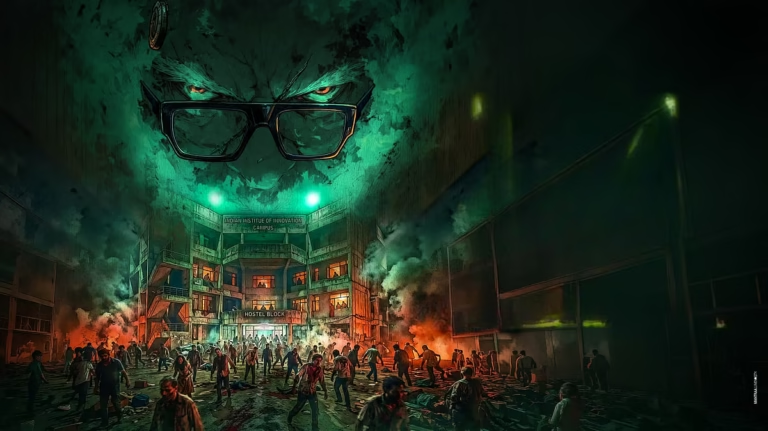
New Delhi, May 14, 2026 — In the high-pressure world of Indian academia, students often joke about feeling like “zombies” after pull-all-nighters and back-to-back lectures. However, the new horror-comedy Indian Institute of Zombies (IIZ), which hit theaters today, May 14, 2026, takes that metaphor literally.

Billed as India’s answer to the “zom-com” genre, IIZ arrives with a pedigree of talent—penned by the Dalal brothers (Hussain and Abbas) of Yeh Jawaani Hai Deewani fame and backed by digital powerhouse Kuku. Yet, as the credits roll, the film leaves audiences with a lingering question: Did this potentially sharp satire lose its bite in the transition from concept to screen?

The Premise: Toppers vs. The Undead

Set within the fictional, high-stakes Indian Institute of Innovation (III) in Mumbai, the film centers on a sudden outbreak that transforms the campus’s elite students into flesh-eating monsters. The twist? The virus seems to target the “toppers” first—those whose brains are wired for rote learning and rigid discipline.

As the campus hierarchy collapses, the responsibility of saving the day falls on the “backbenchers,” led by the charismatic Jessey Lever (playing the resourceful Rambo) and his sidekick Haggu. Using a mix of jugaad (innovative hacks), street smarts, and an utter lack of academic stress, this unlikely group of survivors must navigate vivas turned into battles and hostels turned into hunting grounds.

The Highlights: Satire and Standouts

Where the film truly shines is in its biting commentary on India’s “grind culture.” Directors Gaganjeet Singh and Alok Dwivedi cleverly use the zombie apocalypse to expose the fragility of academic status.

  • The Survival of the Slackers: There is a delicious irony in watching the most “intelligent” students fail to adapt to real-world chaos while the slackers thrive.
  • Standout Performances: Jessey Lever steals the show with impeccable comic timing, proving he is a worthy successor to his father’s legacy. Anupriya Goenka provides a much-needed emotional anchor as Professor Braganza, while veteran Mohan Kapur brings a sense of gravitas (and some of the best dry humor) to the role of a self-proclaimed genius faculty member.
  • The “Amrit Serum”: The film’s inclusion of a mysterious serum acts as a sharp metaphor for the “shortcuts” students often take in search of success.

The “Lost in Translation” Critique

Despite its energetic start and a first half that keeps the audience hooked, IIZ stumbles in its execution. Critics and early viewers have noted that the film feels “lost in translation”—not in terms of language, but in its inability to bridge the gap between a niche genre and a mass-market Bollywood entertainer.

What WorkedWhere it Faltered
High-Concept Satire: Sharp critique of the IIT/IIM-style pressure cooker.Second-Half Slump: The pacing drags significantly as the movie tries to balance gore and gags.
Technical Ambition: Impressive use of AI in budgeting and planning (a first for Indian cinema).Weak Writing: Despite the Dalal brothers’ involvement, the dialogue sometimes feels dated or overly reliant on slapstick.
Fresh Casting: A great blend of established stars and rising talent like Rose Sardana.Genre Confusion: It oscillates between “genuine horror” and “parody” so often that the stakes feel low.

A Technical Milestone for Kuku

Beyond the plot, IIZ is making headlines for its production process. Kuku, traditionally known for audiobooks and micro-dramas, utilized Artificial Intelligence at various stages of development—from visualizing scenes to optimizing the $80 million-equivalent budget.

Producer Kunj Sanghvi noted that AI was used as an “amplifier” for creativity, allowing the team to iterate faster on the complex zombie sequences. While the technical execution is undeniably polished, some argue that the “human soul” of the comedy may have been smoothed over in the process.

The Verdict: A Cult Classic in the Making?

Indian Institute of Zombies is a film that doesn’t take itself too seriously, and that is its saving grace. While it may not be the definitive masterpiece of Indian horror-comedy, it is a fun, youthful experiment that resonates with anyone who has ever felt the soul-crushing weight of a semester exam.

It may be “lost in translation” for those looking for a traditional narrative, but for the midnight-movie crowd and students looking for a laugh at the expense of their professors, it’s a ride worth taking.

‘Glow Khatam’: The Viral Fight Against Desi Marriage Pressure

0

New Delhi, May 14, 2026: In a digital age where young professionals are shattering glass ceilings and charting global careers, some societal expectations remain stubbornly frozen in time. A 2026 viral video featuring a 25-year-old Indian woman has reignited a fierce national debate over the relentless “marriage pressure” faced by young adults in South Asian households.

The video, which has amassed millions of views across Instagram and X (formerly Twitter), captures a candid, albeit uncomfortable, conversation between a young woman and her relatives. What started as a personal recording has become a cultural touchstone, highlighting the disconnect between the aspirations of Gen Z and the traditional anxieties of their elders.

The Video That Shook the Internet

The clip features the young woman surreptitiously filming a family gathering. In the background, voices of older female relatives—including her mother—can be heard escalating a discussion about her marital status. The tone shifts from casual persuasion to what many netizens have labeled as “emotional blackmail” and “ageist shaming.”

The centerpiece of the controversy is a specific remark made by an aunt in the video: “Glow khatam ho jata hai” (The glow fades away).

The relative argued that at 25, the woman was reaching her “peak,” and that waiting any longer would lead to a loss of physical beauty, making it difficult to find a “suitable” match. The commentary didn’t stop at aesthetics; it veered into unsolicited medical advice, with relatives suggesting that “old age” (referring to the late 20s) would bring complications for future pregnancies.

A Mirror to Societal Obsessions

The video has resonated deeply because it documents a nearly universal experience for young Indian women. While 25 is objectively young—an age where many are just finishing postgraduate degrees or entering the mid-levels of their careers—in the “marriage market,” it is often treated as a ticking clock.

Key themes highlighted in the viral footage include:

  • The “Expiry Date” Myth: The idea that a woman’s value is tied to a fleeting window of youth.
  • Health Misinformation: Using biological fears (like fertility) as a tool for coercion.
  • Lack of Autonomy: The assumption that marriage is a communal decision rather than an individual choice.

Internet Reacts: Solidarity vs. Tradition

The comments section under the viral post became a battleground of perspectives, though the overwhelming majority of young users stood in solidarity with the woman.

1. The “Relatability” Factor

Thousands of women shared similar anecdotes. One user commented, “I’m 26 and my parents have started talking about me like I’m a decaying fruit. This video is my life every Sunday lunch.” Another wrote, “It’s never about your happiness; it’s about ‘log kya kahenge’ (what will people say) and the fear that you’ll become ‘unmarketable’.”

2. Men Join the Conversation

Interestingly, the video sparked dialogue among young men as well. Many pointed out that while the pressure on women is often focused on beauty and biology, men face a different brand of “settling down” pressure linked to financial milestones. “If we aren’t earning six figures by 26, we are told we’ll never get a ‘good girl.’ The pressure is suffocating for everyone,” a viral tweet read.

3. The Traditionalist View

A small segment of the internet defended the parents, arguing that their concerns stem from love and a desire for security. These users argued that in Indian culture, parents feel it is their duty to see their children “settled” before they retire, fearing that the child might end up lonely in an increasingly fast-paced world.

The Evolving Definition of “Settled”

This viral moment comes at a time when the Indian socio-economic landscape is shifting. With the rise of the “solo economy” and a surge in women’s workforce participation, the traditional timeline for marriage is being pushed back.

According to recent social trends in 2026, the average age for marriage in urban Indian pockets has climbed to 28-32. Yet, as this video proves, the “mental age” of the collective society hasn’t always kept pace with the data.

“We are expected to be CEOs by day and traditional ‘bahus-in-waiting’ by night,” says social psychologist Dr. Ananya Verma. “The ‘glow’ the relatives are talking about isn’t skin-deep; it’s the light of independence that they fear might make a woman ‘too choosy’ or ‘too difficult to control’.”

Conclusion: Beyond the Viral Clip

The “Glow Khatam Ho Jata Hai” girl has inadvertently become the face of a movement demanding a “right to time.” As the video continues to circulate, it serves as a reminder that for many young Indians, the hardest part of growing up isn’t the professional hustle or the economic climate—it’s navigating the dinner table conversations that treat their lives like a race with a looming finish line.

The internet’s reaction makes one thing clear: the modern “glow” comes from self-fulfillment and choice, not from meeting a deadline set by a neighbor or a distant relative.

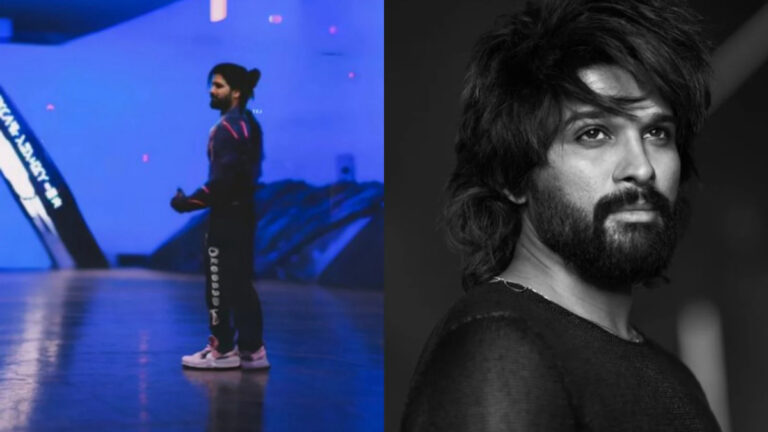
Allu Arjun Style Lawsuit: A New Precedent for Cinematic Identity

New Delhi, May 14, 2026: The Indian film industry is witnessing a significant shift in how intellectual property and stardom intersect. Following the global phenomenon of the “Pushpa” walk and the iconic beard-rubbing gesture, Allu Arjun is reportedly taking proactive steps to safeguard his upcoming creative output. For his next big project, Raaka, the makers are exploring legal avenues to protect the actor’s signature gestures, dance moves, and character mannerisms from unauthorized commercial use.

This move marks a pivotal moment for Tollywood and Indian cinema at large, as stars and production houses begin to treat “personality rights” with the same level of protection usually reserved for scripts and music.

The Success of Mannerisms: From Pushpa to Raaka

To understand why the makers of Raaka are pursuing this path, one must look at the unprecedented success of Pushpa: The Rise. The film’s “Srivalli” dance step—characterized by a dragging foot—and the thumb-under-the-chin gesture became more than just movie scenes; they became global cultural symbols. Everyone from international cricketers to social media influencers and brand advertisements adopted these movements.

While this viral success boosted the film’s popularity, it also highlighted a massive loophole in the industry: third-party brands and creators were profiting from Allu Arjun’s specific “style” without any licensing or permission. For Raaka, where the National Award-winning actor is rumored to be playing multiple roles with distinct physicalities, the production team wants to ensure that these “assets” stay under the film’s brand umbrella.

The Strategy Behind Protecting “Raaka”

Reports suggest that Allu Arjun and the film’s producers are looking to retain exclusive branding rights over the character’s styling, movements, and promotional identity. This strategy aims to curb several modern challenges:

  1. Unauthorized Advertisements: Many local brands often use a star’s famous gesture in their commercials to imply an endorsement without actually hiring the actor.
  2. AI-Generated Content: With the rise of deepfakes and AI, protecting an actor’s unique “way of moving” is becoming a digital necessity.
  3. Merchandising: By legally protecting these gestures, the production house can control official merchandise, ensuring quality and revenue remain within the legitimate creative circle.

According to sources close to the project, Allu Arjun is working on intricate, unique mannerisms for each of his roles in Raaka. Given his expanding global fanbase, the team views these gestures as unique intellectual properties rather than just spontaneous acting choices.

The Legal Shield: Personality Rights in India

This isn’t just a wishful marketing plan; it has a strong legal foundation. Allu Arjun recently joined an elite group of Indian legends, including Amitabh Bachchan and Anil Kapoor, who have approached the courts to protect their “personality rights.”

The Delhi High Court recently granted an order protecting Allu Arjun’s image, voice, and identity from unauthorized exploitation. This legal shield means that no one can use his likeness—or even a digital imitation of it—for commercial gain without his consent. Extending this protection to specific “gestures” in a movie like Raaka is the logical next step in protecting a performer’s craft.

Why This Matters for the Industry

The decision to protect the “Raaka gestures” could change how films are made and marketed in India. Traditionally, once a movie was released, its dialogues and steps were considered part of the public’s pop-culture vocabulary. However, in an era where “virality” is a currency, the creators of that content are demanding a share of the value.

1. Recognition of the “Performer as Creator” Usually, copyright resides with the producer or the writer. However, a gesture or a dance style is a “performer’s right.” This move acknowledges that an actor’s physical interpretation of a character is a form of creative work that deserves legal protection.

2. A New Revenue Model If a signature step becomes popular, brands may now have to officially collaborate with the film’s team to use it in their marketing. This creates a new stream of revenue for high-budget films.

3. Setting a Standard for Tollywood While Bollywood has seen similar legal battles, Tollywood (the Telugu film industry) is now leading the charge in the South. As Telugu films continue to dominate the national and international box office, protecting their “brand assets” is essential for long-term growth.

What to Expect from Raaka

While official confirmation from the production house regarding the specific legal filings for gestures is still awaited, the buzz around Raaka has reached fever pitch. The film is expected to be a high-octane spectacle, showcasing Allu Arjun’s versatility in ways never seen before.

The actor is known for his dedication to “method acting” when it comes to body language. From the stooped shoulder of Pushpa Raj to the stylish swagger of his earlier hits, his physical transformations are a major draw for audiences. In Raaka, the stakes are higher, and the creative team is leaving no stone unturned to ensure that the actor’s hard work remains his own.

Conclusion: The Future of Film Branding

As the lines between entertainment and intellectual property continue to blur, the move to protect gestures in Raaka is a glimpse into the future of the entertainment business. It is no longer just about the story on the screen; it is about every movement, sound, and style that makes a character iconic.

For fans, this likely won’t change the way they enjoy the film. You can still do the “Raaka” walk in your living room or on a fun Instagram reel. But for the corporate world, the message is clear: if you want to use the “Icon Star’s” signature style to sell a product, you’ll need to play by the legal rules.

As Raaka prepares for its grand unveiling, all eyes are not just on the trailer, but on how this legal experiment unfolds. It might just be the start of a new era where an actor’s “style” is as legally guarded as a high-tech patent.