Home Blog Page 75

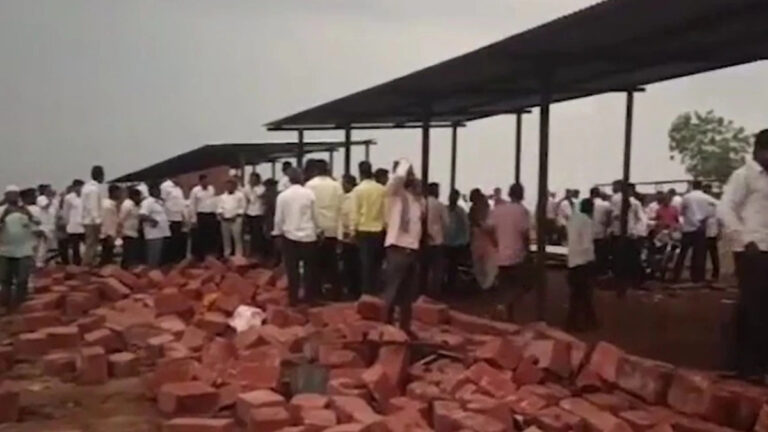
Tragedy in Maharashtra: Six Dead, Including Children, as Temple Wall Collapses During Fierce Storm

0

New Delhi, May 13, 2026 – A somber atmosphere has gripped the state following a devastating incident where a heavy stone wall of a local temple collapsed during a violent windstorm, claiming the lives of at least six people. Among the deceased are young children who had sought shelter from the rain, turning a moment of communal gathering into a scene of unimaginable grief.

The incident occurred late yesterday evening as unseasonal rains and high-velocity winds swept through the region, catching many off guard.

The Incident: A Sudden Turn of Events

Witnesses describe a terrifying scene. As the sky darkened and the wind speed picked up, dozens of devotees and locals took cover under the permanent and temporary structures of the temple complex. The storm, characterized by “cloudburst-like” intensity, battered the aging masonry of the temple’s perimeter wall.

Without warning, a massive section of the wall—weakened by years of weathering and the sudden pressure of the gale—buckled and fell inward.

Key Details of the Tragedy:

  • Location: A village temple in rural Maharashtra (investigations into the exact structural history are ongoing).
  • Casualties: Six confirmed deaths, including two children aged under 10.
  • Injuries: At least 15 others were rushed to nearby civil hospitals with varying degrees of trauma.
  • The Cause: Intense structural stress caused by a severe thunderstorm and aging infrastructure.

Heroes in the Rubble: The Rescue Operation

Immediately following the collapse, the sound of the storm was drowned out by the cries of those trapped under the debris. Local villagers were the first responders, using their bare hands and farm equipment to move heavy stones before official emergency services could arrive.

The National Disaster Response Force (NDRF) and local police units reached the spot shortly after, braving continued rainfall to conduct a search-and-rescue operation that lasted well into the night. Floodlights were deployed to scan the rubble for survivors.

“It happened in seconds,” said Rajesh, a local resident who helped in the rescue. “The wind was howling, and then there was a sound like an explosion. We ran toward the temple and saw the wall had flattened the area where people were standing to stay dry.”

A Community in Mourning

The loss of young lives has hit the community particularly hard. The children, identified as siblings by local authorities, were reportedly at the temple with their grandparents.

State officials have expressed their deepest condolences. The Chief Minister’s office has announced an ex-gratia compensation of ₹5 lakh for the families of the deceased, while the injured will receive free medical treatment at state-run facilities.

Government Response and Compensation

CategoryAssistance Provided
Families of the Deceased₹5,00,000 per victim
Critically InjuredFull medical coverage + ₹50,000
Minor InjuriesOutpatient care and specialized monitoring

Structural Integrity Under Scrutiny

This tragedy has reignited a fierce debate regarding the safety of old religious structures and public buildings during extreme weather events. Experts suggest that many such walls are built using traditional lime-mortar or loose stone stacking, which may not be equipped to handle the shifting weather patterns and intensified storms seen in recent years.

Why Did the Wall Collapse?

  1. Foundation Softening: Heavy rain can saturate the soil beneath old walls, causing them to lean or shift.
  2. Wind Pressure: High-velocity winds create a “sail effect” against flat surfaces, exerting tons of pressure on the structure.
  3. Lack of Maintenance: Many village temples rely on donations for upkeep, which often prioritizes aesthetics over structural reinforcement.

The Rising Threat of Unseasonal Storms

Meteorologists have noted that Maharashtra is increasingly facing volatile weather transitions. The combination of high heat followed by sudden moisture from the Arabian Sea creates perfect conditions for “micro-bursts”—localized, intense storms that can topple trees and weak structures in minutes.

Authorities are now urging citizens to avoid taking shelter near old walls, large trees, or tin-roofed sheds during high-wind alerts.

Moving Forward: Prevention and Safety

As the debris is cleared and the final rites are performed for the victims, the state government has ordered a “structural audit” of all public religious places within the district. The goal is to identify “at-risk” structures before the monsoon season begins in earnest.

Safety Tips During Storms:

  • Avoid Old Walls: Never stand near compound walls or old buildings during high winds.
  • Seek Proper Shelter: Move to a concrete building with a reinforced roof.
  • Stay Informed: Keep a battery-powered radio or check mobile weather alerts regularly.

The silence that now hangs over the temple site is a grim reminder of the power of nature and the fragility of our built environment. For the families of those six victims, the storm may have passed, but the impact will be felt for a lifetime.

Purple Tide Sweeps Mexico City: BTS Returns with Historic “Arirang” Festival

New Delhi, May 13, 2026 — For three days in May 2026, the heart of Mexico stopped beating to its usual rhythm and began to pulse with the synchronized chants of “BTS!” The South Korean superstars, who recently reunited after completing their mandatory military service, transformed Mexico City into a massive, city-wide fan festival that local authorities are calling one of the most significant cultural events in the capital’s history.

While the group performed three sold-out shows at the Estadio GNP Seguros on May 7, 9, and 10, the real story took place beyond the stadium walls. An estimated 40,000 fans—known as the “ARMY”—who were unable to secure tickets gathered in the surrounding streets, parks, and plazas, turning the entire Iztacalco district into an open-air celebration.

A Hero’s Welcome at the National Palace

The frenzy began even before the first note was played. On Wednesday, May 6, the septet—RM, Jin, Suga, j-hope, Jimin, V, and Jungkook—visited the National Palace for a meeting with President Claudia Sheinbaum.

In an unprecedented move for a musical act, President Sheinbaum honored the group as Distinguished Visitors,” presenting them with a commemorative plaque for their contribution to global cultural exchange. As the members stepped onto the palace balcony to wave to the crowd, the Zócalo (Mexico’s main square) erupted. Local estimates suggest nearly 50,000 fans swarmed the plaza just for a glimpse of the group, some having camped out for over 48 hours.

“Music and values unite Mexico and South Korea,” President Sheinbaum shared on social media, alongside a photo of the group holding their latest album, ARIRANG.

The Stadium Experience: Inside and Out

Inside the Estadio GNP Seguros, the atmosphere was electric. Over 150,000 ticket-holders across the three nights witnessed the group’s “ARIRANG World Tour,” their first standalone Mexican performance in nearly a decade.

The group paid deep homage to their hosts:

  • Cultural Fusion: During the performance of “Aliens,” backup dancers donned traditional lucha libre masks.
  • Local Flavor: Member V delighted the crowd by picking up a banderilla (a popular local snack) during “Idol.”
  • A Personal Anthem: The stadium reached a fever pitch when the group performed “Airplane pt. 2,” featuring the iconic lyric: “We goin’ from Mexico City.”

However, the “Purple Tide” was most visible outside the gates. On Saturday and Sunday, over 40,000 fans set up “fan zones” on the sidewalks. They brought portable speakers to sync with the stadium’s sound, waved Ami-bombs (lightsticks) in unison with the lights inside, and organized mass dance covers. The gathering was so large that city officials were forced to implement partial traffic controls on nearby roads.

The Numbers Behind the Magic

The “BTS Effect” wasn’t just a social phenomenon; it was a massive economic driver for Mexico City. According to the Mexico City Chamber of Commerce, the three-day stint generated approximately $107.5 million in economic impact.

CategoryEstimated Spending
Total Economic Impact$107.5 Million
Lodging & Tourism$17 Million
Food & Services$2.2 Million
Ticket Sales135,000+ sold in minutes

The demand was so staggering that Ticketmaster reported over 2.1 million fans attempted to join the digital queue for the 150,000 available seats. This massive gap between supply and demand is what fueled the large gatherings outside the venue.

A Global “2.0” Era

This stop in Mexico City is a pivotal chapter in what critics are calling BTS 2.0.” After a hiatus that began in 2022 for military service, the group’s return has proven that their global influence has only intensified. Mexico City, which consistently ranks as the top city in the world for BTS streams on Spotify, served as the perfect proof of concept for the North American leg of the Arirang tour.

As the members bid farewell to the Mexican ARMY, speaking in Spanish to promise a return much sooner than the last ten-year wait, the fans remained long after the lights went down. For those 40,000 outside, the lack of a ticket didn’t diminish the experience.

“I couldn’t get inside, but I could hear their voices and feel the ground shake,” said Zoe Perez, an 18-year-old fan who traveled from Guadalajara. “To be here with thousands of people who love them as much as I do—that is a concert in itself.”

The Arirang tour now moves toward California, with three shows scheduled at Stanford Stadium, followed by a massive residency in Las Vegas. If the scenes in Mexico City are any indication, the world is more than ready for the return of the kings of K-pop.

Nature Unfiltered: Gir Lioness Rare Live Hunt Before Stunned Tourists Goes Viral

0

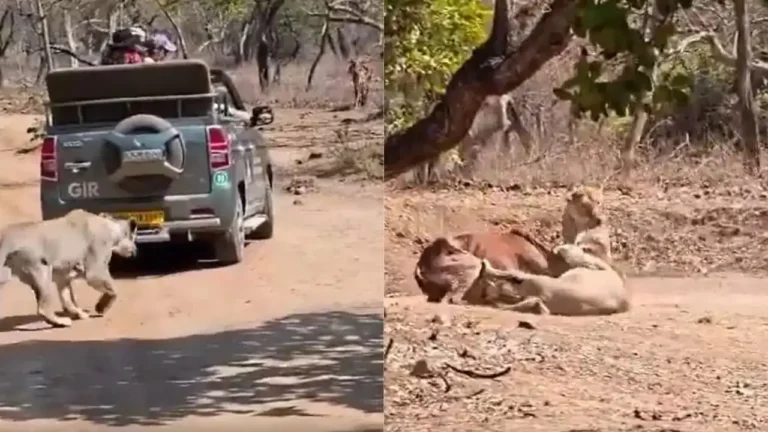
New Delhi, May 13, 2026— In an extraordinary display of raw wildlife power that has set social media ablaze, a lioness in the Gir National Park launched a lightning-fast hunt just feet away from a tourist safari jeep. The footage, captured on Tuesday, May 12, 2026, has garnered millions of views within 24 hours, offering a rare, unscripted glimpse into the life of the world’s only surviving population of Asiatic lions.

For the group of tourists seated in the open-top safari vehicle, what began as a routine morning excursion through the scrub forests of Gujarat quickly escalated into a heart-pounding front-row seat to the “law of the jungle.”

The Incident: Seconds of Silence, Then Chaos

The viral video, approximately 56 seconds long, begins with a deceptively calm atmosphere. A safari jeep is seen parked on a dirt track, with tourists whispering in anticipation. Just behind the vehicle, a lioness is seen crouched low in the golden grass, her amber eyes locked onto a target further down the path.

The target—a stray cow that had wandered into the forest periphery—appeared oblivious to the predator’s presence. In a sudden burst of explosive speed, the lioness broke her cover. Using the safari jeep as a tactical screen, she sprinted past the vehicle, her powerful muscles rippling in the sunlight.

The tourists’ reactions in the video range from stunned silence to audible gasps of “Oh my God!” as the lioness pounced on the prey within seconds. The hunt was finalized when a majestic male lion, previously unseen in the brush, joined the fray to help secure the kill, dragging the prey further into the thickets.

A Rare Sight for Human Eyes

While hunting is a daily reality in the wild, witnessing a live kill in Gir is exceptionally rare for tourists. Unlike the expansive savannahs of Africa, the Gir forest is dense with teak and acacia trees, providing ample cover for predators to remain hidden.

“Lions are generally shy and prefer to hunt away from human eyes,” says Rajesh Parmar, a veteran wildlife guide at Sasan Gir. “To see a hunt this close to a vehicle is a one-in-a-million occurrence. Usually, by the time we arrive, the hunt is over and the lions are already feeding.”

Wildlife experts suggest that the lioness may have used the parked jeep as a “blind”—a physical barrier to mask her scent and silhouette from the prey—demonstrating the high level of intelligence and adaptability these big cats possess.

The Digital Aftermath: Fascination and Controversy

As with any viral wildlife moment, the internet remains divided. On platforms like X (formerly Twitter) and Instagram, the video has sparked a massive debate.

  • The “National Geographic” Experience: Thousands of users praised the raw beauty of the footage, with many commenting that the tourists received a “premium documentary experience” for the price of a standard safari ticket.
  • Safety Concerns: Some viewers questioned the proximity of the animals to the jeep, voicing concerns about the safety of the tourists in an open vehicle during such an intense predatory moment.
  • The “Staged” Debate: A vocal minority has questioned how a domestic cow ended up in the core zone of the forest, with some suggesting the incident might have been “staged” to boost tourism. However, local officials have been quick to debunk these theories.

Official Response: Understanding the “Maldhari” Connection

Forest department officials clarified that while the core area of Gir is strictly protected, the “buffer zones” are home to the Maldhari tribes—traditional pastoralists who have lived alongside lions for centuries.

“It is not uncommon for livestock to occasionally wander into the fringes of the forest,” an official statement from the Gujarat Forest Department noted. “The Asiatic lion has a long history of co-existing with human settlements. This video shows a natural biological process. We urge the public not to spread rumors of staged baiting, which is a strictly prohibited and punishable offense.”

The department also reminded tourists that during such encounters, it is vital to remain inside the vehicle and maintain absolute silence to avoid distracting the predator or becoming a secondary target.

Why This Video Matters

The Asiatic lion (Panthera leo leo) was once on the brink of extinction, with numbers dwindling to fewer than 50 at the turn of the 20th century. Thanks to rigorous conservation efforts by the Gujarat government and the local community, the population has rebounded to over 700.

Videos like this, while graphic to some, serve as a potent reminder of the success of the Gir conservation model. It shows a healthy, thriving population of apex predators behaving exactly as nature intended.

Tips for Future Gir Travelers

If you are planning a trip to witness these “Kings of Gujarat” for yourself, keep the following in mind:

  1. Book in Advance: Permits for the Sasan Gir Safari and the Devalia Safari Park often sell out months ahead.
  2. Respect the Silence: Predators rely on sound to hunt. If you are lucky enough to see a stalking lion, keep your voice at a whisper.
  3. No Flash Photography: High-intensity flashes can disorient the cats, especially during dawn or dusk safaris.

The “Gir Hunt of 2026” will likely go down as one of the most iconic pieces of amateur wildlife footage ever recorded in India—a stark, beautiful reminder that in the heart of Gujarat, the wild still reigns supreme.

Greater Noida Society Brawl: Road Rage Escalates into Mob Attack

0

New Delhi, May 13, 2026: – In a chilling reminder of how quickly minor civic disputes can spiral into violence, two men were arrested Tuesday after a video of a brutal family brawl in a residential society went viral. The incident, which began as a simple road rage dispute over a minor scooter collision, saw a family being assaulted by a mob, leading to serious charges including those under the Protection of Children from Sexual Offences (POCSO) Act.

The Incident: From Scrape to Skirmish

The altercation occurred on Sunday evening, May 10, 2026, around 5:30 PM in a residential society located in the Chipiyana Buzurg area, under the jurisdiction of the Bisrakh police station.

According to police reports, the conflict was triggered by a seemingly trivial accident. Avdhesh Kumar, a resident in his 40s, was heading out of the society on his scooter when he accidentally clipped a stationary scooter belonging to his neighbor, Akash Sharma (45).

What should have been a routine insurance exchange or a quick apology instead reignited a long-standing feud. Witnesses and police officials noted that the two neighbors already shared a history of tension regarding parking spaces within the complex. A heated verbal spat quickly turned physical, with Sharma allegedly striking Kumar first. In the ensuing scuffle, Kumar retaliated, leaving Sharma with a bleeding lip.

The Escalation: Mob Violence and Viral Footage

While the initial fight was broken up by other residents, the peace was short-lived. Seeking “revenge” for the earlier scuffle, Sharma allegedly returned a short time later with a group of approximately a dozen men.

The group launched a coordinated attack on Kumar at his home. CCTV footage and mobile recordings that began circulating on social media on Monday showed a harrowing scene:

  • The Assault: A group of men armed with wooden sticks were seen punching and kicking Kumar, eventually dragging him across the society compound.
  • Family Intervention: The video captured Kumar’s wife and his minor daughter desperately trying to shield him from the blows.
  • Assault on a Minor: Most disturbingly, the footage showed members of the mob pushing and shoving the minor girl as she tried to protect her father.

Police Action and Legal Charges

Initially, the Bisrakh police treated the matter as a mutual clash. On Sunday night, they detained four individuals—two from each side—under Section 170 of the Bharatiya Nagarik Suraksha Sanhita (BNSS), a provision used to prevent the commission of cognizable offenses.

However, the legal gravity of the case shifted significantly on Monday once the “viral” videos reached senior police officials. The evidence clearly showed a one-sided mob attack and the physical harassment of a child.

Swatantra Singh, Additional Deputy Commissioner of Police (Central Noida), confirmed that the charges were upgraded following a formal complaint by Kumar’s family. The new FIR includes:

  1. BNS Section 110: Attempt to commit culpable homicide.
  2. POCSO Act: Added specifically because the minor daughter was physically targeted during the assault.

“Taking cognizance of the video evidence showing the suspects pushing a minor girl and the brutality of the attack, we have registered a case under the relevant sections of the BNS and POCSO. Two primary accused have been arrested, and we are identifying others from the footage,” said ADCP Singh.

A Growing Concern: The “Short Fuse” in NCR

This incident is not an isolated one. Greater Noida and the wider Delhi-NCR region have seen a sharp rise in “society brawls” over the last year. Just months ago, similar incidents were reported involving:

  • Pet Walking: Disputes over dogs in common areas leading to FIRs.
  • High-Beam/Honking: Road rage incidents outside society gates involving baseball bats.
  • Maintenance Issues: Clashes between residents and private security guards.

Sociologists and local authorities point to a growing “lack of patience” and a “short fuse” among residents in high-density high-rise societies. The transition from a verbal argument to a mob-style assault over a minor scooter scrape highlights a worrying trend of vigilante justice within gated communities.

Current Status

As of Wednesday afternoon, May 13, 2026, the two arrested individuals remain in judicial custody. Police teams are currently conducting raids to nab the remaining men seen in the viral video. Security has been briefly tightened at the Chipiyana Buzurg society to prevent further retaliatory actions between the two families.

The victim, Avdhesh Kumar, is reportedly stable but sustained multiple contusions and soft tissue injuries. The local Residents’ Welfare Association (RWA) has called for an emergency meeting to discuss stricter bylaws regarding conflict resolution to prevent such “shameful” displays of violence in the future.

Clean Water Reaches Parched Jharkhand Hamlet After Viral Video Sparks Urgent Action

0

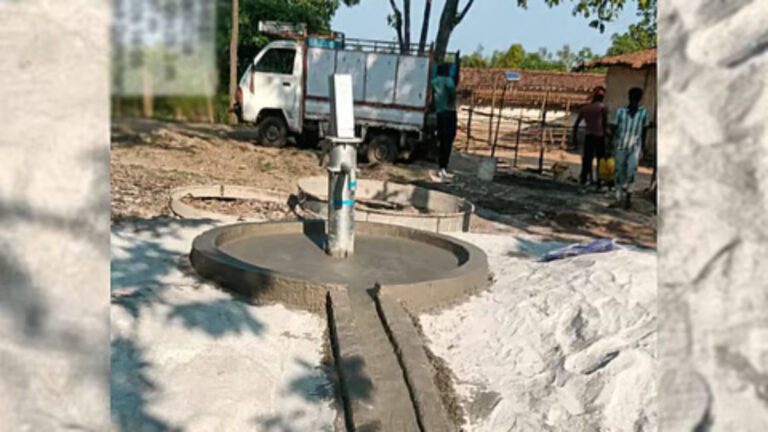
New Delhi, May 13, 2026: In a significant victory for rural advocacy and digital transparency, a remote tribal hamlet in Jharkhand has finally received its first functional tubewell. This development comes just days after a harrowing video surfaced online, showing residents—including young children—collecting muddy, contaminated water from a shallow pit for drinking and cooking.

The transformation of this small village serves as a poignant reminder of the infrastructure gaps that still exist in India’s hinterlands and the power of social media in holding local administrations accountable.

The Catalyst: A Viral Cry for Help

The story began when a local social worker uploaded a 45-second clip to social media platforms. The footage depicted a scene of desperation: women from the tribal community were seen kneeling beside a small, stagnant hole in the ground, painstakingly scooping out yellowish water with small bowls. The “well” was little more than a natural depression in the earth that collected runoff and groundwater, often shared with local livestock.

Within 48 hours, the video garnered hundreds of thousands of views and was shared by prominent activists and journalists. The hashtag #WaterForJharkhand began to trend, catching the attention of the state’s high-ranking officials and the District Collector.

Prior to the viral video, the villagers had reportedly submitted several petitions to local panchayat leaders over the last three years, citing frequent outbreaks of waterborne diseases like cholera and dysentery. However, their pleas had largely fallen on deaf ears until the digital spotlight was turned on the village.

Rapid Mobilization and Installation

Following the public outcry, the district administration swung into action. A team of engineers from the Drinking Water and Sanitation Department (DWSD) was dispatched to the hamlet to survey the land and identify a suitable spot for a deep-bore tubewell.

“We received orders to prioritize this village immediately,” said a senior site engineer. “The geological survey was conducted within hours, and the drilling rig reached the village by the following morning. Our primary goal was to ensure the water source was deep enough to provide clean, filtered water that remains available even during the peak of the summer heat.”

By the third day, the drilling was complete. A manual hand pump was installed, and for the first time in the hamlet’s history, clear, potable water flowed freely. The administration has also promised to install a solar-powered water tank system in the coming months to provide a more sustainable, long-term solution for the growing population.

Life Before the Tubewell: A Daily Struggle

To understand the impact of this new resource, one must look at the grueling reality the villagers faced for decades. In many tribal areas of Jharkhand, water scarcity is not just a seasonal issue but a permanent state of being.

For the women of this hamlet, the day began at 4:00 AM. They would trek nearly two kilometers to the nearest stream, which often ran dry by March. When the stream failed, the “jharna” (the shallow pit seen in the video) became their only option.

“We used to spend four to five hours every day just fetching enough water to survive,” said Sumati Devi, a resident of the village. “The water from the pit made our children sick. We knew it was dirty, but what choice did we have? Now, the pump is right in the middle of our homes. It feels like a burden has been lifted from our shoulders.”

Medical professionals in the region noted that the lack of clean water was the primary driver of malnutrition and stunted growth in the village’s children. With the new tubewell, the risk of parasite infections and chronic diarrhea is expected to plummet.

The Broader Context of Rural Water Access

While the success in this specific hamlet is a cause for celebration, it highlights a broader systemic challenge. Jharkhand, despite being rich in mineral resources and receiving substantial rainfall during the monsoon, often struggles with groundwater management and rural distribution.

The Government of India’s Jal Jeevan Mission, which aims to provide functional household tap connections to every rural home by 2024, has made significant strides across the country. However, “last-mile” connectivity remains a hurdle in hilly and forested terrains where tribal communities often reside.

Experts suggest that while tubewells are an excellent immediate fix, the long-term solution involves:

  1. Rainwater Harvesting: Encouraging villages to build check dams to recharge the groundwater table.
  2. Solar-Powered Pumps: Reducing the physical labor of manual pumping and ensuring water can be piped directly to homes.
  3. Community Management: Training villagers to maintain the pumps to ensure they don’t fall into disrepair—a common issue with rural infrastructure projects.

The Power of “Citizen Journalism”

This incident has also sparked a conversation about the role of technology in rural development. In the past, the grievances of remote villages would rarely reach the ears of those in power in Ranchi or Delhi. Today, a smartphone and a basic internet connection can act as a bridge between the marginalized and the government.

The district administration has now announced a new digital “Grievance Redressal Cell” where villagers can upload photos and videos of infrastructure failures. This move aims to be proactive rather than waiting for a crisis to go viral.

A New Chapter for the Hamlet

As the sun set over the village on the day of the tubewell’s inauguration, the atmosphere was one of a festival. Children played under the cool spray of the pump, and families filled their steel pitchers with pride.

The village elders expressed hope that this is just the beginning. With water now available, they are looking toward the government for better roads and a primary health center.

“Water is life,” the village headman remarked. “Now that we have life, we can start thinking about the future. We want our children to go to school instead of spending their mornings at a mud pit. Today, for the first time, our village feels like it belongs to the rest of the world.”

Conclusion

The story of this Jharkhand hamlet is a bittersweet reminder of the work that remains. While the viral video was the catalyst for change, it shouldn’t require a public embarrassment for basic human rights like clean water to be fulfilled. However, it also proves that when the community, the media, and the government align, progress can happen at a lightning-fast pace.

For now, the people of this small hamlet can finally drink a glass of water without fear—a simple act that marks the beginning of a healthier, more dignified era for their community.

The 19:34 Video Scam: Curiosity is the Trap

0

The digital world is currently being haunted by a ghost—specifically, a 19-minute and 34-second ghost. If you’ve spent any time on social media recently, you’ve likely seen the frantic comments, the cryptic “link please” requests, and the sensationalized headlines claiming a specific video has “leaked” or gone “viral.”

While the curiosity is human, the trap is purely digital. As of May 2026, cybersecurity experts are sounding the alarm: the hunt for this specific clip is one of the most effective delivery systems for high-level malware we have seen this year.

The Hook: Why “19:34”?

Scammers are master psychologists. They know that a specific timestamp—19 minutes and 34 seconds—adds a layer of “authenticity” to a rumor. In a sea of 10-second TikToks, a nearly 20-minute video suggests a “full story,” a “raw leak,” or “unseen footage.”

The scam typically starts on platforms like Facebook, X (Twitter), and WhatsApp, where bots or compromised accounts post blurry screenshots with captions like:

“Finally found it! The full 19 min 34 sec video everyone is talking about. Watch before it gets deleted again! [Link]”

By the time you click, you aren’t looking for entertainment; you’re looking for a payoff to your curiosity. That’s exactly when the hackers strike.

The Trap: How the Scam Works

Once you click the link, you aren’t taken to a video player. Instead, you enter a carefully designed “phishing funnel.” Here is the step-by-step breakdown of how hackers are currently exploiting users:

1. The “Age Verification” Wall

Most links lead to a page that looks like a legitimate video hosting site. To “view” the content, you’re asked to verify your age by logging into your Facebook or Google account. These are fake login portals. The moment you enter your credentials, the hackers have full access to your social media, contacts, and private messages.

2. The “Update Your Player” Malware

If you don’t fall for the login trap, you might see an error message: “Your browser is outdated. To play this 19:34 clip, download the latest Video Codec.” This “codec” is actually an Infostealer. Once downloaded, it scans your computer or phone for:

  • Saved passwords in Chrome or Safari.
  • Credit card details stored in “Auto-fill.”
  • Cryptocurrency wallet keys.

3. The “Human Verification” Loop

Some sites force you to click through a dozen ads or “verify you are human” by downloading other apps. This generates “pay-per-install” revenue for the scammers while simultaneously cluttering your device with adware that makes your phone sluggish and prone to data leaks.

The Reality: Is the Video Even Real?

Law enforcement agencies and cyber-forensic teams have clarified that the “19 min 34 sec” clip is largely a digital myth. While there may be short, AI-generated “deepfake” snippets circulating to fuel the fire, a definitive, singular 19-minute video does not exist in the form the internet claims.

In many cases, scammers use old, unrelated footage or AI-generated thumbnails to bait users. The “19:34” duration is simply a consistent tag used across different scam networks to make the “leak” feel like a singular, massive event.

The 2026 Evolution: AI and “Digital Arrest”

What makes this year’s version of the scam more dangerous is the integration of Generative AI. Hackers are now using AI to:

  • Generate Realistic Thumbnails: Using tools to create fake, high-resolution “leaked” images that look disturbingly real.
  • Automate Comments: Thousands of bot accounts comment on the post saying, “Wow, I can’t believe she did that!” or “Thanks for the link, it actually works!” to create social proof.

Furthermore, some users who click the links are later targeted with Digital Arrest” scams. Scammers track the user’s IP address and send a fake “Legal Notice” via WhatsApp, claiming the user was caught trying to view illegal content and must pay a “fine” to avoid arrest.

How to Protect Yourself

If you see a post about the “19:34” video, follow these rules to keep your data safe:

  • Don’t Click the Link: This is the simplest and most effective defense. If a video is truly viral and “breaking news,” it will be covered by legitimate news outlets, not a random link in a comment section.
  • Check the URL: Scammers use look-alike domains (e.g., faceb00k-login.com or video-viewer-xyz.top). If it’s not a major, verified platform, stay away.
  • Enable Two-Factor Authentication (2FA): Even if you accidentally enter your password on a fake site, 2FA can prevent hackers from actually entering your account.
  • Report the Post: Most platforms have an option to report “Scams” or “Misleading Content.” Reporting these posts helps the algorithm take them down faster, protecting others who might be less tech-savvy.

The Bottom Line

The “19 Min 34 Sec” video is the 2026 version of a Trojan Horse. It uses our natural curiosity and the “fear of missing out” (FOMO) to bypass our better judgment.

Stay cynical, stay updated, and keep your “Play” button finger in check. Your digital privacy is worth more than 19 minutes of curiosity.

‘Punjab 2.0’ in the UK? Viral Video of ‘Mini Punjab’ Leaves the Internet Stunned

0

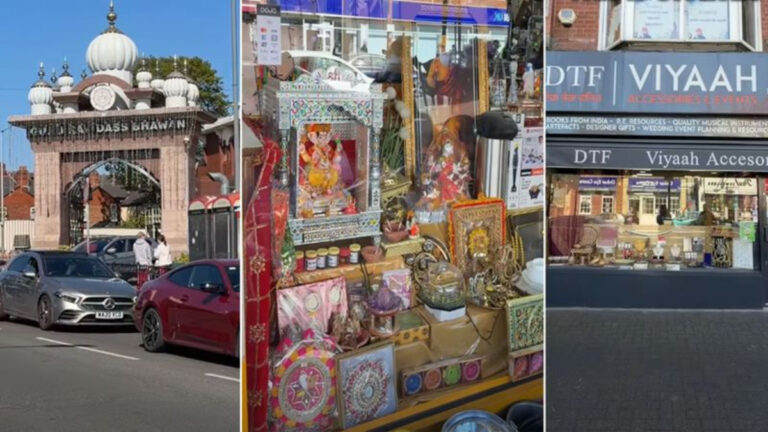
New Delhi, May 13, 2026— Is it a bustling market in Amritsar or a high street in the British Midlands? That is the question millions of social media users are asking this week after a video showcasing a vibrant, Punjabi-dominated neighborhood in the United Kingdom went viral. Dubbed “Punjab 2.0” by the internet, the clip has sparked a massive global conversation about cultural identity, migration, and the “new” face of modern Britain.

The footage, shared by an Indian-origin content creator, has already amassed millions of views across Instagram, X (formerly Twitter), and TikTok. For many, the visuals are so authentic to the Indian state of Punjab that they found it hard to believe the video was filmed thousands of miles away in the UK.

A Slice of Ludhiana in the Heart of Britain

The viral video opens with a disclaimer that immediately caught everyone’s attention: “Believe it or not — this is not Punjab, this is the United Kingdom.”

As the camera pans across the street, the “typical” British aesthetic of red phone booths and grey skies is replaced by a kaleidoscope of Punjabi culture. Key highlights from the video that left viewers stunned include:

  • Punjabi Signboards: Shop headers are written prominently in Gurmukhi script, advertising everything from fresh jalebis to traditional bridal lehengas.
  • Desi Transport: In a moment that truly shocked viewers, auto-rickshaws (Tuk-Tuks)—a staple of Indian city life but a rarity in the West—were spotted parked along the curb.
  • Tributes to Icons: Massive murals and posters of the late Punjabi singer Sidhu Moose Wala adorn building walls, mirroring the street art found across the villages of Mansa and Bathinda.
  • A Sensory Overload: The background audio captures the familiar hum of Punjabi music blaring from speakers, while the streets are lined with desi grocery stores and sweet shops (mishri-khanna).

Interestingly, the creator clarified that this wasn’t Southall—the famous “Little India” of London—hinting that “Mini Punjabs” are thriving in other UK hubs like Birmingham, Leicester, or Smethwick.

“Reverse Colonization” and the Internet’s Wit

As with any viral sensation, the comments section became a breeding ground for humor and debate. The term “Reverse Colonization” trended as users jokingly remarked that the British Empire’s influence has come full circle.

“You can take a Punjabi out of Punjab, but you can’t take Punjab out of a Punjabi. They’ve literally copy-pasted the whole city!” one viral comment read.

Other users chimed in with witty observations:

  • “At this point, Punjabis don’t migrate; they just duplicate the city and move in.”
  • “Britishers wanted to see the world, now the world has come to them. Fair trade?”
  • “I showed this to my grandmother in Jalandhar, and she asked why I was filming the local market instead of studying!”

Beyond the Memes: A Deep-Rooted History

While the video is being treated as a “discovery” by some, many were quick to point out that these vibrant communities aren’t new. They are the result of decades of hard work and entrepreneurship by the Punjabi diaspora.

The large-scale migration of Punjabis to the UK began in the 1950s and 60s, as many arrived to help rebuild post-war Britain. Over the generations, these families have transformed quiet English high streets into thriving economic hubs. These neighborhoods aren’t just “tourist spots”; they are essential parts of the British economy where immigrant-run businesses pay taxes, provide employment, and keep local traditions alive.

Why the Fascination?

The reason “Punjab 2.0” has struck such a chord is the unfiltered authenticity it captures. In a world of polished, globalized shopping malls, these streets offer a raw, nostalgic connection to home for millions of NRIs (Non-Resident Indians).

For the British public, it represents the successful—though sometimes debated—evolution of multiculturalism. For Indians back home, it’s a moment of pride to see their language and culture standing tall on foreign soil.

The Verdict

Whether you call it a cultural enclave or “Punjab 2.0,” the viral video highlights a simple truth: the borders of culture are much more fluid than the borders on a map. As the UK continues to evolve, these streets remain a testament to the enduring spirit of the Punjabi community—always ready to make a “home away from home,” complete with parathas, Punjabi music, and yes, even an auto-rickshaw.

Preity Zinta Strikes Back: PBKS Issues Stern Warning Over Viral Rumors

0

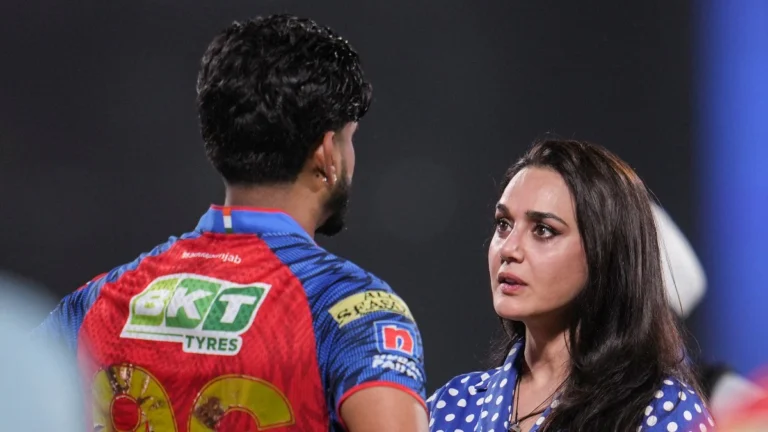
Wednesday, May 13, 2026 — In the high-stakes world of the Indian Premier League (IPL) 2026, the battle isn’t just on the pitch; it’s increasingly on the screens of millions of fans. On Tuesday night, Punjab Kings (PBKS) and co-owner Preity Zinta took a massive stand against what they called “calculated misinformation,” issuing a sharp warning to social media users and media houses alike.

The move comes as the franchise navigates a turbulent week marked by a dip in performance and a flurry of off-field controversies involving star players Yuzvendra Chahal and Prabhsimran Singh.

The Spark: What Triggered the Outrage?

The controversy ignited following a series of unverified claims that gained massive traction as PBKS suffered four consecutive losses. The team, which had a dream start to the season—remaining unbeaten in their first seven matches—suddenly found itself under the microscope for reasons other than cricket.

Two specific incidents appear to have been the breaking point for the management:

  1. The Vaping Controversy: A viral video, allegedly recorded by teammate Arshdeep Singh during a team flight, surfaced online showing star leg-spinner Yuzvendra Chahal in a compromising position involving a vape. The footage sparked a social media firestorm, with former cricketer Laxman Sivaramakrishnan even calling for strict legal action against the spinner.
  2. Prabhsimran Singh’s Fitness: Simultaneously, unverified reports began circulating about opener Prabhsimran Singh’s “lack of discipline” and reported weight gain, attributing the team’s batting slumps to his supposed lack of fitness.

The Strong Warning: “Not Taken Lightly”

Fed up with the growing noise, Preity Zinta took to X (formerly Twitter) to draw a line between fair criticism and malicious rumors.

“There’s a difference between criticism & calculated misinformation,” Zinta wrote. “Healthy debate around the game is welcome, but the deliberate spread of fake narratives to damage individuals, the team, or the brand should not & will not be taken lightly.”

She further urged “verified voices and media professionals” to exercise responsibility before amplifying unverified information.

The Mystery of the Edited Post: Why the Tweak?

While the message was clear, sharp-eyed netizens noticed something peculiar: the official Punjab Kings handle deleted its original statement shortly after posting it, only to re-upload a slightly modified version.

The Difference:

  • Original Post: Included a specific call-out to “sports journalists”, urging them to verify facts before chasing “cheap engagement.”
  • Edited Post: Removed the direct reference to “sports journalists,” replacing it with a broader appeal to “everyone.”

Why the change? Insiders suggest the edit was a strategic move to avoid a direct confrontation with the media fraternity. By removing the specific tag, the franchise aimed to maintain a firm stance against fake news without alienating the broader press corps during a critical phase of the tournament.

On-Field Slump vs. Off-Field Drama

The timing of these rumors couldn’t be worse for the Kings. After leading the table for the first half of May 2026, the team has slipped to fourth place with 13 points. Losses to Rajasthan Royals, Gujarat Titans, Sunrisers Hyderabad, and Delhi Capitals have left fans frustrated.

Franchise sources indicate that the management has already taken internal steps to curb the distractions, including reportedly asking Arshdeep Singh to pause his popular behind-the-scenes vlogs to ensure the team remains focused on the “business end” of the season.

What’s Next for PBKS?

Despite the “fake narratives” and the recent losing streak, Punjab Kings remain in a strong position to qualify for the playoffs for the second year in a row. Their next hurdle is a high-octane clash against the Mumbai Indians (MI) at the HPCA Stadium in Dharamshala on Thursday, May 14.

For Zinta and the PBKS management, the message is loud and clear: They are ready to fight the trolls, but they’d much rather be fighting for the trophy.

Quick Facts: PBKS in IPL 2026

StatusDetail
Current Standing4th Position (13 Points)
Form GuideL L L L (Last 4 matches)
Next Matchvs Mumbai Indians, May 14
Key ConcernBowling discipline and middle-order stability

Export to Sheets

The Bottom Line: In an era where a 10-second clip can tarnish a career, PBKS’s aggressive pushback serves as a reminder that franchises are no longer willing to be silent spectators to the “viral” culture of misinformation.

Dame Joan Collins, 92, Stuns Cannes in Sculptural Gown

New Delhi, May 13, 2026 — As the sun dipped below the horizon on the French Riviera for the opening of the 79th Cannes Film Festival, a sea of influencers and modern starlets lined the Croisette. But the atmosphere shifted from contemporary chic to timeless majesty the moment Dame Joan Collins stepped onto the red carpet. At 92 years old, the legendary Dynasty actress didn’t just attend the opening ceremony; she commanded it, proving that true Hollywood glamour is a craft she has long since perfected.

The 2026 festival kicked off on May 12 with the premiere of The Electric Kiss, a romantic comedy that drew icons like Jane Fonda and Demi Moore. Yet, it was Collins who became the focal point of the evening, draped in a custom creation that blurred the lines between high fashion and fine art.

The Look: A “White Orchid” in Full Bloom

For her grand entrance at the Grand Théâtre Lumière, Dame Joan chose a breathtaking Stéphane Rolland Haute Couture gown. The dress, aptly described by fashion critics as the “White Orchid” gown, was a masterclass in structural elegance.

  • The Silhouette: The gown featured a crisp, stark white palette that stood out brilliantly against the festival’s iconic deep red carpet. The neckline and shoulders were framed by exaggerated, sculptural ruffles designed to mimic the delicate, unfurling petals of an orchid.
  • The Contrast: To ground the ethereal white fabric, Collins paired the look with dramatic black opera gloves, a nod to the Golden Age of Hollywood that she helped define.
  • The Sparkle: No Joan Collins appearance is complete without “the rocks.” She accessorized with a suite of shimmering diamond jewels, including a high-jewelry necklace and drop earrings that caught the Mediterranean light with every turn of her head.

Reclaiming the Red Carpet

In an era where red carpets are often crowded with social media personalities, Collins’ arrival was a refreshing reminder of what “movie star presence” actually looks like. While younger celebrities opted for trendy cut-outs and sheer fabrics, Collins leaned into volume, drama, and poise.

“Seeing an actual Hollywood legend on this red carpet felt refreshing,” noted fashion commentator Catherine Kallon. “Joan’s arrival instantly brought back a sense of occasion and glamour that had been missing for much of the evening.”

Collins was accompanied by her husband of 24 years, Percy Gibson, who looked dapper in a classic black tuxedo. The couple navigated the stairs of the Palais des Festivals with the ease of veterans, stopping frequently to acknowledge the thunderous applause from the gathered crowds.

A Career That Defies Time

Born in 1933, Joan Henrietta Collins has been a fixture of the entertainment industry since the early 1950s. From her early days as “Britain’s Bad Girl” to her iconic turn as the scheming Alexis Carrington on Dynasty, she has managed a rare feat: remaining culturally relevant across eight different decades.

Her appearance at Cannes 2026 isn’t just a fashion statement; it’s a testament to her disciplined lifestyle and unwavering commitment to her personal brand. Collins has famously stated in interviews that she “hates jeans” and believes in the transformative power of a well-tailored outfit.

MilestoneAchievement
1951Film debut in Lady Godiva Rides Again
1955Hollywood breakthrough in Land of the Pharaohs
1981Debut as Alexis Carrington in Dynasty
2015Appointed Dame Commander of the Order of the British Empire (DBE)
2026Steals the show at the 79th Cannes Film Festival

The Secret to the Glow

Fans and critics alike have spent the morning “Googling her age twice,” as one reporter put it, unable to reconcile her 92 years with her vibrant energy. While Collins attributes her looks to good genes and a rigorous skincare routine (she is rarely seen without her signature oversized sunglasses and a bold lip), it is her unapologetic confidence that truly shined on the Croisette.

Earlier this spring, she was seen opening “Rosé Season” for Marks & Spencer in a Barbie-pink suit, showing that she isn’t afraid to play with modern trends while maintaining her sophisticated edge. Her Cannes appearance, however, was a return to the peak of formal elegance.

The 2026 Festival Context

The opening night of Cannes 2026 was already historic, with South Korean director Park Chan-wook presiding as the first Korean jury president. The ceremony also honored filmmaker Peter Jackson with an honorary Palme d’Or. Despite the presence of these heavyweights, the “Collins Effect” dominated social media discussions.

As the festival continues through May 23, the bar for fashion has been set extraordinarily high. Dame Joan Collins has reminded the world that while films may come and go, glamour is eternal.

₹1 Crore Dowry Row: Ghaziabad Wedding Sparks Outrage

0

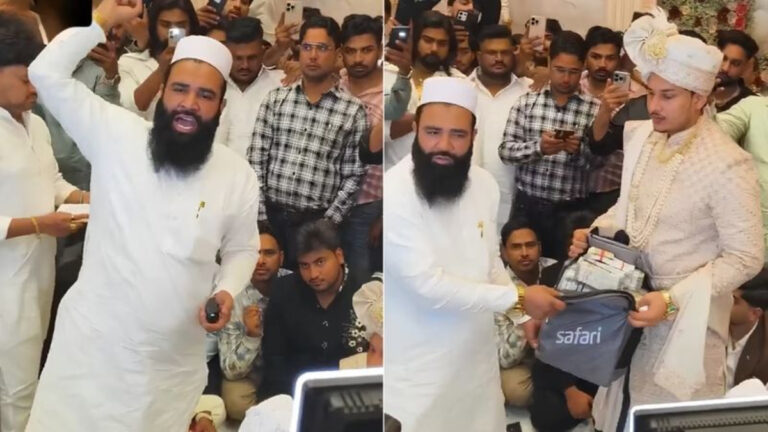
May 13, 2026 — A lavish wedding in Ghaziabad has become the center of a firestorm on social media, reigniting the debate over dowry practices and the public display of wealth in India. The incident, which took place in the Indirapuram area, involves a wedding video that has gone viral, showing a staggering amount of cash and luxury items being announced as part of the “gifts” given to the groom’s family.

As the footage continues to circulate, legal experts and social activists are calling for immediate intervention from the Income Tax department and the Uttar Pradesh police.

The Video That Shocked the Internet

The controversy began when footage from a wedding ceremony held on May 9, 2026, at the Royal Ambience Farm in Indirapuram, was uploaded to X (formerly Twitter) and Instagram. In the video, a man is heard speaking into a microphone, listing out the dowry items in front of a cheering crowd.

The itemized list of wealth, which reportedly belongs to a businessman’s daughter from the Idrisi community in Delhi’s Khajuri Khas, included:

  • ₹1.01 Crore in hard cash.
  • A BMW luxury sedan.
  • 11 Diamond jewelry pieces.
  • 42 Gold jewelry pieces and 18 Silver items.
  • Luxury SUVs: It was further revealed that a Mahindra Thar and an additional ₹31 lakh were given during the engagement six months prior.

The total expenditure of the wedding is estimated by local sources to have crossed ₹2 crore, a figure that has left many questioning the source of such vast amounts of liquid cash.

A Social Media Firestorm

The reaction online was swift and polarizing. While some attendees in the video appeared celebratory, the digital world was far less forgiving.

  • Tax Evasion Concerns: Many users tagged the Income Tax Department and the Enforcement Directorate (ED), asking how such a massive amount of cash could be displayed so openly. “Please consider this a tax evasion petition,” wrote one user on X, pointing out the suspicious nature of the ₹1.11 crore cash pile.
  • The “Meher” vs. Dowry Debate: A segment of social media users attempted to defend the ceremony, claiming the money represented Meher (a mandatory payment from the groom to the bride in Islamic law). However, this was quickly debunked by others who pointed out that the announcements clearly stated the gifts were being given to the groom’s family by the bride’s side, which fits the legal definition of dowry.
  • Ethical Outrage: Activists have slammed the “circus-like” atmosphere of the wedding. “Selling daughters while preaching equality is a wild cultural paradox,” one viral comment read.

Legal Ramifications and Police Action

Under the Dowry Prohibition Act of 1961, giving or taking dowry is a punishable offense in India. Furthermore, the public display of such wealth in the form of cash attracts the attention of the Central Board of Direct Taxes (CBDT).

EntityExpected Action
UP PoliceInvestigating the violation of anti-dowry laws and potential celebratory firing reported in related clips.
Income Tax DeptLikely to issue notices regarding the source of the ₹1.01 crore cash displayed.
Social ActivistsDemanding a boycott of families that participate in such “auction-style” weddings.

Local police officials have stated that they are aware of the video and are currently verifying its authenticity. “We are looking into the matter to see if a formal complaint can be registered under the Dowry Prohibition Act,” a senior Ghaziabad police official noted.

The Growing Trend of “Big Fat Indian Weddings”

This incident highlights a troubling trend in the NCR (National Capital Region), where weddings are increasingly used as stages for “competitive grandiosity.” Despite various government campaigns like Beti Bachao, Beti Padhao, the social pressure to provide a massive dowry remains prevalent in many communities, often disguised as “voluntary gifts.”

Experts argue that until high-profile cases like this result in actual legal consequences, the practice will continue to thrive under the guise of tradition.

Conclusion

As of Wednesday afternoon, the hashtag #GhaziabadWedding continues to trend. For many, this isn’t just about one wealthy family; it is a symptom of a deeper social malaise where a woman’s value is measured by the luxury car or the cash stack that accompanies her to her new home. All eyes are now on the authorities to see if this viral moment leads to a legal precedent or simply fades into the next news cycle.