Home Blog Page 74

Delhi Sleeper Bus Horror: Three Arrested After Woman Gang-Raped

0

New Delhi, May 14, 2026: This report provides a comprehensive update on the harrowing incident involving a woman in a sleeper bus in the national capital. The case has sent shockwaves through the region, leading to a renewed outcry for improved safety measures in private public transport and a massive crackdown by law enforcement.

The Incident: A Journey Turned Into a Nightmare

The incident occurred late last night when a 25-year-old woman was traveling from New Delhi to a neighboring state via a private sleeper bus. According to the initial police report and the victim’s statement, the bus was operating on a long-distance route that frequently picks up passengers from various hubs in the city, including Sarai Kale Khan and Kashmere Gate.

The victim had booked a single berth in the sleeper section of the bus. As the vehicle reached a relatively secluded stretch on the outskirts of Delhi—near the border areas—three men, including the bus conductor and a helper, allegedly cornered her. Taking advantage of the fact that most other passengers were asleep or located in separate partitioned cabins, the men committed the heinous crime.

The victim managed to escape the bus when it slowed down near a toll plaza. She immediately approached a patrolling PCR (Police Control Room) van, despite being in a state of severe shock and physical distress.

Police Action and Immediate Arrests

Following the victim’s statement, the Delhi Police swung into immediate action. Senior officials confirmed that a Special Investigation Team (SIT) was formed within hours to track the vehicle.

Key Developments in the Investigation:

  • Identification through GPS: Using the bus’s registration number provided by the victim and tracking the GPS data from the travel agency, the police intercepted the bus in the early hours of the morning.
  • The Arrests: Three primary suspects have been apprehended. They have been identified as the bus conductor, the cleaner, and a third individual who was reportedly an acquaintance of the bus staff.
  • Forensic Evidence: A team of forensic experts has inspected the bus to collect DNA samples and other physical evidence. The vehicle has been impounded as a primary crime scene.
  • CCTV Surveillance: Police are currently scanning CCTV footage from the boarding points and toll plazas to reconstruct the timeline of the journey and identify if any other individuals were involved or if there was any negligence on the part of the bus driver.

Medical Condition and Support for the Victim

The victim was rushed to a government hospital where she underwent a mandatory medical examination. Hospital sources indicate that while her condition is stable, she has sustained multiple injuries and is under extreme psychological trauma.

The Delhi Commission for Women (DCW) has intervened, providing the victim with legal counselors and mental health professionals. “The bravery shown by the young woman in reaching out to the police immediately is commendable. We will ensure she receives the best medical care and that the case is fast-tracked for justice,” a representative from the commission stated.

Growing Concerns Over Public Safety in Private Buses

This incident has once again highlighted the glaring gaps in the safety of women using private transport in Delhi. Despite stringent laws introduced over the last decade, sleeper buses—often characterized by private cabins and curtains—present a unique set of security challenges.

The “Dark Spots” in Private Transport:

  1. Lack of Surveillance: Many private sleeper buses do not have functional CCTV cameras inside the cabins or the aisle.
  2. Unverified Staff: Preliminary investigations suggest that the staff involved in this case did not undergo proper police verification, a mandatory requirement for public transport employees.
  3. Partitioned Cabins: While the sleeper berths offer privacy to travelers, they also create “blind spots” where illegal activities can occur without being noticed by other passengers or the driver.
  4. Illegal Pick-up Points: Private buses often pick up passengers from unauthorized spots on the highway, making it difficult for authorities to monitor who is boarding the vehicle.

Public Outcry and Government Response

As news of the gang rape spread, protests broke out in several parts of New Delhi. Activists and student groups have gathered near the police headquarters, demanding “death penalty” for the perpetrators and stricter regulations for private travel agencies.

Government officials have expressed deep concern over the incident. The Transport Department has issued a “show-cause” notice to the travel agency owning the bus, threatening to cancel its permit permanently. There are also discussions regarding a new policy that would mandate:

  • Panic buttons in every sleeper berth.
  • Live-streaming CCTV feeds to a central monitoring station for all night-travel buses.
  • A “Zero Tolerance” policy for travel agencies hiring unverified staff.

Legal Path Forward

The suspects have been booked under multiple sections of the Indian Penal Code (IPC), including Section 376D (Gang Rape). Given the gravity of the case and the public interest, the police are expected to file a chargesheet within a record timeframe.

Legal experts suggest that because the crime took place in a commercial vehicle intended for public safety, the prosecution will likely push for the maximum possible sentence. The case is expected to be moved to a fast-track court to ensure that justice is not delayed.

Safety Tips for Women Traveling Solo in Sleeper Buses

While the responsibility for safety lies entirely with the state and transport providers, experts suggest several precautions for women traveling at night:

  • Share Live Location: Always share your live location with a family member or friend for the duration of the journey.
  • Verify the Bus: Use reputed travel platforms and check for “Women Safety” ratings or reviews.
  • Note the Staff Details: Take a photo of the bus number and, if possible, the IDs of the driver and conductor.
  • Emergency Numbers: Keep ‘112’ (the national emergency number) on speed dial.

Conclusion

The New Delhi sleeper bus incident is a grim reminder that despite technological advancements and stricter laws, the streets and public spaces remain a challenge for women’s safety. The swift arrest of the suspects is a positive step, but the focus must now shift toward systemic changes that prevent such horrors from recurring.

As the investigation continues, the eyes of the nation remain on the capital, waiting for a verdict that serves as a strong deterrent against such barbaric acts.

The Great Hall Showdown: Xi Warns Trump of ‘Conflict’ as Taiwan Dominates Beijing Summit

0

New Delhi, May 14, 2026 – In a moment of high-stakes diplomacy that has the world holding its breath, Chinese President Xi Jinping issued a blunt and sobering warning to U.S. President Donald Trump on Thursday: mishandling the issue of Taiwan could push the world’s two largest superpowers into a direct military conflict.

The warning came during the first day of a landmark two-day summit in Beijing, marking Trump’s first visit to the Chinese capital since 2017. While the meeting began with the usual pomp—cannons firing in Tiananmen Square and children waving flags—the rhetoric inside the Great Hall of the People quickly shifted to the “red lines” that define the modern era of superpower rivalry.

The Taiwan “Red Line”

President Xi did not mince words when discussing the self-governed island, which Beijing claims as its own territory. According to state media reports, Xi described Taiwan as the “most important and sensitive issue” in the U.S.-China relationship.

“The Taiwan question is the core of China’s core interests,” Xi reportedly told Trump. “If handled well, bilateral relations can remain stable. If mishandled, the two nations could collide or even come into conflict, pushing the entire relationship into a highly perilous situation.”

Xi emphasized that “Taiwan independence” is fundamentally incompatible with peace in the region. This stern message comes at a time when the U.S. has increased military aid to the island and high-ranking officials in the Trump administration—including Secretary of State Marco Rubio—have historically been vocal supporters of Taiwan’s security.

Trump’s Balancing Act

President Trump, known for his “America First” approach and a penchant for personal rapport, struck a more optimistic, if slightly ambiguous, tone. Calling Xi a “friend” and the gathering the “biggest summit ever,” Trump expressed confidence that the two leaders could resolve their differences.

However, the U.S. delegation arrived with a heavy agenda. Accompanying the President are tech titans like Elon Musk (Tesla) and Jensen Huang (Nvidia), signaling that while security is the headline, the “business of America” is the subtext. Trump is seeking:

  • Trade Concessions: Pushing for massive Chinese purchases of American soybeans, LNG, and Boeing aircraft.
  • Tech Access: Negotiating the flow of high-end semiconductors, including Nvidia’s H200 chips, which have been a point of contention in the ongoing “chip wars.”
  • Global Stability: Seeking Beijing’s help in navigating the fallout from the conflict in Iran and the resulting energy shocks affecting global markets.

A World in Crisis

The summit takes place against a backdrop of global instability. With the Iran conflict threatening the Strait of Hormuz—a vital artery for China’s oil supply—both leaders are under immense domestic pressure.

IssueChina’s PerspectiveU.S. Perspective
TaiwanA “red line” and internal matter.A democratic partner requiring “deterrence” support.
EconomyGrappling with a real estate collapse and falling consumption.Battling inflation and a 33% presidential approval rating.
TechnologySeeking self-reliance in AI and semiconductors.Limiting China’s access to “dual-use” military tech.

The “Thucydides Trap”

Xi Jinping also urged the U.S. to “transcend the Thucydides Trap”—the historical theory that a rising power and an established power are destined for war. He argued that the world is big enough for both countries to prosper and that they should be “partners, not rivals.”

But for the U.S. side, partnership requires more than rhetoric. Secretary of State Marco Rubio, a long-time China hawk, is reportedly pushing for Beijing to take a more active role in resolving the Iran war, which has sent global oil prices spiraling.

What Happens Next?

As the summit moves into its second day, the world is watching for “concrete deliverables.” Will Trump secure the trade deals he needs to boost his popularity ahead of the November 2026 midterms? Or will the fundamental disagreement over Taiwan continue to cast a shadow over the Pacific?

The optics of the meeting—the handshakes, the state banquet, and the visit to the Temple of Heaven—suggest a desire for “managed rivalry” rather than total decoupling. However, Xi’s warning serves as a stark reminder: in the 21st century, the margin for error in diplomacy has never been thinner.

The takeaway is clear: While the two leaders can talk trade and tech over dinner, the “perilous situation” regarding Taiwan remains an unresolved flashpoint that could, if triggered, change the course of history.

8-Year-Old Sets World Record: Chanting While Inverted

0

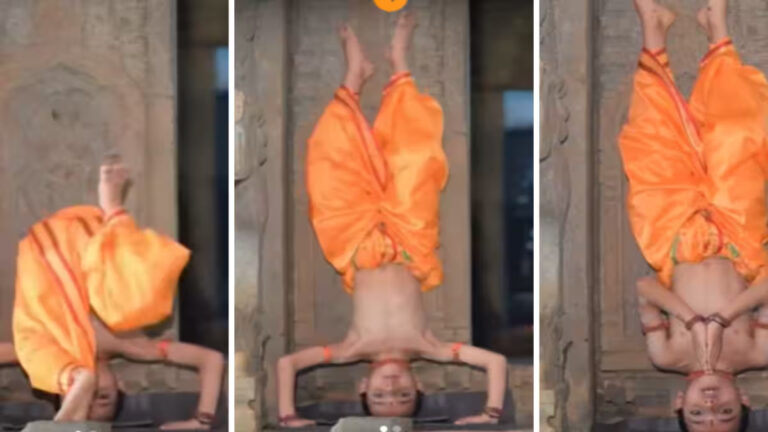
New Delhi, May 13, 2026 — In an extraordinary display of physical endurance and mental focus, an eight-year-old boy from Karnataka has etched his name into the International Book of Records. Om N., a young prodigy hailing from the town of Sirsi, achieved a feat that has left both yoga practitioners and Vedic scholars in awe: reciting the complex Shiv Tandav Stotram in its entirety in just 3 minutes and 47 seconds—all while balancing in a hands-free Shirshasana (headstand).

The record-breaking attempt, which took place on February 15, 2026, has recently gone viral, drawing global attention to the intersection of ancient Indian traditions and youth potential.

A Dual Feat of Mind and Body

The Shiv Tandav Stotram, traditionally attributed to Ravana, is notorious for its rapid-fire Sanskrit verses, complex alliteration, and rhythmic “tandav” tempo. For an adult, reciting it with perfect pronunciation is a challenge; for an eight-year-old to do so while inverted requires a level of mastery over breath and core stability that is rarely seen.

Om N. performed a hands-free Shirshasana with wall support. In this pose, the practitioner balances on the crown of the head without the usual support of the forearms, placing immense pressure on the neck and requiring total body alignment.

The Performance Breakdown:

  • Total Time: 3 minutes and 47 seconds.
  • The Pose: Hands-free Shirshasana (Headstand).
  • The Content: Full recitation of the Shiv Tandav Stotram.
  • The Age: Om achieved this just two days after his 8th birthday.

The Viral Video: 227 Seconds of Focus

The video of the attempt begins with Om, dressed in traditional attire, calmly approaching a wall. He transitions into the headstand with a fluid, practiced motion. Once his legs are locked vertically against the wall, he folds his hands in a Namaste gesture—removing his primary source of balance—and immediately begins the chant.

What follows is a relentless stream of Sanskrit verses. Despite the physiological strain of being upside down—where blood pressure in the head increases and breathing becomes more labored—Om’s voice remains steady and clear. The rhythmic “Jata tavee gala jala…” flows without a single stutter, a testament to months of disciplined practice.

Training for Perfection

Behind the three-minute video lies a journey of rigorous “Sadhana” (discipline). According to local reports, Om has been practicing both Hatha Yoga and Sanskrit shlokas from a very young age.

“It’s not just about memory,” says a local yoga instructor. “When you are in Shirshasana, your diaphragm is under pressure. To recite a high-energy stotram like the Shiv Tandav, you need ‘Pranayama’—the ability to control your life force and breath. This child has achieved a synchronization of brain and body that usually takes years of meditative practice.”

Global Recognition and Mixed Reactions

The International Book of Records officially certified the feat, titled: “Fastest to recite the Shiv Tandav Stotram while performing a hands-free Shirshasana with wall support (Kid).”

While the majority of the internet has showered Om with praise—calling him a “Bal Yogi” (Child Yogi) and an inspiration—the feat has also sparked a broader conversation about the future of traditional learning in the digital age.

  • The Supporters: Many netizens praised the preservation of Indian heritage. One user commented, “In a world of short attention spans, seeing an 8-year-old with this level of focus is a breath of fresh air.”
  • The Skeptics: A small segment of social media users raised questions about the pressure on modern children to break records. However, Om’s family emphasizes that his participation was fueled by his own passion for Shiva and his love for the physical challenge of yoga.

Why the Shiv Tandav Stotram?

The Shiv Tandav Stotram is considered one of the most powerful hymns in Hindu literature. It describes the power and beauty of Lord Shiva’s cosmic dance. The verses are written in Panchachamara Chhanda, a poetic meter that creates a galloping rhythm.

By choosing this specific hymn, Om N. tackled one of the most linguistically difficult texts in Sanskrit. Achieving this in 3 minutes and 47 seconds puts his recitation speed on par with professional temple priests, making the physical addition of a headstand even more remarkable.

A Beacon of Cultural Excellence

Om N.’s achievement serves as a reminder of the timeless relevance of Yoga and Sanskrit. As he returns to his daily life in Sirsi, he carries with him a world record and the admiration of millions. His story is a powerful example of how “Ekagrata” (one-pointed focus) can turn a difficult task into a world-class performance.

Mumbai Woman Quits After Boss’ Public Rant

0

New Delhi, May 13, 2026 — In an era where workplace boundaries are increasingly becoming a flashpoint for generational debate, a 26-year-old vocal coach from Mumbai has become the latest face of the “Great Resignation” spirit in India. Dhrupadi, an employee at a prominent music ed-tech firm, chose to walk away from her position of nearly three years after a routine request for overtime compensation resulted in a public verbal assault by her employer.

The incident, which has since gone viral on Instagram with over 90,000 views, has reignited a national conversation regarding toxic management, the legality of unpaid overtime, and the evolving expectations of Gen Z and Millennial professionals.

The Breaking Point: Dignity Over a Paycheck

Dhrupadi had been with the company for two years and seven months, building a strong reputation as a dedicated mentor to students ranging from beginners to advanced vocalists. However, the friction began when she professionally requested compensation for hours worked beyond her official schedule.

According to Dhrupadi’s social media testimony, the response was neither a private meeting nor a policy explanation. Instead, she was allegedly shouted at in front of hundreds of colleagues.

“I raised concerns professionally and sought accountability and a formal apology,” Dhrupadi stated. “When that didn’t happen, I chose to resign. And honestly? I’m glad I did.”

In a video clip shared as part of her post, a voice—purportedly her manager—can be heard delivering a blunt ultimatum: “Everybody has to align to my rules and regulations. If you do not like it, please leave tomorrow. It’s completely okay.”

Dhrupadi took that advice literally. She handed in her notice shortly after, leaving behind a message that resonated with thousands: Good luck finding my replacement.”

A Pattern of Toxicity?

The viral nature of the post has drawn out similar stories from across the Indian corporate landscape. For many, Dhrupadi’s experience is not an isolated event but a symptom of a broader “hustle culture” that often views basic labor rights, like overtime pay, as a lack of loyalty.

Key Issues Highlighted by the Incident:

  • Public Humiliation: The use of “shaming” as a management tool.
  • Uncompensated Labor: The expectation that “extra work” is a default requirement rather than an additional service.
  • Lack of Redressal: Dhrupadi noted that she tried to handle the matter internally through proper channels before resigning, but was met with silence or further hostility.

The Social Media Firestorm

The reaction online was swift and overwhelmingly supportive. While older generations have sometimes criticized younger workers for being “fragile,” the comments on Dhrupadi’s post suggest a shift in the tide.

“Until the government brings strict laws against unpaid overtime, talent will keep leaving for opportunities overseas,” wrote one user. Another added, “Super proud of you for taking this decision. I am happy to see that you did not let them take you for granted.”

Dhrupadi herself addressed this generational shift, noting that while her generation isn’t perfect, they are becoming “less willing to trade dignity for approval.”

Expert Analysis: The Cost of a “Replaceable” Mindset

Human Resource experts suggest that the manager’s “leave tomorrow” attitude may backfire. In specialized fields like music education or tech, the cost of recruiting, onboarding, and training a replacement often far exceeds the cost of fair overtime pay.

“When a manager tells a high-performing employee that they are easily replaceable, they aren’t just hurting that individual; they are damaging the morale of the entire team,” says HR consultant Rajeev Mehra. “In 2026, talent has more platforms than ever to voice grievances. A company’s reputation can be dismantled by a single 60-second Reel.”

The Path Forward

Dhrupadi’s story serves as a cautionary tale for employers who rely on intimidation rather than inspiration. As the video continues to circulate, it stands as a digital manifesto for young professionals: work is a contract of mutual respect, not a mandate for endurance.

For the Mumbai-based ed-tech firm, the search for a new vocal coach continues. For Dhrupadi, a new chapter begins—one where her voice is heard, both in song and in the boardroom.

Vande Bharat TTE Suspended After Viral Video Exposes ‘Discounted’ Fare Negotiation

0

New Delhi, May 13, 2026 – In an incident that has sparked intense debate over transparency in India’s premium rail services, a Travelling Ticket Examiner (TTE) of the Indian Railways has been suspended following a viral video. The footage, which gained massive traction on social media platform X (formerly Twitter), allegedly shows the official negotiating an unofficial “discounted” fare of ₹380 for a seat on the Vande Bharat Express—nearly half the official price of approximately ₹750.

The swift action by the Railway administration highlights the department’s “zero-tolerance” policy toward corruption, especially on flagship services like the Vande Bharat, which are positioned as the face of modern Indian engineering and service.

The Incident: A ‘Deal’ Caught on Camera

The controversy began when a passenger, reportedly travelling toward Varanasi, found himself running late and sought to board the Vande Bharat Express despite having a ticket for a regular superfast train. In the video, the passenger is seen interacting with the TTE inside a coach of the semi-high-speed train.

According to the recorded exchange:

  • The Negotiation: The TTE allegedly informs the passenger that while a regular onboard ticket would cost around ₹750, he could “manage” or arrange the journey for just ₹380.
  • The Admission: During the conversation, the official is heard admitting that the request is “not allowed” under standard rules, yet he continues to facilitate the off-record transaction.
  • The Receipt Twist: The situation took a sharp turn when the passenger requested a formal receipt for the payment. At this point, the TTE reportedly hiked the demand back up to the full amount of ₹750, indicating that “with a receipt, it costs double.”
  • The Attendant’s Refusal: The TTE eventually directed the passenger to speak with a train attendant. However, the attendant refused to enter into any unofficial arrangement and sent the passenger back to the TTE.

The video ends with the train’s automatic doors closing, leaving the recording passenger and two companions stranded on the platform as the train departed, but not before the evidence was securely captured.

Official Response: Suspension and Investigation

As the video spread through handles like “Ghar Ke Kalesh” and “Khurpenchh,” it caught the attention of senior railway officials. The Divisional Railway Manager (DRM) of the Danapur Division confirmed that the TTE in question has been placed under immediate suspension pending a high-level inquiry.

Railway Seva, the official grievance and response handle of the Ministry of Railways, also acknowledged the clip, stating that misconduct of this nature is taken very seriously. Authorities have reiterated that while TTEs have the power to issue tickets and collect penalties from un-ticketed passengers using handheld terminals (HHTs), demanding any amount without a digital or paper receipt is a punishable violation of railway service conduct rules.

Social Media Reacts: Help or Heist?

The viral clip has divided the internet, with reactions ranging from outrage to cynical humor:

  1. The Critics: Many users expressed disappointment that corruption has reached the “pride of Indian Railways.” Commentators argued that if such practices are common on premium trains like Vande Bharat, it undermines the digital revolution and transparency the government has been pushing.
  2. The Sarcastic Supporters: Interestingly, a section of netizens viewed the TTE as a “Robin Hood” figure. One user jokingly wrote, “The TTE was just trying to save the passenger’s hard-earned money from the government’s heavy fines.” Others suggested that making a video of someone trying to “help” was unfair.
  3. The Systemic Concern: A more serious debate has emerged regarding “onboard seat management.” Frequent travelers noted that while the digital booking system is robust, the “old-school” method of cash-for-seats still exists in the shadows, highlighting a gap in the transition to a fully digital railway economy.

The Vande Bharat Standard

The Vande Bharat Express is not just another train; it is a symbol of the “Make in India” initiative, featuring GPS-based passenger information systems, bio-vacuum toilets, and automatic doors. Because of its premium status, the expectations for staff conduct are significantly higher.

Railway experts suggest that this incident serves as a wake-up call for the administration to further tighten the monitoring of onboard staff. While the introduction of Handheld Terminals (HHTs) was meant to ensure that every vacant seat is accounted for and every rupee is logged, the manual intervention by staff remains a point of vulnerability.

Important Guidelines for Passengers

To avoid such situations and ensure a hassle-free journey, Indian Railways advises passengers to follow these protocols:

  • Book Officially: Always use the IRCTC website, app, or authorized counters.
  • Demand a Receipt: If you are paying a fine or an upgrade fee onboard, ensure the TTE provides a digital receipt generated from their HHT device.
  • Use Helpline 139: For any immediate issues or to report suspicious demands for cash, passengers are encouraged to use the 139 helpline or the RailMadad portal.

Conclusion

The suspension of the Danapur-based TTE is a clear message that the Indian Railways is moving toward a more accountable future. However, as this viral video proves, the journey toward a completely transparent system still faces “on-track” challenges. The investigation is ongoing, and further disciplinary actions are expected once the full report is submitted to the Ministry.

Ludhiana Brothers Surprise Sister with ₹50 Lakh Dream House

0

New Delhi, May 13, 2026: In a world often dominated by stories of division and property disputes, a heartwarming tale from Punjab has restored faith in the selfless nature of sibling bonds. Two brothers from Ludhiana recently moved the internet to tears by surprising their only sister with a life-changing gift: a fully constructed house worth ₹50 lakh.

The emotional video of the reveal has gone viral across social media platforms, capturing the raw, tearful moment when the sister realized her brothers had fulfilled a lifelong dream she hadn’t even dared to voice.

The Ultimate Surprise: From a Religious Ceremony to a Dream Home

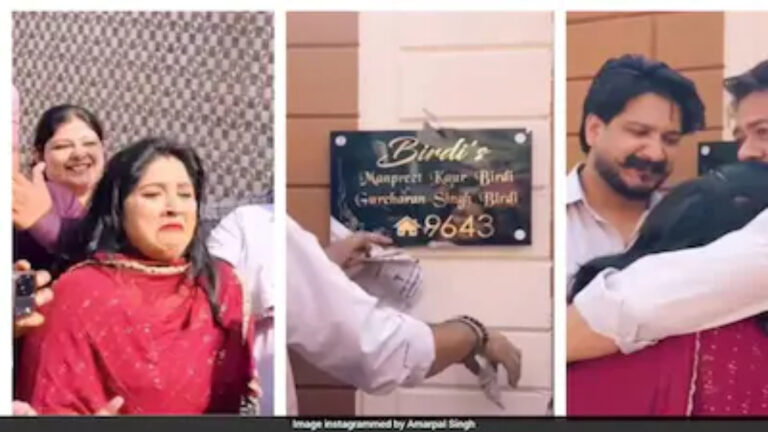
The story centers on brothers Amar Devgan and Dev Devgan, and their sister, Manpreet Kaur Birdi. The surprise was orchestrated with the precision of a movie script. Under the guise of a family gathering following a religious ceremony, the family was led through the streets of the Kot Mangal Singh area in Ludhiana.

To add to the celebratory atmosphere, the brothers arranged for traditional dhol beats to accompany the procession. As they reached a newly constructed, 175-square-yard house, the family gathered outside the gate. At the center of the entrance was a nameplate covered with a simple piece of paper.

In the viral footage, the brothers ask Manpreet to peel away the paper. As the name “Manpreet Kaur Birdi” was revealed in gleaming letters, the realization hit her instantly. This wasn’t just a visit to a new property—this was her home. Overwhelmed with emotion, Manpreet broke down in tears, collapsing into her brothers’ arms in a powerful embrace that has since “melted the hearts” of millions online.

A Debt of Gratitude: A Five-Year Secret

While the video is only a few minutes long, the journey to this moment took nearly two decades. Amar and Dev revealed that the gift was not a random act of luxury, but a deeply personal tribute to their sister’s strength.

The family faced a significant tragedy in 2007 with the passing of their father. During those difficult years, Manpreet stepped up as a pillar of support for her younger brothers. She acted as a “shield,” ensuring they felt the security of a maternal home (Maayka) despite the absence of their father.

“She always stood by us like a rock,” the brothers shared in local interviews. “We wanted to ensure she never felt the absence of parental support. This house is a small token of our gratitude for everything she has done for this family.”

The brothers, who are digital content creators and artists known for their work in Punjabi family dramas, spent five years quietly saving and planning. They wanted to provide her with a permanent asset—a sense of security that would belong entirely to her.

Viral Impact and Public Reaction

The video has resonated far beyond the borders of Ludhiana. On platforms like Instagram and X (formerly Twitter), users have been quick to praise the brothers for setting a “new standard” for sibling relationships.

  • “This is what real wealth looks like—the love between siblings,” wrote one user.
  • “In an era where people fight over inches of land, these brothers have shown what it means to be a protector,” commented another.

The story has also sparked a conversation about the traditional Indian concept of “Maayka” (a woman’s maternal home). In many cultures, the maternal home is seen as a place of refuge and lifelong support. By gifting her a house, Amar and Dev ensured that Manpreet’s connection to her roots remains tangible and permanent.

Looking Ahead: A Special Birthday Celebration

The brothers have timed the final transition perfectly. While the surprise has already been revealed, the formal housewarming ceremony (Griha Pravesh) is scheduled for June 13—which also happens to be Manpreet’s birthday.

The family plans to celebrate the day with a large gathering of relatives, turning the milestone into a double celebration of her birth and her new beginning as a homeowner.

A Lesson in Love

This story serves as a poignant reminder that the strongest foundations aren’t made of bricks and mortar, but of the sacrifices we make for those we love. The “Ludhiana Brothers” have become a household name not just for the value of their gift, but for the depth of the respect they showed their sister.

In a fast-paced digital world, it is these genuine moments of human connection that remain the most “viral” of all. As the video continues to circulate, it stands as a beautiful testament to the fact that while parents may leave us, the bond between brothers and sisters can provide a lifetime of shelter.

Tragedy in Maharashtra: Six Dead, Including Children, as Temple Wall Collapses During Fierce Storm

0

New Delhi, May 13, 2026 – A somber atmosphere has gripped the state following a devastating incident where a heavy stone wall of a local temple collapsed during a violent windstorm, claiming the lives of at least six people. Among the deceased are young children who had sought shelter from the rain, turning a moment of communal gathering into a scene of unimaginable grief.

The incident occurred late yesterday evening as unseasonal rains and high-velocity winds swept through the region, catching many off guard.

The Incident: A Sudden Turn of Events

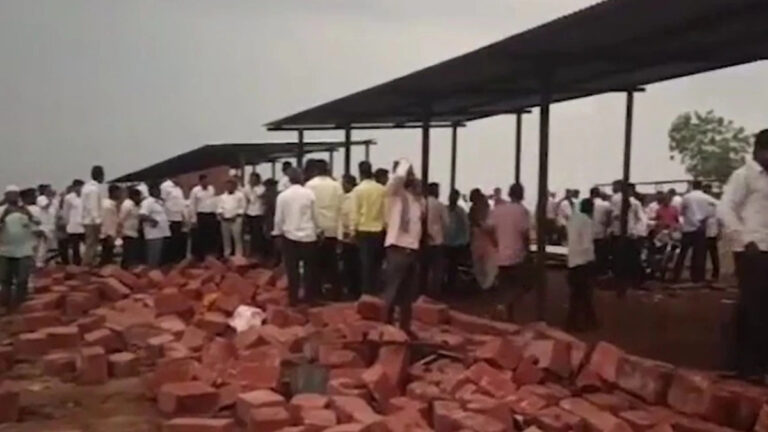
Witnesses describe a terrifying scene. As the sky darkened and the wind speed picked up, dozens of devotees and locals took cover under the permanent and temporary structures of the temple complex. The storm, characterized by “cloudburst-like” intensity, battered the aging masonry of the temple’s perimeter wall.

Without warning, a massive section of the wall—weakened by years of weathering and the sudden pressure of the gale—buckled and fell inward.

Key Details of the Tragedy:

  • Location: A village temple in rural Maharashtra (investigations into the exact structural history are ongoing).
  • Casualties: Six confirmed deaths, including two children aged under 10.
  • Injuries: At least 15 others were rushed to nearby civil hospitals with varying degrees of trauma.
  • The Cause: Intense structural stress caused by a severe thunderstorm and aging infrastructure.

Heroes in the Rubble: The Rescue Operation

Immediately following the collapse, the sound of the storm was drowned out by the cries of those trapped under the debris. Local villagers were the first responders, using their bare hands and farm equipment to move heavy stones before official emergency services could arrive.

The National Disaster Response Force (NDRF) and local police units reached the spot shortly after, braving continued rainfall to conduct a search-and-rescue operation that lasted well into the night. Floodlights were deployed to scan the rubble for survivors.

“It happened in seconds,” said Rajesh, a local resident who helped in the rescue. “The wind was howling, and then there was a sound like an explosion. We ran toward the temple and saw the wall had flattened the area where people were standing to stay dry.”

A Community in Mourning

The loss of young lives has hit the community particularly hard. The children, identified as siblings by local authorities, were reportedly at the temple with their grandparents.

State officials have expressed their deepest condolences. The Chief Minister’s office has announced an ex-gratia compensation of ₹5 lakh for the families of the deceased, while the injured will receive free medical treatment at state-run facilities.

Government Response and Compensation

CategoryAssistance Provided
Families of the Deceased₹5,00,000 per victim
Critically InjuredFull medical coverage + ₹50,000
Minor InjuriesOutpatient care and specialized monitoring

Structural Integrity Under Scrutiny

This tragedy has reignited a fierce debate regarding the safety of old religious structures and public buildings during extreme weather events. Experts suggest that many such walls are built using traditional lime-mortar or loose stone stacking, which may not be equipped to handle the shifting weather patterns and intensified storms seen in recent years.

Why Did the Wall Collapse?

  1. Foundation Softening: Heavy rain can saturate the soil beneath old walls, causing them to lean or shift.
  2. Wind Pressure: High-velocity winds create a “sail effect” against flat surfaces, exerting tons of pressure on the structure.
  3. Lack of Maintenance: Many village temples rely on donations for upkeep, which often prioritizes aesthetics over structural reinforcement.

The Rising Threat of Unseasonal Storms

Meteorologists have noted that Maharashtra is increasingly facing volatile weather transitions. The combination of high heat followed by sudden moisture from the Arabian Sea creates perfect conditions for “micro-bursts”—localized, intense storms that can topple trees and weak structures in minutes.

Authorities are now urging citizens to avoid taking shelter near old walls, large trees, or tin-roofed sheds during high-wind alerts.

Moving Forward: Prevention and Safety

As the debris is cleared and the final rites are performed for the victims, the state government has ordered a “structural audit” of all public religious places within the district. The goal is to identify “at-risk” structures before the monsoon season begins in earnest.

Safety Tips During Storms:

  • Avoid Old Walls: Never stand near compound walls or old buildings during high winds.
  • Seek Proper Shelter: Move to a concrete building with a reinforced roof.
  • Stay Informed: Keep a battery-powered radio or check mobile weather alerts regularly.

The silence that now hangs over the temple site is a grim reminder of the power of nature and the fragility of our built environment. For the families of those six victims, the storm may have passed, but the impact will be felt for a lifetime.

Purple Tide Sweeps Mexico City: BTS Returns with Historic “Arirang” Festival

New Delhi, May 13, 2026 — For three days in May 2026, the heart of Mexico stopped beating to its usual rhythm and began to pulse with the synchronized chants of “BTS!” The South Korean superstars, who recently reunited after completing their mandatory military service, transformed Mexico City into a massive, city-wide fan festival that local authorities are calling one of the most significant cultural events in the capital’s history.

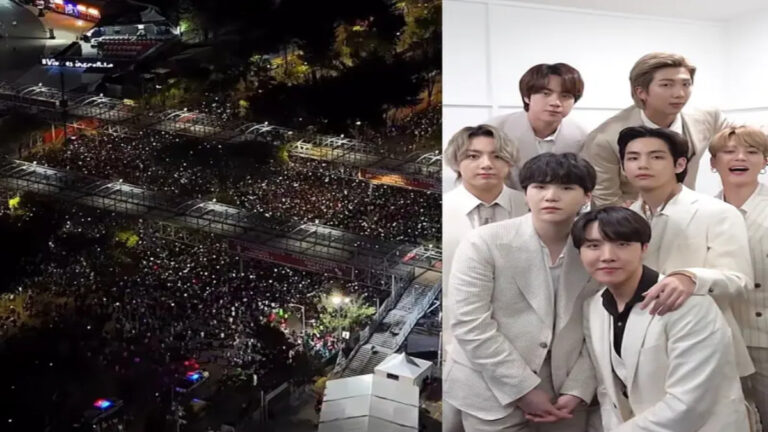
While the group performed three sold-out shows at the Estadio GNP Seguros on May 7, 9, and 10, the real story took place beyond the stadium walls. An estimated 40,000 fans—known as the “ARMY”—who were unable to secure tickets gathered in the surrounding streets, parks, and plazas, turning the entire Iztacalco district into an open-air celebration.

A Hero’s Welcome at the National Palace

The frenzy began even before the first note was played. On Wednesday, May 6, the septet—RM, Jin, Suga, j-hope, Jimin, V, and Jungkook—visited the National Palace for a meeting with President Claudia Sheinbaum.

In an unprecedented move for a musical act, President Sheinbaum honored the group as Distinguished Visitors,” presenting them with a commemorative plaque for their contribution to global cultural exchange. As the members stepped onto the palace balcony to wave to the crowd, the Zócalo (Mexico’s main square) erupted. Local estimates suggest nearly 50,000 fans swarmed the plaza just for a glimpse of the group, some having camped out for over 48 hours.

“Music and values unite Mexico and South Korea,” President Sheinbaum shared on social media, alongside a photo of the group holding their latest album, ARIRANG.

The Stadium Experience: Inside and Out

Inside the Estadio GNP Seguros, the atmosphere was electric. Over 150,000 ticket-holders across the three nights witnessed the group’s “ARIRANG World Tour,” their first standalone Mexican performance in nearly a decade.

The group paid deep homage to their hosts:

  • Cultural Fusion: During the performance of “Aliens,” backup dancers donned traditional lucha libre masks.
  • Local Flavor: Member V delighted the crowd by picking up a banderilla (a popular local snack) during “Idol.”
  • A Personal Anthem: The stadium reached a fever pitch when the group performed “Airplane pt. 2,” featuring the iconic lyric: “We goin’ from Mexico City.”

However, the “Purple Tide” was most visible outside the gates. On Saturday and Sunday, over 40,000 fans set up “fan zones” on the sidewalks. They brought portable speakers to sync with the stadium’s sound, waved Ami-bombs (lightsticks) in unison with the lights inside, and organized mass dance covers. The gathering was so large that city officials were forced to implement partial traffic controls on nearby roads.

The Numbers Behind the Magic

The “BTS Effect” wasn’t just a social phenomenon; it was a massive economic driver for Mexico City. According to the Mexico City Chamber of Commerce, the three-day stint generated approximately $107.5 million in economic impact.

CategoryEstimated Spending
Total Economic Impact$107.5 Million
Lodging & Tourism$17 Million
Food & Services$2.2 Million
Ticket Sales135,000+ sold in minutes

The demand was so staggering that Ticketmaster reported over 2.1 million fans attempted to join the digital queue for the 150,000 available seats. This massive gap between supply and demand is what fueled the large gatherings outside the venue.

A Global “2.0” Era

This stop in Mexico City is a pivotal chapter in what critics are calling BTS 2.0.” After a hiatus that began in 2022 for military service, the group’s return has proven that their global influence has only intensified. Mexico City, which consistently ranks as the top city in the world for BTS streams on Spotify, served as the perfect proof of concept for the North American leg of the Arirang tour.

As the members bid farewell to the Mexican ARMY, speaking in Spanish to promise a return much sooner than the last ten-year wait, the fans remained long after the lights went down. For those 40,000 outside, the lack of a ticket didn’t diminish the experience.

“I couldn’t get inside, but I could hear their voices and feel the ground shake,” said Zoe Perez, an 18-year-old fan who traveled from Guadalajara. “To be here with thousands of people who love them as much as I do—that is a concert in itself.”

The Arirang tour now moves toward California, with three shows scheduled at Stanford Stadium, followed by a massive residency in Las Vegas. If the scenes in Mexico City are any indication, the world is more than ready for the return of the kings of K-pop.

Nature Unfiltered: Gir Lioness Rare Live Hunt Before Stunned Tourists Goes Viral

0

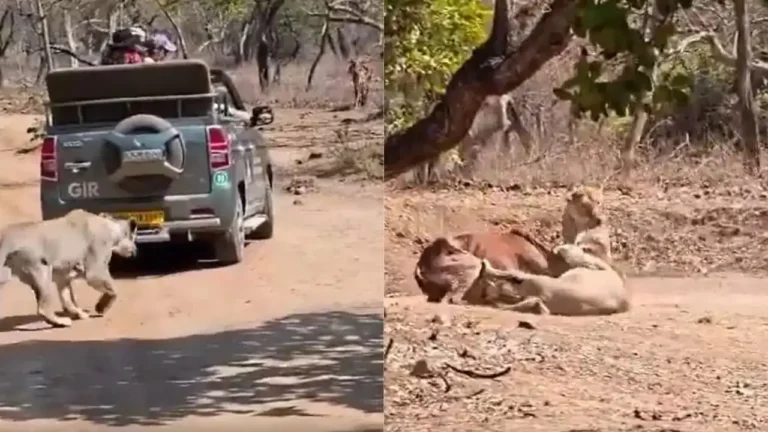
New Delhi, May 13, 2026— In an extraordinary display of raw wildlife power that has set social media ablaze, a lioness in the Gir National Park launched a lightning-fast hunt just feet away from a tourist safari jeep. The footage, captured on Tuesday, May 12, 2026, has garnered millions of views within 24 hours, offering a rare, unscripted glimpse into the life of the world’s only surviving population of Asiatic lions.

For the group of tourists seated in the open-top safari vehicle, what began as a routine morning excursion through the scrub forests of Gujarat quickly escalated into a heart-pounding front-row seat to the “law of the jungle.”

The Incident: Seconds of Silence, Then Chaos

The viral video, approximately 56 seconds long, begins with a deceptively calm atmosphere. A safari jeep is seen parked on a dirt track, with tourists whispering in anticipation. Just behind the vehicle, a lioness is seen crouched low in the golden grass, her amber eyes locked onto a target further down the path.

The target—a stray cow that had wandered into the forest periphery—appeared oblivious to the predator’s presence. In a sudden burst of explosive speed, the lioness broke her cover. Using the safari jeep as a tactical screen, she sprinted past the vehicle, her powerful muscles rippling in the sunlight.

The tourists’ reactions in the video range from stunned silence to audible gasps of “Oh my God!” as the lioness pounced on the prey within seconds. The hunt was finalized when a majestic male lion, previously unseen in the brush, joined the fray to help secure the kill, dragging the prey further into the thickets.

A Rare Sight for Human Eyes

While hunting is a daily reality in the wild, witnessing a live kill in Gir is exceptionally rare for tourists. Unlike the expansive savannahs of Africa, the Gir forest is dense with teak and acacia trees, providing ample cover for predators to remain hidden.

“Lions are generally shy and prefer to hunt away from human eyes,” says Rajesh Parmar, a veteran wildlife guide at Sasan Gir. “To see a hunt this close to a vehicle is a one-in-a-million occurrence. Usually, by the time we arrive, the hunt is over and the lions are already feeding.”

Wildlife experts suggest that the lioness may have used the parked jeep as a “blind”—a physical barrier to mask her scent and silhouette from the prey—demonstrating the high level of intelligence and adaptability these big cats possess.

The Digital Aftermath: Fascination and Controversy

As with any viral wildlife moment, the internet remains divided. On platforms like X (formerly Twitter) and Instagram, the video has sparked a massive debate.

  • The “National Geographic” Experience: Thousands of users praised the raw beauty of the footage, with many commenting that the tourists received a “premium documentary experience” for the price of a standard safari ticket.
  • Safety Concerns: Some viewers questioned the proximity of the animals to the jeep, voicing concerns about the safety of the tourists in an open vehicle during such an intense predatory moment.
  • The “Staged” Debate: A vocal minority has questioned how a domestic cow ended up in the core zone of the forest, with some suggesting the incident might have been “staged” to boost tourism. However, local officials have been quick to debunk these theories.

Official Response: Understanding the “Maldhari” Connection

Forest department officials clarified that while the core area of Gir is strictly protected, the “buffer zones” are home to the Maldhari tribes—traditional pastoralists who have lived alongside lions for centuries.

“It is not uncommon for livestock to occasionally wander into the fringes of the forest,” an official statement from the Gujarat Forest Department noted. “The Asiatic lion has a long history of co-existing with human settlements. This video shows a natural biological process. We urge the public not to spread rumors of staged baiting, which is a strictly prohibited and punishable offense.”

The department also reminded tourists that during such encounters, it is vital to remain inside the vehicle and maintain absolute silence to avoid distracting the predator or becoming a secondary target.

Why This Video Matters

The Asiatic lion (Panthera leo leo) was once on the brink of extinction, with numbers dwindling to fewer than 50 at the turn of the 20th century. Thanks to rigorous conservation efforts by the Gujarat government and the local community, the population has rebounded to over 700.

Videos like this, while graphic to some, serve as a potent reminder of the success of the Gir conservation model. It shows a healthy, thriving population of apex predators behaving exactly as nature intended.

Tips for Future Gir Travelers

If you are planning a trip to witness these “Kings of Gujarat” for yourself, keep the following in mind:

  1. Book in Advance: Permits for the Sasan Gir Safari and the Devalia Safari Park often sell out months ahead.
  2. Respect the Silence: Predators rely on sound to hunt. If you are lucky enough to see a stalking lion, keep your voice at a whisper.
  3. No Flash Photography: High-intensity flashes can disorient the cats, especially during dawn or dusk safaris.

The “Gir Hunt of 2026” will likely go down as one of the most iconic pieces of amateur wildlife footage ever recorded in India—a stark, beautiful reminder that in the heart of Gujarat, the wild still reigns supreme.

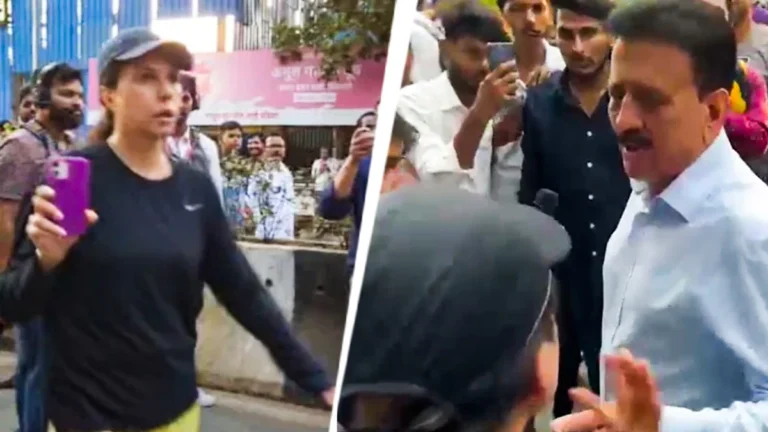
Greater Noida Society Brawl: Road Rage Escalates into Mob Attack

0

New Delhi, May 13, 2026: – In a chilling reminder of how quickly minor civic disputes can spiral into violence, two men were arrested Tuesday after a video of a brutal family brawl in a residential society went viral. The incident, which began as a simple road rage dispute over a minor scooter collision, saw a family being assaulted by a mob, leading to serious charges including those under the Protection of Children from Sexual Offences (POCSO) Act.

The Incident: From Scrape to Skirmish

The altercation occurred on Sunday evening, May 10, 2026, around 5:30 PM in a residential society located in the Chipiyana Buzurg area, under the jurisdiction of the Bisrakh police station.

According to police reports, the conflict was triggered by a seemingly trivial accident. Avdhesh Kumar, a resident in his 40s, was heading out of the society on his scooter when he accidentally clipped a stationary scooter belonging to his neighbor, Akash Sharma (45).

What should have been a routine insurance exchange or a quick apology instead reignited a long-standing feud. Witnesses and police officials noted that the two neighbors already shared a history of tension regarding parking spaces within the complex. A heated verbal spat quickly turned physical, with Sharma allegedly striking Kumar first. In the ensuing scuffle, Kumar retaliated, leaving Sharma with a bleeding lip.

The Escalation: Mob Violence and Viral Footage

While the initial fight was broken up by other residents, the peace was short-lived. Seeking “revenge” for the earlier scuffle, Sharma allegedly returned a short time later with a group of approximately a dozen men.

The group launched a coordinated attack on Kumar at his home. CCTV footage and mobile recordings that began circulating on social media on Monday showed a harrowing scene:

  • The Assault: A group of men armed with wooden sticks were seen punching and kicking Kumar, eventually dragging him across the society compound.
  • Family Intervention: The video captured Kumar’s wife and his minor daughter desperately trying to shield him from the blows.
  • Assault on a Minor: Most disturbingly, the footage showed members of the mob pushing and shoving the minor girl as she tried to protect her father.

Police Action and Legal Charges

Initially, the Bisrakh police treated the matter as a mutual clash. On Sunday night, they detained four individuals—two from each side—under Section 170 of the Bharatiya Nagarik Suraksha Sanhita (BNSS), a provision used to prevent the commission of cognizable offenses.

However, the legal gravity of the case shifted significantly on Monday once the “viral” videos reached senior police officials. The evidence clearly showed a one-sided mob attack and the physical harassment of a child.

Swatantra Singh, Additional Deputy Commissioner of Police (Central Noida), confirmed that the charges were upgraded following a formal complaint by Kumar’s family. The new FIR includes:

  1. BNS Section 110: Attempt to commit culpable homicide.
  2. POCSO Act: Added specifically because the minor daughter was physically targeted during the assault.

“Taking cognizance of the video evidence showing the suspects pushing a minor girl and the brutality of the attack, we have registered a case under the relevant sections of the BNS and POCSO. Two primary accused have been arrested, and we are identifying others from the footage,” said ADCP Singh.

A Growing Concern: The “Short Fuse” in NCR

This incident is not an isolated one. Greater Noida and the wider Delhi-NCR region have seen a sharp rise in “society brawls” over the last year. Just months ago, similar incidents were reported involving:

  • Pet Walking: Disputes over dogs in common areas leading to FIRs.
  • High-Beam/Honking: Road rage incidents outside society gates involving baseball bats.
  • Maintenance Issues: Clashes between residents and private security guards.

Sociologists and local authorities point to a growing “lack of patience” and a “short fuse” among residents in high-density high-rise societies. The transition from a verbal argument to a mob-style assault over a minor scooter scrape highlights a worrying trend of vigilante justice within gated communities.

Current Status

As of Wednesday afternoon, May 13, 2026, the two arrested individuals remain in judicial custody. Police teams are currently conducting raids to nab the remaining men seen in the viral video. Security has been briefly tightened at the Chipiyana Buzurg society to prevent further retaliatory actions between the two families.

The victim, Avdhesh Kumar, is reportedly stable but sustained multiple contusions and soft tissue injuries. The local Residents’ Welfare Association (RWA) has called for an emergency meeting to discuss stricter bylaws regarding conflict resolution to prevent such “shameful” displays of violence in the future.