Home Blog Page 76

Finish Him? Why Mortal Kombat II Skips the Post-Credits Scene

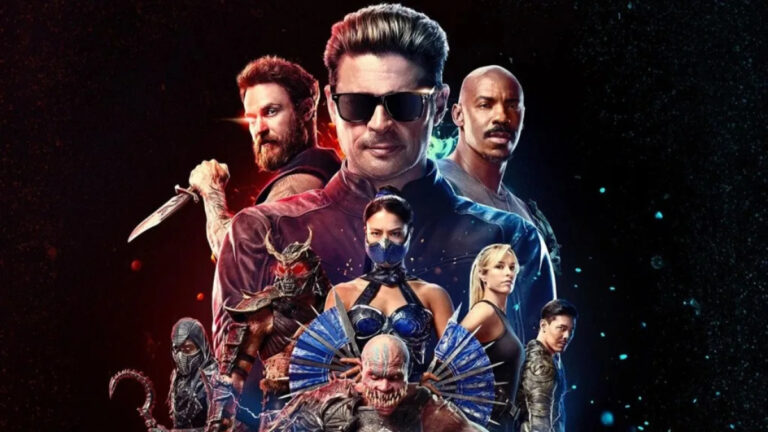
New Delhi, May 13, 2026: As Mortal Kombat II punches its way into theaters this May 2026, fans are flocking to witness the long-awaited debut of Johnny Cage and the brutal reign of Shao Kahn. In an era where superhero blockbusters have conditioned us to stay glued to our seats until the very last line of technical credits crawls by, the question on every kombatant’s mind is: Does Mortal Kombat II have a post-credits scene?

The short answer is no. Despite the massive scale of the sequel and the expanding cinematic universe, writer Jeremy Slater and director Simon McQuoid have opted for a clean break once the fatalities are finished.

Here is the full breakdown of why the filmmakers made this choice, the major character “updates” provided by the writer, and what this means for the future of the franchise.

The Verdict: No Post-Credits Scenes

Unlike its Marvel or DC counterparts, Mortal Kombat II does not feature a mid-credits or post-credits scene. Once the final blow is dealt and the screen fades to black, the narrative is officially over.

While some fans might find this surprising—especially since a third film is already reportedly in early development—the decision follows the precedent set by the 2021 original. In that film, the “teaser” for the sequel (the reveal of Johnny Cage’s movie poster) happened right before the credits rolled, rather than after them.

Pro Tip: While there isn’t a bonus scene, you might want to stick around for the start of the credits anyway. The film features a high-octane closing sequence set to a modernized version of the iconic “Techno Syndrome” theme that is sure to trigger nostalgia for longtime fans.

Why Skip the Tease? Jeremy Slater Explains

Writer Jeremy Slater, who took over scripting duties for the sequel, recently shared insights into why they decided to omit the traditional post-credits stinger.

Slater revealed that he viewed Mortal Kombat II as a “self-contained story.” While the ending certainly leaves the door open for more, the goal was to provide a satisfying conclusion to the immediate conflict with Shao Kahn rather than forcing a “cliffhanger” gimmick.

“We didn’t want to feel like we were just making a two-hour commercial for the next movie,” Slater noted in a recent interview. “The goal was to tell a complete story where the stakes felt real and the ending felt earned.”

Major Writer Update: “Cleaning House”

Perhaps the most shocking “update” from the writing team involves the roster of characters. Slater has been candid about responding to fan feedback from the first film, which led to some brutal creative choices in the sequel.

1. The Fate of Cole Young

In a move that has stunned casual viewers but was championed by “terminally online” hardcore fans, the sequel makes a bold statement regarding Cole Young (Lewis Tan). Slater confirmed that the decision to move Cole to the background—and deal him a shocking hand—was a direct response to the vocal feedback regarding the character’s inclusion in the first film. By pivoting the focus to Karl Urban’s Johnny Cage, the sequel aligns itself more closely with the original game lore.

2. Shaking Up the Canon

Slater also emphasized that “nobody is safe” in this installment. By killing off major characters—some who traditionally survive in the games—the filmmakers are signaling that the cinematic timeline is now officially diverging from the source material. This “anything can happen” approach is intended to keep even the most seasoned gamers on the edge of their seats.

What’s Next for the Franchise?

Even without a post-credits scene, the future of Mortal Kombat is bright (and bloody). Reports indicate that:

  • Mortal Kombat 3 is already being scripted by Slater.
  • The third film’s direction will likely depend on the audience’s reaction to the new character dynamics introduced in MKII, specifically the chemistry between Johnny Cage and Kitana (Adeline Rudolph).
  • Fan-favorite Noob Saibot has been teased as a major looming threat, evolving from the remains of Bi-Han (Sub-Zero).

The Mortal Kombat II Fast Facts

FeatureDetail
Release DateMay 8, 2026
DirectorSimon McQuoid
Lead WriterJeremy Slater
Runtime1 Hour 56 Minutes
Post-Credits?None
Key New CastKarl Urban (Johnny Cage), Adeline Rudolph (Kitana), Martyn Ford (Shao Kahn)

Final Thoughts

If you’re heading to the theater this week, feel free to head for the exit once the credits start. You won’t miss a secret reveal of a new ninja or a hidden Tarkatan camp. The “update” here is simple: the filmmakers are letting the movie speak for itself.

In a world of cinematic universes that often feel like endless puzzles, there is something refreshing about a movie that finishes the fight and lets the audience go home—after a healthy dose of fatalities, of course.

Air India Debunks Viral Flight Cancellation Rumors: What Travelers Need to Know

0

New Delhi, May 13, 2026: In a world where news travels faster than a Boeing 777, misinformation often takes flight before the truth can even clear the runway. This week, a viral social media post sent shockwaves through the travel community, claiming that India’s flagship carrier, Air India, had cancelled all flights until July 2026.

The rumor, which spread like wildfire across WhatsApp groups and X (formerly Twitter), cited a “severe fuel shortage” and “financial collapse” as the reasons for the sudden grounding. However, the airline has since stepped in to clear the air, debunking the claims as “malicious and fabricated.”

Here is everything you need to know about what is actually happening at Air India, what sparked the rumors, and how your travel plans might really be affected.

The Viral Claim: Fact vs. Fiction

The viral posts featured official-looking graphics and alarming headlines, stating that Air India was suspending its entire international network for the next two months. Many passengers, fearing they would be stranded abroad or lose money on summer vacations, flooded the airline’s customer service lines.

The Reality:

Air India has not cancelled all flights. In a strongly worded statement released on May 13, 2026, the airline labeled the viral posts as “fake news.”

“#FakeNews Alert: Malicious and fabricated claims circulating on certain platforms alleging that Air India has cancelled all international flights are completely false and baseless,” the airline stated via its official social media channels.

While the “total shutdown” is a myth, there is a grain of truth behind the logistical changes that likely fueled the rumor. The airline has been forced to trim its schedule, but the scale is nowhere near a total cancellation.

Why are some flights being cancelled?

While the airline is still very much operational, it is navigating a perfect storm of geopolitical and economic challenges. According to internal communications from CEO Campbell Wilson, the airline is “trimming” about 10–12% of its daily operations—roughly 100 out of its 1,000+ daily flights—through June and July.

The primary reasons for these surgical cuts include:

  • Skyrocketing Fuel Costs: Jet fuel (Aviation Turbine Fuel) prices have surged globally, now accounting for nearly 60% of the airline’s operating expenses.
  • West Asia Conflict: Ongoing tensions in the Middle East have forced many international flights to take longer, circuitous routes to avoid restricted airspace. These detours can add 60 to 90 minutes of flying time, significantly increasing fuel burn and crew costs.
  • Route Profitability: Several long-haul sectors have become financially unsustainable under current conditions. As a result, the airline is reducing the frequency of flights to cities like London, New York, Paris, and Sydney rather than cancelling them entirely.

Which routes are affected?

Travelers should be aware that while the network remains open, some specific routes are seeing temporary suspensions or reduced frequencies.

RegionImpacted DestinationsStatus
EuropeVienna, Frankfurt, ParisReduced frequency; Vienna temporarily suspended.
North AmericaNew York, Chicago, TorontoMinor schedule adjustments.
Asia/PacificTel Aviv, Osaka, MelbourneTel Aviv suspended until late June; others reduced.
DomesticMajor Metros (Delhi, Mumbai)Minimal impact (1-2% of flights).

How to Protect Your Travel Plans

In an era of digital misinformation, travelers are urged to be proactive. If you have a booking with Air India between now and July, here is how you should proceed:

  1. Check Official Channels Only: Do not rely on forwarded messages. Visit the official Air India website or use their mobile app to check your flight status.
  2. Verify Your Contact Info: Ensure your phone number and email are updated in your booking so the airline can notify you directly of any rescheduling.
  3. Monitor the News Critically: Look for “Fact Check” badges on news articles and wait for official press releases from the Ministry of Civil Aviation or the airline itself.

A Tough Year for Aviation

The timing of this fake news is particularly sensitive. Air India is currently undergoing a massive transformation under the Tata Group, while also dealing with the fallout of a tragic Dreamliner accident last year and rising debt. While the airline is facing “challenging financial headwinds,” it remains committed to its long-term expansion.

The Bottom Line: You can still book that summer trip. Just make sure you’re checking the departure board, not your WhatsApp notifications.

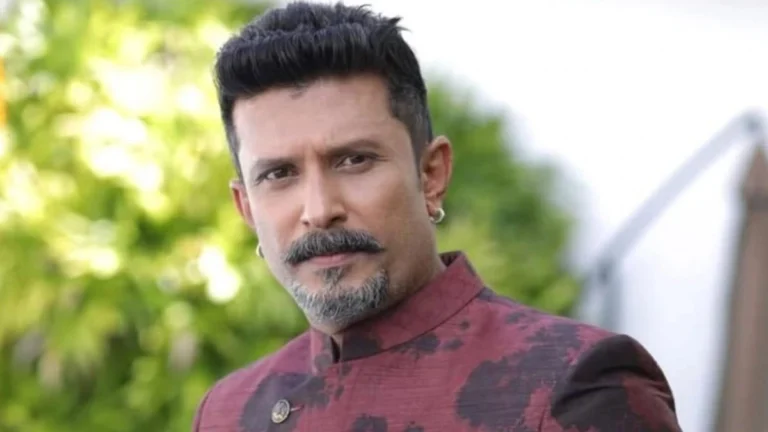
Kannada Actor Dileep Raj Passes Away at 47: Industry Mourns Loss of a Versatile Talent

New Delhi, May 13, 2026: The Kannada entertainment industry was plunged into mourning on Wednesday morning following the sudden and untimely demise of renowned actor and producer Dileep Raj. The actor, who was 47 years old, passed away after suffering a massive heart attack at his residence in Bengaluru.

His passing has sent shockwaves throughout the Sandalwood fraternity and among his countless fans, who remember him as a powerhouse of talent who seamlessly transitioned between theatre, television, and the silver screen.

The Final Moments: What Happened?

According to reports from family sources and local news outlets, Dileep Raj suffered a sudden cardiac arrest in the early hours of Wednesday, May 13, 2026.

He was at his home when he complained of severe chest pain and collapsed. His family members immediately rushed him to Apollo Hospital in Kumaraswamy Layout, Bengaluru. Despite the best efforts of the medical team to revive him, the actor could not be saved. Doctors eventually declared him brought dead.

The news spread rapidly, and by mid-morning, several prominent members of the Kannada film and television industry, as well as close friends, gathered at the hospital to pay their final respects and support his grieving family. Dileep Raj is survived by his wife, Srividya, and their two children.

A Career Built on Versatility

Dileep Raj was not just an actor; he was a multifaceted artist who contributed to the industry as a producer, director, and dubbing artist. Born on September 2, 1978, his journey into the world of performing arts began on the stage.

1. The Theatre Roots

Before finding fame on camera, Dileep was a dedicated theatre practitioner. He was an integral part of esteemed theatre groups like Nataranga and Drishti. His training in theatre gave him a unique depth as an actor, a quality that remained evident throughout his two-decade-long career. It was during his theatre days that he met actress Nanditha, who reportedly helped him transition into the world of television.

2. Television: A Household Name

Dileep Raj was a beloved figure in Kannada households. He appeared in numerous iconic daily soaps, including:

  • Janani
  • Rangoli
  • Mangalya
  • Rathasapthami
  • Malebillu

In recent years, he achieved massive success with the Zee Kannada serial Hitler Kalyana. Not only did he play a pivotal role in the show, but he also produced it under his own banner, DR Creations. His portrayal of a strict yet misunderstood character resonated deeply with family audiences across Karnataka.

3. Cinema: From ‘Boyfriend’ to ‘Milana’

While he debuted on the big screen with the film Boyfriend in 2005, it was the 2007 blockbuster Milana that truly catapulted him into the spotlight. Playing the antagonist opposite the legendary late actor Puneeth Rajkumar, Dileep’s performance was hailed for its intensity and nuance.

Over the years, he appeared in over 24 films, showcasing his range in various genres:

  • U Turn: A critically acclaimed thriller where he played a major role.
  • Tony: A film that showcased his ability to handle gritty narratives.
  • Love Mocktail 3: One of his most recent appearances, where he played the role of a lawyer.
  • Nimma Vasthugalige Neeve Javaabdaararu: Released in early 2025, this film marked one of his final prominent projects.

The “Mysterious” Final Post

In the wake of his death, fans have been revisiting Dileep Raj’s last activity on social media. His final Instagram post was related to his film Nimma Vasthugalige Neeve Javaabdaararu. In the post, he had enthusiastically encouraged his followers to book tickets and support Kannada cinema in theaters.

The comment section of this post has now become a digital memorial. Thousands of fans have left emotional tributes, expressing their disbelief. One fan wrote, “I grew up watching you in Rathasapthami, and today, a part of my childhood is gone.” Another commented, “A great actor and an even better human being. Rest in peace, sir.”

Industry Tributes

The Sandalwood industry is reeling from the loss. Many actors and directors took to X (formerly Twitter) and Instagram to share their memories.

“It is hard to believe that Dileep is no more. He was full of life and always passionate about his next project. His contribution to both TV and cinema is immense,” said a veteran Kannada filmmaker.

Colleagues from the television industry described him as a “perfectionist” who treated his production crew like family. His ability to balance the technicalities of production with the emotional demands of acting made him a rare asset to the Kannada entertainment ecosystem.

The Growing Concern Over Cardiac Arrests

Dileep Raj’s sudden passing at the age of 47 has once again sparked a conversation about the rising instances of heart attacks among public figures and individuals in their 40s. Similar to the tragic loss of Puneeth Rajkumar a few years ago, Dileep’s death serves as a somber reminder of the unpredictability of health, even for those who appear active and healthy.

Legacy of a Stalwart

Dileep Raj leaves behind a rich legacy of work that spans the entire spectrum of entertainment. Whether it was his voice acting in films like Aa Dinagalu, his commanding presence in theatre, or his visionary approach as a producer, he remained committed to the craft until his very last breath.

As the industry prepares for his final rites, the void left by his departure will be hard to fill. For his fans, he will always be the versatile actor who could make them laugh, cry, and reflect through his performances.

Samsung 2026 AI TVs: The Future of Home Entertainment

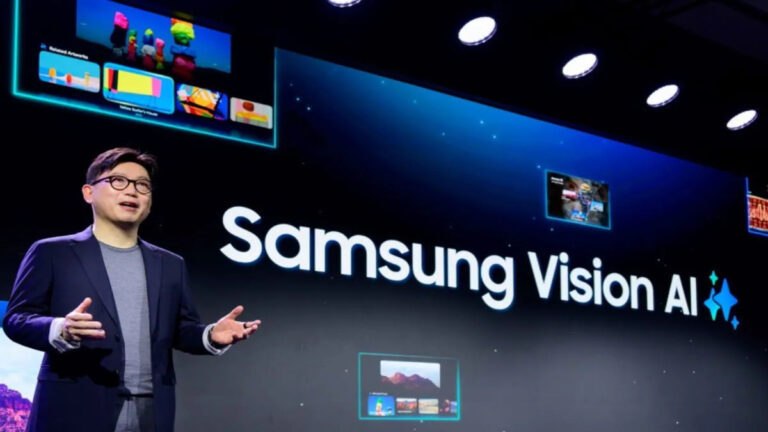
New Delhi, May 13, 2026 — Marking two decades as the global leader in the television market, Samsung Electronics has officially pulled back the curtain on its 2026 AI TV lineup. This year’s release represents more than just a bump in resolution; it signals a fundamental shift in how we interact with the “big screen” in our living rooms.

By integrating the new Vision AI Companion (VAC) and next-generation processors across its Micro RGB, Neo QLED, and OLED models, Samsung is positioning the TV not just as an entertainment device, but as the intelligent heart of the modern smart home.

The Brain of the Operation: NQ8 and NQ4 AI Gen3 Processors

At the core of the 2026 lineup is a massive leap in processing power. The flagship Neo QLED 8K models now feature the NQ8 AI Gen3 processor. To put its power into perspective:

  • Neural Networks: It utilizes 768 AI neural networks, triple the amount found in the 2025 version.
  • Speed: It delivers a 2.0x faster NPU (Neural Processing Unit), allowing the TV to “think” and adjust images in real-time with unprecedented precision.

For the OLED and 4K Neo QLED ranges, the NQ4 AI Gen3 processor offers a similar jump, featuring six times more neural networks than its predecessor to ensure that even standard-definition content looks like native 4K.

Meet Your Vision AI Companion (VAC)

The standout feature for 2026 is the Vision AI Companion. Samsung has moved away from simple voice commands to a platform that integrates Bixby, Microsoft Copilot, and Perplexity AI.

What can VAC actually do?

  • Contextual Conversations: You can ask, “Who is that actor, and what else have they been in?” or “Summarize the news from this morning while I watch this game.”
  • Smart Suggestions: Using generative AI, the TV can suggest recipes based on what’s in your smart fridge or create Generative Wallpapers that match the mood of your room or the current weather outside.
  • Live Translate: For international sports or films, the AI can now generate real-time subtitles and even translate dialogue instantly, making global content more accessible than ever.

Visual Mastery: Micro RGB and Glare-Free OLED

Samsung continues to diversify its panel technology to suit every type of viewer:

1. Micro RGB: The Ultimate Luxury

The 2026 Micro RGB models are the pinnacle of display tech. Powered by the Micro RGB AI Engine Pro, these screens use microscopic LEDs to control color and contrast at the individual pixel level. The result is 100% color coverage of the BT.2020 spectrum—colors so accurate they are indistinguishable from real life.

2. Glare-Free OLED (S95H & S90H)

Samsung has solved the biggest gripe with OLED screens: reflections. The new Glare-Free technology is now standard on the premium S95H and S90H models. Even in a room flooded with afternoon sunlight, the “Real Black” levels remain deep and undisturbed, eliminating the “mirror effect” common in older OLEDs.

3. Neo QLED 8K: 8K AI Upscaling Pro

With 8K AI Upscaling Pro, the TV uses its 768 neural networks to sharpen textures and reduce noise. This means that 4K sports broadcasts or even older HD movies are upscaled to near-8K quality, making the most of the 33 million pixels on the screen.

Immersive Audio: AI Sound Controller Pro

Sound is no longer an afterthought. The AI Sound Controller Pro allows users to treat their TV audio like a professional mixing desk—but without the complexity.

  • Dialogue Isolation: Using AI, the TV can identify and boost voices while lowering background crowd noise during a football match or an action movie.
  • Adaptive Sound Pro: The TV uses its microphones to “ping” the room, mapping the acoustics of your specific living space and adjusting the audio output to ensure the sound hits the “sweet spot” of your sofa.

A Gamer’s Paradise: 165Hz and G-SYNC

For the gaming community, the 2026 lineup sets a new bar for performance.

  • Motion Xcelerator 165Hz: Samsung has pushed the refresh rate to 165Hz on its OLED and high-end Neo QLED models, providing ultra-smooth motion that rivals high-end gaming monitors.
  • AI Auto Game Mode: The TV now recognizes exactly what genre of game you are playing. If you switch from Call of Duty to EA Sports FC, the AI instantly adjusts the input lag, motion smoothness, and contrast settings to match the genre.

The “Home Hub” Evolution

Samsung is also making a bold promise on longevity and security:

  • 7 Years of Updates: Under the “Samsung AI TV” initiative, the company has committed to providing 7 years of Tizen OS updates, ensuring your 2026 model remains compatible with the apps and features of 2033.
  • Samsung Knox Matrix: With more AI comes the need for more security. Knox Matrix creates a “Chain of Trust” across your connected devices. If your smart toaster is hacked, the TV identifies the threat and isolates it from the rest of your home network.
  • Pet Care Mode: A quirky but useful addition—the TV can now detect a dog barking while you are out and automatically play calming music or “dog-friendly” visuals to soothe your pet.

Summary Table: 2026 Lineup at a Glance

FeatureNeo QLED 8K (QN900H)OLED (S95H/S90H)The Frame (2026)
ProcessorNQ8 AI Gen3NQ4 AI Gen3NQ4 AI Gen2
Upscaling8K AI Upscaling Pro4K AI Upscaling4K AI Upscaling
Key TechQuantum Mini LED ProGlare-Free OLEDMatte Display / Art Mode
Max Refresh165Hz165Hz120Hz
Special FeatureInfinite Air DesignReal Black / Ultra SlimNew 98-inch Size

The Verdict

Samsung’s 2026 TV lineup proves that “AI” isn’t just a marketing buzzword. By focusing on practical benefits—like killing screen glare, making dialogue easier to hear, and providing a personal assistant that actually understands context—Samsung has redefined the television.

As Hun Lee, Executive Vice President at Samsung Electronics, stated during the launch: “Samsung AI TVs will go beyond entertainment to deliver practical benefits in everyday life… we are redefining what users can expect from the screens in their homes.”

Whether you are a cinephile, a hardcore gamer, or someone who just wants a smarter way to manage their home, the 2026 lineup offers a glimpse into a future where the TV is no longer just a window to the world, but a participant in it.

Sony Xperia 1 VIII Officially Launched: The New 48MP Pro-Camera Flagship

New Delhi, May 13, 2026: Sony has once again proven why it remains the king of professional-grade smartphones. The tech giant has officially pulled back the curtain on its latest flagship, the Sony Xperia 1 VIII. Combining the raw power of the brand-new Snapdragon 8 Elite Gen 5 chipset with Sony’s legendary Alpha camera DNA, this device is designed for those who demand more from their technology than just social media scrolling.

In this article, we’ll dive deep into the specifications, the groundbreaking camera system, the “Elite” performance, and everything else that makes the Xperia 1 VIII the most exciting phone of the year.

The Heart of the Beast: Snapdragon 8 Elite Gen 5 SoC

The headline feature of the Xperia 1 VIII is undoubtedly its processor. Sony has skipped the traditional naming conventions to adopt the Qualcomm Snapdragon 8 Elite Gen 5. This chipset represents a massive leap in mobile computing.

Built on a cutting-edge 3nm process, the Snapdragon 8 Elite offers a 45% boost in CPU performance and a 40% improvement in GPU efficiency compared to the previous generation. For users, this means:

  • Instantaneous App Loading: Whether you’re opening a heavy video editor or a high-end game, the lag is non-existent.
  • Next-Gen Gaming: With hardware-accelerated ray tracing, games on the Xperia 1 VIII look indistinguishable from console titles.
  • Smarter AI: The dedicated NPU (Neural Processing Unit) handles on-device AI tasks—like real-time language translation and photo enhancement—without needing to send data to the cloud.

A Camera System for the Professionals

While other manufacturers chase “megpixel numbers” (100MP or 200MP), Sony focuses on sensor quality and speed. The Xperia 1 VIII features a triple-lens system where every single sensor is a 48MP Exmor T for Mobile sensor.

1. The Main 24mm Lens

The primary 48MP sensor uses Sony’s innovative 2-layer Transistor Pixel technology. This allows the sensor to capture twice as much light in low-light conditions compared to traditional sensors, virtually eliminating “noise” in nighttime photography.

2. The 85mm-170mm Optical Telephoto

Sony continues to lead the industry with a true optical zoom lens. Instead of digital cropping, the Xperia 1 VIII uses a periscope structure that physically moves the glass. This allows for seamless zooming from 85mm all the way to 170mm, ensuring your portraits and wildlife shots remain pin-sharp at any focal length.

3. The 16mm Ultra-Wide

The 48MP ultra-wide lens ensures that landscape shots aren’t just wide, but packed with detail from corner to corner. It also doubles as a macro lens for stunning close-up photography.

Professional Software

The device comes pre-loaded with Photography Pro, Videography Pro, and Cinema Pro. These apps mimic the interface of Sony’s $4,000 Alpha cameras, giving users manual control over shutter speed, ISO, white balance, and focus pulling.

Display: The 4K HDR OLED Legacy Continues

Sony remains the only manufacturer committed to a 4K HDR OLED display with a 21:9 “CinemaWide” aspect ratio. The Xperia 1 VIII features a 6.5-inch panel that is 50% brighter than its predecessor, making it easily viewable even under direct midday sunlight.

The 120Hz refresh rate ensures smooth scrolling, while the BRAVIA HDR Remaster technology uses AI to upscale standard content into near-HDR quality. If you are a movie buff, there is no better screen in the world to watch your favorite films on the go.

Design and Build: Functional Elegance

Sony has stuck to its iconic “monolithic” design language. The Xperia 1 VIII is tall, slim, and incredibly easy to grip with one hand.

  • Build: It features Gorilla Glass Victus 2 on both the front and back, paired with a high-grade aluminum frame.
  • Tactile Feedback: The back glass has a unique micro-texture that feels like a professional camera body, providing extra grip and preventing fingerprint smudges.
  • The Features Everyone Else Removed: In a win for enthusiasts, Sony has kept the 3.5mm headphone jack and the microSD card slot (supporting up to 2TB). It also features a dedicated physical two-stage shutter button for that authentic camera feel.

Battery and Charging

Powering a 4K screen and a Snapdragon 8 Elite chip requires a serious battery. Sony has packed a 5,000mAh battery into the slim chassis. Thanks to the efficiency of the 3nm chipset, the Xperia 1 VIII easily lasts a full day of heavy use.

  • Charging: It supports 45W wired fast charging (50% in 30 minutes) and 15W wireless charging.
  • Battery Health: Sony’s “Battery Care” technology ensures the battery doesn’t overcharge, promising that the cell will remain healthy for up to 4 years of use.

Price and Availability

Quality of this caliber comes at a premium. The Sony Xperia 1 VIII is positioned as an “Ultra-Flagship.”

  • Price: The device starts at $1,399 / £1,299 / €1,399 for the 12GB RAM / 256GB storage variant. A 16GB RAM / 512GB “Pro Edition” is also available in select markets.
  • Colors: Available in Black, Platinum Silver, and a new signature “Midnight Green.”
  • Release Date: Pre-orders begin this week, with shipping expected to start by the end of the month.

The Verdict: Is it Worth It?

The Sony Xperia 1 VIII isn’t a phone for everyone—and it doesn’t try to be. It doesn’t have a hole-punch cutout or a folding screen. Instead, it is a precision tool built for creators, photographers, and audiophiles.

With the Snapdragon 8 Elite Gen 5 providing world-class power and the triple 48MP camera system providing world-class imagery, the Xperia 1 VIII is arguably the most powerful “prosumer” device ever made. If you value manual control, expandable storage, and a cinematic display, the Xperia 1 VIII stands alone at the top of the mountain.

The Silent Son of Saifai: Remembering Prateek Yadav

0

New Delhi, May 13, 2026: The passing of Prateek Yadav on May 13, 2026, marks the end of a unique chapter in Uttar Pradesh’s most storied political dynasty. At just 38 years old, the younger son of the late Samajwadi Party (SP) patriarch Mulayam Singh Yadav was often viewed through the lens of family complexity—positioned between the legacy of a legendary father and the political shadow of his elder half-brother, Akhilesh Yadav.

Despite the high-octane political environment of the Yadav household, Prateek chose a path that rarely touched the ballot box, focusing instead on business, fitness, and animal welfare.

A Family Dynamic Defined by History

Prateek’s place in the family was defined by the long-held “secret” of Mulayam Singh Yadav’s second marriage to Sadhna Gupta. While Mulayam’s first wife, Malti Devi (mother to Akhilesh), was the public face of the family for decades, it wasn’t until 2003 that Mulayam officially acknowledged Sadhna and Prateek.

This dual-family structure created an inherent tension that fascinated the public and the media. While Akhilesh was groomed for leadership, Prateek remained the son who stayed behind the scenes. This distance from politics was not just a choice but a defining trait of his relationship with the family legacy.

The Brotherly Bond: Akhilesh and Prateek

The relationship between the two brothers was often a subject of intense speculation. In the political theater of Uttar Pradesh, rumors of “two camps” within the family—one led by Akhilesh and the other supported by Shivpal Yadav and Sadhna Gupta—were common.

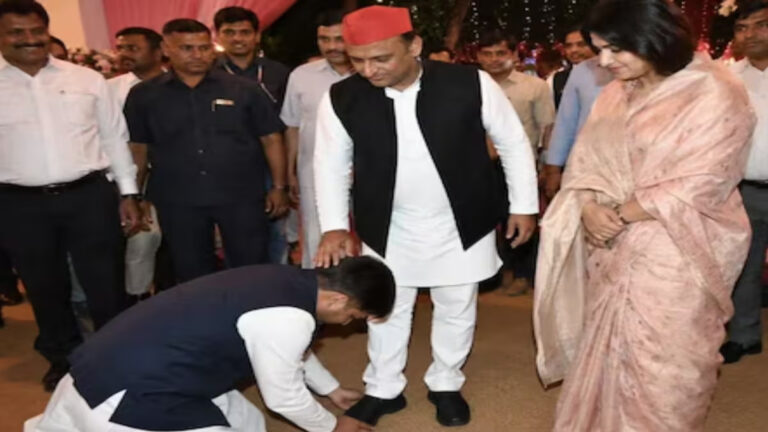
However, the brothers maintained a public decorum that prioritized family unity. Akhilesh Yadav, expressing his grief today, called the loss “deeply saddening.” This sentiment reflects a bond that, while perhaps complicated by political shifts, remained rooted in their shared lineage. Despite their different mothers and diverging career paths, the brothers were often seen together during major family milestones in their ancestral village, Saifai.

Choosing the Gym over the ‘Gaddi’

While his wife, Aparna Yadav, took a bold leap into politics—first with the Samajwadi Party and later joining the BJP—Prateek remained steadfast in his refusal to enter the fray.

  • Fitness First: A graduate of the University of Leeds, Prateek was a dedicated fitness enthusiast. He transformed his passion into a professional venture by launching “The Fitness Planet,” a premium gym in Lucknow.
  • Animal Advocacy: Beyond the weights, he was a known animal lover, often sharing content regarding his pet dogs and supporting various animal shelters through his organization, “Jeev Ashray.”
  • Personal Struggles: The year 2026 had been a turbulent one for Prateek. Earlier in January, public social media posts suggested a rift in his marriage with Aparna, involving claims of mental health struggles. However, the couple appeared to have reconciled by February, sharing images of family celebrations that suggested a return to normalcy.

A Legacy of Quiet Influence

Prateek Yadav’s sudden demise due to health complications has sent shockwaves through Lucknow. From Chief Minister Yogi Adityanath to the rank and file of the Samajwadi Party, condolences have highlighted a man who was well-liked for his personal warmth and lack of political ambition.

Key FactDetail
Full NamePrateek Yadav
ParentsMulayam Singh Yadav & Sadhna Gupta
SpouseAparna Yadav (BJP Leader)
Primary FocusReal Estate, Fitness, & Animal Welfare
Notable ContributionFounder of “The Fitness Planet” & “Jeev Ashray”

In the end, Prateek Yadav’s life was a testament to the fact that one can belong to a political powerhouse without being consumed by it. He navigated the complexities of a famous family with a focus on his own passions, leaving behind a legacy of health, compassion for animals, and a quiet, steadfast presence in the heart of the Yadav family.

The Rise of ‘Streepslop’: Is Meryl Streep Finally Overrated?

New Delhi, May 13, 2026: Critics have long hailed Meryl Streep as the “greatest living actress,” but a new and harsher narrative is beginning to take hold in 2026. While she remains a titan of the industry, a growing chorus of film historians and online commentators are using a new, unflattering term to describe her recent output: “Streepslop.”

As the legendary actress returns to the big screen this year with the highly anticipated sequel, The Devil Wears Prada 2, the conversation has shifted from her technical brilliance to a perceived “sad truth” about her career trajectory. Critics are no longer just asking if she’s overrated; they are questioning if she has become the face of a specific kind of high-brow cinematic mediocrity.

The Rise of “Streepslop”

The term “slop” was recently recognized by Merriam-Webster as a defining word of the digital age, typically referring to low-quality, AI-generated, or formulaic content designed solely to fill space. In the world of film criticism, “Streepslop” has emerged as a biting critique of movies that seem to exist only as “Oscar bait”—films that lack a soul but are designed to secure a nomination for their lead.

Critics argue that for the last decade, Streep has frequently lent her immense talent to projects that are fundamentally hollow. These films often follow a predictable pattern:

  • A Historical “Greatest Hit”: A biopic about a famous figure where the makeup and accent do the heavy lifting.
  • The Over-the-Top Matriarch: A role where Streep plays a loud, eccentric mother-figure that feels more like a caricature than a human.
  • Low Stakes, High Gloss: Polished dramas that look beautiful but say very little about the human condition.

The “sad truth” that detractors point to is that Streep’s presence has become a sort of protective shield. Studios can release a mediocre script, knowing that as long as Streep is at the center, critics will feel obligated to praise the performance, and the Academy will likely offer a nomination.

Why the Tide is Turning

The shift in sentiment isn’t just about the quality of the films; it’s about a changing philosophy in acting. For decades, Streep was praised for her “technique”—the perfect accents, the precise gestures, and the “cerebral” approach to a role. However, in 2026, modern audiences and younger critics are gravitating toward vulnerability and raw realism.

Classic Hollywood icons like Katharine Hepburn famously once critiqued Streep for being “too cerebral” and over-reliant on technique. Today, that critique is being echoed by a generation that finds her performances “manufactured.” When every tilt of the head and every pause feels calculated, it can create a barrier between the character and the audience.

Furthermore, industry peers have occasionally voiced frustration over the “Streep-first” rule. Susan Sarandon once noted that “everything goes to Meryl first,” suggesting that the worship of Streep has occasionally stifled other talented actresses of her generation who might have brought a different, perhaps more grounded energy to those same roles.

Meryl’s Counter-Attack: The “Marvel-isation” of Cinema

Streep, never one to stay silent, has recently pushed back against the state of the industry, though her defense has unintentionally fueled the fire. In recent promotional interviews for The Devil Wears Prada 2, she criticized the “Marvel-isation” of modern cinema.

“We got the villains and we got the good guys, and it’s so boring,” Streep remarked. “I think we tend to Marvel-ize the movies now.”

She argued that the industry’s obsession with clear-cut heroes has killed the “messy” and “layered” storytelling she loves. However, critics were quick to point out the irony: while she decries the lack of nuance in superhero films, many find her recent “Streepslop” dramas just as formulaic, merely catering to an older, “prestige” audience rather than a comic-book-loving one.

Is She Actually “Overrated”?

The “overrated” label is nothing new for Streep. It became a global talking point in 2017 when Donald Trump used the term after her scathing Golden Globes speech. At the time, Streep leaned into the insult, jokingly calling herself the “most over-berated” actress of her generation.

But looking at the data, the label is hard to justify. With a record 21 Academy Award nominations and three wins, her resume is unmatched. Even her harshest critics admit that her “floor” is higher than most actors’ “ceiling.” The issue isn’t that she is a bad actress; it’s the exhaustion of a “Streep-centric” culture that feels like it’s on autopilot.

The Evolution of the “Streep Movie”

EraStyleNotable Works
The Golden EraRaw, emotional, transformative.Sophie’s Choice, The Deer Hunter
The Technical EraMastery of accents and historical figures.The Iron Lady, Out of Africa
The “Streepslop” EraPolished, safe, and formulaic.The Prom, Let Them All Talk

The Verdict for 2026

Meryl Streep is currently at a crossroads. As The Devil Wears Prada 2 hits theaters, she is attempting to bridge the gap between her prestige past and a more commercially driven present. The sequel finds her reprising the iconic Miranda Priestly, a role that succeeded precisely because it was “messy” and didn’t fit the “good guy/bad guy” mold she now criticizes.

If the film succeeds in showing a more human, vulnerable side of the fashion dragon, she may silence the “Streepslop” critics. If it feels like a hollow retread, the “overrated” whispers may turn into a roar.

Ultimately, the “sad truth” may not be about Streep herself, but about a Hollywood system that is too afraid to let its biggest icon fail. By constantly casting her in “safe” prestige films, the industry has turned a once-daring artist into a brand. For Meryl Streep to regain her crown, she may need to stop being a “goddess” and start being “messy” again.

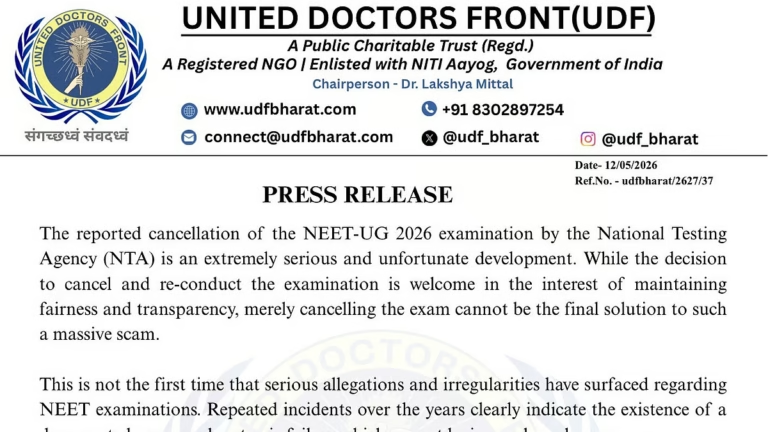
NEET-UG 2026 Cancelled: NTA Orders Re-Exam Amid Massive Paper Leak Row

New Delhi | May 12, 2026 — In a move that has sent shockwaves across the country, the National Testing Agency (NTA) has officially cancelled the NEET-UG 2026 examination held on May 3. The decision, approved by the Ministry of Education, comes after mounting evidence suggested that the integrity of the medical entrance test was compromised by a widespread paper leak.

The government has handed over the investigation to the Central Bureau of Investigation (CBI) to uncover the depth of the conspiracy, while over 24 lakh students now face the daunting task of appearing for a fresh exam.

Why was NEET-UG 2026 Cancelled?

The controversy erupted shortly after the May 3 exam when reports of a “guess paper” began circulating in Rajasthan and Bihar. What initially seemed like a rumor quickly turned into a full-scale investigation by the Rajasthan Police Special Operations Group (SOG).

Investigators reportedly recovered a 150-page PDF document containing over 400 questions, which were being sold to aspirants for prices ranging from ₹30,000 to ₹5 lakh. Upon comparison, authorities found a “substantial overlap” with the actual exam paper:

  • Biology: Nearly 90 questions matched exactly.
  • Chemistry: Approximately 30 questions were identical.

The NTA, which initially defended the exam’s security protocols (including GPS-tracked vehicles and AI-monitored CCTV), admitted that inputs received on May 7 and 8 made it impossible to maintain the “sanctity of the process.”

What Happens Next for Students?

For the 2.4 million aspirants who spent years preparing for this single day, the cancellation is a heavy emotional and academic blow. However, the NTA has outlined a clear roadmap for the re-conduct of the exam:

1. No New Registration Required

All candidates who were eligible for the May 3 exam are automatically eligible for the re-test. There is no need to fill out new forms or provide fresh details.

2. Examination Fee Refund

In a significant move, the NTA announced that the fees already paid by candidates will be refunded. The fresh examination will be conducted using the agency’s internal resources, ensuring no additional financial burden falls on the students.

3. Fresh Admit Cards

The previous admit cards are now void. The NTA will issue new admit cards with updated exam center details and dates through its official website: exams.nta.ac.in/NEET.

4. Valid Data

Your original registration data, candidature details, and city preferences will remain valid. The NTA aims to keep the logistical shift as minimal as possible for the students.

The CBI Investigation: Unmasking the Syndicate

The Government of India has opted for a CBI probe to ensure a transparent and unbiased inquiry. Early reports suggest the leak might have originated from a printing press or during the transit phase.

  • Detentions: Over 45 individuals, including coaching operators and intermediaries, have already been detained in Rajasthan.
  • Digital Trail: The “guess paper” reportedly traveled through WhatsApp groups 42 to 48 hours before the exam started.
  • Scope: While the most concrete evidence surfaced in Rajasthan, the CBI will investigate potential links in other states to determine if the leak was localized or national.

Student and Political Reactions

The cancellation has sparked nationwide protests led by student organizations like the NSUI and ABVP. Protesters at the Ministry of Education have called for the resignation of high-ranking officials, citing a “repeated failure” of the NTA to conduct secure examinations.

Leader of the Opposition, Rahul Gandhi, voiced his support for the aspirants, stating that the “auctioning of question papers” on social media has devalued the hard work of honest students.

“The decision to re-conduct the exam is necessary to protect the merit of genuine students. We understand the inconvenience, but a compromised system is a greater threat to their future,” an NTA official stated during the press briefing.

ISRO’s ‘Rocket Woman’: Nandini Harinath’ Saree Honored at Smithsonian

0

New Delhi, May 12, 2026: In a historic moment for Indian science and culture, the Smithsonian National Air and Space Museum in Washington, D.C., has added a unique artifact to its collection: a vibrant saree belonging to ISRO scientist Nandini Harinath. Known globally for housing the Wright brothers’ flyer and the Apollo 11 command module, the museum’s decision to display this traditional Indian garment highlights the pivotal role women played in India’s journey to the Red Planet.

This is not just a story of a piece of clothing; it is a celebration of the “Rocket Women of India” and the groundbreaking success of the Mars Orbiter Mission (MOM), also known as Mangalyaan.

Who is Nandini Harinath?

Nandini Harinath is a senior scientist at the ISRO Satellite Centre (ISAC) in Bengaluru. With a career spanning over 20 years, she has been a cornerstone of India’s space program, contributing to more than 14 high-stakes missions.

Her journey into science was almost written in the stars. Growing up in a household where education was paramount—her mother was a mathematics teacher and her father an engineer—she was raised on a steady diet of science fiction. She often recalls how the family would gather to watch Star Trek, a show that sparked her early fascination with space exploration and the possibilities of the unknown.

After completing her undergraduate and postgraduate degrees in engineering, Nandini applied to only one organization: ISRO. She has since risen through the ranks to become one of the most respected figures in the agency, serving as the Deputy Operations Director for the Mangalyaan mission.

The Significance of the Saree

The saree now on display at the Smithsonian is a beautiful red and blue garment with intricate patterns. While it may look like traditional attire to many, for the scientific community, it represents a specific, triumphant moment in history.

Nandini Harinath wore this very saree on the day the Mangalyaan spacecraft successfully left Earth’s orbit to begin its 300-day journey to Mars. In the Smithsonian’s display, the saree symbolizes the “national identity and success” of India’s space program. It serves as a reminder that behind the complex codes and high-tech hardware were individuals who brought their culture and dedication to the mission control room.

As the museum noted in its announcement:

“The sarees worn by the mission’s women leaders came to symbolize their national identity and India’s success in space.”

Mangalyaan: The Mission That Changed Everything

The Mars Orbiter Mission was a landmark for several reasons:

  • First Attempt Success: India became the first nation in the world to reach Mars’ orbit on its very first attempt.
  • Cost-Effectiveness: At a cost of approximately $74 million, the mission was famously cheaper than the production budget of the Hollywood space film Gravity.
  • Longevity: Originally designed for a six-month lifespan, the spacecraft remained operational for nearly eight years, providing invaluable data on the Martian surface and atmosphere until 2022.

Nandini Harinath was integral to the mission’s planning and operations. She worked tirelessly, often pulling 10-hour shifts and overnight stays, to ensure the spacecraft maintained its trajectory and health throughout its long journey.

A Global Inspiration for Women in STEM

Beyond her technical achievements, Nandini has become a vocal advocate for gender inclusion in science, technology, engineering, and mathematics (STEM). She frequently speaks at global summits—most recently appearing at the Making AI Work Summit 2025 in Bengaluru—to encourage young girls to pursue careers in space and leadership.

For Nandini, every mission feels like the most important one while she is working on it. However, she acknowledges that Mangalyaan was “special” because of the way it captured the public imagination. From schools to social media, the entire world was watching, and the image of women scientists in sarees celebrating at mission control became an iconic symbol of a modern, scientific India.

Fast Facts: Nandini Harinath & MOM

CategoryDetail
Role at ISROSenior Scientist & Deputy Operations Director (MOM)
Total MissionsContributed to over 14 missions
EducationMaster’s in Engineering
Famous InspirationStar Trek and Apollo 13
Major AwardIndia Today Woman in Science Award (2015)
Museum DisplaySmithsonian National Air and Space Museum (Washington, D.C.)

Conclusion

The display of Nandini Harinath’s saree in a prestigious US museum is a testament to how far India has come in the global space race. It bridges the gap between tradition and technology, proving that excellence in science does not require leaving one’s heritage behind. As Nandini continues to lead future missions, including collaborations like the NISAR project with NASA, her legacy serves as a beacon for the next generation of “Rocket Women” ready to reach for the stars.

From “High Fashion” to “High Frustration”: The Viral Pasta Shoes Video Sparking Global Outrage

New Delhi, May 12, 2026: In the fast-paced world of social media, the line between creative genius and “cringe” is often razor-thin. However, a recent viral video featuring an influencer turning high-fashion footwear into a bowl of spaghetti has crossed a line for many, igniting a heated debate across Instagram, TikTok, and X (formerly Twitter). Dubbed the “Pasta Shoes” incident, the video has racked up millions of views, but the feedback is far from appetizing.

What was intended to be a quirky, avant-garde display of “food art” has instead become a lightning rod for criticism regarding hygiene, food waste, and the lengths influencers will go for a few seconds of engagement.

The Video That Shook the Feed

The video, which began circulating heavily this week, features a well-known lifestyle influencer known for “aesthetic” DIY content. In the clip, the creator is seen taking a pair of designer-inspired platform shoes—specifically ones with a hollow, transparent base—and filling the soles with freshly cooked, steaming spaghetti drenched in marinara sauce.

The “performance” doesn’t stop there. Once the shoes are fully packed with pasta, the influencer puts them on and begins to walk across a pristine white studio floor. As they step, the sauce squelches against the plastic, and the pasta is compressed under the weight of their feet. To top off the spectacle, the influencer then sits down, removes a fork from their pocket, and proceeds to eat a mouthful of the pasta directly from the shoe’s opening.

“Unsanitary and Unhinged”: The Internet’s Reaction

While the influencer likely expected comments praising their “artistic vision,” the comment sections quickly turned into a digital courtroom. The primary grievance? Hygiene.

Medical professionals and hygiene experts were among the first to weigh in. “Shoes are designed to be on the ground. They collect bacteria, fungi, and debris,” noted one viral comment from a public health blogger. “Even if the shoes were brand new out of the box, the chemicals used in the manufacturing of plastics and synthetic glues are not food-safe. This isn’t just gross; it’s a health hazard.”

The “squelch factor” also triggered a visceral reaction from viewers. Words like “nauseating,” “revolting,” and “stomach-turning” dominated the top-liked responses. Many users pointed out that even in the pursuit of “clout,” there should be boundaries.

The Problem of Food Waste

Beyond the ick-factor, a more serious criticism has emerged: the ethical implications of food waste. In a global climate where food insecurity is a rising concern, using several servings of pasta and sauce as a disposable prop for a 15-second video struck a sour note.

“There are people struggling to put a single meal on the table, and we have influencers literally walking on food for views,” wrote one user on X. The sentiment was echoed by thousands, sparking a broader conversation about the “waste economy” of social media.

In recent years, a trend known as “Rage Baiting”—where creators intentionally do something nonsensical, wasteful, or gross to provoke angry comments—has become a lucrative strategy. Because platforms like TikTok and Instagram reward engagement (even negative engagement), influencers are incentivized to post content that makes people mad. The “Pasta Shoes” video is being cited as a prime example of this “attention-at-all-costs” culture.

A History of “Food Fashion” Fails

This isn’t the first time the internet has recoiled at the intersection of food and footwear. We’ve seen:

  • The “Cereal Boots” incident of 2022, where a creator poured milk and Froot Loops into rain boots.
  • The “Bread Loaf Slippers,” which involved hollowing out actual baguettes to wear as shoes.
  • The “Raw Meat Dress” tributes, which continue to haunt fashion history since Lady Gaga’s 2010 VMA appearance (though Gaga’s was high-concept couture, whereas today’s versions are often seen as cheap imitations for clicks).

The difference now, experts argue, is the lack of “craft.” While high-fashion houses might use food motifs to make a political or social statement, the current wave of influencer content feels more like a hollow attempt to trend.

The Influencer Speaks Out (Sort Of)

Following the backlash, the influencer posted a brief follow-up story on Instagram. Clad in a bathrobe and looking unbothered, they addressed the “haters.”

“Art is supposed to make you feel something,” they said with a shrug. “If you’re disgusted, it worked. It’s about the juxtaposition of the mundane (pasta) and the luxury (shoes). Also, the shoes were sanitized!”

This response did little to quiet the storm. Critics were quick to point out that “sanitizing” a shoe does not make it a bowl, nor does it address the underlying issue of waste.

The Verdict: A Viral Misstep?

As the “Pasta Shoes” video continues to be reposted and parodied, it serves as a fascinating case study in modern digital culture. It highlights a growing rift between creators who prioritize “shock value” and an audience that is becoming increasingly weary of performative waste.

The incident has also prompted calls for platforms to reconsider how they monetize such content. If “Rage Bait” is the most effective way to go viral, we can expect more pasta in shoes, milk in handbags, and steak in sinks.

For now, the consensus remains clear: some things are better left on the plate and off the feet. The “Pasta Shoes” may have trended, but they’ve left a bad taste in everyone’s mouth.