Home Blog Page 100

Garbage in Mana Village Highlights Overtourism Crisis

0

New Delhi, April 29, 2026: A deeply concerning video from Mana, the last Indian village near the Badrinath Dham, has captured the attention of environmentalists and the digital world today, April 29, 2026. The footage, which has been widely shared across social media platforms, depicts vast piles of plastic waste and garbage strewn across the pristine Himalayan landscape. The “truth” behind the viral stir reveals a stark warning from the locals: if the current pace of environmental degradation continues, the beauty of Earth will be lost, leaving “only Mars” as a clean frontier.

The interaction was observed during the peak of the ongoing Char Dham Yatra, where thousands of pilgrims and tourists have gathered in the high-altitude region. In the viral clips, which have amassed millions of views, plastic bottles, food wrappers, and non-biodegradable waste are seen clogging the natural streams and covering the meadows that surround the sacred shrine. It is reported by travelers that the waste management infrastructure of the village has been completely overwhelmed by the unprecedented influx of visitors this season.

The Perils of Overtourism: A Fragile Ecosystem Under Siege

The reaction from the digital community has been one of collective shame and a call for stricter travel regulations. It is argued by environmental experts that the “mechanical necessity” of maintaining ecological balance is being ignored for the sake of mass tourism. On various sustainability forums, the footage has been utilized to advocate for a daily cap on the number of tourists allowed to enter the sensitive zones of the Himalayas. The video serves as a powerful visual testament to the “heavy price” paid by nature when religious and leisure travel is conducted without environmental responsibility.

The impact of the video has prompted a swift response from the Uttarakhand state government and the local panchayat of Mana village. It is noted by commentators that while several “Swachh Bharat” (Clean India) drives have been initiated in the past, the lack of individual accountability among tourists remains a primary hurdle. The passive role of the administration—which has struggled to implement a “zero-waste” policy in such difficult terrain—is being scrutinized as the viral video brings global attention to the crisis.

A Call for Action: Preserving the Last Village for the Future

Following the viral success of the “Garbage in Mana” clip, a massive cleanup operation has reportedly been ordered by the district authorities. It is reported that additional sanitation workers and waste disposal vehicles are being deployed to clear the backlog of trash before the monsoon season begins. However, it is maintained by local activists that temporary cleanups are merely a “band-aid solution” for a systemic problem that requires long-term behavioral changes and stricter penalties for littering in sacred spaces.

As of the afternoon of April 29, 2026, the story remains a top trending topic in the “Environment” and “National News” categories. While the Badrinath Yatra continues to draw faithful devotees from across the globe, the digital record of the garbage piles stands as a permanent reminder of our collective duty toward nature. For now, the story stands as a digital plea: let us not wait until “only Mars is left” to appreciate and protect the paradise we already inhabit on Earth.
Why Indians Prefer the European Work-Life Balance

0

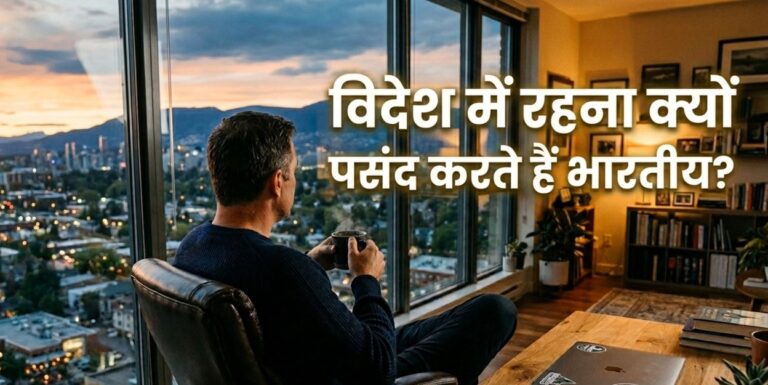
New Delhi, April 29, 2026: A thought-provoking video shared by a Vienna-based content creator has ignited a massive debate across social media today, April 29, 2026. The footage, which has amassed millions of views, highlights the stark differences between the professional environments of India and Europe. The “truth” behind the digital stir reveals a growing realization among Non-Resident Indians (NRIs) that what was once considered “normal” in India is often viewed as a lack of work-life boundaries in Western nations.

The interaction was observed after creator Lakshay Arora shared his reflections on living abroad. In the viral clips, it is explained that taking a two-to-three-week holiday is considered perfectly normal and is even encouraged by employers in Europe. It is reported by the creator that during his recent three-week vacation, he was explicitly told by his supervisors not to check his emails—a concept that remains foreign to many employees working in the high-pressure corporate culture of India.

The Toxic Norm: Comparing Global Work Cultures

The reaction from the digital community has been a blend of support and intense introspection regarding the “corporate robot” lifestyle. It is argued by many social media users that the Indian workplace often glorifies overwork and long hours as a badge of honor, whereas European culture prioritizes leisure and mental health. On various platforms like Reddit and Instagram, the footage has been utilized to discuss how “reasonable working hours” and “dignity of labor” contribute to a much higher quality of life for those living abroad.

The impact of the video has also brought attention to the physical environment of major cities. It is noted by commentators that the creator compared the Air Quality Index (AQI) of his current European city (around 20) to his hometown in India (often exceeding 350). The passive role of infrastructure—which allows for a safer, cleaner, and more independent social life—has been identified as a primary reason why many Indians choose to stay abroad despite the comforts of their home country.

Also Read: “Zyada Zoom Mat Karna”: Karisma Kapoor Sets Boundaries, Sparks Debate on Paparazzi Conduct

A Divided Internet: Patriotism vs. Pragmatism

Following the viral success of the “European vs. Indian Lifestyle” clip, the internet remains deeply divided on the issue. It is reported that while many NRIs agreed with the creator’s points on safety and work culture, others accused him of romanticizing foreign life while ignoring India’s unique advantages, such as accessible healthcare and seamless digital payments like UPI. The video remains a top trending topic as of this afternoon, serving as a powerful visual testament to the shifting priorities of the modern Indian workforce.

As of the afternoon of April 29, 2026, the story continues to serve as a major talking point for those weighing the pros and cons of migration. While some see the video as a “harsh truth” about the systemic challenges in India, others view it as a reminder to improve domestic working conditions. For now, the story stands as a digital reminder: in the global race for talent, the promise of a three-week uninterrupted vacation can often be more persuasive than a high-paying salary.

Chiranjeevi Mega158: Look Test Complete, Shoot Begins Soon

0

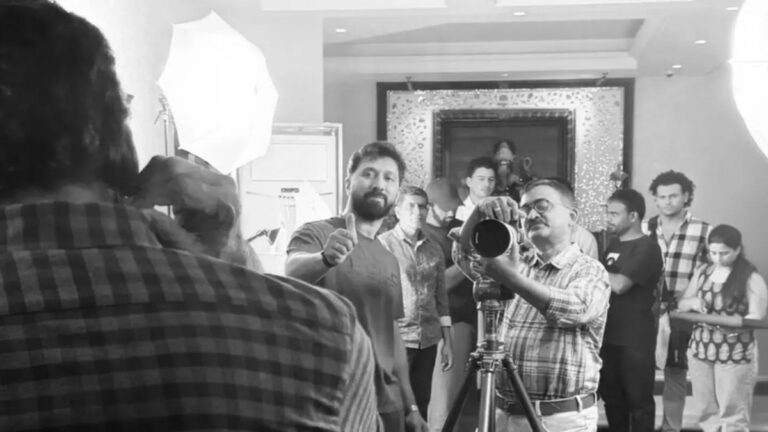
New Delhi, April 29, 2026: The anticipation surrounding Tollywood megastar Chiranjeevi’s 158th film—tentatively titled Mega158—has reached a fever pitch. With the official confirmation that the actor has successfully completed his look test, the stage is now set for what promises to be a defining entry in the legendary actor’s illustrious filmography.

The upcoming project, which reunites Chiranjeevi’s Mega158: Look Test Complete, Shoot Begins Soon with director Bobby Kolli following their massive blockbuster Waltair Veerayya, is rapidly transitioning from the pre-production phase to active filming. As fans eagerly await the megastar’s return to the big screen, industry insiders report that the energy surrounding the project is palpable.

The Reunion: Chiranjeevi and Bobby Kolli

The collaboration between Chiranjeevi and Bobby Kolli was one of the most successful pairings in recent Telugu cinema history. Waltair Veerayya not only showcased Chiranjeevi’s vintage charisma and flair for mass-masala entertainment but also proved that the actor remains a powerhouse at the box office.

By teaming up for a second time, both the director and the star are aiming to replicate, if not surpass, that success. Sources close to the production noted that during the look test, which took place recently, Chiranjeevi was in high spirits. “Despite his vast experience and stature, he was jovial and friendly throughout the process,” an insider revealed. This ease on set is being interpreted as a positive sign that the actor is deeply invested and enthusiastic about the creative vision Bobby has crafted for this project.

A Father-Daughter Tale with a Mass Appeal

While details regarding the plot remain tightly under wraps to preserve the mystery, early reports suggest that Mega158 will be a full-fledged action entertainer, but with a deeply resonant emotional core. Unlike standard commercial vehicles, the script reportedly focuses heavily on a father-daughter relationship, providing a narrative anchor to the film’s high-octane sequences.

The casting choices further underscore this direction. Priyamani has been roped in to play the role of Chiranjeevi’s wife, while Preity Mukundan will portray his daughter. This family-centric dynamic, set against a backdrop of intense, large-scale action, suggests a film that aims to strike a balance between high-stakes spectacle and heart-tugging sentimentality—a genre blend that Chiranjeevi has mastered over his decades-long career.

Production and Scale

The film is being bankrolled by Venkat K Narayana under the banner of KVN Productions. Despite market volatility and the challenges often faced by big-ticket productions, the studio has remained steadfast in its commitment to the project. The producers are reportedly aiming for a grand theatrical experience, prioritizing high technical values to ensure that Mega158 stands out as a visual and auditory spectacle.

Construction on a massive set is already underway on the outskirts of Hyderabad. This set is expected to host the film’s opening schedule, where key sequences involving the principal cast will be shot. The scale of the set construction is a testament to the grand vision behind the film, signaling to fans that the production team is pulling out all the stops.

The Road Ahead

With the look test now in the rearview mirror, the team is finalizing the arrangements for the traditional muhurtham ceremony, which will mark the official launch of the filming schedule. Following the ceremony, regular shooting is expected to commence immediately, with the cast and crew diving straight into the production phase.

For the legion of Chiranjeevi’s fans, Mega158 represents more than just another film; it is a celebration of a career that continues to evolve. By combining Bobby Kolli’s knack for mass-market storytelling with an emotional storyline, the film aims to capture the hearts of both the hardcore fan base and the general audience.

As the industry watches with bated breath, the coming months will likely bring more glimpses into the world of Mega158. One thing is certain: when the Megastar steps back onto the set, the screens in theaters across the world will be ready to welcome him back with open arms.

“Zyada Zoom Mat Karna”: Karisma Kapoor Sets Boundaries, Sparks Debate on Paparazzi Conduct

April 29, 2026: In an industry where the flash of a camera is often considered part of the job description, actress Karisma Kapoor has drawn a firm line. The 90s icon recently became the center of a viral conversation after a video surfaced showing her politely, yet firmly, requesting paparazzi to refrain from zooming in inappropriately while photographing her.

The incident occurred outside the sets of the highly anticipated India’s Best Dancer Season 5, where Kapoor is set to return as a judge alongside Geeta Kapur, Terence Lewis, and Jaaved Jaaferi. As the seasoned star concluded her photo-op and began to walk away, she turned back to the photographers and calmly articulated a simple request: “Zyada zoom mat karna” (Don’t zoom too much).

A Viral Moment and a Deeper Discussion

While the interaction was brief, the video has sent shockwaves across social media platforms, triggering a heated debate on the ethics of modern paparazzi culture. For many, the clip wasn’t just a fleeting celebrity moment; it was a stark reminder of the invasive nature of lens-based journalism in the digital age.

The footage, which has circulated widely on Reddit and X (formerly Twitter), has been met with overwhelming support from netizens. Many have pointed out the exhaustion felt by celebrities who must constantly navigate the fine line between being public figures and maintaining basic human dignity.

One viral comment on a social media thread succinctly captured the collective sentiment: “The fact that this needs to be told to grown-a* individuals is saddening. A mother, an established actress, and a woman should not have to remind professionals to be decent.”*

The Blurred Lines of Paparazzi Etiquette

Karisma’s intervention is part of a growing trend where Bollywood stars are increasingly vocal about their discomfort. The era of the “all-access” celebrity is facing pushback as stars demand boundaries that respect their privacy, especially during candid moments.

This incident has inevitably drawn comparisons to other prominent actors who have historically stood up against intrusive photography.

  • Jaya Bachchan: Known for her unfiltered critiques of paparazzi, Bachchan has frequently questioned the ethics and behavior of photographers, often asking who they are representing and what kind of training they receive.
  • Saif Ali Khan: In 2023, the actor famously lost his cool when photographers followed him and his wife, Kareena Kapoor Khan, into the lobby of their private residence at 2 AM, leading him to remark, “Do one thing, come in our bedroom too.”
  • Preity Zinta: Just a day prior to this incident, Zinta took to social media to express her frustration, noting that while she understands the nature of the industry, the constant stalking outside her gym and home is “unnerving” and “scary.”

Why This Matters for the Industry

The “Zyada Zoom” incident highlights a critical shift in the power dynamic between Bollywood celebrities and the media. As mobile technology makes it easier for anyone to act as a paparazzo, the “public vs. private” barrier has become increasingly porous.

Industry observers suggest that while promotional events and public appearances are fair game for coverage, private moments—or the process of walking away after a scheduled photo-op—should be treated with respect.

“When an actor is posing, they are in character, prepared for the public eye,” says an industry source. “When they are walking away, the ‘job’ is effectively done. Zooming in on inappropriate angles during that transition is not journalism; it is invasive.”

The Larger Conversation: Respect vs. Content

The viral nature of this clip serves as a reminder that the audience is evolving. While there was a time when such content was consumed without question, today’s digital audiences are increasingly critical of “creepy” or disrespectful camera work.

Fans have been quick to defend Kapoor, not just as a star, but as a woman setting a standard for how she expects to be treated. The incident reinforces the idea that the “right to privacy” is not forfeited simply because one is a famous face.

Looking Ahead

As India’s Best Dancer Season 5 prepares for its grand premiere on May 9, 2026, the focus remains on the show’s promise of blending Bollywood flair with freestyle dance. However, the unexpected spotlight on Kapoor’s interaction with the press has reminded the entertainment world that even the biggest stars are watching how they are watched.

Karisma Kapoor, who continues to maintain a busy professional schedule—with the upcoming web series Brown also in the pipeline—has once again proven that while she may be a public figure, she is the one who decides where the lens should stop.

For the paparazzi community, the message is clear: The zoom lens is a tool, not a weapon of intrusion. And for fans, the support for Karisma’s stand is a clear signal that respect is the minimum expectation in the modern era of celebrity journalism.

Understanding the April 2026 Income Tax Refund Changes

0

New Delhi, April 29, 2026: The Indian taxation landscape has officially entered a transformative phase. As of April 1, 2026, the long-awaited Income Tax Act, 2025 has come into effect, replacing the decades-old Income Tax Act, 1961. With this massive legislative shift comes a series of operational changes designed to simplify compliance, reduce litigation, and ease the burden on the taxpayer.

Among the most significant updates are the new rules governing income tax refunds. Whether you are a salaried individual, a business owner, or an investor, understanding how these changes impact your money is essential for the 2026-27 tax year.

2 Critical Updates to Income Tax Refund Rules

For many taxpayers, waiting for a refund is a routine part of the filing cycle. However, the transition from the old Act to the new one created potential complexity regarding how interest is calculated and how outstanding demands are handled. The Finance Act, 2026, has introduced two vital updates to streamline these processes.

1. Streamlining Interest Calculations

Under the initial proposals, there was significant confusion regarding how interest on refunds and defaults for previous years (Tax Year 2025-26 and prior) would be calculated under the new 2025 Act.

  • The Problem: Applying the new Act’s provisions to past years threatened to force tax officers and taxpayers alike to cross-reference two different Acts simultaneously, leading to potential calculation errors and compliance bottlenecks.
  • The Update: The government has provided a clear, logical demarcation. For all tax-related interest concerning Tax Year 2025–26 and earlier, the relevant provisions of the Income Tax Act, 1961 will continue to apply.
  • The Impact: This ensures that historical data remains governed by the laws that were in effect at the time, preventing retrospective complications. Interest accruing on or after April 1, 2026, will then transition to the rules under the Income Tax Act, 2025. This creates a seamless “cutoff” point, simplifying the math for your tax refund calculations.

2. Cross-Act Refund Set-off (The “Unified” Adjustment)

This is arguably the most taxpayer-friendly change introduced this year. Previously, the tax department faced a structural limitation: a refund generated under the old 1961 Act could generally only be adjusted against a tax demand under the same Act. The same constraint applied to the new 2025 Act.

  • The Problem: If a taxpayer had an outstanding tax demand under the new 2025 Act but was owed a refund from a previous year (under the 1961 Act), they couldn’t easily “cross-adjust” these amounts. This often led to unnecessary red tape and cash flow delays.
  • The Update: The Finance Act, 2026, now permits the cross-utilization of refunds and demands. You can now set off a refund due under either the Income Tax Act, 1961, or the Income Tax Act, 2025, against any amount payable under either of the Acts.
  • The Impact: This flexibility is a major win for administrative efficiency. It reduces the chance of receiving a demand notice while simultaneously waiting for a refund, effectively allowing the Income Tax Department to balance your accounts across both legislative frameworks.

What This Means for Your Tax Year 2026-27

Beyond the specific refund adjustments, the shift to the Income Tax Act, 2025, brings broader changes that taxpayers should be aware of as they prepare for the current cycle.

A Simplified Framework

The transition isn’t just about changing names; it is about “rationalization.” The new Act aims to remove redundant provisions that have accumulated since 1961. For the common taxpayer, this manifests in:

  • Updated Forms: Familiar documents have been rebranded. For example, your Form 16 is now Form 130, and Form 26AS has been replaced by Form 168.
  • Standardized Procedures: The move toward “Tax Year” nomenclature (replacing the traditional Financial Year and Assessment Year distinction) is designed to make tax calendars more intuitive.

Increased Digital Compliance

The government has doubled down on digital-first compliance. With the rollout of the new rules, many reporting requirements have been consolidated. For instance, several TDS return forms (26QB, 26QC, etc.) have been merged into a single Form 141, drastically reducing the paperwork required for property and rent-related tax filings.

A Note on Exemptions

It is important to remember that while the core Act has changed, the government continues to incentivize the transition to the New Tax Regime. The current structure offers a higher basic exemption limit, allowing income up to ₹12 lakh to be effectively tax-free for many, provided they forgo certain deductions. However, the Old Tax Regime remains a viable choice for those who rely heavily on exemptions like Section 80C and 80D.

Moving Forward: Tips for the 2026-27 Filing Season

With these changes taking effect, here are three tips to ensure your tax experience remains smooth:

  1. Verify Your Digital Portal: Ensure you are familiar with the updated e-filing portal. The layout and terminology may have shifted to reflect the new Act.
  2. Monitor Your AIS/TIS: Always cross-verify your Annual Information Statement (AIS) and Taxpayer Information Summary (TIS). With the new integration of the 2025 Act, ensure that your tax credits are correctly mapping to your updated records.
  3. Stay Informed on Notices: If you receive a notice regarding a mismatch, do not panic. Given the systemic transition to the new Act, minor discrepancies might occur. The new cross-set-off rules are designed to help resolve these issues faster than before.

Final Thoughts

The transition to the Income Tax Act, 2025, marks a milestone in India’s fiscal history. By decoupling interest calculations and enabling the cross-adjustment of refunds, the government is actively working to minimize the friction between the tax department and the taxpayer.

As we progress through the 2026-27 tax year, the focus remains on compliance and transparency. By keeping your documentation current and understanding these two major refund updates, you can navigate this new legislative environment with confidence.

Veteran Actor Paintal’s Viral Dig at Social Media Fame

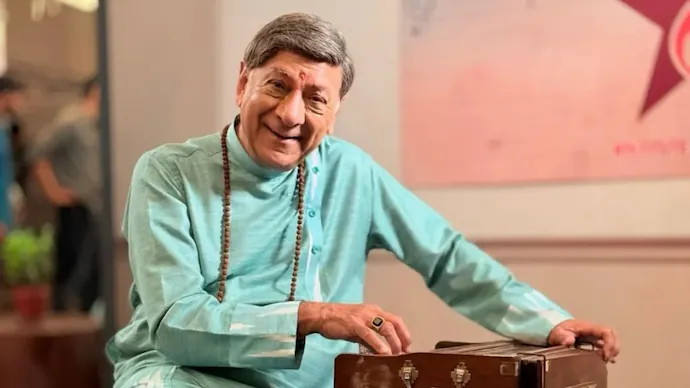
New Delhi, April 29, 2026: A thought-provoking and humorous video featuring veteran actor Kanwarjit Paintal has taken the internet by storm today, April 29, 2026. Despite a legendary career spanning over five decades and more than 350 films, the actor was observed jokingly claiming that he does not consider himself an actor. The “truth” behind the viral clip reveals a sharp satirical commentary on the current entertainment landscape, where social media reach is often prioritized over professional experience.

The interaction was observed in a light-hearted video shared by fellow actor Manmeet Singh. In the footage, which was reportedly shot during a break on a film set, Paintal is asked directly if he is an actor. To the surprise of viewers, the response of “No” was given by the veteran. When it was pointed out that he has been seen by audiences for decades in iconic roles, the punchline was delivered with a straight face: “I don’t have followers on Instagram. Hence, I am not an actor!”

The Satire of the “Follower Count” Culture

The reaction from the digital community has been one of overwhelming laughter mixed with a sense of irony. It is argued by many social media users that Paintal’s statement perfectly captures the “mechanical necessity” of digital fame in the modern casting process. On various entertainment forums, the video has been described as a “masterclass in sarcasm,” highlighting how seasoned legends are now being measured against influencers who may lack formal training but possess millions of digital followers.

The impact of the video has also led to a wider discussion regarding the changing standards of the film industry. It is noted by commentators that while Paintal is remembered for his brilliant comic timing in classics like Satte Pe Satta, Bawarchi, and his iconic role as Shikhandi in Mahabharat, he remains “unqualified” by today’s social media metrics. The passive role of the audience—who often equate a “blue tick” with professional talent—is being challenged by this viral moment of self-deprecating humor.

Also Read: King Charles Roasts Donald Trump With Sharp History Jab

A Legacy Beyond the Algorithm: 50 Years of Excellence

Following the viral success of the “Not an Actor” clip, Manmeet Singh clarified that the video was a spontaneous moment born out of “masti” (fun) on the sets of the film Hukus Bukus. It is reported that the veteran remains a deeply respected and down-to-earth figure who enjoys mentoring younger talent. While the joke about “praying for followers” was made in jest, the respect shown to him in the comment sections proves that real-life reach and legacy cannot be manufactured by an algorithm.

As of the afternoon of April 29, 2026, the story remains a top trending topic in the “Bollywood News” and “Social Media Trends” categories. While the era of the “Instagram Actor” continues to evolve, the digital record of Paintal’s satirical denial stands as a permanent reminder of where true craft lies. For now, the story stands as a digital reminder: 350 films may not give you a billion followers, but they certainly give you a permanent place in the hearts of the audience.

King Charles Roasts Donald Trump With Sharp History Jab

0

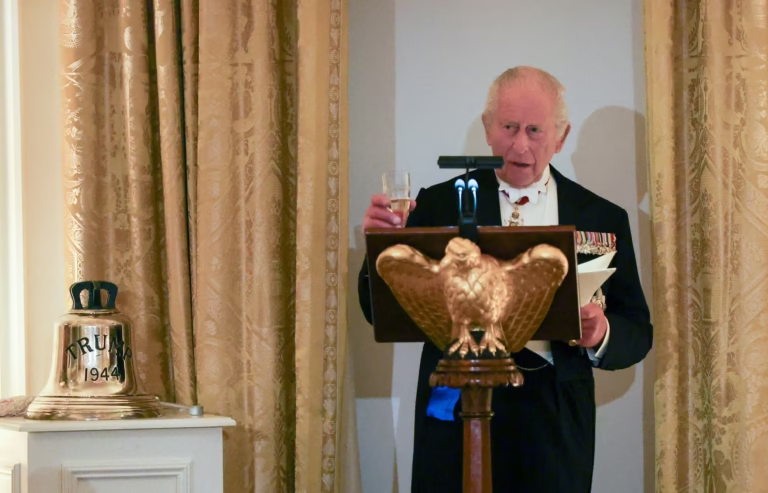
New Delhi, April 29, 2026: A moment of high-stakes diplomatic humor has been captured today, April 29, 2026, as a viral video of King Charles III at a White House state dinner continues to trend globally. During a lavish dinner hosted by President Donald Trump, the British monarch was observed delivering a witty retort that has left social media users in splits. The “truth” behind the digital stir reveals a cleverly crafted “roast” where the King utilized a historical reference to flip one of the President’s own famous arguments.

The interaction was observed during the official toast in the East Room on Tuesday night. In the viral clips, which have amassed millions of views, King Charles is seen addressing the room while the President sits across from him. It is reported that the King referenced a recent claim by Trump—that European countries would be speaking German if not for American intervention in World War II—before delivering his own punchline: “Dare I say that, if it wasn’t for us, you’d be speaking French.”

A Masterclass in Subtlety: Flipping the Script

The reaction from the digital community has been one of overwhelming admiration for the monarch’s sharp intellect. It is argued by historians and netizens alike that the joke was a brilliant nod to the 18th century, when British control in North America prevented French expansion before the American Revolution. On various social media platforms, the footage has been utilized to highlight how “impeccable British politeness” can be used to deliver a diplomatic sting that remains lighthearted on the surface.

The impact of the video has also brought attention to the King’s further observations regarding the White House itself. It is noted by commentators that Charles playfully alluded to the ongoing “renovations” planned by the Trump administration, reminding guests that the British had conducted their own “renovation” of the building in 1814—a reference to the burning of Washington. The passive role of the attendees—who were seen erupting in laughter—has been identified as a sign of the King’s successful use of “soft power” during a period of complex US-UK relations.

Also Read: Rohit Pawar Alleges ₹145 Crore Payout to Aviation Firm Following Fatal Crash Involving Ajit Pawar

Strategic Friendship: Weight Beneath the Wit

Following the viral success of the dinner toast, the deeper implications of the King’s state visit are being analyzed by political experts. It is reported that while the evening was filled with humor, the King’s earlier address to Congress emphasized the “unyielding resolve” needed for global security and the defense of Ukraine. The contrast between the lighthearted roast and the serious calls for NATO unity has been identified as a hallmark of his diplomatic mission to Washington in early 2026.

As of the afternoon of April 29, 2026, the story remains a top trending topic in the “Global News” and “Entertainment” categories. While the President reportedly called the King’s performance “fantastic,” the digital record of the exchange stands as a testament to the enduring “special relationship” between the two nations. For now, the story stands as a digital reminder: in the world of high diplomacy, a well-timed history lesson is often the most effective way to make a point.

Rohit Pawar Alleges ₹145 Crore Payout to Aviation Firm Following Fatal Crash Involving Ajit Pawar

0

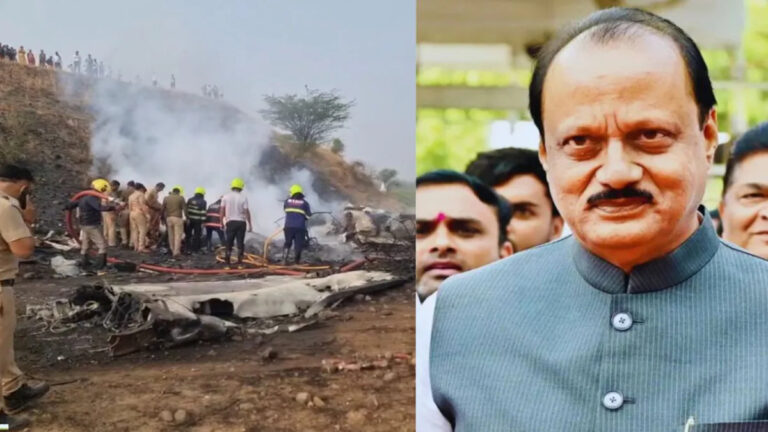
New Delhi, April 29, 2026: NCP (SP) MLA Rohit Pawar has raised serious questions regarding the financial dealings between the Maharashtra state government and VSR Ventures, the aviation company operating the aircraft involved in the fatal crash that claimed the life of then-Deputy Chief Minister Ajit Pawar earlier this year.

In a recent development, Rohit Pawar alleged that the government cleared substantial payments to the aviation firm in the immediate aftermath of the January 28 tragedy. During a visit to the Criminal Investigation Department (CID) office in Pune this week, the MLA claimed that the government disbursed approximately ₹145 crore to VSR Ventures between the date of the crash and the end of March 2026.

Allegations of Financial Irregularities

Rohit Pawar, who has been vocal about his concerns regarding the investigation, highlighted a timeline of payments that he described as “unusually swift.”

According to the MLA, the state government continued to process bills for VSR Ventures at an accelerated pace even as other state obligations remained pending. Specifically, he alleged that:

  • January 27: A payment of ₹15.72 crore was released.
  • January 28 (Day of the crash): A payment of ₹9.81 crore was released.
  • January 29: A payment of ₹16.86 crore was cleared, even as the final rites for Ajit Pawar were being performed in Baramati.

“While contractors, farmers, and students have been struggling to secure their dues, the government found it prudent to clear a total of ₹145 crore to VSR Ventures in the two months following the tragedy,” Rohit Pawar stated while speaking to the press.

Demands for a Transparent Probe

This latest allegation marks the third time Rohit Pawar has visited the CID office to seek updates on the status of the investigation. Expressing frustration over the perceived lack of progress, he noted that he was unable to meet with senior officials during his visit, as many were reportedly in Mumbai for a cricket match.

The MLA has also raised concerns about the handling of the probe, arguing that investigators have failed to adequately question key figures associated with the aviation firm. He specifically pointed out that the owner of VSR Ventures, V.K. Singh, has been summoned only once, while his son, Rohit Singh, has not been questioned by the CID.

Link to ‘Godman’ and Conspiracy Theories

Beyond the financial allegations, Rohit Pawar has urged the CID to investigate potential links between the crash and a Nashik-based individual, Ashok Kharat.

Rohit Pawar alleged that occult rituals were reportedly performed in proximity to Ajit Pawar’s residences in Baramati and Mumbai, and that a local political figure had been in contact with Kharat. He emphasized that the police must determine whether these rituals were linked to a larger conspiracy, noting that transactions in Kharat’s account showed a “sudden increase” around the time of the tragedy.

Background on the Incident

On January 28, 2026, a Learjet 45 operated by VSR Ventures crashed near the Baramati airport while en route from Mumbai. The crash resulted in the death of Ajit Pawar and four others.

In the months following the incident, the case has been subject to multiple layers of inquiry. While the Aircraft Accident Investigation Bureau (AAIB) has been conducting a separate technical inquiry, Rohit Pawar has consistently pushed for the CID to take a more central role, expressing skepticism regarding the transparency of other investigative bodies.

The MLA’s call for a criminal investigation, which he initiated by filing a “Zero FIR” in Bengaluru shortly after the incident, continues to gain momentum as the public demands clarity on whether the tragedy was a preventable accident or the result of systemic negligence and foul play.

As of now, the government and relevant aviation authorities have maintained that investigations are ongoing and are being conducted in accordance with standard safety protocols. The state administration has yet to formally respond to the specific allegations regarding the timing and nature of the payments made to VSR Ventures.

FIR Lodged as Tourists Ignite Fireworks at Kedarnath Shrine

0

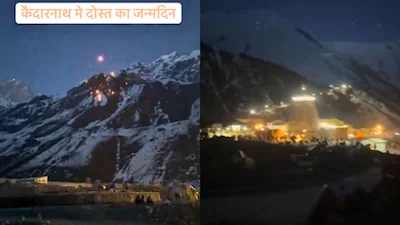
New Delhi, April 29, 2026: A serious violation of religious sanctity has been documented today, April 29, 2026, after a viral video surfaced showing a group of tourists bursting firecrackers within the prohibited zone of the Kedarnath Temple. The footage, which has sparked massive national outrage, depicts a group celebrating a birthday late at night in the high-altitude Himalayan region. The “truth” behind the digital stir reveals a blatant disregard for the eco-sensitive and spiritual nature of the Kedarnath Valley, leading to an immediate and stern response from the Uttarakhand authorities.

The interaction was observed during the late-night hours near the temple premises, where loud explosions and bright lights were recorded by other pilgrims. In the viral clips, which have been shared thousands of times on X and Instagram, several individuals are seen cheering as crackers are set off against the backdrop of the ancient shrine. It is reported by local witnesses that the “mechanical necessity” of maintaining silence and peace in the inner circle of the temple was ignored, causing distress to fellow devotees and local wildlife.

Zero Tolerance Policy: Police Action and Legal Repercussions

The reaction from the digital community was immediate and sharply critical of the irresponsible behavior shown by the tourists. It is argued by many social media users that such acts of celebration are “disrespectful” to the deity and hazardous to the fragile mountain ecosystem. On various platforms, the footage was utilized as evidence for the police, who were urged to take the strictest possible action to prevent such incidents from recurring during the peak yatra season.

The impact of the video prompted a swift intervention from the Rudraprayag Police, who officially filed a First Information Report (FIR) against the identified individuals. It is noted by commentators that once the story reached the senior administration, the perpetrators were tracked using CCTV footage and hotel registration records. The passive role of the local security—which had initially missed the act—was replaced by an intensive crackdown as the viral video became a symbol of the struggle to preserve the dignity of the Char Dham shrines.

Also Read: Local Captain’s Viral Video Exposes Treacherous Jupiter Inlet Sandbar

Preserving Sanctity: New Directives for Himalayan Pilgrims

Following the successful identification of the accused, a wider discussion regarding the implementation of stricter entry checks has been reignited. It is reported that the Shri Badrinath-Kedarnath Temple Committee (BKTC) has called for a total ban on carrying inflammable substances beyond certain base camps. While the legal proceedings have now been initiated against the tourists, the incident is being cited as a landmark case for the enforcement of the “Maryada” (code of conduct) at holy sites.

As of the afternoon of April 29, 2026, the story remains a top trending topic in the “National News” and “Spiritual Awareness” categories. While the yatra continues with heightened vigilance, the digital record of the arrest stands as a testament to the power of public vigilance in protecting sacred spaces. For now, the story stands as a digital reminder: the mountains are a place for prayer, and the sanctity of the Himalayas should never be compromised for the sake of a viral celebration.

When Fifth Avenue Became a Stage: How an Indian Baraat Transformed New York Busiest Street

0

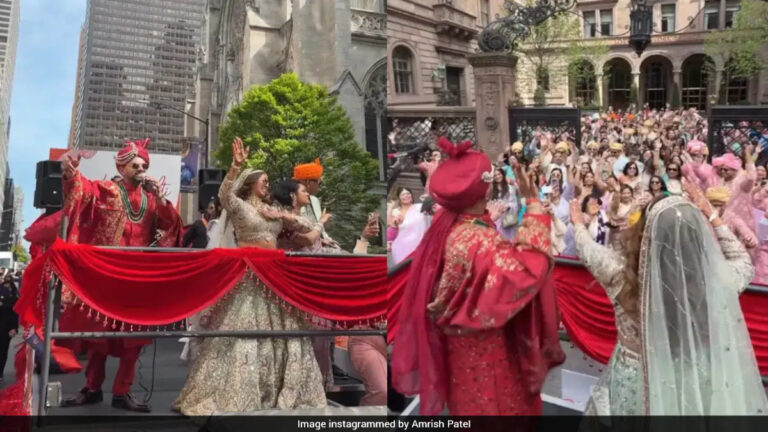
29, April 2026: In a stunning display of cultural fusion and pure, unadulterated joy, the heart of Manhattan—specifically the iconic Fifth Avenue—was recently transformed into a vibrant, high-energy stage. For a few hours, the world’s most prestigious shopping thoroughfare, usually synonymous with high-end luxury, Gucci displays, and the relentless hum of urban traffic, became the backdrop for a spectacular “Big Fat Indian Wedding” procession.

This was not just any baraat (the traditional groom’s wedding procession); it was an impromptu concert, a cultural statement, and a viral sensation that has captured the internet’s imagination across two continents.

A Wedding Like No Other

The stars of this grand spectacle were Pankti Doshi, a genetic counsellor, and Dr. Avish Jain, a medical journalist and professional singer. Rather than opting for a traditional entrance with a pre-recorded playlist or a hired DJ truck, the couple decided to take center stage themselves.

Standing atop an open-air vehicle, the couple led their procession not just as the bride and groom, but as the main performers. With microphones in hand and a crowd of guests in vibrant, traditional Indian ethnic wear dancing joyously behind them, they turned a simple transit from one point to another into a live concert. The groom, Dr. Jain, showcased his vocal talents, belting out popular Bollywood chartbusters that echoed through the canyons of Midtown Manhattan.

The video of the event, captured by renowned wedding content creator Amrish Patel, shows the couple in their element—smiling, singing, and fully immersed in the celebration. The sight of saris and sherwanis swirling against the grey stone architecture of Fifth Avenue offered a surreal and beautiful juxtaposition that quickly went viral on social media platforms like Instagram, clocking in over a million views in just days.

More Than Just a Celebration

While the viral clip highlights the joy of the couple, it also serves as a fascinating case study in how the Indian diaspora is reshaping the urban landscape of global cities. Traditionally, the baraat is a boisterous affair—a sensory overload of rhythmic dhol beats, dancing, and elaborate outfits meant to herald the arrival of the groom at the wedding venue.

To bring this level of energy to the streets of New York is no small feat. Fifth Avenue is not merely a street; it is a global landmark. It is home to some of the world’s most expensive real estate and retail hubs. Hosting an event of this scale here requires meticulous planning. As reports have clarified, the couple did not simply “take over” the street in a disorderly fashion. The event was part of a coordinated effort, involving the necessary city permits and cooperation with local authorities, including the New York Police Department (NYPD).

This level of professional planning is becoming a hallmark of modern destination weddings, where couples increasingly want to balance the authenticity of their cultural traditions with the logistical requirements of major metropolitan cities.

The Digital Reaction: A Mix of Awe and Debate

The internet, as is its nature, has been divided in its reaction to the spectacle. On one hand, there is widespread appreciation for the couple’s courage and creativity. Users across social media have flooded the comments section with praise, calling the entrance “joyful,” “empowering,” and a beautiful example of how culture can transcend borders. Many viewers, particularly those from the Indian diaspora, expressed a sense of pride seeing their heritage showcased on such a prestigious global stage.

However, the event has also sparked a necessary conversation about the use of public spaces in busy cities. Some critics have raised questions regarding the scale of such celebrations and whether it constitutes a disruption to the daily lives of residents and tourists. The debate touches on a larger issue: how do major cities like New York, which are hubs of diverse cultures, balance the rights of communities to celebrate their identity with the need to maintain the flow of a bustling city?

Regardless of the debate, the event has undeniably succeeded in its primary goal: creating a once-in-a-lifetime memory for the couple. In the words of one observer, the baraat wasn’t just a wedding entrance; it was a “declaration of presence.”

A Growing Trend of “Desi” Takeovers

This is not the first time New York City has seen the vibrant colors of an Indian wedding spilling onto its streets. Last year, a similar video made waves when nearly 400 people participated in a baraat that danced through the heart of the Financial District, temporarily turning Wall Street into a celebration of music and dance.

These events underscore a significant shift in how weddings are being perceived and executed. The “Destination Wedding” has evolved from simple beach ceremonies to “Cultural Immersions,” where the destination itself—be it a street in Manhattan or a palace in Rajasthan—becomes a character in the wedding story.

The Takeaway

As the video continues to circulate, it serves as a powerful reminder of the global nature of modern traditions. Pankti and Avish’s wedding was more than just a union of two people; it was a synthesis of East and West, tradition and modernity, and, most importantly, a testament to the fact that when we celebrate with authenticity, the entire world stops to watch.

For those planning their own big day, this viral moment offers a clear lesson: whether you choose a quiet, intimate ceremony or a grand procession down the world’s most famous avenue, the most memorable weddings are those that reflect the true spirit of the couple.

And for the rest of us? We have a new gold standard for wedding entrances. The bar has been set, and it’s singing loudly on Fifth Avenue.