Home Blog Page 114

Viral Reality Check Exposes Health Risks of Paper Cups

0

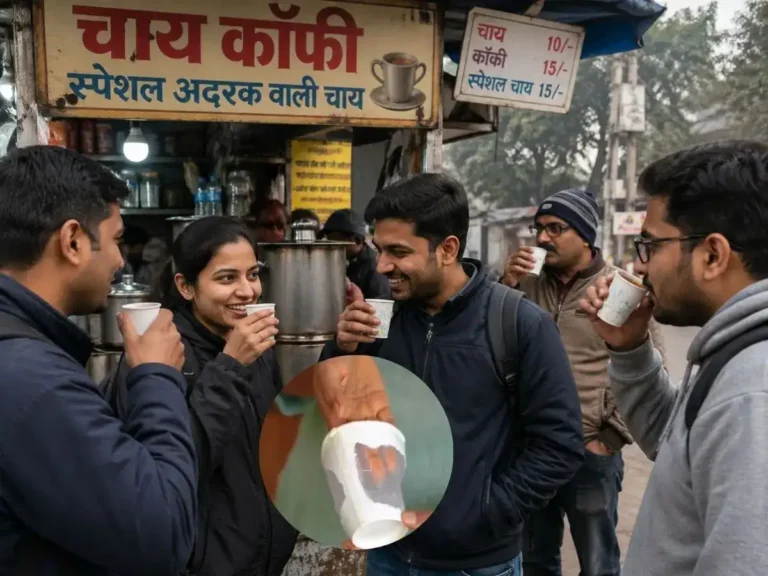
New Delhi, April 25, 2026: A startling revelation regarding everyday coffee and tea habits has taken social media by storm today, April 25, 2026. A viral video circulating on platforms like X and Instagram is challenging the long-held belief that paper cups are a safer, eco-friendly alternative to plastic. The “truth” behind the demonstration, which has amassed millions of views, reveals that what appears to be a simple paper container is often observed to be lined with a hidden layer of polyethylene plastic to prevent leaks and maintain structural integrity when filled with hot liquid.

The interaction was observed to have been captured by a content creator who demonstrated the “peel test,” showing a thin, transparent plastic film separating from the paper shell. In the viral clips, it is claimed that pouring hot beverages at temperatures of $85\text{–}90^{\circ}\text{C}$ into these cups for just 15 minutes can release approximately 25,000 microplastic particles into a single 100 ml drink. This “microplastic tea” has been described by health advocates as a silent contributor to long-term physical issues, as these invisible fragments are ingested with every sip.

More Than Just Microplastics: The Chemical Leaching Concern

The reaction from the digital community has been one of shock and immediate concern, with many users tagging food safety authorities for stricter regulations. It is argued by researchers cited in the video that beyond microplastics, the heat-induced breakdown of the plastic lining may release trace amounts of heavy metals such as lead, chromium, and cadmium. On various wellness forums, the footage has been shared alongside warnings about endocrine disruptors like BPA, prompting a surge in the hashtag #PaperCupReality as users rethink their daily office and street-side chai rituals.

The impact of the video has prompted a wider discussion about the “greenwashing” of disposable products. It is noted by environmentalists that the very plastic lining that keeps the cup from leaking also makes it nearly impossible to recycle in standard facilities. The passive role of the consumer—who often chooses paper believing it to be the “cleaner” option—has been cited as a primary target for this awareness campaign, which suggests that the most sustainable and healthy choice is to carry a personal stainless steel or glass container.

Also Read: K. Kavitha Launches ‘Telangana Rashtra Sena’, Targets BRS Leadership in Major Political Shake-up

A Simple Switch: Reclaiming Health with Reusable Alternatives

Following the viral spread of the “Reality Check” clip, many popular cafe chains and hospital cafeterias have come under scrutiny for their continued reliance on lined paper cups. It is reported that the video concludes with a practical solution: a shift back to traditional materials like steel, ceramic, or glass. The passive wait for the industry to develop truly biodegradable, plastic-free coatings is being bypassed by a growing movement of individuals who are now seen carrying their own flasks to avoid the “hidden plastic” altogether.

As of the afternoon of April 25, 2026, the “Paper Cup vs. Plastic” debate remains a top trending topic in the health and environmental categories. While the convenience of disposables is hard to match, the digital record of the plastic film peeling away serves as a permanent testimony to the hidden costs of modern convenience. For now, the story stands as a digital reminder: the safest cup is the one you bring yourself, ensuring that the only thing you consume is the drink you actually ordered.
K. Kavitha Launches ‘Telangana Rashtra Sena’, Targets BRS Leadership in Major Political Shake-up

0

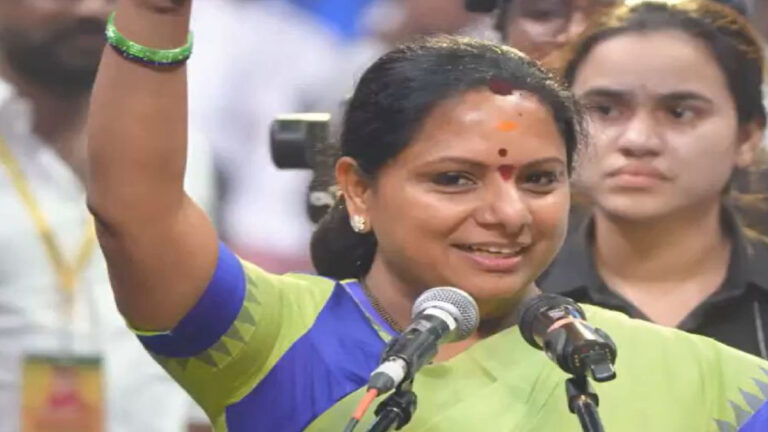
New Delhi, April 25, 2026 – In a move that has sent shockwaves through Telangana’s political landscape, former Bharat Rashtra Samithi (BRS) leader and daughter of former Chief Minister K. Chandrasekhar Rao (KCR), K. Kavitha, officially launched a new political party on Saturday, April 25, 2026. Under the banner of the “Telangana Rashtra Sena” (TRS), Kavitha has vowed to reclaim the “original spirit” of the statehood movement, signaling a sharp, direct challenge to the BRS leadership.

The launch, held at a convention center in the outskirts of Hyderabad, marks the culmination of months of speculation following Kavitha’s turbulent exit from the BRS last year.

A Symbolic Rebranding

The choice of the name “Telangana Rashtra Sena” is arguably the most striking aspect of the launch. The acronym—TRS—is identical to the original name of the party founded by her father, KCR, which spearheaded the Telangana statehood agitation for over a decade. In 2022, the party transitioned into the Bharat Rashtra Samithi (BRS) to signal national ambitions.

By reviving the “TRS” moniker, Kavitha appears to be staking a claim to the legacy of the movement, positioning her new outfit as the rightful successor to the ideology that originally birthed the state of Telangana.

“BRS Has Lost Its Soul”

Speaking to a crowd of supporters, Kavitha did not mince words regarding her former party. She explicitly criticized the BRS leadership, claiming that the party has “lost its soul” and drifted away from the core issues that once bound it to the people of Telangana.

“The BRS party was made to fulfill the regional aspirations of Telangana, but they changed their name, their work, and their very soul,” Kavitha stated during her address. “When a party gets distracted from its fundamental core issue, it cannot survive. We need a regional party that remains committed to the unfulfilled agenda and aspirations of our state.”

Kavitha also addressed her departure from the BRS, clarifying that her exit was not voluntary. She stated that she and her supporters were expelled from the party in September 2025 following internal conflicts, specifically citing deep disagreements with senior party leaders, including T. Harish Rao and J. Santosh Kumar.

The Agenda: Five Pillars

Kavitha outlined a clear, five-point manifesto for her new party, focusing on areas she believes have been neglected by both the current Congress government and the BRS:

  1. Vidya (Education): Revamping the public education system to empower youth.
  2. Vaidyam (Healthcare): Ensuring accessible and high-quality medical services for all.
  3. Vyavasayam (Agriculture): Supporting farmers with sustainable policies and market access.
  4. Vyaparam (Entrepreneurship): Fostering a startup and business-friendly environment for local talent.
  5. Samajika Nyayam (Social Justice): Ensuring equitable development for marginalized communities and women.

A Challenge to the Establishment

The launch of the Telangana Rashtra Sena sets the stage for a complex political battle in the state. By launching a new regional force, Kavitha is effectively positioning herself to court the traditional BRS vote bank, while simultaneously attacking the governance of the incumbent Congress party.

Addressing the crowd, she painted herself as a “daughter of Telangana” with two decades of experience in the statehood movement. She dismissed claims that she was acting under the influence of any other party, asserting that the TRS would be an “independent regional force” that refuses to act as a puppet for anyone.

What Lies Ahead?

Political analysts are already dissecting the impact of this move. With the next election cycle approaching, the emergence of a new “TRS” could lead to a fragmentation of the regional vote, potentially complicating the electoral math for both the BRS and the Congress.

For the BRS, led by her father KCR, this development represents a major crisis. The public split of a prominent family member, combined with the loss of a recognizable brand name, creates an uncomfortable optics battle. Kavitha’s ability to mobilize her former network and capture the imagination of voters will be the true test in the coming months.

As she concluded her launch speech, Kavitha remained defiant: “We are very stubborn, very committed to our goal. To develop Telangana, to fulfill its aspirations—whether we have our old party or not—the people of Telangana are my family. Our time is now.”

With the flag of the new TRS now raised, the political climate in Telangana has undeniably entered a new, volatile chapter. Whether this new party can evolve into a major force or remain a disruptor, only time will tell.

Joyful Dance Stuns President Trump After Hearing Restoration

0

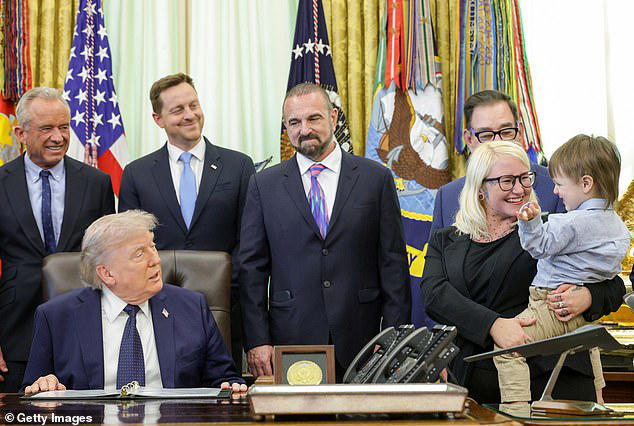
New Delhi, April 25, 2026: A heartwarming video capturing a historic moment of pure joy inside the White House has emerged as a global viral sensation today, April 25, 2026. The footage, which was recorded during a private meeting in the Oval Office, depicts a two-year-old boy celebrating a life-changing medical milestone. The “truth” behind the viral clip involves a revolutionary gene therapy treatment that was observed to have fully restored the child’s hearing after he was born profoundly deaf.

The interaction was observed to have been captured by staff members as the toddler, upon hearing music for one of the first times, broke into a spontaneous and energetic dance. In the viral clips shared across platforms like X and Instagram, President Trump is seen watching in visible amazement, momentarily stepping away from his desk to applaud the young boy’s rhythm. This “miracle dance” has been described by viewers as a powerful testimony to the rapid advancements in medical science and the human spirit’s capacity for celebration.

From Silence to Sound: The Journey of a Medical Breakthrough

The reaction from the digital community has been one of overwhelming positivity, with the video amassing over 50 million views within a few hours of its release. It is argued by medical experts that the “miracle” treatment seen in the child is a result of cutting-edge research into auditory nerve regeneration. On various health and news forums, the footage has been shared as a symbol of hope for thousands of families, prompting a surge in the hashtag #OvalOfficeMiracle as users celebrate the boy’s first steps into a world filled with sound.

The impact of the video has prompted a wider discussion about the accessibility of high-tech medical treatments for children across the country. It is noted by commentators that the child’s unfiltered joy—expressed through leaps and twirls on the famous blue carpet—served as a bridge between the clinical world of medicine and the emotional reality of a family’s dream. The passive role of the President, who was filmed laughing and pointing at the toddler’s impressive footwork, has been cited as a rare moment of lightheartedness in the often-stern environment of the executive office.

Also Read: Mother Asking Child “How Will You Live Without Me?” Touches Millions

A Symphony of Hope: Why the World is Watching

Following the viral spread of the “Toddler’s Trump Dance” clip, the family of the boy is reported to have expressed their gratitude for the support received from the medical community. It is reported that the child began reacting to sound just days after the procedure, culminating in this high-profile visit to the capital. The passive wait for the child’s recovery was rewarded with a performance that has now been etched into the digital history of 2026, serving as a permanent testimony to the life-altering power of innovation.

As of the afternoon of April 25, 2026, the “Miracle Hearing Dance” remains a top trending topic in the global news and inspirational categories. While the political world continues its daily churn, the digital record of a small boy hearing music and dancing in the heart of power serves as a beautiful reminder of what truly matters. For now, the story stands as a digital testimony: sometimes the most profound statements are made without a single word, spoken instead through the happy feet of a child who can finally hear the world’s song.

Mother Asking Child “How Will You Live Without Me?” Touches Millions

0

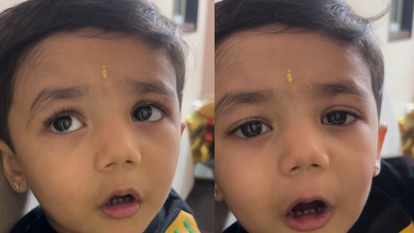
New Delhi, April 25, 2026: A deeply emotional video featuring a heartfelt conversation between a young child and his mother has emerged as a significant viral sensation today, April 25, 2026. The footage, which has been widely shared across platforms like Instagram and X, depicts a quiet moment where the mother poses a difficult hypothetical question. The “truth” behind the viral trend centers on the child’s unfiltered and poignant response, which was observed to have moved viewers to tears while simultaneously sparking a debate about the emotional impact of such questions on young minds.

The interaction was observed to have been recorded at home, where the mother is heard asking her son, “If I go away somewhere and never come back, what will you do?” In the viral clips, the child’s initial confusion is seen quickly turning into a profound display of love and attachment. This “tear-jerking” moment has been described by social media users as a raw look at the unbreakable bond between a parent and child, capturing a level of sincerity that only a child can provide.

A Heartbreaking Answer: Love in its Purest Form

The reaction from the digital community has been a mixture of overwhelming affection and critical concern, with the video amassing millions of views within a few hours. It is argued by many that the child’s response—where he reportedly promised to “love her through her photos” before breaking down into tears—highlights the deep-seated fear of separation inherent in early childhood. On various parenting forums, the footage has been shared with emotional captions, prompting a surge in the hashtag #MotherChildBond as users reflect on the innocence of the boy’s grief and his plea for his mother to stay forever.

The impact of the video has also prompted a wider discussion about the psychological effects of “testing” a child’s emotions for social media content. It is noted by child experts that while the response is undeniably sweet, the stress visible on the child’s face when he asks, “Will you die?”, is a reminder of how literally children process such scenarios. The passive role of the audience—who are seen leaving thousands of “weeping” emojis—has turned this private family dialogue into a global conversation about the weight of a mother’s presence in a child’s world.

Also Read: Bicycle Toll Charge in Bengaluru Sparks Public Outcry

The Power of “I Love You”: Why the Video Resonates

Following the viral spread of the “How Will You Live?” clip, the mother is reported to have shared a follow-up video showing her comforting the child and reassuring him of her constant presence. It is reported that the original intent was to capture a “sweet memory,” but the intensity of the child’s reaction caught the family by surprise. The passive wait for the child to stop crying was met with a warm embrace and the promise of a heart symbol made with their hands, serving as a permanent testimony to the security children seek from their parents.

As of the afternoon of April 25, 2026, the “Mom and Son Emotional Q&A” remains a top trending topic in the lifestyle and parenting categories. While some critics argue that such moments should remain private, the digital record of the child’s devotion serves as a beautiful, if heavy, reminder of the unconditional love that defines the early years of life. For now, the story stands as a digital testimony: a child’s world is built entirely around the presence of their mother, and even the thought of her absence is enough to move the entire world to tears.

Bicycle Toll Charge in Bengaluru Sparks Public Outcry

0

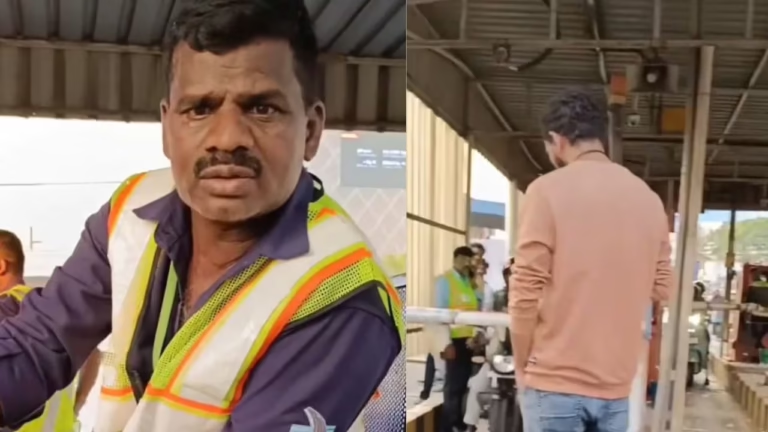
New Delhi, April 25, 2026: A wave of disbelief and anger has been ignited across social media platforms following the emergence of a video involving a cyclist at a toll plaza in Bengaluru. The footage, which began circulating on April 24, 2026, depicts a commuter being asked to pay a fee of $Rs 25$ for his bicycle to pass through a designated booth. The “truth” behind the viral clip reveals a moment of confusion and frustration, as the cyclist was observed arguing with a toll collector who insisted that a receipt must be generated for the two-wheeled vehicle.

The interaction was observed to have been captured by the cyclist himself, who expressed his shock at being taxed for a mode of transport that is globally promoted for its environmental benefits. In the viral clips shared on X and Instagram, a receipt is clearly seen being handed over to the rider, marking what many are calling a “bizarre first” in the city’s infrastructure management. This “toll on pedals” has been described by local commuters as a discouraging move that contradicts the government’s stated goals of reducing vehicular pollution and traffic congestion.

Infrastructure or Injustice? The Debate Over Non-Motorized Tolls

The reaction from the digital community has been overwhelmingly critical, with the video amassing over 3 million views within a single day. It is argued by urban planning experts that bicycles are traditionally exempt from toll taxes worldwide due to their negligible impact on road wear and tear. On various civic forums, the footage has been shared with messages of mockery and concern, prompting a surge in the hashtag #BicycleToll as users question whether this is a legitimate policy or an unauthorized collection by a private contractor.

The impact of the video has prompted a wider discussion about the safety and accessibility of Bengaluru’s roads for cyclists. It is noted by cycling enthusiasts that while dedicated lanes are often missing, the imposition of a “user fee” adds insult to injury for those choosing eco-friendly travel. The passive role of the authorities—who have yet to clarify if this was an isolated error or a new regulation—has been cited as a point of significant tension, leading to calls for an immediate audit of the toll plaza’s operations.

Also Read: Couple’s High-Energy Sangeet Performance Goes Viral Online

Seeking Clarity: The Demand for Cycle-Friendly Policies

Following the viral spread of the “Rs 25 Bicycle Charge” clip, several advocacy groups in Bengaluru have initiated a campaign to ensure that non-motorized transport remains free of cost. It is reported that the specific toll booth mentioned in the video is located on a major arterial road frequently used by workers and fitness enthusiasts. The passive wait for a formal statement from the National Highways Authority is being accompanied by a growing movement of “protest rides” through the city’s major junctions.

As of the afternoon of April 25, 2026, the “Bengaluru Cycle Toll” remains a top trending topic in the civic and transport categories. While the receipt in the video serves as physical evidence of the transaction, the digital record of the incident serves as a permanent testimony to the challenges faced by the city’s green commuters. For now, the story stands as a digital reminder: in the quest for revenue, the value of a sustainable future should never be taxed out of existence.

Couple’s High-Energy Sangeet Performance Goes Viral Online

0

New Delhi, April 25, 2026: A breathtaking dance performance by a young couple during a pre-wedding Sangeet ceremony has emerged as a major viral sensation across digital platforms today, April 25, 2026. The footage, which has been widely shared on Instagram and YouTube, depicts a perfectly synchronized routine that has left viewers mesmerized. The “truth” behind the viral trend reveals a couple who were observed to have combined traditional Bollywood steps with modern flair, creating a high-energy spectacle that became the undisputed highlight of the wedding festivities.

The interaction was observed to have been recorded by a professional wedding photographer and shared as a “Sangeet Highlight” clip. In the viral video, the bride and groom are seen delivering a performance marked by impeccable timing and infectious energy. This “stage-on-fire” moment has been described by online viewers as a masterclass in wedding choreography, where the joy of the occasion was beautifully translated into every movement and beat.

Expressions and Elegance: The Magic of the Performance

The reaction from the digital community has been one of overwhelming admiration for the couple’s expressive storytelling. It is argued by dance enthusiasts that the performance was not just about the steps, but about the “nakhre” (playful attitude) and facial expressions that brought the music to life. On various social media threads, the footage has been celebrated for the visible chemistry between the pair, prompting a surge in the hashtag #SangeetGoals as users praise the couple for their months of dedicated practice and coordination.

The impact of the video has prompted a wider discussion about the evolution of Indian wedding performances from simple folk dances to professional-grade entertainment. It is noted by wedding planners that such high-quality routines have become a central part of the modern “Big Fat Indian Wedding” experience. The passive role of the audience—who are seen in the video cheering wildly and recording the moment on their phones—has been cited as a testament to how a single performance can elevate the mood of an entire gathering.

Also Read: Diplomatic Gamble in Islamabad: Witkoff and Kushner Lead U.S. Push for Iran Talks

A Trending Celebration: Why the Internet Can’t Stop Watching

Following the viral spread of the “Sangeet Dance” clip, several choreography schools have reported an increase in inquiries for similar high-tempo wedding routines. It is reported that the couple chose a medley of trending tracks, ensuring that the performance resonated with guests of all ages. The passive wait for the next viral wedding dance is being fueled by this clip, which serves as a permanent testimony to the idea that a wedding is as much a celebration of talent and art as it is of love and union.

As of the afternoon of April 25, 2026, the “Sangeet Couple Performance” remains a top trending topic in the lifestyle and entertainment categories. While the wedding itself has concluded, the digital record of the couple’s “dhamaakedar” performance continues to inspire future brides and grooms to take the stage with confidence. For now, the story stands as a digital reminder: when passion meets rhythm on the dance floor, the result is a memory that lasts a lifetime and a video that wins hearts across the globe.

Diplomatic Gamble in Islamabad: Witkoff and Kushner Lead U.S. Push for Iran Talks

0

New Delhi, April 25, 2026 — The diplomatic machinery of the United States and Iran has converged on the Pakistani capital this weekend, setting the stage for what officials hope could be a path to de-escalation, yet observers remain cautious as the prospects for direct dialogue remain clouded by uncertainty.

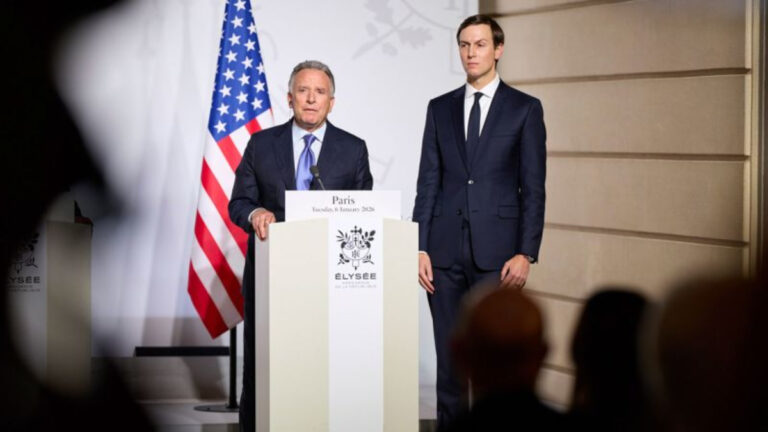
On Saturday morning, April 25, 2026, U.S. Special Envoy Steve Witkoff and former senior White House advisor Jared Kushner arrived in Islamabad. Their mission, confirmed by White House Press Secretary Karoline Leavitt on Friday, is to engage in a new round of talks aimed at addressing the ongoing conflict between the United States and Iran. However, as the delegation landed, the primary question lingering over the diplomatic proceedings is whether the parties involved are actually prepared to sit across from one another.

A High-Stakes Mission

The visit comes at a precarious moment in the broader West Asian conflict. Tensions have remained elevated for months, with global energy markets shaken by disruptions in the Strait of Hormuz and a U.S.-led naval blockade of Iranian ports.

President Donald Trump, who has been navigating a complex strategy of pressure and limited diplomatic overtures, unilaterally extended a two-week ceasefire with Iran earlier this week. The extension was seen as a deliberate 11th-hour move to create a “diplomatic window,” providing negotiators the space to pivot from battlefield tactics to the bargaining table.

“The Iranians want to talk,” Leavitt told reporters at the White House on Friday, framing the mission as a direct response to perceived progress. “They want to talk in person, and the president is always willing to give diplomacy a chance. We hope progress will be made.”

The U.S. delegation, led by Witkoff and Kushner, carries the weight of a presidency that has oscillated between firm warnings of economic collapse for Tehran and a stated desire to avoid a wider, uncontrollable war. Vice President J.D. Vance, who spearheaded the first, ultimately unsuccessful round of talks earlier this month, remains in the United States on “standby,” ready to join the delegation if initial discussions show promise.

The Iranian Narrative: A Cautious Approach

If the White House is projecting optimism, the Iranian government is projecting skepticism. As news of the American envoys’ departure broke, officials in Tehran appeared to move in the opposite direction.

Iranian Foreign Minister Abbas Araghchi, who also arrived in Islamabad on Friday, has maintained a disciplined public stance. Iranian state media and official spokespeople have pushed back against the narrative of a pre-planned U.S.-Iran summit. Esmaeil Baqaei, the Iranian Foreign Ministry spokesperson, stated clearly on social media that no meeting with the U.S. delegation was on the agenda.

“FM Araghchi will be meeting with Pakistani high-level officials in concert with their ongoing mediation,” Baqaei stated. The implication is that any potential communication between Washington and Tehran will be strictly indirect, likely conducted through the good offices of the Pakistani government.

For the Iranian leadership, the optics of these talks are as important as the substance. Engaging in direct negotiations could be seen domestically as a concession under the pressure of the U.S. naval blockade and the recent string of military losses. By keeping the talks mediated, Tehran avoids the appearance of direct compliance while still testing the U.S. position.

Also Read: Viral Clip of “Gay Music” Played for Unborn Baby

Why Islamabad?

The choice of Islamabad as the venue for this diplomatic drama is not accidental. Pakistan has long maintained a delicate balancing act in regional geopolitics, seeking to preserve strong ties with both the United States and its neighbor, Iran.

For Pakistan, success in facilitating a breakthrough would be a massive diplomatic victory, bolstering its standing as a regional stabilizer. However, the costs of being the host are visible on the streets. Islamabad has been under a tight security lockdown for over a week. Arterial roads are sealed, the “Red Zone”—which houses key government buildings and foreign embassies—is under a strict security cordon, and businesses in the commercial districts are facing significant disruptions.

For the residents of the capital, the uncertainty is palpable. This is the second major lockdown in recent weeks, leaving many to wonder if the high-level shuttle diplomacy will lead to peace or merely extend the period of regional instability.

The Broader Context: A Region on Edge

The urgency behind these talks is driven by the reality on the ground. The conflict has moved beyond rhetoric into a tangible crisis for the global economy.

The Strait of Hormuz, a critical artery for global energy, remains a flashpoint. While the U.S. blockade continues to squeeze Iran’s economy, there is growing anxiety in international capitals—notably in Brussels—about the long-term impact on global fuel prices. European Commission President Ursula von der Leyen recently noted that European security is intrinsically linked to the stability of the Persian Gulf, warning that disruptions there act as an immediate threat to the European industrial base.

Furthermore, internal Iranian developments have added a layer of complexity. Reports from the New York Times suggest that the new Iranian leader, Mojtaba Khamenei, remains in a stable, albeit wounded, condition following the strike that claimed his predecessor. While the leadership succession seems to have held, the regime is grappling with internal dissent, evidenced by recent security actions and harsh crackdowns on perceived sabotage within the country.

The Road Ahead

As Witkoff and Kushner begin their work in Islamabad, the international community is left to parse the conflicting messages coming out of the meetings.

Are the two sides closer to a deal than they are publicly admitting? Or is this, like the previous round, destined to end in a deadlock?

The White House seems to be betting on the latter scenario being avoidable. By deploying high-profile envoys rather than mid-level diplomats, the Trump administration is signaling that it is treating this as a serious attempt to end the war. Yet, the persistent Iranian denial of direct talks suggests that the “breakthrough” the White House hopes for is far from guaranteed.

For now, the world watches Islamabad. Whether this mission results in a historic de-escalation or another missed opportunity remains to be seen. What is clear, however, is that the clock is ticking—not just for the negotiators in the room, but for a region bracing for the consequences of the next move.

Zepto Weight Mismatch as Customer Weighs Vegetables

0

New Delhi, April 25, 2026: A startling video highlighting a significant discrepancy in quick-commerce deliveries has emerged as a major viral sensation across social media platforms today, April 25, 2026. The footage, which has been widely shared on X and Instagram, depicts a customer in an urban apartment weighing his freshly delivered groceries on a digital kitchen scale. The “truth” behind the viral clip reveals that a bag of vegetables, which was ordered as 1 kilogram, was observed to weigh only 800 grams upon arrival, sparking a heated debate about the accuracy of quick-delivery services.

The interaction was observed to have been recorded by the frustrated customer immediately after receiving the package from a Zepto delivery partner. In the viral clips, the digital scale is seen displaying the lower weight multiple times as the customer expresses his disbelief at the 20% deficit. This “caught red-handed” moment has been described by online viewers as a wakeup call for shoppers who typically trust the pre-packaged weights provided by rapid-delivery apps.

Precision or Pilferage? The Debate Over Short-Weight Deliveries

The reaction from the digital community has been one of immediate concern and skepticism, with the video amassing hundreds of thousands of views within a few hours. It is argued by many users that while minor weight variations due to moisture loss are expected in fresh produce, a 200-gram difference on a 1-kilogram order is inexcusable. On various consumer rights forums, the footage has been shared with calls for stricter quality control at the “dark stores,” prompting a surge in the hashtag #ZeptoWeightScam as users share their own experiences of suspicious quantity mismatches.

The impact of the video has prompted a wider discussion about the speed-versus-accuracy trade-off in the 10-minute delivery model. It is noted by retail experts that the immense pressure on packers to meet strict delivery timelines may lead to such “errors” becoming a regular occurrence. The passive role of the customer—who felt compelled to verify the weight with his own equipment—has been cited as a sign of declining trust in the “promises” of convenience-driven tech giants.

Also Read: Viral Clip of “Gay Music” Played for Unborn Baby

Demand for Accountability: Zepto Under the Social Media Lens

Following the viral spread of the “800 Grams” clip, several other customers have started posting similar videos of themselves weighing milk, pulses, and vegetables delivered by various apps. It is reported that a formal response from the platform’s customer support team is being awaited, as the original poster claimed that his initial complaint was met with automated responses. The passive wait for a refund or a replacement has been bypassed by the power of social media, forcing the company to address the issue of weight verification at the dispatch level.

As of the afternoon of April 25, 2026, the “Zepto Vegetable Mismatch” remains a top trending topic in the tech and consumer awareness categories. While the convenience of quick commerce remains undeniable, the digital record of this discrepancy serves as a permanent testimony to the importance of vigilance in the digital marketplace. For now, the story stands as a digital reminder: even in the age of 10-minute miracles, the oldest rule of the market remains true—the weight on the scale is the only thing that counts.

Viral Clip of “Gay Music” Played for Unborn Baby

0

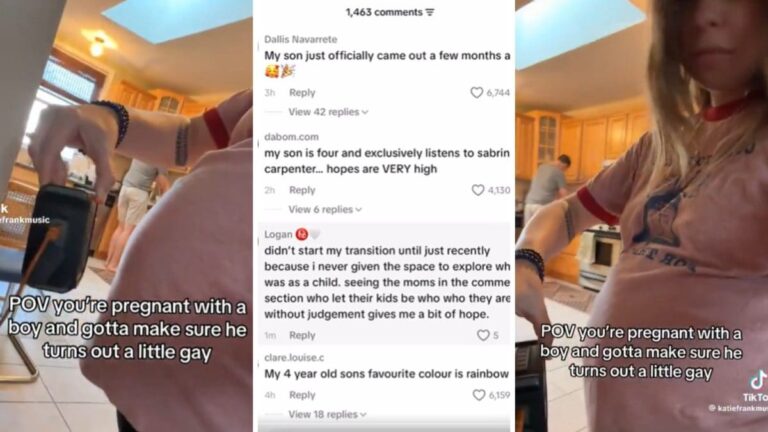
New Delhi, April 25, 2026: A digital storm has been unleashed across TikTok and X today, April 25, 2026, following the emergence of a video involving an expectant mother and her choice of prenatal entertainment. The footage, which was recorded in a home setting, depicts the woman placing high-quality headphones over her baby bump. The “truth” behind the viral sensation reveals that a curated playlist of “gay icons” and LGBTQ+ anthems—featuring artists like Chappell Roan, Lady Gaga, and Charli XCX—was observed being played to the womb in an attempt to influence the child’s future aesthetic and cultural tastes.

The interaction was observed to have been shared with a lighthearted caption suggesting that the child was being “pre-programmed” with excellent musical taste. In the viral clips, which have amassed over 15 million views, the mother is seen swaying to the beat while the unborn baby is reported to have responded with visible kicks and movement. This “musical orientation” experiment has been described by some as a harmless joke, while others have characterized it as a controversial attempt to project adult identities onto an unborn child.

A Digital Divide: The “Nature vs. Nurture” Battleground

The reaction from the digital community has been one of extreme polarization, with the video being shared as a primary example of modern parenting trends gone viral. It is argued by supporters of the mother that the act is nothing more than a fun way to share personal interests with a new family member, similar to playing classical music or heavy metal for a bump. On various parenting forums, the footage has been celebrated by the LGBTQ+ community as a gesture of early acceptance, prompting a surge in the hashtag #GayMusicBaby as users debate whether musical exposure in the womb carries any long-term psychological weight.

The impact of the video has prompted a wider discussion about the boundaries of social media “over-sharing” and the ethics of using children for viral content. It is noted by critics that the labeling of specific music genres as “gay” is a reductive stereotype that reinforces the very boxes the mother claims to be breaking. The passive role of the audience—who have split into factions of “Team Mom” and “Team Privacy”—has turned a private prenatal moment into a fierce cultural commentary on the influence of pop culture on the next generation.

Also Read: UBSE Result 2026 Declared: Uttarakhand Class 10 & 12 Results Out, Girls Lead the Way

Harmonic Or Hyperbolic? The Science of Prenatal Sound

Following the viral spread of the “Playlist War,” several developmental experts have been invited to weigh in on the effects of music on fetal development. It is reported that while babies can hear sounds and rhythms from around the 18th week of pregnancy, the specific lyrical themes or cultural contexts of songs cannot be understood by a developing brain. The passive wait for the baby’s birth is now being followed by thousands of strangers, many of whom are curious to see if the child’s future preferences align with the mother’s digital projections.

As of the afternoon of April 25, 2026, the “Baby Bump Music” video remains a top trending topic in the lifestyle and social debate categories. While the original post was intended to be a humorous take on fandom, the digital record of the ensuing “war” serves as a permanent testimony to the intensity of current social discourse. For now, the story stands as a digital reminder: in the age of the internet, even the quietest sounds played in a nursery can echo across the entire world, sparking a conversation that far outlasts the final note of the song.

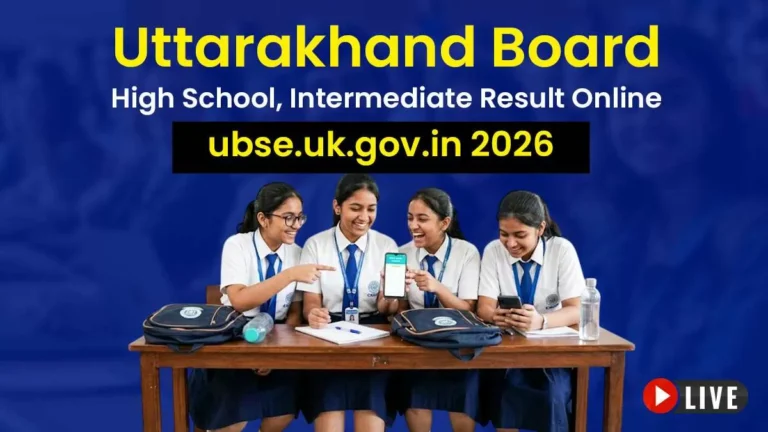
UBSE Result 2026 Declared: Uttarakhand Class 10 & 12 Results Out, Girls Lead the Way

0

New Delhi, April 25, 2026: The results, announced at 10:00 AM, have highlighted an impressive performance by students, with a noticeable trend of female candidates outperforming their male counterparts. This year’s evaluation process concluded successfully, paving the way for students to plan their next academic steps.

Key Highlights of UBSE 2026 Results

Class 12 (Intermediate) Performance

  • Overall Pass Percentage: 85.11%
  • Toppers: Geetika Pant (from Bageshwar) and Sushila Mendiratta (from Udham Singh Nagar) have jointly secured the top rank in the state. Both students achieved an outstanding score of 98%, scoring 490 out of 500 marks.
  • Gender Performance: Girls continued to dominate, achieving a pass percentage of 88.09%, compared to 81.93% for boys.

Class 10 (High School) Performance

District-Wise Performance

Bageshwar district emerged as the top-performing region in the state this year. In Class 12, the district recorded an impressive pass percentage of 94.81%, reflecting strong academic support and student dedication in the region.

How to Check Your UBSE 2026 Results

Students can access their provisional marksheets online. Please follow these steps to download your results:

  1. Visit Official Portals: Go to the official UBSE websites at ubse.uk.gov.in or uaresults.nic.in.
  2. Locate the Link: On the homepage, look for the link labeled “UK Board Class 10 Result 2026” or “UK Board Class 12 Result 2026.”
  3. Enter Credentials: You will be prompted to enter your Roll Number and Date of Birth (or other required registration details).
  4. View and Download: Once you submit the details, your scorecard will appear on the screen. It is advisable to download the PDF and take a printout for future reference.

Note: The online marksheet is provisional. Students are advised to collect their original, official marksheets and passing certificates from their respective schools once they are dispatched by the board.

Next Steps for Students

For those who may not have achieved their desired results or wish to improve their scores, the UBSE will provide opportunities for improvement. The board is expected to release the schedule for compartment examinations in the coming days. Students who failed in a minimum of two subjects will be eligible to appear for these exams.

This year’s results reflect the diligent efforts of over 2 lakh students who appeared for the exams held between February and March 2026. As the results are released, students are encouraged to celebrate their hard-earned success while beginning their preparations for higher education or vocational paths.