Home Blog Page 15

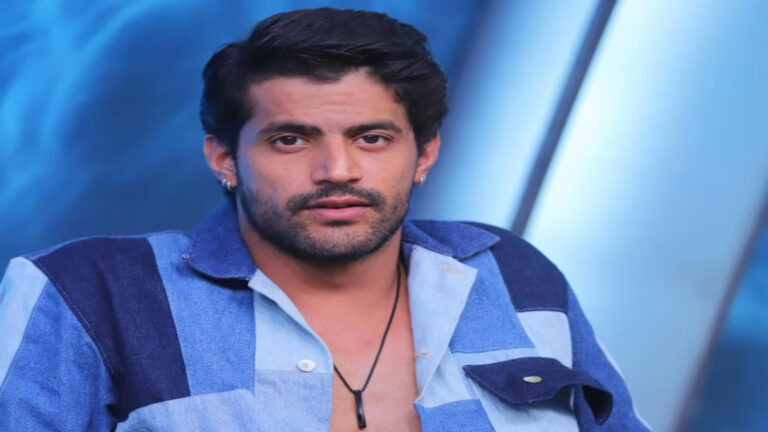
Sorab Bedi Slams Trolls After Sanchita Ugale’s Death: ‘Itna Bedil Nahi Hoon’

New Delhi, June 16, 2026 : The controversy sparked shortly after the news of Sanchita’s death became public. Sorab, who shared screen space as the male lead opposite Sanchita in Dilwali Dulha Le Jayegi (playing Kartik to her character Sukoon), was visibly distraught when swarmed by the paparazzi. In a hurried interaction, he revealed that he had spoken to her just two days prior to the tragedy. He described her as being under severe stress, using the words, “Pareshan thi woh bechari” (The poor girl was troubled). Almost instantly, a section of social media users began dissecting his tone and statements, accusing him of being insensitive, using her tragic end for attention, or misrepresenting their bond.

Unable to stay quiet under the heavy scrutiny, Sorab took to his Instagram Stories to address the backlash head-on. Sharing a video that captured the chaotic environment he was facing at the time, he urged netizens to think before they judge. He explained that a massive crowd of photographers was shouting over each other, making it incredibly difficult to hear individual questions clearly. He noted that when a reporter asked why Sanchita had been calling him, he simply shared that they had stayed in touch even while he was away shooting in Siliguri.

Defending his intentions, Sorab delivered a heartfelt message to his detractors. He said.

He implored the public to understand that his grief was real and that reacting under the flashing lights of the media shouldn’t be equated with a lack of empathy.

The Tragic Incident and Ongoing Investigation

According to reports from the Achole Police Station, the tragic incident took place between 7:00 PM and 7:30 PM at Sanchita’s residence in the Sai Santoshi Building, located in Nalasopara East, Mumbai. The young actress had reportedly locked herself inside her bedroom and was found hanging from a ceiling fan. Her family rushed her to the Vasai-Virar Municipal Corporation hospital, but doctors unfortunately declared her dead upon arrival. Following a formal complaint by her father, Machinda Ugale, the police registered a case of accidental death (ADR) and are thoroughly investigating the circumstances and motives behind her extreme step.

Beyond her television success, Sanchita was also making transitions into mainstream cinema. She recently portrayed the younger version of Tara Rani in the historical drama Chhaava starring Vicky Kaushal, and she also made a notable appearance alongside Manoj Bajpayee in the investigative thriller Silence 2: The Night Owl Bar Shootout. Her sudden exit has triggered wider conversations regarding mental health and work pressures within the entertainment community.

While some industry peers, like actress Aanchal Khurana, highlighted the cutthroat nature of the business and the continuous fear of sudden replacements, others close to Sanchita clarified that her struggles were deeply personal. Her close friend and Saajan Ghar co-star, Megha Sharma, strongly dismissed rumors of industry harassment or lack of work. Megha shared that Sanchita had been battling clinical depression since January and was actively undergoing treatment. She remembered Sanchita as a bold, confident, and full-of-life individual, stating that the entire cast met her just ten days prior for a regular audition catch-up where she seemed to be in positive spirits.

Mental Health Support

The sudden loss of such a vibrant, young talent highlights the invisible battles many individuals fight daily. If you or someone you know is going through emotional distress, facing severe anxiety, or struggling with thoughts of self-harm, please remember that you do not have to carry the burden alone. Professional help and a listening ear are always within reach.
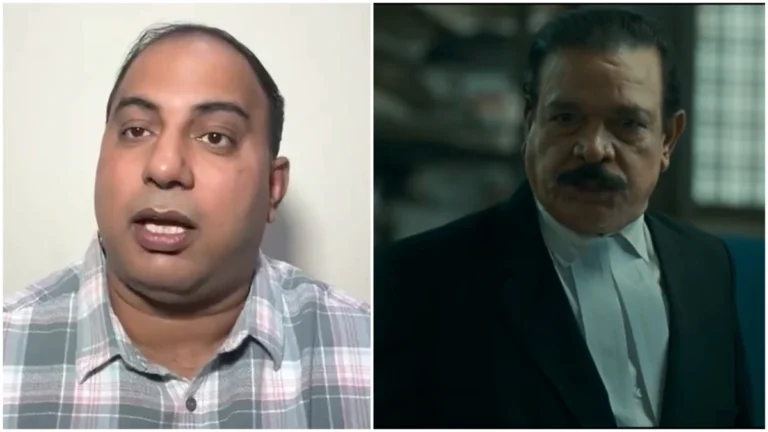
Kala Hiran Row: Producer Amit Jani Demands Rs 50 Lakh & Apology From Govind Namdev

New Delhi, June 16, 2026: The upcoming Bollywood film Kala Hiran: The Battle for Legacy has plunged into a severe legal and public relations battle. Producer Amit Jani, head of Jani FireFox Films, officially issued a sharp legal notice to veteran actor Govind Namdev. The legal notice demands an immediate public apology within seven days and a hefty fine of Rs 50 lakh in damages paid directly to the production house.

The feud erupted shortly after the film’s promotional teasers and posters went public, triggering a dramatic fallout between the veteran actor and the filmmakers. The production house has made it clear that if Namdev fails to comply with these demands within the one-week deadline, they will launch formal criminal and civil legal proceedings against him.

The Roots of the Dispute: “Kept in the Dark”

The conflict began when Govind Namdev, widely known for his powerhouse performances in Hindi cinema, publicly distanced himself from the project. In an emotional and candid interview, Namdev claimed that he felt completely cheated, misled, and “used” by the production team.

The actor stated that the film was originally pitched to him under an entirely different working title, Sambhal. He signed on believing it was a culturally-driven project depicting the court proceedings of the infamous 1998 blackbuck poaching case—facts that are already well-documented within the public record.

Namdev explained that his work on the project was strictly limited to a series of courtroom scenes where he plays a lawyer seeking justice. He was assured that the movie would focus heavily on the traditions of the Bishnoi community and their profound spiritual connection to wildlife conservation. However, seeing the actual teaser—which featured a central character named “Ayaan Khan” sporting a black T-shirt and a signature turquoise bracelet heavily resembling superstar Salman Khan—made the actor deeply uncomfortable.

Namdev, who worked with Salman Khan in the 2009 hit film Wanted, emphasized that he shares a long-standing friendship with the Bollywood star and would never intentionally participate in a project designed to defame or build a negative narrative against him.

Producer Amit Jani Strikes Back

Refusing to back down, producer Amit Jani took to the social media platform X (formerly Twitter) to share that his legal team had formally served the veteran actor. Jani fiercely rejected the accusations of blindsiding the cast, labeling Namdev’s sudden retreat as a breach of contract and an act of bad faith.

According to the producer, Govind Namdev was fully briefed on the script, the creative direction, and the core premise of Kala Hiran before the cameras ever started rolling. Jani further alleged that Namdev had not only signed the agreement for this specific film but had also enthusiastically agreed to be a part of its proposed sequel.

The production house claims that Namdev is simply attempting to backtrack and protect his personal and professional relationship with Salman Khan at the expense of the independent film’s reputation. Jani argues that contractually, actors are prohibited from defaming the very projects they are paid to shoot, and Namdev’s public statements have caused significant financial and reputational harm to the production house—hence the demand for a public apology and Rs 50 lakh in compensation.

A Broadening Legal Minefield

The internal war between the producer and the actor is only one layer of a massive legal web surrounding Kala Hiran. The film, directed by Bharat S Shrinate, faces severe resistance from Salman Khan himself.

The Bollywood superstar’s legal representatives have approached the Delhi High Court seeking an absolute stay on the movie’s release and promotional campaigns. Khan’s petition argues that the film directly exploits and infringes upon his personality rights and attempts to unlawfully monetize a highly sensitive, ongoing chapter of his life under the guise of fiction. A vacation bench in the High Court has already issued formal notices to Amit Jani and his co-producers, with an official court hearing scheduled for June 19.

Compounding the project’s troubles, other cast members have started voicing similar concerns. Actor Sonu Mishra, who was initially cast to play a role in the film, revealed that he walked away from the project after realizing the narrative was entirely one-sided. Mishra claimed that when he requested to see the final written script and formal agreement, the filmmakers hesitated, leading him to believe the project was an intentional trap to target a major industry star.

Comparing the Sides of the Conflict

The battle lines are clearly drawn between the artistic and promotional claims of the production house and the ethical objections raised by its veteran star.

What Lies Ahead for the Film?

Despite the disclaimers embedded in the promotional material stating that “all characters and events are entirely fictional,” the uncanny real-world resemblances have proved impossible for the public and the industry to ignore. The description of the film explicitly notes that it draws inspiration from the infamous 1998 Kankani village incident in Jodhpur.

As the seven-day countdown on Amit Jani’s legal notice ticks away, the entertainment industry is keeping a close watch on Govind Namdev’s next move. Will the veteran actor issue the demanded apology to avoid a costly legal battle, or will he stand firm on his claims of being misled?

With the Delhi High Court set to deliberate on Salman Khan’s plea just days from now, the fate of Kala Hiran: The Battle for Legacy hangs by a thread. What began as an independent cinematic attempt to capture a real-life environmental struggle has rapidly evolved into one of the most explosive legal showdowns in recent Bollywood history.

PM Modi to Visit Tarakeswar on June 20: First Bengal Trip Since BJP Victory

0

New Delhi, June 16, 2026 — Marking a major political milestone, Prime Minister Narendra Modi is scheduled to arrive in West Bengal on June 20, 2026, for a high-profile two-day visit. This marks his first trip to the state since the Bharatiya Janata Party (BJP) secured a historic victory in the state assembly elections, which led to the swearing-in of Chief Minister Suvendu Adhikari and the establishment of a “double-engine” administration in Bengal.

The Prime Minister’s itinerary blends deep historical symbolism with a massive push for local development, highlighted by the official celebration of West Bengal Foundation Day (Paschim Banga Diwas), the launching of multi-crore infrastructure projects, and a mega public rally in the temple town of Tarakeswar.

The Historical Significance of Tarakeswar

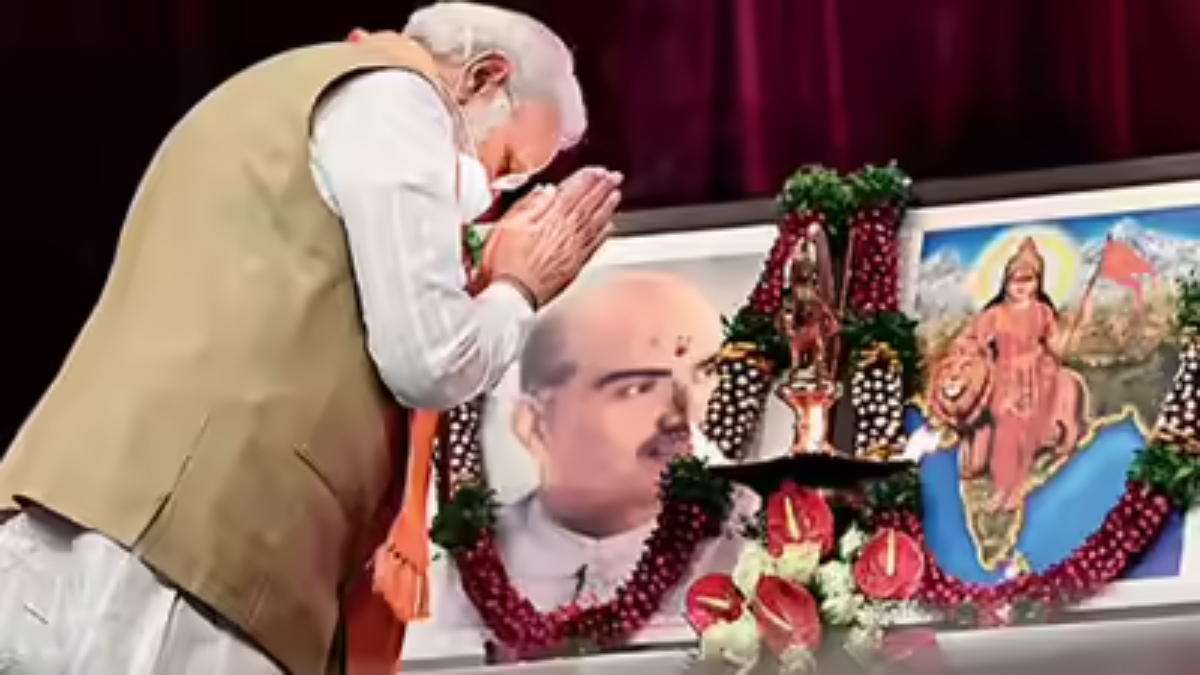
The choice of Tarakeswar as the primary anchor for the Prime Minister’s visit is deeply rooted in India’s modern history. On June 20, 1947, a historic resolution was passed in the Bengal Assembly ensuring that West Bengal would remain part of independent India rather than joining East Pakistan during the Partition.

That watershed moment was heavily influenced by a critical three-day conference of the Bangiya Hindu Mahasabha held in Tarakeswar from April 4 to April 7, 1947. Led by Dr. Syama Prasad Mookerjee, the conference adopted the proposal to safeguard the western parts of Bengal. By selecting Tarakeswar, the BJP-led central and state governments are deliberately honoring Mookerjee’s legacy and highlighting the sacrifices made to keep West Bengal integrated with India.

While the previous Trinamool Congress (TMC) administration had officially opposed celebrating June 20 as Foundation Day—preferring Poila Boishakh (April 15) as Bangla Diwas—the newly formed BJP government swiftly moved to codify June 20 as the official West Bengal Day via cabinet approval.

A Comprehensive Gift of Infrastructure

Prime Minister Modi’s visit is not merely symbolic; it brings a substantial package of economic and social development initiatives designed to signal the benefits of aligned state and central governments. Sources within the Eastern and South Eastern Railway boards have confirmed that the Prime Minister will greenlight a series of crucial transport and healthcare upgrades during his stay.

Local representatives, including Pursurah MLA Biman Ghosh and Tarakeswar MLA Santu Pan, stated that these combined efforts are intended to rapidly transform Hooghly district and its surrounding regions into highly connected logistical hubs.

Celebration of Heritage Across the State

According to directives issued by the State Chief Secretary, West Bengal Day will be celebrated on a grand scale across every district. Special commemorative committees have been formed—chaired by District Magistrates and including local administrative, police, and educational heads—to organize seminars, cultural events, and historical exhibitions.

The Higher Education Department has specifically instructed schools, colleges, and universities to conduct awareness programs regarding the complex history of Bengal’s partition. A senior state BJP leader emphasized the shift in approach.

Beyond history, the state unit will utilize the period surrounding the PM’s visit to showcase the reach of central welfare schemes such as the PM Awas Yojana, PM-KISAN, Jal Jeevan Mission, and Ayushman Bharat, highlighting how the new local government intends to accelerate their delivery.

Political Momentum and Looking Forward

The rally in Tarakeswar is heavily anticipated as a “victory lap” where the Prime Minister will directly thank the people of West Bengal for delivering the state to the BJP. The political atmosphere remains charged following the transition of power; the TMC continues to deal with internal fractures, including public rebellions from various legislators following their electoral defeat.

Following his address and public engagements in Tarakeswar on June 20, Prime Minister Modi will travel to Kolkata. On June 21, he is scheduled to lead a massive gathering to mark the International Day of Yoga, rounding out a packed two-day tour designed to showcase both administrative continuity and cultural pride.

Redmi Turbo 5: The Ultimate Mid-Range Powerhouse

0

New Delhi, June 16, 2026: Xiaomi has officially launched its highly anticipated smartphone, the Redmi Turbo 5. Making its grand debut in India following an earlier release in China, this device marks a major milestone as the first entrant in Xiaomi’s performance-oriented “Turbo” lineup to cross international borders. Aimed directly at tech enthusiasts, gamers, and power users who want flagship-level capabilities without paying premium prices, the Redmi Turbo 5 promises to redraft the rules of the sub-40,000 INR smartphone market. Driven by massive power configurations and a battery that defies contemporary design limitations, this new handset is custom-built to challenge established heavyweights in the mid-range tier.

A Stark New Vision for Performance Aesthetics

At first glance, the Redmi Turbo 5 stands out from a sea of generic smartphone designs. Xiaomi has chosen a striking aesthetic theme that pulls inspiration from high-speed motorsports, doing away with the massive, bulky camera modules seen on many modern phones. Instead, the back panel features a clean, minimal design with two independent, vertically stacked metallic camera rings.

The real showstopper is the inclusion of dual RGB light rings wrapped seamlessly around the camera lenses. These glowing accents aren’t just for show; they function as an interactive visual interface. They pulse and shift colors to reflect real-time notifications, incoming calls, battery charging states, and audio frequencies during music playback or intense gaming sessions. Built with a robust aluminum chassis and a back surface constructed of premium reinforced glass, the phone manages a sleek 8.18mm profile and weighs an agile 204 grams, defying the immense hardware packed inside. Furthermore, it boasts an incredibly rugged durability suite with multiple IP certifications (IP66, IP68, and IP69), making it entirely dustproof and highly resistant to high-pressure water jets or deep submersion.

Uncompromising Speed and Next-Gen Processing Power

The core identity of the Redmi Turbo 5 revolves around pure, unadulterated velocity. Under the hood, the device is powered by the advanced MediaTek Dimensity 8500 Ultra processor. This 4-nanometer (nm) octa-core powerhouse features a specialized architecture capable of hitting clock speeds up to 3.4 GHz on its primary performance cores. Early benchmark metrics have already made waves in the tech community, with the phone scoring well over 2 million points on the AnTuTu performance index, easily making it the fastest smartphone in Redmi’s entire history.

To support this cutting-edge brain, Xiaomi has outfitted the device with next-generation memory and storage systems. The phone accommodates up to 12GB of blazing-fast LPDDR5X Ultra RAM, which can be expanded virtually up to a staggering 24GB using Xiaomi’s dynamic memory management. Paired with high-tier UFS 4.1 internal storage, the hardware guarantees near-instantaneous app loading, fluid system multitasking, and effortless navigation through data-heavy processing. To sustain peak performance during grueling gaming sessions or high-end tasks, the handset integrates a massive 5,300 mm² Vapor Chamber (VC) cooling array termed the “3D Ice-Loop System,” keeping physical thermals low and eliminating frame drops under stress.

Visual Brilliance and Dynamic Fluid Displays

Flipping the smartphone over reveals a captivating visual canvas. The Redmi Turbo 5 sports a 6.59-inch Adaptive Fluid AMOLED display that outputs a crisp 1.5K resolution ($1268 \times 2756$ pixels). This fills the sweet spot between standard Full HD+ and draining 4K displays, keeping text beautifully sharp and digital media vibrantly detailed at a dense 460 pixels per inch (ppi).

The display operates on an intelligent 120Hz adaptive refresh rate, which scales up for smooth gaming and scrolling, and dials down during static tasks to preserve precious energy. Outdoors, visibility is never an issue: the panel hits an extraordinary peak brightness of 3,500 nits. Combined with native support for Dolby Vision and HDR10+, the display can render over 68 billion colors with incredible accuracy. Protecting this flagship-grade glass from daily drops and scratches is a top-layer layer of Corning Gorilla Glass 7i, surrounded by ultra-thin, symmetrical bezels that push the screen-to-body ratio near an expansive 90%.

Flagship Optics Driven by Stability

While performance and battery life take center stage, Xiaomi has ensured the camera system doesn’t lag behind. The primary shooter on the rear utilizes a 50-megapixel Sony IMX882 sensor with a wide aperture to pull in maximum light. This sensor is fully equipped with both Optical Image Stabilization (OIS) and Electronic Image Stabilization (EIS). This hardware-software pairing works in tandem to minimize motion blur caused by shaky hands and secures incredibly steady handheld video recording up to 4K resolution at 60 frames per second.

Complementing the main shooter is an 8-megapixel ultra-wide-angle lens designed for expansive landscapes and large group shots. For the selfie-focused crowd, a 20-megapixel front-facing camera sits inside a tiny punch-hole cutout at the top of the display, offering sharp clarity and natural skin tones for video calls and social media content.

A Battery That Rewrites the Rules

Perhaps the most monumental achievement of the Redmi Turbo 5 is its revolutionary battery subsystem. In an industry where 5,000mAh is considered standard, Xiaomi has managed to pack a massive 7,540mAh silicon-carbon battery into the phone’s slim 8.18mm chassis. This next-gen battery chemistry provides significantly higher energy density without adding physical bulk or excessive weight.

For the average user, this translates to an effortless two days of heavy usage on a single charge. When the phone finally runs dry, Xiaomi’s 100W HyperCharge technology takes over, refueling the massive cell completely in under 50 minutes. The device also supports 27W reverse wired charging, effectively turning your phone into a high-speed power bank capable of juicing up wireless earphones, smartwatches, or a friend’s dying phone in an emergency.

Next-Gen Software and Ecosystem Integration

Out of the box, the Redmi Turbo 5 runs on Xiaomi’s newly refined HyperOS interface, built on top of the latest Android 16 operating system. The software layout feels light, clean, and highly customizable, deeply integrated with advanced on-device artificial intelligence features. These AI tools help optimize background processing, prioritize app memory allocations based on your usage habits, and handle real-time image editing tricks.

The smartphone leaves no stone unturned regarding extra features. It includes an ultra-fast in-display ultrasonic fingerprint sensor for biometric security, an IR Blaster to control household appliances, a specialized X-axis linear vibration motor for crisp haptic feedback, and robust dual stereo speakers tuned for an immersive spatial audio experience.

Final Verdict

The Redmi Turbo 5 marks a bold new chapter for Xiaomi. By packing a powerhouse processor, an innovative cooling system, high-end display specs, and an unyielding 7,540mAh battery into a beautifully designed, highly durable body, Xiaomi has set a tough benchmark for its competitors. For consumers who demand uncompromising daily performance without premium flagship prices, the Turbo 5 stands out as an elite option.

Haunted 3D Dominates Box Office While Rivals Crash

New Delhi, June 16, 2026 — The Indian box office witnessed an unexpected turn of events this week as director Vikram Bhatt’s latest horror offering, Haunted 3D: Echoes of the Past, emerged as a surprise champion. Despite arriving in theatres with relatively low pre-release buzz and facing significant screening hurdles, the supernatural thriller has completely overshadowed its high-profile competitors. While horror enthusiasts rushed to single screens and tier-2 cities to experience the spine-chilling 3D effects, other major Bollywood releases, including star-driven dramas and high-concept independent films, faced an uphill battle, struggling to attract audiences over the weekend.

Trade analysts have been taken aback by the sheer resilience of Haunted 3D: Echoes of the Past. According to initial trade figures, the film opened on Friday, June 12, with a strong nett collection of ₹2.50 crore (approximately ₹3 crore gross) in India. Defying expectations of a post-opening drop, the movie picked up substantial momentum on Saturday and Sunday due to strong word-of-mouth. By the end of its opening weekend, the horror sequel safely secured a handsome ₹9.35 crore nett. What makes this feat truly remarkable is that the film was completely kept out of major national multiplex chains due to sudden legal and distribution disputes just prior to its release. Instead, its entire box office engine was driven by independent single screens and B- and C-class theatrical centers, highlighting a massive, underserved demand for pure, atmospheric horror in the mass markets.

The success of Haunted 3D stands out even more when contrasted with the dismal performance of other new Hindi releases. Imtiaz Ali’s highly anticipated social drama Main Vaapas Aaunga managed a meager gross opening of just ₹1.15 crore on Friday and failed to show any major growth over the weekend. Similarly, the Kangana Ranaut-starrer Bharat Bhagya Vidhata fell flat, opening at just ₹1 crore, while Manoj Bajpayee’s critically acclaimed but niche thriller Governor lagged further behind with a modest ₹90 lakh opening day. Film critics note that while these competing projects carried heavier star power, they lacked the raw entertainment value and commercial pull that the Haunted franchise naturally possesses. Audiences currently seem to prefer visceral, theatrical experiences over slow-burning narratives.

Industry experts believe the current trend signals a massive revival for controlled-budget genre filmmaking in India, reminiscent of the classic Ramsay Brothers era where horror movies acted as highly reliable money-spinners. Haunted 3D: Echoes of the Past was produced on a modest and safe budget of roughly ₹15 crore. With its weekend domestic collection already pushing past the ₹11 crore mark and showing stable low-percentage drops on Monday, the film is already on the verge of total budget recovery and will comfortably enter the profit zone by the end of the week. Trade analyst Taran Adarsh remarked that Vikram Bhatt understands the pulse of the horror audience perfectly. By avoiding the recent, saturated trend of horror-comedies and delivering a traditional, emotionally charged, pure supernatural scare-fest backed by strong music, the production team successfully tapped into a loyal fan base.

Interestingly, the horror wave is not restricted to Indian productions alone. While big-budget Hollywood spectacles like Steven Spielberg’s Disclosure Day saw a slow response in India with an ₹1.8 crore opening, international horror entries found great favor. The Hollywood thriller Backrooms surprised trade pundits by pulling urban multiplex crowds, grossing ₹4.62 crore over its four-day run. Concurrently, the psychological thriller Obsession maintained a phenomenal run in its third week, collecting ₹4 crore gross last Friday alone, pushing its total India gross to an incredible ₹63.25 crore. This simultaneous success of multiple spooky ventures clearly proves that the modern cinema-going audience is actively seeking out thrills, jump scares, and immersive audio-visual experiences that justify the price of a movie ticket.

Reflecting on the unexpected box office victory, filmmaker Vikram Bhatt expressed immense gratitude and shared the emotional rollercoaster behind the release. He revealed that production disputes almost derailed their plans, preventing him from even attending his own film’s premiere. Bhatt mentioned that despite tracking the highest advance bookings among all the new weekly releases, his film was ironically penalized with the lowest number of show allocations. However, he trusted his audience, focusing his promotional campaigns strictly on digital platforms like Instagram and Facebook to target tier-2 and tier-3 cities directly. As the weekday box office hold remains remarkably steady, Haunted 3D: Echoes of the Past has firmly established itself as the definitive savior of the mid-June box office, leaving its Bollywood rivals looking for answers in an increasingly unpredictable market.

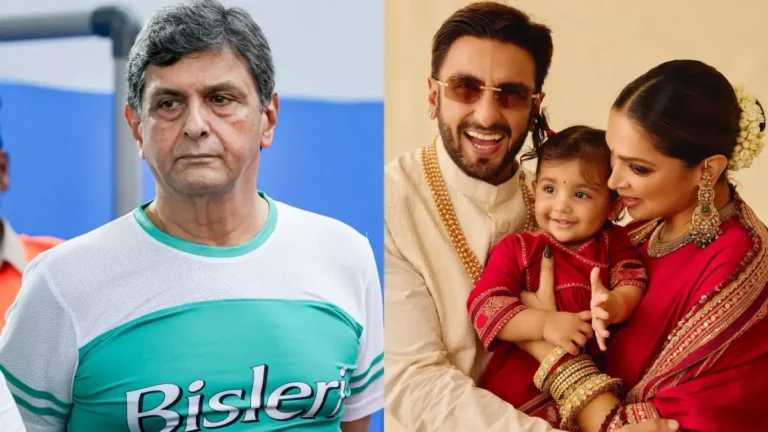
Prakash Padukone Opens Up About Deepika and Ranveer Parenting Journey

New Delhi, June 16, 2026: In the glitzy world of Bollywood, where every move of a celebrity couple is tracked by cameras and analyzed by millions, finding a slice of normal life can be a major challenge. Yet, for powerhouse couple Deepika Padukone and Ranveer Singh—fondly known to their global fanbase as “DeepVeer”—the journey into parenthood has been anchored by simplicity, family support, and a surprisingly grounded lifestyle.

Providing a rare, heartwarming glimpse into this private world, Deepika’s father, the legendary Indian badminton champion Prakash Padukone, recently spoke out about his experiences as a grandfather and how the famous couple is navigating the beautiful chaos of raising their daughter, Dua Padukone Singh.

Hands-On Parents with a Natural Division of Labor

Deepika and Ranveer welcomed their first child, Dua, in September 2024. Like many modern parents, the two megastars have had to find a rhythm that balances demanding film schedules with the round-the-clock responsibilities of a newborn. Prakash Padukone proudly describes them both as highly involved, “hands-on” parents, but he doesn’t mince words when it comes to who manages the heavy lifting.

This honest admission paints a relatable picture. Even with elite careers and massive productions waiting for them, the couple relies on teamwork. While Deepika anchors the day-to-day routines of their little girl, Ranveer jumps into daddy-duty with full enthusiasm the moment he steps off a movie set. The support from both the Padukone and Singh families adds a strong layer of traditional Indian family backing, ensuring that little Dua is surrounded by love and stability.

Giving a Celebrity Child a Taste of Normalcy

One of the most fascinating revelations from the former badminton ace is how the family protects Dua from the overwhelming bubble of celebrity life. In an era where star kids are instantly surrounded by security details and swarmed by paparazzi, Prakash and his wife, Ujjala, are determined to give their granddaughter the kind of ordinary childhood experiences that build real-world awareness.

Whenever Dua leaves Mumbai to visit her grandparents at their home in Bengaluru, the luxury cars and private spaces are frequently traded for public transit and local parks. Prakash revealed that they actively take her out to experience the city just like any other child.

  • Metro Rides & Auto-Rickshaws: To give her a sense of the real world, her grandparents have taken her on Bengaluru’s Metro train and zipped around the city in traditional auto-rickshaws.
  • Cubbon Park Outings: She has been treated to rides on the iconic Putani Express—the famous, historic toy train tucked away inside Bengaluru’s lush Cubbon Park.
  • Train Spotting: Because they live near the Cantonment station, Dua has developed a love for watching regular trains roll past.

This intentional effort to keep her grounded seems to be paying off. Prakash describes Dua as an incredibly friendly, social, and observant child who loves interacting with people and cheerfully says hello to nearly everyone she meets on her outings. Having traveled frequently from a very tender age, she has quickly adapted to new surroundings and is growing up fast.

A Second Chance at Witnessing Daily Milestones

For Prakash Padukone, watching his granddaughter grow is not just a joy—it is an opportunity to experience the early stages of life in a way he couldn’t with his own daughters, Deepika and Anisha. During his prime years as a world-class athlete, constant travel for international badminton tournaments kept him away from home for extended stretches.

He admitted that during his own parenting years, he frequently missed the day-to-day details of his daughters growing up. While he remembers the macro-milestones, the subtle, daily changes eluded him because of his athletic commitments.

Now, in his semi-retired life, the experience is completely different. He confessed that he used to wonder why grandparents made such a massive “fuss” over their grandchildren, but the moment Dua arrived, those emotions clicked into place perfectly. Today, he notices every tiny shift, every new word, and every evolving habit, savoring a phase of family life that his sports career previously limited.

Expanding the Family

The Padukone-Singh household is only bound to get busier. In early 2026, Deepika and Ranveer thrilled fans worldwide by announcing that they are preparing to expand their family once again. The couple shared a heartwarming, symbolic photograph on Instagram showing little Dua holding a pregnancy test with two distinct pink lines—indicating that a second baby is officially on the way.

The announcement has sent a wave of excitement through the film industry and their massive fandom, setting up a beautiful new chapter where Dua will soon step into her new role as a big sister.

Balancing Blockbusters and Baby Bottles

Even as their domestic life expands, both actors maintain heavy portfolios in Indian cinema. Deepika Padukone continues to occupy the highest echelons of Bollywood success, balancing motherhood with highly anticipated cinematic projects like King alongside Shah Rukh Khan, and the big-budget action film Raaka opposite Allu Arjun, directed by Atlee.

Meanwhile, Ranveer Singh remains a dynamic force, fresh off the release of Aditya Dhar’s gritty action-thriller Dhurandhar: The Revenge, while keeping audiences intrigued about his upcoming career moves.

Despite the endless scripts, high-profile endorsements, and industry pressures, Prakash Padukone’s insights prove that when the studio lights fade, Deepika and Ranveer are just like any other young parents: leaning on family, splitting up duties, and doing everything they can to ensure their children grow up with their feet firmly planted on the ground.

Redmi K90 Ultra Set for June Debut

0

New Delhi, June 16, 2026: The premium mid-range smartphone market is preparing for a massive shake-up as Xiaomi’s sub-brand, Redmi, gears up to introduce its next-generation performance flagship. Industry insiders and regulatory certification databases point toward a highly anticipated June 2026 debut for the Redmi K90 Ultra.

Following the successful initial launch of the standard K90 and K90 Pro Max variants in late 2025, the upcoming “Ultra” edition is designed to break away from traditional smartphone limits. According to reputable industry tipsters, this upcoming iteration focuses entirely on two core pillars that matter most to modern power users: top-tier, sustained gaming performance and unprecedented battery longevity. By combining high-end processing hardware with experimental thermal designs, Redmi is attempting to change how consumers view mobile gaming endurance.

Shifting From Passive Cooling to Active Airflow

For years, mainstream smartphones have relied exclusively on passive cooling mechanisms, such as multi-layered graphite sheets and vapor chambers, to keep internal temperatures low. While effective for short bursts of activity, these systems eventually heat up during long, high-frame-rate gaming sessions, causing thermal throttling—a safety mechanism where the processor slows down to avoid overheating.

Redmi is addressing this issue directly by introducing a physical, built-in active cooling fan inside the device’s chassis. The engineering setup features an isolated thermal tunnel that pulls cool air from outside, channels it directly over the main logic board, and expels heat through dedicated exhaust vents. This design choice marks a major milestone, making it one of the first mainstream consumer smartphones outside of niche, dedicated gaming rigs to use active mechanical airflow. By continuously moving heat away from the core components, the hardware can maintain maximum speeds without stuttering, dropping frames, or overheating in the user’s hands.

Unleashing the Power of Dual-Chip Performance

At the heart of this hardware architecture sits MediaTek’s latest high-end silicon, the Dimensity 9500 chipset. Built on a highly efficient 3nanometer processing node, this octa-core CPU delivers a major leap in power efficiency and processing capability. Because there are no current plans for an overclocked “Plus” variant from MediaTek this cycle, Redmi engineers are relying on the active internal fan to extract every bit of raw processing power from the standard chip.

To assist the primary processor, Redmi has paired the Dimensity 9500 with a dedicated D2 graphics co-processor. This dual-chip configuration acts as a specialized hardware accelerator for intense gaming visuals. It manages demanding tasks like frame interpolation (generating extra frames for smoother motion), real-time resolution scaling, and image enhancements without overloading the main processor.

During internal testing with demanding multiplayer online battle arena (MOBA) games, the hardware reportedly maintained a rock-solid 144 frames per second (fps) for four consecutive hours at maxed-out graphic settings. Most importantly, it kept core temperatures below 37 degrees Celsius. For competitive mobile gamers, this translates to smooth, reliable gameplay during long tournaments.

Massive 8,550mAh Silicon-Carbon Battery

Perhaps the most impressive specification of the upcoming smartphone is its massive battery capacity. While standard flagships typically top out around 5,000mAh to maintain a thin profile, the new device will feature a historic 8,550mAh battery. This massive capacity is made possible by switching from traditional lithium-ion to advanced silicon-carbon anode battery technology, which packs significantly more energy into a smaller physical size.

This immense power supply effectively transforms the device into a multi-day smartphone under regular use, while easily providing 8 to 10 hours of continuous, heavy 3D gaming. To ensure users don’t spend hours tethered to a wall outlet, the phone supports 100W wired fast charging, alongside universal Programmable Power Supply (PPS) standards.

It also includes advanced power management features like bypass charging, which routes power directly from the charging cable to the phone’s components without passing through the battery. This reduces heat generation when playing games while plugged in. Additionally, it offers 22.5W reverse wired charging, letting users use their smartphone as a portable power bank to charge accessories like wireless earbuds or smartwatches on the go.

A Fast Display and Durable Design

The front of the phone features a flat 6.8-inch LTPS OLED display with a sharp 1.5K resolution. Unlike curved screens that often suffer from accidental edge touches during intense gaming sessions, the flat design ensures accurate touch inputs across the entire panel. Catering directly to the esports community, the display’s refresh rate goes up to a fluid 165Hz, backed by a high-touch sampling rate system that reduces input latency down to milliseconds.

The display also prioritizes eye health during long, late-night gaming sessions. It comes equipped with Green Mountain Eye Protection 3.0 technology and DC Dimming, which completely eliminates the screen flickering that often causes eye strain at low brightness levels. It even includes a dedicated gaming eye protection mode that selectively filters harmful blue light while preserving accurate on-screen colors. Under direct sunlight, the panel can reach a peak brightness of 3,500 nits, ensuring great outdoor visibility.

The phone is wrapped in a sleek, premium metal frame with highly rounded corners for a comfortable grip during extended landscape gaming. It also features top-tier durability, boasting an IP68 and IP69 rating for robust dust and water resistance, protecting the complex internal cooling fan and components from unexpected liquid spills or rain.

Software, Pricing, and Market Launch

The smartphone will ship out-of-the-box with Android 16, customized with Xiaomi’s latest HyperOS user interface. This updated software brings tailored gaming optimizations, custom performance profiles, and sophisticated allocation of system resources to ensure background processes never interfere with active gameplay. Security is handled by an advanced, ultra-fast ultrasonic in-display fingerprint sensor, which works reliably even if the user’s fingers are damp or sweaty.

While an exact launch date hasn’t been locked down, supply chain reports point toward an official Chinese unveiling in June 2026. Given the brand’s traditional release patterns, a global release under the rebranded POCO moniker (potentially the POCO F8 Ultra) is expected to follow a few months later.

Pricing is rumored to start around 42,990 to 59,990 INR (approximately 520 to 720 USD) depending on the chosen RAM and storage configuration. At this competitive price point, the device stands out as a true “flagship killer,” offering elite gaming capabilities and unmatched battery performance at a fraction of the cost of typical ultra-premium flagships.

CJP Founder Slapped: High Drama at Jaipur Student Protest

0

New Delhi, June 16, 2026: High drama and chaotic scenes unfolded at Jaipur’s historic Shaheed Smarak on Monday afternoon as Abhijeet Dipke, the founder of the internet-sensation satirical movement “Cockroach Janta Party” (CJP), was repeatedly slapped and manhandled during a massive student-led protest. The dramatic incident, which was captured live on camera and widely shared across social media platforms, triggered immediate tension at the protest site before local authorities intervened to bring the situation under control.

The demonstration, organized by the CJP to raise awareness against recent competitive examination paper leaks—including the NEET controversy—and mounting youth unemployment, had drawn thousands of students and Gen Z activists. What began as a highly charged but peaceful gathering quickly took a violent turn when the CJP chief became the target of an unexpected physical assault.

Assault Caught on Camera Amid Growing Chaos

The incident took place just as Abhijeet Dipke arrived at the venue to address the massive crowd of student demonstrators. Due to the dense gathering of young supporters, enthusiastic volunteers had hoisted Dipke onto their shoulders to carry him toward the main stage so he could be visible to the audience.

As he was being carried through the crowd, a small group of individuals suddenly breached the security perimeter formed by the volunteers. Eyewitness accounts and viral video footage show an assailant grabbing the scarf wrapped around Dipke’s neck, effectively trapping him. Within seconds, the attacker and another individual began repeatedly slapping and hitting the CJP founder across the face.

The unexpected assault triggered immediate pandemonium. Shocked and angered by the physical attack on their leader, a section of CJP supporters immediately retaliated, overpowering the assailants and engaging in a brief, violent scuffle. Fearing a full-blown riot at the venue, local police personnel deployed at the site moved in swiftly. Officers pushed back the crowd, separated the warring factions, and escorted a shaken Dipke to a secure location, preventing further escalation.

Attackers Identified; Police Launch Investigation

Following the incident, the Jaipur Police acted quickly to restore law and order at Shaheed Smarak. According to senior police officials, law enforcement authorities have detained six individuals from the spot for questioning.

Initial investigations revealed that one of the primary accused involved in the physical assault has been identified as Rakesh Gurjar. Following his detention, Gurjar allegedly claimed to be a “nationalist” and openly criticized the ideology and satirical nature of the Cockroach Janta Party, suggesting that his actions were a protest against Dipke’s political commentary.

Interestingly, the protest itself had faced bureaucratic hurdles prior to the incident. The Jaipur Police had initially denied permission for the CJP rally, citing potential law-and-order risks given the massive anticipated turnout of coaching students in the city. However, after intense negotiations and public pressure from the organizers, authorities granted a conditional nod, capping the maximum permissible attendance at 800 participants—a limit that appeared visibly breached by the sheer volume of youth who arrived at the venue.

“Attacks are a Sign of Cowardice,” Says Dipke

Taking to his official social media handle shortly after the assault, Abhijeet Dipke condemned the violence but maintained that his movement would not be intimidated by physical threats. He reiterated that the Cockroach Janta Party remains deeply committed to peaceful, democratic dissent.

“Physical attacks are a clear sign of fear and cowardice,” Dipke wrote on X (formerly Twitter). “We are raising legitimate questions about the ruined futures of millions of students due to constant paper leaks, and those in power have no answers. I am a firm follower of Mahatma Gandhi and Dr. B.R. Ambedkar. I will continue to fight this battle for youth rights with peace, love, and constitutional means.”

The CJP leadership has stood firm on its core demands, continuing to call for the immediate resignation of Union Education Minister Dharmendra Pradhan over structural failures in national-level entrance examinations.

The Meteoric Rise of the Cockroach Janta Party

The violent incident in Jaipur highlights the growing real-world impact of the Cockroach Janta Party, which has rapidly transformed from an online parody into a significant offline political force.

The movement was founded on May 16, 2026, by Dipke, a digital communications strategist, in direct response to controversial remarks made by the Chief Justice of India. During a Supreme Court hearing, the CJI had criticized certain unemployed youths and social media activists, colloquially referring to them as “cockroaches” and “parasites.” Turning the insult into a badge of honor, Dipke launched the CJP as a satirical front representing the “lazy and chronically online youth.”

The party’s anti-establishment memes and sharp political satire struck a massive chord with India’s frustrated Gen Z demographic, allowing its official Instagram page to cross 20 million followers in less than a month—surpassing the digital handles of mainstream political giants like the BJP and the Indian National Congress.

What started as internet culture has successfully transitioned into physical mobilization. Following a successful large-scale protest at New Delhi’s Jantar Mantar on June 6, the Jaipur rally was part of the CJP’s announced nationwide offline campaign. High-profile activists, including environmentalist Sonam Wangchuk and lawyer Prashant Bhushan, have previously extended their solidarity to the movement, labeling themselves “honorary cockroaches” to demand transparency in public examinations.

As the Jaipur Police continue their investigation into the security lapse at Shaheed Smarak, political analysts note that the assault on Dipke may inadvertently fuel further momentum for the CJP, amplifying the anger of the youth who feel their systemic grievances are being met with physical suppression rather than administrative accountability.

Manipur Violence Flares Again: 3 Hurt in Early Morning Gunfight

0

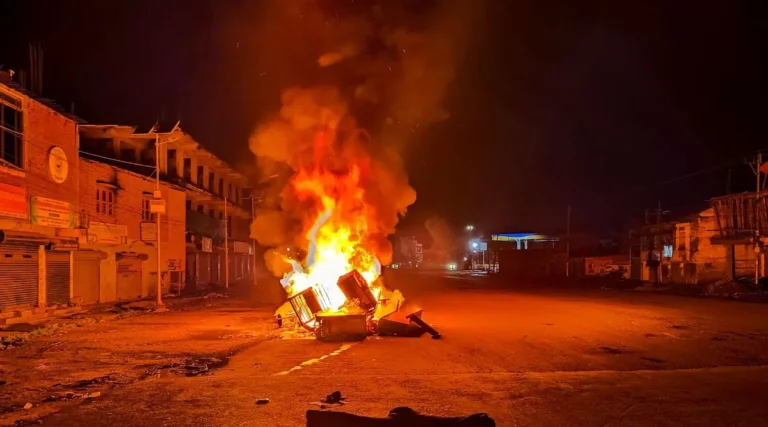
June 16, 2026 — Tension has escalated significantly across Manipur following a fresh armed confrontation in the early hours of Monday morning, leaving at least three people seriously injured. The incident, which involved a heavy exchange of fire between armed rival groups, occurred in the buffer zones of Kangpokpi district. The violent episode has further strained the fragile security situation in the state, sparking widespread local demonstrations that forced security forces to deploy tear gas shells and baton charges in the capital city of Imphal.

The Firing Incident in Kangpokpi

According to official state security sources, the armed confrontation began around 6:00 AM on Monday in an area situated between the villages of Leilon Vaiphei and Konsakhul in the Kangpokpi district. The sound of heavy gunfire and explosives shattered the early morning calm, triggering widespread panic among local residents who fled their homes to seek safety.

Reports indicate that the gunfight lasted for approximately thirty to forty minutes as armed groups traded shots using sophisticated weapons. The exchange of fire continued intensely until combined teams of central security forces and state police rushed to the flashpoint to intervene. Upon seeing the arrival of heavy military reinforcements, the armed attackers retreated into the surrounding hilly terrain.

Security personnel conducting a search-and-rescue operation at the site discovered three individuals with severe bullet and splinter injuries. The casualties were identified by local organizations as teenagers Genlenmang Vaiphei (15) and Paogoulal Chongloi (18) — a local footballer — alongside 20-year-old Lunliandaw Vaiphei. Security forces initially administered emergency first aid at a nearby military facility before transporting the injured individuals to the capital city for specialized medical care under heavy security escorts.

Hospital Protests and Security Crackdown in Imphal

The transfer of the three wounded individuals to the Regional Institute of Medical Sciences (RIMS) in Imphal quickly triggered a secondary security crisis. As news spread that the injured persons had been admitted to the state-run medical facility, an agitated crowd assembled outside the hospital’s main gates.

The demonstrators, claiming that the injured individuals were active insurgents involved in attacks against neighboring villages, demanded that medical authorities deny them treatment and remove them from the valley area. The gathering quickly transformed into a volatile mob, chanting slogans against the security forces for bringing the injured individuals into the capital.

As the crowd attempted to breach the hospital perimeter, the deployed security forces intervened to protect the medical staff and patients. The situation rapidly deteriorated into violent clashes, with the mob pelting stones at the security contingents. To prevent the crowd from storming the hospital wards, personnel from the state police and central paramilitary forces used batons and fired multiple rounds of tear gas shells to disperse the protestors. The entire hospital zone remained cordoned off by heavily armed units for the remainder of the day to ensure safety.

Conflicting Claims by Community Organizations

The fresh wave of violence has brought conflicting narratives from various tribal and community organizations to the forefront, showcasing the deep ethnic polarization within the region:

  • Kuki-Zo Representative Bodies: The Kuki Inpi Manipur (KIM) and the Vaiphei People’s Council strongly condemned the early morning attack, describing it as an unprovoked bombing of civilian settlements. They asserted that the three injured youths were “village volunteers” and students defending their homes against aggressive armed factions. The organizations expressed deep concern over the hospital protests in Imphal, stating that denying medical treatment to wounded youths is an inhuman violation of basic human rights.
  • Naga Village Authorities: Conversely, local sources representing the Naga villages near Konsakhul stated that village guards had acted entirely in self-defense. They claimed that armed groups had advanced toward their settlements using automatic weapons and explosives, necessitating a retaliatory response to prevent the occupation of their traditional lands.

A Deepening Humanitarian Crisis

This latest flare-up comes against the backdrop of a highly volatile security ecosystem in Manipur, which has faced waves of ethnic friction over the past few years. The conflict, which initially began between the valley-dwelling majority and the hill tribes, has increasingly fractured into complex multi-cornered disputes involving various hill communities over territorial boundaries, village defense initiatives, and historical grievances.

The political and social landscape has been further complicated by a devastating hostage crisis that occurred in May, where several tribal citizens were abducted. The recent recovery of the mutilated bodies of six hostages has reignited deep-seated anger across the state, prompting civil society groups and opposition political parties to demand the immediate dissolution of the current state assembly and the imposition of emergency measures to restore public trust.

To curb the spread of inflammatory rumors and prevent further mobilization of mobs, district administrations have reinforced strict indefinite curferes in both the Imphal East and Imphal West districts. Furthermore, high-speed mobile internet services have been temporarily suspended in the affected sectors to disrupt the coordination of unlawful assemblies. The Union Home Ministry has reportedly directed additional central paramilitary companies to the state to assist local administration in maintaining law and order along the critical highway corridors and buffer zones.

Current Ground Situation

At present, the situation in Kangpokpi and the capital city of Imphal remains highly sensitive but under tight military control. Joint security forces are conducting extensive combing operations in the hills surrounding Leilon Vaiphei and Konsakhul to track down the armed groups responsible for initiating the gunfire.

Civil society leaders from all sides are being urged by state authorities to exercise maximum restraint and prevent the dissemination of unverified information on social media platforms. Meanwhile, medical officials at RIMS have confirmed that the three injured individuals are stable but remain under close observation within a heavily fortified perimeter.

For a detailed look at the public reaction and visual updates regarding the protests that followed this incident, you can watch this News9 Report on the Manipur Firing. This video provides direct reporting on the heavy security deployment and the demonstrations that erupted outside the hospital premises in Imphal.

Apple iPhone 18 Pro Max: Expected Price in India, New Colours, and All Major Upgrades Leaked So Far

0

New Delhi, June 16, 2026: The excitement in the tech world is reaching a fever pitch as we move closer to Apple’s traditional autumn hardware event. While the launch is still a few months away, a massive wave of leaks, hands-on dummy images, and supply chain reports have already revealed almost everything about the highly anticipated iPhone 18 Pro Max. Positioned as Apple’s ultimate flagship for 2026, the device is shaping up to be a true powerhouse, bringing massive jumps in processing technology, camera engineering, and on-device artificial intelligence. Here is an updated look at what we know so far about the iPhone 18 Pro Max, including expected Indian pricing, stunning new colorways, and a breakdown of its top features.

Expected Price in India and Launch Timeline

Apple is expected to stick to its tried-and-tested launch schedule, meaning the iPhone 18 Pro Max will likely be unveiled in early September 2026, alongside a refreshed iPhone 18 Pro and potentially a groundbreaking foldable iPhone.

When it comes to the price in India, initial reports sent a wave of relief through the tech community. Despite massive investments in a next-generation 2-nanometer processor and mechanical camera parts, early leaks suggest Apple is trying hard to keep the starting price steady. In India, the base variant of the iPhone 18 Pro Max (expected to start at 256GB storage) is anticipated to launch at above ₹1,50,000, aligning closely with the previous year’s premium tier. However, for power users looking to maximize their device, Apple is rumoured to introduce a massive 2TB storage variant this year. This ultra-high storage capacity, combined with heavy import duties and local taxes, could push the top-end variant well past the ₹2,00,000 mark.

Fresh New Colours: Say Hello to “Dark Cherry”

Apple always introduces a signature hero colour for its Pro lineup, and 2026 is bringing an exceptionally gorgeous change. According to leaked dummy models and hands-on prototype images shared by reliable tech insiders, Apple is ditching the brighter orange and gold tones of the past. The star of the show this year is a stunning Dark Cherry finish. This shade beautifully blends rich red and soft pink-purple tones, giving the phone an incredibly sophisticated and unique look.

Alongside the show-stopping Dark Cherry, the iPhone 18 Pro Max will be available in three other premium options. Light Blue makes a return with a slightly deeper, more striking hue than previous iterations. For those who prefer a classic, stealthy appearance, a true Black is making a comeback, utilizing a two-tone design that pairs a dark matte rear panel with a contrasting deep black camera island. Finally, a traditional, clean Silver option will round out the four-colour palette, giving buyers plenty of elegant choices. Supply chain leaks also hint that Apple has refined its rear glass manufacturing to perfectly match the color of the anodized titanium-aluminum frame, giving the phone a completely seamless, unified look.

Design and Display: A Slimmer Dynamic Island

At first glance, the iPhone 18 Pro Max will retain the familiar premium form factor of its predecessor, sporting a massive 6.9-inch screen. However, look a bit closer, and you will notice a significant upgrade on the front. Apple has reportedly managed to move several key Face ID components directly underneath the display panel. This engineering feat allows the iconic Dynamic Island to shrink by roughly 35 per cent. This means users will get more usable screen real estate and fewer distractions while watching videos or playing games.

The display itself is getting a boost to a new LTPO+ OLED panel. While it maintains the smooth 1Hz to 120Hz ProMotion refresh rate, the “+” version is engineered to be substantially more energy-efficient and capable of pushing outdoor peak brightness closer to an astonishing 3,000 nits. Interestingly, hands-on leaks note that the device might be a fraction of a millimeter thicker this year to accommodate a slightly bulkier, heavy-duty camera housing and a larger internal battery.

The Headliner: A DSLR-Like Variable Aperture Camera

The camera system is where the iPhone 18 Pro Max truly separates itself from older generations. Apple is finally moving away from fixed-lens setups on its primary shooter. The main 48MP camera will feature a mechanical variable aperture system. Just like a professional DSLR camera, this allows the lens physical control over how much light enters the sensor depending on the lighting conditions. In bright daylight, the aperture will narrow to capture sharp, deep-focus landscapes. In low-light environments, it will widen physically to pull in maximum light, drastically reducing image noise and producing a beautiful, natural background blur (bokeh) without relying on software tricks.

The upgrades don’t stop there. The telephoto lens is receiving a larger aperture for vastly improved low-light zoom performance, and the front-facing selfie camera is getting a long-overdue upgrade from 12MP to a sharp 24MP sensor featuring Apple’s Center Stage technology. There are also strong whispers that the device will support crisp 8K video recording for professional filmmakers.

Next-Gen Power: The 2nm A20 Pro Chip and C2 Modem

Under the hood, the iPhone 18 Pro Max will be an absolute beast. It is slated to feature the brand-new A20 Pro chipset, which will be Apple’s first processor built on TSMC’s cutting-edge 2-nanometer (2nm) manufacturing process. In simple terms, the components inside the chip are smaller than ever, making it incredibly fast yet gentle on the battery. Early performance projections estimate the A20 Pro will be roughly 15% faster in raw processing speed while consuming a massive 30% less power than the previous generation.

To take full advantage of advanced Apple Intelligence (AI) features, the chip will be paired with 12GB of RAM as standard across the Pro lineup. Apple is also rumoured to use a new Wafer-Level Multi-Chip Module (WMCM) packaging technique, which physically places the RAM closer to the processor core. This speeds up on-device AI tasks, making Siri and machine learning apps lightning-fast.

Finally, the iPhone 18 Pro Max will mark the debut of Apple’s custom, in-house C2 modem. Moving away from third-party communication chips, the C2 modem is built to offer advanced satellite-based 5G connectivity, faster download speeds, better cellular reception in dead zones, and enhanced hardware-level privacy features, such as the ability to block carrier location tracking. Combined with a rumored beefier battery capacity sitting somewhere around 5,100mAh, the efficiency of the 2nm chip could easily give users a genuine “two-day” battery life.

With a smaller notch, a revolutionary variable-aperture camera, a game-changing 2nm processor, and a gorgeous Dark Cherry outfit, the iPhone 18 Pro Max is sizing up to be one of the most substantial “Pro” upgrades Apple has delivered in years. Stay tuned as we approach September for the official confirmation!