Home Blog Page 31

Oil Prices Surge Past $3 Following Israeli Strikes in Lebanon, Dimming Regional Peace Hopes

0

BENew Delhi, June 9, 2026 — Global energy markets reacted sharply on Monday as crude oil prices surged by more than $3 a barrel. The spike follows a wave of renewed Israeli airstrikes across Lebanon on Sunday, June 7, 2026. The sudden intensification of military activity has effectively shattered a fragile, days-old ceasefire agreement. It has also introduced fresh anxieties to a global energy sector already highly vulnerable to Middle Eastern instability.

By the close of morning trading, Brent crude futures—the international benchmark—had jumped $3.20, or 3.39%, to rest at $96.24 per barrel. Concurrently, U.S. West Texas Intermediate (WTI) crude futures rose $2.87, or 3.17%, reaching $93.41 per barrel. The sudden upward trajectory cleanly erased the market losses recorded on Friday, when speculative optimism regarding a potential diplomatic breakthrough had briefly pulled prices down.

The Breakdown of the Washington Ceasefire

The sudden outbreak of violence caught many diplomatic observers off guard. Just days earlier, on June 3, negotiators in Washington had proudly announced a hard-fought ceasefire between Israel and Lebanon. This agreement was intended to establish a durable cessation of hostilities. It aimed to cool down an active front line that has seen repeated escalations since regional conflict intensified earlier this year.

However, the truce proved incredibly short-lived. On Sunday, Israeli forces launched concentrated airstrikes targeting alleged strategic installations in Beirut and southern Lebanon. According to regional defense analysts, the strikes were a response to perceived mobilizations by Hezbollah, the Iran-backed political and military group operating within Lebanon.

The immediate fallout extended far beyond Lebanon’s borders. Within hours of the strikes on Beirut, Iran launched a retaliatory volley of missiles directed at Israeli military assets. Soon after, local media outlets in Iran reported the distinct sounds of powerful explosions in major domestic hubs, including Tehran, Tabriz, and Isfahan. While the exact damage of these subsequent blasts remains heavily disputed, the rapid chain reaction was interpreted by global financial markets as a clear warning sign. The region appears trapped in a highly dangerous escalatory cycle.

Chokepoints and Blockades: The Strait of Hormuz Crisis

For energy traders, the primary concern of this escalation is not the immediate geography of Lebanon, but the direct threat it poses to broader Middle Eastern oil logistics. Iran has consistently maintained that a comprehensive ceasefire in Lebanon is a mandatory precondition for any long-term peace agreement with Western powers.

With the peace talks falling apart, hopes have collapsed for a swift reopening of the Strait of Hormuz—the most critical maritime chokepoint in the global oil trade.

Iran has severely restricted transit through the Strait of Hormuz since the wider regional conflict began. This single narrow waterway handles roughly one-fifth of the world’s daily petroleum consumption. Because alternative pipeline routes are highly limited, the continued closure of Hormuz effectively keeps a massive volume of global crude isolated from international buyers. The situation is further complicated by a parallel maritime blockade enforced by Washington against primary Iranian export hubs, compounding the global supply squeeze.

OPEC+ Intervention Falls Flat

In an attempt to stabilize global energy markets and cushion the blow of the Middle Eastern supply crisis, the OPEC+ alliance held an emergency meeting on Sunday, June 7. The coalition agreed to implement its fourth consecutive monthly production increase. The deal was designed to inject hundreds of thousands of additional barrels into global circulation to help bring prices down.

However, commodity experts and financial institutions quickly dismissed the move as an empty gesture. Market data indicates that the physical impact of the OPEC+ decision will be virtually non-existent, primarily because the group lacks the functional logistics to deliver on its promises.

Global Financial Ripple Effects

The economic shockwaves originating in the Middle East quickly spread to global financial hubs on Monday morning, triggering a widespread “risk-off” sentiment among institutional investors. Rather than maintaining positions in growth-oriented assets, capital rapidly shifted toward safe-haven commodities, driving up oil, gold, and the U.S. dollar.

Technology sectors bore the brunt of the immediate equity sell-off. In Asian markets, South Korea’s Kospi index plunged by more than 8%. This drop was led by heavy losses from semiconductor giants Samsung, which plummeted over 10%, and SK Hynix, which shed 7.7% of its market value. Tokyo’s Nikkei index similarly dropped nearly 4%, while Hong Kong’s Hang Seng index closed down 1.2%.

Financial analysts explained that the combination of skyrocketing energy costs and sticky global inflation is raising fears of further central bank intervention. Investors are increasingly betting that the Federal Reserve and other monetary authorities will be forced to raise interest rates to combat energy-driven inflation, which naturally devalues the future earnings of high-growth technology corporations.

White House Diplomatic Pressure

As the military conflict threatens to spiral out of control, the diplomatic theater has turned into a high-stakes standoff between Washington and Jerusalem. U.S. President Donald Trump publicly addressed the crisis on Monday, insisting that despite the weekend’s heavy artillery exchanges, a comprehensive peace deal is still realistic.

In an interview, President Trump indicated that he had personally communicated with Israeli Prime Minister Benjamin Netanyahu, explicitly instructing him to halt further counter-escalations against Iranian targets to prevent a total regional war.

Despite the confident rhetoric from Washington, energy traders remain highly skeptical. The underlying reality on the ground is that oil prices have surged by over 50% since the initial phase of this conflict broke out. Until a verifiable, enforceable ceasefire is established in Lebanon and shipping routes through the Strait of Hormuz are completely cleared, the global economy will continue to face volatile energy costs.


WWDC 2026: Apple Intelligence Reinvents Siri

New Delhi, June 9, 2026: The technology world witnessed a massive shift at Apple’s annual Worldwide Developers Conference (WWDC 2026). In a highly anticipated keynote, the tech giant unveiled its next-generation software ecosystem, headlined by a revolutionary overhaul of its virtual assistant, now officially rebranded as Siri AI. Backed by a deeply upgraded Apple Intelligence framework, this new assistant marks Apple’s most aggressive leap into generative AI to date, completely transforming how millions of people will interact with their iPhones, Macs, and iPads.

Siri’s Generative Rebirth: Say Hello to Siri AI

For years, users have wanted a more natural, context-aware virtual assistant. Apple has answered that call by rebuilding its voice assistant from the ground up. Fueled by a hybrid architecture that pairs Apple’s core technology with underlying foundation models developed in collaboration with Google Gemini, Siri AI is no longer just a voice command tool—it is a full-fledged digital companion.

The upgrade introduces a standalone Siri AI app featuring a visual interface similar to modern AI chatbots. Instead of just speaking commands into the void, you can now type or talk to Siri, review a history of past interactions, and see beautifully rich, interactive cards pop out directly from the iPhone’s Dynamic Island.

Cross-Device Capabilities

One of the most impressive aspects of Siri AI is its seamless continuity across the Apple ecosystem. You can start a complex research task on your iPhone while commuting, ask Siri AI to draft a response, and then finish refining that exact conversation on your MacBook once you arrive at your desk.

Unlocking Personal Context and On-Screen Awareness

What truly sets Siri AI apart from generic web chatbots is its deep, secure integration into your personal data. Apple Intelligence allows the assistant to understand the unique context of your life across your entire device.

  • On-Screen Awareness: If you are looking at a photo a friend texted you, or reading an invitation in an email, you can simply activate Siri AI and say, “Add this to my calendar” or “Where is this restaurant located?” The AI reads the visual and textual data on your screen to execute the task flawlessly.
  • Deep System Searching: Need to find a specific document or a photo from months ago? Siri AI acts as an ultimate organizer. You can give it complex commands like, “Find that recipe Sarah texted me six months ago and send it to my mom via Mail.” The system will scan through your Messages, Photos, and Notes locally to fulfill the request.

A Comprehensive Ecosystem Upgrade: iOS 27 and macOS Golden Gate

Siri AI isn’t the only headline from WWDC 2026. The intelligence engine is deeply woven into Apple’s latest operating systems: iOS 27 for the iPhone and macOS Golden Gate for Mac computers.

Smart Writing and Editing Tools

Apple Intelligence brings system-wide writing tools to native apps like Mail, Notes, and Pages. Users can instantly summarize massive text threads, draft professional emails from bullet points, or adjust the tone of an essay from “casual” to “formal.”

In the Photos app, advanced AI-driven editing allows users to remove unwanted background distractions with a tap. Furthermore, a new Image Playground feature lets users generate fun, stylized graphics and emojis on demand.

The Rebuilt Search Index

Behind the scenes, Apple has completely reconstructed its system search index—the digital filing cabinet that powers Spotlight. By shifting the heavy lifting directly to the device’s local hardware, searches within apps like Mail and Files are now instant. The device maps connections between your emails and documents in real time, preventing the lagging or missing results that historically plagued deep system searches.

Prioritizing Privacy and the Local Hardware Approach

In classic Apple fashion, privacy takes center stage. While competitor AI services often ship all of your private data to cloud servers, Apple Intelligence relies heavily on on-device processing.

Your personal data, messages, and photos are mapped and analyzed locally on your iPhone or Mac using Apple’s latest silicon chips. For more complex requests requiring massive server models, Apple uses a secure cloud architecture with strict daily usage limits. This setup guarantees that your data is never stored or made accessible to third parties.

Families First: Advanced Parental Controls and Digital Safety

Beyond the AI buzz, Apple dedicated a significant portion of its keynote to child safety and building healthier digital habits for families.

Apple is introducing a mandatory Child Account framework for minor users under the age of 13. This system gives parents unparalleled, streamlined control over their children’s digital footprint.

  • Smart Screen Time Allowances: Parents can now set comprehensive time limits for specific app categories, such as games and social media. Apple has integrated recommendations from leading child development experts to give parents an optimal baseline for daily screen time limits.
  • Advanced Communication Safety: Building upon existing software that blurs explicit nudity in Messages and FaceTime, the updated system will now automatically intervene to block and filter graphic violence or gore in shared media, keeping younger users safe from distressing content online.

Minor Highlights Across the Board

To round out a completely software-focused event, Apple sprinkled major usability updates across its peripheral devices:

  • watchOS 27: Apple Watch users gain deeper athletic insights and custom watch faces driven by Apple Intelligence. Additionally, users pairing an iPhone with the new AirPods Pro 3 can now seamlessly sync live heart rate data via expanded Apple GymKit functionality.
  • visionOS: Apple Vision Pro gets a stunning visual upgrade, allowing users to transform standard panoramic photos into fully immersive, 3D spatial scenes to use as personal backdrops. Wi-Fi connectivity speeds on the headset have also seen a massive three-fold performance increase.

A Historic Milestone

WWDC 2026 marks a poetic milestone for the company. The keynote served as the final major presentation delivered under the tenure of CEO Tim Cook, who will be handing the reins of the tech giant over to John Ternus this coming September. By leaving behind a legacy defined by an entirely reimagined, AI-native Apple ecosystem, Cook’s final chapter ensures the company is firmly positioned to lead the next era of personal computing.

With developer betas rolling out immediately and public betas arriving later this fall, the era of Siri AI and deeply integrated Apple Intelligence is officially here.

Kangana Ranaut Pairs ₹15,500 Polka Saree With ₹13 Lakh Pearls

New Delhi, June 9, 2026: Bollywood’s powerhouse performer, fashion icon, and Member of Parliament Kangana Ranaut has once again proven why her traditional style choices remain unmatched. Stepping out in Mumbai for a high-profile promotional event for her highly anticipated film Bharat Bhhagya Viddhaata, the actor delivered a masterclass in vintage elegance. Kangana successfully managed to break the internet by pairing an incredibly accessible, budget-friendly floral polka-dot saree with a breathtaking luxury pearl necklace that has a reported valuation of ₹13 Lakh.

The promotional event in Juhu saw Kangana ditching heavy modern textures, sequins, and over-the-top shimmer in favor of timeless, old-school Bollywood glamour. The striking balance between a practical, homegrown apparel piece and high-end luxury jewelry instantly set social media platforms abuzz, sparking a widespread fashion conversation.

Decoding the Look: The ₹15,500 Vintage Saree

At the center of Kangana’s ethereal look was a dreamy ivory drape sourced from the celebrated homegrown Indian label The Silk Story. Priced at an accessible ₹15,500, the lightweight, flowy saree perfectly blended two very distinct patterns: playful, bold black polka dots and vibrant, multicolored floral motifs scattered beautifully across the fabric.

While mixing structural geometric polka dots with romantic, soft blooms sounds complicated on paper, the fusion worked effortlessly in reality. The clean ivory base provided a soft backdrop for the delicate red, pink, blue, and green floral accents, giving the ensemble a distinct, nostalgic appeal. Kangana paired the lightweight drape with a matching sleeveless ivory blouse featuring broad straps and a classic, clean V-neckline, ensuring the details of the saree remained the absolute focus of the silhouette.

The Showstopper: A ₹13 Lakh Statement Necklace

While her outfit leaned on breezy, understated elegance, Kangana introduced high-fashion drama through her choice of accessories. Adorning her neck was a stunning, heavy statement multi-layered pearl choker necklace valued at an impressive ₹13 Lakh.

The piece featured pristine rows of uniform white pearls layered beautifully to frame her collarbone, accented by a prominent, intricately crafted center pendant. She coordinated the heavy choker with matching droplet pearl stud earrings. The addition of luxury pearls injected a sense of regal opulence into the look without overwhelming the airy fabric of the saree—perfectly showcasing Kangana’s signature ability to balance luxury items with accessible Indian textiles.

Retro Beauty and Hair Extraordinaire

To complete the 1960s diva aesthetic, Kangana and her styling team opted for beauty notes heavily inspired by vintage cinema icons. Her hair was pulled back into a highly structured, high-volume retro ponytail with softly flipped and curled ends, a look that added sharp modern geometry to her overall soft appearance.

For makeup, she went with:

  • A clean, defined winged eyeliner to anchor the eyes
  • Subtle, warm face contouring and rosy, softly flushed cheeks
  • A muted, minimalist nude lipstick
  • A tiny, signature black bindi placed delicately on her forehead

The minimal makeup choice ensured that her heavy pearl jewelry and the intricate print of her saree did not clash, keeping the look entirely cohesive and sophisticated.

About the Film: Bharat Bhhagya Viddhaata

Beyond the fashion statements, the event marked a crucial step in the promotion of Bharat Bhhagya Viddhaata, a high-octane social drama scheduled to hit theaters globally on June 12. Directed by Manoj Tapadia, the film takes inspiration from true, unsung stories surrounding the tragic 26/11 Mumbai terror attacks.

While historical narratives frequently highlight the tactical heroism of police forces and defense commandos, Bharat Bhhagya Viddhaata turns its lens toward the extraordinary resilience of everyday civilian heroes. Specifically, the movie chronicles the terrifying, real-life events at Mumbai’s Cama Healthcare facility, where ordinary nurses and hospital staff—such as Nurse Anjali Kulthe, who famously saved 20 pregnant women—displayed unparalleled bravery under direct fire.

Kangana leads a stellar, female-driven ensemble cast featuring talented co-stars Girija Oak, Smita Tambe, and Esha Dey. Proving their collective grace, the cast joined Kangana at the Juhu promotions, each sporting unique traditional weaves ranging from classic blue-and-white handloom check sarees to vibrant green drapes, further cementing the film’s grounded, deeply Indian identity.

A Fashion Philosophy of Timelessness

What consistently sets Kangana Ranaut apart in the crowded space of celebrity fashion is her blatant refusal to mindlessly chase fleeting modern trends. At a time when red carpets are dominated by extreme cutouts, heavily stylized western silhouettes, and outfits designed primarily for fleeting internet shock-value, Kangana consistently leans into heritage textiles, Kanjeevarams, chiffons, and retro-revival aesthetics.

This particular outing successfully demonstrates that an ensemble doesn’t need to be entirely built out of unreachable luxury items to turn heads. By proudly mixing a standard ₹15,500 homegrown retail drape with a collector-grade ₹13 Lakh pearl masterpiece, she has given fashion enthusiasts a concrete template on how to blend accessible wardrobe basics with timeless, high-value investment luxury.

Chasing Merit, Not Luck: How 23-Year-Old Charu Pandey Cracked 19 Government Exams

0

New Delhi, June 9, 2026: In an era where millions of young aspirants spend years, sometimes even decades, waiting for a single government job notification or a breakthrough in a competitive exam merit list, 23-year-old Charu Pandey has turned the grueling landscape of Indian public sector exams into her personal playground. Hailing from Tilda in Chhattisgarh, Charu has achieved an unprecedented feat by successfully clearing 19 major government recruitment examinations back-to-back.

Her jaw-dropping streak of successes has caught the attention of the highest office in the country. In recognition of her exceptional academic excellence, dedication, and historic achievement, President Droupadi Murmu will officially honor Charu Pandey with a Gold Medal at the upcoming Independence Day national celebrations.

Currently serving as an officer within the Comptroller and Auditor General (CAG) department in Chennai, Charu’s journey from a small town to national prominence offers a blueprint for competitive exam success.

The Unprecedented Winning Streak

What makes Charu’s achievement unique is not just the volume of exams cleared, but the sheer diversity of fields she conquered. Government exams in India are notorious for their distinct patterns; a banking syllabus differs significantly from a staff selection criteria, which in turn varies completely from a police department physical and mental test. Charu, however, dominated them all.

Her competitive portfolio spans across multiple prestigious bodies:

  • The Staff Selection Commission (SSC) Clean Sweep: Charu conquered the apex exams of the commission, including the highly competitive SSC CGL (Combined Graduate Level), SSC CPO (Central Police Organisation), SSC CHSL, SSC MTS, and SSC GD.
  • The Banking Frontier: She successfully bypassed the complex, fast-paced evaluation process of the banking sector by clearing both the clerical and officer-level tracks, securing selections in SBI Clerk, SBI PO, IBPS Clerk, and IBPS PO.
  • The Uniform and Field Services: Displaying dynamic versatility, she proved her mettle in physical and administrative law enforcement frameworks by clearing the Delhi Police Recruitment, the Chhattisgarh Sub-Inspector (SI) exam, and the Transport Sub-Inspector examination.
  • The Indian Railways: She maintained her flawless streak by clearing high-competition categories such as RRB Group D and NTPC (Non-Technical Popular Categories).

At an age when many young graduates are struggling to map out their initial career directions, Charu found herself holding 19 distinct appointment letters from both Central and State government entities.

Overcoming Initial Failures: The Catalyst for Success

Behind the dazzling headlines of 19 job offers lies a foundational phase of rejection and re-calibration. Charu’s path was not an overnight miracle. When she initially dipped her toes into the competitive exam arena, her name was missing from several final merit lists.

Instead of viewing these initial rejections as structural roadblocks, Charu embraced them as diagnostic indicators. After every failed attempt, she meticulously evaluated her raw score sheets, identifying time management issues, hidden concept gaps, and accuracy drops. This iterative process allowed her to transition from an applicant who simply memorized facts to a highly tactical examinee who understood the precise mechanics of competitive evaluation.

Inside Charu Pandey’s Exam Strategy

For millions of candidates wondering how a single individual can master distinct exams simultaneously, Charu’s approach highlights the value of systems over raw hours. Here are the core pillars of her preparation strategy:

1. Macro-Syllabus Integration (The Core Engine)

Instead of treating all 19 exams as completely separate entities, Charu looked for structural overlap. She realized that whether it is the Indian Railways, an elite public bank, or the SSC, almost all premium government exams evaluate candidates across four foundational dimensions: Quantitative Aptitude, Logical Reasoning, English Language, and General Awareness/Current Affairs.

She focused her foundational preparation on mastering these core pillars at an advanced level. Once her core concepts were ironclad, adapting to a specific exam simply required learning the peripheral nuances or specific weightage variations of that particular paper.

2. Time-Bound Precision Engineering via Mock Tests

Charu treats mock exams not merely as an assessment tool, but as an accurate simulation of reality. She emphasizes that knowing an answer is only 40% of the battle; the remaining 60% lies in retrieving that answer within a fraction of a minute under immense psychological pressure.

She conditioned her mind through rigorous, time-bound mock test sessions. By exposing herself to thousands of randomized problem sets under timed conditions, she eliminated exam-day anxiety and mastered the art of “question skipping”—knowing precisely which questions to leave behind to maximize overall score velocity.

3. Deliberate Weakness Auditing

A common trap for aspirants is the comfort loop: spending excessive hours practicing subjects they are already naturally good at. Charu bypassed this by actively hunting for her weak points. If a particular chapter in mathematics or a specific rule set in English grammar caused an error in a practice test, she paused her mock cycle to dedicate entire days to rectifying that specific vulnerability.

4. Pragmatic Consistency over Unrealistic Regimes

Charu’s preparation was anchored in sustainable, high-intensity daily routines rather than erratic 16-hour study streaks that lead to academic burnout. She maintained a strict, balanced routine that prioritized qualitative understanding and mental freshness over mere quantitative clock hours.

National Recognition & Beyond

Charu’s historic run represents the power of systematic, self-directed labor. By navigating across multiple exam formats and emerging victorious in each, she has challenged the conventional narrative that students must permanently silo themselves into a single exam path for years.

Her selection for a Presidential Gold Medal on Independence Day serves as a major nod from the state to youth excellence. Currently based in Chennai and executing her duties within the CAG department, Charu continues to inspire young students nationwide. Her journey shows that with micro-level time tracking, targeted weakness correction, and a unified approach to core subjects, structural barriers can be broken.

Apache Gunship Crashes Near Hormuz Amid Rising Gulf Tensions

0

New Delhi, June 9, 2026 — A United States Army AH-64 Apache attack helicopter went down in the strategic waters near the Strait of Hormuz, triggering a rapid aviation rescue operation in one of the world’s most volatile maritime choke points. The incident occurs against a highly sensitive backdrop of regional friction, adding a fresh layer of complexity to ongoing diplomatic and military standoffs in the Middle East.

According to initially compiled reports by The New York Times, citing official sources briefed on the situation, both flight crew members on board the heavily armed gunship were successfully recovered following the crash. US President Donald Trump later confirmed the status of the aviators, stating to reporters at John F. Kennedy International Airport in New York that the pilots are “fine” and have been safely accounted for.

While the crew’s safe extraction has brought temporary relief to military planners, the exact trigger behind the crash remains heavily shrouded in uncertainty. Pentagon investigators are actively exploring multiple operational angles, weighing whether the advanced aircraft was brought down by hostile Iranian fire, suffered a catastrophic mechanical malfunction, or experienced localized technical issues during its flight path.

Geopolitical Context: The Shadow of a Fragile Ceasefire

The crash occurs at an incredibly delicate juncture for international diplomacy. Over the past several days, a localized flurry of cross-border missile barrages and military exchanges between Israel and Iran pushed the region to the absolute brink of all-out war. While both nations eventually enacted a tentative suspension of direct hostilities, the sudden downing of an American asset highlights how fragile the current security matrix remains.

Concurrently, backroom diplomatic channels have been working at an accelerated pace. US Vice President JD Vance recently indicated that Washington is in a strong position to secure a long-term diplomatic breakthrough with Tehran, noting that Iranian officials have been coming to the negotiating table with concrete proposals through Pakistani mediation. Iran’s UN Ambassador, Amir Saeid Iravani, echoed a similar sentiment, expressing hope that bilateral talks could reach a formal conclusion before the end of June.

However, the presence of heavy US military assets in the Persian Gulf highlights the duality of Washington’s current strategy: aggressive deterrence paired with active backchannel diplomacy. President Trump optimization targets a comprehensive treaty within a strict fortnight, asserting that pressure tactics will eventually yield a total diplomatic victory and stabilize global energy markets. Yet, events like this helicopter downing threaten to derail the delicate progress made by diplomats.

Escalating Patrols and Project Freedom

The downed AH-64 Apache was operating as part of an assertive, expanded maritime enforcement campaign aimed at countering severe restrictions placed on commercial shipping in the region. The Strait of Hormuz, a narrow waterway separating Iran from the Arabian Peninsula, serves as the transit point for roughly one-fifth of the world’s total petroleum liquid consumption, making its uninterrupted operation vital to global economic stability.

Under a US Navy-led effort known as Project Freedom, American forces have increasingly stepped up armed escorts for international merchant vessels. This operation has seen heavy deployments of:

  • AH-64 Apache Gunships: Heavily armed with Hellfire missiles, deployed to deter fast-attack small craft and intercept low-flying hostile drones.
  • MQ-9 Reaper Drones: Utilized for continuous high-altitude surveillance and electronic intelligence gathering.
  • F-35 & F/A-18 Fighter Jets: Providing overarching combat air patrols to protect naval assets from sophisticated anti-ship missile batteries.

To maintain maximum visibility and deterrence, US commanders have ordered Apache units to fly closer to Iranian-controlled islands and coastal boundaries inside the Persian Gulf. While these maneuvers project immense American firepower, they inherently increase the risk of tactical miscalculations or technical mishaps in high-stress environments.

Assessing the Strategic Costs

If investigators conclude that the Apache was lost due to hostile action, it would mark the first helicopter of its specific variant destroyed in the current phase of the Gulf conflict. While the US military has previously acknowledged the loss of several high-altitude unmanned aircraft—including roughly 30 MQ-9 Reaper drones shot down by regional adversarial forces—and an F-15E Strike Eagle whose crew was rescued from hostile territory earlier this year, losing a frontline attack helicopter represents a significant escalation.

The physical and operational profile of the AH-64 makes it an invaluable asset for littoral (near-shore) defense. Its ability to hover low over water, track dozens of moving naval targets simultaneously, and deliver precise ordnance makes it the primary countermeasure against asymmetrical threats, such as swarm attacks by small, fast-moving ballistic boats.

Immediate Next Steps for Central Command

As the investigation gets underway, US Central Command (CENTCOM), led by Admiral Brad Cooper, faces the dual challenge of maintaining operational security without provoking an premature collapse of peace talks. Admiral Cooper recently briefed congressional defense subcommittees in Washington regarding the shifting priorities of American forces in the Middle East, emphasizing that protection of commercial shipping remains paramount.

For now, salvage teams will focus heavily on recovering the wreckage of the downed gunship to prevent sensitive navigational and targeting technologies from falling into adversarial hands. Simultaneously, military forensic teams will analyze the helicopter’s final telemetry data to determine whether an external strike or an internal systemic failure caused the crash.

While the safely rescued flight crew is a clear victory for search-and-rescue teams, the incident serves as a stark reminder of the razor-thin margins keeping the peace in the Strait of Hormuz. With a self-imposed two-week diplomatic deadline looming from the White House, both Washington and Tehran will have to tread carefully to ensure a localized aviation disaster does not explode into a broader geopolitical confrontation.

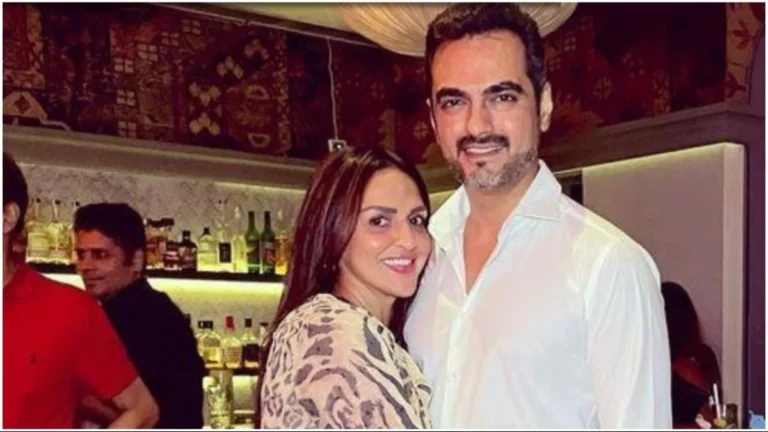
Esha Deol Rejects ‘Single Mom’ Tag, Calls Ex Bharat a Team Player

New Delhi, June 9, 2026: Esha Deol has publicly clarified her stance on her parenting arrangement following her split from businessman Bharat Takhtani, emphasizing that she does not consider herself a “single mom.” In a recent interview that has caught the attention of fans and media alike, the actor opened up about the dynamics of her relationship with her ex-husband, shedding light on how they are navigating life after divorce while prioritizing their two daughters, Radhya and Miraya. Instead of adopting the label of a solo parent, Esha credited Bharat for being an active participant in their children’s lives, describing their current co-parenting dynamic as a highly functional and collaborative “team.”

The couple, who married in a star-studded ceremony in 2012, shocked fans early in 2024 when they officially announced their decision to separate after eleven years of marriage. At the time, their joint statement emphasized that the split was mutual and amicable, with the well-being of their children remaining their utmost priority. While celebrity divorces often spark intense media scrutiny and rumors of acrimony, Esha’s recent comments present a refreshing narrative of maturity, mutual respect, and shared responsibility that challenges conventional perceptions of post-divorce family structures.

Shifting the Narrative on Post-Divorce Parenting

For many public figures, the end of a marriage often leads to a clean break, with one parent taking on the lion’s share of daily responsibilities. However, Esha Deol is determined to shift the narrative around divorced mothers. Speaking Candidly about her daily routine, she expressed that the term “single mother” implies a level of isolation and total independence that does not accurately reflect her reality. She noted that while she and Bharat no longer share a home or a marital bond, they remain completely aligned when it comes to raising their daughters.

According to Esha, the decision to co-parent as a team was not just a placeholder promise made in a press release, but a daily commitment. She highlighted that Bharat is entirely involved in major decision-making, school events, and milestones, ensuring that the children feel a consistent sense of security and presence from both parents. By refusing the “single mom” tag, Esha is actively highlighting the fact that a father’s role does not diminish simply because the marriage has dissolved.

This modern approach to family dynamics reflects a growing trend among contemporary couples who choose to separate the success of their parenting from the failure of their romantic relationship. Esha reiterated that the emotional health of Radhya and Miraya is the focal point of all their interactions. By keeping communication lines open and transparent, she and Bharat have managed to shield their daughters from the potential friction that often accompanies a high-profile separation.

The Strength of the Support System

Beyond her partnership with Bharat, Esha also touched upon the vital role her extended family plays in creating a stable environment for her daughters. Being the daughter of veteran Bollywood superstars Hema Malini and Dharmendra, Esha grew up under the watchful eye of the public, giving her a unique understanding of how media attention can impact young minds. She credited her mother, Hema Malini, as an pillars of strength who provides invaluable guidance on balancing a demanding career with motherhood.

The support system extends to Bharat’s family as well, creating a wide network of love and care for the children. Esha mentioned that ensuring the girls maintain strong bonds with both sides of the family is crucial for their upbringing. This collective effort allows the children to experience a normal, grounded childhood despite the changes in their parents’ marital status. The emphasis is consistently placed on abundance—more love, more support, and more family members looking out for them—rather than the sense of loss that is traditionally associated with divorce.

Navigating Public Life and Career Transitions

As Esha steps into this new chapter of her life, she is also focusing on her professional resurgence. After taking a partial hiatus to focus on her young children, the actor has been gradually making her way back to the screen, exploring digital platforms and production opportunities. Balancing a comeback in the entertainment industry with the demands of raising two young children requires meticulous planning, a feat Esha admits is made significantly easier due to Bharat’s reliable presence as a co-parent.

The clarity with which Esha speaks about her personal life reflects a deep sense of peace with her choices. She has chosen to address the media directly rather than letting rumors dictate the narrative, a move that has earned her widespread praise from fans and relationship experts. Her openness serves as an inspiring blueprint for couples navigating similar situations, proving that with maturity and a shared goal, it is entirely possible to transition from partners in marriage to partners in parenting.

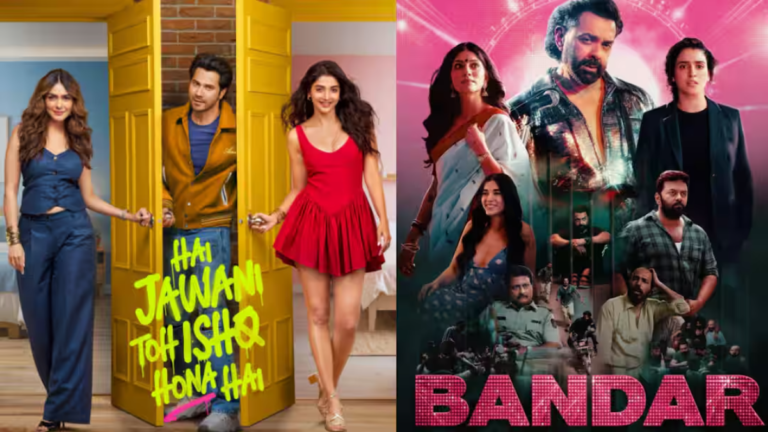
Box Office: ‘Hai Jawani Toh Ishq Hona Hai’ Beats ‘Bandar’ on Day 1

New Delhi, June 5, 2026: For family audiences and fans of light-hearted cinema, the return of the David Dhawan style of filmmaking has proved to be a major crowd-puller. The dynamic father-son duo of David and Varun Dhawan has previously delivered hits, and this new release follows that same successful formula filled with humorous misunderstandings, fast-paced comedy, and catchy music. Trade analysts note that the film’s vibrant urban setting, filmed primarily in the United Kingdom, gave it an appealing and polished look. This commercial appeal directly translated into a wider release, securing nearly 5,000 shows across the country on its opening day.

In contrast, Anurag Kashyap’s Bandar faced an uphill battle right from the morning shows. Despite massive anticipation surrounding Bobby Deol’s dark and complex avatar as a fading television star accused of a crime, the movie targetted a much more niche, mature audience. This limited appeal resulted in a conservative release strategy, with Bandar playing in just over 640 shows nationwide. The massive gap in the number of screens between the two films ultimately dictated the opening day collections, enabling the romantic comedy to outshine the thriller dramatically.

Opening Day Collections & Occupancy Breakdowns

The numbers compiled by industry trackers showcase the sheer scale of the lead Hai Jawani Toh Ishq Hona Hai holds. Early trade trends indicate that the Varun Dhawan-starrer managed an overall audience occupancy of around 13% throughout the day, drawing heavily from urban centers and youth walk-ins. Meanwhile, Bandar struggled to fill seats, recording a lower occupancy rate of just 7%.

Audience Reception and Word-of-Mouth

While the box office numbers strongly favor Hai Jawani Toh Ishq Hona Hai, the initial reviews and word-of-mouth for both movies tell a more nuanced story. Audiences stepping out of theaters for the comedy caper have praised it as a fun, “paisa vasool” (worth the money) entertainer. Fans highlighted the onscreen chemistry between Varun Dhawan, Pooja Hegde, and Mrunal Thakur, as well as the nostalgia generated by references to David Dhawan’s classic 90s comedies. While some critics found the plot to be predictable and lacking logic, the fast pacing and light-hearted chaos kept the family audience smiling.

On the other hand, Bandar received heavy praise for its lead actor despite its slow start commercially. Viewers on social media platforms have hailed Bobby Deol’s performance as “shattering” and intense, noting that he brings an incredible amount of honesty to a very dark and gritty role. The plot, which revolves around fame, loneliness, and a legal battle over serious allegations, hook audiences during a powerful first 40 minutes. However, several viewers noted that the screenplay slows down in the second half, causing the narrative to drag—a factor that might hurt its long-term growth.

The Road Ahead for Both Films

Historically, David Dhawan’s comedies thrive on weekend family outings. Trade experts believe that if Hai Jawani Toh Ishq Hona Hai can tap into mass centers over Saturday and Sunday, it can easily post a healthy first weekend total crossing the ₹30 crore mark. The financial burden on the film is also lightened by significant foreign filming rebates from its UK shooting schedules, which ensures a smoother path toward recovery and profitability.

For Bandar, the path forward relies entirely on multiplexes and a niche urban audience that appreciates slow-burn, gritty cinema. Because Anurag Kashyap’s films rarely rely on massive front-loaded opening day numbers, the production team will be looking for stable collections over weekdays. Ultimately, this box office clash proves once again that high-energy commercial cinema still holds the upper hand over dark, realistic thrillers when it comes to pulling audiences into theaters on opening day.

Chaos at Dawn: Massive Fire Breaks Out on the 12th Floor of Ivy County Society in Noida

0

New Delhi, June 5, 2026: Panic gripped the residents of Ivy County Society, a prominent residential complex located at the intersection of Sector 74 and Sector 75 in Noida, after a massive fire erupted in a high-rise tower early Friday morning. The blaze, which started around 8:00 AM inside an apartment on the 12th floor of the 28-storey building, quickly intensified, sending thick plumes of toxic black smoke billowing into the sky and triggering a large-scale emergency response.

Flames were seen bursting out of the flat’s windows and balconies, making the terrifying scene visible from a considerable distance across Noida. Within minutes, the entire residential tower was engulfed in chaos as hundreds of terrified residents rushed down the staircases and emergency exits to reach safety.

Swift Response and Heroic Rescue Operations

Upon receiving the emergency call, teams from the local fire department and the Sector 113 police station rushed to the spot. Recognizing the severity of the situation, a team from the State Disaster Response Force (SDRF) also arrived at the housing colony to reinforce the firefighting and rescue efforts.

Chief Fire Officer (CFO) of Gautam Buddh Nagar, Pradeep Kumar Gupta, confirmed that a strategic operation was launched using six fire tenders alongside the society’s internal, in-built fire safety systems. Firefighters equipped with specialized heat-resistant suits and breathing apparatus bravely entered the smoke-filled tower.

To ensure absolute safety, neighboring apartments and floors directly above the 12th floor were immediately evacuated as a precautionary measure, given fears that the intense heat could breach surrounding structures. Firefighters also utilized hydraulic platforms and modern thermal imaging cameras to check for any remaining individuals or hidden hotspots within the building’s infrastructure.

Chief Minister Takes Cognisance, Investigates Cause

The high-profile incident drew immediate attention from the highest levels of the state government. Uttar Pradesh Chief Minister Yogi Adityanath took formal cognisance of the Ivy County fire. The Chief Minister directed local administrative and district officials to immediately expedite relief operations, monitor the situation continuously, and guarantee that top-tier medical assistance was on standby for anyone affected by smoke inhalation or shock.

Thankfully, due to the swift action of the fire crews and the orderly evacuation by the residents, authorities officially confirmed that no casualties or injuries were reported from the Ivy County tower incident.

While a detailed forensic investigation will follow, preliminary assessments by the fire department point toward a clear technical failure. CFO Pradeep Kumar Gupta stated that the blaze is highly likely to have been caused by a short circuit in an air conditioning (AC) unit or an electrical issue originating in the apartment’s prayer (puja) room. The fire managed to spread briefly to an adjacent flat before firefighters successfully contained and completely doused the flames.

A Secondary Fire Incident Rockets Noida on the Same Morning

As emergency units were actively battling the blaze at Sector 74’s Ivy County, a second major fire alarm was sounded just a few kilometers away in Sector 52. A fierce fire broke out on the ground floor of a commercial building near Shatabdi Vihar, in the Gijhor area.

The fire reportedly originated from an electrical short circuit in a commercial freezer unit installed inside a restaurant on the ground floor. This incident caused significant anxiety because the upper floors of the very same building operate as a heavily occupied Paying Guest (PG) accommodation and hostel facility for local youths and students.

Separate firefighting teams were quickly diverted to the Sector 52 site. Acting rapidly, fire service personnel managed to safely evacuate 15 young residents trapped on the upper floors before the thick smoke could compromise the stairwells. The ground floor restaurant fire was completely brought under control, and like the Ivy County incident, concluded with zero casualties.

Rise in Summer Electrical Blazes Prompts Statewide Audits

The twin fires in Noida have renewed serious concerns regarding high-rise safety and electrical load capacities during peak summer months, when heavy usage of air conditioners and cooling appliances pushes domestic power grids to their absolute limits. The Ivy County incident follows close on the heels of another high-rise residential fire at the ATS Greens society in Noida’s Sector 50, highlighting a worrying trend of structural fires in the region.

In light of these back-to-back incidents—and coming just days after a devastating hotel fire tragedy in Delhi’s Malviya Nagar—the Uttar Pradesh government has issued strict, proactive orders. Chief Minister Yogi Adityanath has ordered a comprehensive, statewide safety inspection of all high-rise residential societies, commercial complexes, hotels, and industrial zones.

Local authorities and Resident Welfare Associations (RWAs) across Noida are now being mandated to rigorously review and test internal fire safety systems, clear emergency fire escape staircases, and conduct regular mock drills to prevent such dangerous situations from recurring.

How Bollywood Best-Dressed Icons Own the Ethnic Style Game

New Delhi, June 5, 2026: Bollywood and ethnic fashion share a historic bond. For decades, the silver screen has served as India’s ultimate style lookbook, transforming traditional wear from simple cultural garments into global fashion statements. Today, the landscape of Indian ethnic wear is more vibrant than ever. While new trends surface with every festive season, the real magic lies in how Bollywood’s leading ladies bridge the gap between golden-era nostalgia and contemporary chic. From Preity Zinta’s timeless, regal silhouettes to Kareena Kapoor Khan’s effortless embrace of breezy modern florals, these fashion icons are proving that traditional dressing is not just a seasonal choice—it is a masterclass in personal style.

The Timeless Royalty of Preity Zinta’s Anarkalis

When discussing the renaissance of classic Indian silhouettes, Preity Zinta’s name naturally leads the conversation. Known for her infectious dimpled smile and energetic screen presence, Preity’s off-screen ethnic wardrobe is an entirely different world of grace and understated luxury. Her absolute loyalty to the Anarkali suit—a historic silhouette featuring a long, flowing, frock-style top paired with slim-fitting trousers—has solidified her status as an ethnic style icon.

Preity’s approach to the Anarkali rejects fleeting, overly complex micro-trends in favor of classic tailoring, rich textiles, and exquisite craftsmanship. Whether she is attending a high-profile Diwali bash or walking a red carpet, she frequently chooses deep, celebratory colors like royal blues, deep emeralds, and ruby reds, often adorned with traditional chikankari (delicate shadow-work embroidery) or intricate gota patti (gold ribbon weaving) borders. By pairing these voluminous, floor-sweeping ensembles with traditional chandbali earrings and keeping her hair in soft, cascading waves, Preity channels an old-world elegance that feels completely timeless. She proves that a well-crafted traditional silhouette does not need to alter its DNA to remain deeply relevant.

Kareena Kapoor Khan and the Art of the Effortless Floral Suit

On the other end of the ethnic spectrum sits Kareena Kapoor Khan, a trendsetter who continuously redefines what it means to look effortlessly chic in traditional wear. If Preity represents royal nostalgia, Kareena is the blueprint for contemporary, everyday luxury. Over the last few years, Kareena has championed a major shift toward lightweight, highly breathable Indian textiles, with her absolute favorite being the floral ethnic suit.

Moving away from heavy embellishments and stiff fabrics, Kareena’s wardrobe relies heavily on soft cottons, flowing organzas, and premium linens decorated with beautiful block prints and delicate floral motifs. From breezy pastel shararas (flared trousers paired with a tunic) to relaxed, straight-cut salwar kameez sets, her outfits emphasize comfort without sacrificing an ounce of glamour. Kareena’s styling formula is deceptively simple: she pairs her floral suits with minimal makeup, a sleek classic bun or open air-dried hair, comfortable leather juttis (traditional Indian footwear), and her signature dark sunglasses. It is a look that transitions seamlessly from a casual brunch with friends to an intimate family festival, making her the ultimate inspiration for modern women who want to celebrate their heritage comfortably.

Bridging Generations: The Evolution of Bollywood’s Ethnic Identity

The stark contrast and mutual brilliance of Preity and Kareena’s wardrobes highlight a broader, exciting evolution within Indian fashion. Today’s Bollywood style game is no longer dictated by rigid rules or the pressure to wear the heaviest, most expensive-looking outfit in the room. Instead, it is centered around storytelling and individuality.

This evolution is beautifully balanced across generations:

  • The Classics: Veterans like Rekha and Madhuri Dixit Nene continue to set the gold standard for traditional silk sarees and heavily embroidered lehengas.
  • The Modern Icons: Preity and Kareena showcase how mid-era icons can adapt these silhouettes for distinct, highly personal style statements.
  • The New Guard: Younger stars like Alia Bhatt and Janhvi Kapoor build upon this foundation, seamlessly mixing sustainable handloom fabrics with daring, modern blouse designs and minimalist aesthetics.

What ties all of these women together is an authentic appreciation for India’s diverse textile heritage. Whether an outfit relies on centuries-old embroidery techniques or a fresh, digitized botanical print, the focus has firmly shifted toward celebrating the artistry behind the fabric.

How to Recreate the Bollywood Ethnic Masterclass

Winning the ethnic style game like these Bollywood icons does not require a celebrity styling team. It comes down to understanding balance, fabric selection, and confidence. To capture their signature style, consider these three essential approaches to building your traditional wardrobe:

Ultimately, the biggest takeaway from Bollywood’s best-dressed women is that ethnic fashion should look and feel natural. Whether you choose the majestic volume of a timeless Anarkali or the free-flowing ease of a casual floral suit, the true secret to winning the style game is carrying your heritage with comfort and personal pride.

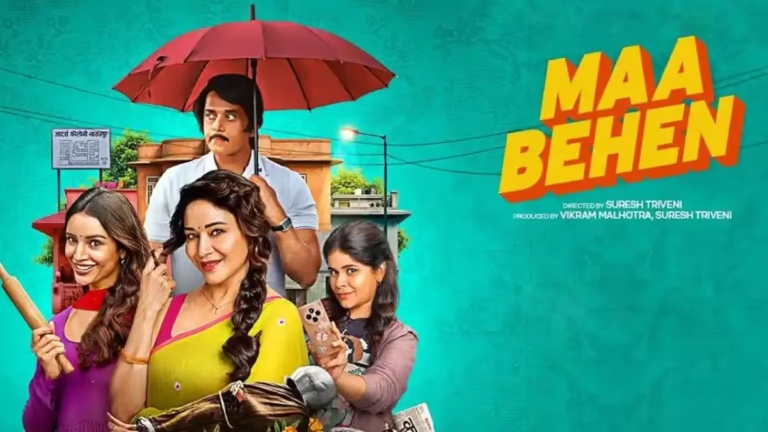
‘Maa Behen’ Review: What Social Media Thinks of Madhuri’s New Film

New Delhi, June 5, 2026: The highly anticipated dark comedy-drama Maa Behen officially premiered on Netflix on June 4, 2026, and social media has been buzzing ever since. Directed by Suresh Triveni—known for his brilliant handling of slice-of-life drama in Tumhari Sulu—the film brings together a stellar, multi-generational female cast featuring the legendary Madhuri Dixit, the versatile Triptii Dimri, and popular content creator Dharna Durgaa making her Bollywood acting debut.

Set against the backdrop of a seemingly quiet, close-knit middle-class housing colony, Maa Behen explores a chaotic and twisted murder mystery. It tells the story of Rekha (played by Madhuri), an unapologetic, fiercely independent single mother who has spent her life disregarding suffocating societal norms. She lives with her two estranged, constantly bickering daughters, Jaya (Triptii) and Sushma (Dharna). Their everyday family friction spirals into absolute madness overnight when Rekha calls her daughters to announce that their annoying neighbor, Gupta ji (played brilliantly by Ravi Kishan), has somehow been killed right inside their kitchen.

What follows is a frantic, clumsy cover-up full of secrets, panic, and terrible decisions—all happening while Gupta ji’s house right next door is hosting a massive, loud wedding celebration. The internet is deeply divided over the film. While many are hailing it as a refreshing, empowering feminist satire, others feel it crashes under the weight of a messy second half. Here is a deeper look into what netizens are saying across social platforms.

Madhuri Dixit Rules the Screen

If there is one thing nearly every viewer agrees on, it is that Madhuri Dixit delivers an absolute masterclass in acting. Fans are thrilled to see the Bollywood icon step far away from her traditional “glamorous diva” roles to play Rekha, a rebellious, non-conforming matriarch. Netizens have pointed out how beautifully Madhuri carries the heavy burden of her character, a woman who is routinely judged by her nosy neighbors and labeled with hateful terms like “witch” or “man-eater” simply because she chooses to live life on her own terms.

Social media users have flooded platforms like X (formerly Twitter) with praise for her emotional range, noting that she handles the wild comedy and the quiet, painful moments of everyday sexism with incredible grace. One viewer shared:

Triptii Dimri and Dharna Durgaa Hold Their Own

Triptii Dimri continues her impressive streak in Bollywood by delivering a highly grounded, effective performance as the eldest daughter, Jaya. Netizens are loving her effortless, natural chemistry with Madhuri, stating that their mother-daughter arguments feel incredibly relatable and raw.

However, the biggest surprise for most viewers has been Dharna Durgaa. Stepping from internet sketches into a major Netflix feature film, Dharna has earned immense praise for her flawless comic timing and expressive face. Netizens noted that standing alongside industry powerhouses like Madhuri Dixit is no easy task, yet Dharna completely stole the show in several scenes. The dynamic trio of these three women fighting off a chaotic crisis has been described by fans as a total “riot” to watch.

Sharp Satire vs. A Dragging Screenplay

The real conversation online centers around the film’s writing and pacing. The first hour of Maa Behen has received nearly unanimous praise. Viewers love how the script captures the exhausting nature of Indian neighborhood gossip—where a minor rumor instantly morphs into a massive, damaging scandal. Netizens also celebrated the film’s bold, unapologetic stance against patriarchy and social policing, enjoying how the movie highlights female solidarity instead of pinning women against each other.

Unfortunately, the second half of the movie seems to have alienated a significant portion of the audience. A large wave of reviews criticize the film for losing its narrative tightness after the initial setup. Many felt that the movie tries too hard to keep up its “wild and wacky” dark-comedy energy, which eventually feels forced and repetitive. Some netizens complained that the story gets weighed down by too many minor subplots and an overcrowded supporting cast

Another section of the audience pointed out that for a film that champions liberation, the script didn’t give the core female characters enough deep background or development, leaving them feeling slightly underwritten by the time the credits rolled.

The Verdict from Netizens

Ultimately, Maa Behen is being viewed as a brave, well-meaning, but flawed experiment. It is a movie that targets serious societal issues and structural misogyny through the lens of dark, messy humor. While it may not be the tightest thriller on Netflix, the sheer joy of watching Madhuri Dixit dominate the screen, paired with Triptii’s balance and Dharna’s fresh energy, makes it a passable weekend watch for most film lovers.