Home Blog Page 32

Balancing the Glitz and the Grind: Urvashi Dholakia Reflects on Becoming a Mother at 17

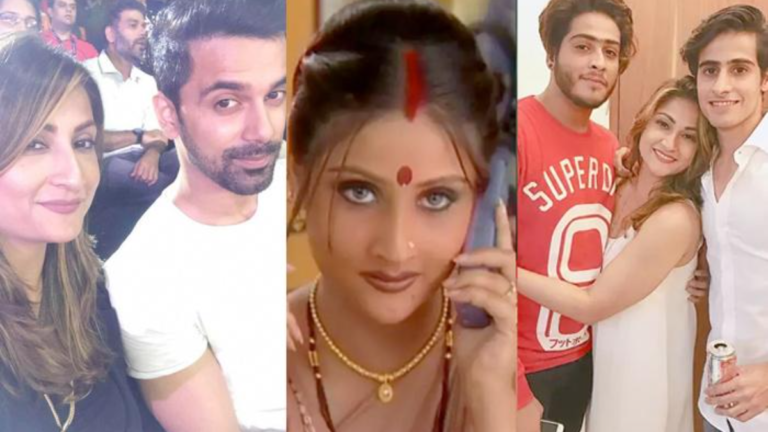
New Delhi, June 5, 2026: Indian television icon Urvashi Dholakia, immortalized in pop culture as the legendary screen antagonist Komolika, recently shared a deeply moving look into her real life behind the camera. Participating in a candid conversation on the talk show Tum Ho Naa, hosted by actor Rajeev Khandelwal, the 46-year-old actress laid bare the immense personal and financial battles she faced as a teenage single mother raising twin sons.

For generations of viewers, Urvashi has been the epitome of television glamour and uncompromising strength. However, her recent reflections emphasize a poignant reality: the glaring divide between an artist’s sparkling on-screen persona and the grueling survival struggles that often unfold backstage.

A Tale of Early Responsibility and Shattered Dreams

Urvashi’s entry into adulthood and motherhood happened at an age when most individuals are navigating high school. She entered show business as a child actor at just six years old. Driven by deep infatuation and structured by her mother’s highly conservative ideals—which prioritized traditional settlement over early independence—Urvashi married at the tender age of 16. At the time, she dreamed of a fairytale, “Cinderella-like” domestic life and intended to leave her acting career behind to focus entirely on her new family.

However, reality quickly dismantled those teenage dreams. By age 17, she gave birth to her twin sons, Kshitij and Sagar. By the age of 18, her marriage had collapsed, culminating in a divorce that left her completely on her own. Finding herself single, divorced, and holding two infants in her arms before even reaching the legal voting age, Urvashi was forced to grow up overnight.

The Painful Reality of Single Motherhood: ‘Mujhe Support Karne Mein’

During the interview, Rajeev Khandelwal noted that audiences looking at her glamorous lifestyle often assume she has never known real hardship. Addressing the audience—particularly women who often feel isolated by their own life struggles—Urvashi opened up about the raw vulnerability of those early years.

The core of her battle was financial survival. Because she had two children to feed, house, and educate, she could not afford to pause her career. She returned to the television studios out of sheer necessity.

The emotional toll of this balancing act was devastating. In order to give her sons a stable upbringing and structured discipline, Urvashi eventually made the agonizing decision to send them to a boarding school. She recalled crying relentlessly every single day after they left, walking into an empty home. It was a heartbreaking paradox: she was working around the clock to fund their education, meaning she was rarely home, yet the emptiness of the house when they were away shattered her emotionally.

Despite the extreme challenges, Urvashi highlighted the invaluable presence of her support system. She expressed profound gratitude to her family and close circles who stepped in to help, acknowledging that their support played an indispensable role in helping her keep the household together during her darkest financial and emotional phases.

Reaping the Rewards of Sacrifice

Decades later, Urvashi views those painful maternal sacrifices as the best decisions she ever made. Today, Kshitij and Sagar are well-mannered, highly disciplined adults who have also caught the entertainment bug, having assisted on major film sets.

Urvashi proudly shared how independent her sons have become, taking care of the household and looking after her in return.

  • A Shared Household: One son takes charge of cooking meals, while the other ensures her day starts right by making her tea.
  • A Continuous Bond: Even though her sons are grown up and physically tower over her, Urvashi emphasizes that to a mother, her children never truly grow up. Watching them evolve remains an overwhelming source of pride.

A Story of Power and Resilience

Urvashi Dholakia’s journey serves as a powerful reminder that behind television’s most fierce and independent women are real-world stories of absolute grit. She refused to let an early divorce and teenage pregnancy define the limits of her life. Instead, she channeled her challenges into building a historic television career, famously winning Bigg Boss 6 and headlining multiple high-TRP daily soaps.

Today, as she confidently shares her story, she stands not just as an iconic entertainer, but as an inspirational blueprint for single mothers across the country, proving that vulnerability and strength can coexist.

The Chemistry of Creativity: Why Namrata Shirodkar Loved the Direction of Mahesh Manjrekar

New Delhi, June 5, 2026: In the late 1990s and early 2000s, Hindi cinema was undergoing a massive shift. Audiences were moving away from over-the-top, formulas-driven blockbusters and craving something raw, authentic, and gritty. At the center of this transition stood Namrata Shirodkar, a former Miss India turned actor, and Mahesh Manjrekar, a visionary director known for his uncompromising storytelling style. Together, they formed a creative partnership that defined a generation of cult classic cinema.

Decades after stepping away from the camera, Shirodkar frequently reflects on her acting career with extreme fondness, specifically highlighting Manjrekar as the filmmaker who knew exactly how to unlock her true potential. According to her, his unique approach to direction brought out the absolute best in her as an artist.

The Evolution of an Actor

Before breaking into Bollywood, Shirodkar was highly celebrated as a fashion model, winning the Miss India crown in 1993. Transitioning from the high-glam world of pageantry to the intense demands of dramatic acting is a hurdle many struggle to cross. Early in her career, she faced the typical industry boxes, often being cast primarily for her elegance and charm.

However, her trajectory changed permanently when she crossed paths with Manjrekar. He didn’t view her through the standard lens of a glamorous leading lady. Instead, he recognized a deep-seated vulnerability and strength that other directors had overlooked.

Crafting a Masterpiece: The Vaastav Phenomenon

The pinnacle of their collaboration came in 1999 with the release of the groundbreaking crime-drama Vaastav: The Reality. The film, which marked Manjrekar’s Bollywood directorial debut, offered a brutal, unvarnished look into the underbelly of the Mumbai underworld. While Sanjay Dutt delivered a career-defining performance as the tragic gangster Raghu, it was Shirodkar’s performance that provided the film with its grounded, emotional anchor.

In Vaastav, Shirodkar played Sonia, a woman forced into prostitution who eventually marries Raghu. It was a complex, morally layered character that required immense nuance. Manjrekar’s hands-off yet deeply supportive directing style allowed her to shed all inhibitions. The performance was so powerful that legendary actress Jaya Bachchan famously remarked that Shirodkar genuinely deserved a National Award for her portrayal.

For Shirodkar, the magic lay in Manjrekar’s faith in his cast. He didn’t believe in rigid micromanagement. Instead, he set up the emotional perimeter of a scene and allowed his actors the freedom to feel their way through it. This trust created a safe space for her to dive into dark, challenging emotional territories without fear of failure.

Breaking Barriers in Astitva and Beyond

Following the massive commercial and critical triumph of Vaastav, the duo continued to challenge standard cinematic norms. In 2000, they collaborated again on Astitva, a hard-hitting film that explored complex themes of marital infidelity, female agency, and societal double standards.

Even when working in multi-starrers or brief roles under his guidance, Shirodkar felt a sense of artistic fulfillment that was hard to replicate elsewhere. She loved the lack of pretension on his sets. Manjrekar was a filmmaker who prioritized the truth of a moment over glossy aesthetics, encouraging a gritty realism that forced everyone on set to elevate their craft.

The intense creative synergy between the two inevitably triggered the rumor mills of the early 2000s gossip press, with tabloids framing them as an inseparable director-heroine duo. Addressing those old rumors, Shirodkar noted that while they only made a few films together, the industry’s loud assumptions occasionally backfired, making other filmmakers falsely assume she was exclusive to his projects or entirely inaccessible.

A Lasting Legacy

Ultimately, Shirodkar chose a path that prioritized her personal life over a relentless chase for cinematic stardom. Following her marriage to Telugu superstar Mahesh Babu, she made a conscious, deeply personal decision to step away from the acting world completely to focus on her family, children, and extensive philanthropic ventures. Today, she successfully spearheads major healthcare, education, and child welfare initiatives through the Mahesh Babu Foundation.

Though she has firmly closed the door on returning to the silver screen, her body of work remains incredibly well-regarded by film enthusiasts. The movies she created alongside Manjrekar continue to stand as beautiful examples of what happens when a director completely trusts an actor’s instincts. It is a timely reminder that great cinema isn’t just built on massive budgets or sparkling visual effects—it is forged in the quiet, absolute creative trust between a director and their actor.

The Second Orbit: Astronaut Shubhanshu Shukla Announces Debut Memoir

0

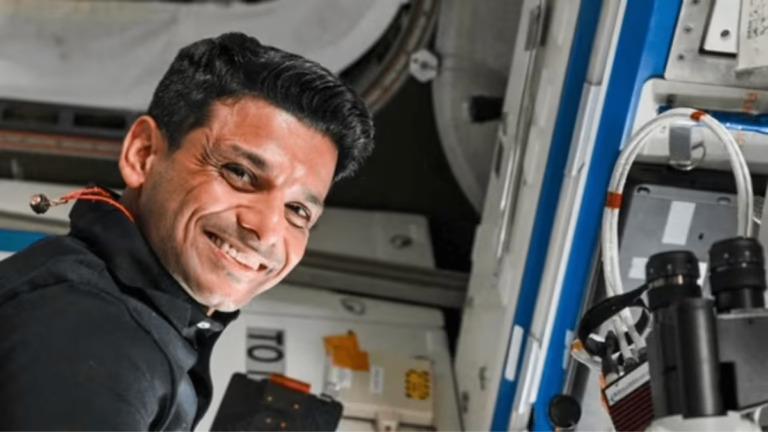
New Delhi, June 5, 2026 — Group Captain Shubhanshu Shukla, a decorated Indian Air Force (IAF) fighter pilot and the first Indian to visit and dock with the International Space Station (ISS), is ready to share his historic cosmic journey on paper. In a highly anticipated announcement, the 40-year-old astronaut revealed that he is turning author with his debut memoir titled The Second Orbit: Belief of a Man, Dreams of 1.4 Billion Hearts. Published by Penguin Random House India (PRHI), the 342-page book is scheduled to hit bookstores nationwide on June 25, 2026.

The book promises to move past the glossy headlines and public celebrations to give readers an unprecedented, raw glimpse into the grueling reality of modern human spaceflight. Far from a simple victory lap, the memoir dives deep into the high-stakes world of elite astronaut selection, intensive training regimens, and the profound emotional weight of carrying a nation’s celestial ambitions into orbit.

Holding the Door Open for the Next Generation

Shukla’s historic space journey aboard NASA’s commercial Axiom-4 mission marked the return of an Indian citizen to space after a staggering 42-year hiatus. The last time an Indian traversed the cosmos was in 1984, when Wing Commander Rakesh Sharma famously looked down at the subcontinent from a Soviet Soyuz spacecraft.

Shukla, who was recently honored with the Ashok Chakra for his exceptional service and gallantry, emphasized that the book is written specifically for ordinary dreamers. “When I was a child, I never imagined I would be an astronaut,” he stated. “I sat in the same kind of classroom, with the same homework, and the same small wish, for five minutes in a cockpit. This book is for the child in that classroom right now—the one who hasn’t yet been told the dream is too big. It isn’t. It never was.”

Behind the Scenes: The Realities of Space Flight

According to early insights from the publisher, The Second Orbit peels back the curtain on what it truly takes to survive a cosmic voyage. While the public sees smooth launches and smiling crew photos, Shukla writes about the “thousand silent breakdowns” and the sheer psychological discipline required when quitting feels like the easiest option.

The book chronicles his unforgettable experience spending 18 days floating in microgravity aboard the ISS, managing demanding 13-hour workdays that operated on a strict, military-style timetable. From waking up at 6:00 AM to conducting cutting-edge Indian-curated scientific experiments—such as studying stem cells to prevent muscle degeneration and observing microalgae growth—Shukla maps out life in a laboratory hurtling around the Earth at 17,500 miles per hour.

However, the memoir does not shy away from the vulnerabilities of an astronaut. Shukla opens up about the profound, heavy moments of loneliness he experienced while looking out of his capsule window at the “surreal” views of the Earth and Moon, struggling with the unique frustration of being unable to perfectly communicate such an alien experience to his loved ones back home.

From ‘Yesterday’s Coffee’ to Cosmic Wisdom

The announcement of the memoir comes closely on the heels of several high-profile public appearances by the astronaut, where he has begun sharing the unique life lessons learned from living on the edge of the cosmos. Speaking recently at the Climate Innovation Summit 2026 at IIM Bangalore, Shukla made headlines by drawing direct parallels between space survival and environmental accountability on Earth.

“In space, your yesterday’s coffee is your tomorrow’s coffee,” Shukla noted, explaining the extreme, absolute recycling systems required to sustain life on the space station. He noted that living with less in orbit reminds us of something humanity has largely forgotten: that every drop of water, every breath of air, and every gram of matter is sacred.

This philosophy of mindful focus and rising above chaos is a major theme woven throughout The Second Orbit. Shukla frequently speaks about the concept of “discernment in an age of distraction,” using the traditional zero-gravity indicator from his mission—a swan-shaped plush toy named “Joy”—as a symbol. Just as the swan in Indian mythology represents the wisdom to separate truth from noise, Shukla’s memoir challenges readers to identify what truly matters in their own lives and “float above the rest”.

The Path to India’s Flagship Frontier: Gaganyaan

The timing of the book’s release is particularly significant as India stands at a critical crossroads in its space exploration history. Currently based at the Human Space Flight Centre in Bengaluru, Group Captain Shukla is actively preparing for an even larger assignment: he is one of the four elite astronaut-designates chosen for ISRO’s legendary, fully indigenous Gaganyaan mission.

Tentatively scheduled for a mid-2027 launch, the landmark Gaganyaan mission aims to project India into an elite club of spacefaring nations by launching a three-member crew into a 400-kilometer low-Earth orbit for three days, before executing a safe splashdown return in Indian sea waters.

Shukla is currently leveraging his extensive background as an IAF test pilot to help ISRO refine and freeze the spacecraft’s design, ensuring human safety remains paramount. He views Gaganyaan as a monumental shift in scale for the country’s scientific community, noting that a successful indigenous mission will provide immense courage to the nation.

As public excitement for India’s space era reaches a fever pitch, The Second Orbit arrives as both a masterclass in psychological resilience and a profound, inspiring look at a man who dared to look past fear, say “yes,” and step out into the stars.

The Second Orbit: Belief of a Man, Dreams of 1.4 Billion Hearts will be available in both hardback and paperback variants across major online portals and brick-and-mortar bookstores starting June 25.

Outrage Sparks Nationwide Debate Over Safety of Foreign Tourists in Manali

0

June 5, 2026 — A viral video capturing the alleged harassment of a foreign woman tourist in the popular hill station of Manali has triggered widespread public outrage, putting the spotlight back on tourist safety and local accountability in India’s premier travel destinations. The footage, which circulated rapidly across social media platforms including X (formerly Twitter) and Instagram, has ignited a fierce nationwide debate regarding the behavior of locals toward international visitors and the enforcement of law and order in scenic getaways.

The Incident and Immediate Backlash

The controversy erupted when a brief video clip began making waves online, reportedly filmed in a bustling market area of Manali. In the footage, a young foreign female tourist appeared visibly distressed and uncomfortable while dealing with aggressive advances and inappropriate behavior from a group of local men. The video captured the men crowding her space, making unsolicited gestures, and passing remarks that left the tourist visibly shaken.

As the clip gained traction, thousands of social media users expressed deep anger and embarrassment, demanding swift justice. Prominent activists, travel bloggers, and citizens tagged local law enforcement agencies and government officials, calling for the immediate identification and arrest of those involved.

Law Enforcement Steps In: Quick Action Taken

In response to the growing public fury, the Himachal Pradesh Police swung into action to investigate the matter. Recognizing the gravity of the situation and its potential impact on the state’s crucial tourism sector, senior officials ordered an immediate inquiry to track down the individuals seen in the video.

Using a combination of local intelligence, eyewitness accounts, and street-level CCTV camera footage from the vicinity, the Manali Police successfully identified the primary suspects. According to the latest updates from law enforcement, multiple individuals have been detained and face charges related to public misconduct, stalking, and the harassment of women.

A senior police official stationed in the Kullu district stated:

  • Zero Tolerance: The administration maintains a strict zero-tolerance policy regarding any form of misbehavior or harassment directed at tourists.
  • Enhanced Surveillance: Police personnel in plain clothes have been deployed around popular tourist hotspots, including Mall Road, Old Manali, and Solang Valley.
  • Fast-Track Investigation: The case is being handled with high priority to ensure a strong legal deterrent is established.

The Broader Impact on Himachal Pradesh Tourism

Himachal Pradesh, particularly the Kullu-Manali region, relies heavily on the influx of global travelers to sustain its local economy. Incidents of this nature pose a severe threat to the hospitality industry, which is still maintaining its post-pandemic recovery and navigating shifts in global travel trends.

Local hospitality associations, resort owners, and travel guides have collectively condemned the actions of the accused. Industry leaders are concerned that negative international advisories could deter foreign backpackers and luxury travelers alike. Many recall past incidents where similar safety concerns led to a temporary dip in female solo travelers visiting the valley.

To combat this negative perception, local trade groups are collaborating with the tourism department to introduce mandatory sensitization workshops for taxi drivers, street vendors, and market association members. The goal is to cultivate a collective responsibility toward guest safety and uphold the traditional Indian philosophy of “Atithi Devo Bhava” (The Guest is God).

Public Debates Highlight Double Standards

The incident has also opened up a broader conversation regarding global tourist behavior and double standards. Interestingly, the outrage coincided with separate viral discussions online concerning a foreign tourist who caused a public disturbance in a nearby Dharamshala market, sparking intense comparisons.

Netizens pointed out the nuances of how misbehavior is judged globally. While some argued that individual criminal actions should not define an entire nation’s culture, others emphasized that safety structures must be foolproof so that vulnerable travelers—particularly solo female tourists—do not feel isolated or unprotected.

Moving Forward: Safety Measures and Travel Tips

As the legal process unfolds against the perpetrators, the state government is looking into long-term systemic upgrades to prevent such occurrences. Discussions are underway to establish dedicated “Tourist Police” kiosks at high-density zones and to promote the usage of local emergency helpline numbers.

While Manali remains a breathtakingly beautiful and generally peaceful destination loved by millions of travelers each year, this latest viral incident serves as a stark reminder that constant vigilance, strict law enforcement, and community-wide respect are essential to keeping the mountains safe for everyone.

Inches From Ruin: The Viral Scooter vs. Ferrari Near-Miss

0

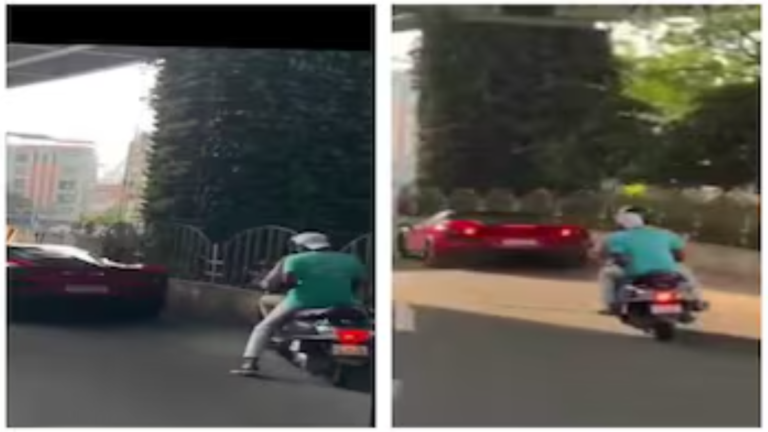
New Delhi, June 5, 2026: A heart-stopping video circulating widely across digital platforms has ignited an intense online debate about modern urban traffic, economic disparities, and the terrifying realities of accidental liabilities. Titled under the collective internet sigh of relief, ‘Saved from generational debt,’ the viral closed-circuit television (CCTV) footage captures a incredibly close shave between an ordinary electric two-wheeler and a parked, multi-million dollar Ferrari. The clip has captured millions of views, transforming a split-second near-miss into a global conversation about the massive financial risks regular commuters face every day alongside hyper-luxury supercars on public roads.

The incident occurred in the Zhejiang province of China when an ordinary scooter rider was casually washing and cleaning his black electric two-wheeler parked along a street. In a sudden twist of events, as the man bent over to clean the rear wheel of the vehicle, the scooter unexpectedly malfunctioned or experienced a sudden, accidental throttle twist. The electric scooter surged forward with sudden, rapid acceleration, lurching out of his control. Directly in its path sat a pristine, gleaming red Ferrari luxury sports car.

What followed was a masterclass in panic-driven human reflexes. As the runaway scooter spun and rocketed directly toward the side panels of the Italian supercar, the owner managed to lung forward, desperately grabbing onto the handlebars to physically hold back the accelerating machine. Another nearby citizen rushed over to assist, lifting the rear wheel of the scooter off the ground to break its traction and stop the impending collision. The scooter was stopped literal inches away from the exotic car’s immaculate, expensive bodywork.

The “Generational Debt” Phenomenon

The phrase “saved from generational debt” quickly became the defining theme of the viral video. Netizens immediately picked up on the terrifying financial reality that a simple scratch, dent, or structural impact on a high-end luxury vehicle can translate to repair bills totaling tens of thousands—if not hundreds of thousands—of dollars. For an average working-class individual or a delivery commuter, such an astronomical amount can entirely wipe out life savings, force people into massive loans, and effectively compromise a family’s financial stability for decades.

Social media comment sections across TikTok, X (formerly Twitter), and Instagram filled with relief and humor, but underneath the jokes lay a distinct layer of anxiety. Many users pointed out that the rider didn’t just save his scooter; he saved his future children’s college funds, his mortgage prospects, and his peace of mind. The sheer disproportion between a minor everyday mistake and its potentially life-ruining financial consequences has struck a deep nerve with the public.

Rising Tensions Between Luxury and Daily Commuters

This viral sensation has brought a long-simmering urban issue to the forefront: the growing anxiety surrounding the co-existence of ultra-luxury vehicles and everyday commuters on crowded public roads. As the global wealth gap widens, high-net-worth individuals increasingly drive hypercars through dense, traffic-heavy municipal areas. At the same time, urban centers have seen an explosion of gig-economy workers, delivery personnel, and daily commuters relying on lightweight electric scooters and bikes to navigate tight spaces.

When these two worlds collide, the stakes are profoundly unequal. A minor lapse in concentration that results in a fender bender between two average commuter hatchbacks is usually a routine insurance claim. However, that exact same minor lapse involving an exotic hypercar can result in financial catastrophe for the lower-income driver. This dynamic creates a stressful driving environment where ordinary citizens feel they are constantly maneuvering around driving financial landmines.

The Legal and Insurance Dilemma

The debate has also extended into the complex territory of traffic laws, liability, and the limitations of standard insurance policies. In many regions, basic third-party property damage insurance caps out at a specific limit. If a regular driver or motorist is found at fault for destroying or severely damaging an exotic car, the cost of repairs can easily exceed the maximum payout of standard insurance policies. The individual is then left personally liable for the remaining balance.

Legal experts and automotive analysts reviewing the video highlighted several systemic questions raised by the public debate:

  • Insurance Caps: Should there be mandatory, higher property liability limits in urban zones heavily populated by luxury vehicles?
  • Liability Reform: Is it fair for a low-income driver to face absolute financial ruin over an unintentional, low-speed accident involving a vehicle of extreme, discretionary luxury?
  • Regulatory Zones: Should certain historic, overly congested, or narrow commercial districts place restrictions on hypercars to reduce mutual risks?

While some argue that luxury car owners have every right to drive their property on public roads, others counter that the extreme financial risk these vehicles impose on the public ecosystem demands a fresh look at how liability is handled.

A Lucky Escape and a Lasting Lesson

Ultimately, the video concludes without a single scratch on the Ferrari or an injury to the quick-thinking scooter owner. It stands as a rare internet video where the outcome is entirely positive, yet it leaves behind a chilling realization. It serves as a stark reminder of how quickly an ordinary, mundane day can spiral into an overwhelming crisis due to a mechanical glitch or a second of distraction.

As cities continue to grow more congested and diverse in their modes of transit, the conversation sparked by this close shave will likely influence how urban planners, insurance companies, and everyday commuters view the shared responsibility of the road. For now, the internet remains collectively glad that this particular scooter rider managed to hold the line against life-altering debt.

Bihar Train Shock: Giant Metal Trunk Hanging Out of Window Sparks Outrage

0

New Delhi, June 5, 2026: A bizarre and deeply concerning video has taken social media by storm, showing a group of passengers on a train in Bihar attempting an incredibly reckless stunt. In the viral footage, a giant metal trunk can be seen hanging almost entirely out of a moving train compartment’s window, with passengers inside desperately gripping it to prevent it from falling. The clip has sparked massive outrage online regarding passenger safety and the enforcement of railway regulations, prompting a swift administrative response from Indian Railways.

The Incident That Shocked the Internet

The video, which circulated widely across platforms like X (formerly Twitter) and Instagram, captures a giant, oversized steel trunk protruding precariously from the barred window of a moving passenger coach. Two passengers inside the crowded compartment can be seen using their physical strength to anchor the heavy box from its handles, while the vast majority of the bulky metal structure sways heavily outside the train.

As the train speeds along, the potential danger is clear to anyone watching. The audio in the background features a person recording from a railway platform remarking in Hindi, “Yeh Bihar hai” (This is Bihar). Social media users quickly pointed out the catastrophic risks involved, noting that if the trunk were to strike an upcoming railway signal post, electric pole, or an oncoming train, it could cause severe structural damage, derailment, or fatal injuries to passengers inside and outside the coach.

Ministry of Railways Steps In

As the public outcry intensified, the official customer care handle of Indian Railways, Railway Seva, intervened. Responding directly to the viral post, authorities requested specific details to take immediate legal and corrective action.

Railway officials emphasized that carrying oversized luggage in passenger compartments—especially letting it hang outside—is a serious violation of the Railways Act. Such acts fall under dynamic safety hazards and endanger the lives of hundreds of commuters. Law enforcement agencies, including the Railway Protection Force (RPF), have reportedly been briefed to trace the train and identify the individuals involved.

Public Backlash and Safety Concerns

The internet didn’t hold back in criticizing both the passengers’ reckless behavior and the apparent lack of supervision by railway staff at the boarding station. Many users questioned how an item of that size managed to get past station security and onto the platform in the first place.

  • Safety Overrides: “This isn’t just a funny viral video; it’s an invitation to a massive rail disaster,” wrote one concerned user, pointing out that clearances between trains and line-side poles are minimal.
  • Accountability for Staff: Several citizens demanded accountability from the on-duty ticket examiners (TTEs), station masters, and RPF personnel for letting the train depart with such a visible hazard.
  • Ignorance of Rules: Commenters highlighted that the Indian Railways offers extremely cheap and structured parcel services specifically designed to handle heavy luggage like iron trunks, domestic goods, and two-wheelers, making such dangerous shortcuts entirely unnecessary.

The Core Problem: Luggage Rules vs. Reality

While Indian Railways permits passengers to carry personal luggage free of charge up to certain weight limits based on their class of travel, there are strict dimensions regarding what can safely fit under a sleeper or general coach seat. Giant tin and metal trunks—traditionally used in rural India for shifting households—are meant to be booked under the Luggage Van / Parcel Service.

Items that exceed permissible volumetric dimensions or block the movement of passengers in aisles and doorways are strictly prohibited inside the passenger coaches. When people bypass the system to avoid minor parcel fees or systemic waiting times, they compromise the structural safety guidelines of the entire trip.

A Recurring Trend in Festive Rushes

This incident is not an isolated case of bizarre passenger behavior or overcrowding struggles in Bihar’s railway network. Observers note that during major regional festivals and summer holiday rushes, trains experience unprecedented footfall.

Interestingly, another video emerged around the same time shared by a Bihar resident, showing a similar scene where two women tried repeatedly to push a massive tin trunk through a train door. In that instance, the trunk was too large to fit through the narrow entry points, and the women were left behind on the platform as the train departed.

These occurrences underscore a persistent gap between railway safety protocols and public awareness. Moving forward, Indian Railways faces the twin challenge of enforcing stricter station check-ins to filter out oversized items, while expanding public awareness regarding the affordability and ease of their legal parcel shipping alternatives.

Esha Deol Cheers for Brother Bobby’ Bandar: “Best Form Ever”

New Delhi, June 5, 2026: The Deol family is celebrating another massive artistic milestone as Bobby Deol’s highly anticipated crime drama, Bandar, officially hits theatres on June 5, 2026. Ahead of its public release, a special star-studded screening was organized in Mumbai, drawing close friends and family members. Among the attendees was Bobby’s half-sister, actor Esha Deol, who could not contain her excitement and pride after watching the film. Taking to social media immediately after the screening, Esha penned a deeply emotional note cheering for her “bhaiya,” declaring him to be at the absolute peak of his acting prowess.

A Sister’s Heartfelt Tribute

Esha Deol took to her official Instagram account to share a warm, candid picture from the screening night, featuring herself alongside Bobby Deol and his wife, Tanya Deol. The photograph perfectly captured the close-knit bond and mutual support shared within the family. Alongside the picture, Esha showered immense praise on Bobby’s performance, highlighting the sheer depth he brought to the screen.

Bobby Deol, deeply touched by his sister’s public declaration of support, quickly re-shared the post on his own Instagram Stories, adding heart emojis to express his gratitude. This is not the first time Esha has openly rallied behind her brother. She previously celebrated his explosive antagonist role in Sandeep Reddy Vanga’s blockbuster Animal, proving that the sibling duo consistently stands by each other during major career milestones.

What is Bandar About?

Directed by maestro Anurag Kashyap and produced by Nikhil Dwivedi under the Saffron Magicworks banner, Bandar marks the very first professional collaboration between Bobby Deol and Kashyap. Written by the acclaimed duo Sudip Sharma and Abhishek Banerjee, the dark, unsettling crime thriller is deeply rooted in real-life events.

The narrative revolves around Samar Mehra (played by Bobby Deol), an aging, fading television star and singer who lives a lonely life away from his former glory. His world is turned completely upside down when he is suddenly accused of sexual assault by a former girlfriend. The movie is less of a standard courtroom drama and more of a gritty, visceral exploration of the systemic humiliation and harrowing realities of the Indian prison system once an individual enters the legal machinery. It features a stellar ensemble cast, including:

  • Bobby Deol as Samar Mehra
  • Sanya Malhotra
  • Saba Azad
  • Sapna Pabbi
  • Indrajith Sukumaran
  • Raj B. Shetty
  • Jitendra Joshi

The film initially garnered massive international acclaim when it made its world premiere in the prestigious Special Presentations section at the Toronto International Film Festival (TIFF).

Stepping Out of the Comfort Zone

For Bobby Deol, Bandar represents a radical departure from the larger-than-life, stylized characters he has frequently played throughout his career. Speaking about the challenging experience, Bobby opened up about how working with Anurag Kashyap forced him to strip away his superstar armor to portray a character that is broken, raw, and deeply vulnerable.

“We all dream of playing characters that bring out the best in us, but such opportunities are not easy to come by,” Bobby shared in a recent media interaction. “The biggest struggle in this industry is to be recognized for one’s true capabilities. I feel really lucky to have got this opportunity. This character was completely different from anything I’ve done before. Anurag really helped me strip down the conventional acting methods and tap into a very real emotion.”

Censor Board Clearance and Runtime Details

Given Anurag Kashyap’s signature style of filmmaking, Bandar naturally faced strict scrutiny from the Central Board of Film Certification (CBFC). The film cleared the censor process with an official ‘A’ (Adults Only) certificate.

Interestingly, the examining committee did not demand any visual cuts, preserving Kashyap’s cinematic vision intact. However, the film underwent extensive dialogue modifications. To tone down the intense verbal profanity, several harsh cuss words were ordered to be muted or replaced with milder alternatives. For instance, strong expletives were uniquely swapped out for words like “banjo,” “saale,” “haramkhor,” and “clown.” The official runtime of Bandar stands at 130 minutes and 27 seconds (2 hours, 10 minutes, and 27 seconds), making it a tight, fast-paced thriller.

Strategic Release Plan and Box Office Standoff

The release day of Bandar has not been without its share of real-world drama. The film entered a significant box office clash with other major releases, including the Hindi film Peddi and the romantic drama Hai Jawani Toh Ishq Hona Hai.

In a bold move, the makers of Bandar, alongside Zee Studios, chose a targeted release strategy rather than chasing a massive, multi-thousand-screen opening weekend spectacle. The team specifically requested national multiplex chains like PVR Inox and Cinepolis for selective, strategic afternoon and evening show slots (asking for 3 to 4 shows per multiplex post 1:00 PM) to cater precisely to their core audience.

When multiplex chains initially favored their own distributed titles with disproportionate show counts, the Bandar team took a firm, uncompromising stance, temporarily putting their national chain programming on hold until fair showcasing was properly negotiated.

What’s Next for Bobby Deol?

The year 2026 continues to be a phenomenal chapter for Bobby Deol’s career renaissance. Immediately following his powerful stint in Bandar, the actor is locked to transition back into high-octane commercial cinema. He will be seen playing a pivotal role in the prestigious YRF Spy Universe film titled Alpha.

Directed by Shiv Rawail, Alpha is spearheaded by Alia Bhatt and Sharvari, alongside industry stalwart Anil Kapoor. Marking the seventh installment in the historic spy franchise—which includes blockbusters like Pathaan and Tiger—the action entertainer is currently slated for a grand theatrical release on July 3, 2026. For now, however, the spotlight remains firmly on Bobby’s masterclass performance in Bandar, backed heavily by the love and applause of his family and fans alike.

Pragg’ Hat-Trick: Praggnanandhaa Beats Gukesh to Blow Open Norway Chess Title Race

0

New Delhi, June 5, 2026: The 2026 edition of Norway Chess has witnessed one of the most thrilling redemption arcs in recent chess history. Just days ago, 20-year-old Indian Grandmaster Rameshbabu Praggnanandhaa was struggling near the bottom of the tournament standings, reeling from back-to-back defeats. Today, he stands on the cusp of glory after completing a spectacular “hat-trick” of three consecutive classical victories against the absolute titans of the modern game.

His latest victim? None other than the reigning World Chess Champion and his close compatriot, Dommaraju Gukesh. Playing with the black pieces in the penultimate ninth round, Praggnanandhaa outmaneuvered Gukesh in a high-stakes, dramatic encounter that completely reshaped the leaderboard heading into the final day of the super-tournament.

From the Bottom to the Top: The Spectacular Turnaround

To truly appreciate Praggnanandhaa’s achievement, one has to look back at the middle phase of this grueling double round-robin event. In rounds five and six, Pragg suffered heavy consecutive classical losses to Gukesh and current tournament leader Wesley So. For most players, such a psychological blow in an elite field could trigger a downward spiral. Instead, it lit a fire under the Chennai-born prodigy.

Pragg launched a ruthless comeback trail, securing three straight classical wins against the field’s most dangerous players:

  • Round 7: Defeated the explosive French superstar Alireza Firouzja.
  • Round 8: Shocked the chess world by taking down world number one Magnus Carlsen on his home turf.
  • Round 9: Toppled World Champion D Gukesh in a masterful tactical display.

“I’m more happy that I’m still in the race because three days back I was fighting for the last spot. And now I have a chance at fighting. So I’ll take it,” a smiling Praggnanandhaa stated during the official broadcast after his round nine victory.

Tactically Outsmarting the World Champion

The highly anticipated clash between Gukesh and Praggnanandhaa lived up to its billing, unfolding into a sharp, complicated battle from the very opening moves. Gukesh, known for his uncompromising and deeply creative play style, selected the ultra-ambitious Nimzo-Indian Saemish Variation. It’s a sharp setup where White intentionally sacrifices a pawn on the c4 square early on to gain rapid piece activity and an aggressive attacking structure.

However, Pragg’s deep home preparation paid off perfectly. While he admitted post-match that he temporarily blanked on some of his calculated lines, he remembered the core positional goals and unleashed a brilliant theoretical novelty.

The game reached a critical tipping point when Gukesh pushed an over-aggressive pawn move. Pragg capitalised instantly, engineering a deep tactical maneuver that sent his knight on a daring journey all the way into White’s queenside corner to grab a whole rook.

Though Gukesh used his immense calculating powers to generate a dangerous counter-attack and push Pragg into severe time pressure, Pragg defended with iron-clad resilience. He consolidated his material advantage, carefully neutralised White’s threats, and forced Gukesh to resign after a grueling battle. It was sweet revenge for Praggnanandhaa, who had lost their previous meeting earlier in the event due to a late-game time scramble.

The Ultimate Final Round Showdown

Pragg’s masterclass has thrown the tournament standings into absolute chaos. American Grandmaster Wesley So managed to hold onto the pole position by drawing his classical game against Magnus Carlsen and subsequently winning the bonus half-point in the sudden-death Armageddon tiebreak.

This leaves a nail-biting, three-horse race for the prestigious Norway Chess crown going into the tenth and final round.

Current Standings at the Top

The mathematical permutations mean that everything is left to play for. Praggnanandhaa will command the white pieces against Germany’s rock-solid Vincent Keymer. A fourth consecutive classical win for Pragg, combined with any slip-up from Wesley So against a hungry Alireza Firouzja, would secure the young Indian the biggest tournament victory of his career.

Meanwhile, in the women’s section, the title race has already concluded with a round to spare. Kazakhstan’s international master Bibisara Assaubayeva put on a clinic of consistency throughout the week, drawing her final match to build an unassailable lead and comfortably claim the championship trophy alongside the $75,000 top prize.

As the pieces are set for the grand finale in the open section, the chess community watches with bated breath to see if Praggnanandhaa can finish his miraculous comeback and write his name in the history books of Norway Chess.

The Saffron Blueprint: How Yogi Adityanath Unchanged Identity Reshaped Uttar Pradesh

0

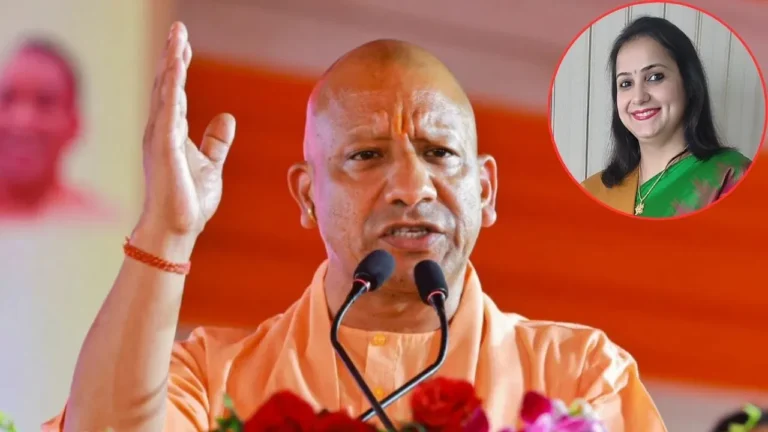
New Delhi, June 5, 2026: In 2017, when the head priest of the Gorakhnath Math was unexpectedly chosen to lead India’s most populous and politically volatile state, the nation watched with a mix of intense curiosity and skepticism. Critics questioned whether a hardline monk wrapped in saffron robes could navigate the complex machinery of a state plagued by decades of industrial stagnation, crumbling infrastructure, and deep-seated law-and-order issues. Shortly after taking office, in a definitive interview with India Today, Yogi Adityanath answered his critics with a statement that would define his entire political trajectory: “My name, clothes, and ideology remain the same.”

Years later, that declaration has evolved from a defensive stance into the very foundation of his governance. Far from moderating his identity to fit the traditional mold of a bureaucratic chief minister, Adityanath leaned directly into it. By marrying his uncompromising Hindutva ideology with a relentless focus on law enforcement, infrastructure, and technological governance, he has completely altered the political and physical landscape of Uttar Pradesh (UP).

The Saffron Identity as a Shield and a Brand

When Adityanath first walked into the Chief Minister’s office in Lucknow, political analysts assumed he would eventually tone down his fiery, monk-statesman persona. Instead, his traditional saffron attire became the ultimate symbol of authority in northern India. In his worldview, being a yogi does not contradict running a massive state administration; rather, he views public welfare as an extension of his spiritual duties.

This unyielding identity has served as a powerful shield against political compromise. Because he does not have a biological family or dynasty to build—a sharp departure from the caste-and-kinship-driven politics that ruled UP for decades—he successfully branded himself as a fiercely independent leader whose sole allegiance is to his ideology and the state. This “nothing to lose, nothing to hide” image has resonated deeply with a massive voter base, transforming him from a regional powerhouse in Gorakhpur into one of the most popular and polarizing figures in contemporary Indian politics.

Breaking the Status Quo: The Policy of “Zero Tolerance”

The most drastic change in Uttar Pradesh under Adityanath’s tenure has been the approach to law and order. In 2017, the state was notorious for political patronage of local mafia dons, systemic extortion, and a paralyzed police force. Adityanath’s government dismantled this ecosystem through a controversial, heavy-handed “zero tolerance” policy.

The administration empowered local law enforcement to aggressively pursue organized crime. This shift led to the widespread use of armed encounters and a unique punitive measure that earned the Chief Minister the media moniker “Bulldozer Baba”—the demolition of illegal properties belonging to accused gangsters and rioters. While human rights groups and political opponents frequently voice deep concerns over due process and the potential misuse of state machinery, the domestic political dividend has been immense. For large swathes of the UP electorate, the visible crackdown on historically untouchable criminals created an unprecedented sense of daily public security and safety.

The Expressway State: From “Bimaru” to Industrial Hub

Beyond the headlines of law and order, Adityanath realized that long-term political survival required economic results. For decades, UP was lumped into the derogatory “BIMARU” category—an acronym used to describe North Indian states with sluggish economic growth, poor healthcare, and low literacy.

To break this cycle, the administration launched a massive infrastructure blitz. By prioritizing connectivity, the state built an intricate network of high-speed arteries, including the Purvanchal Expressway, the Bundelkhand Expressway, and the massive Ganga Expressway project designed to seamlessly bridge the state’s eastern and western corners.

This infrastructure network, combined with a streamlined, digital single-window clearance system for businesses, successfully attracted major domestic and international manufacturing units—ranging from massive mobile phone assembly plants to heavy defense manufacturing corridors.

Ideology in Action: The Cultural Renaissance

While infrastructure and police reforms fueled the state’s economy, Adityanath’s core ideology remained the undisputed engine of his political narrative. He has consistently demonstrated that economic development does not require a retreat from cultural nationalism; instead, his administration treats them as two sides of the same coin.

The most prominent manifestation of this ideology was the completion and grand opening of the Ram Mandir in Ayodhya. For Adityanath, who left home at age 21 to join the Ram Mandir movement, the temple’s realization was both a personal milestone and a profound political victory. His government rapidly transformed Ayodhya from a neglected, sleepy town into a world-class spiritual tourism hub complete with an international airport, luxury hotels, and modern civic infrastructure. By turning ancient heritage sites like Varanasi, Mathura, and Ayodhya into major economic drivers, he successfully proved to his base that his original saffron ideology could directly generate modern jobs, local business revenues, and national pride.

A Lasting Blueprint for Governance

When looking back at the arch of his tenure, Yogi Adityanath did not change his convictions to fit the office of Chief Minister; rather, he forced the office to adapt to him. By remaining exactly who he said he was in 2017—unwavering in name, dress, and belief—he created a highly distinct model of leadership. It is a potent mix of uncompromising cultural pride, aggressive law enforcement, and large-scale industrial ambition. While this heavy-handed style of governance remains a subject of intense national debate, one reality is completely undeniable: the monk in saffron robes has fundamentally shattered the old political playbook and permanently rewritten the future of Uttar Pradesh.

Huge Overhaul: Shreyas Iyer Named India T20I Captain, Tilak Varma Deputy

0

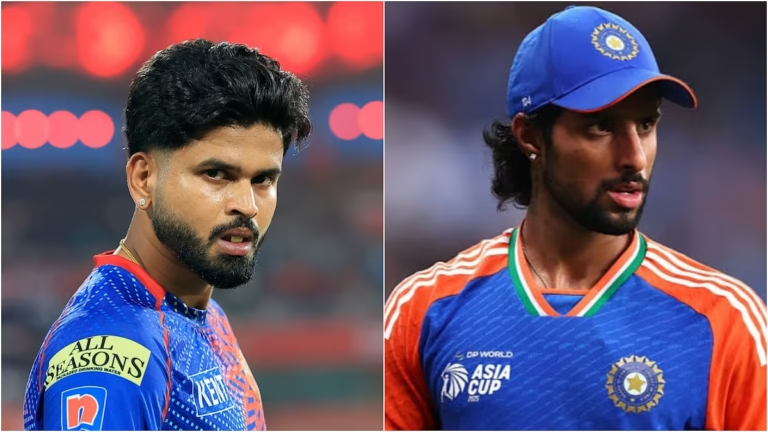
New Delhi, June 5, 2026 — In a major development that has sent shockwaves through the cricketing world, Shreyas Iyer is set to be named the new captain of the Indian men’s T20 International (T20I) cricket team, replacing Suryakumar Yadav. Sources within the Board of Control for Cricket in India (BCCI) have confirmed that the selection committee, led by Ajit Agarkar, alongside head coach Gautam Gambhir, has reached a firm consensus on this leadership transition. In a complete overhaul of the leadership group, young Mumbai Indians batting sensation Tilak Varma is poised to take over as the new vice-captain of the shortest format.

The official announcement will be made following the selection committee meeting scheduled for Saturday, June 6, where squads for the upcoming tour of Ireland and England, as well as the Asian Games, will be finalized.

The Vision for the Future: LA 2028 Olympics

The decision to transition away from Suryakumar Yadav marks a ruthless but forward-looking blueprint by the BCCI Apex Council and the national selectors. With cricket set to make its historic debut at the Los Angeles Olympics in 2028, the team management is focused on building a long-term, stable hierarchy.

Suryakumar, currently 35 years old, successfully guided India to a magnificent T20 World Cup title defense on home soil earlier this year. Despite maintaining an exceptional 82% win rate as a skipper and never losing a bilateral T20I series under his watch, his individual batting form has sharply declined. During the 2026 T20 World Cup, he scored a lukewarm 242 runs across nine innings at a strike rate of 136.72. This slump worsened during the recently concluded Indian Premier League (IPL) 2026 season, where he managed just 270 runs in 13 innings at an average of 20.76 for the Mumbai Indians.

Believing that Suryakumar’s current performance trajectory would not sustain until the 2028 Olympic cycle, the selectors chose to initiate an immediate transition rather than delay the inevitable. In fact, reports suggest that Suryakumar may completely lose his spot in the T20I squad for the upcoming United Kingdom tour.

Why Shreyas Iyer Got the Nod

Shreyas Iyer’s return to the T20I fold is nothing short of spectacular. The 31-year-old right-hander has not featured in an international T20I since December 2023 against Australia, largely due to a heavily occupied Indian middle order. However, his tactical acumen and exceptional leadership resume in domestic and franchise cricket made his claim undeniable.

Iyer stands out as one of the most astute captains in modern Indian cricket. He remains the only captain in IPL history to guide three different franchises to the tournament finals:

  • Delhi Capitals (2020): Led them to their first-ever IPL final.
  • Kolkata Knight Riders (2024): Commanded the squad to a spectacular IPL championship title.
  • Punjab Kings (2025): Anchored the franchise to their first final appearance in 11 years.

Beyond his leadership qualities, Iyer forced his way back through sheer weight of runs. He exploded in IPL 2025 with 604 runs at a destructive strike rate of 175.07, following it up with another prolific campaign in IPL 2026, amassing 498 runs at a strike rate of 168.81 for the Punjab Kings. He is expected to seamlessly slot into the vital No. 4 batting position for India.

Tilak Varma’s Rise as Deputy

The appointment of Tilak Varma as vice-captain emphasizes India’s aggressive youth-centric policy. The dynamic left-hander was a frontrunner alongside Ishan Kishan for a leadership role, but his consistency and calm temperament earned him the deputy role. Varma will replace Axar Patel as the official vice-captain of the T20I squad, forming a brand-new strategic core alongside Iyer.

The Upcoming Assignments

Iyer will reportedly attend the selection meeting on Saturday to help chart out combinations for a packed summer window. India’s first assignment under the new regime will be a quick two-match T20I series against Ireland in Belfast on June 26 and June 28. This will serve as a crucial curtain-raiser before the Men in Blue travel to England for a grueling white-ball leg featuring five T20Is and three ODIs starting July

Adding to the excitement of the UK tour, the selectors are also highly likely to hand a maiden senior national call-up to the 15-year-old batting sensation Vaibhav Sooryavanshi. The young opening batter took IPL 2026 by storm, hammering 776 runs for the Rajasthan Royals at a mind-boggling strike rate of 237.31 to claim the Orange Cap and Most Valuable Player honors.

The Agarkar-led committee is making it explicitly clear that reputation will take a backseat to future longevity and peak fitness as Indian cricket enters a new era. All eyes will now be on Saturday’s official announcement to see the exact blueprint of India’s next generation of T20 stars.