Home Blog Page 380

Tragedy at Sela Lake: One Dead, One Missing After Falling Through Thin Ice

0

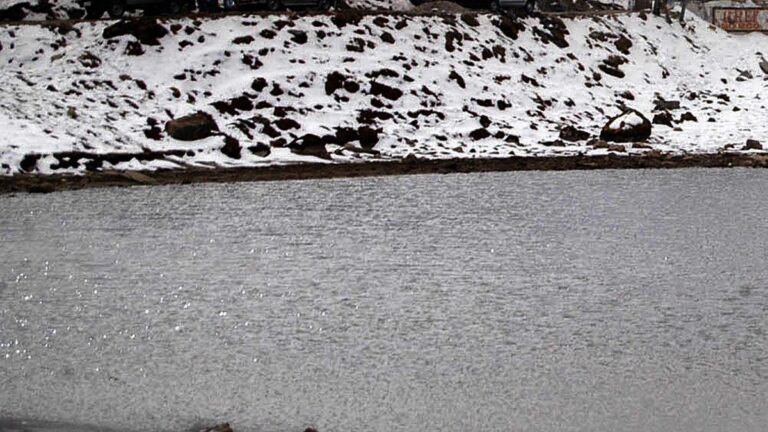
New Delhi, january 17, 2026: A scenic winter excursion turned into a tragedy on Friday afternoon when a group of tourists from Kerala met with a fatal accident at the high-altitude Sela Lake. One young man has been confirmed dead, while search operations continue for another who remains missing after the frozen surface of the lake gave way.

The victims were part of a seven-member group that had traveled to the Tawang district from Guwahati. The incident has once again highlighted the extreme risks of venturing onto high-altitude frozen water bodies during the winter season.

The Incident: A Rescue Attempt Gone Wrong

According to local authorities and police reports, the accident occurred around 3:00 PM on Friday. The group was visiting Sela Lake, situated at a staggering altitude of approximately 13,700 feet.

Initial reports suggest that one member of the group ventured onto the ice—reportedly to position a camera for a photograph—when the thin crust shattered, plunging him into the sub-zero waters. In a desperate and heroic bid to save their companion, two other members of the group, identified as Dinu (26) and Mahadev (24), rushed onto the ice.

While the first tourist was successfully pulled to safety, the ice further collapsed under the weight of the rescuers. Both Dinu and Mahadev were swept beneath the frozen surface.

Search and Rescue Efforts

Upon receiving the alert, a massive joint rescue operation was launched involving:

  • The Indian Army (Gajraj Corps)
  • Arunachal Pradesh Police
  • Sashastra Seema Bal (SSB)
  • State Disaster Response Force (SDRF)

Braving bone-chilling temperatures and fading light, divers and rescue teams managed to retrieve the body of 26-year-old Dinu. He was transported to the Jang Community Health Centre, where he was tragically declared dead.

The search for Mahadev (24) had to be suspended late Friday evening due to heavy snowfall, extreme cold, and zero visibility. Operations resumed early Saturday morning as teams continued to scour the depths of the lake despite the treacherous conditions.

Ignored Warnings and High-Altitude Risks

Superintendent of Police (Tawang), D.W. Thongon, noted that the district administration had issued a strict advisory in December 2025, prohibiting tourists from walking on frozen lakes.

“Warning signboards are clearly installed at Sela Lake and other popular spots. We have repeatedly cautioned that while these lakes appear solid, the ice cover is often fragile and cannot support human weight,” the SP stated.

Sela Lake is a primary attraction on the way to Tawang, known for its “crystal” appearance in winter. However, the thickness of the ice can be deceptive, especially near the center of the lake where the water remains slightly warmer or more turbulent.

Safety Advisory for Travelers

Authorities have reiterated the following safety protocols for tourists visiting Arunachal Pradesh during the peak winter months:

  1. Stay on Designated Paths: Always use concrete walkways or marked trails provided by the administration.
  2. Avoid Frozen Surfaces: Never attempt to walk, slide, or pose for photos on frozen lakes, regardless of how “thick” the ice appears.
  3. Respect Local Warnings: Pay attention to signboards and advice from local guides or military personnel stationed in the area.
  4. Weather Awareness: High-altitude weather can change in minutes; always carry emergency supplies and follow the directions of the Indian Army.

As of Saturday afternoon, the remaining five members of the tourist group have been moved to a nearby Army camp, where they are receiving medical attention and trauma counseling.

Russian National Arrested for Double Murder of Friends in Goa

0

New Delhi, january 17, 2026: In a shocking development that has sent ripples of fear through the coastal state of Goa, a 37-year-old Russian national has been arrested for the gruesome double murder of two female compatriots. The victims, identified as Elena Vaneeva and Elena Kasthanova, both 37, were found dead in separate incidents across North Goa’s popular tourist belt.

The Goa Police have apprehended the suspect, Aleksei Leonov, a fire display performer who was reportedly in India on a business visa.

The Timeline of Terror

The investigation suggests a calculated and brutal sequence of events occurring over a span of 48 hours in the Pernem taluka.

The First Victim: Morjim

The violence began on the night of Wednesday, January 14, 2026. According to police reports, Leonov visited Elena Vaneeva at her rented accommodation in Morjim. Following an argument, the suspect allegedly used a sharp knife to slit her throat. The crime remained undiscovered for nearly two days, during which time the body began to decompose.

The Second Victim: Arambol

The following evening, Thursday, January 15, Leonov reportedly traveled approximately eight kilometers to Arambol to meet Elena Kasthanova, with whom he was reportedly living. Neighbors reported hearing a violent altercation. A witness living in an adjacent room informed the police that she tried to intervene, but the situation escalated rapidly.

According to the First Information Report (FIR), Leonov allegedly restrained Kasthanova by tying her hands behind her back with a rope before slitting her neck. As witnesses approached the room, Leonov reportedly leaped from a first-floor balcony and fled into the night.

Investigation and Arrest

The Mandrem and Morjim police stations launched a massive manhunt following the discovery of Kasthanova’s body on Thursday night. Leonov was successfully tracked down and taken into custody early Friday morning, January 16. It was during preliminary questioning that the police uncovered the second murder—that of Vaneeva—whose body was recovered shortly thereafter.

Key investigation details include:

  • Modus Operandi: Both women were killed using the same method—slitting of the throat with a sharp weapon.
  • Motive: While the suspect admitted to being “friendly” with both victims, a clear motive for the double homicide has not yet been established.
  • Decomposition: Due to the time elapsed, Vaneeva’s body was found in a bloated and decomposed state, suggesting she was killed at least 40 hours before discovery.

Impact on the Local Community

The incident has cast a shadow over North Goa, particularly in the villages of Arambol and Morjim, which are known as hubs for the international expatriate community. Local residents and tourists have expressed deep concern over the safety of the region.

The Goa Police are currently examining Leonov’s background to determine if he has links to any criminal syndicates or if the murders were the result of a personal fallout. They are also coordinating with the Russian Consulate to facilitate the repatriation of the victims’ remains.

Delhi Shivers as Temperature Plunges to 2.9°C, Marking Coldest Night in Three Years

0

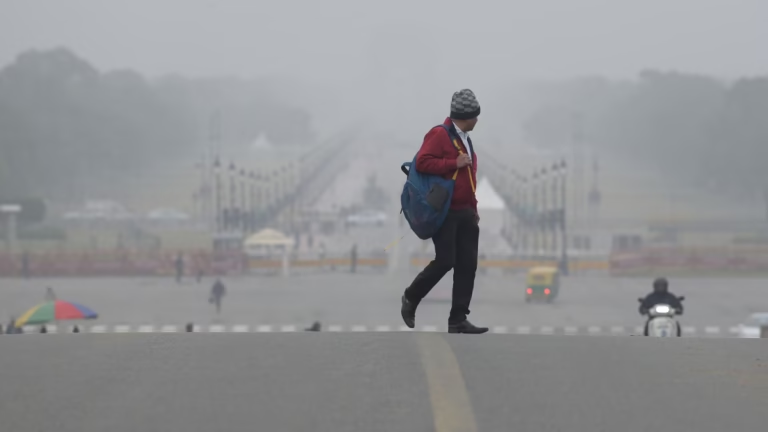
New Delhi, January 17, 2026 – The national capital continues to grapple with a brutal winter spell as the mercury at the Safdarjung Observatory, Delhi’s base weather station, plummeted to 2.9°C on Thursday night. This reading marks the city’s coldest night in three years, leaving residents to face bone-chilling conditions and persistent cold-wave alerts.

The last time Delhi witnessed a more severe dip in temperature was on January 16, 2023, when the minimum reached 1.4°C. This year’s sharp decline—nearly five degrees below the seasonal average—was driven by icy northwesterly winds sweeping down from the Himalayas and a thick layer of fog that has blanketed the region for days.

Regional Extremes and Fog Disruptions

While Safdarjung recorded 2.9°C, other parts of the city reported even lower figures. The Palam weather station logged a minimum of 2.3°C, its lowest January temperature since 2010. Other stations like Ayanagar and Lodhi Road also saw mercury levels hovering between 2.7°C and 3.4°C.

The extreme cold was accompanied by dense fog, which severely impacted visibility across the Indo-Gangetic plains.

  • Aviation: At the Indira Gandhi International (IGI) Airport, visibility dropped to 50 meters during the early morning hours, leading to delays for over 500 flights.
  • Railways: More than 50 trains were reported running late due to the low visibility, disrupting travel plans for thousands of commuters.

Impact on Daily Life

The relentless cold wave, now in its sixth consecutive day, has forced the Delhi government to intensify its Winter Action Plan. Night shelter capacities have been expanded near major hospitals like AIIMS and Safdarjung to accommodate the homeless. Currently, around 250 temporary and 197 permanent shelters are operational, providing free bedding and heating facilities.

The India Meteorological Department (IMD) has maintained a Yellow Alert, warning that while a slight rise in temperature is expected over the weekend due to an approaching western disturbance, relief will be marginal.

Health and Air Quality Concerns

Compounding the weather crisis is the city’s deteriorating air quality. The Air Quality Index (AQI) remains stuck in the “Very Poor” category, with a reading of 343. Weather experts warn that the lack of surface winds may push the AQI into the “Severe” range by Sunday, January 18.

Medical professionals have advised residents, particularly the elderly and children, to avoid outdoor activities during early morning and late night hours to mitigate the risk of respiratory issues and cold-related ailments.

Mahayuti Sweeps KDMC Polls 2026: Shinde-Sena and BJP Secure Clear Majority

0

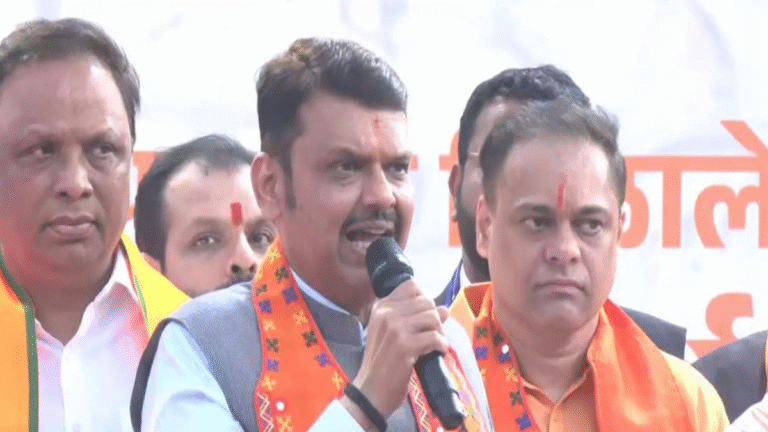
New Delhi, january 17, 2026: The 2026 Maharashtra Municipal Corporation elections have rewritten the political script for the Kalyan-Dombivli Municipal Corporation (KDMC). In a high-stakes battle that served as a litmus test for the Eknath Shinde-led Mahayuti government, the ruling alliance has emerged as the dominant force in this critical urban pocket of the Mumbai Metropolitan Region.

As of the latest official updates, the Shiv Sena (Eknath Shinde faction) and the Bharatiya Janata Party (BJP) alliance has secured a commanding lead, effectively dismantling the opposition’s challenge in most wards.

Current Standings in KDMC (122 Seats)

The Mahayuti alliance—comprising the Shinde-led Shiv Sena and the BJP—has comfortably crossed the majority mark. While the counting process reached its final stages, the trends indicate a significant shift in power toward the ruling coalition.

PartySeats Won/Leading
Shiv Sena (Eknath Shinde)54
Bharatiya Janata Party (BJP)50
Shiv Sena (UBT)10
MNS (Maharashtra Navnirman Sena)5
INC (Indian National Congress)2
NCP (Sharadchandra Pawar)1

Key Takeaways from the Results

  • The Mahayuti Sweep: The combined strength of Shinde’s Sena and the BJP has given them over 100 seats in the 122-member house. This marks a historic high for the alliance in Kalyan-Dombivli.
  • Unopposed Victories: Even before the first vote was counted, the Mahayuti had already secured a head start. Reportedly, 20 candidates (14 from BJP and 6 from Shiv Sena) were elected unopposed after several opposition candidates withdrew their nominations.
  • Setback for the MVA: The Maha Vikas Aghadi (MVA), particularly the Uddhav Thackeray-led Shiv Sena (UBT), faced a sharp decline in its traditional strongholds. Despite a spirited campaign centered on “Marathi Asmita,” the splintering of the original Shiv Sena vote appears to have heavily favored Eknath Shinde’s faction.
  • The MNS Factor: Raj Thackeray’s MNS, which traditionally holds sway in parts of Dombivli, managed to retain a small presence but failed to emerge as the “kingmaker” many had predicted.

A Strategic Victory for Eknath Shinde

The victory in KDMC is particularly personal for Chief Minister Eknath Shinde. Kalyan has long been considered the home turf of his son, MP Shrikant Shinde. The decisive win here reinforces the Chief Minister’s claim over the “real” Shiv Sena legacy in the eyes of urban voters.

The BJP, too, has significantly expanded its footprint. In previous elections, the BJP and the undivided Shiv Sena were often locked in “friendly” but fierce competition. This time, their consolidated front left little room for the Congress or the NCP (SP) to make inroads.

Voter Sentiment: Development Over Identity

Political analysts suggest that the 2026 mandate reflects a shift toward development-centric politics. The Mahayuti’s focus on infrastructure projects, including the Kalyan-Taloja Metro Line and improved road connectivity in the twin cities, seems to have resonated with the middle-class voters of Dombivli and the growing industrial workforce in Kalyan.

What’s Next?

With a clear majority in hand, the focus now shifts to the selection of the Mayor. Given the seat distribution, it is expected that the Mayor’s post will be a point of discussion between the BJP and Shiv Sena, though Shinde’s faction holds a slight edge in terms of seat count.

Antilia’s Power Bill: The ₹70 Lakh Cost of Living Like an Ambani

0

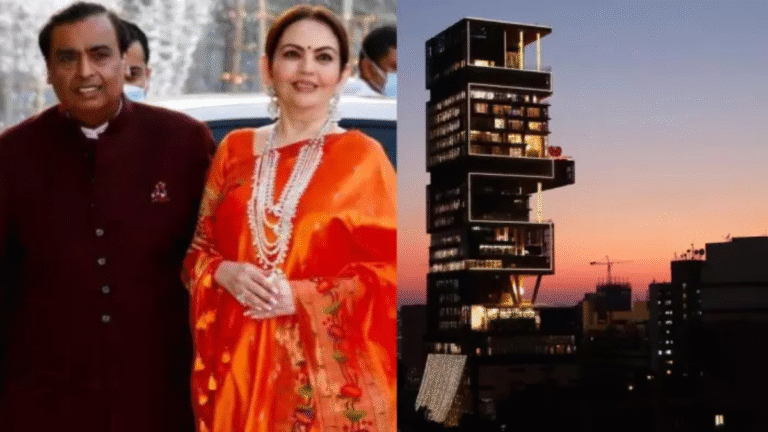
New Delhi, january 16, 2026: In the world of ultra-luxury real estate, few addresses command as much intrigue as Antilia. Valued at a staggering ₹15,000 crore ($2 billion), the 27-storey residence of Mukesh Ambani, Chairman of Reliance Industries, stands as a vertical marvel on Mumbai’s elite Altamount Road.

While the world marvels at its architecture, a fascinating detail often resurfaces: the sheer scale of the energy required to keep this “Godzilla-sized” mansion running. When the family first moved in, the initial electricity bill didn’t just set a record; it left the nation in a state of shock.

The Bill That Stunned a Nation

When Mukesh Ambani, Nita Ambani, and their children—Akash, Anant, and Isha—officially shifted to Antilia in 2010, the first monthly power bill reportedly amounted to ₹70,69,488.

To put this astronomical figure into perspective:

  • Units Consumed: Approximately 6,37,240 units in a single month.
  • Household Comparison: An average Indian household consumes about 300 units per month. Antilia’s consumption is equivalent to that of 7,000 average homes.
  • Prompt Payment: Even billionaires appreciate a good deal—reports noted that Ambani received a discount of ₹48,354 for paying the bill on time.

Why Does Antilia Need So Much Power?

Antilia is not just a home; it is a self-contained ecosystem designed to function like a world-class hotel. The energy demand stems from several high-tech features:

  • Vertical Mobility: The mansion features nine high-speed elevators, each assigned to different purposes (guests, family, and staff).
  • Climate Control: Mumbai’s humidity is tackled by a massive centralized air conditioning system. Interestingly, some floors feature “Snow Rooms” that can spit out artificial snowflakes to provide a freezing retreat from the tropical heat.
  • Lifestyle Amenities: The residence includes a private theater for 50 people, three helipads, a massive temple, a spa, a gym, and multiple swimming pools.
  • Automobile Care: Six floors are dedicated to a garage that houses 168 luxury cars, complete with a private car service station.
  • 24/7 Operations: A full-time staff of 600 personnel ensures the mansion runs smoothly around the clock, requiring constant lighting, security systems, and maintenance power.

Life Inside the 27-Storey Marvel

Despite having 27 floors, the Ambani family—including Akash with his wife Shloka and children, and Anant with his wife Radhika Merchant—primarily resides on the top six floors. Nita Ambani has previously shared that they chose the upper levels to ensure ample natural sunlight and better ventilation.

Each floor is designed with a unique theme, utilizing rare materials like marble, crystals, and mother-of-pearl. The design follows the “Sun and Lotus” motif, ensuring that no two floors share the same layout or materials.

A Symbol of Modern Ambition

While critics often point to the opulence, supporters view Antilia as a testament to Indian engineering and business success. Designed by Chicago-based architects Perkins & Will, the building can even withstand an 8.0 magnitude earthquake, making it one of the safest structures in the city.

For the Ambanis, Antilia is more than just a house; it is a legacy project. While the monthly ₹70 lakh power bill might seem like a fortune to most, for the residents of India’s most expensive home, it is simply the cost of maintaining a landmark that defines the Mumbai skyline.

“Gareeb” Kaif vs. The “Crorepati” Duo: Banter Ignites on The Great Indian Kapil Show

0

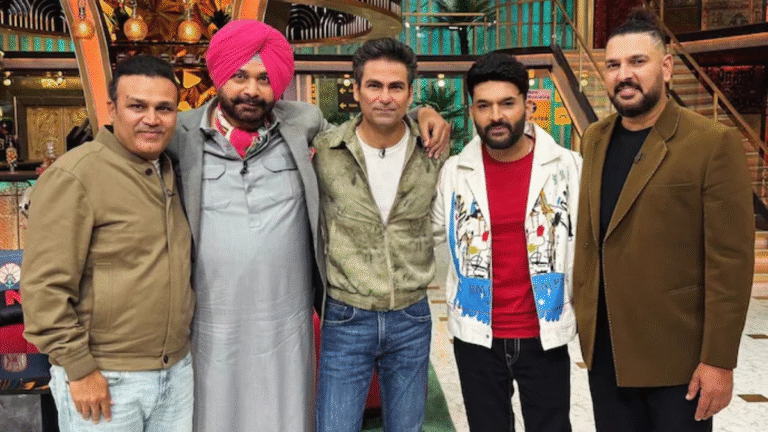
New Delhi, january 16, 2026: The legendary trio of Indian cricket—Yuvraj Singh, Virender Sehwag, and Mohammad Kaif—has once again proven that while they may have retired from the pitch, their timing for comedy remains impeccable. In a teaser for the upcoming episode of The Great Indian Kapil Show Season 4 on Netflix, the 2002 NatWest heroes turned the stage into a “laugh riot” with a hilarious exchange about wealth and “struggle.”

The “5-6 Crore” Shakedown

The banter kicked off when host Kapil Sharma asked the icons how they spend their time these days. While Yuvraj admitted to “lazing around” and trying (unsuccessfully) to get Sehwag to play golf, Mohammad Kaif took a self-deprecating turn that quickly went viral.

Labeling himself as the “poor” one among the legends, Kaif quipped:

“If Yuvraj and Sehwag were to just brush their shoulders, ₹5-6 crore might fall out of their pockets just like that. I am a lot poorer than them!”

The comment reflects the massive commercial success Yuvraj and Sehwag enjoyed during the IPL era and through high-profile endorsements, compared to Kaif, who was often seen as the gritty, hardworking backbone of the early 2000s team.

Yuvraj’s “Gucci” Reality Check

Never one to miss a chance for a comeback, Yuvraj Singh was quick to spot a “rich” flaw in Kaif’s “gareeb” (poor) narrative. Looking down at his former teammate’s footwear, Yuvraj asked, “Which brand of shoes are you wearing?”

When Kaif sheepishly admitted they were Gucci, Yuvraj didn’t hold back. Turning to the audience and Sehwag, he joked, Yeh gareeb hai paaji? Isne Gucci ke joote pehne hai!” (Is he poor, brother? He’s wearing Gucci shoes!). He capped it off with his signature mischievous smile, adding, “Thoko taali!”

A Reunion of Legends

Beyond the financial jokes, the episode promises a deep dive into the camaraderie that defined Sourav Ganguly’s era of Indian cricket.

  • Virender Sehwag was seen in his classic “Multan ka Sultan” form, questioning why anyone would play golf after retirement. “What is the point?” he asked. “Now we should only be bothered about what’s on the lunch and dinner menu.”
  • Navjot Singh Sidhu also joined the group on set, adding a layer of nostalgia as the seniors and juniors relived their days in the dressing room.

Why It Matters

This reunion comes at a time when fans are hungry for the “unfiltered” side of their heroes. With Yuvraj Singh’s net worth estimated at approximately ₹291 crore and Sehwag’s at ₹286 crore, the “5-6 crore” joke isn’t just a random number—it’s a nod to the legendary status they’ve built.

The episode is scheduled to stream this Saturday at 8 PM on Netflix, and if the promo is any indication, it’s set to be one of the most-watched segments of the season.

Samantha Ruth Prabhu and Raj Nidimoru Celebrate First Sankranti as a Married Couple

0

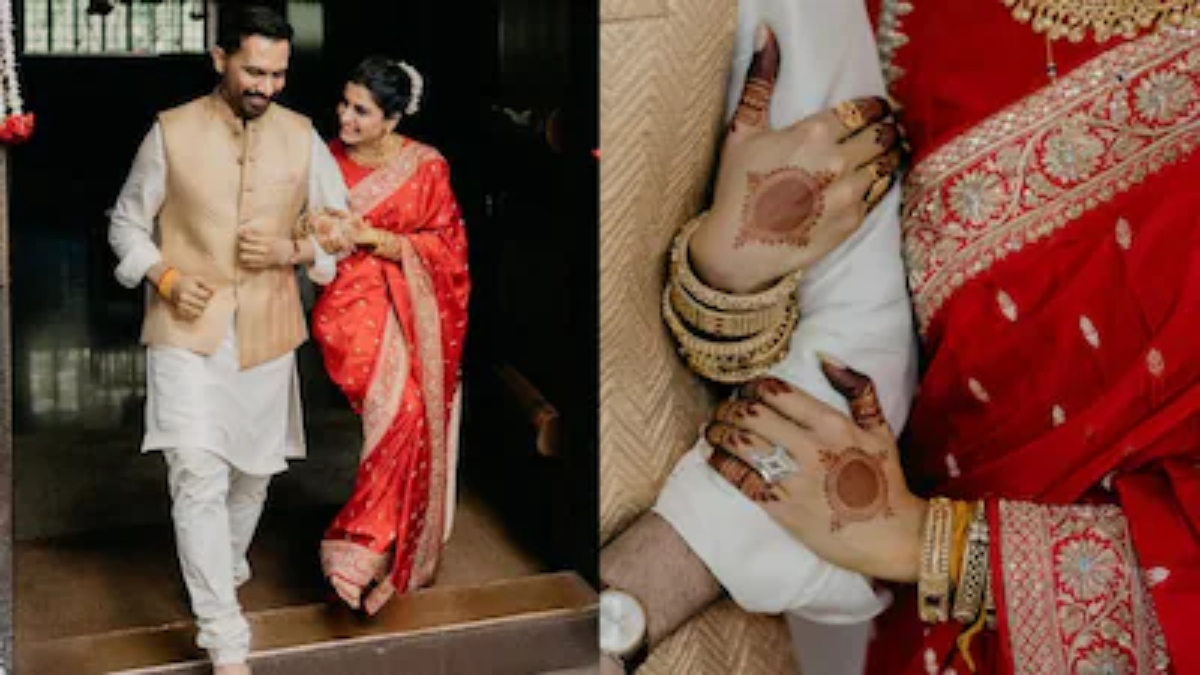
January 16, 2026 — The festive season of Makar Sankranti has brought a wave of joy for South Indian superstar Samantha Ruth Prabhu, who celebrated the occasion for the first time with her husband, filmmaker Raj Nidimoru. Following their intimate wedding in late 2025, the couple gave fans a rare, lighthearted glimpse into their personal life through a charming social media post.

A “Sankranthi Vibes” Celebration

Samantha, known for her candidness with fans, took to her Instagram stories to share a “goofy” selfie that quickly went viral. In the photo, the couple is seen twinning in vibrant red traditional outfits while seated in a car. While Raj appears calm and relaxed, Samantha stole the spotlight with a playful, silly face, capturing the high-spirited energy of the festival. She captioned the moment simply: “Sankranthi vibes.

The post marks a significant milestone for the actress, as this is her first major festival since tying the knot with the The Family Man director. Fans were delighted to see the actress looking radiant and happy, embracing this new chapter of her life with her trademark humor.

From Professional Partners to Life Partners

The union of Samantha and Raj Nidimoru has been one of the most talked-about stories in the Indian film industry. The couple reportedly fell in love while collaborating on high-profile projects.

  • The Family Man Season 2: Their professional journey began here, where Samantha delivered a powerhouse performance as Raji.
  • Citadel: Honey Bunny: Their bond reportedly deepened during the filming of this action-packed series.
  • Intimate Wedding: The duo officially wed on December 1, 2025, in a private and soulful Bhuta Shuddhi Vivaha ceremony at the Linga Bhairavi Temple within the Isha Yoga Centre in Coimbatore.

The wedding was a low-key affair, attended by only about 30 close friends and family members, reflecting the couple’s preference for privacy.

Looking Ahead: 2026 and Beyond

While they are now celebrating life as newlyweds, the power couple isn’t slowing down professionally. They are currently working together on the upcoming web series “Rakt Brahmand: The Bloody Kingdom,” produced by the Raj & DK duo.

Additionally, Samantha is gearing up for her home production, Maa Inti Bangaram, an action thriller where she plays a fierce housewife. Interestingly, Raj Nidimoru is also co-producing the project, proving that their partnership is as strong behind the scenes as it is in their personal lives.

As the couple enjoys the festivities of Sankranti, their journey from being a director-actor duo to becoming one of the most beloved couples in the industry continues to inspire fans across the country.

Happy Patel Review: Headphones On, Brain Off

0

New Delhi, january 16, 2026: The verdict is in for Aamir Khan Productions’ latest experimental venture, Happy Patel: Khatarnak Jasoos, and it’s safe to say this film isn’t for the faint of heart—or the overly logical.

Released on January 16, 2026, this Vir Das directorial debut has divided critics and audiences alike. While some hail it as a “fever dream” of comedic genius, others are calling it a test of patience. One thing is certain: the consensus suggests you should bring your headphones and leave your brain at the door.

The Plot: A Spy Who “Dasts” Everywhere

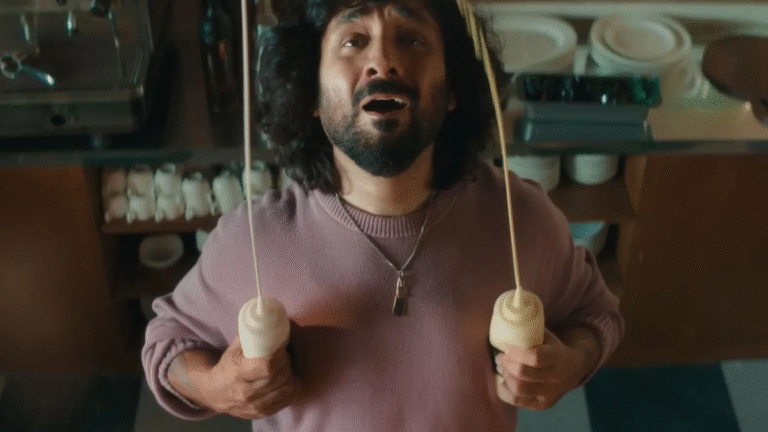
The story follows Happy Patel (Vir Das), a bumbling brown chef raised by two white secret-agent dads in the UK. After discovering his Indian roots, he is recruited as an MI7 spy and sent to Goa to rescue a kidnapped dermatologist from the clutches of a lethal gangster named Mama (Mona Singh).

The film operates on a specific frequency of “brain rot” humor. Much of the comedy hinges on Happy’s inability to speak Hindi, leading to aggressive word-mangling that would make a linguist faint:

  • “Dost” (friend) becomes “Dast” (diarrhea).
  • “Paas” (near) becomes “Puss.”
  • “Chhat” (roof) becomes… well, something far more vulgar.

The “Delhi Belly” Spirit or Just Low-Brow?

Produced by Aamir Khan, the film tries to capture the irreverent, “Adults-Only” magic of the 2011 cult classic Delhi Belly. However, the reviews suggest a hit-to-miss ratio of about 1:5.

Critics have described the experience as a “Got Latent” show on steroids—referencing the viral talent show format known for its niche, sometimes polarizing humor. If you enjoy “unhinged” Western comedies like The Dictator or The Interview, you might find the absurdity hilarious. If you prefer structured narratives, you might find yourself checking your watch by the interval.

Star Power and Surprise Cameos

Despite the chaotic script, the performances have kept the buzz alive:

  • Vir Das: Fully commits to the madness, though his “stand-up” style occasionally clashes with the cinematic format.
  • Mona Singh: Widely praised as the “saving grace,” playing a Goan doness who is as obsessed with making cutlets as she is with crime.
  • Imran Khan: Making his long-awaited comeback after a decade, his cameo has been a major highlight for nostalgic fans.
  • Aamir Khan: Appears in a quirky cameo that some have found underwhelming, while others see it as the “ultimate troll” by the perfectionist actor.

The Verdict: A Wild Ride

Happy Patel is technically sound with artistic cinematography, but the background score and inconsistent script make it a “watch at your own risk” experience. It’s a film that refuses to take itself seriously, and it expects the same from you.

Mauni Amavasya 2026: Date, Muhurat, and Significance

0

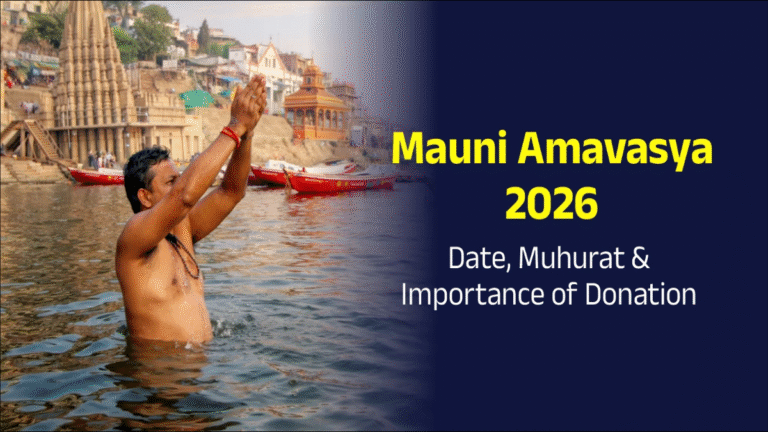
New Delhi, january 16, 2026: In 2026, Mauni Amavasya (also known as Maghi Amavasya) is one of the most spiritually significant days in the Hindu calendar. Falling during the holy month of Magha, this day is dedicated to silence, self-reflection, and ancestral rites.

The question of whether it falls on January 17 or 18 arises from the timing of the Amavasya Tithi (the lunar phase). Based on the Vedic Panchang and the principle of Udaya Tithi (the date prevailing at sunrise), the official day for celebration and the holy bath is January 18, 2026.

Mauni Amavasya 2026: Date and Shubh Muhurat

While the Tithi begins on the night of January 17, the most auspicious rituals—including the sacred dip in the Ganges—are observed on January 18.

EventDate & Timing
Mauni Amavasya DateSunday, January 18, 2026
Amavasya Tithi BeginsJanuary 17, 2026, at 12:03 AM (Midnight)
Amavasya Tithi EndsJanuary 19, 2026, at 01:21 AM
Brahma Muhurta (Ideal for Bath)05:27 AM to 06:21 AM
Abhijit Muhurat12:10 PM to 12:53 PM

Why is it called “Mauni” Amavasya?

The word Mauni is derived from the Sanskrit word ‘Mauna’, meaning silence.

  • The Vow of Silence: Devotees observe a Maun Vrat (vow of silence) on this day to practice self-control and discipline the mind. It is believed that by quieting the tongue, one can hear the inner voice and connect more deeply with the divine.
  • Birth of Sage Manu: Tradition also suggests that this day marks the birth of Sage Manu, the progenitor of mankind, which adds to its religious importance.

Religious Significance and Rituals

Mauni Amavasya is considered the “King of all Amavasyas.” During the month of Magha, it is believed that the water of the holy river Ganga turns into nectar (Amrit).

1. The Holy Dip (Snan)

Taking a bath in a sacred river, especially at the Triveni Sangam in Prayagraj, is the most vital ritual. If you cannot visit a river, adding a few drops of Gangajal to your bathwater at home is said to provide similar spiritual benefits.

2. Ancestral Rites (Pitru Tarpan)

Amavasya is a day dedicated to ancestors. Performing Tarpan (offering water and black sesame seeds) and Pind Daan on this day helps in seeking the blessings of the departed souls and mitigating Pitru Dosha in one’s horoscope.

3. Charity (Daan)

Donation on this day is believed to yield “infinite fruits.” Recommended items for donation include:

  • Sesame seeds (Til) and Jaggery (Gud)
  • Warm clothes and blankets (as it falls in peak winter)
  • Food grains and Ghee

4. Spiritual Practices

Many devotees worship Lord Vishnu and Lord Shiva on this day. Chanting the Gayatri Mantra or Om Namo Bhagavate Vasudevaya while maintaining silence is highly recommended for mental peace.

Things to Avoid

To maintain the sanctity of the day, certain activities should be avoided:

  • Harsh Speech: If you cannot maintain complete silence, avoid using harsh or lying words.
  • Non-vegetarian Food: Only Sattvic (pure) vegetarian food should be consumed.
  • Conflicts: Avoid arguments or legal disputes to keep the mind calm and focused on spirituality.

Mauni Amavasya 2026 is an opportunity for a “spiritual reset.” Whether you are a pilgrim at the Magh Mela or observing from home, the day offers a unique chance for inner purification.

DRDO Recruitment 2026: New Career Opportunities for Engineers and Scientists

0

January 16, 2026 — The Defence Research and Development Organisation (DRDO) has officially launched its recruitment drive for 2026, opening doors for aspiring engineers and researchers to join India’s premier defense R&D wing. This year’s announcement is particularly significant for Mechanical and Electrical engineers, with a variety of roles ranging from Junior Research Fellowships (JRF) to Scientist ‘B’ positions across several prestigious laboratories.

Major Vacancies and Key Roles

DRDO has released multiple notifications through its Recruitment and Assessment Centre (RAC) and CEPTAM. The primary highlights for 2026 include:

  • Scientist ‘B’ Positions: Expected to be one of the largest intakes, these Group ‘A’ Gazetted posts focus on core engineering disciplines. Shortlisting for these roles is primarily driven by GATE 2026 scores.
  • Junior Research Fellowships (JRF): Specifically, the Centre for Airborne System (CABS) in Bengaluru has announced walk-in interviews for JRF roles in Mechanical, Electrical, and Electronics engineering.
  • CEPTAM-11: This recruitment cycle is currently active for Senior Technical Assistant-B (STA-B) and Technician-A roles, offering over 764 vacancies combined across technical trades.

Eligibility Criteria for Engineering Graduates

Candidates looking to apply must meet stringent academic and age requirements. While specifics vary by post, the general guidelines are:

Post TypeEducational QualificationAge Limit (UR)
Scientist ‘B’First-class B.E./B.Tech + Valid GATE ScoreUp to 35 Years
JRF (Research)B.E./B.Tech/M.E./M.Tech with GATE/NETUp to 28 Years
Technical Asst.B.Sc or Diploma in Engineering18–28 Years

Crucial Dates and Deadlines

For those targeting specific laboratory roles, the following dates are critical:

  1. CABS Bengaluru JRF Walk-in: Scheduled for February 25–26, 2026. Willingness emails must be sent by February 22.
  2. CEPTAM-11 Correction Window: Currently open until January 16, 2026, for existing applicants.
  3. HEMRL Pune Internship: Applications for paid internships in Mechanical and Electrical branches are open until January 20, 2026.

How to Apply

The application process is strictly online through the official portals.

  1. Scientist Posts: Visit the RAC portal (rac.gov.in). You will need to upload your GATE scorecard, educational certificates, and a recent photograph.
  2. Technical & Admin Posts: Use the CEPTAM portal on the main DRDO website (drdo.gov.in).
  3. Application Fee: Generally ₹100 for General/OBC male candidates, while SC/ST/PwBD and women candidates are exempt.

Why Join DRDO?

Working with DRDO offers the unique opportunity to contribute to national security by developing indigenous technologies like the Agni and Prithvi missile series, the Tejas aircraft, and advanced radar systems. Beyond the competitive salary (starting at approximately ₹88,000–₹1,00,000 per month for Scientists), the role provides unparalleled exposure to cutting-edge defense technology.

Would you like me to find the specific contact details or the official PDF notification for a particular DRDO laboratory?