Home Blog Page 47

Wild Encounter in Florida: RFK Jr. Bitten After Wrangling Snakes Bare-Handed at Dr. Oz’s Mansion

0

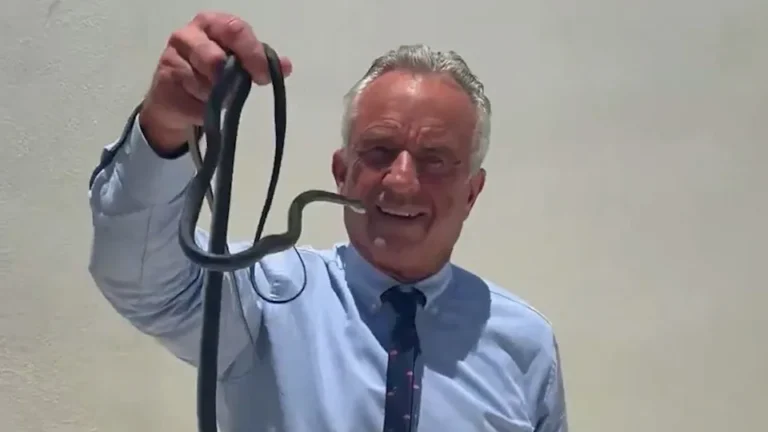
New Delhi, May 27, 2026 — U.S. Health and Human Services Secretary Robert F. Kennedy Jr. has once again captured the internet’s collective astonishment. In a bizarre viral video posted to his personal social media accounts, the high-profile cabinet official is seen wrestling and capturing two tangled snakes with his bare hands on a sunny patio, resulting in at least one distinct bite to his hand.

The extraordinary 49-second clip, which quickly spread across platforms like X (formerly Twitter) and YouTube, has reignited intense public interest in Kennedy’s long, highly eccentric history of hands-on interactions with the animal kingdom.

An Afternoon at the “Oz” Estate

The setting for this latest viral event adds another layer of political surrealism. The incident occurred on the waterfront patio of a Palm Beach mansion belonging to Dr. Mehmet Oz, the celebrity physician who serves as the administrator for the Centers for Medicare and Medicaid Services.

The video opens with Kennedy, dressed in a sharp blue button-down shirt and a necktie, approaching two dark, intertwined serpents resting on the patio tiles. Off-camera, a voice sounding remarkably like Dr. Oz speculates on whether the creatures are fighting or mating. Unfazed by the potential danger or the reptiles’ private moment, Kennedy leans down and decisively grabs both snakes by their tails with his bare right hand, hoisting them into the air.

As Kennedy proudly smiles and displays the writhing bundle of reptiles toward the camera lens, his wife, actress Cheryl Hines, can be heard shouting in utter disbelief. “Bobby, why?” Hines pleads in the background. “Honey, honey, let them go! Oh my God. Bobby, please!”

The tension peaks when one of the agitated snakes rears back, strikes with blinding speed, and sinks its teeth directly into Kennedy’s left hand. Kennedy jolts back slightly in apparent pain but maintains his grip, chuckling as he casually admits to the room that the snake did indeed just bite him.

“You’re nuts,” Hines exclaims off-camera, summarizing the exact sentiment of thousands of commentators online.

Assessing the Damage: Meet the Black Racer

Despite the dramatic flare of the video and the visible strike, wildlife experts were quick to de-escalate any fears regarding the Secretary’s health. The reptiles in the video were readily identified as Southern Black Racers (Coluber constrictor priapus), which are among the most common and active snake species roaming the state of Florida.

Black racers are entirely non-venomous and pose virtually zero lethal threat to humans. However, as their name implies, they are remarkably fast, highly agile, and notorious for throwing aggressive temper tantrums when cornered or handled. When picked up, a black racer’s primary defense mechanism is to strike repeatedly and swiftly, which explains why Kennedy was nipped almost immediately upon lifting them. A source close to the health secretary later confirmed to reporters that Kennedy was “doing just fine” and suffered no serious injury from the encounter.

While the bites themselves are harmless beyond a minor sting, professional herpetologists were not entirely thrilled with how the scene played out. Experts pointed out that grabbing wild snakes directly by the lower half of their bodies or their tails—as Kennedy did—can severely injure the animal’s delicate spine.

Furthermore, wildlife advocates note that interrupting and handling wild creatures needlessly causes them extreme psychological stress. Officials strongly advise the general public to call local wildlife removal services rather than attempting bare-handed removals from residential backyards.

A Growing Catalog of Animal Adaptations

For those tracking Robert F. Kennedy Jr.’s career, this Florida snake-wrangling video is simply the latest entry in an extensive, deeply strange ledger of wildlife stories that have followed him for decades. Kennedy, a licensed falconer and life-long outdoorsman, has frequently made headlines for his intensely hands-on—and sometimes legally problematic—relationship with nature.

Just a few weeks prior to the snake incident, Kennedy shared a photo documenting his casual rescue of a stray starling bird inside the terminal at Dulles International Airport in Virginia. In 2024, during his presidential campaign trail, he uploaded a separate video showing himself using a small hand-net and a garden trowel to relocate a highly venomous rattlesnake from his California driveway, showing off its dripping fangs to the lens with bare hands.

However, his relationship with the animal kingdom isn’t always framed around rescue. Over the last couple of years, several historical, bizarre anecdotes have surfaced:

  • The Central Park Bear Prank: In 2024, Kennedy publicly confessed to a decade-old mystery, admitting that in 2014, he picked up a dead bear cub killed by a motorist, kept it in his vehicle, and later dumped the carcass in New York City’s Central Park under an old bicycle to make it look like a tragic cycling accident.
  • The Whale Incident: His daughter once publicly recalled a family road trip during which Kennedy used a chainsaw to sever the head of a dead whale carcass that had washed ashore on a Massachusetts beach, subsequently strapping it to the roof of the family minivan for a multi-hour drive home.
  • The Raccoon Memoir: A biography published earlier this year revealed a 2001 journal entry in which Kennedy admitted to pulling over on an interstate highway to meticulously dissect a roadkill raccoon.

Public and Political Fallout

The viral video has completely divided social media, serving as a bizarre distraction from standard Washington political discourse. On one side of the internet, supporters praised Kennedy’s rugged, fearless approach to pest control, labeling him a “badass” who skipped the standard game of golf to wrestle local wildlife.

On the political left and among conservation groups, critics used the video to point out the irony of a nation’s top public health official engaging in unsanitary and risky physical contact with wild, defensive animals.

Whether viewed as a display of rugged outdoor competence or a deeply eccentric stunt, the footage has successfully kept Kennedy exactly where he often finds himself: dead center in the viral spotlight, leaving the public to wonder what creature he will cross paths with next.

From Video Calls to Office Walks: How a Daughter Amazon Tour Fulfill a Lifelong Family Dream

0

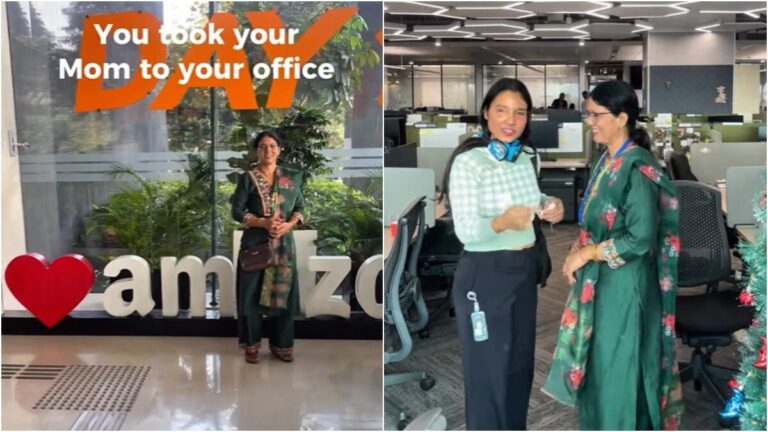
New Delhi, May 27, 2026: In a digital landscape often dominated by high-pressure corporate updates, grueling job market realities, and polished milestones, a simple and raw video from Hyderabad has completely stolen the internet’s heart. Akriti Sinha, a young professional working at tech giant Amazon, recently uploaded a video documenting the moment she finally brought her parents to see her office in person. Rather than focusing on tech perks or flashy corporate luxury, the short clip tapped into a deeply personal, universal emotion: the overwhelming pride of showing your parents the physical reality of a life they had previously only known through phone calls and digital screens.

The video quickly transcended standard social media metrics, sparking an outpouring of emotional reactions across Instagram and LinkedIn. For thousands of young corporate workers—especially those who have migrated away from their hometowns to bustling tech hubs—the video felt incredibly close to home. It serves as a gentle reminder that for many first-generation corporate professionals, ultimate success isn’t just measured by salary figures or job titles, but by the quiet joy of making their parents feel like an integral part of their journey.

Making the Virtual Real: A Long-Awaited Milestone

For months, Akriti’s primary connection to her parents while at work was limited to quick video calls during her lunch breaks. She recounted how she would frequently pace up and down the glass-lined corridors of the Amazon office, holding up her phone to give her parents a pixelated, virtual tour of her surroundings. During those brief conversations, she made a promise to her father: one day, she wouldn’t just show him the building through a screen; she would walk him through those doors herself.

When her parents finally traveled to Hyderabad to visit her, Akriti stayed true to her word. Sharing the beautifully captured footage of their walk through the corporate campus online, she penned a simple yet incredibly moving caption:

The emotional weight of the video lies in its quietest details. In the footage, Akriti can be seen guiding her parents through the expansive corporate environment, navigating the modern glass architecture, and eventually leading them to her actual workspace. She pointed out the exact desk where she sits, explaining her daily routine, her responsibilities, and where she spends the majority of her waking hours. The camera captured the undeniable expression of pure, unadulterated pride on her parents’ faces—a look that instantly resonated with millions of viewers online.

The Ultimate Validation: “Their Favorite Place in Hyderabad”

During their stay in the city, Akriti naturally took her parents on tours of Hyderabad’s most iconic landmarks, historical monuments, and popular culinary spots. Yet, when their trip drew to a close and she asked them what their absolute favorite part of the visit was, their answer left her entirely overwhelmed with emotion. Out of all the beautiful and famous locations they had explored, her parents told her that seeing her office was the absolute highlight of their entire journey.

Hearing those words made the entire journey, along with all the late nights and corporate hurdles, feel profoundly worth it. In an emotional note accompanying her video, Akriti reflected on how much that simple validation meant to her as a daughter.

For young professionals who move to cities like Hyderabad or Bengaluru, building a career often means leaving behind a massive emotional safety net. The physical distance can occasionally create a sense of detachment, where parents know their children are working hard but cannot fully visualize or comprehend the environment they inhabit. Bringing them into that space bridges the gap entirely. It allows parents to see that the sacrifices made to educate and support their children have materialized into a safe, thriving, and respectable reality.

A Growing Cultural Movement Online

Interestingly, Akriti’s viral story is not an isolated incident; it reflects a beautiful, growing cultural shift among India’s young workforce. Over the last few months, multiple similar stories have captured the public imagination, highlighting a collective desire among Gen-Z and Millennial professionals to ground their corporate achievements in family gratitude.

  • The Manifestation Journey: Just weeks prior, another Amazon India Operations Manager, Harshini Dhanaseelan, went viral on LinkedIn after revealing how her mother had casually “manifested” them working for the same corporate ecosystem a decade ago, back when Harshini was just 16. Today, both mother and daughter work under the Amazon umbrella, proving how parental vision often predates real-world success.
  • The “Brown Parent” Reality Check: On a lighter note, Bengaluru professional Tejaswini Anand went viral after bringing her parents to her office, only for them to treat it like a traditional school parent-teacher association (PTA) meeting. Her parents hilariously cornered her manager to ask about her day-to-day behavior and work ethic, showcasing the beautifully unfiltered and grounded nature of Indian parents.
  • The Silent Tour: Earlier this year, Geeta Rautela also shared a moving video of giving her mother a silent, awe-inspired tour of her Bengaluru corporate office, captioning it simply: “It was always a dream.”

These collective moments highlight that the modern office tour has become a major milestone for this generation. Decades ago, a proud parenting moment might have been a physical degree or a first paycheck; today, it is walking through the turnstiles of a global tech company, swiping an ID badge, and seeing a child’s name printed clearly on a corporate desk.

Why the Internet Got Emotional

The comment sections across these viral videos have become a repository for shared human emotion. Tens of thousands of netizens flooded Akriti’s post with heartfelt messages, with many confessing that the video brought tears to their eyes.

The universal appeal lies in how relatable the struggle is. Many users commented about their own lives, noting how they are currently working in stressful roles just to be able to give their parents a similar moment of pride one day. In a world currently bogged down by corporate fatigue, mass layoffs, and workplace anxiety, these videos offer a necessary emotional anchor. They remind the digital community of the fundamental why behind the hustle—the deep-rooted desire to honor the people who paved the way.

Ultimately, Akriti Sinha’s viral video proved that success isn’t real until it’s shared with the people who helped build its foundation. For her, and for the millions watching, that walk through the Amazon corridors wasn’t just a corporate tour; it was a victory lap for the entire family.

Pune Porsche Case: Father’s Garish Bail Celebration Sparks Fresh Fury

0

New Delhi, May 27, 2026 — A wave of public anger has erupted once again across India regarding the infamous 2024 Pune Porsche car crash case. The fresh outrage follows a controversial video that has surfaced on social media, showing prominent real estate developer Vishal Agarwal—the father of the minor accused—aggressively celebrating his release on bail with a lavish party surrounded by his family.

The viral video, which began circulating heavily on May 27, 2026, features Agarwal and his wife dancing to the upbeat rhythms of the classic Bollywood track “Mumbai Se Aaya Mera Dost.” Strikingly, both are seen wearing massive, heavy garlands crafted entirely from high-denomination currency notes. At one point in the video, his son is also seen lifting him up into the air in celebration as live music plays in the background at what appears to be a local restaurant. Netizens have fiercely criticized the footage, labeling it an insensitive and arrogant display of wealth that mocks the memory of the victims.

The Legal Subversion That Shocked a Nation

To understand the intense backlash surrounding this celebration, one must look back at the horrifying events of May 19, 2024. In the early hours of that Sunday morning, Agarwal’s 17-year-old son was driving a luxury, unregistered electric Porsche Taycan Turbo S at a blistering speed through Pune’s upscale Kalyani Nagar area. The teenager, who was heavily under the influence of alcohol after partying at local clubs, rammed the vehicle into a motorcycle. The violent impact instantly killed two young IT professionals: Anish Awadhiya and Ashwini Costa.

The case immediately sparked nationwide anger when the Juvenile Justice Board (JJB) granted the teenager bail within hours of the crash under highly lenient conditions—including a directive to write a 300-word essay on road safety.

However, the real scandal emerged in the days that followed. Investigations revealed a massive, multi-layered conspiracy orchestrated by the teen’s family to subvert the justice system. Vishal Agarwal and his wife were accused of colluding with medical staff at a local hospital to swap their underage son’s blood samples with the mother’s to ensure a “Nil Alcohol” report. Furthermore, the police alleged that the family had kidnapped and pressured their household driver, trying to coerce him into taking the blame for the fatal crash.

A 22-Month Battle Leading to the Supreme Court Bail

Following the exposure of the cover-up, public pressure forced a severe crackdown. The minor was moved to an observation home, and his parents, along with several co-accused—including doctors who allegedly accepted bribes to alter medical evidence—were arrested and lodged in jail.

After their bail pleas were repeatedly rejected by the Bombay High Court, the legal battle eventually reached the apex court. On March 10, 2026, a Supreme Court bench comprising Justices B. V. Nagarathna and Ujjal Bhuyan finally granted bail to Vishal Agarwal.

The Supreme Court noted that while the allegations of swapping blood samples reflected a deeply troubling mindset in Indian society where people attempt to “get the better of the law,” it could not be used as a ground to curtail personal liberty indefinitely before a trial conclusion. Pointing out that Agarwal had already spent nearly 22 months in custody, the court granted him relief under strict terms, explicitly warning him not to make any direct or indirect attempt to contact witnesses.

“They Are Mocking Common Citizens”: Victims’ Families Express Anguish

While the Supreme Court ruled that bail could not be denied merely to “send a message to society,” the sudden emergence of the celebration video has reopened unhealed wounds for the grieving families of the victims.

Reacting to the viral footage of the currency-garlanded party, Suresh Koshta, the heartbroken father of Ashwini Costa, spoke out with deep anguish and fury. He alleged that the lavish display proves there is a complete lack of accountability and fear of the law among the wealthy elite.

Koshta strongly criticized the judicial system for letting the accused out on bail, warning that such outcomes only encourage future crimes. He urged the Supreme Court to take a firmer stance to restore public faith in the judiciary, demanding that the bail be revoked immediately and that the parents be sent back to prison.

Social Media Backlash and the Demand for Justice

The timing of the video has created a public relations nightmare for the Agarwal family, reigniting conversations surrounding systemic corruption, the misuse of financial muscle, and VIP culture in India. On platforms like X (formerly Twitter) and Instagram, users have voiced deep disgust, pointing out that while two promising young lives were abruptly cut short, the perpetrators are treating their release from jail as a triumph.

The Pune Porsche case continues to serve as a litmus test for the Indian judicial system. As public outrage intensifies over the viral video, citizens and the families of Anish and Ashwini are holding onto hope that the fast-tracked trial will ultimately bring structural accountability—proving that wealth and influence cannot entirely shield individuals from the consequences of a tragedy.

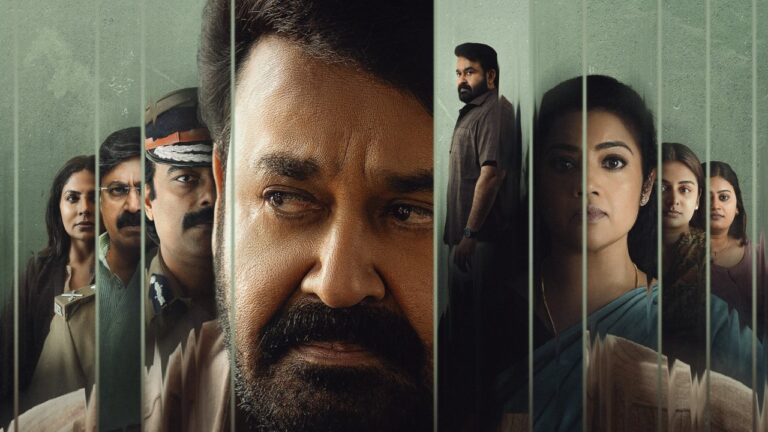
Box Office: ‘Drishyam 3’ Blasts Past ₹170 Crore Globally on Day 6

New Delhi, May 27, 2026:The suspense continues to pay off big at the box office. Actor Mohanlal and director Jeethu Joseph have done it again, as their highly anticipated thriller, Drishyam 3, has crossed the phenomenal ₹170-crore milestone globally on just its sixth day of release.

Despite encountering the typical mid-week drop expected of a working Tuesday, the third chapter of Georgekutty’s legendary saga is showing immense box office resilience. The movie has officially solidified its status as one of the fastest-grossing Malayalam cinema releases of 2026.

Breaking Down the Day 6 Numbers

According to tracking data from industry analyst Sacnilk, Drishyam 3 brought in ₹6.45 crore nett within India on Day 6. This represents a minor, routine weekday decline of 16.2% from Monday’s ₹7.70 crore nett haul. For a working day, however, theater turnouts remained incredibly stable, with the film playing across 4,668 screens nationwide. This latest domestic push brings the film’s total Indian nett collection to an impressive ₹68.60 crore.

On the global front, the film pulled in another ₹6 crore gross from international markets on Tuesday. This bumps its total overseas gross to a staggering ₹90.70 crore. When combining domestic earnings with international ticket sales, the worldwide gross for Drishyam 3 stands at exactly ₹170.32 crore in under a week.

Surpassing Milestones and Setting Records

With this rapid ₹170-crore haul, Drishyam 3 has achieved several major historical feats for the Malayalam film industry:

  • Overtaking the Competition: The thriller has officially surpassed the lifetime worldwide box office earnings of Blessy’s survival drama Aadujeevitham (The Goat Life), which concluded its theatrical run at ₹157.6 crore.
  • A Historic Ranking: It has instantly climbed the ranks to become the seventh highest-grossing Malayalam film of all time globally.
  • Elite Club Member: It is the second Malayalam movie of 2026 to comfortably sail past the ₹150-crore mark, right after the comedy-drama Vaazha II.
  • Mohanlal’s Personal Trifecta: This marks the third time a Mohanlal-led feature is within striking distance of the prestigious ₹200-crore club, following in the footsteps of his previous blockbusters Thudarum and L2: Empuraan.

Regional Dynamics and Audience Occupancy

Unsurprisingly, Georgekutty’s home state of Kerala remains the strongest backbone for the film’s financial success. On Day 6 alone, Kerala contributed ₹5.65 crore gross to the total collection.

The rest of the domestic box office breakdown for Tuesday saw steady trickles from neighboring southern states:

  • Andhra Pradesh & Telangana: ₹60 lakh gross
  • Tamil Nadu: ₹50 lakh gross
  • Karnataka: ₹43 lakh gross
  • Rest of India: ₹30 lakh gross

Language-Wise Performance

The original Malayalam version remains the heavy lifter of the franchise. It alone secured ₹5.50 crore nett across 2,641 shows on Tuesday. The Telugu dubbed version followed, raking in ₹60 lakh across 1,310 shows. Meanwhile, the Tamil and Kannada iterations brought in ₹25 lakh and ₹10 lakh, respectively.

Theater Footfalls

Looking at occupancy rates, the movie is proving to be a prime choice for night-out moviegoers. While the Malayalam version recorded a decent 22.33% occupancy during morning shows, theater traffic spiked significantly as the day went on. Afternoon shows rose to 32.75%, evening shows hit 46.83%, and night screenings peaked at a stellar 54.33% occupancy.

The Recipe Behind the Phenomenon

The Drishyam franchise began its journey back in 2013, fundamentally changing how Indian cinema approaches suspense thrillers. The narrative core—revolving around the brilliant, cinema-obsessed family man Georgekutty and the lengths he will go to shield his family from law enforcement—resonated so deeply that it spawned mega-hit remakes in Hindi, Tamil, Telugu, and even international languages.

Drishyam 3 picks up a few years after the tension-fueled events of Drishyam 2. Just when the family believes the ghosts of their past have finally been laid to rest, newly unearthed secrets and deep-dive police investigations threaten to shatter their lives once more. Audiences and critics have flooded social media with praise, highlighting Jeethu Joseph’s airtight, twist-heavy screenplay and Mohanlal’s masterfully understated performance.

Taking to social media to celebrate the overwhelming love from fans, Mohanlal shared a deeply emotional note:

“Waking up to an ocean of love today has left me deeply moved. Every wish, every prayer, and every heartfelt message has filled my heart with immense gratitude. Thank you for watching, for connecting, for feeling every moment, and for embracing Georgekutty and family as your own.”

The film features a stellar returning cast including Meena, Ansiba Hassan, Esther Anil, and Asha Sarath, alongside powerful supporting performances from Siddique, Murali Gopy, Biju Menon, and Kalabhavan Shajohn.

What Lies Ahead: Streaming and Remakes

For fans who want to experience the tension from the comfort of their homes, industry insiders report that the digital rights for Drishyam 3 have been locked in by Amazon Prime Video. The movie is tentatively scheduled to make its OTT (over-the-top) streaming debut around late June or early July 2026, following a standard exclusive theatrical window.

Furthermore, the “Drishyam wave” is far from over. The Hindi counterpart of the franchise, starring Ajay Devgn, has reportedly wrapped up its principal photography just recently. The Hindi version of Drishyam 3 is currently eyeing a nationwide theatrical release in October 2026, which is expected to trigger another massive wave of excitement across the country.

As it stands, the original Malayalam masterpiece is well on its way to hitting the coveted ₹200-crore mark by the upcoming weekend. Theater owners are expecting another massive surge in ticket sales as families head to the cinemas over the next few days to watch cinema’s most famous protective father play his ultimate hand.

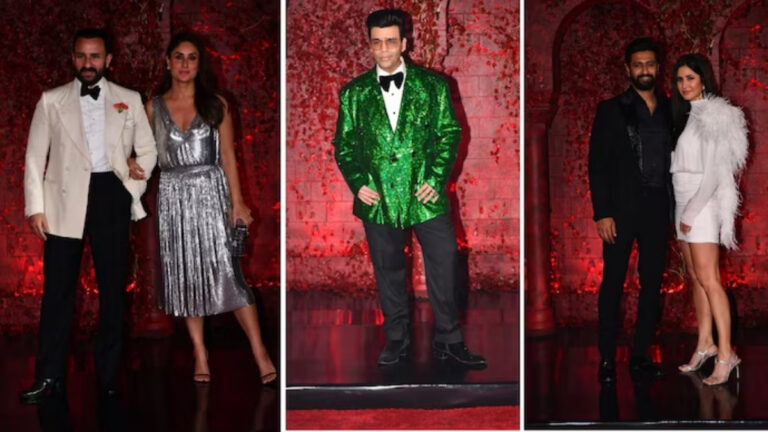
Karan Johar Star-Studded Birthday Bash: Kajol, Kareena, and Alia-Ranbir Paint the Town Red

New Delhi, May 27, 2026: When it comes to throwing a party that feels like a live-action, high-budget Bollywood production, nobody does it quite like Karan Johar. The iconic filmmaker celebrated his birthday on May 25, turning the occasion into an unforgettable, star-studded affair. While the initial birthday morning kicked off with hilarious viral videos and loving social media tributes, the real magic unfolded later at an ultra-glamorous, intimate house party hosted by KJo’s lifelong best friend and ace designer, Manish Malhotra.

The gathering was the perfect blend of nostalgic Bollywood royalty and contemporary industry heavyweights. Inside pictures shared by Manish Malhotra and other guests have taken social media by storm, offering fans an exclusive peak behind the velvet curtain. From the iconic reunion of the Kuch Kuch Hota Hai trio to the effortless elegance of modern-day power couples like Alia Bhatt and Ranbir Kapoor, the night was a masterclass in high-fashion, deep friendships, and pure entertainment.

The Birthday Boy’s Grand Aesthetic

Fresh off his historic debut as the first Indian filmmaker to grace the Met Gala earlier this month, Karan Johar ensured his birthday look stayed true to his reputation as a fearless style icon. Stepping away from the dramatic, hand-painted capes of global red carpets, Karan opted for a sharply tailored, sleek all-black ensemble for his big night.

However, it wouldn’t be a KJo outfit without a dash of unmistakable drama. He accessorized the look with a massive, glittering statement diamond necklace that quickly became the talk of the evening. The striking contrast between the minimal black suit and the extravagant high-jewelry set the tone for a night that was unapologetically glamorous.

A Walk Down Memory Lane: The Cult Classics Reunite

For any true Bollywood enthusiast, the absolute highlight of the evening was a nostalgic group selfie posted by Manish Malhotra. The picture captured Karan Johar flanked by his original muses, Kajol and Rani Mukerji. Manish aptly captioned the frame: “From Kuch Kuch Hota Hai to Now,” triggering a massive wave of nostalgia across the internet.

Kajol, known for her bubbly personality, looked radiant in a chic black outfit, smiling warmly alongside Rani Mukerji, who exuded simple, understated elegance. The decades-long comfort between the trio was palpable. It served as a beautiful reminder of how far they have all come since collaborating on the 1998 romantic milestone that changed the landscape of commercial Indian cinema.

The Kapoor Sisters and the Ultimate Glam Brigade

No Bollywood party is truly complete without the presence of the Kapoor sisters, and Kareena Kapoor Khan and Karisma Kapoor made sure to turn up the glamour quotient. Kareena, who has a famously close bond with Karan (vividly remembered as his iconic character Poo from Kabhi Khushi Kabhie Gham), kept things incredibly stylish. Karisma later shared a picture of the sisters alongside Manish and Karan, tagging it with a simple yet heartfelt “Friends forever.”

Joining the elite club of veterans was Saif Ali Khan, who matched the evening’s unstated dress code by keeping it dapper in a sophisticated, all-black look. The older generation of Bollywood legends proved that while trends come and go, true style and loyalty within the industry remain permanent.

Power Couples and New-Age Royalty

Representing the current golden era of Hindi cinema were Ranbir Kapoor and Alia Bhatt. The power couple, who usually prefer low-key personal lives, stepped out looking effortlessly fashionable to celebrate the man who played a pivotal role in shaping Alia’s career. Alia, a regular fixture in Dharma Productions, shared warm laughs with the birthday boy, while Ranbir kept things cool and classic.

The party also played host to Bollywood’s favorite millennial and Gen-Z stars. Manish Malhotra shared glimpses of what he called his “favourite couple,” Sidharth Malhotra and Kiara Advani, who looked absolutely stunning together. The guest list also boasted high-profile names such as:

  • Vicky Kaushal: Looking characteristically dapper and chatting up fellow actors.
  • Janhvi Kapoor & Sara Ali Khan: Bringing fresh, high-fashion energy to the selfies and lighting up the room.
  • Arjun Kapoor & Shanaya Kapoor: Adding to the close-knit, family-like atmosphere of the inner Bollywood circle.

Deep Bonds Beyond the Lens

What made this specific birthday bash stand out from typical industry networking events was the genuine depth of history shared among the attendees. The host himself, Manish Malhotra, shared a touching tribute reflecting on his 30-year journey with Karan. Their professional partnership began all the way back in 1993 on the sets of the film Gumrah, produced by Karan’s late father, Yash Johar. Over three decades, the duo has shared thousands of meals, conceptualized iconic cinematic looks, and traveled the world together.

This foundation of brutal honesty and unwavering support is a rarity in the fickle world of showbiz, and it clearly anchored the warm, celebratory atmosphere of the night. Even the lighthearted trolling from close friends like Farah Khan—who jokingly accused Karan of raid-shopping his mother’s jewelry safe—showcased the casual, barrier-free love that surrounds the filmmaker.

What Lies Ahead for KJo

As the curtains closed on his 54th birthday celebrations, Karan Johar shows absolutely no signs of slowing down. The filmmaker is currently gearing up for his eighth directorial project following the massive commercial success of Rocky Aur Rani Kii Prem Kaaheni. Furthermore, fans are eagerly awaiting his return to the small screen, as he prepares to host the highly anticipated ninth season of his wildly popular chat show, Koffee With Karan.

If his birthday party was any indication of the drama, star power, and fun we can expect from him in the coming year, Karan Johar’s audience is in for an absolute treat

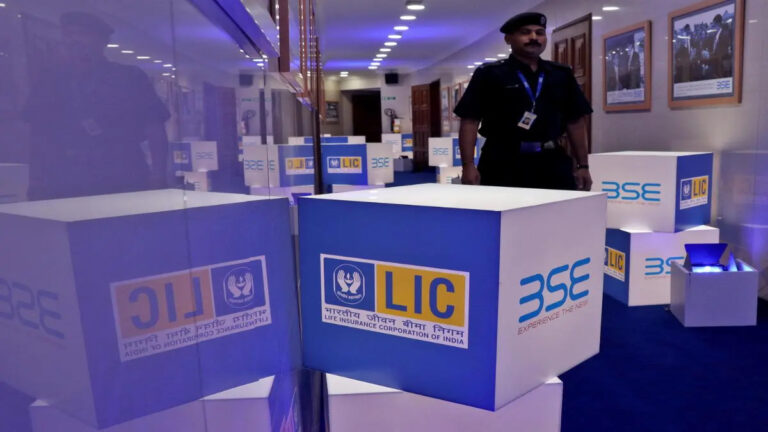
Government Prepares ₹10,000 Crore LIC Stake Sale for Next Month: All You Need to Know

0

New Delhi, May 27, 2026: The Government of India is gearing up for a major financial move in the upcoming month. According to reliable sources close to the development, the Centre is preparing to sell a portion of its stake in the state-run insurance giant, Life Insurance Corporation of India (LIC). This strategic stake sale is expected to raise up to ₹10,000 crore (approximately $1 billion), making it one of the most significant domestic equity deals in recent times. The formal marketing and processing for the transaction are slated to begin in late June or early July, marking a crucial step forward in the government’s asset monetisation and disinvestment agenda for the current financial year.

The proposed transaction will involve the disinvestment of around 1.5% to 2% of the government’s equity in the insurance behemoth. At present, the President of India holds a dominant 96.5% stake in the company. Financial experts indicate that the transaction will likely be executed via an Offer for Sale (OFS) or structured block deals on the stock exchanges. By opting for the OFS route over a massive Follow-on Public Offer (FPO), the government aims to complete the process swiftly while minimizing heavy market volatility. To manage this high-profile transaction, the Department of Investment and Public Asset Management (DIPAM), under the Ministry of Finance, has reportedly roped in top-tier global and domestic investment banks, including Goldman Sachs Group Inc., Motilal Oswal Investment Advisors Ltd., BNP Paribas SA, and IIFL Capital Services Ltd.

Meeting Regulatory Guidelines and Boosting Liquidity

A primary driving force behind this sudden move is the regulatory timeline set by the market regulator, the Securities and Exchange Board of India (SEBI). Under SEBI’s Minimum Public Shareholding (MPS) norms, all listed public companies must have at least a 25% public float to ensure fair valuation and healthy market liquidity. Because of LIC’s massive size, the government was initially granted extended regulatory relief. However, the Centre must gradually scale down its holding to ensure compliant trading. This upcoming share sale will effectively bump LIC’s free-float market liquidity from the current 3.5% up to around 5%. In the long run, this increase in public availability is highly beneficial. A larger public float ensures that the stock qualifies for a higher weightage in major global and domestic equity indices, which ultimately attracts massive passive capital inflows from Foreign Portfolio Investors (FPIs) and large domestic institutions.

This move comes exactly four years after LIC’s historic debut on the stock exchanges. Back in May 2022, the government broke records by selling a 3.5% stake in the company through India’s largest-ever Initial Public Offering (IPO), which successfully fetched around ₹21,000 crore for the national exchequer. While that landmark issue priced shares at ₹949 each, the stock has experienced its fair share of market cycles since listing.

Market Reaction and Stock Performance

News of the upcoming supply of fresh shares triggered an immediate reaction on Dalal Street. During today’s trading session, shares of LIC faced considerable selling pressure, tumbling by over 4% to hit an intraday low of ₹818.85 on the National Stock Exchange (NSE). The stock eventually stabilized slightly to trade near the ₹830 mark, tracking a total market capitalization of over ₹5.23 lakh crore. Market analysts explain that such a dip is a standard and temporary reaction to any large-scale equity dilution. When the market expects a massive block of shares to become available, the stock price naturally moves closer to the anticipated “floor price” of the upcoming sale.

However, long-term investors remain highly optimistic about the underlying strength of the insurer. LIC recently reported robust financial health, showcased by a steady 4% growth in its Value of New Business (VNB) margins, signaling better operational efficiency and an improved product mix. Furthermore, the state-run insurer recently crossed a monumental milestone by surpassing ₹10 lakh crore in debt Assets Under Management (AUM), firmly cementing its legacy as the undisputed titan of the domestic institutional investment landscape.

A Concurrently Timed Bonus Issue

Adding a layer of excitement for everyday retail investors, this stake sale announcement coincides with an important corporate action already approved by the insurance company’s board. LIC is currently processing its first-ever 1:1 bonus share issue. The board has fixed this Friday, May 29, 2026, as the official record date to determine eligible shareholders. Under this scheme, current investors will receive one free fully paid-up equity share for every single share they hold in their portfolio. These newly credited bonus shares are scheduled to be formally allotted to eligible accounts on Monday, June 1, 2026. This bonus distribution will effectively double the share count for existing retail holders, adjusting the face value and making the stock significantly more affordable and liquid for small-scale retail traders just before the government launches its mega ₹10,000 crore offering.

Strategic Goals of the Disinvestment Drive

Beyond regulatory compliance, the ₹10,000 crore proceeds will play a vital role in balancing the union budget. The capital raised from this June transaction will serve as a foundational building block for the Centre’s ambitious FY27 disinvestment and asset monetisation target. To meet its annual macroeconomic objectives, the government is reportedly looking at phased stake sales across multiple high-performing public sector enterprises (PSUs) later this year, with market eyes fixed on entities like Coal India, Indian Overseas Bank, and the Indian Railway Finance Corporation (IRFC).

The upcoming LIC offering will be one of the few large-scale equity events in the domestic market next month, arriving at a time when global markets are navigating geopolitical tensions in the Middle East. Despite brief external headwinds and short-term price adjustments, financial experts believe that the gradual reduction of the government’s dominant stake paves the way for a more mature, transparent, and institutionally backed trading environment for India’s largest insurance provider. Retail and institutional buyers alike will be closely tracking DIPAM’s official announcements regarding the exact dates and the discount pricing for the sale in the coming weeks.

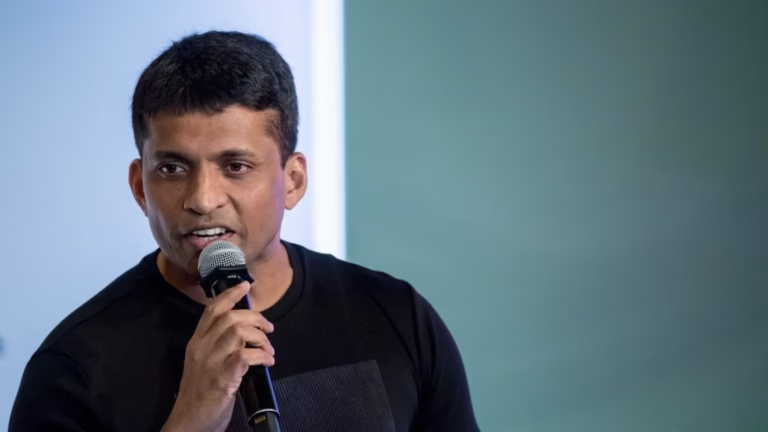
Singapore Court Sentences Byju Founder Byju Raveendran to Six Months in Jail for Contempt

0

New Delhi, May 27, 2026 — In a dramatic escalation of the legal battles surrounding the collapsed Indian education technology giant Byju’s, a Singapore court has sentenced the company’s founder, Byju Raveendran, to a six-month prison term for contempt of court. The ruling represents one of the most severe personal legal blows to the former billionaire entrepreneur since his global edtech empire began to unravel.

The sentencing follows a series of findings by the court that Raveendran repeatedly failed to comply with multiple judicial directives regarding asset disclosure. According to court officials, these orders date back to April 2024 and were tied to intense, ongoing disputes with international investors and creditors trying to claw back their capital.

In addition to the prison sentence, the Singapore court ordered Raveendran to surrender himself to local authorities and pay legal costs amounting to S$90,000 (approximately $70,500 or ₹67 lakh). He has also been strictly directed to produce specific documents proving his legal ownership of Beeaar Investco Pte, a corporate entity that holds significant shares in a related company.

Roots of the Conflict: The Qatar Connection

The specific contempt proceedings in Singapore were initiated by a subsidiary of the Qatar Investment Authority (QIA), Qatar Holding LLC. QIA had heavily invested in Byju’s during its later funding rounds—a period when the company was already deeply financially stressed and actively laying off staff.

The legal friction stems from complex offshore funding arrangements involving Byju’s group entities and Aakash Educational Services. Qatar Holding previously secured a $235 million Singapore emergency arbitral award against Raveendran and Byju’s Investments. When asset disclosure and documentation rules regarding those funds were repeatedly ignored, the sovereign fund’s legal team, Drew & Napier, moved forward with the contempt application.

Raveendran Responds: “A Procedural Matter”

Shortly after the news broke, Byju Raveendran took to social media to issue a public statement, defending his position and downplaying the severity of the ruling. Raveendran clarified that the order is a “procedural contempt” arising strictly from document disclosure disagreements, rather than a criminal finding of fraud or systemic wrongdoing.

Furthermore, Raveendran claimed that the underlying financial dispute is already on the verge of being settled. He noted that the company’s founders and its major international lenders, including US-based GLAS Trust and QIA, have been locked in advanced settlement talks for months.

According to Raveendran, all parties had agreed in principle to a standstill over the last three months to work out a comprehensive resolution. “I chose resolution over confrontation,” he said, stating that a settlement has been practically agreed upon, with only minor residual issues left between specific parties that do not involve him personally.

A Global Web of Legal Troubles

The jail sentence in Singapore is not an isolated legal challenge for the edtech pioneer. Raveendran faces mounting pressure across multiple major global jurisdictions.

  • The United States: Lenders are aggressively fighting to recover losses from a massive $1.2 billion term loan that went into default. A US bankruptcy court in Delaware previously held Raveendran in contempt and imposed heavy daily financial sanctions for failing to participate transparently in litigation and hiding funds linked to Byju’s Alpha—the firm’s US financing wing. The court eventually slapped him with a default judgment exceeding $1.07 billion.
  • India: Back home, the parent company, Think & Learn Private Limited, is navigating intense insolvency and bankruptcy proceedings. Shareholder revolts and high-profile board resignations have gutted the company’s leadership structure. Additionally, the Enforcement Directorate (ED) has previously raided premises linked to Byju’s under the Foreign Exchange Management Act (FEMA), alleging extensive foreign exchange violations.

The Rise and Fall of India’s Edtech Giant

The ongoing legal chaos marks a stunning fall from grace for what was once the crown jewel of India’s startup ecosystem. Founded by Raveendran in 2011 as a simple learning app, Byju’s capitalised massively on the global digital learning boom, particularly during the pandemic years.

By 2022, the Bengaluru-based company achieved a staggering peak valuation of $22 billion. It employed roughly 60,000 people worldwide and boasted millions of paying students. Backed by elite global venture funds, Raveendran embarked on a hyper-aggressive buying spree, acquiring major educational brands like Aakash Educational Services, WhiteHat Jr, Great Learning, and Epic.

However, by late 2023, the foundation began to crack. Serious corporate governance failures, severely delayed financial audits, aggressive sales tactics, and mounting operational losses quickly spooked investors. As the global funding tap ran dry, the company defaulted on its massive international debts, leaving thousands of employees laid off and sparking the avalanche of global litigation that has now led to a Singapore prison sentence.

What Happens Next?

The immediate focus shifts to June 15, 2026, the deadline by which Raveendran is directed to appear and launch his formal appeal against the Singapore order. Because his precise current physical location remains unconfirmed by public officials, it remains to be seen how smoothly the surrender and appeal process will unfold.

If the “in-principle” settlement mentioned by Raveendran is signed and finalised by the investors and lenders in the coming weeks, it could potentially ease some of the civil litigation pressure. However, with multiple courts across India, Singapore, and the US demanding transparency and accountability, the path ahead for the embattled edtech founder remains incredibly fraught.

Inside RCB Lead Pacer Bhuvneshwar Kumar Meerut Bungalow & Family-Oriented Lifestyle

0

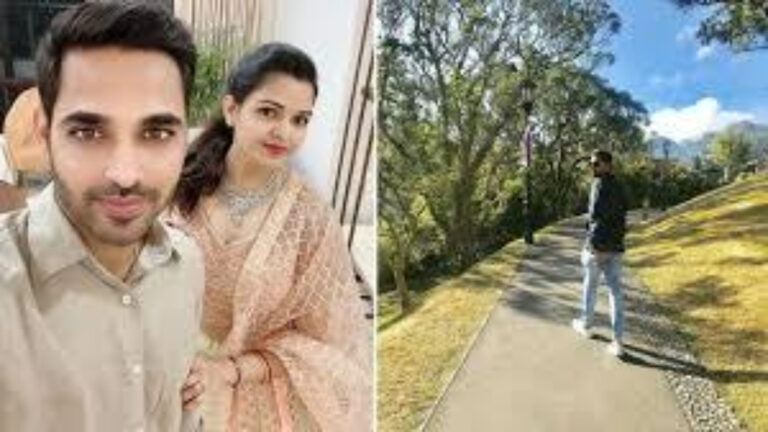
New Delhi, May 27, 2026: In the high-octane world of Indian cricket, where fame is blinding and lifestyles are often lived under a magnifying glass, Royal Challengers Bengaluru (RCB) pace spearhead Bhuvneshwar Kumar remains a breath of fresh air. Affectionately dubbed the “Swing King” by fans and pundits alike, the 36-year-old veteran is currently having a fairytale season in the 2026 Indian Premier League (IPL). Holding the coveted Purple Cap with 26 wickets, Bhuvneshwar recently dismantled the Gujarat Titans in Qualifier 1 at Dharamshala, single-handedly propelling RCB into their second consecutive IPL final.

Yet, despite his massive multi-crore net worth—estimated to be around ₹70–75 crore—and his roaring success on the field, “Bhuvi” chooses to leave the glitz and glamour behind the moment the bails are clad. Far away from the bustling metros of Mumbai or Bengaluru, Bhuvneshwar’s heart resides firmly in his hometown of Meerut, Uttar Pradesh. Here, in the upscale locality of Ganga Nagar, sits his magnificent yet deeply grounded bungalow—a physical manifestation of a small-town boy’s monumental journey to global cricketing stardom.

A Sanctuary of Elegance: Inside the Ganga Nagar Bungalow

Bhuvneshwar Kumar’s Meerut residence is a premium property worth several crores, perfectly aligning with the high real estate values of the Ganga Nagar area. However, step inside, and you will immediately realize that this house was built for comfort, family, and peace, rather than sheer exhibitionism. The bungalow beautifully mirrors the bowler’s on-field persona: calm, disciplined, elegant, and entirely devoid of unnecessary extravagance.

The architecture balances modern design with traditional warmth. The interiors feature massive, open-plan living spaces characterized by a clean, minimalist aesthetic. Soft, neutral color palettes dominate the walls, accented by contemporary, plush furnishings that prioritize deep comfort over flashy labels. Large glass windows allow ample natural light to flood the rooms, creating a bright and airy atmosphere that acts as the perfect antidote to the chaotic schedules of professional sports.

For a man who has mastered the art of subtle variations on the pitch, his home design follows a similar philosophy. There are dedicated spaces for his prized possessions, including a secure, well-maintained parking area housing his luxury car collection, which includes high-end models from BMW and Audi. Yet, the standout feature of the bungalow remains its integration with nature. The property boasts lush, meticulously manicured outdoor lawns and green patches where Bhuvneshwar can often be seen relaxing, a testament to his desire for a peaceful, unhurried life when he is off the clock.

Rooted in Family: The Core of Bhuvi’s Lifestyle

While the structure itself is undeniably beautiful, it is the family-oriented lifestyle within these walls that truly defines Bhuvneshwar Kumar. Born into a humble, middle-class family, Bhuvi has never forgotten his roots. His late father, Kiran Pal Singh, who served dedicatedly as a police officer, and his mother played pivotal roles in shaping his grounded values. His sister, Rekha, was his earliest pillar of support, anchoring his childhood dreams when cricket equipment was a luxury.

Today, the Meerut bungalow serves as a multi-generational home where Bhuvneshwar resides with his mother, his childhood sweetheart turned wife, Nupur Nagar, and their beautiful young daughter.

Bhuvneshwar and Nupur tied the knot in a grand ceremony in Meerut back in 2017, celebrating a bond that dates back to their early years. Despite his status as an international sports icon, Bhuvi’s favorite role appears to be “dad on duty.” His social media profiles, particularly Instagram, give fans occasional, heartwarming glimpses into this private sanctuary. Rather than posting about elite parties or high-profile commercial shoots, his feed is dotted with pictures of quiet family dinners, playful afternoons in the garden with his daughter, and peaceful moments spent celebrating traditional festivals at home.

Balancing the Masterclass: From the Pitch to the Pavilion

What makes Bhuvneshwar’s grounded lifestyle so fascinating is how starkly it contrasts with his current reality as one of the most lethal T20 bowlers on the planet. His performance in the ongoing IPL 2026 season has been nothing short of a tactical masterclass. At a time when the game has tilted heavily in favor of batsmen—evidenced by the brutal 255-run carnage RCB suffered against Sunrisers Hyderabad earlier this season—Bhuvi has reinvented himself.

By scaling back his famous knuckleballs and relying on a highly calculated scrambled-seam strategy, he has kept the best batsmen in the world guessing. As he recently noted in a post-match interview alongside veterans like Ravichandran Ashwin, his success comes down to simple, clear-headed execution and being “data-informed” without losing his natural instincts.

This exact blend of intelligence and simplicity is what governs his lifestyle in Meerut. The bungalow is not a fortress to hide away from the world; it is a sanctuary to recharge his batteries. It is where he comes to disconnect from the data analytics, the roaring crowds, and the intense media pressure. Surrounded by the people who knew him before he became the “Swing King,” Bhuvneshwar finds the equilibrium required to sustain a career at the absolute top tier of world cricket.

A Symbol of Discipline and Hard Work

Ultimately, Bhuvneshwar Kumar’s Meerut bungalow stands as a monument to what can be achieved through unwavering discipline, relentless hard work, and a rock-solid support system. It proves that you can reach the absolute pinnacle of financial and professional success in India without losing your core identity.

As RCB gears up for the monumental IPL 2026 final, the fans know that their lead pacer will give it his all on the turf. But they also know that win or lose, Bhuvi will pack his bags, leave the stadium lights behind, and head straight back to Ganga Nagar—back to his minimalist living room, his quiet lawns, and the comforting embrace of a family that keeps him beautifully anchored.

Google Health Connect Expands: Ultimate Cross-Device Health Syncing on Android

New Delhi, May 27, 2026: For years, the biggest headache in digital health tracking wasn’t hitting your daily step goal—it was getting your apps to talk to each other. If you wore a Pixel Watch but logged your meals in MyFitnessPal, weighed yourself on a Withings smart scale, and tracked your bike rides on Strava, your health data was scattered across digital islands.

Google’s major expansion of Health Connect, fully integrated into the fabric of the Android ecosystem, changes the game entirely. Working in tandem with the massive evolution of the newly rebranded Google Health app (which officially absorbed Fitbit), Health Connect has evolved from a background utility tool into the ultimate universal translator for your body’s data.

What is Health Connect, and Why Does This Expansion Matter?

At its core, Health Connect is an Android system tool that creates a secure, central hub on your phone where different health and fitness apps can read and write data. Instead of app developers building complicated, individual bridges to every other app on the market, they plug directly into Health Connect.

What makes this latest expansion a massive leap forward is true, seamless cross-device syncing. Google has unlocked deeper API (Application Programming Interface) capabilities, added support for highly requested biological metrics, and broke down the barriers between competitive platforms.

Whether you change devices, use a tablet alongside your phone, or switch between a fitness tracker and a premium smartwatch, Health Connect acts as the singular source of truth. Your data is stored locally on your device, giving you total control over who sees it, while allowing your favorite platforms to stay perfectly in sync in the background.

Breaking Down the New Features

Google didn’t just tweak the interface; they fundamentally upgraded what Health Connect can track and how it handles your information.

1. New Deep Health Metrics

The platform has expanded its data vocabulary to include advanced biometrics that modern wearables track. Health Connect now natively supports:

  • Skin Temperature: Crucial for tracking sleep quality, reproductive health cycles, and early signs of fever or illness.
  • Mindfulness tracking: Standardizing data related to mental well-being, meditation sessions, and anxiety management.
  • Training Plans & Activity Intensity: Allowing granular details of scheduled workouts and active heart-rate zones to move flawlessly between coaching apps and hardware trackers.

2. Integration of Medical Records

In a massive structural upgrade, Health Connect now supports Personal Health Records (PHR) using the global standard FHIR (Fast Healthcare Interoperability Resources) format. If you are in the United States, this means you can pull official medical records—like lab results, medications, and vitals from your doctor’s patient portal—directly into your local health ecosystem, viewing them right alongside your daily step counts and sleep cycles.

3. Smart De-Duplication

The biggest flaw of old syncing methods was duplication. If you wore a smartwatch while tracking a run on Strava, both apps would try to log the same workout, artificially doubling your burned calories. Health Connect features sophisticated, real-time “upserting” and conflict resolution. It looks at the timestamps and unique app IDs, blends overlapping data perfectly, and presents a clean, single timeline of your day.

The Perfect Match: Health Connect and the New Google Health App

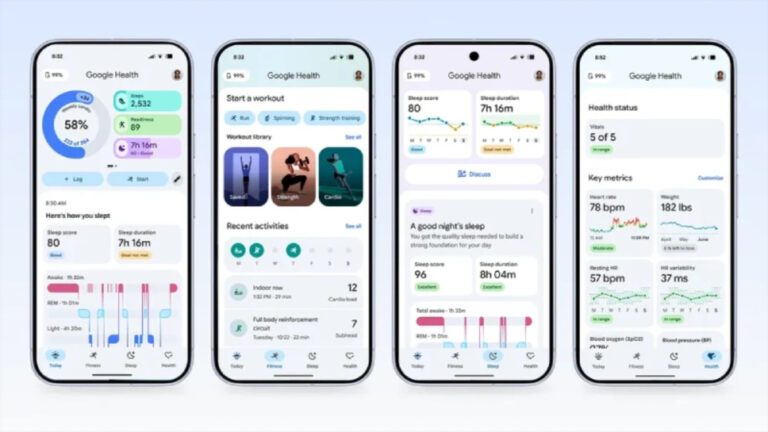
The expansion of Health Connect lands at the exact moment Google has unified its hardware and software vision. The legacy Fitbit app has officially been upgraded and renamed the Google Health app, serving as the premier consumer dashboard for all this synchronized data.

When you open the new platform, everything funneled through Health Connect is neatly organized into four distinct tabs:

Unlocking the Power of the Google Health Coach

The true magic of having all your cross-device data synced through Health Connect becomes clear with the introduction of the Google Health Coach, an embedded AI helper built on Google’s advanced Gemini models.

Because Health Connect ensures the coach can see your entire health profile—not just a fraction of it—the AI can spot holistic trends that were previously invisible. For example, if your synced medical records show a change in a particular vital sign, and your smart ring logs a drop in sleep consistency over the same week, the Health Coach can synthesize these points. Using natural language, it can provide tailored workout suggestions, note changes in your resilience to stress, or give you a comprehensive summary of your latest lab results.

Mobiyoung Elevates Shivalika Anand to Chief Executive Officer Amid AdTech Expansion

New Delhi, May 27, 2026 — In a major strategic realignment designed to turbocharge its next phase of market expansion, the Mobiyoung Group has officially announced the promotion of Shivalika Anand to the position of Chief Executive Officer (CEO).

Anand, an industry veteran who previously served as Partner and Chief Business Officer for the company’s tech arm, takes the reins at a time when the digital Out-of-Home (DOOH) and AdTech sectors are experiencing explosive growth.

Outgoing CEO and Co-Founder Anuj Bhandari, who successfully guided the startup through its critical foundational years, will transition into a new role as a Non-Executive Director. From this position, Bhandari will continue to provide long-term vision, leaving day-to-day operational control and scaling strategies entirely in Anand’s hands.

A Leadership Transition Built for Scale

The executive shake-up signals Mobiyoung’s evolution from an ambitious media startup into a highly specialized AdTech powerhouse. Over the past few years, the Bengaluru-founded company has quietly grown its footprint across India by building intelligent, data-driven software that changes how brands display outdoor advertisements.

Under Bhandari’s early leadership, Mobiyoung transitioned traditional billboard practices into the digital age. Expressing high confidence in his successor, Bhandari noted that Mobiyoung was built on the core belief that the future of media must be measurable, intelligent, and deeply integrated with technology.

Who is Shivalika Anand?

Anand brings more than a decade of high-level experience in digital media, programmatic advertising, and Connected TV (CTV) solutions to the CEO office. Before joining the Mobiyoung ecosystem, she established a stellar reputation across the Asia-Pacific (APAC) advertising landscape.

Her professional background highlights deep expertise in monetization and business development:

  • Vice President of Sales (APAC) at Voise Tech.
  • Assistant Vice President at Lemma, where she focused heavily on scaling programmatic digital out-of-home platforms.
  • Strategic Leadership Roles at global content discovery platforms like Taboola and Eskimi, where she built long-term relationships with top-tier consumer brands and media agencies.

Since joining the leadership team at Mobiyoung, Anand has been intimately involved in steering the company’s operations, solidifying major media partnerships, and engineering its regional expansion. Her elevation to CEO is viewed by industry insiders as a natural progression given her deep technical understanding of data-driven advertising.

Capitalizing on the Programmatic DOOH Revolution

Anand steps into the CEO role at a critical milestone in Mobiyoung’s corporate journey. The company’s proprietary technology platform, DGTOOHL (Data-Driven Outdoor Advertising Technology), recently achieved an elite industry distinction: it was onboarded by Google for Programmatic Digital Out-of-Home (pDOOH) advertising.

This technical integration places Mobiyoung among a select few Indian platforms capable of processing automated, automated real-time bidding for public digital screens.

Traditional vs. Programmatic Out-of-Home Advertising

To understand the scale of the opportunity ahead for Mobiyoung, it helps to look at how the outdoor advertising landscape has shifted.

By leveraging pDOOH, a brand can automatically choose to display an advertisement for hot coffee on a digital roadside billboard only when local temperatures dip, or promote an umbrella brand the exact minute it begins to rain. This level of extreme relevance and efficiency is what Mobiyoung intends to scale aggressively under Anand’s guidance.

The Road Ahead: Accountability, Agility, and Innovation

Accepting the role, Anand emphasized that modern brands are no longer satisfied with writing massive checks for static billboards without knowing exactly who saw their message. Today’s advertisers demand proof of performance, flexibility, and hyper-targeted audience engagement.

“Mobiyoung stands at an incredibly exciting intersection of media, technology, and consumer attention,” Anand stated. “The opportunity ahead of us is significantly larger than ever before. Brands are increasingly looking for strict accountability, operational agility, and much smarter ways to engage moving audiences. We remain deeply committed to building those exact software solutions.”

With high-profile backing from prominent ecosystem investors—including early support from CashKaro Co-Founder Swati Bhargava—Mobiyoung is well-positioned financially and structurally. Anand’s immediate mandate will center on three core pillars:

  1. Accelerating Software Innovation: Enhancing the data-analytics capabilities of the DGTOOHL platform to provide even deeper audience insights to advertisers.
  2. Expanding Digital Real Estate: Securing a larger network of premium digital screens in transit hubs, corporate parks, and high-footfall retail centers across tier-1 and tier-2 Indian cities.
  3. Broadening Ecosystem Partnerships: Strengthening ties with global AdTech programmatic players, media agencies, and direct-to-consumer (DTC) brands looking for measurable outdoor media options.

As the Indian AdTech sector continues its rapid transformation, Mobiyoung’s transition to a seasoned operational leader like Anand highlights a broader industry trend: the future of outdoor advertising belongs completely to data.