Home Blog Page 72

GV Prakash Leads Grand “Bangaru Pallaki” Procession for Sabarimala Pilgrimage

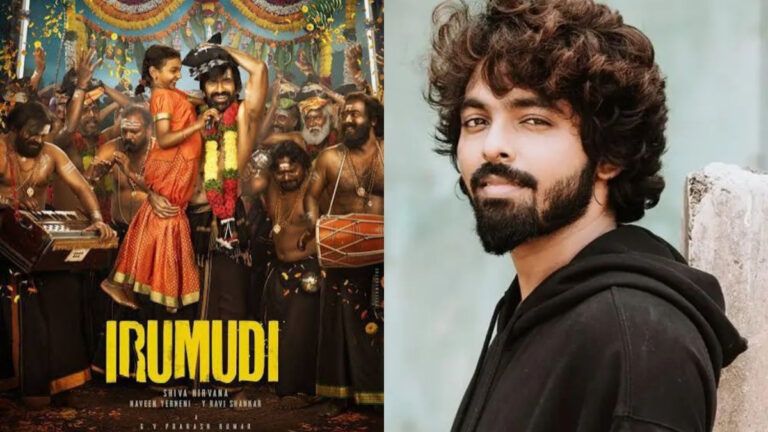
New Delhi, May 14, 2026 – In a blend of cinematic stardom and deep-rooted devotion, acclaimed music composer and actor GV Prakash Kumar has once again captured the public’s imagination—not for a chart-topping melody, but for a significant spiritual undertaking. Reports from the heart of the Tamil film industry confirm that the versatile artist is set to lead the prestigious Bangaru Pallaki (Golden Palanquin) procession during his upcoming Irumudi pilgrimage to the sacred shrine of Sabarimala.

As of May 2026, GV Prakash has transitioned from his busy recording studios to a period of rigorous spiritual discipline, preparing for a journey that resonates with millions of devotees across South India.

The Significance of the Irumudi and Bangaru Pallaki

To understand the weight of this news, one must look at the traditions of the Sabarimala pilgrimage. The Irumudi Kettu is the most essential part of a devotee’s journey; it is a twin-compartment bag carried on the head, containing offerings like coconuts filled with ghee, rice, and betel leaves.

The Bangaru Pallaki, or the Golden Palanquin, is an honor reserved for significant ceremonial processions. Bringing the Bangaru Pallaki to the Irumudi ceremony signifies:

  • Deep Reverence: A gesture of supreme gratitude toward Lord Ayyappa.
  • Community Leadership: Often, public figures leading such processions draw thousands of fellow devotees, fostering a sense of collective faith.
  • Preservation of Culture: For a youth icon like GV Prakash, participating in these ancient rituals bridges the gap between modern celebrity culture and traditional values.

GV Prakash’s Spiritual Evolution

While known for his edgy compositions and gritty acting roles, GV Prakash has never shied away from his spiritual side. In recent years, he has been seen participating in various temple festivals and local traditions. However, the 2026 pilgrimage marks a turning point in his public persona.

Sources close to the artist suggest that this year’s “Deeksha” (the period of penance) has been particularly intense. The composer has reportedly been following a strict vegetarian diet, wearing the traditional black attire, and maintaining a lifestyle of simplicity for the mandatory 41-day period.

“Music is my profession, but spirituality is my soul’s anchor,” GV Prakash reportedly shared with a close associate. “Leading the Bangaru Pallaki is not about status; it’s about complete surrender.”

Impact on the Industry and Fans

The news has sent ripples through the South Indian film industry. Several co-stars and fellow technicians have lauded his commitment to his roots. In an era where celebrities are often disconnected from local traditions, GV Prakash’s active participation is seen as an inspiring move for the younger generation.

What fans are saying:

  • Youth Engagement: Social media is abuzz with clips of the composer in his pilgrim attire. Young fans are seeing a different side of their “GVP,” one that values discipline and heritage.
  • Cultural Pride: Many see this as a positive reinforcement of Tamil and South Indian religious identity on a national stage.

Logistics of the Procession

The procession involving the Golden Palanquin is expected to be a grand affair. While the exact route remains private to manage the crowds, it is understood that:

  1. Special Poojas: The journey began with special prayers at a prominent temple in Chennai.
  2. The Trek: GV Prakash, along with a group of seasoned “Guruswamy” (spiritual guides), will navigate the traditional forest paths.
  3. The Offering: The Bangaru Pallaki will be a focal point of the ceremony before the final climb to the Pathinettam Padi (the 18 sacred steps).

Balancing Melodies and Mantras

Despite his spiritual hiatus, GV Prakash remains one of the busiest men in Indian cinema. Even as he prepares for the climb, several of his high-profile projects are in the post-production phase.

Project CategoryStatus (May 2026)
ActingPost-production on a major action thriller.
Music CompositionExpected release of a pan-Indian film soundtrack next month.
ProductionOverseeing an independent film project under his banner.

Industry experts believe that this spiritual break will only enhance his creative output. Historically, many artists have found renewed inspiration after periods of introspection and pilgrimage.

A Tradition for the Modern Era

As GV Prakash prepares to carry the Irumudi and lead the Golden Palanquin, he stands as a symbol of the modern Indian—someone who is globally competitive and technologically savvy, yet remains tethered to the spiritual soil of his ancestors.

The “Bangaru Pallaki” isn’t just a vehicle for a deity; this week, it serves as a vehicle for a message of faith, humility, and the timeless nature of devotion. As the chants of “Swamiye Saranam Ayyappa” echo through the hills, one of cinema’s brightest stars will be just another devotee, seeking peace amidst the divine.

The ‘Big Triangle’ Trend: Influencer’s First Dosa Goes Viral

0

New Delhi, May 14, 2026: In the fast-paced world of social media, where food trends come and go with the swipe of a thumb, some moments capture the collective heart of the internet by being unexpectedly wholesome. Recently, a video featuring a New York-based influencer trying her very first South Indian meal went viral, not because of a sophisticated critique, but because of her charmingly innocent description of the iconic Masala Dosa: a “big triangle.”

What began as a simple food review has turned into a cross-cultural celebration, leaving netizens across the globe—and particularly in India—smiling at the sheer joy of culinary discovery.

The Moment That Sparked the Smile

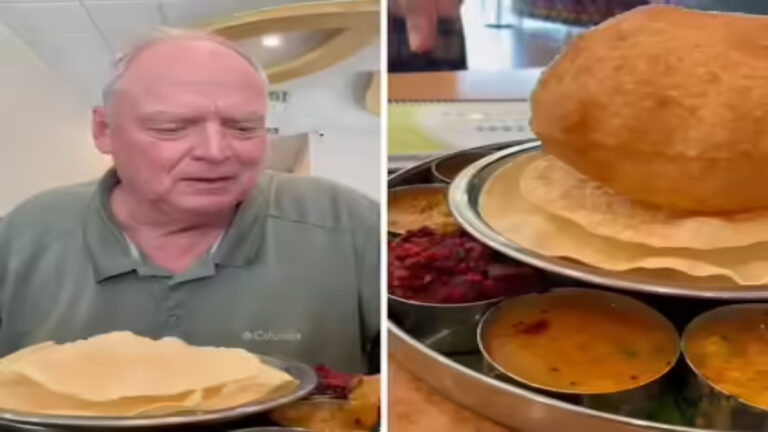
The influencer at the center of this viral storm is Kiki (@kiki_explores), a popular content creator known for her lifestyle and travel snippets. During a visit to an authentic South Indian eatery, she was presented with a traditional Masala Dosa—a thin, crispy crepe made from fermented rice and lentil batter, expertly folded into a large, golden-brown triangle and stuffed with a savory potato filling.

In the video, Kiki stares at the plate with wide-eyed wonder. As the camera pans over the massive, crispy crepe, she exclaims with genuine excitement, “I’m trying this big triangle thing for the first time!”

For millions of Indians, for whom the Dosa is a staple comfort food, the description was both hilarious and deeply endearing. While most people would refer to it by its name, Kiki’s “big triangle” label stripped away the culinary jargon and focused on the visual marvel of the dish.

A Feast for the Senses: The Tasting

The video doesn’t just stop at the name. It captures the universal experience of trying South Indian food for the first time—the confusion followed by absolute delight. Guided by the staff (and likely some helpful comments from her followers), Kiki navigated the “side dishes”—the sambar (a tangy lentil stew) and the variety of chutneys (coconut, tomato, and mint).

As she tore off a piece of the “big triangle,” dipped it into the coconut chutney, and took her first bite, her expression shifted from curiosity to pure bliss. “Oh my god, it’s so crispy but soft inside… and this white sauce is incredible,” she said, referring to the coconut chutney.

By the time she reached the spicy potato masala hidden inside the fold, she was officially a convert. Her reaction resonated with viewers because it felt authentic. It wasn’t a rehearsed “foodie” review; it was the raw, unfiltered joy of someone discovering a new favorite flavor.

Why the Internet Is Obsessed

In an era where the internet can often be a place of heated debate, this video acted as a “digital palate cleanser.” Here are a few reasons why it struck such a chord:

  1. Innocence Over Ignorance: While the internet can sometimes be harsh on people who don’t know traditional names for cultural foods, the reaction here was the opposite. Netizens found her “big triangle” comment cute rather than offensive because it was coupled with a clear respect and love for the food.
  2. Cultural Pride: Indians are famously passionate about their cuisine. Seeing a foreigner appreciate the complexity and taste of a Dosa—especially when they realize it’s vegan and gluten-free by nature—brings a sense of collective pride.
  3. The “First Time” Relatability: We all remember the first time we tried something that changed our perspective on food. Watching Kiki experience that “Aha!” moment reminded viewers of their own first encounters with South Indian delicacies.

Social Media Reacts: “Wait Till She Sees the Big Circle!”

The comment sections under the video were a goldmine of humor and warmth. Thousands of Indian users flocked to her profile to “officially” welcome her to the Dosa-loving community.

  • “It’s not just a big triangle, it’s a piece of heaven!” one user commented.
  • Another joked, “Wait until she sees the ‘Big Circle’ (Idli) or the ‘Salty Donut’ (Meda Vada). Her mind is going to be blown!”
  • Many users also gave her “Pro Tips,” advising her to try the Ghee Roast or the Podi Dosa next time, and reminding her that eating with her hands is the only way to truly enjoy the experience.

The Global Rise of South Indian Cuisine

This viral moment is part of a larger trend where South Indian cuisine is finally getting the global recognition it deserves. For decades, “Indian food” in the West was largely synonymous with North Indian dishes like Butter Chicken and Naan. However, the light, fermented, and spice-rich profile of South Indian food is now taking center stage in cities like New York, London, and San Francisco.

Influencers like Kiki play a significant role in this cultural exchange. By documenting her “first time” experience, she introduces her diverse audience to a dish they might have previously found intimidating or unfamiliar.

Conclusion: More Than Just a Meal

Kiki’s “big triangle” saga is a reminder that food is the ultimate universal language. It doesn’t matter if you know the name, the history, or the exact recipe—good food transcends borders.

As the video continues to rack up millions of views, Kiki has promised her followers that this was just the beginning of her South Indian food journey. Whether she’s trying “white fluffy cakes” (Idlis) or “lentil soup” (Sambar) next, one thing is certain: the internet will be watching, smiling, and waiting to see what she calls them next.

So, the next time you sit down for a Masala Dosa, take a moment to look at it through Kiki’s eyes. It really is a magnificent “big triangle”—and it tastes even better than it looks.

The Evolution of the Crown: New Rules Defining Miss Universe in 2026

New Delhi, May 14, 2026: The Miss Universe Organization (MUO) has undergone a radical transformation over the last few years. Once defined by strict, some might say “obsolete,” eligibility criteria, the pageant has pivoted toward a new era of inclusivity. As of May 2026, the stage looks vastly different than it did a decade ago.

If you still think the pageant is only for single women in their early 20s, you’re in for a surprise. Here is an updated look at the rules and shifts that have redefined the world’s most famous stage.

1. The Death of the Age Limit

Perhaps the most seismic shift in pageant history occurred when the Miss Universe Organization officially removed the upper age limit.

Historically, contestants had to be between the ages of 18 and 28. This created a “ticking clock” for many women in the industry. Starting in late 2023 and solidified through the 2024–2026 seasons, any woman over the age of 18 is now eligible to compete.

  • The Impact: We are now seeing women in their 30s, 40s, and even 60s competing in national preliminaries. This change acknowledges that “universe-level” leadership and beauty aren’t restricted to a specific decade of life.

2. Marital and Parental Status: Barriers Broken

For over 70 years, the title “Miss” Universe was literal. Contestants were required to be “unmarried” and “not pregnant.” In 2023, the organization moved to allow:

  • Married women
  • Divorced women
  • Pregnant women
  • Mothers

The logic behind this was simple: a woman’s professional capacity to serve as a global ambassador is not diminished by her personal life or her choice to start a family. In 2026, seeing a mother of two walk the stage in an evening gown is no longer a “gimmick”—it’s the new standard of modern womanhood.

3. Inclusion of Transgender Contestants

While Miss Universe has allowed transgender contestants since 2012 (following the Angela Ponce landmark moment), the organization’s commitment has deepened under its recent leadership. The rules explicitly state that any woman—regardless of the gender assigned at birth—is eligible to compete, provided she wins her national title. This move reflects a broader global shift toward recognizing gender identity as a fundamental aspect of self-identification.

4. The Selection Process: More Than a Pretty Face

The judging criteria in 2026 have moved further away from “physical perfection” and more toward “transformational leadership.” While the swimsuit and evening gown segments remain for the sake of tradition and stage presence, the weight of the “Selection Committee Interview” has never been higher.

How Contestants are Scored Now:

CategoryFocus Area
Personal InterviewCommunication skills, social impact, and “Voice for Change.”
Evening GownConfidence, poise, and personal style.
Swimsuit/AthleisurePhysical health, discipline, and stage presence.
Social Impact (Voice for Change)The depth and viability of their chosen advocacy project.

5. The “Voice for Change” Platform

One of the most significant “unwritten” rules that has become formalized is the requirement for a robust Advocacy Project. Contestants are no longer expected to just “want world peace.” They must arrive with a track record of service.

Through the Voice for Change video competition, delegates showcase specific solutions to global issues—ranging from climate change and mental health to digital literacy and economic empowerment. In 2026, the winner is expected to function more like a UN Ambassador than a traditional “beauty queen.”

6. Citizenship and Representation

To ensure the pageant truly represents the “Universe,” the rules regarding residency have been clarified. A contestant must generally be a citizen of the country she represents. However, there are nuances for women who have lived in a country for a significant period or have dual citizenship, allowing for a more diverse representation of the global diaspora.

Why the Rules Changed

The modernization of Miss Universe was born out of necessity. In a world where women are leading Fortune 500 companies and heading nations, the idea that they couldn’t wear a crown because they had a child or celebrated a 30th birthday was becoming increasingly difficult to defend.

Under the ownership of JKN Global Group and subsequent strategic partnerships, the pageant has rebranded itself as a platform for empowerment. The goal is to find a woman who can handle a 24-hour global news cycle, speak at international summits, and inspire a diverse demographic of fans.

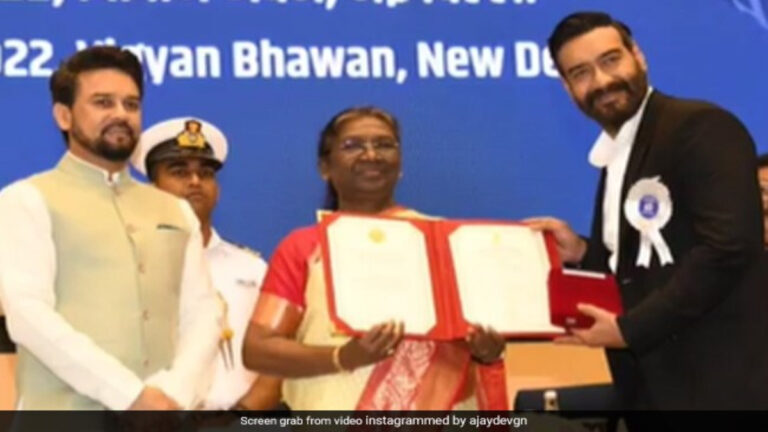
Ajay Devgn’ Bath-Time Pitch: The Story Behind His First National Award

New Delhi, May 14, 2026: In the glitzy, often over-the-top world of Bollywood, movie deals are usually struck in plush vanity vans, high-end restaurants, or corporate boardrooms. But for Ajay Devgn, his first National Award-winning role started in a much humbler—and wetter—setting: his bathroom.

Decades after the release of the cult classic Zakhm (1998), the story of how director Mahesh Bhatt pitched the film to Devgn remains one of the most legendary “behind-the-scenes” anecdotes in Indian cinema. It wasn’t a formal meeting with a script bound in leather; it was a desperate, passionate plea delivered while the actor was literally mid-shower.

A Knock at the Door (and the Shower Curtain)

The year was 1997. Ajay Devgn was already a established action star, known for his brooding intensity and gravity-defying stunts. Mahesh Bhatt, on the other hand, was looking to tell his most personal story yet—a semi-autobiographical tale about his mother, religious identity, and the communal tensions of the 1993 Mumbai riots.

Recalling the incident in recent interviews, Devgn shared the hilarious yet pivotal moment.

“I was in the shower when I heard a loud banging on my door. I yelled out that I was bathing, but Bhatt Sahab being Bhatt Sahab, he didn’t care. He walked right into the bathroom and started narrating the idea for Zakhm through the steam.”

Bhatt didn’t wait for Devgn to dry off or put on a bathrobe. He knew he had found his lead actor, and he wasn’t going to let a little thing like hygiene get in the way of a masterpiece.

Why ‘Zakhm’ Was a Gamble

At the time, Devgn was the “Action King.” Shifting to a deeply emotional, socio-political drama was a significant risk. Zakhm dealt with sensitive themes:

  • Identity: A son discovering his mother’s secret religious identity.
  • Communal Harmony: Set against the backdrop of the bloody 1993 riots.
  • Personal Grief: Based on Mahesh Bhatt’s own life and his relationship with his mother, Shirin Mohammed Ali.

Bhatt reportedly told Devgn, “I don’t want the action star; I want the man I see in your eyes.” By the time Devgn stepped out of the shower and dried himself off, he was sold. He didn’t need to read a formal script; the raw emotion in Bhatt’s “shower pitch” was enough.

The Performance of a Lifetime

When Zakhm finally hit screens in 1998, it stunned critics. Ajay Devgn delivered a performance that was the polar opposite of his “stuntman” persona. As Ajay R. Desai, a man struggling to bury his mother according to her secret wishes amidst a city on fire, Devgn used his eyes to convey a lifetime of pain, conflict, and quiet resilience.

The film was a massive critical success, eventually earning:

  1. The Nargis Dutt Award for Best Feature Film on National Integration.
  2. The National Film Award for Best Actor for Ajay Devgn.

This was Devgn’s first National Award, a milestone that silenced skeptics and proved he was one of the finest actors of his generation. He would later go on to win two more (for The Legend of Bhagat Singh and Tanhaji), but he often maintains that the first one, born from that bathroom encounter, remains the most special.

The Mahesh Bhatt Method: Raw and Unfiltered

Mahesh Bhatt has always been known as a “maverick” filmmaker. His approach to Zakhm was visceral because the story was his own truth. This wasn’t just a movie; it was his catharsis.

Industry insiders suggest that Bhatt chose the bathroom pitch because he wanted to catch Devgn in his most “unguarded” state. In a world of PR and filtered conversations, the bathroom is perhaps the only place where a person is truly themselves. Bhatt wanted that raw, unfiltered human being for his film.

Film DetailInformation
DirectorMahesh Bhatt
Lead ActorAjay Devgn
Release Year1998
Key ThemeCommunal Harmony & Personal Identity
Major WinNational Film Award for Best Actor

Legacy of the “Mid-Shower Pitch”

Today, Zakhm is regarded as a landmark in Indian parallel cinema. It bridged the gap between commercial appeal and artistic depth. For Ajay Devgn, it was the turning point that allowed him to transition from a “star” to an “actor.”

The story serves as a reminder of a bygone era of Bollywood—an era where passion trumped protocol. Nowadays, getting an actor of Devgn’s stature for a film involves months of “talent management” emails, legal contracts, and scheduled Zoom calls.

But as the story of Zakhm proves, sometimes all you need to create a masterpiece is a powerful story, a persistent director, and an actor who doesn’t mind a little company while they’re taking a bath.

The Impact on Modern Cinema

Even in 2026, the resonance of Zakhm is felt. In an age where communal narratives are often polarized, Bhatt’s film remains a gold standard for nuanced storytelling. Devgn’s career trajectory, which now spans over three decades, owes a debt of gratitude to that one morning in the 90s.

It reminds us that the best collaborations aren’t always planned; they are felt. And sometimes, the most prestigious awards in the country start with a simple knock on a bathroom door.

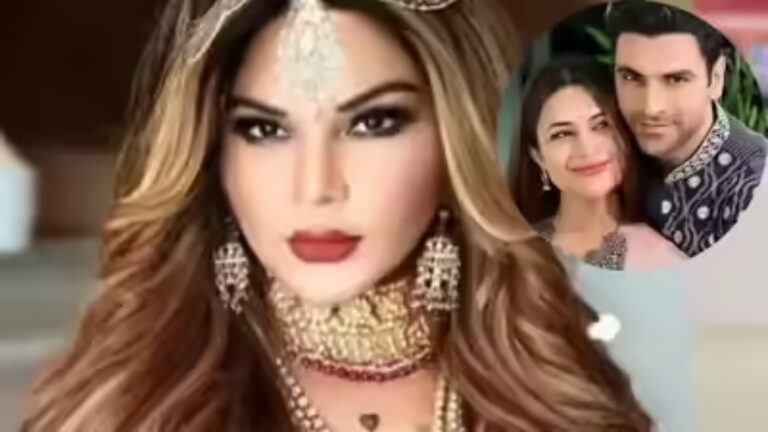
Rakhi Sawant Overjoyed as Divyanka and Vivek Prepare for Parenthood

New Delhi, May 14, 2026: The television industry and fans across the globe are buzzing with joy as one of the small screen’s most beloved couples, Divyanka Tripathi and Vivek Dahiya, prepare to step into the most beautiful phase of their lives: parenthood. Adding to the celebratory atmosphere is the industry’s ultimate “Drama Queen” with a heart of gold, Rakhi Sawant, who recently expressed her unbridled excitement for the couple.

Rakhi Sawant’s Heartfelt Congratulations

In a heartwarming moment that has since gone viral on social media, Rakhi Sawant was spotted in Mumbai where she crossed paths with the dad-to-be, Vivek Dahiya. Known for her unfiltered and spontaneous personality, Rakhi didn’t hold back her happiness.

As soon as she saw Vivek, Rakhi beamed with joy and offered her warmest wishes.

“Congratulations! I’m so happy! Wish Divyanka also from my side. I’m very happy for you two,” she exclaimed.

Vivek, ever the gentleman, was seen smiling broadly, visibly touched by the gesture as he thanked Rakhi for the kind words. The encounter, captured by paparazzi, quickly set the internet abloom with positive comments, with fans appreciating the genuine camaraderie between the stars.

A “Plot Twist” a Decade in the Making

The news of Divyanka’s pregnancy first broke on March 19, 2026, when the couple took to Instagram to share a stunning maternity photoshoot. Having been married since 2016, the announcement came as a delightful surprise to their millions of followers.

In a poetic caption that resonated with many, Divyanka described the pregnancy as a “plot twist after 10 years.” She wrote:

“Some journeys are not about rushing… they’re about becoming ready together. And just when you think your story is complete, life adds the most beautiful chapter. Still soaking it in… still smiling for no reason. With our hearts full of gratitude, we are expecting.”

The photoshoot featured the couple in coordinated white outfits, exuding a sense of peace and preparedness. One particularly moving image showed Vivek holding a pair of tiny baby shoes, while another captured him gently cradling Divyanka’s baby bump—a symbol of the “Love Upgraded” journey they have embarked upon.

Keeping the Secret: Why They Waited

While fans were quick to celebrate, many wondered how the couple managed to keep such big news under wraps for so long. In a recent interview, Divyanka revealed that she is already quite far along, with the baby expected to arrive in mid-June 2026.

She admitted that she managed to hide the news for a full six months by staying mostly indoors and avoiding public events. The secret only began to slip when Vivek attended an event solo, and friends began questioning why the “Ishita Bhalla” of Indian TV hadn’t been seen in public for months.

Divyanka shared that the timing was entirely intentional.

  • Ready, Not Rushed: The couple wanted to ensure they were mentally and emotionally prepared for the responsibility.
  • Natural Journey: Despite some rumors regarding medical assistance, sources close to the couple confirmed that the pregnancy was a natural and joyous milestone for the 41-year-old actress.
  • Family First: The couple first shared the news with their parents, who are reportedly “ecstatic” and have already begun a “guess game” regarding the baby’s gender.

Reflections on Strength and Parenting

As she prepares for motherhood, Divyanka has been sharing more of her personal philosophy through her YouTube vlogs. She recently reflected on her childhood, creditng her parents for her legendary mental and emotional strength—traits she likely hopes to pass on to her child.

She recalled how her father taught her first aid at a very young age, encouraging her to be independent.

“Whenever I got hurt, my parents didn’t make it look like a big issue… They made me independent so that I can do anything easily and I won’t cry,” she shared.

This “tough-love” parenting style has shaped Divyanka into the “Iron Woman” her peers often call her. Whether it was performing stunts on Khatron Ke Khiladi or navigating the pressures of the entertainment industry, her resilience has always been her trademark.

What’s Next for #DiVek?

With the delivery date set for mid-June in Mumbai, the Dahiya and Tripathi households are in full preparation mode. Baby shopping is reportedly in full swing, and a baby shower is expected to take place soon, bringing together the crème de la crème of the television industry.

On the professional front, Divyanka has been away from daily soaps for some time, focusing instead on reality shows, web projects, and her digital presence. This break seems to have provided the perfect window for her to focus on her health and this new chapter of life.

The Impact on Fans

The outpouring of love from celebrities like Rakhi Sawant and thousands of fans highlights the deep connection Divyanka and Vivek have built over the years. From their meeting on the sets of Yeh Hai Mohabbatein to their fairy-tale wedding and now this milestone, their journey remains a testament to the idea that some of the best things in life are worth the wait.

As Rakhi Sawant perfectly put it, the industry is “so happy” for them. For now, the countdown to mid-June begins, and the world waits to welcome the newest member of the #DiVek family.

Bloodshed in Rural Odisha: Double Murder Triggers Fatal Mob Retaliation

0

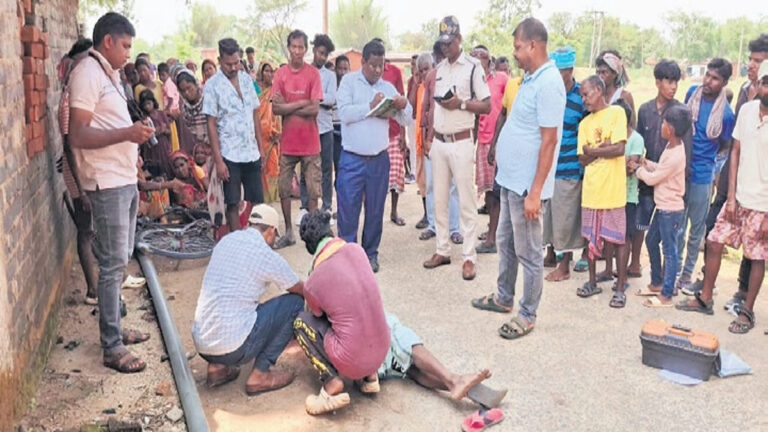
New Delhi, May 14, 2026 — A remote village in Odisha’s tribal heartland was gripped by horror this week after a local man allegedly hacked two of his neighbors to death in a senseless spree of violence, only to be killed himself by an enraged mob minutes later.

The incident, which occurred in a secluded hamlet late Tuesday evening, has sent shockwaves through the district, highlighting the volatile nature of “jungle justice” and the fragile state of security in regions where police presence is often miles away.

The Sequence of Terror

According to eyewitnesses and preliminary police reports, the suspect, identified as 42-year-old Mantu Munda (name changed for legal reasons), emerged from his home armed with a sharp-edged traditional axe (tangia). Without any apparent immediate provocation, Munda allegedly attacked a 55-year-old farmer and a 48-year-old woman who were returning from their fields.

Both victims were struck multiple times in the neck and head, dying almost instantly on the dusty village road. The screams of the victims and the sight of the blood-stained axe triggered a panic that quickly curdled into collective rage.

As word of the double murder spread through the village like wildfire, a group of nearly 50 men and women cornered Munda near the village outskirts. Despite the suspect’s attempt to flee into the dense forest nearby, the mob surrounded him.

A Life for a Life: The Mob Retaliation

The scene quickly shifted from a crime of individual violence to one of collective vigilantism. Eyewitnesses, speaking on the condition of anonymity, described a chaotic and brutal confrontation. The villagers, fueled by the immediate grief of losing two respected community members, overpowered Munda.

“He was like a man possessed,” said one village elder. “But the people were not ready to wait for the police. They saw the bodies of their neighbors and took the law into their own hands.”

By the time the nearest police unit—located nearly 15 kilometers away—reached the scene after being alerted by the village headman (Sarpanch), Munda had succumbed to severe injuries sustained from stones, sticks, and the same axe he had used earlier.

The Official Response

Senior police officials, including the Superintendent of Police (SP), visited the village on Wednesday to oversee the investigation. Three bodies—the two initial victims and the suspect—were sent for post-mortem examinations.

The police have registered two separate First Information Reports (FIRs):

  1. The First FIR: Details the double murder committed by Munda.
  2. The Second FIR: Addresses the mob lynching, naming “unknown persons” for the murder of the suspect.

“While we understand the immense grief and anger of the community, mob justice cannot be condoned in a civilized society,” the SP stated during a press briefing. “Taking a life in retaliation is a criminal offense, and we are currently scanning mobile footage and recording statements to identify the primary instigators of the mob attack.”

Underlying Tensions and Mental Health

Initial investigations suggest that Munda may have been suffering from long-term untreated mental health issues or was embroiled in a long-standing land dispute with the victims. Tribal regions in Odisha have frequently seen “witch-hunting” or land-related violence, often exacerbated by a lack of access to legal recourse and psychological support.

Experts point out that in many of these interior pockets, the absence of a visible state apparatus often leads communities to revert to traditional, albeit violent, forms of dispute resolution.

“When the nearest police post is hours away and the judicial process takes decades, the ‘eye for an eye’ philosophy often becomes the default setting for rural justice,” says Dr. Aruna Mohanty, a sociologist specializing in tribal affairs.

Key Takeaways from the Incident

AspectDetail
LocationRural Odisha (Tribal belt)
Initial CrimeDouble murder with a sharp weapon (tangia)
RetaliationMob lynching resulting in the suspect’s death
Police ActionTwo separate FIRs lodged; investigation ongoing
Current StatusVillage under heavy police deployment to prevent further communal flare-ups

The Road Ahead: Prevention and Policing

The Odisha state government has faced increasing pressure to improve the response time of emergency services in tribal districts. This incident follows a string of similar “mob justice” cases reported across the state in early 2026, prompting calls for more “Gram Rakshis” (village guards) and better community policing initiatives.

For now, a heavy police contingent remains stationed in the village to prevent further retaliatory violence between families. The silence in the hamlet is heavy, broken only by the sound of mourning for three lives lost in a single evening of unbridled rage.

As the investigation continues, the primary challenge for the state will be to convince these remote communities that the law of the land is more effective—and more just—than the law of the mob.

2026 Honda City Facelift: New Look Revealed Ahead of May 22 Launch

The mid-size sedan segment in India is about to witness a major shake-up as the undisputed king of the segment, the Honda City, prepares for a significant refresh. With a confirmed launch date of May 22, 2026, the 2026 Honda City facelift has been spotted undisguised, revealing a sharper, more aggressive avatar that aims to reclaim its throne from the likes of the Hyundai Verna and Volkswagen Virtus.

As the current fifth-generation model enters its second major update, Honda is leaving no stone unturned to ensure the City remains the “gold standard” for sedan lovers. Here is everything we know about the changes, features, and expectations surrounding the 2026 Honda City facelift.

Exterior Design: A Sharper, More Modern Face

The most striking changes in the 2026 facelift are concentrated at the front. Recent spy shots and leaked images suggest that Honda has moved away from the softer lines of the outgoing model in favor of a sharper, flatter, and more upright front fascia.

Key Design Updates:

  • The New Grille: The thick chrome bar that characterized the previous model has been replaced by a sleeker, gloss-black grille. Depending on the variant, you will see either a sophisticated horizontal slat pattern or a sportier honeycomb mesh.
  • Repositioned Logo: Interestingly, the Honda “H” logo now sits slightly higher, resting on the edge of the bonnet rather than being embedded directly into the grille.
  • Updated Lighting: While the iconic slim LED DRLs remain, the headlamp clusters themselves have been redesigned to look thinner and more integrated. Some reports even hint at a “connected” DRL look that spans the width of the front.
  • Redesigned Bumpers: Both the front and rear bumpers have been chiseled for a more aerodynamic look. The front features new triangular fog lamp housings, while the rear gets vertical reflectors and a revised diffuser-style lower bumper.
  • New Footwear: The side profile remains largely identical, but the sedan will sport a fresh set of 16-inch diamond-cut alloy wheels with a more intricate, dark-finished design.

Interiors and Technology: Stepping Up the Premium Quotient

While the cabin layout is expected to retain its driver-centric and spacious ergonomics, the 2026 facelift focuses heavily on “tech-loading” the interior to compete with more feature-rich rivals.

Major Tech Additions:

  • Upgraded Infotainment: The existing 8-inch screen is likely making way for a larger 10.25-inch high-definition touchscreen. This unit will support wireless Apple CarPlay and Android Auto, featuring a smoother UI and improved touch response.
  • 360-Degree Camera: One of the most requested features, a 360-degree parking camera, is finally expected to debut. This will significantly assist in maneuvering the long sedan through tight urban spaces.
  • Ventilated Seats: To tackle the Indian summer, Honda is expected to introduce ventilated front seats, a feature already popular in the Hyundai Verna and Skoda Slavia.
  • Digital Driver’s Display: The semi-digital instrument cluster might be upgraded to a fully digital unit, providing more customizable data and better integration with the ADAS features.

Engine and Performance: Consistency is Key

Mechanically, the 2026 Honda City is expected to remain unchanged. Honda’s decision to stick with its tried-and-tested powertrains is a nod to the reliability and balance that City owners value.

Engine TypeDisplacementPowerTorqueTransmission
i-VTEC Petrol1.5L NA121 PS145 Nm6-MT / CVT
e:HEV Hybrid1.5L Atkinson126 PS253 Nme-CVT

The 1.5-litre i-VTEC continues to be the enthusiast’s choice for its high-revving nature and smooth power delivery. For those seeking efficiency, the Strong Hybrid (e:HEV) variant remains the segment leader, offering a blend of electric-only city driving and high-speed petrol performance, with an impressive fuel economy expected to stay around 27 kmpl.

Also Read: Mera Lyari Crashes: 22 Tickets Sold as ‘Dhurandhar’ Rival Fails

Safety: The ADAS Edge

Honda was one of the first to bring Advanced Driver Assistance Systems (ADAS) to the mid-size sedan segment with “Honda Sensing.” The 2026 facelift is rumored to receive Level 2 ADAS improvements, potentially including:

  • Adaptive Cruise Control with Low-Speed Follow.
  • Lane Keeping Assist System (LKAS).
  • Collision Mitigation Braking System (CMBS).
  • Lead Car Departure Notification.

Standard safety features like six airbags, Electronic Stability Control (ESC), and ISOFIX child seat mounts will continue to be offered across most variants.

Expected Pricing and Competition

The current Honda City is priced between ₹12 lakh and ₹20.5 lakh (ex-showroom). With the added features and cosmetic updates, expect a price hike of roughly ₹30,000 to ₹60,000 depending on the variant.

The 2026 City facelift will face stiff competition. While the Hyundai Verna attracts tech-savvy buyers with its futuristic design, and the Skoda Slavia/Volkswagen Virtus duo appeals to those seeking German build quality and turbo-petrol punch, the Honda City remains the most balanced “all-rounder” in the pack.

Final Thoughts

The May 22 launch is not just about a few cosmetic tweaks; it is Honda’s statement that the sedan is far from dead in an SUV-dominated world. By addressing the lack of modern features (like ventilated seats and a 360-degree camera) while sharpening its legendary silhouette, the 2026 Honda City facelift looks ready to defend its legacy.

Whether you are a loyalist or a first-time buyer, the new City promises to be a more polished, tech-forward version of the car that India has loved for nearly three decades.

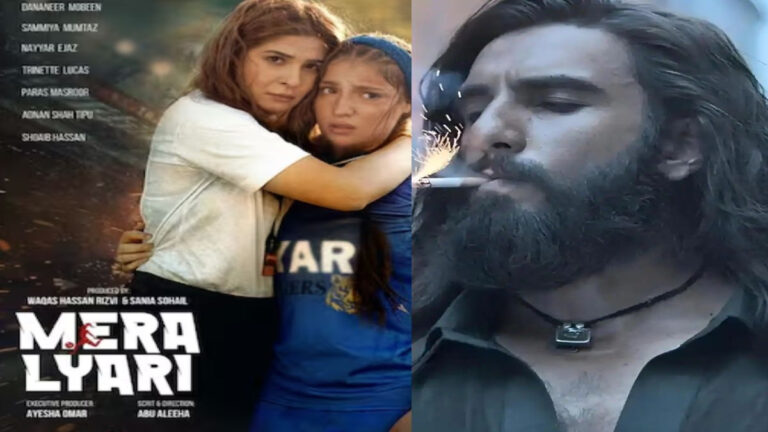
Mera Lyari Crashes: 22 Tickets Sold as ‘Dhurandhar’ Rival Fails

New Delhi, May 14, 2026: The buzz was loud, the political backing was strong, and the ambition was nationalistic. Yet, in the fickle world of cinema, hype doesn’t always translate to ticket sales. The Pakistani film Mera Lyari, which was aggressively marketed as the nation’s cinematic “rebuttal” to the Indian blockbuster Dhurandhar, has faced a catastrophic opening at the box office.

Reports surfacing this week indicate a historic low for the production, with some theatres recording sales of just 22 tickets on its opening day before pulling the film from schedules entirely.

The Premise: A Battle of Narratives

To understand the failure of Mera Lyari, one must look at the shadow cast by its predecessor. In late 2025, Aditya Dhar’s Dhurandhar—starring Ranveer Singh and Sanjay Dutt—became a global phenomenon, crossing the ₹1,300 crore mark. The film portrayed Karachi’s Lyari neighborhood as a gritty hub for espionage, gang wars, and terror networks.

While Dhurandhar was a massive commercial success, it sparked a wave of resentment in Pakistan. Critics and government officials claimed the film engaged in “negative propaganda” and misrepresented the culture of Lyari.

Mera Lyari was conceived as the antidote. Backed by the Sindh Information Department and championed by Information Minister Sharjeel Memon, the film aimed to:

  • Showcase Lyari’s vibrant sports culture.
  • Focus on the resilience of female footballers in the region.
  • Counter the “terror-hub” narrative with a story of community and hope.

Day 1: A Theatrical Ghost Town

Despite the high-stakes narrative and a cast featuring recognizable names like Ayesha Omar and Dananeer Mobeen, the audience response was non-existent.

On its release day, May 8, 2026, reports began trickling in from major cinema hubs in Karachi, Lahore, and Islamabad. Instead of the anticipated crowds of patriotic moviegoers, exhibitors were met with empty lobbies.

MetricDetails
Reported Day 1 Sales~22 Tickets (selected major venues)
Average OccupancyLess than 1%
FateRemoved from many screens within 24–48 hours

The figure of “22 tickets” has since gone viral, becoming a point of ridicule on social media. While some smaller screens reported slightly higher numbers, the general consensus among trade analysts is that the film failed to achieve even a basic “break-even” for its daily operational costs at most venues.

Why Did the “Reply” Fail?

The failure of Mera Lyari serves as a sobering case study for the film industry. Experts suggest several factors contributed to the disaster:

1. Genre Mismatch

Dhurandhar was a high-octane spy thriller with massive production values, international locations, and a superstar cast. Mera Lyari, conversely, was a grounded sports drama. While its intentions were noble, it lacked the “spectacle” that usually draws audiences to the big screen. Audiences who were told the film was a “reply” to an action epic were disappointed to find a slow-paced indie drama.

2. The “Preachy” Trap

Film critics have noted that Mera Lyari felt more like a government-sponsored documentary than a cinematic experience. When a film is marketed primarily as a political statement or a “correction” to another movie, it often loses its soul. Moviegoers generally seek entertainment over lectures.

3. Production Quality

Directed by Abu Aleeha, the film suffered from a modest budget that was evident on screen. In an era where audiences are used to the polished visuals of streaming platforms and global blockbusters, the “low-scale” presentation of Mera Lyari failed to compete.

Social Media Reaction: The “Troll” Storm

As news of the 22-ticket debacle spread, the internet did what it does best: it turned the failure into a meme.

On platforms like X (formerly Twitter) and TikTok, users compared the staggering ₹1,300 crore collection of Dhurandhar to the near-zero earnings of Mera Lyari. One viral post joked, “The cast and crew probably bought more than 22 tickets just to see themselves.”

However, some defenders of the film argued that the project shouldn’t be judged solely by its box office. They pointed out that telling a positive story about Lyari’s women is a victory in itself, regardless of whether the masses showed up to watch.

The Aftermath for Pakistani Cinema

The removal of Mera Lyari from theatres so quickly is a blow to the local industry, which is already struggling to find its footing against foreign content and digital piracy.

The Sindh government’s involvement in the project has also drawn scrutiny. Critics argue that taxpayer money and official resources should be used to support genuine storytelling rather than reactionary projects aimed at “answering” foreign films.

What’s Next?

While its theatrical run is effectively over, Mera Lyari may find a second life on digital streaming platforms, where niche dramas often perform better than they do in cinemas. Producers are reportedly in talks with regional OTT platforms to recover some of their costs.

CBSE Class 12 Compartment Exam 2026: Dates, Eligibility, and Application Guide

New Delhi, May 14, 2026: The Central Board of Secondary Education (CBSE) officially declared the Class 12 Board results on May 13, 2026. While the overall pass percentage stands at 85.20%, a significant number of students—approximately 1,63,800—have been placed in the “Compartment” category.

For these students, the journey isn’t over. The Compartment Exam (officially renamed the Supplementary Examination) offers a vital second chance to clear subjects and save an academic year. Here is the most updated and comprehensive guide for the CBSE Class 12 Supplementary Exams 2026.

Important Dates for 2026

CBSE has moved quickly this year to ensure students can transition into higher education without delay. Unlike previous years where exams spanned a week, the Class 12 Supplementary exam is a high-stakes, single-day event.

EventDate
Main Result DeclarationMay 13, 2026
LOC (List of Candidates) Submission StartsJune 2, 2026
Admit Card ReleaseFirst week of July 2026
Supplementary Exam DateJuly 15, 2026
Result DeclarationLate July / Early August 2026

Eligibility Criteria: Who Can Apply?

Not every student who failed a subject is eligible for the compartment exam. CBSE has strict guidelines on who can sit for this “second chance” test:

  1. Compartment Category (2026 Batch): Students who appeared in the February-April 2026 exams and failed in one subject are eligible. If a student failed in two or more subjects, they are usually placed in the “Essential Repeat” (ER) category and must retake the entire year.
  2. Improvement Candidates: Students who passed all subjects but are unhappy with their marks in one specific subject can appear to improve their score.
  3. Second/Third Chance Candidates: Students who were placed in the compartment category in 2025 and have not yet cleared the subject. This July 2026 attempt will be the third and final opportunity for the 2025 batch.
  4. Practical/Internal Assessment: If a student passed the practical but failed the theory, they only need to take the theory exam. However, if they failed the practical, they must appear for both.

How to Fill the Application Form

The application process differs depending on whether you are a Regular student or a Private candidate.

For Regular Students

If you attended a CBSE-affiliated school, you cannot apply directly on the CBSE website.

  • Contact Your School: The school is responsible for submitting the List of Candidates (LOC) via the Pariksha Sangam portal.
  • Documentation: Provide your roll number and the subject name to your school coordinator.
  • Fee Payment: Pay the prescribed examination fee to the school. The school will then make a bulk payment to CBSE.

For Private Candidates

If you appeared as a private candidate in the main 2026 exams:

  • Official Website: Visit cbse.gov.in and navigate to the “Individual Supplementary Form” link (usually active from June 2).
  • Details Required: You will need your Main Exam Roll Number, School Number, and Center Number (found on your original admit card).
  • Uploads: You may be required to upload a recent color photograph and a digital signature.
  • Online Payment: Pay the fee using Net Banking, Debit/Credit Card, or UPI.

Pro Tip: Double-check your subject code before submission. CBSE has stated that no changes to subjects or candidate names will be allowed once the LOC is submitted on June 2.

Exam Pattern and Syllabus

There is often a myth that compartment exams are harder or easier than the main boards. This is incorrect.

  • Syllabus: The exam will follow the same syllabus as the main 2026 Board Exams. No new topics will be added.
  • Difficulty Level: The question paper pattern, marking scheme, and difficulty level are designed to be equivalent to the main examination.
  • Passing Marks: You must score at least 33% in the subject (separately in theory and practical, if applicable) to be declared “Pass.”

What Happens After the Exam?

The results for the July 15 exam are processed with high priority. CBSE typically releases the Supplementary results within 10-15 days.

  • Updated Marksheet: Students receive a fresh marksheet. In 2026, CBSE has moved toward digital-first documentation, so your updated marks will reflect immediately on DigiLocker.
  • College Admissions: Most universities keep a small window open or allow “provisional admission” for compartment students, provided they clear the exam before the final admission cutoff in August.

Final Checklist for Students

  • [ ] Verify your result status (it should say “COMP”).
  • [ ] Connect with your school before June 2 to ensure your name is on the LOC.
  • [ ] Keep your old admit card safe for reference.
  • [ ] Focus your revision specifically on the one subject you are retaking.

The 2026 pass percentage dip suggests that the evaluation was rigorous. If you find yourself in the compartment category, treat this as a focused sprint—you only have one subject to master, and you have two months to do it.

‘Bhandara in the Sky’: Air India Viral Halwa-Puri Meal Wins the Internet

0

New Delhi, May 14, 2026: The phrase “airline food” usually conjures images of lukewarm pasta or soggy sandwiches. However, for one Pune-based traveler flying from Delhi to Bali, Air India turned that stereotype on its head—or rather, its plate.

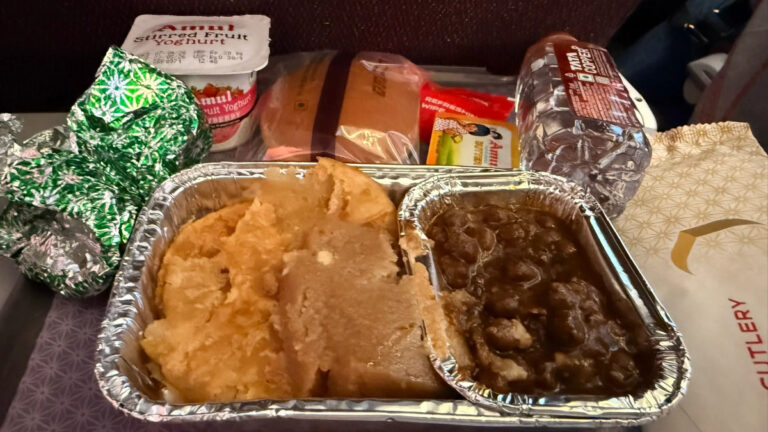
What began as a routine international flight for Priti Jain has now turned into a viral social media sensation. The reason? A tray of halwa, puri, and channa, a combination so quintessentially Indian that netizens have dubbed it the “ultimate elite combo.”

From Delhi to Bali: A Taste of Home at 30,000 Feet

Priti Jain, a resident of Pune, was traveling with her husband on an Air India flight bound for the tropical paradise of Bali. Expecting the standard continental breakfast or perhaps a generic Indian meal, she was stunned when the cabin crew placed a tray before her that looked more like a festive morning at home than an in-flight catering option.

The meal consisted of steaming Suji Ka Halwa, spicy Sukha Kala Channa, and golden Puris. For many Indians, this trio isn’t just food; it’s a cultural staple often associated with Sunday mornings, religious festivals like Ashtami, or the traditional community feasts known as Bhandaras.

Taking to X (formerly Twitter), Priti shared a photo of the meal with a caption that resonated with thousands:

“First in my bloodline and probably even my entire friend circle to get halwa, puri, and channa served as an in-flight meal. This was on our Delhi to Bali flight.”

The “Cold Puri” Dilemma

While Priti was delighted, her husband wasn’t quite as convinced. According to her post, he chose to skip the meal because he wasn’t a fan of “thandi” (cold) puris—a common hurdle in airline catering. However, Priti’s enthusiasm was undeterred. “I was actually quite happy and ended up eating his portion as well,” she admitted, proving that for some, the nostalgia of halwa-puri outweighs the temperature of the bread.

The Internet Reacts: “Bhandara in the Sky”

Within hours, the post garnered over 60,000 views, sparking a wave of reactions that ranged from pure envy to hilarious comparisons. The “halwa-puri-channa” trio is often served at temples or during religious gatherings, leading many users to joke that Air India was hosting a “mid-air bhandara.”

Top Reactions from Netizens:

  • The Foodies: “This is the most ‘elite’ combo ever. Forget pasta, give me this on every flight!” wrote one user.
  • The Skeptics: Some sided with Priti’s husband, noting that “eating cold puri is an extreme sport,” while others countered that the halwa makes everything better.
  • The Nostalgic: “Seeing this on an international flight to Bali feels like a warm hug from India before you land in a foreign country,” a traveler commented.
  • The Comedians: One user quipped, “Air India really said: ‘Let us serve comfort food in the sky.’ All they needed was a glass of masala chai to complete the experience.”

Air India’s Culinary Transformation

This viral moment comes at a time when Air India, under the stewardship of the Tata Group, is undergoing a massive “Vihaan.AI” transformation. Part of this multi-year plan involves a total overhaul of the passenger experience, with a heavy focus on the culinary program.

Historically, the airline faced criticism for inconsistent food quality and dated menus. However, since the takeover, there has been a noticeable shift toward celebrating regional Indian diversity. From South Indian specialties to North Indian classics like the one Priti enjoyed, the airline is clearly betting on “comfort food” to win back its flyer base.

The move to serve such a traditional meal on a long-haul international route suggests that the airline is leaning into its identity as the “National Carrier,” providing a sense of home to Indian travelers and a unique cultural introduction to foreign tourists.

Why This Meal Struck a Chord

In an age where airlines are often cutting costs by offering minimalist snack boxes, the sight of a hearty, traditional meal like halwa-puri feels like a luxury. It touches on several layers of the Indian psyche:

  1. Cultural Identity: The meal is deeply rooted in Indian traditions, making it more than just sustenance.
  2. Comfort Factor: Traveling can be stressful; familiar flavors act as a psychological “anchor.”
  3. Surprise Element: Most international flights stick to “safe” global menus (omelets, croissants, yogurt). Serving a spicy channa and sweet halwa is a bold, refreshing departure.

The Verdict: Is Halwa-Puri the Future of Flying?

As Priti Jain’s post continues to circulate, it has sparked a wider conversation about what passengers truly want from airline food. While some prefer the sophistication of a three-course Western meal, the overwhelming response to the “halwa-puri” tray suggests that authenticity and comfort are the real winners.

For Air India, this viral success is a PR win. It positions them as an airline that understands its roots while modernizing its service. Whether or not they can solve the “cold puri” problem remains to be seen, but for now, they have successfully brought a piece of Indian tradition to the clouds.