Home Blog Page 73

CBSE Class 12 Compartment Exam 2026: Dates, Eligibility, and Application Guide

New Delhi, May 14, 2026: The Central Board of Secondary Education (CBSE) officially declared the Class 12 Board results on May 13, 2026. While the overall pass percentage stands at 85.20%, a significant number of students—approximately 1,63,800—have been placed in the “Compartment” category.

For these students, the journey isn’t over. The Compartment Exam (officially renamed the Supplementary Examination) offers a vital second chance to clear subjects and save an academic year. Here is the most updated and comprehensive guide for the CBSE Class 12 Supplementary Exams 2026.

Important Dates for 2026

CBSE has moved quickly this year to ensure students can transition into higher education without delay. Unlike previous years where exams spanned a week, the Class 12 Supplementary exam is a high-stakes, single-day event.

EventDate
Main Result DeclarationMay 13, 2026
LOC (List of Candidates) Submission StartsJune 2, 2026
Admit Card ReleaseFirst week of July 2026
Supplementary Exam DateJuly 15, 2026
Result DeclarationLate July / Early August 2026

Eligibility Criteria: Who Can Apply?

Not every student who failed a subject is eligible for the compartment exam. CBSE has strict guidelines on who can sit for this “second chance” test:

  1. Compartment Category (2026 Batch): Students who appeared in the February-April 2026 exams and failed in one subject are eligible. If a student failed in two or more subjects, they are usually placed in the “Essential Repeat” (ER) category and must retake the entire year.
  2. Improvement Candidates: Students who passed all subjects but are unhappy with their marks in one specific subject can appear to improve their score.
  3. Second/Third Chance Candidates: Students who were placed in the compartment category in 2025 and have not yet cleared the subject. This July 2026 attempt will be the third and final opportunity for the 2025 batch.
  4. Practical/Internal Assessment: If a student passed the practical but failed the theory, they only need to take the theory exam. However, if they failed the practical, they must appear for both.

How to Fill the Application Form

The application process differs depending on whether you are a Regular student or a Private candidate.

For Regular Students

If you attended a CBSE-affiliated school, you cannot apply directly on the CBSE website.

  • Contact Your School: The school is responsible for submitting the List of Candidates (LOC) via the Pariksha Sangam portal.
  • Documentation: Provide your roll number and the subject name to your school coordinator.
  • Fee Payment: Pay the prescribed examination fee to the school. The school will then make a bulk payment to CBSE.

For Private Candidates

If you appeared as a private candidate in the main 2026 exams:

  • Official Website: Visit cbse.gov.in and navigate to the “Individual Supplementary Form” link (usually active from June 2).
  • Details Required: You will need your Main Exam Roll Number, School Number, and Center Number (found on your original admit card).
  • Uploads: You may be required to upload a recent color photograph and a digital signature.
  • Online Payment: Pay the fee using Net Banking, Debit/Credit Card, or UPI.

Pro Tip: Double-check your subject code before submission. CBSE has stated that no changes to subjects or candidate names will be allowed once the LOC is submitted on June 2.

Exam Pattern and Syllabus

There is often a myth that compartment exams are harder or easier than the main boards. This is incorrect.

  • Syllabus: The exam will follow the same syllabus as the main 2026 Board Exams. No new topics will be added.
  • Difficulty Level: The question paper pattern, marking scheme, and difficulty level are designed to be equivalent to the main examination.
  • Passing Marks: You must score at least 33% in the subject (separately in theory and practical, if applicable) to be declared “Pass.”

What Happens After the Exam?

The results for the July 15 exam are processed with high priority. CBSE typically releases the Supplementary results within 10-15 days.

  • Updated Marksheet: Students receive a fresh marksheet. In 2026, CBSE has moved toward digital-first documentation, so your updated marks will reflect immediately on DigiLocker.
  • College Admissions: Most universities keep a small window open or allow “provisional admission” for compartment students, provided they clear the exam before the final admission cutoff in August.

Final Checklist for Students

  • [ ] Verify your result status (it should say “COMP”).
  • [ ] Connect with your school before June 2 to ensure your name is on the LOC.
  • [ ] Keep your old admit card safe for reference.
  • [ ] Focus your revision specifically on the one subject you are retaking.

The 2026 pass percentage dip suggests that the evaluation was rigorous. If you find yourself in the compartment category, treat this as a focused sprint—you only have one subject to master, and you have two months to do it.
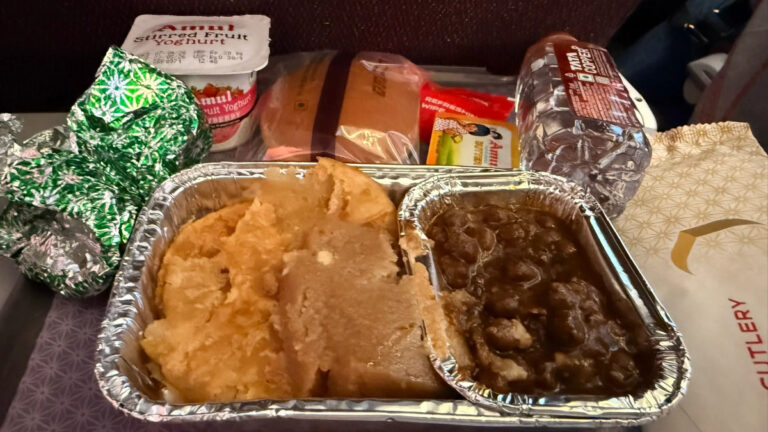
‘Bhandara in the Sky’: Air India Viral Halwa-Puri Meal Wins the Internet

0

New Delhi, May 14, 2026: The phrase “airline food” usually conjures images of lukewarm pasta or soggy sandwiches. However, for one Pune-based traveler flying from Delhi to Bali, Air India turned that stereotype on its head—or rather, its plate.

What began as a routine international flight for Priti Jain has now turned into a viral social media sensation. The reason? A tray of halwa, puri, and channa, a combination so quintessentially Indian that netizens have dubbed it the “ultimate elite combo.”

From Delhi to Bali: A Taste of Home at 30,000 Feet

Priti Jain, a resident of Pune, was traveling with her husband on an Air India flight bound for the tropical paradise of Bali. Expecting the standard continental breakfast or perhaps a generic Indian meal, she was stunned when the cabin crew placed a tray before her that looked more like a festive morning at home than an in-flight catering option.

The meal consisted of steaming Suji Ka Halwa, spicy Sukha Kala Channa, and golden Puris. For many Indians, this trio isn’t just food; it’s a cultural staple often associated with Sunday mornings, religious festivals like Ashtami, or the traditional community feasts known as Bhandaras.

Taking to X (formerly Twitter), Priti shared a photo of the meal with a caption that resonated with thousands:

“First in my bloodline and probably even my entire friend circle to get halwa, puri, and channa served as an in-flight meal. This was on our Delhi to Bali flight.”

The “Cold Puri” Dilemma

While Priti was delighted, her husband wasn’t quite as convinced. According to her post, he chose to skip the meal because he wasn’t a fan of “thandi” (cold) puris—a common hurdle in airline catering. However, Priti’s enthusiasm was undeterred. “I was actually quite happy and ended up eating his portion as well,” she admitted, proving that for some, the nostalgia of halwa-puri outweighs the temperature of the bread.

The Internet Reacts: “Bhandara in the Sky”

Within hours, the post garnered over 60,000 views, sparking a wave of reactions that ranged from pure envy to hilarious comparisons. The “halwa-puri-channa” trio is often served at temples or during religious gatherings, leading many users to joke that Air India was hosting a “mid-air bhandara.”

Top Reactions from Netizens:

  • The Foodies: “This is the most ‘elite’ combo ever. Forget pasta, give me this on every flight!” wrote one user.
  • The Skeptics: Some sided with Priti’s husband, noting that “eating cold puri is an extreme sport,” while others countered that the halwa makes everything better.
  • The Nostalgic: “Seeing this on an international flight to Bali feels like a warm hug from India before you land in a foreign country,” a traveler commented.
  • The Comedians: One user quipped, “Air India really said: ‘Let us serve comfort food in the sky.’ All they needed was a glass of masala chai to complete the experience.”

Air India’s Culinary Transformation

This viral moment comes at a time when Air India, under the stewardship of the Tata Group, is undergoing a massive “Vihaan.AI” transformation. Part of this multi-year plan involves a total overhaul of the passenger experience, with a heavy focus on the culinary program.

Historically, the airline faced criticism for inconsistent food quality and dated menus. However, since the takeover, there has been a noticeable shift toward celebrating regional Indian diversity. From South Indian specialties to North Indian classics like the one Priti enjoyed, the airline is clearly betting on “comfort food” to win back its flyer base.

The move to serve such a traditional meal on a long-haul international route suggests that the airline is leaning into its identity as the “National Carrier,” providing a sense of home to Indian travelers and a unique cultural introduction to foreign tourists.

Why This Meal Struck a Chord

In an age where airlines are often cutting costs by offering minimalist snack boxes, the sight of a hearty, traditional meal like halwa-puri feels like a luxury. It touches on several layers of the Indian psyche:

  1. Cultural Identity: The meal is deeply rooted in Indian traditions, making it more than just sustenance.
  2. Comfort Factor: Traveling can be stressful; familiar flavors act as a psychological “anchor.”
  3. Surprise Element: Most international flights stick to “safe” global menus (omelets, croissants, yogurt). Serving a spicy channa and sweet halwa is a bold, refreshing departure.

The Verdict: Is Halwa-Puri the Future of Flying?

As Priti Jain’s post continues to circulate, it has sparked a wider conversation about what passengers truly want from airline food. While some prefer the sophistication of a three-course Western meal, the overwhelming response to the “halwa-puri” tray suggests that authenticity and comfort are the real winners.

For Air India, this viral success is a PR win. It positions them as an airline that understands its roots while modernizing its service. Whether or not they can solve the “cold puri” problem remains to be seen, but for now, they have successfully brought a piece of Indian tradition to the clouds.

Pregnant Deepika Padukone Returns to Mumbai After Wrapping ‘King’ Overseas Schedule

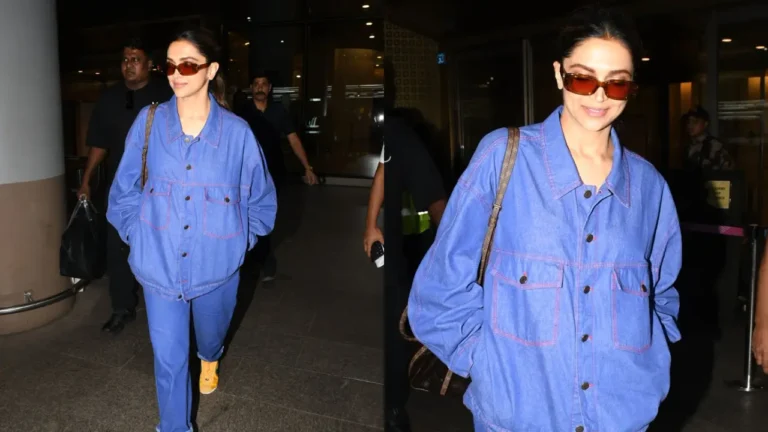
New Delhi, May 14, 2026 – The arrival gates at Chhatrapati Shivaji Maharaj International Airport witnessed a surge of excitement late last night as Bollywood’s leading lady, Deepika Padukone, made a stunning return to the city. The actress, who is currently expecting her first child with husband Ranveer Singh, touched down in Mumbai after successfully wrapping up an intensive overseas filming schedule for her upcoming action-thriller, King.

Dressed in a breezy, oversized beige co-ord set that perfectly complemented her radiant pregnancy glow, Deepika navigated the terminal with her signature poise. Despite the long-haul flight and the physical demands of a film set, the “Pathaan” star looked refreshed, sparking an immediate frenzy among the waiting paparazzi and fans.

A Productive Stint Abroad for ‘King’

Deepika had been stationed in Europe for several weeks to film crucial sequences for King. The project, which has generated immense buzz since its announcement, features her in a high-octane role alongside Bollywood legend Shah Rukh Khan.

Sources close to the production suggest that the overseas schedule involved complex narrative beats and dramatic dialogues. While Deepika has been careful to manage her workload during her pregnancy, her commitment to the craft remains unshaken.

“Deepika is a thorough professional,” a crew member noted. “She worked closely with the action directors and the production team to ensure that her scenes were filmed safely without compromising the film’s visual scale. Her energy on set was infectious, and she completed her portions right on schedule.”

The ‘Mom-to-Be’ Airport Style

Deepika has always been a trendsetter, and her maternity fashion is proving to be no different. For her return to Mumbai, she opted for:

  • Comfort over everything: A relaxed linen silhouette that prioritized ease for travel.
  • Minimalist Chic: Subtle gold hoops and a pair of classic dark sunglasses.
  • The Signature Glow: Fans on social media were quick to point out that her “pregnancy glow” was the best accessory she carried.

As she walked toward her waiting car, she offered a warm smile and a graceful wave to the photographers, though she steered clear of a formal interaction, likely heading home for some well-deserved rest.

Balancing Stardom and Motherhood

Since announcing her pregnancy earlier this year, Deepika has been the subject of much admiration for how she is balancing her personal milestones with her professional obligations. Unlike the traditional “slowing down” often expected of actresses, Deepika has embraced a balanced pace.

Her journey has become a source of inspiration for many, showcasing that with the right support system and planning, one can navigate the joys of motherhood while continuing to excel in a demanding career

What’s Next for the Superstar?

With the overseas leg of King behind her, Deepika is expected to take a short hiatus from rigorous filming. While there are a few patchwork scenes and dubbing sessions remaining for her upcoming releases, the actress is reportedly planning to spend the next few months in Mumbai, focusing on her health and preparing for the new arrival.Ranveer Singh, who has been vocal about his excitement for this new chapter, was recently seen in Mumbai prepping their home for the baby. The couple, often referred to as ‘DeepVeer’ by fans, continues to be one of the most beloved pairs in Indian cinema.

Also Read: Rahul Dev Weighs in on Mahesh Babu Famous ‘Bollywood Can’t Afford Me’ Remark

The Hype for ‘King’

The film King is shaping up to be one of the biggest releases of the year. With the powerhouse combination of Shah Rukh Khan and Deepika Padukone—a duo that has never failed at the box office—expectations are sky-high.

The film is rumored to be a gritty, emotional thriller that explores themes of mentorship and redemption. Following her return, post-production is expected to move into high gear, aiming for a grand holiday release.

Conclusion

As Deepika Padukone settles back into her Mumbai routine, the city welcomes its queen home. Her return marks the end of a successful professional chapter and the beginning of a quieter, more personal countdown. Fans and well-wishers across the globe continue to shower the actress with love, eagerly awaiting both her next cinematic masterpiece and the joyous news of her baby’s arrival.

Rahul Dev Weighs in on Mahesh Babu Famous ‘Bollywood Can’t Afford Me’ Remark

0

New Delhi, May 14, 2026: The debate between the Hindi film industry and South Indian cinema has seen many chapters, but few lines have sparked as much long-standing conversation as Mahesh Babu’s 2022 declaration: Bollywood cannot afford me.”

Years later, the ripples of that statement are still being felt. In a recent candid interview, veteran actor Rahul Dev—known for his versatile roles across Hindi, Telugu, and Kannada cinema—offered a sharp, pragmatic critique of the claim. Rather than focusing on the financial weight of a superstar, Dev pivoted the conversation toward a more fundamental cinematic barrier: language.

The “Affordability” Debate Revisited

To understand the gravity of Rahul Dev’s recent comments, one must look back at the original context. During a press event for his film Major, Mahesh Babu was asked about his potential debut in Hindi cinema. His response was blunt:

“I may sound arrogant, but I did get a lot of offers in Hindi. But I think they can’t afford me. I don’t want to waste my time.”

While Babu later clarified that he intended to express his commitment to Telugu cinema rather than insult Bollywood, the “affordability” tag stuck. It became a symbol of the shifting power dynamics in Indian cinema, especially following the massive success of “Pan-India” hits like RRR and Pushpa.

Rahul Dev’s Take: A Question of Linguistics

Rahul Dev, who has spent decades navigating different film industries, took a different approach when asked about Babu’s stance. In his view, the “affordability” argument misses the practical reality of acting.

“He can’t speak Hindi,” Dev remarked simply during a recent media interaction.

Dev’s critique wasn’t meant as a personal jab at Babu’s stardom, but rather a commentary on the technical requirements of a cross-industry crossover. According to Dev, “affording” an actor isn’t just about the zeroes on a paycheck; it’s about whether an actor can authentically inhabit a character in a language they aren’t fluent in.

The Core of the Argument:

  • Authenticity over Dubbing: Dev emphasized that while dubbing exists, the soul of a performance often lies in the original delivery.
  • Cultural Context: Acting in Bollywood requires a grasp of Hindi nuances, just as acting in Tollywood requires a grasp of Telugu culture.
  • The Comfort Zone: Dev suggested that many superstars prefer to remain “big fish in their own pond” where they have mastered the language and the pulse of the audience.

The Practical Reality of “Pan-India” Stardom

Rahul Dev’s comments touch upon a growing trend in the industry. As the lines between regional industries blur, many actors are realizing that “Pan-India” success is a double-edged sword.

AspectThe Mahesh Babu PerspectiveThe Rahul Dev Perspective
Market ValueLoyalty to the home industry yields higher ROI.National appeal requires linguistic adaptability.
CastingWhy move when the world comes to you?Language is the bridge to a truly “national” performance.
StardomRegional dominance is enough.Global/National reach requires stepping out of comfort zones.

The “South vs. North” Narrative

The interaction between Rahul Dev and the ghost of Mahesh Babu’s past comments highlights the ongoing tension—and collaboration—between Mumbai and Hyderabad.

  1. The Rise of Tollywood: With massive budgets and superior VFX, Telugu cinema has arguably outpaced Bollywood in “spectacle” filmmaking.
  2. The Talent Exchange: Actors like Rashmika Mandanna and Vijay Deverakonda have successfully moved North, while veterans like Sanjay Dutt and Saif Ali Khan are increasingly taking on villainous roles in the South.
  3. The Ego Clash: Babu’s statement was seen by many as a sign of Telugu cinema’s newfound “alpha” status in India.

Is “Affordability” Still Relevant in 2026?

In the current cinematic landscape, the term “affordability” has changed. With streaming giants like Netflix and Amazon Prime Video pouring billions into Indian content, the budget for a top-tier Bollywood film often matches or exceeds that of a South Indian blockbuster.

Industry insiders argue that Bollywood could afford Mahesh Babu’s fee. The real question is whether the creative synergy exists. If an actor is uncomfortable with the language, the “cost” to the film’s quality might be what the producers truly cannot afford.

Conclusion: A Lesson in Perspective

Rahul Dev’s witty retort serves as a grounding reminder. In an era of viral soundbites and “stan wars” on social media, the craft of acting still boils down to communication.

Mahesh Babu remains an undisputed king of the Telugu box office, and his decision to stay rooted in his home industry has clearly paid off. However, Rahul Dev’s point remains valid: Stardom can travel across borders, but language is the passport.

As the Indian film industry continues to evolve into a singular, massive entity, the “Hindi vs. South” debate will likely fade. What will remain are the performances—and as Dev suggests, those performances are always better when the actor knows exactly what they are saying.\

Also Read: Punjab CM Bhagwant Mann Alleges “Politics of Threat” as Diljit Dosanjh Rejects Political Entry

What’s Next for Mahesh Babu?

The superstar is currently deep into preparations for his massive collaboration with director SS Rajamouli (SSMB29). Given Rajamouli’s track record with RRR, this film is expected to be a global phenomenon, potentially rendering the “Bollywood” debate irrelevant as Babu eyes a global stage—Hindi fluency or not.

Punjab CM Bhagwant Mann Alleges “Politics of Threat” as Diljit Dosanjh Rejects Political Entry

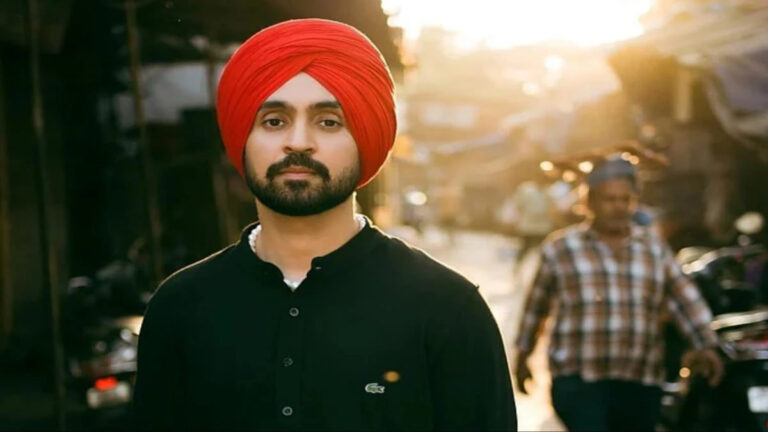
New Delhi, May 14, 2026 – In a move that has sent ripples through both the entertainment industry and the political landscape of North India, Punjab Chief Minister Bhagwant Mann has leveled serious allegations against the Bharatiya Janata Party (BJP). On Wednesday, May 13, 2026, Mann claimed that global Punjabi superstar Diljit Dosanjh is being “pressurized” and “intimidated” into entering politics after the singer explicitly refused to trade his microphone for a seat in Parliament.

The controversy erupted following a terrifying shooting incident outside the Haryana residence of Dosanjh’s manager, which the Chief Minister linked directly to the singer’s refusal to join active politics.

The Spark: Gunshots in Karnal

The tension reached a boiling point after unidentified individuals allegedly opened fire outside the home of Gurpartap Singh Kang, Diljit’s long-time manager, in the Gonder village of Karnal district, Haryana. While no injuries were reported, the incident took a dark turn when a social media post, purportedly from members of the Lawrence Bishnoi gang, claimed responsibility for the attack.

Addressing the media after a meeting in New Delhi, CM Bhagwant Mann did not mince words. He suggested that the timing of the attack was far from coincidental.

“In the last few days, it was heard that Diljit Dosanjh was being pressured by the BJP to enter politics,” Mann said. “When he declined, saying his job is to entertain, they resorted to other means. Shots are fired, and then someone claims responsibility. This ‘politics of intimidation’ should not happen.”

Diljit’s Firm Stance: “Kadey V Nhi” (Never Ever)

The rumors regarding Diljit’s political debut have been swirling for months, fueled by his massive global influence and his vocal stance on various social issues. Speculation peaked last week when a group of civil society activists, including retired bureaucrats and soldiers, made a public appeal for the singer to lead a new political front in Punjab.

Diljit, however, shut down the rumors with a brief yet crystal-clear response on his social media platform, X (formerly Twitter). Responding to an article titled ‘Could Diljit Dosanjh become the new political face of Punjab?’, the singer wrote:

“Kadey v Nhi… Mera Kam Entertainment Karna. Am Very Happy in My Field. Thank You So Much.

(Never ever… My job is to entertain. I am very happy in my field.)

Mann echoed this sentiment, stating that artists belong to the stage, not the ballot box, and should be allowed to pursue their creative work without fear of being drafted into political warfare.

Also Read: Alia Bhatt ‘Desi Bridgerton’ Moment at Cannes 2026

The “Vijay Effect” and Celebrity Politics

During his address, Bhagwant Mann drew a comparison to the southern film industry, specifically citing the recent electoral success of Tamil superstar C. Joseph Vijay. Mann suggested that the BJP is attempting to replicate that model in the north by scouting high-profile entertainment figures who command “greater public acceptance” than traditional politicians.

“Ever since Vijay’s victory in Tamil Nadu, they [the BJP] feel people have stopped listening to traditional leaders,” Mann claimed. “So now they want to bring forward famous personalities like Diljit.”

BJP Hits Back: “Irresponsible Allegations”

The BJP was quick to dismiss Mann’s claims, calling them baseless and “irresponsible.” Anil Sarin, General Secretary of the Punjab BJP, questioned the Chief Minister’s “state of mind” while making such statements.

The party maintained that Diljit Dosanjh is a “patriotic person” whom the entire Punjabi community respects. They pointed to a January 2025 meeting between the singer and Prime Minister Narendra Modi as a sign of mutual respect, rather than political coercion. At that time, the Prime Minister had described Diljit as “truly multifaceted,” while the singer called the interaction a “memorable start to 2025.”

Security Concerns and Investigation

The alleged involvement of the Lawrence Bishnoi gang has added a layer of grave concern to the situation. Punjab Finance Minister Harpal Singh Cheema joined the fray, questioning how a gangster currently lodged in a high-security prison in Gujarat could orchestrate such threats.

“Is it possible for a gangster to operate from inside a high-security jail without government patronage?” Cheema asked, calling for a deeper investigation into the security lapse.

Meanwhile, the Haryana Police, led by Karnal Superintendent of Police Narendra Bijarniya, stated that while they are investigating the reports of firing, they have not yet received a formal complaint from the manager’s family.

The Artist’s Focus: Unity Over Division

Despite the political storm brewing around him, Diljit Dosanjh has remained focused on his professional commitments. Just earlier this month, during a concert in Calgary, the singer demonstrated his firm stance against political hijacking of his shows. He halted his performance to address individuals waving separatist flags, asking them to leave the venue.

“Use this place for the purpose it is intended for,” he told the crowd, emphasizing that his concerts are a space for music, unity, and fans of all ages—not for political protests or disruption.

Key Takeaways from the Controversy

As of May 14, 2026, the investigation into the firing in Karnal continues. While the political war of words between the AAP-led Punjab government and the BJP shows no signs of cooling down, the message from the “G.O.A.T” of Punjabi music remains the same: The stage is his home, and his only manifesto is entertainment.

Does this situation remind you of other instances where celebrities were pressured to enter the political ring, or do you think artists should stay entirely out of the political conversation?

Alia Bhatt ‘Desi Bridgerton’ Moment at Cannes 2026

New Delhi, May 14, 2026: The French Riviera has witnessed many iconic moments, but few have managed to blend the regal charm of Indian heritage with the whimsical aesthetic of Regency-era England quite like Alia Bhatt’s latest appearance at the 79th Cannes Film Festival.

On May 13, 2026, the global ambassador and Bollywood powerhouse redefined “Desi Glamour” at the inauguration of the Bharat Pavilion. Channelling what fans are calling her “Desi Bridgerton” era, Alia stepped out in a custom-made Tarun Tahiliani “concept sari” that bridged the gap between a 19th-century debutante and a modern-day Maharani.

The Masterpiece: Decoding the ‘Concept Sari’

While the red carpet usually demands heavy gowns or traditional six-yard drapes, Alia and her stylist, Rhea Kapoor, opted for a silhouette that challenged convention. The outfit, a bespoke creation by the “King of Drapes” Tarun Tahiliani, was a masterclass in architectural fashion.

1. The Structure

The ensemble featured a structured corset bodice made of hand-woven silk tissue in shades of ivory and burnished gold. This gave the look its signature “Bridgerton” feel—cinched, regal, and impeccably tailored.

2. The Drape

Flowing from the corset was a draped dhoti-style skirt crafted from ivory Chanderi fabric. This wasn’t just a sari; it was a “concept” garment that combined the fluid grace of Indian draping with the dramatic volume of a couture gown. The ivory and gold palette felt ethereal under the Mediterranean sun, making her look like a vision from a historical romance novel.

The ‘Bridgerton’ Details: Jewelry and Styling

If the outfit provided the canvas, the styling provided the soul. Alia didn’t just wear a dress; she told a cultural story through her accessories, many of which held personal significance.

  • The Heirloom Connection: In a touching nod to her styling team’s family, Alia wore vintage-inspired earrings borrowed from Sunita Kapoor (mother of Rhea and Sonam Kapoor). The pearl-encrusted pieces added an authentic “Old World” charm to the look.
  • The Desi Signature: Breaking away from standard red-carpet diamonds, Alia embraced traditional Indian ornaments. She wore a delicate pearl bindi, a minimalist nath (nose ring), and a set of intricate haathphools (hand harnesses) with pearl droppings.
  • The “Filmy” Touch: In a video shared on her Instagram, Alia playfully showcased her traditional payal (anklets), captioning the post as feeling “unapologetically filmy.”

“IFFI has always been a platform that celebrates the diversity of our stories,” Alia remarked during the event, where she joined filmmaker Ashutosh Gowariker to unveil the poster for the 57th International Film Festival of India. “Being part of this unveiling is an honour as we invite the world to experience the magic of Indian filmmaking.”

Also Read: Karuppu: 9 AM Shows Axed Despite CM Vijay’s Nod

A Triple Threat: Alia’s Cannes 2026 Journey

This “Desi Bridgerton” look marks Alia’s third major appearance at the festival this year, proving her versatility as a global fashion icon.

AppearanceOccasionDesignerVibe
Look 1Arrival/Hotel MartinezYash PatilModern Princess / Fairy-tale
Look 2Opening Red CarpetTamara RalphPeach Glamour / Cinematic
Look 3Bharat PavilionTarun TahilianiDesi Bridgerton / Concept Sari
Look 4Movie ScreeningDanielle FrankelSteel-Blue Cinderella

Why This Look Matters

In a year where the “Coquette” and “Regencycore” trends have dominated global fashion, Alia Bhatt’s choice to interpret these trends through an Indian lens is a strategic masterstroke. By pairing a Western corset with a Chanderi dhoti-drape, she didn’t just follow a trend—she reclaimed it.

Social media has been ablaze with praise, with fans noting that while she looked like she belonged in the halls of Bridgerton’s Queen Charlotte, her heart remained firmly rooted in Indian craftsmanship.

As the 2026 Cannes Film Festival continues, Alia Bhatt has set a high bar for cultural representation. She has proven that you don’t need to choose between being a global star and a “Desi Girl”—you can be both, beautifully draped in ivory and gold.

Karuppu: 9 AM Shows Axed Despite CM Vijay’s Nod

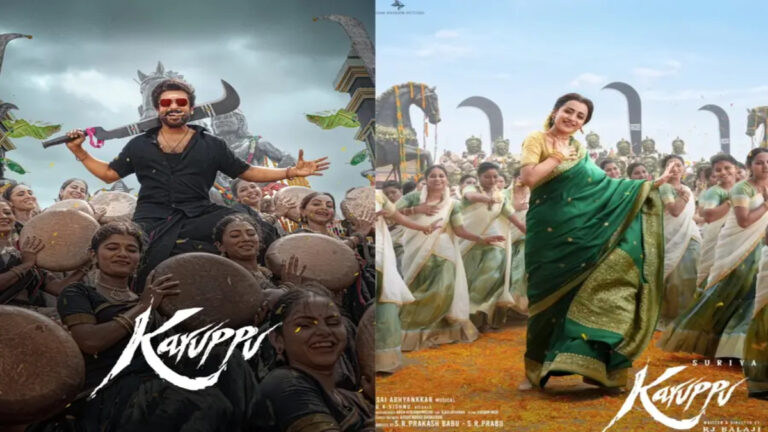
New Delhi, May 14, 2026: The Tamil film industry is currently witnessing a rollercoaster of emotions as the highly anticipated rural mass entertainer Karuppu, starring Suriya and Trisha, hit a major roadblock on its release day. Despite receiving unprecedented support from the newly elected Chief Minister Thiru. Joseph Vijay, the film’s scheduled 9:00 AM shows across Tamil Nadu were abruptly cancelled today, May 14, 2026.

This sudden development has left thousands of fans, who had gathered at theaters since dawn, in a state of shock and frustration.

The High Before the Storm: CM Vijay’s Special Intervention

Just 48 hours ago, the atmosphere surrounding Karuppu was one of celebration. In one of his first major administrative moves after being sworn in as Chief Minister, Thiru. Joseph Vijay (the beloved superstar-turned-politician) granted special permission for the film to hold 9:00 AM screenings.

For a state that has strictly regulated early morning shows due to law and order concerns, this was a significant gesture. The production house, Dream Warrior Pictures, had even shared a photograph of CM Vijay at his desk, signing the official document that allowed the film five shows per day for its opening weekend.

The move was seen as a major boost for the industry, especially given the reunion of Suriya and Trisha after 21 years (their last outing being the 2005 hit Aaru).

The Sudden Cancellation: What Went Wrong?

On the morning of May 14, as fans were performing milk abhishekams and preparing to enter the cinema halls for the First Day First Show (FDFS), news broke that the screenings were stalled.

Producer S.R. Prabhu took to X (formerly Twitter) to issue a brief, albeit disappointing, update:

“Due to unavoidable reasons, 9 AM shows will be cancelled for Karuppu. Our sincere apologies to everyone!”

While the official statement cited “unavoidable reasons,” industry insiders and theater owners have provided more context. According to Ruban Mathivanan of GK Cinemas, the delay was primarily rooted in financial settlement issues and delays in obtaining the final KDM (Key Delivery Message) required to unlock the digital prints for screening.

In the world of big-budget cinema, last-minute financial negotiations between producers and distributors are not uncommon, but the timing here—occurring despite government backing—has raised eyebrows.

Fan Reactions: Heartbreak and Anger

The scene at major hubs like Rohini Silver Screens and Kasi Theatre in Chennai was one of chaos. Many fans had taken leaves from work or travelled from distant villages to catch the 9:00 AM show.

  • Social Media Outcry: Within minutes of the announcement, “Karuppu” and “Suriya” began trending on social media. While some fans expressed their heartbreak, others directed their anger at the management, urging them not to “play with fans’ emotions.”
  • Ticket Confusion: Those who booked through online platforms like BookMyShow were left wondering if they would receive refunds or if their tickets would be valid for later matinee shows.
  • Uncertainty: Some users even questioned if the movie would release today at all, or if the entire day’s schedule would be pushed to Friday.

About the Film: Why the Hype?

Karuppu, directed by RJ Balaji, is not just another action film. It has been positioned as a “mass masala” entertainer that brings back the “vintage Suriya” that audiences loved in films like Singham and Vel.

Key Highlights of Karuppu:

FeatureDetails
CastSuriya (dual roles), Trisha Krishnan, RJ Balaji, Yogi Babu
DirectorRJ Balaji
PlotA blend of courtroom drama and village-rooted action revolving around the deity Karuppasamy.
MusicSai Abhyankkar
BudgetEstimated at ₹100+ Crores

The film features Suriya in a powerful avatar fighting against a corrupt legal system, with RJ Balaji himself playing the antagonist, a ruthless lawyer named Baby Kannan. The reunion of Suriya and Trisha, who share a legendary on-screen chemistry, was the primary driver behind the massive advance bookings, which had already crossed ₹4.45 crore across India before the first show was even set to begin.

Also Read: Gold Import Duty Raised to 15%: Why the Hike Triggers Smuggling Concerns

The Current Status: When Will it Start?

As of midday, there is a glimmer of hope. Sources close to the production team suggest that the financial hurdles are being resolved “on a war footing.”

  • Afternoon Shows: Most theaters are optimistic that the 11:30 AM or 12:00 PM matinee shows will proceed as planned once the KDM issues are sorted.
  • CM’s Stance: While the CM’s office has not commented on the technical delay, the industry is hopeful that the “special permission” for 5 shows will be extended to later in the evening to compensate for the lost morning slot.

Final Thoughts

The cancellation of Karuppu’s 9:00 AM shows is a stark reminder that even with the highest level of political support, the intricate mechanics of film distribution can still falter. For Suriya and Trisha fans, the wait has been 21 years—a few more hours might feel like an eternity, but the buzz suggests that once the screens finally light up, the “Karuppu” storm will be hard to stop.

Gold Import Duty Raised to 15%: Why the Hike Triggers Smuggling Concerns

0

New Delhi, May 14, 2026: In a significant move aimed at stabilizing the national economy and curbing a widening trade deficit, the government recently announced a hike in the basic import duty on gold. The total effective tax on gold imports has now reached a staggering 15%. While the move is designed to address macroeconomic pressures, it has sent shockwaves through the jewelry industry and raised red flags among security agencies regarding a potential surge in illegal smuggling.

For a country like India, where gold is not just a metal but a cultural cornerstone, a hedge against inflation, and a primary form of investment, this policy shift carries weight. Here is an in-depth look at why the duty was raised, the impact on the market, and why experts fear a return to the “golden age” of smuggling.

The Economic Context: Why Now?

The decision to raise the import duty from 10.75% to 15% did not happen in a vacuum. The Indian government and the Reserve Bank of India (RBI) have been battling two primary economic challenges: a widening Current Account Deficit (CAD) and a depreciating Rupee.

  1. Surging Gold Demand: India is the world’s second-largest consumer of gold. In the last fiscal year, gold imports surged to record highs as pent-up demand from the pandemic era and a busy wedding season took hold. Since India produces very little gold domestically, almost all of this demand is met through imports, which require paying in US Dollars.
  2. Pressure on the Rupee: When gold imports spike, the demand for Dollars increases, causing the Indian Rupee to weaken. A weaker Rupee makes other essential imports—like crude oil—more expensive, fueling domestic inflation.
  3. The Trade Deficit: By making gold more expensive to bring into the country, the government aims to dampen demand, thereby reducing the outflow of foreign exchange and narrowing the trade gap.

Breaking Down the 15% Tax

It is important to understand that the 15% isn’t a single tax but a combination of several levies. The “Basic Customs Duty” (BCD) was increased from 7.5% to 12.5%. When you add the 2.5% Agriculture Infrastructure Development Cess (AIDC), the total import tax becomes 15%.

However, for the end consumer, the story doesn’t end there. On top of the 15% import duty, there is a 3% Goods and Services Tax (GST) applied at the time of purchase. This means the effective tax burden on a piece of jewelry is now nearly 18.5%, creating a massive price gap between gold sold in India and gold sold in international hubs like Dubai or Bangkok.

Why Smuggling Concerns are Skyrocketing

Whenever the “tax arbitrage”—the difference between the price of gold in India and the international market—exceeds 10%, smuggling historically becomes highly profitable. At 15-18%, the incentive for illicit trade becomes irresistible for organized crime syndicates.

1. The Profit Margin for Smugglers

With a 15% duty, a smuggler can potentially earn a profit of several lakhs of rupees on just one kilogram of gold. This high margin allows syndicates to cover the costs of “mules” (individuals who carry the gold), logistics, and the risk of seizure, while still walking away with a significant windfall.

2. Innovative Methods of Concealment

The Directorate of Revenue Intelligence (DRI) and Customs authorities have already noted an increase in sophisticated smuggling techniques. Gold is being smuggled in the form of paste, hidden in body cavities, melted into the inner machinery of household appliances, or even disguised as gold-plated everyday items like buttons or zippers.

3. Shift in Smuggling Routes

While airports remain a primary entry point, a high import duty often pushes smuggling toward India’s porous land borders. Intelligence agencies have warned of increased activity across the borders with Myanmar, Bangladesh, and Nepal. These land routes are much harder to monitor than a centralized airport terminal.

Impact on the Jewelry Industry and Consumers

The hike has been met with significant criticism from the gems and jewelry sector, which employs millions of people across the country.

  • Higher Prices for Consumers: The immediate impact is on the retail price. For middle-class families planning weddings, the cost of jewelry has gone up overnight. This often leads to “recycled gold”—consumers selling old jewelry to buy new ones—which further reduces the demand for fresh, hallmarked gold.
  • The Rise of the “Gray Market”: When taxes are high, many small-scale jewelers and customers are tempted to deal in “kucha” (unofficial) billing. This means transactions happen in cash without GST or proper documentation. Not only does this deprive the government of tax revenue, but it also undermines the “Make in India” and “Digital India” initiatives.
  • Loss of International Competitiveness: India is a major hub for jewelry manufacturing. High input costs make Indian-made jewelry less competitive in the global market compared to manufacturers in China or Turkey.

The Government’s Balancing Act

The government finds itself in a “Catch-22” situation. If they lower the duty, gold imports will skyrocket, hurting the Rupee. If they keep the duty high, they inadvertently fuel a shadow economy and smuggling.

To mitigate the negative effects, the government is pushing for the Sovereign Gold Bond (SGB) Scheme and the Gold Monetization Scheme. The goal is to encourage Indians to view gold as a financial instrument rather than a physical commodity. If people buy “paper gold” (SGBs), the government doesn’t have to import physical metal, saving precious foreign exchange.

Looking Ahead: Will the Policy Work?

The success of this duty hike will depend on two factors:

  1. Enforcement: How effectively the DRI and Customs can clamp down on the inevitable rise in smuggling.
  2. Consumer Behavior: Whether Indian households will actually reduce their gold consumption or simply find “unofficial” ways to buy it.

Market analysts suggest that while the hike might provide a short-term fix for the trade deficit, it is not a sustainable long-term solution. As long as gold remains a preferred asset class in India, high duties will likely act as a double-edged sword—offering temporary relief to the national ledger while creating a playground for the illicit gold trade.

Conclusion

The raise in gold import duty to 15% is a bold move to protect the national economy, but it comes with a high price. As the gap between domestic and international prices widens, the battle against smuggling is set to intensify. For the average consumer, the “glitter” of gold has just become a little more expensive, and for the jewelry industry, the path forward is clouded by the shadow of an expanding gray market. Only time will tell if the Rupee’s stability is worth the risk of a smuggling resurgence.

UP Rain Fury: 33 Dead in Severe Storms; CM Yogi Orders 24-Hour Relief

0

May 14, 2026: A wave of mourning has swept across Uttar Pradesh as a powerful unseasonal storm, accompanied by heavy rainfall and lightning, claimed at least 33 lives on Wednesday. The disaster, which primarily affected five districts, has left behind a trail of destruction, uprooting trees, flattening houses, and disrupting essential services.

In response to the tragedy, Chief Minister Yogi Adityanath has ordered a swift government response, mandating that compensation and relief measures reach the affected families within a strict 24-hour deadline.

A Night of Destruction: How the Storm Unfolded

The weather took a sudden and violent turn on Wednesday afternoon. What started as a darkened sky quickly escalated into a high-velocity dust storm followed by torrential rain. The intensity of the winds was enough to uproot massive trees and electric poles, plunging several rural areas into darkness.

The fatalities were largely caused by structural collapses—mud walls giving way under the pressure of the wind and rain—and trees falling on unsuspecting citizens or their homes. In many cases, victims were caught out in the open, seeking shelter under trees or inside temporary huts that were unable to withstand the gale-force winds.

District-Wise Casualties: Bhadohi Worst Hit

As per official reports from the relief commissioner’s office, the casualties are spread across five main districts. Bhadohi emerged as the epicenter of the tragedy, reporting the highest number of deaths.

DistrictNumber of DeathsPrimary Cause
Bhadohi16Wall collapses, falling trees, and flying debris.
Fatehpur09House collapses, particularly in Khaga tehsil.
Budaun05Collapse of mud huts and falling trees.
Chandauli02Wall collapse and falling trees.
Sonbhadra01Tree collapse on a person seeking shelter.

Heartbreaking Incidents from the Ground

In Budaun, the tragedy struck the most vulnerable. Two minor girls, identified as 10-year-old Mausami and 9-year-old Rajni, lost their lives when the mud wall of a hut collapsed on them. They had reportedly taken shelter in the hut to escape the rain. In a separate incident in the same district, a woman named Laxmi (40) died after a tree fell on a tubewell room where several people were huddled together.

In Fatehpur, the destruction was concentrated in the Khaga tehsil. Eight of the nine deaths in the district occurred here, five of whom were women. Most were victims of house collapses as the unseasonal rain weakened older structures.

In Sonbhadra, 38-year-old Madhav Singh died while waiting out the storm under a tree. The tree was uprooted by the wind, causing fatal injuries.

Also Read: Delhi Sleeper Bus Horror: Three Arrested After Woman Gang-Raped

Government Response: Compensation and Relief Work

Chief Minister Yogi Adityanath expressed his deep condolences to the bereaved families and moved quickly to mobilize the state machinery. He has issued a stern warning to district officials that no negligence will be tolerated in the rescue and rehabilitation process.

Key Government Directives:

  • Immediate Financial Aid: The CM has directed the distribution of compensation to the next of kin for the deceased, as well as those who lost livestock or suffered property damage.
  • 24-Hour Timeline: All relief work, including the disbursement of funds and clearing of debris, must be completed within 24 hours.
  • Comprehensive Surveys: The Revenue and Agriculture departments, along with insurance companies, have been tasked with conducting on-ground surveys to assess crop damage and losses to houses.
  • Medical Care: Instructions have been given to ensure the best possible medical treatment for the dozens of people injured in the storm.

In Bhadohi, Additional District Magistrate Kunwar Virendra Kumar Maurya noted that rescue operations were initially hindered because the storm had knocked out mobile networks and blocked major roads with fallen trees and poles. However, police teams and sub-divisional magistrates are now working on a “war footing” to restore normalcy.

Impact on Infrastructure and Agriculture

Beyond the tragic loss of life, the storm has dealt a significant blow to the state’s infrastructure. In many districts, power lines were snapped, and transformers were damaged, leading to prolonged blackouts.

Agriculture has also taken a hit. The unseasonal rain and dust storms have damaged standing crops in several pockets of eastern and central UP. Farmers, already dealing with fluctuating weather patterns, now face the task of assessing their losses. The government’s inclusion of insurance companies in the survey process suggests a move toward facilitating quick insurance claims for those affected.

Weather Forecast: Stay Alert

The Meteorological Department has attributed this sudden change to a western disturbance and cyclonic circulation over the region. While the intensity of the storm has subsided in some parts, officials remain on high alert.

The state government has advised citizens to avoid taking shelter under old trees, weak structures, or near electric poles during thunderstorms. Local administrations have been asked to keep emergency response teams, including the SDRF (State Disaster Response Force), on standby for the next 48 hours.

Conclusion

The tragedy serves as a grim reminder of the unpredictability of unseasonal weather in North India. As the families of the 33 victims begin to pick up the pieces, the focus remains on the state’s ability to deliver the promised relief swiftly. With the Chief Minister’s direct oversight and a 24-hour mandate, the hope is that the administrative hurdles will be cleared quickly to help the affected citizens in their hour of need.

Delhi Sleeper Bus Horror: Three Arrested After Woman Gang-Raped

0

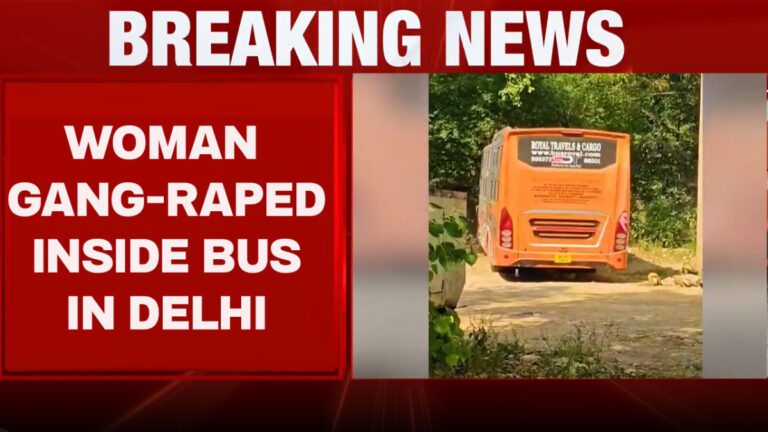
New Delhi, May 14, 2026: This report provides a comprehensive update on the harrowing incident involving a woman in a sleeper bus in the national capital. The case has sent shockwaves through the region, leading to a renewed outcry for improved safety measures in private public transport and a massive crackdown by law enforcement.

The Incident: A Journey Turned Into a Nightmare

The incident occurred late last night when a 25-year-old woman was traveling from New Delhi to a neighboring state via a private sleeper bus. According to the initial police report and the victim’s statement, the bus was operating on a long-distance route that frequently picks up passengers from various hubs in the city, including Sarai Kale Khan and Kashmere Gate.

The victim had booked a single berth in the sleeper section of the bus. As the vehicle reached a relatively secluded stretch on the outskirts of Delhi—near the border areas—three men, including the bus conductor and a helper, allegedly cornered her. Taking advantage of the fact that most other passengers were asleep or located in separate partitioned cabins, the men committed the heinous crime.

The victim managed to escape the bus when it slowed down near a toll plaza. She immediately approached a patrolling PCR (Police Control Room) van, despite being in a state of severe shock and physical distress.

Police Action and Immediate Arrests

Following the victim’s statement, the Delhi Police swung into immediate action. Senior officials confirmed that a Special Investigation Team (SIT) was formed within hours to track the vehicle.

Key Developments in the Investigation:

  • Identification through GPS: Using the bus’s registration number provided by the victim and tracking the GPS data from the travel agency, the police intercepted the bus in the early hours of the morning.
  • The Arrests: Three primary suspects have been apprehended. They have been identified as the bus conductor, the cleaner, and a third individual who was reportedly an acquaintance of the bus staff.
  • Forensic Evidence: A team of forensic experts has inspected the bus to collect DNA samples and other physical evidence. The vehicle has been impounded as a primary crime scene.
  • CCTV Surveillance: Police are currently scanning CCTV footage from the boarding points and toll plazas to reconstruct the timeline of the journey and identify if any other individuals were involved or if there was any negligence on the part of the bus driver.

Medical Condition and Support for the Victim

The victim was rushed to a government hospital where she underwent a mandatory medical examination. Hospital sources indicate that while her condition is stable, she has sustained multiple injuries and is under extreme psychological trauma.

The Delhi Commission for Women (DCW) has intervened, providing the victim with legal counselors and mental health professionals. “The bravery shown by the young woman in reaching out to the police immediately is commendable. We will ensure she receives the best medical care and that the case is fast-tracked for justice,” a representative from the commission stated.

Growing Concerns Over Public Safety in Private Buses

This incident has once again highlighted the glaring gaps in the safety of women using private transport in Delhi. Despite stringent laws introduced over the last decade, sleeper buses—often characterized by private cabins and curtains—present a unique set of security challenges.

The “Dark Spots” in Private Transport:

  1. Lack of Surveillance: Many private sleeper buses do not have functional CCTV cameras inside the cabins or the aisle.
  2. Unverified Staff: Preliminary investigations suggest that the staff involved in this case did not undergo proper police verification, a mandatory requirement for public transport employees.
  3. Partitioned Cabins: While the sleeper berths offer privacy to travelers, they also create “blind spots” where illegal activities can occur without being noticed by other passengers or the driver.
  4. Illegal Pick-up Points: Private buses often pick up passengers from unauthorized spots on the highway, making it difficult for authorities to monitor who is boarding the vehicle.

Public Outcry and Government Response

As news of the gang rape spread, protests broke out in several parts of New Delhi. Activists and student groups have gathered near the police headquarters, demanding “death penalty” for the perpetrators and stricter regulations for private travel agencies.

Government officials have expressed deep concern over the incident. The Transport Department has issued a “show-cause” notice to the travel agency owning the bus, threatening to cancel its permit permanently. There are also discussions regarding a new policy that would mandate:

  • Panic buttons in every sleeper berth.
  • Live-streaming CCTV feeds to a central monitoring station for all night-travel buses.
  • A “Zero Tolerance” policy for travel agencies hiring unverified staff.

Legal Path Forward

The suspects have been booked under multiple sections of the Indian Penal Code (IPC), including Section 376D (Gang Rape). Given the gravity of the case and the public interest, the police are expected to file a chargesheet within a record timeframe.

Legal experts suggest that because the crime took place in a commercial vehicle intended for public safety, the prosecution will likely push for the maximum possible sentence. The case is expected to be moved to a fast-track court to ensure that justice is not delayed.

Safety Tips for Women Traveling Solo in Sleeper Buses

While the responsibility for safety lies entirely with the state and transport providers, experts suggest several precautions for women traveling at night:

  • Share Live Location: Always share your live location with a family member or friend for the duration of the journey.
  • Verify the Bus: Use reputed travel platforms and check for “Women Safety” ratings or reviews.
  • Note the Staff Details: Take a photo of the bus number and, if possible, the IDs of the driver and conductor.
  • Emergency Numbers: Keep ‘112’ (the national emergency number) on speed dial.

Conclusion

The New Delhi sleeper bus incident is a grim reminder that despite technological advancements and stricter laws, the streets and public spaces remain a challenge for women’s safety. The swift arrest of the suspects is a positive step, but the focus must now shift toward systemic changes that prevent such horrors from recurring.

As the investigation continues, the eyes of the nation remain on the capital, waiting for a verdict that serves as a strong deterrent against such barbaric acts.