Home Blog Page 94

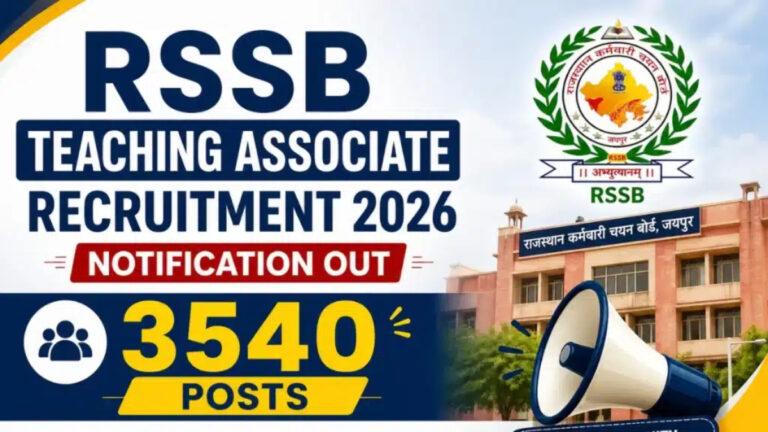
RSSB Announces Recruitment for 3,540 Teaching Associate Posts

New Delhi, May 2, 2026: The Rajasthan Staff Selection Board (RSSB) has officially released the notification for the recruitment of 3,540 Teaching Associates, marking a significant opportunity for educators across the state. This recruitment drive, conducted under the Rajasthan College Education Society (Raj-CES), aims to fill contractual positions across 32 diverse academic disciplines. With the official notification (Advertisement No. 06/2026) now public, aspiring candidates are gearing up for the application process, which is set to commence in early May 2026.

Overview of the Recruitment Drive

This massive hiring initiative is designed to bolster the faculty strength in colleges across Rajasthan. The positions are contractual, offering a stable opportunity for qualified professionals to contribute to the state’s higher education sector.

Key Highlights at a Glance:

  • Organization: Rajasthan Staff Selection Board (RSSB)
  • Post Name: Teaching Associate (Contractual)
  • Total Vacancies: 3,540
  • Application Mode: Online (via the SSO Portal)
  • Monthly Remuneration: ₹28,850 (Fixed)
  • Selection Process: Written Examination (CBT/TBT/OMR-based)

Important Dates to Remember

Candidates planning to apply for these positions must mark their calendars to avoid missing crucial deadlines.

  • Online Application Start Date: May 5, 2026
  • Online Application Last Date: June 3, 2026
  • Tentative Exam Dates: August, September, and October 2026

The board has advised candidates to complete their applications well before the closing date to avoid any last-minute technical glitches on the server.

Vacancy Breakdown Across Subjects

The 3,540 vacancies are distributed across 32 different subjects, ensuring a comprehensive recruitment effort that covers arts, science, commerce, and agricultural disciplines. Some of the major subject-wise allocations include:

  • Hindi: 393 posts
  • History: 755 posts
  • Geography: 300 posts
  • Political Science: 339 posts
  • English: 314 posts
  • Sociology: 185 posts
  • Economics: 121 posts
  • Chemistry: 103 posts
  • Physics: 85 posts
  • Mathematics: 90 posts
  • Zoology: 95 posts
  • Agricultural disciplines (such as Agronomy, Entomology, and Soil Science) also have significant openings.

Eligibility Criteria

To be eligible for these prestigious contractual posts, candidates must meet specific educational and age requirements as defined by the Rajasthan government’s rules.

Educational Qualification

  • Master’s Degree: Candidates must possess a Master’s degree in the relevant subject with at least 55% marks from a recognized university. A 5% relaxation is provided for candidates belonging to SC, ST, OBC (Non-Creamy Layer), MBC, and Differently-Abled categories.
  • NET/SLET/SET/Ph.D.: In addition to the Master’s degree, candidates must have cleared the UGC/CSIR NET or an equivalent state-level test (SLET/SET). Candidates who hold a Ph.D. degree in accordance with UGC Regulations (2009/2016) are exempted from the NET/SLET/SET requirement.

Age Limit

The age criteria are calculated as of January 1, 2027:

  • Minimum Age: 21 years
  • Maximum Age: 40 years
  • Relaxations: Significant age relaxations are available for reserved categories, women, and widows/divorced women, as per official government guidelines (e.g., 5 years for general women and reserved category males; 10 years for reserved category females).

Application Process

The application process is entirely online. Candidates must follow these steps:

  1. SSO Portal: Visit sso.rajasthan.gov.in and log in or register if you haven’t already.
  2. One-Time Registration (OTR): If not completed, finish the One-Time Registration process.
  3. Apply Online: Navigate to the ‘Recruitment Portal’ and select the ‘Apply Now’ link for the Teaching Associate (Advt. No. 06/2026).
  4. Fee Payment: Pay the application fee:
    • ₹600: For General/Creamy Layer OBC/MBC candidates.
    • ₹400: For SC/ST/EWS/PwD (Rajasthan Domicile).
  5. Final Submission: After uploading the required documents and paying the fee, submit the application and download a printout for future reference.

Selection Procedure and Exam Pattern

The selection process is merit-based, determined by performance in a written examination.

Exam Pattern Details: The written exam will consist of two papers:

  • Paper I: General Studies of Rajasthan (60 questions).
  • Paper II: Subject-specific paper (120 questions).
  • Total: 180 questions.

The exam will be conducted in a Computer-Based Test (CBT), Tablet-Based Test (TBT), or OMR-based format. Candidates should be aware that negative marking is applicable, with 1/3 mark deducted for every incorrect answer. The minimum qualifying marks are set at 36% for each paper individually and 40% overall (with 5% relaxation for SC/ST candidates).

Preparing for the Road Ahead

As the exams are scheduled to take place between August and October 2026, candidates have a few months to structure their study plans. Focusing on the specific academic syllabus for Paper II while simultaneously keeping up with the General Knowledge of Rajasthan for Paper I will be critical to securing a position.

This recruitment is a vital step for the state in strengthening its academic resources. Candidates are encouraged to check the official RSSB website regularly for any further updates or detailed subject-specific syllabi. With thousands of opportunities available, this is a prime time for qualified individuals to step forward and shape the future of college education in Rajasthan.

Viral Kindness: Why This Korean Visitor Is Cleaning Delhi

0

New Delhi, May 2, 2026: In a digital age where viral content often leans toward the controversial or the shocking, a refreshing narrative has recently captured the hearts of netizens across India and beyond. The story of a South Korean traveler, who took it upon himself to clean up public spaces in Delhi, has sparked a profound conversation about civic responsibility, cross-cultural empathy, and the power of individual action.

While travel influencers often document their experiences through grand tours or luxury critiques, this particular visitor shifted the lens to something more intimate and grounded: the streets themselves.

A Call for Civic Pride

The viral video, which circulated widely across social media platforms, shows the Korean creator engaging in the humble act of picking up litter in a popular Delhi thoroughfare. With a look of quiet resolve, he is seen collecting plastic waste and debris, his actions punctuated by his own poignant reflections.

“I hate when people throw trash on the road,” he stated in the video, his frustration palpable but restrained. “This is such a beautiful city, it deserves better.”

His initiative was not a grand political statement or a staged promotional stunt. Instead, it was a genuine reaction to a problem he encountered while traversing the city. By stepping out of the traditional role of a “tourist” and into the role of a “citizen of the world,” he transformed a simple act of cleaning into a powerful commentary on how we treat the spaces we inhabit.

Bridging Cultures Through Empathy

The reaction to the video was swift and overwhelmingly positive. In a city often struggling with the challenges of rapid urbanization and waste management, the sight of a foreigner caring for the environment struck a chord with the local population.

The comments section of his post became a space for genuine dialogue. Indian viewers, moved by his efforts, didn’t just thank him—they expressed a shared sense of responsibility.

  • “We are truly ashamed, yet grateful,” wrote one user. “You have shown us that we should love our city more.”
  • “Thank you for doing what many of us talk about but rarely do,” commented another.

This interaction highlights a vital aspect of modern travel: the ability for visitors to serve as mirrors to the local population. By highlighting issues like sanitation with kindness rather than condemnation, the creator encouraged a sense of pride rather than defensiveness among local viewers.

Turning “Bad” Experiences Into Growth

It is worth noting that this positive viral moment emerged amidst a wider, more complex conversation regarding the experiences of South Korean tourists in India. In recent months, other videos have surfaced depicting less pleasant encounters, including scams and incidents of harassment.

When a Korean creator named Walter K was scammed by an elderly man posing as a “professor” in late 2025, it ignited nationwide discussions about the safety of solo travelers in Delhi. Similarly, other instances of uncomfortable interactions at iconic locations like India Gate have drawn sharp criticism from the Indian public, who have been quick to issue apologies on behalf of the nation.

These contrasting narratives—the tourist who was mistreated versus the one who felt empowered to contribute positively—paint a comprehensive picture of the current travel landscape in India. They underscore a critical truth: the international reputation of a country is often built upon the daily, micro-interactions of its people.

The Legacy of the Act

What makes this particular story endure is not the trash-picking itself, but the ethos behind it. The creator, by refusing to let a few negative experiences define his entire journey, chose to focus on the beauty of the people and the potential of the place.

His actions serve as a reminder that:

  1. Civic sense transcends borders: Responsibility for the environment is a global duty, regardless of whose passport you hold.
  2. Positivity can be viral: In an algorithm-driven world, proactive kindness often gains more traction than cynicism.
  3. The “Atithi Devo Bhava” spirit is a two-way street: While India takes pride in the philosophy of “the guest is god,” the guest, in turn, can contribute to the “divinity” of the land by treating it with respect and care.

As Delhi continues to evolve as a global hub, stories like this serve as a gentle nudge toward collective improvement. The Korean visitor didn’t just clean a street; he sparked a ripple effect of reflection. In doing so, he reminded millions that caring for one’s surroundings is not just an act of hygiene—it is an act of love.

Anugraha S Nambiar Served Legal Notice

New Delhi, May 2, 2026: The intense public feud surrounding the JioHotstar web series Resort has reached a critical juncture. Malayalam actor Anugraha S Nambiar has been served a formal legal notice by the legal counsel for Tamil filmmaker-actor Vijay Kumar Rajendran and his wife, Nakshatra Murthy. The notice demands an unconditional public apology within 48 hours for what the couple describes as “false, baseless, malicious, and defamatory statements” circulated across social media platforms.

This development marks a significant escalation in a controversy that has dominated entertainment headlines for the past week, polarizing opinions across the Tamil and Malayalam film industries.

The Core of the Dispute

The conflict first came to light when Anugraha S Nambiar took to social media to level serious allegations against the production team of the web series Resort, as well as Vijay Kumar Rajendran and Nakshatra Murthy. Her claims included:

  • Financial Exploitation: Anugraha alleged that she was not paid for her work on the series, leading to severe financial distress.
  • Contractual Issues: She claimed to have been “locked” into a contract that prevented her from accepting other work, despite a lack of shooting for months.
  • Personal Allegations: The actor accused Nakshatra Murthy of verbal abuse and alleged that both Vijay and Nakshatra were deeply unempathetic during a period when she was hospitalized due to health issues.

Following these public accusations, a heated exchange ensued online. Supporters of Anugraha and various netizens weighed in, with some alleging systemic issues within the industry regarding how newcomers are treated.

Rebuttal from the Filmmakers

Vijay Kumar Rajendran and Nakshatra Murthy have categorically denied all allegations. In their responses, the couple highlighted the reputational damage caused by what they term a “pre-planned” smear campaign.

Vijay Kumar, known for his work in the digital space, stated that his professional reputation, built over a decade of hard work, was severely tarnished in just a few days. Regarding the financial claims, the makers of Resort (Global Villagers) and Vijay maintained that Anugraha had been compensated for the work completed and that the allegations were designed to tarnish their professional standing.

Nakshatra Murthy, who was directly targeted in the claims, has been particularly vocal, emphasizing that she was defending her family’s honor and her marriage against what she called “baseless” attacks. She stated that she would not be intimidated by public drama and would pursue legal recourse to address the defamation.

The Legal Notice: A 48-Hour Ultimatum

The legal notice issued by J. Jerom Joseph, counsel for the couple, is comprehensive. It explicitly states that the “defamatory acts” have caused the couple severe mental agony, loss of reputation, and professional damage.

The notice demands that Anugraha S Nambiar and producer A.B. Sharon must:

  • Immediately cease and desist from making any further defamatory statements.
  • Remove or delete all defamatory content from all social media channels (including YouTube and Instagram).
  • Issue an unconditional public apology within 48 hours of the notice’s publication.
  • The notice warns that failure to comply will result in the initiation of further civil and criminal proceedings in a Coimbatore court.

Anugraha’s Recent Stance

Prior to the issuance of this legal notice, Anugraha S Nambiar had already begun to distance herself from the controversy. In a public statement shared on her social media, she announced her decision to “step away” from the matter, citing the need to prioritize her mental health, her family, and her future career.

She clarified in her note that she was not releasing further documents or audio evidence, stating, “I am choosing to let go, not out of weakness, but to protect my peace, my loved ones, and the future I still hope to build.” She also issued an apology to the producers of Resort, attributing the conflict to “negligence, miscommunication, and unprofessional conduct of certain individuals.”

However, Nakshatra Murthy has signaled that mere withdrawal is insufficient, noting that the damage to their reputation necessitates a formal apology and legal accountability.

Impact on the Industry

The Resort controversy has sparked a broader conversation about the working conditions, payment transparency, and power dynamics within the independent film and web series sector. While some industry peers have expressed support for Anugraha, others have urged caution, emphasizing that disputes should be handled through private legal channels rather than through trial-by-social-media.

As the 48-hour window draws to a close, the entertainment community remains in wait to see if this public battle will conclude with a resolution or if it will spill further into the courtrooms. Both sides appear prepared to defend their positions, underscoring the high stakes involved for all parties as they navigate the fallout of this public clash.

Munawar Faruqui and Mehzabeen Coatwala Welcome Baby Girl: A Joyous New Chapter

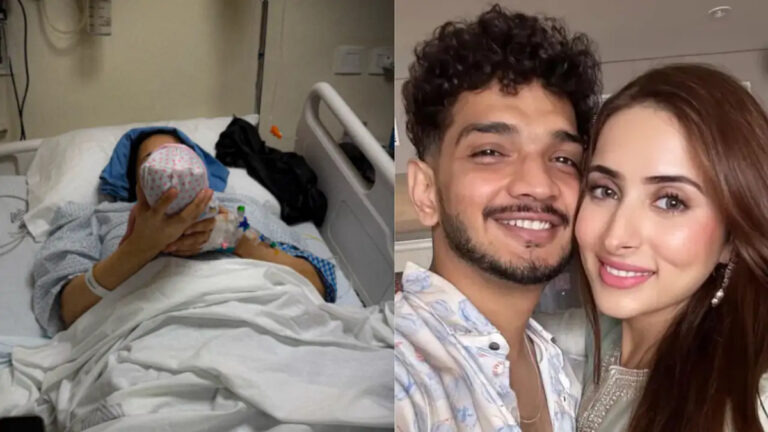
New Delhi, May 2, 2026: In a heart-warming turn of events, popular stand-up comedian and reality television star Munawar Faruqui and his wife, professional makeup artist Mehzabeen Coatwala, have officially welcomed a baby girl. The couple, who have often maintained a low profile regarding their personal lives, took to social media to share the joyous news, marking the arrival of their first child together.

A Heartfelt Announcement

The announcement came on Friday, May 1, 2026, when Munawar shared a series of tender, intimate photographs on his Instagram handle. The images, captured in what appears to be a hospital setting, offer a glimpse into the couple’s new journey as parents. While the photos show Mehzabeen lovingly holding their newborn and snapshots of the nursery and surroundings, the couple has chosen to maintain their privacy by keeping the faces of both the mother and the baby hidden from the public eye.

Accompanying the touching visuals was a heartfelt caption from the Bigg Boss 17 winner, expressing profound gratitude. He wrote: Ghar barkat aayi. Blessed. Alhmdulillah. Dua mai khas yaad rakhe!” (Blessings have arrived at home. Blessed. Praise be to God. Please keep us in your special prayers!)

The post instantly resonated with fans and followers, serving as a beacon of joy. The simplicity and warmth of the announcement have been widely appreciated, reflecting the couple’s desire to cherish these early moments in their own private space.

An Outpouring of Love from the Industry

As news of the arrival spread, social media was flooded with congratulatory messages. The couple’s colleagues and friends from the entertainment industry were among the first to offer their well-wishes.

Prominent figures such as Varun Dhawan, Gauahar Khan, Aly Goni, Ranveer Allahbadia, and several others took to the comments section to celebrate the news. Fellow celebrities sent prayers and blessings, with messages ranging from “Congratulations, bhai” to heartfelt invocations like “Allah hifazat kare” (May Allah protect the child). The massive response underscores the affection and respect Munawar enjoys within the fraternity.

A Private Love Story

Munawar Faruqui and Mehzabeen Coatwala have been known for keeping their relationship milestones largely away from the public glare. The couple tied the knot in a quiet, private nikkah ceremony on May 26, 2024, in Mumbai. For a long time, the wedding remained out of the public domain until reports surfaced and were eventually acknowledged.

Munawar has previously spoken about his decision to marry in an interview with filmmaker and host Farah Khan. He shared that the decision was deeply personal and rooted in his commitment to being a present, nurturing father. Following his stint on reality television, Munawar reflected on the need for stability and companionship, noting that he felt he and Mehzabeen were the “missing pieces” in each other’s lives. The couple’s connection was described as an instant emotional bond, leading to a quick decision to embrace their future together.

Blending Families and New Beginnings

This new addition brings joy to a blended family. Munawar is already a devoted father to his son, Mikael, from his previous marriage to Jasmine. Similarly, Mehzabeen is a mother to a 10-year-old daughter from her own previous marriage.

The arrival of their first child together adds a beautiful new layer to their family dynamic. Fans have noted the comedian’s dedication to fatherhood, with many commenting on the significance of the “betiyaan” (daughters) in one’s life, echoing the sentiment that children are a blessing that enriches the home.

Looking Ahead

As Munawar transitions into this new phase as a father of two, his fans remain eager to support him in both his professional and personal endeavors. While he continues to balance his work in the entertainment industry—including his recent hosting duties on shows like Pati, Patni Aur Panga—this news marks a significant milestone for him.

For now, the couple seems intent on soaking in the quiet bliss of newborn parenthood. Their decision to prioritize the privacy and safety of their family is a choice that many in the public eye are increasingly adopting, and it has been met with respect and understanding from their vast audience.

As they embark on this beautiful journey of raising their daughter, their fans are undoubtedly keeping them in their prayers, just as Munawar requested in his touching social media update. It is truly a time of celebration, “barkat,” and new beginnings for the beloved comedian and his family.

Riteish Deshmukh ‘Raja Shivaji’ Dominates Opening Day, Outshining ‘Ek Din’ at the Box Office

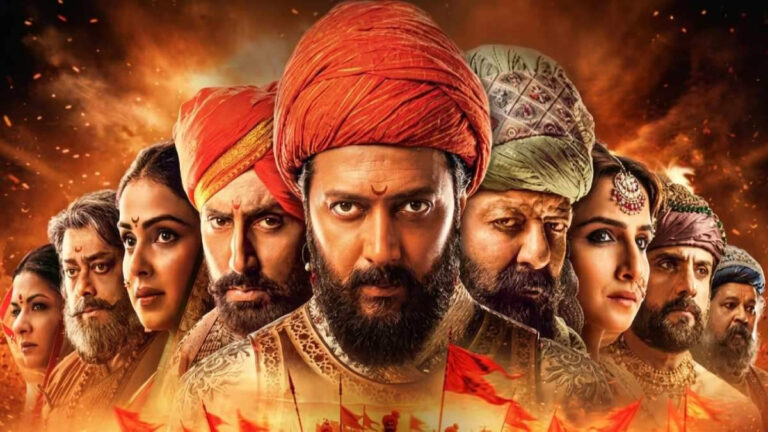
May 2, 2026 — The Indian box office witnessed a high-stakes clash yesterday, as Riteish Deshmukh’s ambitious historical epic, Raja Shivaji, went head-to-head with Aamir Khan Productions’ romantic drama, Ek Din. Initial reports from industry trackers confirm that the historical magnum opus has secured a commanding lead, delivering a record-breaking opening day performance that has set the industry abuzz.

A Historic Start for ‘Raja Shivaji’

Directed by and starring Riteish Deshmukh, Raja Shivaji has made a thundering debut. Celebrating the life of the legendary Maratha warrior king Chhatrapati Shivaji Maharaj, the film not only captured the imagination of the audience but also capitalized on the emotional resonance of its subject matter, releasing strategically to coincide with Maharashtra Day.

According to trade data, the film collected an impressive ₹11.35 crore to ₹11.70 crore net in India on its opening day. This figure is particularly significant as it cements the film’s position as a massive success in Marathi cinema while simultaneously making a strong impression in the Hindi belt.

The Breakdown of Success:

  • Marathi Version: The primary engine behind this massive opening, the Marathi version alone raked in approximately ₹8 crore net, setting a new benchmark for opening day collections for any Marathi-language film.
  • Hindi Version: The film’s reach expanded significantly through its Hindi release, contributing roughly ₹3.35 crore to the total tally.
  • Occupancy & Engagement: The film registered an overall occupancy of roughly 32%, with the Marathi screenings seeing intense demand, reaching up to 68% occupancy in key markets.

Industry experts have noted that the film’s massive pre-sale momentum—totaling over 490,000 tickets—was a clear indicator of the public’s anticipation. By surpassing the opening day figures of notable historical dramas like Manikarnika: The Queen of Jhansi, Raja Shivaji has firmly established itself as a major contender in the 2026 film calendar.

‘Ek Din’ Faces a Challenging Opening

In contrast, the Aamir Khan-produced romantic drama Ek Din faced a much quieter debut. Starring Junaid Khan and Sai Pallavi, the film, which is a Hindi adaptation of the 2016 Thai hit One Day, struggled to find the same level of traction on its opening Friday.

Trade estimates place the day-one collection for Ek Din at approximately ₹0.81 crore to ₹1 crore net. While the film aimed to attract an urban, youth-centric audience with its cross-cultural romance set against the scenic backdrop of Japan, it failed to generate the required box-office momentum to compete with the sheer scale and cultural weight of Raja Shivaji.

Despite the backing of Aamir Khan Productions and a promising lead pair, Ek Din’s performance suggests that it will need a significant positive word-of-mouth surge over the weekend to improve its standing in the coming days.

A Clash of Genres and Ambitions

The box office battle of May 1, 2026, highlighted a stark contrast in audience priorities. While Raja Shivaji—a project five years in the making—was fueled by historical pride, massive production values, and an ensemble cast including Genelia Deshmukh, Sanjay Dutt, Abhishek Bachchan, and Vidya Balan, Ek Din opted for a more intimate, experimental approach.

For Riteish Deshmukh, the success of Raja Shivaji is being hailed as a triumph of his vision as both a filmmaker and an actor. Having written, directed, and headlined the film, Deshmukh has succeeded in delivering what critics are calling a “career-defining” project. The film’s ability to draw audiences across linguistic barriers—Marathi, Hindi, and even Telugu versions—demonstrates the massive pan-Indian appeal of the story of Chhatrapati Shivaji Maharaj.

Looking Ahead: The Weekend Forecast

As the weekend approaches, all eyes are on whether Raja Shivaji can sustain this momentum or if the word-of-mouth will lead to even higher growth. Meanwhile, for Ek Din, the challenge remains steep. With competition from other ongoing releases and the pressure of theatrical numbers, the coming 48 hours will be crucial for both films.

For now, the crown for the opening day clearly belongs to the Maratha legend. The industry is watching closely as this cinematic clash unfolds, proving once again that in the world of Indian cinema, the combination of historical grandeur and strong local appeal remains a formidable force.

Proxy Firm Urges RBI to Reject Tata Sons’ Bid to Exit CIC Status

0

New Delhi, May 2, 2026: The debate surrounding the regulatory future of Tata Sons has reached a critical juncture. In a move that could reshape the corporate structure of one of India’s largest conglomerates, proxy advisory firm InGovern Research Services has formally urged the Reserve Bank of India (RBI) to reject the holding company’s longstanding application to surrender its registration as a Core Investment Company (CIC).

This recommendation follows a series of regulatory updates in April 2026, which industry experts argue have left Tata Sons with little legal room to maneuver, effectively mandating a path toward a public market listing by March 2027.

The Background: A Bid for Private Status

In March 2024, Tata Sons filed an application with the RBI to voluntarily surrender its Certificate of Registration as a Systemically Important Core Investment Company (CIC-ND-SI).

The holding company’s strategy was rooted in a deleveraging effort. By aggressively repaying over ₹20,000 crore in standalone debt, Tata Sons aimed to position itself as an entity free from “public funds.” Under the RBI’s Scale-Based Regulatory (SBR) framework, this was a calculated move to move from the “Registered CIC” category to an “Unregistered/Exempt” entity, thereby sidestepping the mandatory listing requirements that apply to Upper Layer (UL) Non-Banking Financial Companies (NBFCs).

Why InGovern Says the Bid is “Dead on Arrival”

In its latest report, titled “Tata Sons’ Deregistration: A Case for Regulatory Finality,” InGovern argues that the regulatory landscape has shifted significantly since 2024, rendering the application “substantively and procedurally deficient.”

The proxy firm highlights three primary reasons why the RBI should now issue an explicit rejection:

1. The “Look-Through” Reality

A central pillar of Tata Sons’ argument—that it no longer accesses public funds—has been dismantled by the RBI. In recent clarifications (specifically on April 29, 2026), the central bank rejected the argument that equity investments sourced from “owned funds” should be excluded from the definition of indirect public funds.

Because Tata Sons is structurally interconnected with numerous listed group entities—such as TCS, Tata Motors, and Tata Power—which themselves rely on public debt and equity, the RBI’s “look-through” approach dictates that Tata Sons cannot sever its linkage to public capital simply by paying off standalone debt. The fungibility of money within such a large, complex group makes the distinction between “private” and “public” funds increasingly blurred in the eyes of the regulator.

2. Failure to Meet Quantitative Thresholds

According to the RBI’s list of NBFCs released on April 10, 2026, Tata Sons remains classified as an Upper Layer (UL) NBFC. With assets exceeding ₹1.75 lakh crore, the company sits far above the ₹1,000 crore threshold required for voluntary deregistration. Furthermore, the RBI’s proposed 2026 amendment sets a strict ₹1 lakh crore asset threshold for automatic Upper Layer classification, leaving no room for discretionary exemptions based on ownership structure or internal debt management.

3. The Deadline Has Passed

InGovern points out that the regulatory window has effectively closed. The deadline for voluntary deregistration applications was September 2025. Because that date has lapsed and the regulatory framework has since been tightened, the advisory firm asserts that the 2024 application is effectively time-barred and no longer tenable.

Implications: A Path to IPO?

If the RBI adopts InGovern’s suggestion and formally rejects the plea, Tata Sons would be left with a clear regulatory directive: it must proceed with a public listing as an Upper Layer NBFC by March 2027.

The Case for Transparency

Proponents of the listing, including InGovern, argue that a public listing is essential for:

  • Enhanced Oversight: Listing would bring Tata Sons under the purview of the Securities and Exchange Board of India (SEBI) and its Listing Obligations and Disclosure Requirements (LODR). This would force greater transparency regarding Related Party Transactions (RPTs) and capital allocation.
  • Shareholder Value: An IPO would provide a long-awaited exit route for minority shareholders, including the Shapoorji Pallonji Group, which holds an 18.3% stake in the holding company.
  • Market Fairness: By remaining unlisted while controlling massive listed assets, critics argue that the company creates an “artificial holding company discount,” suppressing the fair market valuation for millions of individual shareholders across the wider Tata ecosystem.

What’s Next?

The RBI has yet to issue a final verdict on the application, which has remained in regulatory limbo for two years. However, the absence of the “pending deregistration” caveat in recent RBI documentation, coupled with the explicit classification of Tata Sons in the Upper Layer list, suggests the regulator is holding its ground.

For the Tata Group, the decision will be a landmark moment. While internal opinions reportedly remain divided on the benefits of listing a legacy holding company, the regulatory path seems increasingly paved toward a public debut. As InGovern states, allowing an exemption for an entity of this systemic magnitude could weaken the credibility of the entire Scale-Based Regulatory framework.

For now, the financial world waits to see if the regulator will transform its silent persistence into an explicit directive.

RLDA Recruitment 2026: Apply for 40 Site Engineer Posts

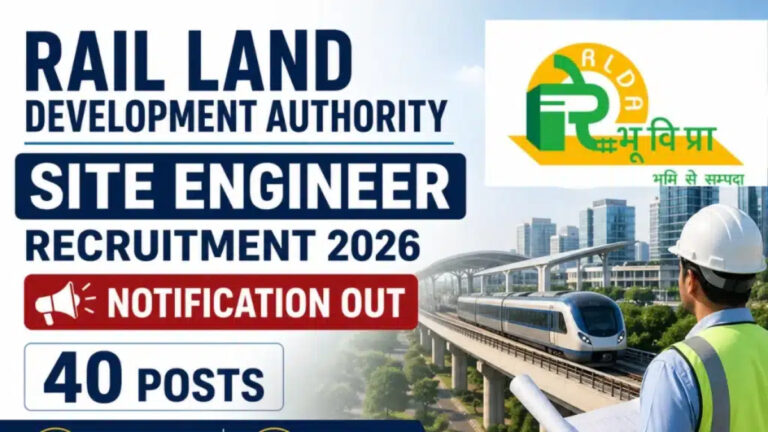
New Delhi, May 2, 2026: The Rail Land Development Authority (RLDA), a key statutory body under the Ministry of Railways, Government of India, has officially announced the recruitment of 40 Site Engineers for the year 2026. This recruitment drive aims to engage skilled professionals on a short-term contract basis to support critical infrastructure and development projects across the country.

With a competitive salary package and the opportunity to contribute to significant national railway infrastructure, this is a noteworthy opening for engineering graduates seeking to build their professional experience in a government-affiliated environment.

Vacancy Overview

The RLDA is inviting applications for two engineering disciplines. The vacancies are distributed as follows:

Post NameDisciplineNumber of Vacancies
Site EngineerCivil Engineering30
Site EngineerElectrical Engineering10
Total40

Note: Vacancies are tentative and subject to change based on the requirements of the organization. The posting location for these roles is PAN India.

Eligibility Criteria

To be considered for these positions, candidates must meet specific academic and professional standards.

1. Educational Qualification

  • Degree: Candidates must possess a full-time B.E. or B.Tech degree in the relevant discipline (Civil or Electrical Engineering).
  • Minimum Marks: A minimum of 55% aggregate marks is required.
    • Relaxation: For SC/ST candidates, the minimum requirement is 50% aggregate marks.
  • Recognition: The degree must be awarded by a recognized university or institute.

2. Work Experience

  • Candidates must have a minimum of 02 years of post-qualification experience in relevant sectors, including:
    • Construction and infrastructure development.
    • Electrical system installation and maintenance.
    • MEP (Mechanical, Electrical, and Plumbing) works.
  • Experience in Central/State Government departments, Public Sector Undertakings (PSUs), or reputable private organizations will be highly valued.

3. Age Limit

  • The maximum age limit is 45 years as of the closing date, May 22, 2026.
  • Age relaxation for candidates belonging to SC, ST, OBC (NCL), PwD, and ex-servicemen categories is applicable as per the Government of India guidelines.

Salary and Tenure

Selected candidates will be offered a consolidated monthly remuneration of ₹76,000. This amount is all-inclusive and also covers the employer’s contribution to the EPF (Employees’ Provident Fund).

The engagement is on a purely temporary, short-term contract basis, initially for a period of one year. However, this tenure may be extended based on project requirements and the candidate’s performance review.

Selection Process

The selection process for the RLDA Site Engineer position is merit-based. The authority will evaluate candidates based on the following parameters:

  • Academic Performance: Percentage of marks obtained in the qualifying B.Tech/B.E. degree.
  • Relevant Work Experience: Years and quality of experience in project supervision or construction.
  • Professional Background: Additional weightage is provided to candidates with M.Tech qualifications or those with direct experience working in Indian Railways, Central/State PSUs, or other government engineering departments.
  • Interview: Shortlisted candidates will be invited for a personal interview to assess their technical knowledge, practical problem-solving abilities, and project management skills.

How to Apply

The application process is simple but must be followed precisely. Unlike traditional online applications, the RLDA requires candidates to submit their forms electronically via email.

  1. Download the Forms: Visit the official RLDA website at rlda.indianrailways.gov.in. Navigate to the “Careers” section to download the Vacancy Notice (No. 13/26/S.E. Contract), which includes the application form (Annexure-I) and the checklist (Annexure-II).
  2. Fill the Details: Complete the application form in block letters using a blue ball pen. Ensure all information is accurate.
  3. Prepare Documents: Assemble scanned copies of all required documents, including:
    • Proof of age (Matriculation certificate).
    • Degree certificates and mark sheets.
    • Experience certificates.
    • Category certificates (if applicable).
    • Last three months’ payslips and Form-16 of the last financial year (2025-26).
    • Photo ID and address proof.
  4. Submission: Send the signed, filled application form along with all self-attested documents to the official email address: site.engg.rlda@gmail.com.
  5. Subject Line: Ensure your email subject line follows the specified format: “Application for Site Engineer (Civil/Electrical) – Advertisement No. 13/26/S.E. Contract – [Your Name]”.

Important Dates:

  • Notification Date: May 2, 2026
  • Application Submission Starts: May 2, 2026
  • Closing Date for Applications: May 22, 202

Long Weekend Exodus Paralyzes Bengaluru-Mangaluru Route

0

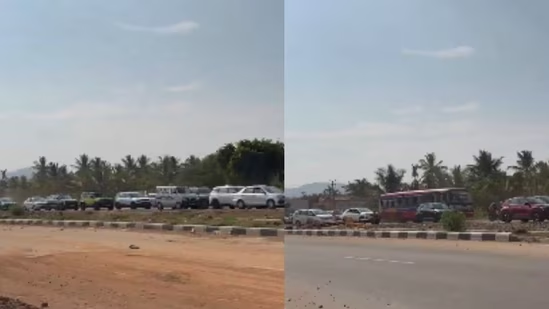
New Delhi, April 2, 2026: A massive surge in holiday travel has been documented today, May 2, 2026, as a viral video showcasing bumper-to-bumper traffic on the Bengaluru-Mangaluru highway (NH-75) captured the attention of the nation. The “truth” behind the digital stir involves a “mechanical necessity” of the calendar—a three-day long weekend starting with May Day—which prompted thousands of residents to flee the state capital simultaneously. The resulting gridlock was observed stretching for several kilometers, turning a standard interstate journey into an exhausting test of endurance.

The interaction between the seasonal rush and the highway infrastructure was observed starting late Thursday evening and peaking throughout Friday and Saturday morning. In the viral clips, which have amassed millions of views, a seemingly endless line of private cars, luxury buses, and SUVs is seen crawling through key bottlenecks like the Hassan toll plaza and the Sakleshpur ghat sections. It is reported by local authorities that the volume of vehicles exiting the city far exceeded the daily average, leading to significant delays at toll gates despite the efficiency of automated systems.

The Western Ghats Bottleneck: Patience Tested in Paradise

The reaction from the digital community has been one of collective exhaustion, with many commuters sharing their own “live from the jam” updates. It is argued by travel experts that while the allure of the coast and the hill stations of Chikmagalur and Sakleshpur is undeniable, the “heavy price” of a long weekend is often paid in hours lost on the road. On various social media platforms, the footage has been utilized to highlight the saturation of popular tourist routes, with some netizens jokingly remarking that “half of Bengaluru is currently in Sakleshpur, while the other half is stuck on the way to Mysore.”

The impact of the congestion has also prompted a wider discussion regarding the ongoing infrastructure projects in the Shiradi Ghat region. It is noted by commentators that while road conditions have improved, the high density of traffic during festive periods quickly overwhelms the existing two-lane stretches and hair-pin bends. The passive role of the travelers—many of whom were seen stepping out of their vehicles to stretch or socialise on the tarmac—has been identified as a sign of the forced camaraderie that emerges during such massive transit failures.

Also Read: Commercial LPG Prices Soar by ₹993, Sparks Political Outcry

A Lesson in Planning: The Aftermath of the Long Weekend Rush

Following the viral success of the “NH-75 Gridlock” clip, traffic police have reportedly issued advisories for the return journey expected on Sunday evening. It is reported that additional personnel have been deployed to key junctions and toll plazas to manage the anticipated flow of vehicles back into Bengaluru. The video remains a top trending topic as of this afternoon, serving as a powerful visual testament to the sheer scale of the “urban exodus” that defines modern life in India’s IT hub.

As of the morning of May 2, 2026, the story continues to serve as a major talking point in the “Travel & Tourism” and “Civic News” categories. While the era of the long weekend offers a much-needed break from the corporate grind, the digital record of this highway crawl stands as a reminder of the logistical challenges posed by mass migration. For now, the story stands as a digital reminder: the most beautiful destinations often require a significant investment of time, and sometimes, the journey itself becomes the most memorable—if frustrating—part of the holiday.

Commercial LPG Prices Soar by ₹993, Sparks Political Outcry

0

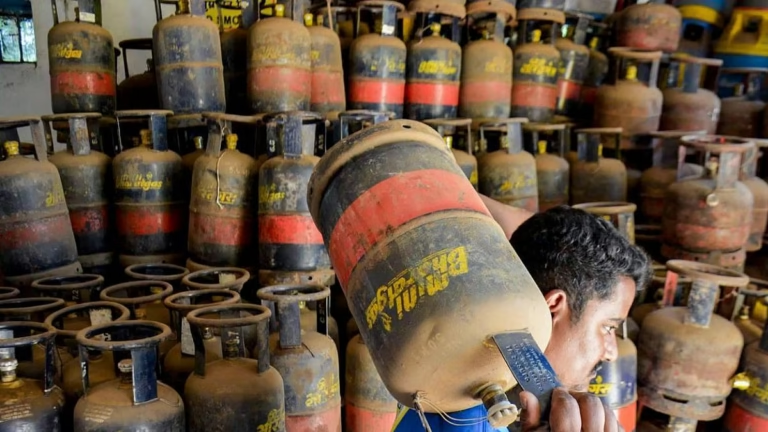
New Delhi, May 2, 2026: In a move that has sent shockwaves across India’s hospitality and small business sectors, Oil Marketing Companies (OMCs) have implemented a massive hike in the price of commercial LPG cylinders. Effective May 1, 2026, the price of a 19-kg commercial LPG cylinder has been increased by ₹993, marking one of the steepest single-day jumps in recent history.

While household domestic LPG prices remain unchanged for the time being, the staggering increase for commercial users—ranging from hotels and restaurants to roadside dhabas and street vendors—has triggered immediate and fierce criticism from political quarters, particularly the Communist Party of India (CPI).

The Price Surge: A Snapshot

Following this latest revision, the cost of a 19-kg commercial cylinder in the national capital, Delhi, has reached a record ₹3,071.50, up from the previous rate of ₹2,078.50. This marks the third consecutive monthly increase, with cumulative hikes over the last three months totaling over ₹1,300 per cylinder.

  • Impacted Segments: Restaurants, cafes, hotels, hostels, PG accommodations, and small-scale food vendors.
  • Domestic Relief: Prices for 14.2-kg domestic cooking gas cylinders, used by approximately 33 crore households, remain frozen for now.
  • Driver: OMCs have attributed the sharp rise to global energy market volatility, specifically citing surging crude oil prices caused by the ongoing conflict in West Asia and disruptions to critical transit routes like the Strait of Hormuz.

CPI and Opposition: “The Election Bill”

The timing of the hike—coming immediately after the conclusion of voting in several state assembly elections—has been a major flashpoint. Opposition leaders are calling the move an “election bill,” accusing the central government of artificially suppressing prices to aid electoral optics and passing the burden onto the public the moment voting concludes.

CPI’s Strong Condemnation

P. Sandosh Kumar, CPI leader in the Rajya Sabha, launched a scathing attack on the government, labeling the situation a “direct consequence of the Prime Minister’s failed foreign policy.”

In an official statement, Mr. Kumar argued that the government’s approach to global energy volatility has been ineffective, leaving the country highly exposed to external shocks. He emphasized that by forcing this massive cost burden onto restaurants, dhabas, and small eateries, the government is essentially guaranteeing that the impact will filter down to the common man through increased food costs and higher living expenses.

“Instead of ensuring stability in fuel supplies and prices, this approach has left the country exposed. The burden is now being dumped on restaurants, dhabas, small eateries, hostels, and small establishments… The immediate fallout will be higher food costs and living expenses, hitting ordinary people the hardest,” Mr. Kumar stated.

Other opposition leaders, including Congress leader Rahul Gandhi, have echoed these sentiments, warning that this is only the “first strike” and that price increases for petrol and diesel may be next.

Why the Sharp Hike?

The government and OMCs maintain that the price revision is a necessary, albeit painful, recalibration based on international benchmarks.

India imports nearly 88% of its crude oil requirements and approximately 90% of its LPG imports, making the domestic market highly sensitive to global geopolitical tensions. With crude oil prices touching four-year highs amid the West Asia conflict, the financial pressure on oil companies to pass on these costs—at least in the non-subsidized commercial segment—has been immense.

OMCs further clarified that despite the global volatility, they have managed to keep petrol, diesel, and domestic LPG prices unchanged to protect the majority of household consumers, noting that commercial LPG accounts for less than 1% of total fuel consumption in the country.

The Road Ahead for Small Businesses

For millions of small business owners, this hike is a severe blow. With the cost of a primary operational input rising by nearly 50% in a single day, many eateries are left with limited options: either absorb the costs at the risk of insolvency or pass the burden to the consumer.

Market analysts warn that this will likely fuel “cost-push inflation” in the food and beverage sector. As restaurants grapple with significantly higher operating expenses, menu prices for street food, canteen meals, and dining out are expected to rise across the country in the coming weeks.

As the political debate intensifies, the government faces increasing pressure to explain its strategy for managing energy-led inflation and to provide relief to the small-scale enterprises that form the backbone of India’s informal economy.

Kailash Mansarovar Yatra 2026: Registration Open

0

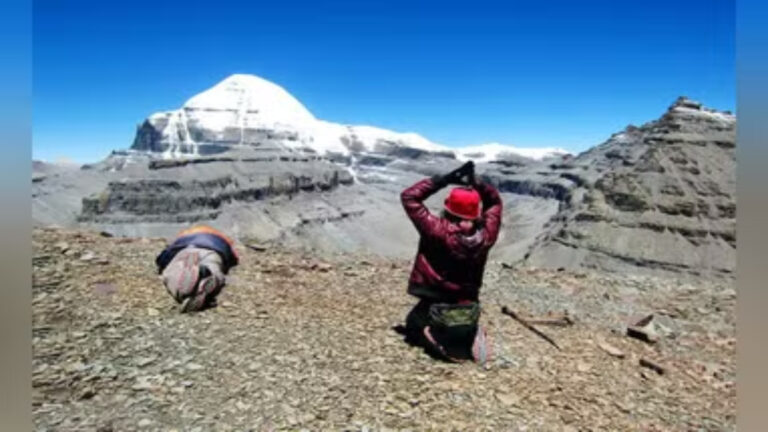
New Delhi, May 2, 2026: The wait is finally over for thousands of devotees seeking the spiritual journey of a lifetime. The Ministry of External Affairs (MEA), Government of India, has officially announced the commencement of the Kailash Mansarovar Yatra (KMY) for 2026.

In a move welcomed by pilgrims across the country, the Indian government, in coordination with the Government of China, has opened registrations for the pilgrimage, which is scheduled to take place between June and August 2026.

Important Dates to Remember

Time is of the essence for those wishing to participate in this year’s Yatra.

  • Registration Started: April 30, 2026
  • Last Date to Apply: May 19, 2026
  • Yatra Season: June to August 2026

The government emphasizes that all registrations must be done online through the official portal. No physical applications or letters will be accepted.

How to Apply

The entire selection process is fully computerized, transparent, and fair, utilizing a random, gender-balanced draw of lots to select the 1,000 pilgrims scheduled for this year.

Step-by-Step Registration Process

  1. Visit the Official Website: Go to kmy.gov.in to register.
  2. Create an Account: If you are a new user, register your details. If you have previously registered, you can log in directly.
  3. Fill the Form: Complete the application form with accurate personal information, ensuring your name and date of birth match your passport exactly.
  4. Upload Documents:
    • Passport-size Photograph: Scanned copy in JPG format (max 300 KB).
    • Passport: Scanned copy of the front page (containing photo and personal particulars) and the last page (containing family details) in PDF format (max 500 KB).
  5. Submit and Print: After successful submission, you will receive an SMS and an email confirmation. Keep a printout of the application form for your records.

Note: You can apply for one or both available routes, indicating your order of priority.

Routes and Estimated Costs

For 2026, the government has organized 20 batches of 50 pilgrims each. The routes are divided equally between these batches:

RouteEntry PointEstimated Cost (Per Person)
Route 1Lipulekh Pass (Uttarakhand)Approx. ₹2.09 Lakh
Route 2Nathu La Pass (Sikkim)Approx. ₹3.31 Lakh

Please note: These are estimated government-facilitated costs. Prices may fluctuate based on exchange rates and specific logistics.

Eligibility Criteria

To ensure the safety and well-being of all pilgrims at high altitudes, the following eligibility criteria apply:

  • Nationality: Must be an Indian citizen.
  • Passport: Must possess a valid Indian passport with at least six months of validity as of September 1, 2026.
  • Age: Between 18 and 70 years as of January 1, 2026.
  • Health: Applicants must be physically and medically fit. A Body Mass Index (BMI) of 25 or below is generally required.

Selected candidates will be required to undergo rigorous medical fitness tests at designated health centers (such as the Delhi Heart & Lung Institute) before final clearance.

Why the Government Route?

While various private operators offer packages, the government-organized Yatra remains the most sought-after due to its structured safety protocols, diplomatic coordination, and official support. The selection is done via a transparent, randomized system, ensuring equal opportunity for all applicants.

Essential Items for Selected Yatris

If you are selected, you will need to prepare the following documentation:

  • Original Indian passport.
  • Indemnity Bond on a Rs 100 stamp paper.
  • An undertaking for helicopter evacuation in case of emergency.
  • A consent form for the cremation of mortal remains on the Chinese side (if required).

A Note for Pilgrims

The Kailash Mansarovar Yatra is more than just a trip; it is an arduous high-altitude pilgrimage. Whether you are a devotee of Lord Shiva or someone seeking spiritual solace, it is essential to begin preparing your physical endurance well in advance. Daily brisk walks, yoga, and breathing exercises are highly recommended to help your body acclimatize to the extreme conditions.