Home Blog Page 121

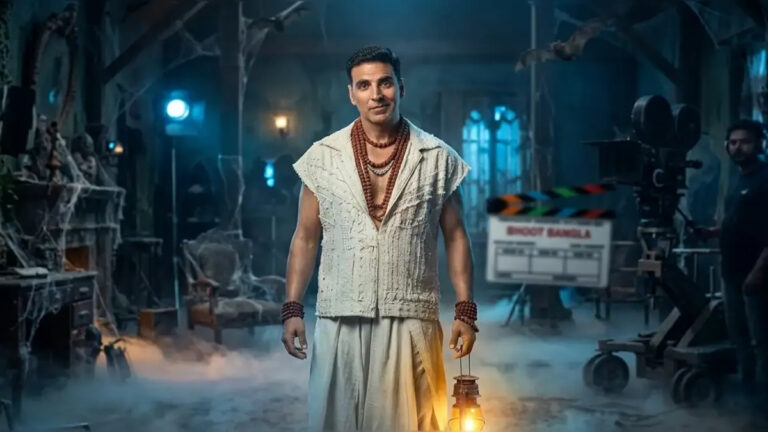
Bhooth Bangla Box Office: ₹135 Crore Opening Week

New Delhi, April 24, 2026: In what is being hailed as a much-needed comeback for Bollywood superstar Akshay Kumar, his latest horror-comedy Bhooth Bangla has successfully concluded its opening week at the box office. Directed by the legendary filmmaker Priyadarshan, the film has defied mixed critical reviews to rake in an impressive ₹135.45 crore worldwide in its first seven days.

The film, which marks the highly anticipated reunion of the iconic actor-director duo after nearly 16 years, has managed to strike a chord with audiences, signaling a potential turning point for Kumar following a string of underperformers in recent years.

A Strong Opening Week Trajectory

Bhooth Bangla opened in theaters on April 17, 2026, following a round of paid previews on April 16. Despite the “mixed bag” response from critics, the movie showed significant resilience throughout its first week. According to trade reports, the film’s ability to maintain steady footfall during the crucial mid-week stretch has been its greatest strength.

Day-wise Breakdown (India Net Collection)

The film’s performance reflects a pattern of strong weekend growth and stable weekday retention:

PeriodCollection (Approx.)
Paid Previews₹3.75 Crore
Day 1 (Fri)₹12.25 Crore
Day 2 (Sat)₹19.00 Crore
Day 3 (Sun)₹23.00 Crore
Day 4 (Mon)₹6.75 Crore
Day 5 (Tue)₹8.00 Crore
Day 6 (Wed)₹6.15 Crore
Day 7 (Thu)₹5.15 Crore
Total (Net India)₹84.05 Crore

By the end of its seventh day, the film’s domestic gross stands at approximately ₹99.95 crore, with overseas markets contributing an additional ₹35.50 crore, bringing the total worldwide gross to ₹135.45 crore.

Why Bhooth Bangla is Resonating with Audiences

While film critics have offered a polarized take on the horror-comedy, the audience response tells a different story. Analysts point to the “Priyadarshan factor”—the director’s mastery of the comedy-horror genre, previously seen in cult classics like Bhool Bhulaiyaa—as a primary driver for its success.

The film features a stellar ensemble cast, including Wamiqa Gabbi, Paresh Rawal, Rajpal Yadav, Jisshu Sengupta, Mithila Palkar, and Tabu. The chemistry between these seasoned performers appears to be keeping audiences entertained, even when the narrative occasionally leans into familiar tropes.

Industry experts also note that the film’s performance is particularly notable for its steady hold. On Monday and Tuesday, the film outperformed other recent releases, suggesting that word-of-mouth has been generally positive enough to sustain interest despite the typical post-weekend drop in theater attendance.

Also Read: Rajpal Yadav: “It Would Have Been Settled in 2012”

Contextualizing the Success

For Akshay Kumar, Bhooth Bangla represents a significant shift in momentum. Recent films like Sky Force and Kesari Chapter 2 had set a benchmark for the actor’s recent releases, and Bhooth Bangla is currently on track to surpass these lifetime global numbers if the trend continues through the second weekend.

The film has also effectively ended the box office dominance of Aditya Dhar’s Dhurandhar 2, which had been leading the charts for several weeks prior. By claiming the top spot in the current theatrical landscape, Bhooth Bangla has proved that the audience’s appetite for high-concept, star-driven comedies remains robust.

Looking Ahead

As the film moves into its second week, the real test will be whether it can maintain its momentum against fresh competition. With a solid foundation of ₹135 crore, the team behind the project—including producers Balaji Motion Pictures and Cape of Good Films—will be optimistic about the movie’s longevity in theaters.

Whether the film will go on to challenge the lifetime tallies of bigger hits like Housefull 5 remains to be seen. However, for now, Bhooth Bangla serves as a clear reminder that when the right star power meets a genre-expert director, the box office results can be formidable, even in an era of unpredictable cinema trends.

Rajpal Yadav: “It Would Have Been Settled in 2012”

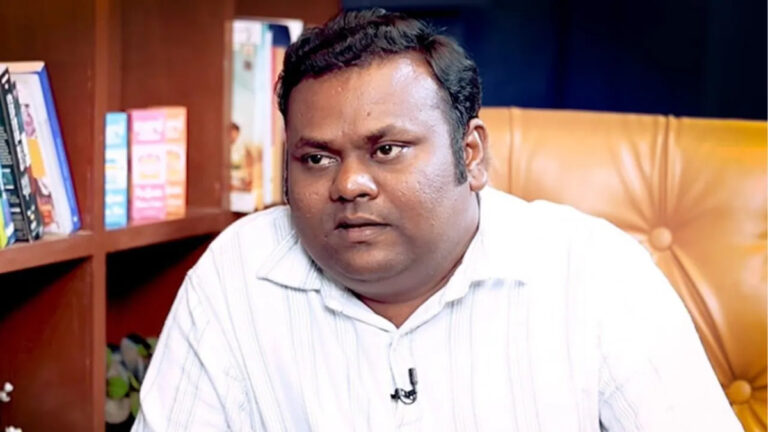
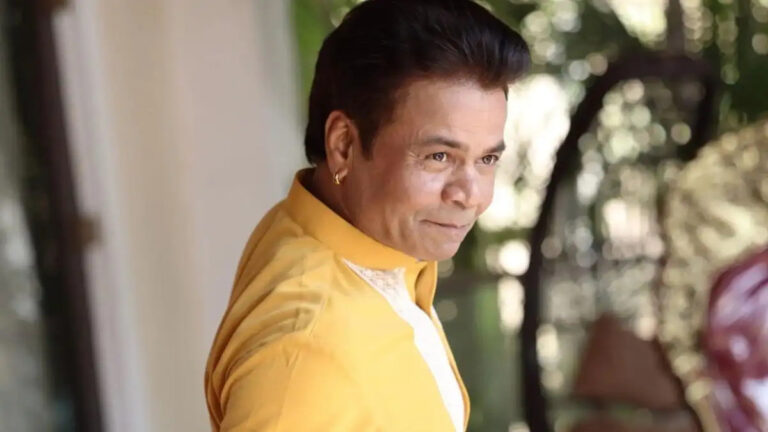
New Delhi, April 24, 2026: Bollywood’s beloved comedic actor Rajpal Yadav has injected a fresh perspective into his long-standing legal battle. In a candid conversation on a recent podcast, the Dhol and Chup Chup Ke star addressed the ongoing controversy surrounding his cheque bounce case—a saga that has dominated headlines for months and even led to a recent stint in Tihar Jail.

For years, the public narrative surrounding the actor’s legal troubles centered on a perceived inability to repay a loan. However, in a recent interview, Yadav challenged this assumption, claiming that the reality of his situation is far more nuanced and complex than a simple “inability to pay.”

The “Twist”: A Long-Standing Struggle

The actor, who has been a staple of Hindi cinema for over two decades, struck a chord with his fans and industry peers when he remarked, Ye 5 crore ka masla hota to 2012 me nipat jata (If it were a matter of 5 crores, it would have been settled in 2012).

Yadav explained that the issue, which dates back over a decade, is not about a lack of funds but rather a deeper business complication involving his directorial debut, Ata Pata Laapata. According to Yadav, what started as a financial arrangement spiraled into a colossal loss, with his investment totaling upwards of ₹17–22 crore.

He suggested that the financial crisis was exacerbated by the circumstances surrounding the film’s production and release. “This ₹5 crore issue ended up causing losses of ₹17 crore. My intention was always good, and I was not jailed because I couldn’t pay; it was a matter of principle and a much larger business entanglement,” the actor asserted.

Contextualizing the Legal Saga

To understand the weight of his statement, it is necessary to look at the timeline. The legal dispute traces back to 2010 when Yadav borrowed funds to finance his film. Following the movie’s underwhelming box office performance, he found himself unable to meet the repayment terms, triggering a series of legal actions under the Negotiable Instruments Act.

By early 2026, the situation had escalated significantly. In February 2026, the actor was sent to Tihar Jail in connection with these cheque bounce cases, a development that shocked many in the film fraternity. His subsequent release on interim bail in March 2026, after making a “substantial” payment of ₹1.5 crore, marked a turning point, though the legal proceedings remain active.

Industry Support and Public Perception

The legal battle has not been a solitary journey for the actor. During his time in custody and the subsequent legal back-and-forth, Yadav received notable support from the Hindi film industry. Many of his peers, including high-profile stars, reportedly offered him support, and industry federations rallied behind him.

Addressing the skepticism surrounding his ability to pay, Yadav was firm: “In my 25-year career, I have worked in over 250 films. If I didn’t have the support of the industry and the audience, would I have been able to sustain this career for so long?”

He emphasized that he has maintained a deep respect for the judiciary and has full faith that the matter will eventually conclude in his favor. “This fight was not started by me, but it will end because of me,” he added.

What Lies Ahead?

As the case continues to move through the Delhi High Court, the focus remains on the upcoming hearings. The court, while noting that the actor has made “substantial” payments and is not actively attempting to evade his responsibilities, has granted him temporary relief.

For his fans, this recent revelation adds a human layer to the sensational headlines. While the legalities of a cheque bounce case are often cut-and-dried, Rajpal Yadav’s plea is a reminder that in the high-stakes world of film production, the line between business failure and fraud can sometimes become incredibly blurred.

As the actor continues his professional work—including his recent appearance in projects like Bhooth Bangla—the case serves as a stark reminder of the often-precarious financial realities faced by those who dare to step from in front of the camera to behind it.

For now, the actor remains committed to proving his side of the story, urging the public and the legal system to look at the “full story” behind the numbers.

Pulsar NS400Z vs. Dominar 400: The 350cc Showdown

0

New Delhi, April 22, 2026: As of April 2026, the Indian motorcycle landscape has shifted significantly. With the introduction of new GST norms affecting vehicles above 350cc, Bajaj Auto has streamlined its performance portfolio. Both the fan-favorite Bajaj Pulsar NS400Z and the versatile Bajaj Dominar 400 have been refreshed with a new 349.13 cc engine platform.

While they share the same heart, these two machines are designed for completely different types of riders. If you are torn between the “Big Pulsar” and the “Dominar,” here is the definitive breakdown to help you make your choice.

The Engine: A Shared Heart

The most significant update for 2026 is that both motorcycles now sport a 349.13 cc, liquid-cooled, single-cylinder engine. This move was strategic, ensuring both models remain in the more favorable tax slab while retaining their performance edge.

  • Bajaj Pulsar NS400Z: Produces approximately 40.6 PS of power and 33.2 Nm of torque.
  • Bajaj Dominar 400: Produces approximately 40.04 PS of power and 33.2 Nm of torque.

Both bikes utilize a 6-speed gearbox with an assist and slipper clutch, making gear shifts smooth and reducing fatigue in stop-and-go traffic. On paper, the numbers are nearly identical, but the difference lies in how that power is delivered through the chassis.

Design and Ergonomics: The Great Divide

The real decision factor between these two isn’t the engine—it is how they feel when you are in the saddle.

Bajaj Pulsar NS400Z: The Agile Streetfighter

The NS400Z is built for the rider who loves the city. It is significantly lighter, with a kerb weight of 174 kg. Its perimeter frame and aggressive geometry are designed for agility, making it effortless to weave through traffic or attack twisty mountain roads.

  • Stance: Slightly more forward-leaning, encouraging an active riding position.
  • Vibe: Modern, sharp, and athletic. It feels like a bike that wants to play.
  • Best For: Daily commuters, urban sprinters, and weekend canyon carvers.

Bajaj Dominar 400: The Power Cruiser

The Dominar 400 carries a bit more “muscle,” weighing in at 190 kg. This extra weight isn’t a disadvantage—it provides a planted, stable feel, especially when cruising at high speeds on the highway.

  • Stance: Upright, relaxed, and commanding. The seat is designed for longer stints in the saddle without causing back fatigue.
  • Vibe: Sophisticated, sturdy, and mature. It feels like a bike that can cross a continent.
  • Best For: Long-distance tourers, riders who prioritize highway stability, and those who prefer a more relaxed seating posture.

Features and Technology

Both motorcycles come loaded with modern tech, but the implementation reflects their intended usage.

FeaturePulsar NS400ZDominar 400
DisplayLCD with connectivityLCD with digital console
BrakingDual-channel ABSDual-channel ABS
LightsFull LED setupFull LED setup
TyresRadial (Street focused)Radial (Touring/Cruising focused)

Both bikes feature Bluetooth connectivity and turn-by-turn navigation, which have become essential for modern riders. You won’t feel left behind on tech with either choice; it really comes down to which aesthetic you prefer.

Pricing and Value

As of April 2026, the updated pricing makes both bikes highly competitive:

  • Bajaj Pulsar NS400Z: Priced at ₹1,93,900 (ex-showroom).
  • Bajaj Dominar 400: Priced at ₹2,03,377 (ex-showroom).

The price gap is relatively narrow (less than ₹10,000), meaning your decision shouldn’t be based on budget alone, but rather on which bike fits your lifestyle better.

The Verdict: Which One Should You Pick?

Choosing between these two comes down to your riding profile.

Pick the Bajaj Pulsar NS400Z if:

You prioritize agility and performance in urban environments. You want a bike that feels light, responsive, and aggressive. If your daily route involves dense traffic and you enjoy spirited riding on the weekends, the NS400Z is the perfect partner. Its lighter frame makes it more approachable for newer riders moving up from smaller capacity motorcycles.

Pick the Bajaj Dominar 400 if:

You are a “Tourer at heart.” If your dream weekend involves hitting the highway and riding for hundreds of kilometers, the Dominar 400’s added weight and stable chassis make it the superior long-distance machine. It offers a “big bike” feel that keeps you comfortable even after hours of riding. It is the sophisticated choice for the rider who values stability over pure, twitchy agility.

Both bikes are excellent manifestations of Bajaj’s performance engineering. Whichever you choose, you are getting one of the best 350cc power-to-price ratios on the Indian market today.

The Future of Anker: Custom AI Hardware

0

New Delhi, April 22, 2026: In the fast-paced world of consumer electronics, Anker Innovations has long been synonymous with charging, power banks, and reliable connectivity. However, if you look at their recent product launches, it is clear that the company is pivoting rapidly. Anker is no longer just a peripheral brand; it is becoming an Artificial Intelligence (AI) hardware company.

Central to this transformation is the strategic development of proprietary AI modules—most notably the eufy AI Core—designed to power a new generation of intelligent, edge-computing devices.

The Move from Peripherals to “AI-Native” Hardware

For years, Anker’s primary value proposition was power and efficiency. Whether it was a fast-charging wall block or a portable battery, the goal was simple: keep your devices running. But as the smart home market matured, Anker recognized that users wanted devices that did more than just work—they wanted devices that thought.

By the end of 2025 and into early 2026, Anker, through its smart home brand eufy, began embedding dedicated AI hardware directly into its devices. The introduction of the eufy AI Core marked a pivotal moment. Unlike cloud-based AI, which requires sending video and sensor data to a server for processing, this new hardware allows for “Edge AI”—processing data locally, right on the device.

What is the eufy AI Core?

The eufy AI Core is not a general-purpose processor like the chip in your smartphone. Instead, it is a specialized hardware module—essentially a custom-tailored engine—built to handle the specific, heavy-lifting tasks required for modern smart home security and automation.

Why Does This Matter?

The benefits of moving to custom AI hardware at the edge are significant:

  • Enhanced Privacy: When your camera detects a person or a package, that analysis happens locally. Your raw video footage doesn’t need to be uploaded to the cloud just to “see” what’s happening.
  • Reduced Latency: Processing on-device is lightning-fast. A smart lock equipped with facial recognition doesn’t have to wait for a handshake with a server; it recognizes you and unlocks the door almost instantaneously.
  • Offline Reliability: Because the AI intelligence lives inside the device, your smart home features continue to work even if your internet connection experiences a hiccup.

Real-World Impact: Products Powered by Local AI

Anker has wasted no time integrating this technology into its ecosystem. Across the last few product cycles, we have seen this hardware power several key innovations.

1. Advanced Security (Video Doorbells and Locks)

Devices like the Video Doorbell S4 and Smart Lock E40 are prime examples. They utilize this hardware to perform sophisticated object detection and tracking. The “OmniTrack” technology, for instance, allows cameras to automatically identify, track, and zoom in on visitors, distinguishing between a delivery courier, a family member, or a stray pet.

2. Intelligent Robotics (Vacuum Cleaners)

The latest robot vacuums, such as the S2 series, have moved far beyond “bumping into walls” navigation. With the integration of AI-driven navigation systems, these vacuums can identify floor types and room layouts in real-time. They aren’t just moving; they are perceiving their environment, adjusting suction power and scrubbing force based on whether they encounter tile, carpet, or a potential obstacle.

3. Energy Management

Even in Anker’s core category—power—AI is taking center stage. New charging products (like the Anker Prime and Nano lines) now utilize “Smart Display” technology that communicates with your device to identify its battery status and charging profile. This allows the charger to adjust power delivery dynamically, reducing heat and extending your phone’s long-term battery health.

Also Read: The Visual Revolution: Why OpenAI’ New “ChatGPT Images 2.0” Changes Everything

The Strategic Future: “Intelligence” as the New Differentiator

Anker’s transition is part of a broader industry trend where “smart” is no longer a marketing buzzword but a technical requirement. By controlling the hardware—the custom modules that process information—Anker is building a “moat” around its ecosystem.

The company is betting that consumers will prefer a unified ecosystem where the charging brick, the vacuum, the doorbell, and the security camera all communicate intelligently. By developing these AI capabilities in-house, Anker can ensure that its devices are not just smarter than the competition, but more efficient and reliable.

What This Means for Consumers

If you are a fan of the Anker/Eufy/Soundcore ecosystem, the transition to AI-native hardware means a more seamless, responsive, and secure experience. You are no longer just buying “a charger” or “a camera.” You are buying a device that uses on-board intelligence to protect your privacy, save your battery, and simplify your daily routines.

As we progress through 2026, it is highly likely we will see this “AI Core” technology trickle down into more affordable products and expand into new categories. For a company that started with simple power cables, Anker’s evolution into an AI-driven hardware powerhouse is one of the most interesting stories in consumer tech today.

The Visual Revolution: Why OpenAI’ New “ChatGPT Images 2.0” Changes Everything

0

April 22, 2026: For years, the Achilles’ heel of AI-generated imagery has been text. We have all seen the tell-tale signs: beautifully rendered landscapes populated by people with alien-like fingers, or, more egregiously, signs and banners that look like they were written in a dream-state dialect of pseudo-Latin. It was the “uncanny valley” of typography.

Today, OpenAI has fundamentally broken that barrier. With the surprise release of ChatGPT Images 2.0, the company has shifted the goalposts from “AI as a gimmick” to “AI as a design powerhouse.”

The new model, unveiled earlier today, is being hailed by industry analysts as the most significant leap in image generation since the debut of DALL-E 3. It isn’t just about making things look prettier; it’s about making things work.

The End of the “Text Problem”

Historically, AI image models treated text as just another visual texture—something to be faked rather than understood. If you asked for a sign that said “Welcome to Paris,” you might get “Wlcm to Pris” or a cluster of squiggly lines that looked vaguely like writing.

ChatGPT Images 2.0 has essentially solved this. The new architecture, which integrates deeper linguistic reasoning into the image-generation process, allows the model to render precise, dense text across a variety of languages, including complex scripts like Hindi, Bengali, Japanese, and Korean.

This isn’t just a minor improvement; it’s a paradigm shift. For creators, marketers, and developers, this means the difference between a prototype and a final asset. You can now prompt for posters, social media quote cards, or comic strips with specific dialogue bubbles, and receive output that requires little to no post-production editing.

Also Read: Tesla Model Y L vs. Rivals: The New Benchmark for Electric SUVs in India?

Two Modes: The “Thinking” Difference

One of the most intriguing aspects of this release is the introduction of a dual-mode architecture: Instant Mode and Thinking Mode.

  • Instant Mode: Designed for rapid, day-to-day tasks. It’s snappy, intuitive, and produces high-quality, immediate results for standard creative prompts.
  • Thinking Mode: This is the game-changer for complex workflows. Available to paid subscribers, this mode allows the model to “pause” before generating. It performs internal reasoning, checks its own work, and can even pull in real-time information via web searches if your prompt requires specific, accurate data.

By allowing the model to “think” before it creates, OpenAI has enabled complex visual tasks that were previously impossible for a single model to handle. Imagine asking for an infographic on global climate trends: Thinking Mode can verify the data, plan the layout, structure the text elements logically, and generate the image—all in one go.

A Leap in Visual Intelligence

Beyond typography, the model represents a massive jump in what OpenAI calls “visual taste.”

Previous models were often criticized for a generic “AI look”—that overly smooth, plastic aesthetic that made users immediately suspicious of synthetic content. Images 2.0 moves away from this by prioritizing composition, texture, and light in a way that feels intentional. It understands that a poster for a vintage café needs a different texture than a high-end corporate presentation or a gritty indie comic strip.

This “visual intelligence” extends to how the model understands objects. It’s no longer just placing things in a scene; it’s understanding how they relate to one another. Whether you’re asking for a complex interior design mockup with specific furniture layouts or a storyboard for a film, the model shows a vastly improved grasp of spatial awareness. It doesn’t just render a lamp; it understands where that lamp sits in relation to the desk, the floor, and the window, ensuring the lighting remains consistent throughout the composition.

Who Is This For?

OpenAI is clearly positioning this update as a utility for professionals, not just a toy for casual users.

  • Marketers and Social Media Managers: You can now generate high-quality ad mockups with accurate, readable copy in minutes.
  • Educators and Content Creators: The ability to generate accurate diagrams and multilingual educational materials is a massive boon for accessibility.
  • Graphic Designers: By acting as a co-creator, the model can handle the grunt work of layout and composition, allowing human designers to focus on high-level creative direction.
  • Storytellers: Perhaps the most exciting use case is the new capability for comic creation. With consistent character generation and text-in-bubble capabilities, the model is now a legitimate tool for graphic novelists and writers to storyboard their ideas with stunning fidelity.

A More “Human” Workflow

Perhaps the most important takeaway from this launch is not the raw power of the model, but the shift in how we are expected to use it. The industry has been moving away from the “prompt engineering” craze—where users struggled to learn obscure syntax to “trick” the model into giving good results.

ChatGPT Images 2.0 moves toward a natural, collaborative workflow. You don’t need to be a coding wizard; you just need to be able to describe what you want. If the first output isn’t perfect, you don’t start over—you just talk to the model. “Make the text on the sign a bit bolder,” or “Change the atmosphere to be warmer,” or “Translate the heading to Spanish.” It feels less like operating a machine and more like talking to a talented, tireless design assistant.

The Bottom Line

While the tech world often moves at a breakneck pace, it is rare that a single update feels like a genuine threshold moment. With the launch of ChatGPT Images 2.0, we have moved past the era of “cool demos” and into the era of practical utility.

The barrier between your imagination and a high-resolution, professional-grade visual has never been thinner. For the creative industry, the message is clear: the tools of 2026 are no longer just generating art; they are helping us tell stories, build brands, and communicate ideas with more clarity and precision than ever before.

As this technology becomes available to millions today, we can expect to see an explosion of creativity. The question is no longer “Can AI do it?” but rather, “What will you choose to create next?”

Tesla Model Y L vs. Rivals: The New Benchmark for Electric SUVs in India?

0

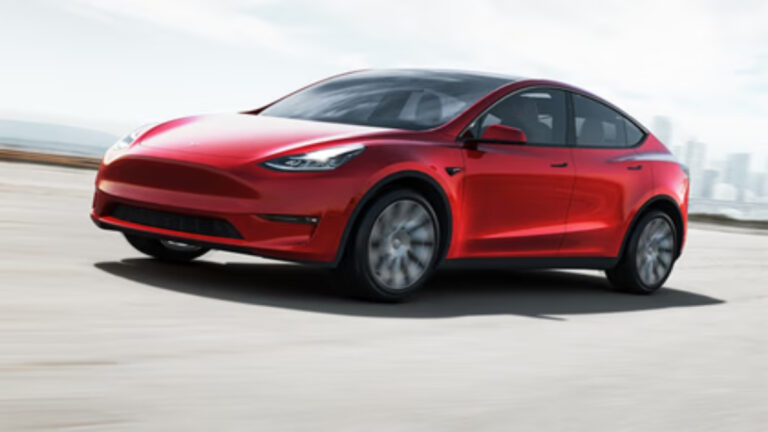
New Delhi, April 22, 2026: The Indian electric vehicle (EV) landscape has just received a major jolt. With the official entry of the Tesla Model Y L—a six-seater, long-wheelbase variant specifically tailored for the Indian market—the premium electric SUV segment has been transformed overnight. Priced at an aggressive Rs 61.99 lakh (ex-showroom), the Model Y L is not just another import; it is a direct challenge to established luxury and performance EVs currently dominating Indian roads.

As the market matures, buyers are no longer asking if they should switch to electric, but which electric vehicle offers the best blend of space, range, and technology. To help you navigate this shifting landscape, we’ve compared the new Tesla Model Y L against the current heavyweights: the Hyundai Ioniq 5, Kia EV6, and the BMW iX1.

The New Contender: Tesla Model Y L

The Model Y L is a distinct departure from the standard Model Y global platform. By stretching the wheelbase, Tesla has successfully carved out a third row, creating a 2+2+2 six-seater configuration. This is a masterstroke for the Indian market, where family-oriented utility often takes precedence over pure performance.

Key Highlights:

  • Seating: 6-seater layout with captain seats in the second row (featuring ventilation and power armrests).
  • Space: A massive boot capacity of up to 2,539 litres with the rear rows folded.
  • Range: A claimed WLTP range of 681 km, putting it at the top of its class for long-distance capability.
  • Tech: Tesla’s signature minimalist interior, anchored by a 16-inch main touchscreen and an additional 8-inch screen for rear passengers.

Head-to-Head: Comparison at a Glance

While the Model Y L brings new utility to the table, rivals like the Hyundai Ioniq 5 and Kia EV6 have built strong reputations based on their 800V charging architectures and futuristic design.

FeatureTesla Model Y LHyundai Ioniq 5Kia EV6 (GT Line)BMW iX1
Price (approx.)Rs 61.99 Lakh~Rs 46.30 Lakh~Rs 65.97 Lakh~Rs 66.90 Lakh
Seating6 Seats5 Seats5 Seats5 Seats
Range (WLTP)681 km~631 km*~510 km*~430 km*
0-100 km/h5.0 seconds7.6 seconds5.3 seconds5.6 seconds
Charging250 kW (Supercharger)350 kW (Ultra-fast)350 kW (Ultra-fast)130 kW

*Figures are based on standard test cycles and may vary by variant/conditions.

The Competition: Where Do They Stand?

1. Hyundai Ioniq 5: The Value Champion

The Ioniq 5 remains the most sensible choice for those who value efficiency and charging speed. Its 800V architecture allows for incredibly rapid charging, often outperforming Tesla’s peak rates in ideal conditions. With its “living room” interior design and a price point significantly lower than the Tesla, it continues to be the default choice for those transitioning to premium EVs without wanting to break the bank.

2. Kia EV6: The Performance Alternative

If you prefer a sportier driving dynamic and a futuristic “GT” aesthetic, the Kia EV6 is a formidable rival. It shares much of its technology with the Ioniq 5 but leans into sharper handling and a more aggressive stance. It is priced similarly to the new Model Y L, making the choice between the two a matter of taste: do you want the utility of the six-seater Tesla, or the sporty, low-slung thrill of the EV6?

Also Read: Beyond the Lens: Aparna Dixit’ “Work-Cum-Vacation” in the City of Nawabs

3. BMW iX1: The Traditionalist’s Choice

For buyers who aren’t ready to abandon the “luxury car” feeling, the BMW iX1 offers a build quality and driving experience that Tesla—even with its recent refinements—struggles to match in terms of tactile satisfaction. The iX1 feels like a traditional German SUV that just happens to be electric. If you prioritize brand heritage, cabin materials, and the familiarity of a legacy luxury marque, the iX1 remains the benchmark.

Why the Model Y L Changes the Game

The Model Y L doesn’t just compete on raw specs; it changes the definition of “utility” for EVs in India. Most electric SUVs in this price bracket are strictly 5-seaters. By offering a 6-seat layout, Tesla has tapped into the Indian family requirement where transporting extended family comfortably is a major selling point.

Furthermore, Tesla’s software ecosystem remains a distinct advantage. Features like Tesla Theater (for streaming Netflix/YouTube) and the robust Arcade gaming platform transform the car into a mobile entertainment hub. While competitors offer standard Android Auto/Apple CarPlay, Tesla’s proprietary system offers a level of integration—from navigation and climate control to software-over-the-air (OTA) updates—that is still largely unmatched by legacy automakers.

The Verdict

If you are currently in the market for a premium electric SUV, your decision likely comes down to three paths:

  • Choose the Tesla Model Y L if: You have a large family, prioritize maximum cargo/passenger space, and want the best-in-class range and charging ecosystem.
  • Choose the Hyundai Ioniq 5 if: Value is your primary concern. You want a sophisticated, spacious, and extremely fast-charging vehicle without spending above the Rs 50 lakh mark.
  • Choose the Kia EV6 if: You crave a sporty, aggressive driving experience and want an EV that stands out with its distinctively modern, non-traditional styling.
  • Choose the BMW iX1 if: You value premium cabin aesthetics, traditional luxury badge prestige, and the driving dynamics of a legacy German luxury car.

With deliveries of the Model Y L set to begin in June 2026, the Indian EV market is entering its most competitive phase yet. The real winner, ultimately, is the consumer, who now has a genuine, feature-rich choice that caters to both the practical demands of the Indian family and the aspirational nature of the electric future.

Beyond the Lens: Aparna Dixit’ “Work-Cum-Vacation” in the City of Nawabs

April 2026 — For many actors, a film schedule often means long hours on set, back-to-back takes, and little time to see the world outside their vanity vans. But for television and OTT star Aparna Dixit, a recent 40-day shooting stint in Lucknow turned out to be far more than just a professional commitment. It was a holistic experience that blended the hustle of a thriller set with the soulful charm of a vacation.

Reflecting on her time in the city, the Kalash actor didn’t hold back her enthusiasm, famously stating, “This has been an out-of-this-world experience in Lucknow. It was like a work-cum-vacation trip. Dil tript ho gaya mera (my heart is completely satisfied)!”

A Thrilling Project in the Heart of UP

Aparna, who was most recently seen in the 2025 series Tulsi Humari Badi Siyani, spent over a month filming in Lucknow for the upcoming thriller series Hotspot, directed by Rajeev Mendiratta. The production saw the cast and crew stationed across the city, utilizing iconic locations like Gomti Nagar, the scenic Janeshwar Mishra Park, and the traditional lanes of Old Lucknow.

Unlike short-term projects where actors barely get a chance to step out, this extended 40-day schedule allowed Aparna to shed the typical “tourist” label and instead embrace the rhythm of a local.

More Than Just a Shoot: A Culinary Exploration

For Aparna, who is a self-proclaimed vegetarian, Lucknow—a city globally renowned for its meat-based delicacies—offered an unexpected paradise. She debunked the myth that the city of Nawabs is limited to non-vegetarian fare.

“I have left nothing—chaat, pakori, kachauri. I tried everything!” she shared, noting that she spent her evenings after pack-up exploring the city’s bustling food landscape. Her favorite haunt became the Food Valley at the Gomti Riverfront, a spot she admitted to visiting at least five times due to the sheer variety of vegetarian street food on offer.

The actor’s culinary adventure was shared with her co-star, Ssanjay Gaggnani, who apparently helped her cultivate a healthy addiction to the local street chaat. “We were literally having it every day. I am now missing it!” she added with a laugh.

Also Read: Sooraj Barjatya Returns with ‘Yeh Prem Mol Liya’

Balancing Life and Art

What made this trip truly special for the actor was the serendipity of it all. During her stay, her family happened to be in the city for a wedding. This allowed her to balance the demanding schedule of a thriller series with intimate, precious time spent with loved ones.

Beyond the social gatherings, Aparna took the time to self-explore. Staying in Gomti Nagar for over 15 days, she made it a ritual to lace up her shoes after a day of intense filming and head out to discover the city’s burgeoning café culture. She also took a spiritual detour, visiting local landmarks like the Hanuman Setu and Chandrika Devi temples, adding a sense of serenity to her hectic work life.

Even the transit became part of the experience. The actor took a scenic road trip to her hometown, Agra, via the Lucknow-Agra Expressway, completing the journey in just four hours.

Staying Grounded in the Industry

Aparna Dixit’s career path remains focused and grounded. Having previously starred in web projects like Exit (2022) and Sabse Bada Rupaiya (2024), she is clear about her approach to the evolving entertainment landscape. When asked about her jump to films, she maintains a pragmatic view.

“I have not done a film yet, and I’m not in a hurry! I surely want to do that, but the fact is that I have not received anything substantial so far,” she explained. For the actor, the medium—whether it is the small screen, a streaming platform, or the silver screen—matters less than the quality of the narrative. “I just want to do good work regardless of the platform.”

A Lasting Connection

As the Hotspot team wrapped their final schedule—which included filming at the Scorpio Club—Aparna reflected on the hospitality provided by show creator Nitin Mishra and the people of Lucknow. It is clear that the city did more than just provide a backdrop for a web series; it provided a sanctuary.

For an actor constantly on the move, finding a place that feels like home while working is a rare luxury. With her belly full of chaat, a heart full of memories, and a successful project in the bag, Aparna Dixit leaves behind a piece of herself in Lucknow, already looking forward to the next time her work brings her back to the city.

Bollywood A-Listers Hail Vijay Varma’ ‘Matka King’

New Delhi, April 22, 2026: The Indian streaming landscape has witnessed a seismic shift this week, as the much-anticipated period drama Matka King finally arrived on Amazon Prime Video. Released on April 17, 2026, the series—a gritty, immersive dive into the 1960s Mumbai gambling underworld—has not only captured the public’s imagination but has also drawn an unprecedented wave of praise from the crème de la crème of Bollywood.

With industry heavyweights like Karan Johar, Aamir Khan, and Vicky Kaushal publicly expressing their admiration, Matka King has officially cemented its status as one of the most significant releases of the year.

A Masterclass in Period Storytelling

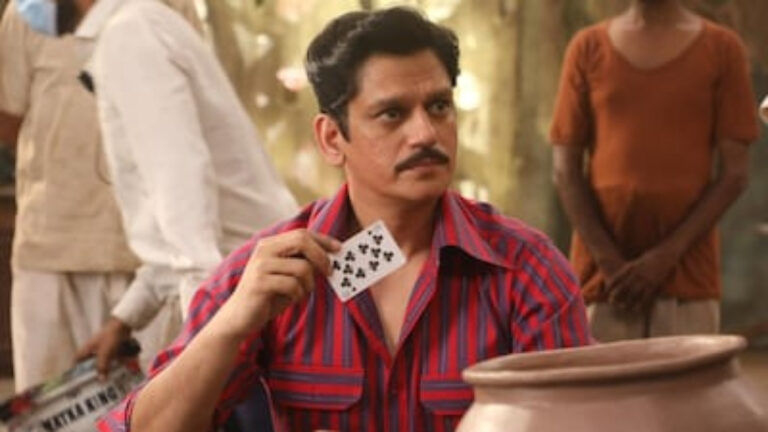
Created by the visionary filmmaker Nagraj Manjule and writer Abhay Koranne, Matka King is more than just a crime drama; it is a meticulously crafted window into a bygone era. Set against the backdrop of a fast-changing Bombay (now Mumbai) between 1964 and 1975, the series traces the meteoric rise of Brij Bhatti, played with electric intensity by Vijay Varma.

The narrative follows Bhatti, an enterprising cotton trader, who crafts a unique gambling system dubbed “Matka.” What begins as a localized, small-scale experiment quickly snowballs into a nationwide phenomenon, democratizing a space that was previously the exclusive playground of the city’s elite. It is a story of ambition, power, and the complex mechanics of survival in post-independence India.

Beyond the gripping plot, the show’s technical brilliance—from its authentic 60s production design to its sharp, nuanced dialogue—has been a major talking point. Nagraj Manjule, known for his socially resonant work in films like Sairat and Fandry, brings his signature raw, grounded style to this high-stakes world, elevating the material beyond the conventions of a typical “gangster” drama.

The ‘Seal of Approval’: What Industry Titans are Saying

In an industry where high-profile endorsements can make or break a show’s momentum, the reception Matka King has received is nothing short of extraordinary. The series has sparked a genuine conversation among top-tier stars, reflecting the high quality of the production.

Karan Johar: “The Perfect Binge”

Filmmaker Karan Johar was among the first to voice his absolute enthusiasm for the series. Taking to his social media platforms, Johar didn’t hold back, calling the show an absolute must-watch.

“What a show!!!! The perfect BINGE!!!!! Congratulations to the entire team of #matkaking… you can’t miss it,” Johar wrote, emphasizing the addictive nature of the storytelling.

Also Read: Sooraj Barjatya Returns with ‘Yeh Prem Mol Liya’

Aamir Khan: The “Perfectionist’s” Nod

Perhaps the most notable endorsement came from Aamir Khan. The actor, known for his selective and meticulous approach to his own filmography, expressed deep admiration for the character of Ratan Khatri (the real-life inspiration behind the show’s protagonist).

Aamir noted that this was the kind of complex, layered role he would have personally loved to portray. He extended his warm wishes to the team, stating:

“Congratulations to Nagraj, Sid, Vijay, and the entire team of Matka King. Ratan Khatri is a character I would have loved to play. I’m sure Vijay must have killed it. Hearing only great things about it.”

Vicky Kaushal: A Highly Anticipated Watch

Vicky Kaushal, who has been vocal about his respect for Nagraj Manjule’s directorial prowess, shared his excitement in a post that resonated with fans of the director.

“Next up on my watchlist… from one of my fav directors! Looking forward… MATKA KING,” Kaushal shared, signaling that the show is now on the must-watch list for the industry’s most discerning actors.

Vijay Varma’s Transformative Commitment

At the heart of all this acclaim is, of course, Vijay Varma. For Varma, Matka King was not just another project; it was a grueling, life-consuming endeavor. In recent interviews, the actor revealed that he dedicated over two years of his life to the series.

“I’ve given the most amount of time for any project in my entire life,” Varma shared. The preparation alone involved months of intense research, followed by a ten-month shoot schedule where he stepped away from all other professional commitments. This deep immersion is visible on screen. Varma portrays Brij Bhatti not as a caricature of a mobster, but as a man of shifting moralities—a cotton trader with the ambition of an emperor and the sensibilities of a common man. His performance has been widely cited as the show’s anchor, allowing the series to balance its larger-than-life ambitions with genuine human stakes.

Why Matka King Resonates

The success of Matka King speaks to a larger shift in Indian streaming. Audiences, and indeed the stars themselves, are increasingly gravitating toward stories that are deeply rooted in Indian soil—stories that explore regional histories, the struggles of the working class, and the complicated rise of the “self-made man.”

By focusing on the “Matka” phenomenon, the show explores how gambling provided a fleeting, thrilling sense of hope to those let down by the economic realities of the time. It is a story about the intersection of politics, poverty, and aspiration.

Furthermore, the ensemble cast—which includes stellar performances by Kritika Kamra, Sai Tamhankar, Siddharth Jadhav, and the veteran Gulshan Grover—has provided the necessary weight to complement Varma’s lead. It is this combination of a rock-solid script, ambitious direction, and powerhouse performances that has clearly made Matka King the talk of the town.

Final Verdict: Is It Worth the Hype?

With the endorsement of industry stalwarts like Karan Johar and Aamir Khan, and a massive buzz surrounding its gripping narrative, Matka King has firmly established itself as a landmark release for Amazon Prime Video this year.

Whether you are a fan of gritty, period-authentic crime dramas or simply appreciate high-caliber acting, this series is undoubtedly worth the time. As the buzz continues to grow and social media continues to light up with discussions about the show’s twists and turns, one thing is clear: Matka King is not just a show you watch; it’s a show you experience.

Sooraj Barjatya Returns with ‘Yeh Prem Mol Liya’

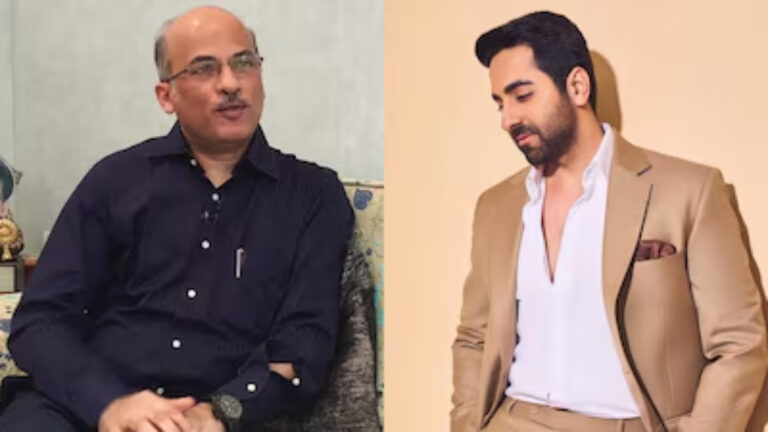
New Delhi, April 22, 2026: In a massive announcement that has sent ripples of excitement through the Indian film industry, veteran filmmaker Sooraj Barjatya has confirmed his next directorial venture, titled Yeh Prem Mol Liya.” The film, which promises to be a quintessential family entertainer, is set to hit the big screens on November 27, 2026.

The announcement, which dropped on April 21, 2026, has brought a wave of nostalgia and anticipation, as it marks the official return of one of Indian cinema’s most beloved characters: Prem.

A Legacy Returns to the Big Screen

Sooraj Barjatya is a name synonymous with the “Rajshri” brand of filmmaking—a style characterized by deep-rooted family values, vibrant celebrations, and emotional storytelling. With hits like Maine Pyar Kiya, Hum Aapke Hain Koun..!, Hum Saath-Saath Hain, and Vivah, Barjatya redefined the family drama genre in Bollywood.

Yeh Prem Mol Liya is poised to continue this rich tradition. According to the official announcement by Rajshri Productions, in association with Mahaveer Jain Films, the film aims to bring the “big screen family entertainer” back to the forefront. At a time when Indian cinema has been increasingly dominated by high-octane action, gritty thrillers, and historical epics, Barjatya’s return to his comfort zone—the wholesome family musical—is being viewed as a welcome shift for audiences craving classic, feel-good cinema.

Ayushmann Khurrana as the New ‘Prem’

Perhaps the most significant aspect of the announcement is the casting of Ayushmann Khurrana as the lead. The actor, known for his penchant for selecting “out-of-the-box” scripts and social comedies, will be stepping into the iconic role of “Prem.”

This casting choice is particularly intriguing. While Ayushmann has built a career on modern, relatable, and often quirky characters, playing “Prem”—a character traditionally associated with innocence, gentle charm, and traditional morality—represents a unique evolution in his filmography. Fans and industry experts alike are eager to see how the actor interprets the character’s legacy while maintaining his own distinct screen presence.

Joining him as the female lead is Sharvari, one of the most promising young talents in the industry. Her inclusion is seen as a strategic and fresh move, ensuring that while the film pays homage to tradition, it also feels contemporary and vibrant.

Also Read: Vinod Suryavanshi: A Journey Against Caste and Color Bias

A Musical Extravaganza

Beyond the cast and the director, the film’s music is already a major talking point. Yeh Prem Mol Liya marks the reunion of Sooraj Barjatya and music composer Himesh Reshammiya after a twelve-year hiatus. The duo last collaborated on the 2014 blockbuster Prem Ratan Dhan Payo.

Given the pedigree of Rajshri’s musical history, where songs are often central to the narrative and cultural zeitgeist, expectations for the soundtrack are sky-high. With Himesh Reshammiya at the helm, audiences can look forward to a blend of melodic soul and chart-topping potential.

Setting the Stage for November 2026

The decision to schedule the release for November 27, 2026, places the film perfectly in the post-Diwali landscape. This release window has historically been a lucrative period for family-centric films, as it allows for sustained word-of-mouth growth and family outings during the holiday season.

For the production team, the timeline provides ample room for a high-quality post-production phase, ensuring that the visual grandeur and emotional depth associated with a Sooraj Barjatya film are fully realized.

A Busy Year for the Leads

The announcement comes at a busy time for both lead actors, who are currently juggling several high-profile projects:

  • Ayushmann Khurrana is preparing for the release of the family comedy Pati Patni Aur Woh Do, directed by Mudassar Aziz, scheduled for May 15, 2026.
  • Sharvari has a packed slate, including the spy-thriller Alpha (part of the YRF Spy Universe) alongside Alia Bhatt, as well as Imtiaz Ali’s Main Vaapas Aaunga.

Despite their hectic schedules, the chemistry between the two is already one of the most anticipated aspects of Yeh Prem Mol Liya, as it will be their first time sharing the screen.

Final Thoughts

As the industry moves toward more experimental and genre-bending narratives, Yeh Prem Mol Liya serves as a reminder of the enduring power of the traditional family drama. With a director who understands the pulse of the Indian family, a versatile lead in Ayushmann Khurrana, and the return of the iconic Prem, expectations are understandably soaring.

For many, this film is not just a release; it is a homecoming to the values and emotions that have defined a generation of Indian cinema. As the countdown to November 27 begins, the audience is ready to embrace the magic of Prem once again.

Vinod Suryavanshi: A Journey Against Caste and Color Bias

New Delhi, April 22, 2026: In the world of Indian entertainment, where glitz and glamour often dominate the headlines, the journey of an actor is frequently romanticized. However, the story of Vinod Suryavanshi, the actor who gained recognition for his role in the hit web series Panchayat, serves as a stark, necessary reminder of the brutal realities that exist beneath the surface.

In a deeply personal and harrowing account shared in April 2026, Suryavanshi has brought to light the realities of deep-seated caste discrimination in his native Karnataka, the pervasive color bias within the film industry, and the crushing poverty that defined his early years. His story is not just one of survival; it is a testament to the endurance required to break free from generational systemic oppression.

A Childhood Defined by Exclusion

For many, childhood is a time of carefree innocence. For Vinod Suryavanshi, it was a time of navigating a strictly stratified society. Speaking in a recent interview, he revealed that caste-based segregation remains a harsh reality in his village in Karnataka to this day.

“There are two areas in that village — one for the upper castes and one for the lower castes. The area where the Dalits live is separate from the village.”

He recounted an incident from when he was just 12 years old—a formative memory of institutionalized humiliation. During a visit to a hotel with his father, despite paying for their meal, they were forced to wash their own plates. This was not a one-off error but a consequence of his caste identity. Furthermore, he revealed that his family continues to be barred from entering certain temples and homes in his village, highlighting that for millions of Indians, the “modern” world remains shackled by ancient, discriminatory practices.

The Weight of Poverty and Domestic Turmoil

Suryavanshi’s struggle was compounded by extreme financial hardship at home. He painted a vivid, painful picture of a household where festive occasions were synonymous with sorrow.

“I have often seen my parents cry. When festivals came, I would wonder why they were coming at all—why Diwali was coming,” he shared. His mother worked as a domestic help, while his father, a construction mason, faced the uncertainty of daily-wage labor. When work was scarce, his father would return home intoxicated, leading to verbal and physical abuse that left deep emotional scars on the young actor.

The Grind: From Security Guard to Struggling Artist

Before the camera lights turned on him, Suryavanshi lived a life of anonymity and labor. His resume is a roadmap of resilience:

  • The Lift Operator: His first job earned him a meager Rs 1,600 per month.
  • The Security Guard: He worked 12-hour shifts, often standing for the entire duration. He described the physical toll of working in the rain, where water would seep into his shoes, causing agonizing blisters, all while facing verbal abuse.
  • The Junior Artist: Transitioning into the film industry as a junior artist brought new forms of degradation. He recalled moments of extreme humiliation, including an incident where a senior person snatched a plate of food from his hands, telling him to eat where the “junior artists” were assigned.

“People say no work is small,” Suryavanshi reflected, “but I’ve learned that a person is judged by the level of work they do—the bigger the work, the more respect they get.”

The Industry’s Ugly Truth: Color Bias

Even after successfully entering the acting profession, Suryavanshi faced a hurdle that is notoriously unspoken in the Indian film industry: colorism.

The industry has long been criticized for its obsession with fair skin, often sidelining talented actors who do not fit a specific, colonial-era beauty standard. Suryavanshi revealed that he was frequently rejected for roles—even those of beggars or laborers—because he did not possess a “rich look” or “fair look.” He recounted a specific instance where he was finalized for a role, only to be rejected upon arrival when the creative director dismissed him with a callous, “He is dark-complexioned, pack him up.”

Also Read: SPMCIL Recruitment 2026: 534 Vacancies Announced

The Path to Recognition

Despite the systemic barriers—caste, poverty, and color bias—Suryavanshi’s talent eventually shone through. Through sheer persistence, he transitioned from a background performer to a face recognized by millions in Panchayat. His credits now include projects such as Jolly LLB 3, Janaawar, Thamma, and Satyameva Jayate.

His success is not just a personal victory; it is a challenge to the industry to do better. By sharing his raw and unfiltered story, Suryavanshi has forced a conversation about the kind of gatekeeping that prevents stories from diverse backgrounds from reaching the screen.

Why This Matters

Vinod Suryavanshi’s story is a mirror held up to society. It highlights that the “caste system” is not a historical artifact but an ongoing experience for many. It exposes the film industry’s colorism as a continuation of these societal biases.

As he continues to build his career, his legacy is already being shaped by his willingness to speak truth to power. He is no longer just the “new Sachiv ji” in a popular series; he is an advocate for the marginalized, a voice for those who have been told they don’t belong, and a reminder that talent often rises in spite of a system designed to keep it buried.

His journey from a village where he wasn’t allowed to enter a temple to the sets of major motion pictures is nothing short of heroic. It is a story of resilience, but more importantly, it is a call for systemic change.