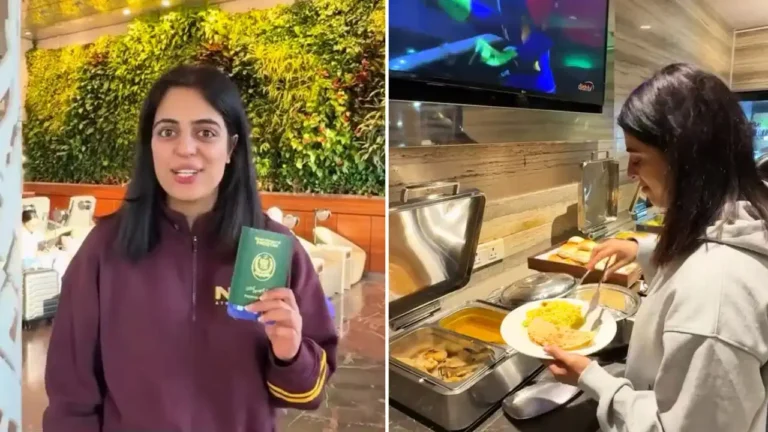
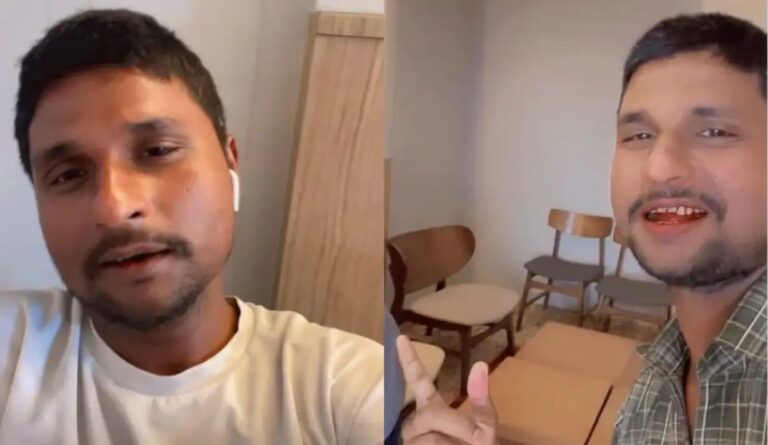
New Delhi, April 15, 2026: An insightful travel account has been shared by a Pakistani woman who recently documented her 10-hour layover at Mumbai’s Chhatrapati Shivaji Maharaj International Airport. The video, which has achieved significant viral status, features the traveler, identified as Wanzipa, during her journey from London to Nepal. It was admitted by her that a considerable amount of anxiety was felt initially due to the historical complexities associated with traveling on a Pakistani passport through India.
The digital community was captivated as she described the moment she realized her connection point was Mumbai. It is frequently noted that such transit experiences are often viewed with apprehension, yet the footage depicts a scene of calm and professional efficiency. The video has been hailed by viewers as a refreshing bridge between two neighboring nations, highlighting personal experiences over political narratives.
Seamless Security and Unexpected Calls
The arrival at the international terminal was described by the traveler as surprisingly straightforward. It was clarified that no immigration check was required as she remained within the transit area for the duration of her stay. Despite her initial fears, the security process was characterized as smooth and uneventful, allowing her to settle into the airport’s facilities without delay.
A brief moment of concern was recounted when a WhatsApp call was received from an Indian number regarding a “suspicious item” in her luggage. It was later revealed that the item in question was merely a power bank, which she was politely asked to remove from her checked bag. This interaction was praised by her for the professional and lovely manner in which it was handled by the airport staff.
A significant portion of the layover was spent within an airport lounge, where the traveler managed to rest and dine. It was mentioned in the post that she left the lounge feeling “stuffed” and well-cared for, contradicting her initial expectations of a difficult transit. The airport staff were collectively commended for their kindness and supportive behavior throughout the ten-hour period.
The viral video has prompted a surge of positive responses from Indian social media users, many of whom extended warm welcomes and encouraged her to visit the country as a tourist in the future. It is concluded by the traveler that transiting through India is indeed a viable and pleasant experience for Pakistani nationals. The footage remains a testament to the power of personal storytelling in reshaping cross-border perceptions.
New Delhi, April 15, 2026: For over a year, the Indian film industry and audiences worldwide have been buzzing with a single word: Ramayana. Directed by Nitesh Tiwari and backed by the ambitious vision of Namit Malhotra’s Prime Focus, the project is being hailed as the most significant cinematic retelling of the ancient Indian epic. However, a recent update has left fans feeling a mix of excitement and a tiny bit of “FOMO” (fear of missing out).
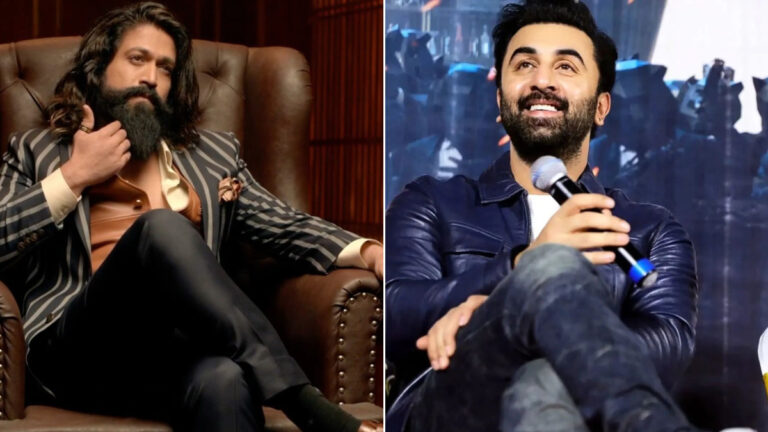
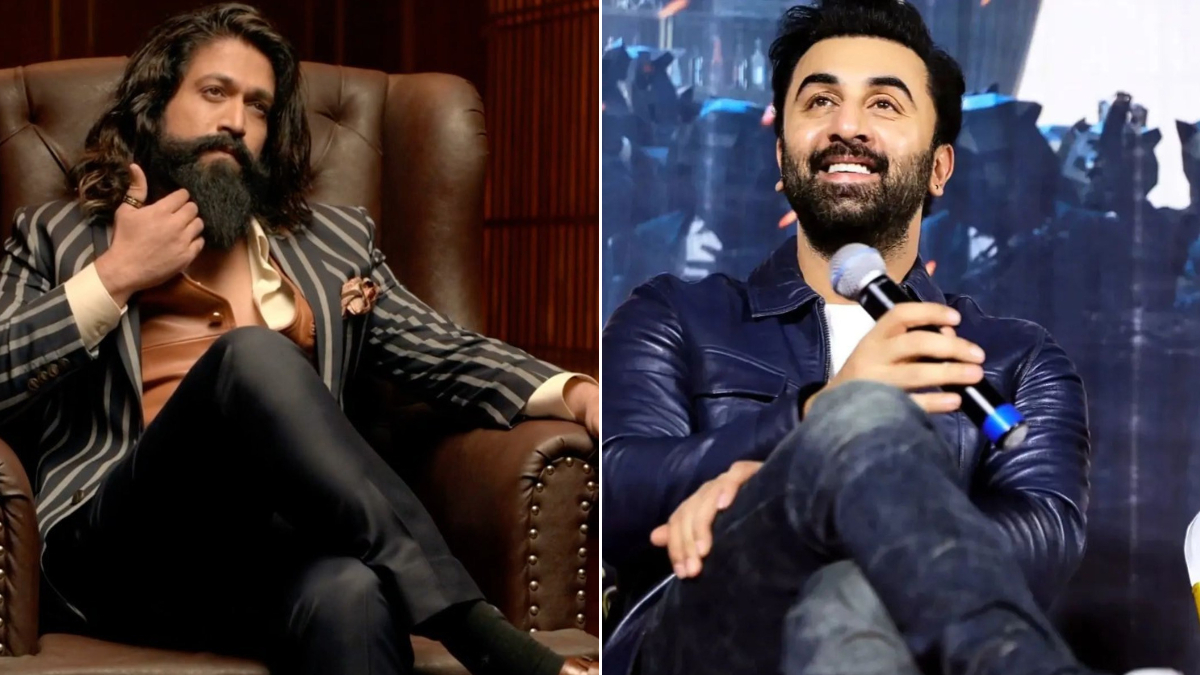
In a major revelation during a promotional event at CinemaCon 2026 in Las Vegas, Kannada superstar Yash, who portrays the formidable Ten-Headed King Ravana, confirmed that he and Ranbir Kapoor (playing Lord Rama) will not share a single frame in the first installment of the franchise.
While the news might be a tough pill to swallow for those eager to see the two titans clash, the decision highlights a deliberate and grand narrative strategy. Here is everything you need to know about the current status of the film, the reasoning behind this creative choice, and what to expect from this magnum opus.
The Story Behind the Split
The logic behind keeping the protagonists apart in Ramayana: Part 1 is rooted in the structure of the original Valmiki Ramayana. Traditionally, the early chapters of the epic focus on the parallel lives of the characters before their paths collide.
Speaking to the press, Yash explained:
“Interestingly, we both have never come together on screen in this film. As you all know, it’s a two-part film. In the first part, as Ravana, I have my own kingdom, and Rama has his own. Our stories run parallel as the foundation is being built.”
The first film is expected to cover the Bala Kanda and Ayodhya Kanda, focusing on Rama’s birth, his training under Vishwamitra, his marriage to Sita (played by Sai Pallavi), and his subsequent exile. Simultaneously, the film will delve into the rise of Ravana in Lanka, establishing him not just as a “villain” but as a complex, multifaceted ruler—a scholar, a warrior, and a devotee.
Building the “Yash-Ranbir” Dynamic
Despite the lack of shared screen time in the first part, the chemistry between the two stars is reportedly electric behind the scenes. Yash was quick to dismiss any concerns about their on-screen dynamic being affected by the separation.
“We have met a couple of times, and Ranbir is such a fabulous actor,” Yash noted. “There is a deep mutual respect. When you are out to do something as ambitious as this, chemistry isn’t even an issue because our visions are completely aligned.”
Insiders suggest that this “distance” is actually a calculated move by Nitesh Tiwari to build unbearable tension. By the time Part 2 arrives in Diwali 2027, the audience will be so invested in both characters’ individual journeys that their eventual confrontation will feel like a historic event rather than just another action sequence.
A Global Stage: Ramayana at CinemaCon 2026
The film’s presence at CinemaCon in Las Vegas marks a turning point for Indian cinema. Standing shoulder-to-shoulder with Hollywood giants like Dune: Part Three and Avengers: Doomsday, Ramayana is being marketed as a global IMAX spectacle.
Key Highlights from the Showcase:
Visual Grandeur: The VFX is being handled by DNEG, the 8-time Oscar-winning studio. Attendees at CinemaCon were treated to private previews showing the sheer scale of the Ayodhya and Lanka sets.
Musical Powerhouse: The soundtrack is a historic collaboration between legendary Indian composer A.R. Rahman and Hollywood titan Hans Zimmer.
Character Artworks: Posters displayed at the venue revealed a first look at Ranbir Kapoor’s “Maryada Purushottam” Rama—radiating calm and divinity—contrasted with Yash’s Ravana, which is being described as “regal, intimidating, and deeply philosophical.”
The Massive Ensemble Cast
While the focus remains on the Rama-Ravana dynamic, Ramayana boasts one of the most expensive and talented casts ever assembled in India:
Actor
Role
Ranbir Kapoor
Lord Rama / Parshurama (Dual Role)
Sai Pallavi
Goddess Sita
Yash
Lankesh (Ravana)
Sunny Deol
Lord Hanuman
Ravi Dubey
Lakshman
Lara Dutta
Kaikeyi
Kunal Kapoor
Indra
Reports also suggest that Ranbir Kapoor will be seen in a dual role, portraying both Lord Rama and Lord Parshurama. This addition suggests that the film will explore the deeper mythological connections within the Vishnu avatars, adding another layer of depth to Ranbir’s performance.
Why “Part 1” is Crucial
Some fans might wonder: If they don’t fight until Part 2, is Part 1 just a buildup? According to director Nitesh Tiwari, the goal is authenticity. Previous cinematic adaptations often rushed through the early years to get to the war. Tiwari’s version aims to let the audience live through the emotional weight of Rama’s exile and the political complexities of Ravana’s Lanka.
By the time the credits roll on Ramayana: Part 1, the stage will be set for the Aranya Kanda (the forest years) and the eventual abduction of Sita, which will serve as the explosive cliffhanger leading into the second film.
Release Timeline
The wait is officially on a countdown. The makers have locked in the following dates:
Ramayana: Part 1 – Diwali 2026
Ramayana: Part 2 – Diwali 2027
The strategy of a one-year gap mirrors the release patterns of global franchises like Dune or Spider-Verse, ensuring that the momentum stays high without exhausting the audience.
The Verdict: Is it worth the wait?
While it may be disappointing that we won’t see Ranbir and Yash “face-off” this year, the confirmation of their separate storylines suggests a film that values character development over cheap thrills. Yash’s Ravana is not being portrayed as a cardboard-cutout villain; he is being given the space to be the protagonist of his own story in Part 1.
When these two finally meet on the battlefield of Lanka in 2027, it won’t just be a fight between two actors—it will be the culmination of two epic journeys. For now, fans can look forward to the “Rama” teaser, which is slated for a worldwide digital premiere soon.
New Delhi, April 15, 2026: A wave of indignation has been triggered across social media following the emergence of a viral video from an IPL 2026 match. In the footage, a cricket fan is observed peeling back a localized price sticker from a standard packet of chips. It was discovered that a label for ₹100 had been strategically placed over the original Maximum Retail Price (MRP) of ₹50, effectively doubling the cost for the unsuspecting consumer.
This specific incident is reported to have occurred during the clash between Royal Challengers Bengaluru and Rajasthan Royals at the Barsapara Cricket Stadium. The clip has since been circulated by thousands, serving as a catalyst for a broader debate regarding the exploitation of spectators within sports venues. It is argued by many that such pricing tactics represent a blatant disregard for consumer rights and fair trade practices.
Public Outcry and the Stadium Experience
The term “scam” has been frequently utilized by the online community to describe the inflated costs of snacks and beverages inside the stadiums. It is noted that outside food is strictly prohibited at most venues, leaving fans with no alternative but to purchase from official vendors. This captive market dynamic is being criticized for allowing sellers to impose predatory prices on essential items like water and snacks.
Similar grievances have been aired by attendees of other matches, including those at the Ekana Stadium in Lucknow. Reports have surfaced of ₹20 water bottles being sold for ₹100, while modest snack packets are routinely marked up by 300% to 400%. The sentiment that “the future of live sports is becoming unaffordable” is being echoed by frustrated fans who feel that their loyalty to the game is being monetized unfairly.
As the controversy gains momentum, demands are being made for stricter monitoring of food stalls by the IPL governing body and local authorities. It is suggested that transparent pricing models should be enforced to ensure that the excitement of the game is not overshadowed by the sting of overcharging. The discrepancy between the printed MRP and the final sale price is viewed as a legal loophole that requires immediate closure.
Ultimately, the viral video has highlighted a significant friction point in the modern fan experience. While the high-octane matches of 2026 continue to draw massive crowds, the sustainability of such commercial practices is being questioned. Until reforms are implemented, it is expected that the “chip scam” will remain a focal point of discussion for every cricket enthusiast heading to the stands.
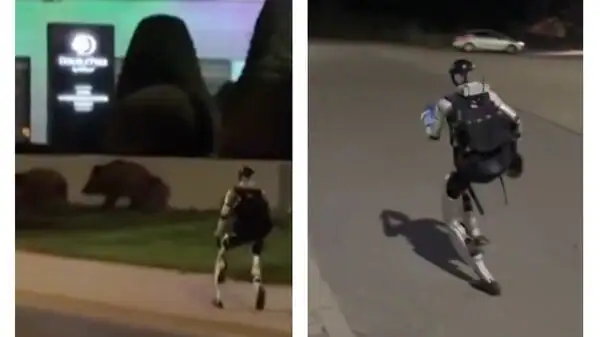
New Delhi, April 15, 2026: A surreal spectacle was captured on video recently in Warsaw, where a high-tech robot was witnessed chasing a group of wild boars through the city streets. The footage has been shared widely across social media, where it quickly achieved viral status among global audiences. This peculiar encounter is being hailed as a sign that the “wild future” of urban management has finally arrived.
The mechanical unit was observed navigating the pavement with precision as it steered the startled animals away from busy intersections. It is reported that no injuries were sustained by the boars or the onlookers during the operation. This event marks a significant shift in how human-wildlife conflicts are being handled in modern metropolitan environments.
The Evolution of Municipal Wildlife Control
Traditional methods of animal control are being replaced by autonomous solutions in several European districts. In the Warsaw incident, the robot was utilized to provide a non-violent deterrent to the boars, which have become a common sight in Polish residential areas. These machines are designed to be operated remotely or programmed with advanced AI to manage unexpected biological intrusions.
Public reaction to the video has been characterized by a mix of fascination and mild concern. It is argued by many netizens that the sight of a robot patrolling for wildlife feels like a scene extracted directly from a futuristic film. Despite the humor found in the “robot vs. boar” narrative, the efficiency of the machine is being praised by local authorities who seek to minimize human-animal contact.
The integration of robotics into public safety is being accelerated by the success of such deployments. It is expected that more autonomous units will be commissioned to handle tasks that were previously deemed too unpredictable for machines. The data collected during this pursuit is likely being analyzed to refine the movement patterns of future urban drones and ground units.
As the video continues to circulate, the conversation has shifted toward the ethics and practicalities of an automated society. The streets of Warsaw are now being viewed as a testing ground for the coexistence of nature and high-level technology. It is concluded by many that while the future may indeed be “wild,” it will also be meticulously monitored by the machines we create.
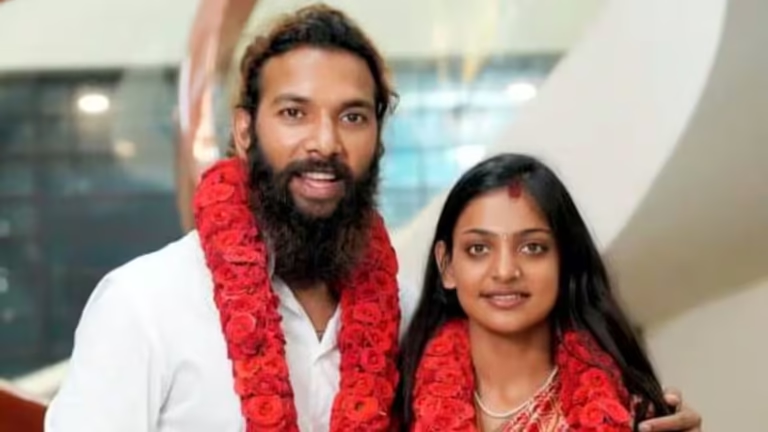
New Delhi, April 15, 2026: A wave of digital rumors regarding the separation of Monalisa Bhosle—famously known as the “Kumbh Mela Girl”—and her husband Farman Khan has dominated social media feeds on April 15, 2026. The speculation, which began trending following a series of cryptic clips and emotional reels, suggested that the couple had ended their marriage due to personal differences. The “truth” behind the viral claims was sought by millions of followers who observed a sudden lack of joint appearances on their respective Instagram accounts, leading to a frenzy of unverified reports.
The interaction was observed to have reached a peak when fans noticed that several collaborative videos had been removed from their profiles. In the viral snippets circulating on TikTok and YouTube, Monalisa is seen expressing her feelings on “strength” and “new beginnings,” which was interpreted by many as a silent confirmation of a split. This “breakup narrative” has been described by digital commentators as a classic case of social media over-analysis, where a brief period of privacy is mistaken for a permanent separation by a highly engaged audience.
The Reality Check: Addressing the Separation Rumors
The reaction from the couple was eventually observed in a clarifying session intended to put the rumors to rest. It is argued by insiders close to the family that the couple is currently focusing on their individual professional growth, which has naturally led to fewer public romantic posts. On platforms like Instagram and X, the “Kumbh Mela Girl” has been shared as a victim of “fake news,” prompting a surge in the hashtag #MonalisaBhosle as users demand more respect for the couple’s private life.
The impact of the viral video has prompted a wider discussion about the pressure faced by “viral couples” to maintain a perfect public image 24/7. It is noted by lifestyle bloggers that the passive consumption of 60-second reels often leads to a distorted view of a complex, real-world marriage. The “separation” was debunked when recent sightings of the couple in their hometown were reported by local residents, confirming that the marriage remains intact despite the absence of digital “proof.”
Navigating Fame: The Burden of the ‘Kumbh Mela’ Tag
Following the viral spread of the separation hoax, the focus has shifted back to the couple’s journey since their unconventional rise to fame. It is reported that Monalisa and Farman have chosen to be more selective about what they share online to protect their mental health from the constant scrutiny of trolls. The passive role of the audience—who often jump to conclusions based on a deleted photo—is being challenged by the couple’s move toward a more “offline” relationship dynamic.
As of the afternoon of April 15, 2026, the “Monalisa Bhosle Relationship Update” remains a high-interest topic in the entertainment and influencer categories. While the internet continues to crave updates, the official stance remains that the couple is together and navigating the challenges of life away from the camera’s lens. For now, the story stands as a digital reminder: a relationship is built in the quiet moments between posts, and a viral video is rarely the full truth of a human heart.
New Delhi, April 15, 2026: A viral video from an Indian woman living in Singapore has sparked a fascination online by debunking the myth that the world’s most expensive city-state is a drain on every bank account. The footage, which began trending on April 11, 2026, features expat Neha Rawat sharing her candid reflections on how her lifestyle quietly transformed after relocating. The “truth” behind her viral claim reveals that while high-level costs like rent remain steep, the city’s environment is observed to have “fixed” her impulsive spending habits and reduced the need for unnecessary luxuries.
The interaction was observed to have gained millions of views after Neha detailed the specific items she stopped buying to thrive on a budget. In the viral clip, she is seen explaining that the consistent humidity and tropical weather of Singapore eliminated her need for a diverse, trend-heavy wardrobe. This shift toward a “capsule collection” of five essential outfits has been described by viewers as a lesson in accidental minimalism, proving that a change in location can lead to a significant change in character.
Redefining Essentials: From Skincare to Public Transport
The reaction from the digital community has been a mixture of surprise and relatability, particularly regarding the hidden savings found in everyday infrastructure. It is argued by Neha that Singapore’s tap water—which is safe to drink—and its world-class public transport system removed the daily costs of bottled water and ride-hailing services. On platforms like Instagram and X, the video has been shared as a roadmap for “rebuilding a budget,” prompting a surge in the hashtag #SingaporeLife as users compare the hidden costs of life in India versus abroad.
The impact of the video has also touched on the unexpected benefits of the local climate on personal grooming. It is noted by followers that Neha’s “fancy Indian skincare hauls” were replaced by the natural humidity of the city, which she claims does more for her skin than expensive serums ever did. The passive observation of her bank account’s growth—despite living in a high-rent district—has challenged the narrative that moving to an expensive city always leads to financial struggle.
Following the viral spread of her advice, many prospective expats have engaged in discussions about the mental shift required to live in such a structured society. It is reported that while Singapore “will not pamper you,” it is observed to “polish” individuals by enforcing a strict sense of discipline and financial planning. The passive role of a consumer is being replaced by a more intentional lifestyle, where less is genuinely more and every dollar is accounted for in a “tough but fair” environment.
As of the afternoon of April 15, 2026, the “Singapore Lifestyle Shift” remains a top trending topic in the finance and travel categories. While the high rent of ₹2 lakh to ₹3.5 lakh remains a major hurdle for many, the digital record of Neha’s experience serves as a reminder that personal habits are the ultimate factor in financial health. For now, the story stands as a digital reminder: sometimes, moving to a more expensive place is the only way to realize how much you were wasting in the first place.
New Delhi, April 15, 2026: A mind-bending video showing a scooter precariously suspended from high-tension electric wires has once again surfaced as a major digital sensation on April 15, 2026. The footage, which originally gained traction in late 2023 and mid-2025, depicts a white scooter dangling several feet above a busy street, caught amidst a tangle of cables between two buildings. The “truth” behind the surreal scene continues to baffle millions of viewers, as no obvious explanation for how the heavy vehicle reached such a height has been officially confirmed by authorities.
The interaction was observed to have triggered a wave of humorous and skeptical comments across platforms like Instagram and X. In the viral clip, the scooter is seen swaying slightly in the wind, looking more like a lightweight toy than a functional machine. This “defiance of physics” has been described by social media users as a mystery that “went to the grave with the owner,” as local residents are seen in the background looking up in absolute disbelief.
Vertical Parking or Freak Accident? The Quest for Answers
The reaction from the digital community has been a mixture of creative theories and “Papa ki Pari” (father’s angel) memes, a common Indian trope used for bizarre driving incidents. It is argued by some observers that the scooter might have been flung into the air following a high-speed collision with a larger vehicle, such as a truck or a tipper. On various news portals, the footage is being shared as an example of “vertical parking” taken to a literal extreme, prompting a surge in the hashtag #ScootyViral as users try to guess the logistics of the event.
The impact of the video has been magnified by reports suggesting the incident occurred in a hilly region like Jammu & Kashmir, where narrow roads and steep inclines can lead to unusual accidents. It is noted by safety experts that the tension in the wires was likely high enough to support the weight, preventing the vehicle from falling onto the pedestrians below. The passive role of the bystanders—who are observed recording the scene rather than attempting a recovery—has added to the hauntingly still nature of the viral moment.
A Digital Mystery: The Permanence of Viral Confusion
Following the viral re-emergence of the clip, several “fact-check” enthusiasts have attempted to debunk it as a possible movie prop or a CGI trick. It is reported that while many such videos are proven to be hoaxes, the physical presence of the scooter in this specific footage appears to be genuine. The passive wait for a logical explanation has led to the video being categorized as one of the “great mysteries of the Indian internet,” alongside other inexplicable road incidents.
As of the morning of April 15, 2026, the “Hanging Scooter” remains a top trending topic in the bizarre and offbeat categories. While the wires have since been cleared and the vehicle removed, the digital record of its flight remains a source of endless speculation. For now, the story stands as a digital reminder: in the world of viral content, some things are better left unexplained, as the mystery itself is what keeps the audience engaged.
New Delhi, April 15, 2026: A disturbing video allegedly showing an Indian tourist harassing a female hotel employee in Thailand has ignited a firestorm of criticism across social media platforms on April 14, 2026. The footage depicts the man, identified in several reports as Mohammad Monu Azmi, behaving in an inappropriate and aggressive manner toward a staff member who had arrived to clean his room. The “truth” behind the viral clip has caused widespread embarrassment among the Indian community, as the individual was observed recording the interaction while making offensive gestures and ignoring the employee’s visible discomfort.
The interaction was observed to have reached a peak when the man attempted to touch the staff member without her consent while consuming tobacco products. In the viral video, which was reportedly first shared on his own Instagram account before being deleted, the woman is seen trying to maintain her professional composure despite the provocative behavior. The sight of a visitor mistreating service staff in a foreign country has been described by netizens as a “blow to the dignity of all Indians” and a classic example of “entitled tourist” behavior.
Online Outrage: Demands for Legal Action and Passport Cancellation
The reaction from the digital community has been one of swift and severe condemnation, with many users tagging the Thailand Police and Indian authorities for immediate intervention. It is argued by critics that such “monstrous” behavior not only harms the reputation of Indian travelers but also endangers the safety of female workers in the hospitality industry. On platforms like X and Instagram, the footage has been re-shared thousands of times, prompting a surge in the hashtag #ThailandTourism as users demand that the individual’s passport be revoked to prevent further international incidents.
The impact of the video has prompted a wider discussion about the need for “responsible travel” and cultural sensitivity among tourists. It is noted by social commentators that while a few isolated incidents do not represent the entire nation, the viral nature of such clips often colors the global perception of a country’s citizens. The passive role of the hotel management—who have yet to issue a formal statement—has also been noted, with many calling for the man to be blacklisted from the establishment and potentially deported.
Impact on Global Image: A Lesson in Respect and Accountability
Following the viral spread of the harassment video, many Indian citizens have stepped forward to apologize on behalf of their country, emphasizing that such actions are not reflective of their culture. It is reported that the individual removed the original post after facing intense backlash, but the digital record of the interaction had already been archived by vigilante groups. The passive observation of the staff member’s struggle has highlighted the vulnerability of service workers when faced with aggressive or predatory guests.
As of the morning of April 15, 2026, the “Indian Tourist in Thailand” case remains a top trending topic in the international news and travel categories. While the legal consequences for the man remain to be seen, the video stands as a digital reminder: respect is the most important currency a traveler can carry, and the world is always watching. For now, the story serves as a cautionary tale about the permanence of digital shame and the collective responsibility to hold misbehaving tourists accountable for their actions abroad.
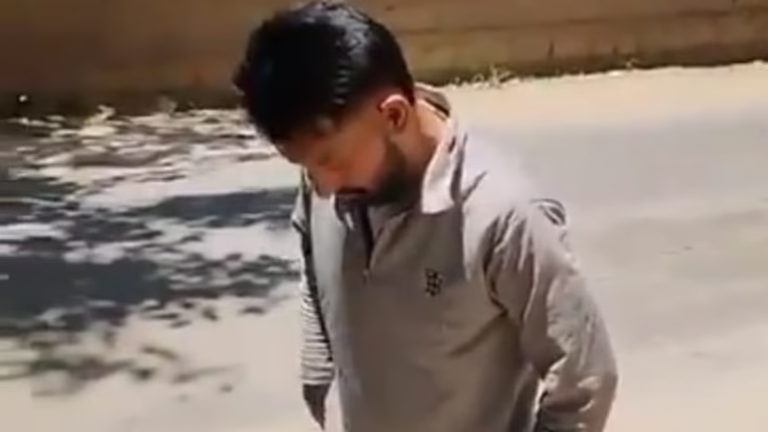
New Delhi, April 15, 2026: A wave of panic has swept across social media platforms following a 32-second viral video purportedly showing a man under the influence of a “zombie drug” in Bengaluru. The footage, which began trending on April 7, 2026, depicts a man standing motionless and disoriented on Bagalur Main Road, leading thousands of users to claim that dangerous synthetic narcotics like “Tranq” or Xylazine had reached Indian cities. The “truth” behind the alarming clip was revealed after a swift investigation by the Bengaluru Police, who confirmed that the “zombie” behavior was actually a medical reaction rather than a drug overdose.
The interaction was observed to have been recorded by a 29-year-old field executive who uploaded the video to Instagram with a warning about the arrival of “zombie drugs” in Bengaluru. Within hours, the clip was amplified by celebrities and influencers, causing widespread fear among parents and residents. It is reported that the Bengaluru Police Commissioner, Seemant Kumar Singh, personally intervened to clarify that the man in the video—a migrant truck driver—was subjected to a medical examination which showed no traces of narcotics in his system.
The Reality Behind the Stance: A Mix of Medicine and Alcohol
The reaction from health experts and law enforcement has been a firm debunking of the drug-related narrative. It is argued by medical professionals that the man’s disoriented state was caused by a combination of alcohol and prescribed medication for arthritis and sinusitis. On platforms like Instagram and X, the police have shared a “Fact Check” update, explaining that the man’s swollen face and inability to walk were the result of a severe physical reaction, not a new chemical threat to the city.
The impact of the misinformation led to the arrest of the individual who originally recorded and circulated the video for spreading public mischief. It is noted by authorities that the uploader admitted to being influenced by YouTube videos of “zombie drug” users in other countries and made a false assumption about the man on the street. The passive role of the viewers—who forwarded the video without verifying the facts—has been cited as a primary reason for the unnecessary panic that gripped the city over the last week.
Stop the Spread: Why Verification is Crucial Before Forwarding
Following the viral spread of the hoax, the Bengaluru Police have handed the case over to the Central Crime Branch (CCB) to track further instances of misinformation. It is reported that strict action will be taken against those who continue to circulate the video with false claims. The passive wait for an official clarification was a reminder of how quickly “digital slop” can transform a medical emergency into a city-wide narcotics scare.
As of April 15, 2026, the “Bengaluru Zombie Drug” story stands as a digital reminder: not everything that looks like a movie scene is a reality. While the threat of synthetic drugs is a global concern, the specific incident in Bagalur was nothing more than a misunderstanding amplified by the internet. For now, citizens are urged to report suspicious content to the police directly rather than hitting the “Forward” button on unverified warnings.
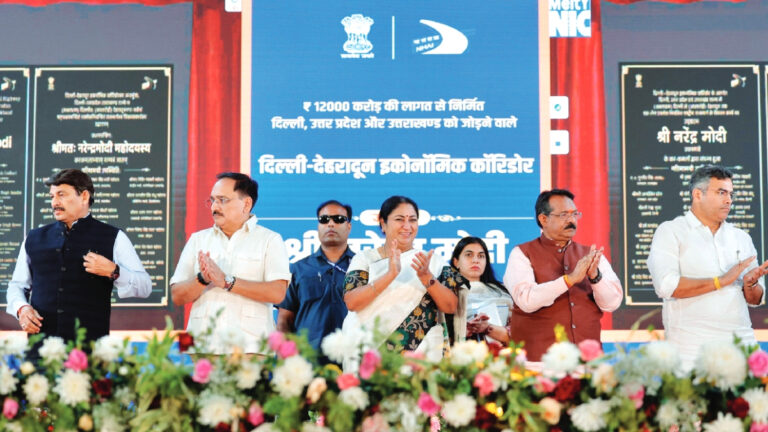
New Delhi, April 15, 2026 – In a move signaling a transformative shift in North India’s logistics and travel landscape, Delhi Chief Minister Rekha Gupta on Tuesday lauded Prime Minister Narendra Modi’s relentless infrastructure push, headlined by the grand inauguration of the Delhi-Dehradun Economic Corridor.
Speaking virtually during the inauguration ceremony held on the birth anniversary of Dr. B.R. Ambedkar, Chief Minister Gupta described the project as more than just a roadway; she called it a “confluence of development and faith” that bridges the modern infrastructure of the national capital with the spiritual heart of Uttarakhand.
The expressway, built at an estimated cost of ₹12,000 crore, is expected to slash travel time between Delhi and Dehradun from the current grueling six to seven hours to a mere 2.5 hours. For the millions of commuters, pilgrims, and logistics operators who frequent this route, the opening marks the end of decades of traffic congestion and the beginning of a high-speed era.
A Vision for a ‘Viksit Bharat’
CM Rekha Gupta, joined by Cabinet Ministers and Delhi BJP Chief Virendra Sachdeva, emphasized that the completion of this 210-km corridor is a pivotal milestone in the Prime Minister’s vision of a Viksit Bharat (Developed India).
“This is a special and auspicious occasion. The Prime Minister has spearheaded multiple projects aligned with Delhi’s growing needs, reshaping our urban landscape. Under his leadership, Delhi’s transformation is no longer a plan on paper—it is visible on the ground,” Gupta stated.
The Chief Minister noted that the national capital is currently the site of massive infrastructure investment, with projects worth nearly ₹1.25 lakh crore underway under the Union Ministry of Road Transport and Highways. She highlighted that the “double-engine governance”—referring to the synergy between the Central government and the Delhi administration—is the primary catalyst for this accelerated pace of development.
Engineering Marvel: Speed Meets Sustainability
The Delhi-Dehradun Expressway is not just a feat of speed; it is being hailed as a benchmark for environmentally conscious engineering.
A standout feature of the project is Asia’s largest elevated wildlife corridor, spanning 12 kilometers through the Shivalik forest range and Rajaji National Park. This section allows for the unhindered movement of wildlife, including elephants and leopards, beneath the highway, effectively eliminating the risk of animal-vehicle collisions.
LG TS Sandhu, who also attended the event, pointed out the project’s commitment to sustainability:
Decongestion: The seamless, signal-free connectivity starting from Akshardham, Geeta Colony, and Shastri Park will significantly reduce the traffic load on Delhi’s internal arterial roads.
Waste to Wealth: In a remarkable display of circular economy principles, nearly one million metric tonnes of waste from the Ghazipur landfill were processed and used in the construction of the expressway.
Economic and Social Impact
The ripple effects of the expressway are expected to be felt across multiple sectors:
1. Tourism and Spirituality
The “Devbhoomi” of Uttarakhand, home to Haridwar and Rishikesh, will now be accessible to weekend travelers from Delhi with unprecedented ease. This is expected to provide a massive boost to the hospitality and tourism sectors in both states.
2. Regional Trade and Industry
The Saharanpur-Baghpat-Dehradun belt is a hub for agriculture and small-scale industries. The reduction in transit time will lower logistics costs, making local produce more competitive in the national capital’s markets.
3. Real Estate and Urban Growth
The first phase of the expressway, connecting Akshardham to Baghpat, has already reduced travel time to that sector from two hours to just 25 minutes. This shift is expected to trigger a real estate surge in the outskirts of Delhi and along the corridor.
Comparing the Growth: 2014 vs. 2026
During her address, CM Rekha Gupta provided a statistical perspective on India’s infrastructure journey over the last decade. She noted that since 2014, the national highway network has grown from approximately 51,000 km to nearly 1,46,000 km. Furthermore, India’s expressway and high-speed corridor network has now expanded to over 3,000 km.
“Infrastructure is the backbone of any economy,” Gupta said. “The fact that around 73,000 vehicles are now bypassing Delhi daily due to peripheral expressways is proof of how strategic planning is improving the quality of life for our citizens by reducing pollution and travel time.”
Looking Ahead: The Road to 2027
The inauguration of the Dehradun corridor comes on the heels of CM Rekha Gupta’s presentation of a ₹1.03 lakh crore “Green Budget” for Delhi for the 2026–27 fiscal year.
The Chief Minister confirmed that more projects are in the pipeline to complement the new expressway. One such project is the proposed ₹5,000 crore elevated road along the Munak Canal, which aims to further streamline traffic flow within the city. Additionally, several key roads have been handed over to the National Highways Authority of India (NHAI) for maintenance and upgrades to ensure they match the international standards set by the new expressway.
Conclusion
As the first fleet of vehicles began their journey on the 210-km stretch this Tuesday, the mood in the capital was one of optimism. The Delhi-Dehradun Expressway stands as a testament to modern Indian engineering—balancing the urgent need for speed and economic connectivity with a deep-seated respect for the environment and spiritual heritage.
For CM Rekha Gupta, this project is a victory for “governance over politics.” For the average citizen, however, it is something much simpler: the gift of time. In a city that never stops, the ability to reach the serene hills of Dehradun in under three hours is a luxury that has finally become a reality.