Home Blog Page 141

CM Gupta Hails PM Modi for Delhi-Dehradun Expressway Push

0

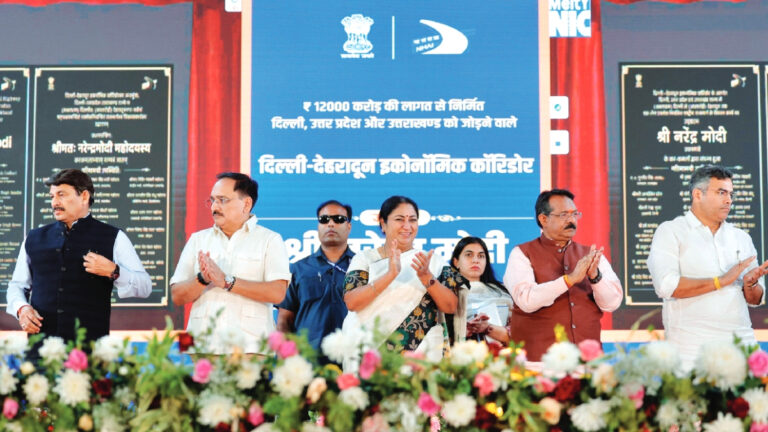
New Delhi, April 15, 2026 – In a move signaling a transformative shift in North India’s logistics and travel landscape, Delhi Chief Minister Rekha Gupta on Tuesday lauded Prime Minister Narendra Modi’s relentless infrastructure push, headlined by the grand inauguration of the Delhi-Dehradun Economic Corridor.

Speaking virtually during the inauguration ceremony held on the birth anniversary of Dr. B.R. Ambedkar, Chief Minister Gupta described the project as more than just a roadway; she called it a “confluence of development and faith” that bridges the modern infrastructure of the national capital with the spiritual heart of Uttarakhand.

The expressway, built at an estimated cost of ₹12,000 crore, is expected to slash travel time between Delhi and Dehradun from the current grueling six to seven hours to a mere 2.5 hours. For the millions of commuters, pilgrims, and logistics operators who frequent this route, the opening marks the end of decades of traffic congestion and the beginning of a high-speed era.

A Vision for a ‘Viksit Bharat’

CM Rekha Gupta, joined by Cabinet Ministers and Delhi BJP Chief Virendra Sachdeva, emphasized that the completion of this 210-km corridor is a pivotal milestone in the Prime Minister’s vision of a Viksit Bharat (Developed India).

“This is a special and auspicious occasion. The Prime Minister has spearheaded multiple projects aligned with Delhi’s growing needs, reshaping our urban landscape. Under his leadership, Delhi’s transformation is no longer a plan on paper—it is visible on the ground,” Gupta stated.

The Chief Minister noted that the national capital is currently the site of massive infrastructure investment, with projects worth nearly ₹1.25 lakh crore underway under the Union Ministry of Road Transport and Highways. She highlighted that the “double-engine governance”—referring to the synergy between the Central government and the Delhi administration—is the primary catalyst for this accelerated pace of development.

Engineering Marvel: Speed Meets Sustainability

The Delhi-Dehradun Expressway is not just a feat of speed; it is being hailed as a benchmark for environmentally conscious engineering.

A standout feature of the project is Asia’s largest elevated wildlife corridor, spanning 12 kilometers through the Shivalik forest range and Rajaji National Park. This section allows for the unhindered movement of wildlife, including elephants and leopards, beneath the highway, effectively eliminating the risk of animal-vehicle collisions.

LG TS Sandhu, who also attended the event, pointed out the project’s commitment to sustainability:

  • Decongestion: The seamless, signal-free connectivity starting from Akshardham, Geeta Colony, and Shastri Park will significantly reduce the traffic load on Delhi’s internal arterial roads.
  • Waste to Wealth: In a remarkable display of circular economy principles, nearly one million metric tonnes of waste from the Ghazipur landfill were processed and used in the construction of the expressway.

Economic and Social Impact

The ripple effects of the expressway are expected to be felt across multiple sectors:

1. Tourism and Spirituality

The “Devbhoomi” of Uttarakhand, home to Haridwar and Rishikesh, will now be accessible to weekend travelers from Delhi with unprecedented ease. This is expected to provide a massive boost to the hospitality and tourism sectors in both states.

2. Regional Trade and Industry

The Saharanpur-Baghpat-Dehradun belt is a hub for agriculture and small-scale industries. The reduction in transit time will lower logistics costs, making local produce more competitive in the national capital’s markets.

3. Real Estate and Urban Growth

The first phase of the expressway, connecting Akshardham to Baghpat, has already reduced travel time to that sector from two hours to just 25 minutes. This shift is expected to trigger a real estate surge in the outskirts of Delhi and along the corridor.

Comparing the Growth: 2014 vs. 2026

During her address, CM Rekha Gupta provided a statistical perspective on India’s infrastructure journey over the last decade. She noted that since 2014, the national highway network has grown from approximately 51,000 km to nearly 1,46,000 km. Furthermore, India’s expressway and high-speed corridor network has now expanded to over 3,000 km.

“Infrastructure is the backbone of any economy,” Gupta said. “The fact that around 73,000 vehicles are now bypassing Delhi daily due to peripheral expressways is proof of how strategic planning is improving the quality of life for our citizens by reducing pollution and travel time.”

Looking Ahead: The Road to 2027

The inauguration of the Dehradun corridor comes on the heels of CM Rekha Gupta’s presentation of a ₹1.03 lakh crore “Green Budget” for Delhi for the 2026–27 fiscal year.

The Chief Minister confirmed that more projects are in the pipeline to complement the new expressway. One such project is the proposed ₹5,000 crore elevated road along the Munak Canal, which aims to further streamline traffic flow within the city. Additionally, several key roads have been handed over to the National Highways Authority of India (NHAI) for maintenance and upgrades to ensure they match the international standards set by the new expressway.

Conclusion

As the first fleet of vehicles began their journey on the 210-km stretch this Tuesday, the mood in the capital was one of optimism. The Delhi-Dehradun Expressway stands as a testament to modern Indian engineering—balancing the urgent need for speed and economic connectivity with a deep-seated respect for the environment and spiritual heritage.

For CM Rekha Gupta, this project is a victory for “governance over politics.” For the average citizen, however, it is something much simpler: the gift of time. In a city that never stops, the ability to reach the serene hills of Dehradun in under three hours is a luxury that has finally become a reality.

At a Glance: The Delhi-Dehradun Expressway

FeatureDetails
Total Length210 km
Total Cost~ ₹12,000 Crore
Travel TimeReduced from 6.5 hours to 2.5 hours
Key Entry PointAkshardham, Delhi
Wildlife Protection12-km elevated corridor (Asia’s largest)
Environmental ImpactUsed 1 million tonnes of Ghazipur landfill waste
ConnectivityConnects Delhi, Baghpat, Saharanpur, and Dehradun

Sakti Inferno: 14 Lost in Vedanta Boiler Blast

0

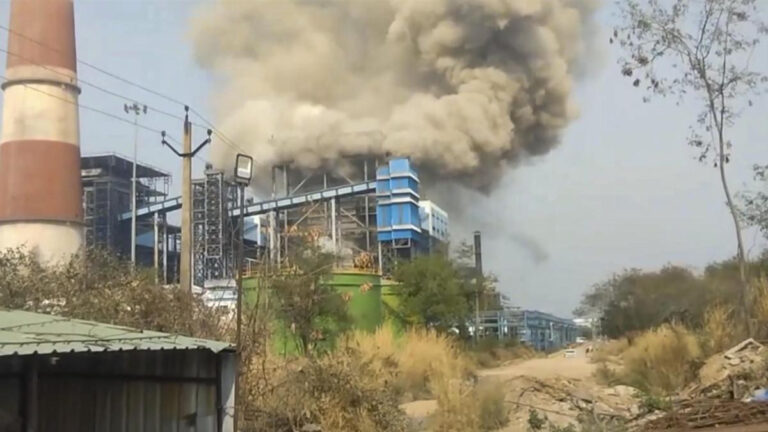
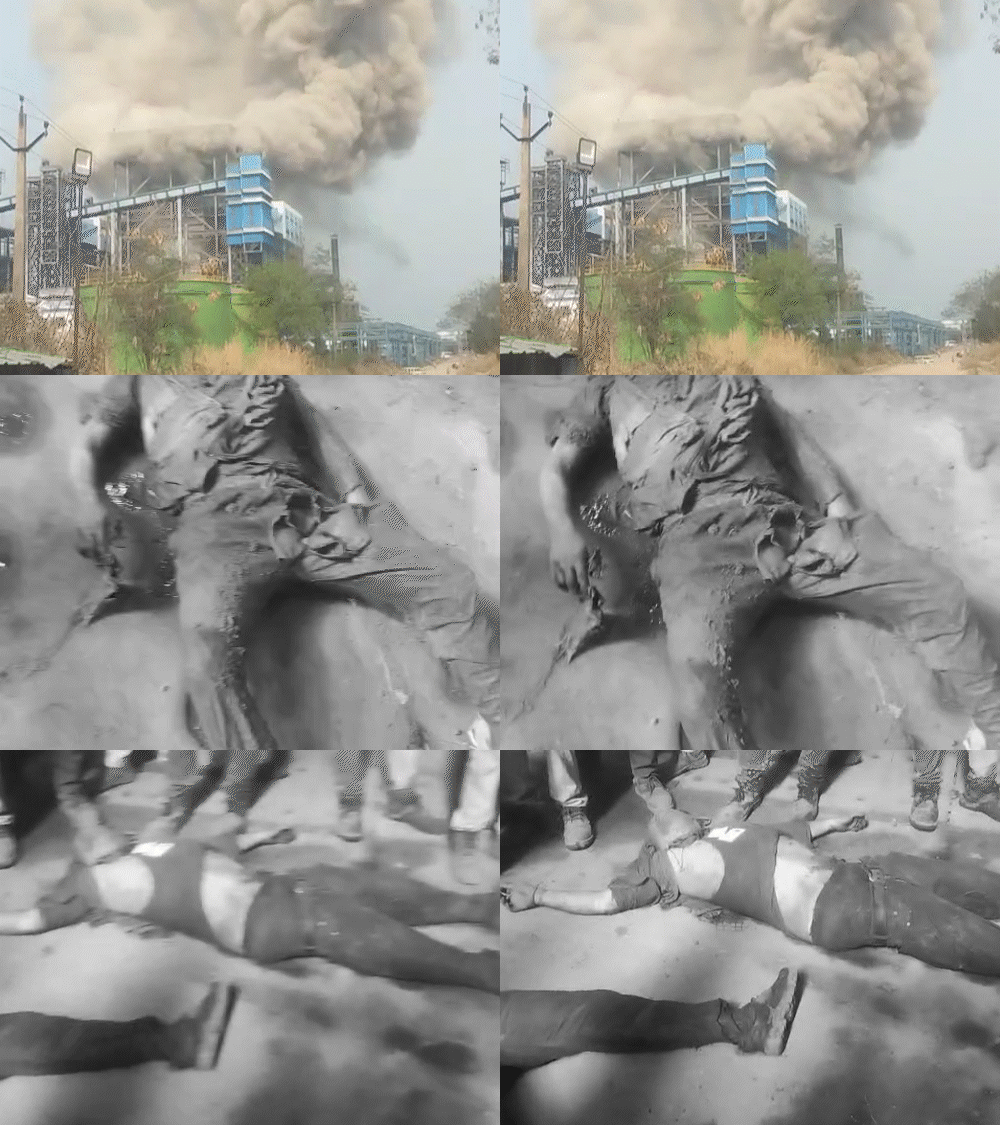
New Delhi, April 15, 2026 – A devastating industrial accident at a power plant operated by Vedanta Limited in the Sakti district of Chhattisgarh has claimed the lives of at least 14 workers and left more than 20 others with severe injuries. The incident, which occurred on the afternoon of April 14, 2026, has sent shockwaves through the region, sparking urgent rescue efforts and a high-level government investigation into safety lapses.

The explosion took place at approximately 2:30 PM in the Singhitari village facility, specifically within Unit-1 of the Athena Power Plant, which is managed by Vedanta. Preliminary reports indicate that the blast was triggered by a rupture in a high-pressure steam pipe connected to a boiler, leading to a catastrophic release of thermal energy that engulfed workers in the immediate vicinity.

The Sequence of Events: A “Missile-Like” Impact

Eyewitnesses described a scene of absolute chaos. According to workers at the site, the shift was progressing normally when a deafening roar—likened by some to a missile strike—shook the entire complex.

“We had just finished our lunch when there was a massive blast. Thick, black smoke spread everywhere within seconds,” said Ajit Das Kar, a painter from West Bengal who was working at a height of 17 meters at the time of the blast. “The explosion happened below us, around the 9-meter level. Those workers who were directly under the boiler unit were badly burnt. I managed to survive only by hiding inside a metal cupboard.”

The force of the steam leak caused structural damage to the surrounding platforms, making it difficult for those nearby to escape. Four workers died instantly on the spot due to the combined impact of the blast and extreme heat. As rescue teams from the Sakti police and local administration arrived, they found dozens of workers struggling with critical burn injuries.

Casualties and Medical Emergency

While the initial death toll was reported as nine, it climbed to 14 by Wednesday morning as several victims succumbed to their injuries in various hospitals. Currently, 21 workers are undergoing treatment, with at least six reported to be in critical condition.

The injured have been distributed across multiple medical facilities to ensure they receive specialized care:

  • Raigarh District Hospitals: The majority of the injured were rushed here due to its proximity.
  • Bilaspur Facilities: Patients requiring advanced burn care and ventilator support were shifted to larger hospitals in Bilaspur.
  • Raipur: The state capital remains on standby to receive the most critical cases via air or specialized ambulance corridors.

Sakti Superintendent of Police (SP) Prafull Thakur confirmed the figures, stating, “The priority has been to shift the injured to hospitals. We have ensured that no workers remain trapped under the debris. Our teams, along with the Industrial Safety Department, are now securing the site.”

Corporate and Government Response

In an official statement, Vedanta Limited expressed deep regret over the loss of life. The company clarified that the incident involved personnel from its sub-contractor, NGSL, which was responsible for the operation and maintenance of the specific unit.

“Our immediate priority is providing the best possible medical assistance to those affected and support to their families. A thorough internal investigation has been launched to determine the technical cause of the failure,” a company spokesperson stated.

Anil Agarwal, Chairman of the Vedanta Group, took to social media to express his grief, referring to the workers as “family” and promising that the company would “leave no stone unturned” to get to the bottom of the tragedy.

Financial Aid and Ex-Gratia

The government has moved quickly to announce financial support for the victims:

  • Prime Minister’s National Relief Fund (PMNRF): Prime Minister Narendra Modi announced ₹2 lakh for the families of the deceased and ₹50,000 for the injured.
  • Chhattisgarh State Government: Chief Minister Vishnu Deo Sai announced ₹5 lakh for the kin of the deceased and ₹50,000 for those injured.

The Investigation: Was There Negligence?

The Chhattisgarh state government has taken a stern view of the accident. Chief Minister Vishnu Deo Sai has ordered a magisterial inquiry to be conducted by the Commissioner of the Bilaspur division. Additionally, the state’s Labour and Industries Minister, Lakhanlal Dewangan, has warned that “no negligence will be tolerated.”

The investigation is expected to focus on several key areas:

  1. Maintenance Records: Determining if the steam pipes and boiler units had undergone the mandatory safety audits and pressure tests.
  2. Sub-contractor Accountability: Evaluating whether NGSL followed standard operating procedures (SOPs) for high-pressure environments.
  3. Safety Infrastructure: Checking if the early-warning sensors for pressure leaks were functional at the time of the accident.

A Pattern of Industrial Concerns

This tragedy comes at a sensitive time for Vedanta, which has been facing scrutiny over its high debt levels and previous regulatory warnings. Industrial safety experts point out that while India’s power and resource sectors have grown rapidly, the maintenance of aging infrastructure or the rapid commissioning of new units often leads to safety “blind spots.”

The Athena Power Plant project has had a complex history, including ownership transitions, which investigators will likely examine to see if there were any gaps in technical handovers or safety training for the temporary workforce provided by contractors.

Voices from the Ground

For the families of the victims, the financial compensation offers little solace. Outside the Raigarh hospital, many waited in silence for updates.

“My son had been working at this plant for only four months,” said Rajkumar, the father of one of the injured workers. “We heard about the blast on the news. When we reached here, no one from the plant management was available to tell us how he was. We just want him to recover.”

The Leader of Opposition, Charandas Mahant, and former Chief Minister Bhupesh Baghel have both called for “transparent and fair” probes, urging the government to ensure that the compensation reaches the families without bureaucratic delays.

The Road Ahead

As of Wednesday evening, the fire at the unit has been completely extinguished, and the area remains cordoned off. The state’s Department of Industrial Health and Safety (DISH) has begun collecting metal samples from the ruptured tube to analyze for “creep” or “fatigue” failure—technical terms for when metal weakens under constant heat and pressure over time.

The Sakti district administration has assured the public that the electricity supply to the region will not be significantly impacted by the shutdown of Unit-1, as other units and grid sources are being utilized. However, for the industrial sector in Chhattisgarh, the “Singhitari Blast” serves as a grim reminder of the high human cost of industrial energy.

Table: Summary of the Incident

CategoryDetails
LocationVedanta Athena Power Plant, Singhitari, Sakti, Chhattisgarh
Date & TimeApril 14, 2026, 2:30 PM
CauseHigh-pressure boiler steam tube explosion
Confirmed Deaths14
Injuries20+ (6 critical)
Primary ContractorNGSL (NTPC-GE Power Services Limited)
Investigation StatusMagisterial probe ordered; DISH inquiry ongoing

How History Will Judge Nitish Kumar’s Two-Decade Reign in Bihar

0

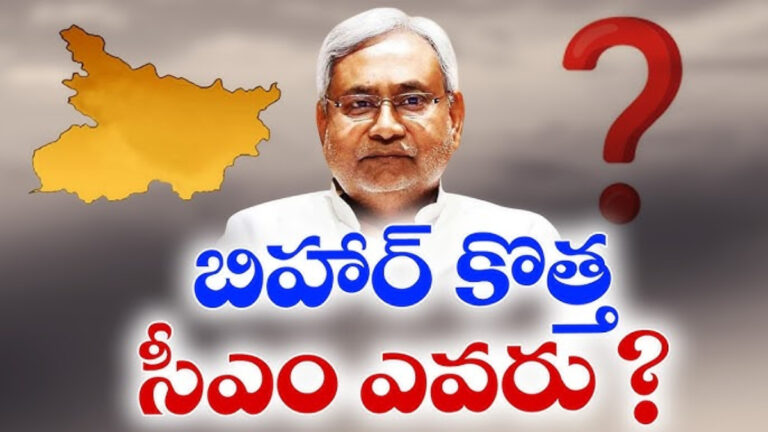
April 14, 2026: Today, an era that defined the political identity of Bihar for over twenty years has officially drawn to a close. On the birth anniversary of B.R. Ambedkar, Nitish Kumar, the longest-serving Chief Minister in Bihar’s history, submitted his resignation to the Governor, marking the end of his record tenth term.

By choosing this date—timed both for its social symbolism and the conclusion of the “inauspicious” Kharmas month—Kumar transitions from the helm of the state to the Rajya Sabha. As the mantle passes to the BJP’s Samrat Choudhary, Bihar stands at a crossroads. But for the man known as Sushashan Babu (Mr. Good Governance), the focus now shifts from policy files to the history books.

How will history judge the engineer-turned-politician who rebuilt Bihar from the ashes of “Jungle Raj” only to become the symbol of political volatility?

The Architect of the New Bihar (2005–2013)

To understand Nitish Kumar’s legacy, one must remember the Bihar of 2005. The state was a synonym for lawlessness, crumbling infrastructure, and economic stagnation. When Kumar first took the oath as a full-term CM, his impact was immediate and transformative.

  • The Restoration of Law: Perhaps his greatest achievement was the restoration of the “fear of the law.” Through fast-track courts and a crackdown on organized crime, he brought notorious gang lords to justice, making the streets of Patna and beyond safe for the first time in decades.
  • The Bicycle Revolution: Kumar pioneered the Mukhyamantri Balika Cycle Yojana. By giving bicycles to schoolgirls, he didn’t just improve literacy; he changed the social landscape of rural Bihar. Millions of girls on bicycles became the visual shorthand for a rising Bihar.
  • Infrastructure Boom: Under his leadership, Bihar consistently clocked double-digit GDP growth. Thousands of kilometers of metalled roads and hundreds of bridges bridged the gap between the “two Bihars”—the elite urban centers and the neglected rural hinterland.

For these first two terms, history will likely remember him as the Vikas Purush” (Development Man)—the leader who proved that Bihar was not “ungovernable.”

The Master of Social Engineering

Nitish Kumar’s survival for 20 years was not an accident of fate; it was the result of a masterclass in social arithmetic. Recognizing that he lacked the massive caste base of his rival Lalu Prasad Yadav, Kumar created his own constituency:

  1. Mahadalits: He carved out the most marginalized among the Dalits, providing them with targeted welfare schemes.
  2. Extremely Backward Castes (EBCs): By empowering the “lower” rungs of the OBC ladder, he created a loyal silent majority.
  3. Women: From 50% reservation in panchayats to the controversial (and often criticized) prohibition of alcohol, Kumar positioned himself as the “Brother of Bihar,” counting on women as a dedicated vote bank that transcended caste lines.

The Shadow of the “Paltu Ram”

However, the historical record will be incomplete without addressing the “flip-flops” that earned him the moniker Paltu Ram (The Turner). Between 2013 and 2026, Kumar’s political journey was a dizzying series of alliance shifts:

  • 2013: Broke with the BJP over Narendra Modi’s elevation.
  • 2015: Allied with the RJD to win a landslide.
  • 2017: Dumped the RJD to return to the BJP.
  • 2022: Dumped the BJP to rejoin the Mahagathbandhan.
  • 2024: Returned to the NDA once more.

While these moves ensured he remained in the Chief Minister’s chair, they arguably eroded his moral authority. Critics argue that his obsession with the chair came at the cost of ideological consistency. History may judge these maneuvers as either a pragmatic survival instinct in a predatory political environment or a cynical pursuit of power that stalled the state’s momentum.

The Stagnation of the Later Years

The final decade of the Nitish era was marked by a sense of “fatigue.” While the basic infrastructure was in place, the “Second Revolution”—industrialization and job creation—never quite arrived.

  • The Unemployment Crisis: Despite high growth rates, Bihar remained a labor-exporting state. The sight of millions of migrants walking home during the 2020 pandemic highlighted the failure to create a local industrial base.
  • The Prohibition Paradox: His 2016 liquor ban remains one of his most divisive legacies. While lauded by many women, it led to a massive loss of state revenue, the rise of a parallel “mafia” economy, and the criminalization of thousands of poor citizens.
  • Bureaucratic Reliance: In his later years, Kumar was often accused of being “caged” by a select group of bureaucrats, distancing him from the grassroots and his own party workers.

The Final Verdict: A Mixed but Monumental Legacy

As Nitish Kumar moves to New Delhi, he leaves behind a party, the JD(U), that faces an existential crisis without its “Pole Star.” His son, Nishant Kumar, has recently entered the political fray, but the vacuum left by the elder Kumar is vast.

How will history judge him?

He will likely not be remembered as a revolutionary like Jayaprakash Narayan, nor as a charismatic subaltern icon like Lalu Prasad Yadav. Instead, Nitish Kumar will be remembered as the Great Stabilizer. He was the man who took a “failed state” and turned it into a “functional state.”

He gave the Bihari identity a sense of pride (Bihari Asmita) that was decoupled from crime and chaos. While his frequent political pivots will remain a stain on his legacy for many, the roads, the bridges, and the millions of empowered women stand as a testament to a leader who, for all his flaws, fundamentally changed the trajectory of one of India’s most complex states.

The “Nitish Era” is over, but for better or worse, the Bihar of 2026 is a house that Nitish built.

Nitish Kumar: By the Numbers

MilestoneDetail
Total Terms10 (A National Record)
Longest StintNov 2005 – May 2014
Key Policy50% Women’s Reservation in Panchayats
Final ActElected to Rajya Sabha, April 2026

Jackie Shroff Rebukes Paparazzi at Asha Bhosle Funeral: “Go Home”

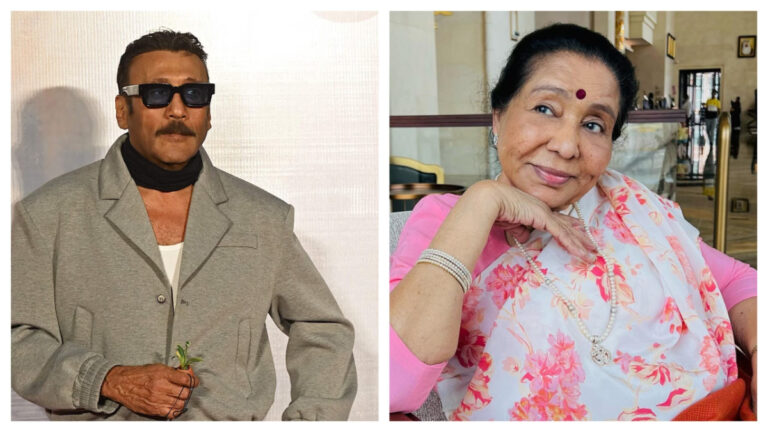
New Delhi, April 14, 2026: The Indian film and music industry was cast into deep mourning this week as the legendary playback singer Asha Bhosle passed away at the age of 92 on April 12, 2026. While the nation struggled to process the end of a musical era, a tense confrontation between veteran actor Jackie Shroff and the paparazzi has sparked a massive debate online regarding media ethics and the boundaries of privacy during times of grief.

Here is the detailed report on the incident and the legacy of the “Queen of Indipop.”

The Incident: “Ghar Jaa”

On Monday, April 13, 2026, as celebrities and political figures gathered at the Shivaji Park Crematorium in Mumbai to pay their final respects, the atmosphere was heavy with sorrow. Amidst the somber gathering, Jackie Shroff—known for his candid and “Bhidu” persona—arrived to bid farewell to a woman he often referred to as a mother figure.

As Shroff was leaving the venue, he was swarmed by a group of paparazzi seeking a “reaction” or a “byte” regarding the singer’s demise. The actor, visibly distressed and emotional, found the timing of the questions highly inappropriate.

The Heated Exchange

When asked by a photographer how he “felt” about the loss, Jackie Shroff paused and schooled the media personnel in a mix of Hindi and Marathi.

“Kasha vatnar, konachi aai geli tar? Aamchi aai geli hai. Kasa vatel manje, tera bolne ka matlab hai, kaisa lagta hai maa kisi ki gayi to kaisa lagta hai?” > (How would it feel if someone’s mother passes away? Our mother is gone. What do you mean by asking how it feels? How does it feel when someone loses their mother?)

The paparazzi, caught off guard, sheepishly responded, “Bura hi lagta hai” (It feels bad). Shroff, refusing to entertain further intrusion, shut down the conversation abruptly:

“Bas, khatam ho gaya baat. Hi time nahi re bolaycha, rahu de dada, ghar jaa.” > (That’s it, the matter ends there. This is not the time to say such things. Let it be, brother, go home.)

The video of the interaction quickly went viral on social media platforms like X (formerly Twitter) and Instagram, with many netizens applauding the actor for standing up against “insensitive journalism.”

The Passing of a Legend: Asha Bhosle (1933–2026)

The confrontation occurred against the backdrop of an irreparable loss for global music. Asha Bhosle was admitted to the Breach Candy Hospital in Mumbai on April 11 after suffering from a chest infection and extreme exhaustion. Despite the best efforts of the medical team, she passed away on Sunday, April 12, due to multiple organ failure.

A Career Without Parallel

Asha Bhosle’s journey spanned over eight decades. Born in 1933 into the Mangeshkar musical dynasty, she began her career in 1943. While she initially lived in the shadow of her elder sister, the late Lata Mangeshkar, Asha carved out a unique identity through her incredible versatility.

  • 12,000+ Songs: She recorded more than 12,000 songs in over 20 Indian and foreign languages.
  • Genre-Defying: From the soulful ghazals of Umrao Jaan (which won her a National Award) to the peppy cabaret numbers like “Piya Tu Ab To Aaja,” her voice was the heartbeat of Indian cinema.
  • Global Recognition: She was a two-time Grammy nominee and collaborated with international artists, including the British band Gorillaz as recently as 2025.

State Honours and Final Farewell

The Maharashtra government accorded her a state funeral. Her mortal remains, draped in the Indian National Flag, were kept at her residence, Casa Grande in Lower Parel, for public darshan before being taken to Shivaji Park.

Political heavyweights, including Chief Minister Devendra Fadnavis and Deputy CM Eknath Shinde, stood alongside Bollywood icons like Aamir Khan, Ranveer Singh, Vicky Kaushal, and Tabu to pay their respects.

The Ethics of “Paparazzi Culture”

Jackie Shroff’s outburst has reignited a long-standing conversation about the “paparazzi culture” in India. In recent years, the race for viral content has often led to intrusive behavior at funerals and hospitals.

Public Reaction

The public sentiment has largely sided with Shroff. Many argue that asking for a “reaction” at a funeral is a peak of insensitivity.

  • Social Media Commentary: “Jackie Shroff said what every celebrity feels but is too afraid to say. A funeral is not a red carpet event,” wrote one user on X.
  • The “Maa” Connection: Shroff’s reference to Asha ji as “Aamchi Aai” (Our Mother) highlighted the deep personal bond many industry veterans shared with her, making the media’s clinical approach feel even more disrespectful.

The Granddaughter’s Grief

The emotional weight of the day was further highlighted by Zanai Bhosle, Asha’s granddaughter. In a heartbreaking tribute posted today, she called the legendary singer her “partner-in-crime” and “best friend.”

A Legacy That Lives On

Though the “Queen of Indipop” is gone, her voice remains eternal. Prime Minister Narendra Modi expressed the nation’s grief, stating that her “extraordinary musical journey enriched our cultural heritage and touched countless hearts.”

Asha Bhosle was more than just a singer; she was a businesswoman (founding the successful “Asha’s” restaurant chain) and a symbol of resilience. From her turbulent early marriage to her rise as a global icon, she proved that reinvention is the key to longevity.

Timeline of Her Final Journey:

  • April 11: Admitted to ICU at Breach Candy Hospital.
  • April 12: Passes away at 92 due to multi-organ failure.
  • April 13 (Morning): Mortal remains kept at Casa Grande for last darshan.
  • April 13 (Evening): Cremated with full State Honours at Shivaji Park; confrontation with Jackie Shroff occurs.
  • April 14: Tributes continue to pour in globally as the industry reflects on her 80-year career.

As the curtains fall on this legendary life, Jackie Shroff’s simple plea to the media—”Ghar jaa”—serves as a stark reminder: behind the fame and the headlines, these are real people suffering real losses. The music may be public property, but the grief is deeply private.

Anita Hassanandani Net Worth 2026

April 14, 2026 – In the fickle world of Indian showbiz, where a few box office duds can end a career, Anita Hassanandani stands as a masterclass in professional pivoting and brand building. Today, as she celebrates her 45th birthday, the actress isn’t just a nostalgic face from the early 2000s; she is a high-net-worth individual with a diversified portfolio that rivals top-tier Bollywood stars.

While her journey in Hindi cinema might be categorized by “what could have been,” her reign on the small screen and her sharp business acumen have built an empire. As of 2026, Anita Hassanandani’s net worth is estimated to be in the range of ₹35 crore to ₹55 crore, proving that you don’t need a silver screen blockbuster to achieve “Gold” status.

The Big Screen Blues: A Rocky Start

Anita’s foray into Bollywood was backed by the biggest names in the industry. Under the mentorship of content czarina Ekta Kapoor, she was launched as “Natassha” in high-profile projects like Kucch To Hai (2003) and Krishna Cottage (2004). Despite her striking looks and competent acting, these films failed to set the box office on fire.

Her collaborations with Tusshar Kapoor and Sohail Khan were met with a lukewarm response, and soon, the “film heroine” tag began to slip away. However, Anita didn’t let the “flop” label define her. Instead, she looked toward the medium that was about to undergo a massive revolution: Indian Television.

The Television Phoenix: Becoming a Household Name

If the big screen was a struggle, the small screen was a coronation. Anita’s transition back to TV wasn’t just a fallback—it was a strategic takeover.

  • Kkavyanjali (2005): This was the turning point. As Anjali, she became a national sweetheart, winning the Indian Telly Award for Best Actress.
  • Yeh Hai Mohabbatein: Years later, she reinvented herself as the stylish and complex Shagun Arora. She proved that she could play the “anti-heroine” with as much grace as the protagonist, becoming a fashion icon for millions of viewers.
  • Naagin 3: Joining the supernatural franchise as Vishakha, Anita solidified her spot as a “TRP Queen,” commanding massive fees per episode.

Industry insiders suggest that at the peak of her TV career, Anita was charging between ₹1.5 lakh to ₹2 lakh per day, making her one of the highest-paid actresses in the industry.

Diversifying the Portfolio: The Business Mogul

What truly sets Anita apart in 2026 is that she is no longer just dependent on acting paychecks. She has spent the last five years transitioning into a savvy entrepreneur and investor.

1. Better Beauty & Clean Cosmetics

In 2022, Anita launched Better Beauty, a clean, scientific skincare brand. By 2026, the brand has expanded significantly, tapping into the growing Indian demand for toxin-free products. Her role isn’t just as a face; she is a deeply involved founder who advocates for minimalism in beauty.

2. Strategic Startup Investments

Anita was one of the early celebrities to jump on the “Creator-Preneur” bandwagon. Her investment portfolio includes:

  • Vanity Wagon: A clean beauty marketplace where she participated in early funding rounds.
  • TheBagTalk: A designer bag portal she co-founded/invested in.
  • Nature’s Tattva: A DIY beauty brand.

3. The Digital Powerhouse

With millions of followers on Instagram and YouTube, Anita is a “Tier-1” influencer. In 2026, a single integrated brand post on her profile can fetch anywhere from ₹5 lakh to ₹10 lakh. Her recent association with brands like Yes Madam and Mom and World showcases her reach in the lifestyle and parenting segments.

Real Estate and Luxury Assets

Anita’s wealth is visible in her lifestyle choices. She resides in a lavish, tastefully decorated apartment in one of Mumbai’s upscale suburbs with her husband, Rohit Reddy, and their son, Aaravv.

Her garage has seen a steady upgrade over the years, featuring luxury wheels such as:

  • BMW Z4: A sporty convertible that matches her vibrant personality.
  • Mercedes-Benz: A staple in her luxury collection for city commutes.

The “Chhoriyan Chali Gaon” Success

Proving that she still has the competitive spirit, Anita recently made headlines by winning the reality show Chhoriyan Chali Gaon, hosted by Rannvijay Singha. The win not only added to her prize money tally but also re-established her connection with the grassroots audience, proving her versatility hasn’t dimmed with age.

Conclusion: 45 and Fabulous

As Anita Hassanandani celebrates her 45th birthday today, her story serves as an inspiration for many in the entertainment industry. She is the living embodiment of the idea that a “flop” in one department is just an invitation to find a bigger stage elsewhere.

From a struggling film actress to a TV Queen, a Skincare Mogul, and a Savvy Investor, Anita has built a “recession-proof” career. Her massive wealth isn’t just a result of luck; it’s the result of 25 years of hard work, the courage to reinvent herself, and the wisdom to invest in the future.

Yash’ ‘Toxic’ Goes Global: Actor Hits USA for High-Profile Promo Blitz

New Delhi, April 14, 2026: The global cinematic landscape is buzzing with excitement as Rocking Star Yash, the face of the massive KGF franchise, gears up for his next monumental venture, Toxic: A Fairy Tale for Grown-ups. After months of speculation, rumors of delays, and intense anticipation, the project is officially back on track and moving at a breakneck pace. In a move that signals the film’s massive global ambitions, Yash has headed to the United States to spearhead a high-profile promotional campaign, ensuring that Toxic isn’t just a regional or national hit, but a worldwide phenomenon.

Putting Rumors to Rest

For months, the South Indian film industry was thick with rumors regarding the production status of Toxic. Given Yash’s meticulous nature and his commitment to quality following the earth-shattering success of KGF: Chapter 2, fans were anxious when reports suggested the film might face significant delays.

Initially slated for a March 2025 release and then rescheduled for June, the project’s timeline was the subject of much debate. However, recent developments have silenced the skeptics. The production is not only moving forward but is doing so with an aggressive international strategy. The news of Yash traveling to the U.S. confirms that the “Pre-Production and Marketing” phase has entered its most crucial stage.

The Las Vegas Connection: CinemaCon and Beyond

In a historic move for a Kannada-rooted production, Yash and acclaimed director Geetu Mohandas have landed in Las Vegas to attend CinemaCon. For the uninitiated, CinemaCon is the largest and most important gathering for the worldwide motion picture theater industry. It is where Hollywood studios showcase their upcoming slates to theater owners and international distributors.

By choosing CinemaCon as the platform to kickstart the first phase of international marketing, Yash is making a clear statement: Toxic is being positioned as a global product. The actor is expected to spend a significant amount of time in the U.S., engaging with international distributors, marketing gurus, and potential partners to ensure the film receives a wide release across North America and Europe.

What is Toxic About?

While much of the plot remains shrouded in mystery—fitting for a film subtitled “A Fairy Tale for Grown-ups”—insiders have revealed that Toxic is a gritty gangster drama with a deep emotional core. The narrative is reportedly set against the backdrop of the late 1940s and stretches through to the 1970s.

Interestingly, Yash is not just the lead actor; he is deeply involved in the creative process, having co-written the script alongside director Geetu Mohandas. This collaboration is particularly exciting because it brings together Yash’s commercial sensibilities and Geetu Mohandas’s critically acclaimed, arthouse-influenced storytelling (known for her work on Liar’s Dice and Moothon).

The film is being shot simultaneously in English and Kannada, a bold move that highlights its “Global Cinema” aspirations. While it will be dubbed into several other major Indian and international languages, the dual-language original shoot ensures that the nuances of the performance remain intact for a worldwide audience.

A Stellar Ensemble Cast

A project of this scale requires a cast that can match Yash’s screen presence. Toxic boasts a powerhouse lineup of talent from various film industries, making it a truly pan-Indian—and international—effort.

  • Nayanthara: The “Lady Superstar” of South Indian cinema plays a pivotal role. Her inclusion adds immense weight to the project, and fans are eager to see the chemistry between her and Yash.
  • Huma Qureshi: Bringing her versatile acting chops from Bollywood, Huma is reported to play a significant character that challenges the traditional tropes of the genre.
  • Rukmini Vasanth: The rising star of Kannada cinema, who won hearts in Sapta Sagaradaa Ello, is also part of the core cast, adding a fresh and relatable energy to the period drama.

The combination of these diverse talents suggests a film that relies as much on performance and character depth as it does on high-octane action and stylized visuals.

The Yash Factor: From ‘Rocky Bhai’ to a Global Icon

Since the release of KGF, Yash has become a symbol of the “Pan-India” movement. However, with Toxic, he seems intent on evolving further. He isn’t just looking to satisfy the Indian diaspora; he is looking to break into the mainstream international market.

His stay in the USA isn’t merely for photo ops. Yash is known to be a hands-on producer (under his banner Monster Mind Creations). From overseeing the VFX progress to discussing distribution logistics, the actor is ensuring that every frame of Toxic meets international standards. This “back on track” momentum has revitalized his massive fan base, who have been waiting for over two years to see their favorite star back in action.

The Aesthetic and Production Value

While KGF was known for its “Gold and Grime” aesthetic, Toxic is expected to offer something different. The period setting (1940s–70s) allows for a rich visual tapestry, blending vintage charm with the dark, dangerous underworld of the mid-20th century.

Rumors suggest that the production design is unlike anything seen in Indian cinema, with massive sets being constructed to replicate historical ports and cityscapes. The “Fairy Tale for Grown-ups” tag suggests a narrative that might be surreal, dark, and perhaps more psychological than a standard action flick.

The Road Ahead

As Yash continues his high-profile promotions in the States, the production team back home is working in double shifts to meet the new timelines. The excitement in the trade circuit is palpable. Distributors are reportedly vying for the rights to the film, and the hype is reaching a fever pitch on social media.

The journey of Toxic has been one of patience and precision. Yash has proven that he would rather take his time and deliver a masterpiece than rush a mediocre product to the screens. By taking the film to Las Vegas and engaging with the global film community, he is paving the way for other Indian filmmakers to dream bigger.

Conclusion

Toxic: A Fairy Tale for Grown-ups is more than just a movie; it is a testament to the growing influence of Indian cinema on the world stage. With Yash at the helm, a visionary director like Geetu Mohandas, and a world-class cast, the film is poised to redefine the “gangster drama” genre.

As the actor heads back from his U.S. tour, the focus will shift to the final legs of production. If the current momentum is anything to go by, Toxic will not only be “back on track” but will likely set new records when it finally hits the silver screen. For the fans who have waited through the silence, the roar is about to get much louder.

Stay tuned for more updates as Yash prepares to unleash Toxic upon the world. The fairy tale is about to begin, and it’s going to be anything but ordinary.

Rashmika’ 90-Minute Glow: The Joy of a Minimalist Bride

April 14, 2026 — In an era where celebrity weddings often feel like heavily choreographed multi-day production sets, Rashmika Mandanna has just rewritten the rulebook for the modern Indian bride. On February 26, 2026, when “National Crush” Rashmika Mandanna tied the knot with fellow superstar Vijay Deverakonda in the majestic city of Udaipur, the world expected a spectacle of heavy contouring and high-glam couture.

Instead, Rashmika chose a path of radical authenticity. In a move that has since sent shockwaves through the beauty and bridal industry, the actress rejected traditional, heavy wedding makeup in favor of a “clean girl” aesthetic that was achieved in a staggering 90 minutes.

A Departure from Tradition

Traditionally, a celebrity bridal look is a marathon event, often taking four to six hours of meticulous layering. For her nuptials at the ITC Mementos Ekaaya, Rashmika turned this convention on its head. Her longtime makeup artist, Tanvi Chemburkar, recently revealed that the star was adamant about looking like herself rather than a “decorated version” of herself.

“She was so clear about her vision,” Tanvi shared in a recent interview. “While most brides want to hide every perceived imperfection, Rashmika wanted her skin to breathe. She wanted to look back at these photos in twenty years and see Rashmika, not a mask of foundation.”

The transformation, which included hair, makeup, and the intricate draping of her dual-culture attire (honoring both Telugu and Kodava traditions), was completed in roughly 90 minutes—a feat nearly unheard of in the world of A-list weddings.

The “Joy Over Jewelry” Philosophy

What truly captivated onlookers and fans wasn’t just the speed of the session, but the result. Insiders from the Udaipur ceremony noted that the actress was “radiating joy” in a way that no highlighter could replicate.

The makeup focused on:

  • Skin Prep over Coverage: Prioritizing hydration and a dewy finish rather than heavy matte foundations.
  • Enhanced Features: A soft wash of color on the lids and a natural “bitten” lip tint.
  • The Authentic Glow: Relying on the natural flush of a happy bride.

Tanvi noted that Rashmika’s schedule leading up to the wedding was grueling—she had barely slept 40 minutes before the morning rituals began due to the “Virosh Premier League” (the couple’s pre-wedding cricket match) and late-night celebrations. Despite the fatigue, the minimalist approach worked because it highlighted her genuine emotion.

“She was so happy that it translated into the hair and makeup. When a bride is that present and that joyful, you don’t need to ‘correct’ anything. You just let the happiness do the work,” Tanvi remarked.

Blending Two Worlds: The Wardrobe

The wedding was a beautiful tapestry of the couple’s roots. The morning saw a Telugu-Andhra ceremony where Rashmika wore a stunning orange saree with intricate gold brocade, paying homage to Vijay’s family traditions.

By evening, she transitioned into a Kodava (Coorgi) bride, wearing her saree in the classic back-draped style unique to her hometown of Virajpet. Even with these complex wardrobe changes, the makeup remained consistent—minimal, fresh, and profoundly personal.

The “Virosh” Impact

The wedding, affectionately dubbed #Virosh by fans—a name the couple officially adopted after years of fan-dedications—has become a cultural touchstone. Their official wedding photos recently broke records, reportedly surpassing Virat Kohli’s long-standing record for the most-liked Instagram post in Asia.

The success of her look has sparked a trend among 2026 brides. Bridal boutiques and artists are reporting a surge in requests for “The Rashmika Look”—a move away from the “caked” aesthetic toward a more skin-first, breathable style.

Life After the Vows

The celebrations didn’t stop in Udaipur. Just last week, the couple hosted a heartfelt reception in Virajpet, Coorg, where Rashmika’s father gifted her a new bungalow named “Serenity.” The newlyweds have already returned to work, showing that their partnership is as much about professional support as it is about personal love. They were recently spotted on the sets of their upcoming period action drama, “Ranabaali,” where the crew welcomed them with a “Mr. and Mrs. Ranabaali” cake-cutting ceremony.

Why It Matters

In a world of filters and AI-generated perfection, Rashmika Mandanna’s 90-minute bridal transformation serves as a powerful reminder. By choosing to reject the “traditional” pressure of looking perfect, she showed that the most beautiful thing a bride can wear is her own unfiltered happiness.

As the “Virosh” era begins, Rashmika has proven that being a bride isn’t about the hours spent in the chair, but the joy felt in the moment. Her Udaipur nuptials weren’t just a wedding; they were a masterclass in modern elegance.

Stark Reality of ‘Viksit Bharat’: Rahul Gandhi Slams Centre Over Violent Noida Workers’ Protest

0

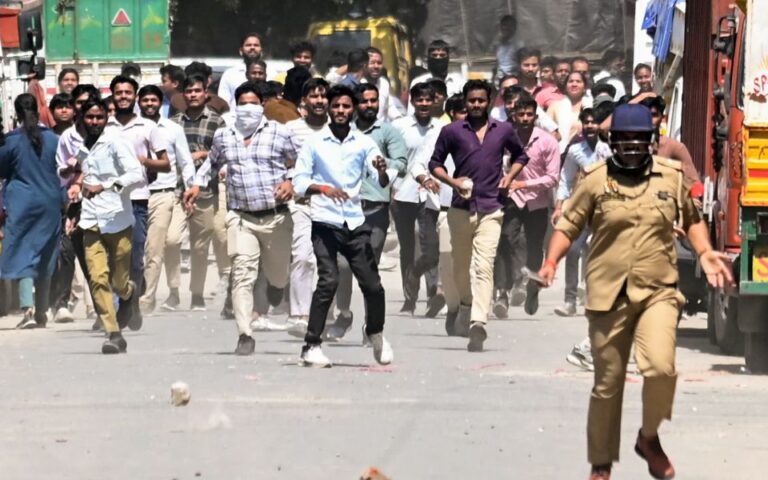
New Delhi, April 14, 2026 – In a scathing critique of the Union Government’s economic narrative, Congress leader Rahul Gandhi on Tuesday described the violent labor unrest in Noida as the “final cry” of India’s working class. Gandhi’s remarks came a day after thousands of industrial workers took to the streets of Noida’s Phase-2 and Sector 60, demanding a hike in minimum wages—a protest that eventually spiraled into arson, stone-pelting, and clashes with law enforcement.

The Congress MP used the incident to challenge the Prime Minister’s vision of “Viksit Bharat” (Developed India), arguing that while the government touts macroeconomic growth, the “backbone of the country”—its laborers—are drowning in debt and stagnant wages.

The Spark: From Gurugram to Noida

The unrest, which has paralyzed parts of the National Capital Region (NCR), did not emerge in a vacuum. Earlier this month, industrial workers in Gurugram successfully secured a wage hike following intense agitations. This victory served as a catalyst for workers in Noida’s garment and manufacturing hubs.

By Monday, April 13, 2026, the peaceful sit-ins near the Noida Special Economic Zone (NSEZ) metro station turned volatile. Protesters, primarily from the garment sector, blocked arterial roads and demanded that their monthly minimum wage be raised to ₹20,000. The situation escalated when protesters allegedly set vehicles on fire and vandalized factory properties, prompting police to use tear gas and carry out over 50 arrests.

Rahul Gandhi’s “Final Cry” Argument

Taking to social media platform X (formerly Twitter), Rahul Gandhi presented a grim breakdown of the math governing a laborer’s life in 2026. He highlighted the “vicious cycle” of inflation that renders small wage increments meaningless.

“What happened yesterday on the roads of Noida was the final cry of this country’s workers—one whose every voice was ignored. A worker in Noida earns roughly ₹12,000 to ₹13,000 a month. Rent alone costs ₹4,000 to ₹7,000. By the time they receive a ₹300 annual raise, the landlord hikes the rent by ₹500. This is the stark reality of ‘Viksit Bharat’.”

Gandhi further alleged that the burden of global economic shocks—including U.S. tariff wars and supply chain disruptions caused by Middle Eastern conflicts—has been shifted onto the poor. He claimed that while “industrialist friends” of the Prime Minister remain cushioned, the common worker is struggling to afford basic necessities like LPG cylinders, which reportedly touched ₹5,000 during peak local shortages.

The Policy Conflict: The New Labor Codes

A significant portion of Gandhi’s criticism was directed at the four Labor Codes implemented in November 2025. He argued that these reforms, which allow for 12-hour work shifts, have “crushed” worker rights.

  • Work Hours: Gandhi highlighted that workers are being forced into 12-hour shifts but are still unable to pay for their children’s school fees.
  • Stagnant Wages: While productivity demands have increased, real wages have remained flat when adjusted for 2026 inflation rates.
  • Social Security: The Congress leader claimed the government’s “hasty” implementation of these codes occurred without proper consultation with labor unions.

Government Response: A Retrospective Wage Hike

Under pressure from the escalating violence and political backlash, the Uttar Pradesh government, led by Chief Minister Yogi Adityanath, announced a retrospective interim wage hike late Monday night.

Effective from April 1, 2026, the new wage structure for the Gautam Buddha Nagar (Noida) and Ghaziabad regions is as follows:

Worker CategoryOld Monthly WageNew Interim Wage
Unskilled₹11,313₹13,690
Semi-Skilled₹12,445₹15,059
Skilled₹13,940₹16,868

While the 21% increase is a significant jump, it still falls short of the ₹20,000 baseline demanded by the protesters. District Magistrate Medha Roopam stated that the decision was aimed at balancing industrial sustainability with worker welfare.

The Ground Reality: Hidden Grievances

Beyond the headline figures of wage hikes, workers on the ground have reported deeper systemic issues that fueled the anger:

  1. Overtime Discrepancies: Many workers alleged that while they clock over 100 hours of overtime monthly, their payslips only reflect a fraction of that, leading to massive wage theft.
  2. Retaliatory Cuts: Female workers at major garment units claimed their salaries were deducted as “punishment” for participating in the strike.
  3. Cost of Living: In industrial hubs like Sector 84, the cost of basic groceries and education has outpaced the nominal wage increases of the last three years.

Political Fallout

The Noida unrest has become a rallying point for the Opposition. Samajwadi Party chief Akhilesh Yadav also joined the fray, criticizing the “double engine” government for using police force against “the creators of India’s wealth.”

As the 2026 political calendar advances, the clash between the government’s “Viksit Bharat” branding and the industrial unrest in the NCR highlights a growing friction. For the thousands of workers still gathered in Noida’s industrial blocks, the hike to ₹13,690 is a start, but as one protester put it, “You cannot build a ‘developed nation’ on the empty stomachs of those who build it.”

The Noida administration remains on high alert, with additional forces deployed to prevent further flare-ups, while the Centre maintains that the new National Floor Minimum Wage, currently under development, will eventually solve these regional disparities.

The Leap that Rewrote Lunar History: How Vikram’ “Hop” Unlocked the Moon’ Hidden Layers

0

New Delhi, April 14, 2026 — In the final hours of its historic mission in 2023, India’s Chandrayaan-3 lander, Vikram, did something no one expected: it took a leap of faith. This “hop experiment,” a last-minute technological flex by the Indian Space Research Organisation (ISRO), was initially seen as a demonstration of “kick-starting” capabilities for future sample-return missions.

However, new data analysis published in April 2026 in The Astrophysical Journal reveals that this 40-centimeter jump was far more than a stunt. It was a scientific goldmine. By briefly reigniting its engines and shifting its position, Vikram unintentionally performed a “controlled excavation,” blowing away the surface dust to reveal a complex, multi-layered world hidden just inches beneath the lunar South Pole.

The Experiment: A “Three-Minute” Surprise

On September 4, 2023, as the lunar day was drawing to a close, ISRO engineers sent a bold command to Vikram. The lander, which had already completed its primary mission objectives, fired its engines once more. It rose roughly 40 centimeters off the ground and drifted 50 centimeters to the side, landing safely in a slightly different spot.

While the physical distance was modest, the impact was profound. The blast from the rocket engines acted like a high-powered leaf blower, clearing away the top layer of lunar “fluff” and exposing the raw, undisturbed material underneath. For scientists at the Physical Research Laboratory (PRL), this offered a rare, “before and after” look at the moon’s skin.

Discovery #1: The Two-Layer Secret

The most significant finding from the updated research is the confirmation of a distinct two-layer structure in the top 6.5 centimeters of the lunar soil (regolith).

Using the ChaSTE (Chandra’s Surface Thermophysical Experiment) probe—a thermal needle that pokes into the ground—scientists compared the original landing site with the “post-hop” site. They discovered:

  • The Upper Layer (0–3 cm): This layer is composed of very fine, loose dust. Interestingly, it was found to conduct heat more efficiently than previously thought.
  • The Lower Layer (3–6.5 cm and deeper): Once the engine plume blew away the top 3 centimeters, a denser, more compacted material was revealed. This deeper layer acts as a powerful insulator, trapped in a permanent state of “thermal lag.”

This discovery contradicts older data from the Apollo missions, which suggested the moon’s surface was relatively uniform. It turns out the South Pole is far more “stratified” (layered), which has massive implications for how we search for water ice.

Discovery #2: The Moon’s “Thermal Sponge”

The hop allowed the ChaSTE instrument to record temperature changes during the transition from lunar day to night in an entirely new context. Because the top 3 centimeters of insulating dust had been stripped away by the engines, the sensors were able to measure the thermal properties of the exposed “sub-surface” directly.

The data showed that the moon’s surface behaves like a “thermal sponge.” The upper layer reacts quickly to the vanishing sun, cooling down rapidly, while the deeper, denser layers hold onto heat for much longer.

“By removing that top ‘blanket’ of dust during the hop, we were able to see exactly how the denser soil underneath handles heat,” says the lead study from PRL. “This is critical because if we want to find water ice, we need to know exactly how deep the ‘thermal protection’ of the dust goes.”

Why This Matters for Future Humans

The success of the hop experiment has fundamentally changed the blueprint for Chandrayaan-4 and future human missions like NASA’s Artemis.

Discovery FeatureImpact on Future Missions
Soil CompactionHelps engineers design better landing pads that won’t sink or tilt.
Heat ConductivityEssential for designing “lunar habitats” that can survive the -200°C nights.
Plume EffectsShows how much dust is kicked up, helping protect sensitive optics and solar panels.
Water Ice SearchIndicates that ice may be better preserved under the insulating 3cm “dust blanket.”

A Lesson in Curiosity

The Vikram “hop” reminds us that in space exploration, the most profound discoveries often come from the unexpected. What started as a test of engine reignition became a masterclass in lunar geology.

As we look toward the 2030s, where “Moon Villages” and “Lunar Bases” are no longer the stuff of science fiction, the data from Vikram’s tiny jump will be the foundation upon which we build. India didn’t just land on the moon; it moved it—and in doing so, it uncovered a secret the moon had been hiding for billions of years.

North Korea Bolsters Maritime Strike Power with New Destroyer Missile Tests

0

New Delhi, April 14, 2026 – In a significant escalation of its naval modernization efforts, North Korea has conducted a series of advanced missile tests from its newest 5,000-ton destroyer, the Choe Hyon. According to state media reports released on Tuesday, April 14, 2026, leader Kim Jong Un personally oversaw the launch of strategic cruise missiles and anti-ship missiles, signaling a clear shift in Pyongyang’s focus toward establishing a dominant presence in the surrounding seas.

The tests, which reportedly took place on Sunday, April 12, were designed to verify the “ultra-precision” strike capabilities of the North’s expanding fleet. This development comes at a time of heightened regional tension, with the North Korean leadership increasingly prioritizing the nuclear armament of its navy to counter what it describes as “provocations” from the United States and South Korea.

Precision Strikes from the West Sea

The state-run Korean Central News Agency (KCNA) provided detailed technical data on the performance of the weapons systems during the drills. According to the report, the exercise involved two distinct types of missiles:

  • Strategic Cruise Missiles: Two long-range cruise missiles were launched from the Choe Hyon. They reportedly flew along pre-set flight paths above the West Sea (Yellow Sea) for approximately 7,869 to 7,920 seconds (just over two hours) before successfully hitting their targets.
  • Anti-Ship Missiles: Three anti-ship missiles were also tested, remaining in the air for approximately 1,960 to 1,973 seconds (roughly 33 minutes). These missiles are designed to track and destroy moving naval vessels with high-speed, low-altitude flight patterns to evade radar detection.

KCNA emphasized that the launches were not merely for show but served as a rigorous assessment of the warship’s integrated weapons command system. The drills were also intended to verify the accuracy and “anti-jamming performance” of upgraded navigation systems, ensuring the missiles can strike accurately even in an electronically contested environment.

The Choe Hyon: A Symbol of Naval Ambition

The centerpiece of these tests is the Choe Hyon, a 5,000-ton class destroyer that has become the crown jewel of Kim Jong Un’s naval strategy. First unveiled in April 2025, the vessel represents a massive leap in tonnage and sophistication compared to the North’s older, Soviet-era patrol boats.

Satellite imagery and expert analysis suggest the destroyer is equipped with a Vertical Launch System (VLS), allowing it to fire a variety of munitions, including surface-to-air, anti-ship, and land-attack cruise missiles. Recent modifications to the ship’s hull and superstructure indicate that the North may have increased the number of launch cells to as many as 104, potentially allowing for a massive, coordinated missile volley.

During his visit, Kim Jong Un hailed the Choe Hyon as a “new symbol of the country’s maritime defense capability.” He stressed that the successful tests proved the vessel’s readiness to conduct “strategic strike missions” and serve as a “responsible exercise of the country’s war deterrent.”

Expanding the Fleet: Plans for a Destroyer Flotilla

Perhaps more concerning for regional security analysts than the missiles themselves is the news that North Korea is accelerating the production of this new class of warship. While on-site, Kim was briefed on the progress of two additional destroyers currently under construction at the Nampo shipyard on the western coast.

  • Accelerated Production: Kim has issued a directive to build at least two surface warships of the Choe Hyon class—or even more advanced models—every year.
  • Target Deadlines: The third destroyer in the series is expected to be completed by October 2026, coinciding with the anniversary of the founding of the ruling Workers’ Party.
  • The “Flotilla” Strategy: Experts believe Pyongyang is moving away from its traditional reliance on individual, isolated vessels. Instead, it is working to form a coordinated destroyer flotilla capable of projecting power further into the Pacific and providing a credible second-strike capability from the sea.

Geopolitical Context and Global Ties

The timing of these tests is no coincidence. North Korea has adopted an increasingly hostile stance toward South Korea, with Kim Jong Un recently defining Seoul as his “most hostile adversary” and ending all meaningful dialogue.

Furthermore, the technological advancement seen in the Choe Hyon has raised eyebrows in Washington and Seoul. Many military analysts suspect that North Korea may have received technical assistance from Russia in exchange for the thousands of containers of munitions and troops Pyongyang has reportedly sent to support Moscow’s invasion of Ukraine. While North Korea maintains the technology is indigenous, the rapid progress in sophisticated VLS systems and stealth-inspired hull designs suggests significant external collaboration.

Simultaneously, Kim has bolstered his “anti-imperialist” front by deepening ties with China. Last week, during a meeting with Chinese Foreign Minister Wang Yi, Kim voiced his support for a “multipolar world,” further isolating the U.S. influence in the region.

Challenges and Skepticism

Despite the triumphant tone of state media, external observers remain cautious. The second ship of this class, the Kang Kon, reportedly suffered damage during a botched launch attempt in May 2025. While the North claims it has since been repaired and relaunched, there are questions about the long-term reliability of these large platforms under combat conditions.

Maintaining a 5,000-ton destroyer requires advanced logistics, sophisticated radar arrays, and highly trained crews—areas where the North Korean Navy has historically struggled. However, the repeated and successful testing of cruise missiles from the Choe Hyon suggests that the “teething issues” of the new class are being addressed.

Also Read: Amazon “Prime” Cost: Life and Death on the Warehouse Floor

Conclusion: A New Era of Deterrence

As the sun set over the West Sea following the successful strikes, Kim Jong Un reiterated that the “limitless expansion” of the country’s nuclear forces remains the top priority. By successfully integrating cruise and anti-ship missiles into a modern destroyer platform, North Korea has sent a clear message: its “war deterrent” is no longer confined to land-based silos and mobile launchers.

For the international community, the Choe Hyon represents a new and unpredictable variable in the Pacific theater. With more destroyers on the way and a leadership determined to achieve “preemptive strike capabilities,” the waters of the Korean Peninsula are set to remain a focal point of global tension for the foreseeable future.