Home Blog Page 33

Audi Teases 3rd-Generation Q7 SUV Arriving This June Ahead of Flagship Q9 Launch

New Delhi, June 5, 2026: The global premium SUV market is preparing for a monumental shift as Audi officially signals the arrival of its highly anticipated, third-generation Q7. After commanding the luxury three-row segment for more than a decade with its second-generation model, the German automaker has released its first official teaser, confirming that the all-new Q7 will make its global debut this June. This strategic unveiling marks a critical transition point for the Ingolstadt-based brand, as it rolls out the new midsize luxury titan just months before introducing an even larger, ultra-luxurious flagship sibling—the first-ever Audi Q9. Together, these launches represent Audi’s comprehensive overhaul of its premium combustion-engine portfolio, setting the stage for an intense competitive battle against seasoned rivals.

A Long-Overdue Transformation

The outgoing second-generation Audi Q7 (internal code ‘4M’) has enjoyed an extraordinarily long lifecycle since its global launch in 2015. While extensive mid-cycle facelifts in 2020 and 2024 successfully integrated modern infotainment systems and kept the vehicle looking sharp, the underlying platform has been stretched to its absolute limits. Recognizing the urgent need to reclaim its pioneering status in a segment populated by the BMW X5 and Mercedes-Benz GLE, Audi has engineered a ground-up reinvention. The decision to debut the third-generation Q7 in June underscores a calculated marketing strategy: secure the core multi-passenger family demographic first, establish the updated design language, and then utilize that momentum to launch the monolithic Q9 to target the full-size luxury space currently dominated by the BMW X7 and Mercedes GLS.

Decoding the Teaser: Sophisticated and Practical Design

Audi’s initial teaser image offers a calculated glimpse of the SUV’s flank, revealing key structural choices that balance cutting-edge styling with everyday practicality. Strikingly finished in an elegant, ocean-inspired hue dubbed “Alopias Blue Metallic”—named after the genus of the thresher shark—the teaser highlights a prominent “S Line” fender badge, confirming that Audi’s popular, sport-oriented trim will be available from launch.

Crucially, the image puts an end to widespread industry speculation regarding the door architecture. While many contemporary luxury automakers have rushed to adopt retractable, flush-mounted electronic door handles to maximize aerodynamics, Audi has opted for robust, conventional pull-type handles. This choice emphasizes mechanical reliability, tactile familiarity, and ease of maintenance, particularly in colder climates and global markets like China, where electronic components face severe environmental extremes. The teaser also showcases redesigned outside rearview mirrors, which neatly incorporate sleek LED turn signals alongside high-definition cameras for a comprehensive 360-degree aerial vehicle view.

Leaks and Spy Shots Reveal a Bold New Identity

While Audi is keeping official full-body imagery under wraps, recent high-resolution spy shots and online leaks have effectively painted a complete picture of the SUV’s dramatic new exterior. The third-generation Q7 adopts a radically distinct, aggressive front fascia inspired by Audi’s newest crossover lineup. Up front, a significantly wider, more commanding single-frame grille dominates the view, filled with a complex, high-gloss black honeycomb mesh pattern.

Flanking this massive grille is a controversial split-headlight setup. High-mounted, ultra-slim daytime running lights (DRLs) sit flush along the hood line, handling structural signaling and customizable light signatures. Positioned lower down within the rugged front bumper are the primary matrix LED high- and low-beam headlight clusters. This layout not only enhances nighttime visibility but also lends the vehicle a more planted, imposing road presence. Moving toward the rear, the Q7 ditches its older, blocky taillights in favor of a continuous, full-width LED light bar that stretches across a heavily sculpted, upright tailgate, neatly capped off by an integrated roof spoiler and an aerodynamic lower diffuser with hidden exhaust outlets.

Moving to the Advanced PPC Architecture

Beneath the striking sheet metal lies the truest testament to the Q7’s generational leap. The vehicle bids farewell to the aging MLB platform, transitioning instead to the Volkswagen Group’s state-of-the-art Premium Platform Combustion (PPC) architecture. Shared with the newly minted Audi A6, the PPC chassis represents the pinnacle of modern internal combustion engineering.

By utilizing advanced high-strength steels and lightweight aluminum composites, this new foundation significantly increases structural rigidity while shedding dead weight. The immediate benefits for prospective buyers include vastly improved acoustic isolation, sharper steering response, and a more compliant ride. Audi’s signature Quattro all-wheel-drive system remains standard equipment across the entire range, working in perfect harmony with a newly tuned adaptive air suspension system that automatically alters ride height and dampening stiffens based on terrain and real-time vehicle velocity.

Revolutionized Powertrains: The Hybrid Era Arrives

The transition to the PPC architecture unlocks an entirely new realm of powertrain efficiency and performance. While Audi remains fully committed to an electric future, the brand acknowledges that global infrastructure requires robust, long-range alternatives. As a result, the third-generation Q7 will offer heavily electrified internal combustion engines.

Base models will feature 48-volt mild-hybrid technology integrated into updated turbocharged four-cylinder and smooth V6 petrol and diesel engines, designed to recover energy during deceleration and provide seamless start-stop transitions. However, the true showstoppers will be the next-generation Plug-in Hybrid (PHEV) variants. Leveraging battery advancements shared with its corporate cousin, the Porsche Cayenne, the Q7 PHEV is expected to support massive battery capacities capable of delivering an all-electric driving range of over 80 to 100 kilometers on a single charge. Furthermore, high-performance enthusiasts can rest easy; rumors persist that a twin-turbocharged V8 engine will return later in the product cycle to power the high-performance SQ7 variant, delivering effortless, tire-shredding performance.

A Digital Sanctuary: Cabin and Interior Tech

Step inside, and the third-generation Q7 completely redefines the luxury multi-passenger experience. Moving away from the austere, screen-heavy minimalism that drew criticism in previous luxury cars, Audi is introducing a “Digital Stage” dashboard layout, beautifully accented by natural open-pore wood inlays and brushed aluminum trim. The driver is greeted by a high-definition Virtual Cockpit instrument cluster, seamlessly complemented by a sprawling central MMI touchscreen infotainment system running an Android Automotive-based operating system with integrated app support.

Interestingly, following direct consumer feedback demanding better ergonomics, Audi has reintroduced physical, tactile switchgear for critical climate control and audio functions, avoiding total reliance on touch interfaces. Front passengers can also enjoy an optional dedicated entertainment display screen, allowing them to stream media or navigate routes independently without distracting the driver. The vehicle will continue to offer a highly flexible three-row seating configuration, accommodating up to seven passengers, with optional second-row captain’s chairs transforming the cabin into an ultra-premium six-seater mobile lounge complete with heating, ventilation, and massage functions.

Market Positioning and Final Count Down

The launch of this third-generation Q7 is a vital defensive and offensive play for Audi. Historically, the Q7 has been an immense global success story, with the first generation racking up 550,000 units and the second iteration exceeding 780,000 sales globally. By positioning the heavily updated, midsize Q7 directly below the upcoming ultra-luxury Q9 flagship, Audi has created a perfect “Goldilocks” product strategy. Families and executive buyers looking for an agile, technologically advanced, and eco-conscious premium three-row SUV will find the Q7 to be the ultimate sweet spot. With the official global reveal just weeks away, luxury car buyers won’t have to wait long to see how Audi intends to reshape the premium automotive landscape for the decade to come.


Hina Khan’ Sarcastic Note to PM After Shilpa Shinde Cancer Jibe Sparking Legal Backlash

New Delhi, June 5, 2026: The Indian television industry is witnessing an intense and deeply personal war of words between former Bigg Boss 11 housemates Hina Khan and Shilpa Shinde. What began as a debate over accountability in the entertainment sector has quickly escalated into a highly public feud. Most recently, Hina Khan fired back at Shilpa Shinde with a biting, sarcastic appeal addressed directly to Prime Minister Narendra Modi, the President, and the Law Minister of India.

The friction between the two prominent actors reached a boiling point after Shinde appeared to mock Hina’s ongoing battle with breast cancer and the loss of her father. The dispute underscores broader concerns regarding the misuse of gender protection laws, systemic accountability, and the ethical responsibilities of public figures.

The Spark: A Shocking Podcast Confession

The entire controversy erupted during Shilpa Shinde’s appearance on a popular podcast hosted by Bharti Singh and Haarsh Limbachiyaa. During the interview, Shinde made a stunning admission regarding her high-profile 2016 legal battle. Ten years prior, Shinde had abruptly quit her career-defining role as Angoori Bhabhi on the hit sitcom Bhabiji Ghar Par Hain! and subsequently filed a formal sexual harassment complaint against the show’s producer, Sanjay Kohli. The case was a major media scandal at the time, deeply impacting the reputations of those involved.

On the podcast, however, Shinde confessed that those severe allegations were entirely fabricated. She characterized the false police complaint as a calculated strategic maneuver, or a “game,” intended to help her settle unresolved contractual and financial disputes with the production house. Shinde defended her past actions by citing ancient political philosophy, advising her critics on social media to read up on the principles of “saam, daam, dand, bhed” (persuasion, price, punishment, and division) or to watch the Mahabharata to understand tactical warfare.

Hina Khan Speaks Out Against “Shameful” Actions

Shinde’s public admission provoked swift condemnation from peers across the television industry, with Hina Khan leading the criticism. Khan took to her social media handles to express absolute horror and disbelief over the revelation. She strongly called out the dangerous precedent set by weaponizing laws designed to protect women from genuine workplace abuse.

Khan expressed deep frustration over the section of netizens and industry colleagues who were praising Shinde for her “honesty” or “bravery” in finally coming clean. She noted that such actions fundamentally damage the credibility of actual survivors of sexual misconduct. Khan warned that women in the entertainment industry already face a multitude of systemic obstacles and social stigmas. Adding the reputation of “a liar who uses their gender to get checks cleared” to that list, she argued, would only make professional spaces far more hostile and distrustful for women seeking genuine justice.

The Escalation: Shilpa Shinde’s Veiled Personal Jibe

The dispute took a darker, highly personal turn when Shilpa Shinde posted a retaliatory video on her Instagram account. Refusing to back down or apologize for her past legal fabrications, Shinde directed a sharp, veiled attack aimed squarely at Hina Khan’s personal hardships. Without explicitly naming Khan, Shinde accused her of utilizing the controversy purely to stay relevant and garner media attention.

The comment was immediately recognized by the public as a direct reference to Hina Khan’s public journey. Khan has been fighting Stage 3 breast cancer, documented openly across her social platforms to raise awareness. She also went through the painful loss of her father. Shinde’s decision to weaponize these intensely challenging personal realities to deflect from her own legal admissions provoked widespread public backlash and intensified the feud.

The Satirical Note to India’s Highest Officials

Refusing to be silenced by the personal attack, Hina Khan returned to social media with a highly satirical, legally pointed response. Rather than engaging directly with the comments about her health, Khan chose to expose the absurdity of pardoning or praising someone simply because they confessed to a crime years down the line. She drafted a formal-looking note addressed to Prime Minister Narendra Modi, President Droupadi Murmu, and the Union Law Minister of India.

By sarcastically pleading for the immediate release of all convicted criminals on the grounds of “courage” and “resilience,” Khan highlighted the flaw in the logic of Shinde’s defenders. The post quickly went viral across X (formerly Twitter) and Instagram, with fans and industry peers commending Khan for using sharp wit and sharp legal ironies to counter Shinde’s deflection.

Broader Fallout and Legal Ripples

The ongoing online war between the two television stars has evolved beyond typical industry gossip into a serious discussion about legal accountability. Shinde’s candid admission that she intentionally misused the legal framework to settle a professional dispute has already triggered tangible real-world consequences.

Following her podcast remarks, the Delhi-based men’s rights organization, the NCMIndia Council for Men Affairs, officially stepped forward. The group has formally approached the Mumbai Police, seeking strict legal action and the filing of a criminal case against Shilpa Shinde for registering malicious and entirely false harassment allegations a decade ago.

As the legal ramifications begin to take shape, public sentiment remains heavily divided over Shinde’s unapologetic stance, while Hina Khan continues to receive widespread praise for her resilience, her unyielding defense of genuine workplace ethics, and her refusal to let personal jibes derail a crucial conversation on legal integrity.

AIIMS CRE 2026: Eligibility, Selection, and How to Apply

New Delhi, June 5, 2026: The All India Institute of Medical Sciences (AIIMS) is expected to officially release the formal notification for the Common Recruitment Examination (CRE) 2026 shortly. Functioning as a massive, centralized national-level hiring drive, the AIIMS CRE is highly anticipated by healthcare professionals and administrative aspirants looking to secure coveted central government jobs across various AIIMS campuses throughout India. This unified recruitment framework streamlines the selection process, allowing candidates to compete for multiple Group B and Group C non-faculty positions through a single channel.

Understanding the AIIMS CRE Framework

For years, individual AIIMS institutions managed their own recruitment processes, creating a disjointed experience where candidates had to fill out multiple applications, pay separate fees, and travel across the country for distinct exams. The introduction of the Common Recruitment Examination revolutionized this structure. Under this centralized system, a single core examination process fills diverse non-faculty administrative, technical, and paramedical vacancies across participating AIIMS institutes nationwide.

This unified methodology ensures maximum transparency, minimizes processing timelines, and lightens the financial burden on candidates. Given the rapid expansion of newer AIIMS campuses across various states, the 2026 drive is projected to handle a substantial volume of vacancies, making it one of the largest medical-allied recruitment events of the year.

Post-Wise Eligibility Criteria

Because the AIIMS CRE aggregates vastly different roles under a single recruitment umbrella, the eligibility prerequisites are strictly category-dependent. Candidates must align their academic credentials and professional registrations with the specific mandates of their targeted posts:

  • Nursing Positions: Applicants for Nursing Officer or associated nursing streams typically require either a Bachelor of Science (B.Sc.) in Nursing or a General Nursing and Midwifery (GNM) qualification from an Indian Nursing Council-recognized institute, along with state or national registration.
  • Pharmacy Positions: Candidates targeting positions within hospital pharmacies must hold a Bachelor of Pharmacy (B.Pharm) or a Diploma in Pharmacy (D.Pharm). A valid, active registration as a registered pharmacist under the Pharmacy Act is standard across all participating institutes.
  • Laboratory & Technical Posts: For roles like Medical Laboratory Technicians (MLT) or Radiographic Technicians, candidates need a formal degree or diploma in the corresponding paramedical or medical laboratory science discipline.
  • Administrative & Clerical Staff: General positions such as Junior Administrative Assistants, Upper Division Clerks, or Data Entry Operators are accessible to general graduates. Applicants must possess a bachelor’s degree from a recognized university, complemented by foundational computer literacy and typing skills.

Age Limit Constraints: While the baseline age of eligibility usually begins at 18 years, the upper age ceiling fluctuates widely between 27 and 35 years depending on the specific pay matrix and post category. However, standard Central Government guidelines apply, offering statutory age relaxations to reserved categories, including SC, ST, OBC, Persons with Benchmark Disabilities (PwBD), and Ex-Servicemen.

The Centralized Selection Process

AIIMS executes a highly structural multi-stage evaluation mechanism designed to measure both general aptitude and job-specific technical competence.

The Computer-Based Test (CBT) operates as the primary filtering system. It is normally split into two distinct segments: a General Section testing Quantitative Aptitude, Logical Reasoning, General Knowledge/Current Affairs, and English language skills; and a Domain-Specific Section custom-tailored to assess the precise academic background required for the chosen profile (e.g., pharmacy laws for pharmacists or laboratory protocols for technicians).

Step-by-Step Application Methodology

Once the official notification is live, the online application window will open directly on the authorized AIIMS examination portal (aiimsexams.ac.in). Aspirants can ensure an error-free submission by adhering to this structured procedure:

  1. Portal Registration: Visit the official website and access the AIIMS CRE 2026 active registration link. Create a unique candidate profile using a valid email ID and mobile number to generate login credentials.
  2. Profile Completion: Log in to input mandatory details, including comprehensive educational qualifications, communication addresses, and preference choices for specific AIIMS locations across India.
  3. Document Uploading: Scan and upload essential documents ensuring strict compliance with file size limits specified in the brochure. Required items generally include a recent passport-sized photograph, clear signature scan, thumb impression, relevant academic certificates, and category-valid certificate (if claiming reservation benefits).
  4. Application Fee Settlement: Pay the prescribed application fee through digital channels such as net banking, UPI, or credit/debit cards. The fee varies according to categories, and candidates must save the transactional receipt for prospective verification.
  5. Final Printout: Conduct a final review of the data input, submit the form, and download the automatically generated confirmation page.

Pro Tips for Aspirants

As thousands compete for limited placements, starting preparation early provides a substantial edge. Aspirants should divide their focus evenly between core subject mastery and basic problem-solving agility to ensure they clean the overall cutoffs cleanly. Mock tests and previous question banks should serve as critical benchmarks for measuring speed and accuracy.

For a detailed visual guide on structural timelines, post variations, and direct syllabus links, you can watch this comprehensive AIIMS CRE Notification Analysis to gain complete insights into the selection criteria and avoid common form-filling mistakes.

Online Dispute Turns Fatal: The Tragic Story of a Kerala Expat in Sharjah

0

New Delhi, June 5, 2026: What began as a heated virtual argument on social media tragically crossed into the physical world, leaving a family devastated and a community in shock. Ismail Ponnan Ibrahim Kutty, a 40-year-old Indian expatriate from Pazhayangadi in Kannur, Kerala, was brutally stabbed to death in broad daylight on the streets of Sharjah, United Arab Emirates. The horrific attack was the culmination of what authorities and witnesses described as an ongoing “TikTok war” that escalated out of control. Beyond the shocking violence, the tragedy is marked by a poignant coincidence: on official documents, Ismail died on the exact same date as his birthday.

The Fatal Escalation from Screen to Street

Ismail, who lived in the UAE and worked at a bakery in neighboring Dubai, was known to be highly active on social media platforms, particularly TikTok. According to his followers and early investigations, the roots of the tragedy lay in a virtual dispute. During a live broadcast on the platform, an intense verbal argument broke out between Ismail and a group of rival TikTokers.

The digital mudslinging quickly devolved into real-world aggression. Tempers flared to a boiling point, and the parties exchanged a live challenge to settle their scores face-to-face. Ismail reportedly challenged the men to meet him in person near a public park in the Al Nahda area of Sharjah.

Unfortunately, the invitation to talk it out turned out to be a fatal trap. In the early hours of Sunday, May 31, a large group of individuals arrived at the designated meeting spot outside a prominent shopping center, prepared for violence rather than discussion. The verbal war erupted into a physical brawl in broad daylight. Witnesses recounted seeing dozens of people watching as a gang wielding sharp, bladed weapons and clubs descended upon Ismail.

During the frantic melee, Ismail was repeatedly stabbed and clubbed. Another individual who was with him also suffered injuries during the attack but managed to survive. Terrified onlookers quickly contacted local emergency services and police. Paramedics rushed Ismail to Al Qassimi Hospital around 8:00 AM, but his injuries were severe. He suffered from massive internal bleeding and hypovolaemic shock (severe fluid loss making it impossible for the heart to pump blood) and was officially pronounced dead at 8:44 AM, less than an hour after arrival.

A Haunting Coincidence: Records vs. Reality

The tragedy gained widespread public attention not only for its sheer brutality but for a chilling detail on Ismail’s identification papers. The official time of death stamped on his medical notification fell on May 31—the exact date recorded as his birthdate on his passport.

To many, it appeared that Ismail’s life had come to a tragic full circle, beginning and ending on the same calendar day. However, his younger brother, who also resides and works in Dubai, later clarified the reality behind the paperwork. While the dates matched perfectly on paper, May 31 was not Ismail’s actual biological birthday.

His brother explained that this discrepancy was tied to an old, common bureaucratic custom in rural Kerala. Decades ago, parents frequently registered a standard, modified birthdate in May when enrolling their children in school to easily meet strict minimum age requirements for admission. While the phenomenon was artificial, the official alignment of his recorded birth and his untimely death added a layer of deep sorrow for his friends and followers.

A Brother’s Silent Grief and Repatriation Efforts

Back home in Kerala, Ismail leaves behind a grieving family, including an eight-year-old son. His younger brother in Dubai has been left with the immense emotional burden of managing the fallout of the tragedy while trying to protect his relatives from the horrific details.

In the immediate aftermath, his brother consciously withheld the truth from the family in India, simply informing them that Ismail had been involved in a serious road accident. He even went so far as to instruct neighbors and extended relatives to keep news channels turned off and social media feeds away from Ismail’s young child and immediate family. The weight of keeping the violent nature of the murder a secret while processing his own grief has been incredibly difficult.

Currently, community leaders and legal aid organizations are assisting the family. A local legal services firm in the UAE confirmed they are fast-tracking the necessary consular paperwork to have Ismail’s mortal remains repatriated to his hometown in Kannur for a proper funeral and final rites.

Swift Police Action and a Warning to the Public

The Sharjah Police force responded to the street brawl with exceptional speed. Within just four hours of receiving the initial emergency call, specialized units identified, tracked down, and arrested all primary suspects involved in the fatal ambush.

While the police have withheld the specific names of the accused due to ongoing legal protocols, they confirmed that the suspects are Asian nationals of the same country as the victim. Investigators recovered the bladed weapons used in the assault and have turned the case over to the public prosecution to initiate formal criminal proceedings.

Following the high-profile incident, the Sharjah Police Department issued a strict public advisory regarding online behavior. Authorities reminded residents that disputes starting on virtual platforms must be handled through civil legal channels, cybercrime units, or reporting features within the apps. They explicitly warned against letting virtual provocations bleed into real-world violence, reiterating that the UAE maintains a zero-tolerance policy for vigilantism and street brawls.

Horror in Sector 75: Fire Engulfs 12th-Floor High-Rise Flat in Noida, Triggers Mass Evacuation

0

New Delhi, June 5, 2026 — A serene Friday morning turned into an absolute nightmare for hundreds of residents at the Ivy County residential society in Noida’s Sector 75. A massive and destructive fire erupted inside a flat positioned on the 12th floor of a 28-storey tower. The fast-spreading blaze triggered panic throughout the premium residential complex, leading to a frantic, full-scale evacuation as thick, toxic plumes of black smoke blanketed the upper levels of the skyscraper. Terrifying videos recorded by onlookers and neighbors quickly went viral on social media, capturing the sheer scale and horror of the roaring flames leaping out of the apartment windows.

Fortunately, due to swift citizen action and a rapid response from emergency teams, no casualties or major injuries have been reported so far.

Dawn of Panic: How the Incident Unfolded

The incident occurred at approximately 8:00 AM on June 5, 2026, just as families were beginning their daily routines. According to eyewitness accounts, the fire started within the balcony area of the 12th-floor flat and spread inward with shocking speed. Within minutes, the entire apartment was trapped in a fierce inferno. The intensity of the heat shattered window panes, casting burning debris downward and releasing huge columns of pitch-black smoke into the sky. The smoke was dense enough to be visible from several kilometers away, causing immediate alarm across Sector 75 and surrounding residential hubs.

As internal building smoke alarms began to blare, panic ripped through the 28-storey tower. Residents living on both lower and upper floors rushed out of their homes into the corridors, only to find the lift lobbies rapidly filling up with choking smoke.

A Chaotic Descent to Safety

Adhering strictly to emergency high-rise protocols, residents avoided the elevators and began a grueling, high-stress descent down the dark staircases. Mothers carrying infants, elderly citizens assisted by neighbors, and pet owners all crowded into the emergency exits, trying to reach safety.

The society’s private security guards and maintenance team acted quickly, cutting off the main electrical lines and gas pipelines supplying the tower to prevent any secondary explosions. Utilizing internal public address systems and knocking door-to-door, they ensured that occupants of adjacent and neighboring flats were swiftly moved to safe, open spaces on the ground floor.

Emergency Operations and High-Level Intervention

Upon receiving a barrage of frantic distress calls, the Noida Fire Department and local police teams rushed to the site, arriving with multiple fire tenders and advanced sky-lift ladders. To bolster the intense firefighting operation, a specialized unit of the State Disaster Response Force (SDRF) was also deployed to the scene.

Given the gravity of a fire breaking out at such a height in a densely populated urban sector, top administration officials immediately took charge of the perimeter. In Lucknow, Uttar Pradesh Chief Minister Yogi Adityanath took official cognisance of the Ivy County fire. The Chief Minister directed senior district officials to personally supervise the relief operations and instructed emergency services to deploy every resource necessary to neutralize the threat and guarantee top-tier medical attention for anyone affected by smoke inhalation.

Firefighters faced considerable difficulty maneuvering their heavy equipment through the residential complex, but they successfully set up high-pressure water hoses up the internal shafts. Teams battled the intense heat and heavy smoke on the 12th floor for over an hour before completely surrounding and containing the core of the blaze. Rescue personnel combed through the affected floor and neighboring units to ensure no residents or household staff were left trapped inside.

Investigation and the Larger High-Rise Security Crisis

While a rigorous forensic evaluation is currently underway, initial assessments by fire safety officers suggest that the fire may have been triggered by a severe electrical short circuit, potentially originating from an air conditioning unit or a heavy appliance in the balcony area. Summer temperatures across northern India often strain residential power grids, causing overheating in external electronics.

This frightening incident at Ivy County is unfortunately not an isolated event. It adds to a worrying sequence of high-rise residential fires reported across Noida and the wider National Capital Region (NCR) over the past several months, many of which have been traced back to faulty wiring, poor maintenance of central electrical ducts, or non-functional structural firefighting systems. Just days prior, a devastating commercial fire in nearby Delhi highlighted the grim realities of urban fire hazards.

The local fire department has issued an urgent advisory to high-rise Resident Welfare Associations (RWAs) across the city to conduct immediate audits of their internal emergency infrastructure, checking hydrants, sprinkler networks, and clear escape routes. Authorities emphasize that functional fire checks and routine drills are the primary line of defense in protecting lives when an unexpected crisis hits thousands of feet in the air. For the shaken residents of Ivy County, the morning was an intensely sobering reminder of just how quickly a routine day can transform into a struggle for survival.

RBI Policy June 2026: Repo Rate Held at 5.25% as Global Storms Cut Growth Outlook

0

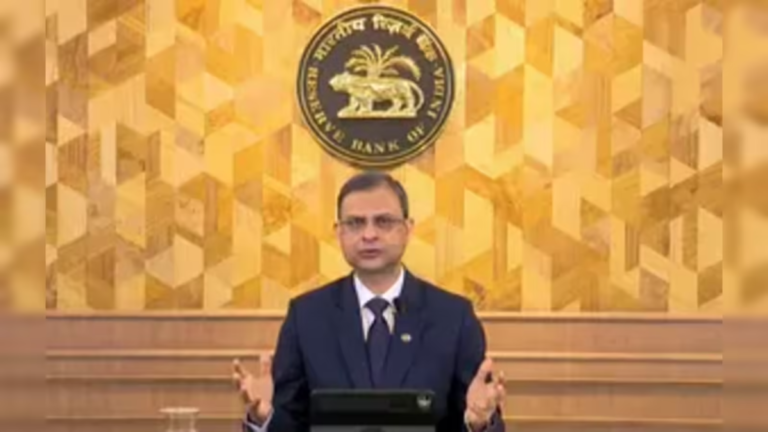
New Delhi, June 5, 2026: In its first major policy review of the fiscal year, the Reserve Bank of India’s (RBI) Monetary Policy Committee (MPC) has taken a distinctly cautious approach. Led by Governor Sanjay Malhotra, the six-member committee voted unanimously on June 5, 2026, to hold the benchmark repo rate steady at 5.25%.

The central bank chose to maintain its “neutral” stance—a strategic hold as it navigates a sudden storm of global economic headwinds. Alongside the rate pause, the RBI delivered a sober reality check by cutting its Gross Domestic Product (GDP) growth projections for the financial year 2026-27 (FY27) while simultaneously raising its inflation forecast.

The decision reflects a deliberate effort by the central bank to prioritize macroeconomic stability over aggressive growth. The RBI is aiming to insulate the domestic economy from a fragile external environment shaped by intensified geopolitical conflicts in West Asia, erratic global commodity markets, and a bruised domestic currency.

The Core Decisions at a Glance

For quick reference, the table below highlights the key modifications made by the central bank during today’s high-stakes meeting.

Why the RBI Chose to Wait and Watch

The decision to stay on hold at 5.25% marks the second consecutive meeting where the RBI has opted for a pause, resisting calls from some market segments for a rate cut to boost credit. Governor Malhotra explicitly pointed out that “monetary policy has turned more cautious” because of heightened global turbulence.

The primary culprit behind this defensive posture is the escalating West Asia conflict, which has disrupted major global maritime trade routes and severely stressed global supply chains. This geopolitical friction has pushed international crude oil and gas prices back into volatile territory. For a country like India—which relies heavily on imported crude to meet its domestic energy needs—sustained energy inflation acts as a direct tax on economic activity.

Furthermore, the Indian Rupee has faced depreciation pressures, weakening over the past year against a surging US dollar. By holding the interest rate at 5.25%, the RBI keeps domestic yields attractive enough to prevent excessive capital flight, helping anchor the currency without prematurely choking off domestic business investments.

Growth Expectations Face a Reality Check

Perhaps the most significant revelation from the live policy announcement was the downward revision of the economic growth targets. The RBI cut its real GDP growth estimate for FY27 to 6.6%, a notable drop from its previous projection of 6.9%.

The central bank acknowledged that the “prolonged global supply chain disruptions, volatility in global financial markets, and weather-related shocks” are beginning to spill over into domestic industrial and commercial activities. While high-frequency indicators—such as the Manufacturing and Services Purchasing Managers’ Index (PMI)—show that India’s domestic economic engine remains fundamentally resilient, the external drag cannot be completely ignored.

Crucially, rising input costs for businesses—driven by expensive raw materials like base metals, plastics, and rubber—are threatening corporate profit margins. If companies choose to pass these expenses onto everyday consumers, the resulting inflation could become a major drag on the purchasing power of urban and rural households, ultimately cooling down private consumption.

The Inflation Monster Refuses to Subside

On the inflation front, the narrative has shifted toward renewed vigilance. While headline Consumer Price Index (CPI) retail inflation hovered comfortably below the central bank’s medium-term 4% target during March (3.4%) and April (3.5%), the baseline projections for the remainder of the year look significantly steeper.

The RBI raised its full-year FY27 inflation forecast quite aggressively to 5.1%, up 50 basis points from earlier models. The quarterly breakdown paints a telling picture of an economy facing an impending mid-year bulge: CPI is expected to hit 4.2% in Q1, spike to 5.1% in Q2, peak at a troubling 5.9% in Q3, and sit at 5.4% by Q4.

Financial Fortresses: FX Reserves and Neutral Stance

Despite the cautious forecasts, Governor Malhotra struck an optimistic note regarding India’s internal macro-fundamentals, stating that the country entered this cycle of global instability in a much stronger position compared to previous global crises.

A core pillar of this strength is India’s massive foreign exchange repository. The central bank revealed that India’s forex reserves stand at a healthy $682.2 billion. This massive stockpile offers an essential safety net, providing an import cover of roughly 11 months and accounting for over 89% of the nation’s total external debt. This financial cushion gives the RBI deep operational capacity to step into the currency markets and smooth out speculative, volatile swings in the rupee without needing to rely on knee-jerk interest rate spikes.

Maintaining the “neutral” policy stance further emphasizes this flexibility. Rather than committing to a rigid path of rate hikes or signaling imminent cuts, the neutral bias allows the MPC to remain purely “data-dependent”. If West Asian tensions de-escalate and energy costs cool off by the end of the year, the door remains wide open for pro-growth rate cuts. Conversely, if crude oil surges well past the $100 per barrel mark for an extended duration, the committee retains the freedom to pivot toward a rate hike to curb secondary inflationary pressures.

What This Means for Everyday Consumers

For the common citizen, today’s policy freeze translates directly to short-term status quo. Because the repo rate was held flat at 5.25%, retail commercial banks are highly unlikely to alter their retail lending rates anytime soon.

  • Borrowers: Equated Monthly Installments (EMIs) on floating-rate home loans, auto loans, and personal loans will remain unchanged for now.
  • Savers: Fixed deposit interest rates are likely plateauing at current levels, meaning depositors shouldn’t expect significant yield increases in the near future.

The real challenge for households will be navigating the expected rise in consumer prices over the next two quarters. While loan payments won’t cost more, general daily living expenses—from fuel outlays to goods manufactured with imported raw materials—could pinch household budgets a bit tighter as companies gradually pass down their elevated input costs.

Ultimately, the June 2026 policy statement presents an RBI focused heavily on building economic fortresses. By choosing stability over speed, the central bank is making a calculated bet that sacrificing a fraction of short-term growth will protect the Indian economy from a highly unpredictable global landscape.

Toyota Refreshes Innova Crysta for 2026: A Premium Makeover for India’s Favorite Workhorse

New Delhi, June 4, 2026 — Toyota Kirloskar Motor has officially launched the updated 2026 Innova Crysta in India, breathing fresh life into one of the country’s most legendary Multi-Purpose Vehicles (MPVs). With prices starting at Rs 19.72 lakh (ex-showroom) for the entry-level GX 7-seater variant and topping out at Rs 26.63 lakh for the premium ZX variant, this latest iteration brings subtle yet high-impact cosmetic enhancements, an upgraded interior cabin, and critical new tech features.

For over two decades, the Innova nameplate has stood as an absolute titan in the Indian automotive landscape, capturing the trust of large families and commercial fleet operators alike. This refresh ensures that the reliable diesel workhorse remains contemporary, luxurious, and completely relevant in a rapidly evolving market.

A Sharper, More Premium Exterior Presence

Toyota has targeted specific areas of the Innova Crysta to heighten its premium visual appeal while strictly preserving its iconic, commanding silhouette. The most obvious update is at the front, where the MPV receives a completely redesigned radiator grille boasting three bold, chrome-finished horizontal slats.

The front fascia is further sharpened by an updated bumper architecture. The previously body-colored panel that separated the grille from the lower intake has been replaced by a sleek black applique, giving the car a broader, more assertive stance. Additional chrome detailing has been carefully integrated around the fog lamp housings and across the rear bumper, catching the light perfectly and providing the vehicle with a polished, upscale road presence.

Depending on the chosen trim, the new Crysta rolls on either 16-inch or elegantly crafted 17-inch diamond-cut alloy wheels. Buyers can choose from five distinct, sophisticated exterior paint options:

  • Platinum White Pearl
  • Super White
  • Silver Metallic
  • Attitude Black Mica
  • Avant-Garde Bronze Metallic

Step Inside: Copper Accents and Modernized Cabin Comforts

The interior is where the 2026 refresh becomes truly apparent, moving the Innova Crysta closer to a luxury lounge experience. Toyota has swapped out the older interior themes for a striking dual-tone layout featuring rich, hazel-brown and black leatherette upholstery on higher-spec variants.

To complement this upscale seating, the dashboard, door panels, and central console switchgear are now adorned with lighter-colored faux wood trim inserts and distinctive “Grace Copper” finished bezels. The overall detailing surrounding the automatic climate control panel, switches, and even the iconic second-row foldable seatback tables has been meticulously revised to give the cabin a highly unified, contemporary aesthetic.

Beyond the visual uplift, Toyota has smartly targeted modern convenience gaps. Mid-to-high VX and ZX variants now come equipped with an integrated wireless smartphone charger, eliminating clutter in the front console. Meanwhile, the top-tier ZX variant gains a vital preventative safety feature: a dedicated Tyre Pressure Monitoring System (TPMS). The readout for the TPMS is seamlessly positioned low on the center console, keeping vital tire information right at the driver’s fingertips near the eco and power mode switches.

These features seamlessly join the existing, highly praised equipment package, which includes:

  • An 8-inch touchscreen infotainment system complete with Apple CarPlay and Android Auto connectivity.
  • Ambient roof lighting with blue illumination.
  • An 8-way power-adjustable driver’s seat.
  • One-touch tumble second-row seats for painless access to the third row.

The Unaltered Core: Bulletproof Diesel Performance

While the visual wrapping and tech features have taken a massive leap forward, Toyota has wisely left the mechanical heart of the Innova Crysta entirely untouched. Powering the vehicle is the legendary, bulletproof 2.4-litre four-cylinder diesel engine. This robust engine generates 148 brake horsepower (bhp) and a muscular 343 Nm of torque (with some configurations tuned up to 360 Nm), offering effortless low-end grunt that makes moving fully loaded vehicles a breeze.

The engine remains mated exclusively to a slick-shifting 5-speed manual transmission. This reliable setup continues to be a primary reason why long-distance travelers and fleet operators swear by the Crysta; it offers immense mechanical reliability, a highly relaxed highway cruising nature, and an impressive fuel efficiency figure of up to 15 km/l.

Safety also remains a foundational pillar for the MPV. The 2026 Innova Crysta continues to boast a comprehensive safety shield, providing absolute peace of mind with seven airbags, Anti-lock Braking System (ABS) with Electronic Brakeforce Distribution (EBD), Vehicle Stability Control (VSC), Brake Assist, and Hill Start Assist Control.

Complete Variant-Wise Price Breakdown

Depending on your family or business needs, the vehicle can be configured with either a highly spacious 8-seater bench configuration or ultra-comfortable 7-seater captain chairs in the middle row (standard on the top ZX trim).

The comprehensive ex-showroom pricing structure spans across four primary trim levels.

The Grand Finale for a Legend?

Industry insiders strongly suggest that this 2026 mid-cycle refresh could serve as the glorious “final hurrah” for the Innova Crysta. With rapidly tightening global Corporate Average Fuel Efficiency (CAFE) standards and stricter emission timelines looming on the horizon, rumors indicate that Toyota may finally phase out this iconic RWD diesel icon by 2027.

As Toyota increasingly pivots its focus toward the modern petrol-hybrid setup found in the Innova Hycross, this updated Crysta represents a unique opportunity. For purists, high-mileage drivers, and fleet owners who want to secure a brand-new, highly luxurious iteration of India’s most dependable, long-running diesel companion, the time to head to the showroom is officially now.

What an Indian Woman Saw at 1 AM in Singapore Went Viral

0

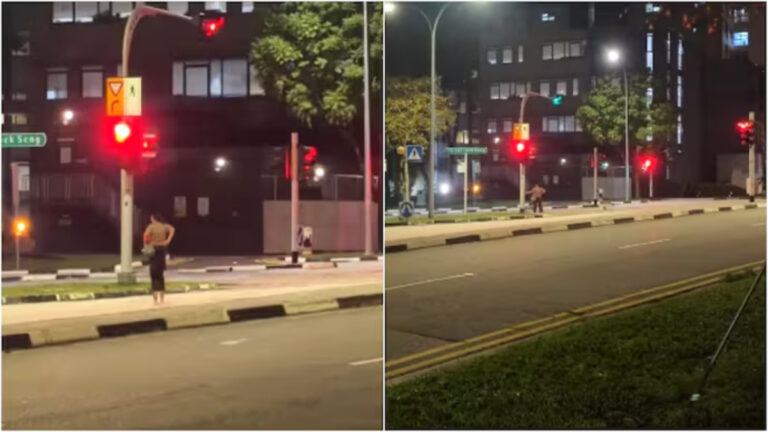
New Delhi, June 4, 2026: In the quiet, early morning hours of a humid Singapore night, an Indian content creator captured a completely mundane moment. There were no dramatic car chases, no celebrity sightings, and no shocking plot twists. Yet, the 15-second video clip she uploaded exploded across social media, clocking over 44 million views and sparking an intense international conversation about human behavior, governance, and societal values.

The video, filmed and shared by Kritika Jain, featured a deserted intersection in Singapore at exactly 1:00 AM. The streets were dead silent, devoid of oncoming cars, patrolling police officers, or flashing headlights. On the curb stood a lone pedestrian. Despite the absolute absence of traffic and any threat of danger, the individual stood completely still, patiently waiting for the pedestrian crossing light to change from red to green before taking a single step forward.

Jain overlaid the video with a simple, profound observation: “Watching a random person in Singapore at 1 am waiting for the pedestrian light to turn green demonstrates how small habits shape a country.” What followed was a massive wave of digital engagement that analyzed a fundamental question: Why do we do the right thing when we think nobody is watching?

The Anatomy of 44 Million Views

To understand why such a regular occurrence captured the fascination of tens of millions of people, one must look at the global contrast in civic behavior. In many major cities around the world—including Jain’s home country of India—an empty road at midnight is an automatic invitation to cross. Pedestrians and motorists alike routinely treat red lights as optional suggestions if there is no immediate traffic or active law enforcement nearby.

When the video hit social media feeds, it held up a mirror to public discipline. Netizens divided the phenomenon into two distinct schools of thought:

  • The Fear of Consequences: Critics and skeptics quickly pointed out that Singapore is globally famous for its strict laws, widespread CCTV surveillance, and heavy fines—often colloquially dubbed a “fine city.” In this view, the pedestrian wasn’t acting out of pure moral goodness, but rather out of a conditioned fear of getting caught by a camera or facing a hefty jaywalking ticket.
  • The Power of Social Norms: On the other side, millions viewed the behavior as a beautiful display of internalized civic responsibility. They argued that while strict enforcement might build a habit initially, it eventually evolves into an unconscious cultural norm. People wait for the light not because they fear a fine, but because “this is just what we do here.”

As the debate raged, comments flooded in from all corners of the globe. One viewer summed up the sentiment perfectly, writing, “Discipline at its highest level.” Another noted, “People often talk about structural development, but real development is visible in how citizens behave in public spaces.”

When Discipline Becomes the Default

Living in a high-trust society alters human psychology in subtle ways. In interviews following the viral explosion of her video, Jain reflected on her experiences living in the city-state. She noted that the viral moment wasn’t an isolated incident, but rather a reflection of a deeper consideration for shared public spaces that defines daily life in Singapore.

This internalized discipline creates a powerful domino effect. When a citizen looks around and sees that 99% of their peers respect the rules, the psychological cost of breaking those rules increases. Jaywalking across an empty street suddenly feels uncomfortable because it breaks a shared social contract. This invisible psychological force is exactly what keeps an individual standing patiently at a curb at 1:00 AM.

Interestingly, Jain mentioned that her video was inspired by a similar viral clip filmed in Japan by creator Luis Nico, where a pedestrian displayed identical discipline at 4:00 AM on a completely barren street. The cross-cultural mirroring highlights a universal truth: the world deeply admires organized, respectful societies, even if achieving that level of order requires a complete overhaul of personal habits.

The Two Sides of a Structured Paradise

While the viral video cast a glowing spotlight on Singapore’s impeccable public order, it also opened up a broader conversation about what it takes to build and maintain such a society. Total public compliance comes with its own unique ecosystem, and Jain was quick to point out the nuanced realities that tourists or casual online viewers might miss.

While Singapore offers unparalleled efficiency, world-class public infrastructure, and a stress-free environment, it operates within a highly regulated framework. The cost of living is notoriously high, and the sheer predictability of life can sometimes contrast sharply with the vibrant, chaotic energy of other cultures.

“The sense of community and spontaneity in India is something I really value,” Jain admitted when comparing her experiences. “There’s a warmth in everyday interactions, and being close to family, friends, and cultural traditions is something that’s hard to replace.”

The True Luxury of the Modern Era

Ultimately, the reason a simple traffic signal clip captured 44 million eyes is because it represents a rare commodity in the modern world: absolute peace of mind. In separate videos, Jain has documented walking home alone at 3:00 AM in Singapore, highlighting that she can do so without looking over her shoulder or feeling a flicker of fear—a reality that sounds like science fiction to women in many other parts of the world.

The 1:00 AM pedestrian video proves that a nation’s strength isn’t just measured by its GDP, its glittering skyscrapers, or its tech sectors. Instead, true civilizational progress is measured in the quietest, darkest hours of the night, when an ordinary citizen chooses to respect the law simply because they value the system they live in. It turns out that macro-level national success is built entirely on a foundation of micro-level human choices.

Beyond the Fireball: How Modern Action Movies are Redefining the “Blast” Factor

New Delhi, June 4, 2026: For decades, Hollywood and international cinema have operated under a simple, unspoken rule: if you want to grab the audience’s attention, blow something up. From the practical miniatures of the 1980s to the sweeping, city-leveling digital chaos of the 2010s, explosive spectacles have been the backbone of the global box office. However, as we move through the mid-2020s, a fascinating shift is happening in entertainment journalism and audience reviews. Viewers are no longer satisfied with mindless pyrotechnics. Today, a truly successful action movie requires a delicate balance of sensory overload, narrative stakes, and physical realism.

When critics sit down to review a modern action film, they look past the surface-level smoke and mirrors. They look for what industry insiders call “the anatomy of momentum”—how a film uses pacing, sound, and consequence to turn a standard explosion into a jaw-dropping cinematic moment.

The Death of Generic CGI: Why Audiences Demand “Real” Impact

For a few years, movie reviews were plagued by a common complaint: “CGI fatigue.” Audiences grew weary of watching entire cities crumble into weightless, grey computer-generated dust. When everything on screen is created by a software rendering farm, nothing feels dangerous.

The films that receive rave reviews today are those that aggressively return to practical effects, or at least seamlessly blend them with digital wizardry. When a director chooses to detonate a real vehicle on a closed highway, the camera captures things a computer still struggles to perfectly replicate:

  • The shockwave: The way the air visibly ripples around the heat source.
  • The debris: Irregular, unpredictable shrapnel that cuts through the frame.
  • The actors’ reactions: True, unsimulated adrenaline as performers react to real heat and thunderous sound.

Reviewers heavily penalize movies that rely on “floaty” digital physics. If a protagonist escapes a massive explosion with pristine hair and a perfectly clean jacket, the illusion is shattered. Modern cinematic success belongs to the gritty, the textured, and the bruised.

Pacing and the “Action Fatigue” Trap

A major pitfall in action cinema—often highlighted in critical reviews—is the pacing of set pieces. If a movie starts at a level ten intensity and stays there for two hours, the audience eventually numbs out. A continuous stream of gunfire, car chases, and explosions loses its impact without structural contrast.

Great action directors structure their films like a musical composition. They utilize quiet, tense moments of anticipation to build pressure before the eventual release. A standard five-minute suspenseful sequence where characters are hiding in absolute silence can make a subsequent, sudden explosion feel ten times more impactful than an hour-long battlefield sequence. Reviewers praise films that understand this ebb and flow, highlighting scriptwriting that allows characters—and the audience—a chance to breathe.

Sound Design: The Unsung Hero of the Box Office

When analyzing what makes an action movie truly memorable, critics almost always point to the audio department. In fact, standard theater goers often misattribute great sound design to great visual effects.

An explosion on screen is just a flash of light without the right auditory framework. Exceptional sound design avoids the generic “boom” sample. Instead, layers of sound are meticulously engineered:

  1. The initial snap: The sharp, metallic crack of an ignition.
  2. The low-end rumble: A deep frequency that physically shakes the theater seats, mimicking a real atmospheric drop.
  3. The aftermath: The cascading rain of shattered glass, twisted metal, and shifting gravel.

Furthermore, top-tier films know when to use the “silence trick”—muting all audio immediately following a massive blast to simulate the temporary hearing loss or shell-shock of the protagonist. It’s an immersive storytelling device that bridges the gap between the screen and the viewer’s physical senses.

High Stakes: Why We Need to Care Who is in the Blast Radius

Ultimately, the most expensive practical stunt or the most earth-shattering sound mix means nothing if the audience isn’t emotionally invested in the characters running for their lives. This is the ultimate differentiator in film reviews.

A low-budget thriller with an excellent script, where a mother is trying to rescue her child from a collapsing building, will almost always score higher with critics than a $200 million superhero movie where nameless CGI armies clash in an empty desert. The stakes must feel personal. When a character we love is placed in harm’s way, every near-miss generates genuine tension. If the characters feel invincible, the danger feels hollow.

The Future of High-Octane Cinema

As distribution models continue to evolve between traditional theatrical releases and premium streaming platforms, the pressure on action cinema has never been higher. To convince an audience to leave the comfort of their living rooms, a film has to promise an experience that cannot be replicated on a smartphone or a standard television setup.

The “blast factor” is no longer just about scale; it is about precision, artistic vision, and visceral execution. Whether it is an indie darling utilizing clever camera tricks or a massive studio venture pushing the boundaries of practical engineering, the movies that stand the test of time are the ones that treat action not as a distraction from the story, but as the story itself.

As critics and fans look ahead to the next wave of releases, the standard remains clear: give us spectacle, but give us soul.

Motorola Edge 70 Pro+ Launched in India: Slim Build, 6,500mAh Battery & 3.5x Zoom

New Delhi, June 4, 2026: Motorola has officially shaken up the premium smartphone segment in India with the launch of its highly anticipated Motorola Edge 70 Pro+. Arriving as the undisputed crown jewel of the Edge 70 series, this device targets power users, photography enthusiasts, and design lovers who want top-tier flagship features without breaking the bank.

By packaging a massive 6,500mAh silicon-carbon battery into an ultra-slim chassis, introducing a crisp 144Hz quad-curved display, and bringing a dedicated 3.5x periscope telephoto lens to the table, Motorola has made a definitive statement.

Here is an in-depth breakdown of everything this new powerhouse brings to the Indian market.

Price, Offers, and Availability in India

The Motorola Edge 70 Pro+ launches in a single, high-performance configuration featuring 12GB of LPDDR5X RAM and 256GB of UFS 4.1 internal storage.

  • Official Price: ₹47,999
  • Effective Launch Price: ₹44,999 (After an instant ₹3,000 bank cashback offer or exchange bonus)
  • First Sale Date: June 11, 2026, starting at 12:00 PM IST
  • Where to Buy: Flipkart, Motorola.in, and major retail stores across India.

Motorola has also tied up with Reliance Jio to offer an exclusive bundle. Buyers can avail themselves of a massive 5,000GB of cloud storage for 18 months, alongside complimentary access to Google Gemini Pro, drastically expanding the phone’s out-of-the-box artificial intelligence capabilities.

Design: Breaking Physics with an Ultra-Slim Profile

Historically, putting a huge battery and a periscope zoom lens into a phone meant accepting a thick, heavy brick. Motorola has completely shattered that stereotype.

Despite carrying a monstrous 6,500mAh battery, the Edge 70 Pro+ measures an astonishingly slim 7.19mm to 7.34mm (depending on your chosen back texture) and weighs just 190 grams. Its Quad-Curved Comfort Design effortlessly blends the front glass into the back panel, giving it a smooth, natural ergonomics-focused grip that feels ultra-premium in the hand.

Continuing its highly successful partnership with Pantone, Motorola offers the Edge 70 Pro+ in three artistic, tactile finishes:

  1. Pantone Zinfandel: A luxurious, smooth Satin-Luxe finish.
  2. Pantone Chicory Coffee: A rustic, textured Sculpted Wood finish.
  3. Pantone Stormy Sea: A modern, fabric-like Twill Inspired finish.

On top of looking gorgeous, the phone is built like a tank. It features premium Corning Gorilla Glass 7i protection on the front and dual IP68 and IP69 underwater and dust protection. It even clears the rigorous MIL-STD-810H military-grade durability standards, ensuring it can survive accidental drops, extreme temperatures, and intense water jets.

The Display: 144Hz Fluidity and Blinding Brightness

On the front sits a gorgeous 6.8-inch Super HD+ (1.5K) Extreme AMOLED display with a sharp 2772 x 1272 resolution. Designed for extreme visual fluidness, the panel supports a blazing-fast 144Hz refresh rate and a 360Hz touch sampling rate, making everything from UI animations to competitive gaming feel buttery smooth.

The screen’s true party trick is its outdoor visibility. Boasting a peak brightness of 5,200 nits, it ensures that even under direct afternoon sunlight, text remains sharp and easily readable. It covers 100% of the DCI-P3 wide color gamut, scales to over a billion colors with 10-bit depth, and is fully Pantone Validated for real-world accurate color rendering. It also incorporates “Water Touch” technology, which allows the display to accurately track inputs even when your fingers or the screen are wet.

Cameras: Quad 50MP Setup with 3.5x Periscope Zoom

The camera department is where the Edge 70 Pro+ earns its “Plus” moniker, completely upgrading the imaging system over its younger sibling, the standard Edge 70 Pro. Motorola has loaded this phone with four independent 50-megapixel sensors—three on the rear and one on the front.

  • Primary Sensor: A 50MP Sony LYTIA-710 camera with a wide f/1.8 aperture and Optical Image Stabilization (OIS). It pulls in massive amounts of light for pristine, noise-free nighttime photography.
  • Periscope Telephoto: The star of the show is the 50MP 3.5x Periscope camera. Complete with OIS and an 85mm equivalent focal length, it delivers optically sharp portrait shots and powers an advanced 50x AI Super Zoom Pro mode to snap distant details cleanly.
  • Ultrawide / Macro: A 50MP sensor with a massive 122° field of view. Thanks to integrated autofocus, it doubles as a macro camera, letting you capture sharp, close-up details from just centimeters away.
  • Selfie Camera: Up front, the 50MP f/1.9 shooter includes autofocus—a rarity in this price range—ensuring group selfies and video calls stay crisply focused on your face rather than the background.

The camera array is tied together by moto ai 2.0. It handles heavy background lifting like RAW Super-Resolution, AI-powered Zero Shutter Lag, Action Shot tracking, and Horizon Lock stabilization. Content creators will also love that the phone supports 4K video recording at 60fps across all four lenses simultaneously.

Performance and Next-Gen AI Software

Under the hood, the Motorola Edge 70 Pro+ runs on the MediaTek Dimensity 8500 Extreme processor. Built on a highly efficient 4nm architecture, this octa-core chip punches out an impressive AnTuTu benchmark score of over 2.4 million. To prevent thermal throttling during extended gaming sessions, Motorola has integrated a large 4,600mm² vapor chamber cooling system that boosts thermal dissipation by 18%.

The hardware is managed by Motorola’s clean Hello UI, built right on top of the latest Android 16 operating system. Motorola guarantees 3 major Android version updates and 5 years of security patches, offering great long-term peace of mind.

The software experience is layered with deep AI capabilities. Features like Sketch to Image turn rough scribbles into digital art, Catch Me Up 2.0 summarizes missed notifications, and Style Sync generates custom phone themes based on a photo of your outfit. The ecosystem is deeply integrated with Perplexity AI to serve context-aware, hyper-accurate web answers natively.

Battery Life: Changing the Game with Silicon-Carbon Tech

Perhaps the most practical engineering feat of the Edge 70 Pro+ is its 6,500mAh Silicon-Carbon battery. By shifting away from standard Lithium-ion, Motorola used a higher-density chemical structure to fit roughly 30% more capacity into a sub-7.5mm shell.

According to laboratory testing, this battery comfortably yields up to 51 hours of regular mixed-use life on a single charge. That translates to 29 hours of non-stop video playback or an incredible 26 hours of uninterrupted gaming.

When you finally run dry, the 90W TurboPower wired charging juices the massive cell back up to 100% in roughly 45 minutes. Furthermore, Motorola has addresses a legacy fan request by bringing 15W wireless charging and 5W reverse wireless charging into the mix.

Final Verdict: Is it Worth the Hype?

The Motorola Edge 70 Pro+ shapes up to be one of the most compelling all-rounder flagship-killers of 2026. It manages to combine attributes that are usually mutually exclusive: a massive 6,500mAh battery within an incredibly thin, lightweight footprint, paired with a zero-compromise quad-50MP camera layout.

For anyone looking for clean software, high-end zoom photography, multi-day battery endurance, and a design that stands out in a crowd, the Edge 70 Pro+ at a net price of ₹44,999 is going to be incredibly tough for competitors to beat.