Home Blog Page 34

KCET Result 2026: Live Rank Link, How & Where to Check Online

New Delhi, June 4, 2026: The anticipation is reaching a fever pitch for more than 3.1 lakh students in Karnataka. The Karnataka Examinations Authority (KEA) is expected to officially declare the results for the Undergraduate Common Entrance Test (UGCET), widely known as the KCET 2026, very shortly. State higher education officials have indicated that the result link will be activated this week, putting an end to a weeks-long wait for engineering, pharmacy, and agriculture aspirants across the state.

The state-level entrance exam was successfully conducted between April 22 and April 24, 2026, across 745 examination centres. While KEA initially aimed for a late-May release, the timeline was slightly pushed into the first week of June to accommodate the rescheduling of agricultural and veterinary practical examinations at the Hiriyur center. Now, with the evaluation rounds wrapped up and the state’s seat matrix officially published, the technical team at KEA is executing final server runs to ensure a seamless result rollout.

Where to Check KCET 2026 Results Online?

When the results are officially pushed live, a massive surge of online traffic is anticipated on the state servers. To prevent website crashes and ensure that students can check their ranks without administrative hurdles, the KEA has set up multiple official mirror portals. Students can log into any of the following web addresses to pull up their digital rank cards:

  1. cetonline.karnataka.gov.in/kea
  2. karresults.nic.in
  3. kea.kar.nic.in

Candidates are strictly advised to stick only to these official domains and stay wary of third-party phishing links that look similar but demand insecure personal information.

How to Download the KEA UGCET Scorecard

The KEA has kept the log-in process straightforward and user-friendly. To download your digital scorecard, ensure you have your original hall ticket safely by your side, and proceed with the following steps:

1.Visit the Official Portal:Step 1.

Open your web browser and navigate to the official Karnataka Examination Results webpage at karresults.nic.in or cetonline.karnataka.gov.in.

2.Locate the UGCET Result Link:Step 2.

On the homepage, spot and click on the prominent flashing banner titled “KCET 2026 Result” or “UGCET 2026 Scorecard”. This will redirect you to a secure login interface.

3.Enter Login Credentials:Step 3.

Carefully enter your KCET Application/Registration Number. In the second column, input the first four characters of your name exactly as they appear on your hall ticket (e.g., if your name is H.D. Anita, enter HDAN).

4.Submit and Verify:Step 4.

Double-check the text boxes for typos and hit the “Submit” button. Your comprehensive KCET 2026 scorecard will immediately reflect on the screen.

5.Download and Print:Step 5.

Thoroughly inspect the visible marks, scroll to the bottom, and click on “Download Rank Card PDF.” Ensure you take at least 3 to 4 clear printouts for the upcoming counseling phase.

Understanding the 50:50 Rank Formula and DigiLocker Integration

One of the most critical aspects of the KCET rank generation process is the evaluation weightage. Unlike purely entrance-driven national exams like JEE Main, the KEA uses a balanced 50:50 formula to calculate professional ranks. Exactly 50 percent weightage is assigned to the candidate’s absolute performance in the KCET exam, while the remaining 50 percent is systematically pulled from the marks scored in the core PCM/PCB subjects of the Class 12 or Second Pre-University (II PUC) board examinations.

To make this computation smooth and prevent discrepancies, the KEA made it mandatory for students to link their DigiLocker accounts to the KEA portal. This allowed the authority’s database to automatically retrieve verified Class 12 marks directly from central and state board repositories. Education officials have clearly warned that for students who failed to grant mark-retrieval permissions on the portal, or whose data couldn’t be pulled successfully, their ranks will be temporarily withheld. Such candidates will have to use the “Mark Entry Portal” or clear their discrepancies with the KEA helpdesk to unlock their spot ranks later.

Crucial Details to Check on the Scorecard

Once the scorecard is saved, students shouldn’t just look straight at the final rank figure. It is highly recommended to meticulously scan the document for any print or formatting errors, as this exact document will act as the identity anchor during seat allocation. Keep an eye out for:

  • Personal Demographics: Check that your full name, application number, registered photograph, and signature match your admit card.
  • Subject-Wise Breakup: Ensure the scores under Physics, Chemistry, Mathematics, and Biology are cleanly itemized.
  • Stream-Specific Ranks: Since KCET unlocks diverse paths, you may see different ranks for Engineering, B.Pharma, and Agriculture based on your combination.
  • Category Tagging: Confirm that any horizontal or vertical reservation tags (such as Rural, Kannada Medium, SC/ST, or Hyderabad-Karnataka quotas) are correctly printed.

If any student finds an error or detects a mismatch between their board marks and the marks integrated into the system, KEA will open a brief online window allowing students to file objections against score discrepancies before the counseling roster is locked.

What Follows the Result Declaration?

The release of the KCET rank card marks the close of the examination phase and immediately sets the stage for the highly competitive online counseling rounds. State Higher Education Minister Dr. M.C. Sudhakar has already affirmed that the KEA will proceed with engineering, architecture, and agricultural admissions independently this year without waiting for any external national counseling timelines.

The standard procedure following the result consists of a systematic online registration, offline document verification at designated regional KEA centers, followed by the crucial option-entry round. During option entry, students can list their preferred colleges—ranging from top-tier state-affiliated institutes like RVCE, BMSCE, and MSRIT to prestigious government colleges like UVCE. Ranks from the KCET will form the absolute baseline for seat matrices across hundreds of engineering and technology colleges in Karnataka.

Students are advised to keep their category certificates, study certificates, income papers, and printouts of the rank card ready to avoid last-minute panic when the counseling portal activates. Stay tuned to the official portals as the active direct link is expected to drop at any moment.


Mid-Air U-Turn: Bureaucratic Snag Halts SAS India Return

0

New Delhi, June 4, 2026: What was supposed to be a historic, water-cannon-salute welcome at Mumbai’s Chhatrapati Shivaji Maharaj International Airport quickly dissolved into regulatory confusion. On June 2, 2026, Scandinavian Airlines (SAS) attempted to officially kick off its grand return to the Indian market after a 17-year absence. Instead, flight SK969 from Copenhagen to Mumbai executed a dramatic mid-air U-turn over Azerbaijan, flying its frustrated passengers right back to where they started.

The structural failure of the launch highlights the incredibly precise coordination required between international carriers and local aviation watchdogs. In this case, SAS assumed it could sort out final regulatory paperwork while the aircraft was already cruising over Europe. India’s Directorate General of Civil Aviation (DGCA) had other plans.

Chronology of a Failed Inaugural Flight

The tension began before the Airbus A330-300 even left the ground in Denmark. Flight SK969 pushed back from Copenhagen International Airport roughly four and a half hours behind schedule. Despite the delay, the mood remained optimistic. SAS had been coordinating this direct route connection for months, viewing it as a crown jewel in its newly restructured long-haul network under the SkyTeam alliance banner.

The aircraft took off, flying southeast for about four hours. But as the plane cruised into Azerbaijani airspace, the flight crew received a jarring instruction from Air Traffic Control back in Copenhagen: turn around immediately.

At that exact moment, ground crews at Mumbai airport were putting the final touches on a massive celebration. Emergency vehicles were positioned on the tarmac, ready to shower the widebody jet with a celebratory water cannon salute. It wasn’t until hours later that the local airport authorities received word that the history-making flight was retreating back to Europe. Ultimately, passengers endured a grueling 12-hour “flight to nowhere,” landing safely back in Copenhagen with nothing to show for it but lost travel days and immense frustration.

The Gamble on “En-Route” Approvals

In the aftermath of the turnback, SAS was transparent about what went wrong. The breakdown wasn’t a mechanical glitch, a sudden weather cell, or a medical emergency. It was a pure documentation gap.

The carrier released a statement clarifying that it believed the final written authorization from Indian authorities would drop while the flight was already in the air.

Operating an international flight into domestic airspace requires strict, written, absolute final clearance from the host nation’s civil aviation authority—in this case, India’s DGCA. Because that digital “green light” never came through as the plane drew closer to the South Asian sub-continent, the airline had no choice but to retreat to avoid violating international airspace laws. When reached for comment, neither the DGCA nor India’s Ministry of Civil Aviation offered an official response regarding why the approval stalled.

The Financial and Passenger Fallout

While a mid-air turnaround is a massive logistical headache for operations teams, it represents an immediate financial blow to the carrier and a travel nightmare for the individuals on board.

Aviation experts suggest the total combined cost of this single aborted long-haul journey could easily eclipse half a million dollars for the airline.

Looking Forward: Why Mumbai Matters to SAS

Despite this deeply embarrassing administrative setback, SAS cannot afford to abandon the route. The airline walked away from the Indian market back in 2009 due to complex restructuring and poor long-haul economics at the time. However, the global aviation landscape of 2026 looks vastly different. India is now one of the absolute fastest-growing commercial aviation markets on earth.

Furthermore, this Copenhagen-to-Mumbai link is a highly strategic choice. It is a direct route that no other carrier currently operates, positioning Copenhagen Airport to become a primary transit gateway connecting Northern Europe and North America to Western India.

SAS corporate teams are reportedly working around the clock to iron out the bureaucratic remaining wrinkles with Indian authorities. The airline has stated it remains fully prepared to activate the route as soon as the definitive paperwork is signed, confidently projecting that flights will successfully take off within a matter of days. For the hundreds of passengers holding tickets for subsequent flights later in the week, however, the immediate mood is one of anxious waiting as they watch flight trackers to see if the next scheduled aircraft actually gets to finish its journey.

Nushrratt Bharuccha Breaks Silence on Viral IPL Celebration Clip

New Delhi, June 4, 2026: In the fast-paced world of social media, it takes only a few seconds for a harmless, celebratory post to turn into a full-blown internet controversy. Bollywood actor Nushrratt Bharuccha recently found herself at the epicenter of a massive online storm after sharing a short video clip on her Instagram handle. What was intended to be a simple celebration of Royal Challengers Bengaluru’s (RCB) historic victory in the IPL 2026 finals quickly spiraled out of control as internet users began spinning wild theories about the video’s background audio.

Breaking her silence after 24 hours of intense online speculation and trolling, Nushrratt slammed the rumor-mongers, provided concrete video proof of what actually happened, and delivered a sharp message to netizens: “People, calm your wild thoughts down!”

How a Cricket Celebration Triggered a Social Media Storm

The controversy began on Wednesday when cricket fans across India were celebrating the dramatic finale of the IPL 2026 season. Nushrratt, a well-known and vocal supporter of the RCB franchise and star batsman Virat Kohli, took to her Instagram Stories to share her excitement. She posted a brief video recording of her television screen, capturing the exact moment the RCB players lifted the winning trophy.

However, instead of focusing on the historic cricket win, eagle-eyed—and perhaps over-analytical—netizens shifted all their attention to the background noise in the clip. A few seconds into the video, a faint, high-pitched whimpering sound could be heard. Within minutes, social media platforms like X (formerly Twitter) and Reddit were flooded with recordings of her story. Netizens began claiming that the background noise sounded explicit, triggering an avalanche of memes, inappropriate comments, and baseless conspiracy theories.

As the video went viral for all the wrong reasons, the actor deleted the post. However, the internet had already archived it, and the rumors continued to gather momentum. When spotted by paparazzi in Mumbai later that evening, a visibly uncomfortable Nushrratt chose to skip addressing the cameras entirely, refusing to give the building controversy any immediate fuel.

“Kuch Logon Ne Hadh Hi Kar Di Hai”: Nushrratt Hits Back with Receipts

Realizing that silence was only allowing the fake narratives to fester, Nushrratt took to Instagram on Thursday to put a definitive end to the drama. She didn’t just issue a text apology or a vague PR statement; she shared direct visual evidence to expose how absurd the online assumptions truly were.

In a series of new Instagram stories, the Pyaar Ka Punchnama actor posted a video showing the exact layout of the room where she had watched the IPL match, explicitly revealing the true culprit behind the mysterious audio: an innocent, crying puppy.

In her written statement, Nushrratt explained that she was watching the high-stakes match at a friend’s house. The house owned a very young puppy that happened to be whining and whimpering in the background while she recorded her TV screen.

Fake Clarifications and Calling Out Online Harassment

The situation became further complicated when a fabricated screenshot of an apology began circulating online, falsely claiming to be Nushrratt’s official explanation. In that fake screenshot, she was shown blaming a “pet cat” for the noise. Nushrratt used her official statement to firmly debunk that fake clarification as well, warning fans not to fall for edited pictures and unauthorized statements making the rounds.

Beyond just clearing her name, Nushrratt took a strong stance against the toxic nature of digital spaces and how easily women in the entertainment industry are targeted with explicit slurs over accidental misinterpretations.

“Owning a mobile phone doesn’t empower harassment,” she stated sharply. “Do not misinterpret or follow blindly. Think and act responsibly!” She also added a note of sarcasm regarding the hyper-fixation of social media users: “Funny how a few seconds of audio can keep the entire internet employed for a day.”

The Broader Picture: The Toxicity of “Internet Detectives”

The swift escalation of Nushrratt Bharuccha’s IPL story highlights a growing, troublesome trend across social media: the rise of “internet detectives” who are quick to manufacture controversy out of thin air. In the rush for likes, retweets, and algorithmic engagement, context is frequently sacrificed. A simple background noise—whether a television echo, a crying child, or, as in this case, a whimpering pet dog—is often instantly twisted into something scandalous.

Public figures, particularly female actors, are disproportionately subjected to this kind of intense scrutiny. An accidental upload or a poorly timed background sound can result in severe cyberbullying within a matter of hours. By stepping up, presenting clear facts, and refusing to stay silent, Nushrratt has set a strong precedent on how to confront viral misinformation directly.

Moving Forward: Nushrratt’s Professional Front

With the viral controversy effectively put to rest by her candid clarification, Nushrratt is ready to shift the focus back to her thriving professional life. Known for choosing versatile and challenging roles in movies like Chhorrii, Janhit Mein Jaari, and Dream Girl, the actor has an exciting lineup of cinematic projects coming up later this year.

  • Ghooskhor Pandut: She will be sharing the screen with Bollywood powerhouse and National Award winner Manoj Bajpayee in this highly anticipated project (the title of which is reportedly undergoing a change).
  • Bun Tikki: Another major project in her pipeline that has film enthusiasts eagerly waiting.

Nushrratt’s fans and several industry peers have come out in her support, praising her for handling the absurd situation with grace, maturity, and undeniable fierceness. Her message remains a timely reminder for everyone navigating the internet: take a breath, double-check the facts, and think twice before letting your thoughts run completely wild.

Army Seeks Explanation Over Viral Proposal Video

0

New Delhi, June 4, 2026: A heartwarming moment at a military graduation has transformed into a national debate on protocol. The Indian Army has taken formal cognisance of a viral social media video showing a newly commissioned pilot proposing to his partner right after his passing-out parade. While the internet has largely melted over the romantic gesture, the military establishment has stepped in to seek an explanation from the young officer, citing concerns over discipline and the misuse of official military backdrops for personal social media content.

Below is an updated, detailed breakdown of the unfolding event.

“She Said Yes, Army Said No”: The Viral Proposal That Sparked a Protocol Debate

The incident unfolded on Tuesday at the prestigious Combat Army Aviation Training School (CAATS) near Nashik, Maharashtra. The occasion was already a monumental milestone for Captain Bharat Bhardwaj, who had just successfully completed his rigorous training to graduate as an Army pilot and flight instructor. Surrounded by family, instructors, and fellow officers, the solemnity of the military convocation briefly took a cinematic detour.

Dressed in his crisp, ceremonial olive-green uniform, Captain Bhardwaj walked onto the tarmac, dropped to one knee, and popped the question to his long-time girlfriend, Arushi, offering her an engagement ring. The romantic ambiance was heavily heightened by an advanced Indian Army helicopter positioned directly in the backdrop. Visibly overwhelmed with joy, his partner accepted the proposal and embraced him amid cheers, applause, and whistles from onlookers and guests.

Why the Indian Army is Seeking an Explanation

The proposal was captured on camera and quickly made its way to social media platforms like X (formerly Twitter) and Instagram, racking up hundreds of thousands of views within hours. However, as the video went viral, it caught the attention of the upper echelons of the military establishment.

According to defense sources, the Indian Army’s primary objection is not the romance itself, but the location, timing, and improper use of active military assets for personal visibility.

  • The Backdrop Issue: The armed forces have an incredibly strict, non-negotiable policy prohibiting the use of military equipment, weapons, or strategic assets (such as the helicopter seen in the video) as props for self-promotional or non-official social media posts.
  • The Sacred Uniform: The ceremonial uniform worn during a passing-out parade represents the apex of discipline, duty, and sacrifice. Senior officials felt that turning a highly disciplined, formal national parade into a personalized public spectacle compromised the decorum expected of a commissioned officer.
  • Security & Recording Regulations: Standard operating procedures generally discourage unauthorized or casual filming on the tarmac of defense training institutions due to operational security codes.

While top military commanders have initiated a formal inquiry to seek an official explanation from Captain Bhardwaj, defense insiders have indicated that severe disciplinary action or harsh punishment is highly unlikely. Given that he is a newly commissioned young officer caught up in the emotion of a life-defining milestone, the inquiry is expected to culminate in a formal warning or reprimand regarding future social media conduct and behavioral protocols.

Internet Divided: Romance vs. Rules

The incident has triggered a fascinating, wide-ranging discussion online across India. Public opinion remains cleanly split between those prioritizing emotional celebration and those defending traditional institutional sanctity.

Before the video triggered an official inquiry, Captain Bhardwaj spoke briefly to journalists, radiating pride. He mentioned that he and his fiancée had been together for five years through his tough training journey. He explained that since his hard work had finally yielded fruit and his family was present, he simply wanted to make the day completely unforgettable for his partner.

Ultimately, Captain Bhardwaj has walked away from his graduation with two major updates to his life: he is now a newly minted Indian Army pilot, and he is a happily engaged man. He will, however, have to provide a written explanation to his superiors before he officially takes to the skies.

Aamir Khan to Marry Gauri Spratt on July 5

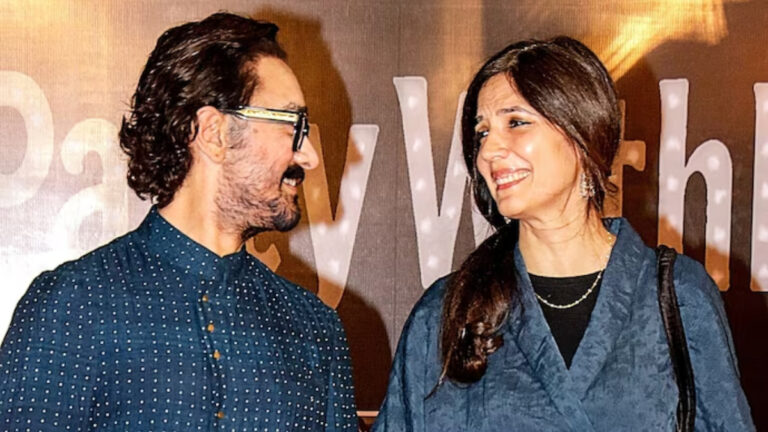
New Delhi, June 4, 2026: Bollywood superstar Aamir Khan is preparing to step into a new chapter of his personal life. The 61-year-old actor has officially confirmed the widespread speculation surrounding his relationship status, announcing that he will marry his longtime partner, Gauri Spratt, on July 5, 2026. The news has generated significant waves of interest across the Indian entertainment industry, marking what will be the actor’s third marriage.

Breaking his silence during a recent interview while traveling in the United States, Aamir directly confirmed the date, stating, “The news about the marriage is true. It’s on July 5.” The couple, who have been quietly building a life together over the last few years, have reportedly chosen to bypass the typical grandeur associated with high-profile celebrity weddings in favor of an understated, deeply personal celebration.

A Journey from Longtime Friendship to Romance

While the public only became familiar with Gauri Spratt relatively recently, her connection to Aamir Khan spans a quarter of a century. The two first crossed paths nearly 25 years ago. Though life initially took them in separate directions, they reconnected decades later through Aamir’s cousin, Nuzhat Khan, in Bengaluru.

What began as a revived platonic friendship eventually transitioned into a deep, romantic partnership in early 2024. Aamir formally introduced Gauri to the public and the media during his 60th birthday celebrations in March 2025. During that media interaction, he affectionately spoke about how their long-term friendship had naturally evolved into something much deeper over time.

Gauri, an entrepreneur with a professional background rooted in the fashion, beauty, and wellness sectors, previously managed a successful salon chain in Bengaluru. She has since moved to Mumbai and transitioned into working alongside Aamir within his production house, Aamir Khan Productions. Like Aamir, she has a child from a previous marriage—a seven-year-old son named Quinn. Notably, Gauri also boasts a unique historical lineage; her grandfather was Philip Spratt, a British-born writer and intellectual who moved to India in the 1920s and actively participated in the country’s independence movement.

Finding Stability and “Completeness”

In a series of candid media interactions leading up to the wedding announcement, Aamir has been vocal about the profound positive impact Gauri has had on his life. The actor revealed that they have been living together for over a year, establishing a quiet, shared routine away from the constant spotlight. Speaking to the media about this phase of his life, Aamir expressed a deep sense of emotional security, stating:

He had previously hinted that a formalization of their bond was simply a matter of time, noting that in his heart, he already considered her his wife and partner long before setting an official date. Sources close to the actor indicate that the decision to wed stems from a shared desire to formalize the stable, happy family dynamic they have cultivated over the past year.

Details of the July 5 Nuptials

True to Aamir’s evolving preference for a low-key lifestyle, the wedding on July 5 is scheduled to be a strictly private, intimate affair. Rather than hosting a massive, star-studded destination wedding or a lavish banquet, the couple has opted for a simple registered marriage.

The ceremony will take place at Aamir’s personal residence in Mumbai. The guest list is being kept incredibly small, restricted primarily to immediate family members and a selective handful of close, lifelong friends. Insiders have confirmed that there are currently no plans to throw a grand, industry-wide reception for Bollywood fraternity members. However, close industry friends like Salman Khan and Shah Rukh Khan are rumored to be among the very few individuals invited to attend the home ceremony, depending on their respective filming schedules.

Blending Families with Grace

A key aspect of this new chapter is the support and presence of Aamir’s extended family. Aamir was first married to Reena Dutta in 1986, a union that lasted 16 years and produced two children: Junaid Khan, who recently made his acting debut, and entrepreneur Ira Khan. Following his divorce from Reena in 2002, Aamir married filmmaker Kiran Rao in 2005. The couple welcomed their son, Azad Rao Khan, via surrogacy before mutually deciding to separate in 2021 after 16 years of marriage.

Despite his past divorces, Aamir has long been recognized in the industry for maintaining exceptionally warm, respectful, and tight-knit relationships with both of his former wives. Reena Dutta and Kiran Rao are frequent fixtures at Aamir’s family gatherings, religious festivals, and milestones. This unique, supportive family dynamic will extend to the upcoming wedding, with all three of Aamir’s children—Junaid, Ira, and Azad—expected to be fully present to celebrate their father’s marriage to Gauri, alongside Gauri’s young son.

Balancing Personal Milestones with Professional Commitments

While Aamir’s personal life is taking center stage this summer, his professional slate remains heavily active, though his focus has noticeably shifted toward his responsibilities as a producer. Following his return to the screen in Sitaare Zameen Par, Aamir has turned his full attention toward fostering fresh talent and backing unique narratives under Aamir Khan Productions.

By structuring his work commitments around his personal life, Aamir has managed to carve out the necessary time to step away from India to travel before returning to Mumbai for the final wedding preparations.

As July 5 approaches, public interest remains incredibly high. Yet, by choosing a simple home registration over a massive media spectacle, Aamir Khan and Gauri Spratt are signaling that this milestone is entirely focused on the quiet reality of the life they have built together, surrounded purely by the people who matter most.

Bollywood Mourns the Loss of Veteran Producer and Former CBFC Chief Pahlaj Nihalani at 76

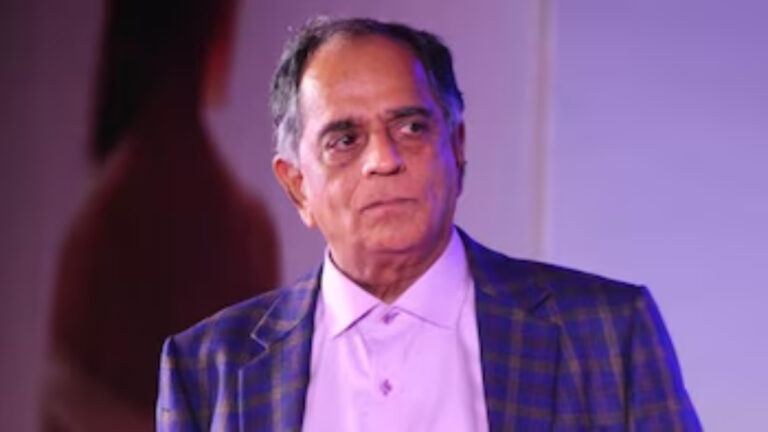
New Delhi, June 4, 2026 — The Indian film fraternity is in mourning following the demise of veteran Hindi film producer and former Central Board of Film Certification (CBFC) chairperson, Pahlaj Nihalani. He passed away on Thursday, June 4, 2026, at the age of 76 after a prolonged battle with liver-related health issues. Nihalani had been receiving specialized treatment over the past month and breathed his last at Nanavati Hospital in Mumbai around 9:30 AM. He is survived by his wife, Nita, and their three sons: Vishal, Deepesh, and Chirag.

The Family’s Statement and Final Farewell

Following his passing, the Nihalani family released an emotional official statement to the press and public, confirming the news and sharing the schedule for his final rites:

The news immediately triggered a wave of grief across Bollywood, with filmmakers, actors, and executives offering their condolences. Current CBFC Chairman Shashi Shekhar Vempati shared the board’s grief, stating, “Heartfelt condolences from the entire CBFC family on the demise of former CBFC Chairperson Shri Pahlaj Nihalani.”

A Cinema Legacy: Shaping the Blockbusters of the ’80s and ’90s

Pahlaj Nihalani was a towering figure in mainstream Hindi cinema, widely credited with defining the high-energy, commercial style of Bollywood during the 1980s and 1990s. He began his production journey in 1982 with the film Haathkadi. However, his unique legacy lies in his uncanny eye for spotting raw talent and molding them into mega-stars.

Most notably, Nihalani launched the career of superstar Govinda by backing his debut film, Ilzaam, in 1986. This dynamic producer-actor relationship, alongside director David Dhawan, became a golden formula for Bollywood box office success. Together, they delivered some of the era’s most memorable, mass-entertainment blockbusters.

Nihalani was also responsible for introducing actor Chunky Pandey to the silver screen with the 1987 action film Aag Hi Aag. Over his multi-decade production career, Nihalani backed an array of highly lucrative commercial entertainers:

  • Aankhen (1993): Emerging as one of the biggest blockbusters of the 1990s, this action-comedy solidified his reputation as a king of commercial cinema.
  • Shola Aur Shabnam (1992): A cult classic that helped cement Govinda’s position as a premier leading man.
  • Paap Ki Duniya (1988) & Ilzaam (1986): Iconic mass action-dramas that drew massive audiences to theaters.
  • Andaz (1994) & Talaash (2003): High-profile multi-starrers that showcased his range in commercial storytelling.

Beyond his work as a producer, Nihalani served as the president of the Association of Pictures and TV Programme Producers for nearly 29 years, fiercely advocating for the rights and logistical ease of film crew and creators until he stepped down in 2009.

The Censor Board Tenure: A Lightning Rod for Debate

While cinema lovers knew him for color and comedy, the wider public became deeply familiar with Pahlaj Nihalani during his highly publicized and tumultuous tenure as the chairperson of the Central Board of Film Certification (CBFC). Appointed to the position in January 2015, Nihalani’s administration immediately took an aggressively traditional, hardline stance on film certification.

Believing that modern cinema was leaning too heavily on profanity and adult themes, he implemented heavily strict guidelines. Under his watchful eye, the board routinely demanded extensive cuts, language bleeps, and the removal of scenes containing what it deemed “excessive cussing” or content that could potentially harm religious sentiments—even in movies explicitly intended for mature adult (‘A’) audiences. He openly criticized highly acclaimed, gritty blockbusters like Omkara and Gangs of Wasseypur, arguing that their language did not reflect civil, everyday Indian society.

This conservative approach turned his tenure into a massive lightning rod for industry-wide friction. Filmmakers, critics, and creative rights groups frequently locked horns with Nihalani, accusing his office of outdated moral policing and infringing upon artistic expression. Major public and legal standoffs—most notably over the certification of the hard-hitting drug-drama Udta Punjab—brought the debate regarding the lines between “film certification” and absolute “censorship” directly into the national spotlight.

Despite intense pushback from Bollywood peers, Nihalani remained staunchly unapologetic about his views, frequently reiterating his belief that his primary duty was to protect cultural standards and family values within Indian households. His rocky, headline-making term eventually concluded on August 11, 2017, when he was replaced by lyricist and screenwriter Prasoon Joshi.

Later Years and Final Projects

Following his departure from the CBFC, Nihalani immediately pivoted back to his true passion: independent film distribution and production. He proudly presented the erotic thriller Julie 2 in late 2017, and later reunited with his long-time creative partner Govinda for the 2019 comedy-drama Rangeela Raja. Though his final cinematic outings didn’t achieve the massive box-office heights of his 1990s hits, his relentless drive to create movies never wavered.

Pahlaj Nihalani leaves behind a deeply fascinating, dual-faceted legacy. To millions of cinema lovers and industry insiders, he will forever be remembered as the visionary showman who infused Bollywood with vibrant energy, unbridled commercial joy, and helped discover some of the country’s most beloved screen icons. To the history of Indian media, he remains an unyielding, passionate figure who forced the nation to critically examine the delicate balance between creative freedom and regulatory responsibility. His departure marks the end of a colorful, loud, and undeniably influential chapter in the story of Indian cinema.

Anupam Kher to David Dhawan on Retirement: Audience Decides, Not You

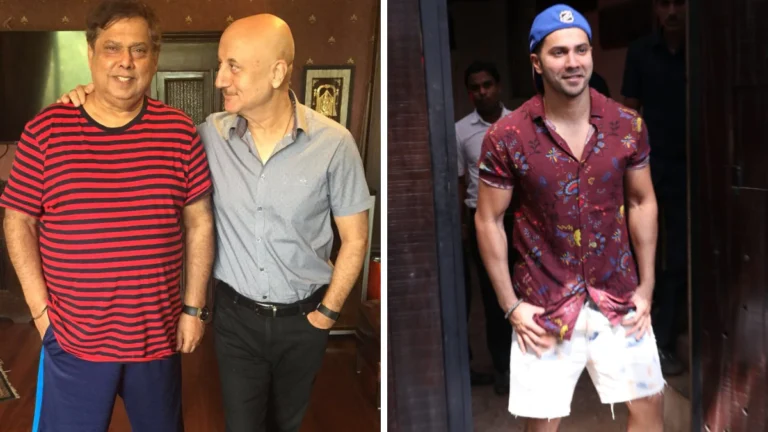
New Delhi, June 4, 2026: The Bollywood fraternity and fans alike were recently taken by surprise when veteran filmmaker David Dhawan announced his plans to retire from direction. The director, widely celebrated as the ultimate king of commercial comedy, made the unexpected revelation at a celebratory event for his upcoming film, Hai Jawani Toh Ishq Hona Hai. Hinting that this project—which features his son Varun Dhawan in the lead role—would be his last directorial venture, Dhawan triggered an outpouring of emotional reactions across the industry. While many colleagues expressed sadness, his longtime friend and veteran actor Anupam Kher took a completely different, candid route by openly scolding the filmmaker for trying to call it quits.

“Who Are You to Decide?”: Anupam Kher’s Direct Confrontation

Anupam Kher, known for his frank and warm relationship with his industry peers, revealed that he wasted no time in calling up his best friend to voice his strong objection. Speaking about the incident, Kher shared that he actively reprimanded the filmmaker over the phone, refusing to accept the idea of his retirement. Kher recounted the conversation, stating that he explicitly challenged Dhawan by asking, “What do you mean, this is your last film? Who are you to decide, this is your last film? If the audience loves you, don’t say, this is my last film.”

For Kher, the concept of a fixed retirement age holds no value in a creative field like filmmaking. He explained his philosophy by recalling advice from his own father, who always maintained that retirement is merely a state of mind rather than a structural necessity. Kher emphasized that as long as an individual is physically capable and passionate about their craft, they should continue doing what they love. He noted that people in the creative arts are uniquely fortunate because they are not bound by typical corporate age limits, making Dhawan’s decision to walk away feel entirely premature.

Bollywood Reacts to the End of an Era

The news of David Dhawan’s potential exit from the director’s chair has cast a bittersweet shadow over the promotions of Hai Jawani Toh Ishq Hona Hai. The film marks Dhawan’s return to directing after a six-year hiatus and represents his fourth collaboration with Varun Dhawan, alongside co-star Mrunal Thakur. The announcement event itself turned out to be an emotional affair, attended by close industry friends including megastar Salman Khan, who shared a long and highly successful professional history with the director.

Other major industry figures have also stepped forward to reflect on Dhawan’s massive legacy. Filmmaker Karan Johar openly reacted to the retirement news, describing Dhawan as a foundational institution within Indian cinema. Johar credited the veteran director with single-handedly shaping, defining, and popularizing the modern commercial comedy genre in Bollywood, making his potential departure a major shift for mainstream filmmaking.

A Legacy built on Laughter

David Dhawan’s impact on Hindi cinema remains unmatched when it comes to delivering mass-entertainer blockbusters. Throughout the 1990s and 2000s, his distinct brand of vibrant, fast-paced comedy defined the cinematic experience for millions of viewers. He is particularly revered for his iconic creative partnership with actor Govinda, a duo that delivered 17 films—including absolute cult classics like Raja Babu, Coolie No. 1, and Hero No. 1.

His ability to blend loud, physical comedy with catchy music and high-energy performances established a specific formula that inspired a whole generation of younger directors. Even today, his movies enjoy an incredibly loyal television and digital audience, proving that his work has a timeless appeal. It is precisely this enduring relevance and deep connection with the public that prompted Anupam Kher to argue that a director of Dhawan’s stature belongs on a film set for as long as he chooses to create.

Looking Ahead: The Theatrical Release

As discussions regarding his future continue to circulate within the film fraternity, the immediate focus remains on Hai Jawani Toh Ishq Hona Hai. The project has generated substantial buzz, not just because of the family collaboration between father and son, but because it represents the return of a master storyteller trying his hand at modern romance and comedy.

Whether David Dhawan will take Anupam Kher’s firm advice to heart and consider future projects remains to be seen. For now, industry insiders and fans are viewing his latest release not just as another movie, but as a potential celebration of a monumental career that fundamentally changed the landscape of commercial entertainment in India.

Xiaomi 18, Vivo X500, & Oppo Find X10 Set for Major Flagship Battle in September 2026

New Delhi, June 4, 2026: The global smartphone landscape is bracing for an unprecedented shakeup this autumn. Silicon insiders and supply chain channels have confirmed that three of the world’s most aggressive technology giants—Xiaomi, Vivo, and Oppo—are aligning their launch schedules for a high-stakes showdown in September 2026. With the highly anticipated Xiaomi 18, Vivo X500, and Oppo Find X10 all slated for release within weeks of each other, consumers are about to witness a premium market battle defined by custom AI silicon, groundbreaking solid-state battery technology, and professional-grade camera optics.

For years, mobile manufacturers followed a predictable, staggered release calendar to give each other breathing room in the retail market. However, 2026 has completely rewritten the industry playbook. The driving force behind this sudden convergence is the simultaneous maturity of next-generation hardware components, specifically TSMC’s refined 3-nanometer sub-node chipsets and cutting-edge silicon-carbon battery cells. Rather than waiting for winter, these three tech titans are aiming straight for the lucrative fourth-quarter holiday shopping cycle, establishing a competitive environment where only the most innovative device will survive.

Xiaomi 18: The Ultra-Premium Powerhouse Unleashed

Xiaomi is entering this highly anticipated race with a clear objective: securing absolute performance dominance. Rumors surrounding the premium Xiaomi 18 suggest that the device will be among the first to feature Qualcomm’s upcoming Snapdragon 8 Gen 6 chipset, heavily optimized through Xiaomi’s proprietary HyperOS execution architecture. According to leaked benchmark scores circulating within development circles, this new silicon pairing offers a massive forty percent boost in localized machine learning capabilities compared to previous generations, enabling lightning-fast on-device text, video, and audio generation without needing an active internet connection.

Design enthusiasts are also focusing on Xiaomi’s radical hardware overhaul. The flagship is rumored to debut an advanced, ultra-durable ceramic-composite chassis that significantly reduces total device weight while offering unmatched scratch resistance. On the visual front, the phone will feature an improved quad-curved AMOLED display boasting a record-breaking peak brightness of 4,500 nits, ensuring perfect visibility even under direct, harsh midday sunlight. Combined with an upgraded 144Hz variable refresh rate, Xiaomi is targeting power users and mobile gaming enthusiasts who refuse to compromise on raw performance.

Vivo X500: Redefining Mobile Photography with V4 Processing

While Xiaomi focuses heavily on raw computing power, Vivo is doubling down on its established reputation as a mobile imaging pioneer. The upcoming Vivo X500 is heavily rumored to feature a revolutionary two-inch type main camera sensor, developed in close partnership with German optics legend Zeiss. This massive hardware upgrade allows the lens to capture twice as much ambient light as conventional smartphone sensors, virtually eliminating digital grain and blur in challenging low-light environments.

The real magic of the Vivo X500, however, lies in its internal imaging pipeline. The device will mark the commercial debut of Vivo’s custom V4 AI imaging chip. This dedicated processor runs complex computational photography algorithms in real time, allowing users to shoot professional-grade 4K cinematic videos with natural background bokeh that rivals expensive DSLR setups. Furthermore, supply chain sources indicate that Vivo has engineered a sophisticated periscope zoom lens capable of achieving 10x true optical zoom and an astonishing 200x digital zoom, making it the definitive choice for travel and concert photography.

Oppo Find X10: Seamless Design Marries Advanced Solid-State Power

Oppo is carving out its own distinct identity in this upcoming September clash by prioritizing everyday usability, premium ergonomics, and battery endurance. Industry insiders report that the Oppo Find X10 will be one of the thinnest premium devices on the market, utilizing a highly advanced unified unibody glass structural technique. This design completely eliminates traditional camera bumps, integrating the lenses smoothly into the rear panel for a flush, futuristic aesthetic that feels incredibly natural in the hand.

Oppo’s crown jewel for 2026, however, is its revolutionary power management system. The Find X10 is widely expected to introduce a massive 6,500 mAh solid-state composite battery cell. This next-generation battery technology provides far greater energy density than traditional lithium-ion packs, allowing Oppo to pack a high-capacity cell into an incredibly slim device framework. When combined with their proprietary 150W SuperVOOC rapid charging technology, users will be able to refuel their phone from zero to one hundred percent in less than fifteen minutes, effectively eliminating modern battery anxiety.

The Generative AI Layer: Moving Beyond Software Gimmicks

Beyond individual hardware advantages, the true battlefield for these flagships will be their deep operating system integration of generative artificial intelligence. The Xiaomi 18, Vivo X500, and Oppo Find X10 are all abandoning standard cloud-based AI reliance in favor of localized, large language models built directly into the silicon. This shift guarantees absolute user privacy and instant responsiveness, as sensitive data never leaves the physical handset.

In practice, these operating systems will evolve from passive software interfaces into proactive digital assistants. Xiaomi’s platform will feature an automated contextual scheduler that manages complex daily workflows across various smart home devices. Vivo is leveraging its AI to deliver intuitive, real-time audio translation that adapts instantly to local regional dialects during international voice calls. Meanwhile, Oppo is introducing an adaptive user interface that dynamically reorganizes on-screen applications and shortcuts based on your physical location, historical habits, and current time of day.

Market Outlook: Pricing Strategy and Worldwide Availability

As the highly anticipated September 2026 release dates approach, global retail networks are adjusting their sales strategies. Because of the expensive integration of custom coprocessors and premium structural materials, industry analysts predict a slight upward trend in base pricing across all three brands. Premium base configurations are expected to start around $999 USD, firmly cementing these upcoming devices in the ultra-flagship category alongside Apple and Samsung’s premium offerings.

While initial product rollouts will begin in domestic Asian markets, all three manufacturers are planning aggressive international expansions within the same month. Supply chain logistics experts note that bulk component production has scaled up significantly earlier than in previous production cycles, indicating that Western European, Middle Eastern, and Southeast Asian retail channels will receive inventory almost immediately. For global consumers looking to upgrade their smartphones, this upcoming September showdown promises an extraordinary array of choices, signaling a vibrant and highly competitive new era for the entire mobile industry.

Samsung Galaxy Watch Gets Major AI Health Upgrade

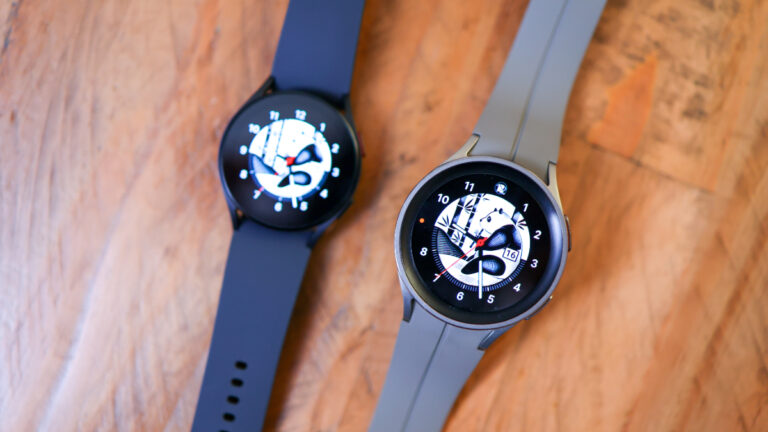
New Delhi, June 4, 2026: — Samsung Electronics has officially announced a massive leap forward for its wearable ecosystem, introducing a suite of next-generation, AI-driven health and wellness features for the Galaxy Watch lineup. By combining advanced on-device artificial intelligence with its cutting-edge sensor technology, Samsung aims to shift the role of the smartwatch from a passive fitness tracker into a proactive, highly personalized digital health companion.

The integration of artificial intelligence into consumer wearables represents a paradigm shift in preventative medicine. Rather than simply collecting raw data—like step counts or baseline heart rates—Samsung’s updated ecosystem utilizes sophisticated machine learning algorithms to interpret complex biological signals, providing users with context-aware, actionable insights into their daily physical states.

The Power of the Upgraded BioActive Sensor

At the core of these new capabilities is an enhanced version of Samsung’s proprietary BioActive Sensor. In consumer smartwatches, optical sensors traditionally utilize photoplethysmography (PPG)—a technique where light beams illuminate the skin and photodiodes measure changes in blood volume to calculate heart rate and vital signs.

Samsung’s latest hardware refinement optimizes this process by improving the signal-to-noise ratio during skin contact. This design modification helps prevent minor physical movements or subcutaneous pressure changes from skewing optical readings. The result is a highly stable, continuous stream of biometric data that serves as the perfect foundation for advanced machine learning models to analyze.

Introducing “Energy Score” and “Wellness Tips”

The standout software feature driven by this new AI architecture is the Energy Score. Designed to help users understand their daily physical readiness, the Energy Score aggregates a variety of distinct health indicators into a single, easy-to-read metric.

Rather than looking at data points in isolation, the AI comprehensively analyzes:

  • Sleep Metrics: Deep sleep duration, sleep latency, and consistency.
  • Activity Breakdown: Previous-day physical exertion and movement patterns.
  • Autonomic Signals: Heart Rate Variability (HRV), which measures the micro-fluctuations between consecutive heartbeats to evaluate autonomic nervous system balance and physiological stress.

Complementing the Energy Score is the new Wellness Tips engine. Powered by generative AI models, this system goes beyond basic data delivery to provide custom motivational guidance and specific recommendations based on the user’s explicit goals. If a user’s Energy Score is low due to poor sleep quality, the companion app won’t just report the deficit; it will offer tailored advice—such as modifying evening hydration, altering activity intensity, or practicing guided mindfulness techniques—to help safely regulate the body’s recovery systems.

Deepening Sleep Insights and Preventive Monitoring

Recognizing that proper recovery is vital to chronic disease management and overall well-being, Samsung has significantly upgraded its sleep analytics. Home-based sleep monitoring via wearables balances accessibility and affordability, acting as a crucial bridge between consumer tracking and formal clinical assessment.

The updated AI algorithms screen for severe structural sleep disruptions by identifying abnormal variations in blood oxygen saturation ($SpO_2$) and heart rate during rest. Additionally, the on-device intelligence can model ordinal transitions between different sleep phases, allowing the watch to flag consistent anomalies in sleep architecture that might warrant further professional consultation.

Pioneering Metabolic Tracking: The AGEs Index

In a major technical milestone, Samsung has introduced an experimental Advanced Glycation End-products (AGEs) Index tracking feature within its premium hardware offerings, including the Galaxy Watch7 and Galaxy Watch Ultra. AGEs are complex biological biomarkers that accumulate in body tissues over time, heavily influenced by an individual’s overall lifestyle, metabolic health, and dietary patterns.

The Galaxy Watch estimates these levels noninvasively by leveraging Skin Autofluorescence (SAF) detection technology via its optical sensor array. While traditional clinical instruments require rigid physical environments and extended exposure times to safely evaluate SAF, Samsung’s integrated mobile strategy allows for rapid, contact-based tracking directly from the wrist.

While Samsung notes that this metric is currently optimized for long-term health trend tracking rather than clinical diagnostics, it gives users an unprecedented visual window into their systemic metabolic health and biological aging processes.

Intelligent Fitness Coaching and Personal Safety

For physical fitness enthusiasts, the integrated AI brings a highly adaptive approach to workout optimization. The on-device intelligence can dynamically map a wide variety of daily movements and high-intensity physical activities onto a structured, five-level intensity framework.

By deploying lightweight, ultra-efficient machine learning models directly onto the local smartwatch hardware, inference latency is reduced to under a millisecond. This rapid processing power allows the watch to instantly differentiate between normal, high-intensity exercise and abrupt, emergency-like erratic movements—significantly enhancing the reliability and responsiveness of automatic fall detection systems.

Also Read: UGC NET June 2026: City Slip by June 10, Admit Card by June 15

Empowering User-Driven Preventive Care

With these updates, Samsung is executing a clear vision: transforming the smartwatch from an interesting smartphone accessory into an indispensable pillar of consumer healthcare technology. By empowering individuals to seamlessly collect, track, and interpret their own complex biological trends, these advanced features pave the way for true preventive, personalized daily wellness management.

The newly announced Galaxy AI capabilities will be progressively rolled out via software updates, debuting alongside Samsung’s newest hardware releases later this year.

UGC NET June 2026: City Slip by June 10, Admit Card by June 15

New Delhi, June 4, 2026: The National Testing Agency (NTA) is gearing up to conduct the University Grants Commission National Eligibility Test (UGC NET) June 2026 session. For hundreds of thousands of candidates aiming for Junior Research Fellowships (JRF) or Assistant Professor positions across Indian universities, the wait for crucial exam logistics is nearing its end. According to the latest updates from official channels, the NTA is scheduled to release the exam city intimation slips by June 10, 2026, followed closely by the official admit cards on or before June 15, 2026.

These two documents are vital milestones in the examination cycle, helping candidates plan their travel and mental preparation for one of the country’s most competitive academic assessments.

Understanding the Timeline: City Slip vs. Admit Card

Many first-time applicants often confuse the city intimation slip with the actual admit card. The NTA deliberately spaces these releases out to minimize last-minute travel anxiety.

The Exam City Intimation Slip, arriving around June 10, serves as a preliminary advisory. It does not contain your specific exam center address or your roll number. Instead, it explicitly names the city and state where your exam will take place. Because UGC NET centers are spread across hundreds of cities nationwide, receiving this information five to six days ahead of the admit card gives outstation candidates a critical window to arrange transport, book trains or buses, and secure lodging if necessary.

The Official Admit Card, releasing by June 15, is your actual entry ticket to the examination hall. This document contains highly granular details: your assigned roll number, the exact name and geographic location of the test center, your reporting time, the gate closing time, and the specific shift/timing of your subject exam.

Step-by-Step Guide to Downloading Your Documents

When the download links go live on the official NTA website, the server often experiences heavy traffic. Knowing exactly how to navigate the portal can save you time and unneeded stress.

How to Access the Portal

To download either your city slip or your hall ticket, follow these direct steps:

  1. Visit the official UGC NET website designated by the NTA (ugcnet.nta.ac.in).
  2. On the homepage, locate the public notices or candidate activity board. Look for the active link titled “UGC NET June 2026 City Intimation Slip” or “Download UGC NET June 2026 Admit Card.”
  3. Click the link to be redirected to the secure login portal.
  4. Input your credentials accurately. You will need your Application Number (generated during registration) and your Date of Birth (in DD/MM/YYYY format).
  5. Enter the security pin (CAPTCHA) exactly as shown on the screen.
  6. Click ‘Submit’ to open your dashboard, where you can view and download your document.

Crucial Details to Verify in Your Admit Card

Once you have downloaded your admit card, do not just file it away. Treat it as a legal document that requires immediate proofreading. In past cycles, minor typographical errors have caused significant friction at the exam center gates.

Carefully scan the document for the following details:

  • Personal Information: Is your name spelled exactly as it appears on your government ID? Check your parents’ names and your date of birth.
  • Photograph and Signature: Are the images clear, or are they blurry, pixelated, or inverted?
  • Subject and Shift: Ensure the subject code matches the specific discipline you filled out in the application form (e.g., Political Science, English, Commerce). Check whether you are assigned to Shift 1 (Morning) or Shift 2 (Afternoon).
  • Exam Center Address: Double-check the exact location. Some cities have centers with highly similar names (e.g., different branches of the same public school or digital zone).

What to Do in Case of Discrepancies

If you notice that your photograph is missing, your name is misspelled, or the subject listed is incorrect, do not panic. The NTA provides a dedicated helpline for these exact scenarios. You should immediately contact the NTA Help Desk via email or their official helpline numbers. Usually, the NTA allows candidates to appear in the examination with the downloaded admit card while they rectify the backend data later, but securing their explicit confirmation beforehand is essential.

Exam Day Protocol: What to Pack and What to Leave Behind

The UGC NET is conducted under strict security surveillance to maintain the integrity of the national-level exam. The NTA enforces a rigid dress code and asset policy at all digital centers.

Mandatory Items to Bring

You will not be allowed past the security perimeter without the following three items:

  • Printed Admit Card: A physical copy of your hall ticket downloaded from the NTA website.
  • Valid Photo ID: A physical, original government-issued identification card. Acceptable forms include an Aadhaar Card (or E-Aadhaar printout), PAN Card, Voter ID, Passport, or Driving License. Photocopies or digital IDs on phones will not be accepted.
  • Passport-Sized Photograph: Bring at least one passport-sized photo identical to the one uploaded in your online application form. This will be pasted onto the official attendance sheet inside the examination hall.

Permissible Comfort Items

  • A simple, completely transparent ballpoint pen.
  • A transparent water bottle (without any labels or branding).
  • If you are a diabetic candidate, you are permitted to carry eatables like fruits (bananas, apples, oranges) or sugar tablets, along with a transparent container.

Prohibited Items

Electronic devices are completely banned. This includes mobile phones, smartwatches, Bluetooth earbuds, health bands, and calculators. Furthermore, avoid wearing heavy jewelry, metallic ornaments, or clothing with large buttons and extensive layers, as these slow down the mandatory metal-detector screening at the gates.

Last-Minute Preparation Strategy

With the exam dates rapidly approaching, your strategy should shift from learning completely new topics to consolidating what you already know. The UGC NET consists of two continuous papers without an institutional break: Paper 1 (General Aptitude, Teaching, and Research Methodology) and Paper 2 (Subject-Specific Expertise).

Focus on High-Yield Activities

  • Mock Tests and Time Management: The three-hour combined duration requires stamina. Practice sitting for a full 180-minute stretch without breaks to train your brain to handle the transition between the general aptitude questions and your core subject domain.
  • Analyze Paper 1 Core Units: Paper 1 is often the differentiator for clearing the JRF cutoff. Dedicate consistent time to high-scoring units like Data Interpretation (DI), Logical Reasoning, and Teaching Aptitude.
  • Review Short Notes: Instead of flipping through heavy textbooks, rely heavily on your self-made summaries, flashcards, and chronological timelines (especially useful for subjects like History, Literature, and Political Science).

Keep a close eye on the official NTA website as June 10 approaches. Once the city slip drops, lock in your travel plans immediately so that your final days before the exam can be entirely focused on your studies, keeping you calm, collected, and ready to perform at your absolute best.