Home Blog Page 55

Rukmini Vasanth Threatens Legal Action Over Fake AI Bikini Pics

New Delhi, May 23, 2026 – Indian cinema is facing yet another digital crisis as popular actress Rukmini Vasanth became the latest victim of deepfake technology. On Friday, May 22, 2026, a series of realistic, AI-generated images and video clips falsely depicting the star in a green bikini during a poolside photoshoot flooded social media platforms.

The visuals spread rapidly, catching many fans off guard and triggering intense online speculation. By Saturday morning, Rukmini issued a fierce public statement, completely distancing herself from the fabricated content and promising severe legal and cybercrime consequences for those behind it.

The incident highlights the alarming speed at which artificial intelligence is being weaponized against public figures, prompting renewed calls for strict digital ethics and stronger cyber legislation.

The Viral Visuals and Public Confusion

The controversy began late Friday evening when high-definition video clips and photos started circulating on X (formerly Twitter) and Instagram. The footage showcased a woman with an uncanny resemblance to Rukmini Vasanth stepping into a swimming pool, staged to look like an official, professional magazine or brand photoshoot.

Because the AI-generated imagery was highly detailed and realistically rendered, large sections of the internet accepted the footage as genuine. Fan pages and entertainment handles quickly re-shared the posts, racking up thousands of engagements before any verification could take place. Within hours, the viral posts sparked a massive debate regarding the authenticity of the photoshoot, pushing the actress’s name to the top of regional trending lists.

Rukmini Vasanth Breaks Silence: “Entirely Fake and Fabricated”

Refusing to let the misinformation simmer, Rukmini took to her official Instagram handle on Saturday, May 23, 2026, to release a direct and uncompromising statement. Addressing her followers and the wider public, she voiced her disgust over the non-consensual use of her likeness.

The actress further clarified that she is not taking the matter lightly and has already mobilized her legal team to coordinate with law enforcement agencies’.


A Career on the Rise Amid Digital Turbulence

The timing of this cyberattack comes at a crucial high point in Rukmini’s acting career. Having made a critically acclaimed debut in the 2019 Kannada film Birbal Trilogy, she shot to widespread stardom with her heartbreaking performance as Priya in the romantic duology Sapta Saagaradaache Ello (Side A & Side B), winning the Filmfare Critics Award for Best Actress.

Rukmini has quickly transitioned from a regional favorite into a highly sought-after pan-Indian talent. She recently appeared as Princess Kanakavathi in Rishab Shetty’s blockbuster Kantara: Chapter 1, and her upcoming lineup features some of the biggest projects in the country. She is set to star alongside Yash in Geetu Mohandas’s highly anticipated action drama Toxic: A Fairytale for Grown-Ups, and has also signed on as the female lead opposite Jr NTR in filmmaker Prashanth Neel’s massive action entertainer, Dragon.

Industry insiders note that the targeting of top-tier actresses with deepfakes is an unfortunate byproduct of their soaring popularity, as bad actors use their names to drive maximum internet traffic.

The Broader Deepfake Crisis in Indian Cinema

Rukmini Vasanth’s encounter with identity theft is part of a dark, ongoing trend within the Indian entertainment sector. Over the last few years, several high-profile actresses have been targeted with explicit or compromised AI-altered mediaIronically, back in late 2023 when the landmark Rashmika Mandanna deepfake case shocked the industry, Rukmini Vasanth was one of the vocal regional voices who spoke out against the dangers of digital manipulation. Cut to 2026, and the technology has become even more sophisticated, making it harder for the average internet user to separate fiction from reality without an official clarification.

Cyber Experts Call for Immediate Structural Reforms

Legal and technology experts emphasize that the current legal framework is struggling to keep pace with generative AI tools, which can create flawless deepfakes in a matter of seconds. Under current Indian law, perpetrators can be prosecuted under the Information Technology (IT) Act, 2000—specifically Section 66D (punishment for cheating by personation using computer resource) and Section 67 (publishing obscene material)—alongside provisions for criminal defamation under the Bharatiya Nyaya Sanhita (BNS).

However, experts argue that punishing culprits after the fact does little to minimize the immediate emotional and reputational damage caused to a victim. Cyber analysts are demanding:

  • Proactive Platform Filtering: Social media networks must deploy stricter automated AI filters capable of identifying and stopping deepfakes before they go viral.

  • Mandatory Digital Watermarking: AI generation tools should have un-removable digital signatures embedded into their code to track down original creators easily.

  • Faster Regulatory Response: Cybercrime cells require specialized units to issue immediate, legally-mandated global takedown notices within minutes of an offense being reported.

Rukmini’s decisive stance has drawn immense support from her peers in the film industry and fans alike, who have actively started reporting the accounts hosting the fake media. Her move to take legal action sends a clear message: public figures will no longer tolerate the violation of their bodily autonomy and personal privacy under the guise of technological advancement.
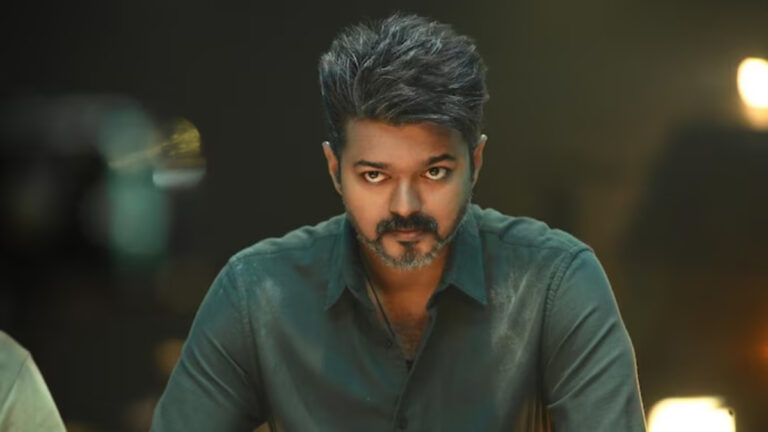

Vijay’s Final Film ‘Jana Nayagan’ Still Stuck at Censor Board

New Delhi, May 23, 2026: The wait continues for Tamil cinema fans hoping to witness the silver-screen swan song of actor-turned-politician Vijay. Five months after its scheduled theatrical release was derailed, the highly anticipated political action thriller Jana Nayagan remains locked in an ongoing deadlock with the Central Board of Film Certification (CBFC).

The film’s producer, Venkat K. Narayana of KVN Productions, recently broke his silence on the matter, confirming that the team is still actively waiting for the official censor certificate before they can lock down a global release date.

A Temple Visit and a Brief Update

The fresh update came directly from the producer under somewhat unusual circumstances. Venkat K. Narayana was spotted by members of the press on Friday evening during a visit to a local temple. While initially hesitant to turn a personal spiritual outing into a promotional event, he finally addressed the burning question on every fan’s mind.

When pressed for a concrete timeline on when the cinematic feature would see the light of day, Narayana remained cautious but optimistic, noting that a massive worldwide rollout is ready to go live the moment the censor board gives the green light.

“The release date will be announced as soon as we get the censor certificate. We will announce it well in advance once it is in our hands, and we will release it in a grand way throughout the world,” he added.

The Real-Life “Jana Nayagan” Takeover

The delay of Jana Nayagan (which translates appropriately to “People’s Hero”) has played out against an incredibly dramatic real-world political backdrop. When the film was being shot throughout late 2024 and early 2025, it was heavily publicized as Vijay’s 69th and final film—a grand farewell to show business before he pivoted entirely into full-time politics with his party, the Tamilaga Vettri Kazhagam (TVK).

Fast forward to May 2026, and that political transition is no longer a future goal; it is reality. Following a historic victory in the state assembly elections, Vijay was officially sworn in as the Chief Minister of Tamil Nadu on May 10, 2026.

Narayana could not help but reflect on the irony and poetry of the film’s title matching his lead actor’s meteoric political ascension.

“I am very happy that Vijay sir has become the Chief Minister of Tamil Nadu,” the producer shared. “As you know, we chose the title Jana Nayagan. He has truly become the Jana Nayagan of Tamil Nadu now. I am very happy, and that is exactly why I came to the temple to seek God’s blessings.”

How the Certification Battle Unraveled

To understand how a ₹500 crore mega-project starring one of India’s biggest icons got stuck in regulatory limbo for nearly half a year, one has to look back at the chaotic timeline surrounding its original release date.

Jana Nayagan—directed by H. Vinoth in his maiden collaboration with Vijay, and featuring a high-profile ensemble cast including Pooja Hegde, Bobby Deol, Mamitha Baiju, Prakash Raj, and Priyamani—was locked in to debut on January 9, 2026, perfectly timed to capitalize on the massive festive window of Pongal.

The production team had submitted the film to the CBFC well in advance. However, the clearance process completely broke down at the finish line:

  • December 2025: The initial Examining Committee suggested various cuts and modifications, leaning toward a U/A (16+) rating. However, an internal dispute arose when an Examining Committee member filed an official complaint alleging that their specific objections had been overlooked.

  • The Chairman’s Intervention: Exercising powers under the Cinematograph Rules, the CBFC Chairman unilaterally routed the film away from standard clearance to a specialized Revising Committee. The board cited serious concerns regarding the unauthorized use of Indian Armed Forces symbols and secondary complaints regarding certain scenes allegedly hurting religious sentiments.

  • The Legal Rollercoaster (January 9, 2026): On the exact day the film was supposed to hit screens, a single-judge bench of the Madras High Court ordered the CBFC to immediately grant the movie a U/A certificate to preserve its theatrical window. Hours later, the CBFC filed an urgent appeal before a division bench, which effectively stayed the single judge’s order.

  • The Supreme Court Standstill: The producers escalated the fight to the Supreme Court of India, but the apex court declined to intervene in the state court’s ongoing deliberation.

  • Direct Dialogue: Recognizing that legal battles were yielding nothing but continuous delays, KVN Productions officially withdrew its lawsuit from the Madras High Court in February, opting instead to resolve the disputes directly with the CBFC through administrative channels and private screenings.

Cyber-Piracy Deals a Massive Blow

As if the regulatory and legal gridlock wasn’t punishing enough for the filmmakers, Jana Nayagan fell victim to one of the most severe data breaches in recent Indian cinema history.

On April 9, 2026, a high-definition (HD) print of the unreleased, uncertified film was completely leaked online. The footage spread like wildfire across pirate networks, Telegram channels, and Google Drive links, racking up millions of illegal viewings. For a project of this financial scale, the leak threatened to turn a surefire box-office goldmine into a devastating commercial liability before a single ticket could even be sold.

The legal fallout from that leak reached a critical juncture just this weekend. On May 22, 2026, the Madras High Court officially denied bail to six individuals arrested by the cyber crime wing for downloading, storing, and actively distributing the leaked movie file on platforms like WhatsApp and commercial piracy hubs.

The ongoing police investigation revealed that the breach originated from a freelance editor who allegedly abused his technical access at a digital post-production suite in Chennai to copy raw Jana Nayagan footage onto an external hard drive. While the legal system clamps down heavily on the perpetrators under stringent anti-piracy statutes, the damage to the film’s mystique has already been done.

The Chief Minister Intervenes

With the movie floating in pirate circles and stalled at the censor board, Chief Minister Vijay has reportedly decided to take matters into his own hands to protect his final cinematic legacy.

Industry reports indicate that Narayana was recently attending high-level film screenings and global market meetings at the Cannes Film Festival in France when he received an urgent call from Vijay. The actor-politician explicitly requested the producer to cut his international trip short and return to Chennai immediately. The objective? To personally oversee the absolute final stages of the CBFC negotiations, implement whatever reasonable cuts are required, and salvage a clean theatrical release.

Though Jana Nayagan is rumored to be an official remake of the 2023 Telugu hit Bhagavanth Kesari—relying heavily on a narrative tracking an intense emotional battle against child abuse—the cinematic adaptation clearly carries heavy political overtones that demand a delicate touch from the censor board, especially now that its star is the sitting head of the state government.

For now, millions of fans worldwide remain locked in an uneasy waiting game. The film is fully complete, the music by Anirudh Ravichander is already dominating playlists, and the producer is ready to push the button. All eyes remain on the CBFC to see when they will finally issue the piece of paper that lets the “People’s Hero” take his final bow in theatres.

Mouni Roy Brings Royal Patola Couture to Cannes 2026

New Delhi, May 23, 2026: As the 79th Cannes Film Festival illuminates the French Riviera, the conversation on the red carpet has evolved. It is no longer just about which Hollywood or Bollywood star is wearing which European luxury label. Instead, global fashion is witnessing a profound cultural shift—one where heritage meets haute couture.

Leading this charge at Cannes 2026 is Indian actress Mouni Roy. On the occasion of the official teaser and poster launch of her highly anticipated international co-production, Bombay Stories, Roy bypassed traditional Western evening wear. Instead, she stepped out in a show-stopping, custom-made royal blue Gujarati Patola-embroidered gown.

The appearance has quickly went viral online, celebrated not only for its striking visual impact but for bringing a 900-year-old Indian textile tradition into the international spotlight.

Wearable Art: Inside the 300-Hour Masterpiece

Roy’s custom ensemble was a collaboration between designer Puja Shah (of fashion label Pujaa Shah), celebrity stylist Devrishi Krishan Sharma, and The Patola House. Designed specifically for the prestigious festival, the gown served as India’s answer to high-end global couture, showing that historical craftsmanship can effortlessly adapt to modern silhouettes.

The top half of the gown featured a structured, square-neck corset bodice. This gave the look a sharp, almost architectural frame while keeping the neckline clean and contemporary. This rigidity balanced beautifully with a plunging backless design and a long, flowing royal blue satin train that pooled dramatically on the red carpet. The satin fabric of the skirt caught the Riviera sun, adding a layer of theatrical, cinematic movement as she walked.

What truly captured attention, however, was the vibrant geometric hand-embroidery. Using traditional hues of saffron yellow and rich red, the artisans arranged the centuries-old Patola motifs in a streamlined, modern composition. The result was a design that felt completely rooted in Indian heritage without looking like a historical costume.

What is Gujarati Patola?

For global audiences watching the Cannes red carpet, the gown served as an education in fine textiles. Patola is a legendary double ikat woven fabric originating from Patan, Gujarat. Historically, it was a symbol of immense affluence, worn exclusively by royalty and aristocracy due to its complexity.

True Patola involves an incredibly long, painstaking process where the warp and weft threads are dyed individually in precise patterns before weaving. It requires absolute mathematical precision; a single mistake can ruin the entire design. By scaling this aesthetic into a modern red-carpet gown, the design team highlighted the versatility of Indian handloom traditions.

Minimal Styling, Maximum Impact

Recognizing that the intricate embroidery of the gown was the true “hero” of the look, Roy and her styling team opted for minimalist elegance elsewhere.

  • Footwear & Jewels: She paired the gown with simple white strappy stiletto heels and delicate, understated cocktail rings.

  • Hair: Her hair was styled in clean, relaxed side-swept waves cascading down her shoulders, softening the sharp lines of the corset bodice.

  • Makeup: Her beauty look leaned into classic glamour. It featured softly smudged winged eyeliner, kohl-rimmed eyes, well-defined brows, rosy cheeks, and a muted nude-pink lip that avoided competing with the bold saffron and royal blue tones of the dress.

Launching ‘Bombay Stories’ on the World Stage

The grand fashion statement provided the perfect backdrop for a major milestone in Roy’s acting career. She was at the festival to officially unveil the first look, poster, and teaser for Bombay Stories, an India-UK-USA co-production presenting its world premiere at Cannes’ Marché du Film (the Cannes Film Market).

Directed by acclaimed filmmaker Rahhat Shah Kazmi, Bombay Stories is an independent, hard-hitting anthology inspired directly by the fearless and legendary short stories of Saadat Hasan Manto—specifically drawing from his celebrated works like Hatak, Khusya, and Bu. The film dives deep beneath the bright, busy, and glittering exterior of Mumbai to explore the raw human emotions of loneliness, desire, survival, and pain through a satirical yet deeply humane lens.

The film’s poster features a striking line reflecting its bold tone: “If you cannot bear these stories, then society itself is unbearable.”Her co-star, Anupriya Goenka, who joined her at the Riviera launch alongside the film’s directors and producers, echoed this sentiment, calling the film an “experience” rather than just an adaptation, promising that the emotional scars of the characters will linger with international audiences long after the credits roll.

A Triumphant Return Amid Personal Transitions

Roy’s striking appearances at Cannes 2026—which also included a sleek, minimal monochrome halter-neck dress for initial arrivals and a deep midnight-blue evening gown for a Chopard event—mark a definitive high point in her professional career.

The triumphs come during a deeply transitional period in her personal life. Just days prior to arriving in France, Roy and her husband of four years, Suraj Nambiar, officially announced their decision to separate. In a joint, dignified statement issued on May 14, the couple requested privacy to handle their personal matters amicably.

Stepping onto the global stage at Cannes immediately following such a public announcement requires an immense amount of grace and fortitude. By turning the spotlight away from personal tabloids and directing it toward artisanal Indian craftsmen and thought-provoking independent cinema, Roy has proven herself to be a master of her own narrative.

The Broader Trend: Indian Textiles Rule Cannes 2026

Roy is not alone in her mission. Cannes 2026 has become a historic showcase for homegrown Indian designers and heritage textiles. Rather than relying solely on Western luxury houses, Indian celebrities this year are intentionally utilizing the massive global media presence at the festival to champion local identities. From Aditi Rao Hydari’s soft, dewy aesthetic to targeted cultural statements on the red carpet, Indian fashion is successfully rebranding “ethnic wear” as top-tier global haute couture.

Through her 300-hour Patola gown, Mouni Roy did more than just clear the high bar of Cannes fashion. She proved that the truest luxury doesn’t always come from a European design house—sometimes, it is carried in the legacy of a 900-year-old weave.

The Missing Pani: Danish Michelin Restaurant Sparks Global Food Feud

0

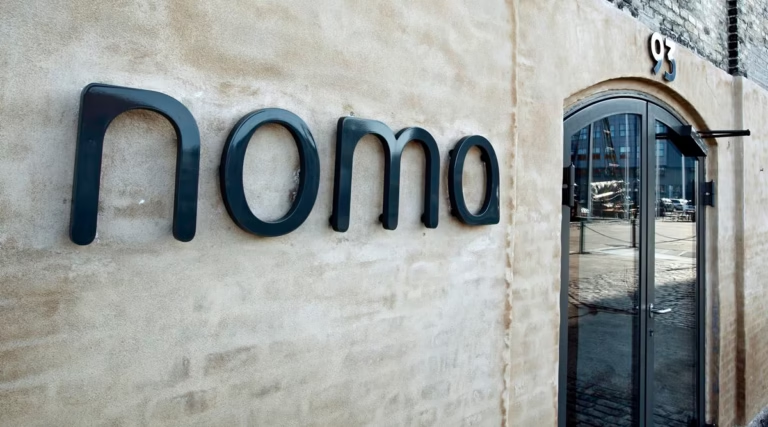
New Delhi, May 23, 2026: The culinary world is no stranger to avant-garde experimentation, but a recent creation from Copenhagen has pushed global foodies to their absolute limits. Alchemist, a world-renowned, two-Michelin-star restaurant in Denmark known for its boundary-pushing “holistic cuisine,” has gone viral for all the wrong reasons across South Asia and the global diaspora.

The source of the internet’s collective confusion? An ultra-luxurious, highly conceptual “impression” (the restaurant’s word for a dish) inspired by India’s most beloved street food: the humble pani puri (also known as golgappa or puchka). Dubbed the “Smokey Ball,” this fine-dining reimagining swaps out traditional spiced mint water, tangy tamarind, and potato stuffing for wood smoke, langoustine tartare, and a generous dollop of premium sturgeon caviar.

As videos of the dish began making the rounds on Instagram and TikTok, a unified, exasperated cry echoed across social media: “Where is the pani?!”

When Street Food Meets Deconstructive Art

To understand the internet’s outrage, one must first look at the sheer contrast between the original street snack and its Nordic fine-dining counterpart.

In India, pani puri is the ultimate democratic food. It is eaten standing on a bustling street corner, cost-effective, and deeply sensory. A crisp, fried hollow dough ball (puri) is poked open, stuffed with a spiced mixture of potatoes or chickpeas, and filled to the brim with a sharp, fiery, and cold spiced water (pani). It is a rapid-fire explosion of texture and intense flavor that must be eaten in a single, messy bite.

At Alchemist, helmed by visionary 34-year-old Chef Rasmus Munk, the experience is radically different. Diners pay up to 5,400 DKK (roughly $840 USD) for a 50-course tasting menu served inside a massive, planetarium-like dome. The restaurant’s version of the dish strips away the liquid entirely.

Instead, the kitchen serves a delicate, airy puff shell that is:

  • Injected with dense wood smoke that billows out when cracked open.

  • Layered with almond cream at the base.

  • Filled with premium langoustine tartare (raw, finely chopped structural seafood).

  • Crowned with a luxurious spoonful of sturgeon caviar.

Diners are instructed to take the dish in two deliberate bites—the first to break open the puff and release the aromatic smoke, and the second to blend the delicate, fatty seafood with the briny caviar.

The Internet Has Thoughts: “Justice for Golgappa”

For the internet, however, taking the pani (water) out of a puri is a fundamental culinary crime. Comment sections on food vlogs reviewing the experience quickly turned into a comedic war zone of cultural defense.

Others targeted the hyper-inflated luxury ingredients used to replace the punchy street flavors. Many pointed out that substituting the sharp, tangy kick of tamarind and green chilies with raw seafood and caviar completely misses the emotional and physical essence of what makes the dish a masterpiece.

“This isn’t a pani puri. It’s an existential crisis on a plate,” mocked a TikTok creator in a viral reaction video. “If I am paying hundreds of dollars, I at least expect the actual elements of the food it’s named after!”

The debate highlights a recurring tension in modern gastronomy: At what point does “culinary inspiration” cross the line into complete erasure of the original dish’s identity?

Chef Rasmus Munk’s Defense: An Unvisited Inspiration

Interestingly, Chef Rasmus Munk has openly admitted that his creations inspired by Indian cuisine—including this puri and a conceptual dosa variation—were created before he had ever actually set foot in India.

The chef, known for using his dishes to spark political, environmental, and social commentary (such as serving cod wrapped in edible “plastic” to protest ocean pollution), approached the puri purely from a structural and physical standpoint. He was fascinated by the concept of a hollow, crisp edible vessel that could hold contrasting textures. He plans to visit India soon to experience the street food culture firsthand, but until then, his interpretations remain strictly intellectual exercises.

While food purists are up arms, culinary avant-gardists defend the restaurant. Supporters argue that the point of a two-Michelin-star establishment like Alchemist isn’t to replicate a flawless street corner vendor. The goal is to subvert expectations, using familiar geometry to deliver entirely unfamiliar flavor profiles, temperature changes, and aromatic surprises like trapped smoke.

A Golden Age of Food Controversies

This isn’t the first time Western high gastronomy has faced internet backlash for adapting South Asian street food. From “chocolate biryanis” to deconstructed chai served in wine glasses, the internet has become fiercely protective of traditional flavor profiles.

Ultimately, Alchemist’s caviar puri serves as a stark reminder of the cultural divide in modern food. To a Michelin inspector, it is a brilliant feat of culinary engineering—managing to trap smoke inside an ultra-thin dough shell while balancing the delicate sweetness of Nordic seafood against rich caviar. But to millions of people online, it remains an unfinished meal. Until someone passes the spiced mint water, the internet will continue to look at the dish and ask one simple question: Where is the soul?

Indian Billionaire Buys £21M London Convent for Sonam Kapoor & Family

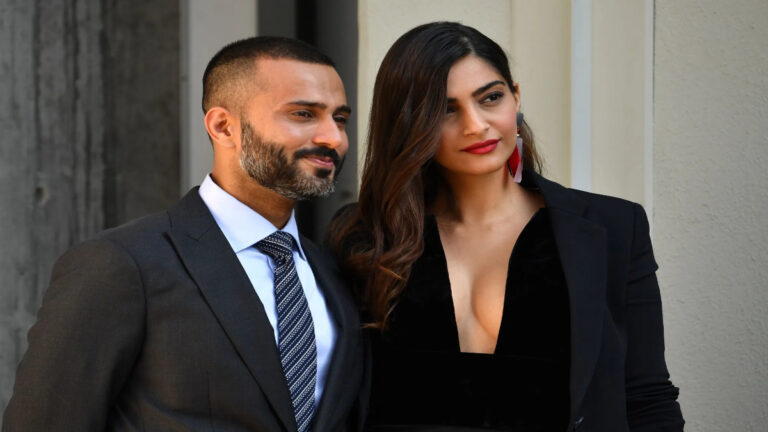
New Delhi, May 23, 2026 — In a major transaction highlighting the sustained dominance of Indian capital in London’s ultra-luxury residential market, Indian apparel magnate Harish Ahuja has acquired a sprawling £21 million (approximately ₹231 crore) property in the prestigious Notting Hill district.

The transaction involves a massive, 20,000-square-foot multi-story building that was historically used as a residential convent by a UK-registered religious charity. The properties are set to undergo an extensive redevelopment project spearheaded by the tycoon’s son, Anand Ahuja, and his daughter-in-law, Bollywood superstar and global fashion icon Sonam Kapoor.

Inside the Deal: A Mega Property in Prime London

The newly acquired asset is located a short walk from Kensington Gardens, situated in one of the most competitive real estate pockets in West London. Spanning eight storeys, the property boasts immense volume that is incredibly rare for residential listings in Central London.


According to corporate filings first reported by Bloomberg, the property changed hands in July, operating as a standalone institutional building before entering the Ahuja family’s private portfolio.

Insiders familiar with the development blueprints reveal that the sprawling complex will be divided into two distinct configurations:

  • The Principal Residence: A dedicated multi-floor section will be redeveloped into a massive private townhouse for Anand Ahuja and Sonam Kapoor, serving as their primary London base alongside their current property holdings.

  • Luxury Residential Units: The remaining sections of the eight-story layout are slated to be converted into separate, high-end residential flats. Market chatter suggesting these flanking units could serve as ultra-luxury staff quarters or guest suites highlights the sheer scale of the compound.

The Billion-Dollar Fortune Behind the Purchase

While global headlines focus heavily on Sonam Kapoor’s high-profile lifestyle and recent appointment as a Dior global ambassador, the financial engine powering this real estate acquisition is rooted in India’s massive manufacturing sector.

Harish Ahuja is the owner and managing director of Shahi Exports Pvt., India’s largest garment exporter. Headquartered in Karnataka, the apparel empire operates more than 50 manufacturing facilities across India and commands a workforce exceeding 100,000 employees.

The company serves as a critical manufacturing partner for some of the world’s most recognizable retail brands, including:

  • Uniqlo

  • H&M

  • Decathlon

With an estimated corporate valuation and personal net worth placing the Ahuja family firmly among India’s elite industrial dynasties, the £21 million cash transaction represents a structured diversification of industrial wealth into stable, prime central London (PCL) brick and mortar.

Defying the London Luxury Market Slowdown

The timing of the Ahuja transaction is particularly striking to real estate analysts because it directly counters a broader cooling trend in London’s premier property sectors.


Data compiled by property analytics firm LonRes revealed that transactions for London homes valued at £5 million or more dropped by nearly 19% year-over-year. The high-end market has faced multiple headwinds, including:

  1. Taxation Reforms: Emerging regulatory shifts tightening “non-domiciled” (non-dom) tax privileges have prompted some ultra-high-net-worth individuals to reassess their UK assets.

  2. School Fee Adjustments: The introduction of standard Value Added Tax (VAT) on private school tuitions has altered cost equations for international families residing in London’s affluent enclaves.

Despite these legislative pressures, properties priced above £20 million have managed to lock in consistent engagement from cash-fluid international buyers who view West London real estate as a multi-generational asset class.

Indian Capital Drives Prime Central London Boom

The Notting Hill acquisition is far from an isolated incident. Brokerage data indicates that the share of prime London properties purchased by Indian buyers increased significantly between 2019 and 2023, outpacing dozens of other international buyer demographics.

As planning permissions move forward for the former convent site, the project is expected to become one of Notting Hill’s most watched residential redevelopments, blending industrial-scale backing with Bollywood‘s signature lifestyle design.

Cannes 2026: Aishwarya Rai Stuns in Sculptural Blue Gown

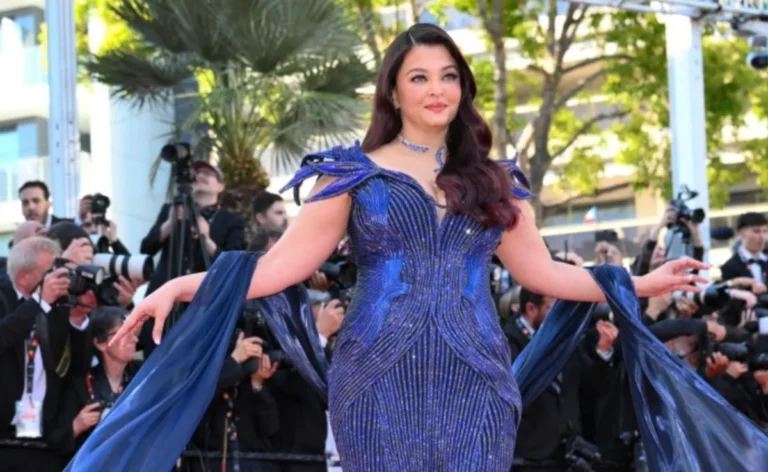
The queen of the Cannes Film Festival has officially claimed her throne once again. Putting an end to weeks of intense online speculation regarding her attendance, Aishwarya Rai Bachchan made a magnificent entry at the 79th Cannes Film Festival. Walking the red carpet for the screening of Histoires De La Nuit, the global icon left international photographers and fashion enthusiasts completely spellbound in a dramatic, custom-designed sapphire-blue gown that balanced futuristic design with old-Hollywood grandeur.

‘Luminara’: Light in Motion

For her highly anticipated first appearance of the season, Aishwarya collaborated with celebrated Indian couturier Amit Aggarwal and stylist Mohit Rai. The spectacular creation, appropriately named Luminara, was designed around the concept of light as a living force of energy, strength, and transformation.

The custom piece is a true masterpiece of engineered craftsmanship. The garment features Aggarwal’s signature “Crystal Vein” embroidery technique—a grueling process that required over 1,500 hours of meticulous handwork. Hundreds of tiny crystals were sewn by hand into an intricate structure, creating illuminated pathways across the fabric that caught and reflected every single flash of the red carpet cameras.

Drawing deep inspiration from biomimicry, the dress showcased structured, wing-like accents on the shoulders that added a powerful, architectural sharpness to the look. The deep abyss-blue hue of the gown was chosen to mirror cosmic depth, allowing the fabric to visually shift and evolve under different lighting conditions. The body-hugging silhouette flared beautifully at the bottom into a structured mermaid tail, while sweeping satin drapes flowed from her arms, creating an elegant cape effect as she glided down the carpet.

High Glamour and Regal Styling

Aishwarya leaned completely into the main-character energy of the outfit with her styling choices:

  • Jewellery: She paired the deep-neck gown with an exquisite sapphire and diamond choker-style necklace, reported to be valued at approximately 5 crore, alongside matching statement rings.

  • Makeup: Her beauty look stayed true to her signature aesthetic—a flawless glowing base, sharply contoured cheeks, a touch of rosy blush, a mauve-toned lip, and her classic, sharp winged eyeliner.

  • Hair: Her hair was styled in voluminous, side-parted waves with rich burgundy tones catching the evening light.

Silencing the Rumors

Aishwarya’s grand arrival on the French Riviera was particularly triumphant this year. Prior to her appearance, fans on social media had noted her absence from the official promotional campaign visuals displayed at the iconic Hotel Martinez. The promotional posters featured other global ambassadors including Alia Bhatt, Viola Davis, and Eva Longoria, leading to widespread rumors that Aishwarya might skip the festival entirely.

However, the global icon put all doubts to rest when she was spotted at the Mumbai airport leaving for France alongside her daughter, Aaradhya Bachchan. Upon her arrival at the red carpet, international shutterbugs couldn’t get enough of the Bollywood star.

Videos from the event show Aishwarya effortlessly owning the spotlight—blowing flying kisses, flashing her famous smile, and greeting the global press with a traditional namaste. She was also seen sharing a warm, candid moment with her long-time friend and fellow ambassador Eva Longoria, as the two laughed and posed together for the cameras.

Two Decades of Cannes Royalty

This year marks Aishwarya Rai Bachchan’s 24th year at the prestigious film festival. She first made waves on the Riviera back in 2002 alongside Shah Rukh Khan and director Sanjay Leela Bhansali for the historic premiere of Devdas. Joining the festival as a global ambassador the very next year, she became the first Indian actor to serve on the Cannes jury panel.

Over more than two decades, her appearances have defined Indian representation on the global fashion stage. While contemporary trends lean heavily toward standard corsets and traditional ballgowns, Aishwarya’s choice of an architectural, boundary-pushing Indian couture piece like Luminara reminds the world exactly why the Cannes red carpet remains her personal kingdom.

Army Officers, Including Major General, Survive Helicopter Crash in Leh

0

New Delhi, May 23, 2026: In a miraculous escape, three Indian Army officers—including a senior commander—survived after an Army Cheetah light utility helicopter crashed in the rugged, high-altitude terrain of Ladakh. The military has officially institutionalized a formal probe to investigate the incident.

The Indian Army has ordered a formal Court of Inquiry (CoI) to pinpoint whether the crash was caused by technical failure, mechanical issues, or environmental factors.

The accident brings renewed scrutiny to India’s ageing fleet of Aerospatiale-designed, HAL-licensed Cheetah and Chetak single-engine helicopters. Over the last decade, more than 15 of these vintage choppers have crashed, leading to multiple pilot fatalities.

Phase-Out Roadmap

  • Timeline: The Indian Army plans to begin phasing out the ageing fleet within 1 to 2 years, aiming for complete replacement over the next 8 to 10 years.

  • The Replacement: The legacy choppers will be replaced by locally produced Hindustan Aeronautics Limited (HAL) Light Utility Helicopters (LUH) alongside leased stopgap choppers.

  • Total Fleet Requirement: The Army requires approximately 250 new light helicopters. The new 3-ton class LUH features modern digital glass cockpits and is powered by Shakti-1U turboshaft engines specifically tailored for super-rarefied conditions like the Siachen glacier.

Direct Flashback: Army Warns Against Misinformation

Coinciding with the crash reports, the Indian Army issued a stern warning regarding an unrelated, viral “press conference” video circulating on social media aimed at maligning the force’s image. The Army clarified on X (formerly Twitter) that the individuals featured in that clip were dismissed personnel and a deserter spreading malicious propaganda, urging citizens to stay vigilant against fabricated narratives.

Raveena Tandon, Sonu Sood Urge Punjab CM for Humane Stray Dog Drive

New Delhi, May 23, 2026 — Following the Punjab government’s launch of a massive statewide campaign to clear street dogs from public spaces, Bollywood actor and animal rights advocate Raveena Tandon has made an emotional, direct appeal to Punjab Chief Minister Bhagwant Mann. Tandon, alongside fellow actor and humanitarian Sonu Sood, is urging the state leadership to execute the directive with empathy, structural balance, and strict adherence to humane guidelines.

The controversy ignited after Chief Minister Bhagwant Mann announced that the state would take aggressive steps to clear stray dogs from areas with heavy public movement. The administration cited a Supreme Court order that grants local bodies the power to clear public pathways and even deploy legally permissible measures—including euthanasia—against “dangerous, rabid, or terminally aggressive” dogs posing an immediate threat to citizens.

However, as ground implementation began, visuals of animal handlers catching dogs circulated online, triggering a strong backlash from conservationists, local feeders, and prominent celebrities.

Raveena Tandon’s Appeal: “I Sincerely Hope Better Sense and Humanity Prevail”

Taking to social media, Raveena Tandon expressed her deep concern over how the local administration might interpret and execute the removal drive. Known for her long-standing commitment to animal welfare and her frequent advocacy for standard sterilization programs, Tandon addressed the Punjab Chief Minister directly.

Tandon pointed out that historical failures by local municipal corporations to correctly implement the Animal Birth Control (ABC) rules are what consistently lead to high stray populations. She emphasized that penalizing the animals for structural lapses by civic bodies is both unfair and ineffective in the long run. The actor urged Chief Minister Mann to ensure that the allocated state funds are strictly directed toward building proper, high-capacity animal shelters, rather than allowing the drive to dissolve into a mass culling or displacement exercise.

Sonu Sood and Sonam Bajwa Join the Outcry

The movement gained rapid momentum as actor Sonu Sood released a heartfelt video message echoing Tandon’s concerns. Sood, who hails from Punjab, highlighted the deep bond that many local communities share with neighborhood street dogs, locally referred to as “Indies.”

Sood described some of the viral videos showing the street operations as “deeply disturbing” and cautioned against treating every street dog as a threat.

  • The ‘Dupatta’ Campaign: Sood urged local animal lovers to put a collar or a colored cloth (like a dupatta) around the necks of friendly, vaccinated neighborhood dogs to visually signal to municipal catchers that the animal is monitored, fed, and safe.

  • Aggressive Upgrades to Shelter Infrastructure: He called upon the AAP-led state government to rapidly construct scientific, state-of-the-art animal shelters where dogs can be properly rehabilitated and housed.

  • Mass Adoption: The actor made an appeal to the public to embrace the “Adopt, Don’t Shop” philosophy, urging Punjab’s citizens to take street dogs into their homes.

Popular Punjabi and Bollywood actor Sonam Bajwa also questioned the state’s readiness, raising concerns about transparency on her social media platforms: “Where are the shelters? Where is the infrastructure to house these animals humanely?”

The Government’s Stance: Public Safety and the Supreme Court Order

On the other side of the debate, the Punjab government maintains that the intensive drive is a direct response to escalating public alarm over dog bites, particularly incidents involving young children and elderly walkers in parks.

Chief Minister Bhagwant Mann reassured the public that the government’s actions are entirely within legal boundaries. The administration clarified its strategy following the Supreme Court’s guidance on handling public safety risks.

The state government has emphasized that it does not intend to execute a blanket culling program. Instead, the focus is intended to be on removing dogs from public squares and placing them into structured care facilities. However, opposition leaders and animal activists like the BJP’s Tajinder Bagga have slammed the campaign, alleging that local authorities are twisting the Supreme Court’s actual order to rapidly clear streets without verifying if individual animals are genuinely aggressive.

The Path Forward: Finding the Balance

The human-animal conflict in urban environments remains one of India’s most complex civic challenges. While municipalities are pressured by residents demanding safe, bite-free streets, animal welfare organizations argue that mass relocation violates basic biological principles. When dogs are abruptly removed from an area, a vacuum is created, which is almost always filled by a new, unvaccinated pack of dogs migrating from neighboring regions.

Welfare experts agree with Tandon and Sood’s stance: the permanent solution lies in mass sterilization, consistent anti-rabies vaccination drives, and designated community feeding zones that keep dogs calm and integrated.

As the drive continues across Punjab, all eyes are now on Chief Minister Bhagwant Mann to see how the state administration responds to the appeals from these influential voices, and whether Punjab can set an example of balancing public safety with genuine human compassion.

AIIMS INI CET Result 2026 Releasing Today at aiimsexams.ac.in; Get Direct Link and Live Updates Here

New Delhi, May 23, 2026: The All India Institute of Medical Sciences (AIIMS), New Delhi, is scheduled to declare the results for the Institute of National Importance Combined Entrance Test (INI CET) July 2026 session today, May 23, 2026. Thousands of medical aspirants across the country who appeared for the highly competitive postgraduate entrance examination on May 16, 2026, can view and download their official results online. The exam authority will activate the primary download links on its portal. Candidates can check the official merit list PDF and access their individual scorecards directly at the official portal: aiimsexams.ac.in.

Following the examination trends from previous cycles, AIIMS New Delhi typically does not specify an exact minute for the score announcement. However, according to historical patterns, the results are highly anticipated to drop in the late afternoon or evening hours, mostly expected after 4:00 PM or 5:00 PM. Medical graduates are advised to keep their login credentials—including their Registration ID, EUC (Examination Unique Code), and password—handy to verify their personal scorecards.

AIIMS INI CET Result 2026: Comprehensive Overview

The INI CET remains one of the most elite medical entrance tests in India, serving as the common gateway for admission into postgraduate programs. These include Doctor of Medicine (MD), Master of Surgery (MS), Master of Dental Surgery (MDS), Doctorate of Medicine (DM, 6 years), and Master of Chirurgiae (MCh, 6 years) programs.

How to Check INI CET Result 2026 Online

AIIMS declares the result in two distinct formats. First, a cumulative public merit list containing the roll numbers, categories, and percentiles of qualified candidates is published. Second, a personalized scorecard is released under individual student dashboards.

Candidates can seamlessly check their results by following these simple, step-by-step instructions:

Method 1: Downloading the Public Merit List PDF

  1. Visit the Portal: Open your web browser and navigate to the official examinations website: aiimsexams.ac.in.

  2. Locate Notifications: Look at the right side of the landing page under the section labeled “Important Announcements.”

  3. Click the Link: Click on the notification flashing as “List of Qualified Candidates in INI-CET July 2026 Session.”

  4. Search Your Roll Number: Once the PDF document opens on your screen, press Ctrl + F (on Windows) or Command + F (on Mac) and type in your specific roll number.

  5. Save the File: Download and save the official merit list PDF for reference during the upcoming seat allocation.

Method 2: Fetching the Individual Scorecard

  1. Navigate to the “Academic Courses tab on the AIIMS portal.

  2. Click on the postgraduate course link and choose the “INI-CET(MD/MS/MCh(6yrs)/DM(6yrs))” tuple.

  3. Log in using your unique Registration ID, EUC code, and password.

  4. Locate the link to view the individual scorecard on your candidate dashboard.

  5. Save or print a physical copy of your scorecard, as it displays your explicit All India Rank (AIR) and individual percentile.

Exam Analysis and Marks vs Rank Expectations

The online Computer-Based Test (CBT) was held on May 16, 2026, across multiple test centers nationwide. Post-exam student feedback indicated that the overall paper was of a moderate-to-difficult difficulty level. Several students remarked that the question paper featured twisted and clinically complex versions of concepts seen in previous years’ question banks. Due to the tricky nature of the paper and the strict implementation of negative marking, expert faculties predict that a lower raw score might fetch a surprisingly higher percentile this time around.

While AIIMS New Delhi does not officially declare raw marks or a standard marks-vs-rank conversion formula, historical session evaluations indicate that candidates aiming for a top-50 rank typically need to touch an estimated raw score range of 145 to 152 out of 200 marks. Securing a rank within the top 1,000 generally requires scoring above 120 marks, ensuring a percentile well above the 98th or 99th mark.

Understanding the Qualifying Percentile and Cutoff Criteria

In order to clear the exam and be listed in the merit index for online counselling, candidates must reach the mandatory minimum qualifying percentile established by AIIMS. The cutoff limits differ across demographic categories:

  • General, EWS, and Foreign National Candidates: Must achieve at least the 50th percentile.

  • OBC, SC, ST, PwBD, and Bhutanese Nationals: Must secure at least the 45th percentile (with Bhutanese nationals being selected explicitly for PGI Chandigarh).

Only those applicants who meet or surpass these institutional cutoff thresholds will find their names listed in the official result PDF and will be permitted to fill out choices during the automated seat distribution.

What Follows After the Results? The Counselling Framework

The declaration of the INI CET July 2026 result is the first step in a thorough admission cycle. The qualified doctors will compete for an estimated 1,500+ premium post-graduate seats distributed across the 23 Institutes of National Importance (INIs). This elite network encompasses 19 AIIMS campuses (including AIIMS New Delhi, Bhopal, Rishikesh, and Jodhpur), PGIMER Chandigarh, JIPMER Puducherry, NIMHANS Bengaluru, and SCTIMST Trivandrum.

The subsequent institutional admission phase involves:

  1. Release of Seat Matrix: AIIMS will publish a comprehensive, category-wise breakdown of available medical specializations across all participating colleges.

  2. Mock Round of Counselling: A trial round will be initiated online to help candidates understand how the seat allotment system maps to their ranks.

  3. Choice Filling & Locking: Candidates must log back into the portal to selectively organize and lock their preferred medical specialities (e.g., Radio-diagnosis, General Medicine, Surgery, Pediatrics) alongside their choice of institutes in order of preference.

  4. Seat Allotment Rounds: The automated system will execute multiple seat-allocation iterations (Round 1, Round 2, and an Open/Spot Round) to assign branches based on competitive ranking.

  5. Physical Document Verification: Upon being successfully allotted a seat, candidates must visit their allocated medical centers before the stipulated deadline. They must present their original MBBS/BDS degrees, identity credentials, and mandatory internship completion certificates (with a final cutoff deadline set for July 31, 2026) to cement their admission.

Candidates are strongly advised to keep checking the official website continuously today to avoid missing out on the live link publication.

The Prodigal ‘T’ Returns: Xiaomi 17T India Launch Officially Locked for June 4

New Delhi, May 23, 2026: Tech enthusiasts in India have plenty of reason to celebrate. Following weeks of intense speculation, Xiaomi has officially confirmed the Indian launch date for its highly anticipated Xiaomi 17T. Marked for June 4, 2026, this launch marks the grand return of the manufacturer’s beloved “T” series lineup to the country. The last time Indian consumers saw a T-series badge on store shelves was back in 2022 with the release of the Xiaomi 11T Pro.

While Xiaomi has scheduled a global unveiling for the device in Vienna, Austria, on May 28, Indian buyers will only have to wait an additional week to get their hands on the latest premium hardware. Interestingly, early marketing campaigns and teasers confirm that only the standard Xiaomi 17T will launch in India, leaving the premium 17T Pro as an exclusive for other global markets.

From cutting-edge camera collaborations to massive engineering overhauls under the hood, here is everything you need to know about Xiaomi’s upcoming sub-flagship contender.

Leica Collaboration and Imaging Prowess

Xiaomi’s high-profile partnership with iconic optics brand Leica has yielded impressive mobile photography over the last few years, and the Xiaomi 17T ensures this premium tuning is accessible at a lower price bracket. Official promotional teasers showcased on Xiaomi’s Indian web portals prominently feature the text: “All New Xiaomi 17T, Co-engineered with Leica: Built to capture further. Built to do it better.”

While teasers hint at a sophisticated design module on the flat back-panel finish, industry leaks have painted a highly detailed picture of what to expect from the rear array:

  • Primary Sensor: A powerhouse 50MP main camera equipped with Optical Image Stabilization (OIS) designed to combat low-light noise and handshake jitter.

  • Telephoto Capabilities: A standout 50MP Leica periscope telephoto lens offering a rare 5x optical zoom, giving users the ability to take crisp, lossless close-up portraits without losing edge detail.

  • Ultrawide View: A flexible 12MP ultra-wide lens designed for sweeping landscapes and group shots.

Because the phone lives within the ecosystem of the broader Xiaomi 17 lineup, users can look forward to signature Leica color profiles—such as Leica Authentic and Leica Vibrant—alongside custom portrait filters mimicking the aesthetic of real analog DSLR lenses.

Display and Build Aesthetics

On the visual front, the Xiaomi 17T balances a spacious footprint with modern, flat-edge ergonomics. Official teasers point toward a 6.59-inch 1.5K+ AMOLED display. To the delight of mobile gamers and power-users tracking heavy media, the panel reportedly boasts a blistering 144Hz refresh rate, promising ultra-fluid scrolling and minimized motion blur.


The device sports a boxier aesthetic with flat metal side frames, cleanly housing the power button and volume rockers exclusively on the right side. Color variants showcased in recent leaks suggest the standard 17T model will arrive in a striking Violet shade, contrasting beautifully with the squircle-shaped camera island. For peace of mind against the elements, the chassis is backed by a fully certified IP68 rating, protecting the internal components from unexpected downpours or dust exposure.

Performance and Silicon-Carbon Battery Tech

Driving the heavy computational workflows is MediaTek’s robust new Dimensity 8500 Ultra chipset. Built using an efficient 4nm octacore process architecture, this chip is clocked to top speeds hitting 3.4GHz. When combined with up to 12GB of LPDDR5X RAM and up to 512GB of speedy UFS 4.1 internal storage, the 17T is structurally built to effortlessly crunch complex machine learning tasks, heavy multitasking, and intensive 3D rendering.

Software duties are handled by Xiaomi’s latest custom platform, HyperOS 3, running right out of the box based on the Android 16 operating system.

Thanks to this structural update, the Xiaomi 17T crams in a staggering 6,500mAh battery without turning the phone into a bulky brick. This massive cell is paired with 67W HyperCharge wired charging, allowing users to rapidly top off their device in just a short break session.

Market Positioning, Pricing, and Availability

With the official unveiling set for early June, the phone is primed to shake up India’s highly competitive sub-flagship territory. It will lock horns directly with premium mid-range powerhouses like the newly debuted OPPO Find X9s and the Vivo X300 FE.

While official pricing tiers remain strictly under wraps until the June 4 launch event, the 17T series has historically targeted consumers looking for 90% of a full flagship experience at a fraction of the cost. Given that the vanilla flagship Xiaomi 17 entered the market positioned near the upper premium tier (around ₹89,999), analysts suggest the 17T will slot comfortably beneath it to capture the ambitious mid-premium segment. However, ongoing supply chain fluctuations and global component costs may sway the final retail numbers slightly.

Upon official launch, Indian buyers can purchase the Xiaomi 17T through the official mi.com webstore, Amazon India, and selected brick-and-mortar retail establishments nationwide. Stay tuned to Xiaomi’s daily digital teasers as we edge closer to the official unveiling!