Home Blog Page 54

Dollar Slips as Hopes for a Landmark Deal to Reopen the Strait of Hormuz Ignite Global Risk Appetite

0


New Delhi, May 25, 2026: The global foreign exchange and commodities markets experienced a significant shift in sentiment at the start of the trading week on Monday,
May 25, 2026. The safe-haven U.S. dollar retreated from its recent peaks, sliding to its lowest level in nearly a week during Asian trading hours. This downward pressure on the greenback came as market participants reacted enthusiastically to growing signs that Washington and Tehran may be moving closer to a diplomatic breakthrough to reopen the critical Strait of Hormuz shipping corridor.

The renewed hope for a resolution triggered a classic “risk-on” market reaction. Investors eagerly stepped out of defensive cash positions and moved capital back into growth-oriented and risk-sensitive assets. As a direct consequence, crude oil prices—which have been highly volatile due to supply disruptions—plummeted back below the psychologically crucial threshold of $100 per barrel, easing systemic inflation fears. However, while the broader financial markets rallied on the optimistic headlines, top U.S. officials were quick to inject a note of caution, warning that a final, binding agreement is still being negotiated and military readiness remains active.

The Spark: High-Level Signals of a Diplomatic Breakthrough

The sudden revival of market optimism stems from unexpected political developments over the weekend. U.S. President Donald Trump announced that negotiators from Washington and Tehran had “largely negotiated” the foundational framework for a memorandum of understanding. The core objective of this emerging deal is to defuse months of intense maritime friction and immediately restore the unhindered flow of commercial shipping through the Strait of Hormuz, one of the world’s most vital energy choke points.

Compounding this optimism, U.S. Secretary of State Marco Rubio verified that both nations have established a “pretty solid” framework. According to Rubio, the scope of the ongoing discussions goes beyond maritime access, seeking to address broader geopolitical pain points, including Iran’s nuclear program.

Despite the progress, the administration has been careful not to overpromise. Speaking from India ahead of a meeting of Quad foreign ministers, Rubio emphasized that the United States is under no intense pressure to finalize a rushed agreement. He warned that military deterrence remains firmly on the table if Tehran backs away from the framework, reminding global markets that while a deal is close, it is not yet set in stone.

Forex Markets Pivot: The Dollar Retreats as Rivals Rally

In the foreign exchange markets, the U.S. Dollar Index (DXY), which tracks the greenback against a basket of six major currencies, eased down to hover around 99.05. For months, the dollar has enjoyed a powerful, self-reinforcing dual demand structure: acting as a traditional safe haven from war risks, and benefiting from the mechanical rise in dollar demand caused by soaring energy prices, as global oil transactions are overwhelmingly priced and settled in USD.

As the geopolitical risk premium began to unwind on Monday, the dollar shed its gains across the board:

  • The Japanese Yen (JPY): Long compressed by interest rate differentials, the yen found some breathing room, pushing the dollar down 0.2% to 158.87 yen.

  • The Euro (EUR): Highly sensitive to regional energy costs, the euro capitalized heavily on the drop in oil prices, rising 0.3% to change hands at $1.1642.

  • The British Pound (GBP): Sterling advanced 0.4% to $1.3485, supported by the broader risk rally and lingering expectations that the Bank of England will maintain a relatively firm policy stance.

  • Commodity Currencies: The risk-sensitive Australian Dollar (AUD) and New Zealand Dollar (NZD) posted visible gains, tracking the broad upswing in global equity markets.

The Oil Factor: Easing Choke Points and Receding Inflation Fears

The immediate catalyst for the softer dollar was the swift de-escalation in the energy sector. The Strait of Hormuz handles roughly a fifth of the world’s liquid petroleum consumption, and its recent blockade had sent shockwaves through supply chains, driving Brent crude well past the century mark and threatening a severe global stagflationary shock.

The weekend’s diplomatic progress punctured this speculative bubble, dragging crude oil back under $100 a barrel. This drop in energy costs provides massive relief to global central banks. When the Hormuz strait was completely blocked, traders were forced to price in a “higher-for-longer” interest rate path for the Federal Reserve to combat energy-driven inflation.

With oil prices cooling, market participants are reassessing the necessity for aggressive monetary tightening. According to the CME FedWatch Tool, the implied probability of an additional 25-basis-point Federal Reserve interest rate hike by the end of 2026 has adjusted downward, currently sitting at around 45.1%.

A Delicate Balance: Geopolitical Headwinds vs. Hard Economic Data

Despite the visible relief in global markets, financial analysts caution that the current rally is operating on thin ice. The structural reality on the ground remains complex. Iran still maintains tactical control over localized shipping paths, and the United States continues to enforce its naval blockade against Iranian-linked vessels until a formal treaty is ratified.

This creates a unique tug-of-war for traders. On one side, the diplomatic optimism pushes the dollar down and drives risk appetite up. On the other side, underlying economic realities—such as stubborn core inflation and resilient consumer spending in the United States—provide a highly durable floor beneath the greenback.

Market strategists note that the current environment is a classic conflict between fast-moving geopolitical headlines and slow-moving fundamental economic data. This dynamic is generating significant cross-asset volatility. While equity indices like Japan’s Nikkei 225 notched significant gains on the reopening prospects, currency options markets indicate that investors are heavily purchasing volatility protection, anticipating sharp swings if the U.S.-Iran talks encounter a sudden bottleneck.

Looking Ahead: The Data Runway

As the initial wave of enthusiasm from the Hormuz headlines consolidates, the market’s spotlight is expected to pivot back to macroeconomic fundamentals later in the week. Investors are keeping a close eye on Thursday’s upcoming U.S. Personal Consumption Expenditures (PCE) Price Index—the Federal Reserve’s preferred gauge of inflation.

If the PCE data reveals that inflation remains sticky despite the recent pullback in energy prices, it could quickly dismantle Monday’s relief rally, reviving bets for a hawkish Fed and sending investors rushing back into the safety of the dollar. For now, however, the global marketplace is content to breathe a sigh of relief. The mere prospect of clear waters in the Strait of Hormuz has sufficed to break the dollar’s stranglehold, injecting a welcome dose of optimism into global commerce.


UPSC Direct Recruitment 2026: Bumper Vacancies Announced for 194 Gazetted Posts

New Delhi, May 25, 2026: The Union Public Service Commission (UPSC) has officially launched a major direct recruitment drive for 2026, announcing a massive wave of vacancies for specialized positions across various central government ministries and departments. Under the newly released Advertisement Number 05/2026, the Commission is inviting applications to fill 194 vacancies spread across 32 distinct Group ‘A’ and Group ‘B’ hazardous and non-hazardous gazetted posts.

The online application window opened on May 23, 2026, and eligible candidates have until June 12, 2026 (up to 6:00 PM) to submit their forms. This drive presents a phenomenal opportunity for professionals with backgrounds in engineering, aviation, science, administration, and humanities to secure prestigious, permanent roles within the Government of India without undergoing the traditional, multi-stage Civil Services written examination.

Detailed Breakdown of the 194 Vacancies

Unlike the standard civil service pool, this recruitment targets specialized professional domains. The vacancies span multiple specialized portfolios, offering a wide array of options for technical experts and researchers.

The position-wise distribution of the vacancies is outlined below:

Name of the Post Number of Vacancies
Scientist-B 46 posts
Deputy Controller 44 posts
Assistant Director 26 posts
Airworthiness Officer 25 posts
Deputy Director 11 posts
Manager 8 posts
Junior Technical Officer 6 posts
Joint Assistant Director 6 posts
Assistant Controller of Mines 5 posts
Deputy Superintending Archaeological Engineer 4 posts
Scientific Officer 2 posts
Associate Professor 2 posts
Lecturer 2 posts
Research Officer 2 posts
Assistant Executive Engineer 2 posts
Assistant Director/Registering Officer Antiquities 1 post
Driller 1 post
Tourist Officer 1 post

Eligibility Criteria & Academic Qualifications

Because these are specialized roles, there is no “one-size-fits-all” academic requirement. The academic criteria range from specialized Bachelor’s degrees to advanced Doctorates.

  • Technical & Engineering Fields: Posts like Airworthiness Officer, Junior Technical Officer, and Assistant Executive Engineer require a Bachelor’s Degree in Engineering (B.E./B.Tech) in relevant streams such as Mechanical, Civil, Chemical, or Aviation Maintenance.

  • Scientific & Research Portfolios: Positions under the Scientist-B and Scientific Officer cadres require a Master of Science (M.Sc.) or a Ph.D. in atmospheric sciences, oil technology, meteorology, or chemistry.

  • Academic & Humanities Roles: The posts of Associate Professor, Lecturer, and Research Officer require post-graduate credentials (M.A./M.Sc./Post Graduate Diploma) in specific languages, archaeology, or specialized structural arts.

Age Limit and Relaxations

The age ceiling varies significantly across the 32 categories of posts. While some entry-level Group ‘B’ roles maintain a cap of 30 or 35 years, senior administrative portfolios allow candidates up to 40 or 45 years of age.

Standard age relaxations apply as per Government of India guidelines:

  • OBC Candidates: 3 years relaxation

  • SC/ST Candidates: 5 years relaxation

  • PwBD Candidates: Up to 10 years relaxation (subject to category match)

The critical date for determining the age limit remains the closing date of the application window: June 12, 2026.

Salary and Pay Matrix Structure

Securing a spot through this recruitment places selected candidates directly into the upper echelons of government service.

Most entry-level Group ‘A’ posts advertised carry the Level 10 Pay Matrix under the 7th Central Pay Commission (CPC). This sets the base starting salary at ₹56,100 per month. However, senior administrative and managerial posts stretch into higher pay slabs, ranging up to Level 12 or Level 13 depending on the hierarchy of the specific department.

Aside from basic pay, selected officers are entitled to all central government perks, including:

  • Dearness Allowance (DA)

  • House Rent Allowance (HRA)

  • Transport Allowance (TA)

  • Comprehensive Medical Facilities and Central Government Health Scheme (CGHS) benefits

The Selection Process Explained

One of the most striking features of this lateral direct recruitment drive is the absence of a standard, multi-tiered competitive written exam.

The selection methodology revolves around a strict shortlisting process followed by an structured interview round. The Commission evaluates applicants based on their academic excellence and documented post-qualification professional experience.

Interview Criteria & Suitability Marks

If the volume of applications is exceptionally high, the UPSC reserves the right to conduct a specialized computer-based Recruitment Test (RT) to narrow down the pool. However, the final choice heavily relies on the candidate’s performance in the 100-mark Personality Test/Interview.

Step-by-Step Application Process

Candidates must file their forms digitally via UPSC’s Online Recruitment Application (ORA) framework. No physical or offline applications will be accepted by the Commission.

1.Access the ORA Portal:Initial Step.

Go to the official online application website at upsconline.nic.in/ora. Do not use third-party mirror links.

2.Create/Log in to One-Time Registration (OTR):Profile Setup.

If you are a new applicant, create your profile using a functional email ID and mobile number. Registered users can log in directly using their existing Universal Registration Number (URN).

3.Select the Post & Fill Details:Form Completion.

Navigate to Advertisement 05/2026, choose the specific post matching your credentials, and meticulously fill out your educational and professional experience details.

4.Upload Required Documents:Document Validation.

Upload a recent passport-size photograph, your signature (signed with black ink on white paper), and proof of experience or degrees as requested. A live photo capture feature may be prompted during submission.

5.Pay Application Fee & Submit:Final Step.

Pay the nominal processing fee of ₹25 using net banking, UPI, or credit/debit cards. Once verified, review your application details thoroughly and press ‘Submit’. Download a soft copy of the generated PDF for future reference.

Key Deadlines to Remember

  • Application Window Closes: June 12, 2026, at 6:00 PM.

  • System Printing Deadline: The system allows printouts of completely submitted applications until June 13, 2026, up to 11:59 PM.

Candidates are strongly cautioned against waiting until the final hours to avoid unexpected network or banking server congestion. For explicit eligibility nuances or post-specific operational terms, consult the detailed notification layout on upsc.gov.in.

How ADNOC Tankers Are Quietly Slipping Fuel Through Hormuz Blockade

0

New Delhi, May 25, 2026: — As the military conflict involving the U.S., Israel, and Iran continues to choke off traditional trade routes, the United Arab Emirates’ state-owned energy giant, Abu Dhabi National Oil Co. (ADNOC), has resorted to “dark shipping” tactics to quietly slip vital supplies of oil, liquefied natural gas (LNG), and fuel out of the Persian Gulf.

Breaking the Blockade via Ghost Transits

For months, the Strait of Hormuz—which typically handles nearly 20% of the world’s LNG and a fifth of global oil supplies—has been under a de facto blockade. Iran has consolidated strict control over the chokepoint, establishing maritime checkpoints, vetting vessels, and deploying drone strikes against unauthorized traffic.

To bypass these threats, ADNOC Logistics & Services has been utilizing high-stakes stealth maneuvers. Tankers are systematically turning off their Automatic Identification System (AIS) transponders—essentially “going dark”—to slip past the Iranian-controlled oversight zones undetected.

Satellite imagery and data from energy intelligence firms like Kpler reveal a consistent pattern: empty ADNOC tankers idle near the eastern entrance of the Strait, cut their tracking signals, and disappear for weeks. During these blackouts, they dock at facilities like Das Island to load up on super-chilled fuel and crude before slipping back through the dangerous chokepoint. The vessels only re-establish their GPS tracking once they have safely reached the open waters of the Indian Ocean.

A Fragile Lifeline for Global Markets

While these successful ghost runs offer a sliver of relief for Asian economies, they represent only a tiny fraction of pre-conflict trade volumes. Historically, roughly three LNG carriers transited Hormuz every day; currently, flows are at a near-standstill. The acute supply crunch has forced countries like India to ration natural gas to domestic industries and buy highly volatile, expensive shipments on the open spot market.

Faced with a prolonged crisis, the UAE is trying to permanently break its dependence on the chokepoint. The nation has aggressively fast-tracked construction on the West-East Pipeline, a massive alternative infrastructure project designed to double the UAE’s overland export capacity to the port of Fujairah on the Gulf of Oman, bypassing the volatile Strait entirely. Until that pipeline is operational, global energy markets remain highly dependent on ADNOC’s fleet playing a high-stakes game of hide-and-seek in the dark.

Massive Russian Strike on Ukraine: 2 Dead in Kyiv, Injury Toll Climbs to 87

0

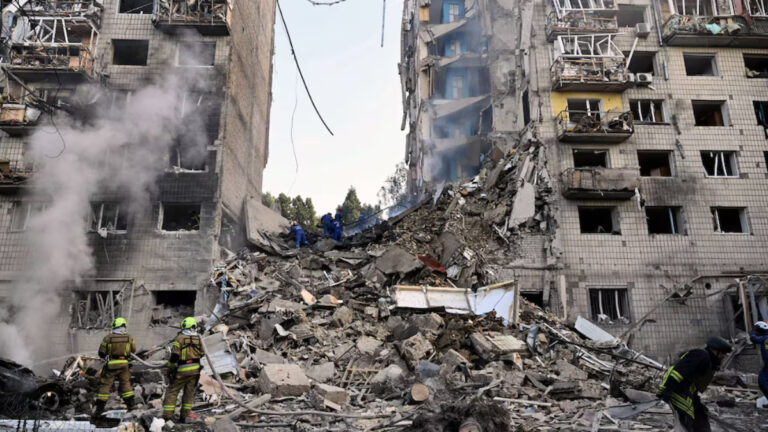
New Delhi, May 25, 2026: — The capital of Ukraine is reeling under the aftermath of one of the most intense and destructive aerial assaults since the war began. Overnight, the Russian Federation launched a massive, coordinated barrage of missiles and attack drones across the country, with Kyiv explicitly targeted as the primary focus.

According to the latest updates from Ukraine’s State Emergency Service (DSNS) and city officials, two women have been confirmed dead in Kyiv, and the number of injured civilians has surged sharply to 87 people, including three minors.

The seven-hour attack, which kept millions of residents huddled in underground shelters, triggered major fires, devastated historic cultural institutions, and caused severe structural damage to residential neighborhoods across every district of the capital.

Direct Hit Devastates Shevchenkivskyi District

The most catastrophic single incident occurred in Kyiv’s central Shevchenkivskyi district. A direct missile strike slammed into a five-story residential apartment building, entirely obliterating an entrance section and causing a massive structural collapse.

Search and rescue teams working continuously through the rubble recovered the bodies of two women from beneath the crushed concrete.


Emergency crews have already removed over 165 square meters of heavily damaged reinforced concrete slabs as they meticulously comb through the debris. Special search dogs have been deployed to check more than 100 square meters of the immediate site to ensure no further victims remain trapped.

Alongside physical rescue efforts, DSNS psychologists have set up mobile stations on-scene, providing immediate crisis support to 112 traumatized residents.

690 Aerial Weapons: The Scale of the Retaliatory Barrage

According to the Ukrainian Air Force, the Russian military deployed a staggering total of 690 aerial weapons in the combined assault, consisting of approximately 600 attack drones and 90 cruise and ballistic missiles.

Among the weapons used was the Oreshnik, a powerful, nuclear-capable hypersonic intermediate-range ballistic missile. While Ukrainian air defense systems successfully intercepted a majority of the incoming drones and over half of the missiles, the sheer volume of the attack meant that 16 missiles and 51 drones broke through, striking 54 distinct locations across the country, while falling debris caused widespread fires in 23 separate areas.

The Kremlin openly acknowledged the assault, stating that the massive strikes were a direct retaliation for a Ukrainian drone attack earlier in the week that targeted a facility in Russian-controlled Starobilsk. Russian officials claimed the target was a command center, while local occupation authorities reported civilian casualties, prompting Moscow to vow severe punishment.

The European Union’s foreign policy chief, Kaja Kallas, strongly condemned the barrage, arguing that targeting city centers is an “abhorrent act of terror” meant to maximize civilian casualties rather than achieve a military objective.

Widespread Destruction of Kyiv’s Infrastructure and Culture

Kyiv Mayor Vitali Klitschko confirmed that damage to civilian and administrative infrastructure has been recorded at 49 locations across the capital, touching virtually every district.

Key Infrastructure Impacts:

  • Government District: Shrapnel and shockwaves caused visible exterior damage to the buildings of Ukraine’s Foreign Ministry and the Cabinet of Ministers.

  • Educational & Health Facilities: Several schools were damaged, with one in the Podilskyi district suffering a major fire. Debris also struck a building housing various United Nations agencies, shattering windows on the third floor of the World Health Organization (WHO) offices.

  • Economic Hubs: A historic central trade market was completely burned to the ground, and a massive warehouse fire broke out in the wider Kyiv region.

  • Cultural Tragedies: Culture Minister Tetyana Berezhna noted that this attack caused the single largest blow to cultural institutions in Kyiv since 2022. Notably, the national museum dedicated to the 1986 Chernobyl nuclear disaster was completely destroyed.

Terror in the Night: Civilians Seek Shelter

For the residents of Kyiv, the night was a grueling test of survival. The air raid sirens blared uninterrupted for hours as the thunderous booms of explosions and air defense interceptions shook ground-level structures.

Thousands of families scrambled into the city’s deep underground metro system, which once again transformed into a massive bomb shelter.


Matthias Schmale, a senior UN official in Ukraine, described being woken by the “terrifying loud sounds of war,” emphasizing that civilians are continuously subjected to immense, life-threatening risks.

With 87 individuals currently filling local hospitals—ranging from minor shrapnel wounds to severe trauma from structural collapses—medical personnel are working under extreme pressure.

Summary of Casualties and Damage

Ukraine has officially requested an emergency meeting of the United Nations Security Council to address the unprecedented scale of civilian infrastructure targeting and to press international allies for enhanced air defense capabilities to shield its skies from future waves. Rescue operations remain active across the worst-hit zones.

Weaving History: Radhikaraje Gaekwad Masterpiece Redefines the Art of Ikat

New Delhi, May 25, 2026: The world of Indian handlooms is experiencing a remarkable renaissance, led by a quiet movement toward ultimate complexity, historical revival, and royal patronage. At the center of this cultural moment stands Radhikaraje Gaekwad, the Maharani of Baroda, whose unparalleled personal textile collection continues to bridge the gap between ancient craftsmanship and contemporary relevance.

Among her most extraordinary acquisitions is a masterpiece of modern weaving engineering: a Pochampally Silk Double Ikat saree that features an astonishing 108 Telia Rumal motifs, brought to life using 30 distinct colors through a combination of double ikat and combined ikat techniques.

This single piece of wearable art represents not just a triumph for Indian handlooms, but an extreme test of mathematical precision and creative endurance that pushes the boundary of what can physically be achieved on a manual shuttle loom.

The Origin: What is Telia Rumal?

To appreciate the gravity of this saree, one must first understand its DNA. Telia Rumal is a historic textile art form originating from Chirala in present-day Andhra Pradesh, later kept alive by Master Weavers in the Puttapaka and Pochampally villages of Telangana.

The name reveals its historic roots:

  • Telia (Oil): Refers to the distinctive and lengthy oil-treatment process where raw cotton yarns are soaked in a mixture of castor oil, ash, and water. This treatment prepares the thread to absorb natural dyes deeply, providing extreme durability, a signature soft texture, and a faint, soothing oily fragrance.

  • Rumal (Handkerchief): Historically, these textiles were woven as square handkerchiefs or scarves rather than full-length sarees. They were worn as turbans by local fishermen and laborers or exported for centuries as high-status headgear to the Middle East, Burma, and East Africa.

Traditionally, Telia Rumal textiles adhered to a highly restricted, minimalist color palette: terracotta red, deep black, and stark white, organized in rigid geometric grids. Over centuries, these humble squares evolved into full-length sarees, but they rarely strayed from their classical colors—until now.

Deconstructing the Masterpiece: 108 Motifs, 30 Colours

What makes the saree championed by Radhikaraje Gaekwad so revolutionary is the explosive leap in complexity. Rather than relying on a repeating pattern of three or four standard geometric grids, this Pochampally silk saree incorporates 108 unique Telia Rumal motifs.

Each motif acts as an individual canvas. Instead of a uniform sequence, the surface of the saree shifts across a mesmerizing array of traditional geometric balances, historic representations, and intricate regional variations.

Even more staggering is the color theory applied to the design. Introducing 30 different colors into a traditional Ikat layout is an artistic gamble. In typical handloom weaving, colors are introduced across broad blocks or panels. To thread 30 distinct shades into highly intricate, independent geometric motifs requires a mathematical mapping of yarns before they ever touch the dye baths.

The Mathematics of the Weave: Double and Combined Ikat

The visual magic of this garment relies entirely on the interplay between double ikat and combined ikat techniques.

Ikat is inherently a “resist-dyeing” method. Instead of weaving a plain fabric and printing a pattern onto it afterward, the pattern is dyed directly onto the raw threads before they are loaded onto the loom.

Double Ikat

In single Ikat, either the warp (the vertical threads attached to the loom) or the weft (the horizontal threads woven through) are dyed with a pattern. In Double Ikat, both the warp and the weft threads are independently dyed with millimeter-level accuracy.

When the weaver operates the shuttle, the horizontal and vertical threads must intersect at exactly the correct cross-sections. If a thread shifts by even a fraction of a millimeter, the entire pattern blurs into a chaotic smudge.

Combined Ikat

To achieve the 108 distinct designs without structural chaos, the artisans utilized combined ikat. This technique seamlessly merges sections of pure double ikat with strategically placed areas of single ikat. This subtle shifting gives the saree an extraordinary depth, creating a visual rhythm where some geometric edges look flawlessly crisp while others possess that classic, beautifully soft, hazy “halo” that can only be achieved by authentic handmade Ikat.

The Human Cost of Precision

A textile of this caliber cannot be mass-produced, automated, or rushed. It represents months of calculation, manual labor, and generational skill.

  • The Blueprint: Before a single thread is dyed, the master weaver must draw the entire 5.5-meter layout on graph paper, calculating exactly how many centimeters of each thread must be tied to repel the dye.

  • The Tying and Dyeing: For 30 different colors, the threads must undergo dozens of consecutive rounds of tying (with plastic or rubber strips) and dipping into individual color baths. The areas meant to remain white or red are bound tight while other sections are exposed to new colors.

  • The Looming Stage: Once dyed and dried, the threads are loaded onto a manual flying shuttle loom. The weaver works at a painstakingly slow pace, manually adjusting the tension of the warp and weft with every throw of the shuttle to ensure all 108 motifs match up perfectly.

Royal Patronage and the Future of Luxury

Radhikaraje Gaekwad’s public celebration of this saree highlights a major shift in how modern luxury is defined in India. True luxury is moving away from generic global brands and turning toward rare, highly technical heritage items that tell a story of human capability.

As an active preservationist and voice for artisanal communities, the Maharani’s choice to highlight such a technically exhausting weave shines a massive spotlight on the weavers of Telangana and Pochampally. It proves that traditional Indian handloom is not a static, museum-bound craft—it is a living, breathing art form capable of unprecedented innovation.

Valued as a priceless modern heirloom, this 108-motif, 30-color Pochampally Silk Double Ikat saree serves as a definitive benchmark for what the human hand can accomplish, ensuring that the legacy of Telia Rumal continues to captivate the world for generations to come.

Malaika Arora Spotted With Rumoured Beau Harsh Mehta; Son Arhaan Khan Joins the Family Outing

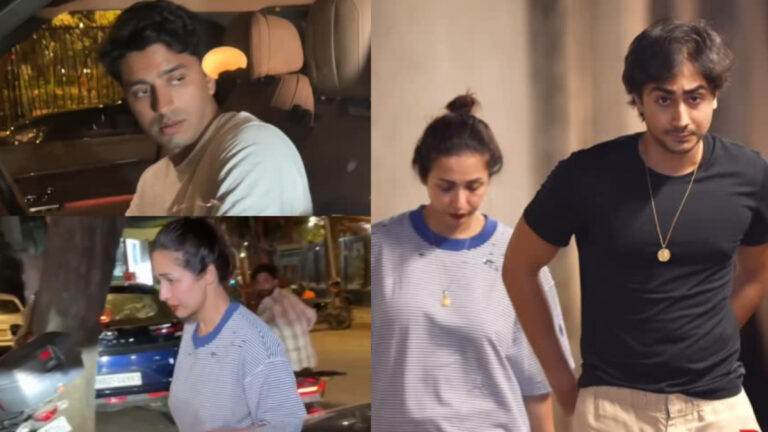
New Delhi, May 25, 2026: The rumor mills of B-Town are spinning at full speed once again. Bollywood diva and fitness icon Malaika Arora has captured the internet’s attention after being spotted on a quiet Sunday evening outing in Mumbai. While Malaika’s public appearances never fail to turn heads, this particular outing has sparked intense interest because of who was accompanying her.

Malaika was photographed alongside her rumored boyfriend, diamond merchant Harsh Mehta. Adding a significant layer of intimacy to the sighting, Malaika’s 23-year-old son, Arhaan Khan, also joined the duo for what looked like a relaxed family night out.

A Casual Sunday Night at Joyce Arora’s Residence

The trio was spotted by paparazzi as they exited the residence of Malaika’s mother, Joyce Arora, in Mumbai. The setting strongly indicates that Harsh Mehta is no longer just a distant acquaintance but is seemingly being introduced to or spending quality time with Malaika’s immediate family.

The group kept their appearance understated and comfortable for the weekend family gathering:

  • Malaika Arora looked effortlessly chic, opting for a casual, comfortable look in an oversized striped T-shirt and relaxed-fit bottoms. She chose to keep her head low to avoid the sudden burst of camera flashes from the waiting shutterbugs.

  • Arhaan Khan wore a simple black t-shirt paired with light-colored trousers, rocking a relaxed, messy hairdo. He appeared completely unfazed by the media presence, gently leading the family’s pet dog, Casper, out of his grandmother’s house.

  • Harsh Mehta complemented the casual vibe of the evening in a classic, fitted white t-shirt.

Paparazzi Frenzy and Shutter-Shyness

As the family made their way from the building lobby to their vehicle, the paparazzi swarmed the location to get a clear view of the rumored couple. While Arhaan comfortably managed the pet pooch and stepped into the vehicle, Harsh Mehta’s reaction became the primary talking point of the viral videos.

Harsh, who is not from the entertainment industry, appeared visibly uncomfortable with the sudden media attention. As he took his seat in the front of the car, he quickly raised his hand and used a cap to shield his face from the cameras. Despite his attempts to stay low-profile, the cameras caught the diamond merchant dropping off Malaika and Arhaan back at their residence.

How the Rumors Began: A Timeline of Malaika and Harsh’s Sightings

Speculation surrounding Malaika Arora’s love life has been constant since her highly publicized amicable split from actor Arjun Kapoor. While the actress has consciously kept her personal life guarded, her frequent public appearances with Harsh Mehta have consistently added fuel to the relationship rumors.

Who is Harsh Mehta?

With his name repeatedly popping up on entertainment portals, fans have been curious to know more about the man in Malaika’s life. Harsh Mehta is a 33-year-old high-profile diamond merchant based out of Mumbai. Unlike Malaika’s previous relationships, Harsh belongs entirely to the corporate and business world, which explains his tendency to stay away from the paparazzi flashes and shield his face during sudden media interactions.

Malaika and Arhaan’s Take on Relationship Rumors

While the internet continues to dissect every single frame of the viral video, Malaika Arora has previously shared how she handles the constant scrutiny regarding her dating life.

In a recent candid interview, Malaika revealed that the non-stop speculation used to be bothersome, but she and her son have now learned to take it in stride.

“It’s irritating, but now I just treat it as a joke,” Malaika shared. “Arhaan and I have a good laugh about these things. I can’t plan these things; if it has to happen, it will happen. Right now, I am so happy exploring all of this that’s going on in my life.”

Arhaan’s presence during this latest Sunday night outing strongly suggests that he shares a comfortable bond with his mother and respects her personal choices. As the co-host of his own digital space and a growing young adult, Arhaan has consistently shown immense support for both his parents—Malaika Arora and Arbaaz Khan—post their divorce in 2017.

What Lies Ahead?

Neither Malaika Arora nor Harsh Mehta has issued an official statement or spoken publicly to confirm or deny their relationship status. Malaika has repeatedly maintained that she prefers not to give unnecessary fuel to media gossip.

However, introducing a partner to family members and involving them in casual weekend dinners is often seen as a significant step in any relationship. Whether the duo chooses to make it official on social media or continues to maintain a dignified silence, this family night out has definitely solidified Harsh Mehta’s presence in Malaika’s close-knit circle.

Heatwave Escape: Mandi Emerges as Himachal New Summer Hotspot

0

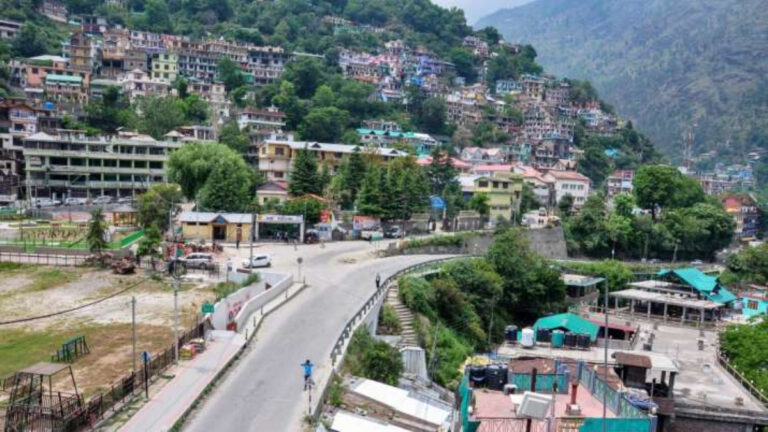
New Delhi, May 25, 2026: — As unprecedented heatwaves scorch the northern plains of India, sending temperatures past 44°C in parts of Punjab, Haryana, Delhi, and Rajasthan, a significant demographic shift is unfolding in the mountains. The historic district of Mandi in Himachal Pradesh has officially transitioned from a quiet cultural stopover into a major summer tourist hotspot.

Faced with an unrelenting sun, thousands of travelers are bypassing heavily congested, mainstream destinations like Shimla and Manali to seek refuge in Mandi’s cooler, offbeat valleys.

The Great Escape: Plains Swelter While Mandi Cools

The Indian Meteorological Department (IMD) recently issued a flurry of heatwave alerts for Northern India, with plain areas experiencing near-record temperatures. Even traditional hill stations like Shimla have recorded uncomfortably high daytime temperatures reaching up to 30.5°C, leaving many travelers searching for alternatives.

While Mandi’s main town sits at a modest altitude, the sprawling district encompasses high-elevation sanctuaries like Barot Valley, Janjehli, and Prashar Lake. In these hidden pockets, daytime temperatures average a comfortable 15°C to 25°C, making them an ideal refuge.

Local hotel associations report a massive spike in bookings over the last two weeks, with homestays and riverside resorts experiencing over 85% occupancy.

Exploring Mandi’s Visual and Offbeat Splendors

Mandi offers an enticing combination of rich spiritual heritage—often referred to as the “Chhoti Kashi” due to its ancient stone temples—and untamed alpine wilderness. The current tourist influx is heavily focused on the district’s eco-tourism circuits.

1. Barot Valley: The Angler’s Paradise

Located along the Uhl River, Barot Valley has become a prime attraction for travelers looking for tranquility. Originally built around a vintage hydroelectric project, Barot is now famed for its terraced fields, dense cedar forests, and thriving trout breeding centers. Tourists can be seen sitting by the crystal-clear river, trying their hand at angling, or embarking on day treks through rhododendron groves.

2. The Mystical Prashar Lake

For adventure seekers, the high-altitude Prashar Lake (sitting at 2,730 meters) remains a crowd favorite. The lake, known for its mysterious floating island and a striking 14th-century pagoda-style temple dedicated to Sage Prashar, offers panoramic views of the snow-capped Dhauladhar range. Overnight camping under the stars has seen record participation this season.

3. Rewalsar and Janjehli

Rewalsar Lake, a sacred spot for Buddhists, Hindus, and Sikhs alike, is witnessing steady footfall from culturally-inclined travelers. Meanwhile, Janjehli—a pristine valley largely untouched by commercialization—is drawing trekkers, photographers, and eco-tourists seeking complete isolation from the chaotic city life.

Economic Boom Amidst Environmental Responsibility

The sudden surge in footfall has provided a welcome economic boost to local businesses. Taxi drivers, souvenir shops, adventure guides, and small-scale dhaba owners are reporting historic seasonal revenues. The rise of community-led rural tourism models—such as the sustainable initiatives in Pahadans Village—has allowed locals to directly profit from the summer rush while keeping environmental impacts low.

However, the rapid influx of vehicles and people has prompted warnings from the local administration. The Chandigarh-Manali National Highway and connecting district roads have faced sporadic traffic jams. Furthermore, a recent swift change in weather patterns brought brief, localized rain and isolated high-altitude thunder, reminding travelers that mountain weather remains highly unpredictable.

District officials have stepped up traffic management and issued strict guidelines regarding waste management, urging visitors to protect the fragile Himalayan ecology.

With meteorologists predicting that high temperatures in the plains will persist well into June, Mandi’s cool breezes and shaded pine forests are expected to welcome many more travelers before the monsoon rains finally bring permanent relief to the subcontinent.

Kangana Ranaut Slams Trolls Over Aishwarya Rai Bachchan Cannes Looks

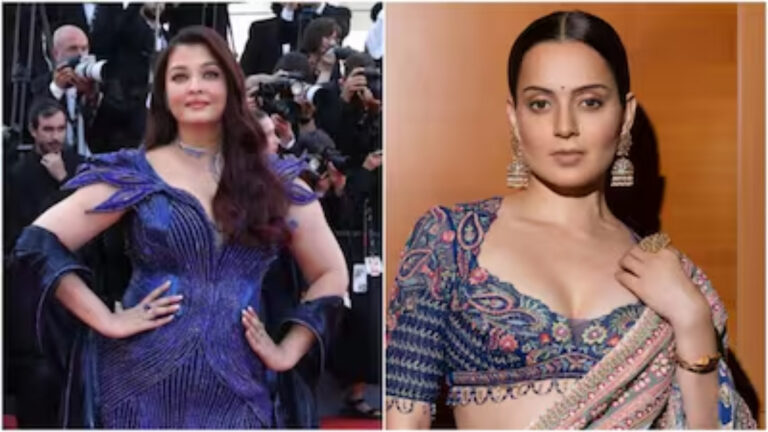
New Delhi, May 25, 2026: The Cannes Film Festival has always been as much about avant-garde fashion as it is about global cinema. However, the online discourse surrounding the red carpet often veers into hyper-criticism. This year, Cannes veteran Aishwarya Rai Bachchan found herself at the center of a social media storm, with trolls heavily dissecting her outfits, weight, and appearance.

Stepping directly into the fray, actor-politician Kangana Ranaut has come out in strong defense of the former Miss World. Known for her unfiltered and fiery takes, Kangana took to Instagram to deliver a blistering reality check to online critics, reminding them that women do not owe the public perfection.


The ‘Boss Reply’ That Silenced the Trolls

As social media platforms flooded with critical remarks comparing older veterans to younger debutantes, Kangana shared a picture of Aishwarya from the festival alongside a powerful, direct statement.

Kangana did not stop at praising the look; she actively challenged the individuals hiding behind anonymous profiles to match the grace of the global icon.

“Those of you who want to see her any other way, why don’t you show what you got?? She is not here to please you, she is glorious,” Kangana wrote.

Crucially, the Queen star called out the underlying ageism that frequently plagues discussions about women in the entertainment industry. She concluded her post with a sharp reminder for the audience to adjust their expectations:

“If you are not used to seeing older women on red carpets, get used to them now. Thanks.”

Decoding Aishwarya’s Experimental Cannes Lookbook

Aishwarya Rai Bachchan, who has represented beauty giant L’Oréal Paris on the French Riviera since 2003, marks her 24th year at the prestigious festival. This year, the actor took massive fashion risks, pivoting toward highly architectural, structured, and contemporary silhouettes.

1. The Opening Look: “Luminara” by Amit Aggarwal

For her first major appearance, Aishwarya wore a custom abyss-blue sculptural gown designed by Indian couturier Amit Aggarwal. Titled Luminara, the outfit was built around the conceptual theme of light in motion.

  • The Design: It featured dramatic, wing-like extensions rising from the shoulders to create an architectural, cosmic silhouette.

  • The Details: The gown was paired with a shimmering dupatta, soft loose curls, a classic bold red lip, and diamond-studded jewelry featuring deep blue stones.

2. The Gala Look: Romantic Pastel by Sophie Couture

For L’Oréal Paris’ annual Lights On Women’s Worth gala, she pivoted from structured geometry to soft, romantic glamour.

  • The Design: A custom baby-pink gown featuring a heart-shaped, strapless corseted bodice with intricate Fortuny pleating.

  • The Details: Rose gold, copper, and mauve Swarovski-crystal floral appliques cascaded down her hips, trailing into a sweeping floor-length sheer chiffon cape.

3. The Grand Finale: Avant-Garde Monochrome

Departing entirely from traditional red-carpet gowns, Aishwarya rounded out her appearances in a sharp, layered white tuxedo-inspired suit. The ensemble featured a plunging structured blazer, tailored trousers, and an oversized, dramatic feather wrap stole that framed her shoulders like a classic Hollywood boa.

Anatomy of the Backlash: Ageism and Changing Metrics

The criticism aimed at Aishwarya highlights a shifting and increasingly demanding social media landscape. For years, her appearances—such as the iconic powder-blue Michael Cinco “Cinderella” gown or her classic traditional sarees—gained near-unanimous praise.

However, this year, internet commentary shifted in a harsher direction. Much of the online debate was fueled by direct comparisons to younger Indian stars making waves on the Riviera, such as Alia Bhatt. Trolls targeted everything from her styling choices to visible physical aging, demonstrating the rigid standards female celebrities encounter as they grow older in the public eye.

Why Kangana’s Defense Matters

Kangana’s defense resonates strongly because it addresses the systemic double standards female actors navigate. While male actors are often celebrated as they age, female icons face intense scrutiny over every wrinkle, outfit choice, or change in posture. By framing fashion as an act of personal autonomy rather than a performance for public approval, Kangana shifted the narrative from a critique of an outfit to a defense of a woman’s agency.

Furthermore, the public camaraderie between Kangana and Aishwarya emphasizes a growing solidarity among women in Bollywood, standing together against coordinated online negativity.

Beyond the Red Carpet: What’s Next for Both Icons

While the internet debates fashion, both actors remain focused on significant professional milestones:

  • Aishwarya Rai Bachchan continues to command international attention as one of India’s most recognizable global ambassadors. Beyond fashion, her presence at Cannes alongside her daughter, Aaradhya Bachchan—who made an official red-carpet appearance in a ruby-red gown—emphasized her enduring legacy at the festival.

  • Kangana Ranaut is balancing her political responsibilities with her cinematic career. She is currently preparing for the release of her upcoming drama, Bharat Bhhagya Viddhaata, directed by Manoj Tapadia. The film, which honors the bravery of hospital staff during the 2008 Mumbai terror attacks, is scheduled to hit theaters on June 12.

Ultimately, Kangana’s message serves as a reminder to the internet: icons like Aishwarya Rai Bachchan have spent decades building a legacy that transcends transient online trends. They step onto international stages not to seek validation, but to own them.

Vashu Bhagnani Slams David and Varun Dhawan Over ₹27 Crore Loss

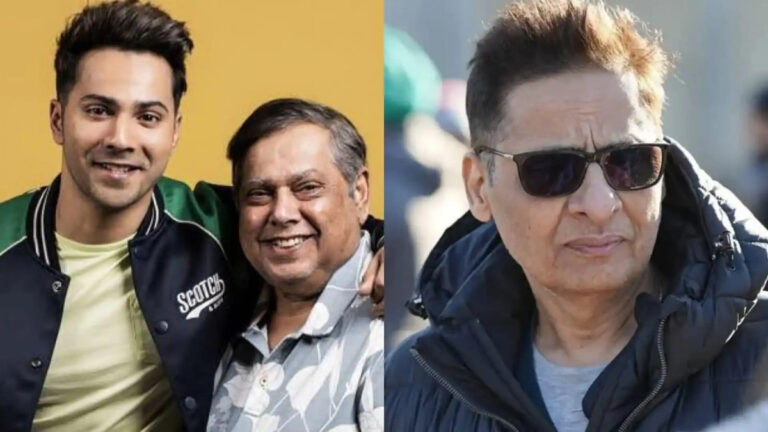
New Delhi, May 23, 2026: A major storm is brewing in Bollywood. In a fiery virtual press conference held from Dubai, veteran film producer Vashu Bhagnani publicly called out filmmaker David Dhawan and his actor-son, Varun Dhawan. Bhagnani revealed that the 2020 remake of Coolie No. 1 caused him a staggering financial loss of ₹27 crore. He also expressed deep disappointment that Varun Dhawan never bothered to check on him or verify the fallout of that financial disaster.

The explosive revelations come at a highly sensitive time. David Dhawan and music label Tips Industries are currently preparing for the release of their upcoming film, Hai Jawani Toh Ishq Hona Hai, starring Varun Dhawan, Mrunal Thakur, and Pooja Hegde.

The feud has escalated from a personal fallout into a strict legal battle over intellectual property. Bhagnani has already moved court to stop the film’s team from using a recreated version of the iconic song “Chunari Chunari”—a track originally featured in his own 1999 production, Biwi No. 1.

“I Was Just a Namesake Producer”

The 2020 remake of Coolie No. 1, starring Varun Dhawan and Sara Ali Khan, skipped theaters due to the COVID-19 pandemic and premiered directly on streaming platforms. While streaming deals usually provide a safety net for producers, Bhagnani revealed that the project was a massive financial disaster for his banner, Pooja Entertainment.

Bhagnani claimed that he was left holding the bag for a poorly managed budget while having zero creative say in the project.

Going a step further, the veteran producer questioned the massive industry premium placed on the filmmaker, claiming he overpaid significantly based on personal trust. “I paid David ji big money to make that film; almost ₹70 crores, which was not even his worth,” he added.

The Silent Treatment from Varun Dhawan

Beyond the financial devastation, Bhagnani expressed deep emotional bitterness regarding how he was treated by the Dhawan family after the film sank. He particularly targeted Varun Dhawan, stating that the young actor showed absolute indifference toward the financial damage his father’s production methods caused.

“Varun never even bothered to check ki uncle ka nuksaan hua hai; kaun poora karega? (that uncle has suffered a loss; who will make up for it?)” Bhagnani told the media. He noted that there has been an absolute block in communication, adding, “Varun hasn’t called me in two years anyway. We made Coolie No. 1 in 2020 and suffered a loss… he never even boggled to ask how I was doing.”

Bhagnani also revealed behind-the-scenes friction during the 2020 shoot, showcasing how the father-son duo allegedly ran the project without consulting him. He claimed he wanted to shoot Coolie No. 1 in London to take advantage of a substantial UK government filming subsidy, which would have drastically reduced costs. However, David Dhawan flatly refused.

“David declined to shoot there. He told me, ‘Varun is saying that if we show a coolie (railway porter) in London, the media would make fun of our film and troll us.’ But later, they shot a part of the film in Bangkok. So, according to David ji, a coolie can go to Bangkok, but he can’t go to London!” Bhagnani shared, pointing out the lack of commercial logic.

Broken Promises and the “Chunari Chunari” War

According to Bhagnani, David Dhawan originally acknowledged the massive ₹27 crore deficit and promised to make amends. During the pandemic, David allegedly told him, “Aapka jo bhi nuksaan hua hai, we’ll take care of it in the future. Let’s start Biwi No. 1 [Part 2].”

Pooja Entertainment subsequently spent six months developing a script for a Biwi No. 1 sequel. However, the project was suddenly stalled when David’s other son, director Rohit Dhawan, informed Bhagnani that the script was not ready. Trusting the family, Bhagnani decided not to rush the creative process.

The real shock came months later when Bhagnani discovered through trade news that David Dhawan had quietly teamed up with veteran producer Ramesh Taurani of Tips Industries to direct Hai Jawani Toh Ishq Hona Hai.

The situation turned ugly when leaked on-set videos surfaced, showing Varun Dhawan dancing to a remixed version of “Chunari Chunari”—the chartbuster song from Bhagnani’s original Biwi No. 1.

The Core Disagreements Vashu Bhagnani’s Stance The Dhawans / Tips Stance
Financial Accountability Lost ₹27 crore on Coolie No. 1; claims David Dhawan mismanaged the ₹70 crore budget. Handled production during an unpredictable COVID-19 streaming transition.
Song Rights (“Chunari Chunari”) Owns the film/video IP; claims it is unethical to reuse his hit track without permission. Tips Music maintains they legally bought and own the complete music rights.
Industry Ethics Believes David Dhawan should have asked for an NOC (No Objection Certificate) out of respect. Tips called Pooja Entertainment’s legal claims “malicious” and “misconceived.”

“How can David Dhawan use the same songs from our film in his son’s movie, that too for a Ramesh Taurani production?” Bhagnani questioned. “There should be some ethics in the industry. Agreed that Ramesh Taurani paid you money, but you can’t recreate the same song from my production. At least, he should have called and told me… I would have given the NOC and would not have minded also.”

Current Legal Status

The battle lines are officially drawn. Tips Industries has vehemently denied Bhagnani’s allegations, releasing a statement calling Pooja Entertainment’s legal maneuvers a deliberate attempt to sabotage their upcoming film. Tips firmly maintains that because they purchased the audio rights to Biwi No. 1 back in 1999, they are the rightful owners of the music catalog and have the legal authority to exploit it.

However, Bhagnani has already scored an initial victory. A civil court in Katihar granted Pooja Entertainment a status quo order after reviewing the case materials. Bhagnani claims that while Tips holds audio rights, they are illegally manipulating video rights and asset cross-overs without proper clearances.

With Hai Jawani Toh Ishq Hona Hai scheduled to hit screens on June 5, the film’s promotional campaign faces severe hurdles. Bhagnani concluded his media address on a dramatic note, emphasizing that his fight is now about self-respect rather than money: “After taking legal action, maine apne aap ko maara hai (I have hurt myself). If David Dhawan tells me, I’ll jump from 22 floors for him, but it has to be for an ethical cause.”

Juhi Chawla’s Son Arjun Graduates from Columbia University

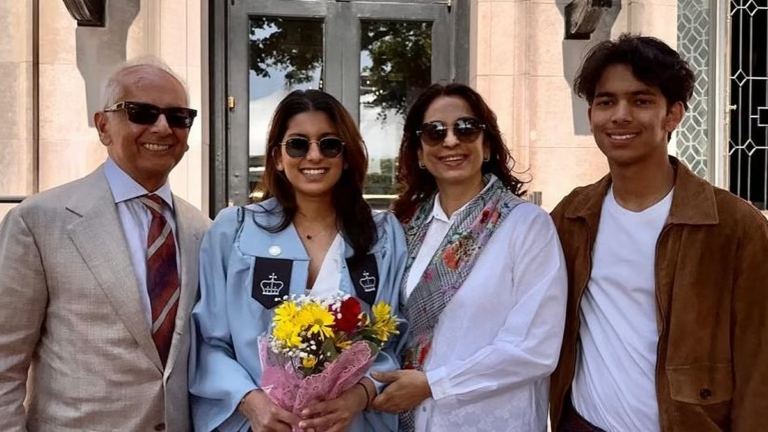
New York: Veteran Bollywood actress and former Miss India Juhi Chawla is celebrating an incredibly proud parenting moment. Her son, Arjun Mehta, has officially graduated from the prestigious Columbia University in New York City. The Ivy League institution, known for its rigorous academic standards, witnessed another milestone for the Chawla-Mehta family as Arjun walked across the stage to receive his degree, following in the exact academic footsteps of his older sister, Jahnavi Mehta.

Juhi Chawla, who has always maintained a highly private personal life and kept her children away from the relentless flashbulbs of Bollywood glamour, could not hide her immense joy. The actress took to her official social media handles to share a rare, heartwarming glimpse of the outdoor convocation ceremony, giving fans a peek into their family’s private celebrations.

A Star-Studded Academic Walk

In the video shared online by the Qayamat Se Qayamat Tak actress, the atmosphere at the packed outdoor New York venue was electric. The clip captured the precise moment Arjun’s name echoed over the loudspeakers. Dressed elegantly in Columbia University’s signature light-blue graduation gown and cap, paired meticulously with a dark tie, Arjun walked confidently up the steps toward the main stage.

As soon as “Arjun Mehta” was announced, loud applause, whistles, and enthusiastic cheers erupted from family members, friends, and fellow graduates in the crowd. Maintaining his poise, Arjun crossed the stage and shared a warm, formal handshake with a university official clad in a maroon academic robe, sealing years of hard work and late-night study sessions.

Beaming with maternal pride, Juhi captioned the memorable clip

Carrying Forward a Double Legacy

This graduation is a double celebration for the family, as Columbia University holds a special place in the Mehta household.

  • Sister Jahnavi’s Success: In 2023, Juhi’s daughter, Jahnavi Mehta, graduated from the very same Ivy League institution with flying colors. Jahnavi’s time at Columbia was incredibly distinguished, earning her a coveted spot on the prestigious Dean’s List for her exceptional academic performance. At the time, Juhi had shared a similarly joyful picture, capturing her emotion with a simple yet deep caption: “Proud and happy.”

  • Father Jay Mehta’s Alma Mater: The connection runs even deeper. Renowned industrialist Jay Mehta, Juhi’s husband, is also an alumnus of Columbia University, having earned his Bachelor of Science (BS) in Engineering from the Fu Foundation School of Engineering and Applied Science back in 1983.

With Arjun joining his father and sister as a Columbia alumnus, the university has truly become a multigenerational tradition for the family.

Keeping a Low Profile: Choosing Classrooms Over Camera Lenses

Juhi Chawla married British-Indian industrialist Jay Mehta in a private ceremony in 1995. While many celebrity parents actively groom their children for a grand Bollywood debut, Juhi and Jay intentionally chose a completely different path for Jahnavi (born in 2001) and Arjun (born in 2003).

Both children were raised largely away from the public eye and media scrutiny, focused entirely on their global education. Arjun, who has grown into a sharp and charming young man, is rarely spotted at public functions. One of his few recent public appearances was at the grand wedding celebrations of Anant Ambani and Radhika Merchant, where his sharp look in a classic black suit left fans thoroughly impressed by his elegant and understated personality.

In previous interactions with the media, Juhi openly spoke about her children’s academic inclination and expressed a sense of relief that they preferred paths outside the film industry. Speaking about the immense pressure faced by the current generation of star kids, Juhi noted:


Instead of film scripts, both children have gravitated toward diverse intellectual and sports-driven interests. Jahnavi, for instance, has a massive passion for cricket. She actively assists her parents and Shah Rukh Khan in managing the operations of their Indian Premier League (IPL) franchise, the Kolkata Knight Riders (KKR), often turning heads at the IPL auction tables with her deep knowledge of the sport’s technicalities. Arjun, on the other hand, has remained tightly focused on mastering his higher education.

Celebrations with a Green Touch

The Chawla-Mehta family is known not just for corporate success and cinematic milestones, but also for their commitment to environmental causes. Juhi Chawla is a passionate advocate for a greener planet and frequently celebrates family milestones by planting trees.

For Arjun’s milestone birthdays in the past, Juhi bypassed typical lavish parties and instead funded the planting of 500 trees in his name, wishing him a healthy, meaningful, and grounded life. It is highly anticipated that Arjun’s monumental Ivy League graduation will be marked by a similar eco-friendly initiative, aligning with the family’s core values of sustainability and giving back to nature.

As Arjun Mehta steps out of the historic gates of Columbia University with a degree in hand, he stands on the threshold of a promising future. Whether he chooses to join his father’s global conglomerate, the Mehta Group, or carve out an entirely independent professional identity, he enters the corporate world backed by an elite global education. For Juhi Chawla, watching her youngest child cross the graduation stage in New York is the ultimate validation of her quiet, dedicated journey as a mother.