Home Blog Page 56

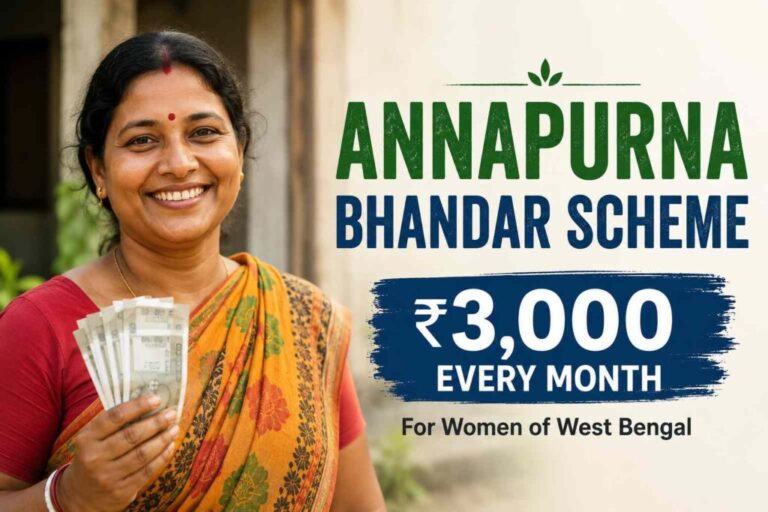
Annapurna Yojana 2026: WB Launches ₹3,000 Monthly Scheme for Women

0


New Delhi, May 23, 2026: In a monumental shift for the socio-economic landscape of West Bengal, the newly elected state government has officially notified the rollout of the highly anticipated
Annapurna Yojana (also referred to as the Annapurna Bhandar Scheme). Replacing the previous government’s flagship ‘Lakshmir Bhandar’ programme, this revamped initiative nearly doubles the financial assistance for eligible women, raising the monthly allowance to ₹3,000 per month (amounting to ₹36,000 annually).

According to an official notification issued by the Women and Child Development and Social Welfare Department, the scheme will legally take effect on June 1, 2026. Along with the cash transfer, the government has also coupled this rollout with a bonus benefit: 100% free travel for women in all state-run buses, effective from the same date.

As the launch date approaches, here is a comprehensive guide on who qualifies for the scheme, how the online application process will function, and what the transition means for millions of existing Lakshmir Bhandar beneficiaries.

Who is Eligible? The Mandatory Criteria

The West Bengal government has laid down strict, clear-cut boundaries regarding who can and cannot claim the ₹3,000 monthly stipend. Aimed at empowering women and securing financial stability for economically vulnerable households, the riders for eligibility include:

  1. Gender and Residency: The applicant must be a woman and a permanent resident of West Bengal.

  2. Age Bracket: Women aged between 25 and 60 years are eligible.

  3. Taxpayer Exclusion: The applicant must not be an active income tax payer.

  4. Employment Restrictions: The scheme explicitly bars permanent government employees. Women receiving regular salaries or pensions from the Central or State government, statutory bodies, government undertakings, Panchayats, municipal bodies, or local authorities are excluded. Furthermore, those working in teaching or non-teaching roles in government-aided educational institutions do not qualify.

What Happens to Existing Lakshmir Bhandar Beneficiaries?

For the millions of women currently enrolled under the older Lakshmir Bhandar scheme, the government has delivered a major sigh of relief: automatic migration.

Current beneficiaries do not need to submit a fresh application to receive the enhanced ₹3,000 benefit. The system will auto-shift their profiles into the Annapurna Yojana database. However, this migration comes with a rigorous filtration process based on the Special Intensive Revision (SIR) 2026 data.

Who will be excluded from automatic migration?

  • Beneficiaries identified as deceased, permanently shifted out of the state, or marked as fraudulent/duplicate during the data audit.

  • Absentee electors identified during recent voter slip distributions.

The CAA and Appeal Provision: The notification significantly clarifies that beneficiaries who have filed appeals before the SIR tribunal or those who have submitted applications under the Citizenship (Amendment) Act (CAA) will continue to receive their financial assistance uninterrupted until their respective pleas or cases are legally disposed of.

Important Action Item: Because the transfers are handled strictly through the Direct Benefit Transfer (DBT) framework, existing beneficiaries must ensure that their registered bank accounts are active and securely linked with their Aadhaar cards to prevent payment failures come June.

How to Apply Online: Step-by-Step Guide

For those who are turning 25, have recently settled in the state, or missed out on previous welfare schemes, a dedicated Annapurna Yojana Portal will officially go live on June 1, 2026. Fresh applicants can register themselves digitally by following these steps:

  • Step 1: Access the Official Portal: Visit the official West Bengal state portal (wb.gov.in) or the dedicated Annapurna Bhandar URL once it is formally activated on June 1. (Citizens are strongly cautioned to avoid clicking on third-party or unverified links before the launch).

  • Step 2: Mobile & OTP Verification: Enter an active mobile number. A One-Time Password (OTP) will be sent to the device to authenticate and log into the portal safely.

  • Step 3: Ration Card Integration: Input your Ration Card (RC) number. The portal’s architecture is built to auto-fetch registered household and family particulars directly from the food and supplies database.

  • Step 4: Aadhaar Authentication: Enter your Aadhaar number and pass a second OTP verification linked to your UIDAI-registered phone number to confirm your identity.

  • Step 5: Fill Out Personal Data: Fill in any remaining fields regarding your address, structural family details, and declaration of non-taxpayer status carefully.

  • Step 6: Bank Account Registration: Enter your active bank account number and corresponding IFSC code. Ensure this is a personal account, not a joint one, and that it features enabled DBT capabilities.

  • Step 7: Upload Documents: Upload digital copies of mandatory documents (typically a passport-size photograph, Aadhaar card, Voter ID, and the front page of your bank passbook/cancelled cheque).

  • Step 8: Review and Submit: Carefully cross-verify all inputted data against physical documents to avoid rejection, hit submit, and securely note down the Application Reference Number for future status tracking.

Note for rural/offline populations: For those lacking internet access, the government will accept physical forms through designated state streams like local Duare Sarkar camps, Block Development Offices (BDO), and Municipality desks.

The Strict Verification and Approval Process

Unlike a self-declared digital registration that approves instantly, every fresh application under the Annapurna Yojana will go through a multi-tier bureaucratic audit to minimize leakage and eliminate ineligible entries.

Once an application is successfully logged into the system:

  1. Local Enquiry: Authorised local government or municipal civic body inspectors will conduct residential and economic status inquiries based on the applicant’s locality.

  2. Review and Recommendation: Following the physical or database verification, Block Development Officers (BDOs) in rural pockets and Sub-Divisional Officers (SDOs) in urban centers will compile lists of eligible candidates and forward them online to higher authorities. In the capital city, Kolkata Municipal Corporation (KMC) officials will execute this verification.

  3. Final Sanctioning Authority: The District Magistrates (DMs) of the respective districts will act as the ultimate sanctioning authorities to release funds. For the urban populace of Kolkata, the Commissioner of the KMC holds the sanctioning power.

Once approved, the final enquiry and sanction reports will be publically tracked on the portal, and the monthly payout of ₹3,000 will be credited via DBT smoothly at the start of each month cycle. Women across West Bengal are advised to get their Aadhaar-linked documentation organized this week to ensure they can onboard the platform seamlessly when operations begin on June 1.
BTS at Taj Mahal? The Truth Behind the Viral ‘ARIH’ Video

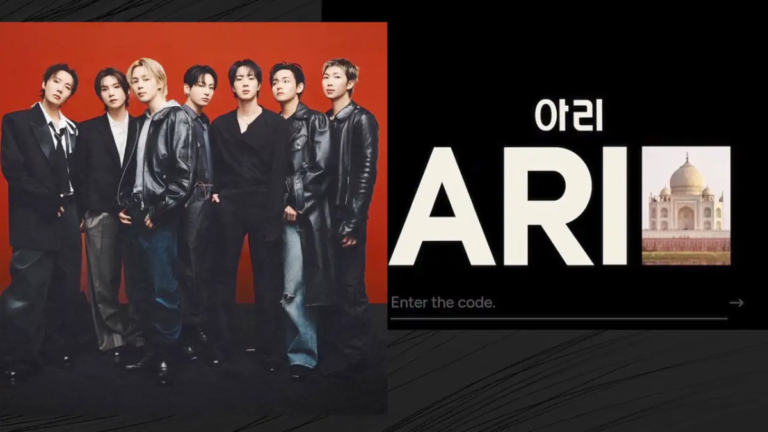
New Delhi, May 23, 2026: The internet is a wild place for K-pop fans, especially when it involves the world’s biggest band, BTS, and their fiercely loyal Indian fanbase. Social media went into an absolute meltdown over a viral video featuring a cryptic brand name, “ARIH,” and a gorgeous backdrop that looked suspiciously like India’s iconic Taj Mahal.

For a brief, chaotic moment, Indian ARMYs (the BTS fandom) thought their ultimate dream was coming true: a full-group, OT7 (Only Team 7) comeback tour stop right in the heart of India, tied to their historic 2026 album, ARIRANG.

Desi fans were left asking: Are RM, Jin, Suga, J-Hope, Jimin, V, and Jung Kook finally touching down in India?

But as with all viral internet sensations, there is a major catch. Let’s pull back the curtain on the “ARIH” video, decipher what it actually means, and unpack the real status of BTS’s highly anticipated global movements.

The Viral Visual: What Spooked the Fandom?

The frenzy kicked off when mysterious teaser clips began circulating across Instagram, TikTok, and X (formerly Twitter). The high-production videos carried the branding “ARIH” and showcased breathtaking, cinematic imagery. Among the aesthetic backdrops of traditional heritage sites, one specific clip featured a gleaming white marble structure framed by reflecting pools—a visual twin to the Taj Mahal in Agra.

Given that BTS had just released their monumental fifth studio album, ARIRANG, and announced a massive global streaming comeback event, Indian fans immediately connected the dots. The words “ARIRANG” and “ARIH” sounded intentionally similar, and the historic monument hinted at an Indian cultural crossover.

Speculation spread like wildfire. Threads popped up claiming that BTS was secretly filming a music video in India, or preparing a surprise stadium announcement at the Taj Mahal to celebrate the official return of all seven members following their mandatory military services.

Here’s the Catch: The Truth Behind “ARIH”

The reality behind the viral trend is an impressive marketing campaign, but it has nothing to do with a surprise concert at a UNESCO World Heritage site.

ARIH is a brand-new global wellness, noodle, and beverage brand inspired by BTS. Launched in April 2026, the brand blends authentic Korean culinary heritage with modern lifestyle wellness. It features a line of “Modern Noodles” (such as K-Super Spicy Seaweed and Truffle Bulgogi) alongside “Dual Biotic Sodas” and postbiotic energy drinks.

The aesthetic commercials that fans saw on Instagram were part of ARIH’s global launch narrative, designed to show how Korean food culture can bridge spaces across the globe.

Why the Taj Mahal Appeared

The “Taj Mahal” visual that triggered Indian ARMYs was actually a clever blend of symbolic international landmarks used by the brand to represent its global footprint. While BTS members actively starred in the brand’s promotional launch films—showing them enjoying the noodles and drinks—they were filmed on closed sets and stylized backdrops, not on location in Agra.

Furthermore, some of the specific clips floating around TikTok were fan-edited compilations. Desi creators had spliced the official, aesthetic ARIH product teasers with artificial intelligence (AI) renderings and past travel clips to manifest an Indian tour stop.

The ‘ARIRANG’ Reality: Where is BTS Right Now?

While the Taj Mahal video might be a commercial illusion, the full-group reunion of BTS is very real. The band officially marked the end of their hiatus with the release of ARIRANG.

To celebrate, the septet chose a venue deeply rooted in their own heritage: Gwanghwamun Square in Seoul. The historic comeback live performance was broadcast globally to millions of fans via Netflix, proving that even if they aren’t physically traveling to every corner of the earth just yet, their digital reach remains completely unmatched.

Why Indian Fans Are Easily Triggered by Tour Rumors

It is easy to understand why Indian ARMYs fell for the viral “ARIH at Taj Mahal” bait. The relationship between BTS and India is a long history of “almosts” and unfulfilled promises that keeps the fandom perpetually on edge.

Because the group has explicitly stated their desire to visit the Taj Mahal and perform for Indian fans once “crazy times finish,” any piece of media that superimposes the Bangtan boys onto Indian architecture acts as an instant catalyst for viral trends.

The Verdict: Keep Your Lightsticks Ready, But Verify Your Sources

The viral “ARIH at Taj Mahal” video is a masterclass in how modern marketing and fan excitement can create a whirlwind of misinformation. While the video successfully put the new BTS-inspired lifestyle brand on everyone’s radar, it was ultimately a corporate campaign rather than a tour confirmation.

For now, Indian fans can take comfort in the fact that BTS is officially back as a complete seven-member unit. While no physical tour dates for India have been locked into the calendar for the ARIRANG cycle, the group’s renewed activities mean that a future plane ticket to New Delhi or Mumbai is never entirely off the table.

Until the official BIGHIT MUSIC account drops a poster with an Indian stadium listed on it, fans should enjoy their ARIH noodles, stream the new album, and take viral social media teasers with a healthy pinch of salt.

Cockroach Janta Party Founder Receives Death Threats From US to India

0

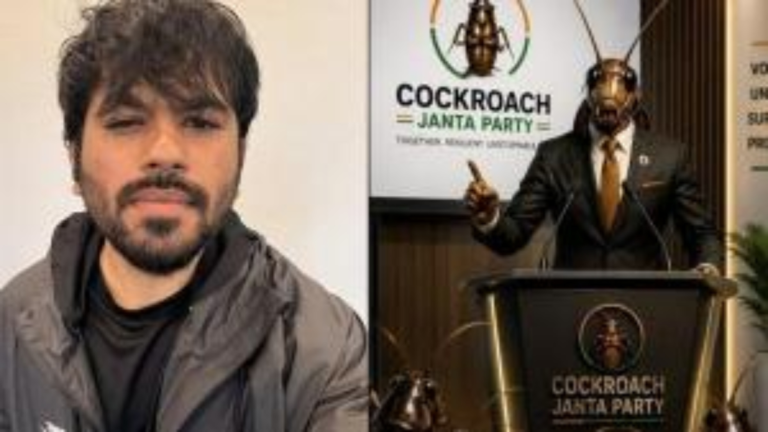
New Delhi, May 23, 2026: An online political satire page that started as a viral joke has quickly turned into a high-stakes free speech battle. Abhijeet Dipke, the 30-year-old founder of the sensationally popular Cockroach Janta Party (CJP), has alleged that he is receiving chilling death threats over WhatsApp.

The threats include explicit warnings that he could be targeted even while living abroad in the United States.

The development comes just 24 hours after the Indian government ordered the withholding of the party’s official X (formerly Twitter) account within India, triggering a fierce national debate over digital censorship, youth frustration, and the limits of political satire.

“America Mein Bhi Marwa Denge”: The Chilling Ultimatum

On May 22, 2026, Abhijeet Dipke took to his personal social media accounts to post screenshots of threatening WhatsApp messages sent from unknown numbers. The main message, written in a mix of Hindi and English, offered a blunt ultimatum: shut down the account, cross over to the ruling party, or face fatal consequences.

A second screenshot from a different number claimed that because the senders now possessed Dipke’s phone number, tracking down his physical address in the United States “won’t take much time.”

Dipke, a Boston University graduate and former political communications strategist currently based in the U.S., captioned the posts simply: “Receiving death threats now.”

A Family Left in Constant Fear

The rapid, meteoric rise of the Cockroach Janta Party had already caused deep anxiety for Dipke’s parents, Bhagwan and Anita Dipke, who live in India. Speaking to reporters just days before the death threats surfaced, his parents expressed that they had completely lost sleep over fears that his online satire would lead to his arrest or physical harm.

“If we look at politics nowadays, fear is natural, no matter how many followers he has,” his father, Bhagwan Dipke, told PTI. His mother, Anita, made a public emotional appeal to her son, urging him to stay away from political activism and focus on his career. “We just want him to come home safely,” she stated.

From a Courtroom Remark to a 20-Million-Strong Movement

To understand why a digital page about cockroaches is receiving international security threats, one has to look back at how the movement started just one week prior.

On May 15, 2026, during an open Supreme Court hearing, Chief Justice of India (CJI) Surya Kant made a controversial remark regarding unemployed youth who venture into activism, social media, and citizen journalism, comparing them to “cockroaches” and “parasites of society.”

Although the Chief Justice issued a clarification the next day—explaining that his words were misquoted and were strictly aimed at fraudulent individuals entering the legal system with fake and bogus degrees—the spark had already caught fire online.

On May 16, Dipke formally launched the “Cockroach Janta Party” as a satirical digital platform for “all the cockroaches out there.” He jokingly listed the party’s eligibility criteria:

  • Being unemployed or underemployed

  • Being “chronically online” and lazy

  • Possessing the professional ability to rant on social media

Outgrowing the Ruling Party in Days

What began as an internet meme rapidly turned into an unprecedented digital rebellion. Calling itself the “Voice of the Lazy & Unemployed,” the CJP hit a nerve with India’s Gen-Z and millennial population.

Within 48 hours, over 40,000 youth registered as members on its website. Within five days, its Instagram page exploded past 20 million followers, remarkably overtaking the official Instagram following of the ruling Bharatiya Janata Party (BJP).

The movement even manifested in real life, with volunteers in various states dressing up in cockroach costumes to conduct peaceful community service acts, such as cleaning up the heavily polluted Yamuna River, to highlight administrative failures.

The Policy & The Censorship: X Account Withheld

The CJP’s explosive growth rapidly drew the attention of India’s Ministry of Information and Broadcasting. Citing laws regarding online activities that could threaten national security, authorities directed X to withhold the party’s official handle (@CJP_2029) within Indian borders.

Visitors attempting to access the page in India are now greeted with a blank screen stating the account has been “withheld in response to a legal demand.”

The CJP team responded with defiance, quickly setting up a backup account under the handle “Cockroach is back” with the caption: “You thought you can get rid of us? Lol.”

Political Firestorm: Free Speech vs. “Foreign Conspiracy”

The death threats and the censorship of the CJP have ignited a massive political row between India’s ruling establishment and opposition leaders.

Opposition Defends the Right to Laugh

Several high-profile opposition leaders have openly aligned themselves with the movement. Congress MP Shashi Tharoor called the government’s decision to block the X account “disastrous and deeply unwise,” arguing that healthy democracies inherently require outlets for humor, frustration, and dissent.

Samajwadi Party chief Akhilesh Yadav fueled the fire by posting a viral one-liner: “BJP versus CJP.” Meanwhile, Aam Aadmi Party (AAP) leader Manish Sisodia released a video stating, “When it’s a war between the Crocodile and the Cockroaches, I proudly stand with the Cockroach Janta Party.”

Government Alleges Bot Manipulation

On the other side of the aisle, the ruling establishment views the overnight rise of the CJP with heavy skepticism, pointing out Dipke’s past ties as a social media coordinator for the AAP. Senior BJP leader Mukhtar Abbas Naqvi denounced the movement as a “premeditated conspiracy” aimed at destabilizing a vibrant democracy through calculated internet anarchy.

Kanchan Gupta, a senior adviser at the Ministry of Information and Broadcasting, stated that the government is closely tracking the “abnormal” metrics of the page. “Nobody has harvested this many followers in 72 hours,” Gupta noted, adding that internal assessments suggest a substantial portion of the followers could be automated bots originating from foreign countries, including Pakistan. Dipke has strongly denied this, countering that his analytics prove 95% of his audience is genuinely based in India.

The Serious Reality Behind the Satire

While the CJP relies on AI-generated images of a suit-wearing cockroach standing at a political podium, political analysts point out that the humor masks a deeply painful economic reality for Indian youth. Despite India’s robust macroeconomic growth, graduate unemployment, continuous paper leaks in competitive exams like NEET, and inflation remain massive anxieties for the younger generation.

As the situation escalates, the digital safety of overseas digital creators has once again entered the spotlight. With international death threats now officially on the table, what began as a courtroom gaffe has transformed into an unpredictable and serious stand-off regarding the safety of political dissidents in the digital age.

Sara Tendulkar Slams Paparazzi Culture Over Derogatory ‘Moti’ Caption: “You Are Disgusting, Leave Us Alone”

New Delhi, May 22, 2026 — In a fierce and necessary pushback against the toxic sides of social media fame, Sara Tendulkar—influencer and daughter of cricket maestro Sachin Tendulkar—strongly called out a photojournalist for body-shaming her in a recent viral post. Taking to her Instagram Stories, Sara did not mince words as she slammed the invasive and derogatory nature of modern paparazzi culture, emphasizing that such behavior is “not journalism.”

The confrontation marks a breaking point for many young public figures who find their everyday appearances scrutinized, commodified, and mocked under the guise of celebrity “spotting.”

The Incident: A Demeaning Caption Sparked Outrage

The controversy erupted when a prominent paparazzi and social media handle posted a video of Sara Tendulkar at an airport. Sara was accompanied by her sister-in-law, entrepreneur Saaniya Chandhok, who recently married Sara’s brother, Arjun Tendulkar.

The casual cruelty of the caption quickly caught the attention of netizens, but it was Sara’s direct and unapologetic response that transformed the moment into a wider conversation about online harassment.

Refusing to let the comment slide, Sara screenshotted the post and shared it directly to her Instagram Stories, tagging the creator to hold them fully accountable.

No Room for Soft Damage Control

Realizing the severity of the backlash, the paparazzo quickly deleted the video in an apparent attempt at damage control. However, Sara was quick to issue a follow-up reminder that scrubbed content does not equal an erased offense.

Her response resonated deeply across social platforms. By directly naming and shaming the creator—who proudly labels himself a “journalist” in his social media bio—Sara drew a clear, unyielding line between legitimate media coverage and targeted bullying.

The Rising Toxicity of Independent Paparazzi Pages

This incident shines a harsh spotlight on a growing problem in the Indian entertainment ecosystem. While mainstream media organizations operate under editorial guidelines and legal standards, niche digital “paparazzi” and “spy” pages frequently thrive in a regulatory gray area.

To maximize engagement, views, and comments, these accounts increasingly rely on clickbait, objectification, and body-shaming.

Solidarity on Social Media

Sara Tendulkar, who commands a massive following of nearly 10 million on Instagram, has long been a favorite of the paparazzi. Whether she is cheering for her brother Arjun at the Indian Premier League (IPL) or attending family functions, her public appearances are heavily documented. Yet, fans point out that having a public presence shouldn’t strip a person of basic human dignity.

Following her public stance, social media users, digital creators, and fans rallied behind her. Many praised her for using her massive platform to stand up against cyberbullying, pointing out that body-shaming has real, damaging psychological effects—even on those who seem to have it all.

“Good on Sara for calling this trash out,” wrote one user on X. “These pages think they are untouchable because celebrities usually stay quiet to avoid drama. It’s time they face consequences.”

A Broader Movement Against Media Harassment

Sara is far from the only celebrity to lose patience with the shifting landscape of Indian paparazzi. Recently, veteran actors and younger stars alike have begun aggressively defending their boundaries. From demanding privacy inside their own homes to reprimanding photographers for clicking pictures without consent at hospitals, the sentiment among public figures is clear: the current culture has gone too far.

By calling out the individual by name, Sara Tendulkar has set an essential precedent for internet accountability. Her sharp, concise rebuffs serve as a reminder that the demand for celebrity content cannot come at the cost of basic decency, and that true journalism will never include bullying someone for their physical appearance.

The Sweet Side of Diplomacy: Modi’s “Melody” Gift to Meloni in Rome

0

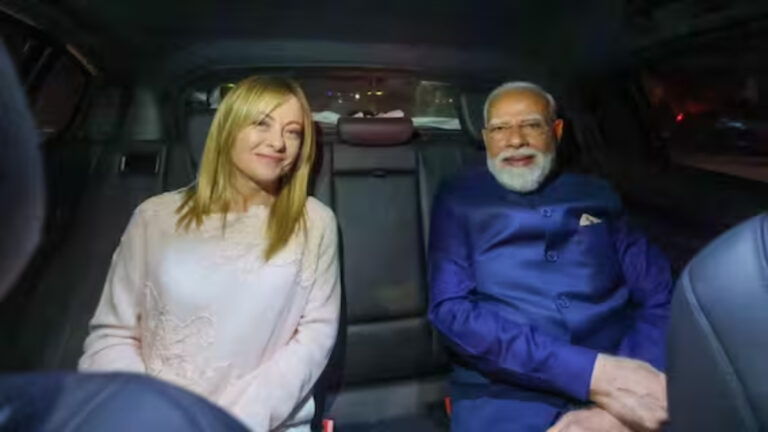
New Delhi, May 22, 2026 — In a brilliant stroke of digital age diplomacy, Indian Prime Minister Narendra Modi transformed a long-running internet meme into a real-world reality. On May 19, 2026, during the final leg of his five-nation global tour, PM Modi presented Italian Prime Minister Giorgia Meloni with a simple packet of India’s iconic “Melody” toffees.

The playful gesture, which immediately racked up over 100 million views on social media, brought a massive smile to Meloni’s face. In a cheerful video selfie filmed alongside Modi in Rome, a beaming Meloni showed off the classic yellow-and-brown wrapped candies, saying, “Prime Minister Modi brought us a gift… a very, very good toffee—Melody!”

While the internet erupted into a predictable frenzy of nostalgia and humor, the lighthearted exchange wasn’t just a gimmick. Beneath the sweet, chocolatey layers of the viral “#Melodi” moment lay a highly strategic, high-stakes diplomatic visit that solidified a powerful future for India-Italy relations.

The Birth of a Diplomatic Meme Brand

For those unfamiliar with Indian popular culture, Melody—a chewy caramel candy with a rich chocolate center manufactured by Parle Products—carries deep multi-generational nostalgia. Famous for its decades-old marketing catchphrase, Melody itni chocolaty kyun hai?” (Why is Melody so chocolatey?), the candy is a ubiquitous staple of Indian childhoods.

The internet, being the untamed creative space that it is, long ago combined the surnames of the two leaders—Meloni and Modi—to coin the viral portmanteau “#Melodi.” The trend began building during the G20 Summit and skyrocketed during the COP28 summit in Dubai, where PM Meloni herself leaned into the joke by uploading a selfie with the hashtag.

By physically bringing a bag of the namesake candies to Rome, PM Modi signaled a modern, self-aware approach to public relations. It humanized a complex geopolitical relationship and proved that both world leaders know exactly how to connect with the digital generation.

Car Diplomacy and Sunset Walks

The “Melody moment” was just the opening act of an evening designed to showcase an incredibly warm, personal rapport. Following a formal dinner upon Modi’s arrival in Rome, the two leaders engaged in what local observers called “car diplomacy,” driving together through the streets of the historic capital.

They capped off the evening with a late-sunset walk through the ruins of the iconic Colosseum. Photographed leaning against a scenic stone railing overlooking the Roman skyline, the visual contrast was striking: PM Modi wore a crisp, dark navy blue bandhgala suit, while PM Meloni opted for a light pink embroidered traditional-fusion top.

Cultural exchange was woven tightly into the schedule. PM Modi took time during his brief visit to view works by renowned Italian painter Giampaolo Tomassetti. Tomassetti, who has spent over four decades studying Indian heritage, presented Modi with a breathtaking painting of Varanasi (Kashi), highlighting a profound artistic bridge between European talent and ancient Indian Vedic traditions.

Beyond the Candy: Serious Strategic Business

While social media focused heavily on the toffees, the core purpose of the meeting was to advance major economic, technological, and defensive pacts. Over the last few years, the relationship between New Delhi and Rome has quietly transformed into one of Europe’s most vital partnerships.

During formal bilateral negotiations, India and Italy officially advanced their implementation of the Joint Strategic Action Plan (2025–2029). The comprehensive framework addresses critical areas of modern governance:

  • Trade and Economics: Bilateral trade between the two nations surged to a staggering $16.77 billion, with cumulative Foreign Direct Investment (FDI) firmly establishing Italy as a primary investor in the Indian market.

  • Defense & Maritime Security: With volatile geopolitical shifts in the Indo-Pacific and Mediterranean, both nations agreed to co-develop defense technologies and expand naval cooperation.

  • The IMEC Corridor: Key discussions focused heavily on pushing forward the India-Middle East-Europe Economic Corridor (IMEC), a monumental connectivity project aimed at bypassing traditional shipping bottlenecks to link Indian ports directly to Europe via a network of rails and sea routes.

A Rising European Partnership

Italy, functioning as the European Union’s third-largest economy, increasingly views India as an essential alternative supply chain partner and economic counterweight in Asia. Conversely, New Delhi looks at Rome as a vital gateway into the broader European industrial and innovation ecosystem, particularly in fields like artificial intelligence and clean green energy.

The visit concluded with expectations that the two nations will soon formally elevate their ties to a “Special Strategic Partnership,” giving them tighter alignment on global policy.

As PM Modi departed Rome to head back to New Delhi, he left behind a relationship that is arguably at an all-time high. It is a partnership that balances hard, cold strategic metrics with genuine warmth—proving that sometimes, the most effective icebreaker in global politics costs just one rupee.

Tensions Boil Over in Ituri Province as Ebola Treatment Center Attacked

0


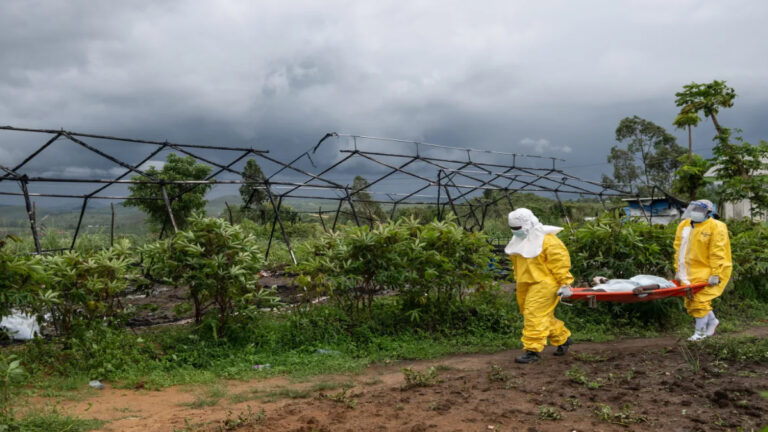
New Delhi, May 22, 2026:— A violent protest erupted at a regional hospital in the eastern Democratic Republic of the Congo (DRC) on Thursday, as an angry crowd clashed with medical workers and set fire to Ebola isolation tents.
The attack at Rwampara General Hospital, located near the city of Bunia in Ituri province, highlights the volatile mix of grief, fear, and deep-seated misinformation that health officials face as they struggle to contain a fast-moving outbreak.

The unrest began when family members and local youth attempted to forcibly retrieve the body of a young man, a popular local football player, who had recently died at the facility. Authorities blocked the family from taking the body, citing strict international health protocols designed to halt the spread of the virus. The situation quickly escalated. Protesters began hurling rocks and projectiles at the hospital before setting fire to two isolation tents operated by the medical humanitarian organization ALIMA. Security forces were deployed to the scene and fired warning shots into the air to disperse the growing mob.

While initial reports suggested that patients inside the tents had fled during the chaos, ALIMA officials later confirmed that all six individuals undergoing treatment were safely accounted for. The patients have been moved deeper within the hospital facility to continue their medical care. One healthcare worker sustained injuries after being struck by stones during the attack, and the hospital’s medical staff has since been placed under heavy military protection to prevent further violence.

The Clash of Customs and Contagion

The violence in Rwampara exposes a recurring challenge in managing Ebola outbreaks: the direct conflict between essential public health measures and deeply entrenched cultural practices. In many communities across eastern Congo, traditional funeral rites involve washing, dressing, and closely embracing the bodies of deceased loved ones before burial.

However, medical experts warn that the body of an Ebola victim is highly contagious. The concentration of the virus remains exceptionally high in bodily fluids even after death, making unprotected contact with the deceased one of the primary drivers of rapid community transmission. To prevent a wider catastrophe, the World Health Organization (WHO) and the Congolese Ministry of Health mandate “safe and dignified burials,” which require trained, fully protected teams to handle and inter the bodies.

Local officials noted that the crowd’s anger was compounded by sudden grief over the loss of a prominent community figure. The young man’s mother publicly disputed the diagnosis, claiming her son had died of typhoid fever rather than Ebola. According to local leaders, this denial reflects a broader, dangerous skepticism regarding the current health crisis.

Misinformation and Mistrust Fuel the Fire

Public health workers on the ground report that a massive wave of rumors and conspiracy theories is severely undermining their containment efforts. In remote and conflict-affected pockets of Ituri province, a significant segment of the population remains convinced that Ebola is a myth.

Malembe added that deep systemic mistrust has led some residents to believe that international aid organizations and local hospitals are fabricating the crisis to secure foreign funding. This suspicion often drives families to hide sick relatives at home or smuggle bodies out of medical facilities, inadvertently accelerating the virus’s spread into new villages.

A Rare and Unpredictable Strain

The current crisis, which began in late April, marks the 17th recorded Ebola outbreak in the Democratic Republic of the Congo. However, this epidemic presents a unique and harrowing challenge for global health agencies: it is driven by the rare Bundibugyo strain of the virus.

Unlike the more common Zaire strain, for which highly effective licensed vaccines (such as Ervebo) and therapeutic treatments exist, there is currently no approved vaccine or specific cure available for the Bundibugyo variant. While international technical advisory groups are moving quickly to evaluate experimental candidates, experts estimate it will take at least six to nine months before a viable vaccine can be deployed on a large scale. Consequently, medical teams are forced to rely entirely on early supportive care, such as aggressive fluid replacement and symptom management, which can still reduce mortality rates significantly if administered early.

The initial detection of the outbreak was heavily delayed because local diagnostic tests in Bunia were calibrated to screen for the Zaire strain. The virus spread silently for several weeks before blood samples sent to the National Institute of Biomedical Research (INRB) in Kinshasa finally identified the Bundibugyo strain on May 15. The wide range of early symptoms — including fever, fatigue, vomiting, and joint pain — further caused clinicians to initially mistake the disease for malaria or typhoid.

Regional Escalation and the Road Ahead

The scale of the outbreak has already prompted the WHO to declare the crisis a Public Health Emergency of International Concern (PHEIC). According to international tracking data, there are currently nearly 600 suspected cases and at least 139 confirmed deaths, though local Congolese health officials suggest the actual death toll may already be higher.

The geographic footprint of the disease is also expanding rapidly. Confirmed cases have surfaced 500 kilometers south in North Kivu province, touching major urban hubs like Butembo and Goma. Furthermore, the virus has officially crossed international borders. Neighboring Uganda confirmed two cases in its capital, Kampala, linked to individuals who had recently traveled from the affected zones in the DRC. In response, Ugandan authorities have suspended cross-border public transport and halted passenger boat traffic along the shared Semliki River.

Compounding the medical emergency is the severe humanitarian crisis in eastern Congo, where ongoing conflict involving the M23 rebel group has displaced hundreds of thousands of people. The constant movement of displaced populations and miners makes contact tracing incredibly difficult. While the M23 group recently reported a death in territory under its control and expressed a willingness to cooperate with international health agencies, navigating active conflict zones places an immense burden on rapid response teams.

With medical supplies running low and personnel stretched to their limits, health organizations emphasize that clinical treatment alone will not end this crisis. Aid groups are pivoting heavily toward community engagement, working alongside local teachers, religious figures, and tribal leaders to dismantle rumors and rebuild public trust. As international emergency funds begin to arrive, health experts warn that the coming weeks are critical; stopping the transmission of Ebola will depend entirely on whether local communities choose to partner with the medical teams or continue to view them with suspicion.

‘Won’t Marry Secretly, I Promise’: Kangana Ranaut Shuts Down Wedding Rumours After Viral Mangalsutra Look Spat

New Delhi, May 22, 2026: Bollywood actor-turned-politician Kangana Ranaut has finally broken her silence on the intense social media speculation surrounding her marital status. The internet went into a frenzy after a video emerged online showing the Emergency star sporting a traditional married look, complete with a mangalsutra, sindoor (vermilion), and green glass bangles.

With speculation spreading like wildfire that she had secretly tied the knot, the Mandi MP took to her social media handles on Friday to dismiss the rumors with a direct and witty clarification, promising her fans that she has no intentions of getting married in secrecy.

The Viral Video That Sparked Nationwide Curiosity

The rumor mill started spinning when a short video snippet captured by paparazzi was shared widely across Instagram and X (formerly Twitter). In the clip, Kangana was seen stepping out of a residential building in Mumbai, closely flanked by her personal security team as she walked toward her car.

What caught everyone’s immediate attention was not her elegant, understated light-pink salwar suit, but the traditional symbols of matrimony she was sporting. Netizens quickly noticed the distinct mangalsutra around her neck, a vivid streak of sindoor in her hair parting, and traditional green bangles adorning her wrists—an appearance traditionally associated with a newly married woman in many Indian cultures.

Because the actress kept a straight face and walked directly to her vehicle without interacting with the media or providing any immediate context, social media users did what they do best: they jumped to conclusions. Within hours, thousands of comments poured in across major entertainment handles, with fans frantically questioning: “Did Kangana get married in secret?”, “Who is the mystery groom?”, and “Is this for real or just a movie?”

Kangana Shuts Down Rumours: ‘What is the Big Deal?’

Refusing to let the false narratives spin out of control, Kangana took to her Instagram Stories to address the sudden barrage of queries. Sharing a screenshot of a news headline asking if she had secretly married, the actress clarified that the entire look was merely character makeup for an ongoing film shoot.

Expressing mild amusement at how easily people were startled, Kangana wrote:

By assuring her followers with a definitive promise, the four-time National Film Award winner effectively put an end to the hours of relentless digital detective work.

Facing the Mumbai Heat Wave on Set

In a subsequent social media post, the actress gave her followers a glimpse into the challenging working conditions behind the viral look. Mumbai has been grappling with a severe summer heat wave, and filming elaborate sequences outdoors under powerful production lights is no easy feat.

True to her candid and outspoken nature, Kangana took a lighthearted dig at media commentators who complain about the rising mercury from the comfort of indoor environments.

Behind the Scenes: Is It ‘Queen Forever’?

While Kangana did not explicitly name the specific movie project she was shooting for in her brief clarification note, industry insiders and eagle-eyed fans have pointed out that the look is highly likely from the sets of Queen Forever. The project is the highly anticipated sequel to her milestone 2014 blockbuster Queen, which catapulted her into Bollywood’s top tier.

Production for the sequel reportedly commenced earlier this month in South Mumbai under the direction of Vikas Bahl, who also helmed the original movie. Sets representing the home of her iconic character, Rani—the sweet, small-town girl from Delhi—have reportedly been set up around the Grant Road locality.

Given that twelve years have passed since the events of the first film, where Rani famously went on her solo honeymoon to Paris and Amsterdam to find herself after being dumped at the altar, film analysts note that a mangalsutra and sindoor look aligns perfectly with where her character’s life journey might have naturally progressed in the sequel.

The sequel, co-produced by Trigger Happy Studios, is expected to keep Rani’s journey grounded within India this time around, tracing her evolution through Mumbai after a major life event. While original co-stars Rajkummar Rao and Lisa Haydon are not returning for this iteration, Bahl has reportedly assembled a fresh ensemble cast largely sourced from a rich theatre background to keep the narrative realistic and grounded.

A Packed Roster for the Actor-Politician

Kangana Ranaut recently marked a significant milestone, completing 20 years in the Indian film industry since her explosive debut at the age of 18 in Anurag Basu’s Gangster (2006). Over the last two decades, she has established a reputation for taking on complex, unconventional, and high-stakes female-led narratives.

Her professional calendar continues to remain incredibly dense, balancing her intense political duties as a newly elected Member of Parliament with a string of major cinematic releases.

With Emergency marking her solo directorial debut following her shared directing credits on Manikarnika: The Queen of Jhansi (2019), Kangana is consistently proving that she can balance the chaotic worlds of public governance and creative performing arts simultaneously.

For now, fans can rest easy knowing that whenever the fiery actress decides to take the plunge into matrimony in real life, it will not be a quiet, hidden affair. True to her signature style, it will be loud, official, and proudly shared with the world.

Double Miracle in Bihar: Rescue of Kidnapped 4-Year-Old Leads Police to Boy Missing Since 2022

0

New Delhi, May 22, 2026 — In a dramatic twist of fate that reads like a cinematic thriller, a swift investigation by the Bihar Police has achieved a double miracle. What began as a standard rescue operation to recover a recently kidnapped four-year-old child unexpectedly led law enforcement officials to solve a cold case from 2022. The operation has successfully broken up an underground ring and reunited two traumatized mothers with their long-lost sons, restoring immense community faith in the regional police force.

The Catalyst: The Disappearance of Aadvik

The breakthrough sequence of events commenced on May 16, 2026, when a four-year-old toddler named Aadvik was reported missing from the Obra region of Bihar’s Aurangabad district. Initial investigations rapidly pointed toward forced abduction, sending panic through the local community and forcing the police department into high gear.

Recognizing the critical importance of the first 48 hours in child abduction cases, senior police officials formed specialized tactical teams to track down the suspects. Utilizing local intelligence, localized technical surveillance, and analysis of regional transport hubs, investigators managed to zero in on a suspect identified as Ranjoo Devi.

A targeted raid was quickly planned and executed at the residence of Ranjoo Devi within the Obra jurisdiction. The primary objective of the raid was met with immediate success as police personnel discovered Aadvik inside the premises, unharmed and physically safe. However, as officers secured the perimeter and began questioning the primary suspect, they noticed another young child hiding in the shadows of the house.

A Surprise Discovery in the Shadows

The second child, a boy appearing to be around eight years old, immediately drew the suspicion of the raiding party. When questioned on the spot about the older boy’s identity, Ranjoo Devi confidently claimed that the child was her biological son.

However, seasoned investigators noted stark inconsistencies in her timeline, behavioral anomalies from the boy, and a complete lack of official documentation to support her maternal claims. Sensing that they had uncovered a deeper criminal enterprise, the police took both children into protective custody and brought the suspect in for intense interrogation.

A comprehensive background verification check was initiated across the regional missing persons database. Investigators cross-referenced the child’s approximate age, physical features, and the location of the house with past unresolved kidnapping files from the region. Within hours, the digital matching process yielded a stunning match: the older boy was identified as Shivam, a child who had mysteriously vanished four years prior in 2022.

Unraveling a Four-Year-Old Cold Case

The historical record revealed that Shivam had been missing since mid-2022. He was allegedly abducted during the auspicious religious festival of Vat Savitri Puja. On that fateful day, his family had visited a prominent local Devi temple in Obra to offer prayers. Amidst the heavy festive crowds, the young boy was quietly snatched away, leaving behind absolutely no clues for the local authorities at the time.

For four long years, Shivam’s biological family had endured the agonizing pain of not knowing whether their child was alive or dead. Despite initial search efforts, community appeals, and standard police tracking, the trail had gone cold, and the case was archived as an unresolved mystery.

The investigation has now revealed that the child was kept hidden within the exact same regional grid, living under a completely fabricated identity forced upon him by his abductor. The police are currently looking into whether the suspect is part of a larger, coordinated inter-district child-trafficking network specializing in illegal adoptions or forced labor.

A Tearful Reunion

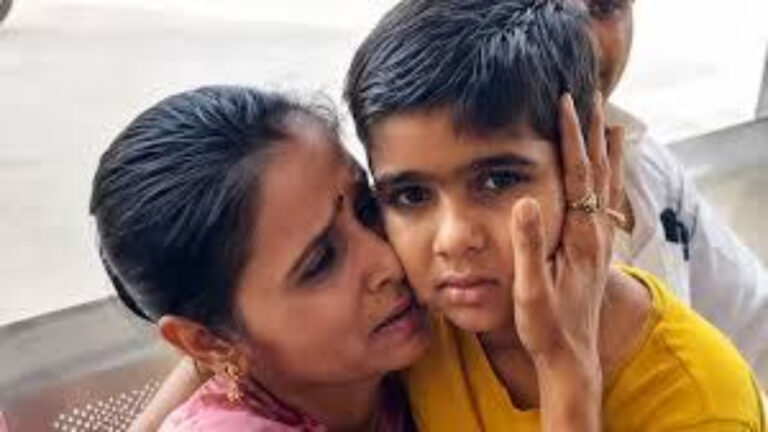
The emotional apex of the entire operation unfolded at the local police station when the authorities summoned Shivam’s biological mother, Shanti Pandey, without revealing the full extent of their discovery to protect her emotional well-being.

Eyewitnesses at the station described the moment of reunion as profoundly moving. When Shivam was brought out, the eight-year-old boy initially appeared frightened, visually withdrawn, and hesitant due to the years of psychological conditioning under his captor. However, upon seeing Shanti Pandey, a wave of recognition seemingly washed over him. The young boy broke down into tears and ran into his mother’s open arms.

Shanti Pandey, who had spent nearly half a decade grieving her missing son, collapsed in tears of joy, tightly embracing the boy she thought she would never see again. The raw emotion in the room left several hardened police officers visibly choked up.

Community and Political Acclaim

The dual rescue has sent waves of relief and celebration throughout the Aurangabad district, earning widespread praise for the Bihar Police’s meticulous attention to detail during field raids. Local residents gathered outside the station to laud the swift actions of the field officers who refused to accept the suspect’s initial cover story.

Highlighting the political and social significance of the breakthrough, Obra Member of Legislative Assembly (MLA) Prakash Chandra issued an official statement highly commending the police personnel involved in the operation.

Next Legal and Investigative Steps

With both children safely restored to their respective biological families, the focus of the Bihar Police has officially shifted toward building a watertight legal case against Ranjoo Devi and uncovering potential co-conspirators.

The suspect faces stringent charges under the Bharatiya Nyaya Sanhita (BNS) for kidnapping, illegal confinement of minors, and child trafficking. A specialized task force has been assigned to conduct a thorough forensic and financial audit of the suspect to check if any other missing children can be traced back to this network.

The state child welfare committee is also providing counseling services to young Shivam to help him process the trauma of his long captivity and smoothly reintegrate into his original family and school environment.

Mohanlal Tears Up at Drishyam 3 Screening as Sequel Storms Global Box Office

The massive anticipation surrounding the return of Georgekutty reached a fever pitch as the highly anticipated thriller Drishyam 3 made its theatrical debut. Amidst the deafening roars, standing ovations, and emotional high-points of the theatrical release, a behind-the-scenes moment has captured the hearts of millions online.

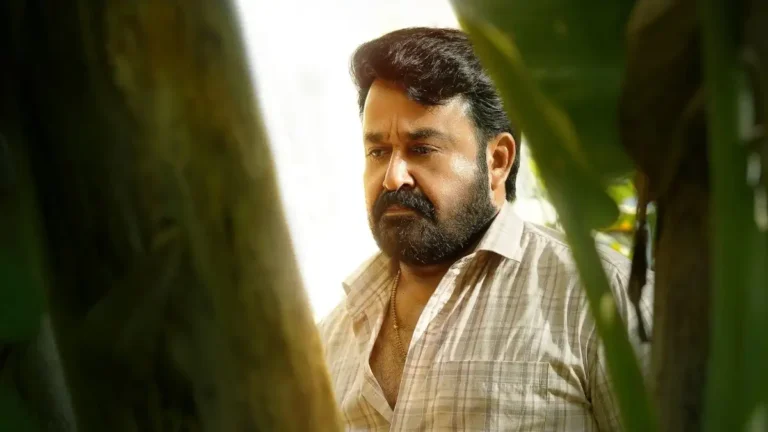
A viral video from the First Day First Show (FDFS) screening features Malayalam cinema’s legendary superstar, Mohanlal, breaking down in tears, deeply moved by the overwhelming love and emotional reactions of his fans.

An Emotional Birthday Treat Turns Viral

The premiere of Drishyam 3 carried profound personal and professional meaning for the veteran actor. The thriller opened in theatres worldwide on May 21, coinciding exactly with Mohanlal’s 66th birthday. To celebrate the dual occasion, the superstar decided to join ordinary moviegoers, fans, and fellow crew members at a special morning screening.

As the curtains rolled and the film reached its intricate climax, the auditorium erupted into thunderous applause, whistles, and cheers. In the viral video circulating across Instagram and X (formerly Twitter), Mohanlal can be seen sitting prominently among the viewers, visibly struggling to hold back his emotions. As the crowd’s cheering grew louder, the 66-year-old actor was seen wiping away tears of gratitude, visibly overwhelmed by the unconditional support. Turning to the audience with folded hands, he bowed respectfully to acknowledge the standing ovation—a rare, vulnerable glimpse into the heart of one of India’s greatest cinematic icons.

Following the viral moment, the actor was also seen celebrating his birthday in the theatre lobby, cutting a massive chocolate cake while surrounded by a sea of ecstatic fans singing birthday wishes.

“Your Love Means More Than Numbers”

Shortly after the emotional video took social media by storm, Mohanlal took to his official social media handles to share a heartfelt, deeply poetic note thanking his global audience. Refusing to focus merely on the financial metrics of the opening day, the actor emphasized the emotional connection he shares with his viewers.

The comments section under his post was instantly flooded with thousands of congratulatory messages. Devoted fans called the movie the “ultimate birthday gift” to the audience, while others praised the actor for maintaining his humility despite half a century of unmatched stardom.

Behind the Plot: The Unraveling of Georgekutty’s Sanctuary

Directed once again by master storyteller Jeethu Joseph and produced by Antony Perumbavoor under the banner of Aashirvad Cinemas, Drishyam 3 picks up the complex, tension-filled lives of Georgekutty, his wife Rani (Meena), and his daughters Anju (Ansiba Hassan) and Anu (Esther Anil).

In this third installment, the narrative shifts away from purely trying to outsmart the police with clever cinematic alibis. Instead, the story plunges deep into the psychological and emotional toll that over a decade of living in fear has taken on the family.

While Georgekutty has successfully kept his family out of prison and achieved financial stability, his primary goal is to find a sense of true normalcy. He deeply desires to see his eldest daughter, Anju, safely married so she can move past her deep-rooted trauma. However, a local journalist and a newly motivated investigative team dig up old files, threatening to permanently unravel the protective wall Georgekutty has spent years building. While some film critics noted that the film’s pacing feels slightly more deliberate and dramatic than its fast-paced predecessors, audiences have universally praised Mohanlal’s acting masterclass—particularly in the gripping first half and a shockingly dark interval block.

Box Office Avalanche: A Global Phenomenon

Driven by massive pre-sales on ticketing platforms like BookMyShow, Drishyam 3 has translated public excitement into an incredible box office performance. Backed by a historic ₹100 crore corporate distribution partnership involving Pen Studios and Panorama Studios, the film received one of the widest theatrical rollouts ever attempted for a Malayalam film, playing in over 5,500 shows globally across Malayalam, Tamil, Telugu, and Kannada versions.

On Day 1, the thriller secured a mrformance was spearheaded by the original Malayalam version, which brought in ₹9.11 crore, complemented by strong supplementary earnings from the Telugu and Tamil dubbed versions.

With this phenomenal start, Drishyam 3 officially stands as the second-highest opening day grosser in Mollywood history, trailing only behind Mohanlal’s own action epic, L2: Empuraan. The film has comfortably outperformed other recent thrillers, proving that the intellectual chess match of Georgekutty remains an unparalleled draw for moviegoers.

The Legacy Continues

The Drishyam franchise is widely regarded as one of Indian cinema’s most successful exports, having been officially remade in Hindi, Tamil, Telugu, Kannada, Chinese, and Korean. As the viral video of Mohanlal’s tearful reaction continues to trend across the globe, it serves as a powerful reminder of the emotional weight carried by regional cinema.

With a Hindi remake directed by Abhishek Pathak already slated for a October 2, 2026 release, and whisperings from the trailer launch hinting that Jeethu Joseph might expand this universe even further, the saga of Georgekutty is far from over. For now, fans are simply reveling in the magic of seeing their favorite “Laletta” conquer the box office once again, proving that true cinematic brilliance is always fueled by genuine human emotion.

NYC Flash Floods: Shocking Viral Video Sparking Deep Concerns Over Aging Infrastructure

A shocking 15-second video circulating on social media has become the defining image of a severe flash-flooding event that recently paralyzed New York City. The viral footage, which has already accumulated over 14 million views, captures a terrifying moment in Queens: an unidentified woman is instantly swept away by rushing, muddy floodwaters the exact second she steps off a Metropolitan Transportation Authority (MTA) city bus. The dramatic incident has not only put a spotlight on the immediate dangers of extreme weather but has also reignited a fierce public debate regarding the resilience of the city’s aging transit and drainage infrastructure.

The incident occurred during an intense storm system that brought an unseasonal heatwave to an abrupt end. Thunderstorms dropped vast amounts of water in a highly concentrated period, with some neighborhoods reporting approximately 5 centimeters (nearly 2 inches) of rainfall in just a single hour. This sudden deluge completely overwhelmed local drainage systems, rapidly turning ordinary streets and sidewalks into fast-moving, hazardous rivers. The boroughs of Brooklyn and Queens bore the brunt of the storm’s fury, experiencing submerged roads, stranded vehicles, and widespread chaos across surface transportation networks.

A Terrifying 15 Seconds in Queens

The viral video, recorded by a bystander and shared widely across platforms like X (formerly Twitter) and YouTube, illustrates just how quickly a routine commute can turn life-threatening. In the footage, a woman wearing a bright pink crop top and matching bottoms prepares to exit a stopped MTA bus. As she stands at the threshold of the bus door, she firmly holds onto the yellow safety railings on either side of the frame, visibly hesitant as she looks down at the inundated street. The pavement and sidewalk are entirely obscured by a torrent of rapidly flowing, waist-deep water rushing past the vehicle.

The moment she releases her grip on the safety railings to step onto the sidewalk, the sheer force of the current takes over. Within a split second, the woman loses her footing and is violently knocked sideways by the raging waters. The camera shakes erratically as the person filming gasps in shock. The woman is seen tumbling down the sidewalk, entirely at the mercy of the flash flood. A bystander wearing a blue shirt quickly enters the frame, rushing toward the cascading water in a brave attempt to intercept and assist her.

The video cuts off before showing the final resolution of the rescue, leaving viewers highly anxious. While the clip has sparked immense concern globally, city officials have noted that no official reports of critical injuries or fatalities have been connected directly to this specific bus stop incident, though the search for further details regarding the woman’s identity and well-being continues.

Infrastructure Under Scrutiny

This dramatic event has cast a harsh light on the vulnerability of New York City’s public systems. The sudden downpour blindsided thousands of commuters, converting major avenues into virtual lakes and forcing some drivers to abandon their cars entirely or climb onto their roofs to await emergency rescue teams. The storm dealt a massive blow to the city’s transit ecosystem:

  • Subway Suspensions: Rising water cascading down station stairs forced transit officials to entirely suspend service on major lines, including the F and J trains.

  • Avenue Overflows: Multiple underpasses and crucial traffic arteries across the five boroughs were shut down entirely by the New York Police Department (NYPD).

  • Surface Gridlock: City buses struggled to navigate flooded avenues, leaving passengers trapped inside vehicles that were surrounded by class-5 style rapids.

Public frustration has mounted significantly online, with residents questioning why transit and city management systems seem consistently unequipped to handle heavy summer downpours. Critics point out that while severe weather is a natural force, a major metropolis should possess drainage systems capable of handling localized rain events without putting bus passengers in immediate physical peril.

Official Response and Moving Forward

In the wake of the deteriorating weather conditions and mounting public outcries, New York City Emergency Management teams issued urgent regional warnings. Authorities have strongly advised all residents to strictly avoid walking or driving through floodwaters, reminding the public that even a few inches of moving water can easily knock an adult off their feet or sweep a vehicle off the road. Residents living in low-lying, flood-prone neighborhoods—particularly in Queens sectors like Jamaica, Hillside, and Queens Village—were instructed to seek higher ground immediately during active storm bands.

The office of New York City Mayor Zohran Mamdani confirmed that municipal agencies are working overtime to address the immediate damage, clear clogged storm basins, and coordinate with the MTA to review emergency protocols for bus operators during flash-flood events. Advocates are demanding that bus drivers be given the flexibility to drop off passengers away from designated stops if the standard drop-off zone is visibly transformed into a dangerous torrent.

As climate patterns continue to bring intense, concentrated bursts of rainfall to urban environments, municipal leaders face growing pressure to transition from temporary emergency responses to aggressive, long-term infrastructure modernization. For everyday New Yorkers, the viral video remains a sobering reminder of how a simple step off a city bus can instantly escalate into a fight for survival.