Home Blog Page 82

North India: Clear Skies Now, Fresh Storms by Sunday

0

New Delhi, May 7, 2026 — After a week of erratic weather that brought unseasonable rain, hailstorms, and a welcome dip in mercury across North India, the skies have finally begun to clear. Latest satellite imagery from the India Meteorological Department (IMD) shows a significant reduction in cloud cover over the plains of Punjab, Haryana, and Delhi-NCR. However, weather experts warn that this is merely a “lull before the next storm.” Even as the sun breaks through, a fresh Western Disturbance (WD) is already gaining momentum over the Mediterranean region and is expected to strike the Western Himalayan Region by May 10.

The Current Snapshot: Blue Skies and Rising Mercury

The satellite data as of Thursday morning paints a serene picture. The dense convective clouds that lashed the region on May 4 and 5 have moved eastward toward Bihar and West Bengal. In cities like New Delhi, Chandigarh, and Amritsar, the “Mainly Clear Sky” tag has returned to the forecast.

However, this clarity comes with a price: a rapid rise in temperature. After temperatures plummeted nearly 5°C to 7°C below normal earlier this week—with Rohtak recording a chilly 17.6°C at night—the IMD predicts a “gradual rise” in maximum temperatures.

“We expect a jump of 4°C to 6°C across the northwest plains over the next 72 hours,” says a senior IMD official. “By May 9, residents should prepare for the return of typical May heat, with some pockets in Rajasthan potentially seeing the first signs of a heatwave.”

The Incoming Threat: A Fresh Western Disturbance

The respite from the heat will be short-lived. A new Western Disturbance—a cyclonic circulation in the mid-latitude westerlies—is projected to impact the Indian subcontinent starting May 10, 2026.

Unlike the previous system, which was primarily focused on the lower plains, this fresh WD is expected to bring a more classic “mountain-to-plain” weather transition:

  • The Hills: High-altitude regions of Jammu & Kashmir, Himachal Pradesh, and Uttarakhand are likely to see isolated to scattered light to moderate rainfall and snowfall.
  • The Plains: By the night of May 11, the system will trigger isolated thunderstorms and gusty winds (reaching 40–60 kmph) across Punjab, Haryana, and Delhi-NCR.
  • The Intensity: While it may not be as widespread as the “super-cell” witnessed earlier this week, the moisture inflow from the Arabian Sea could lead to localized thundersqualls and lightning.

Agriculture: A High-Stakes Balancing Act

For the farming community, this “clearing of skies” is a double-edged sword. Most of the Rabi (winter) crop harvesting is in its final stages, and the sudden rains of early May have already caused significant anxiety.

Advisory for Farmers

In collaboration with the Chaudhary Charan Singh Haryana Agricultural University (HAU), the government has issued a series of urgent guidelines:

  1. Grains and Fodder: Farmers who have already harvested wheat and barley are urged to use the current dry window (May 7–9) to move their produce to covered warehouses.
  2. Sowing Delay: Those planning to sow cotton are advised to delay the process until after the incoming May 10 disturbance has passed, as heavy winds can damage young seedlings.
  3. Pesticide Management: Spraying of fertilizers or pesticides should be done immediately while the winds are calm, as the window will close once again by Sunday evening.

The Climate Context: Why is May so Volatile?

The year 2026 is shaping up to be one of the more unusual weather years in recent memory. While May is traditionally the month of “Loo” (hot, dry winds), the frequency of Western Disturbances has kept the heat in check.

The IMD’s monthly outlook suggests that May 2026 will likely be cooler than average for many parts of India due to these frequent wet spells. However, there is a global shadow looming: El Niño.

“We are seeing a transition toward El Niño conditions in the Pacific,” the IMD report notes. “This often leads to suppressed monsoon rains later in the year, but in the short term, it can lead to erratic spring and summer weather patterns as the global atmosphere reshuffles itself.”

State-Wise Outlook (May 7 – May 13)

RegionCurrent StatusForecast (May 10-12)
Delhi-NCRClear; Temp 34-36°CPartly cloudy; Thundery development
PunjabSunny; WindyThunderstorms; Winds up to 50 kmph
HaryanaDry; Rising heatYellow Alert: Thunder & Lightning
HimachalClearScattered rain and higher altitude snow
West RajasthanHeatwave likely (May 9)Dust storms followed by light rain

Safety First: Managing the Transition

With “thundersqualls” and “lightning” featuring prominently in the next week’s vocabulary, residents are advised to stay updated via the Damini Lightning app and the Mausam portal.

During the predicted peak on May 11 and 12, the public is encouraged to:

  • Avoid taking shelter under tall trees or near electric poles during high-speed winds.
  • Secure loose outdoor objects like tin roofs or flower pots.
  • Stay hydrated as the heat rises between now and the weekend.

As North India navigates this “weather yo-yo,” the next 48 hours of sunshine provide a critical window for preparation. Whether you are a farmer rushing to save your harvest or a commuter planning a weekend getaway to the hills, keep one eye on the sky—and the other on the latest satellite updates.

Maruti 2026 Roadmap: New 7-Seater SUV, Brezza & Baleno Updates

New Delhi, May 7, 2026: As the Indian automotive landscape shifts toward electrification and premium mobility, Maruti Suzuki is gearing up for one of its most significant years yet. In 2026, the carmaker is expected to bridge the gap between its budget-friendly roots and a more tech-forward, high-end future.

From a long-awaited 7-seater SUV to a major refresh of the beloved Brezza and Baleno, here is a detailed look at what Maruti Suzuki has in store for 2026.

1. Maruti Suzuki Y17: The New 7-Seater SUV

The crown jewel of Maruti’s 2026 lineup is undoubtedly the codenamed Y17 SUV. While many enthusiasts refer to it as the “Grand Vitara XL” or “7-Seater Grand Vitara,” this model is designed to be a serious contender in the premium three-row segment.

  • Launch Timeline: Expected early to mid-2026.
  • Design & Platform: Based on the Global C platform, the Y17 will share its DNA with the Grand Vitara but will feature a longer wheelbase to accommodate the third row. Expect a more upright rear design and a bolder front grille to distinguish it from its 5-seater sibling.
  • Powertrain: It will likely offer two main choices: a 1.5L mild-hybrid petrol engine and a 1.5L strong-hybrid system. The strong-hybrid variant will be the highlight, potentially delivering a class-leading fuel efficiency of over 25–28 km/l.
  • Key Features: To compete with the likes of the Tata Safari and Mahindra XUV700, the Y17 is expected to come with a panoramic sunroof, ventilated seats, Level 2 ADAS, and a 360-degree camera.

2. The 2026 Maruti Brezza Facelift

The Brezza has remained a top-seller in the compact SUV segment, and 2026 will bring a “Tech-Rich” update to keep it ahead of rivals like the Tata Nexon and Kia Sonet.

  • Innovative CNG Solution: Recent spy shots suggest a game-changing update for the CNG variant. Maruti is testing an underbody CNG tank setup, which would finally solve the biggest complaint regarding the Brezza CNG: the lack of boot space.
  • Visual Refresh: Expect a sharper front fascia with slimmer LED projector headlamps and a more chiseled bumper.
  • Feature Upgrades: The 2026 iteration is rumored to include a larger 10-inch infotainment screen, a fully digital instrument cluster, and possibly a 4-star or 5-star Bharat NCAP safety rating focus.
  • Engine: It will continue with the reliable 1.5L K15C petrol engine but might see tweaks to the 6-speed torque converter automatic for better responsiveness.

3. The 2026 Maruti Baleno Facelift

The Baleno is the undisputed king of premium hatchbacks, and the 2026 facelift aims to future-proof this dominance with a focus on hybrid technology.

  • Hybrid Power: There are strong rumors that Maruti will introduce a 1.2L Z-Series engine with a mild-hybrid or even a “Series Hybrid” system in the Baleno. This could push the mileage to an incredible 35 km/l, making it the most fuel-efficient hatchback in the country.
  • Interior Tech: Following the trend of its bigger siblings, the Baleno will likely receive a 10.25-inch touchscreen, wireless Apple CarPlay/Android Auto, and improved cabin materials to enhance the “premium” feel.
  • Safety: Expect six airbags to become standard across more variants, along with structural reinforcements to meet stricter safety norms.

4. Maruti Suzuki e Vitara (eVX)

While technically starting its journey in late 2025, 2026 will be the first full year of sales for the e Vitara, Maruti’s first-ever global electric SUV.

  • Performance: Built on a dedicated EV platform, the e Vitara is expected to feature a 60kWh battery pack with a range of approximately 500–550 km on a single charge.
  • Drive System: A unique “e-AWD” (Electric All-Wheel Drive) system is expected on the top-spec variants, giving it legitimate off-road capabilities that many current electric SUVs lack.
  • Pricing: Expected to be positioned between ₹20 lakh and ₹25 lakh, targeting the Hyundai Creta EV and MG ZS EV.

5. Maruti WagonR Flex-Fuel & Electric

Maruti is also looking at the entry-level segment with a dual-pronged approach:

  • WagonR Flex-Fuel: Designed to run on ethanol-blended fuel (up to E85), this version aims to provide a greener and more cost-effective alternative for city commuters.
  • WagonR EV (eWX): A mass-market electric hatchback is also on the cards for 2026. This will be a more affordable EV option than the e Vitara, focusing on urban maneuverability and ease of use.

Summary Table: Expected Launch & Price

ModelEstimated LaunchEstimated Price (Ex-Showroom)
Brezza FaceliftMarch – May 2026₹8.90 L – ₹14.50 L
Baleno FaceliftJune – August 2026₹6.80 L – ₹10.00 L
Y17 (7-Seater SUV)Late 2026₹15.00 L – ₹25.00 L
e Vitara (eVX)Early 2026₹20.00 L – ₹26.00 L
WagonR Flex-FuelLate 2026₹7.50 L – ₹9.00 L

The Verdict

2026 is shaping up to be a year of “Firsts” for Maruti Suzuki. For the first time, we will see a Maruti SUV that can carry seven people in premium comfort, a hatchback that could cross the 35 km/l mark, and a dedicated EV platform hitting the Indian roads.

Whether you are a budget-conscious buyer looking for a clever CNG solution in the Brezza or a premium buyer waiting for the Y17 SUV, Maruti’s 2026 catalog ensures there is something for everyone.

OpenAI Trial: Murati Slams Altman, Zilis Confirms Family With Musk

New Delhi, May 7, 2026 — The legal showdown between Elon Musk and OpenAI reached a fever pitch this week as two of the most influential women in the AI industry took the stand. In a day of explosive testimony, former OpenAI Chief Technology Officer Mira Murati delivered a scathing critique of Sam Altman’s leadership, while Shivon Zilis, a high-ranking Neuralink executive, shared intimate details about her relationship and family life with Musk.

The trial, which centers on Musk’s allegations that OpenAI abandoned its non-profit mission for profit-driven motives, has transformed from a dry corporate dispute into a high-stakes drama involving accusations of deception, “internal chaos,” and secret corporate espionage.

Murati’s Testimony: “Sam Says One Thing to One Person and the Opposite to Another”

Mira Murati, who served as OpenAI’s CTO and briefly as its interim CEO during the infamous 2023 “blip,” did not hold back during her video deposition. Her testimony painted a picture of a workplace defined by manipulation rather than the collaborative “Agi-for-all” spirit the company promotes.

Key Allegations Against Sam Altman:

  • Creating Mistrust: Murati testified that Altman frequently sowed discord among senior leadership. “My concern was about Sam saying one thing to one person and completely opposite to another person,” she stated, describing the environment as “unpredictable” and “messed up.”
  • Deceptive Management: She accused Altman of being “not always” truthful or candid, claiming he undermined her role as CTO by creating unnecessary internal competition.
  • The “Blip” and Microsoft: Murati clarified that while she supported Altman’s return in 2023 to prevent the company from “blowing up,” her support was born of necessity rather than a vote of confidence in his character. She also revealed that Microsoft enjoyed a “head start” of 6 to 12 months to commercialize OpenAI’s tech before public release—a detail that bolsters Musk’s claim of a “closed-source” profit machine.

Despite her criticisms, Murati’s testimony was nuanced. She defended the OpenAI employees who demanded Altman’s return, noting it was an independent move by staff and not a Microsoft-orchestrated coup.

Shivon Zilis: From Secret Paternity to Public Life

While Murati focused on the boardroom, Shivon Zilis—a former OpenAI board member and current Neuralink executive—focused on the personal ties that have long fueled rumors in Silicon Valley.

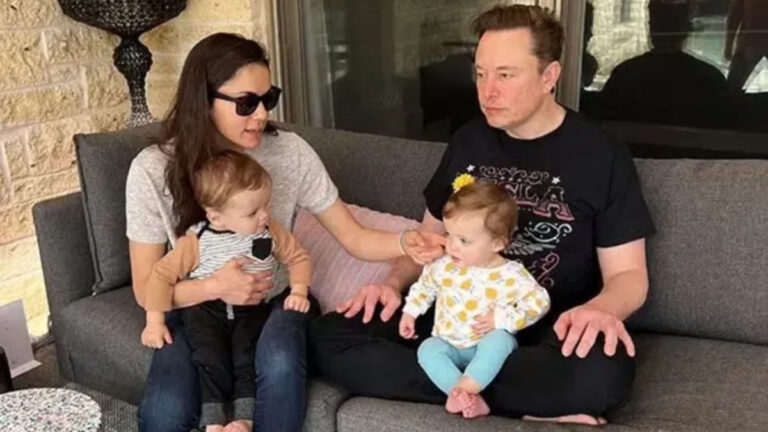
Zilis confirmed for the first time in court that she and Elon Musk now have four children together and currently live together when traveling, often spending family time in Austin, Texas.

A Relationship Born of “Pro-Natalism”

Zilis described an unconventional path to motherhood. She explained that in 2020, while she was facing health issues that complicated a “traditional” family path, Musk—who has been a vocal advocate for increasing the global birth rate—offered to be a donor.

“I still really wanted to be a mom, and Elon made the offer… he was encouraging everyone around him to have kids,” Zilis testified.

The “Bridge” or the “Spy”?

The court also examined text messages from 2018, shortly after Musk left the OpenAI board. Zilis asked Musk if she should stay “close and friendly” to OpenAI to “keep info flowing.” Musk responded: “Close and friendly.

OpenAI’s legal team suggested this proves Zilis acted as a “spy” for Musk, providing him with internal intelligence after his departure. Zilis denied this, stating she simply wanted to act as a “facilitator” or “bridge” between the two tech giants. She also admitted she kept Musk’s paternity of her first twins secret from Sam Altman for nearly a year until a media report was about to break.

The $150 Billion Stakes

The revelations come at a critical time for the trial. Elon Musk is seeking $150 billion in damages and a court order to force OpenAI to return to its non-profit roots.

The defense, led by OpenAI, continues to argue that Musk’s lawsuit is a “charade” designed to handicap a competitor to his own AI company, xAI. However, with Murati’s testimony confirming a culture of “chaos” and Altman’s alleged “inconsistency,” the narrative of a stable, mission-driven organization is being tested.

What’s Next?

As the second week of the trial concludes, the tech world is left reeling from the image of Sam Altman as a “divisive” leader and Musk as a man whose personal and professional lives are inextricably linked to his quest for AI dominance.

Elon Musk, ever active on social media, responded to the day’s events with a simple nod to his former colleague: “Mira is cool,” followed by a heart emoji. Whether the judge agrees after hearing her testimony remains to be seen.

Summary of Major Revelations:

WitnessKey Revelation
Mira MuratiAccused Sam Altman of being deceptive and creating a “messed up” management culture.
Shivon ZilisConfirmed she has 4 children with Musk; admitted to “keeping info flowing” back to him after he left OpenAI.
Greg BrockmanTestified earlier that he “thought Musk was going to hit him” during a heated 2017 meeting.
MicrosoftRevealed to have a 6–12 month “exclusivity period” for new OpenAI tech.

LSG vs RCB 2026: Playing 11, Squads, and Match Preview

0


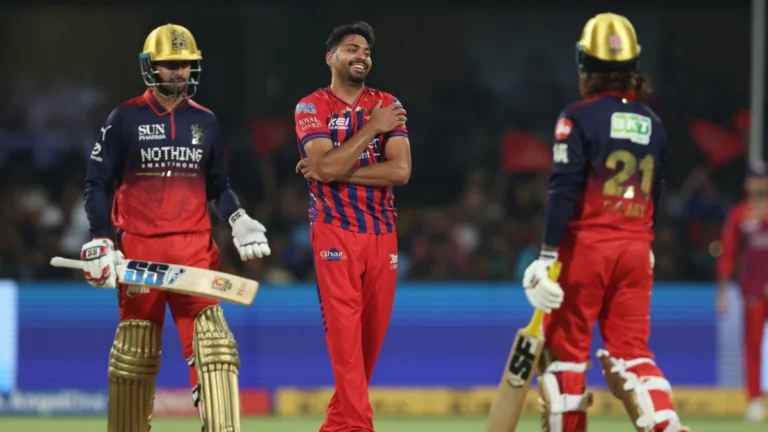
New Delhi, May 7, 2026: The battle for supremacy in IPL 2026 continues as the Lucknow Super Giants (LSG) prepare to host the Royal Challengers Bengaluru (RCB) at the Ekana Stadium. With the playoff race heating up, this Match 50 is a high-stakes encounter that could define the season for both franchises.

Here is everything you need to know about the clash, including the match details, full squads, and the predicted playing XIs.

LSG vs RCB 2026: Match Details

The match is scheduled for May 7, 2026, in Lucknow. While RCB holds a slight psychological edge from their earlier encounter this season, LSG’s home advantage at the Ekana makes this an unpredictable contest.

CategoryDetails
MatchLucknow Super Giants vs Royal Challengers Bengaluru (Match 50)
DateThursday, May 7, 2026
Time7:30 PM IST
VenueBharat Ratna Shri Atal Bihari Vajpayee Ekana Cricket Stadium, Lucknow
BroadcasterStar Sports Network
Live StreamJioHotstar

Lucknow Super Giants (LSG): Team News & Squad

LSG, led by the dynamic Rishabh Pant, are looking to bounce back after a disappointing loss to Mumbai Indians. Despite posting a mammoth 228 in their last game—fueled by Nicholas Pooran’s 21-ball 63—their bowling failed to defend the total. Rumors suggest Arjun Tendulkar might finally get a look-in to bolster the local pace attack.

LSG Full Squad for 2026

  • Wicket-keepers: Rishabh Pant (C), Nicholas Pooran, Josh Inglis, Mukul Choudhary.
  • Batters: Aiden Markram, Himmat Singh, Matthew Breetzke, Akshat Raghuwanshi.
  • All-rounders: Mitchell Marsh, Abdul Samad, Shahbaz Ahmed, Arshin Kulkarni, Ayush Badoni.
  • Bowlers: Mayank Yadav, Avesh Khan, Mohsin Khan, Manimaran Siddharth, Mohammed Shami (Traded), Anrich Nortje, Wanindu Hasaranga, Prince Yadav, Arjun Tendulkar, Naman Tiwari.

LSG Predicted Playing 11 (Match 50)

  1. Aiden Markram
  2. Rishabh Pant (C/WK)
  3. Mitchell Marsh
  4. Nicholas Pooran
  5. Ayush Badoni
  6. Abdul Samad
  7. Shahbaz Ahmed
  8. Manimaran Siddharth
  9. Avesh Khan
  10. Mohammed Shami
  11. Anrich Nortje
  • Impact Player: Arjun Tendulkar or Mohsin Khan.

Royal Challengers Bengaluru (RCB): Team News & Squad

RCB, currently captained by Rajat Patidar, sit comfortably in the top half of the table. Despite a recent slip-up against Gujarat Titans, the form of Virat Kohli and the bowling brilliance of Bhuvneshwar Kumar and Josh Hazlewood make them favorites. There is speculation regarding the inclusion of Phil Salt and Venkatesh Iyer, though the team might stick to a stable core.

RCB Full Squad for 2026

  • Wicket-keepers: Jitesh Sharma, Phil Salt, Tim Seifert, Jordan Cox.
  • Batters: Virat Kohli, Rajat Patidar (C), Devdutt Padikkal, Tim David, Swastik Chikara.
  • All-rounders: Krunal Pandya, Liam Livingstone, Venkatesh Iyer, Romario Shepherd, Manoj Bhandage, Jacob Bethell.
  • Bowlers: Bhuvneshwar Kumar, Josh Hazlewood, Yash Dayal, Suyash Sharma, Rasikh Salam, Nuwan Thushara, Jacob Duffy, Vicky Ostwal.

RCB Predicted Playing 11 (Match 50)

  1. Virat Kohli
  2. Devdutt Padikkal
  3. Rajat Patidar (C)
  4. Jitesh Sharma (WK)
  5. Tim David
  6. Romario Shepherd
  7. Krunal Pandya
  8. Bhuvneshwar Kumar
  9. Josh Hazlewood
  10. Rasikh Salam
  11. Suyash Sharma
  • Impact Player: Yash Dayal or Venkatesh Iyer.

Pitch & Conditions: The Ekana Factor

The Ekana Stadium has traditionally been a “slow and low” track, favoring spinners and cutters. However, recent games in 2026 have seen a slight shift toward better batting conditions.

  • Average Score: 165–175.
  • Weather: Haze expected with a temperature around 27°C. Humidity will likely play a role in the second innings, potentially introducing dew.
  • Toss Strategy: Winning the toss and batting first has been the trend here to avoid the pitch slowing down, though chasing under lights is tempting if dew is heavy.

Key Players to Watch

  • Virat Kohli (RCB): He has been the anchor for Bengaluru, and his battle against Mohammed Shami in the powerplay will be the highlight of the evening.
  • Nicholas Pooran (LSG): After his explosive 63 in the previous match, Pooran is the man RCB bowlers will fear most in the death overs. +1
  • Bhuvneshwar Kumar (RCB): With 3 wickets in the last game, Bhuvi’s swing could dismantle LSG’s top order early on.
  • Mohammed Shami (LSG): Since his trade to LSG, Shami has been their spearhead. His experience is vital in high-pressure games like this.

Conclusion

As we head into Match 50, the stakes couldn’t be higher. LSG needs a win to stay alive in the top-four race, while RCB looks to solidify their standing for a direct ticket to the Qualifiers. Expect a tactical masterclass between Pant and Patidar tonight!

Sudha Reddy: The Met Gala is About Representation, Not Just Presence

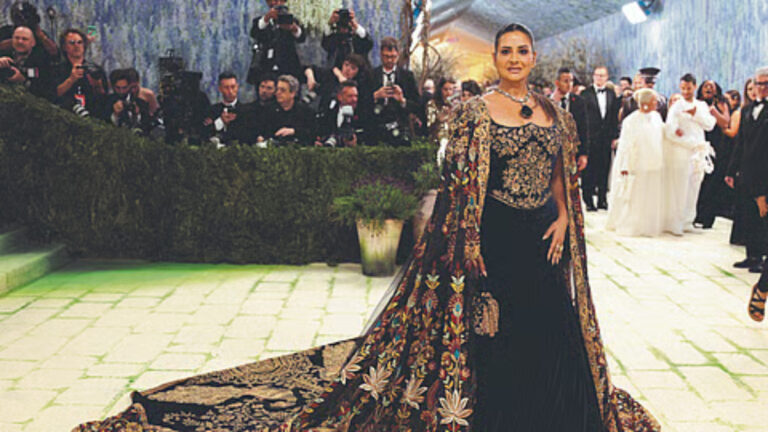
New Delhi, May 7, 2026: The steps of the Metropolitan Museum of Art have seen countless gowns, but few narratives are as intentional as the one brought by Sudha Reddy. At the 2026 Met Gala, the Hyderabad-based billionaire and philanthropist didn’t just walk the red carpet; she used it as a global podium to make a definitive statement: “The Met Gala is about representation, not just presence.”

In a world where high-fashion events can often feel like a blur of fleeting trends, Reddy’s third appearance at the “Oscars of Fashion” was a masterclass in cultural diplomacy. Under the 2026 theme Fashion Is Art,” she moved beyond the spectacle of celebrity to showcase the soul of Indian craftsmanship.

A Canvas of Heritage: “The Tree of Life”

For the 2026 gala, Reddy collaborated with legendary Indian couturier Manish Malhotra and Hollywood stylist Mariel Haenn to create an ensemble titled The Tree of Life. The gown was less of a dress and more of a “living archive,” rooted in the 3,000-year-old textile tradition of Kalamkari from her home state of Telangana.

The statistics behind the garment are as staggering as its visual impact:

  • 3,459 hours of meticulous labor.
  • 90 artisans contributing their generational skills.
  • 7-meter train featuring hand-painted and embroidered peacock motifs.

The look wasn’t just about the “wow” factor. It incorporated the Kalpavriksha (divine wishing tree) and the Palapitta (Indian Roller bird), symbols deeply embedded in South Indian identity. By bringing these specific motifs to New York, Reddy transitioned the conversation from “Indian-inspired” to “Indian-authored.”

Beyond the Bling: The “Queen of Merelani”

While the media often focuses on the price tags of Met Gala jewelry, Reddy’s choice of accessories carried a weightier purpose. She wore a jaw-dropping $15 million necklace featuring the “Queen of Merelani,” a rare 550-carat violet-blue tanzanite.

However, the real story lay in the symbolism. Paired with her main necklace was a back-piece by Kavya Potluri, inspired by the Surya (Sun) and Chandra (Moon)—the “eternal witnesses” in Telugu poetry. For Reddy, these weren’t just ornaments; they were a way to carry the blessings and history of her ancestors into a modern, Western space.

Representation as a Responsibility

In interviews following the event, Reddy was candid about her role. “Each time I return, it feels more purposeful,” she noted. “It’s an opportunity to shift the lens through which Indian craftsmanship is viewed—from something archival to something immediate and alive.”

Her approach challenges the “tokenism” often found in global fashion. By insisting on using traditional dyes, hand-painted Kalamkari, and gold zardozi work, she ensured that the thousands of hours logged by village artisans in India were recognized on the same level as Parisian haute couture.

“Hyderabad is not just my origin; it is a language, a rhythm, a way of being,” Reddy shared. “I aspired to translate that sensibility into a form that could exist effortlessly on a global stage.”

The Philanthropist Behind the Fashion

Sudha Reddy’s impact extends far beyond the red carpet. As a director at Megha Engineering and Infrastructures Limited (MEIL) and the founder of the Sudha Reddy Foundation, she treats her global visibility as a tool for advocacy. Her presence at the Met Gala, the Paris Olympics, and the White House Correspondents’ Dinner serves as a bridge between her business acumen and her humanitarian goals.

Her foundation’s work in healthcare and education mirrors the “Tree of Life” theme—aiming for growth, resilience, and interconnectedness. By championing South Indian textiles, she isn’t just promoting a look; she is advocating for the livelihoods of the craftsmen who keep these traditions alive.

Why It Matters

In 2026, the Met Gala saw a significant shift toward intentionality. While other stars leaned into the “Fashion Is Art” theme with avant-garde or abstract concepts, Sudha Reddy chose the art of identity.

She proved that true representation means:

  1. Authenticity: Not diluting cultural roots to fit Western silhouettes.
  2. Recognition: Crediting the specific artisans and regions (like Machilipatnam) behind the craft.
  3. Longevity: Treating fashion as a vessel for history rather than a costume for a single night.

As the curtains close on another Met Gala, Sudha Reddy’s “Tree of Life” remains a testament to the idea that being invited to the table is only the beginning. The real victory lies in bringing your whole village, your history, and your heritage to the table with you.

Coal India Recruitment 2026: 660 Management Trainee Vacancies Announced

May 7, 2026 – Coal India Limited (CIL), a prestigious Maharatna Public Sector Undertaking, has officially released the notification for the recruitment of Management Trainees (MT) for the year 2026. This year, the mining giant has announced a total of 660 vacancies across various technical and non-technical disciplines.

In a significant shift from previous years, CIL has moved away from GATE-based selection, opting instead for a comprehensive Computer-Based Test (CBT) and, notably, scrapping the interview round for this recruitment cycle.

At a Glance: Key Recruitment Details

FeatureDetails
OrganizationCoal India Limited (CIL)
Post NameManagement Trainee (MT)
Total Vacancies660
Application Start DateMay 12, 2026 (10:00 AM)
Application Last DateJune 11, 2026 (06:00 PM)
Selection ModeComputer-Based Test (CBT) Only
Salary Scale₹60,000 – ₹1,80,000 (E-1 Grade)
Official Websitewww.coalindia.in

Discipline-Wise Vacancy Breakdown

The 2026 recruitment drive covers a broad spectrum of engineering and administrative roles. The Electrical and Civil departments see the highest intake this year.

  • Electrical: 221 posts
  • Civil: 178 posts
  • Mechanical: 145 posts
  • System: 43 posts
  • Electronics & Telecommunication: 38 posts
  • Geology: 15 posts
  • Industrial Engineering: 11 posts
  • Rajbhasha (Hindi): 5 posts
  • Company Secretary: 4 posts

Eligibility Criteria

To ensure high-quality intake, CIL has maintained strict academic and age-related standards.

1. Educational Qualification

  • Engineering (Civil/Mech/Elec/E&T): BE/B.Tech/B.Sc (Engineering) in the relevant branch with a minimum of 60% marks.
  • System: BE/B.Tech/B.Sc (Engg) in Computer Science/Computer Engg/IT or MCA with 60% marks.
  • Company Secretary: Graduation in any discipline with Associate/Fellow membership of ICSI.
  • Final Year Students: Candidates currently in their final year (2025-26) are eligible to apply, provided they can produce their final results by August 31, 2026.

Note: A 5% relaxation in minimum marks (i.e., 55%) is provided for SC, ST, and PwBD candidates.

2. Age Limit (as of April 30, 2026)

  • General/EWS: 30 Years
  • OBC (Non-Creamy Layer): 33 Years
  • SC/ST: 35 Years
  • PwBD (General): 40 Years

Selection Process: The New CBT Format

The most notable update for 2026 is the elimination of the interview. Selection is now 100% based on the Computer-Based Test (CBT) merit list.

Exam Pattern

The exam will be 3 hours long and consists of two papers:

  1. Paper-I (100 Marks): General Knowledge, Reasoning, Numerical Ability, and General English.
  2. Paper-II (100 Marks): Professional Knowledge (Discipline-specific questions).

Important: There is no negative marking, which encourages candidates to attempt all questions. However, qualifying marks are set at 40% for General/EWS and 30-35% for reserved categories.

Salary and Career Progression

Successful candidates will join as Management Trainees in the E-1 Grade with a pay scale of ₹60,000 – ₹1,80,000.

  • Initial Basic Pay: ₹60,000 per month.
  • Probation: A mandatory 1-year training period. Upon successful completion, trainees are confirmed as Officers in the E-2 grade.
  • Benefits: Includes Dearness Allowance (DA), HRA, Perks under the “Cafeteria Approach,” Medical facilities, CMPF, Gratuity, and Performance Related Pay (PRP).

How to Apply: Step-by-Step Guide

The application portal opens on May 12, 2026. Follow these steps to ensure a smooth registration:

  1. Visit the Official Site: Go to www.coalindia.in and navigate to the “Career with CIL” section.
  2. Registration: Enter your name, mobile number, and email to receive a login ID and password.
  3. Fill Application: Log in and enter your personal details, educational qualifications, and preferred test city.
  4. Upload Documents: You will need a digital copy of your photograph, signature, and category certificates (if applicable).
  5. Payment:
    • General/OBC/EWS: ₹1,180 (including GST).
    • SC/ST/PwBD/Employees: Exempted from fees.
  6. Submission: Review your details and submit. Print the confirmation page for your records.

Expert Tip for Aspirants

Since the selection now depends entirely on the CBT and excludes the GATE score, candidates should focus heavily on non-technical subjects (Paper-I). While many excel in their core engineering subjects, the General Aptitude section often becomes the deciding factor in merit lists for Maharatna PSUs.

Hyderabad Hospital Scuffle Sparks Outrage

0

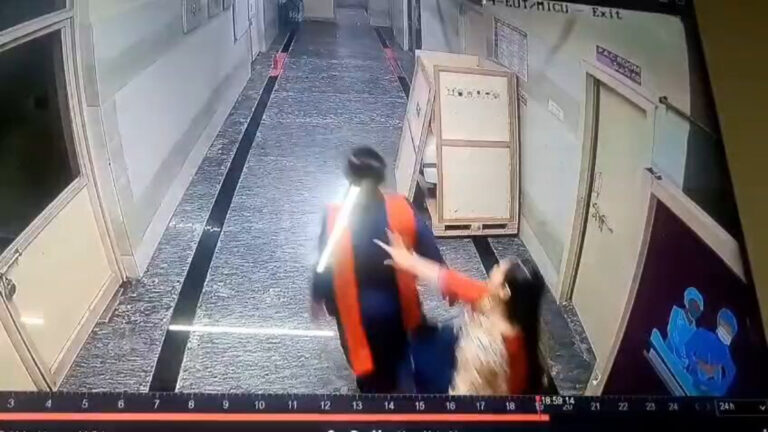
New Delhi, May 7, 2026: A viral video showing a violent scuffle between two women inside a prominent hospital in Hyderabad has sent shockwaves through the city, sparking a heated debate over hospital security, public conduct, and the underlying tensions in healthcare facilities.

The footage, which surfaced late Wednesday and has since been shared tens of thousands of times, depicts a raw and chaotic scene in a crowded waiting area, leaving patients and medical staff visibly stunned.

The Incident: Chaos in the Corridor

The altercation reportedly broke out at a well-known multi-specialty hospital in the city. In the minute-long clip, two women can be seen engaged in a heated verbal spat that rapidly escalated into physical violence. The footage shows the women pulling each other’s hair, exchanging blows, and shouting as onlookers and security personnel struggle to intervene.

The scuffle occurred in the outpatient department (OPD) waiting zone, a high-traffic area filled with elderly patients and children. For several minutes, the hallway was transformed into a brawl zone, with chairs being pushed aside and other patients scrambling to get out of the way.

What Triggered the Fight?

While the exact cause of the dispute is still being investigated by local authorities, preliminary reports suggest the conflict began over a disagreement regarding their turn in the queue.

According to witnesses:

  • The Spark: One woman allegedly accused the other of jumping the line to see a specialist.
  • The Escalation: What started as a sharp exchange of words quickly turned personal, with both parties refusing to back down.
  • The Climax: Within seconds, the argument became physical, drawing in a few family members who attempted to separate them, inadvertently adding to the commotion.

“It was terrifying,” said Anjali K., a patient who was present during the incident. “We come to a hospital for healing and peace, not to witness a street fight. There were sick people nearby who were clearly distressed by the noise and the violence.”

Public Outcry and Viral Reaction

The video has drawn intense criticism on social media platforms like X (formerly Twitter) and Instagram. Residents of Hyderabad have expressed their anger over the lack of decorum in a space meant for medical care.

PlatformCommon Sentiment
X (Twitter)Users are calling for stricter “no-tolerance” policies and immediate police action.
InstagramViral resharing of the video has led to memes, but also serious discussions about “hospital rage.”
Local ForumsCitizens are questioning why hospital security was unable to de-escalate the situation faster.

Many users have pointed out that “hospital rage”—aggression by patients or their kin—is becoming a disturbing trend in urban centers. This incident, however, was unique as it involved a conflict between two visitors rather than a dispute with the hospital staff.

Hospital Response and Security Measures

The hospital management issued a brief statement following the incident, confirming that their security team intervened and eventually neutralized the situation.

“We deeply regret the disturbance caused to our patients,” the statement read. “Our primary focus is providing a safe environment for recovery. We are cooperating with the local police and providing them with the necessary CCTV footage to assist in their inquiry.”

However, the incident has highlighted several security loopholes:

  1. Response Time: Critics argue that security took too long to reach the specific floor where the scuffle occurred.
  2. Crowd Management: The waiting area was reportedly over-capacity, which likely contributed to the high stress levels and the initial argument.
  3. Prohibitive Action: There are calls for the individuals involved to be blacklisted from the facility to prevent future disruptions.

Legal Consequences

The local police station has taken suo motu cognizance of the viral video. Officials confirmed that they are identifying the women involved through hospital records and CCTV.

“A hospital is a silent zone and a place of public service,” a senior police official stated. “Disrupting the peace in such a sensitive environment is a punishable offense. We are looking into filing charges under sections related to public nuisance and physical assault.”

The Broader Issue: Stress and Public Spaces

Psychologists suggest that such incidents are often symptoms of a larger problem. Hospitals are high-stress environments where people are often at their most vulnerable. Long waiting hours, financial anxiety, and concern for loved ones can act as a pressure cooker, where even a minor “line-cutting” incident can lead to an explosion of temper.

Ways to Prevent Such Incidents:

  • Digital Token Systems: To remove the ambiguity of physical queues.
  • Increased Security Presence: Visible guards in high-stress zones like the OPD and Emergency Room.
  • Better Communication: Keeping patients informed about wait times to reduce frustration.

Final Thoughts

As the video continues to circulate, it serves as a grim reminder of the need for empathy and patience in public spaces. While the police investigation continues, the people of Hyderabad are calling for a renewed focus on “hospital etiquette” to ensure that medical facilities remains sanctuaries of healing rather than arenas for conflict.

The two women involved have yet to release a public statement, but they face significant legal hurdles and widespread social condemnation as the city watches how the authorities handle this breach of public peace.

Urvashi Rautela Slams “Dabidi Dibidi” Trolls: Calls Balakrishna “Childlike”

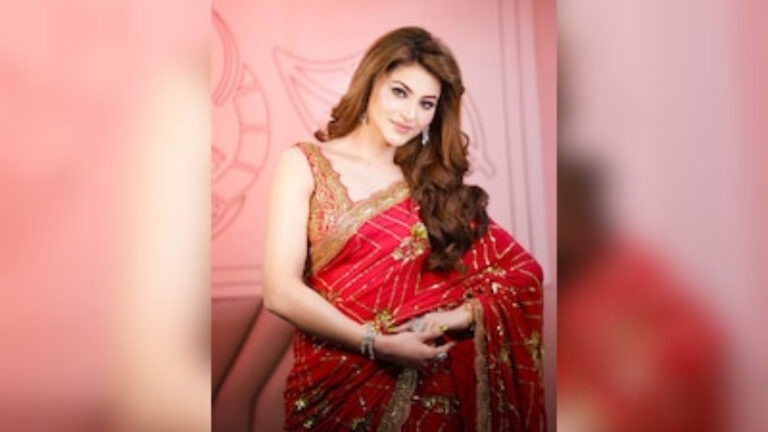
New Delhi, May 7, 2026:In the ever-evolving world of Indian cinema, where viral clips and social media debates can make or break a film’s narrative, actress Urvashi Rautela has finally broken her silence on the “Dabidi Dibidi” controversy.

The song, which featured in the 2025 blockbuster Daaku Maharaaj, saw Urvashi paired alongside the legendary Telugu veteran Nandamuri Balakrishna (fondly known as NBK). While the film enjoyed commercial success, the song became a lightning rod for criticism, sparking intense debates over age gaps and choreography.

In a recent candid interview, Urvashi addressed the backlash with poise, offering a perspective that shifts the focus from the controversy to the veteran actor’s true personality.

The Controversy: Why “Dabidi Dibidi” Went Viral

The “Dabidi Dibidi” track initially caught fire for all the wrong reasons. Social media users were quick to point out the 34-year age difference between the 30-year-old Urvashi and the 64-year-old Balakrishna.

Beyond the age gap, certain segments of the choreography were labeled “vulgar” or “uncomfortable” by netizens. Viral clips from promotional events—showing the duo recreating the steps—only added fuel to the fire, with many claiming the actress looked “awkward” during the interaction.

“Childlike and Fun-Loving”: Urvashi’s Real Take on NBK

During a recent interaction with Radio Nasha, Urvashi Rautela finally set the record straight. Instead of distancing herself from the project, she praised Balakrishna’s infectious energy and surprisingly gentle demeanor. +1

“Working with him was definitely really, really amazing. He is very childlike and very fun-loving,” Urvashi shared.

She further described him as “super energetic,” noting that his off-screen persona is a stark contrast to the aggressive “angry man” image often portrayed in his films. Urvashi even shared a personal anecdote to highlight his warmth, revealing that Balakrishna was the first person to wish her on Valentine’s Day during their shoot last year.

Defending the Craft

When asked about the “vulgar” tags associated with the song, Urvashi was firm in her defense of the performance:

  • Art over Optics: She described the dance as a “celebration of art” and an “absolute honour.”
  • The Sridevi Comparison: Addressing the age gap, Urvashi noted that such pairings have been common in Indian cinema for decades, citing iconic stars like Sridevi who often worked with much older co-actors.
  • Professionalism: She emphasized that as an artist, she focuses on her performance and the technicality of the craft rather than the social media noise.

Observations on Balakrishna’s Viral Moments

Nandamuri Balakrishna is no stranger to controversy, often trending for his blunt public interactions or viral videos of him pushing away fans’ phones. Urvashi admitted that she had witnessed these moments firsthand while working on the sets of Daaku Maharaaj.

However, her take was uniquely positive. “It used to be fun watching all this,” she remarked, adding that the fans themselves often don’t take offense. “They also love it… they are also happy. You won’t imagine the level of craze they have for him.”

The Impact of Daaku Maharaaj

Despite the digital storm, the collaboration between the Bollywood diva and the Tollywood titan proved to be a high-octane mix. Urvashi urged fans to look beyond the song and focus on the action sequences in the film, which she described as a “real kick.”

AspectDetails
FilmDaaku Maharaaj
Lead ActorsNandamuri Balakrishna, Urvashi Rautela
Song in Question“Dabidi Dibidi”
Key DefenseMutual respect, artistic collaboration, and high-energy performance

A Lesson in Navigating Modern Stardom

Urvashi Rautela’s response serves as a masterclass in handling PR crises. By calling Balakrishna “childlike” and “a legend,” she effectively humanized a figure that the internet had begun to caricature.

She acknowledged that “success inevitably invites scrutiny,” but chose to remain grounded in her experience on set rather than the narrative built by 15-second viral clips. For Urvashi, the “Dabidi Dibidi” chapter isn’t a regret—it’s a badge of honor from working with one of the most enduring icons of South Indian cinema.

As the dust settles on this controversy, it is clear that while the internet may debate the “optics,” the bond between the two stars remains one of mutual respect and high-energy professional synergy.

NCW Summons Nora Fatehi: ‘Sarke Chunar’ Probe Update

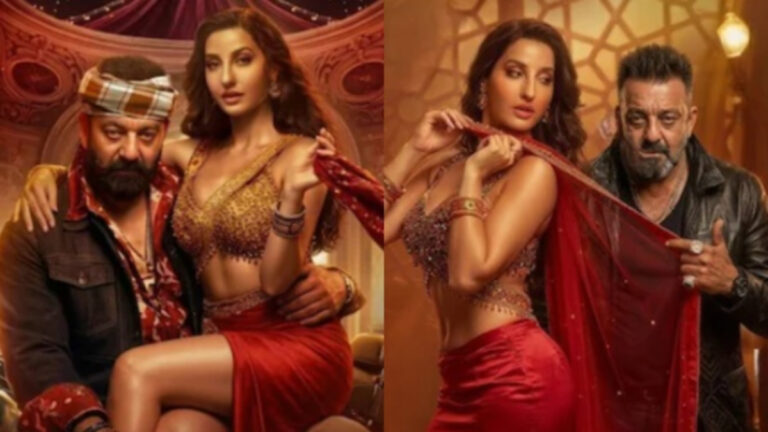
New Delhi, May 7, 2026: The National Commission for Women (NCW) has intensified its probe into the controversial song ‘Sarke Chunar Teri Sarke’ from the upcoming film KD: The Devil, summoning actor and dancer Nora Fatehi for a personal hearing. The summons marks a critical juncture in a controversy that has reached the halls of Parliament and sparked a national debate over the boundaries of creativity and the representation of women in digital media.

The Latest Update: Nora Fatehi’s Personal Appearance

After previously failing to appear due to professional commitments abroad, Nora Fatehi was granted a final opportunity to present her side before the Commission. The NCW, led by Chairperson Vijaya Rahatkar, scheduled the hearing for Thursday, May 7, 2026, at 11:30 AM.

While Fatehi’s legal counsel had represented her in previous sessions, the Commission maintained that her personal presence was mandatory to address the gravity of the allegations. The hearing aims to conclude the proceedings following the suo motu cognisance taken by the NCW regarding the song’s “sexually suggestive” and “objectionable” content.

Background: Why the Song Sparked Outrage

The controversy began shortly after the release of ‘Sarke Chunar,’ a track featuring Nora Fatehi alongside veteran actor Sanjay Dutt. The song quickly drew intense criticism from audiences, social media users, and industry peers. Singer Armaan Malik famously termed the lyrics a “new low,” and multiple legal complaints were filed alleging that the song promoted obscenity and objectified women.

The NCW’s intervention was based on reports that the song’s lyrics and visuals prima facie violated provisions under:

  • The Bharatiya Nyaya Sanhita (BNS)
  • The IT Act
  • The Protection of Children from Sexual Offences (POCSO) Act

Following the initial backlash and the government’s intervention, the song was removed from YouTube and other official platforms. Union Minister for Information and Broadcasting, Ashwini Vaishnaw, confirmed the ban in the Lok Sabha, asserting that while freedom of speech is a fundamental right, it must operate within “reasonable limits” and cannot compromise the dignity of women.

Nora Fatehi’s Defense: “Misled and Misinformed”

Prior to her scheduled hearing, Nora Fatehi broke her silence on social media, distancing herself from the final version of the song. In a detailed clarification, Fatehi claimed she was “misled” by the filmmakers regarding the Hindi lyrics.

Key points from her defense include:

  1. Language Barrier: Fatehi stated she filmed the song three years ago in Kannada. Relying on the director’s translation, she was led to believe the song was a respectful tribute or remake of iconic tracks like ‘Nayak Nahi Khalnayak Hoon Main’.
  2. Unapproved Content: She alleged that the Hindi version was released without her knowledge or approval. She also raised concerns about the use of “unflattering” AI-generated images of her and Sanjay Dutt in the lyrical video.
  3. Disassociation: Fatehi claimed that as soon as she heard the Hindi version at the launch event, she realized the lyrics were inappropriate and immediately told the director it would face backlash. She subsequently refused to promote the film on her social platforms.

Accountability: Sanjay Dutt and the Film’s Makers

The NCW has already conducted hearings with other key figures involved in the production. Sanjay Dutt, who also features in the song, appeared before the Commission earlier. He submitted a written apology, expressing regret for any unintended harm caused.

As a gesture of accountability, Dutt pledged to sponsor the education of 50 tribal girl children and assured the Commission that he would implement stricter legal due diligence for his future projects to ensure a dignified portrayal of women and children.

Similarly, the film’s director, Prem, lyricist Raqueeb Alam, and representatives from KVN Productions have also issued formal apologies. They admitted that the content had a negative impact on society and committed to conducting women’s empowerment initiatives over the next three months as part of their compliance report to the NCW.

The Broader Impact: Creativity vs. Responsibility

The ‘Sarke Chunar’ controversy has reopened the debate regarding the lack of a formal regulatory body for digital-first content. While the Central Board of Film Certification (CBFC) regulates theatrical releases, it clarified that digital songs fall outside its current jurisdiction unless they are part of the certified film itself.

NCW Chairperson Vijaya Rahatkar has remained firm in her stance, stating, “The dignity of women cannot be compromised in the name of creativity.” The Commission’s focus on the “negative impact” of such content highlights a growing push for creators to be more socially responsible in the age of viral digital media.

What Happens Next?

As Nora Fatehi appears before the Commission, the focus will be on whether the NCW accepts her “misled” defense or holds her equally accountable as the face of the song. The outcome of this hearing could set a significant precedent for how actors approach their contracts regarding “approvals” and “final cuts” of their work.

For the film KD: The Devil, the controversy has been a double-edged sword—bringing the project into the national spotlight while simultaneously leading to the ban of one of its major promotional assets. The industry now watches closely to see how the NCW concludes its proceedings and what permanent guidelines might emerge for the portrayal of women in film music.

Legal Battle Delays Digital Debut of Ranveer Singh’ Global Blockbuster ‘Dhurandhar 2’

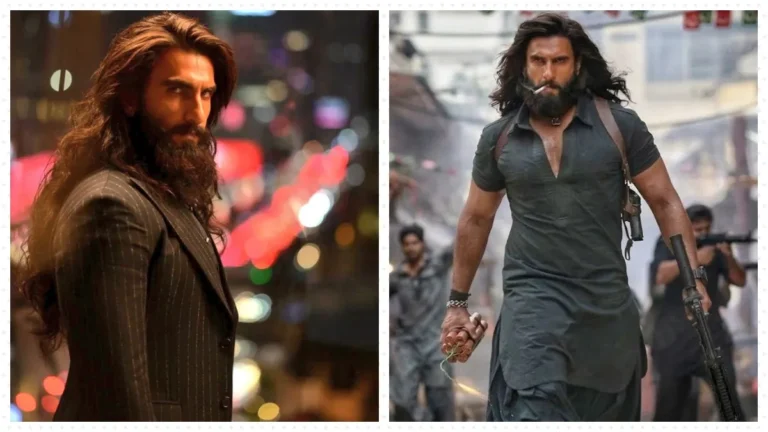
New Delhi, May 7, 2026 — Fans of Ranveer Singh and the high-octane spy franchise Dhurandhar will have to wait a bit longer to stream the latest installment from the comfort of their homes. While the sequel, Dhurandhar 2: The Revenge, has shattered box-office records globally, its highly anticipated digital debut on JioHotstar has hit a legal roadblock that is currently playing out in the Delhi High Court.

The film, directed by Aditya Dhar, has been a juggernaut at the cinemas since its release on March 19, 2026. However, as the traditional eight-to-ten-week theatrical window comes to a close, a copyright dispute over an iconic musical track has created a stalemate between the filmmakers and veteran industry figures.

The Discord Over ‘Oye Oye’

At the heart of the legal tussle is the film’s climactic musical sequence. Dhurandhar 2 features a high-energy track titled “Rang De Laal,” which is a recreated version of the 1989 classic “Tirchi Topiwale” (Oye Oye) from the film Tridev.

Filmmaker Rajiv Rai, who directed and produced the original Tridev, has filed a lawsuit against the producers, Jio Studios and B62 Studios, alleging that the song was used without proper authorization. Rai’s legal team argues that the “mutilation” of the iconic track violates his moral and proprietary rights as the original creator.

While the Delhi High Court had initially urged both parties to settle the matter through mediation, recent reports from the hearing on May 6, 2026, suggest that those talks have failed.

“They have crossed the line,” a representative for Trimurti Films (Rajiv Rai’s banner) stated. “Where is the conscience in taking a legacy track and using it without the rightful permissions?”

On the other side, Super Cassettes (T-Series), which holds the audio and music rights for the sequel, has opposed the plea for interim relief, arguing that the music was acquired through legitimate channels.

Impact on the OTT Release Date

The legal drama has directly impacted the film’s transition to streaming. During the court proceedings, representatives for B62 Films informed the bench that Dhurandhar 2 is unlikely to arrive on OTT platforms before mid-May 2026.

The film was originally expected to follow the path of its predecessor—which premiered on Netflix—but the sequel has made a high-profile move to the newly integrated JioHotstar platform. With the next court hearing scheduled for May 8, the digital premiere is essentially “on ice” until the court decides whether to grant an injunction or allow the release to proceed.

A Box-Office Phenom Stays in Theatres

Ironically, the delay might serve the film’s theatrical longevity. Dhurandhar 2 is currently one of the highest-grossing Indian films of all time, recently crossing the ₹1,000 crore mark in the domestic market alone.

MilestoneAchievement
Domestic Collection₹1,000+ Crore (Hindi Net)
Global Gross₹1,500+ Crore
Runtime3 Hours 50 Minutes
Theatrical WindowCurrently in Week 8

The film’s massive success is attributed to its “Pan-India” appeal and a star-studded ensemble cast including Akshaye Khanna, Sanjay Dutt, Arjun Rampal, and R. Madhavan. Ranveer Singh’s portrayal of the Indian spy Hamza Ali Mazari (also known as Jaskirat Singh Rangi) has been hailed as a career-best performance, further fueling the demand for a digital release for those who missed the nearly four-hour epic in cinemas.

Earlier Script Disputes Resolved

This isn’t the first legal hurdle the film has faced. Earlier in the year, filmmaker Santosh Kumar had filed a plagiarism suit in the Bombay High Court, claiming that the script for Dhurandhar 2 was lifted from his registered work titled D-Saheb.

However, that specific battle ended in a victory for Aditya Dhar. The court disposed of the defamation suit after Kumar issued an unconditional apology, admitting his public allegations were unfounded. While the script controversy is now in the rearview mirror, the “musical battle” in Delhi remains the final hurdle for the film’s digital debut.

What’s Next for Fans?

If the court does not grant an injunction on May 8, trade analysts predict a “surprise drop” on JioHotstar around May 14, 2026. This would align with the 60-day theatrical window that has become standard for major blockbusters.

For now, the message to fans is clear: if you want to see Ranveer Singh’s spy heroics without the risk of spoilers or further legal delays, the big screen remains your only certain option.

As the industry watches the Delhi High Court, the Dhurandhar saga continues to prove that sometimes the drama behind the scenes is just as intense as the action on the screen.