Home Blog Page 41

Hansika Krishna Apologizes Over Leaked Video, Slams Cyberbullies

New Delhi, May 30, 2026: Popular social media influencer and actress Hansika Krishna, the youngest daughter of veteran Malayalam actor and politician Krishna Kumar, has finally broken her silence. Addressing the massive online storm that has surrounded her for nearly a month, the 20-year-old released an emotional, detailed statement on her social media platforms. In her public address, she took full accountability for an “impulsive error in judgment” regarding a private video that leaked from her Instagram subscription feature, while firmly calling out the toxic cyberbullying targeted at her and her family.

The controversy erupted several weeks ago when a private video, meant strictly for her paid Instagram subscribers, was screen-recorded by members of the group and leaked onto public platforms like X (formerly Twitter) and Reddit. The incident sparked rampant speculation, with keyboard warriors aggressively accusing the young influencer of leaking the video herself as a cheap marketing gimmick to scale up her subscription numbers and generate swift revenue.

“An Impulsive Mistake”: Hansika Recalls the Incident

In a lengthy and deeply personal note, Hansika clarified that the video was the result of a careless, childish decision made without proper consideration. She stressed that she realized the gravity of her misstep almost instantly.

The actress confessed to carrying an overwhelming burden of guilt and pain over the past month. The timing of the leak made the situation significantly harder for her emotionally, as the video went viral just three days before the release of a highly anticipated music video that her sister, actress Ahaana Krishna, had spent over a year working on, and in which Hansika also starred. Hansika expressed deep remorse that her personal error cast an unwanted shadow over her sister’s hard work.

Addressing Clout Chasing and Financial Allegations

A massive portion of the online backlash centered on the financial spike Hansika experienced right after the leak. Reports indicated that her subscription base swelled overnight, allegedly jumping into thousands of new sign-ups, which critics claimed brought in massive monthly revenue. To make matters worse, her subscription tier price was altered from ₹299 to ₹390 shortly after the viral spread, prompting further accusations of “clout chasing.”

Hansika directly dismantled these financial accusations. She pointed out that as an independent 20-year-old college student, she already earns enough to maintain her lifestyle. Furthermore, given her family’s multi-generational presence in the entertainment industry, publicity is not something they ever need to manufacture.

To prove her intent, Hansika dropped a major revelation: she has not pocketed a single rupee from the sudden influx of subscription money. The actress confirmed that the entire revenue generated from the subscriptions during this period has been entirely donated to a social cause and charity work.

Confronting the Reality of Cyber Abuse

While taking full ownership of her mistake, Hansika did not hold back against the vitriol her family was subjected to. The influencer community and star kids in Kerala are frequently targets of coordinated online trolling, but Hansika noted that the language used against her over the past month crossed ethical boundaries, transforming into severe cyber abuse.

“Very hurtful language was used, and hate was actively manufactured against me and my entire family,” she wrote. Hansika expressed that she has absolutely nothing to say to trolls who “find happiness in someone else’s pain,” choosing instead to completely distance herself from the toxic sphere of cyberbullies.

Despite the intense scrutiny, Hansika maintained a resilient outlook. While acknowledging that the leaked clip might permanently alter how some individuals view her, she stated firmly that the incident does not define who she is as a person. She views the ordeal as a harsh but vital life lesson that will help her grow into a more mindful individual.

Unwavering Support from the Krishna Family

Following her public statement, the close-knit Krishna family immediately rallied around their youngest sibling in the comment sections, showing a unified front against the online hate. Her mother, Sindhu Krishna, alongside her prominent influencer sisters—Ahaana, Diya, and Ishani Krishna—all left public messages of reassurance, validating her courage for owning her mistake openly.

Diya Krishna wrote a comforting comment saying, “We know who you are,” while her other sisters showered her with love to shield her from residual negativity. Currently a final-year degree student, Hansika is balancing her academics while preparing for her official silver screen debut as the lead actress alongside Naslen in the upcoming film Bachelor Party 2.

With the air finally cleared, the revenue donated to charity, and the truth laid bare by the actress herself, fans and neutral onlookers are calling for an end to the invasive digital harassment, urging internet users to respect her privacy moving forward.

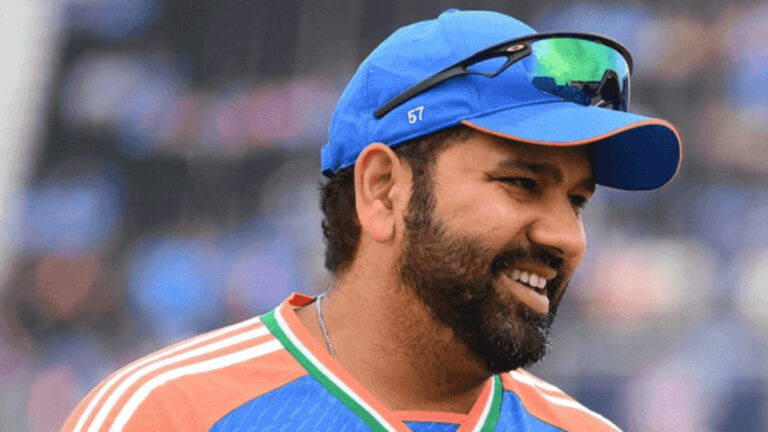
Manjrekar Questions Rohit’s ODI Recall: “What is the Logic?

0

New Delhi, May 30, 2026: The debate over transition versus legacy in Indian cricket has ignited once again. Former India cricketer and veteran commentator Sanjay Manjrekar has aggressively criticized the BCCI selection committee over the recently announced squad for the upcoming three-match One Day International (ODI) series against Afghanistan.

Speaking on Sportstar’s Insight Edge podcast, Manjrekar launched a scathing evaluation of chief selector Ajit Agarkar’s vision. He raised heavy dynamic concerns regarding the inclusion of 39-year-old veteran opener Rohit Sharma, while prolific youngsters like Yashasvi Jaiswal and Sai Sudharsan were completely frozen out. Manjrekar went as far as to state that the selectors owe a personal apology to Jaiswal for continuously disregarding his sensational performances.

The Core of the Conflict: Form and Fitness Under Fire

The crux of Manjrekar’s outrage stems from what he perceives as a complete lack of operational logic from the selection panel. Rohit Sharma’s availability for the Afghanistan series—slated to begin on June 14—was notably made subject to fitness following a hamstring injury that kept him out of multiple games during the Indian Premier League (IPL). While Rohit did flex his muscles with a rapid 84 off 44 balls in one game upon his return, his remaining IPL appearances were uncharacteristically quiet, failing to pass 25 runs.

This drop in domestic performance follows a lean patch in international 50-over cricket earlier in the year, where Rohit registered a disappointing total of just 61 runs across three ODIs against New Zealand.

The Snub: Why Jaiswal Deserves an Apology

Manjrekar’s heaviest defense was reserved for 24-year-old Yashasvi Jaiswal. The young left-hander has taken international cricket by storm, demonstrating world-class temperament and boundary-hitting prowess primarily in Test cricket. However, his white-ball opportunities have remained frustratingly limited despite high returns.

In his last ODI appearance against South Africa, Jaiswal hit a majestic, unbeaten 116. Despite holding a fresh century under his belt, he found himself dropped from the squad to accommodate the veteran opener.

Manjrekar emphasized that handling young prodigies with such inconsistency can be emotionally and professionally draining. He urged the management to be clear and transparent with the next generation.

“If they were compelled to make a compromise and pick Rohit Sharma for whatever reasons, then the first thing they should do is pick up the phone, call Jaiswal and apologise,” Manjrekar urged. “This is a young player who has done tremendous things at the toughest level in Test cricket. He is in his prime, with a bright future ahead of him. The same goes for Sai Sudharsan.”

Eyeing 2027: The World Cup Succession Dilemma

With India having transitioned the ODI captaincy over to Shubman Gill, the broader question consuming the cricket community revolves around structural building for the 2027 ICC Cricket World Cup. By the time the next mega-event arrives, Rohit Sharma will be 40 years old.

Manjrekar pointed out that continuing to fall back on veteran experience out of sheer habit or reputation hinders the development of a formula that can end India’s long-standing ICC trophy drought in the 50-over format, which stretches back to 2011. He noted that while modern legends like Virat Kohli continue to command their places by maintaining pristine physical fitness and relentless run-scoring, the same unconditional pass cannot be logically applied across the board.

According to Manjrekar, the ideal, future-proof top three for India’s ODI lineup is already screaming for implementation: Shubman Gill, Yashasvi Jaiswal, and Sai Sudharsan. This combination offers a dynamic blend of right-and-left-handed options, immense youth, and a proactive approach to modern powerplay batting.

The Selector’s Hardest Responsibility

Ultimately, the outspoken commentator noted that the real metric of a selection committee is not simply checking box-office names, but making the uncomfortable, forward-thinking decisions that protect the health of Indian cricket down the pipeline.

“Everybody knows what the right thing to do is,” Manjrekar concluded. “When you look at numbers and try to justify the selection, that’s not really the job. The job is to do what’s best for Indian cricket going forward. A selector’s job is not just about thinking of Virat Kohli or Rohit Sharma. They also have to think about the 50 or 100 other players who are fighting for an opportunity to play for India.”

As India gears up to face Afghanistan, all eyes will heavily lock onto Rohit Sharma’s blade. If the veteran bounces back with a signature explosive masterclass, the selection committee will breathe a temporary sigh of relief. However, if his struggles with timing and physical fitness persist, the chorus led by Manjrekar demanding an immediate youth revolution will only grow louder.

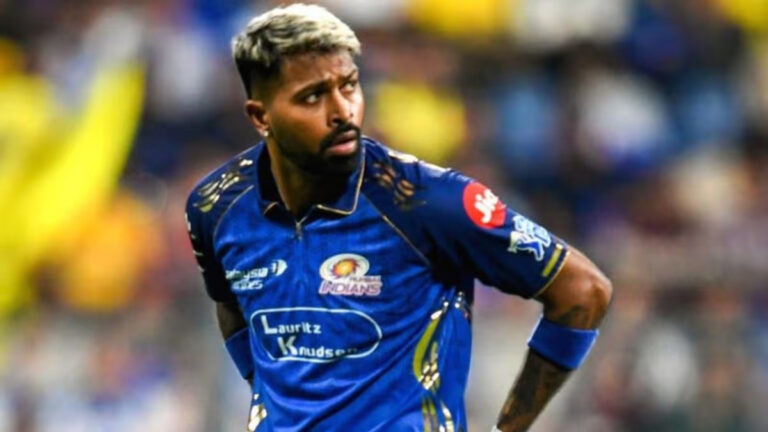
Mumbai Indians in Turmoil: Camps Divided Under Hardik

0

New Delhi, May 30, 2026: The famous “One Family” motto of Mumbai Indians (MI) has hit a rough patch. Once considered the blueprint for franchise stability and success, the five-time Indian Premier League (IPL) champions have dissolved into a hotbed of internal politics, dressing room factions, and strategic confusion. Following a disastrous IPL 2026 campaign where the heavyweights finished second from the bottom, a series of explosive reports have emerged, revealing a squad fundamentally split into two competing camps. At the heart of this storm is skipper Hardik Pandya, whose return has triggered a chain reaction that the management is now desperately struggling to contain.

The Great Divide: A Dressing Room of “Alphas”

Insiders and cricket pundits tracking the development reveal that the MI dressing room has fragmented into distinct leadership factions. The friction began ahead of the 2024 season when the management controversially brought Hardik Pandya back from Gujarat Titans and instantly handed him the captaincy, unseating Rohit Sharma—India’s highly respected multi-format leader at the time. What was meant to be a smooth succession plan has instead resulted in a cold war.

On one side stands the camp loyal to Rohit Sharma, the veteran who guided the franchise to all five of its historic titles and still commands immense respect from the senior domestic core. On the other side is Hardik Pandya, an isolated leader who has struggled to win the confidence of his peers. Former India cricketer Manoj Tiwary noted during the season that it visibly seemed “as though no one is truly standing by Hardik” on the pitch, pointing out a stark lack of on-field synergy and a visible dip in team morale.

This tension is compounded by what commentator Simon Doull described as a dressing room “full of alphas.” The current MI setup features multiple high-profile individuals who have captained India at various stages—including Rohit Sharma, T20I skipper Suryakumar Yadav, and premium pacer Jasprit Bumrah. When results started to slide, this concentration of star power transformed the dressing room from a cooperative unit into a fractured environment where different groups operate on entirely different wavelengths.

The Leak Crisis and Management’s Absolute Frustration

Beyond the tactical failures and sub-par performances, the top brass of Mumbai Indians is reportedly furious over a steady stream of dressing room “leaks.” Sensitive information, including private discussions from team meetings and strategic long-term planning regarding key players, has consistently made its way into the media space over the last few seasons.

A source tracking the franchise’s internal operations stated that while differences exist in almost every sports team, the level of division and bitterness at Mumbai Indians has reached an unusually high watermark. The hierarchy feels that the sanctity of the dressing room has been severely compromised.

Management’s immediate priority is a complete cultural reset. Insiders suggest that executive conversations will soon take place to address players who have been active on social media with cryptic emojis, as well as those perceived as “simply marking attendance” rather than showing full commitment to the badge. The franchise is determined to crack down on this indiscipline to prevent further private damage from spilling into the public domain.

Performance Slump and On-Field Fractures

The psychological strain of this internal divide was written clearly across MI’s on-field performance throughout IPL 2026. The team managed only three victories out of their first ten fixtures, effectively knocking them out of playoff contention early.

The visible body language in the dugout spoke volumes. Fans and analysts closely observed moments of friction, such as heated tactical disagreements between Hardik Pandya and Jasprit Bumrah during high-pressure death overs, alongside a stony-faced Rohit Sharma watching from the sidelines.

This lack of unity took a heavy toll on the scorecard. Pillars of the batting lineup, including Suryakumar Yadav and young prodigy Tilak Varma, suffered from uncharacteristic inconsistencies, enduring steep slumps in form that crippled MI’s middle-order engine room. To add to the chaos, Hardik’s own campaign was derailed by recurring fitness issues, culminating in a late-season bout of back spasms that saw him missing matches and, on one occasion, conspicuously failing to travel with the rest of the squad to an away fixture—igniting further rumors regarding his detachment from the group.

The Road to IPL 2027: Hardik’s Looming Exit and the Hunt for a New Leader

With the house in clear disarray, the experiment of building the franchise around Hardik Pandya appears to have run its course. Highly reliable tournament sources indicate that Pandya is mentally exhausted after enduring two turbulent seasons of relentless fan backlash, heavy booing at the Wankhede Stadium, and intense dressing-room friction. Both Pandya and the MI management have reportedly reached a mutual understanding to part ways ahead of the IPL 2027 mega auction. The all-rounder is expected to enter the trading window, with franchises like Delhi Capitals and Kolkata Knight Riders already floating around as potential destinations.

This imminent departure forces Mumbai Indians to hit the ultimate reset button. The management must now decide who will steer the ship into the next multi-year auction cycle, with four major options on the table:

  • Rohit Sharma: The safest short-term option to stabilize a rocking ship and restore immediate locker-room harmony, though long-term rebuilding would still be delayed.
  • Suryakumar Yadav: India’s current T20I captain offers ready-made leadership credentials and deep roots within MI’s tactical ecosystem.
  • Jasprit Bumrah: A world-class performer who commands total player respect and recently made his captaincy debut for the franchise, though his workload as a premium fast bowler remains a key variable.
  • Tilak Varma: Supported by several senior figures as a visionary choice, the 23-year-old represents a long-term investment around whom a fresh, post-crisis identity can be built.

Ultimately, the internal turmoil since Hardik Pandya’s return has exposed deep structural fault lines within Mumbai Indians. To regain their status as a premier cricketing powerhouse, the hierarchy must look beyond individual star power and focus on rebuilding the cohesive, disciplined culture that once defined their golden era.

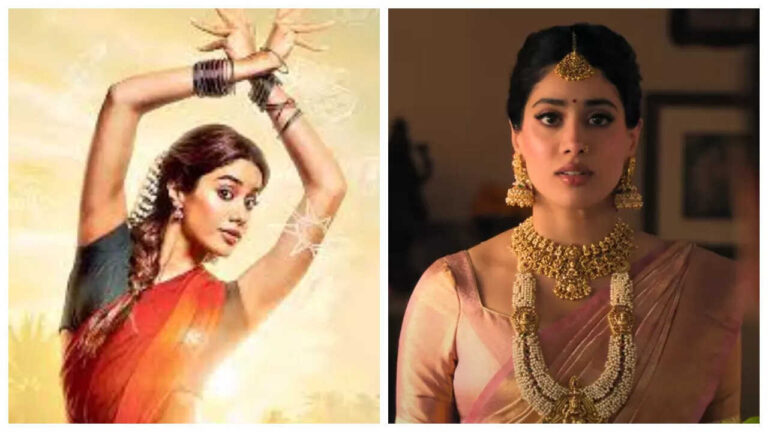
No More Malayalam: Janhvi Kapoor Opens Up About Her Linguistic Challenges After “Param Sundari”

New Delhi, May 30, 2026: Bollywood actress Janhvi Kapoor has officially drawn the line when it comes to experimenting with regional languages on the silver screen. In a recent, candid conversation with the media, the actress opened up about her professional journey across various film industries. While discussing her recent experiences, Janhvi made a surprising confession that quickly caught the attention of fans and film enthusiasts alike: she has decided to step away from Malayalam cinema, calling the language far too difficult to master.

The actress, who has been aggressively expanding her horizons outside of Hindi cinema, revealed that she does not see herself taking on a Malayalam-language role anytime soon. Despite her immense respect for the industry and the cultural richness of Kerala, the sheer complexity of the language proved to be a hurdle she is not willing to leap over again. For Janhvi, the decision marks a realistic boundary in her quest to become a truly multilingual star.

The Turning Point with “Param Sundari”

The roots of Janhvi’s linguistic realization trace back to her work on the film Param Sundari, which hit screens earlier. In the movie, Janhvi played a character named Thekkepattu Sundari Damodharan Pillai, a woman with deep Malayali roots. Because her character was eventually written as half-Malayali and half-Tamil to accommodate her speaking style, Janhvi had to deliver heavy Malayalam dialogues.

Following the project’s release, social media platforms were flooded with mixed reactions. While her dedicated fan base applauded her effort to try something entirely outside her comfort zone, a significant section of the audience—particularly native Malayalam speakers—criticized her accent and dialogue delivery. Internet memes and gentle trolling highlighted how tough it is for someone raised in a non-Malayali environment to capture the specific phonetics and unique rhythm of the language.

Reflecting on that high-pressure experience, Janhvi didn’t mince words about the difficulty of the task. “I don’t think I should attempt Malayalam again, because it’s too difficult for me,” she admitted honestly. She went on to show her appreciation for the language, adding, “For me, it’s such a beautiful, sweet language. But the pronunciation and flow are incredibly complex.”

Familiarity vs. Friction in the Southern Industries

Interestingly, Janhvi’s struggles with Malayalam stand in stark contrast to her comfort levels with other major languages of South India. The actress pointed out that her ears have always been much more attuned to Tamil and Telugu, making her transition into those industries significantly smoother.

Janhvi credits this comfort to her upbringing and her lineage. Being the daughter of the legendary late actress Sridevi, who dominated Tamil and Telugu cinema for decades before becoming a national icon, Janhvi grew up exposed to those sounds. She noted that she is “phonetically quite familiar” with both languages, which makes memorizing lines and delivering them with the right emotion feel less like an exhausting academic exercise and more like an artistic adaptation.

This familiarity has directly translated into box-office opportunities. Janhvi made a massive splash in Telugu cinema with Devara: Part 1, sharing the screen with global star NTR Jr. The film went on to become one of the highest-grossing projects of her career, and her performance as Thangam was warmly received by the Telugu audience. Following that massive success, she locked in her second major Telugu film, Peddi, directed by Buchi Babu Sana and co-starring mega-power star Ram Charan.

Why Malayalam is a Unique Challenge for Outsiders

Janhvi’s admission isn’t particularly shocking to anyone familiar with Indian linguistics. Malayalam is widely recognized as one of the most structurally and phonetically complex languages in the country. It features unique retroflex consonants (sounds produced with the tongue curled back against the roof of the mouth) and complex consonant clusters that are incredibly tough for non-native speakers to articulate without years of practice.

In contrast to Bollywood, where sync-sound or distinct dubbing can sometimes mask a leading actor’s linguistic shortcomings, the Malayalam film industry—commonly known as Mollywood—is celebrated globally for its rigid commitment to realism and raw, grounded storytelling. Audiences in Kerala are highly sensitive to authenticity. If a character is supposed to be local, a misplaced syllable or a forced accent instantly breaks the immersion of the story. Janhvi’s decision to step back shows a mature recognition of this cultural standard; rather than delivering a half-hearted phonetic performance, she prefers to leave those roles to native speakers who can do them complete justice.

Shifting Focus to Telugu and Tamil Cinema

With Malayalam permanently off the table, Janhvi is redirecting all of her South Indian cinematic ambitions toward the Telugu (Tollywood) and Tamil (Kollywood) industries. She is currently knee-deep in promotional campaigns for Peddi, where she portrays a vibrant female lead named Achiyamma. The film is designed as a high-octane sports action drama set in the heart of rural Andhra Pradesh, tracking a story of community unification through sports.

Working on Peddi alongside an ensemble cast that includes Shiva Rajkumar, Boman Irani, and Jagapathi Babu has allowed Janhvi to truly enjoy her time on set without the crushing anxiety of an unfamiliar accent. “I’m really enjoying working in Telugu films. I’d love to explore Tamil films as well,” she expressed, signaling that her southern journey is far from over—it is simply becoming more focused.

Balancing Bollywood and Regional Ambitions

While her ventures into the South dominate recent headlines, Janhvi maintains a steady and prominent footprint in mainstream Hindi cinema. Since her debut with Dhadak in 2018, she has consciously chosen diverse, performance-driven roles, earning critical nods for films like Gunjan Sexena: The Kargil Girl and Homebound.

Her career trajectory shows a young actress trying to strike a balance between commercial, star-studded blockbusters and independent, character-driven narratives. By drawing a clear line at Malayalam, Janhvi is practicing a form of career curation that many contemporary actors avoid. Acknowledging one’s professional limitations is a sign of artistic maturity. Instead of overextending herself across every single regional market for the sake of a “pan-India” label, she is doubling down on areas where she can truly excel, connect with the audience, and deliver authentic performances.

Vivo X300 FE vs OnePlus 15R: Which One Should You Buy in 2026?

New Delhi, May 30, 2026: The premium smartphone landscape of 2026 has evolved into a fascinating battleground. No longer are buyers forced to spend top-tier flagship money to get elite performance, massive batteries, and stunning displays. This shift is perfectly exemplified by two of the most talked-about devices of the year: the Vivo X300 FE and the OnePlus 15R.

While Vivo launched its X300 FE (Fan Edition) as a compact, photography-forward power player priced at ₹79,999, OnePlus took a drastically different approach with the 15R. Positioned as a performance and endurance juggernaut, the OnePlus 15R enters the ring with a much more aggressive starting price of ₹54,999. If you are standing in a retail store or scrolling through e-commerce platforms trying to decide where to invest your hard-earned money, this comprehensive comparison will help you choose the perfect device for your needs.

Design and Display: A Matter of Size and Philosophy

The immediate difference you will notice when holding these two devices is their physical footprint. Vivo has fully embraced the compact flagship trend with the X300 FE. It sports a modest 6.31-inch AMOLED display and weighs a remarkably light 190 grams. This makes it an absolute joy for one-handed usage, slipping easily into any pocket. Vivo didn’t skimp on materials either, giving the device a premium glass and glass-fiber build with a robust IP68/IP69 water and dust resistance rating. The screen itself is a beautiful 1.5K LTPO panel, meaning it can dynamically adjust its refresh rate up to 120Hz to preserve battery life while maintaining perfect fluid motion.

The OnePlus 15R goes in the exact opposite direction. Built for those who believe bigger is better, it features a massive 6.83-inch AMOLED display. It is a heavier phone at 218 grams, which gives it a substantial, commanding feel in the hand. OnePlus has geared this screen directly toward gamers and multimedia consumers by equipping it with a blistering 165Hz maximum refresh rate. Visually, fast-paced games look smoother on the 15R than almost any other phone on the market. However, it is worth noting that OnePlus chose a standard LTPS display over an LTPO panel for the 15R. While it looks breathtakingly sharp and bright, it cannot scale down its refresh rate as aggressively as the Vivo when displaying static text.

Performance and Software: The Battle of Chipsets

Under the hood, both manufacturers have packed cutting-edge 3nm silicon, but they have placed their bets on different chip suppliers. The Vivo X300 FE is powered by MediaTek’s new flagship Dimensity 9500 processor, coupled with 12GB or 16GB of LPDDR5X Ultra RAM. Vivo’s tuning focuses heavily on sustained, daily efficiency and conservative thermal management. In day-to-day tasks—like jumping between work apps, editing short videos, and scrolling through social feeds—the X300 FE is butter-smooth and rarely gets warm.

On the other side, the OnePlus 15R targets pure, unadulterated power. It runs on Qualcomm’s Snapdragon 8 Gen 5 mobile platform, utilizing the hyper-fast Oryon CPU architecture. OnePlus has paired this chip with up to 16GB of RAM and massive vapor-chamber cooling. If your primary goal is high-end mobile gaming—running heavy titles at maxed-out graphic settings for hours on end—the OnePlus 15R is the undisputed king in this price bracket. It maintains peak frame rates with cooler chassis temperatures than the Vivo, making it a dream device for enthusiast gamers.

On the software front, both devices run on Android 16 out of the box. Vivo utilizes its highly visual and customizable OriginOS 6, which offers deep widget integration and slick animations. OnePlus counters with OxygenOS 16, keeping its signature clean, bloat-free, and hyper-fast aesthetic. Choosing between the two comes down to whether you prefer Vivo’s feature-rich customization or OnePlus’s streamlined, lightweight interface.

Cameras: Zeiss Optics vs. Everyday Practicality

If photography dictates your smartphone purchasing decisions, the scale tips dramatically toward Vivo. The X300 FE inherits Vivo’s legendary camera-first DNA, co-engineered with Zeiss optics. It sports a mind-boggling 200MP primary sensor with a gimbal-style optical image stabilization (OIS) system, a 50MP ultrawide camera, and a dedicated 50MP Sony LYT-602 telephoto lens capable of 3x optical zoom. The photographic output is stunning. Photos captured on the X300 FE boast magnificent dynamic range, incredible detail retention, and natural colors. Furthermore, the Zeiss Multifocal Portrait mode makes it arguably the best phone of 2026 for taking pictures of people, handling low-light edge detection with DSLR-like accuracy.

The OnePlus 15R treats cameras as an important utility rather than a headline feature. It dials back to a more conservative dual-camera array featuring a 50MP main shooter and an 8MP ultra-wide lens, leaving out a dedicated telephoto zoom lens. The main 50MP sensor does an excellent job in daylight, delivering sharp, social-media-ready images with good contrast. It can also shoot high-quality 4K video at up to 120fps. However, when it comes to long-range zoom shots, ultra-wide clarity, and advanced night photography, the OnePlus 15R simply cannot match the versatile, pro-grade optics of the Vivo X300 FE.

Battery Life and Charging: Giant vs. Standard

Battery endurance is an area where 2026 smartphones have made massive leaps forward, primarily due to silicon-carbon battery technology. Despite its small, compact chassis, Vivo managed to fit a 6,040mAh battery inside the X300 FE. It easily powers through a standard workday and supports incredibly fast 90W wired charging alongside convenient 40W wireless charging.

Yet, because the OnePlus 15R is physically larger, it leverages its spacious interior to house a truly monumental 7,400mAh battery. The battery life on the 15R is nothing short of legendary. Even under heavy gaming workloads, data tethering, and maximum brightness, the OnePlus 15R refuses to die, easily delivering a two-day battery life for moderate users. When you do eventually run out of juice, the box includes an 80W SuperVOOC fast charger to get you back up and running in under an hour. The only major feature missing here is wireless charging, which OnePlus omitted to keep the price down.

The Verdict: Which One Fits Your Pocket?

Ultimately, the choice between the Vivo X300 FE and the OnePlus 15R boils down to your budget and what you value most in a daily companion.

Buy the Vivo X300 FE if: You want a true, uncompromising premium experience in a pocket-friendly size. If mobile photography is your absolute passion, the Zeiss-tuned 200MP camera system, superior portrait modes, and versatile optical zoom easily justify the higher ₹79,999 price tag. Add in the convenience of wireless charging and premium IP69 protection, and you have a complete luxury package.

Buy the OnePlus 15R if: You want the absolute best value for your money. At ₹54,999, it undercuts the Vivo by a massive margin while offering a vastly superior 165Hz display for gaming, a class-leading 7,400mAh battery that seems to last forever, and raw Snapdragon 8 Gen 5 performance. If you can live without a telephoto zoom lens and wireless charging, the OnePlus 15R is the smartest financial purchase of 2026.

ICMAI CMA June 2026 Admit Card Soon; Check Foundation, Inter, & Final Exam Dates Here

New Delhi, May 30, 2026: The Institute of Cost Accountants of India (ICMAI) is expected to release the admit cards for the upcoming Certified Management Accountant (CMA) June 2026 examinations at any moment. Thousands of candidates across India who registered for the Foundation, Intermediate, and Final level courses are awaiting the release of their digital hall tickets. According to current indicators from the institute, the download links will be live on the official ICMAI student portal, allowing candidates to finalize their exam arrangements.

The upcoming examination session represents a crucial milestone for students pursuing a career in management accounting. The exams will be conducted under the updated Syllabus 2022 framework, ensuring that students are tested on modern financial regulations, corporate strategy, and advanced data analytics. Because a physical copy of the hall ticket is a mandatory requirement for entering the examination hall, candidates are advised to keep their registration credentials ready to access the download portal immediately upon release.

ICMAI CMA June 2026 Examination Schedule

The comprehensive time table for all three tiers of the CMA program has been structured to prevent overlaps while maintaining separate shift timings for different levels. The Intermediate and Final examinations are scheduled to run concurrently over an eight-day window from June 11 to June 18, 2026. Meanwhile, the Foundation examination will be completed entirely in a single day on June 14, 2026, through multiple-choice papers divided into morning and afternoon sessions.

CMA Foundation Exam Timings (June 14, 2026)

The Foundation course serves as the entry gate to the professional program. To accommodate all four core papers within a single day, ICMAI has split the schedule into two distinct blocks. Candidates will face two papers in the morning, followed by a brief recess, and the remaining two papers in the afternoon.

CMA Intermediate Subject-Wise Schedule

The Intermediate course marks the second tier of the professional qualification, evaluating candidates on procedural laws, complex taxation systems, and data operations. To provide a balance between analytical and theoretical subjects, ICMAI alternate papers daily. All Intermediate level exams are scheduled to take place in the afternoon shift, running daily from 2:00 PM to 5:00 PM.

  • June 11, 2026 (Thursday): Paper 5 – Business Laws and Ethics
  • June 12, 2026 (Friday): Paper 9 – Operations Management and Strategic Management
  • June 13, 2026 (Saturday): Paper 6 – Financial Accounting
  • June 14, 2026 (Sunday): Paper 10 – Corporate Accounting and Auditing
  • June 15, 2026 (Monday): Paper 7 – Direct and Indirect Taxation
  • June 16, 2026 (Tuesday): Paper 11 – Financial Management and Business Data Analytics
  • June 17, 2026 (Wednesday): Paper 8 – Cost Accounting
  • June 18, 2026 (Thursday): Paper 12 – Management Accounting

CMA Final Subject-Wise Schedule

The Final course is the culminating stage of the CMA program, focusing on strategic implementation, global taxation rules, and independent audit techniques. The Final exams demand an advanced level of synthesis and decision-making capabilities. These professional papers are scheduled for the morning shift, conducting tests daily from 10:00 AM to 1:00 PM.

  • June 11, 2026 (Thursday): Paper 13 – Corporate and Economic Laws
  • June 12, 2026 (Friday): Paper 17 – Cost and Management Audit
  • June 13, 2026 (Saturday): Paper 14 – Strategic Financial Management
  • June 14, 2026 (Sunday): Paper 18 – Corporate Financial Reporting
  • June 15, 2026 (Monday): Paper 15 – Direct Tax Laws and International Taxation
  • June 16, 2026 (Tuesday): Paper 19 – Indirect Tax Laws and Practice
  • June 17, 2026 (Wednesday): Paper 16 – Strategic Cost Management
  • June 18, 2026 (Thursday): Paper 20 – Elective Papers (Candidates select one option from the following list):
    • Paper 20A: Strategic Performance Management and Business Valuation
    • Paper 20B: Risk Management in Banking and Insurance
    • Paper 20C: Entrepreneurship and Start up

How to Download Your CMA June 2026 Admit Card

To ensure a smooth download process and avoid last-minute technological bottlenecks, candidates must follow a structured series of steps on the official web infrastructure. ICMAI hosts the admit cards online, and physical copies are not sent via postal mail or courier services.

1.Access the Official Student Portal:Step 1.

Open your web browser and navigate directly to the official Institute website at icmai.in. Look for the “Students” tab on the main navigation bar, which houses all examination-related activities.

2.Locate the Examination and Admit Card Portal:Step 2.

From the student drop-down menu, click on the “Examination” link. This will redirect you to the specialized examination server where active notifications are hosted. Select the specific hyperlink designated for the “Admit Card for June 2026 Term of Examinations”.

3.Select Your Academic Level:Step 3.

You will be presented with a dropdown menu option. Carefully select your current course level: Foundation, Intermediate, or Final. Choosing the wrong level will result in login failures.

4.Enter Login Credentials:Step 4.

Input your unique 17-digit CMA Registration Number into the required text box. Double-check the numerals to ensure accuracy, as input errors are a frequent cause for access denials. Click on the “Print Admit Card” or “Submit” option.

5.Verify, Save, and Print:Step 5.

Your digital hall ticket will appear on screen. Thoroughly review all personal information before downloading. Save a backup digital copy as a PDF on your device, and take a minimum of two clear, legible physical printouts on clean white paper for use on your scheduled test dates.

Crucial Verification Details and Discrepancy Reporting

Once the admit card is saved, students should immediately check for errors rather than waiting until the week of the exam. Discrepancies in vital details can lead to unexpected verification challenges at the test centers.

Candidates are strongly advised to inspect the following elements:

  • Personal Identity Data: Ensure your full legal name matches the identification documents you plan to present at the center. Check that your photograph is sharp and recognizable, and that your digital signature file is cleanly rendered.
  • Registration Credentials: Verify that your 17-digit registration number and roll number are accurately printed without character cuts.
  • Examination Center Location: Check the exact name, building number, and complete postal address of the assigned testing center. Research the venue location in advance to plan travel times.
  • Syllabus & Group Selection: Confirm that the printed syllabus reads “Syllabus 2022” and that the testing groups (Group I, Group II, or both for Intermediate/Final) match the options selected during your initial form submission.

Strict Rules and Protocol for the Examination Center

To maintain academic integrity across all nationwide centers, ICMAI implements rigid compliance codes for exam days. Failing to follow these regulations can lead to a formal cancellation of your registration.

Mandatory Documents For Entry

Candidates must display a printed paper copy of their June 2026 admit card to pass security checkpoints. Digital copies stored on smartphones or tablet devices will not be accepted by gatekeepers. Alongside the admit card, you must carry your official ICMAI student identity card. If your student ID card has not yet been processed or contains a faded photo, you must supply a government-issued photo identity proof, such as an Aadhaar Card, PAN Card, Voter ID, or a valid Passport.

Timing and Dress Standards

Candidates must report to their assigned centers at least 60 minutes prior to the official paper commencement time. The doors will lock precisely at the scheduled start time, and late arrivals will be barred from entry. Additionally, candidates are urged to dress in clear, simple attire that avoids excessive pockets or bulky layered elements to help expedite security screening at the entry gates.

Permitted Items inside the Hall

Students are permitted to bring basic writing materials, including blue or black ballpoint pens, pencils, and erasers. Since many management accounting topics require mathematical computations, students can use a non-programmable, standard electronic calculator. Devices featuring advanced text storage capabilities, algebraic display matrix systems, or wireless communication networks are strictly forbidden.

Banned Materials and Electronic Devices

All forms of mobile electronics, smartwatches, fitness tracking bands, Bluetooth headphones, and electronic tablets are completely banned inside the testing hall. Bringing written notes, loose paper fragments, textbook pages, or carrying specialized pencil cases with printed text formulas is strictly prohibited. Possession of any banned item inside the hall, regardless of whether it is active or powered down, will be classified as an act of academic malpractice.

Strategic Advice for Final Revision Preparation

With only a short window remaining before the first papers launch on June 11, candidates should transition away from studying new theoretical concepts and pivot toward reinforcing their current knowledge base.

  • Solve Mock Test Papers (MTPs): Working through recent ICMAI mock exams under timed conditions can help you build realistic pacing strategies. This approach trains your mind to manage time effectively, ensuring you do not run out of time during long case studies.
  • Review Revision Summaries: Allocate dedicated study blocks to look over short summaries, quick formula sheets, and key legal provisions. Focusing on high-yield cost accounting steps and statutory tax amendments from recent cycles can maximize your point potential.
  • Prioritize Health and Stress Control: Maintaining a balanced sleep schedule and staying well-hydrated is essential for keeping your concentration high during three-hour testing blocks. Avoid long overnight study sessions right before the exam, as sleep deprivation can significantly slow down your analytical processing speed.

Additional Student Reference Material

For an expert breakdown of the official announcement and helpful study guidance from leading instructors, you can view the ICMAI June 2026 Official Date Sheet Overview. This video commentary details important deadlines and timeline strategies to keep in mind as you plan your final study sprint.


Tiffany Trump Visits Delhi’s Akshardham Temple, Calls It ‘Incredible’

0

NEW DELHI, May 30, 2026 — In a major highlight of her ongoing private tour of India, US President Donald Trump’s daughter, Tiffany Trump, accompanied by her husband Michael Boulos, visited the world-famous BAPS Swaminarayan Akshardham Temple in the national capital. Stepping into the magnificent spiritual-cultural complex, Tiffany was visibly awed by the grand architecture and serene atmosphere, later taking to social media to describe her experience as an “incredible visit.”

The high-profile visit underscores the global appeal of the Akshardham Temple, which stands as a monumental symbol of ancient Indian art, values, and architectural heritage. The temple administration warmly welcomed the American delegation, ensuring they experienced the full depth of traditional Indian hospitality.

A Warm, Traditional Welcome

Upon arriving at the sprawling Akshardham complex, Tiffany Trump and Michael Boulos were greeted in a traditional Indian manner by the senior volunteers and administrators of the BAPS Swaminarayan Sanstha. Following Indian customs, the couple was honored with floral garlands and received a traditional welcome mark (tilak) on their foreheads, setting a deeply respectful and culturally immersive tone for the rest of their visit.

The temple authorities expressed their delight at hosting the dignitaries. Taking to the official Akshardham Temple account on X (formerly Twitter), they shared:

The newly appointed US Ambassador to India, Sergio Gor, also extended a warm welcome to the couple online, celebrating their arrival in the country and highlighting the significance of the cultural exchange.

Marveling at the Architecture and Spirituality

During their extensive tour of the complex, Tiffany and her companions spent significant time admiring the main temple monument, which is crafted entirely from pink sandstone and Italian Carrara marble. The structure is renowned for its intricate carvings depicting ancient Indian flora, fauna, dancers, and musicians, all constructed without the use of structural steel or iron.

The delegation was guided through the historical narratives etched into the stone, which showcase the rich spiritual legacy of India. According to sources close to the development, the visitors were particularly captivated by the Gajendra Pith—the lower plinth of the temple featuring life-sized stone elephants that symbolize peace, power, and divine protection.

The serene, meditative ambiance of the inner sanctum provided a moment of quiet reflection for the guests. Observers noted that Tiffany showed a deep interest in understanding the concepts of peace, universal harmony, and selfless service that form the bedrock of the BAPS philosophy.

High Security and Diplomatic Coordination

Although the trip is strictly a private vacation for the family, the presence of the US President’s daughter required immaculate security planning. The local police and Indian central security agencies worked in close coordination with American security protocol teams to establish a robust multi-layered security grid around the temple premises during the visit.

The area was thoroughly monitored to allow the high-profile guests to explore the vast complex freely without compromising their safety, balancing strict diplomatic safety protocols with the peaceful openness of the spiritual center.

From Delhi to the City of Taj: What’s Next?

Tiffany Trump, the fourth child of President Donald Trump and an alumnus of Georgetown University Law Center, is making the most of her cultural exploration in India. Her visit follows a pattern of high-level US figures exploring the country’s heritage sites, coming shortly after US Vice President JD Vance and his family also paid their respects at the same temple.

The journey does not stop in Delhi. Following her unforgettable experience at Akshardham, Tiffany Trump and her husband are scheduled to fly out of the national capital via a special chartered aircraft to Agra. Sources indicate that she will spend Sunday morning exploring the iconic Taj Mahal, taking in the historical beauty of the world-wonder for about ninety minutes. From Agra, the couple’s itinerary points toward the historic desert landscapes of Jaisalmer, Rajasthan, ensuring a diverse and deeply enriching taste of India’s spectacular heritage.

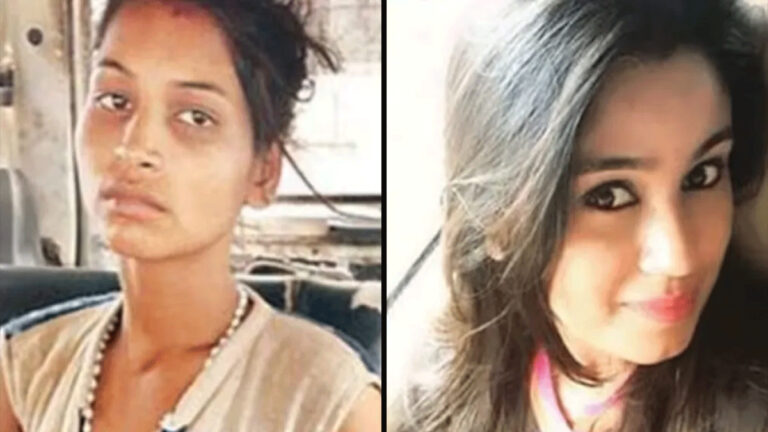
From Spotlight to Sidewalks: The Mitali Sharma Story

New Delhi, May 30, 2026: The glitz and glamour of show business often mask a harsh, unpredictable reality. While the spotlight elevates a chosen few to monumental fame, the descent into obscurity can be both rapid and unforgiving. The heartbreaking narrative of former regional film actress Mitali Sharma remains one of the most poignant cautionary tales of Mumbai’s entertainment industry. Her journey from being a sought-after face in regional cinema to being found destitute on the streets underscores the fragile nature of fame, the lack of institutional safety nets for artists, and the pressing need for systemic mental health support.

From the Spotlight to the Sidewalks

Originally hailing from Delhi, Mitali Sharma harbored deep-reaching aspirations of making it big in the entertainment world. Driven by her passion, she chose to pursue her dreams against the wishes of her family, eventually moving to Mumbai to establish herself as an actress. Her early endeavors showed significant promise. She secured modeling contracts and successfully entered the regional film industry, notably acting in Bhojpuri films where she began gaining traction and attention from local directors and producers.

However, the entertainment industry is notoriously volatile. After an initial wave of success, a string of box office failures stalled her momentum. In an industry where a person is often only as successful as their last project, the job offers rapidly dwindled. The financial strain of maintaining a life in Mumbai without a steady income quickly mounted. Compounding her professional struggles was a profound sense of isolation. Having broken ties with her family to pursue her career, she lacked a familial support system to lean on during her darkest professional hours.

The Sudden Descent and Arrest

The compounding pressures of unemployment, severe financial distress, and absolute isolation took a devastating toll on Mitali’s mental health. Sinking deep into depression and suffering from a severe mental breakdown, she disappeared from the fringes of the industry.

Years later, her reality had transformed dramatically. Passersby and local authorities in Mumbai’s affluent Lokhandwala and Oshiwara neighborhoods reported seeing a young woman begging for food and wandering the streets in a highly disheveled and visibly disoriented state. The shocking contrast between her past as an aspiring star and her present reality came to a head when she was caught attempting to break into a vehicle to steal items.

When the Oshiwara police arrived at the scene, the situation escalated. Suffering from acute mental distress, Mitali exhibited aggressive behavior, reportedly biting and assaulting the female police officers who tried to intervene and restrain her. It was only after she was taken into custody that authorities piece together her identity, realizing that the destitute woman before them was once an actress with a promising future.

Institutional Intervention and Rehabilitation

Recognizing that her actions were the direct result of a profound mental health crisis rather than criminal intent, the Mumbai Police shifted their approach from law enforcement to humanitarian rescue. After undergoing a preliminary medical evaluation, she was moved under court orders to a mental health facility in Thane for immediate psychiatric care and long-term rehabilitation.

Psychiatrists treating her noted that her condition was exacerbated by a complete lack of human connection. The emotional trauma of sudden career failure, combined with the guilt and loneliness of being estranged from her family, had pushed her into a state of psychosis. During her initial time at the facility, she remained highly unresponsive, refusing food and requiring continuous medical supervision.

Where Things Stand Today

The tragic trajectory of Mitali Sharma routinely resurfaces in discussions surrounding the darker side of show business. While her initial rescue made national headlines, her subsequent path to recovery has been kept strictly confidential to protect her privacy and dignity.

Medical professionals and social workers involved in similar high-profile destitution cases emphasize that rehabilitation from severe mental breakdowns is a slow, multi-year process. True recovery requires stable medical treatment, occupational therapy, and, most importantly, social reintegration. Unfortunately, case updates indicate that her immediate family has remained detached, meaning her recovery has relied entirely on state medical facilities and non-governmental organizations (NGOs) specializing in mental health advocacy.

Her story is far from isolated. The Indian film industry has witnessed several such tragic falls from grace—from Parveen Babi’s isolated battle with schizophrenia to former model Geetanjali Nagpal, who was similarly discovered begging on the streets of Delhi in the mid-2000s.

Mitali Sharma’s story serves as a stark reminder that behind the flashing cameras and red carpets lies a high-stakes ecosystem that can easily break those who fall through its cracks. It highlights the critical importance of de-stigmatizing mental health struggles and calls upon entertainment guilds and associations to establish robust support systems for artists navigating the precarious highs and lows of creative professions.

Reel vs. Real: The Style Over Substance of Antony Varghese’ Kattalan

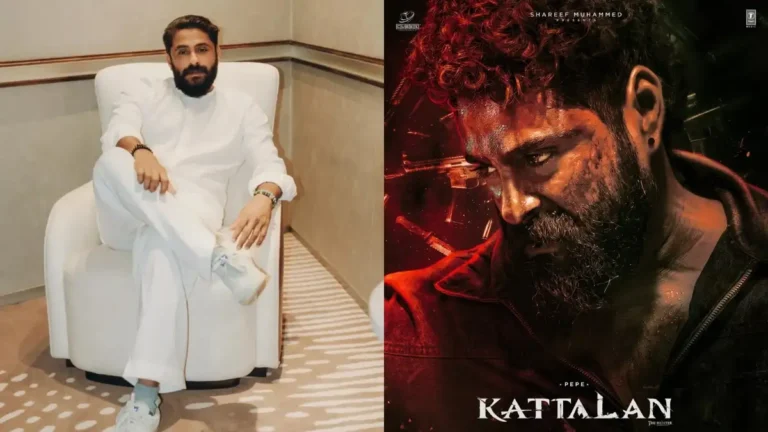
New Delhi, May 30, 2026: The landscape of regional Indian cinema—particularly Malayalam cinema—has undergone an aggressive transformation. Driven by the explosive democratization of high-definition smartphone cameras and social media, a new aesthetic has trickled upward from our phone screens straight into multi-crore film productions. This cultural collision takes center stage in the critical reception of Kattalan, the latest high-octane actioner starring Antony Varghese, affectionately known to his fanbase as “Pepe.” While the film arrives with the promise of bone-crunching choreography and the raw, unhinged energy that catapulted Varghese to stardom in landmark movies like Angamaly Diaries and RDX, the final product has sparked an intense debate among critics and casual moviegoers alike. The consensus forming around Kattalan points to a frustrating trend in modern commercial filmmaking: an enterprise where structural storytelling is sacrificed at the altar of bite-sized, algorithm-friendly aesthetic moments, ultimately making the film feel less like a cohesive cinematic achievement and more like a loose compilation of social media reels.

The Rise of the “Algorithm Aesthetic”

To understand the core criticism surrounding Kattalan, one must look at how the visual vocabulary of short-form content has hijacked feature-length scripts. For the past few years, social media platforms have conditioned audiences and creators to prioritize rapid validation—instant hook, brief escalation, and a stylized payoff, all packaged within a 30-to-60-second window. When this logic is applied directly to a two-hour theatrical release, the traditional architecture of cinema begins to fracture.

Critics observing Kattalan point out that the film completely bypasses organic world-building. Instead of anchoring Antony Varghese’s character within a carefully textured narrative universe, the movie functions as a delivery mechanism for isolated “mass” moments. A standard narrative scene—whether it is a family interaction or a romantic subplot—feels like mere filler text designed to occupy space until the next high-speed camera setup kicks in. This episodic, highly fragmented pacing mirrors the exact sensation of scrolling through an infinite video feed. The moment one flashy sequence ends, the next begins with minimal connective tissue, treating the audience’s attention span not as something to be nurtured through emotional investment, but as something to be perpetually startled by sudden spikes of audio and kinetic movement.

Characterization Cut Short

This algorithmic approach proves catastrophic for the film’s character arcs and emotional resonance. Antony Varghese has long established himself as an actor capable of projecting fierce, localized vulnerability—he excels at playing the hot-headed neighborhood youth caught in circumstances far larger than himself. However, Kattalan strips away the psychological nuances that made his early roles so magnetic. Here, his character is introduced not with a distinct personality, but with an assortment of visual tics, costume changes, and curated slow-motion walks designed specifically to look spectacular in a vertical smartphone format.

The supporting cast fares even worse. Characters appear and disappear with the jarring abruptness of a guest cameo in an online sketch. Antagonists are presented with thunderous background scores and menacing close-ups, yet they lack any real ideological threat or narrative weight; they exist solely to be spectacular punching bags in the next choreographed sequence. Because the script refuses to slow down and allow its characters to breathe, converse, or exhibit genuine human frailty, the stakes remain incredibly low. When a protagonist undergoes a personal tragedy or scores a massive victory, the emotional payoff falls flat because the film has not spent the necessary narrative currency to make the audience care. It is a cinematic landscape made entirely of peaks with no valleys, leaving the viewers overstimulated but emotionally starved.

Technical Prowess vs. Cohesive Direction

From a purely technical perspective, Kattalan cannot be accused of being cheap or poorly made. The cinematography is razor-sharp, boasting vibrant color grading, complex camera tracking shots, and heavily stylized lighting that rivals international action standard. The stunt choreography is executed with relentless precision, utilizing the raw physical prowess that Varghese is famous for. Yet, it is precisely this technical polish that highlights the film’s underlying vacuum.

The direction consistently prioritizes individual frames over the collective flow of the scene. Fight sequences are broken up by aggressive hyper-editing, sudden speed-ramping (switching from normal speed to extreme slow-motion within a split second), and thunderous sound design meant to manufacture an artificial sense of hype. While these techniques are wildly effective when viewed as isolated clips on a digital feed, their continuous application over a feature runtime becomes exhausting. The cinematic eye requires rhythm; it needs a balance of wide composition to establish space and tight editing to convey chaos. Kattalan operates exclusively in tight, hyper-stylized bursts, disorienting the viewer and stripping the action of its geographical context. You rarely understand where characters are standing in relation to one another, transforming what should be an immersive action experience into an abstract exercise in stunt coordination.

The Wider Crisis in Commercial Cinema

The critique that Kattalan is merely “reels disguised as a movie” speaks to a much wider structural crisis gripping contemporary mass-entertainment cinema across various industries. Writers and directors are increasingly drafting scripts with one eye on the box office and the other on post-release digital marketing trends. Scenes are explicitly written to generate “viral audio loops” or trend-worthy dance steps, turning the theatre into a mere testing ground for content meant to achieve longevity on personal devices.

While this strategy might guarantee short-term digital engagement and healthy streaming metrics, it severely damages the intrinsic value of the theatrical experience. Cinema’s greatest strength lies in its ability to lock an audience in a dark room and sweep them away into a sustained, immersive reality. When a film constantly winks at the digital ecosystem outside the theater doors—structuring itself around moments meant to be clipped, cropped, and shared on social media—it betrays its own medium.

Final Thoughts: A Missed Opportunity for Pepe

Ultimately, Kattalan serves as a cautionary tale of what happens when a movie prioritizes style entirely over substance. Antony Varghese remains an incredibly charismatic screen presence, and his dedication to high-intensity physical performance is as undeniable as ever. He possesses the rare, authentic grit required to anchor great action cinema. However, he is severely let down by a directorial vision that treats him as a digital content creator rather than a cinematic leading man.

For an action film to truly stand the test of time, the flying fists must be backed by a beating heart. Kattalan forgets that the most memorable action sequences in film history are celebrated because of why the characters are fighting, not just how stylish they look while doing it. As regional cinema continues to navigate the pressures of the digital age, one can only hope that creators realize a great film cannot be built out of temporary internet trends. Until then, projects like Kattalan will remain flashy, transient spectacles—perfectly engineered to capture a few seconds of a user’s attention span, but entirely unequipped to hold a lasting place in their memory.

Tamil Cinema Mourns: Actor Ajith Kumar, Mother, Mohini Mani, Passes Away at 85

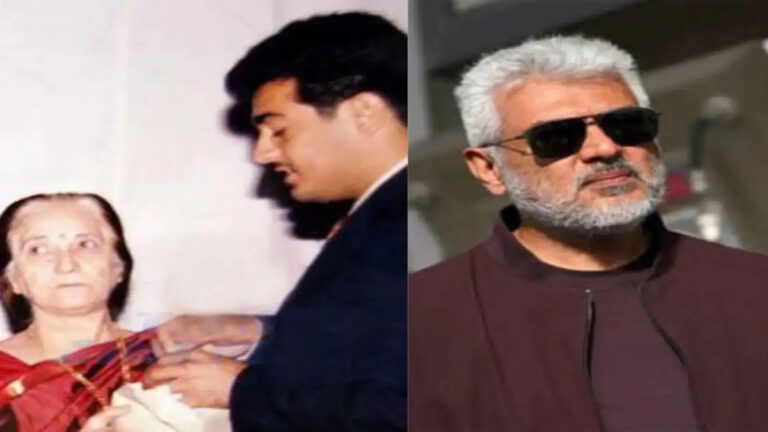
New Delhi, May 30, 2026: The Tamil film industry and millions of fans across the country are in deep mourning following the sad news from Chennai. Mohini Mani, the mother of mega-star Ajith Kumar, passed away on Saturday, May 30, 2026, at the age of 85. She had been battling health complications tied to old age for a long period.

Her passing marks a profoundly personal loss for Ajith Kumar and his family. It comes just about three years after the death of Ajith’s father, P. Subramaniam (famously known as PS Mani), who also passed away at the age of 85 in March 2023. As news of her demise spread, a massive wave of grief and support swept across social media, with prominent actors, politicians, and fans standing firmly behind the grieving actor.

The Cause of Death and Final Moments

According to official medical reports and family confirmations, Mohini Mani passed away due to age-related health issues. She had been experiencing a gradual decline in her physical health and was under specialized medical care at her residence in the Palavakkam area of Chennai. Despite continuous medical attention, she breathed her last early on Saturday morning.

At the exact time of her passing, Ajith Kumar was away in Dubai for his professional commitments. The moment he received the tragic news, the actor immediately canceled his schedules and boarded a flight back to Chennai. He rushed home to stand by his family, handle the final arrangements, and grieve alongside his loved ones.

The funeral and last rites are scheduled to take place in Chennai. It is expected to be an intimate event attended by family members, close friends, and several key figures from the South Indian film industry who wish to pay their ultimate respects.

The Strong Pillar Behind a Superstar

While Mohini Mani chose to stay entirely out of the public spotlight and media glamour, her impact on her son’s life was immense. Born into a Sindhi family in Kolkata, West Bengal, she later married P. Subramaniam, a Tamil Palakkad Iyer from Kerala. Together, they raised their children in a multicultural household, teaching them values of humility, hard work, and resilience.

Those close to Ajith Kumar have frequently spoken about how heavily his mother influenced his personality. Despite scaling the heights of massive box-office stardom and earning the affectionate nickname “Thala” from millions of loyal fans, Ajith has always been known for his incredibly grounded nature and quiet philanthropy. Friends of the family note that this quiet dignity and grace were traits he directly inherited from his mother.

Kamal Haasan, Leaders, and the Film Fraternity Pay Tribute

As soon as the news broke, the entire Kollywood fraternity and several top political leaders came forward to share their heartbreak and extend their deepest condolences to the family.

DMK chief and former Tamil Nadu Chief Minister MK Stalin also put out a moving tribute, highlighting the deep pain of losing a mother. He wrote:

Prominent political figures like BJP leader K. Annamalai also joined in offering words of comfort, noting that the loss of a mother brings immense sorrow and praying for her soul to find eternal peace.

Veteran actress Radhikaa Sarathkumar expressed her sadness online, offering sincere prayers for the family to find the mental strength and peace needed to navigate this incredibly challenging phase of life.

A Wave of Love from Fans Worldwide

For Ajith Kumar’s massive and fiercely loyal fan base, this loss feels deeply personal. Over the last two decades, Ajith’s fans have celebrated his professional victories and stood by him through severe physical injuries and personal trials. The news of his mother’s death triggered an immediate, overwhelming response online.

Fans flooded platforms like X (formerly Twitter), Instagram, and Facebook with emotional tributes, old family photos, and messages of solidarity. Millions of digital posts carrying prayers for Mohini Mani’s soul transformed into a collective wall of emotional support for the actor. Many fan clubs released statements emphasizing that they stand shoulder-to-shoulder with their favorite star during this dark hour, assuring him that he is not alone in his grief.

A Quiet Legacy of Compassion

Beyond her immediate role within the family, Mohini Mani’s values continue to live on through the charitable actions she inspired. Ajith Kumar has quietly operated a family foundation that focuses heavily on essential social causes, including public welfare, hygiene awareness, civic responsibility, and medical aid for the underprivileged.

The foundation has always served as a quiet, lasting testament to the strong bond between the actor and his mother, reflecting the core principles of charity and quiet service that she instilled in her household.

Losing both parents within a span of three years is a devastating emotional blow for anyone. As Ajith Kumar returns to Chennai to bid a final goodbye to his mother, the entire film industry, political circles, and millions of well-wishers stand united in grief, hoping the family finds the strength to endure this profound loss.